No matter how much we might not want to admit it, unconscious biases influence a vast majority of our decisions. This is due to the fact that our brains can consciously process 40 pieces of information per second, while we unconsciously process 11 million pieces. So, in order to keep up with all of the stimuli around us, we create mental shortcuts that ostensibly make decision-making easier. Unfortunately, many of these shortcuts do more harm than good. A Yale study found that when given the choice between two similar candidates, one from each sex, college faculty preferred hiring male candidates who they perceived to be more competent and worthy of commanding higher salaries. It didn’t matter whether faculty members were male or female; all were biased against women applicants.
Implicit biases or implicit stereotypes are the pre-reflective attributions of particular qualities by an individual to a member of some social out groups. They are thought to be shaped by experience and based on learned associations between particular qualities and social categories, including race and/or gender. Individuals’ perceptions and behaviours can be influenced by the implicit stereotypes they hold, even if they are sometimes unaware, they hold such stereotypes.
Unconscious or implicit bias is an aspect of implicit social cognition, the phenomenon that perceptions, attitudes, and stereotypes can operate prior to conscious intention or endorsement. This bias was first defined by psychologists Mahzarin Banaji and Anthony Greenwald in 1995 and its existence is supported by a variety of scientific articles in psychological literature.
Unconscious biases are thought to be the product of associations learned through past experiences and can be activated by the environment and operate prior to a person’s intentional, conscious endorsement. For example, a person may unwittingly form a bias towards people of a certain race or country because of an unpleasant experience in the past, but the source of association may be misidentified, or even unknown. Here, the unconscious bias may manifest itself as someone being rude to a person of that race or country without actually understanding the reason behind the response. Unconscious bias can persist even when an individual rejects the bias explicitly. These biases can be both positive and negative, and influence the vast majority of our decisions by affecting our behaviour.
Unconscious bias offers a new explanation for why, despite equalities apparently being enshrined in law, society still looks so unfair. Many studies have confirmed the power of racial biases to shape everyday decisions in almost every aspect of life. Neuroscientists have uncovered brain regions involved in racial and gender stereotyping and shown that such stereotypes begin to form early in childhood. Recent work found that the brain responds more strongly to information about ethnic groups who are portrayed unfavourably, suggesting that the negative depiction of minorities in the media can fuel bias. Scientists believe that stereotypes in general serve a purpose because clustering people into groups with expected traits help us navigate the world without being overwhelmed by information. The downside is that the potential for prejudice is hard-wired into human cognition. The evidence is overwhelming that unconscious bias seeps into decisions that affect recruitment, access to healthcare and outcomes in criminal justice in ways that can disadvantage people from ethnic minorities. However, at the individual level, the extent to which such biases are internalised and acted on varies widely and in complex ways. Life experience, such as dating outside your racial group or having a boss from a minority group, can strongly protect against holding negative stereotypes. And there is dispute about the extent to which such biases are truly unconscious.
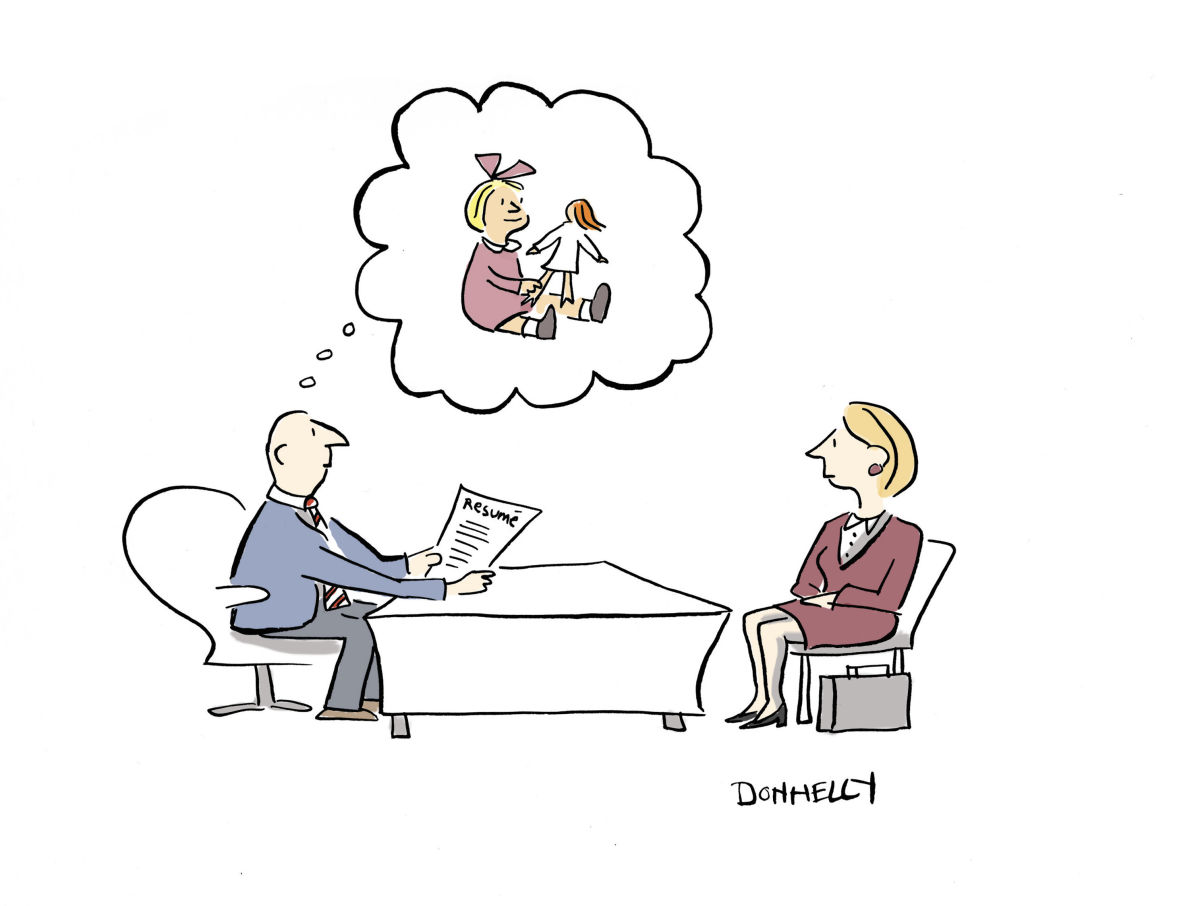
There are many kinds of unconscious biases we use in our daily lives. Some of the common biases we encounter commonly include the gender bias which is more prevalent in office culture than one may like to admit and occurs when certain traits such as assertiveness or confidence are seen as negative in one gender, and positive in another. A negative gender bias usually leans to the side of women, which can cause the female employees of an office to feel less appreciated and less engaged. Companies that are influenced by gender bias can miss out on many opportunities because of this. The horn or halo effect is one of the most common examples of unconscious bias and occurs when someone’s performance or character is generalised based on just one trait or event. If the trait is a positive one, it’s called the halo effect, and if it’s a negative one, it’s called the horn effect. The similarity bias essentially states that we like working with people similar to us. This could be graduates from specific schools, people who have worked at certain companies, and more. A less common example of unconscious bias, the right-hand bias refers to aspects of the workplace being designed specifically for right-handed people. A well-known example of this was when YouTube first launched the video-upload feature for their app, 5-10% of videos were uploaded upside down. They had failed to take into account that left-handed people would hold their phones differently than right-handed people. This bias can make life more difficult for some people. Another common example of unconscious bias is confirmation bias which exists not only at work, but in everyday life as well. Confirmation bias occurs when we make a decision about something, then actively look for information that supports that decision, while also overlooking any opposing facts and viewpoints. Age bias occurs when assigning tasks to people based on their age. A common example would be a tech-heavy project – the unconscious bias may cause a manager to assume that a younger person would be more apt to handle this job as opposed to an older one. In this case, assuming ones experience or proficiency is based entirely on an opinion that isn’t backed up on fact is a perfect example of unconscious bias. After all, many older people are technologically savvy, so it would be unfair to assume they wouldn’t be right for the job.
If unconscious biases aren’t kept in check, organisations and the employees that power them might let these biases influence their decisions in a way that holds them back. These biases do not have to be permanent and while it is impossible to completely eradicate these biases, we can take steps to reduce the chance that our decisions are less influenced by these biases. So, what can we do to counter these biases, especially in a work environment?
Learn what unconscious biases are. The first step of limiting the impact unconscious biases have is making sure everyone is aware that they exist. Assess which biases are most likely to affect you as an individual by taking tests like the Harvard’s Implicit Association Test to figure out which individual perceptions are most likely to be governed by unconscious biases. Armed with that information, one can take proactive steps to address them on a personal basis. Figure out where biases are likely to affect the organisation as biases tend to affect who gets hired, promoted, get raises and who gets what kind of work, among other things. By knowing where bias is most likely to creep in, management can take steps to ensure that biases are considered when important decisions are made in those areas. In order to make sure that unconscious biases don’t adversely impact hiring decisions, some big changes with respect to hiring would need to be made. Have diversity especially in upper management to have more minority voices so that everyone is represented and multiple viewpoints and voices heard. Encourage employees to speak up about biases because the more people are involved in a decision and the more transparent the decision-making process is, the less likely an organisation will be to be affected by unconscious biases. Creating a culture that encourages open dialogue will go a long way in making sure that when employees realise a decision might have been influenced by unconscious biases, they won’t be afraid to speak up and set the record straight. Hold employees accountable because actions speak louder than words. While someone should not be punished for making a decision influenced by unconscious biases, a track should be kept if such decisions are being made because of such biases. If data reveals bias, someone may need to intervene.
There are. If they aren’t addressed, they can be detrimental to a company. By recognizing them and actively working towards reducing their impact, you can ensure unconscious biases don’t negatively affect your decisions.
All of us are affected by unconscious biases and there are many examples of unconscious bias prevalent in the workplace. The sooner this reality is realised and proactive steps taken to actively working towards reducing their impact and overcome the biases, individuals and organisations become stronger and don’t let such unconscious biases negatively affect decisions.
So which unconscious bias are you guilty of harbouring? I’d love to hear in the comments.





 Memories and Such