In My Hands Today…

The Black Swan: The Impact of the Highly Improbable – Nassim Nicholas Taleb

A black swan is a highly improbable event with three principal characteristics: It is unpredictable; it carries a massive impact; and, after the fact, we concoct an explanation that makes it appear less random, and more predictable than it was.

The astonishing success of Google was a black swan; so was 9/11. For Nassim Nicholas Taleb, black swans underlie almost everything about our world, from the rise of religions to events in our own personal lives.

Why do we not acknowledge the phenomenon of black swans until after they occur? Part of the answer, according to Taleb, is that humans are hardwired to learn specifics when they should be focused on generalities.

We concentrate on things we already know and time and time again fail to take into consideration what we don’t know. We are, therefore, unable to truly estimate opportunities, too vulnerable to the impulse to simplify, narrate, and categorize, and not open enough to rewarding those who can imagine the “impossible.”

For years, Taleb has studied how we fool ourselves into thinking we know more than we actually do. We restrict our thinking to the irrelevant and inconsequential, while large events continue to surprise us and shape our world. Now, in this revelatory book, Taleb explains everything we know about what we don’t know. He offers surprisingly simple tricks for dealing with black swans and benefiting from them.

Elegant, startling, and universal in its applications The Black Swan will change the way you look at the world. Taleb is a vastly entertaining writer, with wit, irreverence, and unusual stories to tell. He has a polymathic command of subjects ranging from cognitive science to business to probability theory.

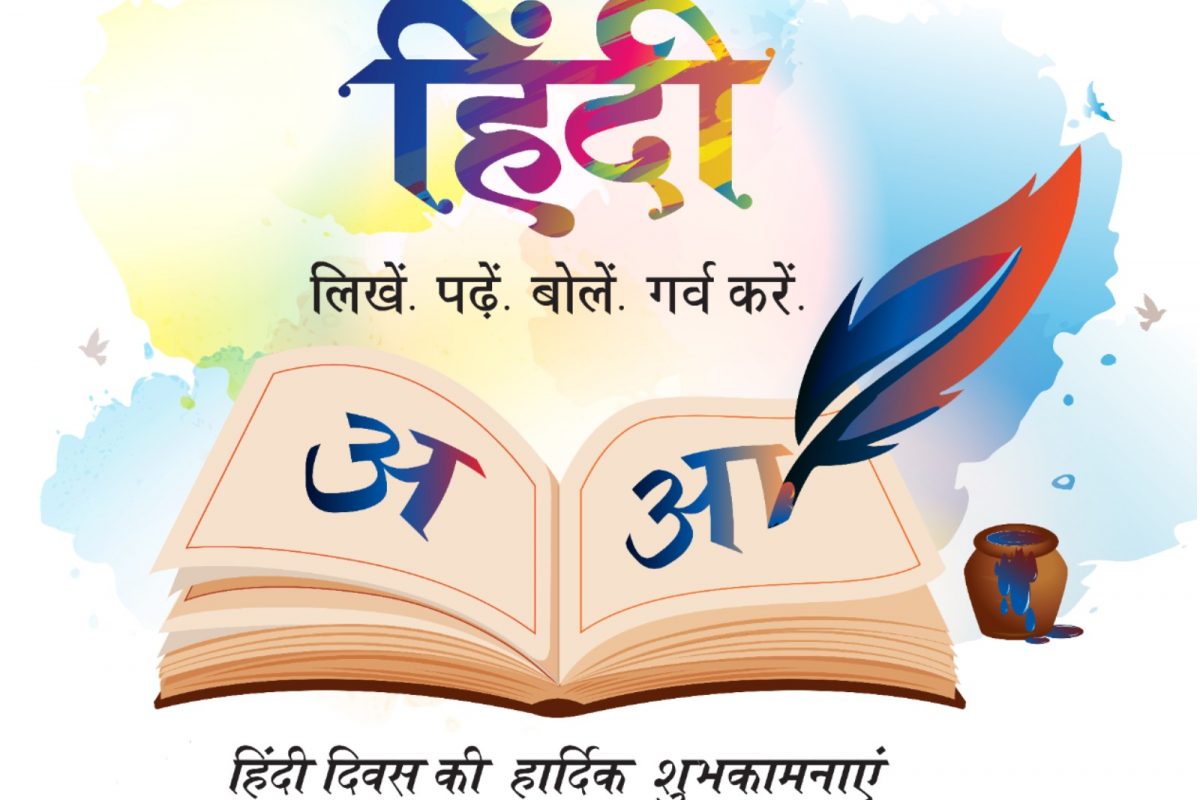
Hindi Diwas

Every year Hindi Diwas or Hindi Day is celebrated in India to commemorate the date on which a compromise was reached, during the drafting of the Constitution of India, on the languages that were to have official status in the Republic of India on 14 September 1949. The compromise, usually called the Munshi-Ayyangar formula, after the drafting committee members, K. M. Munshi and N. Gopalaswami Ayyangar, was voted by the Constituent Assembly of India after three years of debate between two opposing camps. The Hindi protagonists wanted Hindi, written in the devanagari script, to be the sole national language of India while the delegates from South India preferred English to have a place in the Constitution. The Munshi-Ayyangar formula declared Hindi to be the official language of India’s federal government and that English to be an associate official language for 15 years during which Hindi’s formal lexicon would be developed and the international form of the Hindu-Arabic numerals to be the official numerals. The compromise resolution became articles 343–351 of India’s constitution, which went into effect on 26 January 1950. In 1965, when the 15 years were up, the Government of India announced that English would continue to be the de facto formal language of India.

The first Prime Minister of the country, Pandit Jawaharlal Nehru, decided to celebrate Hindi Diwas on September 14. One of the reasons behind celebrating this day is to prevent the increasing trend of the English language in the nation and the neglect of Hindi. Mahatma Gandhi called Hindi the language of the masses and also spoke about making Hindi the national language of the nation and first floated the idea in 1918 during the Hindi Sahitya Sammelan. The Constitution of India recognises Hindi as an official language under Article 343. Officially, the first Hindi Day was celebrated on September 14, 1953. The reason behind adopting Hindi as one of the official languages was to simplify administration in a nation with multiple languages.

To mark Hindi Diwas, the entire week starting from 14 September to 21 September is celebrated as Rajbhasha or State Language Week. Many literary and cultural events are organised on this day across the nation, wherein people celebrate the great works of Hindi literature. The Rajbhasha Kirti Puraskar and the Rajbhasha Gaurav Puraskar awards are also given to ministries, departments, public sector units, nationalised banks and citizens on Hindi Diwas for their contribution and promotion of Hindi. Many schools and colleges organise various literary and cultural programmes, as well as competitions to showcase the importance of the day and raise awareness about the language. The President of India honours people for their contributions to the language at a function held in Delhi’s Vigyan Bhawan.

Hindi Diwas also marks the birth anniversary of Beohar Rajendra Simha, an acclaimed Indian scholar, historian, theologian, littérateur, polyglot, Hindi-stalwart, Sanskritist, Ramayana-authority, Sarvodaya-activist, Gandhian and, to a lesser extent, a journalist and a politician. On his 50th birthday, Hindi was adopted as the official language.

Today, in India alone, according to the 2011 census, 43.6% of speakers identify Hindi as their mother tongue. An Indo-Aryan language that is spoken chiefly in the Hindi Belt region encompassing parts of northern, central, eastern, and western India, Hindi has been described as a standardised and Sanskritised register of the Hindustani language, which itself is based primarily on the Khariboli dialect of Delhi and neighbouring areas of North India. Hindi, written in the Devanagari script, is one of the two official languages of the Government of India, along with English. It is an official language in 9 states and 3 union territories and an additional official language in 3 other states as well as one of the 22 scheduled languages of the country. Apart from the script and formal vocabulary, standard Hindi is mutually intelligible with Standard Urdu, another recognised register of Hindustani as both share a common colloquial base. Hindi is the fourth most-spoken first language in the world, after Mandarin, Spanish and English and Hindi alongside Urdu as Hindustani is the third most-spoken language in the world, after Mandarin and English. The term Hindi is a Persian word and the first poem in the language was written by the famous poet, Amir Khusro. The term Hindi in Persian roughly means the land of the Indus River or belonging to Hind as India is known as in the language.

I remember writing the Rastrabhasha exams while in school and while the first few stages aka Prarthamik and Prarambhik were relatively easy, the last stage or the Pravesh stage was tough. Though it is supposed to be an optional exam, in my school, all of us had to take the exam and get the certificate. I am not sure now, but previously if you worked in the government sector, especially the central government, you had to pass all stages to get promoted beyond a certain level. BB & GG also learnt Hindi as their Mother Tongue language and regular and old readers will know of their struggles and triumphs.

So today, read something in Hindi, watch a Bollywood movie or just speak to someone in the language to commemorate the day.

In My Hands Today…

No Logo – Naomi Klein

No Logo employs journalistic savvy and personal testament to detail the insidious practises and far-reaching effects of corporate marketing—and the powerful potential of a growing activist sect that will surely alter the course of the 21st century. First published before the World Trade Organization protests in Seattle, this is an infuriating, inspiring, and altogether pioneering work of cultural criticism that investigates money, marketing, and the anti-corporate movement.

As global corporations compete for the hearts and wallets of consumers who not only buy their products but willingly advertise them from head to toe—witness today’s schoolbooks, superstores, sporting arenas, and brand-name synergy—a new generation has begun to battle consumerism with its own best weapons. In this provocative, well-written study, a front-line report on that battle, we learn how the Nike swoosh has changed from an athletic status-symbol to a metaphor for sweatshop labor, how teenaged McDonald’s workers are risking their jobs to join the Teamsters, and how “culture jammers” utilize spray paint, computer-hacking acumen, and anti-propagandist wordplay to undercut the slogans and meanings of billboard ads (as in “Joe Chemo” for “Joe Camel”).

No Logo will challenge and enlighten students of sociology, economics, popular culture, international affairs, and marketing.

Angarak Ganesh Sankashta Chaturti

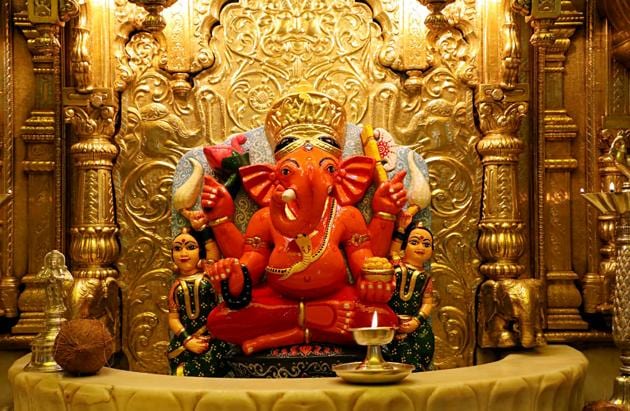
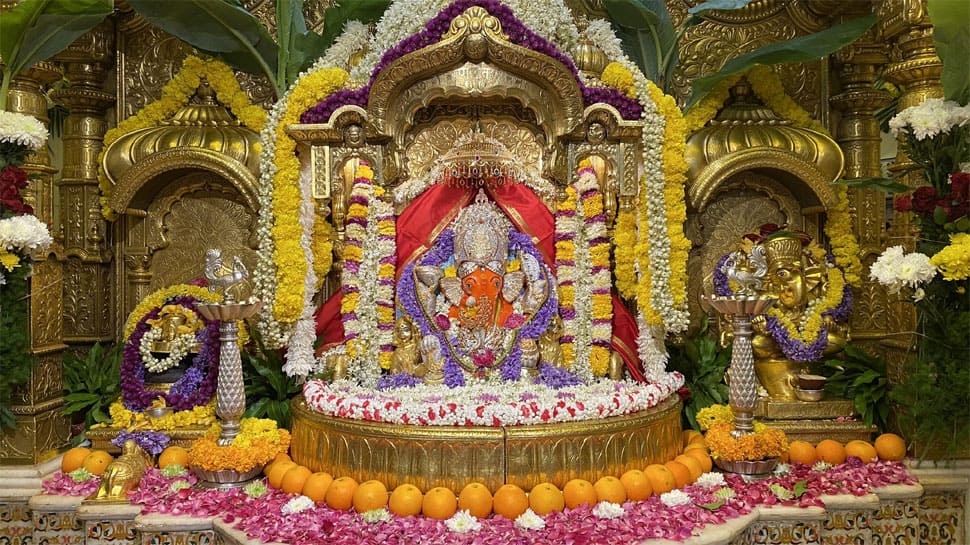
Lord Ganesh is my favourite God, my Ishtadev and I love going to his temples to seek his blessings. My favourite Ganesh temple is the Siddhi Vinayak temple in Mumbai. When I first started work, the temple was an eight to ten-minute walking distance from the office. So every Tuesday, before I went to work, I would leave home early, and go to the temple to pay my respects to the Lord before going to work. Since Tuesdays are considered to be very special to Lord Ganesh, especially in Maharashtra and so there would be a line to enter the temple. It would usually take about an hour to line up and take the darshan, so I was never too worried about going in to the office late.

But one year, my mother also wanted to go to the temple on the occasion of Angarak Ganesh Sankashti and so we decided to leave about two hours earlier. I reasoned that it usually took me an hour and since it was the Angarak Sankashti, it will take double that time and so we left home around 6 am. When we reached the temple, nay, even before we reached the temple, we saw the huge line snaking out and into the road behind the temple. We got into the line and stood and stood and stood. We stood in line for almost six hours before we finally managed to see the Lord. I was super late for work and my mum had to still go home and make lunch. But we managed it that day and it was the first and last time I stood in a line that long to see the Lord.

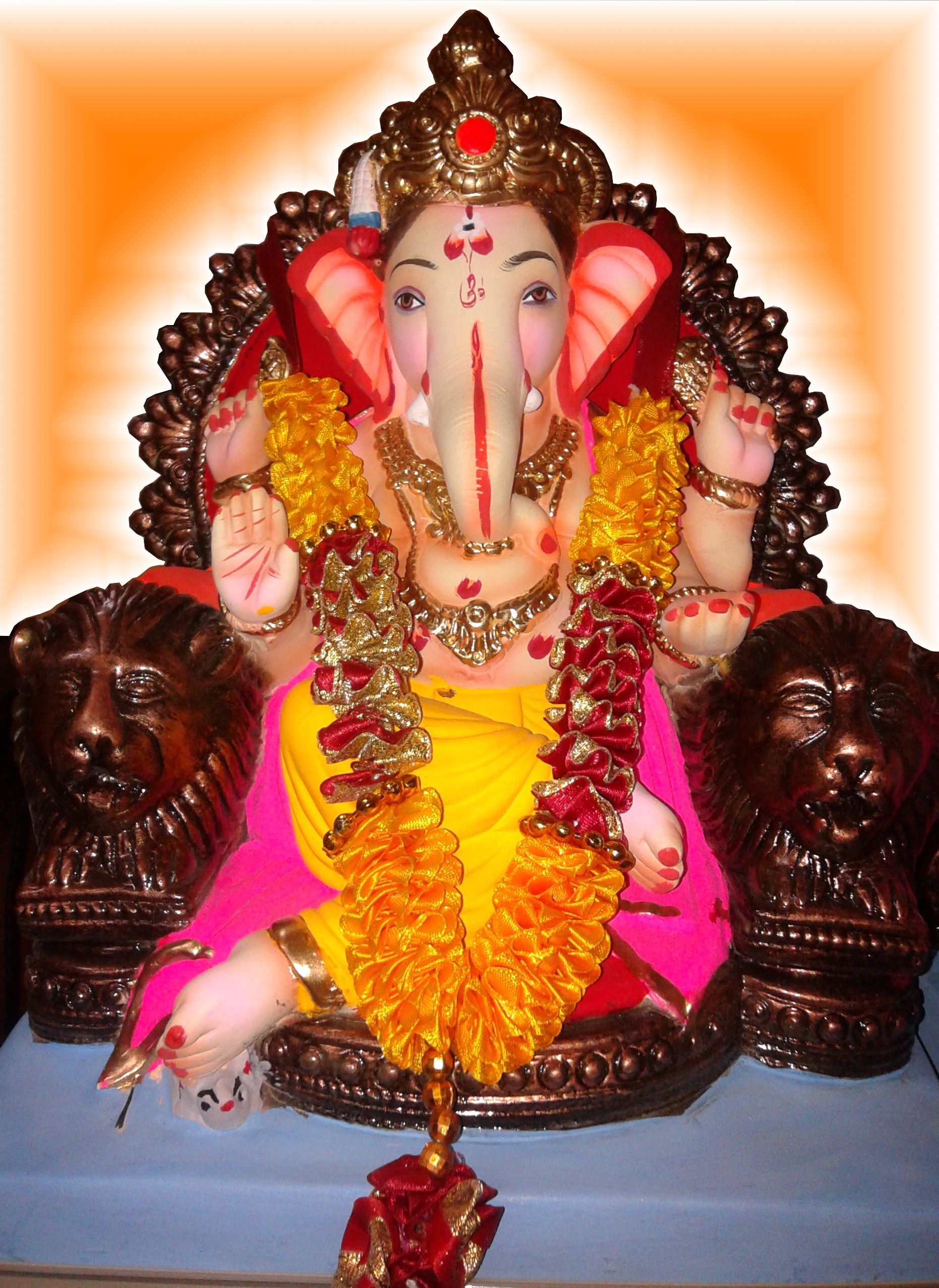
So what makes this day so special that people spend hours waiting in line just for a glimpse of the Lord’s visage? The Angarika Chaturthi is a Sankashti Chaturthi falling on Tuesday and is considered highly auspicious among all Sankashti Chaturthi days. Sankashti Chaturthi, also known as Sankatahara Chaturthi, is an auspicious day dedicated to Lord Ganesha. This day is celebrated in every lunar Hindu calendar month on the fourth day of the Krishna Paksha which is the dark lunar phase or the waning fortnight of the moon.

According to Hindu teachings, Angarak, the son of Mother Earth and Bharadwaj Rishi, was an accomplished rishi and a great devotee of Lord Ganesha. He worshipped Lord Ganesha and sought his blessings. On Magh Krishna Chaturthi which fell on a Tuesday, Lord Ganesha blessed him and asked him for a wish. Angarak expressed that his only wish was to be associated with Lord Ganesha’s name forever. The Lord granted his wish and proclaimed that whoever worships Lord Ganesha on Angarika Chaturthi will be granted all that he or she prays for. From that day onwards, Magh Krishna Chaturthi came to be known as Angarak Chaturthi. Angarak in Sanskrit means red like burning coal embers and is also so known because Tuesdays are governed by the planet Mars or Mangal in Hinduism. Tomorrow is also an Angarak Sankhasthi Chaturthi and is the second one this year, after the one on April 19.

Another story is that the planet Mars or Mangal performed intense austerities and pleased Lord Ganesha. A happy Ganpati gave the boon to the planet that whenever Chaturthi falls on Tuesday it will be known as Angaraki Chaturthi. He also promised Mangal that those performing pujas on the day will have their wishes fulfilled. Mars who had got a bad reputation for creating trouble in people’s horoscopes was happy with the blessings.

On the day of Angarika Sankashti Chaturthi, devotees observe a strict fast from morning till evening. They break the fast at night after having a darshan or the auspicious sighting of the moon, preceded by prayers and a pooja for Lord Ganesha. The Angarika Chaturthi devotees believe their wishes will be fulfilled if they pray on this auspicious day. The fast of Sankashti Chaturthi is generally started from the day of Angarika Sankashti Chaturthi. Also, Angarika Sankashti means deliverance during troubled times, hence observing this fast is believed to reduce a person’s problems, as Lord Ganesha is the remover of all obstacles and the supreme Lord of intelligence. Before moonlight, the Ganapati Atharvashesha is recited to summon the blessings of Lord Ganesha.

The Brahmavaivarat Purana states that Lord Ganesha is a manifestation of the supreme consciousness and was destined to manifest as the remover of obstacles for men and gods, and he became the God of intellect and wisdom. According to Sage Vyasa, those performing puja, prayers, japa or chanting, and charity performed on this day will be blessed with peace and prosperity. They will never face any problems as the strength of the puja performed on this day is 10 million times stronger than those performed on ordinary days. Thus the benefits too are manifold. It is widely believed by Lord Ganesha devotees that observing the vrat or fast will bring material progress, happiness, and the fulfilment of desires. There is a huge rush to temples dedicated to Lord Ganesh on Angarak Ganesh Chaturthi, especially in Maharashtra. It is believed that those suffering Mangal dosh or blight of Mars in their Kundli or horoscope will get relief after offering prayers and charity on the day. Those who have financial problems will also find solutions to their issues and find relief from debt.

I used to fast for many years on Ganesh Sankhastha Chaturthi and used to break my fast only after praying to the moon and Lord Ganesha after moonrise, but after getting diagnosed with diabetes, I stopped my fasts. After this post, I am very tempted to start fasting again and will explore if this is feasible now.

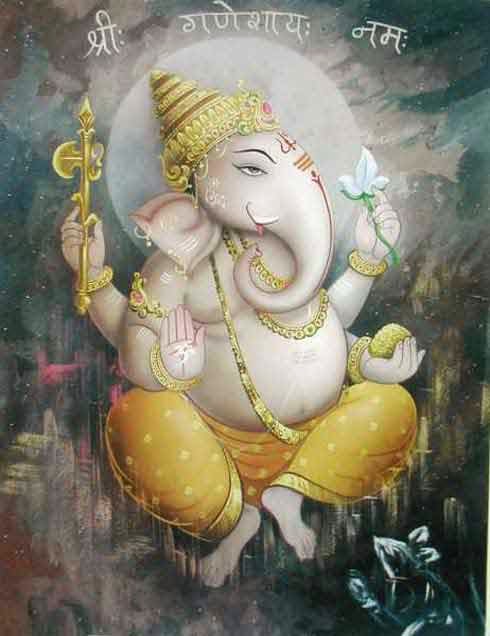
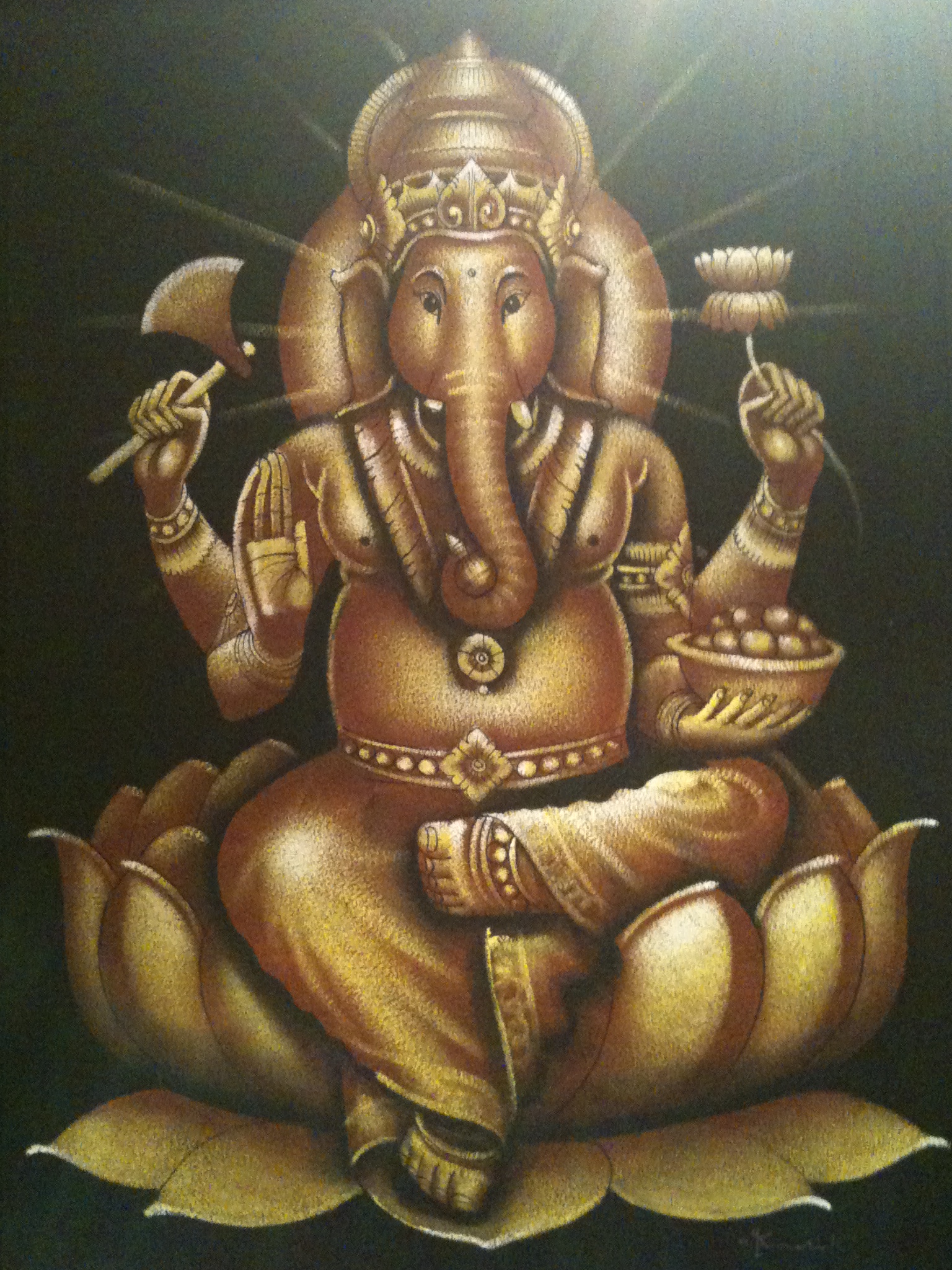
Painting of Lord Ganesh from Bali at home

Ganpati Bappa Morya, Mangal Murthy Morya!

2022 Week 36 Update

Today’s quote is attributed to the polymath known as Omar Khayyam, known for his contributions to mathematics, astronomy, philosophy, and Persian poetry. This is excellent advice for all of us. What it means is that we need to find the now and revel in it. Life is nothing more than moments and we should not waste this moment by being anything but happy and feeling the joy of this moment. And this is something that nobody can or should tell us about feeling this joy and happiness, it should come from within us.

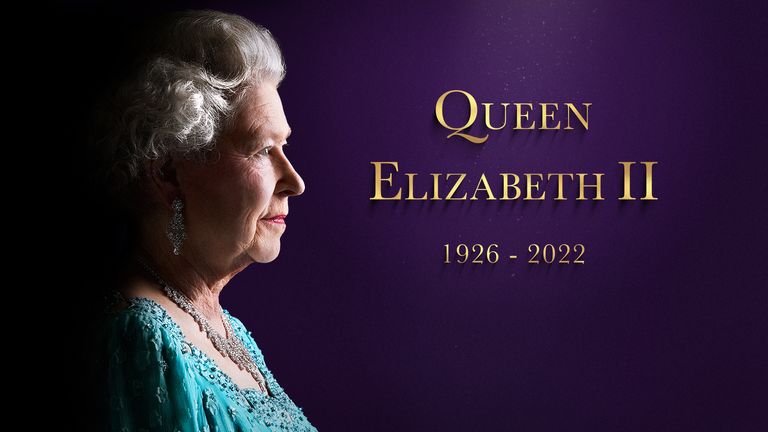
This week, the longest-reigning monarch in the world, Queen Elizabeth II passed away at the age of 96 on Thursday 08 September.  Her son took over as the new King of the United Kingdom and is to be known as King Charles III. For many generations, she was the only Queen they have known, but I guess the death of her husband, Prince Philip last year may have hastened her death because I believe that when two people love each other very much and have a long marriage together when one passes away, the other pines for them and soon has not much will to live.

BB starts his final year project tomorrow and will have to start going to school daily. When I asked him about his project, he told me something, but I didn’t understand much about it and will try and learn more about it when he has had a chance to work on it some more.

That is all from me this week. Talk soon!