In My Hands Today…

Life Reimagined: The Science, Art, and Opportunity of Midlife – Barbara Bradley Hagerty
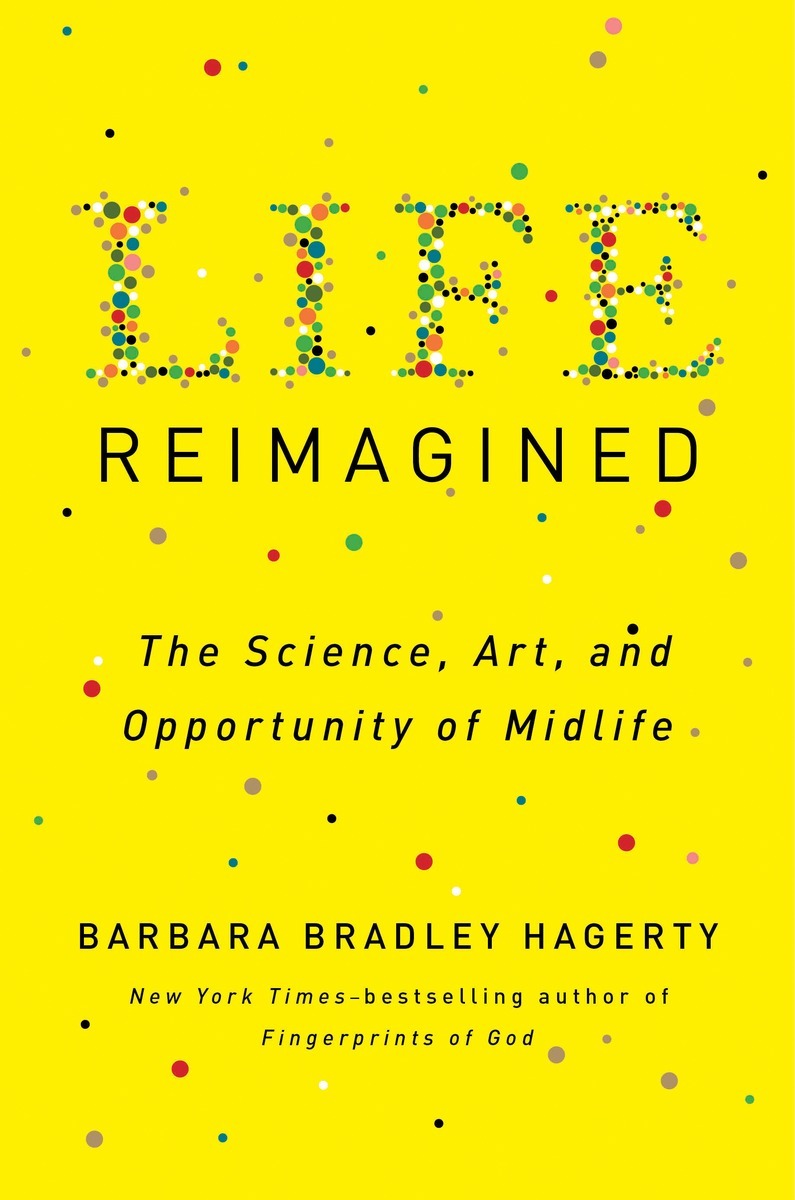
A dynamic and inspiring exploration of the new science that is redrawing the future for people in their forties, fifties, and sixties for the better—and for good.

There’s no such thing as an inevitable midlife crisis, Barbara Bradley Hagerty writes in this provocative, hopeful book. It’s a myth, an illusion. New scientific research explodes the fable that midlife is a time when things start to go downhill for everybody. In fact, midlife can be a great new adventure, when you can embrace fresh possibilities, purposes, and pleasures. In Life Reimagined , Hagerty explains that midlife is about It’s the time to renegotiate your purpose, refocus your relationships, and transform the way you think about the world and yourself. Drawing from emerging information in neurology, psychology, biology, genetics, and sociology—as well as her own story of midlife transformation—Hagerty redraws the map for people in midlife and plots a new course forward in understanding our health, our relationships, even our futures.

Poem: The Calling

A few years ago, I wrote a poem about being an avid reader and have now decided to write one from the writer’s perspective. Why do I write? Read on to know…

The Calling

The words, they beckon from within,
A siren’s song that won’t give in.
They dance and swirl, a restless tide,
Demanding that I be their guide.

This burning need, this endless ache,
To put pen to paper, thoughts to make.
To craft a world, to paint a scene,
To give these voices life, pristine.

For writing is my truest bliss,
My raison d’être, my life’s abyss.
Without this craft, this sacred art,
I’d wither, lost, with a broken heart.

The page, my canvas, waits for me,
Inviting me to set words free.
To weave a tale, to sing a song,
That carries readers along.

So I will heed this inner call,
This driving force is what drives us all.
I’ll write until my dying day,
For writing is the only way.

2024 Week 22 Update

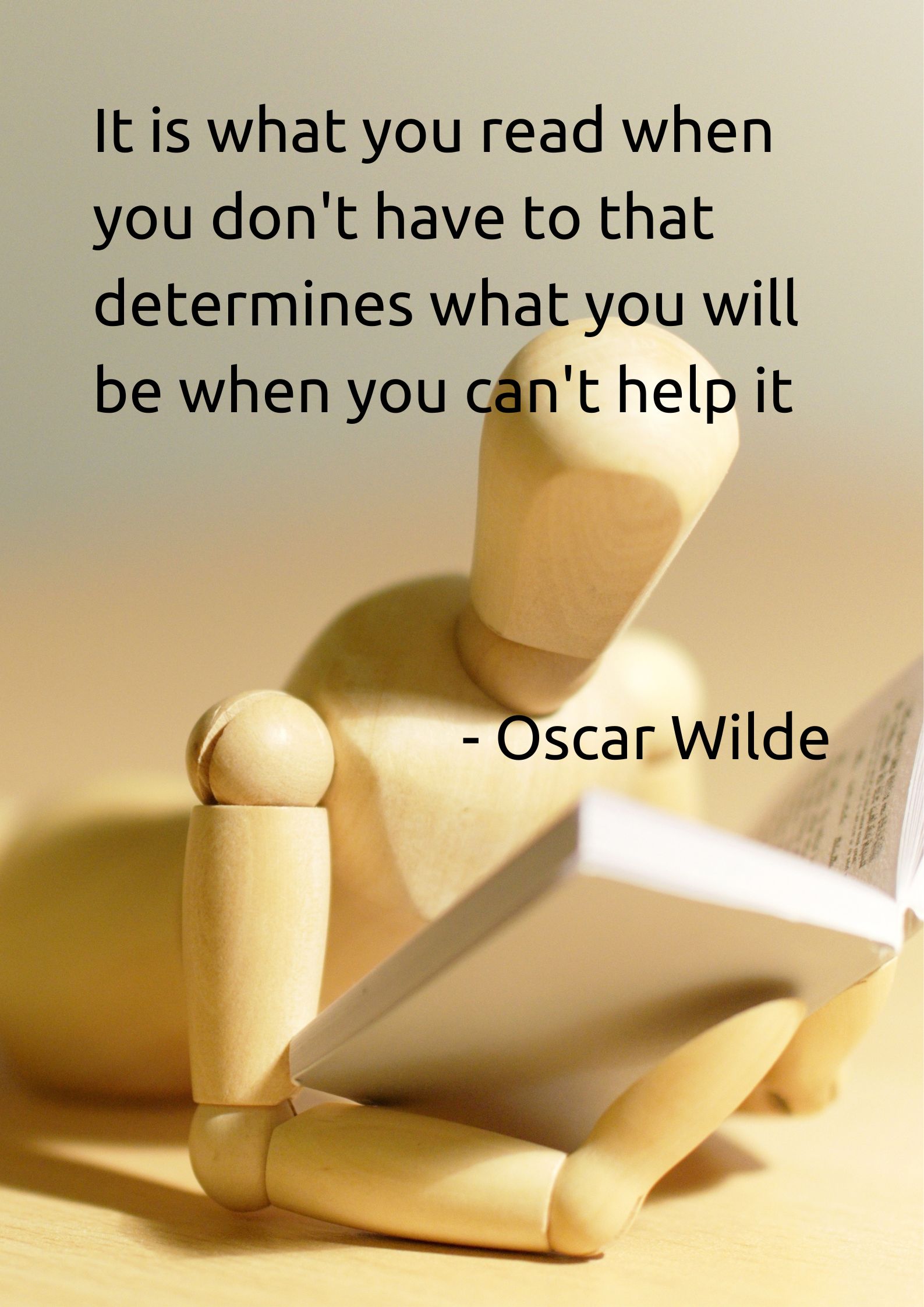
Irish playwright, poet and novelist, known for his sharp wit, flamboyant style and brilliant conversational skills, Oscar Wilde’s quote suggests that the voluntary reading we do out of personal interest and passion shapes our character and intellect more profoundly than required reading. Wilde emphasises the importance of reading out of personal choice and curiosity. This type of reading often reflects our true interests, passions, and values. The quote implies that the knowledge, ideas, and perspectives we gain from this voluntary reading have a significant impact on who we become, especially in situations where our natural tendencies and instincts come to the fore. Wilde’s words suggest that what we choose to read in our leisure time can deeply influence our beliefs, attitudes, and behaviours, ultimately shaping our identity in ways that compulsory reading might not.

S and I are still sick. My cold has gone, but there’s a bit of phlegm in the throat which is just not going away. If you have any remedies that work, please let me know.

My job search is still going on, but in the last two-plus months, I have not had a single interview call. I am still trying to be positive, but how long this will take, I don’t know.  

Life has become boring these days and in the last week, I had zero motivation to write. How the days passed is still a mystery!

And on that note, have a wonderful week people and stay positive!

In My Hands Today…

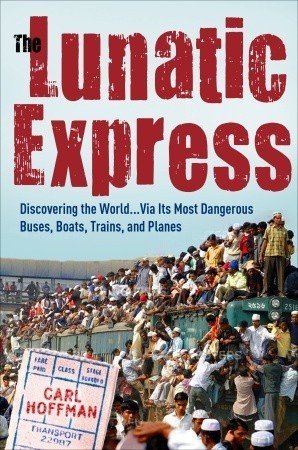
The Lunatic Express: Discovering the World… via Its Most Dangerous Buses, Boats, Trains, and Planes – Carl Hoffman

Indonesian Ferry Sinks. Peruvian Bus Plunges Off Cliff. African Train Attacked by Mobs. Whenever he picked up the newspaper, Carl Hoffman noticed those short news bulletins, which seemed about as far from the idea of tourism, travel as the pursuit of pleasure, as it was possible to get. So off he went, spending six months circumnavigating the globe on the world’s worst conveyances: the statistically most dangerous airlines, the most crowded and dangerous ferries, the slowest buses, and the most rickety trains. The Lunatic Express takes us into the heart of the world, to some its most teeming cities and remotest places: from Havana to Bogotá on the perilous Cuban Airways. Lima to the Amazon on crowded night buses where the road is a washed-out track. Across Indonesia and Bangladesh by overcrowded ferries that kill 1,000 passengers a year. On commuter trains in Mumbai so crowded that dozens perish daily, across Afghanistan as the Taliban closes in, and, scariest of all, Los Angeles to Washington, D.C., by Greyhound.

The Lunatic Express is the story of traveling with seatmates and deckmates who have left home without American Express cards on conveyances that don’t take Visa, and seldom take you anywhere you’d want to go. But it’s also the story of traveling as it used to be — a sometimes harrowing trial, of finding adventure in a modern, rapidly urbanizing world and the generosity of poor strangers, from ear cleaners to urban bus drivers to itinerant roughnecks, who make up most of the world’s population. More than just an adventure story, The Lunatic Express is a funny, harrowing and insightful look at the world as it is, a planet full of hundreds of millions of people, mostly poor, on the move and seeking their fortunes.