2026 Week 33 Update

This was a short week because of the National Day long weekend giving us an extra day away from the usual routine. Somehow, though, nobody seems to have informed the rest of the week that it was supposed to be shorter. If anything, it felt as though five days of activity had been determinedly squeezed into four. Work was particularly hectic, with deadlines, meetings, revisions, decisions, and the inevitable last-minute changes competing for attention. There were moments when something that appeared finished suddenly needed another round of thought, and plans continued to evolve as new information came in. Yet beneath all that activity, there was progress. Things that had existed as ideas and conversations are becoming increasingly tangible, and the months ahead are beginning to take clearer shape.

Outside work, life continued with its familiar collection of small decisions and everyday preoccupations. There was planning for the future, thinking about finances and upcoming travels, making practical choices for home and life, and finding time for creative interests amidst everything else. Family life, too, continues to shift as everyone settles into their own routines and new chapters. Perhaps what struck me most this week was how many different versions of life can exist simultaneously. We can be busy and grateful, tired and excited, uncertain about some things while feeling completely sure about others. Not every week needs a single defining emotion. So, despite being a short week, this one somehow managed to feel very full. And as I head into the weekend, I’m quite happy to exchange momentum for a little stillness. Sometimes the best way to prepare for everything waiting ahead is simply to stop for a while.

This week’s quote is from Rabindranath Tagore, a Bengali poet, writer, composer, philosopher, and artist whose work profoundly influenced Indian literature and culture. In 1913, he became the first non-European to receive the Nobel Prize in Literature, largely for his poetry collection Gitanjali. He also wrote the words that became the national anthems of both India and Bangladesh. Clouds are usually associated with approaching storms, darkness, and uncertainty. In Tagore’s imagery, however, they no longer represent something to fear. Instead, the same clouds become part of a beautiful sunset. Nothing about the clouds themselves has necessarily changed; what has changed is the way they are perceived.

Life often works this way. Experiences that once seemed painful, disappointing, or disruptive can acquire a different meaning when viewed from a distance. A failure may eventually redirect us towards something better. A difficult period may reveal strengths we didn’t know we possessed. Even loss, while never becoming something we would have chosen, can deepen our appreciation for what remains. The reference to the “sunset sky” also carries a sense of maturity. As we accumulate experiences, perhaps we become less frightened by every approaching cloud. We learn that storms pass, circumstances change, and difficult moments are only one part of a much larger landscape. Some of the experiences that complicated our lives may even add depth, wisdom, and richness to the people we eventually become.Tagore’s words therefore aren’t about pretending hardship is beautiful. They are about perspective. We may not be able to choose every cloud that enters our lives, but with time, healing, and understanding, we may discover that even some of our darker experiences have added unexpected colours to our story.

This week, in verse 18.58, the Bhagavad Gita tells us that every life contains obstacles. Some are external: difficult circumstances, losses, disappointments, and unexpected changes. Others are internal: fear, anxiety, pride, and self-doubt. Krishna’s message is not that obstacles will disappear. Rather, it is that we need not face them alone. Whether we understand this verse in a spiritual sense or as a reminder to trust something larger than ourselves, the lesson remains powerful. Strength often comes from recognising that we do not carry every burden by ourselves. When we stop trying to control everything, we create space for wisdom, support, and grace to enter. Inner courage is not the absence of vulnerability. It is the willingness to move forward despite it.

This week I learned that authenticity is the key to living a life of freedom. When you let yourself be guided by your own inner truth instead of trying to fit expectations, life feels more fulfilling. You no longer feel pressured to maintain a curated version of your life or chase external narratives. The energy you once spent seeking approval can be redirected toward designing a life that makes you feel fully alive. The right opportunities and connections flow naturally to you when you choose yourself and stay grounded in who you are.

That’s all from me this week. Take care and remain positive because life is authentic!

In My Hands Today…

Madam Commissioner: The Extraordinary Life of an Indian Police Chief – Meeran Chadha Borwankar

The incredible memoir from one of India’s most uncompromising police officers.

Meeran Chadha Borwankar graduated from India’s National Police Academy as the sole woman of its 1981 batch. From there, she would go on to investigate a long string of sensitive and controversial cases, fighting crime together with corruption and discrimination, never compromising on her integrity.

Meeran’s steadfast efforts saw her become Maharashtra’s first female district police chief as well as its first woman police commissioner. She also held senior roles at the Central Bureau of Investigation and Mumbai’s crime branch, eventually retiring as Director General of the Bureau of Police Research and Development and the National Crime Records Bureau. All through she remained unafraid to critique the country’s criminal justice system, challenging even those in the highest echelons until the rule of law prevailed.

In this candid account of her thirty-six years in Indian law enforcement, Meeran details the sensational cases that defined her from the Jalgaon sex scandal to jewellery heists, highway dacoities to communal riots, brutal murders to gang rapes, port thefts to financial frauds, and brushes with notorious criminals such as Chhota Rajan and Dawood Ibrahim’s sister Haseena Parkar.

As the state prisons chief, she navigated intense media and government pressure while overseeing Sanjay Dutt’s imprisonment and the executions of Ajmal Kasab and Yakub Memon, thereby outlining both the significance and challenges of donning the khaki. Gripping, thought-provoking and always inspiring, Madam Commissioner is as honest a memoir can get about life as a woman officer of the Indian Police Service. It is essential reading for anyone interested in the uniform and indeed for concerned citizens everywhere.

Sacred Stones, Spaces, and Stories: Divya Desams Part 19

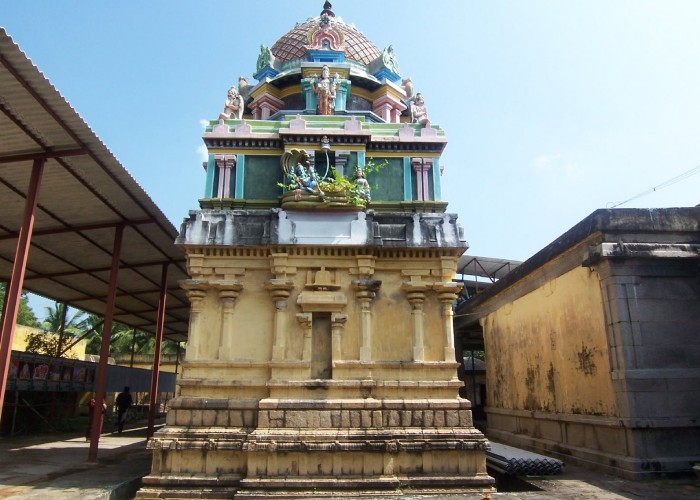
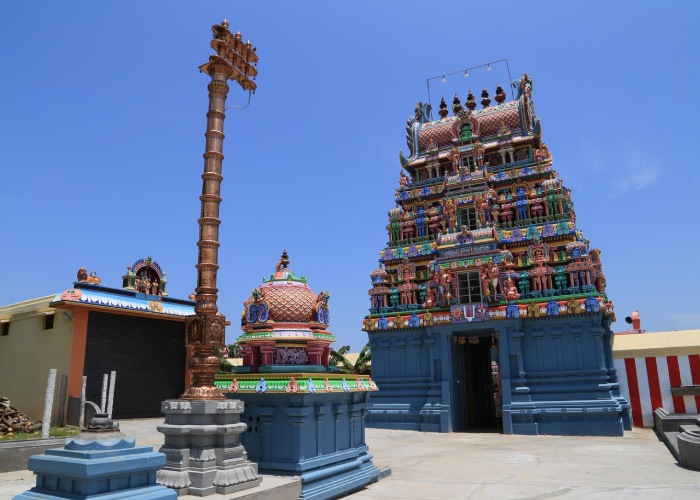
Thiruvellakulam Temple, Thirunangur, Tamil Nadu
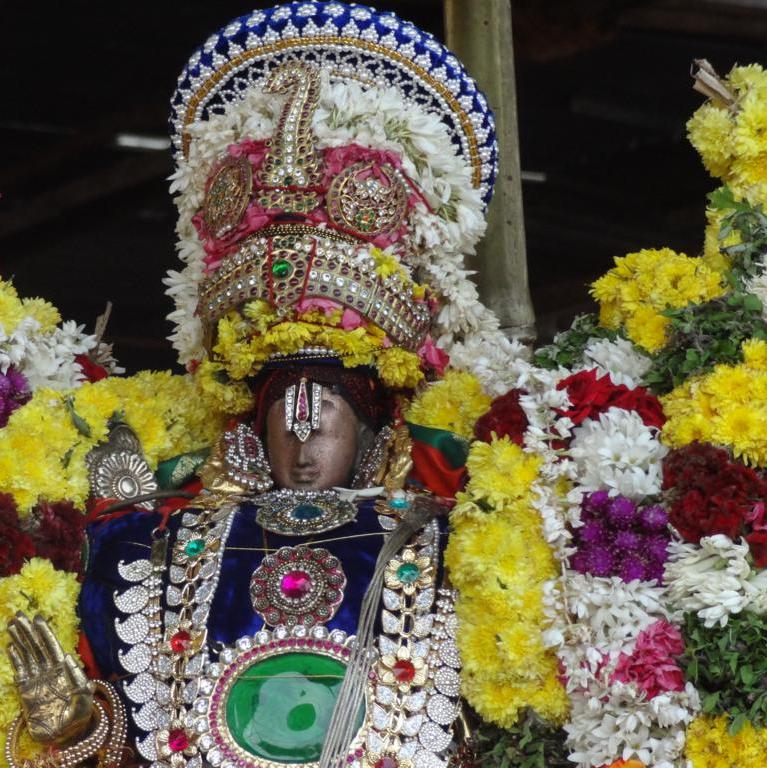
Thiruvellakulam, one of the eleven Thirunangur Divya Desams in Tamil Nadu, is dedicated to Annantapadmanabha Perumal and Amruthavalli Thayar. Set in the quiet village landscape of Thirunangur, this temple carries a gentle, cooling presence. The name Thiruvellakulam refers to a white or pure pond, which stands at the heart of the temple’s identity. In a circuit where each temple reflects one form of Vishnu who calmed Shiva’s intense energy, Thiruvellakulam stands out as the place where heat dissolves and the mind cools down. Visitors often describe the temple as soothing, the kind of place where emotional heaviness softens without effort.

All eleven temples in Thirunangur are rooted in the same ancient legend. After Sati’s death, Shiva was consumed by grief and performed the Rudra Tandava, a powerful cosmic dance that shook the entire region. From each strike of his matted locks, eleven fierce forms of Shiva emerged. The gods, fearing destruction, prayed to Vishnu. In response, Vishnu appeared in eleven forms, each calming a different manifestation of Shiva. Thiruvellakulam represents one of these divine balancing forms.

According to lore, after the cosmic turmoil, the land was filled with heat and instability. Vishnu manifested here and created a cooling pond whose water turned milky white. This pond soothed the gods, the earth and living beings. The pond symbolised calm, purity, restoration, and the cooling of emotional and cosmic heat.

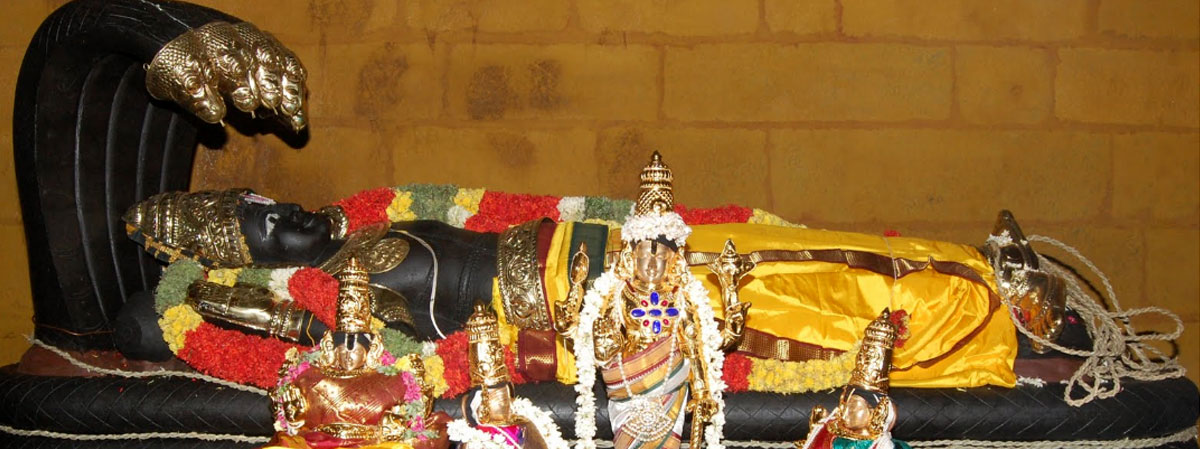
The deity here, Annantapadmanabha Perumal, is believed to have appeared reclining on Ananta, the divine serpent, just as he appears in the great Padmanabhaswamy Temple in Kerala. This reclining form embodies rest, ease and emotional release. Thirumangai Alvar visited this temple and composed a verse praising the Lord who brings peace after chaos. His hymn links the temple irreversibly to the Divya Prabandham tradition.

Thiruvellakulam’s history mirrors that of the other Thirunangur shrines. The temple structure suggests early Chola craftsmanship, with simple lines, compact sanctum design and unadorned pillars. Historical developments include early Chola-era foundation stones, additions during the Nayak period, mostly structural reinforcements, community-supported maintenance across generations, and the occasional land donations recorded in nearby temple inscriptions. This temple, like the rest of the Thirunangur group, survived primarily through local devotion rather than royal patronage. Locals have always maintained the temple by contributing lamps and oil, flowers, grains for cooking offerings, and festival arrangements. The temple is woven into village life, not as a grand monument but as a constant presence.

Thiruvellakulam is modest in size, like the other Thirunangur Divya Desams, but it carries a gentle beauty shaped by its pond and serene atmosphere. Key architectural elements include a small gopuram, a simple courtyard, a stone mandapam with plain granite pillars, a compact sanctum, a shrine for Amruthavalli Thayar, a path for circumambulation, and the temple pond, which is central to its identity

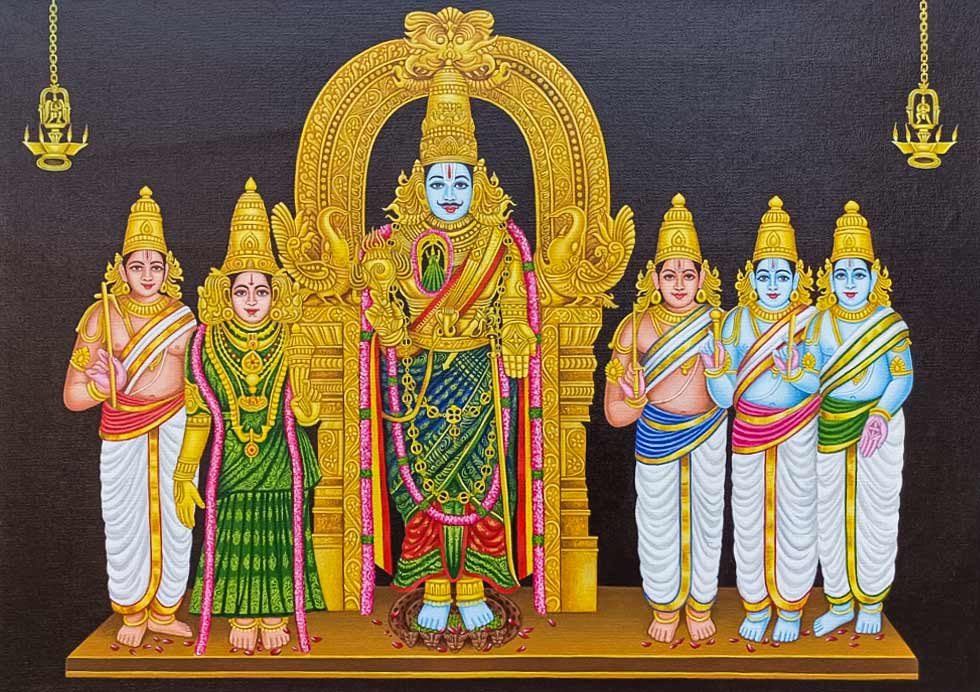
Annantapadmanabha Perumal appears in the reclining posture, resting on Ananta. This form is calm and expansive, symbolising mental relaxation, trust, surrender, and the release of tension. The Perumal here represents the moment when the heat of all kinds: anger, confusion, grief, begins to settle. Amruthavalli Thayar embodies nourishment and emotional rejuvenation. Devotees approach her for healing, stability, and renewal during difficult times. The white pond from which the temple gets its name once had water that appeared pale or milky, according to tradition. Even today, the pond shapes the temple’s mood. It gives the temple soft light reflections, a sense of openness, cooling air, and a calming visual focus. This pond is one of the most memorable aspects of the temple.

Worship at Thiruvellakulam is simple and consistent. Daily pujas include Suprabhatam, Thirumanjanam, Alankaram, Neivedyam, and the evening deepa aradhanai. Priests conduct the rituals gently, matching the temple’s tone. Major festivals include the Thirunangur Garuda Sevai, Vaikunta Ekadasi, Brahmotsavam, Purattasi Saturdays, Rama Navami, and Krishna Jayanthi. The most important festival is the annual Garuda Sevai, where the eleven deities from the Thirunangur temples are brought together on Garuda vahanams. At Thiruvellakulam, the festival has a special atmosphere because the temple is associated with peace and coolness. People often pause here for longer, feeling the softness of the space. People come to Thiruvellakulam for cooling of inner turmoil, clarity after emotional upheaval, healing from stress, relief from anxiety, and a sense of being soothed. The temple’s energy actively supports these intentions.

Reaching Thiruvellakulam involves a quiet journey through village paths and paddy fields. The landscape is calm, and the temple blends easily with its surroundings. The temple entrance leads directly to the courtyard. The pond is visible nearby, setting the mood of the space even before reaching the sanctum. Inside, the air is cool, the atmosphere is quiet, and the lighting is soft. The sanctum feels intimate, and the reclining deity gives the entire temple a restful tone. Pilgrims visiting all eleven temples often say that Thiruvellakulam feels like the breather of the circuit. It is a place where one naturally slows down. People often sit near the pond or in the mandapam simply to rest. Simple shops outside sell flowers and tea. Residents of Thirunangur help pilgrims navigate the temple routes with warmth.

Thiruvellakulam holds a gentle but steady presence in Tamil Vaishnavite culture. Thirumangai Alvar’s verse emphasises Vishnu’s cooling presence, describing him as the one who brings peace after cosmic tension. These hymns are central to festival recitations. During Garuda Sevai, the temple becomes a gathering point for singing, reciting and resting. The calm energy of the place creates a softer tone within the intense pace of the festival. The pond is central to many local traditions, especially during festival rituals and seasonal prayers for rain.

The temple continues to function with daily worship and the support of local devotees. Recent updates include repainting of the walls, cleaning and maintaining the pond, reinforcing mandapam pillars, and improving lighting around the sanctum. The temple has seen more visitors in recent years due to Divya Desam tourism and social media awareness, but it remains peaceful and uncommercial. The temple’s themes: cooling, clarity, emotional healing—align naturally with what many people seek today. Visitors come not only for religious reasons but for the calming experience the temple offers.

Thiruvellakulam stands among the Thirunangur Divya Desams as a temple of cooling grace. Annantapadmanabha Perumal, reclining on Ananta, represents relief, surrender and the easing of tension. Amruthavalli Thayar adds compassion and nourishment. The temple’s pond shapes its personality, giving it a softness and a reflective quality that stays with pilgrims long after they leave. In the Divya Desam circuit, Thiruvellakulam plays the role of a gentle pause; a moment of coolness in the midst of movement. It reminds devotees that even when life feels heated or overwhelming, there is always a place where the mind can settle, and the heart can breathe more easily.

Thiruparthanpalli Temple, Parthanpalli, Tamil Nadu
Thiruparthanpalli, located near Thirunangur in Tamil Nadu, is one of the quieter Divya Desams but carries a powerful story. The temple is dedicated to Parthasarathy Perumal, Vishnu in the form of Krishna, the charioteer and guide of Arjuna, and Padmavathi Thayar. The name Parthanpalli means the school of Arjuna. According to tradition, this was the place where Arjuna, the great warrior of the Mahabharata, received lessons from Krishna about courage, surrender, discipline and the nature of duty. The temple carries that tone even today. It feels like a space where you don’t come to ask for miracles; you come to understand life more clearly. Among the Thirunangur temples, this one stands out for its link to the Mahabharata and its gentle but grounding energy.

The Mahabharata is filled with conflict, moral questions and emotional storms. At one point in his life, Arjuna faced a deep crisis: not on the battlefield, but within himself. He struggled with doubt, purpose and the meaning of right action. Tradition says that Arjuna travelled through many sacred places during this period of inner conflict. When he reached this spot, he felt overwhelmed and unable to think clearly. Krishna appeared before him and gave him guidance. This was not the Bhagavad Gita, that happened on the battlefield of Kurukshetra, but another moment when Arjuna needed clarity. Here, Krishna taught him the nature of surrender, the value of discipline, the need to align action with inner truth, and the importance of steadying the mind before choosing a path. Because this spot became a place of learning for Arjuna, it was named Parthanpalli, the school of Partha or Arjuna.

All eleven Thirunangur temples originate from the same story: Shiva’s grief for Sati triggered a fierce cosmic dance, producing eleven manifestations of Shiva. Vishnu appeared in eleven forms to stabilise each of these energies. Thiruparthanpalli represents one of these eleven Vishnu forms, but it is also shaped by the added layer of Arjuna’s story. Thirumangai Alvar praised this temple in his verses, describing Perumal as a teacher who brings clarity to confused minds. His hymn emphasises learning, wisdom and surrender, the core themes of this temple.

Thiruparthanpalli shares a historical trajectory with the other Thirunangur temples. It likely dates to the early Chola period, with structural reinforcements added during the Nayak era. Historical traces include early stone foundations typical of small Chola shrines, a simple sanctum and mandapam layout, minimal inscriptions, though nearby temples record grants for oil lamps and pujas, and community-driven support rather than royal investment. Because the temple is linked to a Mahabharata story, it has always held a place in the oral tradition. Local villagers kept the temple active through daily worship, festival preparation and the retelling of Arjuna and Krishna’s encounter. Like many Thirunangur shrines, this temple was not built to impress rulers; it was built to support spiritual stories that shaped community identity. It stands today because people continued to come, continued to pray, and continued to keep the flame alive.

Thiruparthanpalli is small and simple, in keeping with the Thirunangur style. The architecture is functional rather than ornamental, and it blends naturally with the village landscape. Key architectural elements include a modest gopuram, a short entrance hall, a stone mandapam with plain granite pillars, a compact sanctum, a shrine for Thayar, a pradakshina path that circles the sanctum, and a temple tank used for rituals. The temple may not look grand, but the structure reflects a peaceful steadiness.

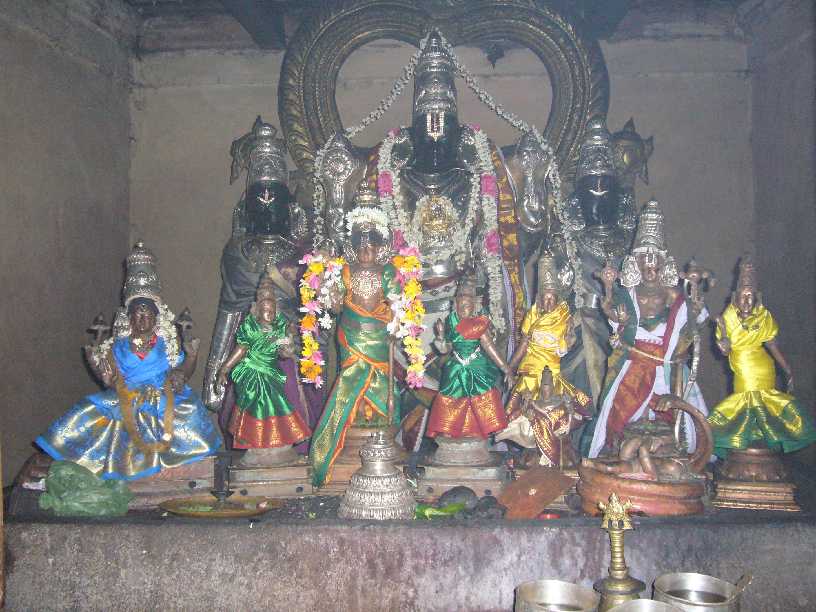
The deity, Parthasarathy Perumal, appears in a standing posture, holding the conch and discus. His expression is calm, direct and reassuring, very much the tone of a teacher who guides without force. This form of Vishnu is associated with wisdom, guidance, decision-making, courage, and clearing confusion. The goddess, Padmavathi Thayar, adds a gentle presence. She balances the intellectual tone of the main shrine with emotional warmth. People often pray to her for clarity during family challenges and personal transitions.

Worship follows the traditional Vaishnavite routine, performed softly and steadily. Daily rituals include Suprabhatam, Thirumanjanam, Alankaram, Neivedyam, and evening lamp worship. Major festivals include the Thirunangur Garuda Sevai, Vaikunta Ekadasi, Brahmotsavam, Purattasi Saturdays, Krishna Jayanthi, and Rama Navami. During the Garuda Sevai, the eleven Perumals of Thirunangur gather on Garuda vahanams. Thiruparthanpalli plays a meaningful role because the deity here is a teacher; his presence symbolises understanding and steadiness. Devotees often recite the Alvar’s verses loudly at this temple, reflecting its theme of learning and wisdom. People usually visit this temple when they need clarity during a confusing period, guidance in decision-making, relief from overthinking, wisdom to choose the right path, and the courage to keep going. The temple is particularly meaningful for students, professionals facing uncertainty and people navigating major life changes.

Pilgrims reach Thiruparthanpalli through quiet village roads and green fields. The landscape is open and peaceful. Inside the temple, there is calmness, the air is cool, and the chanting sounds soft. The simplicity of the space makes the mind settle without effort. Because the temple is linked to learning and clarity, many people sit in the mandapam for a while before or after darshan. They reflect, they breathe slowly, and allow themselves to think clearly. There is something quiet and introspective about this temple. It doesn’t overwhelm, it doesn’t demand, it simply provides space for understanding to emerge. Pilgrims doing the Thirunangur circuit often say that this temple helps them reset their minds before continuing. The area around the temple has small flower stalls and local homes. People here are familiar with pilgrims and guide them with ease.

Thiruparthanpalli holds a special place in Vaishnavite tradition because of its connection to the Mahabharata and to Krishna’s role as a teacher. Local stories emphasise the idea that even great heroes like Arjuna needed guidance. This message has shaped local culture deeply. Thirumangai Alvar’s verse is recited during prayers and at festivals. It portrays Perumal as a divine guide who opens the mind and steadies the heart. The temple has become a quiet source of confidence for many: students visit before exams, families come before making big decisions, couples pray here when navigating difficult stages, and individuals come seeking clarity. During Garuda Sevai, the recitation of verses at this temple is especially focused on knowledge, surrender and devotion. The cultural memory of the region ties Thiruparthanpalli to learning, wisdom and understanding.

The temple continues to function with regular pujas and steady attendance. Even as Divya Desam pilgrims increase through social media awareness, the temple retains its quiet nature. Modern life is filled with confusion, overthinking and decision fatigue. A temple dedicated to clarity, guidance and inner understanding naturally resonates with people today. Visitors, especially younger devotees, come here not only for blessings but for grounding and perspective.

Thiruparthanpalli stands among the Thirunangur Divya Desams as a temple of guidance, learning and quiet clarity. Parthasarathy Perumal represents Krishna not as a warrior or king, but as a teacher who meets you exactly where you are. Padmavathi Thayar brings balance, offering warmth alongside wisdom. The temple’s simplicity, mythology and emotional tone make it a meaningful stop in the Divya Desam circuit. It reminds devotees that even great heroes needed guidance, and there is no shame in seeking it. In a journey filled with temples representing awakening, grounding, rest and hope, Thiruparthanpalli represents understanding. A gentle reminder that clarity is a form of grace, and learning is a sacred act.


In My Hands Today…

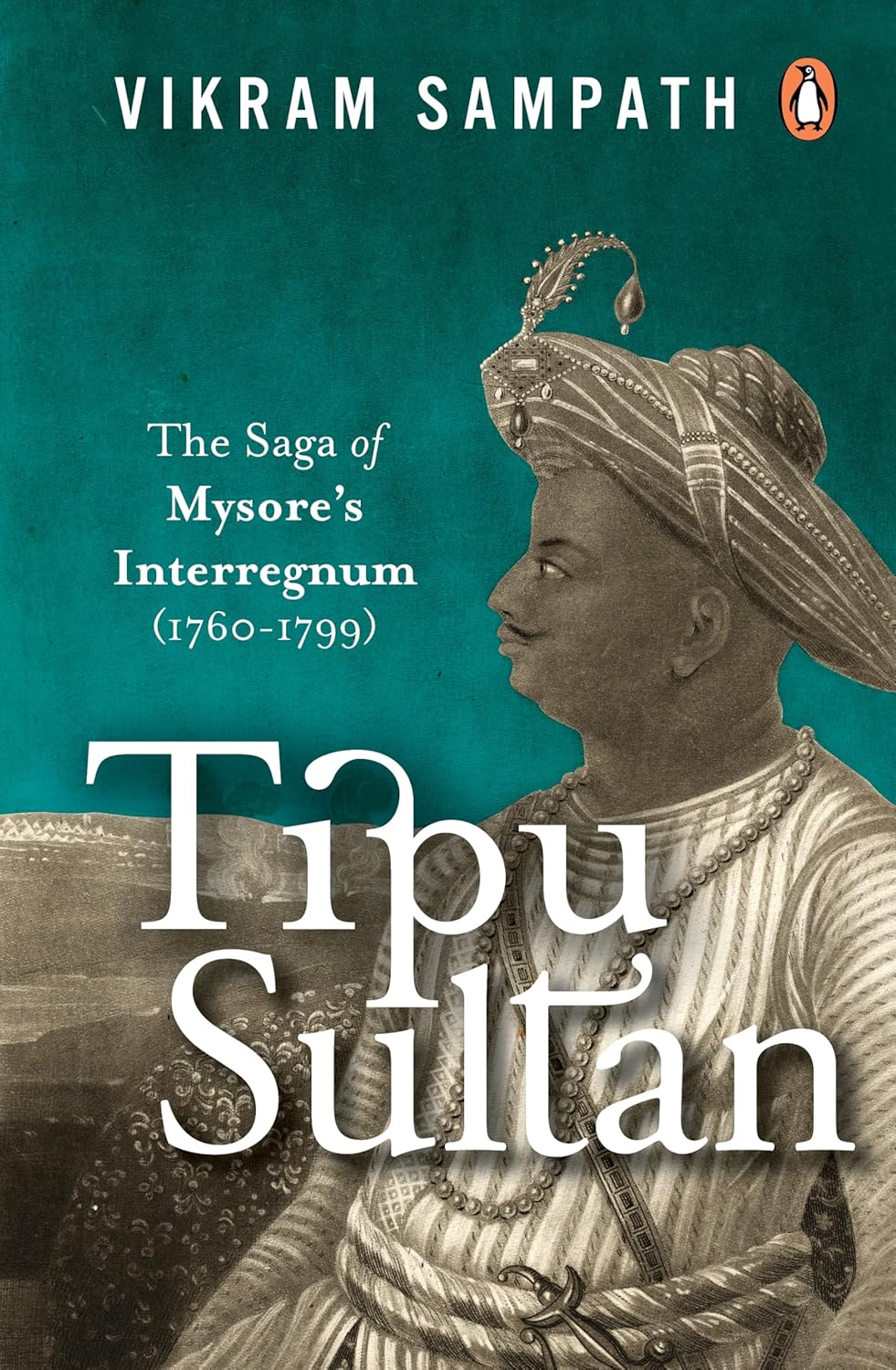
Tipu Sultan: The Saga of Mysore’s Interregnum, 1760–1799 – Vikram Sampath

Tipu’s ascent to power was accidental. His father Haidar Ali was a beneficiary of the benevolence of the Maharaja of Mysore. But in a series of fascinating events, the Machiavellian Haidar ran with the hare and hunted with the hounds; he ended up overthrowing his own benefactor and usurping the throne of Mysore from the Wodeyars in 1761. In a war-scarred life, father and son led Mysore through four momentous battles against the British, termed the Anglo-Mysore Wars. The first two, led by Haidar, brought the English East India Company to its knees. Chasing the enemy to the very gates of Madras, Haidar made the British sign such humiliating terms of treaties that sent shockwaves back in London.

In the hubris of this success, Tipu obtained the kingdom on a platter, unlike his father, who worked up the ranks to achieve glory. In a diabolical war thirst, Tipu launched lethal attacks on Malabar, Mangalore, Travancore, Coorg, and left behind a trail of death, destruction and worse, mass-conversions and the desecration of religious places of worship. While he was an astute administrator and a brave soldier, the strategic tact with opponents and the diplomatic balance that Haidar had sought to maintain with the Hindu majority were both dangerously upset by Tipu’s foolhardiness on matters of faith. The social report card of this eighteenth-century ruler was anything but clean. And yet, one simply cannot deny his position as a renowned military warrior and one of the most powerful rulers of Southern India.

Short Story: The Last Train

Just before midnight, Singapore becomes a city of people going home. The office towers in Raffles Place dim one floor at a time. Restaurants along Orchard Road stack their chairs and wash down the pavement in quick bursts of water. The last shoppers leave the malls carrying small bags and tired expressions, drifting toward bus stops and train stations. But underground, the trains are still running.

Mei Lin always catches the last MRT from City Hall. By the time her shift ends, the mall where she works has grown quiet. The bright shop windows are dark now, and the music that plays all day through the corridors has finally stopped. Only the low hum of the air-conditioning remains. She moves slowly through the empty space with her cleaning cart, wiping fingerprints from railings and smoothing a damp cloth across marble floors that will shine again in the morning.

Cleaning teaches you to notice things. You notice the small evidence people leave behind: half-finished bubble tea cups, lipstick marks on paper napkins, shopping bags abandoned beside benches when someone decides they no longer want what they bought.

You notice the way teenagers gather in small circles on the floor, even when there are empty chairs nearby. And sometimes you notice the way people stand in front of the restroom mirrors longer than necessary, staring at themselves as if trying to recognise the person looking back.

At eleven forty-five, Mei Lin takes the escalator down into City Hall Station. The platform feels different at that hour. The daytime rush has dissolved, leaving only scattered commuters waiting quietly. Their footsteps echo softly against the tiled floor.

“Last train towards Jurong East arriving in two minutes.” Mei Lin boards the same carriage she boards every night and sits near the middle. From there, she can see almost everyone. Not that anyone notices her. A cleaner is easy to overlook.

Across from her sits a nurse in pale blue scrubs, her head tilted back against the window, drifting in and out of sleep. Two construction workers stand near the door speaking in Tamil, their laughter low and tired. A pair of students whispers in Mandarin, their faces illuminated by the glow of their phones.

The train pulls away from the station. Outside the window, the tunnel slides past in long dark streaks. Mei Lin watches the reflection of the carriage in the glass. Rows of passengers floating faintly against the darkness.

Public transport is a strange intimacy. Strangers sitting inches apart. Sharing the same air, the same journey, the same tiredness. Yet somehow still alone.

At the next station, two young men step into the carriage and sit opposite her. They look like office workers, white shirts slightly creased, ties loosened, but something in the way they sit suggests the day has not gone well. “I still haven’t told my mother,” one of them says quietly. “About what?” the other asks. A pause. “That I quit the bank.” The train rattles softly through the tunnel. “You quit?” his friend says. “Two months ago.” “Does she know?” The young man shakes his head. “No. She wouldn’t understand.”

Mei Lin lowers her gaze to her hands. The conversation continues in soft voices. The young man talks about expectations. About how everyone assumes your life is stable once you have the right job title. About the quiet exhaustion of waking up every morning to a life that feels slightly borrowed. “I sat at that desk every day pretending to be someone else,” he says finally. His friend studies him for a moment. Then he says quietly, “Maybe everyone is pretending.” At Toa Payoh, the train slows, and the two men step onto the platform. The doors close. The train moves again.

For the rest of the journey, Mei Lin keeps thinking about that sentence. Pretending. She has done that herself. When relatives ask what she does for work, she tells them she works in “facilities.” It sounds more respectable that way. She does not say she empties bins and wipes fingerprints from mirrors. She does not say she has watched office workers cry quietly in bathroom stalls. She does not say she has overheard countless phone calls: apologies, arguments, and quiet confessions whispered into phones late at night. There are many things people do when they think no one is watching. And she has watched them all.

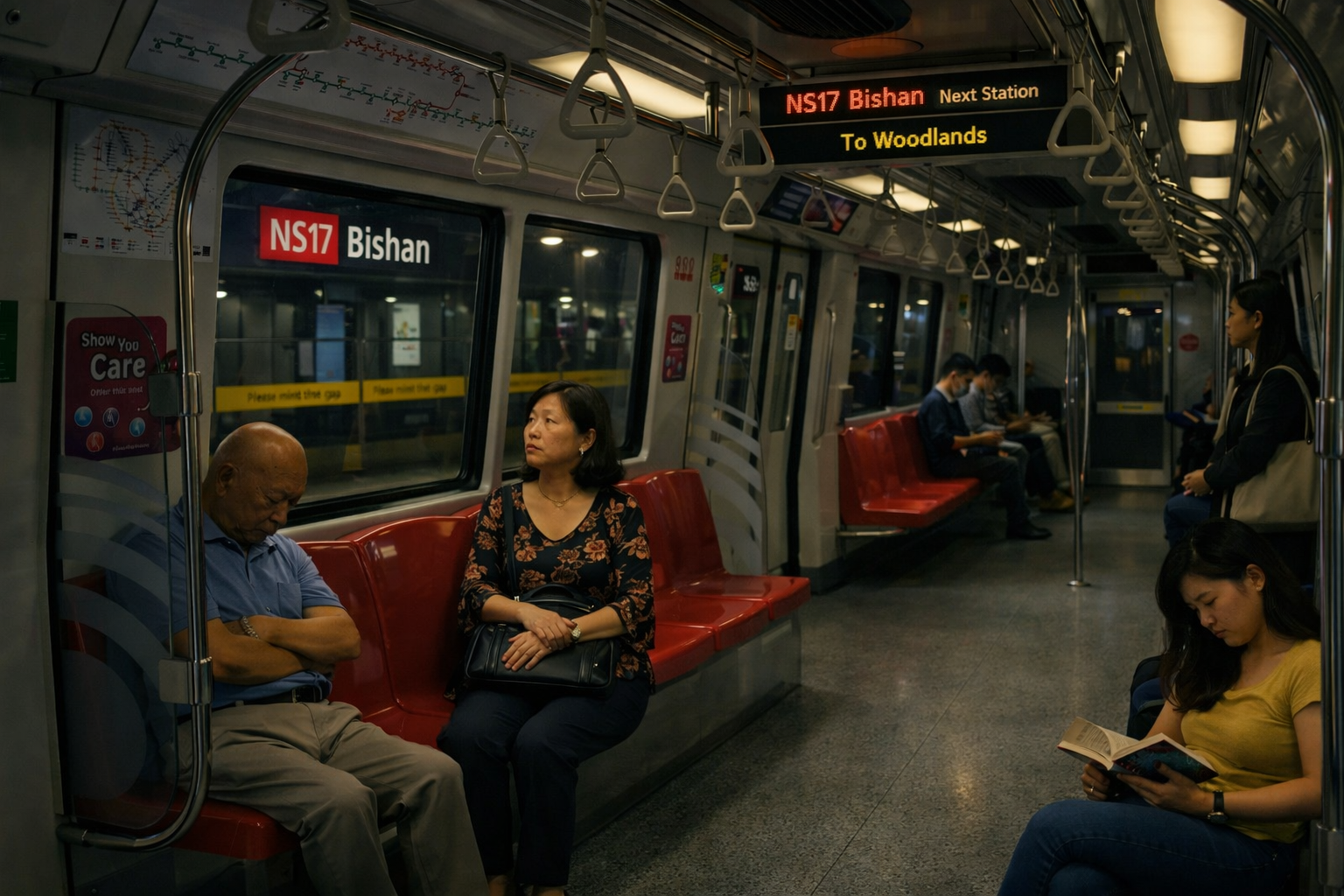
At Bishan, a woman in a beige blouse sits beside her and begins speaking softly on the phone. “I think I’m going to disappear for a while,” she says. Her voice is calm. Too calm. Mei Lin glances sideways without turning her head. The woman listens for a moment. “No, nothing dramatic,” she says quietly. “I just need to step away from everything.” A pause. “Yes,” she says finally. “I’m tired of pretending.” When the call ends, she stares silently at the dark window. The reflection of the carriage floats across the glass: tired faces drifting through the tunnel like ghosts. So many people moving quietly through the night.

The next evening, Mei Lin boards the last train again. Same carriage, same seat. Across from her sit two young office workers talking loudly. “I swear,” one of them says, scrolling through his phone, “some people just give up in life.” His friend laughs. “Yeah. That’s how they end up cleaning floors or something.” Mei Lin looks down at her hands. The skin is rough from years of detergent and disinfectant. For a moment, the familiar flicker of embarrassment rises. Then she remembers something. Every night, she sees things these men will probably never notice.

The nurse falling asleep after a twelve-hour shift, the migrant workers sharing food from the same plastic container, the teenagers whispering dreams they have not yet told their parents, and the quiet kindness of someone offering a seat to a stranger. She sees the city not as it pretends to be: efficient, successful, and endlessly moving forward, but as it truly is. A thousand private lives brushing past each other in silence. At the next station, the doors open again.

Across the carriage sits the woman from the phone call the night before. This time, she is drinking bubble tea and scrolling through her phone. Alive. Ordinary. Just another passenger on the last train. Their eyes meet briefly. For a moment, Mei Lin hesitates. In twelve years, she has never spoken to anyone on the train. She has only listened. Only observed. But tonight something shifts. Perhaps it was the young man who left the bank. Perhaps it was the quiet confession on the phone. Or perhaps it is simply the realisation that the city is full of people pretending to be fine.

She leans slightly toward the woman and says gently, “Long day?” The woman looks up, surprised. Then she smiles. “Yes,” she says.

The train hums softly through the dark tunnel. For a while, they sit in companionable silence as the carriage rocks gently along the tracks. Outside the window, their reflections drift together in the glass. Just before midnight, Singapore becomes a city of people going home. And sometimes, somewhere between one station and the next, two strangers remember that even in a crowded city, loneliness does not always have to travel alone.