World Oral Health Day

Organised annually on 20 March, World Oral Health Day is observed to raise global awareness of the issues around oral health and the importance of oral hygiene so that governments, health associations and the general public can work together to achieve healthier mouths and happier lives. World Oral Health Day aims to recognise the importance of good oral health and unite to reduce the burden of oral diseases which affect individuals, health systems, and economies everywhere. It also aims to empower people with the knowledge, tools, and confidence to secure good oral health

Oral diseases are a major health concern for many countries and negatively impact people throughout their lives. 90% of the world’s population will suffer from oral diseases in their lifetime, many avoidable. Oral diseases lead to pain and discomfort, social isolation, and loss of self-confidence, and they are often linked to other serious health issues. And yet, there is no reason to suffer – most oral health conditions are largely preventable and can be treated in their early stages. 
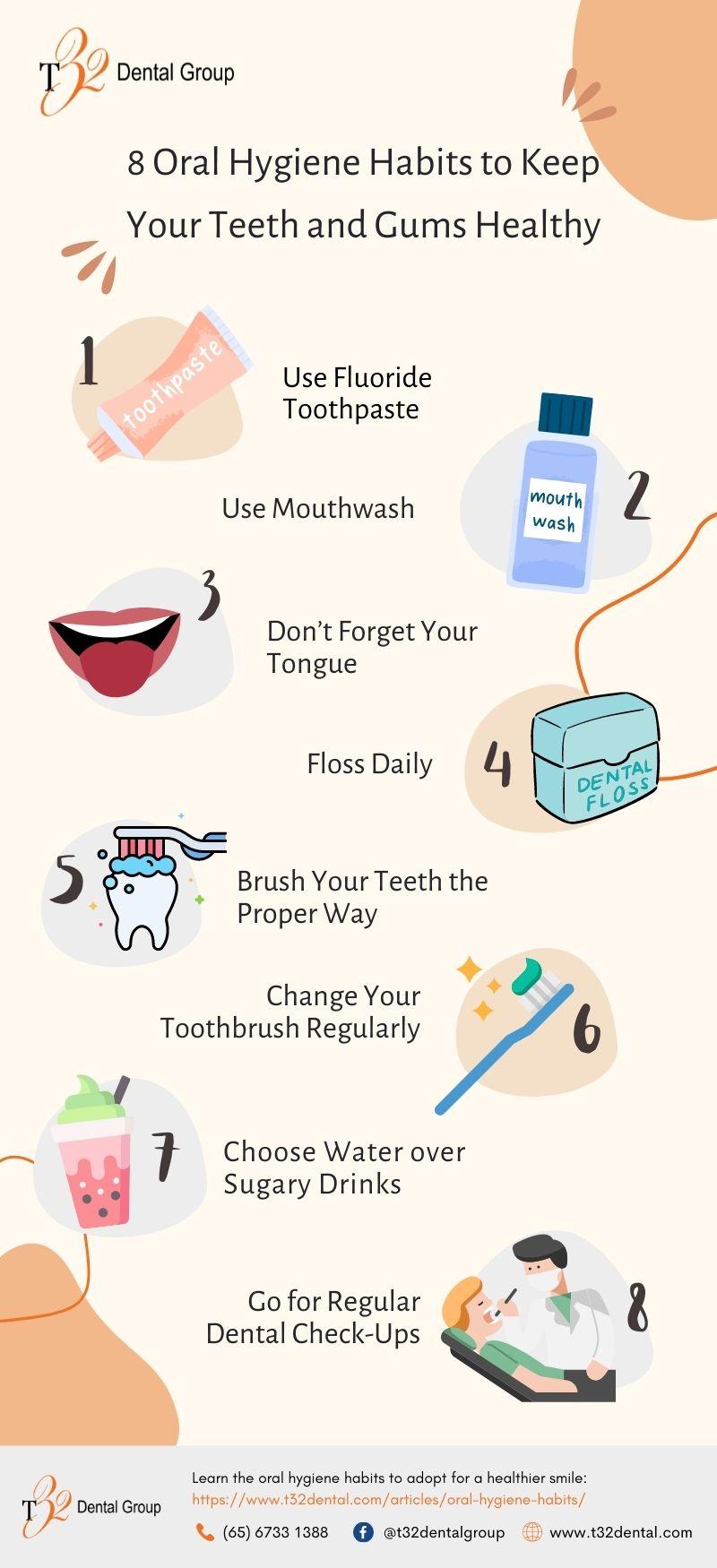
Oral hygiene is the practice of keeping one’s mouth clean and free of disease and other problems by regular brushing of the teeth and cleaning between the teeth. Oral hygiene must be carried out regularly to enable the prevention of dental disease and bad breath. The most common types of dental disease are tooth decay which includes cavities, and dental caries and gum diseases, including gingivitis, and periodontitis. General guidelines for adults suggest brushing at least twice a day with fluoridated toothpaste and brushing last thing at night and at least on one other occasion. Cleaning between the teeth is called interdental cleaning and is as important as tooth brushing. This is because a toothbrush cannot reach between the teeth and therefore only removes about 50% of plaque from the surface of the teeth. There are many tools to clean between the teeth, including floss, tape and interdental brushes; it is up to each individual to choose which tool they prefer to use. Sometimes white or straight teeth are associated with oral hygiene. However, a hygienic mouth can have stained teeth or crooked teeth. To improve the appearance of their teeth, people may use tooth whitening treatments and orthodontics.

More than 130 countries take part in World Oral Health Day which is organised by the FDI World Dental Federation. World Oral Health Day was launched on 20 March 2013 by the FDI World Dental Federation which also marks the launch of a year-long campaign to raise awareness of oral health and the prevention of oral diseases. Since 2013 these campaigns have featured a specific theme. Since 2014 and in collaboration with its daughter organisation, the International Association of Dental Students or IADS, FDI organises an annual worldwide competition for best awareness and prophylactic activities held by dental student organizations in celebration of World Oral Health Day.

The campaign theme for the years 2021 to 2023 is Be Proud of Your Mouth. This theme that spans three years sends out a simple but powerful message to value and take care of our mouths. This year, the campaign wants to inspire change by focusing on the importance of oral health at every stage of life, because no matter what age one is, caring for the mouth and looking after oral health is important.

So take care of your oral health,  because establishing good oral hygiene and dietary habits have proven to be essential to achieving and maintaining, overall physical and emotional well-being throughout life.

In My Hands Today…

Keep the Memories, Lose the Stuff: Declutter, Downsize, and Move Forward with Your Life – Matt Paxton

Your boxes of photos, family’s china, and even the kids’ height charts aren’t just stuff; they’re attached to a lifetime of memories–and letting them go can be scary. With empathy, expertise, and humor, Keep the Memories, Lose the Stuff, written in collaboration with AARP, helps you sift through years of clutter, let go of what no longer serves you, and identify the items worth keeping so that you can focus on living in the present.

For over 20 years, Matt Paxton has helped people from all walks of life who want to live more simply declutter and downsize. As a featured cleaner on Hoarders and host of the Emmy-nominated Legacy List with Matt Paxton on PBS, he has identified the psychological roadblocks that most organizational experts routinely miss but that prevent so many of us from lightening our material load. Using poignant stories from the thousands of individuals and families he has worked with, Paxton brings his signature insight to a necessary task.

Whether you’re tired of living with clutter, making space for a loved one, or moving to a smaller home or retirement community, this book is for you. Paxton’s unique, step-by-step process gives you the tools you need to get the job done.

In My Hands Today…

The World Deserves My Children – Natasha Leggero

When Natasha Leggero got pregnant at forty-two after embarking on the grueling IVF process, she was over the moon. But once her feelings of bliss dissipated, she couldn’t help but shake the lingering question: Am I doing this right? And then, Should I be doing this if the world is about to end?

In The World Deserves My Children, Natasha explores themes like “geriatric” motherhood, parenting in an environmental panic, fear and love, discipline (and conflicting schools of thought on how not to raise a brat), and more. Ultimately, Natasha determines that motherhood is worth it. After all, where do you think the next five generations of humans will be if the only people who are having kids don’t believe in science? The world deserves my children.

Festivals of India: Bhagoria

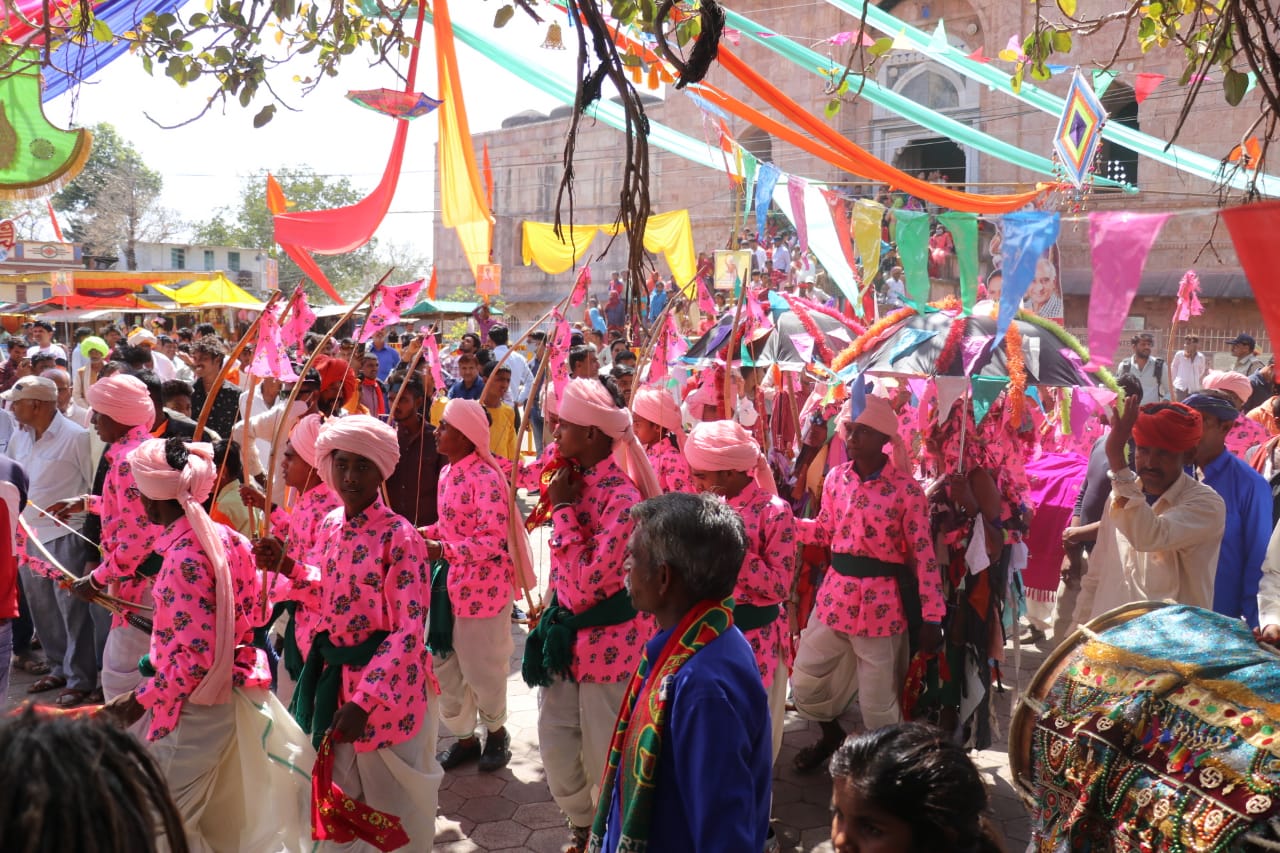
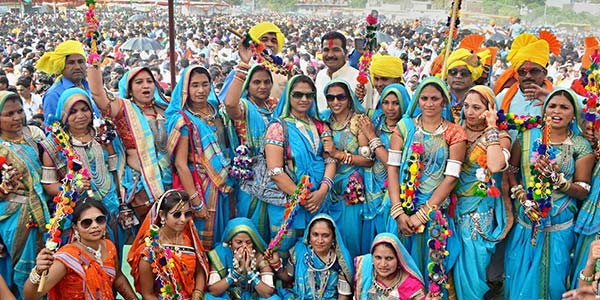
The Bhagoria festival is a vibrant and colourful festival celebrated by the tribal communities of Madhya Pradesh and Maharashtra, which was originally the Malwa region. The festival is held annually in the Hindu month of Phalguna, which corresponds to February or March in the Gregorian calendar. The Bhagoria festival is a celebration of the arrival of spring and marks the beginning of the harvest season. It is a time for the tribal communities to come together, dance, sing, and exchange gifts. The tribes who participate include the Bhil, Bhilala, and Pateliya.

The festival takes place in the Badwani, Dhar, Alirajpur, Khargone and Jhabua districts of Madhya Pradesh and Maharashtra. It has agricultural significance and coincides with the end of harvesting crops. It is celebrated for seven days in March before the Holi Festival. Traditionally, celebrants travel to the festival grounds with their families on decorated bullock carts. There they purchase the things required to celebrate Holi, dance to traditional musical instruments, sing songs called Lokgeet, and enjoy meeting family and friends.

The Bhagoria festival is unique to the tribal communities of Madhya Pradesh and northeastern Maharashtra and is one of the largest tribal festivals in India. It is a celebration of the vibrant and diverse culture of these communities and attracts visitors from all over the world. The festival is celebrated in different parts of Madhya Pradesh, with the largest celebrations taking place in Jhabua, Alirajpur, and Dhar districts.

One of the highlights of the Bhagoria festival is the ‘Bhagoriya Mela’ or fair. This fair is a gathering of tribal communities from all over the region and is a place for people to come together, socialise, and participate in various activities. The Bhagoriya Mela is a lively and colourful affair, with stalls selling food, drinks, and handmade goods. There is also a wide range of entertainment available, including music, dance, and theatre performances.

The Bhagoria festival is famous for its traditional dance and music. The tribal communities of Madhya Pradesh have a rich tradition of music and dance, and the Bhagoria festival provides a platform for these traditions to be showcased. The dances performed during the festival are an expression of joy and happiness and are performed by both men and women. The music played during the festival is characterized by its use of traditional instruments such as the dhol, nagara, and manjira.

One of the most unique and interesting aspects of the Bhagoria festival is the ‘Haldi-Kumkum’ ritual. During this ritual, married women apply turmeric paste and vermilion powder to each other’s foreheads. The ritual symbolizes the bond between the women and is believed to bring good luck and prosperity. The ‘Haldi-Kumkum’ ritual is an important part of the Bhagoria festival and is performed by women from all the tribal communities that participate in the festival.

The Bhagoria festival is also a time for love and courtship. During the festival, young men and women come together to meet and get to know each other. If two people are interested in each other, they can exchange gifts and formalize their relationship. This exchange of gifts is known as ‘Bhagoria Haat’. The Bhagoria Haat is an important part of the Bhagoria festival and is a time for the young people of the tribal communities to come together and celebrate their relationships.

The Bhagoria festival is a celebration of the rich and diverse culture of the tribal communities of Madhya Pradesh. It is a time for people to come together, socialize, and celebrate the arrival of spring and the beginning of the harvest season. The Bhagoria festival is an important part of the cultural heritage of India and is a unique and vibrant celebration that attracts visitors from all over the world.

The Bhagoria festival is a celebration of life, love, and joy and a time for the tribal communities of Malwa to come together and celebrate their culture and traditions. The Bhagoria festival is a true expression of the rich and diverse culture of India and is a celebration that should not be missed.