2024 Week 49 Update

American naturalist, philosopher, and writer Henry David Thoreau captures altruism’s profound beauty and impact. At its core, it reminds us that life’s truest fulfilment often comes from making a difference in the lives of others. This sentiment stands out as a call to put others’ happiness and well-being at the forefront in a world that frequently prioritises individual achievements, possessions, and personal success. Thoreau’s message also speaks to the notion that beauty is not limited to appearances or material things but can be found in our actions and intentions. Compassionate acts, regardless of size, can uplift others, and even a single person’s efforts to bring positivity can create ripples that influence an entire community. Ultimately, Thoreau suggests that there’s a special kind of beauty in this act of service and generosity. In seeking to make life better for others, we discover a deeper connection to the world around us, experiencing firsthand how powerful compassion and empathy can be.

Later in the week, I will be travelling to India to visit my parents and I am super excited about the trip. I have paused my job search till the new year as nothing has come up and I want to take this time to re-evaluate my choices and figure out what I really want.

I’ve managed to finish my year’s reading target and as of today, I have read 53 books, one more than what I set out to read. I hope to read some more during this month, especially while in India when I will have time on my hands.

I haven’t been walking as much since November because of my ankle pain. I am also taking it easy until I see the specialist because I don’t want to make a potentially severe issue worse. So as of the end of November, I have finished my circuit of India, having crossed my home in Mumbai as well as the retirement home in Bangalore my parents now live in and after taking the east coast road, have crossed into Myanmar from Manipur. My walk met my incoming route near Siliguri and I crossed into Myanmar from the same place I entered India and Manipur, at Moreh. I am about 200 km north of Mandalay and after Myanmar, I still have Thailand and Malaysia to cover before I reach home, another 3,000 plus km and a year’s worth of walking.

And on that note, see you next week in India! Enjoy the holidays and stay positive and keep smiling!

In My Hands Today…

Optimal: How to Sustain Personal and Organizational Excellence Every Day – Daniel Goleman, Cary Cherniss

In his groundbreaking #1 bestseller Emotional Intelligence , Daniel Goleman revolutionized how we think about intelligence. Now, he reveals practical methods for using these inner resources to more readily enter an optimal state of high performance and satisfaction while avoiding burnout.

There are moments when we achieve peak An athlete plays a perfect game; a business has a quarter with once-in-a-lifetime profits. But these moments are often elusive, and for every amazing day, we may have a hundred ordinary and even unsatisfying days.

Fulfillment doesn’t come from isolated peak experiences, but rather from many consistent good days. So how do we sustain performance, while avoiding burnout and maintaining balance?

In Optimal , Daniel Goleman and Cary Cherniss reveal how emotional intelligence can help us have a great day, any day. They explain how to set a realistic, attainable goal of feeling satisfied that you’ve had a productive day — to consistently work at your ‘optimal’ level.

Based on research of how hundreds of people build the inner architecture of having a good day, they sketch what an optimal state feels like, and show how emotional intelligence holds the key to our best performance. Optimal is the culmination of decades of scientific discoveries bearing on emotional intelligence. Enhanced emotional intelligence pays off in improved engagement, productivity, and more satisfying days.

In this book, you’ll find the keys to competence in emotional intelligence, and practical methods for applying this skill set more readily. It will equip you to become a highly effective leader and enable you to build an organizational culture that empowers workers to sustain high performance.

The Power of Music: Transforming Lives Through Sound

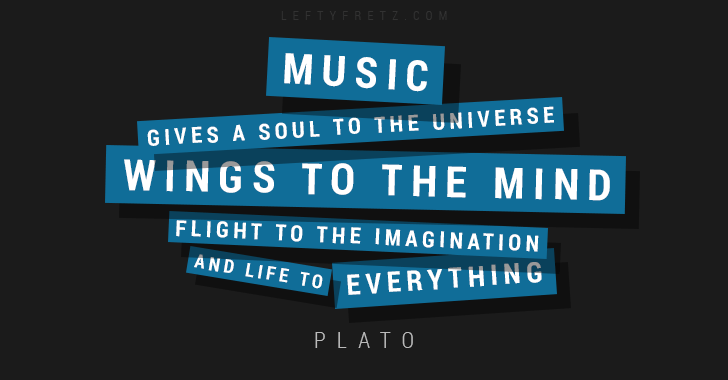
Music is an integral part of human culture, transcending boundaries and connecting people across different backgrounds and experiences. Its influence is profound, shaping our emotions, enhancing our cognitive abilities, and even promoting healing. 

Music uniquely evokes emotions and memories, often transporting us back to specific moments in our lives. This emotional connection is one of the most powerful aspects of music, allowing us to experience joy, sadness, nostalgia, and even catharsis.

Research has shown that music can significantly influence our mood. Listening to uplifting songs can trigger the release of dopamine, a neurotransmitter associated with pleasure and reward. This biochemical response can help alleviate feelings of sadness or anxiety, making music an effective tool for mood regulation. Creating playlists of favourite songs or upbeat tracks can serve as a quick remedy for low spirits.

Music has been found to enhance memory recall, particularly in individuals with cognitive impairments such as dementia and Alzheimer’s disease. Familiar songs can evoke vivid memories and emotions, allowing individuals to reconnect with their past. Programs like “Music & Memory” utilise personalised playlists to stimulate memories and promote engagement among those with cognitive challenges, demonstrating the profound impact of music on memory and identity.

For many, music serves as a means of emotional expression. Composing, performing, or even listening to music can provide an outlet for feelings that may be difficult to articulate. This form of self-expression can be particularly beneficial for adolescents and young adults navigating the complexities of identity and emotional development. Music allows individuals to explore their emotions and communicate their experiences in a way that words alone may not capture.

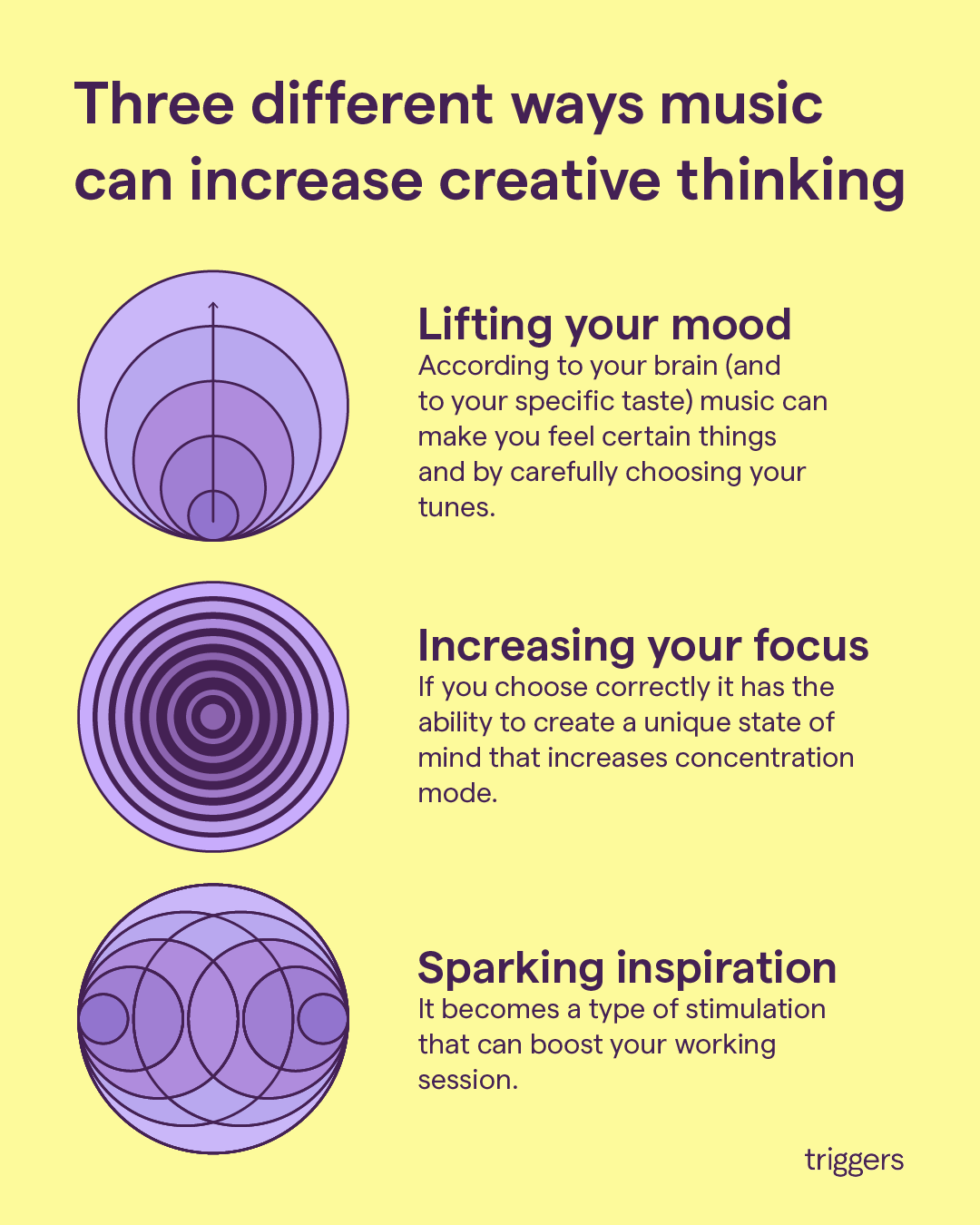
Beyond its emotional impact, music also offers numerous cognitive benefits that can enhance learning, creativity, and productivity. Listening to music while working or studying can improve focus and concentration. Studies have shown that certain types of music, particularly classical or instrumental genres, can create an optimal environment for cognitive tasks. The “Mozart Effect,” a term coined from research suggesting that listening to Mozart can enhance spatial-temporal reasoning, highlights the potential of music to boost cognitive performance.

Music can stimulate creativity by encouraging divergent thinking and inspiring new ideas. Many artists, writers, and innovators use music as a backdrop while working, finding that it helps them tap into their creative flow. Creating a personalised playlist that resonates with your creative process can enhance inspiration and facilitate the generation of new ideas.

Music has been shown to support language development in children. Songs and rhymes can enhance vocabulary, phonemic awareness, and overall language skills. Educational programs often incorporate music to engage young learners, making the acquisition of language more enjoyable and effective. 

Music therapy has emerged as a recognised therapeutic approach, harnessing the power of music to promote healing and well-being. This field utilises music interventions to address physical, emotional, cognitive, and social needs. Listening to calming music can significantly reduce stress levels. Research indicates that music can lower cortisol levels, the hormone associated with stress, leading to a more relaxed state. Incorporating soothing music into daily routines, such as during meditation or yoga, can enhance relaxation and promote a sense of calm.

Music has been found to be effective in pain management, particularly in clinical settings. Studies suggest that listening to music can reduce the perception of pain and discomfort, making it a valuable adjunct to traditional pain relief methods. Hospitals often use music therapy to help patients cope with pain during recovery.

Music therapy provides a safe space for individuals to explore and process their emotions. It can be particularly beneficial for those dealing with trauma, grief, or mental health challenges. Through songwriting, improvisation, and active listening, individuals can express their feelings and work towards emotional healing.

Music serves as a powerful tool for social connection and cultural expression. It brings people together, fosters community, and provides a sense of belonging. Music unites individuals from diverse backgrounds. Concerts, festivals, and communal music-making events create opportunities for social interaction and connection. Shared musical experiences can foster a sense of belonging and community, bridging gaps between people and cultures. Music plays a vital role in cultural identity and expression. Different genres and styles reflect the values, traditions, and histories of various communities. Whether through folk songs, hip-hop, or classical compositions, music serves as a medium for cultural storytelling and preservation. Throughout history, music has been a catalyst for social change. Protest songs and anthems have inspired movements, giving voice to marginalized communities and advocating for justice. Music has the power to raise awareness, mobilise action, and create solidarity among individuals fighting for a common cause.

To harness the power of music in your daily life, consider the following practical tips:

  1. Create Playlists for Different Moods: Curate playlists that align with your emotional states. Have uplifting playlists for when you need motivation, calming playlists for relaxation, and nostalgic playlists for moments of reflection.
  2. Engage in Music-Making: Whether through singing, playing an instrument, or composing, engaging in music-making can enhance your emotional well-being and foster creativity. Consider joining a local choir, taking music lessons, or simply jamming with friends.
  3. Attend Live Music Events: Experiencing live music can be incredibly uplifting. Attend concerts, festivals, or local performances to immerse yourself in the communal energy of music.
  4. Use Music for Relaxation: Incorporate calming music into your daily routine, especially during moments of stress. Create a relaxing environment by playing soothing music while meditating, practising yoga, or unwinding after a long day.
  5. Explore New Genres: Broaden your musical horizons by exploring different genres and cultures. Discovering new music can introduce you to fresh perspectives and inspire creativity.
  6. Incorporate Music into Family Activities: Make music a part of family bonding time. Sing together, play instruments, or have dance parties to create joyful memories and strengthen connections.
  7. Utilise Music for Focus: Experiment with background music while working or studying. Find instrumental tracks that enhance your concentration and productivity.

The power of music is undeniable, influencing our emotions, enhancing cognitive abilities, and fostering connections with others. As we navigate the complexities of life, music serves as a source of comfort, inspiration, and healing. By incorporating music into our daily routines, we can harness its transformative potential to enrich our lives and promote well-being. Whether through listening, creating, or sharing music, we can cultivate a deeper appreciation for this universal language that unites us all. Embrace the power of music and let it be a guiding force in your journey toward a more fulfilling and connected life.


In My Hands Today…

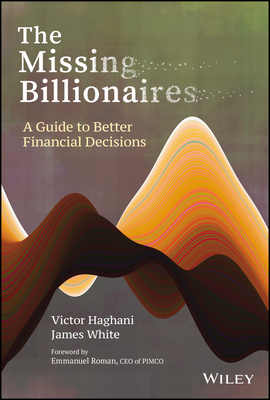
The Missing Billionaires: A Guide to Better Financial Decisions – Victor Haghani, James White

Over the past century, if the wealthiest families had spent a reasonable fraction of their wealth, paid taxes, invested in the stock market, and passed their wealth down to the next generation, there would be tens of thousands of billionaire heirs to generations-old fortunes today.

The puzzle of The Missing Billionaires is why you cannot find one such billionaire on any current rich list. There are a number of explanations, but this book is focused on one mistake which is of profound importance to all poor risk decisions, both in investing and spending. Many of these families didn’t choose bad investments– they sized them incorrectly– and allowed their spending decisions to amplify this mistake.

The Missing Billionaires book offers a simple yet powerful framework for making important lifetime financial decisions in a systematic and rational way. It’s for readers with a baseline level of financial literacy, but doesn’t require a PhD. It fills the gap between personal finance books and the academic literature, bringing the valuable insights of academic finance to non-specialists.

Part One builds the theory of optimal investment sizing from first principles, starting with betting on biased coins. Part Two covers lifetime financial decision-making, with emphasis on the integration of investment, saving and spending decisions. Part Three covers practical implementation details, including how to calibrate your personal level of risk-aversion, and how to estimate the expected return and risk on a broad spectrum of investments.

The book is packed with case studies and anecdotes, including one about Victor’s investment with LTCM as a partner, and a bonus chapter on Liar’s Poker. The authors draw extensively on their own experiences as principals of Elm Wealth, a multi-billion-dollar wealth management practice, and prior to that on their years as arbitrage traders– Victor at Salomon Brothers and LTCM, and James at Nationsbank/CRT and Citadel.

Whether you are young and building wealth, an entrepreneur invested heavily in your own business, or at a stage where your primary focus is investing and spending, The Missing A Guide to Better Financial Decisions is your must-have resource for thoughtful financial decision-making.

Decluttering and Minimising for a Fresh Start: A Guide to Beginning the New Year Right

As the new year approaches, many of us feel the urge to start fresh, set new goals, and make positive changes in our lives. One of the most effective ways to begin the year on the right foot is by decluttering and minimising. This process not only helps us create a more organised and visually appealing living space but also has profound psychological and emotional benefits. 

Decluttering and minimising go beyond just tidying up your physical space. These practices have a ripple effect on various aspects of your life, from mental well-being to productivity and even relationships. Living in a cluttered environment can contribute to feelings of stress, anxiety, and overwhelm. By decluttering, you create a calmer, more peaceful atmosphere that promotes relaxation and clarity of mind. A cluttered space can be distracting and make it difficult to focus on tasks at hand. Decluttering and minimising your surroundings can boost productivity by eliminating visual distractions and creating a more organized work environment. Clutter can be mentally draining, occupying valuable mental space and making it harder to think clearly. By removing excess items, you free up mental bandwidth, allowing you to focus on what truly matters.

The process of decluttering and minimising encourages mindfulness and presence. As you sort through your possessions, you become more aware of what you own, why you own it, and whether it aligns with your current values and needs. Decluttering often leads to the realisation that you own more than you need. By selling or donating unwanted items, you can declutter your space and your wallet, freeing up funds for more meaningful purchases or experiences. When you surround yourself with only the essentials, you tend to appreciate and value what you have more. This sense of gratitude can extend to other areas of your life, fostering a more positive outlook.

Embarking on a decluttering journey can be daunting, but with a well-thought-out plan and a positive mindset, it can be an empowering experience. Here are some points to ponder.

  1. Set Clear Goals: Before you begin, take some time to reflect on your reasons for decluttering and minimising. What do you hope to achieve? How do you want your space to feel? Setting clear goals will provide direction and motivation throughout the process.
  2. Start Small: Attempting to declutter your entire home at once can be overwhelming. Instead, break down the task into manageable chunks, focusing on one room, category, or even a specific drawer at a time. This gradual approach helps build momentum and prevents burnout.
  3. Use the Four-Box Method: As you tackle each area, sort your belongings into four categories: keep, donate, sell, and trash. This method helps you make decisions quickly and ensures that every item you keep serves a purpose or brings you joy.
  4. Consider the KonMari Method: The KonMari method, popularised by Marie Kondo, emphasises decluttering by category rather than by location. This approach encourages you to gather all items of a particular type (e.g., clothes, books, or papers) in one place, making it easier to assess what you truly need and what sparks joy.
  5. Ask Yourself Questions: As you sort through your belongings, ask yourself questions like: “When was the last time I used this?” “Does this item align with my current lifestyle and values?” “Does it bring me joy or serve a purpose?” Answering these questions honestly will help you make more informed decisions about what to keep and what to let go.
  6. Involve Your Family: If you live with others, make decluttering a family affair. Encourage everyone to participate in the process, setting an example of minimalism and promoting a shared understanding of the benefits of a clutter-free home.
  7. Tackle Sentimental Items Last: Sentimental items can be the most challenging to part with, so it’s best to leave them for last. When you reach this stage, carefully consider which items truly hold meaning and which ones you can let go of without guilt or regret.

Decluttering is only the first step; maintaining a clutter-free lifestyle requires ongoing effort and mindfulness. Here are some tips to help you stay on track:

  1. Adopt a “One In, One Out” Policy: Whenever you bring a new item into your home, make a conscious effort to remove an existing item. This policy helps prevent the accumulation of clutter and encourages you to be more intentional about your purchases.
  2. Practice Mindful Shopping: Before making a purchase, ask yourself if it’s a necessity or if it aligns with your values and goals. Consider the item’s long-term usefulness and whether it will enhance your life in a meaningful way.
  3. Regularly Review and Refine: Set aside time each month or season to review your belongings and refine your minimalist lifestyle. This practice helps you stay on top of any new clutter that may have accumulated and ensures that your space continues to serve your needs.
  4. Develop Routines and Systems: Establish routines and systems that support a clutter-free environment. For example, create a designated space for incoming mail and paperwork, or implement a habit of putting away items immediately after use.
  5. Embrace Digital Minimalism: In today’s digital age, it’s essential to consider the impact of digital clutter on your well-being. Declutter your digital devices by organising files, deleting unused apps, and limiting time spent on social media.
  6. Surround Yourself with Supportive People: Surround yourself with people who share your values and support your minimalist lifestyle. Join online communities or attend local meetups to connect with like-minded individuals and stay motivated on your decluttering journey.

Decluttering and minimising are powerful tools for starting the new year right. By creating a more organized and intentional living space, you open the door to a more fulfilling and purposeful life. Remember, the process is not about perfection but about progress. Embrace the journey, celebrate your successes, and don’t be too hard on yourself when setbacks occur. With dedication and a positive mindset, you can create a clutter-free environment that nurtures your well-being and empowers you to thrive in the new year and beyond.