Today’s quote from the American civil rights activist, Martin Luther King, Jr resonated with me because King tells us that it’s only in the darkness can someone see the stars. What it means is that when you are at your lowest and when all seems lost, that’s when we see small slivers of hope and the light at the end of the tunnel and this can help us get back on course. So let’s all look for the stars in our lives when all seems hopeless.
Other than that, things have been the usual. GG is busy with her internship work and BB just applied for his semester of internship. However, his school only offers limited internship opportunities, so about half, of the cohort, will have to do a final year project. Let’s see what BB lands up with. Because he is in the aviation sector, if he gets an internship, he will have a super long commute daily, from one end of Singapore to the other!
It’s been super hot this week, though we did see some rains to give us respite. But even then, fans have to be switched on 24/7. I am trying to reduce the usage of air conditioning, but I do give in some days during the day and at night. I guess this is our new reality and this is something we have to learn to live with.
And on that note, have a wonderful week and talk soon!
Survival in Auschwitz – Primo Levi, translated by Stuart J. Woolf
The true and harrowing account of Primo Levi’s experience at the German concentration camp of Auschwitz and his miraculous survival; hailed by The Times Literary Supplement as a “true work of art, this edition includes an exclusive conversation between the author and Philip Roth.
In 1943, Primo Levi, a twenty-five-year-old chemist and “Italian citizen of Jewish race,” was arrested by Italian fascists and deported from his native Turin to Auschwitz. Survival in Auschwitz is Levi’s classic account of his ten months in the German death camp, a harrowing story of systematic cruelty and miraculous endurance. Remarkable for its simplicity, restraint, compassion, and even wit, Survival in Auschwitz remains a lasting testament to the indestructibility of the human spirit.
On Sunday, across most of the world, people will celebrate Father’s Day.
Anyone can father a child, but being a dad takes a lifetime. Fathers play a role in every child’s life that cannot be filled by others. Children look to their fathers to lay down the rules and enforce them. They also look to their fathers to provide a feeling of security, both physical and emotional. Children want to make their fathers proud, and an involved father promotes inner growth and strength. Studies have shown that when fathers are affectionate and supportive, it greatly affects a child’s cognitive and social development as well as instils an overall sense of well-being and self-confidence. A father influences the way the child sees relationships and a daughter will decide who her future partner is based on the relationship between her mother and her father as well as how she sees her father treating others. A son, on the other hand, will model himself on his father’s character because he sees his father as the role model for how an adult male should behave. And this is not just for biological fathers, even father figures play a very important role in a child’s life.
Children with sensitive and supportive fathers have higher levels of social competence and better peer relationships. Children whose fathers provide them with learning materials and speak with them frequently perform better in school and have more advanced language skills. A father also influences a child’s well-being indirectly through his relationship with the child’s mother. Conflicts between parents is detrimental to a child’s well-being, especially if the conflict is hostile and unresolved. Supportive co-parenting relationships, by contrast, are related to better self-regulation and fewer behaviour problems in children.
For centuries, the Eastern Orthodox Church has appointed the second Sunday before Nativity as the Sunday of the Forefathers to commemorate the ancestors of Christ according to the flesh, starting with Adam and emphasising the Patriarch Abraham. This feast can fall between December 11 and 17 and includes the ancestors of the Mother Mary. A customary day for the celebration of fatherhood in Catholic Europe is known to date back to at least 1508. It is usually celebrated on March 19, as the feast day of Saint Joseph, who is referred to as the fatherly Nutritor Domini or the Nourisher of the Lord in Catholicism and the putative father of Jesus in southern European tradition. This celebration was brought to the Americas by the Spanish and Portuguese with the Catholic Church actively supporting the custom of a celebration of fatherhood on St. Joseph’s Day from either the last years of the 14th century or from the early 15th century, on the initiative of the Franciscans. In the Coptic Orthodox Church, the celebration of fatherhood dates back to the 15th century is also observed on St Joseph’s Day, but on July 20.
The day which is mostly celebrated today originated in the United States. This day was not celebrated in that country until the 20th century outside of the catholic traditions. People started celebrating in the early 20th century to complement Mother’s Day by celebrating fathers and male parenting. After Anna Jarvis’ successful promotion of Mother’s Day in Grafton, West Virginia, the first observance of a day honouring fathers was held on July 5, 1908, in West Virginia. In 1911, Jane Addams proposed that a citywide Father’s Day celebration be held in Chicago, but she was turned down. On June 19, 1910, a Father’s Day celebration was held in Washington state by Sonora Smart Dodd to honour her father Willday and felt fathers should also have a similar holiday to honour them. Although she initially suggested June 5, her father’s birthday, the celebration was deferred to the third Sunday in June and on June 19, 1910, the first Father’s Day was celebrated.
However, in the 1920s, Dodd stopped promoting the celebration because she was studying and it faded into relative obscurity, but she started promoting the celebrations again in the 1930s. She had the help of retailers who realised that such a celebration would help promote their products and services, which are specifically targeted at men. In addition to Father’s Day, International Men’s Day is celebrated in many countries on November 19 to honour both men and boys.
Fathers are important to children’s well-being. Sensitive, supportive, and involved fathers contribute to children’s physical, cognitive, emotional, and social adjustment. Fathers also influence children’s well-being in conjunction with mothers and other caregivers, making it important to understand father-child relationships as part of entire family systems.
To all my readers who are fathers and father figures, here’s wishing you a very Happy Father’s Day! And to those who have fathers or father figures, please take some time on Sunday to spend with them and wish them.
In his astonishing new work, Ian Frazier, one of our greatest and most entertaining storytellers, trains his perceptive, generous eye on Siberia, the storied expanse of Asiatic Russia whose grim renown is but one explanation among hundreds for the region’s fascinating, enduring appeal. In Travels in Siberia, Frazier reveals Siberia’s role in history–its science, economics, and politics–with great passion and enthusiasm, ensuring that we’ll never think about it in the same way again.
With great empathy and epic sweep, Frazier tells the stories of Siberia’s most famous exiles, from the well-known–Dostoyevsky, Lenin (twice), Stalin (numerous times)–to the lesser known (like Natalie Lopukhin, banished by the empress for copying her dresses) to those who experienced unimaginable suffering in Siberian camps under the Soviet regime, forever immortalized by Aleksandr Solzhenitsyn in The Gulag Archipelago.
Travels in Siberia is also a unique chronicle of Russia since the end of the Soviet Union, a personal account of adventures among Russian friends and acquaintances, and, above all, a unique, captivating, totally Frazierian take on what he calls the “amazingness” of Russia–a country that, for all its tragic history, somehow still manages to be funny. Travels in Siberia will undoubtedly take its place as one of the twenty-first century’s indispensable contributions to the travel-writing genre.
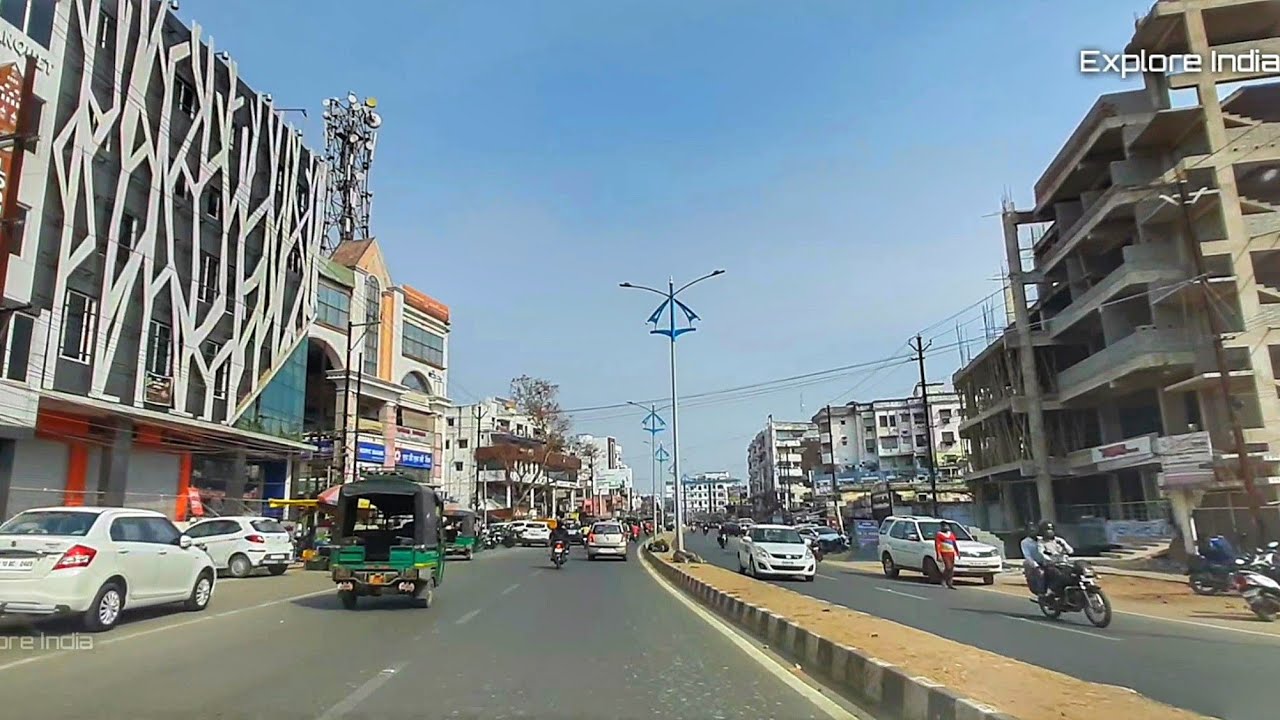
Jharkhand’s second most populous city after Jamshedpur, Dhanbad is located about 161 km northeast of Ranchi and about 300 km northeast of Netarhat. Located very close to the state’s border with West Bengal, Dhanbad is also called the Coal Capital of India for housing one of the largest coal mines in India. The prestigious Indian School of Mines, now IIT Dhanbad is also situated in Dhanbad.
Dhanbad was originally part of the Manbhum region and occupied by Mundari tribals in the wilderness of south undivided Bihar. The region has thick forests, rich mineral resources, and a mixed demographic profile, including Adivasis, particularly the Santals and the Mundas before the city was established. The discovery of rich deposits of coal in the region caused the city to flourish financially, but also bought the notorious coal mafia and gang wars which continues to date. Dhanbad has one of the oldest and largest markets in the region and is also a centre of large scale industries. The city is surrounded by about 112 coal mines with a total production of 27.5 million tonnes and an annual income of 7,000 million rupees through the coal business.
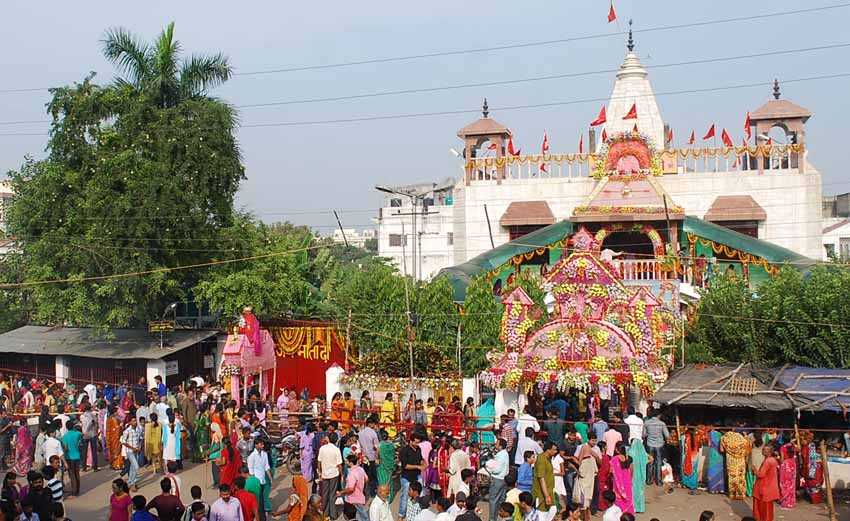
Shakti Mandir is located in the heart of the city and is dedicated to Goddess Durga. The temple hosts the Akhand Jyoti or the eternal flame which is brought down from Vaishno Devi. The temple is crowded on festive occasions and every Tuesday and Friday. The Lillori Sthan Mandir, dedicated to Goddess Kali is an important temple situated on the banks of the River Katri at a distance of 18.5 km from Dhanbad. This region is said to be under the protection of Goddess Kali with many rituals performed and festivals celebrated in Dhanbad located at this temple.
The Topchanchi Lake is an artificial lake upon which a dam was built to supply water to Dhanbad and its suburbs. The lake covers over 214 acres and is located about 37 km from the city amidst rolling green hills and forests. The famous Prasanath Hills are also nearby. A small part of the lake environs is dedicated to a wildlife sanctuary. The Bhatinda Falls is a powerful waterfall that cascades over rock formations. Also known as the waterfall of Moonidih, it is located about 14 km from Dhanbad and makes for an excellent picnic spot. The falls are lined by huge boulders and make for an awe-inspiring sight.
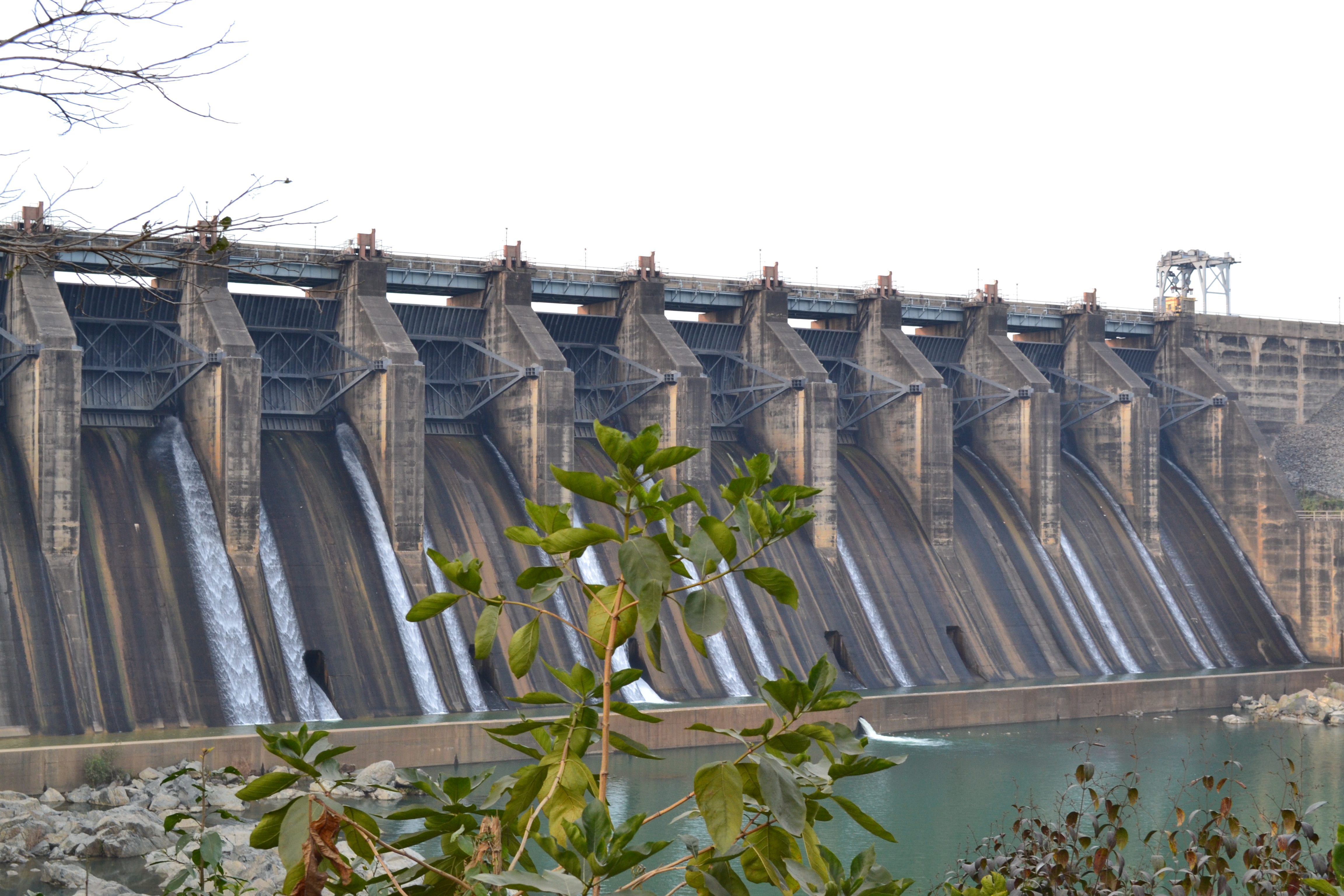
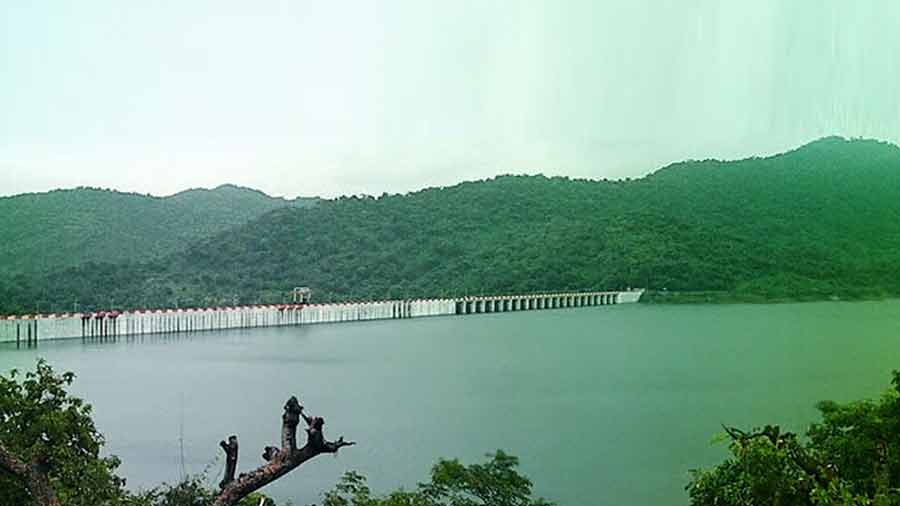
Maithon Dam on the banks of the River Borakar is a beautiful location about 48 kilometres from the main city. The dam is built by the Damodar Valley Corporation upon a river that expands to 65 sq km and is 15,712 feet long and 165 feet high. The dam is unique by being a one of a kind underground power station in Asia and also requires permission to get into and provides guided tours for visitors. Boating can be enjoyed at the dam year-round and has amazing views of the sunset. There is a deer park close by as well as the Maithon Hydel Power Plant, Asia’s first underground hydel power plant. Accessible by boats, Chammach Pahad is a beautiful island with the shape of a giant inverted spoon. Dedicated to the Goddess Kalyaneshwari, the Kalyaneshwari Temple has multitudes of women praying to have a child. The temple is hundreds of years old and is surrounded by natural beauty. Christmas and New Year are the best times to visit the Phoolbagan & Millennium Parks, located below the Maithon Dam, as flower shows are organised during this time.
Panchet Dam is the last to be built out of the four multi-purpose dams that were constructed under the Damodar Valley Corporation and was opened in 1959. The dam gets its name from the nearby Panchet Hill that rises above the dam. Built across the Damodar River which forms a natural border between Jharkhand and West Bengal, Panchet Dam is constructed above the confluence of the Barakar and Damodar Rivers and so the northern bank of the reservoir falls in Jharkhand and the southern bank under West Bengal. The village of Telkupi, dating back to the 1st century and home to various ancient Jain temples as well as the capital of the erstwhile Tilakampa Kingdom was submerged under the dam area. However, some temples and the fort of the Singh Deo dynasty of Panchakot remain which tourists can visit as well as the ruins of the Old Terracotta temple in the Garpanchkot hills. At a drive of half an hour from the dam is the beautiful Garpanchkot at the foothills of the Panchet Hill. Home to the ruins of the temple and the historic fort, a visit to Garpanchkot is recommended while visiting the dam.
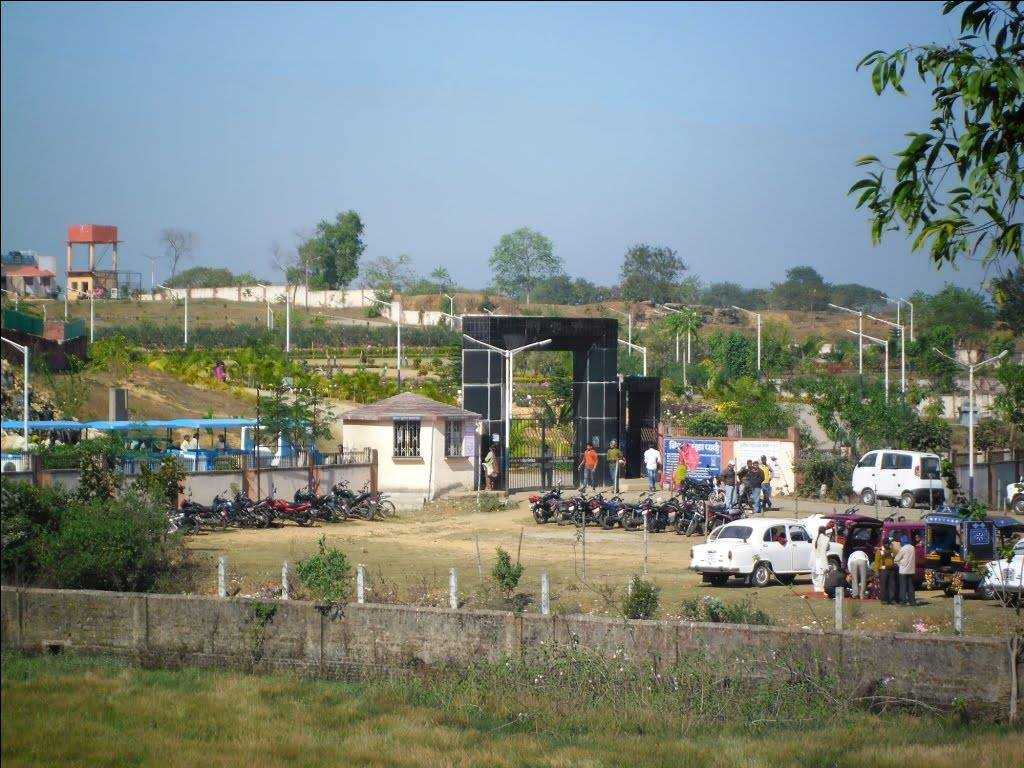
The Birsa Munda Park is Dhanbad’s sole park and a major tourist attraction spread over 21 acres with a walking path, lawns, a canteen, a playground and toy rides for children. Opened in November 2009, the park is often regarded as the stepping stone to various other projects that are coming up in the city. The park is open from 6 to 8 am and then again between 9 am to 7 pm with a free entry during the 6 to 8 am slot. For the later slot, the entry charges vary from INR 5 for children between 5 to 12 years to INR15 for adults during the week and INR 10 for children and INR 20 for adults on the weekends.
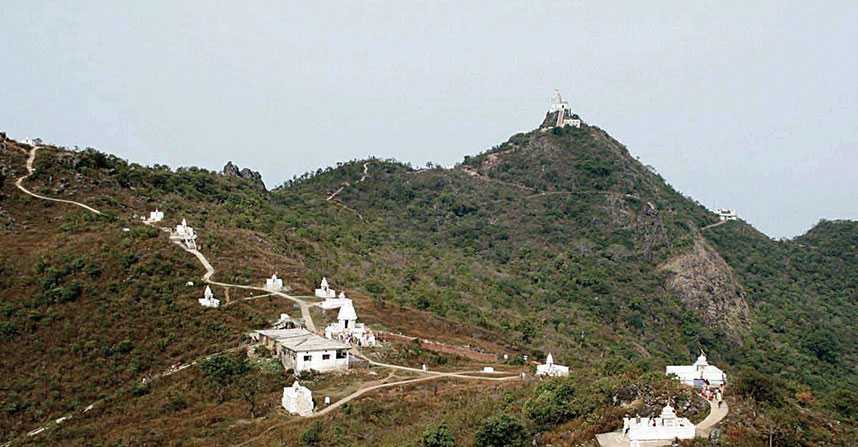
Located on Parasnath Hill, the highest mountain in Jharkhand, Shikharji is one of the holiest pilgrimage sites for Jains. It is believed that here is where twenty of the twenty-four Jain Tirthankaras had attained moksha or freedom from the cycle of rebirth, along with several other monks which makes it one of the most important and holy sites for Jain pilgrims, from both the Digambara and Svetambara sects. Rising to a height of 1,350 m Shikarji is the highest mountain in the state. It lies about 168 km northeast of Ranchi and about 55 km slightly north of Dhanbad.
Shikharji which means the venerable peak is also called Sammed Sikhar or the peak of concentration because this is where twenty of twenty-four Tirthankaras attained Moksha through meditation. The word Parasnath is derived from Parshvanatha, the twenty-third Jain Tirthankara, who was one of those who is believed to have attained Moksha here. Shikharji along with Ashtapada, Girnar, the Dilwara Temples of Mount Abu and Shatrunjaya are known as the Svetambara Pancha Tirth or the five principal pilgrimage shrines.
The earliest reference to Shikharji as a place of pilgrimage is found in the Jnatrdharmakatha, one of the twelve core texts of Jainism. Vastupala, the prime minister during the reign of King Vīradhavala and Vīsaladeva of the Vaghela dynasty, constructed a Jain temple housing 20 idols of Tirthankaras as well as images of his ancestors and Samavasarana. During Mughal rule, Emperor Akbar in 1583 had passed an edict granting the management of Shikharji Hill to the Jain community to prevent the slaughter of animals in the vicinity.
There are many temples at the foot of the Shikharji temple that are also frequented by tourists and pilgrims. The section between the summit of the mountain and the Gandharva Nala stream is a very religious and holy place for Jains. The current structure of temples at Shikharji was re-built by Jagat Seth in 1768, however, the idol itself is very old. The Sanskrit inscription at the foot of the image is dated 1678 with one shrine dating to the 14th century.
At the base of Shikharji is a temple to Bhomiyaji or Taleti. On the walls of the Jain temple at the village of Madhuban, there is a mural painting depicting all the temples on Parasnath Hill. The Svetambara Bhaktamara temple, established by Acharya Ramchandrasuri, is the first temple to house a Bhaktamara Stotra Yantra. A large Digambar Jain temple depicting Nandishwar Dweep is at the base of the hill. The Nichli temple, built by a Calcutta merchant in the 18th century, is noteworthy for its architecture and features arched gateways and carvings of Tirthankaras on the temple walls. There are 31 tonks each which enshrines footprints, in black or white marble, of a Tirthankara with the Parshvanatha tonk at the summit of the hill. The chatra distinguishes the Parshvanatha footprint from the footprints of the other 23 Tirthankaras which do not have chatras and are indistinguishable from each other. Since these temple does not have images these tonks are worshipped by both the Digambara and Svetambara sects. Visitors may also try adventure sport activities like parasailing and paragliding.
A holy city, sacred to Hindus, Deoghar lies about 250 km northeast of Ranchi and about 100 km northeast of Shikharji. Also known as Jharkhand’s cultural capital, Deoghar is famous for the Baidyanath Temple. Deoghar is situated on the banks of the River Ajay and its tributary, the River Dadhawa. It is a part of the Indian peninsular plateau which forms a part of the oldest landmass on earth, Gondwana Land.
The Baidyanath Temple is one of the 12 Jyotirlingas sites. Deoghar is a Hindi word and means the abode of Gods and Goddesses. The origins of the Baidyanath Dham are lost in antiquity, but it has been referred to as Haritakivan or Ketakivan in Sanskrit texts. The name Deoghar seems to be of recent origin and probably dates to the construction of the temple of Lord Baidyanath. Although the name of the builder of the temple is not traceable, certain parts of the front portion of the temple are said to have been built by Puran Mal, an ancestor of the Maharaja of Giddhour, in 1596. The temple is dedicated to Lord Shiva and so during the month of Shravan, around July and August, many devotees take the water of the River Ganga in pitchers called Kanwads, hence known as Kanwariyas, to perform the holy ritual of Rudrabhishek or the holy bath from Sultanganj to Deoghar for worship and it is believed they get what they desire in life. Deoghar, along with Srisailam, is one of the few places in India where the Jyotirlinga and the Shaktipeeth are together, lying side beside each other.
There is an old story that is a part of this temple’s origins. When King Ravana of Lanka, felt his capital would be incomplete and under the constant threat of enemies unless and until Mahadeva or Lord Shiva decides to stay forever; he offered constant prayers to the Lord. Pleased, Lord Shiva permitted Ravana to carry his Atmalinga along with him to Lanka on the condition that there neither should be a break on the journey to Lanka nor should the lingam be transferred to any other person. If this were to happen, the lingam would remain fixed at that place forever where it was deposited. The other Gods were against this plan because they knew that if Lord Shiva went to Lanka with Ravana, his evil deeds would threaten the entire world. So they requested Lord Varuna, the God of Water, to enter Ravana’s belly on his way back. When the Lord did so, Ravana felt a severe urge to release water, and he handed over the lingam to a Brahmin, who was Lord Ganesha in disguise. The Brahmin placed the lingam at this location, which is now known as Baidyanath Dham. Ravana tried hard to remove the lingam from the spot where it had been placed and his frustration at being unable to do so made him retort to violence, and he damaged the lingam in the process. His guilt then made him visit the spot daily, and this continued forever. The place where Lord Shiva descended earth is known as Harilajori, which is close to Baidyanath.
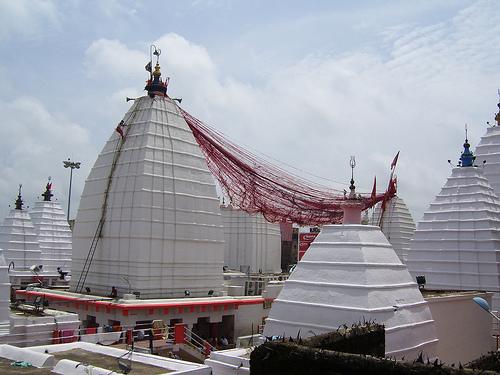
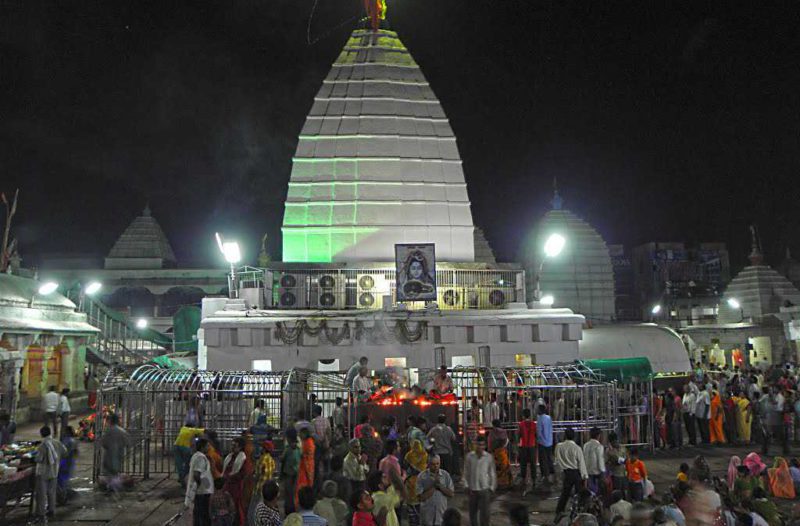
The large and magnificent temple complex comprises the main temple of Baba Baidyanath, where the Jyotirlinga is installed, along with twenty-one other significant and beautiful temples. The temple of Baidyanath or Lord Shiva is the most important of all the temples in the courtyard. The temple is said to have been built by Vishwakarma, the architect of the Gods. The temple is divided into three parts: the main temple, the middle part of this main temple, and the entrance to the temple. This 72 feet high temple is east facing and is shaped like a lotus. The top consists of three ascending shaped gold vessels that were donated by the Maharaja of Gidhaur, Raja Puran Singh. Besides these vessels is a ‘Punchsula’, which is five knives in a Tridenta shape, and an eight-petalled lotus jewel, known as Chandrakanta Mani. The central lingam is about 5 inches in diameter and projects about 4 inches from the centre of a large slab with the top of the lingam broken. The temple of Goddess Parvati is tied to the main temple using red sacred threads and this unique feature symbolises the unity of Shiva and Shakti. Rituals begin at 4 am and continue till 3:30 pm, after which the temple is closed. The temple is then opened again at 6 pm and closes at 9 pm.
The Naulakha Mandir is 1.5 km from the main Baidyanath Temple and is dedicated to Lord Krishna and Goddess Radha. The name Naulakha is from the cost of the temple which was nine lakhs or 900,000 rupees. The temple which is 146 ft high, is very similar to the Ramakrishna Temple in Belur. The temple was built on the donations of Rani Charushila of the Pathuria Ghat King’s family in Kolkata. Greaving the deaths of her husband and son, she went seeking healing and was advised by Sant Balananda Brahmachari to construct this temple.
Located 10 km from Deogarh, the Tapovan Caves and Hills is also known as the Taponath Mahadeva Shia Temple. There are several caves present there with a Shiva lingam installed in it which is said to be prayed by the Sage Valmiki in penance.
Nandan Pahar is an amusement park built on top of a hill and is famous as a picnic spot. One can have fun on one of the joy rides or go boating in the region or offer their prayers at the Nandi Temple. Sunrises and sunsets are worth making the trip for and Nandan Pahar consists of a garden and a pond, and serves as an amusement or recreational park with many joy rides. The Nandi temple, which is situated on the top of Nandan Pahar, is very famous and the whole complex is promoted by the Jharkhand State Tourism Development Corporation. Locals believe that once Ravana wished to enter Lord Shiva’s abode, Shivadham. Lord Nandi was serving as the doorkeeper and got into a fight with Ravana when he tried to forcibly enter the place. Ravana lost his temper and picked Nandi up and threw him as far as he could. Nandi fell on this hill that is now known as Nandan Pahar.
Source
Dumka
Jharkhand’s sub-capital, Dumka lies about 280 km northwest of Ranchi and about 69 km from Deogarh. There are two theories on how Dumka got its name. The first one suggests that Dumka’s name derives from the Santali word sumk for shunted or small, because, during the British colonial rule, it was a small town compared to Rampurhat and Bhagalpur. The other is that Dumka derives its name from the Persian word damin-i-koh, which means skirts of the hills.
Located in an ancient village at the border with West Bengal, the Maluti temple has many terracotta temples dedicated to Lord Shiva, Lord Vishnu and Goddess Durga. Chutonath is located about 20 km from the main town and is dedicated to Lord Chutonath. A festival in his name in April has become a tourist attraction. Dharmasthan is a temple situated in the heart of Dumka town and is dedicated to the Goddess Kali, with a special pooja organised here for seven days during the Durga Puja festival. Kurwa Park or Shrishti Pahar is a small picnic spot about 5 km to the east of Dumka which has a park, facilities for boating and a small hill. A temple is also situated here.
Masanjore is a small village about 30 km south of Dumka with the Masanjore Dam on the Mayurakshi River a tourist draw. The Massanjore Dam was commissioned in 1955 and is bounded by hills and forests. Also sometimes referred to as Canada Dam or Pearson Dam, because it was built with Canadian Aid in 1956, the dam is around 155 feet high and 2170 feet long, with an area of around 16,650 acres and a capacity of 500,000 acres.
And this brings us to the end of this very underrated state. I hope this small endeavour will encourage people to take a trip here to explore some hidden gems.