Also known as Chhoti Teej, Madhusrava Teej and Shravana Teej, today is the festival of Hariyali Teej aka Green Teej, a festival celebrated on the third day after the full moon in the month of Shraavan, the fifth month of the Hindu calendar which begins in mid to late July and ends in August. As this is the monsoon season when the surroundings become green, the Shraavana Teej is also called Hariyali Teej. The month of Shravan is very important for the sub-continent as it is connected to the arrival of the south-west monsoons. The festival usually falls a couple of days before the festival of Nag Panchami, when snakes are worshipped. The festival of Hariyali Teej holds the same significance as Karwa Chauth observed by the married Hindu women in certain parts of India.
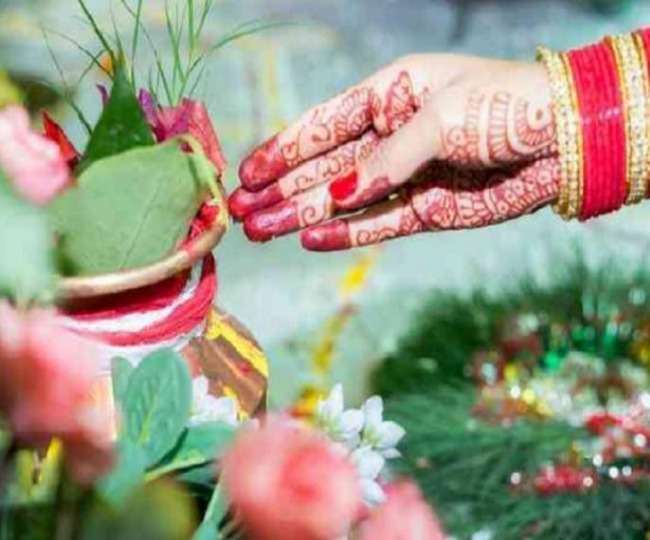
Teej is the generic name for a number of Hindu festivals that are celebrated by women in many parts of India, mainly in north and central India and Nepal. The monsoon festivals of Teej are primarily dedicated to Goddess Parvati and her union with Lord Shiva with women often fasting in celebrations. Teej refers to the third day that falls every month after the new moon or amavasya, and the third day after the full moon night of every month. The festival celebrates the bounty of nature, the arrival of clouds and rain, greenery and birds with social activity, rituals and customs. These festivals for women, include dancing, singing, getting together with friends and telling stories, dressing up with henna-coloured hands and feet, wearing red, green or orange clothes, sharing festive foodsand playing under trees on swings.
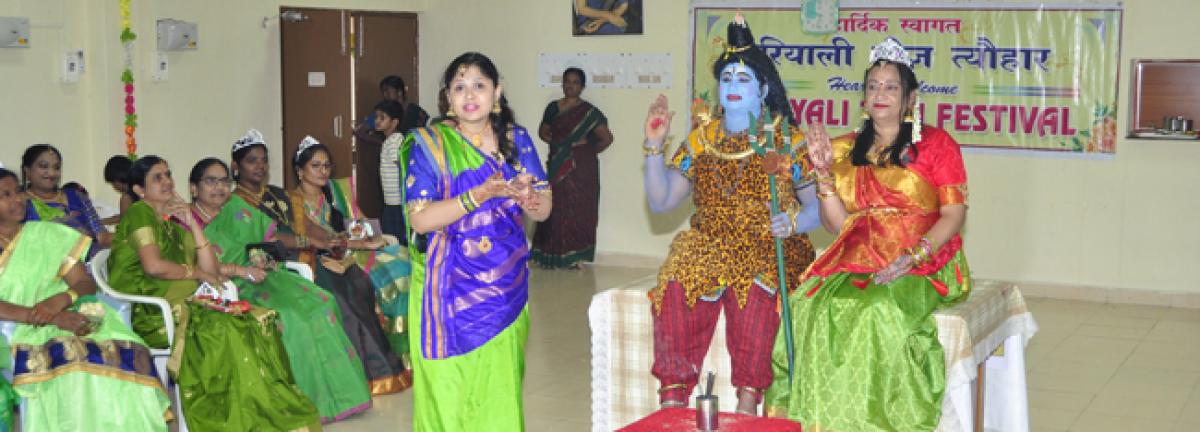
Hariyali Teej is also celebrated to remember the reunion of Lord Shiva and Goddess Parvati, the day they married. As per Hindu mythology, on this day, an incarnation of Goddess Parvati was abducted by her friends to stop her marriage with Lord Vishnu. Goddess Parvati’s friends knew that she secretly loved Lord Shiva and yearned to marry him, so her friends kidnapped and hid her in the forest. Goddess Parvati used this time to pray Lord Shiva who was so moved by the prayers that he agreed and they were married with the blessings of her father. Goddess Parvati fasted and was austere for many years and was accepted by Lord Shiva as his wife in her 108th birth and is also known as Teej Mata. Devotes observe fast and do a special puja (prayer) to worship the moon with milk, flowers, and curd. On Sindhara Teej married daughters receive the gifts by her mother such clothes, bangles, bindi, mehandi, etc. Ghevar, a special sweet, are given to them on this day. These gifts are known as Sindhara.
On Teej, just as on Karva Chauth, the mother sends a baya or gift. The baya, which consists of a variety of foodstuffs, is placed on a thaali or a plate at a place of worship where a chowk or square has been decorated, and an idol or picture of Goddess Parvati has been installed. The puja is performed in the morning while the evenings are set aside for folk singing and dancing, including women’s prayers for their husbands’ longevity and their families.
The traditional areas of celebration of Hariyali Teej are Punjab, Haryan Uttar Pradesh, Bihar, Jharkhand, Madhya Pradesh and Rajasthan.
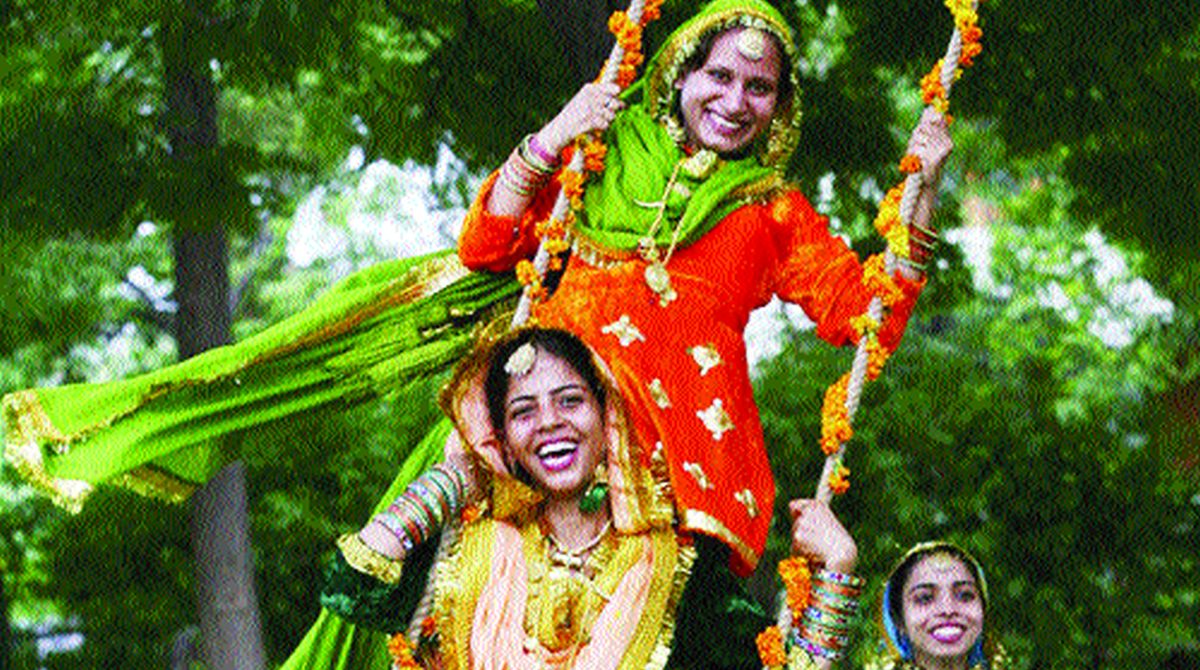
In Punjab, Teej is known as Teeyan and is seen as a seasonal festival which is dedicated to the onset of the monsoon. During Hariyali Teej, girls play on swings that are set up under trees or open courtyards and during Teej, in-laws, husbands and other family members give gifts, typically new clothes and accessories, to girls and women. Boys fly kites and make sweets. The festival is celebrated by women of all faiths, and lasts from the third day of the bright half of the lunar month of Sawan as per the Punjabi calendar to the full moon of Sawan for about 13 days. Teeyan involves women getting together and performing Gidda, married women visiting their families and receiving gifts. It is also traditional for women to ride on swings. Fairs are organised in schools and colleges where dance competitions are held.
In Haryana, the festival is celebrated as an official holiday. Many functions are organised by the government to celebrate this festival, which welcomes the rainy season. Boys traditionally flew kites from morning to evening. Swings are set up in open courtyards, under trees for the season. Girls apply henna to their hands and feet and are excused from household chores on this day. On Teej, girls often receive new clothes from their parents.
In Rajasthan, Teej welcomes the monsoon and is observed in the month of Shravan which comes in July or August. The monsoon rains fall on the parched land and the pleasing scent of the wet soil rises into the air. Swings are hung from trees and women dressed in green clothes sing songs in celebration of the advent of the monsoon. This festival is dedicated to Goddess Parvati, commemorating her union with Lord Shiva. Goddess Parvati is worshipped by seekers of conjugal bliss and happiness. An elaborate procession is taken out in Jaipur for two consecutive days during the festival watched by people in large numbers. The Teej idol is covered with a canopy whereas the Gangaur idol is open. The traditional ghevar sweet is also associated with the festival. The day before Haryali Teej, is celebrated as Sinjara, wherein women put henna on their hands and eat.
The celebrations of Hariyali Teej are very elaborate in all the Krishna temples in Vridavan in Uttar Pradesh. Swings are laid for the deity and this ceremony is known as Jhullan Leela. Religious hymes and songs are chanted in all the temples and idols of Lord Krishna and Goddess Radha are beautifully adorned with ornaments and after the celebrations; water is showered over the devotees to mark the arrival of monsoons.
The tradition of Vat Vriksha also forms an important part of the Shravani Teej. In many places, swings are hung on the branches of a banyan tree or Vat Vriksha and even in houses. Women spend the day swinging along and dancing and singing with other women. On the day of Hariyali Teej women are given all the liberty for enjoyment and merry making. In Hindu mythology the banyan tree is sacred and its hanging branches are said to reflect knowledge. So, worshipping the Vat Vriksha on the occasion of Hariyali Teej is also considered auspicious.
On the day of Hariyali Teej, women also observe strict fast known as Nirjala Vrat, where they are not allowed to even drink water for the whole day. The Hariyali Teej vrat can be kept both by married and unmarried women and the fast is broken at night after worshipping the moon. On this day women worship Teej Mata or Goddess Parvati for the prosperity and well-being of their husbands. The idols of Lord Shiva and Goddess Parvati are worshipped and songs are sung in their honour.