Recipes: Pune Style Maharashtrian Misal

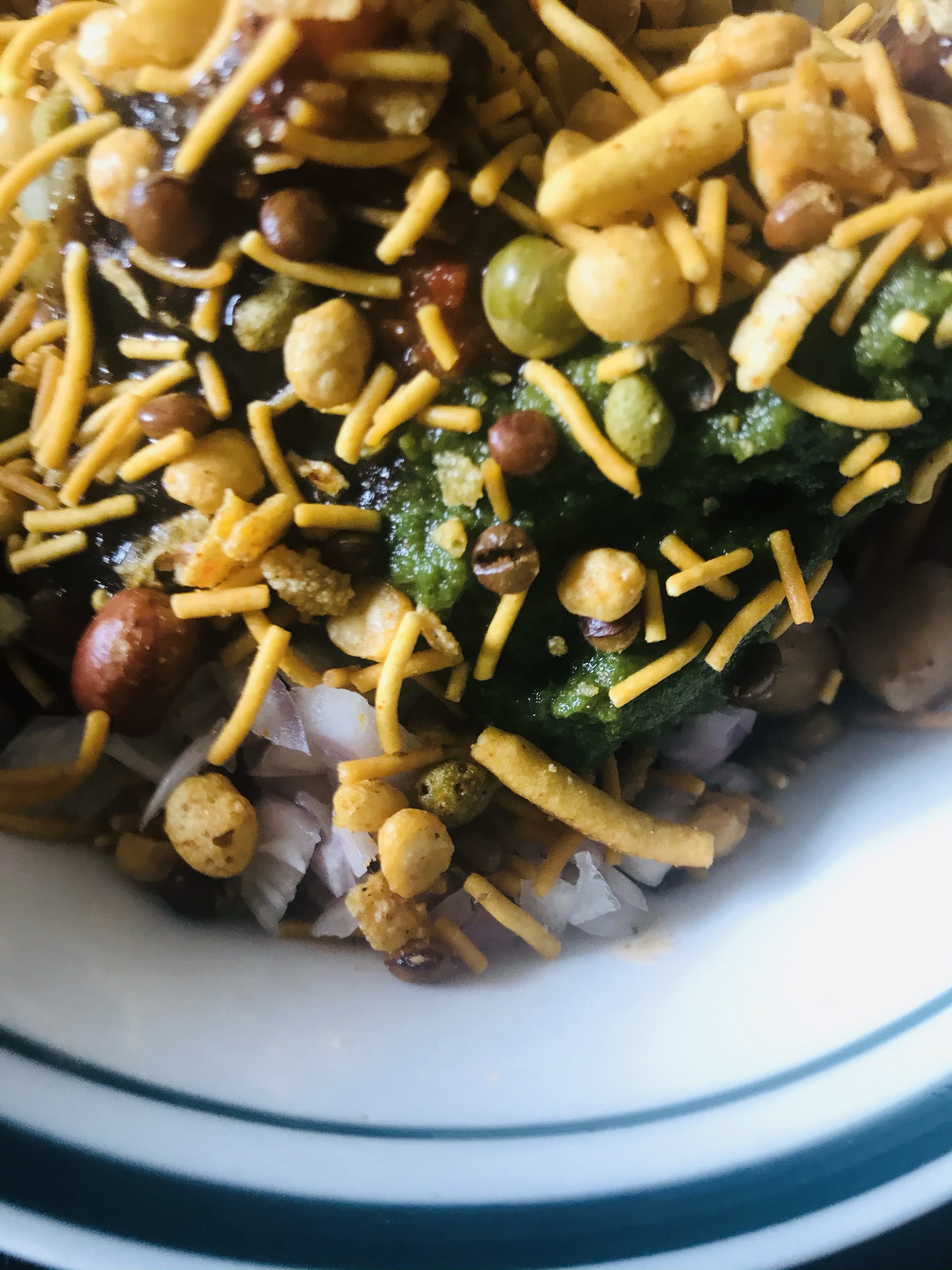
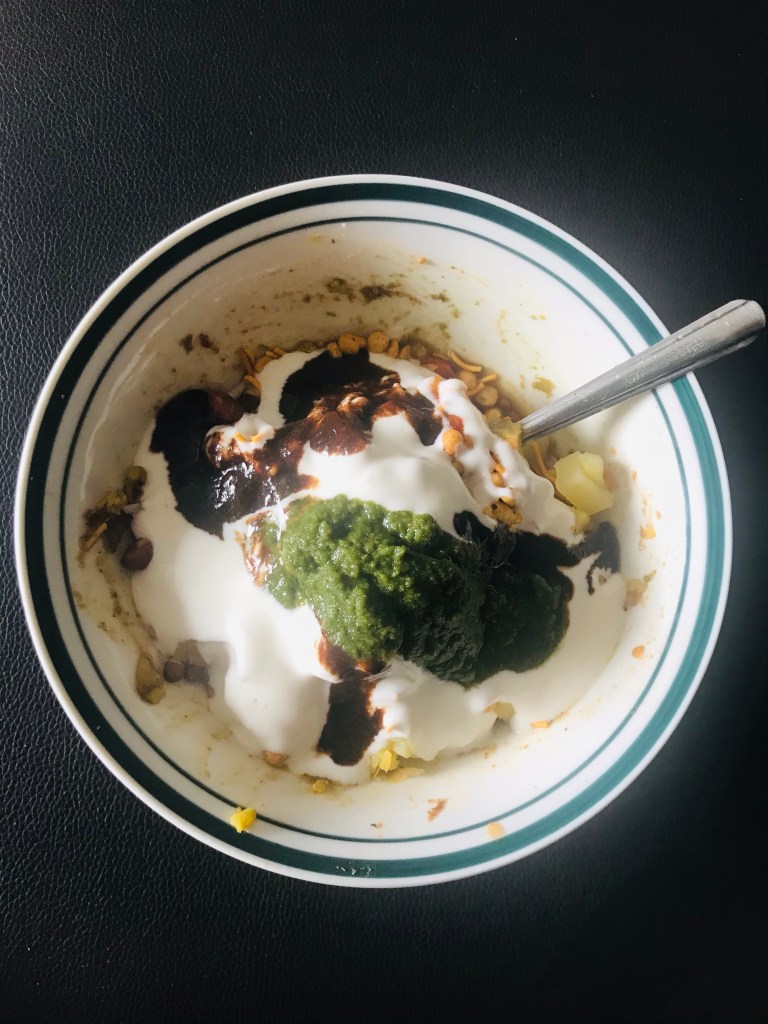
Misal is probably a quessiantial Maharashtrian dish, you will find it in every corner of the state and each city, town or district has their own variation of this dish. Misal pav consists of usal which is a spicy curry usually made from moth beans, which I think is called haricot beans and pavwhich is a type of an Indian bread roll. The final dish is topped with farsan which are dry snacks or sev, onions, lemon and coriander. It is served as a breakfast dish, as a snack and also as a full meal.

I have been wanting to try and make this for the longest time, but somehow the fact that this is quite a lengthy recipe to make always put me off. Then one Sunday, I finally decided to make it. I read up a few recipes and then did it my own way. Traditionally Misal is made with sprouted green gram or sprouted brown gram, but I decided to make this more healthy by incorporating many dried beans and also since this was a fairly last minute decision, I did not sprout the beans and just soaked them in water. The version I have made is in the Pune style which incorporates poha or flattened rice flakes, while the Nashik version is usually spicy and served with pav, curd, chopped coriander and onion.
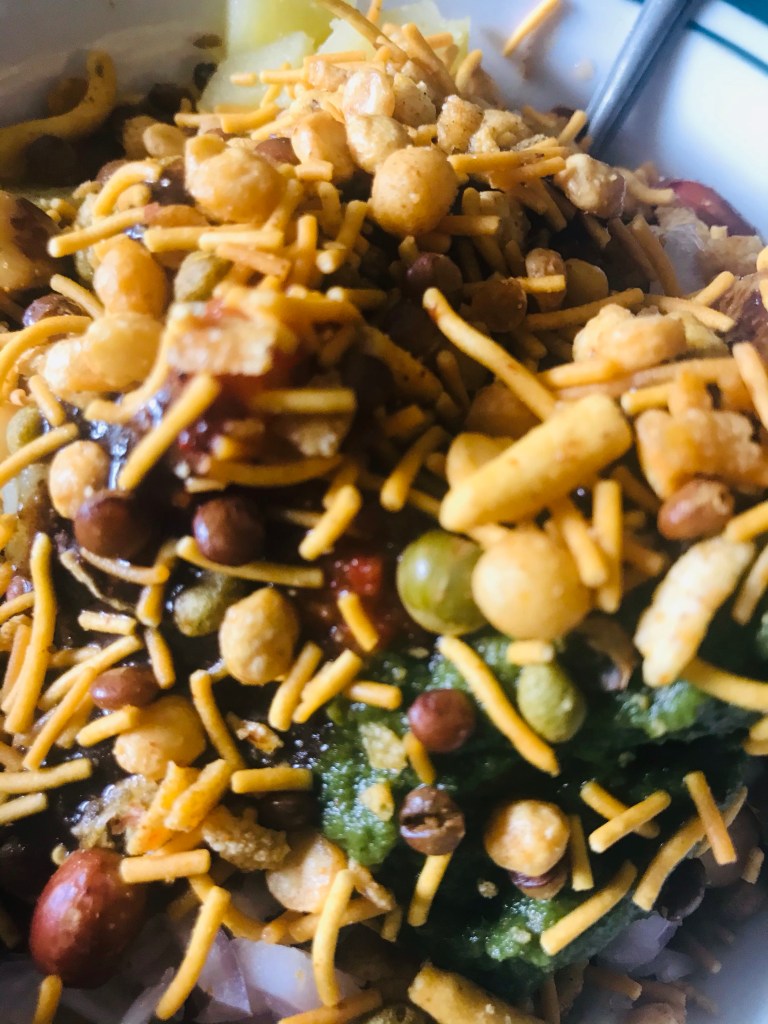
Pune Style Maharashtrian Misal

Ingredients:

For the Usal

  • 1.5 – 2 cups mixed dried beans soaked in water overnight (I used a mixture of dried chickpeas, dried black-eyed peas, dried green peas, dried black beans and black chickpeas, but you can use what you have in the kitchen)
  • 1 tbsp oil
  • 1 tsp mustard seeds
  • 5-8 curry leaves
  • 2 medium sized onions, chopped finely
  • 3-4 medium sized tomatoes, chopped finely
  • 1 tbsp tamarind pulp
  • Kashmiri red chilli powder to taste
  • 1 tsp coriander powder
  • 1 tsp cumin powder
  • ¼ tsp turmeric powder
  • ¼ tsp asafoetida powder

For the dry masala paste

  • 1 tbsp cumin seeds
  • 1 tbsp coriander seeds
  • 1 tbsp sesame seeds
  • 7-8 pepper corns
  • 5-6 dried red chillies
  • 1 inch piece of cinammom
  • 4-5 cloves
  • ¼ cup dessicated coconut

For the wet masala paste

  • 1 medium sized onion
  • 1 bulb garlic, peeled
  • 1 inch piece ginger

For the poha

  • 1 cup poha or flattened rice flakes
  • ¼ tsp plus a pinch turmeric powder
  • 1 tsp sugar
  • ¼ tsp asafoetida powder
  • 1 small onion, finely chopped
  • Salt to taste
  • 1 tsp oil

To serve

  • 2-3 onions, finely chopped
  • 2 medium sized potatoes, boiled, peeled and chopped into small pieces
  • 1 cup mixed farsan
  • Date Tamarind chutney (optional)
  • Green Coriander chutney (optional)
  • 1 cup beaten yoghurt mixed with rock salt

Method:

  • Cook the soaked dals in a pressure cooker with a bit of salt and cook till the beans are soft, but not overcooked. Let it cool and keep aside. Don’t drain the water it has been cooked in.

For the dry masala

  • In a dry pan, heat the masala ingredients except the coconut and let them brown.
  • When the dry spices become brown and start to emit an aroma, add the desiccated coconut and continue stirring until the coconut becomes crisp and brown and loses its moisture.
  • Remove from the flame and keep aside till it becomes cool.
  • Then grind it to a fine powder and keep aside. If there is any left over after using it for the usal, you can use it to spice other stir fries.

For the wet masala

  • Grind together the ginger, garlic and onion to a smooth paste and keep aside.

For the Poha

  • Wash the poha in running water till it softens and then let the water drain.
  • Add some salt and the sugar plus a pinch of turmeric powder and mix well. Keep aside.
  • Heat 1 tsp oil in a pan and when the oil heats up, add 1 tsp mustard seeds and let the mustard crackle. Next add the curry leaves and let the leaves become crisp.
  • Then add ¼ tsp turmeric powder and ¼ tsp asafoetida powder and stir for a few seconds.
  • Then add the finely chopped onions and a pinch of salt and let the onions soften.
  • When the onions soften and become translucent, add the soaked poha and mix well.
  • Cover and cook for 3-4 minutes. Remove into a serving dish and keep aside.

For the Usal

  • Heat oil in a large pan and when the oil heats up, add the mustard seeds and let it crackle.
  • When the mustard seeds crackle, add the curry leaves, turmeric powder and asafoetida and let the curry leaves crisp up.
  • Then add the finely chopped onions and let it cook for a while.
  • When the onions are translucent, add the wet masala paste and let it cook for a while.
  • Add the finely chopped tomatoes and cover and cook till the tomatoes become mushy and disintegrate.
  • Now add about 3-4 tbsps of the dry masala (or as much as you want) and then add the cooked beans along with the water it was cooked in.
  • Add in the dry spice powders – cumin powder, coriander powder as well as salt and cook covered for about five minutes.
  • Add in the tamarind paste and about 1 to 2 cups of water (you can make this as thick or thin as you like it) and continue cooking covered for about 10 minutes more.
  • Cover and keep aside till it’s time to assemble it.

To assemble the Misal Pav and Dahi Misal

  • In a bowl, layer some poha and pour in some usal above the poha.
  • Top with some of the onions and potatoes and finally add some farsan on top of it.
  • Add some of the green and tamarind chutney if you want and also a squeeze of lime.
  • You can eat it as it is or with some pav or bread.
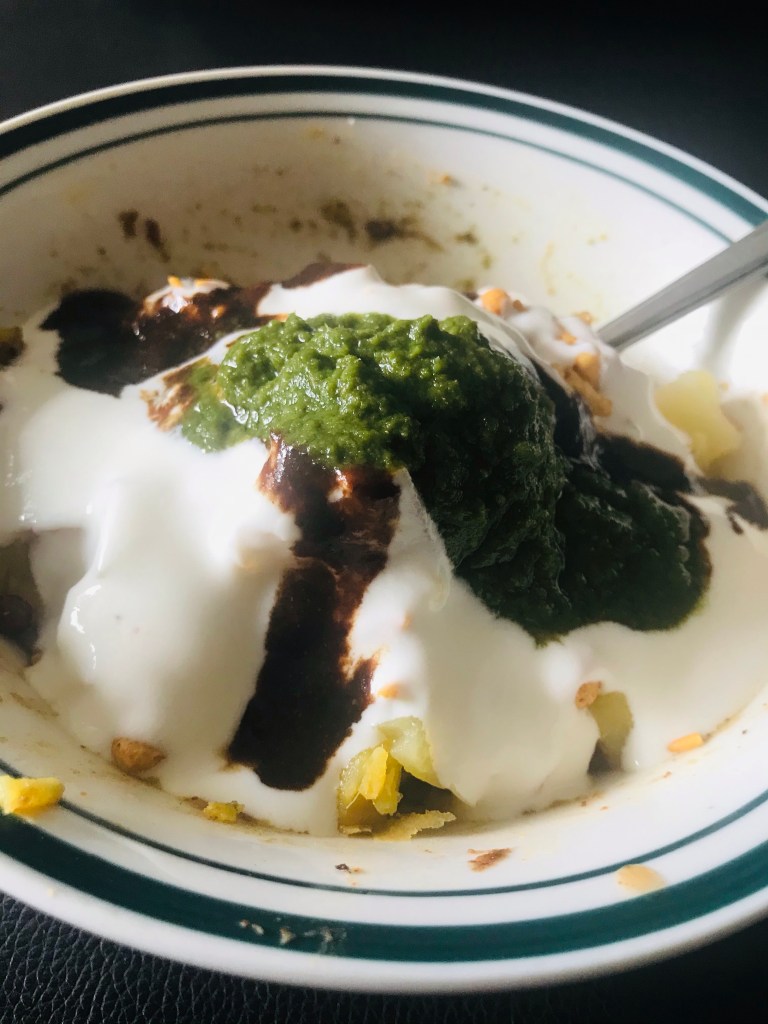
  • To make dahi missal after you top the farsan, add some of the prepared yoghurt and tp with the chutneys and then eat as it is.

It’s a tad long to make and takes time, but the taste is totally worth it!
2021 Week 02 Update

I read somethere this week a quote which resonated with me very strongly. The quote said, “You are not rejected, you are redirected”. This came the same day when I was rejected for a job I bid for. I knew then this was the universe sending me a message and I know there is something really special lined up for me.

Because of a wedding in the extended family, this week was super busy with lots of traditions and celebrations. The wedding was between two individuals of different communities and to see traditions from each community being followed was very sweet and showed us what a diverse melting pot India is.

Yesterday’s newspaper headlines said the world has hit the 2 million mark in terms of COVID-19 deaths and it was a very grim reminder of the crisis we are currently in. The current number of positive cases is slightly more than 94 million with the top three hit countries of the United States, India and Brazil accounting for more than 45% of the total cases worldwide!

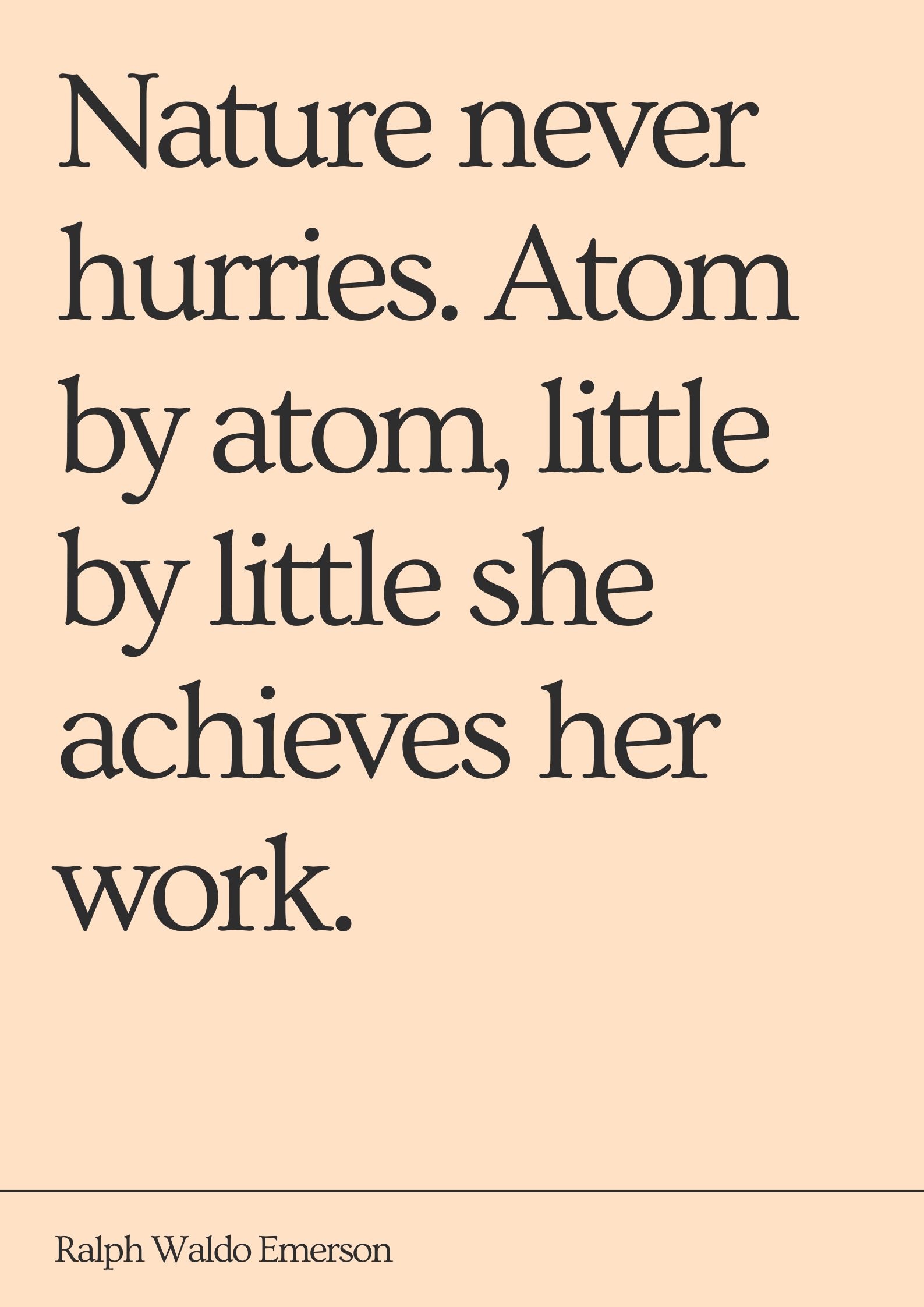
Next week also promises to be a busy one and though this week I was very unproductive, I am determined to do as much as I can next week so I can make up for this week’s lack of writing. And here’s this week positive thought. This quote by Ralph Waldo Emerson really spoke to me when I first saw it. It tells us that when things are ready, they will appear in front of us, so there’s no point in hurrying. There’s a similar saying in Hindi which says “jab jab jo jo hona hai tab tab so so hota hai” meaning when something is meant to happen, it will happen and not a moment sooner!

Stay blessed, stay safe and stay masked everyone! It’s being said that 2021 will be harder than 2020, so stay as safe as you can, especially when you are outside the house.

In My Hands Today…

I Can’t Remember The Title But The Cover Is Blue – Elias Greig

As any retail or service worker will tell you, customers can be irrational, demanding, abusive, and brain-scramblingly, mind-bendingly strange. They can also be kind, thoughtful, funny, and full of pathos. Something about the often-fraught interaction between customer and worker, with the dividing line of the counter between them, loosens inhibitions, and has a kind of hot-house effect on eccentricity.

In I Can’t Remember the Title But the Cover is Blue, veteran bookseller Elias Greig collects the best, worst and downright weirdest customer encounters from his years working as a Sydney bookseller. From ill-behaved children to nostalgic seniors and everything in between, this hilarious and unpredictable book is the perfect gift for anyone who’s ever been on the wrong side of a counter.

World Logic Day

In junior college (grades 11 and 12 to those who don’t follow the British system), I had a subject called Logic. This was a completely new subject for everyone and not everyone was enamoured by it. But I loved it and loved it so much that at one point in time, I wanted to major in it. Then I learnt that Logic was part of a Philosophy major and so Logic and I parted ways because I had decided on two majors I had to choose to become my major. So when I heard that yesterday was World Logic Day, I could not help but write about this subject, which was once a favourite.

The ability to think is one of the most defining features of humankind. In different cultures, the definition of humanity is associated with concepts such as consciousness, knowledge and reason. According to the classic western tradition, human beings are defined as “rational” or “logical animals”. Logic, as the investigation on the principles of reasoning, has been studied by many civilizations throughout history and, since its earliest formulations, logic has played an important role in the development of philosophy and the sciences. World Logic Day intends to bring the intellectual history, conceptual significance and practical implications of logic to the attention of interdisciplinary science communities and the broader public

In the twenty-first century – indeed, now more than ever – the discipline of logic is a particularly timely one, utterly vital to our societies and economies. Computer science and information and communications technology, for example, are rooted in logical and algorithmic reasoning. Despite its undeniable relevance to the development of knowledge, sciences and technologies, there is little public awareness on the importance of logic. The proclamation of World Logic Day by UNESCO, in association with the International Council for Philosophy and Human Sciences (CIPSH), intends to bring the intellectual history, conceptual significance and practical implications of logic to the attention of interdisciplinary science communities and the broader public.

World Logic Day was initiated to encourage the development of logical research, to foster and strengthen interactions between people having interest for logic, to make better known logic among researchers of all fields on location as well as to make the work of logicians on location better known and lastly to develop, promote and make better known logic in the world. So why was January 14 selected as World Logic Day? This date is the date of the death of Kurt Gödel and the date of birth of Alfred Tarski, two of the most prominent logicians of the twentieth century. Other than this, according to the Julian calendar, which was the calendar promoted by Julius Cæsar, in use from 45 B.C. to 1582 A.D. and still in use in some locations, January 14 was considered to be New Year’s Day, hence an apt day to start the new year with logic and rationale.

A dynamic and global annual celebration of World Logic Day aims at fostering international cooperation, promoting the development of logic, in both research and teaching, supporting the activities of associations, universities and other institutions involved with logic, and enhancing public understanding of logic and its implications for science, technology and innovation. Furthermore, the celebration of World Logic Day can also contribute to the promotion of a culture of peace, dialogue and mutual understanding, based on the advancement of education and science. The Day was first commemorated in 2019 and this year’s celebrations are the third time the world will celebrate World Logic Day. Academic, logicians, philosophers and mathematicians worldwide would have celebrated this day yesterday and if you have not yet done so, you can still do it today!

In My Hands Today…

How to Stay Sane in an Age of Division – Elif Shafak

Ours is the age of contagious anxiety. We feel overwhelmed by the events around us, by injustice, by suffering, by an endless feeling of crisis. So, how can we nurture the parts of ourselves that hope, trust and believe in something better? And how can we stay sane in this age of division?

In this powerful, uplifting plea for conscious optimism, Booker Prize-nominated novelist and activist Elif Shafak draws on her own memories and delves into the power of stories to bring us together. In the process, she reveals how listening to each other can nurture democracy, empathy and our faith in a kinder and wiser future.