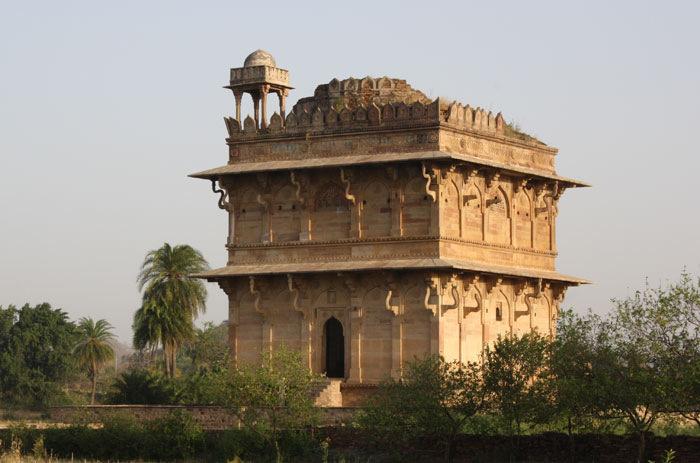
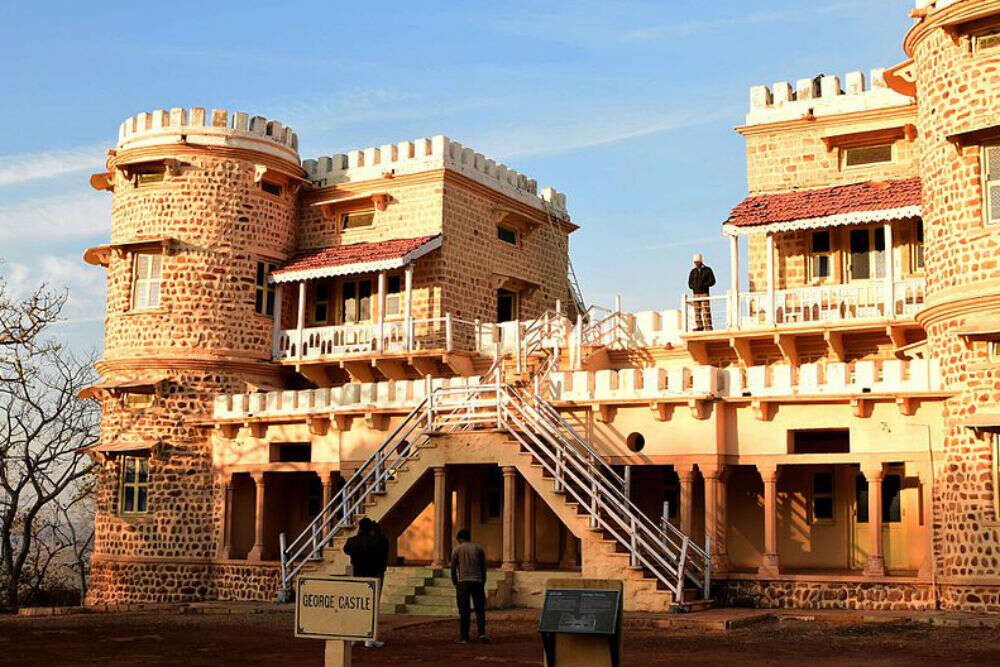
Gwalior is closer to New Delhi and Agra than the capital of Bhopal and not too far from the state borders. Gwalior is a major city in this area which occupies a strategic location in the Gird region of India. The historic city and its fortress have been ruled by several historic northern Indian kingdoms, from the Kachchhapaghatas in the 10th century and the Tomars in the 13th century, it was passed on to the Mughal Empire, then to the Maratha in 1754, followed by the Scindias in the 18th century. Gwalior was also the winter capital of the state of Madhya Bharat which later became a part of the larger state of Madhya Pradesh. Prior to Indian independence, Gwalior was a princely state of the British Raj with the Scindia as the local rulers. High rocky hills surround the city from all sides, on the north it just forms the border of the Ganga- Yamuna Drainage Basin. The city however is situated in the valley between the hills. Gwalior was one of the major sites of rebellion during the 1857 uprising and post-independence, it has emerged as an important tourist attraction in central India.
According to local tradition, Gwalior owes its name to a sage. Suraj Sen, a local prince, is said to have lost his way in the forest when he an old man on a secluded hill, the sage Gwalipa, whose presence there took him by surprise. Upon asking the sage for some drinking water, he was led to a river, where the waters not only quenched his thirst but also cured him of leprosy. Out of gratitude, the prince wished to offer the sage something in return, and the sage asked him to build a wall on the hill to protect the other sages from wild animals which often disturbed their yajnas or pujas. Suraj Sen later built a palace inside the fort, which was named “Gwalior” after the sage, and eventually the city that grew around the fort took the same name. The river from which Suraj Sen quenched his thirst later also came to known as Swarnrekha Nadi.

The earliest historical record found at Gwalior is the Gwalior inscription of the Alchon Hun ruler Mihirakula. Around the 9th century, the Gurjara-Pratihara dynasty controlled Gwalior and during their rule, they constructed the Teli ka Mandir temple. In 1231 Iltutmish captured Gwalior after an 11-month-long effort and from then till the 13th century it remained under Muslim rule. In 1375, Raja Veer Singh was made the ruler of Gwalior and he founded the rule of the Tomar clan. During those years, Gwalior saw its golden period. The Jain Sculptures at Gwalior Fort were built under Tomar rule. Man Singh Tomar made his dream palace, the Man Mandir Palace, now a tourist attraction at Gwalior Fort. By the 15th century, the city had a noted singing school which was attended by Tansen. Later in the 1730s, the Scindias captured Gwalior and it remained a princely state during the British Rule.
Gwalior is also known for not participating in the 1857 rebellion, mainly due to non-co-operation with Rani Lakshmibai. After Kalpi or as it is known today, Jhansi, fell into the hands of the British on 24 May 1858, Lakshmibai sought shelter at Gwalior Fort. The Maharaja of Gwalior was not willing to give up his fort without a fight as he was a strong ally of the British, but after negotiations, his troops capitulated and the rebels took possession of the fort. The British attacked Gwalior in no time, the battle was fought by Lakshmibai. Indian forces numbered around 20,000, and British forces around 1,600 troops. Lakshmibai died fighting, and Gwalior was free from rebels.
The Scindia state of Gwalior became a major regional power in the second half of the 18th century and figured prominently in the three Anglo-Maratha Wars. Gwalior first fell to the British in 1780. The Scindias held significant power over many of the Rajput states, and conquered the state of Ajmer. During the Indian Rebellion of 1857, the city was briefly held by rebel forces in 1858 until they were defeated by the British. The Scindia family ruled Gwalior until India’s independence from the United Kingdom in 1947, when the Maharaja Jivajirao Scindia acceded to the Government of India. Gwalior was merged with a number of other princely states to become the new Indian state of Madhya Bharat. The ruling family is also very involved politically, with various members of the family being leaders in different political parties.
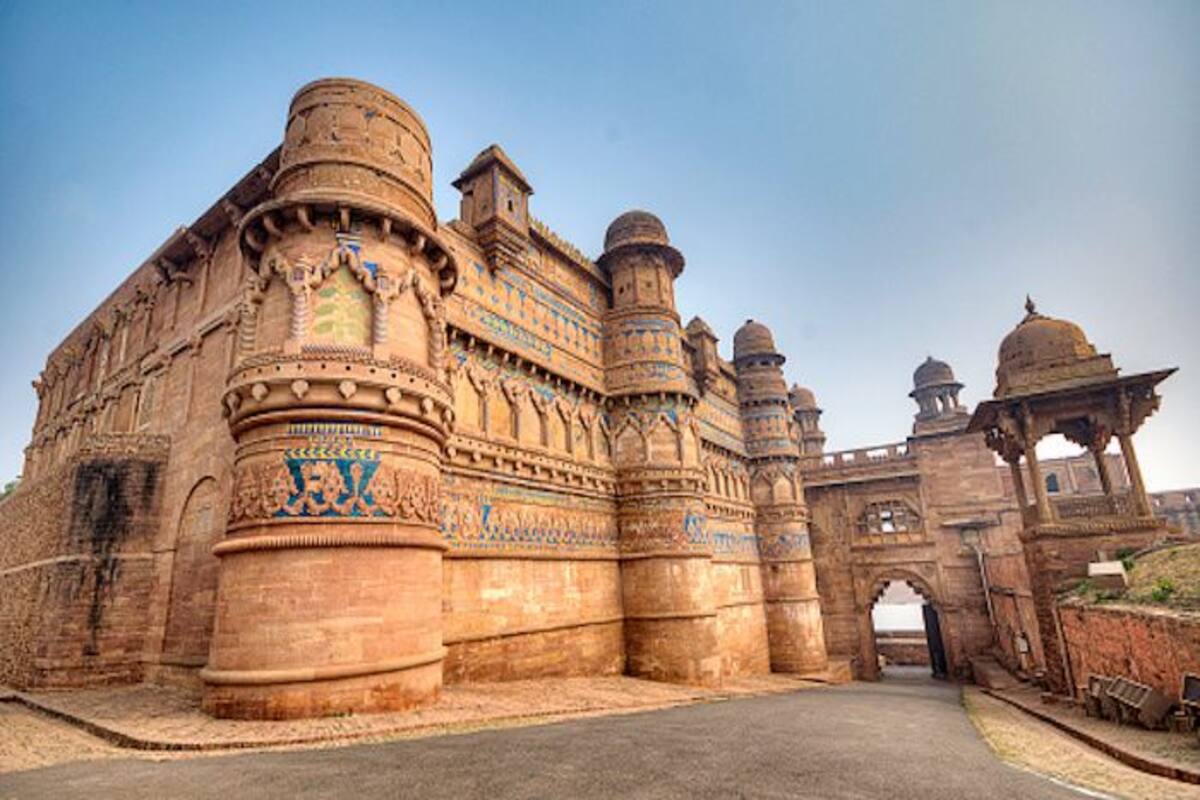
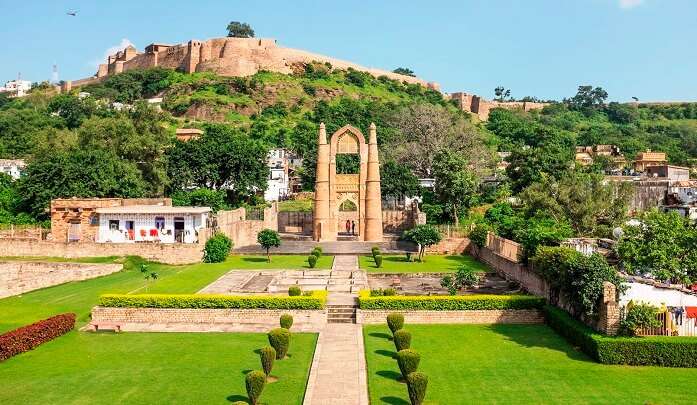
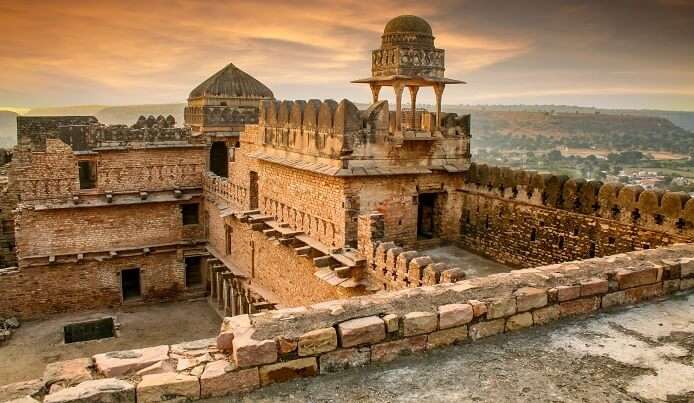
Gwalior Fort: Referred to as ‘the pearl amongst fortresses in India’ by Mughal emperor Babur, the Gwalior Fort is one of the most impenetrable fortresses in India. Situated on top of a vast rocky mountain near Gwalior, this imposing structure dominates the city. It is also the place where the second oldest reference of the number ‘zero’ has been found in the form of a carving inside a temple on the top of the fort. The construction of Gwalior Fort took place in two parts and in two different time periods and so, this architectural marvel has an intriguing history attached to it. It was passed from one dynasty to the other, multiple times.. The exact period during which the Gwalior Fort was constructed is not yet known. According to legends, this imposing fort was built in the 3rd century by a local king Suraj Sen. The king had recently been cured of leprosy with the help and blessings of a sage named Gwalipa, who had offered him water from a sacred pond. The grateful king then built this fort and named it after the sage. The word Gwalior is derived from the saint’s name – Gwalipa. The sage bestowed the title Pal, which means protector, upon the king; and declared that the fort would remain in his family’s possession as long as they bore this title. Interestingly enough, the fort remained with the 83 descendants of Suraj Sen Pal, but the 84th descendant named Tej Karan lost the fort. In the years that followed, the Gwalior Fort has witnessed many ups and downs. It also changed hands many times and has been held by the Tomars, Mughals, Marathas, and the British, before finally being handed over to the Scindias.
Surrounded by concrete walls of sandstone, the Gwalior Fort encloses three temples, six palaces and several water tanks, and is truly an architectural marvel. The different palaces and temples are a reflection of the architectural finery and skill that existed during those times and continues to be appreciated till date. The most beautiful palace in the fort is the Man Mandir Palace, which, with its amazingly elaborate structure, seems to hang at the edge of the striking fort. Blue ceramic tiles form the facade of this breathtakingly beautiful palace. The Teli-ka-Mandir, built in the 9th-century Dravidian style, rises to a height of over 100 feet and is famous for its blend of South Indian architecture with North Indian decorative motifs, as well as an exquisitely sculpted exterior. The Saas-Bahu temples on the eastern side of the fort are also larger than life examples of the 11th-century temple architecture.
The fort hosts a spectacular sound and light show every evening which is extremely well executed and makes you feel as if you are a part of the rich history of the fort and the love story of Raja Man Singh and his queen Mrignayani. The show takes place in the amphitheatre at the Man Mandir every day at 7:30 pm in Hindi and at 8:30 pm in English. Open from 6 am to 5:30 pm, the entrance fee to Gwalior Fort IINR 75 per person for Indians, INR 250 per person forforeigners and children below theage of 15 do not pay anything.
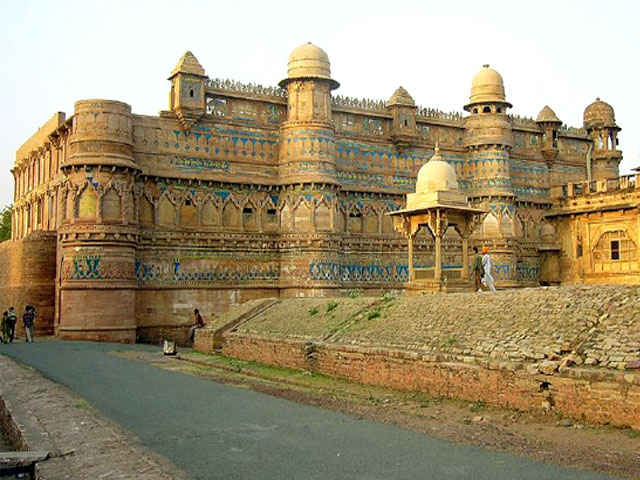
Man Mandir Palace: Located at the North-east end of the fort, the Man Mandir Palace was built between 1486 and 1516 by the Tomar ruler, Man Singh Tomar. The palace didn’t survive the ravages of time, however the remains of the palace still showcases the beautiful carvings and designs of that era. The palace has two open courts in between with apartments on two levels. There are underground prison cells as well, built later by Mughals. This was the place where Aurangzeb prisoned his brother Murad and poisoned him slowly to death by using opium. If you can find a local guide, he/she would be able to tell you various secrets about the place and show you various parts of the palace, which otherwise you won’t be able to see. Nearby is the Jauhar Kund where various Rajput women committed mass suicide to avoid rapes by the forces of Iltutmish who was the king of Delhi in the 13th century. The palace is also surrounded by other monuments like Jehangir Mahal, Shah Jahan Mahal and the Gujari Mahal. Man Mandir Palace is open all day of the week from 10 am to 5 pm and does not have any entry fees.
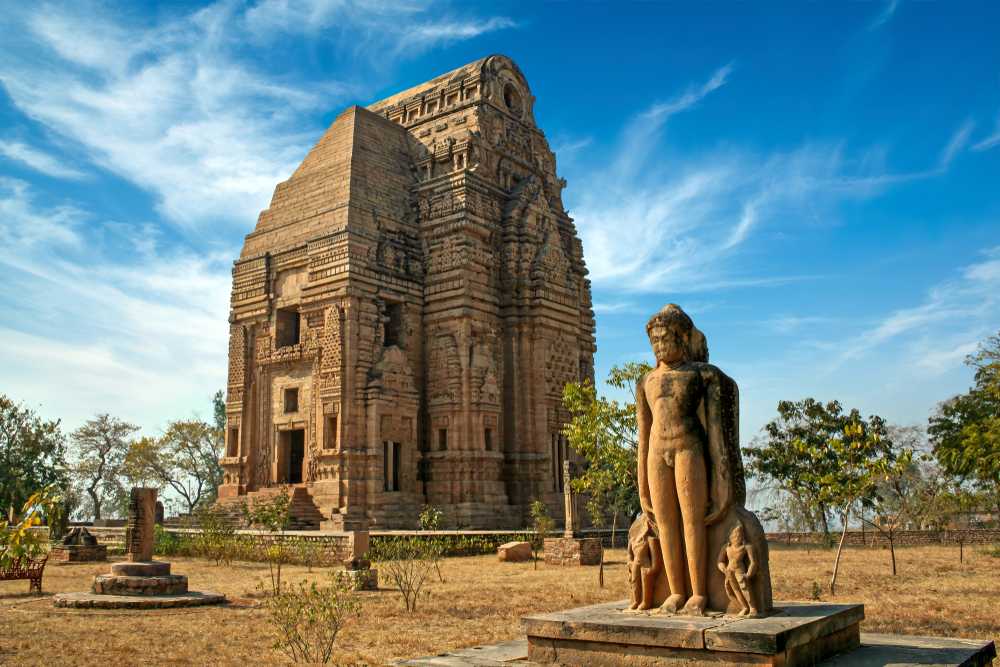
Teli Ka Mandir: Located in the Gwalior Fort, the Teli Ka Mandir temple dates back to the 9th century and is the highest building in Gwalior at 100 ft. This temple was used to process oil before the Britishers occupied the Gwalior Fort. The temple is famous for its unique architecture as the temple holds a Dravidian look, but the sculptures are typically North Indian. The temple is open every day between 10 am and 6 pm and entry fees are around INR 20 per person.

Saas Bahu Temple: Also built in the 9th century and contrary to what the name suggests, the Saas Bahu Temple does not mean Saas or Mother-in-law and Bahu or Daughter-in-law temple, but is a short form of Shastra Bahu, which is another name of Lord Vishnu. These are two temples situated adjacent to each other and are decorated with beautiful carvings and sculptures.

Suraj Kund: With the blue hills of Aravalli in the background, Surajkund is an old reservoir constructed around the 10th century by Suraj Pal of the Tomar Dynasty, who himself was a sun worshipper and therefore built a Sun Temple on the western bank of the embankment. The word Surajkund literally translates to the ‘Lake of the Sun’, and the destination is presently surrounded by the ruins of an ancient sun temple, coupled with a beautiful garden and a pool by the name of Siddha Kund. The tank is believed to have magical powers with the water from the tank acting as medicinal water that is assumed to cure chronic diseases, with the belief that Suraj Sen was cured of his leprosy after drinking the water from this tank. The sunrise and sunsets here are beautiful.Noticable thing of the Suraj kund is the sunset and sunrise.
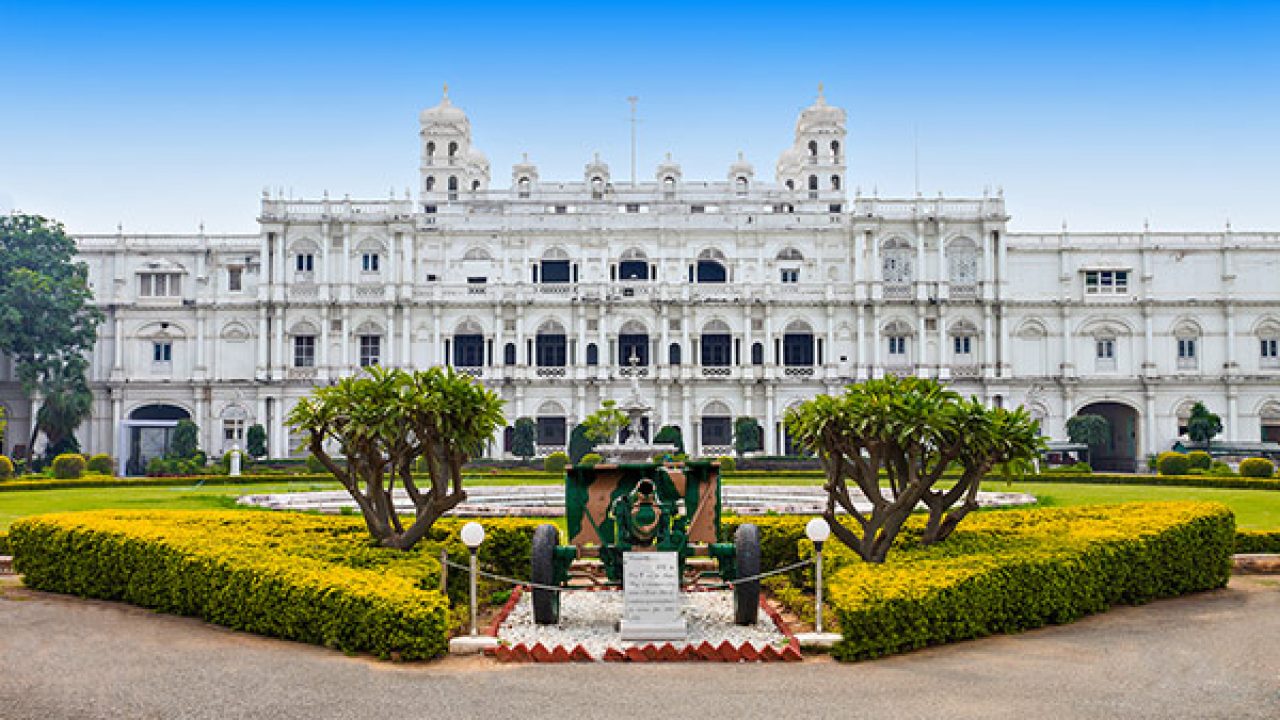
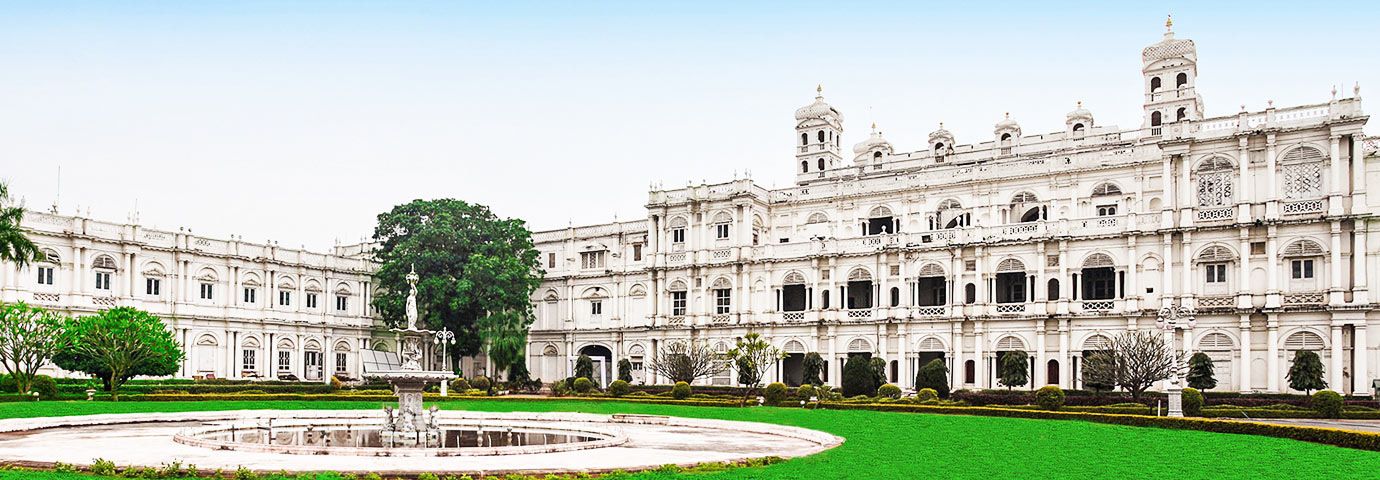
Jai Vilas Palace: Also known as the Jai Vilas Mahal, the Jai Vilas Palace was built to welcome King Edward VII, the then Prince of Wales in 1874. Today, the palace serves as a residence for the descendants of the Scindia family and also also serves as a museum which stretchs over 35 rooms, houses the Chitrangada Raje Art Gallery and a library that comprises more than 5,000 books. The palace also has a collection of swords that date back to the times of Shah Jahan and Aurangzeb, and the original shield that belonged to Rani Laxmibai. Covering a floor area of about 75 acres, the Jai Vilas Palace, inspired by the Palace of Versailles, has an intricately designed Durbar Hall, which houses some of the world’s biggest chandeliers, gilt furnishings, and a large plush carpet, said to be one of the largest in the world. The custom-made chandeliers, ordered from Vienna, are each 40 feet high and weigh 3.5 tonnes each and are amongst the largest in the world, even today. The layout of the Jai Vilas Palace is reflective of the colonial period and was designed by Sir Michael Filose. The first floor is fashioned in the Tuscan style, while the second and third floors are inspired from the Italian-Doric and Corinthian periods respectively. All 400 rooms are furnished with Italian marble flooring, Persian carpets, ornamental accessories and rare antiquities from France, China and Italy. A unique feature of the Palace is an elongated dining table, on which a silver train with cut glass carriages is rallied around to serve delicacies, after-dinner brandy or cigars to important delegates during get-togethers. A section of the palace consisting of 35 rooms has been converted into a museum with its primary purpose to serve as a central site for research and learning of ancient Indian arts and culture. The place includes a museum shop, café and library and there is provision for specialised tours, which can be booked after 5 pm and includes high tea and/or dinner. The palace is open from 10 am to 4:45 pm between April and September and from 10 am to 4:40 pm between October and March and is closed on Wednesdays. Entry fees for Indians is INR 500, while foreigners pay INR 600. You need to pay INR 60 to take in a camera or a smartphone while a video camera will incur a charge of INR 150. Children under the age of five and physically challenged people need not pay any entry fee.
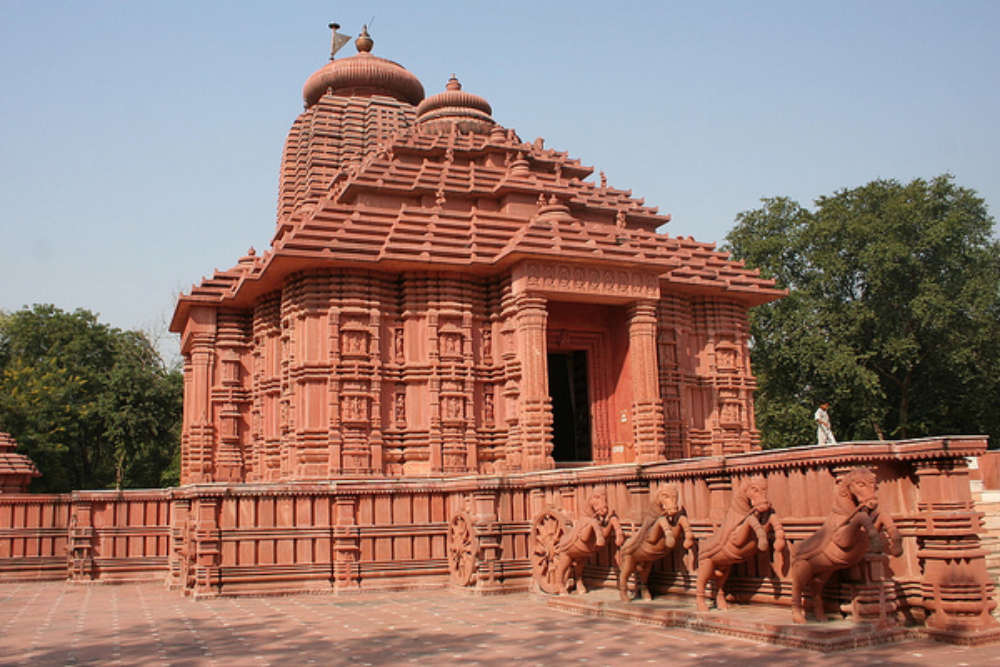
Sun Temple: The Surya Mandir or Sun Temple as the name suggests is a temple is dedicated to the Sun God and was constructed in 1988 by G.D. Birla. Built on the lines of legendary Sun Temple at Konark in Orissa, the Sun Temple blends exquisite architecture in red sandstone and pearly white marble. The outer edifice is made of red sandstone which is built in the manner of gradual slots that reach up to the peak of the facade. A splendid idol of the Sun Lord is enshrined in the temple. The temple is open every day from 6:30 am to 12 noon and then again from 1 to 6 pm. There is no entry fee.
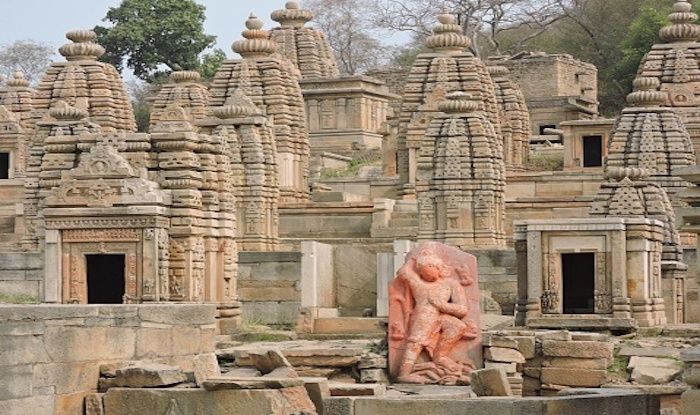
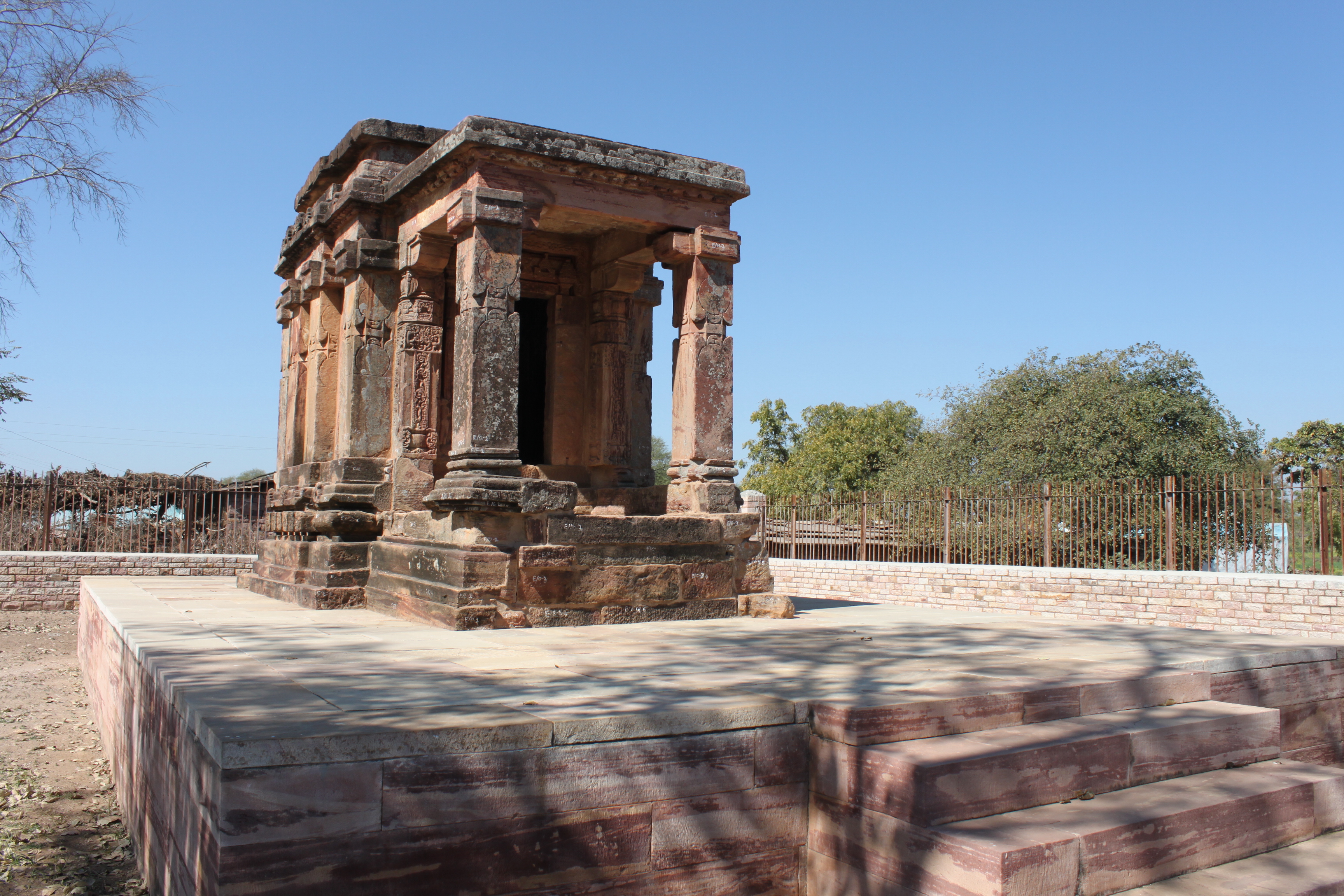
Padavali and Bateshwa: Situated around 40 km north from the main town, Padavali is a fortress comprising many ancient temples. The temples have intricate carvings and one of the temples also have erotic carvings and hence famous as mini Khajuraho. These temples were discovered in 2005 as a result of excavation by the ASI and the archeological work is still ongoing. Most of the temples here are dedicated to Lord Shiva and Lord Vishnu and are believed to built between the 8th-10th century and is built mainly using red sandstone.

Gurudwara Data Bandi Chhod: Associated with Guru Har Gobind Saheb, his imprisonment in Gwalior Fort and his release along with the 52 kings who were held captive, Gurudwara Data Bandi Chhod holds immense religious importance to the adherents of the Sikh faith.
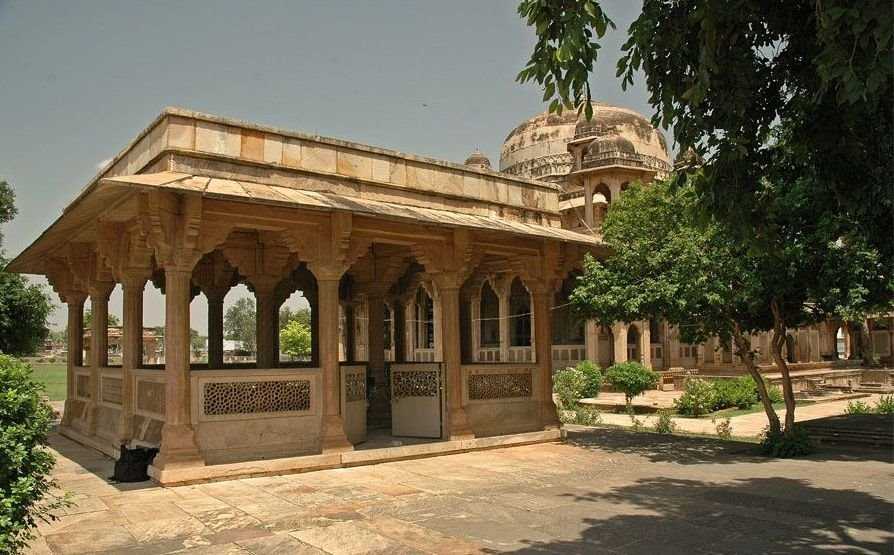
Tomb of Tansen: One of the greatest musicians of India and an eminent vocalist in the court of Emperor Akbar in the 16th century, Tansen was also among one of the nine gems of the Mughal court. Believed to be able to create magic, cause rains even though it was not the season for it and enchant animals with his music, Tansen was a student of Mohammad Ghaus who taught him Hindustani classical music. He was a proponent of Dhrupad style and he developed the Gwalior Gharana style of music. He was buried near his guru and this burial site is a beautiful piece of architecture. The annual Tansen music festival is held here every year in the month of November when prominent musicians from all over the country come and perform various classical shows. The tomb is open for visitors from 8 am to 6 pm.

Tomb of Ghaus Mohammed: The tomb of the 16th century prince-turned-sufi is located in Tansen Nagar in Gwalior. This beautiful mausoleum exhibits stunning Mughal architecture which gives the place a sense of serenity and peace.
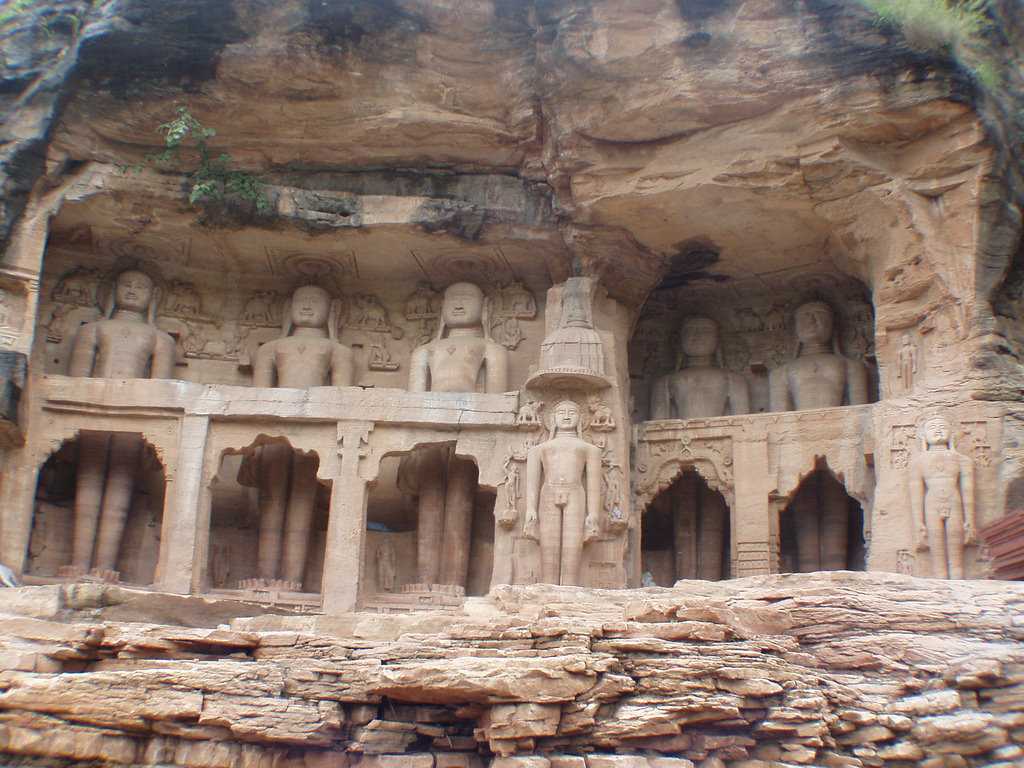
Gopachal Parva: Famous for its 7th and 15th century rock-cut Jain mounuments dedicated to Jain Teerthankaras – Adinatha, Mahavir, Neminatha and Rishanabhanatha – whose idols can be seen in a meditative posture, Gopachal Parvat are a part of 100 monuments located in and around the city.
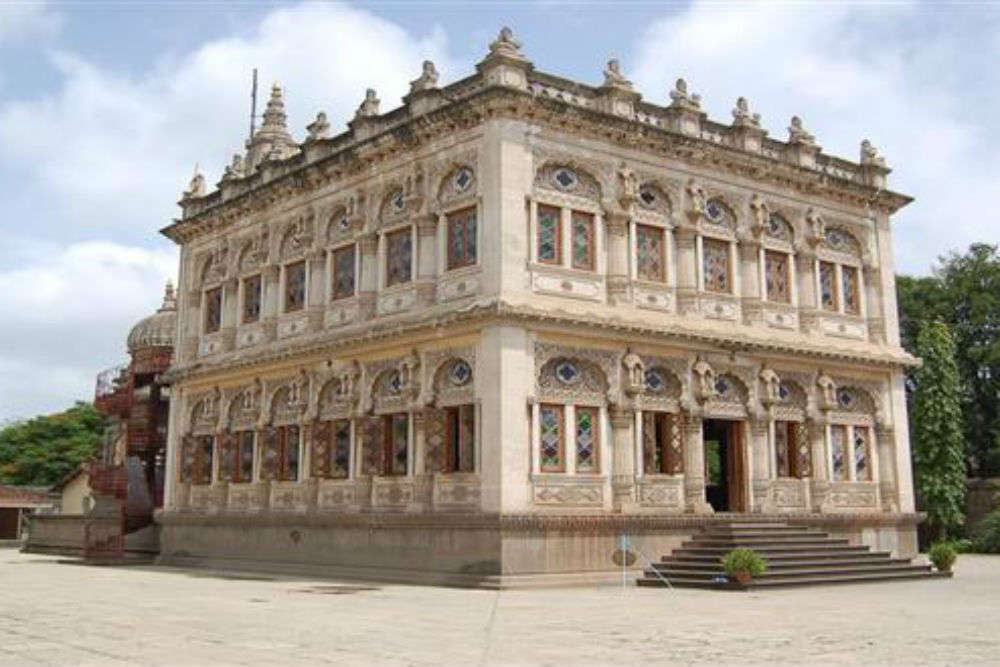
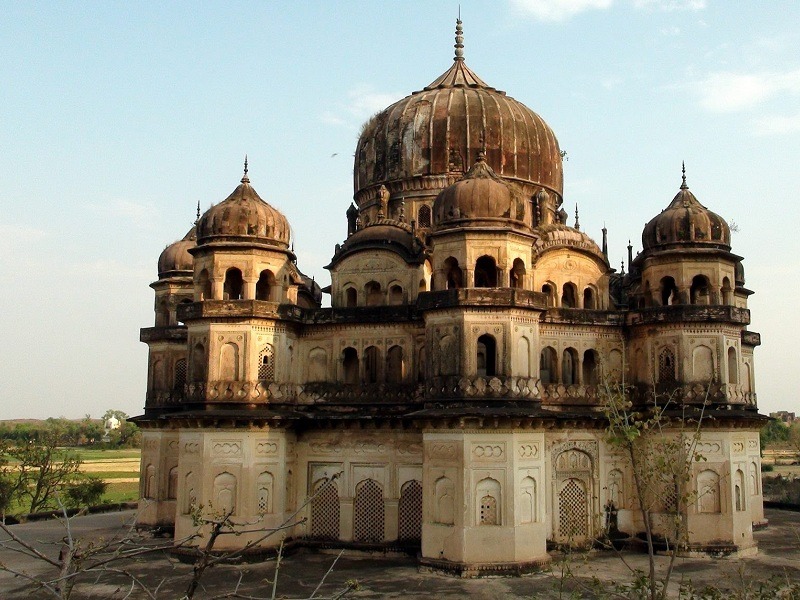
Chhatris of the Scindia Dynasty: Centophs built in the memory and honour of the rulers of the Scindia dynasty, the first Chhatri was constructed in the memory of Jayaji Rao Scindia in 1817. The Chhatri is famous for its architectural beauty with elegant domes and beautiful pavilions made of pink and yellow sandstone set amidst lush green lawns. The Chhatri is open from 9 am to 5 pm.

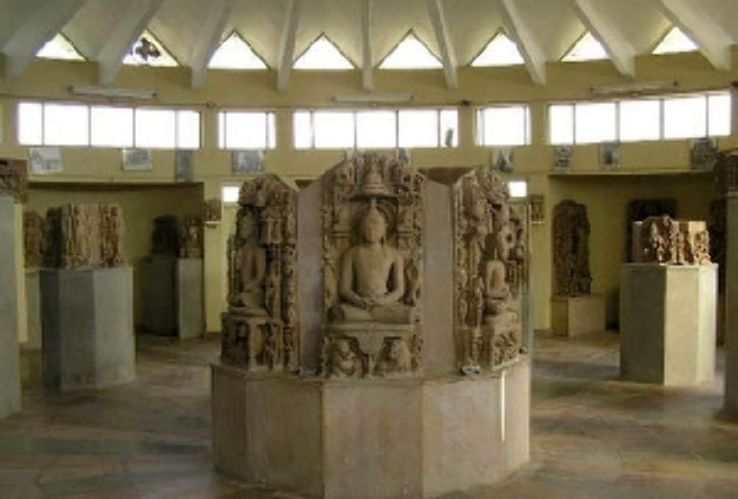
Gujari Mahal: The State Archaeological Museum also known as Gujari Mahal was built by Man Singh in the 15th century for his favorite wife Mrignayani. While Gujari Mahal is now in ruins, it is an archaeological museum today as it showcases various sculptures, statues and other remains dating back to 1st and 2nd century. Entry fees is INR 10 for Indians, INR 100 for foreigners, INR 50 to bring in a camera and INR 200 to shoot videos in the museum. The museum is open from 10 am to 5 pm.

Scindia Museum: Dedicated to Jivaji Rao Scindia, this is one of the most prominent museums of Madhya Pradesh. It occupies around 35 rooms of Jai Villas Palace and was established in the year 1964. The museum is famous for its collection of manuscripts, sculptures, coins, paintings and weapons and is a great place to connect with the history of Gwalior, especially the Scindia dynasty.
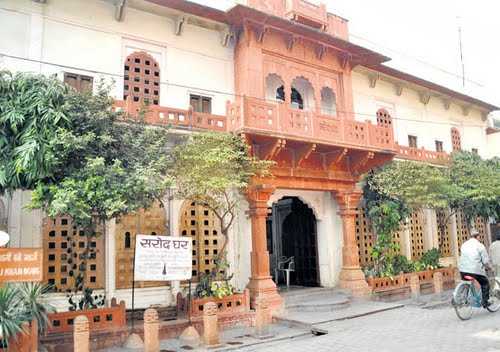
Sarod Ghar: Also known as Kala Vithika, the Sarod Ghar is a museum of music which has been set up in the ancestral house of the legendary Ustad Hafiz Ali Khan and is a must for any music enthusiast visiting Gwalior. This museum houses musical instruments which were used by legendary Indian musicians of the past and also exhibits a great collection of documents and photographs with the aim of promoting Indian classical culture and music. Open from 10 am to 6 pm every day except Sunday, the entry fee for Indians INR 20 and INR 100 for foreigners.
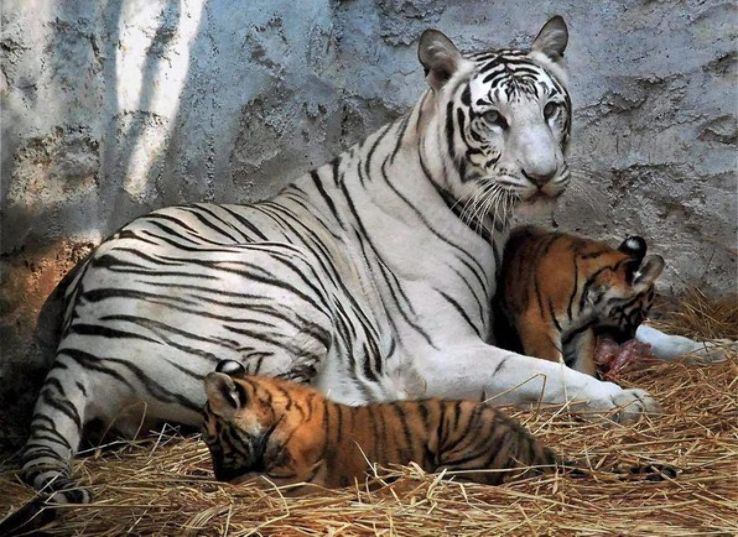
Gwalior Zoo: Established by Madhao Rao Scindia in 1922, the Gandhi zoo as it is also known, is actually a section of a larger garden known as Phool Bagh and houses various rare species of animals. Golden peasants, sambhars, bison, hyena, spotted deer, black bucks and a white tiger forms the variety of wild animals that can be found here. Several smaller populations of crocodiles, snakes, monkeys, and birds have also made the zoo their home. Due to the rare species of wild animals here, the 8 hectares of land that constitutes the zoo has been declared to be a protected site, maintained by the Municipal Corporation of Gwalior as part of its inheritance. The Phool Bagh was inaugurated by the Prince of Wales almost a hundred years ago, and it continues to be well-maintained and conserved even today and also houses a prayer hall, gurudwara, mosque as well as a theosophical lodge. Closed on Fridays, the Zoo is open from10:30 am to 5 pm on other days. Adults pay INR 20 while children pay INR 5 to enter the zoo.

Kuno-Palpur Wildlife Sanctuary: Located about 150 km south of Gwalior, the Kuno-Palpur Wildlife Sanctuary is a hidden gem hiding amidst Vindhyan Hills. This wildlife sanctuary is a well kept secret and a safe haven for a large number of flora and fauna. The tranquil wilderness and serene rivers makes this place look magical. The dense lush green trees hide many treasures amidst them and this wildlife sanctuary is an offbeat destination not visited many and hence is quite peaceful. A few hours spent with trees, flowers, animals and birds will make you appreciate mother nature and you would want to stay here forever. You can either explore the dense forest using your own vehicle, the condition being it should not be older than 5 years or tske the jungle safari organised by the sanctuary. The jungle safari takes place twice a day, once in the morning from 6 to 9:30 am and the then in the evening between 4 to 6 pm.
After travelling about 480 km south of Gwalior, we get to Jabalpur and Bhedaghat

An ancient city located on the shores of river Narmada, Jabalpur is today an industrial city which is gaining popularity as a tourist destination because of its splendid ghats, the 98-foot high Dhuandhar waterfall, marble art, and historical and cultural structures. The Bhedaghat-Marble Rocks and Dhuandhar Falls are the most prominent tourist attractions in Jabalpur. Apart from this, the 17th-century Madan Mahal Fort situated near Narmada river and the famous Chausath Yogini Temple located near Roopnath are must-visits. Besides them, Balancing Rock is another site which is must-see for tourists in Jabalpur. A bustling city with modern amenities, it is home to varied working-class people and some British architecture along with beautiful natural landscapes. Kanha National Park and Bandhavgarh National Park are also nearby making Jabalpur a central location to visit these wildlife locations.
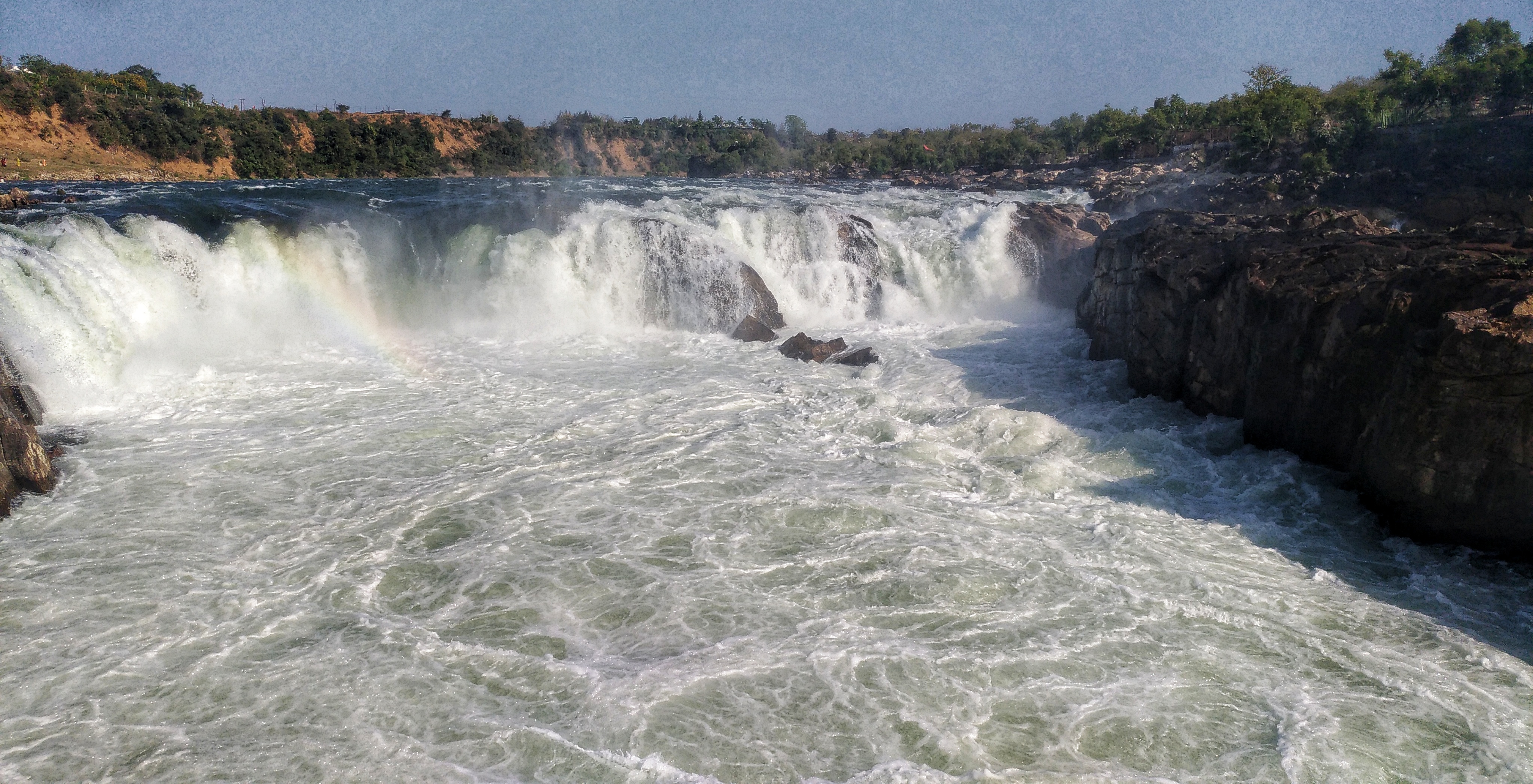
Bhedeghat is known for the Duandar Falls, a huge cascade of water that falls from a height of 98 feet. Boating in Bhedaghat especially during the moonlit night is an unforgettable experience. The boatmen of these place are storytellers that will tell you about the place in the form of interesting stories. Also regarded as the Marble Rocks of Bhedaghat, this small town has earned a reputation for the massive 100 ft rocks on either side of the Narmada. Bhedaghat lies less than 25 km east of Jabalpur and about 285 km east of Bhopal. Other notable attractions here include the 64 Yogini Temple and ‘Bandar Kudini’, a spot where two cliffs are so close to each other that monkeys hop over from one side to another.
Our next destination is the town of Panna, about 220 km north of Jabalpur

A former Gond settlement, Panna is a small city in the heart of the country, which boasts of being the only city with diamond reserves. Panna is also most notably known for the Panna National Park which is a world heritage site and a significant initiative towards wildlife conservation in India. Panna is also famous for the temple of Padmavatipuri Dham, which is a haven for devotees or the numerous intriguing stories of the Bundela rajas. Another reason that Panna is well-known is for the legend of the peripatetic sage Mahamati Prannath and his disciples, who on reaching Panna realized the message of the awakening of one’s soul. Panna has a large reserve of diamond deposits along the Vindhya mountain range. Despite not having very large diamonds, the Panna diamonds are extremely popular and are auctioned off every year in the month of January. They are classified into 4 categories – the clear Motichul, the orange tainted Manik, the green-tinted Panna and the sepia coloured Bunsput. The National Mineral Development Corporation manages the diamond mines in Panna.
260 km west of Jabalpur lies the hill station of Panchmarhi.
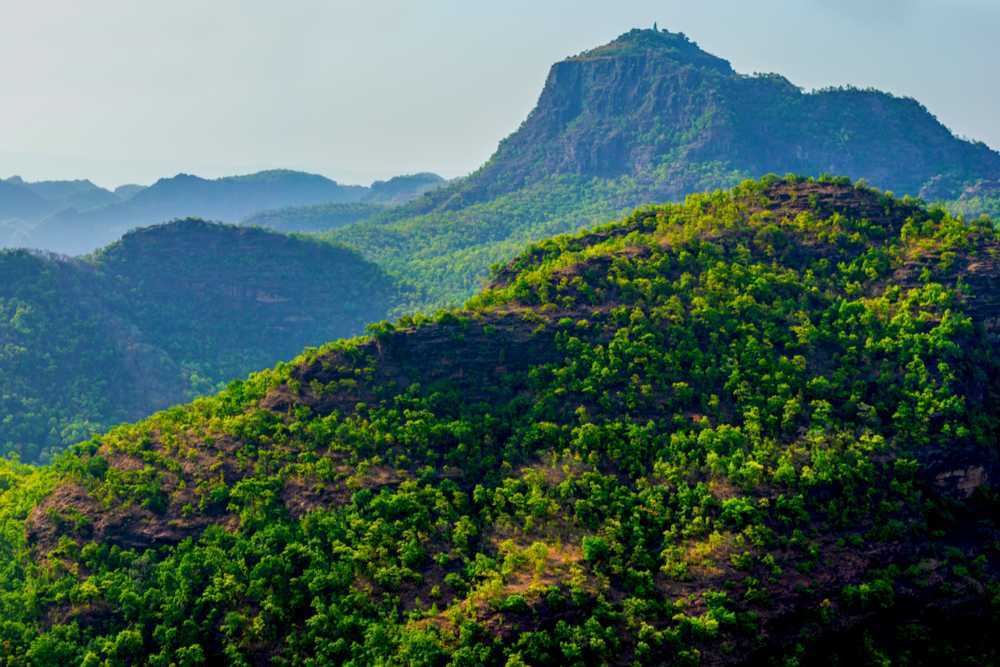
The only hill station and the highest point in the state, Pachmarhi is also often known as “Satpura ki Rani” or the “Queen of the Satpura Range”. Situated at an altitude of 1,067 metres, the picturesque town is a part of UNESCO Biosphere Reserve, home to leopards and bison. Five sandstone cut caves on the hilltop are believed to be the spot where Pandavas stayed in Pachmarhi during their exile, making it a popular spot among religious tourists. Being at an elevated height and surrounded by bewitching forests of the Satpuras with the streams and waterfalls, Pachmarhi is a perfect weekend getaway from the nearby cities of Madhya Pradesh and Maharashtra. Since the town was discovered and developed in modern times by Captain James Forsyth of the British Army, it houses charming churches built in colonial style architecture.
Let’s go back to Jabalpur and travel east this time to Amarkantak which is about 225 km from Jabalpur.
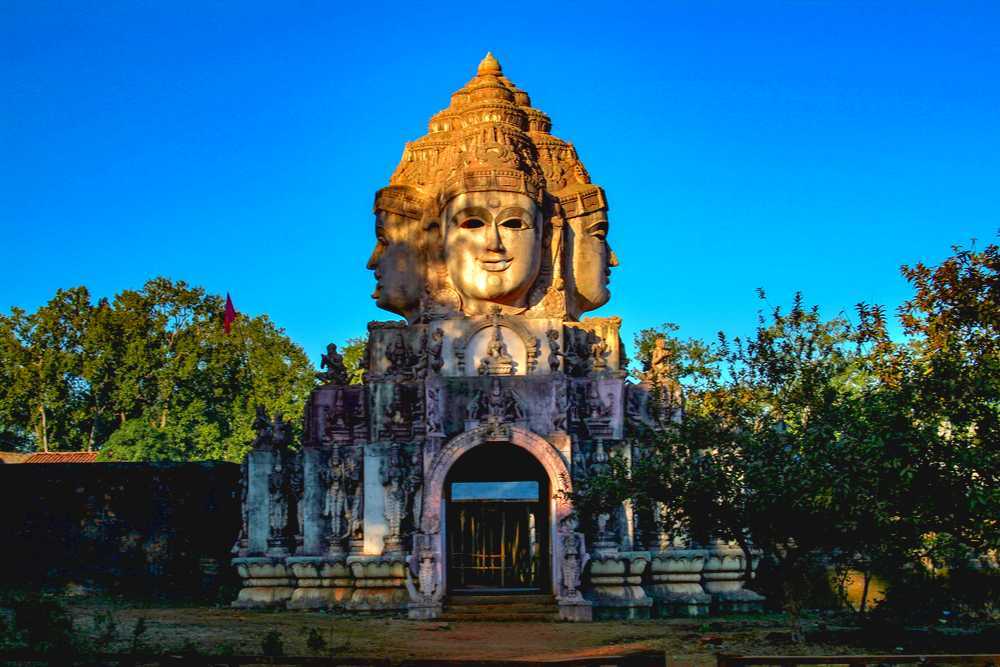
Also known as “Teerthraj” or the king of pilgrimages, Amarkantak is located amidst the Vindhya and Satpura mountain ranges at an altitude of 1065 meters with some of the most exquisite temples that one will ever see. The Narmada river, one of India’s holiest rivers, originates from Amarkantak and apart from being the birthplace for the river Narmada, Amarkantak also serves as the confluence point for the rivers Narmada, Sone and Johila. The dense forests of Amarkantak have plants rich in medicinal properties, making it significant from the ecological point of view. It is believed that the mystic poet, Sant Kabir, meditated here on Kabir Chabutra. Amarkantak is known for its rich cultural heritage.
Less than 200 km from Amarkantak is the Bandhavgarh National Park.

Formerly a hunting ground for the Maharajas of Rewa, the Bandhavgarh National Park is world-renowned as a tiger reserve and it is known to have the highest density of Bengal tigers in the world. The frequent sightings of royal tigers make this national park a must-visit for all wildlife enthusiasts. In 2012, around 44-49 tigers were living in the park. There are more than 22 species of mammals and 250 species of avifauna. The park got its name from the Bandhavgarh fort situated at the height of 800 m high cliffs nearby. The fort is in ruins now, but an hour trek to the fort is worth it as it provides ample views of the surroundings. The jeep safaris are amongst the most popular activities taken by visitors. The best time to visit the park is between October to May. Unlike other national parks, there are three types of safaris offered by the authorities – jeep, canter and elephant. Jeep and canter safaris are more popular among the tourists because it is easily available and cheaper than the elephant safari.
Another 200 km south of Bandhavgarh National Park is the Kanha National Park
The Kanha National Park is the largest National Park in central India and has been ranked as one of the best parks in Asia. Among the 22 species of large mammals, the royal Bengal tigers are one of the major attractions. One of the best tiger reserves in India, the present-day area stretches over the 940-kilometre square which is divided into two sanctuaries: Hallon and Banjar. The park was established in the year 1955 and has since actively contributed to the preservation of many endangered species. The National Park was taken under the Project Tiger Reserve in 1974. Abundant in flora and fauna, the Kanha National Park houses one of the rarest species of deer- the Barasingha. It is known for the unique Barasingha conversation to save the species that were once on the verge of extinction. One of the most scenic wildlife reserves in Asia today, this National Park came to be known the world over through Rudyard Kipling’s book- The Jungle Book. The park is famous for its wildlife safaris and attracts tourists from all over the world. Other important animals in this park are leopards, wild dogs, wild cats, foxes, sloth bears, hyenas, langurs, wild boars and jackals. Reptiles including pythons, cobras, krait and other varieties of snakes are also found in this National Park. The Jeep Safari is the best way to explore Kanha. Since the costs are typically per jeep, its advisable to share your jeep in case seats are available. The safaris are allowed in two slots: morning from 6 to 11 am and afternoon from 3 to 6 pm. The morning slot typically has more chances of spotting tigers with costs around INR 1000-2000 for a jeep. The evening safaris are slightly cheaper than the morning ones. You can book a 4 seater safari from your resort and they will also pack breakfast for you in the morning slot. The elephant safaris could be very exciting and are typically available in the morning slot costing around INR 300-600 per head.
The Pench National Park is situated 200 km east of the Kanha Tiger Reserve.
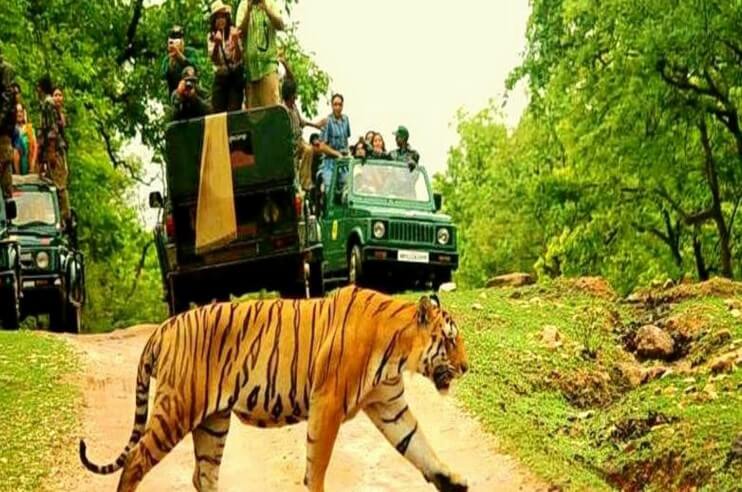
With the majestic Pench river flowing through the greens and a variety of wildlife to be spotted in the rocky terrains, the Pench National Park served as an inspiration for the famous novel ‘The Jungle Book’. One can enjoy many different experiences along with the wildlife safari on the boat rides, such as catching a glimpse of the tribal life and viewing some famous local dams and temples along the way. The Pench National Park is open to visitors from 1st October to 30th June each year. It remains closed during the monsoon season. Generally, the months of November to February is considered to be the best time to visit the park. The entry fee to the park is INR 15 for Indians and INR 150 for foreigners. The timings are from 6 am to 11 am in the mornings, and then from 3 to 6 pm. Light vehicles and 15 seater buses are allowed on the premises. An open jeep Jungle Safari is available for both day and night. There is also the option of taking a beautiful boat ride or boat safari to explore Pench and the surrounding areas, across a stretch of 17 km.
I have only managed to scratch the surface of what this amazingly rich and diverse state has to offer. I am more then tempted to visit as soon as I can. What about you?