In My Hands Today…

Read People Like a Book: How to Analyze, Understand, and Predict People’s Emotions, Thoughts, Intentions, and Behaviors – Patrick King

Speed read people, decipher body language, detect lies, and understand human nature. Is it possible to analyze people without them saying a word? Yes, it is. Learn how to become a “mind reader” and forge deep connections.

How to get inside people’s heads without them knowing. Read People Like a Book isn’t a normal book on body language of facial expressions. Yes, it includes all of those things, as well as new techniques on how to truly detect lies in your everyday life, but this book is more about understanding human psychology and nature. We are who we are because of our experiences and pasts, and this guides our habits and behaviors more than anything else. Parts of this book read like the most interesting and applicable psychology textbook you’ve ever read. Take a look inside yourself and others!

Understand the subtle signals that you are sending out and increase your emotional intelligence. Patrick King is an internationally bestselling author and social skills coach. His writing draws of a variety of sources, from scientific research, academic experience, coaching, and real life experience. Learn the keys to influencing and persuading others. What people’s limbs can tell us about their emotions. Why lie detecting isn’t so reliable when ignoring context. Diagnosing personality as a means to understanding motivation. Deducing the most with the least amount of information. Exactly the kinds of eye contact to use and avoid

Find shortcuts to connect quickly and deeply with strangers. The art of reading and analyzing people is truly the art of understanding human nature. Consider it like a cheat code that will allow you to see through people’s actions and words. Decode people’s thoughts and intentions, and you can go in any direction you want with them.

Adulting 101: The Importance of Mindfulness

In an age characterised by constant distractions and relentless demands on our time, the practice of mindfulness has emerged as a powerful tool for enhancing mental well-being and promoting overall health. For young adults navigating the complexities of life—whether in university, starting their careers, or managing relationships—mindfulness can provide essential benefits that contribute to a more balanced and fulfilling existence.

Mindfulness is the practice of bringing one’s attention to the present moment with openness, curiosity, and acceptance. It involves paying attention to thoughts, feelings, bodily sensations, and the surrounding environment without judgment. Rather than dwelling on the past or worrying about the future, mindfulness encourages individuals to fully engage with whatever is happening in the here and now.

Mindfulness involves being aware of one’s thoughts, feelings, and sensations as they arise. This awareness allows one to observe one’s experiences without becoming overwhelmed by them. Mindfulness encourages acceptance of one’s thoughts and feelings as they are, rather than trying to change or suppress them. This non-judgmental approach fosters a sense of peace and reduces anxiety. Mindfulness emphasises living in the moment. By focusing on the present, individuals can reduce stress related to past regrets or future worries.

Research has shown that mindfulness practices can lead to significant improvements in mental health and well-being. Studies indicate that mindfulness meditation can reduce symptoms of anxiety and depression, enhance emotional regulation, and improve overall psychological resilience. Neuroscientific research has also demonstrated that mindfulness can lead to changes in brain structure, particularly in areas associated with emotional regulation and cognitive function.

Young adults often face a multitude of stressors—academic pressures, job responsibilities, social expectations, and financial concerns. Mindfulness provides effective tools for managing stress. Mindfulness practices help calm the mind by promoting relaxation and reducing rumination on stressful thoughts. By fostering awareness of stress triggers and emotional responses, mindfulness allows individuals to develop healthier coping mechanisms.

In a world filled with distractions—from smartphones to social media—maintaining focus can be challenging. Mindfulness practices train the brain to focus on one task at a time, improving overall productivity. By cultivating present-moment awareness, individuals can minimise distractions and enhance their ability to concentrate on important tasks.

For young adults navigating complex emotions during formative years, mindfulness offers valuable benefits. Mindfulness helps individuals recognise their emotions without judgment, allowing for healthier emotional processing. Practicing mindfulness can lead to improved emotional regulation, enabling individuals to respond thoughtfully rather than react impulsively.

Mindfulness fosters better interpersonal relationships by promoting empathy and effective communication. Mindful communication encourages active listening, allowing individuals to fully engage with others during conversations. By being present with others’ feelings and experiences, mindfulness cultivates empathy and understanding in relationships.

Resilience is crucial for young adults facing life’s challenges. Mindfulness contributes to building resilience. Mindful individuals are better equipped to adapt to change and navigate setbacks with a positive mindset. Regular mindfulness practice enhances resilience against stressors by promoting a sense of calm during difficult times.

Establishing a mindfulness routine may seem daunting at first; however, it can be easily integrated into daily activities through simple practices. Here are some effective strategies for young adults looking to incorporate mindfulness into their lives:

Start Small: Begin the mindfulness journey with small steps. Spend just a few minutes each day focusing on the breath. Close your eyes, take deep breaths, and observe the sensations as you inhale and exhale. Start with brief meditation sessions of between five and ten minutes using guided apps like Headspace, Insight Timer, or Calm. Gradually increase the duration as you become more comfortable.

Designate a specific area in your home for mindfulness practices. Choose a quiet space free from distractions where you can practice meditation or reflection comfortably. Add calming elements such as candles, plants, or cushions to create an inviting atmosphere conducive to relaxation.

Transform mealtime into an opportunity for mindfulness. Take time to appreciate the flavours, textures, and aromas of your food without distractions like phones or television. Chew your food thoroughly and enjoy each bite; this promotes better digestion while encouraging gratitude for nourishment.

Mindfulness doesn’t have to be limited to sitting still; movement-based practices are also effective. Engage in yoga or tai chi classes that emphasise mindful movement while connecting breath with motion. Take walks outdoors while focusing on each step you take; notice the sensations in your feet as they touch the ground.

Leverage technology to support your mindfulness practice. Utilise apps designed for mindfulness training that offer guided meditations, breathing exercises, and reminders. Explore online courses or videos focused on mindfulness techniques that fit your schedule.

Incorporate reminders throughout your day to practice mindfulness. Set alarms or reminders on your phone to take short breaks for mindful breathing or stretching during busy days. Place sticky notes in visible areas, like computer screens, with motivational quotes or prompts encouraging mindfulness.

Reflection is an essential part of developing mindfulness. Keep a journal where you can write about your thoughts and feelings after practising mindfulness; this helps track progress over time. At the end of each day, reflect on three things you are grateful for; this promotes positive thinking while enhancing self-awareness.

Connecting with others who share similar interests can enhance motivation. Look for local or online groups focused on mindfulness practices where you can share experiences and learn from others. Participate in workshops or retreats dedicated to mindfulness that provide immersive experiences.

While incorporating mindfulness into daily life offers numerous benefits, young adults may encounter challenges along the way. Busy schedules may make it difficult to find time for mindfulness practices. Instead of setting aside large blocks of time exclusively for mindfulness, integrate short practices throughout your day like doing some mindful breathing during your daily commute.

In today’s digital age filled with distractions from technology, establish boundaries around technology use before bed; this promotes better sleep quality while allowing time for reflection or meditation instead. Many individuals struggle with self-doubt when starting new practices. Be gentle with yourself; recognise that developing a new skill takes time—allow yourself room for growth without harsh judgment!

Mindfulness is an invaluable practice that offers numerous benefits specifically tailored towards young adults navigating various challenges throughout their lives! By understanding its importance while implementing effective strategies—such as starting small, creating dedicated spaces, practising mindful eating, and utilising technology wisely—you will cultivate greater awareness & presence within each moment! Embrace this journey towards enhanced mental well-being & personal growth! Remember—it’s not about perfection but rather progress! With patience & commitment, you’ll soon find yourself reaping all the rewards that come from living mindfully!

2025 Week 23 Update

It’s taken me a full week to come back to normal. I suppose my body has told me that I’m ageing. One lesson I have learned is that if I am travelling long haul, I will and need to pay a bit more to travel more comfortably. And I am going to travel. Europe has my heart, and I can’t wait to go back and explore the continent more. In fact, this week, I have been telling GG & BB to move to Europe for work and study so I can come and stay with them and explore.

Today’s quote by the 13th-century Persian poet, Islamic scholar, and Sufi mystic, Rumi, speaks to the profound spiritual and emotional depth that silence can reveal. In a world filled with constant noise, distractions, and mental chatter, silence offers a gateway to clarity, truth, and inner peace. When we embrace stillness, both outwardly and inwardly, we move beyond surface-level experiences and begin to connect with the essence of our being.

Rumi is suggesting that silence is not emptiness but a rich, fertile space where we can hear the wisdom of the soul. In silence, we begin to notice what truly matters. Our insights deepen, our hearts become more open, and we feel connected to something greater than ourselves: what he calls “the core of life.”

Rather than always seeking answers externally, Rumi invites us to look inward. Silence becomes a spiritual practice, a form of listening, not just with the ears, but with the heart. It leads us to authenticity, presence, and the sacred truths that lie beneath words.

I was faced with two rejections this week, one that I was ok with, but the other stung hard. I know the universe has a plan for me, but at times like this, it gets hard to see the grand plan. I am going to take a few weeks to finally figure out what it is I want to do, introspect, and then come to a decision. Wish me luck!

That’s all from me this week. I have no real updates because all I wanted to do this week is sleep and not do anything, which is what I did. Hopefully, I am back to my usual self next week and will have more news.

Take care and stay positive!

In My Hands Today…

Strong Mothers, Strong Sons: Lessons Mothers Need to Raise Extraordinary Men – Meg Meeker

From the moment a mother holds her newborn son, his eyes tell her that she is his world. But often, as he grows up, the boy who needs her simultaneously pushes her away. Calling upon thirty years of experience as a pediatrician, Meg Meeker, M.D., a highly sought after national speaker, assistant professor of clinical medicine, and mother of four, shares the secrets that every mother needs to know in order to strengthen—or rebuild—her relationship with her son.

Boys today face unique challenges and pressures, and the burden on mothers to guide their boys through them can feel overwhelming. This empowering book offers a road map to help mothers find the strength and confidence to raise extraordinary sons by providing encouragement, education, and practical advice about

The need for mothers to exercise courage and be bolder and more confident about advising and directing their boys, the crucial role mothers play in expressing love to sons in healthy ways so they learn to respect and appreciate women as they grow up, the importance of teaching sons about the values of hard work, community service, and a well-developed inner life, the natural traps mothers of boys often fall into—and how to avoid them, the need for a mother to heal her own wounds with the men in her life so she can raise her son without baggage and limitations, and the best ways to survive the moments when the going gets tough and a mom’s natural ways of communicating—talking, analyzing, exploring—only fuel the fire.

When a mother holds her baby boy for the first time, she also instinctively knows something else: if she does her job right and raises her son with self-esteem, support, and wisdom, he will become the man she knows he was meant to be.

Sacred Stones, Spaces, and Stories: Shakthipeeta Part 5

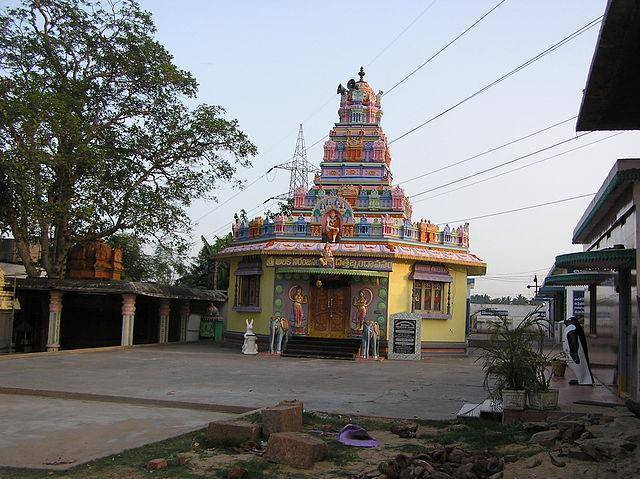
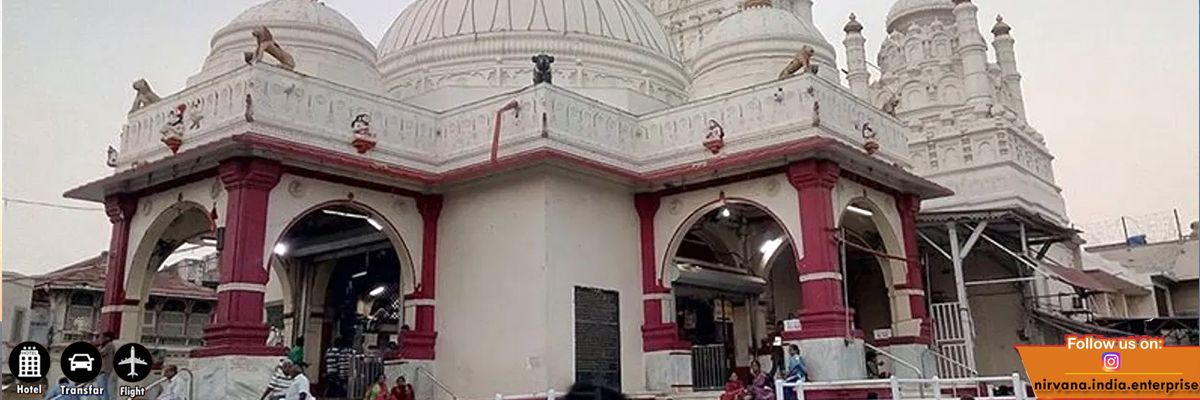
Kukkuteswara Swamy Temple, Kakinada Port Town, Andhra Pradesh
Located in the historic town of Pithapuram, near Kakinada Port Town, the Puruhutika Shaktipeeth, also known as the Kukkuteswara Swamy Temple is dedicated to Goddess Puruhutika and Lord Kukkuteswara. The origins of the Puruhutika Shaktipeeth extend deep into Hindu mythology and historical texts. This temple is not only revered in contemporary times but has also been mentioned in the Skanda Purana, Srinatha’s Bheemeswara Puranamu, and Samudragupta’s Allahabad stone pillar inscription.

The Pithapuram Puruhutika Devi temple is mentioned in texts that were written as early as the 8th century. Rishi Vyasa, in one of his prominent works, Skanda Purana, describes in detail his trip to the Pithapuram temple he undertook along with his disciples. The 15th-century Telugu poet Srinatha also mentions this temple in Bheemeswara Purana. He lists this temple as one of the four places that are Moksha Sthaanas – abodes of liberation. Therefore, one can say that this place is parallel to Varanasi, Kedarnath and Kumbakonam in terms of divinity.

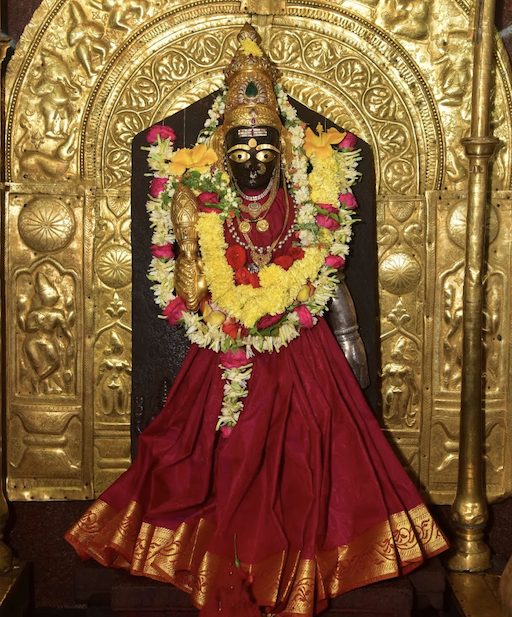
The Puruhutika Shaktipeeth is recognised as one of the Asta Dasha or eighteen Shakti Peethas scattered across the Indian subcontinent. After the Daksha Yagna, Goddess Sati Devi’s back fell down in this area, because of which this place was earlier called Puruhoothika puram, later changed to Peetika Puram, and finally to Pithapuram. This temple is considered as the 10th Sakthi Peetham of the 18 Shakti Peethas. At the Puruhutika Shaktipeeth, the goddess is worshipped as Sri Raja Rajeswari Devi. Her consort, Lord Shiva, is worshipped as Sri Kukkuteswara Swamy.

The presiding deity is Lord Shiva, who reveals himself in the form of a Spatika Linga. This is a Swayambhu Linga of white marble and is about two feet in height. The Linga resembles that of a cock; hence Lord Shiva is called Sri Kukkuteswara Swamy. There is a huge beautiful idol of Nandi the bull made from a single stone in front of the temple. Goddess Puruhutika Devi is in a standing position. The idol of Goddess Puruhutika is made from granite and is adorned with jewels, a Kirit and robed in silks. The deity has four palms and Starting from the lower right to the lower left, Goddess Devi’s lower right hand has a bag full of seeds, an axe or parashu, a lotus and a Madhu Patra.

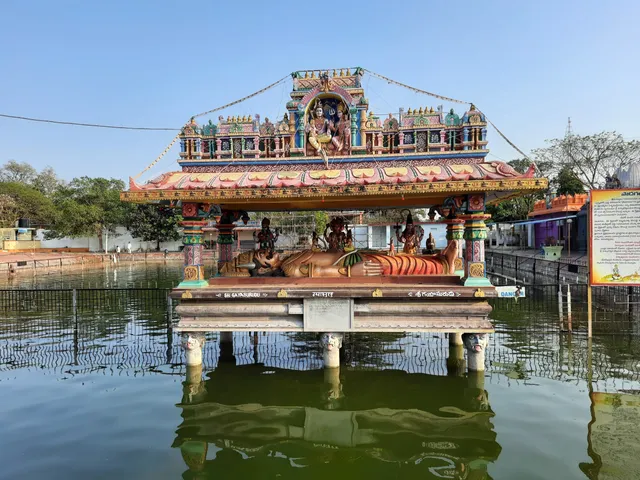
This place is one among the Trigaya Kshetrams and has become famous as Pada Gaya Kshetram. Gaya Asura, a powerful demon who laid his body at the behest of Brahma for doing a great yagna for the betterment of people, was so huge that his head rested in Bihar and his legs reached Pithapuram. The place where his legs rested was a pond which came to be known as Pada Gaya Sarovar. It is believed that whoever bathes in this sacred pond will be relieved of their sins. The Kunti Madhavaswamy temple adjacent to Kukkuteswara temple is another major temple in the town. Kunti is said to have installed the image in this place, and so is called Kunti Madhavaswamy. This deity is said to have been worshipped by Vyasa, Valmiki and Agastya in the past. The Swayambhu Sri Dattatreya Swamy is also in the temple complex. Sripada Srivallabha Swamy’s idol is worshipped separately in the same complex. It is the only place where an idol of Sri Datta incarnation is worshipped. There are other shrines of various gods like Sri Rama, Ayyappa, Sri Vishveshwara and Sri Annapurna Devi, Sri Durga Devi.

Devotees can participate in Nitya pujas or daily worship, Sani Trayodasi, the Dassera festival in September/October, the Kartik Masam in October/November, Maha Shivaratri in February/March, Swamy Vari Kalyanam or the divine wedding and Radotsavam or the Chariot Festival during February/March, and Magha Masam Trayodasi in February/March. Maha Shivaratri, Sarannavarathri and Kartika Masam are the main festivals celebrated at this temple. The temple celebrates Devi Navaratri in Dussehra season. Annual festivals celebrated here are different for different deities like Maghabahula Ekadasi for Kukkuteswara, Suddha Ekadasi for Kunti Madhava, Palguna for Kumaraswamy and Karthikamasa for Venugopalaswamy.

According to legend, the demon Gayasura was a devout devotee of Lord Vishnu who did penance for years. Lord Vishnu appeared before him and granted his wish that anyone who sees him achieve Moksha. Gayasura used his spiritual powers to enlarge his body so that everyone on Earth could be saved. The God of Heaven, Indra, and the Devas expressed concern to the three deities about the creation’s imbalance. Lord Vishnu, Brahma, and Siva disguised themselves as Brahmins and approached Gayasura in search of Yajna space. This legend is closely tied to the Pada Gaya Sarovar in the temple complex.

There are two sects of worshippers of Devi. The first worshipped the Devi as Puruhootha Lakshmi. She is meditating with a lotus and Madhu Patra in her palms. This sect observed the Samayachar shape of worship. The second sect worshipped the Devi as Puruhoothamba. She is meditating with an axe or Parashu and a bag of seeds in her fingers. This sect followed the Vamachara shape of worship and the unique deity was buried under the temple.

According to mythology, this temple is linked to the demon king Gayasura, who was granted a boon that made him invincible. However, when his tyranny grew unbearable, the gods sought the Trimurtis for help. The Trimurtis—Lord Shiva, Lord Vishnu, and Lord Brahma—devised a plan to subdue him. They approached Gayasura and requested him to offer his body for a Yagna or sacrificial ritual, as his body was considered sacred. Gayasura agreed and lay down, stretching his body across the land. His head rested at Gaya in present-day Bihar, his navel at Jajpur in Odisha, and his feet at Pithapuram in Andhra Pradesh. The Yagna was to last seven days, during which Gayasura was forbidden from moving. On the sixth day, Lord Shiva took the form of a rooster or Kukkuta and crowed at midnight, tricking Gayasura into believing that the ritual was complete. Thinking it was dawn, Gayasura moved before the Yagna concluded, breaking his vow. The Trimurtis then revealed their true forms and explained that his movement had disrupted the ritual. Realizing his mistake, Gayasura accepted his fate gracefully. The Trimurtis blessed him, declaring that his body would sanctify the places where it lay. The pond where Gayasura’s feet rested became known as Pada Gaya Sarovar, and it is believed that taking a dip in this sacred pond cleanses sins and grants liberation.

The Kukkuteswara Swamy Temple is also closely linked to Sri Pada Srivallabha, considered an incarnation of Lord Dattatreya. According to legend, Sri Pada Srivallabha was born in Pithapuram to a devout Brahmin couple named Sumathi and Raja Simha Sharma. The couple had two sons who were blind, deaf, and mute due to their past karmic deeds. Despite their hardships, they remained devoted to Lord Datta Devi and worshipped at Padagaya Kshetram with unwavering faith. One day, during an annual ceremony for their ancestors, a sage disguised as Lord Dattatreya visited their home seeking alms. Sumathi offered food without hesitation, even though her husband was not present—a gesture considered sacrilegious during such rituals. Pleased by her devotion and selflessness, Dattatreya revealed his true form and granted her a boon: he would be born as her son. Thus, Sri Pada Srivallabha incarnated in Pithapuram as their child. He is regarded as one of the greatest saints in Hinduism and is believed to have performed numerous miracles during his lifetime.

The Puruhutika Shaktipeeth, with its blend of myth, history, and living faith, continues to be a powerful force in the religious landscape, inviting all who visit to partake in its timeless spiritual journey. Its unique blend of Shaivite and Shakta traditions, coupled with its rich historical background, makes it a fascinating destination for both devotees and those interested in India’s spiritual heritage.

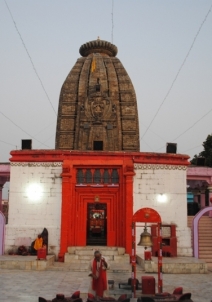
Aranya Devi Temple, Arrah, Bihar
Dedicated to Goddess Aranya Devi, the Aranya Devi Temple is located in Arrah and dates back to antiquity. While the present temple building was established in 2005, the site’s sacred status extends far beyond this recent construction. The name Aranya is derived from the Sanskrit word meaning forest, hinting at the area’s lush past. Archaeological evidence and ancient texts suggest that this location has been a place of worship for millennia. The temple finds mention in various mythological texts, linking it to different eras of Hindu mythology. Some legends associate it with the Satya Yuga, while others connect it to events of the Treta Yuga and Dvapara Yuga.

According to the Devi Bhagavata Purana, this temple is recognised as both a Siddh Pitha and one of the 108 Shakti Pithas. This dual status imbues the site with immense spiritual power, drawing devotees seeking blessings and enlightenment. While the specific body part of Goddess Sati associated with this Shakti Peetha is not mentioned in the available sources, the site’s inclusion in this sacred network underscores its importance in the pantheon of divine feminine energy centres.

The temple houses the idol of Goddess Aranya Devi, considered the presiding deity of Arrah city. This connection to the local geography and culture makes the temple a focal point of regional devotion. While the temple structure is relatively new, it is said that one of the idols of the Goddess was consecrated by the Pandavas during their exile. The temple showcases a blend of ancient and modern architectural styles.

A unique aspect of worship here is the practice of taking vows for the fulfilment of desires. Devotees come to the temple, make their wishes known to the Goddess, and return with offerings of thanksgiving when their desires are fulfilled. This cycle of petition and gratitude forms a core part of the devotional practice at the temple.

The temple is also connected to Lord Rama’s journey to Janakpur for Sita’s swayamvara or marriage ceremony. According to legend, while travelling with Lakshmana and Sage Vishwamitra via Buxar for King Janaka’s Dhanush Yagna, they stopped near present-day Arrah. Sage Vishwamitra narrated to Lord Rama and Lakshmana the glory of Goddess Aranya Devi, who was considered an incarnation of Adishakti and protector of forests. Before crossing the Sonbhadra River, Lord Rama bathed in the nearby Ganges and offered prayers to Goddess Aranya Devi at this sacred site. It is believed that he sought her blessings for success in breaking Lord Shiva’s bow during Sita’s swayamvara.

One of the most prominent legends tied to the Aranya Devi Temple dates back to the Mahabharata period. During their exile, the Pandavas are said to have stayed in the forested region of Arrah. While there, they worshipped Goddess Adishakti, who was revered as the protector of forests and wilderness. One night, Yudhishthira, the eldest Pandava, had a divine dream in which Goddess Aranya Devi appeared. She instructed him to install her idol at the spot where they were staying so that she could continue to protect the region and its people. Following her command, Yudhishthira installed a statue of the goddess at this sacred site. This marked the beginning of her worship in Arrah, and over time, the temple became a revered place of devotion.

Another fascinating story associated with Aranya Devi Temple is linked to King Mordhwaj, who ruled this region during the Dvapara Yuga, the era of Lord Krishna. The king was renowned for his unwavering devotion and generosity. To test his faith and devotion, Lord Krishna disguised himself as a hermit and appeared before King Mordhwaj along with Arjuna, who took on the form of a lion. The hermit claimed that his lion would only eat human flesh and demanded that the king sacrifice his son’s body to feed it. Without hesitation, King Mordhwaj and his queen prepared to saw their son’s body in half to fulfil the hermit’s demand. Moved by their selflessness and devotion, Goddess Durga appeared before them in her divine form as Aranya Devi. She stopped them from carrying out the sacrifice and blessed their family with eternal happiness. The site where this test took place is believed to be where the Aranya Devi Temple now stands. The name Arrah is said to have originated from this incident, deriving from Ara, meaning a saw. Local tradition holds that Bhima, one of the Pandavas, defeated the demon Bakasura at a place called Chakra Ara, which later came to be known as Ara or Arrah.

The temple houses two idols of Goddess Aranya Devi: one representing Saraswati, the Goddess of knowledge and another representing Mahalakshmi, the Goddess of prosperity. These sister goddesses are worshipped together. The temple’s east-facing dome adds architectural significance. Devotees believe that prayers offered here bring protection, prosperity, and the fulfilment of wishes.