In My Hands Today…

Savarkar: Echoes from a Forgotten Past, 1883–1924 – Vikram Sampath

As the intellectual fountainhead of the ideology of Hindutva, which is in political ascendancy in India today, Vinayak Damodar Savarkar is undoubtedly one of the most contentious political thinkers and leaders of the twentieth century. Accounts of his eventful and stormy life have oscillated from eulogizing hagiographies to disparaging demonization. The truth, as always, lies somewhere in between and has unfortunately never been brought to light. Savarkar and his ideology stood as one of the strongest and most virulent opponents of Gandhi, his pacifist philosophy and the Indian National Congress.

An alleged atheist and a staunch rationalist who opposed orthodox Hindu beliefs, encouraged inter-caste marriage and dining, and dismissed cow worship as mere superstition, Savarkar was, arguably, the most vocal political voice for the Hindu community through the entire course of India’s freedom struggle. From the heady days of revolution and generating international support for the cause of India’s freedom as a law student in London, Savarkar found himself arrested, unfairly tried for sedition, transported and incarcerated at the Cellular Jail, in the Andamans, for over a decade, where he underwent unimaginable torture.

From being an optimistic advocate of Hindu-Muslim unity in his treatise on the 1857 War of Independence, what was it that transformed him in the Cellular Jail to a proponent of ‘Hindutva’, which viewed Muslims with suspicion?

Drawing from a vast range of original archival documents across India and abroad, this biography in two parts-the first focusing on the years leading up to his incarceration and eventual release from the Kalapani-puts Savarkar, his life and philosophy in a new perspective and looks at the man with all his achievements and failings.

International Day of Women and Girls in Science

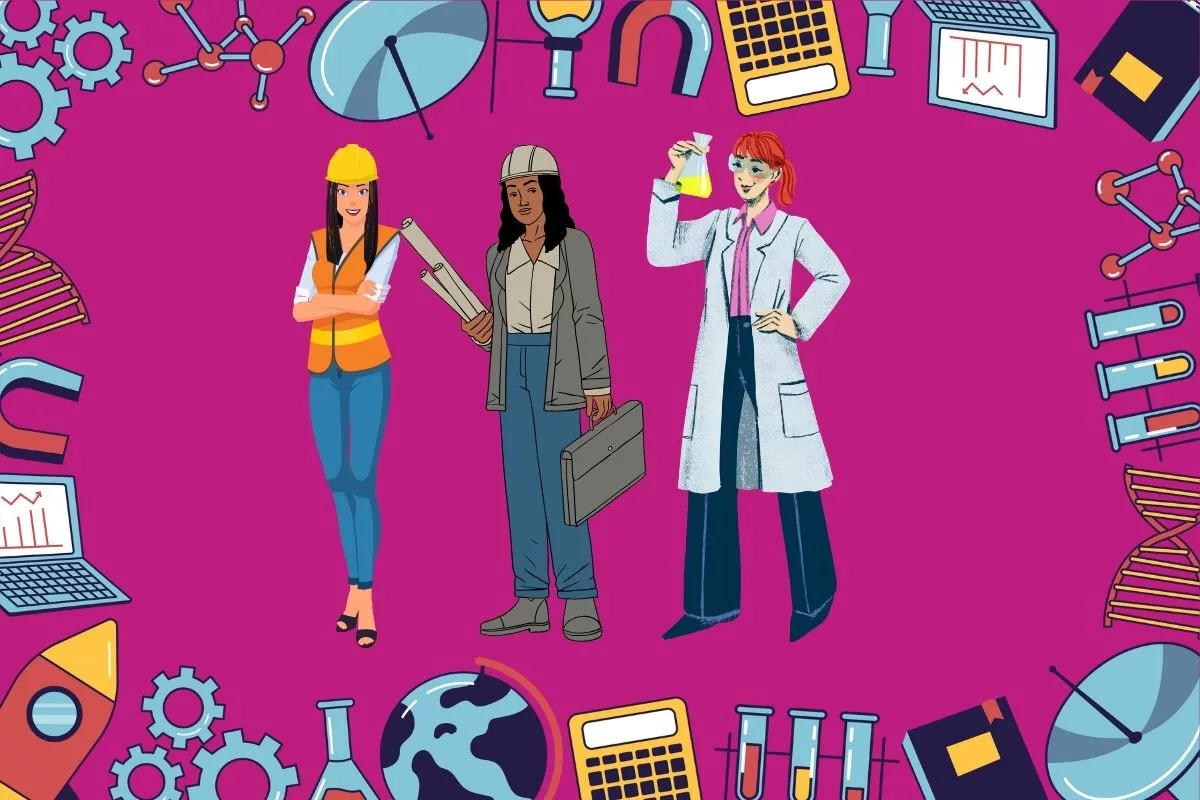
Celebrated annually on February 11, the International Day of Women and Girls in Science serves as a crucial reminder of the importance of ensuring equal access and participation of women and girls in the fields of science, technology, engineering, and mathematics (STEM). The day not only acknowledges the significant achievements of women in these fields but also aims to inspire future generations to pursue careers in science, contributing to a more inclusive and equitable world.

The International Day of Women and Girls in Science was established by the United Nations General Assembly in December 2015. The resolution aimed to achieve full and equal access to and participation in science for women and girls and to further achieve gender equality and the empowerment of women and girls. The decision to dedicate a day to celebrate women and girls in science stemmed from a recognition of the persistent gender gap in scientific fields and the need to address the barriers that hinder women’s participation.

Despite women making up nearly half of the global population, their representation in science and technology remains disproportionately low. According to UNESCO, women constitute only 30% of the world’s researchers, and this number decreases when it comes to leadership positions in scientific research and academia. The International Day of Women and Girls in Science seeks to raise awareness about these disparities and promote policies that encourage the participation of women and girls in STEM.

The roots of the movement for women in science can be traced back to the late 19th and early 20th centuries, when pioneers like Marie Curie and Ada Lovelace made significant contributions to their respective fields. However, it was not until the late 20th century that women’s achievements in science started to gain broader recognition. The establishment of the International Day of Women and Girls in Science marks a pivotal moment in acknowledging and celebrating these contributions while advocating for continued progress.

The International Day of Women and Girls in Science serves several critical purposes. One of the primary goals of the day is to raise awareness about the challenges that women and girls face in pursuing careers in STEM. This includes societal stereotypes, a lack of role models, and insufficient support systems. By highlighting these issues, the day encourages dialogue and action to address them. The day provides an opportunity to celebrate the accomplishments of women and girls in science. From groundbreaking research to innovative technologies, women have made significant contributions across various scientific disciplines. The International Day of Women and Girls in Science aligns with the broader goals of gender equality and women’s empowerment. By advocating for equal opportunities in scientific fields, the day contributes to the fight against gender discrimination and promotes a more equitable society. Highlighting role models and success stories can inspire young girls to pursue careers in science. The day serves as a platform to showcase diverse women in science, thereby encouraging girls to envision themselves in these roles and understand that they, too, can make significant contributions to the field.

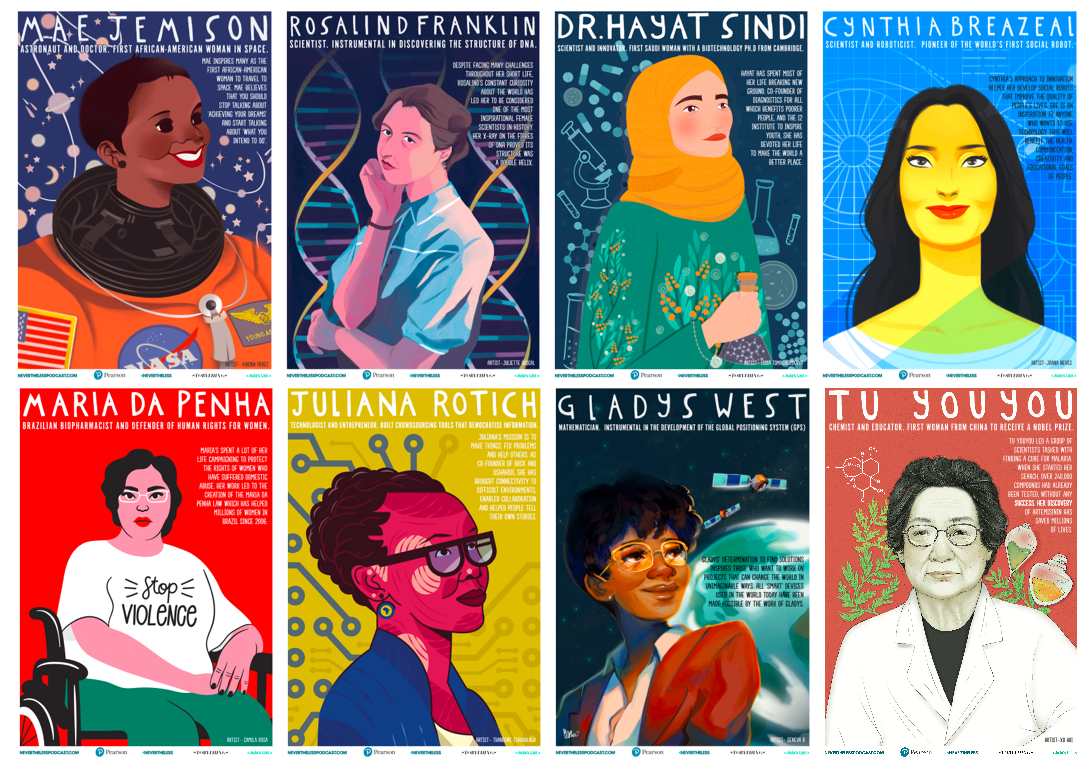
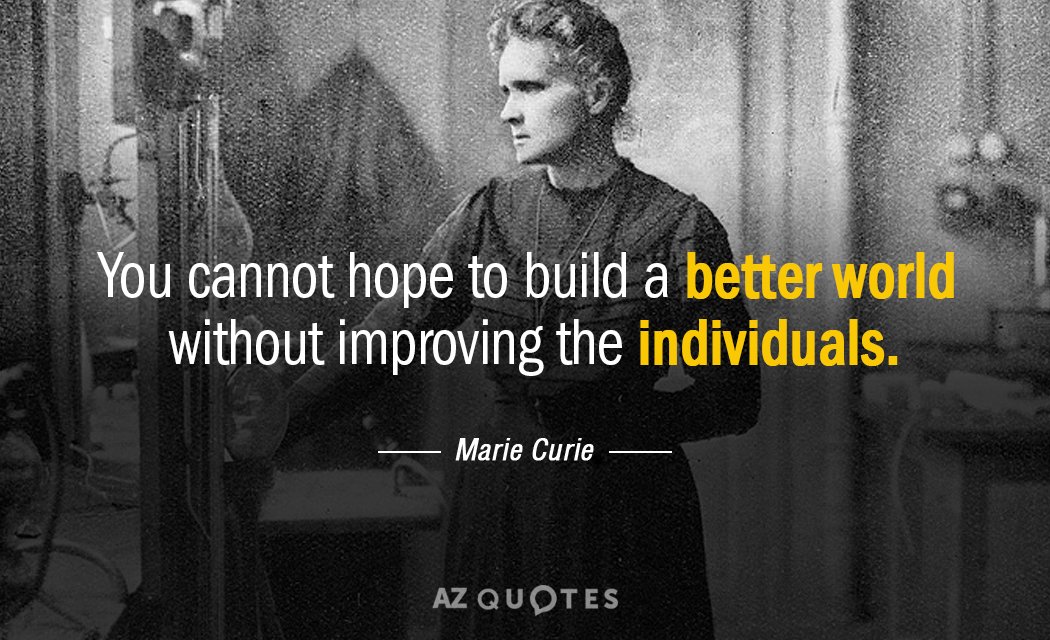
Women have played a pivotal role in advancing scientific knowledge and innovation throughout history. Their contributions span a wide range of fields, including medicine, engineering, physics, environmental science, and mathematics. The first woman to win a Nobel Prize, Marie Curie’s groundbreaking research on radioactivity paved the way for advances in both science and medicine. Her legacy continues to inspire countless scientists today. While her contributions to the discovery of the DNA double helix were not fully recognized during her lifetime, Rosalind Franklin’s work was crucial in understanding the molecular structure of DNA, ultimately influencing genetics and biotechnology. As the first African American woman in space, Mae Jemison not only broke barriers in her field but also became a role model for aspiring scientists and engineers, particularly young girls of color. Diversity in science is essential for fostering innovation and creativity. Different perspectives can lead to new ideas and approaches to problem-solving. Women and girls bring unique experiences and viewpoints that can enrich scientific inquiry and lead to breakthroughs in research and technology.

Despite the undeniable contributions of women and girls in science, various barriers continue to persist. Societal stereotypes about gender roles can discourage girls from pursuing STEM careers. Combating these biases requires comprehensive educational initiatives and community support. The underrepresentation of women in leadership roles within scientific institutions can perpetuate a cycle where young girls lack role models to look up to. Increasing the visibility of women in leadership positions is critical. The challenge of balancing family responsibilities with professional aspirations can disproportionately affect women in science. Organisations need to implement policies that support work-life balance, such as flexible working hours and parental leave.

Each year, the International Day of Women and Girls in Science adopts a specific theme that reflects current issues and aspirations related to gender equality in STEM. These themes guide the activities and discussions surrounding the day, providing focus and direction for advocacy efforts. The 2025 theme is “Unpacking STEM Careers: Her Voice in Science.” The theme will explore the critical role of women in scientific innovation and discuss the need for inclusive media representation to challenge gender stereotypes in Science, Technology, Engineering, and Mathematics (STEM) careers.

To foster a greater interest in STEM among girls, educational institutions and organizations must implement targeted initiatives. Workshops, camps, and mentorship programmes specifically aimed at girls can help build confidence and interest in science from a young age. Connecting young girls with female scientists and engineers can provide inspiration and practical guidance as they navigate their educational journeys. Schools should ensure that their curricula highlight the contributions of women in science, providing students with diverse perspectives and role models.

Communities and workplaces play a vital role in supporting women and girls in science. Strategies include creating platforms for women in science to connect, share experiences, and support each other, which can foster a sense of community and encourage collaboration; advocating for policies that promote gender equality within scientific institutions can lead to lasting change. This includes policies on hiring practices, parental leave, and workplace culture. Engaging in campaigns that highlight the importance of diversity and inclusion in STEM can shift societal perceptions and encourage greater support for women in science.

The International Day of Women and Girls in Science serves as a powerful reminder of the significance of gender equality in scientific fields. By celebrating the achievements of women and girls in science, raising awareness of the challenges they face, and promoting initiatives that encourage their participation, we can work towards a future where everyone has equal opportunities to contribute to scientific advancement.

As we look ahead to future celebrations of this important day, let us commit to fostering an environment that empowers women and girls to pursue their passions in science, technology, engineering, and mathematics. By doing so, we not only honour the contributions of those who came before us but also pave the way for the next generation of innovators and leaders in science. Together, we can build a more inclusive and equitable scientific community that benefits all of humanity.


In My Hands Today…

I Contain Multitudes: The Microbes Within Us and a Grander View of Life – Ed Yong

Every animal, whether human, squid, or wasp, is home to millions of bacteria and other microbes. Many people think of microbes as germs to be eradicated, but those that live with us—the microbiome—build our bodies, protect our health, shape our identities, and grant us incredible abilities. In this astonishing book, Ed Yong takes us on a grand tour through our microbial partners, and introduces us to the scientists on the front lines of discovery.

Yong, whose humor is as evident as his erudition, prompts us to look at ourselves and our animal companions in a new light—less as individuals and more as the interconnected, interdependent multitudes we assuredly are. The microbes in our bodies are part of our immune systems and protect us from disease. Those in cows and termites digest the plants they eat. In the deep oceans, mysterious creatures without mouths or guts depend on microbes for all their energy. Bacteria provide squids with invisibility cloaks, help beetles to bring down forests, and allow worms to cause diseases that afflict millions of people.

I Contain Multitudes is the story of these extraordinary partnerships, between the creatures we are familiar with and those we are not. It reveals how we humans are disrupting these partnerships and how we might manipulate them for our own good. It will change both our view of nature and our sense of where we belong in it.

Adulting 101: Understanding and Overcoming Imposter Syndrome

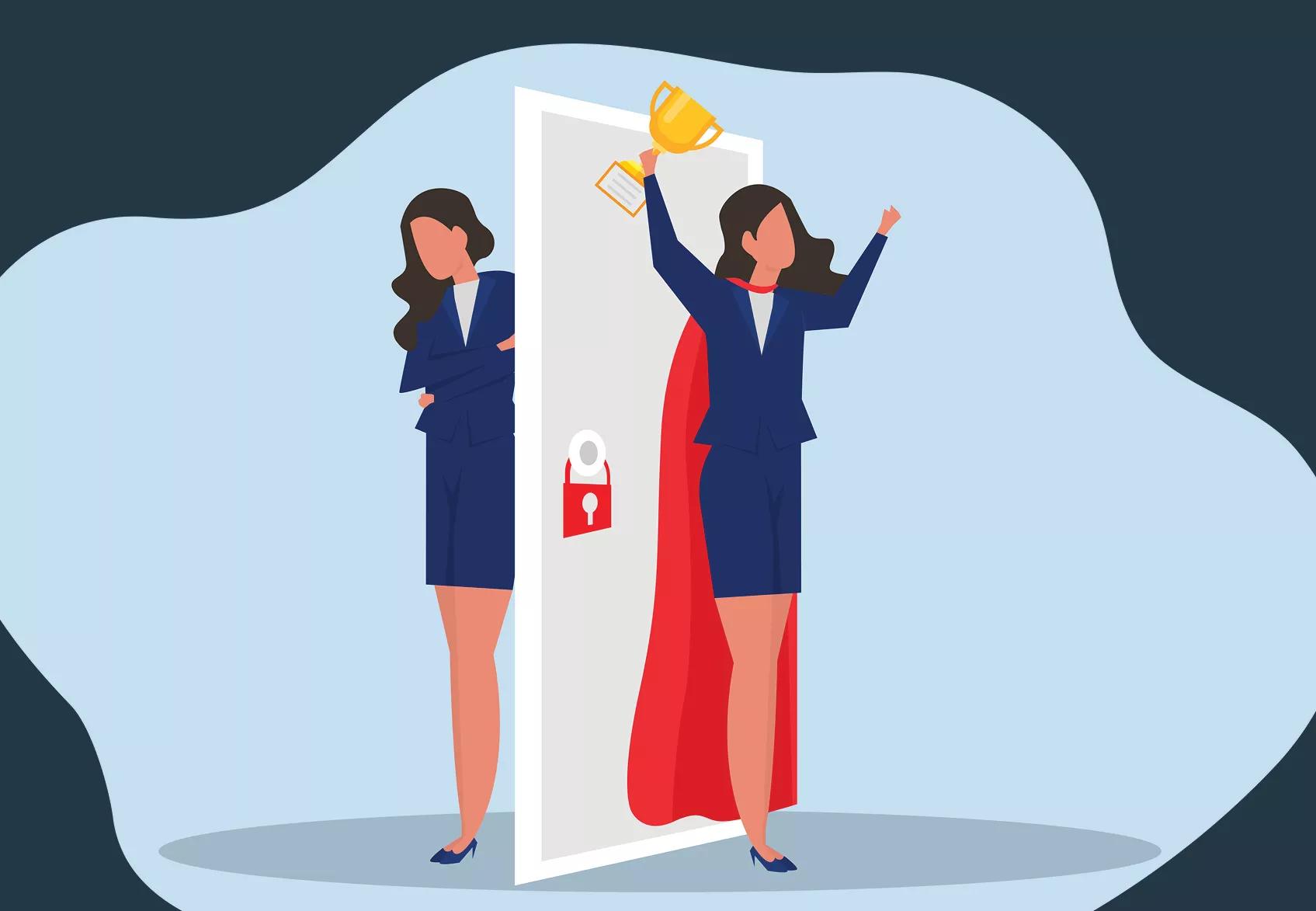
As young adults transition into the workforce or pursue higher education, many experience a psychological phenomenon known as imposter syndrome. This feeling of self-doubt and inadequacy can hinder personal and professional growth, making it essential to understand its nature and learn how to overcome it.

What is Imposter Syndrome?
Imposter syndrome, often referred to as the imposter phenomenon, is characterised by persistent feelings of self-doubt, insecurity, and a sense of being a fraud despite evident success or accomplishments. Individuals experiencing imposter syndrome often attribute their achievements to luck or external factors rather than their abilities or hard work. This phenomenon can lead to anxiety, stress, and a fear of being exposed as a fraud.

Some common characteristics characterise someone with imposter syndrome.

  • Self-doubt: Individuals frequently question their skills and qualifications, feeling unworthy of their achievements.
  • Fear of exposure: There is a constant fear that others will discover their perceived inadequacies.
  • Perfectionism: Many individuals set excessively high standards for themselves and feel disappointed when they do not meet these expectations.
  • Attributing success to external factors: People often believe that their successes are due to luck or timing rather than their efforts.
  • Overworking: To compensate for feelings of inadequacy, individuals may over-prepare or work excessively hard to prove their worth.

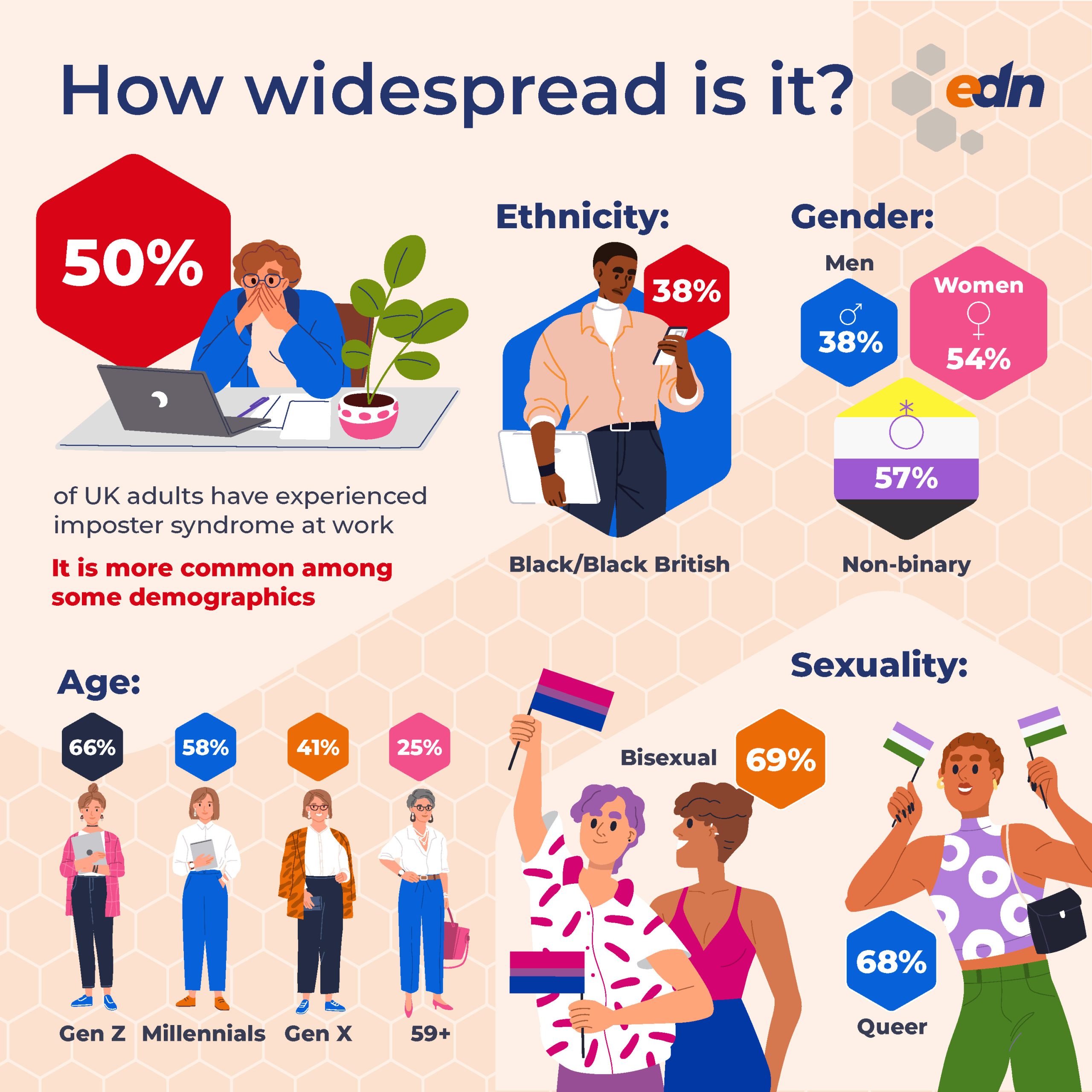
Imposter syndrome is surprisingly common. Research indicates that approximately 70% of people experience imposter feelings at some point in their lives. It can affect anyone, regardless of their background, education level, or professional success.

Many young adults experience imposter syndrome. Young adults often face significant transitions in their lives, such as moving from high school to university or entering the workforce for the first time. These changes can trigger feelings of uncertainty and self-doubt. Societal pressures and expectations can exacerbate feelings of inadequacy. Young adults may feel compelled to achieve success quickly or meet unrealistic standards set by themselves or others.

In the age of social media, young adults are constantly exposed to curated representations of others’ lives and achievements. This can lead to unhealthy comparisons and feelings of inferiority. Entering a new environment—whether it’s a university setting or a workplace—can amplify feelings of being an imposter. Young adults may feel they lack the experience necessary to succeed in these new roles.

The Impact of Imposter Syndrome on Young Adults
Imposter syndrome can have significant consequences for young adults, affecting various aspects of their lives. Feelings of inadequacy can lead to increased anxiety, depression, and stress levels. The constant pressure to prove oneself can take a toll on mental well-being. Imposter syndrome can hinder career growth by preventing individuals from pursuing opportunities or taking on new challenges due to fear of failure. When individuals feel like imposters in their roles, it can lead to decreased job satisfaction and motivation. They may struggle to appreciate their accomplishments or contributions. Young adults may avoid situations that could lead to exposure as an imposter, such as networking events or public speaking opportunities, limiting their professional development.

Strategies for Overcoming Imposter Syndrome
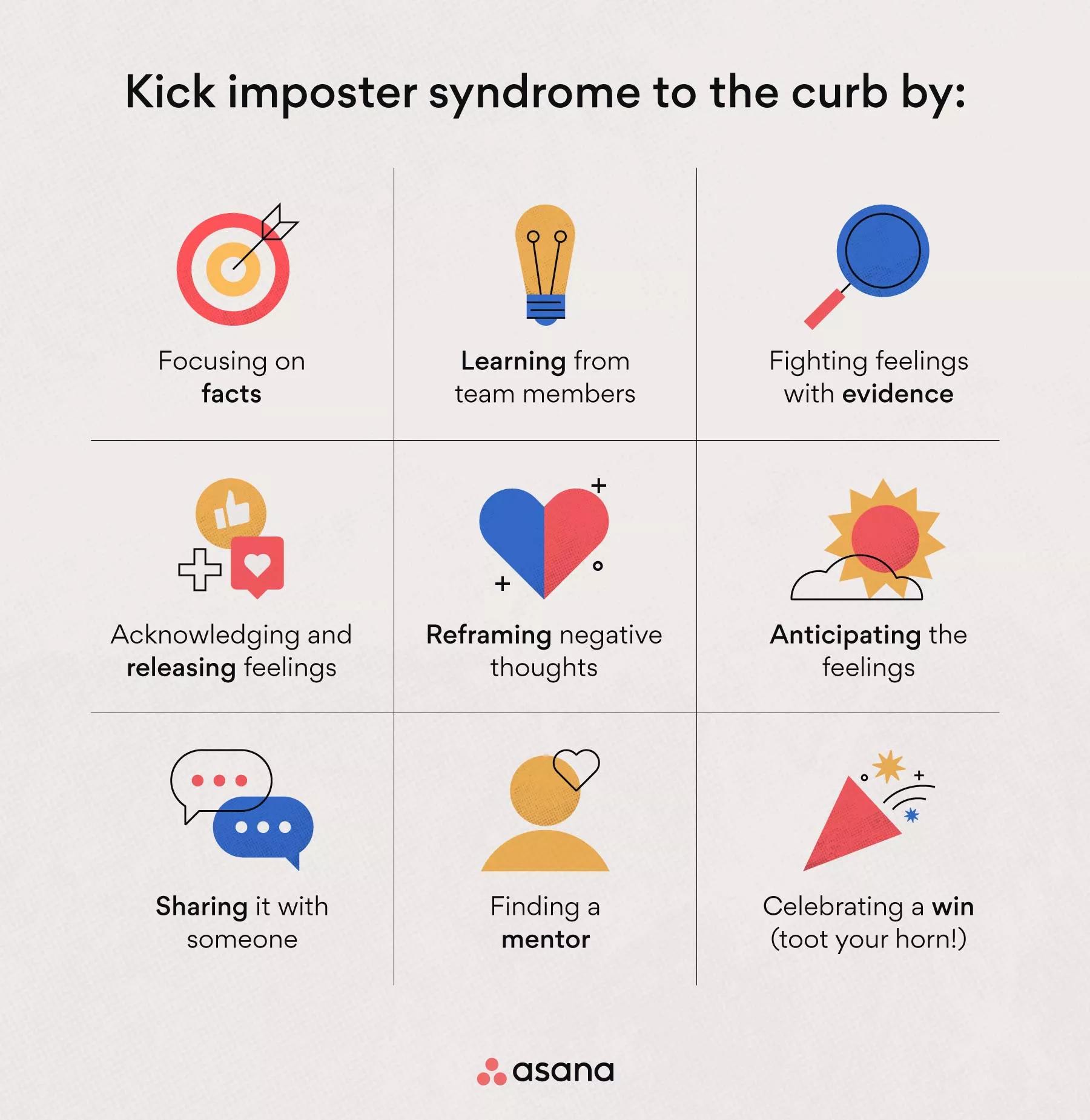
While overcoming imposter syndrome is not an overnight process, there are several strategies that young adults can employ to manage these feelings effectively:

  • Acknowledge your feelings: The first step in overcoming imposter syndrome is recognizing and acknowledging your feelings. Understand that experiencing self-doubt is normal and that many others share similar experiences. Write down your thoughts and feelings related to imposter syndrome when they arise. This practice can help you gain clarity about your emotions and identify triggers.
  • Challenge negative self-talk: Imposter syndrome often manifests through negative self-talk that reinforces feelings of inadequacy. To combat this, pay attention to your inner dialogue and identify negative thoughts that contribute to self-doubt. Reframe thoughts and replace negative thoughts with positive affirmations or balanced perspectives. For example, instead of thinking “I don’t deserve this promotion,” reframe it as “I have worked hard for this opportunity.”
  • Recognise accomplishments: Recognising your accomplishments is crucial in combating imposter syndrome. Keep a success journal and document achievements, no matter how small they may seem. Reflecting on your successes can help reinforce your capabilities. Don’t hesitate to share accomplishments with friends, family, or mentors who can celebrate with you.
  • Seek support from others: Talking about feelings with trusted friends or mentors can provide valuable perspective and support. Find a mentor as connecting with someone who has navigated similar challenges can offer guidance and reassurance. Join support groups where individuals share experiences related to imposter syndrome; this fosters a sense of community and understanding.
  • Embrace lifelong learning: Understanding that everyone has areas for growth can help alleviate pressure. Pursue professional development and engage in training sessions, workshops, or courses that enhance your skills and knowledge in your field. Accept mistakes as learning opportunities and recognise that making mistakes is part of growth; use them as opportunities for improvement rather than evidence of inadequacy.
  • Practice mindfulness: Practice mindfulness techniques that can help ground you in the present moment and reduce anxiety related to imposter feelings. Regular meditation practice can help calm the mind and promote self-awareness. Incorporate deep breathing exercises into your daily routine to manage stress levels effectively.
  • Set realistic goals: Setting achievable goals helps mitigate perfectionism associated with imposter syndrome. Divide larger goals into smaller, manageable tasks that allow you to track progress without overwhelming yourself. Shift your mindset from striving for perfection to celebrating progress along the way.
  • Limit social media exposure: Social media can exacerbate feelings of inadequacy through constant comparisons. Get rid of negative influences and curate your feed by unfollowing accounts that trigger negative thoughts about yourself. Engage with positive content and follow accounts that inspire you or provide educational content relevant to your interests.
Source

In addition to the strategies mentioned above, here are some practical tips that young adults can implement in their daily lives:

  • Develop a personal brand: Creating a personal brand involves defining who you are professionally and what you stand for in your career. Take time to reflect on your skills and strengths; knowing what you bring to the table can enhance confidence. Develop a personal narrative that highlights your journey—this helps reinforce your identity beyond just accomplishments.
  • Engage in networking: Building connections with others in your field not only opens doors but also provides reassurance through shared experiences. Participate in conferences, workshops, or networking events where you can meet others facing similar challenges. Utilise platforms like LinkedIn to connect with professionals in your industry; and engage in discussions around shared interests.
  • Practice self-compassion: Being kind to yourself during moments of doubt is crucial. Understand that everyone makes mistakes; self-compassion allows you room for growth without harsh judgment. When experiencing self-doubt, consider how you would respond if a friend expressed similar feelings—offer yourself the same kindness!
  • Focus on contribution rather than comparison: Shift focus from comparing yourself with others towards how you can contribute positively within your environment. Consider how sharing knowledge or supporting colleagues enhances collaboration rather than competition.

Imposter syndrome is a common experience among young adults navigating new environments in university and the workforce; however, it doesn’t have to define one’s journey! By understanding its nature while implementing effective strategies—such as acknowledging feelings, challenging negative self-talk, celebrating achievements, seeking support from others, and embracing lifelong learning practices—young adults can combat these feelings successfully.

Ultimately, recognising that experiencing self-doubt does not diminish one’s abilities is key; instead of allowing imposter syndrome to hold you back from seizing growth opportunities, embrace it as part of the journey! With patience combined with supportive practices, young adults will find themselves equipped not only with skills but also the confidence needed for future success! By fostering resilience against imposter syndrome while building meaningful connections along the way, young professionals are sure to not only thrive but also create fulfilling careers ahead!

2025 Week 06 Update

The quote for today is from the Greek philosopher Epicurus, who lived between 341 and 270 BC and was the founder of Epicureanism, a school of thought that taught that the pursuit of happiness comes from simple pleasures, self-sufficiency, and the absence of fear or pain. He believed that pleasure, when pursued wisely, leads to a fulfilling and tranquil life. Today’s quote reflects that true happiness comes not from wealth, status, or material possessions but from contentment and simplicity. It emphasises that fulfilment is found in appreciating what we have rather than constantly seeking more. Epicurus believed that the key to a happy life was moderation, self-sufficiency, and inner peace.

In today’s world, where consumerism encourages people to always want more, this quote serves as a reminder that happiness is not about accumulating wealth or possessions but about cultivating a mindset of gratitude and sufficiency. Many people believe that they will be happy once they achieve a certain goal—buying a bigger house, earning a higher salary, or gaining social recognition. However, this pursuit more often leads to stress, dissatisfaction, and never-ending desires. Instead of chasing external sources of happiness, Epicurus suggests that one can find joy by embracing what is already present in life.

The quote also touches on the idea that happiness is a choice. If one can learn to be content with little, one can remain happy in almost any situation. This does not mean rejecting ambition or progress but rather not depending on external factors for inner joy. In summary, Epicurus teaches us that the secret to happiness is not in having more but in needing less. By shifting our mindset from lack to gratitude, we free ourselves from unnecessary suffering and discover a profound sense of well-being in life’s simplest pleasures.

The other day when I was speaking with my parents, I realised that I live a very boring life. Thus, today’s quote is apt. I need to relish and enjoy the simple pleasures in life. Things like reading a good book, writing an article that resonates with me, making plans for a new trip, or speaking to an old friend should be the highlights of my day. 

There’s nothing more to update today. Life is going on; GG & BB are busy with their lives, school, and camp. I am busy with my writing. I am not sure if I ever mentioned this previously, but I am now a freelance content writer. I have a friend who is an editor for an online magazine, and this friend sends me work for a few articles each month. I am really enjoying this phase of my life and hope to continue doing this for years to come, hopefully, and potentially with more work.

That’s all from my side this week. Keep smiling, enjoy the simple pleasures, be happy in all situations, and above all, remain positive!