Poem: The Simple Joys of Childhood

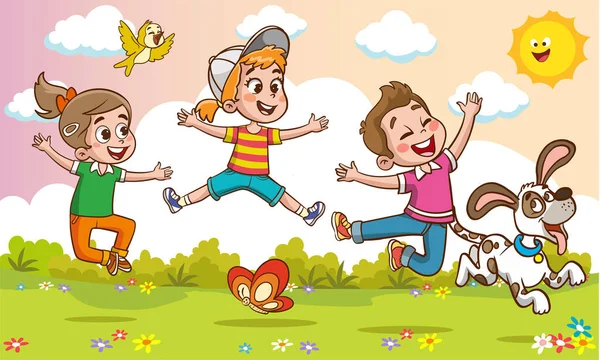
I sometimes tell BB & GG that I had a better childhood than them. While the two of them did not grow up with technology like the children of today, they were exposed to it at a much younger age. My father was in IT, so I was exposed to technology much earlier than my peers, but our childhood was one that was free of pretty much all technology, with the exception of the radio and some television. Today’s poem is a throwback to that simple time, when life was about playing and enjoying life!

The Simple Joys of Childhood

In the days of the eighties and nineties’ embrace,
Where childhood was golden, a magical place,
No internet buzz or smart device calls,
Just laughter and sunshine, and echoes in halls.

Mornings with cartoons, a bowl full of cheer,
Saturday wonders, so simple and dear,
Riding bikes freely, till the streetlights came on,
With scraped knees and smiles, till daylight was gone.

Secret societies and letters sent through the mail,
Whispered secrets and an adventurous tale,
Skipping rope rhythms, hopscotch on chalk,
Endless games played on sidewalks of talk.

Library visits, the scent of old books,
Adventures in pages, with longing looks,
Trading cards, stickers, and marbles in hand,
Simple treasures cherished, in a world unplanned.

Climbing up trees, feeling the breeze,
Catching fireflies with effortless ease,
Running through sprinklers, laughter in flight,
Campfire stories that flickered in the night.

Handwritten letters passed in the class,
Notes folded neatly, with whispers that last,
Ice cream truck melodies, coins in races,
Chasing the music, with joy on our faces.

Friendships were forged in the simplest of ways,
Shared in the parks, on long summer days,
Hide and seek giggles, and tag’s playful chase,
In a world of pure wonder, an innocent space.

No screens to distract, no digital chase,
Just the pure, simple joys of a slower-paced race,
In the heart of the eighties and nineties delight,
Childhood was magic, in the purest of light.

Memories: Grandmother Tales 4 – The Travel Edition

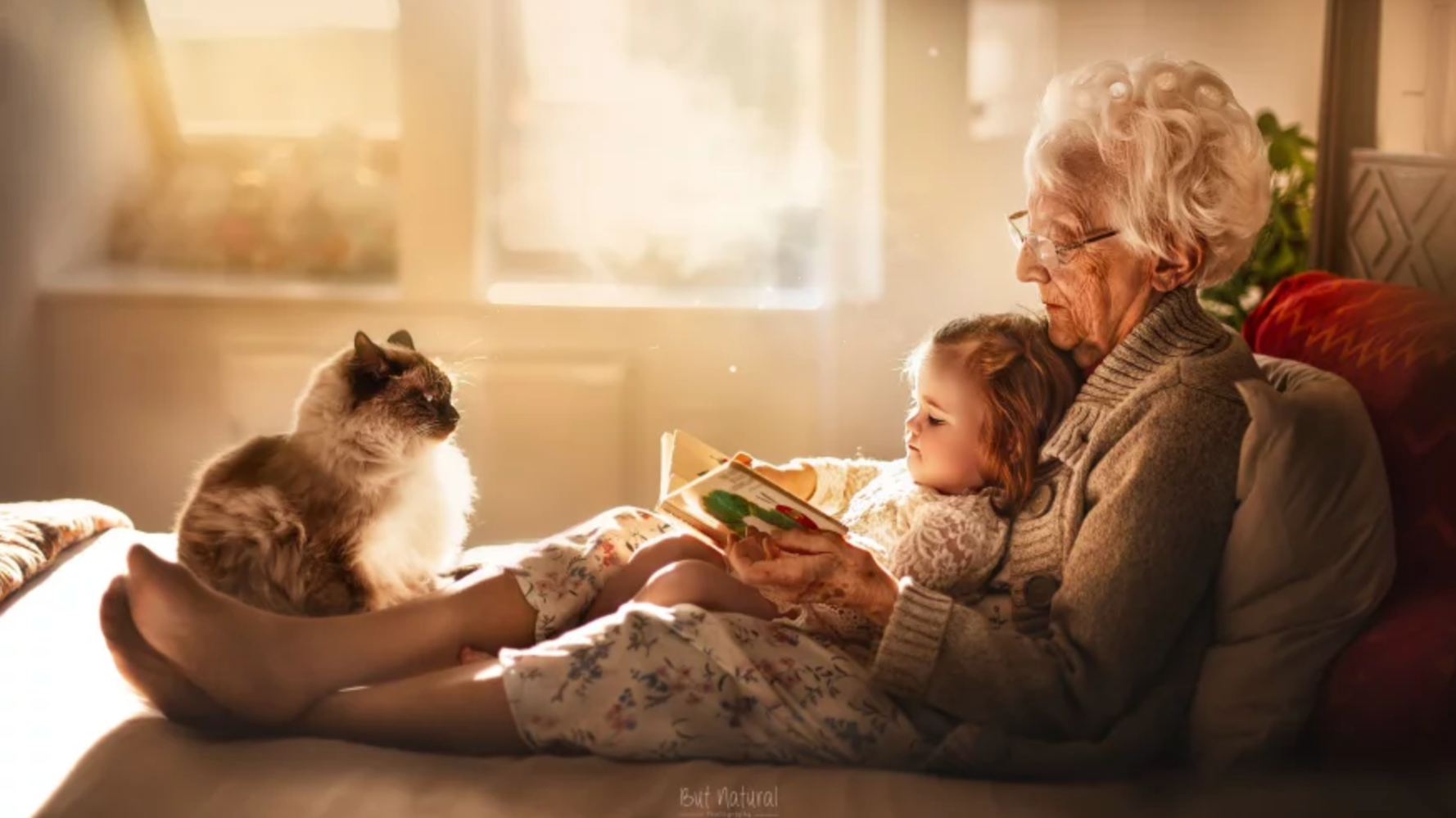
I guess I get my love for travel from my paternal grandmother, my ammama. She used to take off as the urge struck her and has travelled the length and breadth of the country. There are three such stories which I remember even today, two in which I star in and one which I remember.

When my sister was born, I was about less than a year and a half and because my mother could not handle a newborn and a toddler, my grandparents took off to New Delhi with me. Her daughter lived there with her husband, who worked in the Indian Air Force and they must have lived in airforce quarters. This would a when India’s then Prime Minister, Mrs Indira Gandhi imposed a state of emergency in the country. I was barely eighteen months at that time, so don’t have many memories of that period, but I remember the name Indira Gandhi used to be used to evoke fear, especially among children. So when I refused to do something, say eat my food, or drink my milk, I would be threatened by Mrs Gandhi. It’s a wonder that I didn’t develop any irrational fear of the government and especially Mrs Gandhi. But kudos to my grandmother, who at that age, (she must have been in her late forties or early fifties) took a toddler with her and looked after her for a few months. We returned to Bombay about three months or so later and by this time, my mum and sister were back home from my maternal grandmother’s house where she had gone for her delivery.

The next story is also from my childhood. I must have been around 7 or 8 and we were travelling by train to our ancestral village in the Tirunelveli district in the Tamil heartland. We were travelling with my father’s cousin for his wedding. My grandparents were also travelling with us but in a different compartment. After we reached Chennai, my parents, uncle and we children were supposed to take an overnight train to reach the district headquarters of Tirunelveli and my grandparents were to take the overnight train to the same destination. My sister and I threw a tantrum at the station and insisted we travel with my grandparents and not our parents. They had to give in, my grandparents giving in to us was a huge reason, and so we took the train. We were ticketless and had nothing with us, which was with our parents. I remember my grandfather talking to the ticket checker to buy tickets in the train and scrambling to find space for us to sleep in. They found space and we managed to get to Tirunelveli in one piece.

The last story does not have either my sister or me in a starring role. Around the time I was around 6, after my grandfather retired, my grandparents decided to go on an all-India pilgrimage. I don’t remember the specifics after all these years, but I do know it was led by a tour leader and was aimed at mostly senior citizens. They would take the train and maybe also travel by road and visit many of the important places of worship. The tour also included a trip to Kathmandu in Nepal to visit the Pashupatinath temple and other places of worship in that city. I do know they visited the temples of Badrinath and Kedarnath and from the north went all the way down south to Kanyakumari. I remember them making a stop in Mumbai during the trip and we went to the station to meet them. I have a memory of my uncle taking me with him to the station and then because I was so upset of meeting my ammama and then getting separated from her, he took me out and we came home quite late, after eating ice creams and chocolates. I remember this was during our summer holidays and because we reached home so late, I overslept the next day and was still asleep when my friends came to call me to play in the morning. From Kathmandu, my grandparents got me and my sister a beautiful chain with a butterfly pendant which I treasured for many years.

I hope you enjoyed this edition of my grandmother’s tales. If you want to read more about my memories of my ammama, here’s part 1, part 2, part 3 and one about my maternal grandmother.

Grandmother Tales: The Maternal Edition

In today’s Grandmother Tales, the spotlight is on my maternal grandmother whom I also called ammama just like my paternal grandmother. And following me, all my maternal cousins also called my grandmother ammama while their paternal grandmothers used to be called pati, the traditional moniker for a Tamil grandmother

We lost my K ammama last December at the age of 91 and this was a huge blow to all of us. Because of COVID restrictions, none of us had met her in over two years and I was stoked to be able to meet her when I planned my India trip in January, but it was not meant to be. My mother had met her in September and she was so thankful to have made that trip because otherwise, she would have lived with the regret of not meeting her mother even though they both lived in the same country.

Ammama lost her mother when she was about 9 or 10 and she and her younger brother were brought up by per uncle and aunt (her father’s older brother and his wife). Her father was a teacher and retired as the principal of a school in the south. She was a very petite lady and barely came up to my shoulders, but had a superb work ethic, one that I can only hope to emulate. Even at the age of 91, she would work tirelessly until late at night, finding something or the other to do, instead of just sitting down and wasting time.

She was married to my tatha or grandfather when she was about 18 or so and moved to what was then Bombay. Initially, they lived in a joint family, but when everyone’s family grew, they moved to a one-room apartment. My tatha worked for Indian Airlines on the operations side and so had to work shifts. They had four daughters, of which my mother was the oldest. After the youngest daughter was born, they gave her to her childless sister-in-law (my tatha’s older sister) who lived nearby to raise her. There was no legal adoption done and my aunt used to call her adoptive parents uncle and aunt and my grandparents as mother and father but lived separately. The sisters used to meet daily and knew of their relationship, it’s just that this aunt was raised in a different building. My grandmother always yearned for a son and so my male cousins quickly became her favourite, but we girls never really minded this.

Growing up, of all the sisters, only my mum lived the closest and so my sister and I spent many holidays at ammama’s house.  I remember the times when we were in kindergarten and the early primary school years when my mum would come to school during dismissal time to pick us up and take us to our grandmother’s place. We would spend the whole day there and go back home after dinner when my dad would come to pick us up.

When I was moving from grade 9 to 10, I had tuition in the summer holidays, so after spending a couple of weeks in Bengaluru, I took my first flight alone back to Mumbai where my grandfather picked me up and I stayed with them for the rest of the summer until my mum and sister came back from their holiday. My father came home earlier, but he lived at home while I was at my grandparent’s house and used to travel to my tuition centre daily.

One of my best friends lived next door to my grandparents’ home and my grandmother used to always complain that when we visited, I used to pop in, say hello, leave my shoes and then run to my friend’s house. I have so many memories of playing with her all day and when I stayed overnight there, late into the night. We played so many games and had so many heart-to-heart talks. I am still in touch with her and used to go and visit her parents every time I visited Mumbai until they passed away.

I was in my teens when my grandparents moved to Chennai after my grandfather retired. They were able to sell their small flat for a larger flat so they could finally enjoy the space in their retirement years. When they moved to Chennai, we used to split our holidays between their home and my other grandparents’ home in Bengaluru. I remember taking the train to Chennai, spending a couple of weeks there and then taking the overnight mail train to Bengaluru where my grandparents used to wait at the Cantonment station.

My grandmother had a great work ethic and I remember waking up at almost midnight when we used to stay over and see her either cleaning the kitchen or some other work because she could not sleep. And even just a few days before she fell and had to be hospitalised, she was working daily, cooking and cleaning. She was very particular about cleanliness and would spend hours making sure everything was spotless and in its correct place. She was also very particular about other things in her life and would spend hours making sure her clothes and her children and grandchildren’s clothes were clean, and neat and would immediately stitch anything that needed stitching.

In the last few years of her life, she slowed down considerably. She lived alone in Chennai for a few years after my grandfather passed away and then moved to Bengaluru to live with my mum’s third sister. And then after her second daughter’s husband passed away and my aunt had some issues, both physical and mental, she moved in and started looking after her daughter. She spent almost 10 years with this particular daughter and my aunt has been especially hit hard by her death.

When she died, because of COVID, nobody could go down and see her one last time. But thanks to technology, we were able to see her death ceremony rituals streamed live and even though it was via my phone and laptop screen, we all could see her one last time. When I was in Bengaluru earlier this year, my aunt who also lives in the same community as my parents and I spoke a lot about my grandmother and shared so many memories. This is the same aunt with whom my grandmother lived before she moved in with my second aunt. I was quite heartbroken that I could not see my grandmother one last time, and missed her by just about a month.

Writing this blog post has been quite cathartic and I found myself smiling at memories of my ammama and also shedding a few tears. Thanks for reading and allowing me to share some memories of my maternal grandmother. If you haven’t yet, but want to read my memories about my paternal grandmother, click here, here and here.

The Elixer of Life: My Water Stories

Water is essential for human beings to survive. Water carries nutrients to all cells in our body and oxygen to our brain. allows the body to absorb and assimilate minerals, vitamins, amino acids, glucose, and other substances, flushes out toxins and waste and helps to regulate body temperature. As a general rule of thumb, a human being can survive without water for roughly 72 hours or three days. And many experts have predicted that the next major world crises will be over water and suggest that growing water scarcity will drive violent conflict as access to water dries up for certain communities.

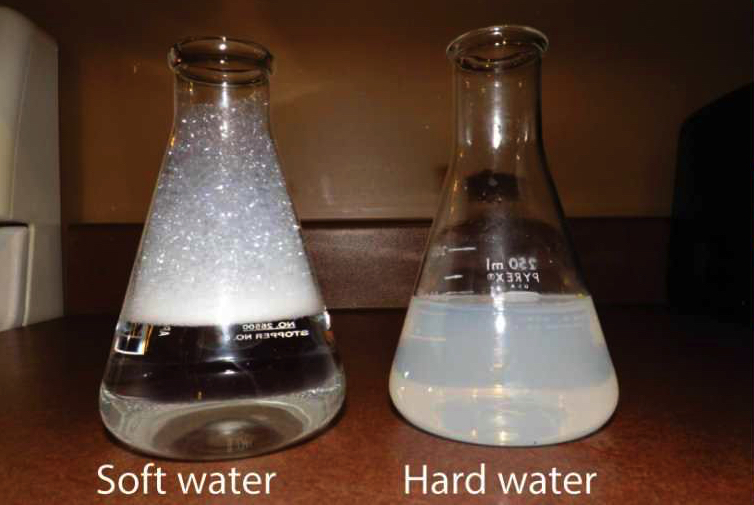
So with all the importance of water, it is certianly an essential part of our lives. In many parts of the world, water can be hard or soft and most water that is piped is usually soft water, which is treated and only has chorine and sodium. I am super finicky about the taste of water and probably because of the water I am used to, both while growing up in Mumbai and now in Singapore, which is treated chrolinated water, I can’t drink or find it hard to drink any other type of water. So here are some water stories from my life.

A representation of the water cooler we used to carry. Source

When we were younger, we used to travel by train during our summer holidays to visit our grandparents, first only to Bengaluru and then to Chennai first and then to Bengaluru. This is way before bottled water flooded the Indian market and on a train travel, the only water you had was either the water you carried with yourself in large cans or coolers or what you were able to refill in stations enroute. So we would carry as much water as we could from home in large five or 10 litre cans and this was common with pretty much everyone doing the same. This water would finish up roughly about halfway into the journey and we would have to fill it up from one of the stations, usually in Andhra Pradesh. The water would usually be hard and have a brackish taste to it and I would stop drinking water. If I was very thirsty, I would badger my mother to buy me a drink or something else to quench my thirst and if nothing was available, then a sip or two would all that I could stomach. Luckily the period of low to no water would not be too long and we would reach Bengaluru soon and as soon as we reached home, I would gulp water from the largest glass available.

In fact in our home in Bengaluru or Bangalore as it used to be called then, we had two sources of water – one from the well in the house which was slightly hard and the second which was piped in by the city from the Kaveri. I always preferred the Kaveri water and would always tell my grandmother to keep that water for drinking. This water would come in once every other day and when it came in, it would be a process to ensure it was pumped up to the holding tanks so it could be used for cooking eating and drinking while the well water was used for other needs. In fact, on our most recent trip to Bengaluru, my aunt’s house also had some kind of semi-hard water and I just could not bring myself to drink it. This trip was a very short one and we spent a fair amount of time outside visiting family in the city, so I didn’t have to drink it a lot, but the relief I felt when coming back to Bombay and drinking normal water was so immense that everyone who saw me rush to the kitchen to drink water as soon as we reached home had a hearty laugh at my expense.

Source

My maternal grandparents house in Chennai was another matter and there was no source of any soft water. So holidays there used to be a torture for me because there was no alternative source of water I could use. I soon learnt that if the water was ice cold, the taste could be masked and I could drink it, so that’s exactly what I did. Now, I am someone who normally does not drink cold water, but when in Chennai, I would ensure that there was sufficient cold water available so I could use that cold water for drinking and for even brushing my teeth! Our trip to Chennai used to be for a week, after which we would travel to Bangalore for the rest of the holiday, so it was not too bad.

Another story, similar to the above comes from the time when I was around 15. We were on a school trip to the beach town of Bordi which lies almost at the border between the states of Maharashtra and Gujarat. The whole class X cohort was on the trip, and was a combined Girl Guides and Social Services service trip. In Bordi the water was so bad that pretty much none of us drank the water. And this was the late eightees, so we didn’t have much in terms of pocket money and would restrict ourselves to one bottle of a soft drink a day which we would empty into our water bottles. Girls with a larger amount of pocket money would have purchased more than one and all of us were so glad to be back in Bombay where we could drink water to our heart’s content. This three day trip has been in my memories for more than three decades now because I can still remember the feeling of thirst and now being able to drink water because it was so bad. Like what I used to do in Chennai, when the thirst got too much to bear, we would drink a couple of sips of the hard water and then stop.

Source

So these were my water stories. Water is the true elixir of life, with over 71% of our planet and up to 60% of our bodies made up of water. Without water, life will cease to exist and for this reason, we must learn to preserve it for the future generations.

Music Appreciation: The most potent instrument of education

When I was young, most people I knew had a subscription to a local music sabha. A sabha is supposed to be a congregration or an assembly in ancient India and in the south, a music sabha is a conregration for music lovers, especially during the music season. Close to our home and very close to my grand mother’s home was the music sabha we went to. My grand parents were members and when they moved out of Bombay (when it was still Bombay and had not yet been renamed to Mumbai), my parents took over the membership.

I remember a representative from the sabha would come home once every few months and pass us the membership card along with the sabha schedule for the next few months. This was way before social media and mobile phones, so everything was done manually. This sabha was one of the most prestigiuous sabhas in Bombay at that time. It was established a few years after India’s independence with the aim of promoting the fine arts and provide a platform to showcase various artists in the various areas of the fine arts, especially music, dance and drama.

My parents and grand parents from both sides used to look forward to this programme and we would also be taken to the sabha for a dose of culture and music appreciation. Sometimes when a friend was also going there, we would not mind going, but most times we would rebel. When they could not get us to accompany them, my mum would leave us at my grandmother’s house which was just 2-3 minutes away from the sabha and go and enjoy the concert. We would enjoy the next few hours in the company of friends and when the concert ended, they would come to my grand mother’s house, have dinner and go home. Most of the concerts used to involve classical Carnatic music and dancen and when a distinguished artist was scheduled to perform, people would beg and borrow extra passes so family and friends could also listen and see the artist at play. 

When a distinguished artist was performing, we would all troop down to the sabha and any requests to stay at home would not be entertained as this would be a rare opportunity to hear and see such a distinguished performer. Relatives who stayed in other parts of the city would also make their way and I remember an aunt, my mother’s sister who was herself a singer and had learnt Carnatic music when she was younger would come down, especially if the concert was on a Saturday and stay at her mum’s place so she could attend it. I remember either attending or my parents attending performances by M.S Subbulakshmi among other celebrated artists.

When I just finished school, the sabha was unfortunately destroyed in a devastating fire and for a very long time all performances were stopped while it was being rebuilt. By then, we had all grown up and after a few more years of being members, my parents also gave up their membership and the sabha is now just a distant memory or a place for nostalgia when we pass by it.

Though I didn’t really recognise it then, this forced attendance has help me appreciate music. Though I did learn Carnatic music and my sister learnt Bharatanatyam, as did pretty much every tambram girl I knew, we did not take it up far and gave it up when school got too much for us. But those lessons and the concerts and dance performances we attended gave us a appreciation of what good music was all about. We learnt how to carry a tune and recognise when someone is out of tune. Even today, when I hear music which is even slightly out of tune, even though I may not recognise the raga being played, I know it is not correct and I wince, mostly unconsciously.

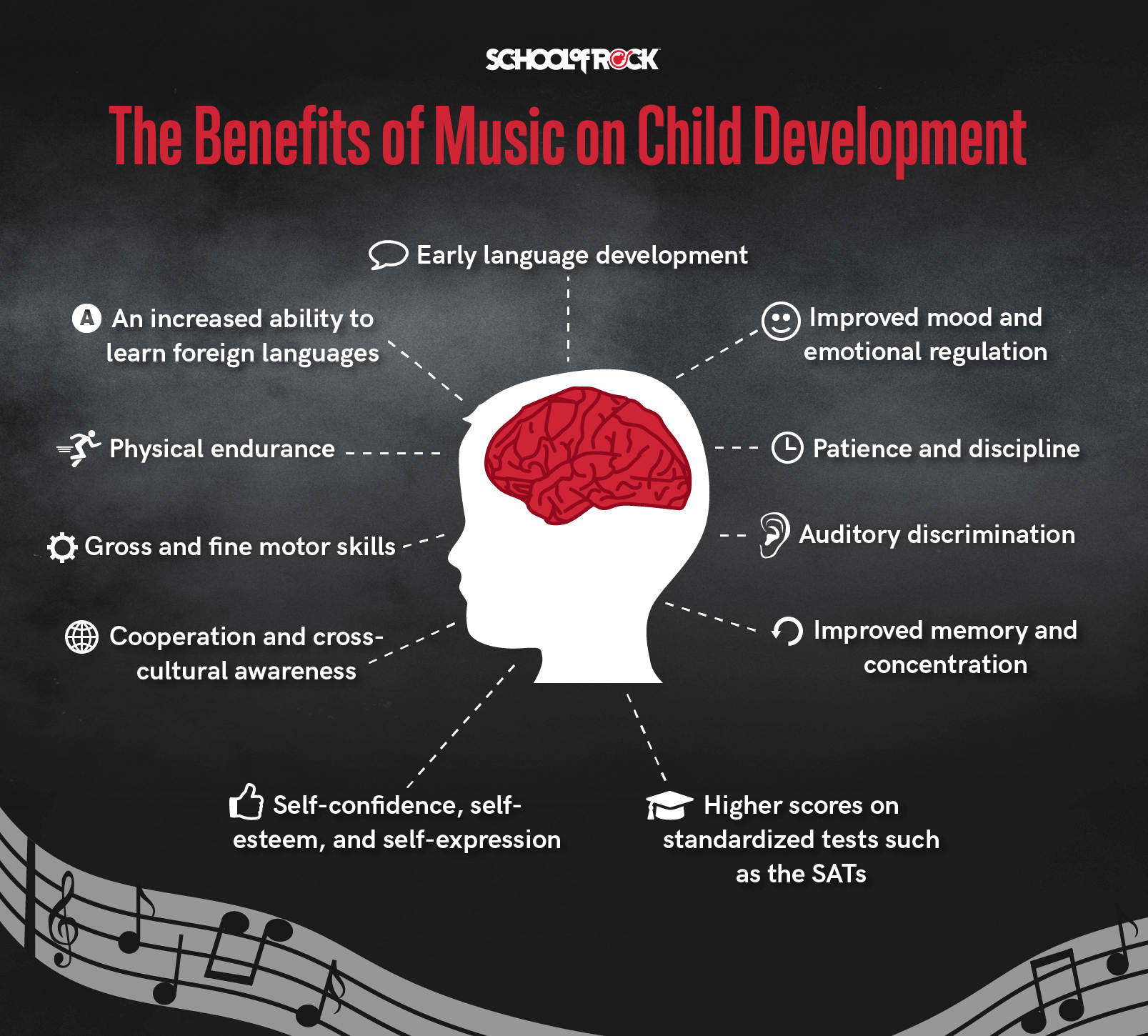
Today, research has confirmed what our parents and grandparents instinctively knew. That when you learn and listen and appreciate good music, it is extremely beneficial, especially to young children. Music is a megavitamin for the brain, the ultimate mood enhancer for emotional balance, a golden key for unlocking creativity, the secret code behind health and longevity, and the connective fiber between human beings of all races, nationalities and generations.

Musical training helps develop language and reasoning as it develops the areas of the brain related to language and reasoning. Children who are exposed to music early are more emotionally developed with empathy towards other cultures and also tend to have a higher self esteem and are better at coping with anxiety. Math and pattern recognition skills are developed with a music education and someone who has learnt music can better detect meaningful, information-bearing elements in sounds. Music also builds the imagination and intellectual curiosity and help foster a positive attitude toward learning and curiosity. An artistic education develops the whole brain and develops a child’s imagination. It is universally known that music helps fight stress and can be incredibly relaxing and also develop spatial intelligence in children.

When I look back in hindsight, I am so thankful to my parents for forcing this on me, even when I could not see it then. At that time, all it meant that going to classical concerts and dance performances meant that my Saturday evenings were being wasted, and I could use that time to play with friends. But today, as I do the same to my children, I realise how much this has benefitted me. GG & BB started learning Carnatic vocal music at about the age of seven. BB dropped it when he was about 12, when puberty hit and his voice started to break, but GG has still continued to learn. When I told her she could drop it if she wanted to, she told me it was very relaxing and wanted to continue. I do believe that these forced lessons have made them appreciate good music, even if their current music taste is not classical. GG also learnt western ballet for almost a decade, but gave it up when school got too much to balance. Today GG continues to sing, both classical and other music while BB, who actually has a good voice and a head for tune, sings very casually, though he will not really admit it.