In My Hands Today…

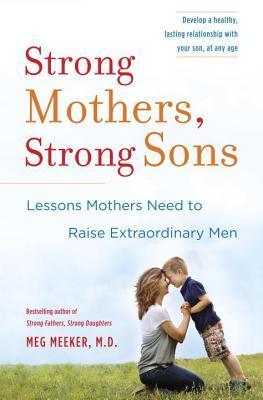
Strong Mothers, Strong Sons: Lessons Mothers Need to Raise Extraordinary Men – Meg Meeker

From the moment a mother holds her newborn son, his eyes tell her that she is his world. But often, as he grows up, the boy who needs her simultaneously pushes her away. Calling upon thirty years of experience as a pediatrician, Meg Meeker, M.D., a highly sought after national speaker, assistant professor of clinical medicine, and mother of four, shares the secrets that every mother needs to know in order to strengthen—or rebuild—her relationship with her son.

Boys today face unique challenges and pressures, and the burden on mothers to guide their boys through them can feel overwhelming. This empowering book offers a road map to help mothers find the strength and confidence to raise extraordinary sons by providing encouragement, education, and practical advice about

The need for mothers to exercise courage and be bolder and more confident about advising and directing their boys, the crucial role mothers play in expressing love to sons in healthy ways so they learn to respect and appreciate women as they grow up, the importance of teaching sons about the values of hard work, community service, and a well-developed inner life, the natural traps mothers of boys often fall into—and how to avoid them, the need for a mother to heal her own wounds with the men in her life so she can raise her son without baggage and limitations, and the best ways to survive the moments when the going gets tough and a mom’s natural ways of communicating—talking, analyzing, exploring—only fuel the fire.

When a mother holds her baby boy for the first time, she also instinctively knows something else: if she does her job right and raises her son with self-esteem, support, and wisdom, he will become the man she knows he was meant to be.

In My Hands Today…

Good Inside: A Guide to Becoming the Parent You Want to Be – Becky Kennedy

Dr. Becky Kennedy, wildly popular parenting expert and creator of @drbeckyatgoodinside, shares her groundbreaking approach to raising kids and offers practical strategies for parenting in a way that feels good.

Over the past several years, Dr. Becky Kennedy–known to her followers as “Dr. Becky”–has been sparking a parenting revolution. Millions of parents, tired of following advice that either doesn’t work or simply doesn’t feel good, have embraced Dr. Becky’s empowering and effective approach, a model that prioritizes connecting with our kids over correcting them.

Parents have long been sold a model of childrearing that simply doesn’t work. From reward charts to time outs, many popular parenting approaches are based on shaping behavior, not raising humans. These techniques don’t build the skills kids need for life, or account for their complex emotional needs. Add to that parents’ complicated relationships with their own upbringings, and it’s easy to see why so many caretakers feel lost, burned out, and worried they’re failing their kids. In Good Inside, Dr. Becky shares her parenting philosophy, complete with actionable strategies, that will help parents move from uncertainty and self-blame to confidence and sturdy leadership.

Offering perspective-shifting parenting principles and troubleshooting for specific scenarios–including sibling rivalry, separation anxiety, tantrums, and more–Good Inside is a comprehensive resource for a generation of parents looking for a new way to raise their kids while still setting them up for a lifetime of self-regulation, confidence, and resilience.

Positive Parenting: Travelling with Children Enhances Parenting

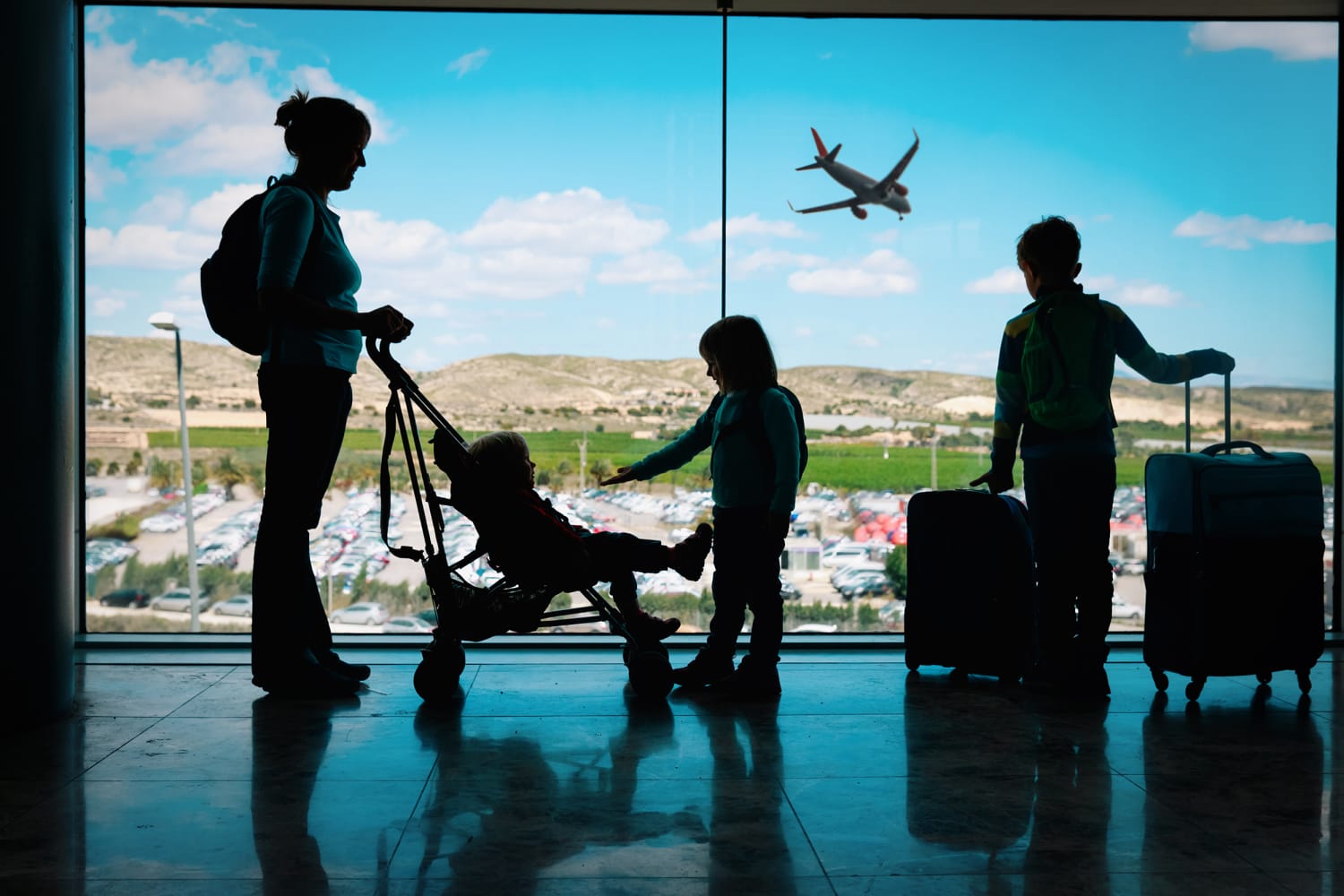
Travelling is an incredible process where one can learn so much without setting foot inside a classroom. Parenting is a lifelong journey that is filled with different challenges at each point. Combining these two enriching experiences might seem like a daunting task, but the truth is that travelling with children can be a transformative and growth-inducing adventure for both parents and their little ones.

According to experts, the most rapid brain development occurs in the first five years of a child’s life, and especially in the first three. Surrounding kids from birth to about three years old with people who are different from them normalises that experience. Travel and educating children about their roles as citizens of the world when they’re young ensures they will retain that message into their adult years because when somebody begins a habit or a tradition early in life, that becomes the foundation through which they view the world for the rest of their life.

Experts claim that travelling with children can significantly boost development. Travel can expand a kid’s world, making them more empathetic toward cultural differences and helping them adapt to changing situations. It can even shape their linguistic development as babies. Travel has the potential to create a new narrative that teaches children about the similarities with others and lays a strong foundation, especially in the early years. Travelling together fosters stronger bonds between parents and their children. Shared experiences in new and exciting places create lasting memories, promoting a sense of togetherness. Whether it’s exploring ancient ruins, playing on the beach, or sampling local delicacies, the shared joy of discovery reinforces the parent-child connection.

Exposure to different cultures, languages, and ways of life broadens children’s horizons and nurtures open-mindedness. Travelling allows them to see the world through a new lens, developing empathy and respect for diversity. As parents, embracing these experiences alongside children encourages them to set a positive example and cultivate open-mindedness. Travel inherently comes with unforeseen challenges, from delayed flights to language barriers. Facing and overcoming these obstacles teaches children valuable problem-solving and adaptability skills. Parents too, learn to be more patient, flexible, and resourceful, setting a great example for their little ones.

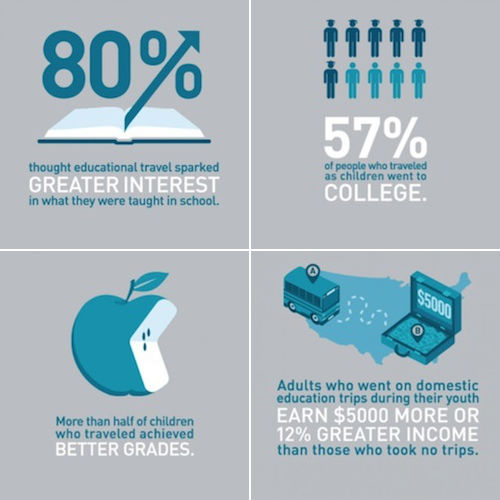
Family travel might not always go as planned, but it presents valuable opportunities to teach resilience to children. Coping with travel mishaps or unfamiliar situations fosters a can-do attitude, teaching them that setbacks are temporary hurdles to overcome. It’s a lesson that will serve them well throughout their lives. Today, with everyone so busy, finding quality family time where everyone can be together can be quite challenging. Travel offers a chance to escape routine and fully immerse in each other’s company. Away from the distractions of work and daily life, parents can genuinely engage with their children, creating cherished memories together. And who can deny that travel is an unparalleled educational experience for children that brings history, geography, and culture to life, and offers practical lessons that go beyond the confines of textbooks? Learning becomes exciting and hands-on, leaving a lasting impact on a child’s understanding of the world.

So how can one ensure that travel, especially with young children is a pleasure and not a pain?

  • Plan Age-Appropriate Itineraries – Consider the interests and energy levels of the children when planning activities and sightseeing. Mix in child-friendly attractions to keep them engaged and excited.
  • Pack Wisely – Travelling with children requires thoughtful packing. Bringing essential items such as snacks, entertainment, first-aid supplies, and comfort items ensures a smooth journey.
  • Involve Children in Planning – Let the little ones have a say in the trip’s planning process. It empowers them and gives them a sense of ownership over the adventure.
  • Be Flexible – While travelling with younger children, especially, it’s always a good idea to embrace the idea of spontaneity and allow for detours. Sometimes, the most memorable experiences come from unexpected twists in the journey.
  • Capture the Moments – In today’s age of social media and digital memories, one must make sure to take photos and videos to preserve the memories of the family travel. Encourage children to keep a travel journal or scrapbook as a creative outlet so they can revisit memories of the trip.
  • Stay Positive – Children pick up on their parents’ emotions and if they find their parents panicking or worried, they also start having meltdowns. By approaching challenges with optimism, children will follow the lead.

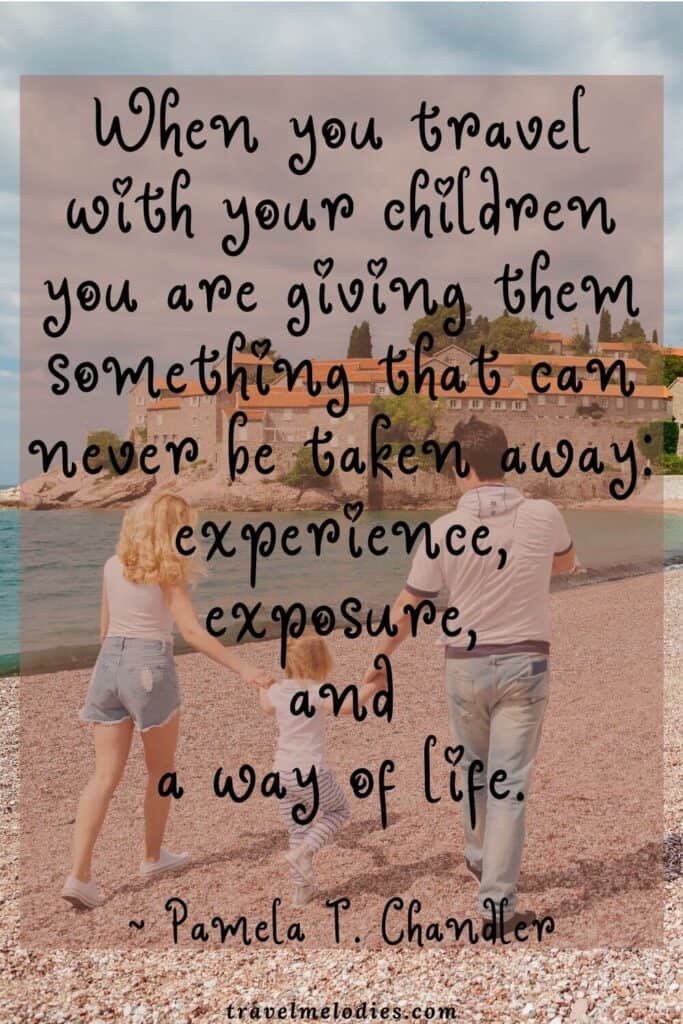
Travelling with children can be a rollercoaster ride, but the rewards are immeasurable. It is a journey of personal growth, stronger family bonds, and lifelong lessons. Parents have the power to shape their children’s perspectives through these shared adventures, and in return, they teach parents valuable lessons about patience, adaptability, and the joy of discovering the world anew. So, embark on that family travel adventure. Embrace the chaos and wonder. Let it change you for the better as a parent and create a treasure trove of memories for your children to cherish as they grow.

Bon voyage to wanderlust parenthood!

World Day against Child Labour

Held annually on 12 June, the World Day Against Child Labour was first launched in 2002 by the International Labour Organization or ILO to raise awareness and activism to prevent child labour. It was spurred by ratifications on the minimum age for employment and the worst forms of child labour. The day is intended to foster the worldwide movement against child labour and spread awareness about the harmful mental and physical problems faced by children forced into child labour, all over the world.

The day was first established in 2002 by the ILO to draw attention to the issue of child labour and to revise and revisit strategies to eliminate child labour. According to ILO’s data, hundreds of millions of girls and boys worldwide are involved in work that deprives them of receiving adequate education, health, leisure and basic freedoms, violating this way their rights. Of these children, more than half are exposed to the worst forms of child labour which include work in hazardous environments, slavery, other forms of forced labour, illicit activities such as drug trafficking and prostitution, as well as involvement in armed conflict. World Day Against Child Labour is important because we must pay attention to the problem of child labour and find ways to eradicate it.

Not all work done by children should be classified as child labour that is to be targeted for elimination. Children’s or adolescents’ participation in work that does not affect their health and personal development or interfere with their schooling, is generally regarded as being something positive. This includes activities such as helping their parents around the home, assisting in a family business or earning pocket money outside school hours and during school holidays. These kinds of activities contribute to children’s development and the welfare of their families; they provide them with skills and experience, and help to prepare them to be productive members of society during their adult life.

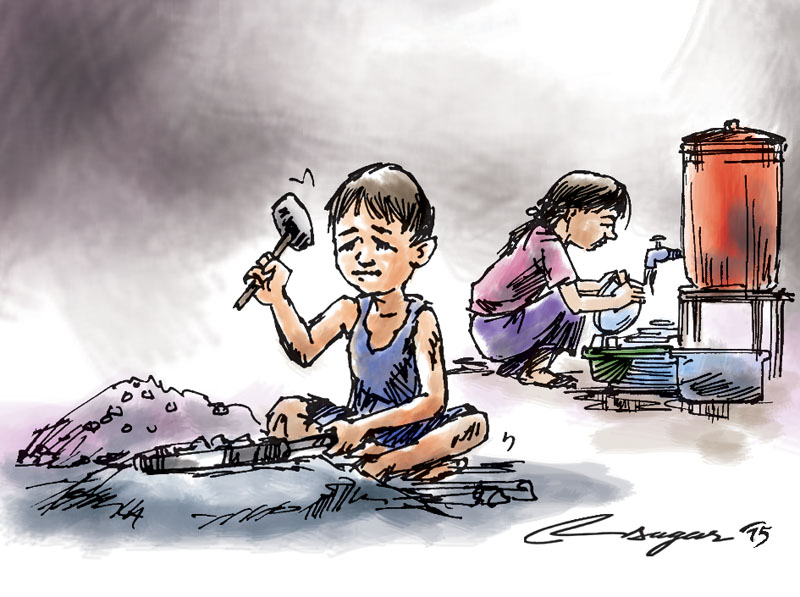
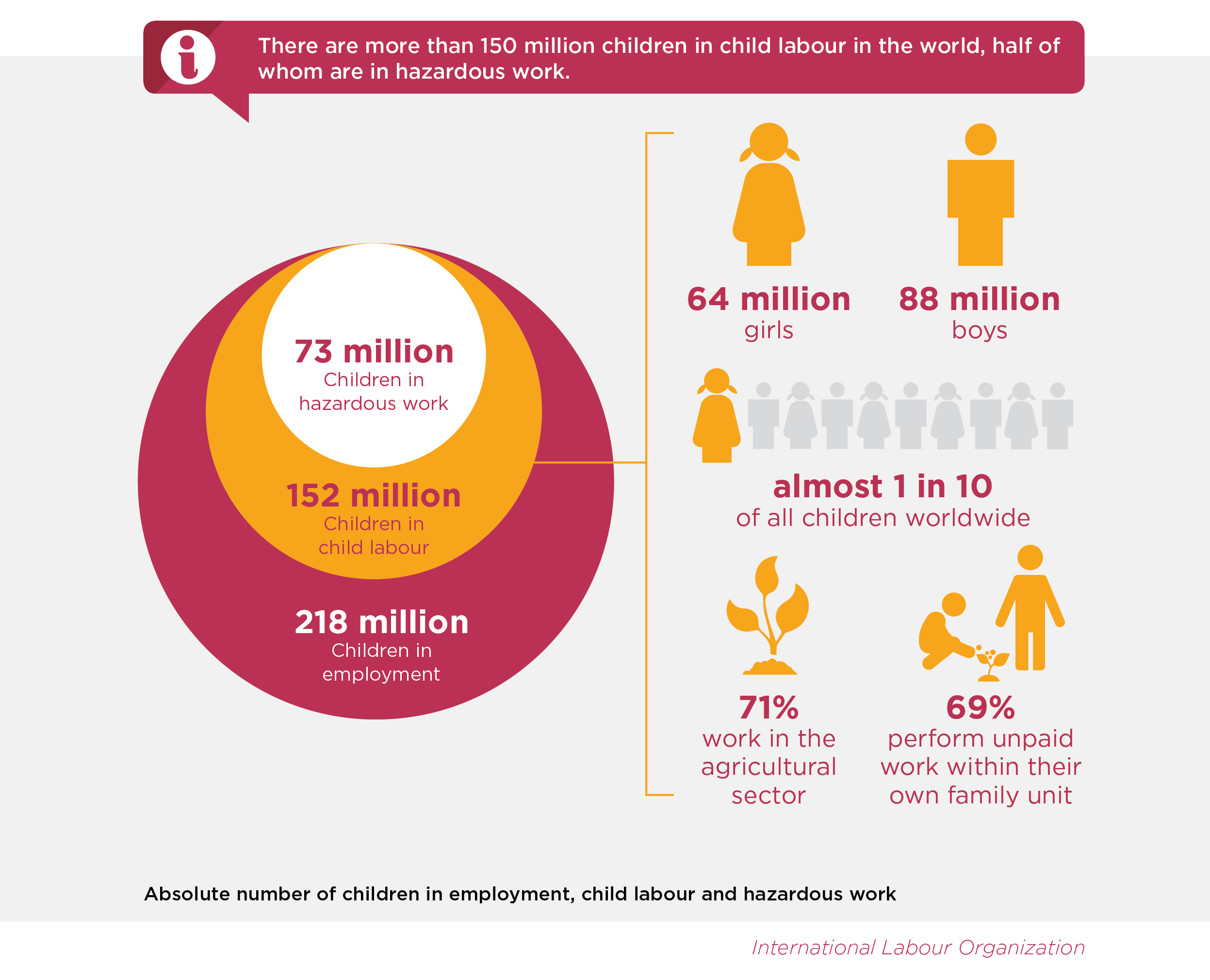
Today, throughout the world, around 218 million children work, many full-time. They do not go to school and have little or no time to play. Many do not receive proper nutrition or care. They are denied the chance to be children. More than half of them are exposed to the worst forms of child labour such as work in hazardous environments, slavery, other forms of forced labour, illicit activities including drug trafficking and prostitution, as well as involvement in armed conflict.

Child labour to be eliminated is a subset of children in employment. It includes all unconditional worst forms of child labour, such as slavery or practices similar to slavery, the use of a child for prostitution or for illicit activities; work done by children under the minimum legal age for that type of work, as defined by national legislation under international standards. The worst forms of child labour involve children being enslaved, separated from their families, exposed to serious hazards and illnesses and/or left to fend for themselves on the streets of large cities – often at a very early age. Whether or not particular forms of work can be called child labour depends on the child’s age, the type and hours of work performed, the conditions under which it is performed and the objectives pursued by individual countries. The answer varies from country to country, as well as among sectors within countries.

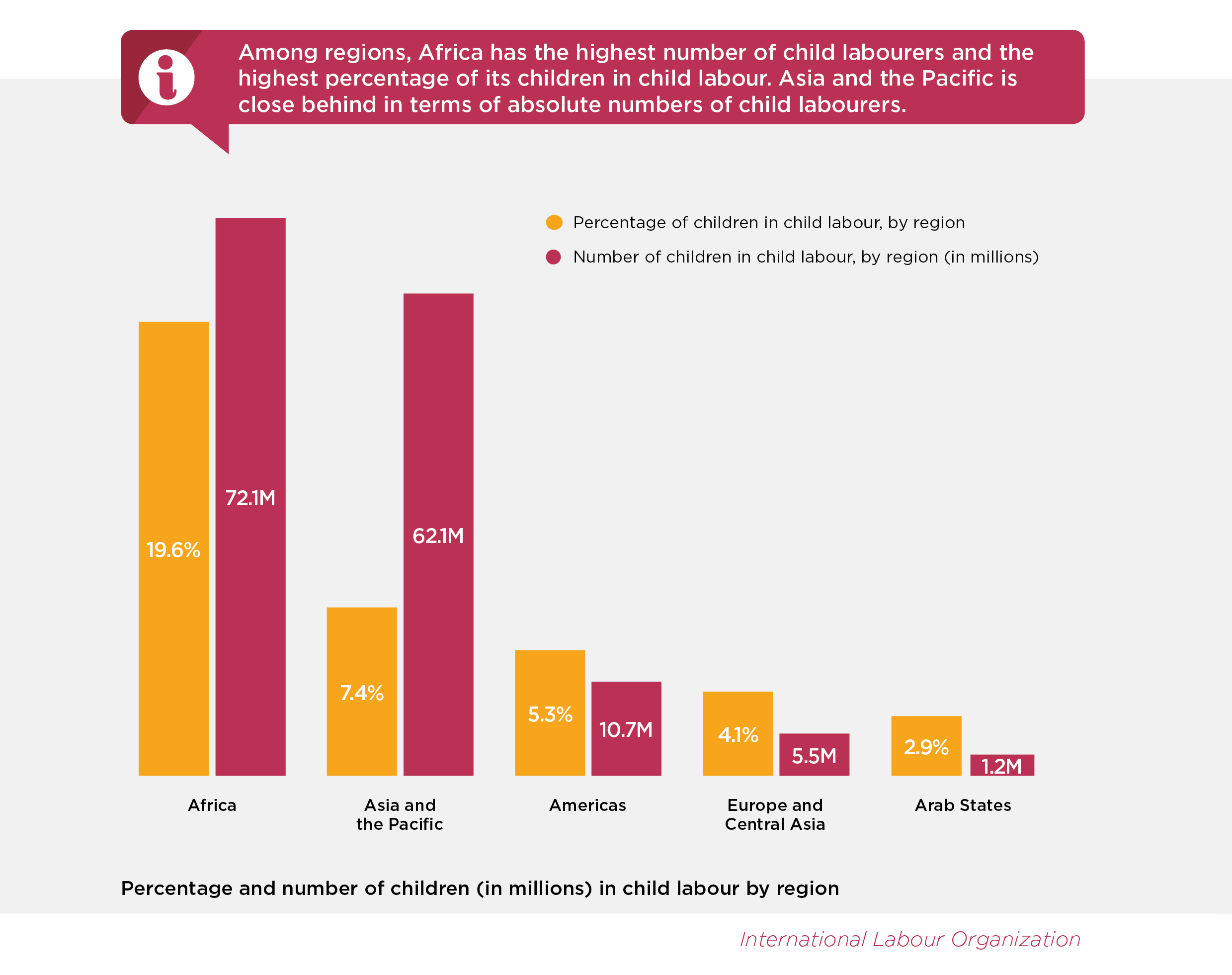
At the beginning of 2020, 1 in 10 children aged 5 and over were involved in child labour worldwide – equating to an estimated 160 million children, or 63 million girls and 97 million boys. Globally, significant progress has been made in reducing child labour in the past two decades according to a ILO and UNICEF report in 2021. The number of children in child labour declined by 85.5 million between 2000 and 2020, from 16% to 9.6%. Only 26.4% of children worldwide receive social protection cash benefits. At the global level, national expenditure on social protection for children amounts to only 1.1% of the GDP. In Africa, the region with the largest share of children in the population, the highest prevalence of child labour and the greatest need for social protection, an equivalent of 0.4% of GDP is spent on social protection for children. It is estimated that without mitigation strategies, the number of children in child labour could rise by 8.9 million by the end of 2022, due to higher poverty and increased vulnerability.

Child labour is a global issue that affects millions of children worldwide. It is a violation of children’s rights and can have long-term negative effects on their physical and mental health, education, and prospects. While progress has been made in recent years to reduce child labour, there is still much work to be done. The International Day against Child Labour is a day when everyone, including governments, businesses, and individuals remember that they have a role to play in ending child labour and ensuring that every child has the opportunity to grow up safe, healthy, and free.

Memories: Grandmother Tales 4 – The Travel Edition

I guess I get my love for travel from my paternal grandmother, my ammama. She used to take off as the urge struck her and has travelled the length and breadth of the country. There are three such stories which I remember even today, two in which I star in and one which I remember.

When my sister was born, I was about less than a year and a half and because my mother could not handle a newborn and a toddler, my grandparents took off to New Delhi with me. Her daughter lived there with her husband, who worked in the Indian Air Force and they must have lived in airforce quarters. This would a when India’s then Prime Minister, Mrs Indira Gandhi imposed a state of emergency in the country. I was barely eighteen months at that time, so don’t have many memories of that period, but I remember the name Indira Gandhi used to be used to evoke fear, especially among children. So when I refused to do something, say eat my food, or drink my milk, I would be threatened by Mrs Gandhi. It’s a wonder that I didn’t develop any irrational fear of the government and especially Mrs Gandhi. But kudos to my grandmother, who at that age, (she must have been in her late forties or early fifties) took a toddler with her and looked after her for a few months. We returned to Bombay about three months or so later and by this time, my mum and sister were back home from my maternal grandmother’s house where she had gone for her delivery.

The next story is also from my childhood. I must have been around 7 or 8 and we were travelling by train to our ancestral village in the Tirunelveli district in the Tamil heartland. We were travelling with my father’s cousin for his wedding. My grandparents were also travelling with us but in a different compartment. After we reached Chennai, my parents, uncle and we children were supposed to take an overnight train to reach the district headquarters of Tirunelveli and my grandparents were to take the overnight train to the same destination. My sister and I threw a tantrum at the station and insisted we travel with my grandparents and not our parents. They had to give in, my grandparents giving in to us was a huge reason, and so we took the train. We were ticketless and had nothing with us, which was with our parents. I remember my grandfather talking to the ticket checker to buy tickets in the train and scrambling to find space for us to sleep in. They found space and we managed to get to Tirunelveli in one piece.

The last story does not have either my sister or me in a starring role. Around the time I was around 6, after my grandfather retired, my grandparents decided to go on an all-India pilgrimage. I don’t remember the specifics after all these years, but I do know it was led by a tour leader and was aimed at mostly senior citizens. They would take the train and maybe also travel by road and visit many of the important places of worship. The tour also included a trip to Kathmandu in Nepal to visit the Pashupatinath temple and other places of worship in that city. I do know they visited the temples of Badrinath and Kedarnath and from the north went all the way down south to Kanyakumari. I remember them making a stop in Mumbai during the trip and we went to the station to meet them. I have a memory of my uncle taking me with him to the station and then because I was so upset of meeting my ammama and then getting separated from her, he took me out and we came home quite late, after eating ice creams and chocolates. I remember this was during our summer holidays and because we reached home so late, I overslept the next day and was still asleep when my friends came to call me to play in the morning. From Kathmandu, my grandparents got me and my sister a beautiful chain with a butterfly pendant which I treasured for many years.

I hope you enjoyed this edition of my grandmother’s tales. If you want to read more about my memories of my ammama, here’s part 1, part 2, part 3 and one about my maternal grandmother.