Mumbai Memories: Calling Her by Name

Tamil kinship terminology is among the most nuanced in the world, distinguishing not only between maternal and paternal relatives but also between older and younger siblings, in-laws, and even parallel and cross cousins. Within this system, “manni” specifically denotes the wife of an elder brother. Other names are Anna, who is the older brother; chitappa, your father’s younger brother or your mother’s younger sister’s husband; and chitti, the wife of your father’s younger brother or your mother’s younger sister. Athai is your father’s sister, and Athimber is her husband. “Athimber” could also refer to the husband of your older sister. The use of these terms is not arbitrary but is deeply embedded in the social fabric, reinforcing respect, hierarchy, and the roles expected of each family member.

The “manni” traditionally occupies a unique position. She is often seen as a secondary maternal figure to her husband’s younger siblings, especially in large joint families. The respect accorded to her is both a reflection of her status as the wife of the eldest son and a recognition of her role in maintaining familial harmony and upholding traditions.

In the patriarchal structure of Tamil Brahmin families, the use of kinship terms such as “manni” is a way of codifying respect and maintaining the social order. The elder brother’s wife is, by her position, to be respected, and the term “manni” is both an acknowledgement of her seniority and a subtle reinforcement of the family hierarchy. This practice also reflects gendered expectations. While the elder brother commands respect as “Anna,” his wife, as “Manni,” is expected to embody dignity, authority, and nurturing, often mediating between the younger siblings and the older generation.

Tamil Brahmin families, especially the Iyers and Iyengars, have historically been fastidious about ritual purity and the correct observance of customs. The use of proper kinship terms was, and in some cases still is, considered part of this ritual correctness. Addressing the elder brother’s wife by her name, rather than as “manni,” could be seen as a breach of decorum, potentially undermining the carefully maintained social order.

However, the latter part of the 20th century saw significant social and economic changes. Urbanisation, the rise of nuclear families, and increased exposure to cosmopolitan values began to erode the rigid hierarchies of the past. As families became smaller and more egalitarian, the need to maintain strict forms of address diminished. Younger generations, influenced by modern education and global culture, began to prioritise individual identity and personal relationships over traditional roles.

My mother’s paternal family is large, and as I have mentioned previously, they lived in a joint family for years before each brother moved out. Even though they moved out, the old joint family home was still the family headquarters, and connections between cousins were very tight. Also, as most tambram families were in the sixties and seventies in Mumbai, they were still conservative and held on tightly to their rituals and culture, especially with the second generation, who were, for the most part, born and lived in the bustling metropolis that Bombay was becoming.

In this context, and this is something I only realised recently, was the fact that none of the cousins called their brother’s wives “Manni.” Instead, they used her given name. Growing up, I thought this was normal and never gave it a second thought. But when I thought about this recently, I thought this was something so liberal and progressive. None of the older generation objected to this, and I am guessing none of the new brides, especially the first one, insisted on being called “manni!” And this percolated to how I perceived relationship nomenclature.

When I got married, S’s younger sister called me “Manni” and still calls me that, even after all these years, even though I told her to call me by my given name. Some of S’s cousins started by calling me manni and then shifted to my given name, while some others call me akka, which means older sister. I am ok with either “manni,” my name, or akka, as I believe at the end of the day, it’s the respect that’s more important, rather than what you are called.

Addressing sisters-in-law by name, rather than as “manni,” can be seen as a subtle but powerful assertion of equality. It signals a move away from rigid hierarchies and towards relationships based on mutual respect and personal connection.

Tamil Brahmin identity has undergone a profound transformation over the past century. Once defined by strict adherence to ritual, vegetarianism, and caste-based hierarchies, the community has become increasingly cosmopolitan, embracing modernity and global values. The decline of practices such as addressing the elder brother’s wife as “manni” is part of this broader shift. Women in Tamil Brahmin families have played a crucial role in this transformation. As they gained access to education and employment, their roles within the family and society changed dramatically. The authority of the “manni” was no longer derived solely from her position as the elder brother’s wife but from her own achievements and personality.

Ultimately, the choice of how to address a sister-in-law is a personal one, shaped by family dynamics, individual preferences, and broader social trends. What matters most is the quality of the relationship, not the form of address.
In My Hands Today…

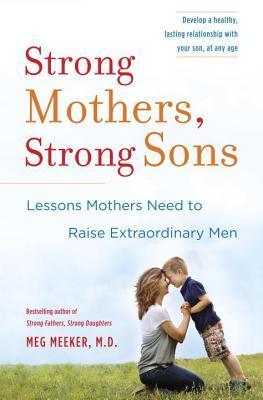
Strong Mothers, Strong Sons: Lessons Mothers Need to Raise Extraordinary Men – Meg Meeker

From the moment a mother holds her newborn son, his eyes tell her that she is his world. But often, as he grows up, the boy who needs her simultaneously pushes her away. Calling upon thirty years of experience as a pediatrician, Meg Meeker, M.D., a highly sought after national speaker, assistant professor of clinical medicine, and mother of four, shares the secrets that every mother needs to know in order to strengthen—or rebuild—her relationship with her son.

Boys today face unique challenges and pressures, and the burden on mothers to guide their boys through them can feel overwhelming. This empowering book offers a road map to help mothers find the strength and confidence to raise extraordinary sons by providing encouragement, education, and practical advice about

The need for mothers to exercise courage and be bolder and more confident about advising and directing their boys, the crucial role mothers play in expressing love to sons in healthy ways so they learn to respect and appreciate women as they grow up, the importance of teaching sons about the values of hard work, community service, and a well-developed inner life, the natural traps mothers of boys often fall into—and how to avoid them, the need for a mother to heal her own wounds with the men in her life so she can raise her son without baggage and limitations, and the best ways to survive the moments when the going gets tough and a mom’s natural ways of communicating—talking, analyzing, exploring—only fuel the fire.

When a mother holds her baby boy for the first time, she also instinctively knows something else: if she does her job right and raises her son with self-esteem, support, and wisdom, he will become the man she knows he was meant to be.

International Day of Families: Celebrating Family Connections

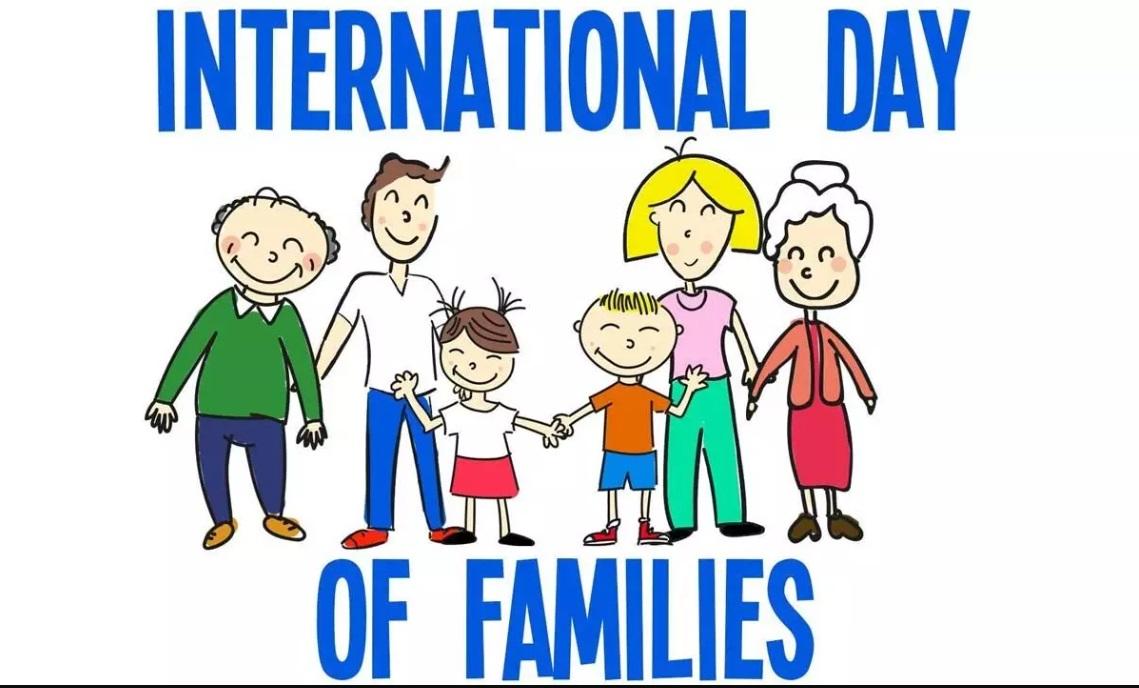
The International Day of Families is an annual observance recognised by the United Nations on May 15th. This day aims to raise awareness of the importance of families and the role they play in society. Families come in many shapes and sizes, but they all share the fundamental purpose of providing love, support, and a sense of belonging for their members.

The theme for the International Day of Families in 2024 is “Strengthening Family Connections in a Digital World.” This theme reflects the growing influence of technology on modern family life and the need to find a healthy balance between digital engagement and quality time together. As families navigate an increasingly online landscape, it is crucial to explore ways of using technology to enhance family bonds rather than allowing it to become a barrier.

The International Day of Families was first established in the 1980s, when the United Nations started to focus attention on issues related to families. In 1993, the UN General Assembly passed a resolution designating May 15 as the International Day of Families. The fundamental goal of establishing this observance was to raise awareness of the importance of families and the issues affecting them globally. The day is meant to encourage people worldwide to improve their living standards and promote social progress.

The traditional nuclear family model of a married mother and father with children is no longer the only accepted family structure. Families today come in diverse forms, including single-parent households, blended families, same-sex couples, multigenerational homes, and families formed through adoption or surrogacy. This diversity is a testament to the resilience and adaptability of the family unit.

Regardless of their composition, families serve as the foundation for individual development and social cohesion. They provide a haven where children can grow, learn, and thrive. Families also play a crucial role in transmitting cultural values, traditions, and beliefs from one generation to the next.

While technology has brought many benefits to modern families, it has also introduced new challenges that require thoughtful navigation. The ubiquity of digital devices and the constant connectivity they enable can sometimes come at the expense of face-to-face interaction and quality time spent together.

Parents today often struggle to find the right balance between allowing their children to explore the digital world and setting boundaries to protect them from potential online risks, such as cyberbullying, excessive screen time, and exposure to inappropriate content.  Additionally, the blurring of work and home life due to remote work and the always-on nature of digital communication can make it difficult for families to truly disconnect and enjoy uninterrupted quality time.

The 2024 theme of the International Day of Families, “Strengthening Family Connections in a Digital World,” encourages families to embrace technology in a way that enhances their relationships and supports their overall well-being. Here are some strategies families can consider:

  • Establishing Digital Boundaries: Setting clear boundaries and guidelines around technology use can help families maintain a healthy balance. This may include designating tech-free zones or times, such as during mealtimes or before bedtime, and encouraging everyone to be present and engaged with one another.
  • Fostering Digital Literacy: Educating family members, especially children, on the responsible and safe use of digital technologies is crucial. Families can learn together about online privacy, cybersecurity, and the importance of critical thinking when consuming digital content.
  • Leveraging Technology for Connectivity: While excessive screen time can be detrimental, technology can also be used to strengthen family connections. Families can utilise video calls, messaging apps, and social media to stay in touch with loved ones who live far away, share important moments, and coordinate family activities.
  • Engaging in Digital Activities Together: Families can find ways to use technology as a tool for shared experiences and bonding. This could include playing interactive games, watching movies or shows together, or even collaborating on creative projects using digital tools.
  • Prioritising Offline Interactions: Despite the convenience and allure of digital devices, families need to make time for face-to-face interactions, outdoor activities, and unplugged experiences. These offline moments allow for deeper connections, uninterrupted conversations, and the cultivation of meaningful memories.

The International Day of Families in 2024 presents an opportunity for families around the world to reflect on the importance of their relationships and explore ways to strengthen their connections in the digital age. The day serves as a timely reminder of the enduring significance of the family unit and the need to adapt to the evolving digital landscape. By embracing technology in a way that enhances family connections, families can navigate the challenges of the modern world while preserving the core values and traditions that have sustained them throughout history.

As we celebrate this day, let us be inspired to cultivate stronger, more resilient family bonds that can withstand the test of time and the ever-changing digital landscape. Together, we can create a future where families thrive, both online and offline, and where the power of human connection remains at the heart of our lives.

International Day of Families

Today is the International Day of Families. Families are the basic unit of society and play a critical role in shaping individuals and communities. A Family is the smallest and the primary focus of human attachment, nurturance and socialisation. All the lessons of life are learnt from the family and these stay on the psyche for the entire life. Family, which comes from the Latin, familia, is a group of people related either by consanguinity or affinity. The purpose of the family is to maintain the well-being of its members and society. Ideally, families offer predictability, structure, and safety as members mature and learn to participate in the community.

United Nations declared in 1993 that 15 May would be the International Day of Families to raise awareness of the importance of families and to promote family-oriented policies and programs. The day is an opportunity to recognise the importance of families and to promote their well-being. It also aims to raise awareness of the challenges faced by families and to encourage the adoption of policies and programs that support families.

The theme for the 2022 edition was Families and Urbanisation. Urbanisation is one of the most important megatrends shaping the world and the life and well-being of families worldwide. Sustainable urbanisation is related to the achievement of several Sustainable Development Goals and targets that depend on how well urbanisation is managed towards benefitting families and enhancing the well-being of all generations living in cities. The theme thus aims to raise awareness of the importance of sustainable, family-friendly urban policies.

The world is becoming increasingly urbanised. According to the United Nations, 55% of the world’s population currently lives in urban areas, and this number is expected to reach 68% by 2050. Urbanisation has many benefits, such as access to better healthcare, education, and job opportunities. However, it also presents challenges for families, such as higher living costs, limited space, and a lack of social support.

One of the biggest challenges facing families in urban areas is housing. In many cities, housing is becoming increasingly unaffordable, forcing families to live in small apartments or even on the streets. Another challenge facing families in urban areas is the lack of social support networks. In traditional, rural communities, families often have access to extended family members, neighbours, and community organizations that provide social and emotional support which may be unable in urban areas. Despite these challenges, families in urban areas also have unique opportunities for growth and development.

Preparations for the thirtieth anniversary of the International Year of the Family in 2024 have been centring on megatrends and their impact on families. The focus on selected megatrends, including technological change, migration, urbanization, demographic and climate change, aims to facilitate the analysis of their impacts on family life and to recommend responsive family-oriented policies to harness the positive aspects of those trends and counteract their negative facets.

Memories: Grandmother Tales 4 – The Travel Edition

I guess I get my love for travel from my paternal grandmother, my ammama. She used to take off as the urge struck her and has travelled the length and breadth of the country. There are three such stories which I remember even today, two in which I star in and one which I remember.

When my sister was born, I was about less than a year and a half and because my mother could not handle a newborn and a toddler, my grandparents took off to New Delhi with me. Her daughter lived there with her husband, who worked in the Indian Air Force and they must have lived in airforce quarters. This would a when India’s then Prime Minister, Mrs Indira Gandhi imposed a state of emergency in the country. I was barely eighteen months at that time, so don’t have many memories of that period, but I remember the name Indira Gandhi used to be used to evoke fear, especially among children. So when I refused to do something, say eat my food, or drink my milk, I would be threatened by Mrs Gandhi. It’s a wonder that I didn’t develop any irrational fear of the government and especially Mrs Gandhi. But kudos to my grandmother, who at that age, (she must have been in her late forties or early fifties) took a toddler with her and looked after her for a few months. We returned to Bombay about three months or so later and by this time, my mum and sister were back home from my maternal grandmother’s house where she had gone for her delivery.

The next story is also from my childhood. I must have been around 7 or 8 and we were travelling by train to our ancestral village in the Tirunelveli district in the Tamil heartland. We were travelling with my father’s cousin for his wedding. My grandparents were also travelling with us but in a different compartment. After we reached Chennai, my parents, uncle and we children were supposed to take an overnight train to reach the district headquarters of Tirunelveli and my grandparents were to take the overnight train to the same destination. My sister and I threw a tantrum at the station and insisted we travel with my grandparents and not our parents. They had to give in, my grandparents giving in to us was a huge reason, and so we took the train. We were ticketless and had nothing with us, which was with our parents. I remember my grandfather talking to the ticket checker to buy tickets in the train and scrambling to find space for us to sleep in. They found space and we managed to get to Tirunelveli in one piece.

The last story does not have either my sister or me in a starring role. Around the time I was around 6, after my grandfather retired, my grandparents decided to go on an all-India pilgrimage. I don’t remember the specifics after all these years, but I do know it was led by a tour leader and was aimed at mostly senior citizens. They would take the train and maybe also travel by road and visit many of the important places of worship. The tour also included a trip to Kathmandu in Nepal to visit the Pashupatinath temple and other places of worship in that city. I do know they visited the temples of Badrinath and Kedarnath and from the north went all the way down south to Kanyakumari. I remember them making a stop in Mumbai during the trip and we went to the station to meet them. I have a memory of my uncle taking me with him to the station and then because I was so upset of meeting my ammama and then getting separated from her, he took me out and we came home quite late, after eating ice creams and chocolates. I remember this was during our summer holidays and because we reached home so late, I overslept the next day and was still asleep when my friends came to call me to play in the morning. From Kathmandu, my grandparents got me and my sister a beautiful chain with a butterfly pendant which I treasured for many years.

I hope you enjoyed this edition of my grandmother’s tales. If you want to read more about my memories of my ammama, here’s part 1, part 2, part 3 and one about my maternal grandmother.