Sacred Stones, Spaces, and Stories: Divya Desams Part 21

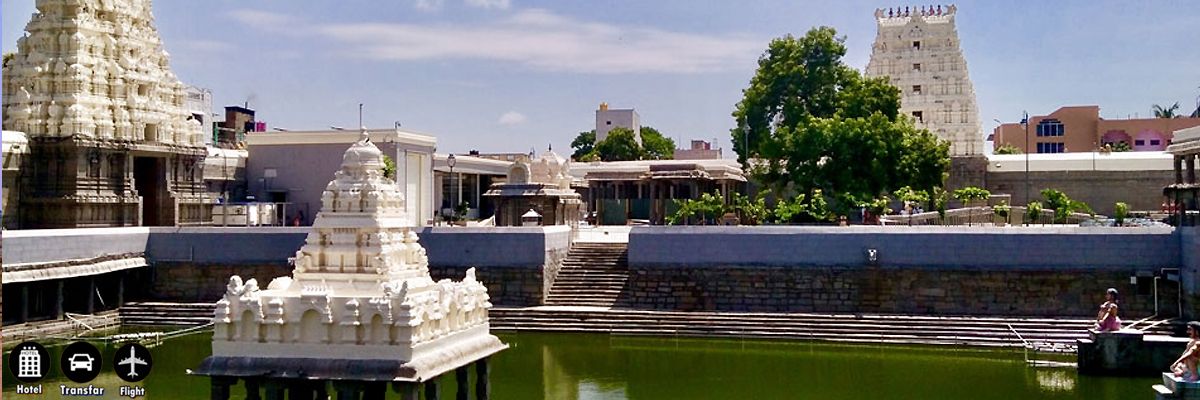
Thirukkoyilur Temple, Thirukoilure, Tamil Nadu
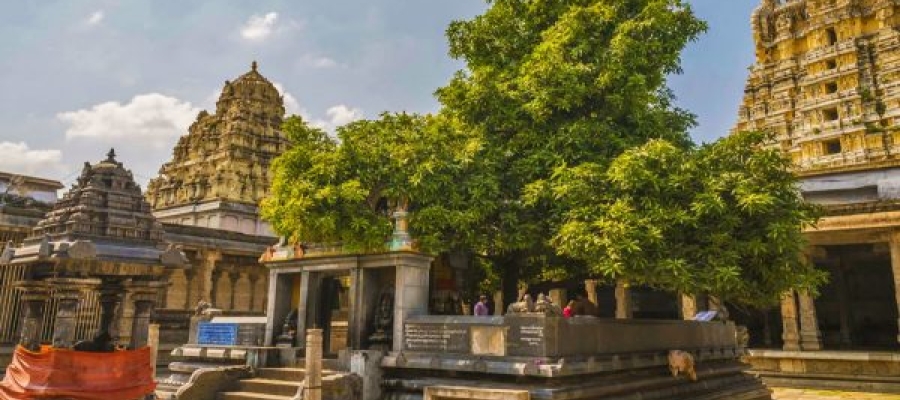
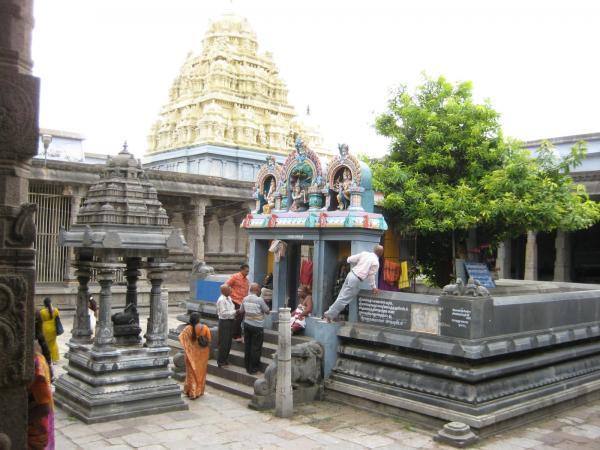
Thirukkoyilur, located along the banks of the South Pennar River in Tamil Nadu, is one of the most historically and spiritually significant Divya Desams. The presiding deity here is Trivikrama Perumal, with Poongothai Thayar as the goddess. What makes this temple distinct is not only its connection to the Vamana avatar but also its deep link to the birth of Tamil Vaishnavite devotion. It was here, in this town, that the first three Alvars met for the first time. Their meeting was not planned, and yet it changed the direction of devotional history.

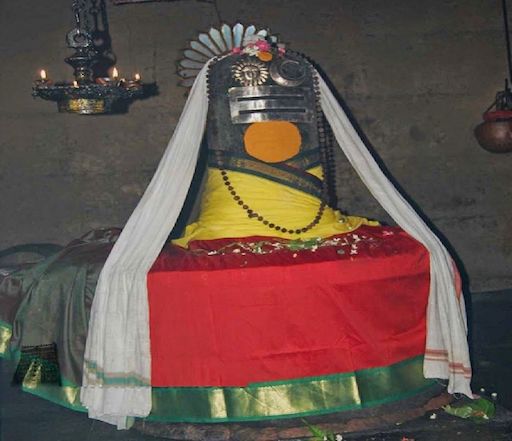
The mythology of the temple begins with the story of Vamana and Mahabali. When the asura king Mahabali grew powerful and generous, Vishnu appeared before him in the form of a small Brahmin boy and asked for three steps of land. Mahabali agreed, and in that moment, Vishnu expanded into the vast form of Trivikrama. With one step, he covered the earth, with the second, he spanned the heavens, and for the third, Mahabali offered his own head. The story is familiar, but in Thirukkoyilur, the form of Trivikrama carries a particular emphasis. One foot stands grounded, the other raised high, reminding devotees that humility can transform into boundless expansion. The form suggests that the divine can fill all directions at once, without losing composure.

Yet the temple’s emotional centre lies in another story altogether. On a stormy night, Poigai Alvar sought shelter in a small mandapam in Thirukkoyilur. Soon after, Bhoothath Alvar joined him, and the two adjusted themselves in the tight space. When Pey Alvar arrived, the three stood pressed together in darkness, making room for one another. As lightning flashed, they sensed a fourth presence among them. The space, though small, suddenly felt filled. They realised Vishnu Himself had entered, standing so close that there was no room left for anything else. Each Alvar responded by composing a hymn, lighting what they described as lamps of wisdom, love and vision. That night, devotion found its poetic voice. What began as shelter from rain became the beginning of the Divya Prabandham.

Because of these layered stories, Thirukkoyilur occupies a unique place in Tamil Vaishnavism. It is not only a temple of myth but a temple of literary birth. The meeting of the three Alvars established a devotional tradition that would grow across centuries. Their hymns shaped the spiritual vocabulary of the region and laid the foundation for later saints and scholars. In this sense, Thirukkoyilur represents both expansion and beginning. The cosmic stride of Trivikrama and the intimate gathering of the Alvars reflect two scales of divine presence: vast and immediate.

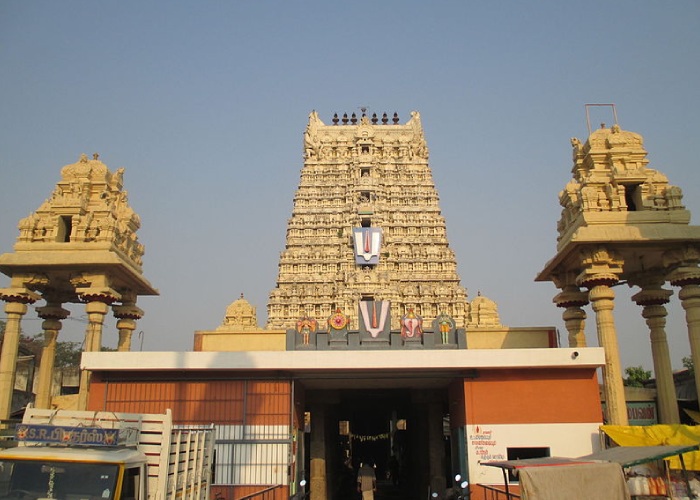
Historically, the temple reflects its importance. The structure likely dates back to the Pallava period, with significant expansions during the Chola era. The Cholas strengthened the granite foundations, expanded the prakarams and supported ritual practice through land grants and donations. Later rulers, including the Pandyas and Nayaks, added mandapams and reinforced the complex. Unlike smaller rural shrines, Thirukkoyilur carries architectural weight that matches its devotional significance. The tall gopuram rises clearly above the town, and the inner corridors create a sense of movement and continuity.

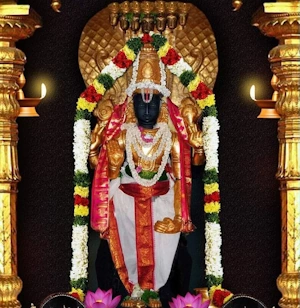
Inside the temple, the form of Trivikrama immediately draws attention. The raised leg is striking, but the expression remains calm. The energy is expansive, yet controlled. The idol communicates power without aggression. Nearby, Poongothai Thayar’s shrine offers balance. Her presence softens the intensity of the cosmic form, bringing warmth to the space. There is also a shrine dedicated to the three Alvars, reminding visitors that this temple belongs as much to poetry as to mythology.

Worship at Thirukkoyilur follows traditional Vaishnavite practice, with daily rituals carried out in a steady rhythm. The temple becomes especially alive during Brahmotsavam, Vaikunta Ekadasi and Vamana Jayanti. However, the festival honouring the first three Alvars carries particular emotional resonance. During this celebration, their hymns are recited in the very place where they once stood pressed together in the dark. The recitation does not feel ceremonial alone; it feels like a continuation of something that never truly stopped.

The pilgrimage experience reflects this layered identity. Approaching the temple, the tall gopuram announces its presence from a distance. The streets are lined with small shops and traditional houses, giving the town an older rhythm. Once inside, the prakarams feel spacious and steady. The raised foot of Trivikrama draws the eye upward, while the Alvar mandapam invites quiet reflection. Standing in that small space where three saints once gathered, one begins to understand the deeper message. Revelation does not always require vastness. Sometimes it begins in cramped, uncomfortable spaces where people choose to stand together.

Culturally, Thirukkoyilur stands as a bridge between epic mythology and Tamil bhakti. It connects the Vamana story from the broader Indian tradition with the intimate poetry of the Alvars. The temple reminds devotees that devotion is both personal and communal. The Trivikrama legend teaches humility and surrender, while the Alvar story teaches closeness and shared faith. Together, these narratives shape a temple that speaks to both expansion and intimacy.

In modern times, Thirukkoyilur continues to draw pilgrims, scholars and devotees. Renovations have strengthened the structure, improved lighting and maintained the prakarams without altering the temple’s core identity. It remains a place where one can feel both the weight of history and the immediacy of presence. The lessons embedded here remain relevant. The ego can be dissolved. Small spaces can hold vast truths. Devotion can begin unexpectedly.

Thirukkoyilur ultimately represents the moment when space was filled by divine presence, by poetry and by shared devotion. Trivikrama’s raised foot reminds us that the divine reaches beyond boundaries, while the story of the three Alvars reminds us that when hearts gather sincerely, there is no empty space left. In the larger Divya Desam journey, this temple stands as a place of beginnings, expansion and the quiet birth of something enduring.

Thirukkachi – Atthigiri Temple, Kanchipuram, Tamil Nadu
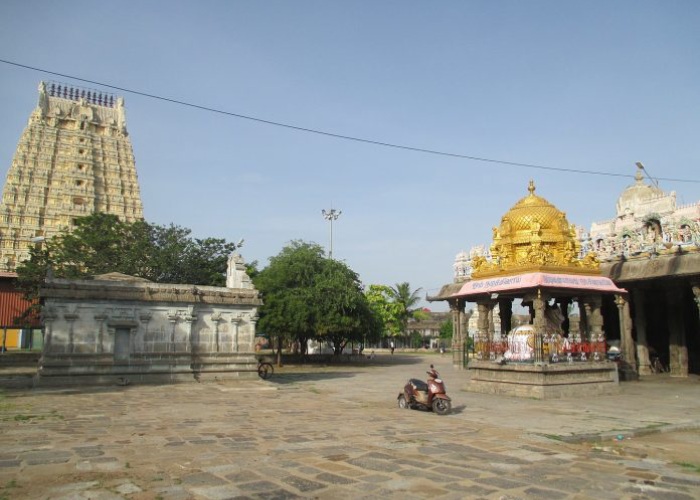
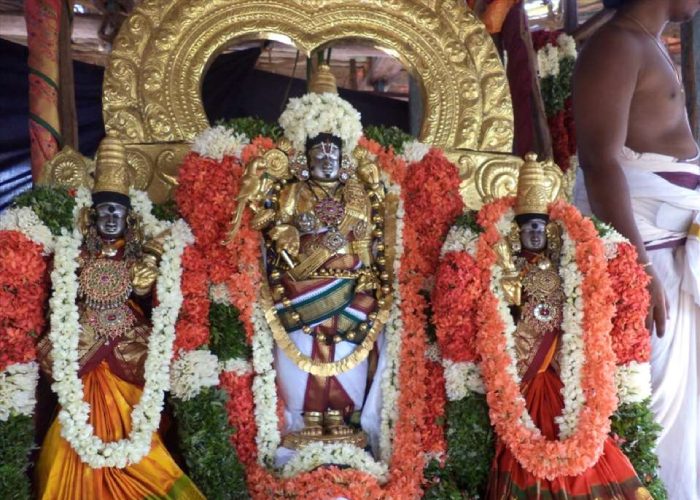
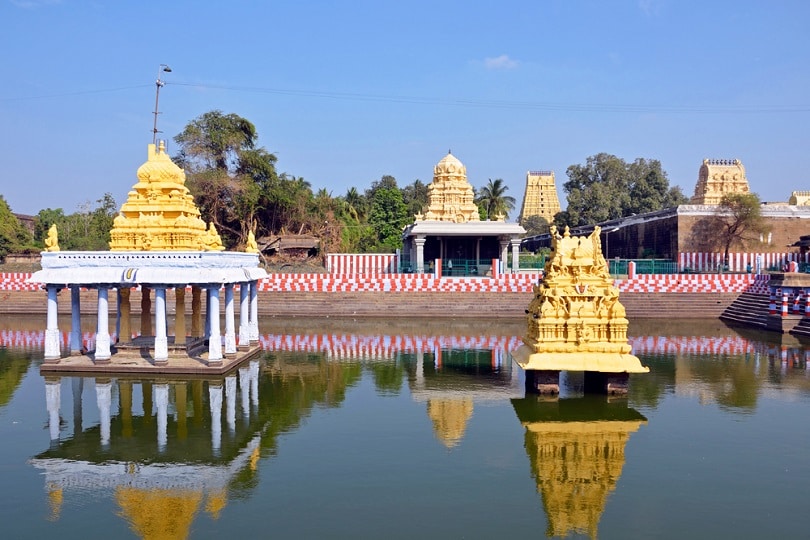
Thirukkachi, better known as the Varadaraja Perumal Temple at Atthigiri in Kanchipuram, is one of the most revered Divya Desams in Tamil Nadu. Kanchipuram itself is an ancient temple town, layered with centuries of philosophy, debate and devotion, and within it Atthigiri stands with quiet authority. The presiding deity is Varadaraja Perumal, and the goddess is Perundevi Thayar. The name Atthigiri comes from “Athi,” meaning fig tree, and “giri,” meaning hill. According to tradition, the original idol of the Lord emerged from beneath a sacred fig tree on a small hill, giving the temple both its name and its character. Even today, the sense of elevation remains, not dramatic, but steady and grounding.

The mythology of Thirukkachi begins with Brahma. It is believed that Brahma once performed an Ashwamedha Yagna here to worship Vishnu and seek divine grace. However, Indra grew anxious about losing his own position and tried to disrupt the ritual. Vishnu intervened, protected the sacrifice and appeared as Varadaraja, meaning “the King who grants boons.” The story is not about rivalry as much as it is about reassurance. When devotion is sincere, the divine stands firm. That message has stayed with the temple across centuries.

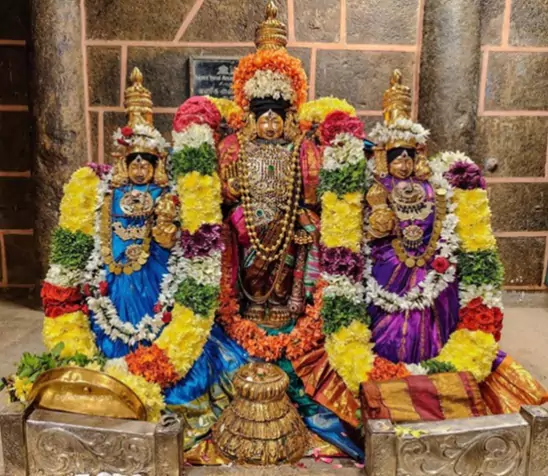
There is another legend closely tied to this shrine, one that deepens its emotional weight. The temple is associated with Ramanuja, the great philosopher who shaped Sri Vaishnavism. It is said that Ramanuja sought clarity here on key theological questions. Varadaraja Perumal is believed to have responded through his devotee Thirukkachi Nambi, who served the Lord daily. The answers given to Ramanuja here shaped major principles of Vishishtadvaita philosophy. Because of this, Thirukkachi is not only a place of worship but also a place of intellectual and spiritual turning points. The Lord here is seen as one who clarifies doubt rather than creating mystery.

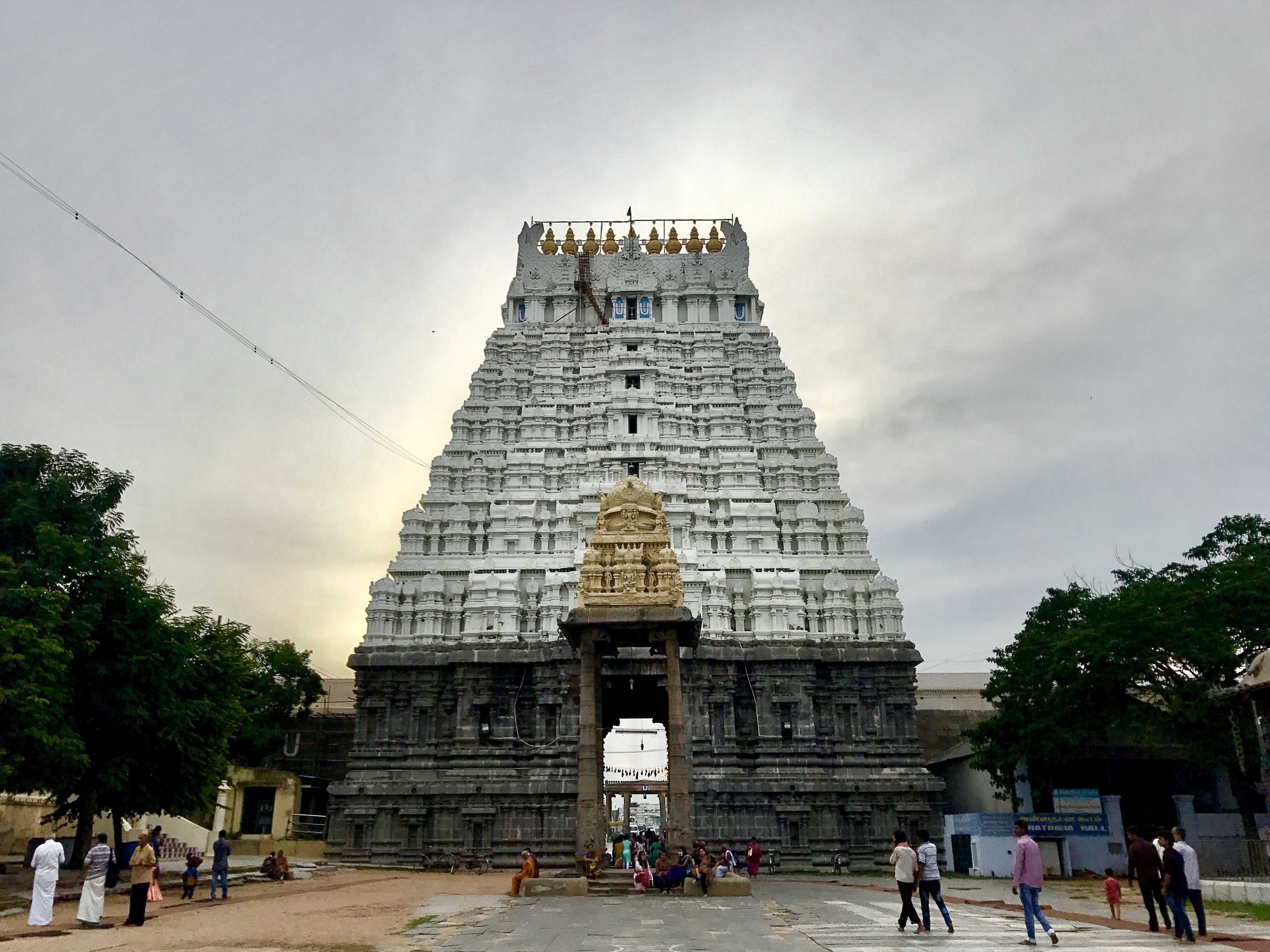
Historically, the temple reflects layers of patronage from Pallava, Chola and Vijayanagara rulers. The Pallavas likely laid the early foundations, but it was the Cholas who expanded the structure and formalised ritual practices. Later, the Vijayanagara kings added the towering gopurams and expansive mandapams that define the temple’s current scale. Walking through the temple complex, you can see this progression. Granite pillars, carved corridors and high walls speak of centuries of continuity. Yet despite its size, the temple does not feel overwhelming. It feels ordered. Balanced. Structured in a way that encourages both movement and pause.

Architecturally, Atthigiri stands apart from many other Divya Desams because of its scale. The massive eastern gopuram rises prominently above Kanchipuram’s skyline, and the hundred-pillared hall reflects the intricate artistry of the Vijayanagara period. Each pillar carries carvings of warriors, dancers and mythological scenes, but none distract from the central focus of the sanctum. Inside, Varadaraja Perumal stands facing west, an unusual orientation that adds to the temple’s uniqueness. His posture is regal but approachable. There is strength in the stance, but also gentleness in the expression. Perundevi Thayar’s shrine lies nearby, radiating warmth and emotional steadiness. Devotees often visit her first before approaching the main sanctum, a quiet acknowledgement that compassion prepares the heart for clarity.

One of the most distinctive aspects of this temple is the legend of the Athi Varadar idol. According to tradition, the original wooden idol carved from the sacred fig tree is kept submerged in the temple tank and brought out for public worship once every forty years. When this happens, millions gather. The atmosphere becomes electric, yet deeply reverent. The rarity of the event reinforces a powerful idea: some forms of grace reveal themselves only occasionally, but they are never absent. Even when unseen, they remain present beneath the surface.

Daily worship at Thirukkachi follows the Vaishnavite tradition, with rituals performed at regular intervals. The rhythm of the temple day carries its own calm assurance. Suprabhatam, alankaram, neivedyam and evening aradhanai unfold without haste. Festivals such as Brahmotsavam and Vaikunta Ekadasi draw large crowds, but the temple’s vast courtyards absorb them without chaos. During Garuda Sevai, Varadaraja Perumal is taken out in procession, and the sight of the deity moving through the temple streets creates a sense of shared devotion that stretches across generations.

The pilgrimage experience here is layered. Entering through the tall gopuram, you pass through expansive corridors before reaching the sanctum. The journey inward mirrors the internal process many devotees describe — moving from noise to stillness, from distraction to clarity. The temple tank, Anantha Saras, lies nearby, adding reflection to the physical space. The climb up the small hill within the complex reminds you of the temple’s origin story. Even in a vast structure, the memory of the fig tree and the small rise of earth remains central.

Culturally, Thirukkachi holds enormous significance. It stands at the intersection of devotion and philosophy. The connection to Ramanuja ensures that the temple remains central to Sri Vaishnavite identity. The responses given here, believed to have shaped theological understanding, continue to influence discourse even today. Beyond philosophy, the temple also lives in music, literature and community practice. Devotees speak of Varadaraja as a Lord who listens. That perception shapes the way people approach him, not with fear, but with trust.

In modern times, Thirukkachi remains active and well-maintained. Restoration efforts preserve ancient carvings while ensuring structural safety. The temple continues to attract pilgrims not only from Tamil Nadu but from across India and abroad. Despite increased footfall, the sanctum retains a sense of calm. The scale of the complex allows for personal space even during busy days.

Ultimately, Thirukkachi at Atthigiri represents clarity. Varadaraja Perumal is not a distant figure. He is a presence that steadies and answers. The mythology of Brahma’s yagna, the philosophy of Ramanuja and the legend of Athi Varadar all converge here into one message: devotion aligned with sincerity invites response. In the larger Divya Desam journey, this temple stands as a place where doubt is met with explanation and where seeking becomes understanding. It reminds you that elevation does not require height alone; sometimes it begins under a fig tree, in a small rise of earth, with a quiet answer given to a sincere question.

Sacred Stones, Spaces, and Stories: Divya Desams Part 20

Thiruchitrakoodam Temple, Chidambaram, Tamil Nadu
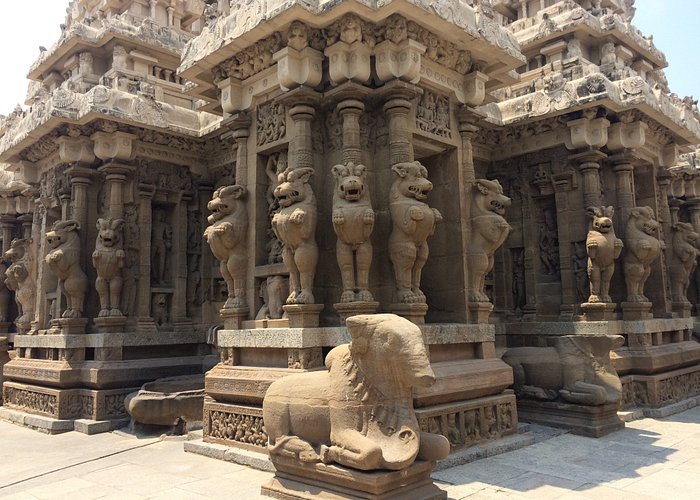
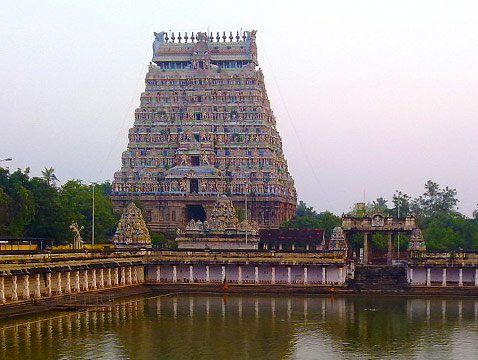
Thiruchitrakoodam, located inside the Chidambaram Nataraja Temple complex in Tamil Nadu, is one of the most unusual and significant Divya Desams. Here, Vishnu and Shiva are worshipped side by side in the same sacred space, something rare in South India, where the two deities often have distinct temple traditions. The presiding deity is Govindaraja Perumal, with Pundarikavalli Thayar. The name Thiruchitrakoodam refers to a beautiful hall or divine chamber, a space where cosmic truths are revealed. This Divya Desam stands inside the Chit Sabha, the hall where Shiva performs the Ananda Tandava, the dance of bliss. The presence of Vishnu here underscores a simple spiritual idea: when there is creation, there is preservation; when there is movement, there is stillness; when there is dance, there is witness. This temple invites you into that balance.

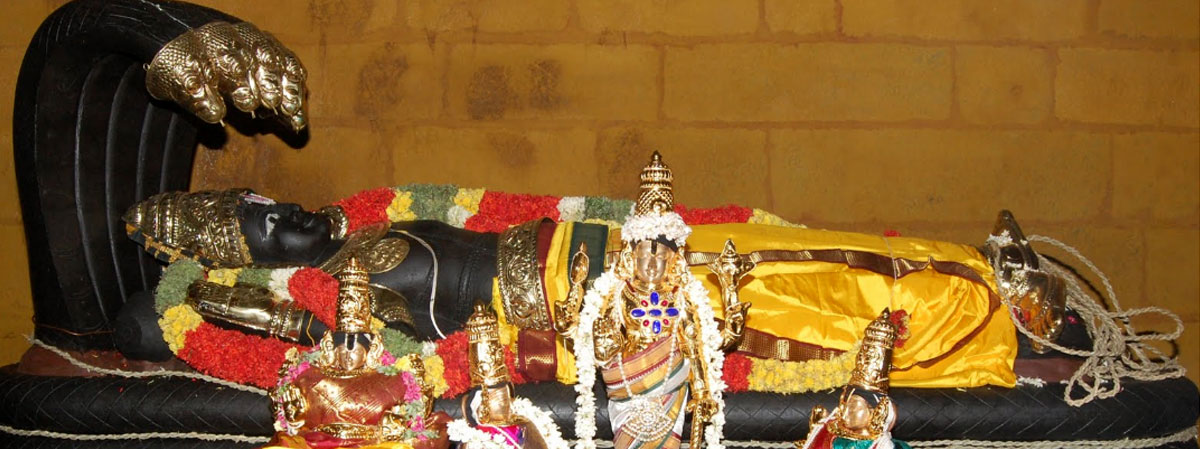
The story most commonly associated with this temple begins with Shiva performing the cosmic dance. During the dance, all the gods gathered to witness it. Vishnu also came, along with Lakshmi, and stood as the steady witness to Shiva’s movement. Their presence brought balance; Shiva’s dynamic energy matched with Vishnu’s calm stillness. Tradition says Vishnu manifested here as Govindaraja Perumal, reclining comfortably while witnessing the Lord of Dance. This form symbolises harmony between divine energies, mutual respect between Vishnu and Shiva, a reminder that spiritual paths may differ but share a single essence.

The defining image here is unique. In a temple dedicated to Shiva’s dance, Vishnu lies in a relaxed reclining posture. Legend says Shiva paused His dance for a moment so Vishnu could take His place within the sacred space. This gesture showed divine unity, not competition. Another story says that when Shiva danced, the entire universe watched. Vishnu reclined fully at ease, trusting the cosmic order. His posture expressed surrender, not to Shiva, but to divine truth. Thirumangai Alvar composed verses in praise of Govindaraja here, noting the rare unity between Vishnu and Shiva. This is one of the reasons this shrine is counted among the 108 Divya Desams, even though it sits inside a major Shaivite temple.

Thiruchitrakoodam’s history is layered, complex and tied closely to the political and religious shifts of Tamil Nadu. The temple originally flourished under the Cholas, who supported both Shiva and Vishnu worship. Several Chola kings offered gifts to this shrine, indicating that Vishnu’s presence in Chidambaram was well accepted. Around the 16th century, there were conflicts over ritual rights inside the Chidambaram complex. Traditional accounts say Govindaraja’s idol was removed by a Saivite king. Later, during the Nayak period, the idol was reinstated. This back-and-forth reflects the changing religious politics of the time. Despite this, the shrine endured because local communities and Vaishnavite devotees continued to support it.

Govindaraja’s sanctum stands near the Chidambaram Chit Sabha. The current layout shows Nayak-era and later reconstructions, though much of the foundational structure still carries Chola influence. The temple’s long, complicated history adds depth to its identity. It is not just a deity sharing space with another. It is a story of resilience, harmony and coexistence.

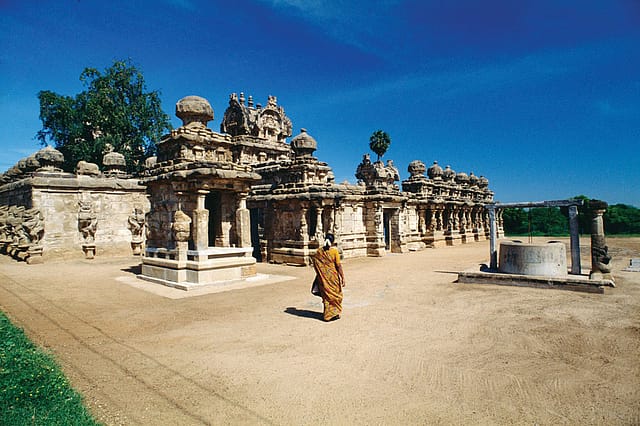
Thiruchitrakoodam sits inside one of India’s most iconic temples, the Chidambaram Nataraja Temple. Yet, the shrine maintains its own quiet presence. Architectural highlights include a simple sanctum distinct from the main Chit Sabha. Govindaraja is in a reclining posture facing east. There is a shrine for Pundarikavalli Thayar. A mandapam is used for festival processions, and pillars in the temple have Chola and Nayak engravings. The temple is close to the famous golden-roofed Chit Sabha. Because the shrine is part of a larger complex, it blends seamlessly into the architecture around it.

In this temple, Govindaraja Perumal reclines peacefully on Adisesha. His posture is symbolic of rest, witnessing, trust in cosmic order, and an ease within divine activity. It contrasts beautifully with the dynamic energy of Nataraja next door. Pundarikavalli Thayar’s shrine lies inside the complex and offers a softer presence. Devotees often come to her when they need grounding and reassurance.

The worship at Thiruchitrakoodam follows Vaishnavite tradition, even though it sits inside a major Shaivite temple. Daily rituals include Suprabhatam, Thirumanjanam, Alankaram, Neivedyam, and evening aradhanai. Priests follow the Pancharatra Agama. Major festivals include Vaikunta Ekadasi, the temple Brahmotsavam, the Float festival or Theppotsavam, the Garuda Sevai, and Panguni Uthiram. A special feature is that many Vaishnavite festivals unfold within a Shaivite temple environment, reflecting the shrine’s unique identity. Even today, you can see Shaivite chanting in the Chit Sabha, Vaishnavite rituals in Govindaraja’s shrine, and devotees of both traditions moving through the same space. This unity is rare and meaningful.

Visiting Thiruchitrakoodam is different from visiting most Divya Desams. You enter the Chidambaram Nataraja Temple first, walk past the grand corridors and golden-roofed halls, and then reach the Govindaraja shrine tucked inside. The temple is often busy, yet Govindaraja’s shrine feels calm. The sound of bells from Shiva’s worship blends with Vaishnavite chants. The contrast between dance and repose is immediately felt. Pilgrims often say this temple softens the mind, helping them see that conflict between traditions exists mostly outside sacred spaces, not within them.

Moving from the Nataraja sanctum to Govindaraja’s is like walking from fire to still water. It gives a sense of integration, harmony, respect, and openness. The area around Chidambaram is well-connected and filled with shops, lodging and eateries. It is a major pilgrimage town, so visiting is convenient. Thiruchitrakoodam plays an important cultural role in bridging Saivite and Vaishnavite traditions. The presence of Vishnu inside a Shiva temple is a strong cultural symbol. It expresses an idea long present in Tamil spirituality: Shiva and Vishnu are not rivals. They are reflections of the same divine reality. Villagers, priests and scholars often cite this temple when speaking about religious harmony. Thirumangai Alvar’s hymns describe Govindaraja as the divine witness to Shiva’s dance, blending literary and philosophical ideas in a single verse.

Chidambaram is a hub for Bharatanatyam and classical music. Performers often visit Govindaraja before their recitals, seeking blessings for clarity, grounding and balance. The temple remains a reminder that spiritual paths are wider than personal preference and broader than sectarian boundaries. Today, Thiruchitrakoodam continues as an active Divya Desam with daily pujas and festivals. Because Chidambaram is a major pilgrimage site, many visitors now discover Govindaraja’s shrine unexpectedly. Younger pilgrims share images and stories online, increasing awareness of this unique Divya Desam. The temple speaks directly to modern concerns like coexistence, balance, witnessing rather than reacting, resting without withdrawing, and harmony despite difference. Its message is timeless.

Thiruchitrakoodam stands as one of the most distinctive Divya Desams, not because of size or ornamentation, but because of its message. Govindaraja Perumal reclines calmly inside a temple famous for Shiva’s cosmic dance, reminding devotees that creation and preservation, movement and stillness, fire and water exist together, not apart. Pundarikavalli Thayar adds warmth and grounding. The temple’s myths, history and architecture make it a rare example of unity across traditions. In the Divya Desam circuit, Thiruchitrakoodam represents harmony; it teaches that divinity need not be divided. And it shows that when you see movement in one place and stillness in another, both are part of a larger rhythm.

Thiruvanthipuram Temple, Thiruvanthipuram, Tamil Nadu
Thiruvanthipuram, located near Cuddalore, is one of the most beloved Divya Desams in the southern region. The presiding deity is Devanatha Perumal, with Hemambujavalli Thayar. The temple sits on gentle ground with Oushadha Giri, a small medicinal hill, rising just behind it. This hill is tied to the Ramayana and gives the temple a healing atmosphere, physical, emotional and spiritual. Thiruvanthipuram is known for its philosophy, stories of compassion and strong connection to Vedanta. It is often described as a temple where the mind softens and the heart steadies. The name Thiruvanthipuram means the sacred place of the Lord who comes near, and that tone is clear in every part of the experience.

The deity here is worshipped as Devanatha, the Lord of the Devas. According to the legend, when the gods were troubled by disturbances in the world, Vishnu took this form to protect them and restore harmony. He stood at this spot, overlooking the hill behind him, guarding creation. The small hill behind the temple, called Oushadha Giri, is tied to the Ramayana. When Hanuman carried the Sanjeevani-bearing hill to save Lakshmana, a small portion is said to have fallen here. This fragment became Oushadha Giri, believed to retain healing energy. Because of this, the temple has long been associated with emotional healing, relief from suffering, clarity during distress, and strength during difficult phases. People come here seeking peace in times of illness, worry and transition. The temple is also linked to Vedanta Desikar, one of the greatest Vaishnavite scholars. According to tradition, Devanatha Perumal personally taught him the Hayagriva mantra on the hill. From this moment onward, Thiruvanthipuram became a place of learning, wisdom and spiritual clarity. Local stories say that Devanatha Perumal is one of the most compassionate forms of Vishnu. He is known for granting boons readily and responding quickly to sincere prayers. People call him Vinnagara Theertha Perumal, or Devanatha, who answers without delay, or the Lord who bends down to listen. This understanding shapes the emotional tone of the temple.

Thirumangai Alvar sang about Thiruvanthipuram, describing the Lord’s beauty, compassion and the healing atmosphere of the land. His hymn anchors the temple in the Divya Desam tradition. Thiruvanthipuram carries layers of history tied to Chola, Pandya and Nayak rule. The temple likely dates back to the Pallava period, with major additions during the Chola era. The Cholas expanded the temple, shaping much of its current structure, including a granite base, a large prakaram, a well-defined sanctum, and shrines for Alvars and Acharyas. Inscriptions from this period mention land donations for lamps, festivals and food offerings. The Nayaks added mandapams, gopurams and structural reinforcements. They also supported festivals that brought together scholars, musicians and reciters. During the 13th century, Vedanta Desikar lived in Thiruvanthapuram for many years. His literary works and philosophical teaching elevated the temple’s intellectual prestige. The temple thus evolved not only as a place of worship but also as a centre of traditional learning.

The temple has a serene, balanced layout typical of coastal Tamil Nadu temples. Its architecture is simple but clear, with strong Chola foundations and later-era refinements. Key architectural features include a tall five-tiered gopuram, a spacious prakaram, stone mandapams, a separate shrine for Thayar, a small shrine for Hayagriva on the hill, steps leading up to Oushadha Giri, and a sacred tank called Sesha Theertham. The temple grounds feel open, airy and calm. The main deity, Devanatha Perumal, stands facing east, holding the conch and discus. His posture is confident yet gentle, embodying the role of guardian and teacher. The idol reflects warmth, compassion, protection, and a readiness to help. Hemambujavalli Thayar’s shrine is close to the sanctum. Her form is benevolent and welcoming, offering emotional comfort. Many devotees go first to her shrine before visiting Devanatha Perumal. The shrine for Hayagriva, the horse-faced form of Vishnu associated with knowledge, sits atop Oushadha Giri. Climbing the small hill is part of the pilgrimage experience. This shrine is especially popular among students, teachers and those seeking clarity in studies or professional work.

Thiruvanthipuram follows the traditional Vaishnavite pattern of worship, with rituals performed with grace and steadiness. Daily rituals include Suprabhatam, Thirumanjanam, Alankaram, Neivedyam, and evening lamp worship. The temple priests chant slowly and clearly, which enhances the meditative mood. Major festivals include the temple Brahmotsavam, Vaikunta Ekadasi, Pavitrotsavam, Krishna Jayanthi, Rama Navami, Hayagriva Jayanthi, and Vedanta Desikar’s festival. Hayagriva Jayanthi is of the temple’s most important festivals, where devotees offer books, pens and educational materials at the shrine for blessings. People come to Thiruvanthipuram when they seek healing, clarity, guidance, strength during difficult times, protection, and emotional balance. The temple’s energy naturally supports these intentions.

The roads leading to the temple pass through quiet residential areas and open fields. The temple rises calmly in the centre, with the hill behind it creating a sense of grounding. Inside the temple, the space is peaceful, with open air circulating through the wide prakaram. The chanting echoes softly, and the sound of bells does not overwhelm. The atmosphere is gentle, restful and thoughtful. Many pilgrims climb Oushadha Giri and walk up the steps to the Hayagriva shrine. The climb is short but meaningful, a moment of pause and perspective. At the top, the air feels lighter, and the view opens up across the temple town. People often say Thiruvanthipuram feels like a place where the mind switches to a slower pace. The land itself has a calming quality. The temple tank, visible from near the entrance, adds to the reflective atmosphere.

Thiruvanthipuram is deeply woven into Tamil Vaishnavite culture, especially through its ties to Vedanta Desikar. Desikar composed several works here, including hymns to Hayagriva and Devanatha Perumal. His time here shaped the temple’s identity as a place of wisdom and clarity. The Hayagriva shrine is a major cultural symbol. Students visit before exams, and teachers visit before the new academic term. Local families believe in the medicinal energy of Oushadha Giri. Water from the tank is used in prayers for recovery and emotional stability. Thirumangai Alvar’s verses continue to be sung during rituals and festivals, linking the temple to early Tamil devotional literature.

The temple remains active and well-maintained. It sees steady attendance throughout the year, especially from students, families and those seeking emotional healing. Recent improvements include renovation of mandapams, improved lighting, steps restored on Oushadha Giri, festival arrangements expanded, and restoration of sculptural details. People today are drawn to temples that offer calm and mental grounding.
Thiruvanthipuram suits this need naturally. The temple’s philosophy, mythological background and atmosphere feel especially relevant in a time when many seek clarity and comfort.

Thiruvanthipuram stands among the Divya Desams as a temple of compassion, wisdom and healing. Devanatha Perumal represents a god who does not intimidate; he listens, teaches and guides. Hemambujavalli Thayar adds warmth and emotional stability. The presence of Oushadha Giri and the Hayagriva shrine deepens the temple’s connection to learning and recovery. In a Divya Desam circuit full of temples representing awakening, balance, rest and guidance, Thiruvanthipuram represents healing and understanding. It reminds devotees that strength does not come from force but from clarity, and that healing is not separate from devotion.

Sacred Stones, Spaces, and Stories: Divya Desams Part 19

Thiruvellakulam Temple, Thirunangur, Tamil Nadu
Thiruvellakulam, one of the eleven Thirunangur Divya Desams in Tamil Nadu, is dedicated to Annantapadmanabha Perumal and Amruthavalli Thayar. Set in the quiet village landscape of Thirunangur, this temple carries a gentle, cooling presence. The name Thiruvellakulam refers to a white or pure pond, which stands at the heart of the temple’s identity. In a circuit where each temple reflects one form of Vishnu who calmed Shiva’s intense energy, Thiruvellakulam stands out as the place where heat dissolves and the mind cools down. Visitors often describe the temple as soothing, the kind of place where emotional heaviness softens without effort.

All eleven temples in Thirunangur are rooted in the same ancient legend. After Sati’s death, Shiva was consumed by grief and performed the Rudra Tandava, a powerful cosmic dance that shook the entire region. From each strike of his matted locks, eleven fierce forms of Shiva emerged. The gods, fearing destruction, prayed to Vishnu. In response, Vishnu appeared in eleven forms, each calming a different manifestation of Shiva. Thiruvellakulam represents one of these divine balancing forms.

According to lore, after the cosmic turmoil, the land was filled with heat and instability. Vishnu manifested here and created a cooling pond whose water turned milky white. This pond soothed the gods, the earth and living beings. The pond symbolised calm, purity, restoration, and the cooling of emotional and cosmic heat.

The deity here, Annantapadmanabha Perumal, is believed to have appeared reclining on Ananta, the divine serpent, just as he appears in the great Padmanabhaswamy Temple in Kerala. This reclining form embodies rest, ease and emotional release. Thirumangai Alvar visited this temple and composed a verse praising the Lord who brings peace after chaos. His hymn links the temple irreversibly to the Divya Prabandham tradition.

Thiruvellakulam’s history mirrors that of the other Thirunangur shrines. The temple structure suggests early Chola craftsmanship, with simple lines, compact sanctum design and unadorned pillars. Historical developments include early Chola-era foundation stones, additions during the Nayak period, mostly structural reinforcements, community-supported maintenance across generations, and the occasional land donations recorded in nearby temple inscriptions. This temple, like the rest of the Thirunangur group, survived primarily through local devotion rather than royal patronage. Locals have always maintained the temple by contributing lamps and oil, flowers, grains for cooking offerings, and festival arrangements. The temple is woven into village life, not as a grand monument but as a constant presence.

Thiruvellakulam is modest in size, like the other Thirunangur Divya Desams, but it carries a gentle beauty shaped by its pond and serene atmosphere. Key architectural elements include a small gopuram, a simple courtyard, a stone mandapam with plain granite pillars, a compact sanctum, a shrine for Amruthavalli Thayar, a path for circumambulation, and the temple pond, which is central to its identity

Annantapadmanabha Perumal appears in the reclining posture, resting on Ananta. This form is calm and expansive, symbolising mental relaxation, trust, surrender, and the release of tension. The Perumal here represents the moment when the heat of all kinds: anger, confusion, grief, begins to settle. Amruthavalli Thayar embodies nourishment and emotional rejuvenation. Devotees approach her for healing, stability, and renewal during difficult times. The white pond from which the temple gets its name once had water that appeared pale or milky, according to tradition. Even today, the pond shapes the temple’s mood. It gives the temple soft light reflections, a sense of openness, cooling air, and a calming visual focus. This pond is one of the most memorable aspects of the temple.

Worship at Thiruvellakulam is simple and consistent. Daily pujas include Suprabhatam, Thirumanjanam, Alankaram, Neivedyam, and the evening deepa aradhanai. Priests conduct the rituals gently, matching the temple’s tone. Major festivals include the Thirunangur Garuda Sevai, Vaikunta Ekadasi, Brahmotsavam, Purattasi Saturdays, Rama Navami, and Krishna Jayanthi. The most important festival is the annual Garuda Sevai, where the eleven deities from the Thirunangur temples are brought together on Garuda vahanams. At Thiruvellakulam, the festival has a special atmosphere because the temple is associated with peace and coolness. People often pause here for longer, feeling the softness of the space. People come to Thiruvellakulam for cooling of inner turmoil, clarity after emotional upheaval, healing from stress, relief from anxiety, and a sense of being soothed. The temple’s energy actively supports these intentions.

Reaching Thiruvellakulam involves a quiet journey through village paths and paddy fields. The landscape is calm, and the temple blends easily with its surroundings. The temple entrance leads directly to the courtyard. The pond is visible nearby, setting the mood of the space even before reaching the sanctum. Inside, the air is cool, the atmosphere is quiet, and the lighting is soft. The sanctum feels intimate, and the reclining deity gives the entire temple a restful tone. Pilgrims visiting all eleven temples often say that Thiruvellakulam feels like the breather of the circuit. It is a place where one naturally slows down. People often sit near the pond or in the mandapam simply to rest. Simple shops outside sell flowers and tea. Residents of Thirunangur help pilgrims navigate the temple routes with warmth.

Thiruvellakulam holds a gentle but steady presence in Tamil Vaishnavite culture. Thirumangai Alvar’s verse emphasises Vishnu’s cooling presence, describing him as the one who brings peace after cosmic tension. These hymns are central to festival recitations. During Garuda Sevai, the temple becomes a gathering point for singing, reciting and resting. The calm energy of the place creates a softer tone within the intense pace of the festival. The pond is central to many local traditions, especially during festival rituals and seasonal prayers for rain.

The temple continues to function with daily worship and the support of local devotees. Recent updates include repainting of the walls, cleaning and maintaining the pond, reinforcing mandapam pillars, and improving lighting around the sanctum. The temple has seen more visitors in recent years due to Divya Desam tourism and social media awareness, but it remains peaceful and uncommercial. The temple’s themes: cooling, clarity, emotional healing—align naturally with what many people seek today. Visitors come not only for religious reasons but for the calming experience the temple offers.

Thiruvellakulam stands among the Thirunangur Divya Desams as a temple of cooling grace. Annantapadmanabha Perumal, reclining on Ananta, represents relief, surrender and the easing of tension. Amruthavalli Thayar adds compassion and nourishment. The temple’s pond shapes its personality, giving it a softness and a reflective quality that stays with pilgrims long after they leave. In the Divya Desam circuit, Thiruvellakulam plays the role of a gentle pause; a moment of coolness in the midst of movement. It reminds devotees that even when life feels heated or overwhelming, there is always a place where the mind can settle, and the heart can breathe more easily.

Thiruparthanpalli Temple, Parthanpalli, Tamil Nadu
Thiruparthanpalli, located near Thirunangur in Tamil Nadu, is one of the quieter Divya Desams but carries a powerful story. The temple is dedicated to Parthasarathy Perumal, Vishnu in the form of Krishna, the charioteer and guide of Arjuna, and Padmavathi Thayar. The name Parthanpalli means the school of Arjuna. According to tradition, this was the place where Arjuna, the great warrior of the Mahabharata, received lessons from Krishna about courage, surrender, discipline and the nature of duty. The temple carries that tone even today. It feels like a space where you don’t come to ask for miracles; you come to understand life more clearly. Among the Thirunangur temples, this one stands out for its link to the Mahabharata and its gentle but grounding energy.

The Mahabharata is filled with conflict, moral questions and emotional storms. At one point in his life, Arjuna faced a deep crisis: not on the battlefield, but within himself. He struggled with doubt, purpose and the meaning of right action. Tradition says that Arjuna travelled through many sacred places during this period of inner conflict. When he reached this spot, he felt overwhelmed and unable to think clearly. Krishna appeared before him and gave him guidance. This was not the Bhagavad Gita, that happened on the battlefield of Kurukshetra, but another moment when Arjuna needed clarity. Here, Krishna taught him the nature of surrender, the value of discipline, the need to align action with inner truth, and the importance of steadying the mind before choosing a path. Because this spot became a place of learning for Arjuna, it was named Parthanpalli, the school of Partha or Arjuna.

All eleven Thirunangur temples originate from the same story: Shiva’s grief for Sati triggered a fierce cosmic dance, producing eleven manifestations of Shiva. Vishnu appeared in eleven forms to stabilise each of these energies. Thiruparthanpalli represents one of these eleven Vishnu forms, but it is also shaped by the added layer of Arjuna’s story. Thirumangai Alvar praised this temple in his verses, describing Perumal as a teacher who brings clarity to confused minds. His hymn emphasises learning, wisdom and surrender, the core themes of this temple.

Thiruparthanpalli shares a historical trajectory with the other Thirunangur temples. It likely dates to the early Chola period, with structural reinforcements added during the Nayak era. Historical traces include early stone foundations typical of small Chola shrines, a simple sanctum and mandapam layout, minimal inscriptions, though nearby temples record grants for oil lamps and pujas, and community-driven support rather than royal investment. Because the temple is linked to a Mahabharata story, it has always held a place in the oral tradition. Local villagers kept the temple active through daily worship, festival preparation and the retelling of Arjuna and Krishna’s encounter. Like many Thirunangur shrines, this temple was not built to impress rulers; it was built to support spiritual stories that shaped community identity. It stands today because people continued to come, continued to pray, and continued to keep the flame alive.

Thiruparthanpalli is small and simple, in keeping with the Thirunangur style. The architecture is functional rather than ornamental, and it blends naturally with the village landscape. Key architectural elements include a modest gopuram, a short entrance hall, a stone mandapam with plain granite pillars, a compact sanctum, a shrine for Thayar, a pradakshina path that circles the sanctum, and a temple tank used for rituals. The temple may not look grand, but the structure reflects a peaceful steadiness.

The deity, Parthasarathy Perumal, appears in a standing posture, holding the conch and discus. His expression is calm, direct and reassuring, very much the tone of a teacher who guides without force. This form of Vishnu is associated with wisdom, guidance, decision-making, courage, and clearing confusion. The goddess, Padmavathi Thayar, adds a gentle presence. She balances the intellectual tone of the main shrine with emotional warmth. People often pray to her for clarity during family challenges and personal transitions.

Worship follows the traditional Vaishnavite routine, performed softly and steadily. Daily rituals include Suprabhatam, Thirumanjanam, Alankaram, Neivedyam, and evening lamp worship. Major festivals include the Thirunangur Garuda Sevai, Vaikunta Ekadasi, Brahmotsavam, Purattasi Saturdays, Krishna Jayanthi, and Rama Navami. During the Garuda Sevai, the eleven Perumals of Thirunangur gather on Garuda vahanams. Thiruparthanpalli plays a meaningful role because the deity here is a teacher; his presence symbolises understanding and steadiness. Devotees often recite the Alvar’s verses loudly at this temple, reflecting its theme of learning and wisdom. People usually visit this temple when they need clarity during a confusing period, guidance in decision-making, relief from overthinking, wisdom to choose the right path, and the courage to keep going. The temple is particularly meaningful for students, professionals facing uncertainty and people navigating major life changes.

Pilgrims reach Thiruparthanpalli through quiet village roads and green fields. The landscape is open and peaceful. Inside the temple, there is calmness, the air is cool, and the chanting sounds soft. The simplicity of the space makes the mind settle without effort. Because the temple is linked to learning and clarity, many people sit in the mandapam for a while before or after darshan. They reflect, they breathe slowly, and allow themselves to think clearly. There is something quiet and introspective about this temple. It doesn’t overwhelm, it doesn’t demand, it simply provides space for understanding to emerge. Pilgrims doing the Thirunangur circuit often say that this temple helps them reset their minds before continuing. The area around the temple has small flower stalls and local homes. People here are familiar with pilgrims and guide them with ease.

Thiruparthanpalli holds a special place in Vaishnavite tradition because of its connection to the Mahabharata and to Krishna’s role as a teacher. Local stories emphasise the idea that even great heroes like Arjuna needed guidance. This message has shaped local culture deeply. Thirumangai Alvar’s verse is recited during prayers and at festivals. It portrays Perumal as a divine guide who opens the mind and steadies the heart. The temple has become a quiet source of confidence for many: students visit before exams, families come before making big decisions, couples pray here when navigating difficult stages, and individuals come seeking clarity. During Garuda Sevai, the recitation of verses at this temple is especially focused on knowledge, surrender and devotion. The cultural memory of the region ties Thiruparthanpalli to learning, wisdom and understanding.

The temple continues to function with regular pujas and steady attendance. Even as Divya Desam pilgrims increase through social media awareness, the temple retains its quiet nature. Modern life is filled with confusion, overthinking and decision fatigue. A temple dedicated to clarity, guidance and inner understanding naturally resonates with people today. Visitors, especially younger devotees, come here not only for blessings but for grounding and perspective.

Thiruparthanpalli stands among the Thirunangur Divya Desams as a temple of guidance, learning and quiet clarity. Parthasarathy Perumal represents Krishna not as a warrior or king, but as a teacher who meets you exactly where you are. Padmavathi Thayar brings balance, offering warmth alongside wisdom. The temple’s simplicity, mythology and emotional tone make it a meaningful stop in the Divya Desam circuit. It reminds devotees that even great heroes needed guidance, and there is no shame in seeking it. In a journey filled with temples representing awakening, grounding, rest and hope, Thiruparthanpalli represents understanding. A gentle reminder that clarity is a form of grace, and learning is a sacred act.

Sacred Stones, Spaces, and Stories: Divya Desams Part 18

Thiruthetriambalam Temple, Thirunangur, Tamil Nadu
Thirunangur in Tamil Nadu is home to eleven small but deeply meaningful Divya Desams, each tied to the same dramatic legend of Shiva’s grief and Vishnu’s balancing presence. Among these shrines stands Thiruthetriambalam, dedicated to Senganmal Perumal and Sengamalavalli Thayar. The name Thetriambalam carries the idea of a resting or stable place: ambalam meaning space, hall or abode. Local belief says this temple represents a place where the divine rests calmly, watching over the region and offering quiet balance after periods of emotional or cosmic disturbance. Thiruthetriambalam is not a large temple, but it carries a grounding energy. It feels like a space where things slow down, settle and regain steadiness.

All the Thirunangur Divya Desams begin with the same myth. After Sati’s death, Shiva was overcome with grief and performed the fierce Rudra Tandava in this region. Each movement of his locks created eleven expansions of Shiva, filling the land with intense energy. The gods, worried about the growing imbalance, prayed to Vishnu. Vishnu arrived in eleven forms, one to calm each manifestation of Shiva. Thiruthetriambalam represents one of these stabilising forms. Local stories say that after subduing Shiva’s destructive energy, Vishnu chose this place as a spot to rest and observe calmly. This resting presence is not passive; it is watchful, protective and quietly alert. This myth gives the temple its emotional tone: a place to rest after struggle, a place to breathe after tension, and a space where the divine watches without judgment.

The deity here is called Senganmal Perumal. Sengal or Sengan refers to a reddish or rose-tinted hue. This colour symbolism is connected to compassion, warmth and protective strength. It is believed that Vishnu’s form here radiates gentle heat, not fire, but warmth, representing comfort, care and readiness to help. Thirumangai Alvar sang a verse about this temple, describing Vishnu as a deity who rests in this place while maintaining a watchful presence over the world. This hymn is associated with the temple in the Divya Desam tradition.

Thiruthetriambalam, like the other Thirunangur shrines, likely dates back to the early Chola period. The architecture and structural layout match the patterns found in rural Chola-era temples, including granite foundations, simple mandapams, compact sanctums, and minimal ornamentation. The temple is not a place of grand inscriptions or royal donations, its history is held in the memories of the villagers and the steady flow of daily pujas. During the Nayak period, the temple underwent small renovations: strengthening stone pillars, repairing mandapams and repainting walls. Community members have always played a major role in sustaining the temple. Donations of land, grains, oil and flowers kept daily worship alive. The temple’s survival is a result of devotion rather than political support.

The temple follows a simple layout, keeping with the modest style of the Thirunangur cluster. Key architectural features include a small entrance tower, an open courtyard, a short mandapam with stone pillars, a narrow pathway around the sanctum, a separate shrine for Thayar, traditional lamps and simple flower decorations. The temple tank lies nearby and is used during festival rituals.

Senganmal Perumal stands facing east, his expression is calm and steady, reflecting the idea of repose. The reddish hue associated with him in mythology symbolises warmth and compassion. This form represents Vishnu not as a warrior or king, but as a gentle protector. Sengamalavalli Thayar’s shrine softens the tone even more. She is often approached by devotees seeking emotional balance, stability in family life and inner calm. The mandapam is small, but the atmosphere is grounding. The cool stone floors, faint scent of sandalwood, and dim lighting create a sense of stillness. Even during festivals, the temple retains a calm centre.

Thiruthetriambalam follows a standard Vaishnavite worship pattern. The rituals are gentle and unhurried. Daily rituals include the Suprabhatam, Thirumanjanam, Alankaram with fresh flowers, Neivedyam, and evening deepa aradhanai. Priests perform the rituals with care but without elaborate ceremony. Major festivals include the Thirunangur Garuda Sevai, Vaikunta Ekadasi, the temple Brahmotsavam, Purattasi Saturdays, Krishna Jayanthi, and Rama Navami. Thiruthetriambalam is one of the eleven temples whose deity joins the Thirunangur Garuda Sevai, one of the most meaningful Vaishnavite festivals. The eleven deities are carried on Garuda vahanams. Devotees walk between the temples, chanting the Divya Prabandham. The festival reenacts the mythology of Vishnu calming Shiva’s energy. Because this temple represents repose and balance, many devotees pause here longer than at other temples during the circuit. People come to this shrine when they need rest after emotional strain, mental balance, relief from anxiety or overthinking, a sense of grounding, and protection without pressure. The temple’s atmosphere supports these intentions.

Visiting Thiruthetriambalam is a peaceful experience. The roads into Thirunangur are lined with fields, coconut trees and clusters of village houses. There is no noise or clutter. The temple entrance is simple. Stepping inside, the noise of the world seems to fade. The sanctum is small and close, allowing a feeling of immediate presence. The temple is usually quiet unless it is festival season. Unlike some shrines where movement is constant, this temple encourages stillness. Pilgrims often sit in the mandapam simply to rest, reflect or absorb the calm.

Thiruthetriambalam is usually visited after or before other Thirunangur temples. Its calmness creates a balance between the more emotionally intense shrines. Outside, there are a few small shops selling flowers and tea. Local residents often share stories or point directions with warmth. Though small, Thiruthetriambalam holds a quiet but firm place in Tamil Vaishnavite cultural memory. Thirumangai Alvar’s hymns and verses describe the deity as one who stands in watchful repose, restoring balance after cosmic disturbance. This hymn is recited during festivals and at family gatherings. The temple’s core message, rest after turmoil, has shaped local cultural beliefs. During Garuda Sevai, the temple becomes part of a living cultural tradition. Thousands gather, recitations fill the air, and the emotional energy of the festival binds the Thirunangur temples together. Local families visit regularly, not for grandeur, but for grounding. The temple has become part of the region’s emotional vocabulary.

The temple continues to operate smoothly with daily pujas and steady maintenance. Recent improvements include repainting of the walls, strengthening the structural pillars, cleaning the temple tank, and repairing the stone flooring. While social media and Divya Desam tourism have brought younger visitors, the temple has kept its quiet nature. There is no heavy commercialisation. Modern life is fast and often overwhelming, and so a temple like Thiruthetriambalam, centred on rest and balance, feels increasingly relevant. Devotees come seeking relief from mental fatigue, emotional clarity, and a place to feel unburdened. The temple offers all this through its presence, not through elaborate rituals.

Thiruthetriambalam stands among the Thirunangur Divya Desams as a shrine of rest, balance and gentle watchfulness. Senganmal Perumal represents the divine in repose: steady, compassionate and alert. The temple’s simplicity, mythology and emotional tone make it a meaningful pause in the Divya Desam circuit. Where other temples represent awakening, renewal or protection, this one represents restoration. In the spiritual map of Tamil Nadu, Thiruthetriambalam quietly teaches a simple truth: after intensity comes rest; after turmoil comes balance; and in stillness, the divine watches over you.

Thirumanikoodam Temple, Thirunangur, Tamil Nadu
Thirunangur in Tamil Nadu is a quiet cluster of eleven Divya Desams, each shaped by the same ancient story of Shiva’s grief and Vishnu’s steady presence. Among these temples stands Thirumanikoodam, dedicated to Varadaraja Perumal and Thirumamal Nachiyar. The name Thirumanikoodam combines mani or gem, and koodam, or a place of gathering or coming together. Tradition says this is the place where divine light gathers, like gems reflecting each other’s brightness. The temple carries a gentle radiance, not loud or dramatic, but soft, clear and deeply calming. Of all the Thirunangur temples, Thirumanikoodam is often described as the one that brings inner light back to those who feel dimmed by life’s strain.

The Thirunangur temples share the story of Shiva’s intense grief after Sati’s death. This grief triggered the Rudra Tandava, a fierce dance that shook the land. Each movement created eleven forms of Shiva, radiating immense, unbalanced energy. To restore calm, Vishnu appeared in eleven different forms, one at each place where Shiva’s energy manifested. Thirumanikoodam represents one of these sacred balancing forms. Local lore describes the deity here as shining like a radiant gem. This brightness is not physical but symbolic, representing clarity, purity and gentle awakening. The myth says that when the gods felt overwhelmed by Shiva’s energy, they turned to Vishnu. Vishnu appeared in a form that brought clarity. His presence was like light entering a dark space, allowing everyone to see again. The word koodam also hints at a meeting point, a space where different energies gather harmoniously. According to tradition, this temple is where divine beings assembled to ask for guidance, and Vishnu reassured them, while the emotional and cosmic tension of Shiva’s grief softened. This story gives Thirumanikoodam a grounding identity of a place where scattered emotions come back together. Thirumangai Alvar, who visited all eleven Thirunangur temples, composed verses here describing Perumal as brilliant, steady and compassionate. His hymn has shaped the temple’s identity for centuries.

Thirumanikoodam has historical roots similar to the other Thirunangur shrines. The existing structure likely dates back to the early Chola period, with later enhancements made under local patrons. Historical influences include early Chola stonework, simple but strong structural design, Nayak-era repairs and mandapam additions, and community-supported maintenance. Unlike the large Chola temples built for kings, the Thirunangur temples reflect everyday devotion rather than political power.

The temple’s continuity came from local families who ensured lamps remained lit, daily puja materials were supplied, festivals were coordinated, and Alvar traditions were passed down. Because Thirunangur is tied so closely to Thirumangai Alvar, the area has always remained active in the devotional map of Tamil Nadu.

Like the other ten temples in this cluster, Thirumanikoodam is compact and structurally simple, but it has its own quiet charm. Key architectural elements include a small gopuram at the entrance, a mandapam with granite pillars, a compact sanctum, a pradakshina path around the inner structure, a separate shrine for Thayar, and traditional oil lamps and minimal decoration. The temple’s simplicity reflects the rural setting, it does not aim to impress but to soothe.

Varadaraja Perumal, the main deity faces east. He stands tall, with a serene expression, an embodiment of gentle leadership. Varadaraja means the king who grants boons, and the idol’s presence matches this role. The gem imagery associated with this temple reflects inner brightness, clarity, and a sense of quiet uplift. Thirumamal Nachiyar adds warmth to the temple’s tone. Her shrine is peaceful, and many devotees spend extra time here seeking emotional grounding. When sunlight falls into the courtyard in the morning, the temple glows softly. This natural light deepens the symbolic idea of mani, the shining gem.

Worship in Thirumanikoodam follows the traditional Vaishnavite rhythm. Daily rituals include Suprabhatam, Thirumanjanam, Alankaram, Neivedyam, and the evening deepa aradhanai. The rituals here feel gentle rather than formal, with the temple’s smaller size making worship feel personal. Major festivals include the Thirunangur Garuda Sevai, Vaikunta Ekadasi, the temple Brahmotsavam, Purattasi Saturdays, Rama Navami, and Krishna Jayanthi. During the annual Garuda Sevai, all eleven Thirunangur Perumals are carried on Garuda vahanams. The festival is both spiritual and emotional, especially because Thirumangai Alvar’s verses are sung for each temple. Thirumanikoodam participates fully, and its association with brightness and clarity adds colour to the festival. People visit Thirumanikoodam when they seek mental clarity, emotional lightness, relief from confusion, guidance during uncertain phases, and a sense of optimism returning. The temple’s name and mythology reinforce these themes.

Visiting Thirumanikoodam is a peaceful experience. The roads leading to Thirunangur pass through fields, quiet villages and open sky. The temple’s entrance is modest; inside, the air is cool and calm. You can hear light chanting or the sound of bells from other nearby temples. The sanctum is close to the entrance; there is no need to walk through multiple layers of halls. This directness reinforces the temple’s theme of clarity and light. Unlike some temples in the cluster that carry heavier mythological tones, Thirumanikoodam feels lighter, emotionally and spiritually. Pilgrims often sit quietly in the mandapam, watch the light fall into the courtyard, and pause before continuing the circuit. The temple feels like a moment of breath within the 11-temple journey. Simple flower stalls and small tea shops are located near the temple. Residents are friendly and help direct pilgrims around the circuit.

Thirumanikoodam plays a quiet but meaningful role in Tamil Vaishnavite culture. Thirumangai Alvar’s hymn for this temple speaks of divine light, grace and clarity. These verses are recited during festivals, household prayers and cultural gatherings. In local tradition, the temple symbolises the return of hope, the softening of heavy thoughts, and the gathering of inner strength. The temple’s participation in the Thirunangur Garuda Sevai keeps it deeply rooted in living cultural practice. During the festival, devotees decorate streets with kolams, traditional musicians lead chants, and families gather to witness the procession. This event ties the temple to the emotional memory of the region.

Thirumanikoodam remains active with daily pujas and periodic restoration. Recent improvements include the repainting of the inner and outer walls, the strengthening of the mandapam pillars, the cleaning of the tank during festivals, and the maintenance of the lighting and pathways. Though Divya Desam pilgrims now visit in larger numbers due to social media awareness, the temple retains its calm. People today often seek clarity more than anything else. Thirumanikoodam’s mythology and energy feel aligned with that need. It offers a mental reset, a quiet pause, and a sense of inner brightness returning.

Thirumanikoodam stands among the Thirunangur Divya Desams as a shrine of clarity, brightness and gentle reassurance. Varadaraja Perumal represents a god who uplifts without pressure and guides without overwhelming. The temple’s simplicity, its connection to the Alvar tradition, and its emotional tone make it a meaningful part of the Divya Desam journey. Where some Thirunangur temples represent awakening, grounding or rest, Thirumanikoodam represents light, a quiet, gem-like radiance that helps devotees return to themselves.

Sacred Stones, Spaces, and Stories: Divya Desams Part 17

Thirunagari Temple, Thirunagari, Tamil Nadu
Thirunagari in Tamil Nadu is one of the most emotionally powerful Divya Desams because it represents the culmination of Thirumangai Alvar’s journey. Where Thiruvali marks the moment of awakening, Thirunagari represents fulfilment, where a devotee finally stands steady in devotion after struggle, confusion and transformation. The temple here is dedicated to Adhi Jagannatha Perumal, with Thiruvaragunamangai Thayar as the goddess. Together, they form a presence that is gentle, grounding and complete. This temple embodies the feeling of coming home after a long internal journey.

In the Vaishnavite tradition, Thirunagari cannot be separated from Thiruvali. The two temples form a pair, representing the start and end of Thirumangai Alvar’s spiritual path. Thiruvali is the moment of awakening, while Thirunagari is the moment of surrender. The mythology of Thirunagari centres around what happened after Thirumangai Alvar received the Ashtakshara Mantra from Vishnu.

After the divine whisper changed him, Thirumangai Alvar travelled to Thirunagari. Here, he began composing hymns, surrendering completely to Vishnu and taking on the role of a servant of the Lord. It is said that he wept in gratitude here, sang his deepest devotional verses here, and completed his transformation from warrior to saint here. In many ways, Thirunagari symbolises the moment the heart settles.

Adhi Jagannatha is worshipped as the ancient form of Vishnu who receives devotees without hesitation or judgment. The name Adhi Jagannatha comes from Adhi, the original, the first, and Jagannatha, the Lord of the universe. The myth conveys a simple idea: the one who created you welcomes you back, no matter the path you took.

In Thirunagari, the utsavar idol of Thirumangai Alvar is significant. This is the place most connected to his emotional life, where he lived, taught, composed and finally reached complete surrender. Some traditions say his final breath was taken in this region, though accounts differ. But spiritually, this is the place where his journey found its destination.

The temple carries strong historical resonance because of its connection to the Alvar. Even if the structure is modest compared to Chola giants, its devotional weight is immense. Architectural and historical influences include early structures likely dating to the Pallava or early Chola period. The Cholas supported the temple and ensured regular worship, while the Nayaks added mandapams, pillars and protective walls. Local chieftains gave land grants for lamps, pujas and annadhanam. Inscriptions in the region speak of donations from families to keep annual festivals and daily rituals running. Thirunagari’s importance comes not from kings, but from poetry, stories and the devotion of ordinary people. It is one of the few Divya Desams whose emotional weight outweighs its physical size.

Thirunagari Temple is built in a simple, traditional Tamil style. It does not try to overwhelm with scale. Its strength lies in its quietness. Key architectural features include a small gopuram marking the entrance, a courtyard with the open sky, stone mandapams with simple carvings, a compact sanctum housing Adhi Jagannatha, a shrine for Thiruvaragunamangai Thayar, shrines for Thirumangai Alvar and other Alvars, and space for annual festival processions. Adhi Jagannatha Perumal stands facing east. The posture is calm, firm and steady. Devotees often describe the idol as “still but alive,” carrying a sense of quiet protection. Thiruvaragunamangai Thayar’s shrine softens the atmosphere. Her presence adds warmth, compassion and reassurance. The temple tank nearby is used for ritual purposes. The pradakshina path is narrow but meaningful, and the floors are cool and worn smooth by generations of footsteps. Nothing here distracts you, nothing demands attention, and everything supports reflection. This fits the emotional theme of the temple: completion without drama.

Daily worship here follows the Vaishnavite tradition of Suprabhatam, Thirumanjanam, Alankaram, Neivedyam, and evening worship. The rituals are performed gently, without hurry. This temple is not a busy hub. It is a place of inwardness. Major festivals include the temple Brahmotsavam, which is Thirumangai Alvar’s Birth Festival, Thirumangai Alvar Garuda Sevai, *Vaikunta Ekadasi, Brahmotsavam for the Perumal, and Purattasi Saturdays. The Alvar festivals dominate the temple calendar. The region comes alive during these days. Garuda Sevai is the most important festival for the Thirunangur temples. Eleven Vishnu deities are brought on Garuda vahanams. Thirunagari becomes the central gathering space. The festival re-enacts the Alvar’s connection with Vishnu. Devotees chant his verses, carry offerings, and move between Thiruvali and Thirunagari. This event keeps the temple alive in the cultural memory of Tamil Nadu.

Travelling to Thirunagari means entering a region where devotion is woven into village life. The landscape is modest: fields, trees, simple homes, quiet roads. On first impression, the temple does not impress with height or ornamentation; instead, it feels familiar, like returning to a place you’ve known before. Inside, the sanctum is close, the space is cool, the lighting is soft, the chanting echoes lightly, and the deity feels accessible. Pilgrims often sit quietly in the mandapam after darshan. There is no rush; this temple invites slow breathing. The village community supports the temple in simple ways with flower stalls, tea shops, and small offerings sold outside homes. There is no commercial pressure, and pilgrims often say this temple feels honest and approachable.

Thirunagari sits at the heart of Tamil devotional culture because of Thirumangai Alvar. This temple is where he composed his deepest hymns, surrendered fully to Vishnu, and established the spiritual identity of the Thirunangur region. The Divya Prabandham frequently references the landscape around Thiruvali and Thirunagari. Local families retell the story of the thief who became a saint. The message is simple: grace doesn’t wait for perfection. This story shapes identity, culture and the emotional tone of the entire region. People come to Thirunagari when they seek closure, completion, peace after difficulty, acceptance, and a sense of belonging. The temple represents emotional settling, the moment where struggle becomes surrender.

The temple is well-maintained through a mix of administrative oversight and local support. Daily pujas continue without interruption. Recent improvements include repainting inner walls, strengthening the mandapam, repairing stone floors, enhancing lighting around the sanctum, and maintaining the temple tank. The temple has gained more visibility through social media and Divya Desam travel blogs. Younger pilgrims, especially those tracing the Alvars’ lives, make it a priority stop. Despite this increased attention, the temple remains modest and quiet. Its emotional power lies in stillness, not in activity.

Thirunagari is one of the most meaningful Divya Desams because it represents completion: the moment a devotee finally settles into devotion after a lifetime of searching. Adhi Jagannatha Perumal stands as a calm, welcoming presence, while Thiruvaragunamangai Thayar adds softness and grace. Together, they embody acceptance. The temple’s simplicity, mythology and connection to Thirumangai Alvar make it a landmark of the heart rather than architecture. In the Divya Desam circuit, Thirunagari is understated but profound. It teaches that devotion is not about perfection. It is about turning back toward the divine, even after wandering far. Here, ends become beginnings. And the journey that started in struggle finds its resting place.

Thiruthevanarthogai Temple, Thirunangur, Tamil Nadu
Thiruthevanarthogai, located in the quiet lanes of Thirunangur near Sirkazhi in Tamil Nadu, is one of the eleven Divya Desams tied to the dramatic legend of Shiva’s grief and Vishnu’s steadying grace. The presiding deity here is Devanayaka Perumal, with Kadalmagal Nachiyar as the goddess. The name Thevanarthogai roughly means the place where the gods assemble. Local belief says that many celestial beings gathered here to seek Vishnu’s reassurance after Shiva’s fierce dance shook the universe. The temple carries that tone even today: a sense of calm after intensity, gathering after scattering, grounding after upheaval. Thiruthevanarthogai is a temple of belonging. It feels like a place where you can bring whatever you are carrying, set it down quietly and feel held.

All eleven Thirunangur Divya Desams are tied to the same legend. After the death of Sati, Shiva was devastated. His grief triggered the Rudra Tandava, a cosmic dance that created powerful tremors across the region. From each strike of his matted locks, eleven forms of Shiva emerged. To calm this overwhelming energy, Vishnu appeared in eleven forms, one for each manifestation of Shiva. Thiruthevanarthogai represents one of these balancing forms.

Local lore says that after Shiva’s dance, the gods felt deeply unsettled. Unsure of how to restore balance, they assembled at this very spot to pray to Vishnu. Vishnu took the form of Devanayaka Perumal, meaning leader of the gods. This form represents steadiness, authority without aggression, gentle leadership, and reassurance. The idea is simple: when beings of all kinds feel shaken, they gather here and stand before the one who guides without force. The goddess here, Kadalmagal Nachiyar, is associated with the ocean (Lakshmi). Her presence adds emotional depth. The ocean is calm at times, rough at others, much like life. Here, she stands as a soothing balance to Perumal’s steady posture. Thirumangai Alvar composed verses about this temple, praising Perumal as the one who stands firm when the world trembles. His hymn places this temple within the Divya Prabandham, ensuring its status as a sacred Vaishnavite shrine.

Thiruthevanarthogai is part of a close-knit group of temples in Thirunangur that date back many centuries. Though modest today, the temple likely has early Chola origins, visible in its stone base and simple structural style. Historical patterns include local chieftains and families supporting daily worship, land grants for lamps, offerings and festivals, renovations during the Nayak era, especially strengthening pillars and mandapams, and festivals shaped by community participation rather than royal patronage. Because of its connection to the eleven-temple circuit, the temple has remained active even when political attention shifted to larger towns. Thirunangur’s identity is tightly woven with the mythology of Shiva and Vishnu, and all eleven temples, including Thiruthevanarthogai, survived largely through the devotion of local people.

Thiruthevanarthogai follows the architectural tone of the Thirunangur Divya Desams, simple, small and spiritually focused. The temple’s layout is clean, without unnecessary ornamentation. Key architectural elements include a modest entrance gopuram, a small courtyard, a stone mandapam with plain granite pillars, a compact sanctum, a separate shrine for the goddess, and a pradakshina path that hugs the sanctum walls. The temple tank lies close by, used mainly during annual festivals.

Devanayaka Perumal stands facing east. His posture is upright, composed, and quietly authoritative. This is not a dramatic form of Vishnu. It is a steadying one, fitting for the temple’s theme of divine assembly and reassurance. Kadalmagal Nachiyar’s shrine has a gentle, grounding presence. Many devotees spend time here seeking emotional balance, especially during phases of uncertainty. Unlike larger Vaishnavite temples, this one carries no grand towers or heavy sculptures. It reflects the quiet rural setting with cool stone floors, soft lighting, simple flower garlands, and murmurs of daily chanting. The simplicity allows the mythology and atmosphere to lead the experience.

Daily worship follows the Vaishnavite tradition, carried out in a steady and unhurried manner. Daily pujas include the morning suprabhatam, Thirumanjanam, Alankaram, Neivedyam, and the evening lamp worship. Major festivals include the Thirunangur Garuda Sevai, the most important, Vaikunta Ekadasi, Brahmotsavam, Purattasi Saturdays, Sri Krishna Jayanthi and Rama Navami. The Garuda Sevai festival defines the cultural identity of the region. Eleven deities from the Thirunangur temples gather on Garuda vahanams. Thousands of devotees walk between temples, singing the Alvar’s hymns. Thiruthevanarthogai plays a key role because of its theme of divine assembly. During Garuda Sevai, the temple becomes a living reenactment of its own mythology. People come to this temple when they feel emotionally scattered, need grounding, seek reassurance during turbulent times, want to feel belonging again, and need calm after conflict or stress. The temple reinforces the idea that even gods once gathered here for steadiness, and that humans can too.

The journey to Thiruthevanarthogai is peaceful. Pilgrims travel through narrow village roads lined with paddy fields and coconut trees. The temple blends naturally into the landscape. Stepping inside, the tone shifts. The sanctum is close and intimate, the air smells of sandalwood and flowers. The chanting echoes softly and the lighting brings a sense of stillness. It is the kind of temple where you instinctively lower your voice. Because the mythology emphasises gathering, the atmosphere often feels communal even when the temple is quiet. Small groups sit in corners chanting, and families come for calm. Older villagers share stories about the temple’s legends. Pilgrims often visit Thiruthevanarthogai as part of the larger Thirunangur circuit. But the emotional tone here stands out; it feels like a place of coming together, internally and externally. A few small shops outside sell flowers and snacks. The temple retains its rural simplicity.

Thiruthevanarthogai holds a strong place in Tamil Vaishnavite memory. Thirumangai Alvar’s hymns give the temple cultural identity. His verses describe Perumal as the leader of the gods, steadying them during cosmic disturbance. These hymns are central during festivals and community gatherings. Because the temple symbolises the gathering of gods, it influences local customs. Families pray here before major decisions, community groups meet here for blessings, and elders encourage people to visit when life feels scattered. The temple reinforces the idea that strength lies in unity. During Garuda Sevai, villagers decorate the streets, musicians recite the Prabandham, devotees from across Tamil Nadu participate, and the eleven deities converge symbolically as they once did mythologically. This festival keeps the temple’s stories alive in the cultural fabric of the region.

The temple continues to operate with daily pujas, supported by the administration and local devotees. Renovations occur periodically, mainly to strengthen structural elements without altering the original tone. Recent updates include repainting inner walls, reinforcing stone pillars, cleaning the temple tank, and maintaining the outer prakaram. The temple has gained visibility on Divya Desam travel routes and social media, drawing younger pilgrims who want to explore lesser-known temples. Despite this increase in visitors, the temple remains quiet and uncluttered. Its primary identity, as a place of grounding and gathering, remains unchanged. The temple’s message feels especially relevant in modern times. People today often feel isolated or overwhelmed. Thiruthevanarthogai offers a space where scattered thoughts and emotions can settle.

Thiruthevanarthogai stands as one of the gentlest yet most meaningful Divya Desams in the Thirunangur region. Its mythology of divine assembly, its steady deity, and its quiet architecture all point toward the same idea: you don’t have to carry everything alone. Devanayaka Perumal embodies guidance without pressure and authority without force. Kadalmagal Nachiyar adds the emotional softness that completes the temple’s tone. As part of the eleven temples formed to calm Shiva’s grief, Thiruthevanarthogai represents coming together, both emotionally and spiritually. It reminds devotees that gathering, grounding and reassurance are forms of grace too. And that sometimes, simply standing in a quiet place with the divine is enough.