Adulting 101: Support Systems, Mentors, and Sponsors

Most people don’t admit it, but being an adult can feel like you’re winging it. College or your first job drops you in situations where you’re supposed to be independent, but it’s all new. Everyone talks about independence, but few talk about building a safety net. Having the right people around you isn’t just a nice-to-have; it’s the difference between burning out and thriving.

Why support systems matter more than people admit
Support systems are made up of people and resources that help you handle life’s messes and celebrate wins. A lot of advice tells you to “find your tribe” or “lean on your family.” That’s safer than it sounds. Not everyone’s close to their family, and sometimes friends aren’t enough. You need to ask: Is your current circle actually helping you grow or holding you back? Good support is more than comfort; it means people who give real feedback, challenge you, and have your back when things go sideways.

There’s a myth that being strong means doing things alone. But adulthood is about relationships, not isolation. Needing people isn’t a weakness; it’s smart. Communities, friends, and even alumni groups can push you forward, not just listen to your problems. If you trust only family and overlook outside help, you might be missing out on key opportunities and fresh insight.

Building your support system from scratch
Many articles list the usual suspects: parents, friends, and roommates. But those are just the beginning. Here’s what actually works:

  • Start with who’s already there. Professors, counsellors, classmates, and neighbours: they’re more accessible than you think.
  • Look beyond comfort. Clubs, sports teams, study groups, part-time work, or volunteering put you in touch with people who understand your struggles.
  • Mix formal and informal. Sometimes joining a formal group or organisation (student associations, professional bodies) forces you to show up and meet new people.
  • Don’t over-rely on one person. Make sure your network has variety: someone for practical advice, someone for emotional support, and someone with professional experience.
  • Financial support can come from unexpected places. Don’t ignore scholarships, advisors, or the financial aid office; they can be part of your support system, too.

And don’t forget campus services: counsellors, career centres, and even mental health support. Some people hesitate, thinking only people with “real problems” need campus counsellors. Truth is, waiting until things break isn’t smart. See them before you need them. It’s better to get perspective early, not after you’re burnt out or stuck.

Let’s challenge a common belief: If friends and family are supposed to be enough, why do so many adults feel lonely? Because being close doesn’t equal having the right support. Sometimes, people closest to us are part of the problem. That’s when you look outside for help. There’s no shame in reaching for new circles. In fact, it’s sometimes necessary.

Networking isn’t sleazy; it’s survival
Some people avoid networking because it feels forced. But if you avoid reaching out, you’re just building more obstacles for yourself. Networking is just meeting people with a purpose. And, despite what most introverts think, it doesn’t have to mean “selling yourself.” Often it’s about showing up, listening, and following up.

So, where do you start? Campus organisations, events, seminars, and club activities. Go to workshops even if you don’t know anyone. Talk to classmates in labs or group projects. Slowly, you form connections. Don’t wait for others to approach you; most people are self-absorbed, especially at uni. So, make the first move, even if it’s uncomfortable.

Another myth: only extroverts succeed at networking. Sure, they enjoy talking, but research shows introverts are often better listeners, which builds stronger bonds. If you’re quiet, play that to your advantage. People will remember someone who pays attention and asks thoughtful questions.

The reality about mentors
Mentors aren’t mythical wise elders who appear at key moments. They’re regular people, sometimes younger, sometimes peers, who know things you don’t. The hardest part? Recognising who could become a mentor and asking for their time. Many never do.

Some think a mentor is supposed to fix your problems. Not true. A mentor shows you options, shares mistakes they made, and lets you decide. The best mentors challenge you, not coddle you. They’ll warn you if you’re making a dumb choice; they won’t pretend everything is fine to avoid hurting your feelings.

So, how do you actually find one? Ignore formal “mentor-matching” programs at first; they can help, but impersonal pairings usually fizzle out. Instead, look for people you respect (not necessarily the most successful or famous). Ask them for coffee, chat about their work, and tell them what you’re wrestling with. Be honest. Don’t worry about “bothering” them. Most people like sharing their story, especially when you’re direct.

Mentors don’t need to be from your field, either. Sometimes, someone from a different area has fresh ideas and can ask questions you’ve missed. And mentors change over time. When you move jobs or cities, find new ones. It’s normal.

The hard truth about sponsors
People confuse sponsors with mentors. Sponsors do what mentors don’t. They put their reputation on the line for you, open doors, recommend you for jobs, and push for your promotion. Sponsors can be rare, and you’re not owed one. You earn sponsorship by being good at what you do and by building trust over time.

Some ask, “Isn’t it unfair that you need sponsors to get ahead?” Maybe. But pretending the system doesn’t exist won’t change anything. If you avoid sponsors because it feels political, you risk being stuck doing grunt work while others zoom ahead.

To attract sponsors, do more than what’s asked of you, be reliable, and make your skills visible. If you’re quiet but good at work, let others know by volunteering ideas or running a project. Sponsors notice people who add value and take initiative.

A controversial take: Sometimes, sponsors pick favourites. Is that fair? Not always. But publicly complaining never landed anyone a promotion. Instead, prove you’re worth recommending. And, yes, sometimes sponsors look for similarities: same school, same background, but don’t let that stop you. Put yourself in places where influential people can see you, and don’t wait to be discovered.

How to keep your support system alive
Having a network or mentor isn’t a one-off thing. Relationships need upkeep. Here’s how to keep yours sharp:

  • Don’t only reach out when you need something. Connect regularly: a simple check-in or sharing an article can keep relationships alive.
  • Be honest about what you want. If you need advice, say so. If you need time to vent, be upfront. People respect clarity.
  • Give back. It might sound cheesy, but support is a two-way street. If you get help, offer help to others when you can. It proves you’re not just taking, you’re also invested.
  • Keep boundaries. Don’t let any one relationship get too intense. It’s healthy to spread your attention. And it avoids dependency, which can burn out both sides.
  • Remember, relationships change. Not all connections last forever. If someone drifts away, that’s ok. Focus on keeping your network fresh.

Common pitfalls and myths to challenge

People think asking for help is weak. Actually, knowing when to ask is mature. And some worry about oversharing. Oversharing is only a problem when it turns into dumping. Most people appreciate candour, as long as you also listen.

Others believe only high achievers deserve mentors or sponsors. Not true: everyone has something to gain. Some people avoid building a support network because they feel “different.” But differences can be your edge. Diverse networks help you see blind spots and develop new skills.

Watch out for toxic connections. Not everyone is rooting for you. If someone repeatedly undermines or criticises you, especially in public, cut ties fast. You don’t owe loyalty to anyone who treats you like a project or a punching bag.

There’s also the false hope that technology replaces real support. Apps and social media make finding groups easier, but texting isn’t the same as deep relationships. Don’t confuse likes for love.

Finally, some people say mentors and sponsors breed dependence. Sure, you need independence. But true adulthood means knowing when to lean on others, and when to stand alone.

How to start right now
Building your support system takes guts. The first step is accepting that you can’t do everything yourself. Second, put effort into showing up for real relationships. Third, ask tough questions, and avoid echo chambers where everyone just agrees with you.

If you’re nervous, start small. Have one real conversation this week with someone in your class or office. Go to one event you wouldn’t normally try. Text someone you’ve lost touch with, and ask how they’re doing.

And if you mess up, don’t panic. Relationships get awkward, and sometimes they end. That’s not failure; it’s growth. What matters is trying again.

So, adulting isn’t just paying bills or landing jobs. It’s choosing and keeping the right people around you. That’s your real safety net and the best way to move through life with confidence, perspective, and some backup when you need it.

Sacred Stones, Spaces, and Stories: Divya Desams Part 1

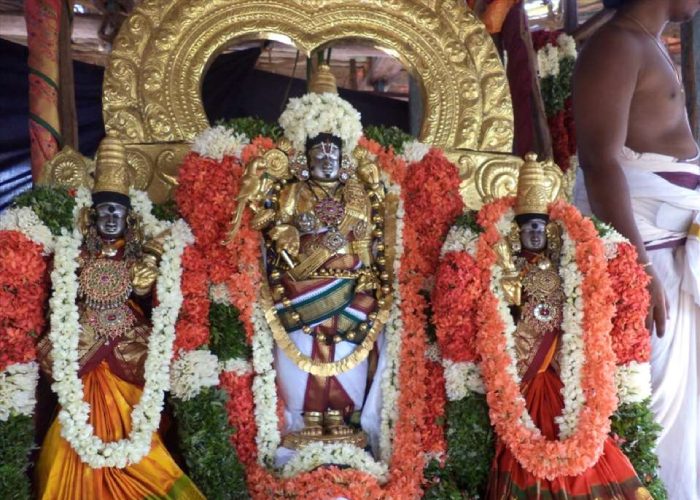
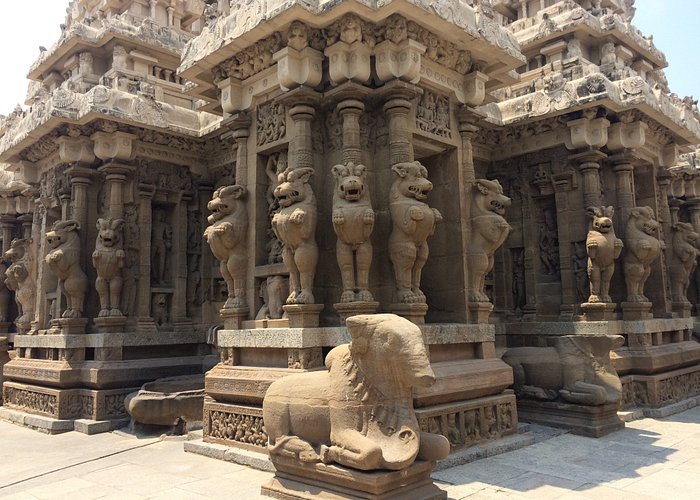
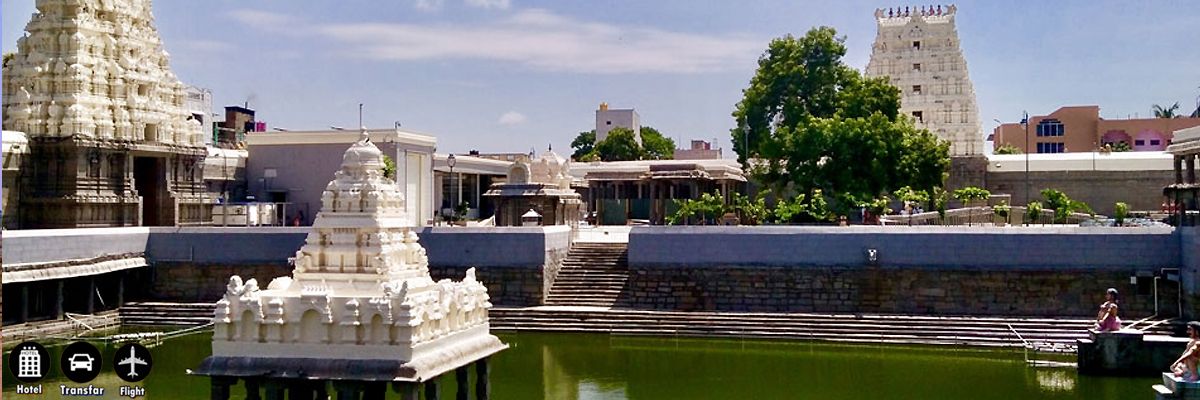
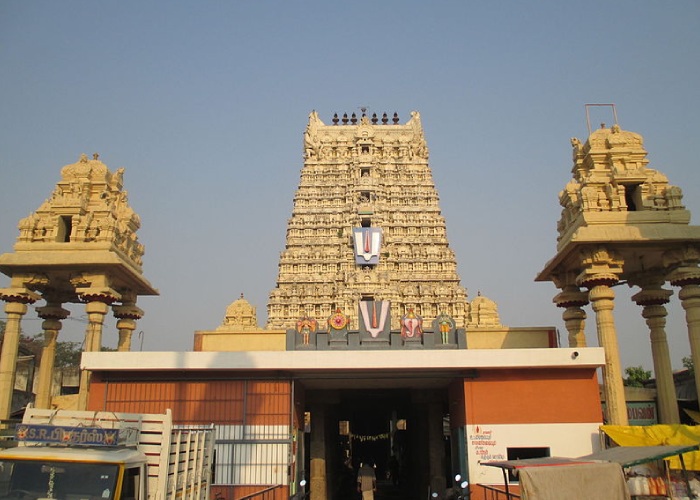
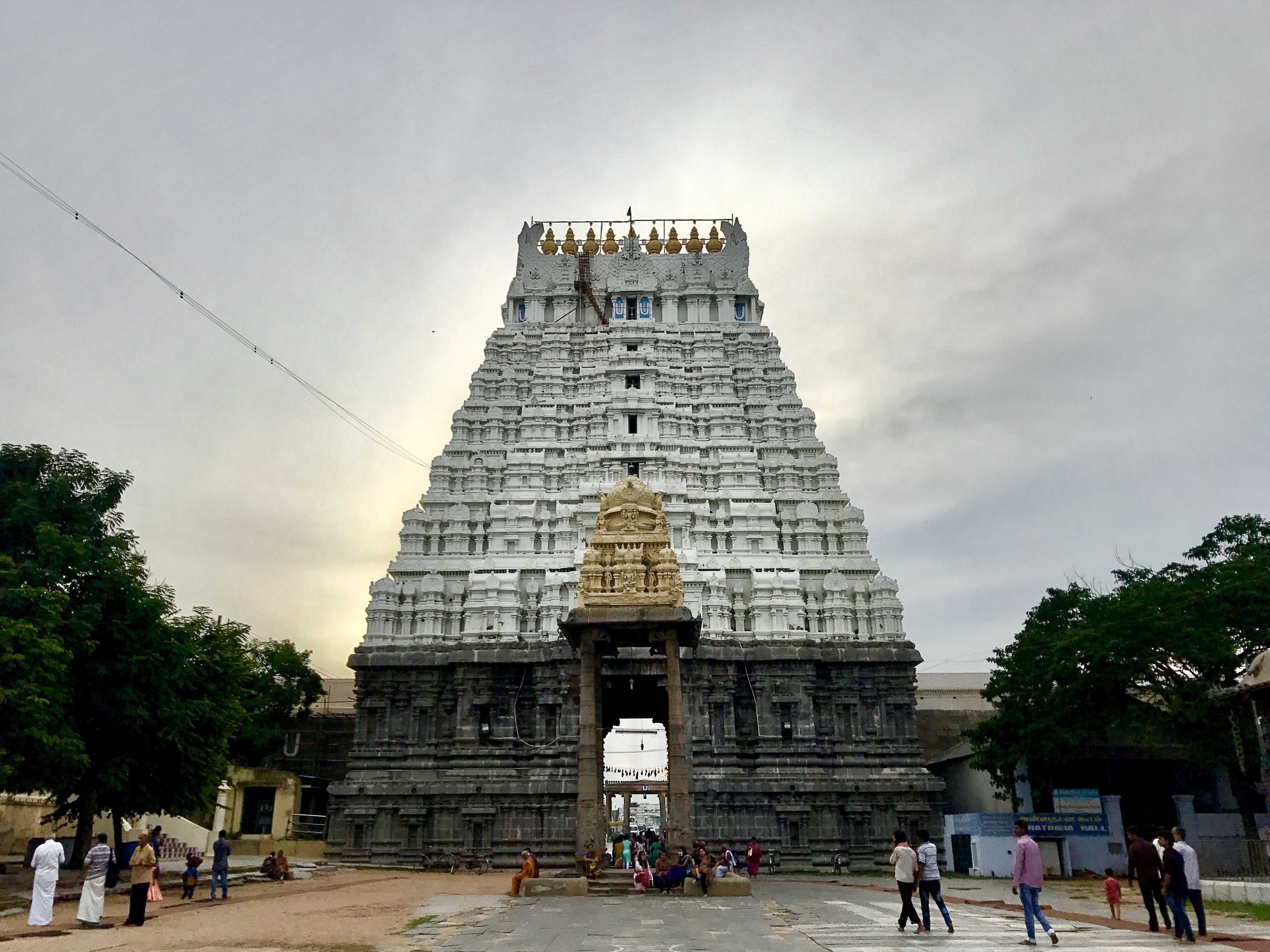
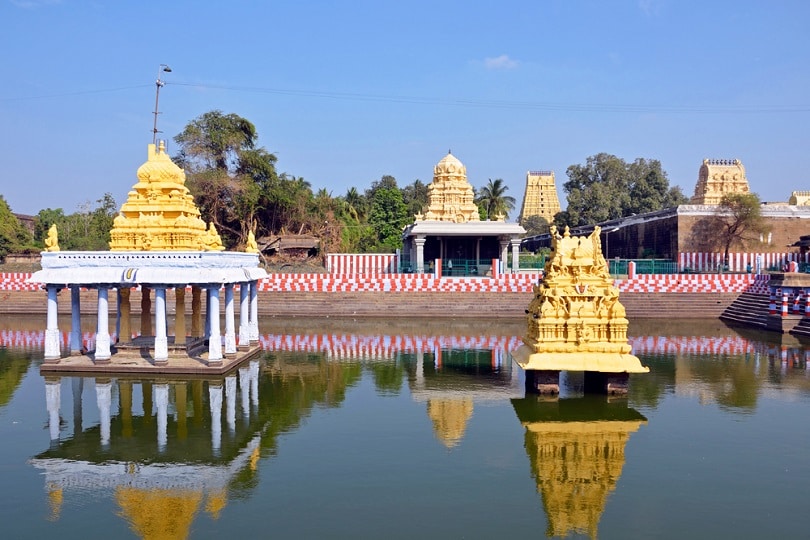
Temples do more than mark places on a map. Some, like the Divya Desams, become the living heart of a tradition: sites layered with history, myth, and a sense of the divine that shapes what Vaishnava devotees believe and do.

What are Divya Desams?
Divya Desam comes from two Sanskrit-Tamil words: divya,
meaning “divine” or “heavenly,” and desam, meaning “place” or “abode.” So literally, a “divine abode”. These are 108 temples dedicated to Lord Vishnu. The sites are scattered across India, though most rest in Tamil Nadu. The term in the Vaishnava tradition of South India came to refer to the set of shrines dedicated to Vishnu (and Lakshmi) that were specifically praised in the hymns of the Āḻvārs: the Tamil saint-poets of Bhakti. The concept isn’t just about bricks and pillars. For believers, these temples are windows onto the eternal, through which they glimpse the god who preserves the universe. A temple qualifies as a Divya Desam if the presiding deity is Vishnu (or a form thereof), the consort goddess (Lakshmi) has a visible shrine, and one of the Alvars has composed verses (pasurams) praising that deity and place. Because of this, these temples are often regarded as “earthly Vaikuṇṭhas” (Vaishnava heavenly abodes), sacred portals between the everyday world and the divine.

Why 108 temples? The number 108 holds deep meaning in Hindu practice. It shows up everywhere: in the beads of a prayer mala, the number of sacred sites, in the distance between the Earth and Sun, which is roughly 108 times the Sun’s diameter, in the Sanskrit alphabet, which has 54 letters, each with masculine and feminine forms, making it 108 in total, and the repetitions of a mantra for spiritual completeness. With 108 abodes, the Divya Desam list isn’t random. It reflects a tradition that ties cosmic ideas: the zodiac, planets, and cycles, to the quest for spiritual wholeness. So when the Vaishnavas defined 108 Divya Desams, they weren’t just counting temples; they were mapping a cosmic mandala of Vishnu’s presence across the subcontinent.

The Alvars and their hymns
The 12 Alvars, 11 male and 1 female, who lived between the sixth and ninth centuries CE are central to this. The Alvars weren’t elite priests or hereditary leaders; their stories say some came from humble backgrounds, chosen for devotion rather than pedigree. These saints wandered across South India, composing thousands of verses called the Nalayira Divya Prabandham. In their poetic visions, they described encounters with Vishnu and sang the glory of his temple abodes, setting the foundation for what later became Sri Vaishnavism. These poet-saints did not limit themselves to Sanskrit scholarship; they wrote in Tamil, their language, and thus brought spirituality into everyday life, temple culture and accessible devotion. Because many temple-shrines had become focal points of local devotion, pilgrimage, and legend, the Āḻvārs naturally visited them (or were associated with them) and composed hymns in praise of Vishnu in those places. Those temples thus gained a special mark; they were not simply local shrines but became celebrated in the corpus of devotional literature. This wasn’t a movement of passive worship. The Alvars’ hymns are intense, filled with longing, joy, and philosophical searching. The poems make each temple a site for meeting the divine; Vishnu isn’t locked away in myth, but available to anyone through devotion.

Over time, temple administrators, theologians, and pilgrim traditions formalised the collection of places sung by the Āḻvārs. The hymns were compiled into the Tamil corpus called the Nālaīra Divya Prabandham (literally “4,000 [verses] of Divine Praise”).

In turn, the shrines mentioned in the hymns were designated as the Divya Desams, forming a canonical pilgrimage list and reinforcing the intimate link between temple and poet, place and pasuram, and devotion and geography.

From a practical-cultural point of view, for devotees, having a defined set of sacred destinations offers an organised pilgrimage route; for temples, being part of the 108 adds prestige, patronage, and reference in liturgy; for theology, it emphasises that the divine can be encountered in fixed locations, not only in the cosmos.

Divya Desams aren’t just historical; myth shapes every stone. According to tradition, the first Divya Desam originated at Tirukkovalur. The story goes like this: three of the earliest Alvars, the so-called Mudal Alvars, ended up at an ashram on a stormy night, seeking shelter. The space was tiny, but the rain forced them together. Suddenly, the saints sensed a fourth presence. By singing their unique hymns, the three lit up the dark, and there, with his consort, stood Vishnu, an unplanned, divine gathering, launching a tradition where devotion itself becomes a way to summon the god.

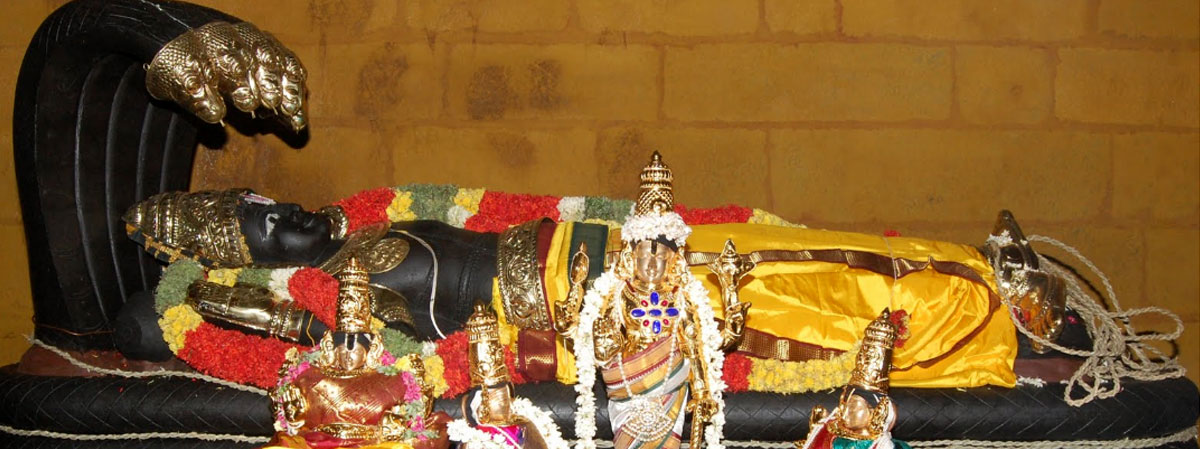
Each temple comes with its own tale. Some legends feature Vishnu resting on a serpent in a cosmic ocean, called “Bhuloka Vaikuntham,” or heaven brought to earth. Others have sacred objects or idols springing forth in a celestial drama, guided to earth by Garuda or Adisesha, the mythic eagle and serpent. Yet there are other stories of curses or boons, where Vishnu appears in response to intense prayer, the demands of fate, or the suffering of a devotee.

The Sriranga Mahathmya tells of a time when Brahma, through deep penance in the Milky Ocean, was granted the Sriranga Vimana by Vishnu. This sacred structure was carried by Garuda, shielded by Adisesha, and passed through divine hands. Brahma established this deity in Satyaloka, but, moved by devotion, allowed the King of Ayodhya to install it on earth. Eventually, Rama gifted the Vimana to Vibheeshana, who tried to carry it back to Lanka, only for fate (and Ganesh in disguise) to anchor it in Tamil Nadu, where the Srirangam temple now stands.

Some stories push the boundaries of the everyday. Mathura and Ayodhya, the birthplaces of Krishna and Rama, become Divya Desams. Naimisaranya appears in ancient texts as a spot where epic events unfolded. At Tirumala, legend says Vishnu became Venkateshwara after a sage’s curse. Later, Ramanujacharya, a famous teacher, rescued the temple’s lost idol after a vision. Here, temples don’t just mark geography; they are woven into the fabric of myth, often blending real events with flights of imagination.

Why did the concept arise? It’s easy to see the Divya Desams as just a list, but the idea came about for a reason. By the early medieval period, India’s religious landscape was competitive. Temples meant power and influence. The Sri Vaishnava tradition responded by defining its sacred geography. Instead of a single holy site, it claimed 108 spots, each connected to a story, a saint, and a devotional experience. This made the tradition more accessible; anyone could reach a Divya Desam nearby or aspire to visit all for spiritual merit.

The movement also cemented a network of belief. Devotees journeyed between temples, spreading ideas, stories, and cultural practices. Over time, these places became centres of worship, art, and education. The Divya Desams anchored a wide and diverse tradition, connecting people across regions and social backgrounds.

Not everyone sees the Divya Desams the same way. Some historians argue that temple lists like this often change over time, depending on politics or sectarian rivalry. Temples rise and fall in popularity; some are rebuilt, others fade. The mythic stories, for all their beauty, sometimes clash with archaeological evidence or records from different traditions. While Vaishnavism claims these 108 as unique, other branches of Hinduism see their own sacred places as equally important.

Several stories seem to blend the divine with daily life: heroes, saints, and gods interact, but who’s to say where fact stops and fiction begins? Did the Alvars really experience visions as described, or were these tales made to inspire devotion later? Most traditions admit that myth isn’t meant to be literal history. Its job is different: to inspire, to make sense of the world, to guide how believers respond to suffering or joy. The Divya Desams succeed at that. But if you’re after provable facts, the story gets murkier.

Now the temples mark routes for passionate pilgrims and curious travellers. Devotees see visiting all 108 as a way to reach moksha, spiritual liberation. But most settle for those nearby, drawn by the hope of blessings, healing, or peace. Festivals light up these temples; thousands gather, old stories come alive, and the cycle continues. Temples, too, serve the world outside. Many participate in charitable acts, like feeding devotees or providing shelter. These traditions root faith in everyday kindness, making the divine not just a distant ideal but a living, breathing part of the community.

So join me as I explore, question, and walk the line between faith and doubt, challenge the limits of mythic tradition, but see why, even now, these abodes matter.

The Gentle Art of Letting Go: What We Can Learn from Swedish Death Cleaning

“If you love your family, clean before you go.”

That’s the simple, yet profound, philosophy behind döstädning, a Swedish term that translates to “death cleaning.”

Don’t be alarmed by the word death; this isn’t a morbid exercise. Rather, Swedish Death Cleaning is a life-affirming, deeply mindful way of decluttering. It’s about easing the future burden on loved ones by taking responsibility for your belongings now, while you are still able, aware, and intentional.

It’s about asking yourself: What do I truly want to leave behind? And what no longer serves me or anyone else?

What Is Swedish Death Cleaning?

The term döstädning comes from two Swedish words: dö, meaning “death,” and städning, meaning “cleaning.” The concept was popularised by Swedish artist and author Margareta Magnusson, who wrote the international bestseller The Gentle Art of Swedish Death Cleaning: How to Free Yourself and Your Family from a Lifetime of Clutter. Magnusson describes herself as being “between 80 and 100 years old” and writes with the kind of humour and grace that only comes from lived experience. Her idea isn’t about getting rid of everything you own, but about making peace with your possessions and curating what remains with love and intention. At its heart, Swedish Death Cleaning is a conversation with yourself, and by extension, with those you’ll eventually leave behind.

Why “Death” Cleaning?

The word might sound morbid, but the Swedes view it differently. To them, death cleaning is a kind, compassionate act. It acknowledges life’s impermanence, while celebrating what truly matters. It’s not about obsessing over death; it’s about living with awareness. When we declutter through this lens, it’s not just about minimalism; it’s about emotional clarity. We release the excess, the forgotten, the broken, and the unnecessary, so that our lives (and our spaces) are lighter, calmer, and more meaningful.

Minimalism with a Heart

While minimalism often focuses on aesthetics: clean lines, neutral palettes, fewer possessions, Swedish Death Cleaning adds a layer of emotional intelligence. It’s not about having less for the sake of less. It’s about keeping what means something. Magnusson writes, “One’s own pleasure and the chance to find meaning in everyday life are very important.” So, instead of asking “Does this spark joy?” (à la Marie Kondo), the Swedish Death Cleaning question is more pragmatic: Will anyone want or need this after I’m gone? If the answer is no, perhaps it’s time to let it go.

When Should You Start Death Cleaning?

Ideally, anytime after your midlife years. Magnusson suggests that one should start “sooner rather than later.” But truthfully, it’s never too early, or too late, to begin. Think of it not as a single weekend project, but as an ongoing mindset. Even in your 30s, 40s, or 50s, it can be incredibly freeing to assess your belongings through this compassionate lens. Why wait for a “right time” when you can start reaping the peace and clarity it brings right now?

The Philosophy Behind It

The Swedes have a word for everything practical and poetic: lagom, for instance, means “just the right amount.” Swedish Death Cleaning aligns perfectly with that sensibility. It’s about finding balance between holding on and letting go. At its core, this practice isn’t about death; it’s about dignity. It’s about living a life that’s intentional, uncluttered, and kind to those who will remember you.

How to Begin: A Gentle Guide

Let’s take a step-by-step approach, not the ruthless “throw everything out” kind, but a mindful, thoughtful one.

Start with the Easy Stuff: Begin with items that hold little emotional value, extra kitchen utensils, old files, unused gadgets, worn-out linens. This helps you ease into the process without emotional overwhelm.

Be Realistic About What You Need: Ask yourself: Do I still use this? Would I buy this today? Does this still fit the life I’m living now, or the one I want to live? Let go of the “someday” items: the clothes that don’t fit, the craft supplies for a hobby you abandoned, the books you’ll “eventually” read.

Tackle Sentimental Items Slowly: This is the hardest part. Letters, photos, heirlooms, these carry memories. Magnusson suggests keeping only what makes your heart warm, not heavy. You don’t have to throw away everything. You can digitise old photographs, or write notes to accompany cherished items explaining why they mattered to you. This adds meaning for the next generation.

Sort Things into Categories: Magnusson recommends three simple piles: The Keep pile for items you still love or use, the Give Away pile to friends, family, or charities, and the Throw Away pile for things no one needs anymore. Keep a donation box handy at all times. Over time, it becomes second nature.

Have Conversations with Loved Ones: Swedish Death Cleaning is also a social act. Talk to your family. Ask them what they’d like to have someday.  You might be surprised. What you think is priceless may not be important to them, and something you considered trivial may hold great meaning.

Create a “Death Cleaning Box”: This is a personal project. In it, you place items of deep personal significance: letters, photos, small treasures, things you want to be discovered after you’re gone. Magnusson calls it a “memory box”; a way to share your story even when you’re no longer around.

Keep a Record of Important Documents: Store wills, insurance papers, passwords, and key information in one accessible, clearly labelled place. It’s a simple act of love, one that spares your loved ones unnecessary confusion later.

The Emotional Side of Death Cleaning

Decluttering can be surprisingly emotional; it’s not just about space; it’s about identity. Every item tells a story: a past version of you, a dream once cherished, a memory half-faded. When you let go, it’s not a loss. It’s a quiet acknowledgement that you’ve lived, and that you are still evolving. As Magnusson gently says, “Life will become more pleasant and comfortable if we get rid of some of the abundance.” You might even discover forgotten parts of yourself in the process, the things you truly value, the simplicity you crave, and the joy that hides beneath the clutter. 

The Difference Between Decluttering and Death Cleaning

While decluttering is often driven by the desire for aesthetic minimalism, cleaner shelves, and tidier wardrobes, death cleaning is rooted in legacy. It’s not about a minimalist lifestyle; it’s about a meaningful one. Decluttering clears your home. Death Cleaning clears your life; of emotional baggage, guilt, and attachments that no longer serve you. It’s practical, yes, but also philosophical, a merging of minimalism, mindfulness, and mortality.

Why It Resonates Today

In a world obsessed with accumulation, more gadgets, more clothes, more experiences, Swedish Death Cleaning offers a refreshing counterpoint. It reminds us that ownership comes with emotional weight. And that freedom often lies in less, not more. The popularity of Magnusson’s book reflects a global yearning for simplicity and purpose. After years of consumer-driven culture, people are rediscovering the comfort of enough. In that sense, Swedish Death Cleaning isn’t just about preparing for death; it’s about reclaiming life.

Lessons from Swedish Death Cleaning

Here are a few beautiful takeaways from this quiet Swedish tradition:

  • Clutter Is Deferred Decision-Making: Every item you keep is a decision you postpone; to use it, fix it, or discard it. Death Cleaning invites you to face those decisions now, so your loved ones won’t have to.
  • We Own Too Much: We all do. But ownership isn’t always empowerment; sometimes, it’s entrapment. Learning to live with less can be a profound act of self-liberation. 
  • Memories Don’t Live in Objects: Objects can trigger memories, but the memories themselves live within us.  Letting go of the item doesn’t erase the story; it frees it.
  • Clarity is a Form of Kindness: To clean your space and your life is to show care for those who will remain after you. It’s an act of love disguised as a household chore.
  • It’s About Living Fully, Not Dying Early: Ironically, death cleaning brings you closer to life. It encourages you to prioritise joy, relationships, and experiences over possessions.

Bringing Swedish Death Cleaning into Everyday Life

You don’t have to wait for a major life change to start. Here are small, sustainable ways to incorporate its wisdom into daily routines:

  • Practice the “One In, One Out” Rule: Each time you buy something new, let go of one old item. It keeps accumulation in check.
  • Curate Your Digital Life: Delete old files, emails, and photos you no longer need. A clean digital space mirrors a clear mind.
  • Simplify Gifting: Instead of material gifts, consider giving experiences, donations, or consumables. They bring joy without adding clutter.
  • Create Legacy Folders: Keep a folder (physical or digital) with notes, memories, or reflections you’d want your loved ones to have. You’re writing your own story, intentionally.
  • Review Annually: Once a year, pick one area: your wardrobe, pantry, or bookshelf, and review it. Small steps create lasting change.

A Practice in Acceptance

To death-clean is to accept impermanence, not with fear, but with grace. It’s a reminder that everything: our belongings, our time, even our stories, is transient. But there’s beauty in that, too. Because what remains: love, memories, the impact we leave behind, is timeless. Magnusson says it best:

“Death cleaning is not sad. It’s about the story of your life, the good and the bad.”

And perhaps that’s the quiet gift of this practice. It teaches us to live with gentleness, to love without attachment, and to leave behind something far more meaningful than things: peace.

In the end, Swedish Death Cleaning isn’t just a cleaning method; it’s a philosophy of living lightly, loving deeply, and leaving gracefully. It’s about curating your life so that what remains in your home, heart, and legacy truly reflects who you are. So maybe the question isn’t “What will I leave behind?” but rather: “What do I want to carry with me now?” Because the art of letting go, in the end, is also the art of living well.

Sacred Stones, Spaces, and Stories: Jyotirlingas Part 13 – Grishneshwar Temple

Located in the historic town of Verul near Aurangabad, Maharashtra, the Grishneshwar Temple is one of the twelve revered Jyotirlingas dedicated to Lord Shiva. Despite being the smallest among the Jyotirlingas, it holds immense spiritual significance as the last shrine in the ancient Jyotirlinga circuit, near the stunning Ellora Caves. The temple is famed for its compassionate deity and timeless legends of faith, reinforcing Shiva’s boundless mercy and the intimate relationships between devotees and the divine. Its rich history, intricate artistry, and vital place in pilgrimage traditions make it a must-visit for seekers of divine light and cultural heritage. 

The legends of the Grishneshwar Temple reflect divine compassion intertwined with human devotion and forgiveness. One prominent legend, recounted in the Shiva Purana and Padma Purana, tells of Kusuma, a devoted Brahmin woman living near a sacred lake in Shivalaya village. Each day, Kusuma carved 101 small Shivalingas and immersed them in the lake while singing prayers to Lord Shiva, hoping to be blessed with a child. Eventually, Kusuma gave birth to a healthy son, which incited jealousy in her sister, leading to the tragic death of Kusuma’s son at her sister’s hand. Despite unbearable grief, Kusuma’s faith remained unshaken. Moved by her unwavering devotion, Shiva resurrected her son and manifested here as Grishneshwar, the Jyotirlinga born from the friction (Grishna meaning friction) of Parvati’s hands. 

Another tale speaks of Parvati mixing vermillion, or kumkum, in water at the sacred lake. The friction caused by her hands led to the emergence of a bright light, which turned into a Shiva lingam. The name Grishneshwar derives from this friction-born linga, symbolising the dynamic energy between creation and devotion. The temple also highlights themes of compassion and forgiveness, where divine grace overcomes human failings, inspiring devotees to persevere in faith despite adversity.

Grishneshwar Temple has endured cycles of destruction and rebirth, mirroring Maharashtra’s rich and turbulent past. Mentioned in ancient texts such as the Skanda Purana and Ramayana, Grishneshwar’s spiritual significance has been acknowledged for over a millennium. The original temple was destroyed multiple times during invasions by the Delhi Sultanate and later Mughal incursions in the 13th and 14th centuries. The temple was first restored by Maloji Bhosale, grandfather of the famed Maratha king Shivaji, in the 16th century. Later, in the 18th century, Queen Ahilyabai Holkar of Indore, renowned for her devotion and patronage of Hindu temples, rebuilt the temple in its present form, ensuring its architectural and cultural heritage endured. 

Grishneshwar Temple is a marvellous example of medieval Indian temple architecture, blending aesthetics with spirituality. Constructed predominantly from red sandstone, the temple exudes warmth and invites spiritual contemplation. The temple boasts a five-tiered shikhara that rises above the sanctum sanctorum. The mandapa or assembly hall is supported by 24 intricately carved pillars, each depicting mythological scenes and floral motifs. Exterior and interior walls display reliefs of Shiva’s life, the Dashavatars of Vishnu, and various Hindu mythological stories. The richly carved pillars and walls display exquisite motifs from Hindu scriptures, including yoga postures and cosmic depictions that connect worshipers with divine symbolism. The temple complex also houses smaller shrines dedicated to Vishnu, Ganesha, and Durga, showcasing the inclusive nature of the site.

Worship at Grishneshwar Temple is animated by deep ritual and community participation. Daily worship practices include devotional abhisheka of the Jyotirlinga with milk, ghee, honey, and water, regular aarti ceremonies involving music, lamps, and chanting, and the offerings of bilva leaves, flowers, and fruits by devotees seeking Lord Shiva’s blessings. Mahashivaratri is celebrated with grand rituals, midnight vigils, and community feasts. Local temple events draw pilgrims from Maharashtra and neighbouring states, especially during the winter months. The temple’s festivals emphasise forgiveness, compassion, and renewal, echoing its founding legends. The local Brahmin priests and devotee groups maintain the temple’s traditions and hospitality, extending warmth and guidance to visitors.

Pilgrims find both spiritual renewal and cultural richness at Grishneshwar. The temple is located about 30 km from Aurangabad and is accessible by road and public transport. Several dharmashalas, guesthouses, and eateries support pilgrims’ needs in nearby Aurangabad and Verul village. The site is often combined with visits to the famous Ellora Caves, making for a rich cultural and spiritual itinerary. Pilgrims often describe a sense of serene compassion here, a place where devotion bridges pain and hope. Stories of answered prayers and visions reinforce the temple’s spiritual aura.

The Grishneshwar Temple influences regional culture, literature, and aesthetics. Temple legends feature in Marathi folklore and religious texts, while devotional poetry and songs celebrating Shiva’s compassion proliferate during festivals and pilgrim gatherings. Local artisans produce sculptures, icons, and paintings derived from temple iconography. The architectural and artistic styles influence nearby sacred sites and community rituals. Grishneshwar is an emblem of religious perseverance and cultural pride in Aurangabad, anchoring both spiritual and artistic traditions.

Grishneshwar Temple continues as a vibrant locus of faith and heritage. The temple trust oversees day-to-day operations, festivals, and pilgrim services. Conservation efforts preserve the temple’s structure and art against weathering. Pilgrim numbers rise annually, especially during festivals like Mahashivaratri. Tourism linked to the Ellora Caves supports the temple’s upkeep and regional economy. Challenges include maintaining ancient structures amid modern visitor pressures, requiring ongoing care and funding, while efforts focus on blending preservation with accessibility for future generations.

Grishneshwar Temple stands as a testament to divine compassion and timeless devotion, the last Jyotirlinga in the sacred circuit, yet among the most intimate and profound. Its legends show that faith transcends cruelty and loss, offering a sanctuary of hope and renewal. For pilgrims and tourists alike, Grishneshwar offers a unique spiritual retreat at the crossroads of history, mythology, and art, reaffirming Lord Shiva’s boundless grace and the enduring power of divine light.

The 12 Jyotirlinga temples represent the radiant and infinite manifestations of Lord Shiva across India, each with its unique mythology, history, and spiritual significance. They stand not only as architectural wonders but also as profound centres of devotion, reflection, and transformation, symbolising Shiva’s omnipresence and boundless energy. Pilgrimages to these sacred shrines offer seekers a journey beyond the physical—to touch the eternal light within themselves and connect deeply with the cosmic source. The Jyotirlingas continue to inspire faith, resilience, and spiritual awakening, illuminating the hearts of millions across generations and geographies, holding an enduring place at the core of Hindu spirituality and cultural heritage.

Keep watching this space for the next series on Divya Desams. 

Where Happiness Lives: Lessons from the Top 15 Happiest Countries in the World

Around the world, policymakers, researchers and citizens have become increasingly interested in happiness or well-being, not just economic growth. One of the flagship publications in this area is the World Happiness Report (WHR), which utilises survey data to rank countries based on the level of satisfaction their people experience with their lives.

Why does such a list exist? It recognises that human flourishing isn’t just about money or material goods; things like health, social support, freedom, trust, and generosity play big roles. It provides governments and communities with a mirror: by highlighting which factors correlate with higher well-being, the hope is that other countries can learn from and improve. It elevates the conversation from GDP alone to quality of life.

How the ranking works: The WHR uses survey data from the Gallup World Poll (plus other sources), asking people to rate their lives on a scale (often the “Cantril Ladder”, 0 worst possible, 10 best possible). The score for each country is an average of the responses over a number of years. Six key factors are used as explanatory variables: GDP per capita, healthy life expectancy, social support (having someone to count on), freedom to make life choices, generosity (helping others) and perceptions of corruption. Additional research highlights that social trust, acts of kindness, and connections (e.g., sharing meals, community belonging) are strongly associated with higher happiness.

What to keep in mind:

  • Happiness is subjective: it’s how people feel about their lives, not just objective material measures.
  • Cultural differences affect how people respond to surveys, so comparison across countries has caveats.
  • The ranking doesn’t capture everything; for instance, within-country inequalities, minority groups, or future uncertainty might be less visible.

With that background, here are 15 of the happiest countries in the world (according to the most recent WHR data), what helps put them on the list, and what lessons others might draw from them.

Finland
Why it ranks at the top: Finland has again taken the #1 spot in the 2025 report, with a score around 7.736 (out of 10) for the 2022-24 period. Among the reasons: strong social support networks, high trust in institutions and among people, freedom of life choices, a sense of fairness and low corruption. The country’s connection to nature, community-oriented culture and generous welfare systems also play a role.

    What we can learn:

    • A culture of trust matters: when people believe others will do the right thing (e.g., return a lost wallet), society becomes more well-being supportive.
    • Investing in social infrastructure (education, health, accessible civic services) pays off in quality of life, not just in economic metrics.
    • Time for community, nature and relationships seems as important (or more) than just work and consumption.
    • Even in a cold and dark climate (winter in Finland is long), well-being can be high, suggesting conditions matter less than how people organise their lives and societies.

    Denmark
    Why it ranks highly: Denmark often sits in the top 2-3. In the 2025 ranking, it placed #2 with a score of 7.521. The country features robust welfare provisions, free education and healthcare, high social trust, and relatively low income inequality. A Danish cultural concept of hygge (cosiness, togetherness) also reflects the value placed on social relationships.

    What we can learn:

    • Social equality (not just average wealth) helps: when fewer people are left behind, overall life satisfaction tends to be higher.
    • Work-life balance is emphasised: flexible work, decent parental leave, and shorter working hours in many cases.
    • Community values and everyday neighbourliness matter: friendships, local groups, and informal social ties.
    • Investing in children’s well-being and in citizens’ ability to make life choices pays dividends.
    Source

    Iceland
    Why it ranks so well: In 2025, Iceland placed #3 with a score of around 7.515. The country has a small, tight-knit population, high levels of social support, generous welfare systems and a high sense of freedom for individuals. Additionally, Iceland scored well on generosity in past reports.

    What we can learn:

    • Smaller population size and stronger community links can help build social cohesion.
    • Bringing nature into people’s everyday lives (access to nature, outdoor activities) might support well-being.
    • Emergency resilience, trust in institutions and rapid provision of social services matter, especially visible in Iceland’s response to economic and natural-disaster challenges.

    Sweden
    Why it’s in the top-tier: Sweden is ranked #4 in 2025 with a score of around 7.345. Sweden features strong welfare policies, high standards of living, good healthcare, and a culture that supports personal development and social trust.

    What we can learn:

    • Policies that promote flexibility and autonomy (for work, personal life) support life satisfaction.
    • Urban planning and infrastructure that promote access (public transit, safe cities, natural surroundings) contribute to the quality of life.
    • Embedding sustainability (both environmental and social) into policy helps, as many Swedish initiatives aim for long-term rather than short-term gain.

    Netherlands
    Why it makes the list: The Netherlands is ranked #5 with a score of around 7.306. The country combines relatively high GDP per capita, strong social support services, a tolerant culture, and good work–life balance practices. It also scores strongly on generosity among the top countries.

    What we can learn:

    • Physical infrastructure that supports a healthy life (cycling culture, public spaces) matters.
    • Tolerance and inclusion (multiculturalism, support for minorities) seem to correlate with higher well-being.
    • Policies and culture that support both personal ambition and community responsibilities (not just one or the other) create a balanced society.

    Costa Rica
    Why it stands out: Breaking the Nordic dominance, Costa Rica appears at #6 in 2025 with a score of around 7.274. It has a comparatively modest GDP per capita versus top European countries, but strong social connections, valuing of non-material life, environmental consciousness, and relatively generous government social supports.

    What we can learn:

    • Happiness isn’t purely about high income. A moderate but secure income plus strong social support can suffice.
    • A society that values nature, conservation and life outside work helps make life feel meaningful.
    • Prioritising collective well-being and community over pure competition seems to pay off.

    Norway
    Why it ranks #7: Norway scored about 7.262 in 2025. The country benefits from rich natural resources, which fund extensive welfare state services, high life expectancy, high trust, and strong social safety nets.

    What we can learn:

    • When resource wealth (oil, natural gas, etc) is managed with transparency and distributed broadly into social goods, it can support broad-based well-being.
    • Access to nature (even extreme nature) combined with urban conveniences supports a balanced life.
    • High levels of institutional trust (in government, in public services) reinforce social cohesion.

    Israel
    Why it appears in the top list: Israel ranked #8 in 2025 with a score of around 7.234. Its inclusion is notable given the difficult geopolitics of the region. Key factors include a strong sense of community, high educational attainment, an innovation culture, and relatively high levels of social support.

      What we can learn:

      • Even in contexts with challenges (economic, security or otherwise), community resilience, innovation and social support matter.
      • A sense of purpose (through science, culture, start-ups, collective achievement) adds to well-being beyond material comfort.
      • Diversity, societal dynamism and hope for the future can correlate with life satisfaction.

      Luxembourg
      Why it’s in the top ten: Luxembourg ranked #9 with a score of about 7.122. It is a small but wealthy country with a high GDP per capita, strong social services, a multilingual society, and a good balance of economic vitality and quality of life.

        What we can learn:

        • Small-scale governance, where policy can be responsive and targeted, can support high well-being.
        • Multilingual, multicultural societies that value inclusion and mobility can create a sense of openness and freedom.
        • Wealth matters, but only when paired with strong social infrastructure and cohesive community values.

        Mexico
        Why it made the top ten: Mexico reached #10 in 2025 with a score around 6.979, notable for a large middle-income country. While Mexico still faces serious challenges (inequality, violence, health disparities), it appears to perform comparatively well on social support, familial networks, and life satisfaction feeds off strong community ties.

        What we can learn:

        • Cultural factors like strong family bonds, community life, and social gatherings play a major role in happiness, even when other metrics lag.
        • Investment in social capital (trust, relationships) can offset some disadvantages in economic or structural terms.
        • Policies that focus on extending life-satisfaction benefits (health, social safety, community programmes) can help raise overall well-being even in developing contexts.

        Australia
        Why it’s here: Australia was ranked #11 in 2025 with about 6.974. The country has a high GDP per capita, good life expectancy, strong infrastructure, and many recreational and natural amenities. However, rising challenges (housing affordability, inequality, mental health issues) mean there is still room for improvement.

        What we can learn:

        • Natural environment + recreational culture enhance well-being.
        • A relatively open, multicultural society with mobility supports life satisfaction.
        • But growth and wealth are not enough; issues like mental health, housing, and societal stress need attention to keep well-being high.

        New Zealand
        Why it ranks well: New Zealand placed #12 with around 6.952. It scores well on social trust, democracy, openness, access to nature, and quality of life, although some structural issues (distance, economy size) remain.

        What we can learn:

        • Geographic isolation need not hinder happiness if institutions, culture and community are strong.
        • Policies that promote accessibility (for all citizens) and maintain connections to nature help quality of life.
        • Smaller populations and relative social equality help, but the overall model is replicable at a larger scale.

        Switzerland
        Why it features here: Switzerland was ranked #13 with a score of around 6.935. Known for strong institutions, high incomes, excellent health systems, and very high life expectancy, Switzerland almost always ranks among the happiest.

        What we can learn:

        • Institutional quality (justice, healthcare, education, transport) is a major contributor to happiness.
        • Balancing economic success with social welfare and environmental quality appears to support sustained well-being.
        • Investing in public goods matters: a high-performing society still needs to invest in communal life, not only private wealth.

        Belgium
        Why it appears on the list: Belgium ranked #14 with a score of around 6.910. The country has good income levels, public healthcare, and high connectivity in Europe, plus a strong social support network.

        What we can learn:

        • Good governance and public services (healthcare, transport, social welfare) contribute meaningfully to happiness.
        • Recognising regional and linguistic diversity (as Belgium does) and yet creating a cohesive society is possible and beneficial.
        • Work-life balance and social infrastructure (parks, community centres, accessible services) matter even in densely populated places.

        Ireland
        Why it completes the top 15: Ireland ranked #15 with about 6.889. While Ireland has experienced rapid economic growth and significant change in recent decades, it has also retained vibrant social networks, strong community culture and improved quality of life indicators.

        What we can learn:

        • Rapid economic change can be managed in a way that still maintains community ties and social cohesion.
        • Placing value on culture, community events, arts, and well-designed public spaces makes a difference.
        • Even in a globalised economy, retaining local identity, social networks, and inclusive policies supports happiness.

        Where’s Bhutan? The Nation that Measures Happiness Differently
        When people think of “the happiest countries,” Bhutan almost always comes to mind. After all, this tiny Himalayan kingdom is the birthplace of the idea that well-being, not wealth, should guide national progress. Yet, interestingly, Bhutan doesn’t appear on the World Happiness Report’s top-ranked list, and that has more to do with methodology than with actual happiness.

        In the 1970s, Bhutan’s fourth king, King Jigme Singye Wangchuck, famously declared that Gross National Happiness is more important than Gross Domestic Product. Since then, GNH has evolved into a comprehensive development framework, built on nine domains: Psychological well-being, Health, Education, Time use, Cultural diversity and resilience, Good governance, Community vitality, Ecological diversity and resilience, and Living standards.

        These domains shape Bhutan’s national policies: from environmental conservation to education and cultural preservation. Forests cover over 70% of the country, carbon neutrality is enshrined in its constitution, and education and healthcare are largely free. Happiness, here, isn’t about constant pleasure, but about balance, purpose, and harmony.

        So why isn’t Bhutan on the World Happiness Report list? Because the World Happiness Report (WHR) uses different data. Its rankings come from Gallup World Poll surveys, which ask people in each country to rate their life satisfaction on a scale from 0–10 (the Cantril ladder). Bhutan hasn’t had a recent Gallup poll (the last was in 2015), so it’s not included in the WHR’s latest datasets. In other words, Bhutan isn’t absent because it’s unhappy; it’s simply not surveyed.

        Bhutan’s domestic yardstick for guiding development is the Gross National Happiness (GNH), while the World Happiness Report (WHR) is a global comparison tool based on people’s self-reported life satisfaction. One is a policy philosophy, the other a statistical survey, both valuable, but not directly comparable.

        Even though it doesn’t feature in the annual rankings, Bhutan continues to influence global thinking about what makes life meaningful. Its lessons remind us that happiness can be a national goal, not just a personal one; environmental stewardship and cultural identity are integral to well-being, and slower, mindful growth can coexist with deep contentment. As the rest of the world debates GDP growth, Bhutan continues to whisper an ancient truth from its mountain valleys: that the quality of life matters far more than the quantity of possessions.

        What About Asia? The Region of Contrasts
        It often surprises readers that Asia, home to vibrant cultures, deep spiritual traditions, and strong family networks, doesn’t dominate the world’s “happiest countries” list. The reason, however, lies less in a lack of joy and more in how happiness is measured. The World Happiness Report (WHR) bases its rankings on people’s self-reported life satisfaction scores, collected through Gallup surveys. These are influenced by expectations, social norms, and cultural attitudes toward expressing emotion. In many Asian societies, modesty and restraint are cultural values; people tend not to rate their lives at the very top, even when content.

        Beyond culture, Asia’s enormous economic and social diversity means well-being varies widely across the region. Some nations enjoy high living standards but also face intense work pressure and urban stress; others have rich community life but limited access to healthcare or economic opportunity.

        So where do Asian countries stand in the 2025 World Happiness Report?

        • Taiwan is ranked 20th, the highest in Asia, thanks to strong healthcare, education, and civic engagement.
        • Singapore, around the 30th, reflects the high income and safety but also long working hours and social stress.
        • Japan comes in roughly 47th, where longevity and stability are offset by social isolation and work culture pressures.
        • South Korea comes in around 52nd, with economic strength but low scores on social support and life balance.
        • The Philippines, in the 60s, was buoyed by optimism and family ties despite lower income levels.
        • Thailand, around 58th, where Buddhist traditions and community life sustain personal contentment.
        • India is typically ranked around 120, reflecting vast inequalities, rapid urbanisation, and social challenges, though well-being perceptions differ greatly across states.

        What does this tell us? Asian societies show that material progress alone doesn’t guarantee happiness, and that contentment can exist even when surveys don’t fully capture it. As countries like Singapore, Taiwan, and Bhutan balance rapid growth with mindfulness, community, and purpose, Asia’s own models of happiness may increasingly redefine what the world measures.

        What we can learn:

        • Rapid economic change can be managed in a way that still maintains community ties and social cohesion.
        • Placing value on culture, community events, arts, and well-designed public spaces makes a difference.
        • Even in a globalised economy, retaining local identity, social networks, and inclusive policies supports happiness.

        Key themes & lessons across the happiest nations

        Here are recurring patterns from these top countries. What seems to really make a difference in life satisfaction:

        • Social support and strong interpersonal networks: Almost all top countries report that people have someone to count on in crisis, feel embedded in the community, and regularly socialise. The WHR emphasises social trust and belonging.
        • Freedom of choice and autonomy: People feel they have the freedom to make life-decisions, choose their work, and control their lives. Societies that value personal autonomy (while also providing support) rank higher.
        • High-quality public services and social safety nets: Universal healthcare, quality education, accessible infrastructure, and social protection reduce anxiety and allow people to participate fully.
        • Trust and low corruption: When citizens believe institutions are fair, laws are just, public officials are trustworthy, the psychological burden is lower, and life satisfaction is higher.
        • Balanced life, including work, recreation, nature: Many of the happiest countries emphasise shorter work-weeks, generous vacations, access to nature, and safe outdoor environments. Nature and leisure are not afterthoughts.
        • Generosity and kindness: Acts of giving and helping others are correlated with higher happiness, giving just as much benefit to the giver as the receiver.
        • Sustainable mindset and long-term planning: Rather than rapid growth at all costs, these societies tend to emphasise sustainability (of environment, social cohesion, economy) so that well-being is maintained not just for the few but for many.
        • Cultural values that favour togetherness over competition: Community orientation, less social isolation, valuing relationships over purely material success.

        Final thoughts
        Happiness at the national level is not simply a matter of being rich or having perfect weather. As the happiest countries demonstrate, it’s about how society is organised, how people connect, what freedoms they have, and whether they feel trusted, supported and valued.