COVID-19 has devasted the world and has shown us how much of an impact this pandemic as well as that of major infectious diseases and epidemics has on human lives, wreaking havoc on long-term social and economic development. Global health crises threaten to overwhelm already overstretched health systems, disrupt global supply chains and cause disproportionate devastation of the livelihoods of people, including women and children, and the economies of the poorest and most vulnerable countries. There is an urgent need to have resilient and robust health systems, which can reach those who are vulnerable or in vulnerable situations. The first-ever International Day of Epidemic Preparedness was held on 27 December 2020.
In the event of the absence of international attention, future epidemics could surpass previous outbreaks in terms of intensity and gravity. It is important to strengthen epidemic prevention by applying lessons learned on epidemic management and how to prevent the stoppage of basic services. There is a great need of raising awareness, the exchange of information, scientific knowledge and best practices, quality education, and advocacy programmes on epidemics at the local, national, regional and global levels as effective measures to prevent and respond to epidemics. It is important to strengthen epidemic prevention by applying lessons learned on epidemic management and how to prevent the stoppage of basic services, and to raise the level of preparedness to have the earliest and most adequate response to any epidemic that may arise, and recognising also the value of an integrated One Health approach that fosters the integration of human health, animal health and plant health, as well as environmental and other relevant sectors.
International cooperation and multilateralism play an important role in the response to epidemics. The significance of partnership and solidarity among every individual, community, State, and regional and international organisation, in all stages of epidemic management, can’t be stressed enough, as well as the importance of considering a gender perspective in this regard.
Last month Singapore’s Ministry of Health officially launched a new research programme that aims to build up Singapore’s preparedness and response capabilities for future pandemics. The Programme for Research in Epidemic Preparedness and Response’s (PREPARE) immediate task will be to work closely with MOH to develop a national epidemic research and development plan. This dedicated research programme will help to bring together multi-disciplinary experts throughout the pandemic research ecosystem in a coordinated fashion and will also further strengthen Singapore’s existing capabilities by forming research networks as well as developing necessary tools, methods, and products to respond to future infectious disease outbreak threats. Internationally, the new programme will strengthen research partnerships, share information and knowledge, and collaborate in clinical trials with various institutions in the region.
The United Nations system, in particular the World Health Organization, plays a pivotal role in coordinating responses to epidemics, per its mandate, and in supporting national, regional and international efforts to prevent, mitigate and address the impacts of infectious diseases and epidemics under the goal of advancing the 2030 Agenda. There is a need to recognise the primary role and responsibility of Governments and the indispensable contribution of relevant stakeholders in tackling global health challenges, especially women, who make up the majority of the world’s health workers. Member states must commit to ensuring inclusive, equal and non-discriminatory participation, with special attention to those, who are vulnerable or in vulnerable situations with the highest chance of epidemic infection. There is an urgent need to have resilient and robust health systems, to reach those who are vulnerable or in vulnerable situations.
The theme for the 2022 International Day of Epidemic Preparedness is
Merry Christmas! To everyone around the world, may the magic of the festival bring peace and happiness…
As we countdown to the new year, both GG and BB are on a well-deserved break. Both have plans to meet up with friends and make the most of their break before school restarts.
China is in the midst of a huge Covid wave and there are concerns that this may, in turn, trigger a new variant. Hospitals are filling up fast, especially with the more vulnerable and the elderly. China’s home-grown vaccines have been proven less effective at protecting people against serious Covid illness and death than the mRNA vaccines used in much of the rest of the world. My prayers are with the people of China and hopefully this wave peaks soon and the situation comes under control very soon.
Today’s quote is a line from a classic I enjoyed as a child. Publishing as L.M. Montgomery, Lucy Maud Montgomery was a Canadian author best known for a collection of novels, essays, short stories, and poetry, beginning with the classic Ann of Green Gables from where this line is taken. This is something so simple, yet meaningful. I love this quote so much that I think I will use it as the basis for my next year. When I have to imagine something or dream of something, let me dream of something worthwhile. So dream on and while you are dreaming or imagining what your life will be, don’t imagine or dream of something small or inconsequential, dream big so it’s a dream that’s worth achieving!
And on that note, here’s wishing everyone a blessed Christmas and a wonderful end to 2022. Let’s hope 2023 is one where all our dreams are huge and ones that get achieved.
The Art of Aging: A Doctor’s Prescription for Well-Being – Sherwin B. Nuland
In his landmark book How We Die, Sherwin B. Nuland profoundly altered our perception of the end of life. Now in The Art of Aging, Dr. Nuland steps back to explore the impact of aging on our minds and bodies, strivings and relationships. Melding a scientist’s passion for truth with a humanist’s understanding of the heart and soul, Nuland has created a wise, frank, and inspiring book about the ultimate stage of life’s journey.
The onset of aging can be so gradual that we are often surprised to find that one day it is fully upon us. The changes to the senses, appearance, reflexes, physical endurance, and sexual appetites are undeniable–and rarely welcome–and yet, as Nuland shows, getting older has its surprising blessings. Age concentrates not only the mind, but the body’s energies, leading many to new sources of creativity, perception, and spiritual intensity. Growing old, Nuland teaches us, is not a disease but an art–and for those who practice it well, it can bring extraordinary rewards.
“I’m taking the journey even while I describe it,” writes Nuland, now in his mid-seventies and a veteran of nearly four decades of medical practice. Drawing on his own life and work, as well as the lives of friends both famous and not, Nuland portrays the astonishing variability of the aging experience. Faith and inner strength, the deepening of personal relationships, the realization that career does not define identity, the acceptance that some goals will remain unaccomplished–these are among the secrets of those who age well.
Will scientists one day fulfill the dream of eternal youth? Nuland examines the latest research into extending life and the scientists who are pursuing it. But ultimately, what compels him most is what happens to the mind and spirit as life reaches its culminating decades. Reflecting the wisdom of a long lifetime, The Art of Aging is a work of luminous insight, unflinching candor, and profound compassion.
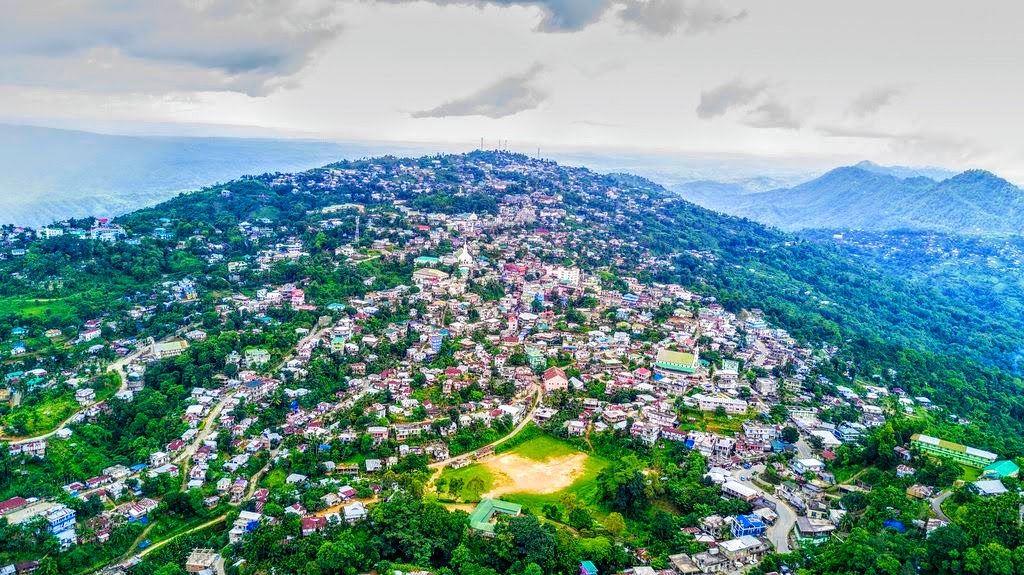
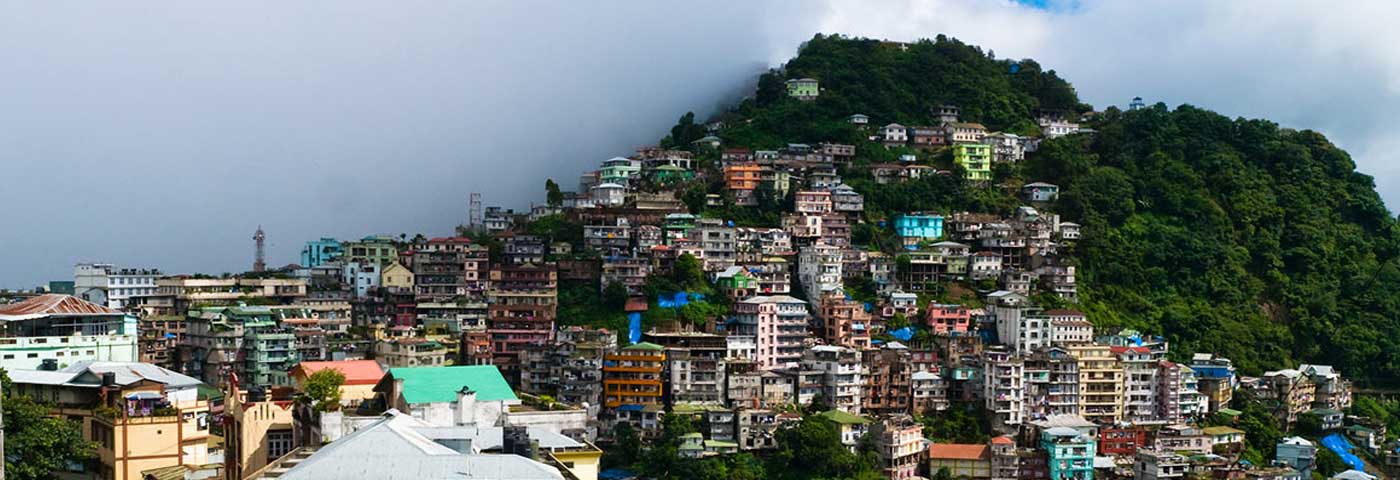
Reiek A mountain and tourist spot, Reiek is located about 29 km southwest of Aizawl at an elevation of 1,465 m. Overlooking Aizawl and offering a view of the surrounding valleys and hills, on a clear day, the plains of Bangladesh can be seen from the top of the hill. Reiek Hill is surrounded by thick lush green temperate trees and bushes. The best time to visit Reiek is in April. Apart from sightseeing, the hill is also a haven for birdwatchers. While climbing up the hill one will come across nests and chirping of the native birds including the Peregrine Falcon which is known to make nests at the rocky edges.
Reik also has a Heritage Village which is a typical Mizo village consisting of the distinctive traditional huts of the different Mizo sub-tribes, a Mizo chieftain’s house, a bachelor’s dormitory and of widows has been created and maintained by the Tourism Department. There is also a cafeteria and a resort providing decent food and accommodation.
Reiek is also the venue for the annual Anthurium festival which takes place each year in September. The Anthurium Festival is a festival promoting the Anthurium grown in Mizoram and the rich Mizo customs and traditions at Reiek Tlang. The festival is organised by the Tourism and the Horticulture Department and has the dual purpose of promoting the cultivation and marketing of the enthralling flower and attracting more tourists to the state and showcasing the rich and rhythmic cultural dances and games of Mizoram as well as fashion shows which are also a regular feature of the festival.
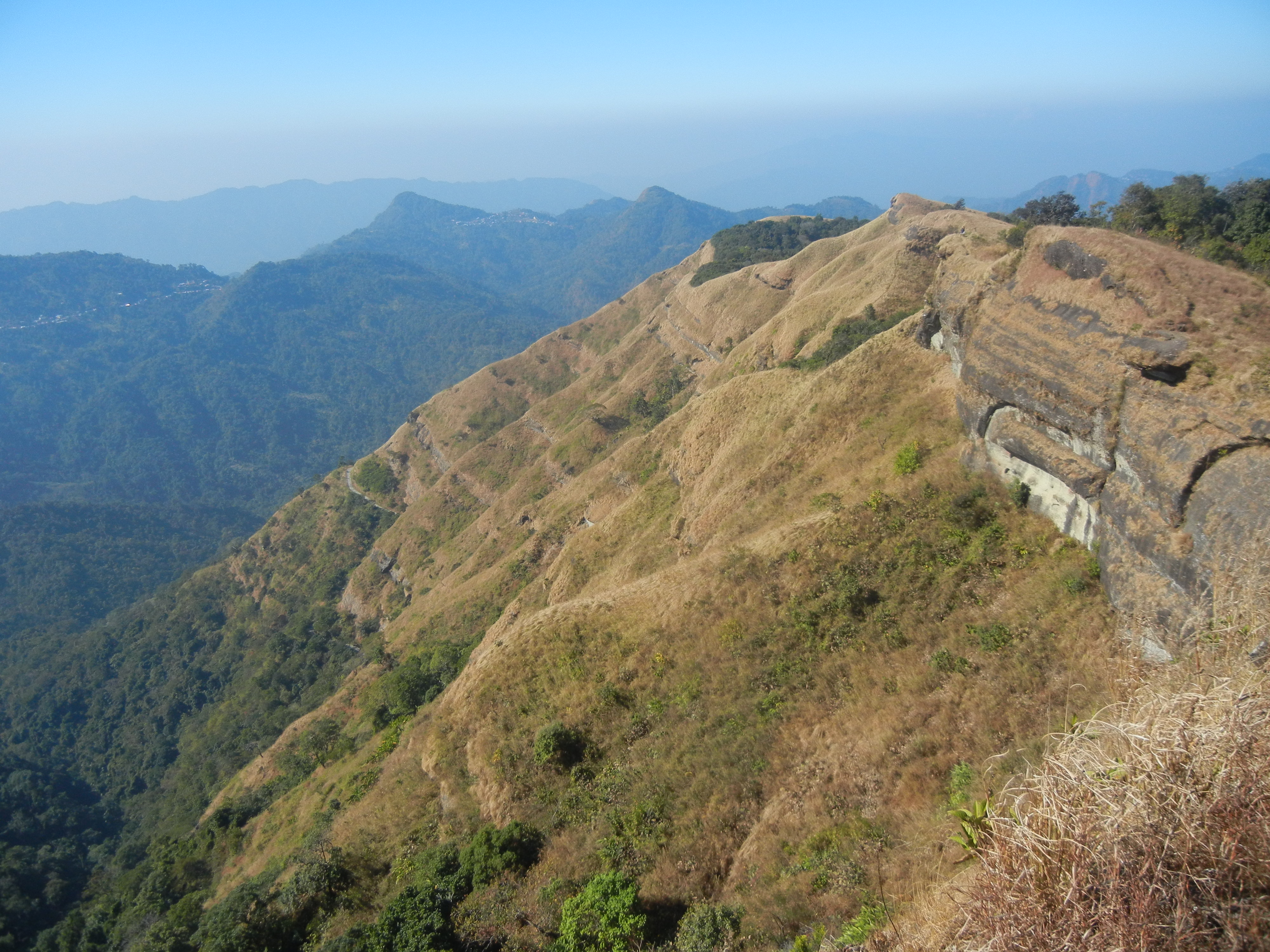
Hmuifang One of Mizoram’s beautiful destinations, Hmuifang or Hmuifang Tlang is a hill station with a lot to offer. Located 50 km from Aizawl at an elevation of 1619 m, Hmuifang is a hill town at the heart of the state and is known for its adventure and wildlife-related activities. A land of virginal green forests and slopes, Hmuifang is also famous for the Thalfavang Kut, a festival that gives one a peek into the Mizo culture by showcasing various dances such as the Cheraw, the Sawlakai, the Siktuithiang lam and the Chheihlam
The Hmuifang Tourist Resort built on the former land of the erstwhile Mizo chief is located at the scenic peak of the mountain and is maintained by the State Government. The resort has comfortable accommodations offering 6 double rooms and a cafeteria. The patches of grasslands on the peak are also ideal for picnics and outdoor camping. The resort is also the venue of the annual Anthurium Festival and Thalfavang Kut. From here, one can visit the Mizo villages situated on the hillsides, namely Hmuifang village, Sumsuih village, Lamchhip village and Chamring village, to see typical Mizo rural life. The mountain also has beautiful cliffs and offers great views of the surrounding hills with the forests abounding with varieties of flora including rare orchids and wildlife, especially avifauna.
Winters are the best time to visit Hmuifang because of the misty hills and the chilly air but it can be visited any time of the year with temperate temperatures.
Kolasib A quaint town away from the commercialised cities, Kolasib is one of the newer districts in Mizoram and lies in the northern part about 78 km north of Aizwal. In the absence of any written or any other form of authentic records, as is the case of many places in Mizoram, nothing is authentically known about the ancient or medieval ages of the history of the place. Written or authentic records were kept only after the state came under the occupation of British colonial rule in the 2nd half of the nineteenth century. It is said that a chief named Kawla was ruling the village now known as Kolasib and so the village was referred to as the Kawla Chief Village which then became Kolasib during British rule and the name stuck.
Kolasib which is part of the Aizwal Mountainous Region of the Eastern Hill Zones has an average literacy rate of 93.50%, higher than the national average of 74.04%. November to March is the best time to visit Kolasib and the climate is quite temperate and not extreme.
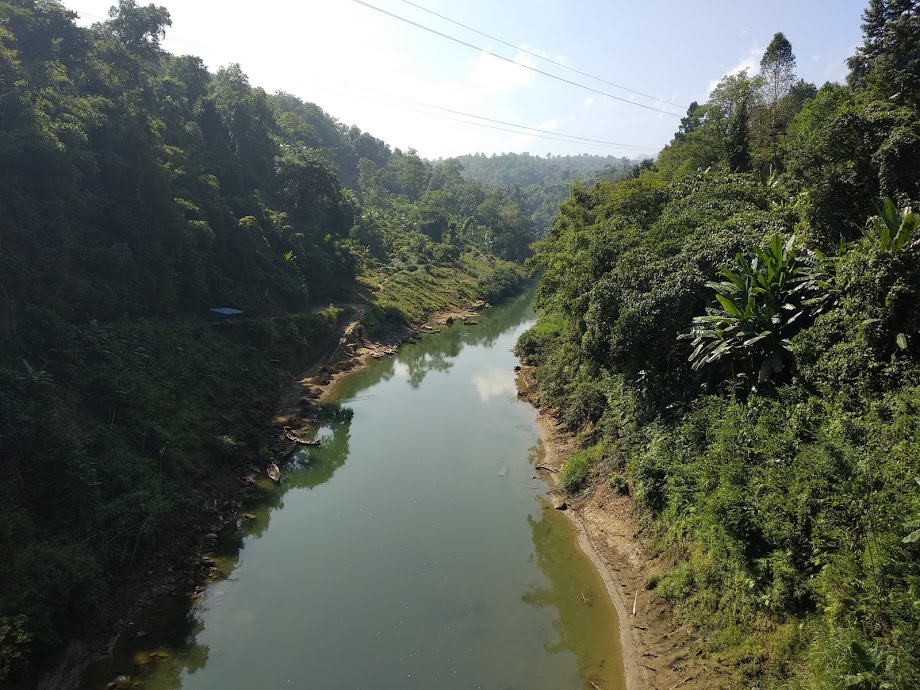
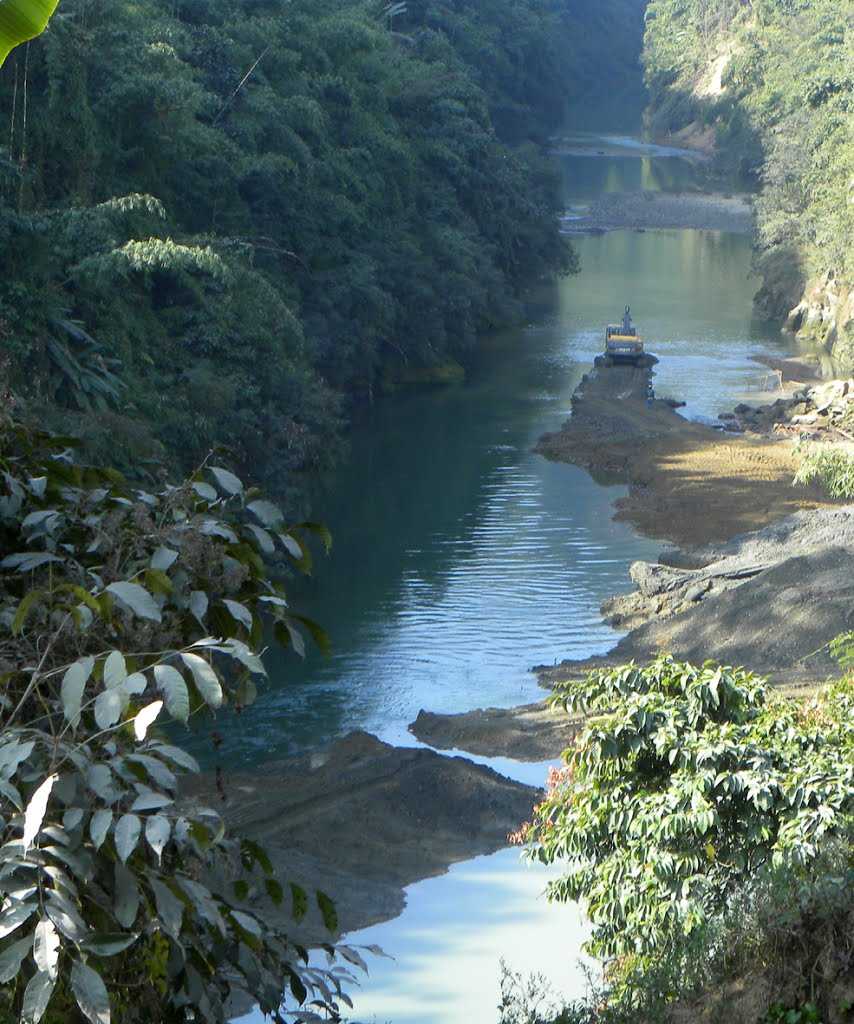
The River Tlawng is Kolasib’s best attraction with its beautiful river banks and adjoining forests serving as a countryside getaway. Close to Tamdil Lake, the river is considered to be Mizoram’s longest river and is spread across 185 km and is also known as Katakha or Dhaleswari in the local dialect. There is leisure boating available which can be done by requesting locals who would be willing to ferry around tourists.
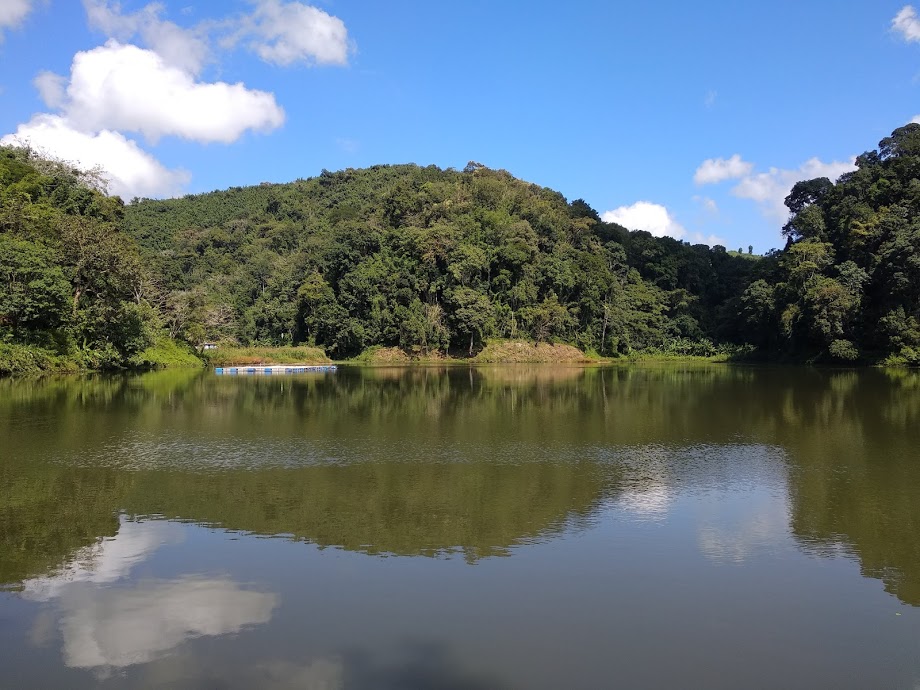
Tamdil or Tam Lake The largest lake in the state of Mizoram, Tamdil or Tam Lake is a man-made lake developed as an important pisciculture centre and a holiday resort by the state government. The name Tamdil which translates to Lake of Mustard is located about 6 km from Saitual village and 87 km east of Aizwal and is a local favourite. The lake is tucked between evergreen thick forests and are home to wide species of trees, plants and animals as well as has a magnificent landscape, clear, blue waters and a serene environment. A new species of frog called Leptolalax tamdil was described from this lake in 2010.
The origin and etymology of Ṭam Dil are shrouded in myth. Folklore has it that a married couple had a jhum plot in this small valley surrounded by small steep hills. The man, unfortunately, died leaving the wife to care for the crops alone. In the middle of the field was a robust mustard plant, conspicuously bigger than any other plant. One night the widow has a visitation by her husband, who informed her to take special care of the giant mustard plant as it was a harbinger of immense blessing. She did as she was told, and the plant thrived very well and grew bigger and bigger. After some time, the widow remarried but her new husband did not like her to keep anything that would remind her of her former husband and so he pulled the plant up by its roots and threw it away. Out of the hole left in the ground, water flowed out immediately and filled the valley to become a large and beautiful lake. Hence the name of Ṭam Dil, for the Lake of the Mustard.
The place is a local favourite for relaxation and allows one to be away from the crowd, in the lap of nature. One can also boat in the lake, walk around its shores or just spread a carpet, lie down and read a book.
Mamit Emerging from the regrouping of villages, Mamit lies about 88 km northwest of Aizwal at an average elevation of 718 m. The Mamit District was etched out from the erstwhile Aizawl District in 1998. The dominant tribe within the district is Mizo followed by Chakma and Reang. Mamit is famous for the production of oranges and is known as the Orange Garden of Mizoram. The fourth largest district in Mizoram, Mamit is known for its exquisite scenic locales. The Dampa Tiger Reserve is a popular tourist attraction as is the longest cave network of Mizoram in Pukzing.
Saitlaw is a small town situated around 11 km away to the west of Mamit, in the northeastern part of the state and is surrounded by the Rengdil village to the west and the Bualpui village to the north. West Phaileng is a village situated a few km away from Mamit at an altitude of around 1,290 feet above sea level. The Dampa Sanctuary is in very close proximity to this town which is flanked by dense forest and teak plantations. Kanghmun is a village in the southeastern part of Mamit district at a height of 2,841 feet above sea level. It is known for its cultural values and traditions of the Mamit district. Home to the biggest cave in the state, the 25 m wide Pukzing Cave is in the village of Pukzing at a distance of 12 km north of one of the most famous villages in Mamit, Phuldungsei. Lungkulh is famous for its artificial lake that boasts activities like fishing and boating. It is a brick structure that resembles a mound or a knoll and makes for a beautiful picturesque location.
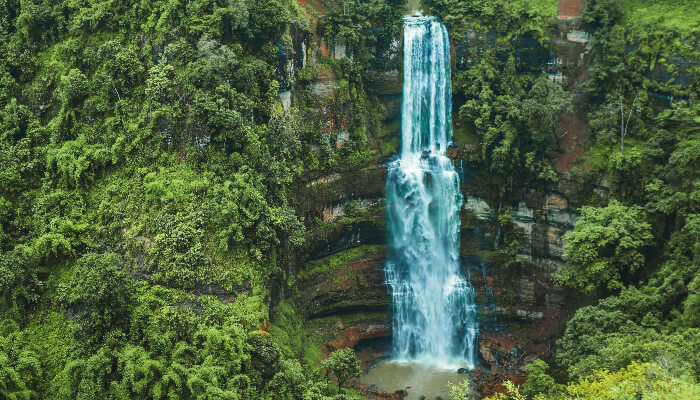
Vantawng Falls The highest waterfall in the state and the 13th highest in the country, Vantawng Waterfalls is one of the most mesmerizing waterfalls in Northeast India. One of Mizoram’s best attractions, Vantawng Falls is located about 100 km south of Aizwal and about 39 km north of Serchhip. Tucked between the verdant valleys with thick greenery around, the fall seems like a river of white milk from a distance.
Vantawng Khawhthla or Vantawng Falls is the highest and most spectacular of the waterfalls and cascades in the fast-flowing Vanva River near Thenzawl and is named after Vantawnga, who was said to be an excellent swimmer. So good a swimmer was Vantawnga that he could hover in the cascading water like a fish, but unfortunately, during one of such performances, a drifting log fell from above and killed him. The height of the fall is recorded as 324 feet and it is difficult to get close to it because of the sheer forested hillsides surrounding it, hence a viewing tower has been constructed. September to January are the best months to visit the Vantawng Falls because the weather is cold and the falls are visible flowing at their full might through the verdant Mizo Hills. The winters are cold in the Mizo mountains, so protection is required.
Serchhip Headquarters of the Serchhip district and about 107 km south of Aizwal, Serchhip lies in the central part of Mizoram. The district has the highest literacy in India. The origin of Serchhip’s name comes from the citrus trees found on top of the first hill of the then-Serchhip village. The word meaning of Ser-chhip is ‘citrus-on-top’. In addition to the former Serchhip village, the Town Area now included New Serchhip and Chhiahtlang villages.
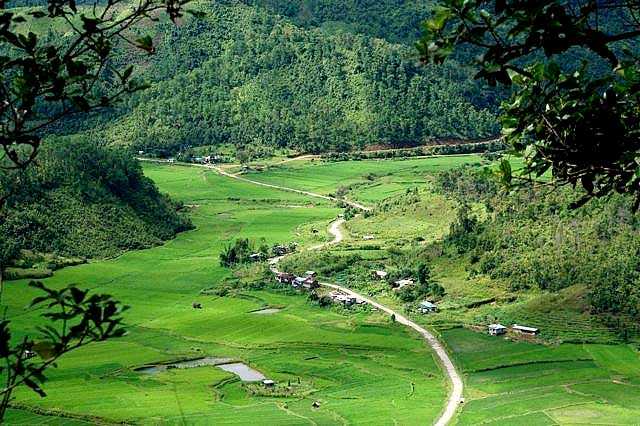
Serchhip is at an average elevation of 888 m and lies between the two very important rivers of Mat and Tuikum. River Tuikum is a public drinking water for Serchhip and River Mat is an irrigation water for Zawlpui, the rice bowl of Serchhip.
The first settlement within the Serchhip area can be traced back to Lallula, a Mizo chief, who set up a settlement at Kawlri. Lallula massacred Thlânrâwn Pawi at Zopui. After this incident, afraid of revenge from Thlânrâwn, he fled towards Artahkawn to Lunglei Zobawk. And from there, he migrated towards the north and reached Serchhip Kawlri. The second settlement at Serchhip was founded by Bengkhuaia, son of Lalpuithanga, Chief of Bâwngchâwm, a great Mizo chief. From Kawlri he made a raid on Assam valley in 1871 and captured Mary Winchester, the daughter of James Winchester, which led to the First Lushai Expedition in 1872.
The district consists of many towns and villages lying around Serchhip. Thenzawl is the second biggest town after Serchhip and is one of the few flat areas with a beautiful grassy landscape. Close to Thenzawl is the spectacular Vantawng Falls.
Zoluti Hriatrengna Lung or Memory Stone is dedicated to Mary Winchester who was known as Zoluti by the Mizo people. The spot where Zoluti was handed back to British officials on 21 January 1872 is Aw-A Mual at Kawlri Tlang near Serchhip Kawnpui. Here, there is a stone erected on 5 January 1994 in memory of Zoluti, daughter of Dr Winchester, a manager in one of the Assam Tea Gardens.
Chhingpuii Thlan which means the Tomb of the Unmarried Woman is a stone erected in memory of Chhingpuii about 4 km north of Chhingchhip. This stone is named after a beautiful woman Chhingpuii who married Kaptuanga but was kidnapped and killed during the second civil war. It is after this that Kaptuanga was devastated and committed suicide.
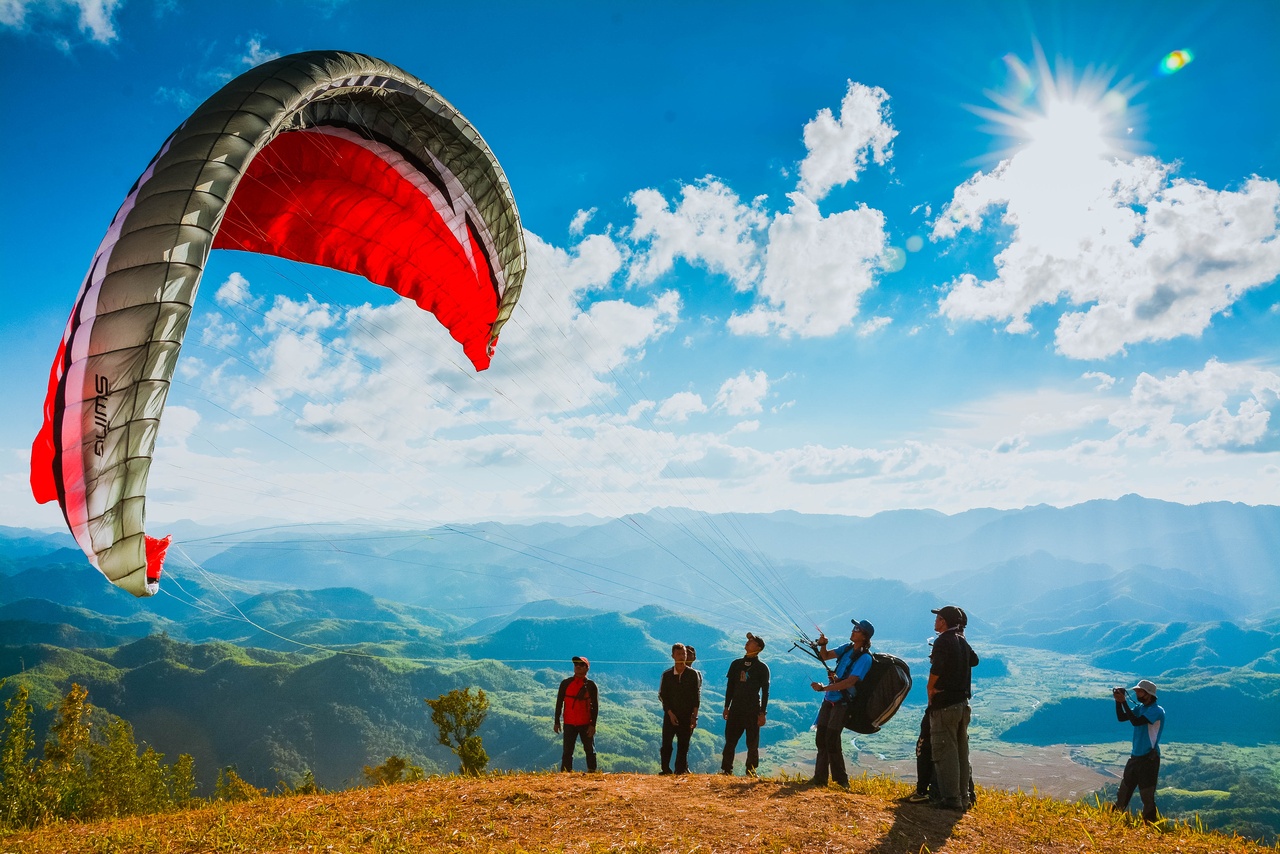
Paragliding has become popular in Serchhip and can be practised at Chuanhnuai which lies between Serchhip and Keitum Village. It has now become so popular that a Paragliding Festival was organised attracting paragliders from other states as well. This is the only paragliding location available in Mizoram. Paragliders take off from Chuanhnuai and land in a very beautiful valley called Zawlpui leilet.
The Price of Admission: How America’s Ruling Class Buys Its Way into Elite Colleges — and Who Gets Left Outside the Gates – Daniel Golden
Every spring thousands of middle-class and lower-income high-school seniors learn that they have been rejected by America’s most exclusive colleges. What they may never learn is how many candidates like themselves have been passed over in favor of wealthy white students with lesser credentials—children of alumni, big donors, or celebrities.
In this explosive book, the Pulitzer Prize–winning reporter Daniel Golden argues that America, the so-called land of opportunity, is rapidly becoming an aristocracy in which America’s richest families receive special access to elite higher education—enabling them to give their children even more of a head start. Based on two years of investigative reporting and hundreds of interviews with students, parents, school administrators, and admissions personnel—some of whom risked their jobs to speak to the author—The Price of Admission exposes the corrupt admissions practices that favor the wealthy, the powerful, and the famous.
In The Price of Admission, Golden names names, along with grades and test scores. He reveals how the sons of former vice president Al Gore, one-time Hollywood power broker Michael Ovitz, and Senate Majority Leader Bill Frist leapt ahead of more deserving applicants at Harvard, Brown, and Princeton. He explores favoritism at the Ivy Leagues, Duke, the University of Virginia, and Notre Dame, among other institutions. He reveals that colleges hold Asian American students to a higher standard than whites; comply with Title IX by giving scholarships to rich women in “patrician sports” like horseback riding, squash, and crew; and repay congressmen for favors by admitting their children. He also reveals that Harvard maintains a “Z-list” for well-connected but underqualified students, who are quietly admitted on the condition that they wait a year to enroll.
The Price of Admission explodes the myth of an American meritocracy—the belief that no matter what your background, if you are smart and diligent enough, you will have access to the nation’s most elite universities. It is must reading not only for parents and students with a personal stake in college admissions, but also for those disturbed by the growing divide between ordinary and privileged Americans.













 Memories and Such