Festivals of India: Akshaya Tritiya

A celebration of eternal prosperity, new beginnings, and the triumph of good over evil, Akshaya Tritiya is a Hindu and Jain festival that will be celebrated on Friday. This auspicious day, which falls on the third lunar day or Tritiya of the bright fortnight, Shukla Paksha in the Hindu month of Vaisakha, holds a unique and profound significance that transcends the boundaries of religion and culture.

The origins of Akshaya Tritiya can be traced back to Hindu mythology, where it is believed to be a day of great significance. According to legend, it was on this day that Lord Vishnu’s sixth avatar, Lord Parashurama, was born. Parashurama, the wielder of the mighty axe, was tasked with the divine mission of restoring righteousness and vanquishing the tyrannical Kshatriya kings who had become corrupted by their power. The festival also marks the day when Lord Ganesha, the remover of obstacles, began writing the epic Mahabharata, the great Indian literary masterpiece that has captivated audiences for millennia.

In the Jain tradition, Akshaya Tritiya holds equal importance, as it is believed to be the day when the first Tirthankara, Rishabhanatha, ended his year-long asceticism by consuming sugarcane juice poured into his cupped hands. This act symbolised the triumph of the spirit over the physical, and the festival is celebrated as a testament to the enduring power of spiritual enlightenment.

The word “Akshaya” is a Sanskrit term that holds profound meaning within the context of Akshaya Tritiya. It translates to “that which never diminishes” or “that which is eternal.” This concept is central to the festival’s significance, as it represents the belief that any good deeds, investments, or new beginnings undertaken on this day will bring about unending prosperity and abundance.

This idea of the “Akshaya” or the eternal, is deeply rooted in Hindu philosophy, which emphasises the cyclical nature of existence and the perpetual renewal of the cosmic order. The festival of Akshaya Tritiya is seen as a celebration of this eternal cycle, where the divine and the earthly converge to create a harmonious balance.

Akshaya Tritiya is celebrated with great fervour and devotion across India, with each region and community observing the festival in its own unique way. The spiritual significance of the day is manifested through various rituals and customs that are deeply ingrained in the Hindu and Jain traditions.

One of the most prominent practices associated with Akshaya Tritiya is the offering of puja, or worship, to the deities. Devotees visit temples and perform special ceremonies, lighting lamps, offering flowers, and chanting mantras to seek the blessings of Lord Vishnu, Goddess Lakshmi, and other revered figures. This act of devotion is believed to bring about spiritual enlightenment, as well as material prosperity and good fortune.

The cultural significance of Akshaya Tritiya is equally profound, as the festival is celebrated with a deep sense of community and shared heritage. In many parts of India, the day is marked by the exchange of gifts, the sharing of festive delicacies, and the coming together of families and friends to commemorate the occasion.

As the world continues to evolve, the festival of Akshaya Tritiya has adapted to the changing times, while still maintaining its core values and traditions. In the modern era, the celebration of this auspicious day has taken on new forms, reflecting the diverse needs and preferences of contemporary Indian society.

One of the most notable developments in the celebration of Akshaya Tritiya is the rise of online platforms and digital technologies. Many people now opt for virtual puja ceremonies, where they can connect with spiritual leaders and seek blessings from the comfort of their homes. This trend has been particularly prevalent during the COVID-19 pandemic, when physical gatherings were restricted.

Another emerging trend is the emphasis on eco-friendly and sustainable celebrations. Instead of traditional gold and silver purchases, some individuals are choosing to invest in eco-friendly products or services, such as planting trees or supporting local artisans. This shift reflects a growing awareness of the importance of environmental stewardship and social responsibility.

Social media has also become a crucial platform for the celebration of Akshaya Tritiya. People share festive greetings, photos, and videos on various platforms, connecting with friends and family members who may be geographically distant. This digital connectivity has helped to preserve the spirit of the festival, even in the face of physical separation.

The festival of Akshaya Tritiya has endured for centuries, transcending the boundaries of time and space. Its enduring legacy is a testament to the deep-rooted cultural and spiritual values that it represents, as well as its ability to adapt to the changing needs of the modern world.

As we look to the future, the celebration of Akshaya Tritiya will undoubtedly continue to evolve, incorporating new traditions and embracing the diverse perspectives of the global community. Yet, at its core, the festival will remain a celebration of the eternal, a reminder of the unending cycle of prosperity, and a testament to the triumph of good over evil.

In a world that is often marked by uncertainty and change, the festival of Akshaya Tritiya stands as a beacon of hope, a reminder of the timeless values that have sustained humanity for generations. As we continue to honor this auspicious day, we are not just celebrating a single event, but rather, we are embracing the enduring legacy of a festival that has the power to inspire, uplift, and transform lives.

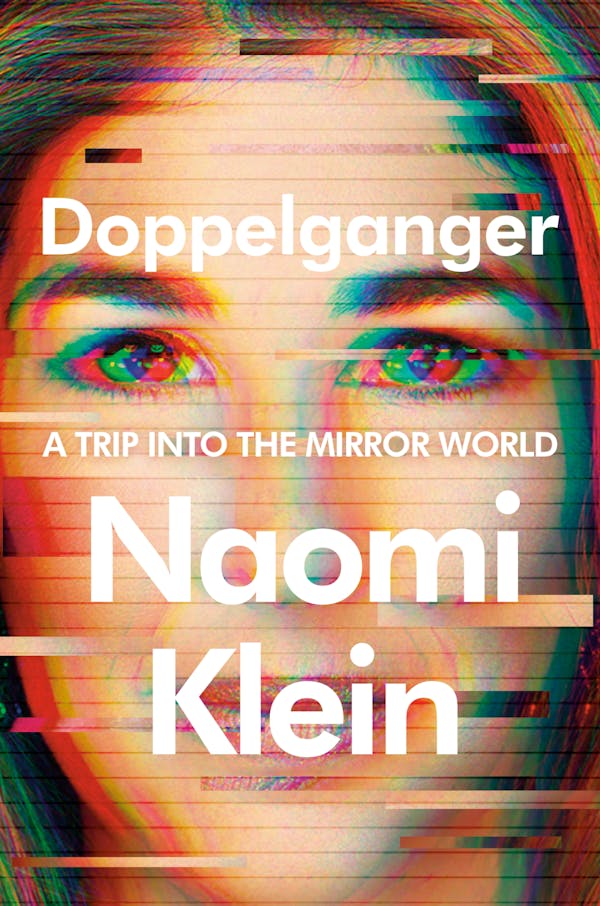
In My Hands Today…

Housewife: Why Women Still Do It All and What to Do Instead – Lisa Selin Davis

The notion of “housewife” evokes strong reactions. For some, it’s nostalgia for a bygone era, simpler and better times when men were breadwinners and women remained home with the kids. For others, it’s a sexist, oppressive stereotype of women’s work. Either way, housewife is a long outdated concept—or is it?

Lisa Selin Davis, known for her smart, viral, feminist, cultural takes, argues that the “breadwinner vs. homemaker” divide is a myth. She charts examples from prehistoric female hunters to working class housewives in the 1930s, from First Ladies to 21st century stay-at-home moms, on a search for answers to the problems of what is referred to as women’s work and motherhood. Davis discovers that women have been sold a lie about what families should be. Housewife unveils a interdependence, rather than independence, is the American way.

The book is a clarion call for all women—married or single, mothers or childless—and for men, too, to push for liberation. In Housewife , Davis builds a case for systemic, cultural, and personal change, to encourage women to have the power to choose the best path for themselves.

Navigating the Minefield: Cancel Culture in the Digital Age

Cancel culture has become a highly debated and polarising phenomenon in recent years, fueled by the rise of social media and shifting societal norms. At its core, cancel culture refers to the collective withdrawal of support or association from an individual, organisation, or brand due to perceived offensive or unethical behaviour.

Cancel culture is a form of modern-day ostracization, where individuals or entities are “cancelled” or boycotted for their actions, statements, or associations deemed unacceptable by a significant portion of the public. It often manifests through coordinated social media campaigns, calls for boycotts, and the withdrawal of support or endorsements. It has become increasingly prevalent in recent years, driven by the rise of social media and the amplification of outrage.

The reasons for cancel culture can vary widely, from legitimate concerns about harmful behaviour to more subjective disagreements over political or social views. The intensity and speed with which cancel culture can unfold, often fueled by the viral nature of social media, can have significant consequences for the targets, ranging from reputational damage to professional and financial repercussions.

The rise of cancel culture can be attributed to several factors, including:

  • Increased social media usage and amplification of outrage: Social media platforms have provided a powerful tool for individuals and groups to quickly mobilize and voice their disapproval, leading to a culture of “call-out” and heightened sensitivity to controversial statements or actions.
  • Shifting societal values and norms: As societal attitudes and norms evolve, particularly around issues of social justice, diversity, and inclusion, there is a growing intolerance for behaviours or statements perceived as insensitive or discriminatory.
  • Lack of nuance and context: The rapid nature of social media discourse often leads to a lack of nuance and context, with complex issues being reduced to simplistic narratives, resulting in disproportionate responses.
  • Cancel culture has been both praised and criticized for its effectiveness in holding individuals and organizations accountable for their actions. Proponents argue that it has been a powerful tool for combating systemic issues such as sexism, racism, and other forms of discrimination or abuse.

By amplifying marginalised voices and drawing attention to problematic behaviour, cancel culture has facilitated important conversations and prompted positive changes in various industries and institutions. For instance, the #MeToo movement effectively “cancelled” high-profile individuals accused of sexual misconduct, leading to their removal from positions of power and influencing broader cultural shifts.

However, critics argue that cancel culture has gone too far, often targeting individuals for minor transgressions or past mistakes without allowing for growth, redemption, or nuanced discussions. They contend that the fear of being “cancelled” has stifled free speech and open discourse, creating an environment of self-censorship and perpetual outrage.

Teens and young adults, who are often at the forefront of social media activism and cancel culture campaigns, are particularly impacted by this phenomenon. While their engagement in social justice issues is commendable, the intense and unforgiving nature of cancel culture can have negative consequences for their mental health and personal development.

  • Mental health challenges: Being the target of the cancel culture can lead to feelings of isolation, depression, anxiety, and a sense of shame, potentially exacerbating existing mental health conditions.
  • Lack of nuance and empathy: The binary nature of cancel culture, where individuals are either “cancelled” or not, can foster a lack of nuance and empathy, hindering the ability to engage in constructive dialogue and understand different perspectives.
  • Perpetuation of outrage culture: The constant cycle of outrage and cancellation can desensitize young people to the severity of issues, leading to a normalisation of extreme reactions and a diminished ability to engage in meaningful discourse.
  • Stunted personal growth: Cancel culture’s unforgiving nature can discourage personal growth and learning from mistakes, as individuals may fear being permanently ostracised for past transgressions.

Navigating the challenges of cancel culture requires a balanced and thoughtful approach. Here are some dos and don’ts:

Dos:

  • Stay calm and avoid reacting impulsively or emotionally.
  • Listen to the criticism and consider if there is any merit to the concerns being raised.
  • Apologise sincerely and take concrete steps to address the issues, if appropriate.
  • Seek support from trusted friends, family, or professionals to manage the emotional toll.
  • Continue to act with integrity and stay true to your values.
  • Maintain business continuity plans and ensure the safety of employees.

Don’ts:

  • Dismiss or downplay the concerns of those calling for accountability.
  • Retaliate or engage in cancel culture tactics against others.
  • Become a hypocrite or fail to uphold the principles you claim to represent.
  • Assume that you are immune to the effects of cancel culture.
  • Neglect to plan for the potential consequences of controversial statements or actions.

Cancel culture has impacted individuals and organisations across various industries and sectors. Here are a few notable examples:

  • Entertainment industry: Celebrities such as Harvey Weinstein, Kevin Spacey, and Louis C.K. were effectively “cancelled” due to allegations of sexual misconduct, leading to the termination of their projects and a significant loss of public support. In India, Tanushree Dutta, a Bollywood actress, accused veteran actor Nana Patekar of sexual harassment on a film set in 2008. Her allegations reignited the #MeToo movement in India and led to Patekar being dropped from several projects and facing widespread backlash. Alia Bhatt faced calls for boycott and cancellation after her comments on the Kashmir issue were perceived as insensitive by some. She later clarified her stance, but the controversy highlighted the sensitivity around the Kashmir conflict. Singaporean social media influencer, Xiaxue (real name Wendy Cheng) faced backlash and lost several brand deals after making insensitive comments about an alleged victim of sexual assault.
  • Politics: Raeesah Khan, a former member of parliament in Singapore, faced calls for resignation and was eventually expelled from her party after admitting to lying about accompanying a sexual assault victim to a police station. Ivan Lim, a former candidate for the ruling People’s Action Party, was forced to withdraw his candidacy just days before the general election due to allegations of elitist behaviour and bullying surfacing on social media.
  • Sports: Professional athletes like Colin Kaepernick and Naomi Osaka have faced backlash and calls for cancellation due to their political stances and advocacy for social justice issues.
  • Corporate world: Brands like Dolce & Gabbana and Pepsi have faced intense backlash and boycotts for insensitive advertising campaigns or perceived missteps, leading to significant reputational and financial consequences.

While some of these examples highlight the potential positive impact of cancel culture in holding individuals and organisations accountable, others demonstrate the potential for overreach and the stifling of diverse perspectives.

As cancel culture continues to shape public discourse, it is crucial to strike a balance between accountability and nuanced understanding. Here are some strategies for navigating this complex phenomenon:

  • Promote open and respectful dialogue: Encourage open and respectful discussions that allow for the exploration of different perspectives, rather than immediate condemnation or cancellation.
  • Seek context and nuance: Avoid oversimplifying complex issues and strive to understand the full context and nuances surrounding controversial statements or actions.
  • Allow for growth and redemption: Recognise that individuals and organizations can learn and grow from their mistakes, and provide opportunities for genuine accountability, apology, and corrective action.
  • Foster empathy and understanding: Cultivate empathy and seek to understand the perspectives of those who may hold different views or come from different backgrounds.
  • Prioritise education and awareness: Rather than immediate cancellation, prioritise education and awareness campaigns that can foster greater understanding and promote positive change.

By adopting a more nuanced and empathetic approach, individuals and organizations can navigate the challenges of cancel culture while still holding themselves and others accountable for harmful or unethical behaviour.

In conclusion, cancel culture is a complex and multifaceted phenomenon that has both positive and negative implications. While it has been effective in amplifying marginalised voices and holding individuals and organisations accountable, it has also been criticised for its potential to stifle free speech, lack nuance, and negatively impact mental health, particularly among teens and young adults. As society continues to grapple with this issue, it is crucial to strike a balance between accountability and understanding, promoting open dialogue, empathy, and opportunities for growth and redemption.

2024 Week 17 Update

Today’s quote is by American writer, publisher, and philosopher known for his inspirational essays and aphorisms, Elbert Hubbard, who often explored themes of individualism, self-reliance, and the pursuit of personal excellence. Hubbard’s quote underscores the detrimental impact of excessive fear and self-doubt on personal growth and fulfilment. He suggests that allowing fear of failure to dominate one’s mindset can prevent them from taking risks and pursuing opportunities, ultimately hindering their potential for success and happiness. The quote encourages individuals to accept that making mistakes is a natural part of life’s journey and that dwelling on the possibility of failure can impede progress and personal development. Hubbard’s words advocate for courage, resilience, and a willingness to embrace challenges and uncertainties. By reframing mistakes as opportunities for learning and growth, individuals can navigate life with greater confidence and optimism. This is something very similar to what someone told me recently, so this is going to be my new mantra from now on!

I mentioned last week that I was going to be talking to a career coach for an introductory session. I did that this week. While the coach I spoke to was wonderful, doing this in the long run may be very expensive, so I am thinking of doing a couple of sessions, including a resume overview, to see if that would work out.

GG’s exams are done, so she is enjoying herself by watching shows on Netflix and looking for internships. Let’s hope she finds something she enjoys doing. As for BB, it’s the same as last week. I will probably have something new to report only after he joins his unit after training.

That’s it from me this week. Keep smiling and stay positive!

In My Hands Today,,,

Million Dollar Weekend: The Surprisingly Simple Way to Launch a 7-Figure Business in 48 Hours – Noah Kagan

The founder and CEO of AppSumo.com, Noah Kagan, knows how to launch a seven-figure business in a single weekend—and he’s done it seven times. Million Dollar Weekend will show you how.

Now is the best time in history for entrepreneurship. More than ever, the world needs new businesses and it’s cheaper than ever to create them.

And, let’s be most day jobs suck. People spend too much time doing too much work for too little money—and they know it. They want out.

But, if the barriers to starting a business are getting lower and lower, why is it SO HARD TO DO for SO MANY PEOPLE? Why are there so many wantrepreneurs playing at business on social media and so few entrepreneurs actually running them?

Ask

All those Frequent Excuses are solvable. The plan is simple—so simple it can be completed in a single weekend, but so powerful that Kagan has used to build seven businesses now worth more than $1

By Monday, you’ll have a market-tested, scalable business idea and you’ll be a entrepreneur on the path to seven figures. Million Dollar Weekend is the path to creating your dream life and attaining financial freedom. LFG.