World Soil Day, celebrated annually on December 5th, is a global observance that highlights the critical importance of healthy soils and promotes sustainable soil management practices. World Soil Day was established by the Food and Agriculture Organisation (FAO) of the United Nations in 2014 as part of the Global Soil Partnership (GSP) framework. The day serves as a platform to raise awareness about the crucial role soils play in our ecosystems, agriculture, and overall environmental health. The 2025 edition of World Soil Day is particularly special as it marks the tenth anniversary of this global celebration.
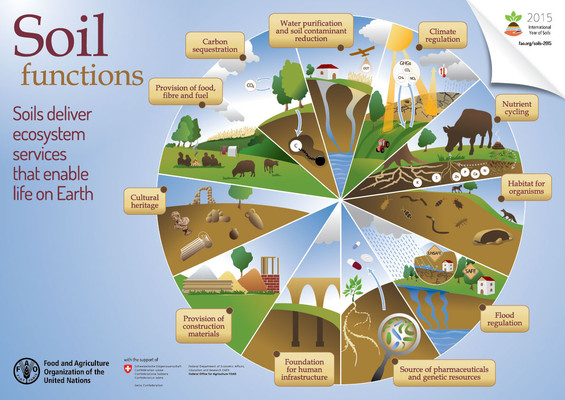
Soil is often referred to as the “skin of the Earth” and is a fundamental component of our planet’s ecosystems. Its importance cannot be overstated, as it plays a crucial role in various aspects of life on Earth.
One of the most critical functions of soil is its role in agriculture. Healthy, nutrient-rich soil is essential for crop production and, by extension, global food security. Farmers rely on the quality of their soil to produce sufficient amounts of food to feed the world’s growing population. As such, maintaining soil health is integral to sustaining the global food system.
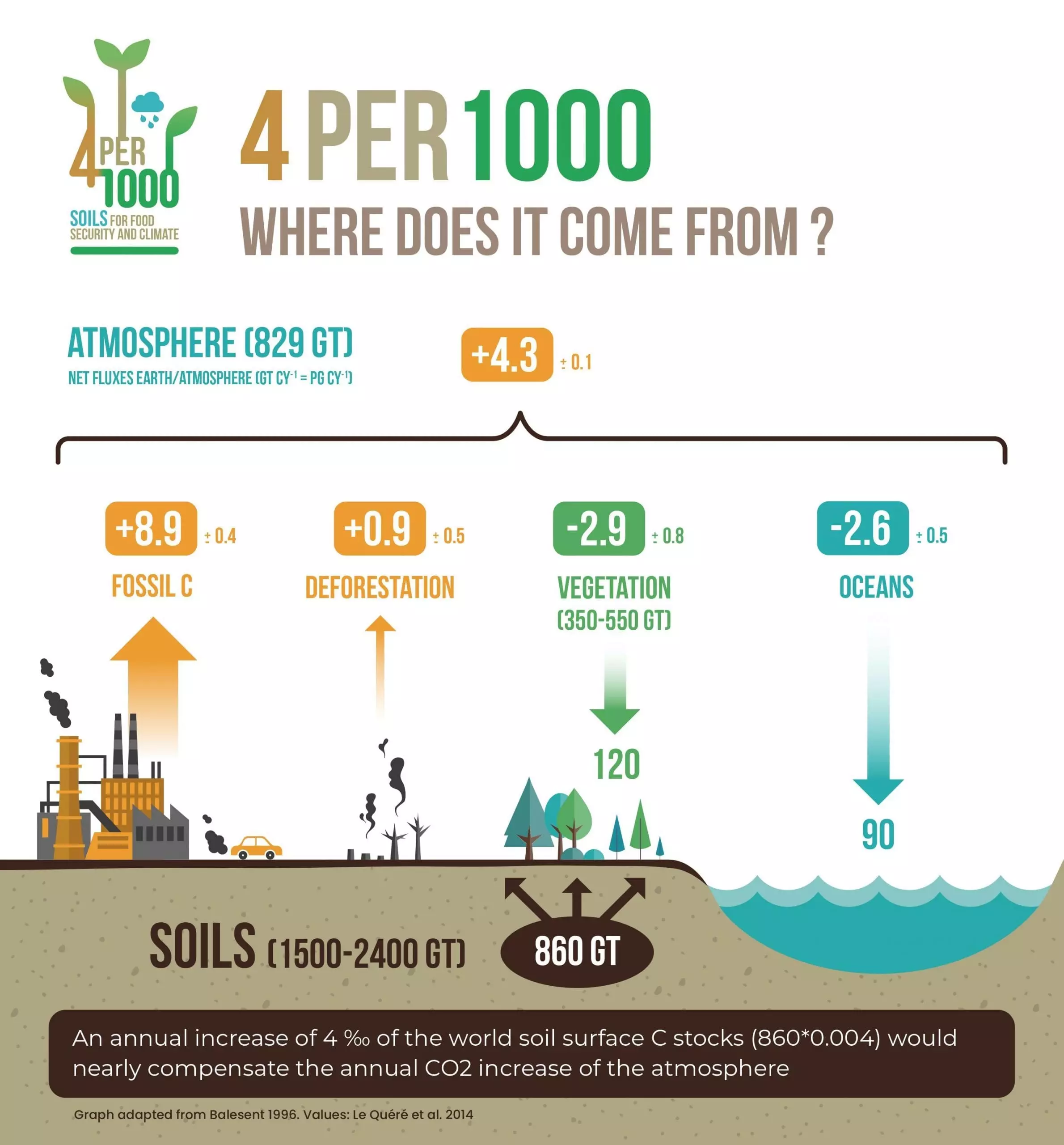
Soil plays a significant role in the global carbon cycle and has the potential to mitigate climate change through carbon sequestration. As plants die and decompose, a portion of their stored carbon is transferred to the soil. Under the right conditions, this carbon can be stored in the soil for extended periods, effectively removing it from the atmosphere and reducing its contribution to climate change.
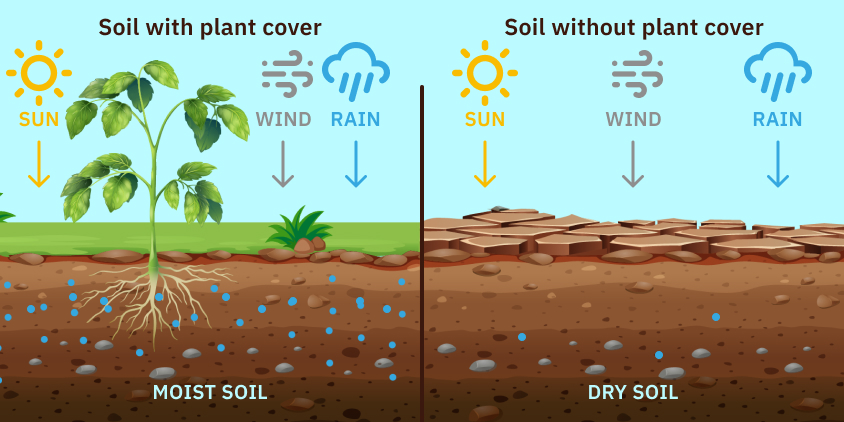
Healthy soils are crucial for maintaining water quality and regulating water cycles. Soil acts as a natural filter, removing excess nutrients and pollutants from water as it percolates through the soil profile. This process is essential for maintaining clean water sources and supporting aquatic ecosystems. Moreover, soil’s ability to store and release water is vital for plant growth and helps mitigate the impacts of droughts and floods. When soil health is compromised, its capacity to regulate water is diminished, leading to increased risks of erosion and water-related disasters.
Soil is home to an incredibly diverse array of organisms, from microscopic bacteria and fungi to larger creatures like earthworms and insects. This soil biodiversity is crucial for maintaining ecosystem health and supporting above-ground biodiversity. Soil organisms play essential roles in nutrient cycling, organic matter decomposition, and soil structure maintenance.
Despite their importance, soils worldwide are under threat from various factors, including intensive agriculture, deforestation, urbanisation, and climate change. These pressures have led to widespread soil degradation, erosion, and loss of soil organic matter. Soil degradation is a global issue that affects both agricultural productivity and ecosystem health. It occurs when soil loses its capacity to provide ecosystem services due to human activities or natural processes. Common forms of soil degradation include erosion, compaction, salinisation, and loss of organic matter.
Soil organic matter (SOM) is a key indicator of soil health. It consists of decomposed plant and animal materials and is crucial for maintaining soil structure, water retention, and nutrient availability. Unfortunately, intensive agricultural practices and land-use changes have led to significant declines in SOM in many regions. Soil erosion is a natural process that can be accelerated by human activities such as deforestation, overgrazing, and poor agricultural practices. It leads to the loss of topsoil, which is the most fertile layer of soil and is essential for plant growth. Erosion not only reduces agricultural productivity but also contributes to water pollution and sedimentation in rivers and lakes.
To address these challenges and ensure the long-term health of our soils, sustainable soil management (SSM) practices are essential. SSM aims to enhance soil health while maintaining or improving ecosystem services provided by soils.
Conservation agriculture is a farming system that emphasises minimal soil disturbance, permanent soil cover, and crop rotation. This approach helps to reduce erosion, improve soil structure, and increase soil organic matter content. By minimising tillage, farmers can preserve soil structure and reduce the loss of soil moisture and organic matter. Cover crops are plants grown primarily to protect and improve soil health rather than for harvest. They help prevent erosion, suppress weeds, and add organic matter to the soil when incorporated. Cover crops can also help improve soil structure and increase biodiversity.
Adding organic matter to soil through compost, manure, or crop residues is a fundamental practice in sustainable soil management. Organic matter improves soil structure, increases water-holding capacity, and provides nutrients for plants and soil organisms. Proper nutrient management involves applying the right amount of nutrients at the right time to meet crop needs while minimising environmental impacts. This includes practices such as soil testing, precision fertilizer application, and the use of organic fertilizers. Efficient water management is crucial for soil health and agricultural productivity. Practices such as drip irrigation, mulching, and rainwater harvesting can help conserve water and prevent soil erosion.
The theme of World Soil Day 2025, “Caring for Soils: Measure, Monitor, Manage,” emphasises the importance of data-driven approaches to soil conservation.
Measuring soil health involves assessing various physical, chemical, and biological properties of soil. Key indicators include soil organic matter content, pH levels, nutrient availability, soil structure and texture, water-holding capacity, and the presence and diversity of soil organisms. These measurements provide a baseline for understanding soil conditions and tracking changes over time. Regular monitoring of soil health indicators allows farmers and land managers to detect changes in soil quality and respond accordingly. This can involve periodic soil testing, visual assessments of soil structure, and tracking crop yields and health.
Effective soil management requires integrating the data gathered from measuring and monitoring efforts with sustainable practices. This might involve adjusting fertilizer applications based on soil test results, implementing erosion control measures in areas identified as high-risk, rotating crops to maintain soil health and break pest cycles, and adapting irrigation practices to improve water use efficiency.
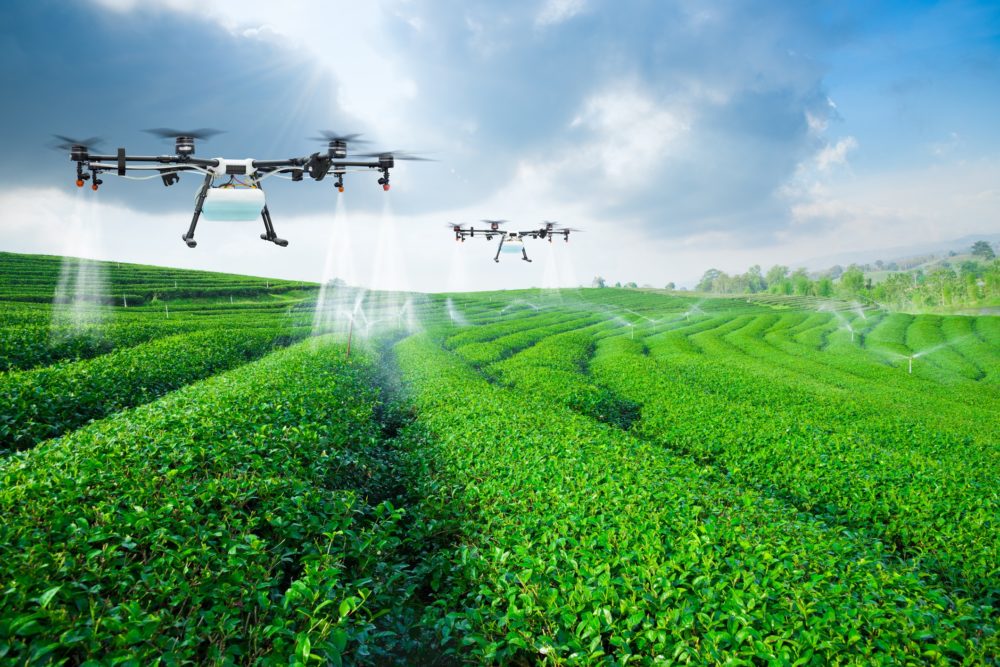
Advancements in technology are playing an increasingly important role in soil management and conservation efforts. Satellite imagery and drone technology allow for large-scale monitoring of soil conditions, including moisture levels, vegetation cover, and even some aspects of soil composition. This data can help identify areas at risk of erosion or degradation and guide conservation efforts.
Precision agriculture uses GPS technology, sensors, and data analytics to optimize farm management practices. This approach allows farmers to apply inputs like water and fertilizer more efficiently, reducing waste and minimising environmental impacts. In-situ soil sensors can provide real-time data on soil moisture, temperature, and nutrient levels. This information helps farmers make more informed decisions about irrigation and fertilization, leading to more efficient resource use.
Big data analytics and artificial intelligence are being used to process and interpret vast amounts of soil data. These tools can help predict soil health trends, optimise crop rotations, and even forecast potential soil-related risks like erosion or nutrient depletion.
Recognising the global importance of soil health, several international initiatives have been launched to promote soil conservation and sustainable management. The Global Soil Partnership, established by the FAO in 2012, aims to improve global governance of soil resources. It works to promote sustainable soil management, increase awareness about soils, and support the development of soil information systems.
Launched at the COP21 in Paris, the 4 per 1000 Initiative aims to increase global soil organic matter stocks by 0.4% per year. This initiative recognises the potential of soils to mitigate climate change through carbon sequestration while improving soil fertility and agricultural production.
Several of the UN Sustainable Development Goals (SDGs) directly or indirectly relate to soil health. For example, SDG 15 (Life on Land) includes targets for combating desertification and restoring degraded land and soil.
As we look to the future, several key areas will be crucial for advancing soil conservation efforts. As climate change continues to impact agricultural systems, adopting climate-smart practices that enhance soil health while increasing resilience to climate variability will be essential. Regenerative agriculture goes beyond sustainability to focus on actively improving soil health and ecosystem function. This approach emphasises practices that increase biodiversity, enhance ecosystem services, and capture carbon in soil and plants. With increasing urbanisation, managing and protecting urban soils will become increasingly important. This includes preserving green spaces, promoting urban agriculture, and managing stormwater to prevent soil erosion and contamination. Recognising the crucial role of soil organisms in ecosystem health, efforts to conserve and promote soil biodiversity will likely gain more attention in the coming years.
World Soil Day serves as a crucial reminder of the importance of soil health for our planet’s future. Soils are not just the foundation of our agricultural systems; they are integral to the health of our ecosystems, the quality of our water, and our ability to mitigate and adapt to climate change. As we face growing challenges from population growth, climate change, and environmental degradation, the need for sustainable soil management has never been more pressing. By embracing the principles of measuring, monitoring, and managing our soils, we can work towards a future where healthy soils continue to support thriving ecosystems and sustainable food systems.





:max_bytes(150000):strip_icc()/healthy-soil-and-how-to-make-it-2539853-hero-fdf9b0280dca41cb8ae9614e6fc4a0b0.jpg)


 Memories and Such