
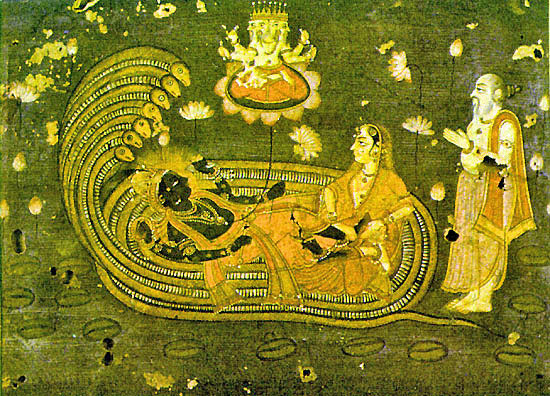
Tomorrow is Ashadi Ekadashi which is also known variously as Shayani Ekadashi which literally means sleeping eleventh or the Maha Ekadashi or the great eleventh or Prathama Ekadashi or the first eleventh. It is the eleventh lunar day or ekadashi of the bright fortnight or shukla paksha of the Hindu month of Ashadha which happens sometime in June or July and so is also known as Ashadhi Ekadashi or Ashadhi. This holy day is of special significance to Vaishnavas, followers of the Hindu protector God, Lord Vishnu.
On this day images of Vishnu and Lakshmi are worshipped and the entire night is spent chanting prayers and devotees keep fast and take vows on this day, to be observed during the entire chaturmas, the holy four-month period of rainy season. These may include, giving up a food item or fasting on every Ekadashi day. It is believed that Lord Vishnu falls asleep in Ksheersagar or the cosmic ocean of milk on Shesha naga, the cosmic serpent. Thus the day is also called Dev Shayani Ekadashi or the god sleeping eleventh or Hari Shayani Ekadashi or Vishnu sleeping eleventh. Vishnu finally awakens from his slumber four months later on Prabodhini Ekadashi or the eleventh day of the bright fortnight in the Hindu month of Kartik which comes sometime in October or November. A fast is observed on Shayani Ekadashi. The fast demands abstainance from all grains, beans, cereals, certain vegetables like onions and certain spices.

In the scripture Bhavishyottara Purana, Lord Krishna narrates the significance of Shayani Ekadashi to Yudhishthira, as the creator god Lord Brahma narrated the significance to his son, the sage Narada once. The story of king Mandata is narrated in this context. The pious king’s country had faced drought for three years, but the king was unable to find a solution to please the rain gods. Finally, sage Angiras advised the king to observe the vrata or vow of Dev Shayani Ekadashi and when the king sis so, by the grace of Lord Vishnu, there was rain in the kingdom.
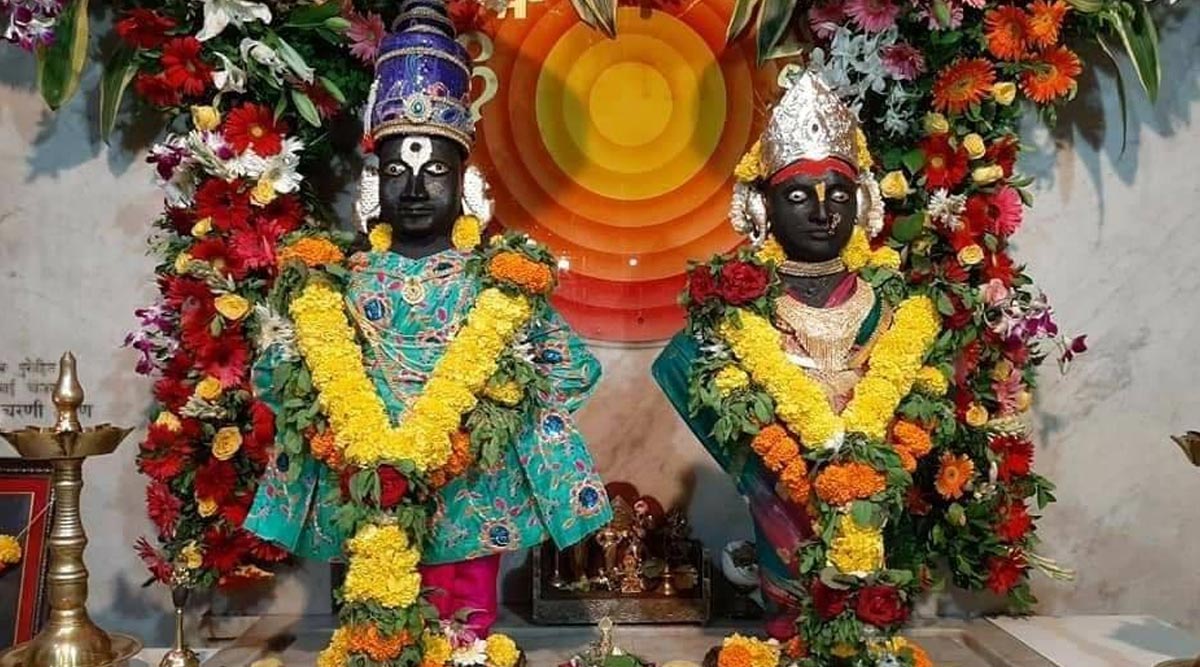
In my home state of Maharashtra, on this day, a huge yatra or religious procession of pilgrims known as Pandharpur Ashadi Ekadasi Waari Yatra culminates at Pandharpur in Solapur district in south Maharashtra, situated on the banks of the Chandrabhaga River. Pandharpur is main center of worship of the deity Vitthal, a local form of Lord Vishnu. Hundreds of thousands of pilgrims come to Pandharpur on this day from different parts of the state with some of them carrying Palkhis or palanquins with the footwear and images of the saints of Maharashtra, each from a different part of the state. As per tradition, saint Dnyaneshwar’s palki leaves from Alandi, while saint Tukaram’s begins at Dehu, both near Pune. The pilgrims are referred to as Warkaris and they sing Abhangas or hymns written by Saint Tukaram and Saint Dnyaneshwar, dedicated to Lord Vitthal. This 700-800 year old tradition takes 21-days of walking from various parts of the state, reaching Pandharpur on Ashadi Ekadashi where they take a holy dip in the sacred Chandrabhaga or Bhima River before proceeding to visit the Vitthal Temple. The road next to our building in Mumbai is part of one of the routes the warkaris take and in the beginning of their trek, one night, we hear them pretty much the whole night, as various groups of warkaris start their journey, singing abhangs and hymns and we just know that Ashadi Ekadashi is just around the corner.
Ashadi Ekadashi is also the beginning of the holy four month period known as Chaturmas from June/July to October/November which will end on Prabodhini Ekadashi, the eleventh day of the bright half of the month of Kartik which is the eighth month of the Hindu lunar calendar. It is believed that the devas of demigods start their four month long sleep on the Ashadi Ekadashi and sjould not be disturbed which is why the Chaturmas period is considered inauspicious for weddings and other celebrations and is considered a suitable time for householders to have an annual renewal of faith by listening to discourses on dharma, and by meditation and vrata or self-control. Penance, austerities, religious observances, recital of mantras, bathing in holy rivers, performing sacrifices, and charity are prescribed. Fasts and purity during this period help maintain health, for which there is likely a scientific rationale, disease spreading more readily with the onset of monsoon. A number of Hindus, particularly those following the Vaishnav tradition, refrain from eating onions and garlic during this period. In Maharashtra, a number of Hindu families also do not eat any preparations made from egg plant, brinjal or aubergene. Asetics or Sanyasis are supposed to halt during this period at one selected place called the monsoon retreat, and give discourses to the public. Major celebrations within this holy period include Guru Purnima, Krishna Janmashtami, Raksha Bandhan, Ganesh Chaturthi, Navratri, Diwali and Champa Sashthi, which as per tradition in Maharashtra, is the day Chaturmas ends.
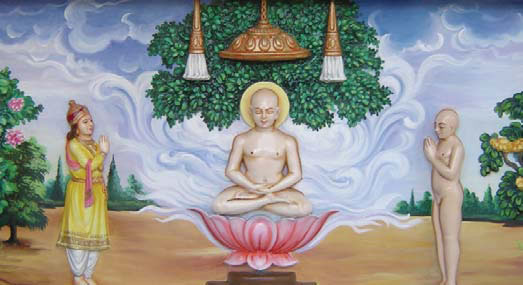
In Jainism this practice is collectively known as Varshayog and is prescribed for Jain monasticism when wandering monks believe that during the rainy season, countless bugs, insects and tiny creatures that cannot be seen in the naked eye take birth massively. Therefore, these monks reduce the amount of harm they do to other creatures so they opt to stay in a single place for the four months to incur minimal harm to other lives. These monks, who generally do not stay in one place for long, observe their annual rains retreat during this period, by living in one place during the entire period amidst lay people, observing a vow of silence, meditation, fasting and other austerities, and also giving religious discourses to the local public. One of the most important Jain festivals, Paryushana, falls during the beginning of this period, which concludes with Kshamavani Diwas or Forgiveness Day, when lay people and disciples say Micchami Dukkadam and ask forgiveness from each other. Amongst Jain merchants, there is a tradition of inviting monks to their respective cities during Chaturmas to give religious instruction.

In Buddhism, it is believed that Gautama Buddha stayed at the royal garden of King Bimbisara of Rajgir, whom he had recently converted, for the period of Chaturmas and gave sermons. This practice is followed by monks to this day. Another reason for ascetics to stay in one place during the rainy season is that the tropical climate produces a large number of insects, which would be trampled by travelling monks.





 Memories and Such