Decoding Boys: New Science Behind the Subtle Art of Raising Sons – Cara Natterson
When boys enter puberty, they tend to get quiet — or at least quieter than before — and parents often misread their signals. Here’s how to navigate their retreat and steer them through this confusing passage.
What is my son doing behind his constantly closed door? What’s with his curt responses, impulsiveness, newfound obsession with gaming, and . . . that funky smell? As pediatrician and mother of two teenagers Cara Natterson explains, puberty starts in boys long before any visible signs appear, which causes confusion about their changing temperaments for boys and their parents alike. Often, they also grow quieter as they grow taller, which leads to less parent-child communication. But, as Natterson warns in Decoding Boys, we respect their increasing “need” for privacy, monosyllabic conversations, and alone time at their peril. Explaining how modern culture mixes badly with male adolescent biology, Natterson offers science, strategies, scripts, and tips for getting it right:
Recognizing the first signs of puberty and talking to our sons about the wide range of “normal” through the whole developmental process
Why teenagers make irrational decisions even though they look mature—and how to steer them toward better choices
Managing video game and screen time, including discussing the unrealistic and dangerous nature of pornography
Why boys need emotional and physical contact with parents—and how to give it in ways they’ll accept
How to prepare boys to resist both old and new social pressures—drugs, alcohol, vaping, and sexting
Teaching consent and sensitivity in the #metoo culture
Decoding Boys is a powerful and validating lifeline, a book that will help today’s parents keep their sons safe, healthy, and resilient, as well as ensure they become emotionally secure young men.
Once the domain of teenage girls with their locked diaries, today, journaling has become mainstream, especially when it becomes a part of self-care. Scientific studies have shown it to be essentially a panacea for modern life. There are the obvious benefits, like a boost in mindfulness, memory and communication skills. But studies have also found that writing in a journal can lead to better sleep, a stronger immune system, more self-confidence and a higher IQ. And there is some research from New Zealand which suggest that journaling may even help to heal wounds faster.
Labelling emotions and acknowledging traumatic events, both natural outcomes of journaling, have known to have a positive effect on people, and are often incorporated into traditional therapy. At the same time, writing is fundamentally an organisational system. Keeping a journal, according to experts, helps to organise an event in our mind, and make sense of trauma. When we do that, our working memory improves, since our brains are freed from the enormously taxing job of processing that experience, and we sleep better. This in turn improves our immune system and our moods and we go to work feeling refreshed, perform better and socialise more.
Journaling can help manage anxiety, reduce stress, cope with depression, control symptoms and improve the mood by helping prioritise problems, fears, and concerns and tracking any symptoms day-to-day so that one can recognise triggers and learn ways to better control them. Journaling also provides an opportunity for positive self-talk and identifying negative thoughts and behaviours.
So what should we journal about? I have been journaling for about four to five years now and I use my journals as my daily diary, a sort of a brain drain and a way to get rid of all the things that swirl in our brains and clutter, not allowing us to be productive. My journal is online, on the cloud as a Google Doc and I sort it by month and write daily (or at least try to write). I prefer using a cloud system because I can then sync it across my devices and laptop and it is always with me. A pen and paper diary is bulky and if I am writing things in it that I don’t want anyone else to see, then secreting it is an issue. Having it online means to a large extent, I can control who can view it. But this is personal, you can use whatever method you prefer. Somedays I come back to my journal multiple times a day to write, especially when something very interesting is happening, other days, it’s a quick couple of lines at the end of the day to just document that day.
Journaling has many other benefits other than what I have written above.
Journaling optimizes one’s creative potential by allowing you a space to put down your ideas. So that 3 am idea which never saw the light of the day because it was forgotten by the time we woke up now can be channelled in a journal to be used later. A journal is also a good place to review your goals and see what you need to do to get there. As you read and refine your goals daily, including your to-do list, they become a part of you in your conscious mind and you become more productive. They become a part of your daily reflections, in both your personal and professional life and when you look back, you can see what needs to be done and when. When we journal, we can see with crystal clear what should and should not be included in your life and not only will you have more clarity about your path in life, but it will improve your ability to make small and large decisions along the way. Journaling also helps clear the stress in your life by reducing the scatter in your life, increasing focus, increased stability, a deeper level of learning, order and action, releasing pent-up thoughts and emotions and detaching and letting go of the past.
Without a journal, intense emotional experiences can be crippling for hours, days, and even years. However, an honest and inspired journal session can be the best form of therapy, quickly returning you better and smarter than you were before. Journaling is also a way to express gratitude. Even if one starts a journal session in a bad mood, the insight writing brings has a subtle way of shifting the mind towards gratitude. When one starts writing what they are grateful for, new chambers of thoughts opens in the palace of your mind. Make sure to include gratitude in the journal and it will change your entire life orientation from scarcity to abundance with the world increasingly becoming your oyster.
As a parting thought, I would suggest that if you start journaling, don’t be too hard on yourself if you miss a day to journal. After all, it takes 21 days to make something a habit. Just write a couple of lines about your day and share it as if you are sharing your thoughts with a close friend.
The 5 AM Club: Own Your Morning. Elevate Your Life – Robin S. Sharma
Legendary leadership and elite performance expert Robin Sharma introduced The 5am Club concept over twenty years ago, based on a revolutionary morning routine that has helped his clients maximize their productivity, activate their best health and bulletproof their serenity in this age of overwhelming complexity.
Now, in this life-changing book, handcrafted by the author over a rigorous four-year period, you will discover the early-rising habit that has helped so many accomplish epic results while upgrading their happiness, helpfulness and feelings of aliveness.
Through an enchanting—and often amusing—story about two struggling strangers who meet an eccentric tycoon who becomes their secret mentor, The 5am Club will walk you through:
How great geniuses, business titans and the world’s wisest people start their mornings to produce astonishing achievements A little-known formula you can use instantly to wake up early feeling inspired, focused and flooded with a fiery drive to get the most out of each day A step-by-step method to protect the quietest hours of daybreak so you have time for exercise, self-renewal and personal growth A neuroscience-based practice proven to help make it easy to rise while most people are sleeping, giving you precious time for yourself to think, express your creativity and begin the day peacefully instead of being rushed “Insider-only” tactics to defend your gifts, talents and dreams against digital distraction and trivial diversions so you enjoy fortune, influence and a magnificent impact on the world Part manifesto for mastery, part playbook for genius-grade productivity and part companion for a life lived beautifully, The 5am Club is a work that will transform your life. Forever.
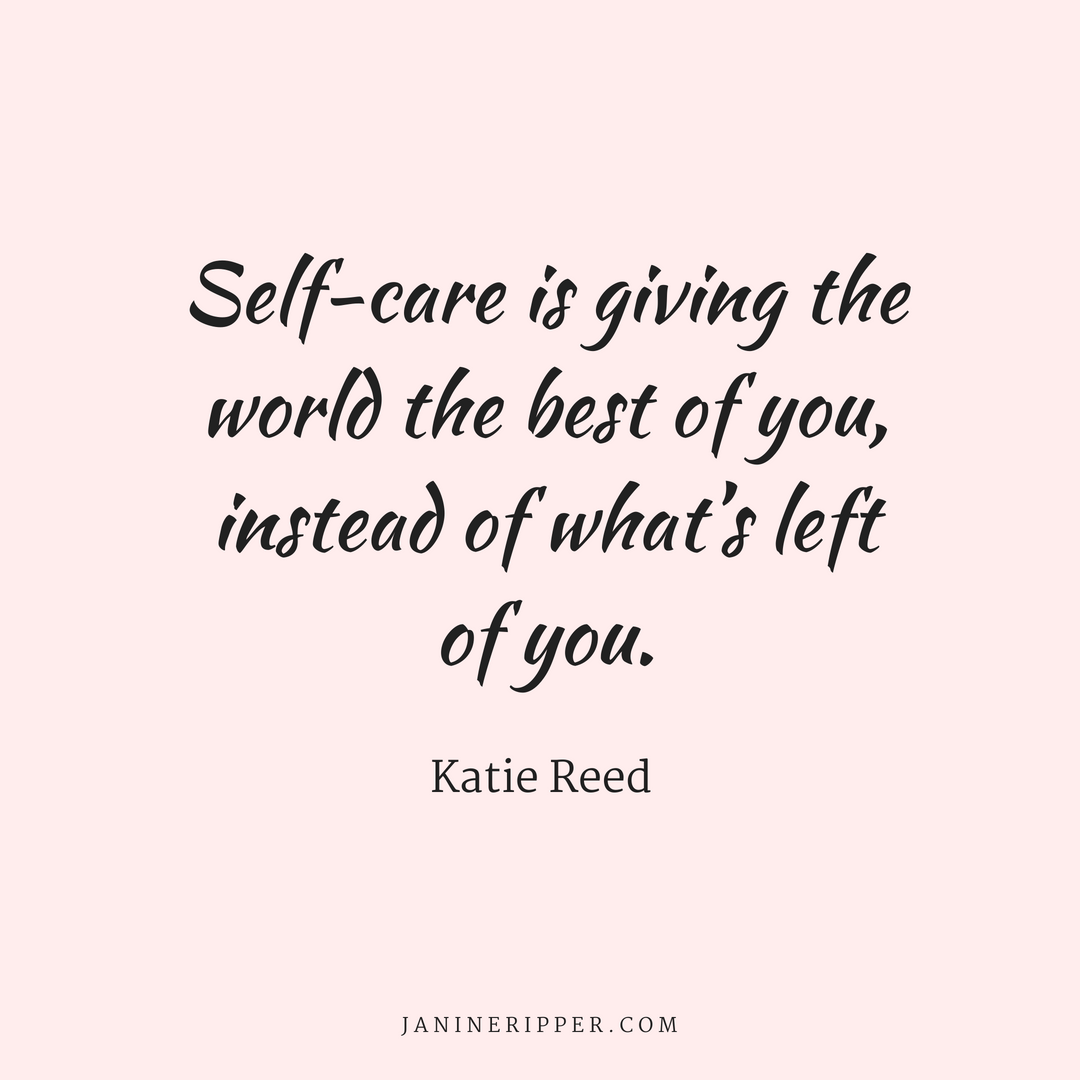
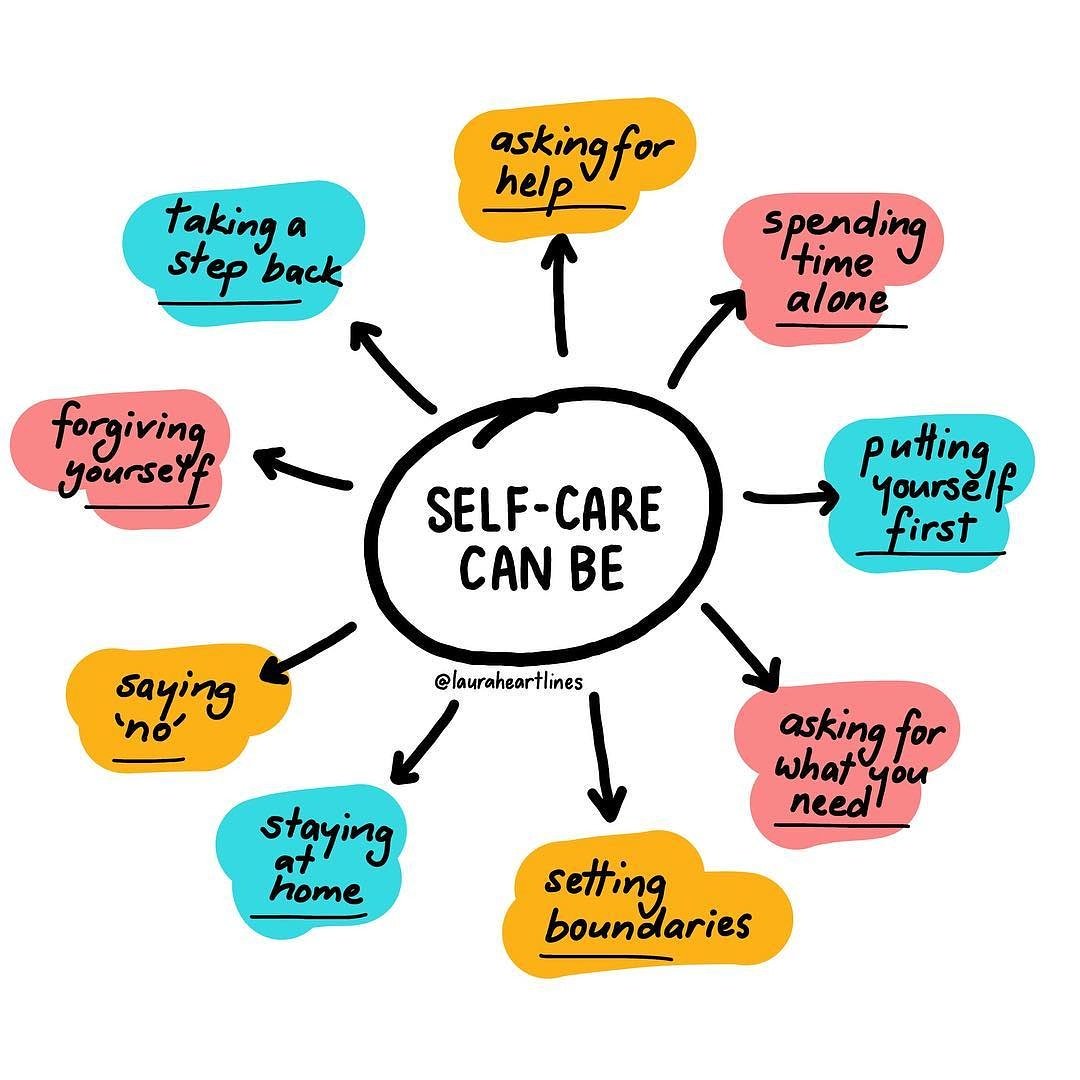
I recently attended a webinar where one of the speakers, a renowned doctor with fingers in many pies said that one of the best things we can do for ourselves is to take some time out every day and do something for ourselves. This is essentially what self-care is all about. Self-care includes anything you do deliberately to keep yourself healthy, be it physical, mental and spiritual. Although prioritising self-care may sound like common sense, especially if you’re considering longevity, it’s often the first thing to go when we find ourselves in challenging situations, whether because of bad health, a financial crisis, job loss, divorce or, today during the pandemic. This is why deliberately is one of the most important words in the definition and why it is important to keep it top of mind and not an after-thought, especially when we find ourselves in challenging times. One needs to be conscious of their well-being before one can achieve true self-care.
Today more than ever, we are hearing about self-care and according to Google Trends, the number of searches for “self-care” has more than doubled since 2015. Self-care is part of the answer to how we can all better cope with daily stressors, according to some experts because today people are feeling lonelier and less able to unwind and slow down, which makes them feel more anxious and overwhelmed by even the simplest tasks.
Self-care is an important part of living a healthy and happy lifestyle. Looking after ourselves both mentally and physically is crucial to taking control of our health. We lead increasingly busy lives and it can be easy to forget to put ourselves first, especially if we have multiple responsibilities and other people to care for. But looking after ourselves will make us feel better, and the better we feel, the better we will be in all areas of our lives – from work to relationships. Self-care doesn’t have to involve a huge time commitment and it doesn’t have to cost the earth. It could be as easy as taking a bath, relaxing with a good book, taking a walk outside or eating a favourite food. It’s about making a commitment to putting yourself first, even just for a while. Self-care is important to maintain a healthy relationship with one’s self as it produces positive feelings and boosts confidence and self-esteem. Also, self-care is necessary to remind the individual and others that their needs are important too.
Self-care has several benefits, most of which are interlinked and committing to a regular self-care routine will improve one’s overall wellbeing. Research suggests self-care promotes positive health outcomes, such as fostering resilience, living longer, and becoming better equipped to manage stress.
Self-care can improve physical health: A big part of self-care is committing to looking after one’s body and becoming more attuned with its needs. Whether it’s brushing your teeth, exercising more or getting enough sleep each night, part of any programme of self-care should focus on looking after one’s physical health.
Self-care can reduce stress and anxiety: Making time for relaxing activities, even something as simple as such as taking a warm bath, listening to music or practising yoga or meditation, is another common theme of self-care. Any activity that makes one feel more relaxed can help to reduce symptoms of stress and anxiety and to lift their mood.
Self-care can boost self-esteem: As well as helping to calm the nerves, taking time to relax and look after oneself can have a positive impact on the way one sees themselves, treating oneself with kindness can make them look upon themselves more kindly. Studies have found that people with higher self-esteem find it easier to deal with setbacks and are more likely to achieve goals of self-improvement.
Self-care protects mental health: Making changes to prioritise self-care can help to manage mental health issues and might even prevent them from getting worse. Of course, self-care is not a substitute for professional help, and one shouldn’t feel they have to tackle their problems alone. If mental health is suffering, please talk to someone. However, if someone is looking to improve their mental wellbeing, taking the time to care for themselves, both mentally and physically is important.
Self-care can lead to better relationships: It makes sense if you think about it: the happier and healthier an individual is, the more they can give to a relationship. This is especially important if the person is a parent or carer when it can be so easy to put someone else’s needs first, but they must look after their health too.
Self-care leads to a healthy work-life balance: Contrary to common belief, workaholism is not a virtue. Overwork and the accompanying stress and exhaustion can make one less productive, disorganised and emotionally depleted, leading to all sorts of health problems, from anxiety and depression to insomnia and heart diseases. Professional self-care habits like taking intermittent breaks, setting professional boundaries and avoiding overextending ensures that one stays sharp, motivated and healthy.
Self-care helps with stress management: While a little dose of stress is a healthy way to nudge us to meet the deadlines or finish that overdue task, constant stress and anxiety can hurt our mental and physical health. Smart self-care habits like eating healthy, connecting with a loved one or, practising meditation cuts down the toxic effects of stress by improving the mood and boosting the energy and confidence levels.
Self-care leads to better physical health: Self-care is not just about mental health, its also about caring for the physical self, by eating healthy, taking adequate sleep, caring about your hygiene and exercising regularly. Most of us are all less able to handle the stresses that come our way when we’re depleted by physical and emotional exhaustion. Or, put more positively, we are more resilient and more able to handle life’s stress when we are feeling our best both physically and emotionally. A massage, a hot bath, or another form of pampering revitalises us inside and out.
Self-care may boost physical health: While self-pampering doesn’t always lead to major improvements in overall health the way a healthy diet and exercise do, the relaxation one gets from it can trigger the relaxation response. This, in turn, can prevent chronic stress from damaging one’s health. So in a sense, self-care is good for you inside and out.
Self-care can improve emotional health: Taking time out to care for yourself can remind us and others that we and our needs are important, too. Having a well-cared-for body can make us feel good about ourselves and our life, and conveys to others that we value ourselves and this can contribute to long-term feelings of well-being.
Self-care makes one a better caregiver: People who neglect their own needs and forget to nurture themselves are at danger of deeper levels of unhappiness, low self-esteem, and feelings of resentment. And people who spend their time only taking care of others can be at risk of getting burned out, which makes it more difficult to care for others or themselves. Taking time to care for themselves regularly can make them better caretakers for others.
So start living and stop existing because life is a precious gift to waste when there is a choice to have a more meaningful existence. Life has many responsibilities and tends to throw curveballs when we least expect it, but it’s important to remember that taking care of ourselves is also our responsibility. Little things like reading a good book, sipping some great tea, enjoying a warm bath, playing some games, listening to the laugh of a child or playing with them are essential for our daily happiness. So, put away what is taking the time and take some time, even if it is just 30 minutes a day and spend some quality time with yourself.
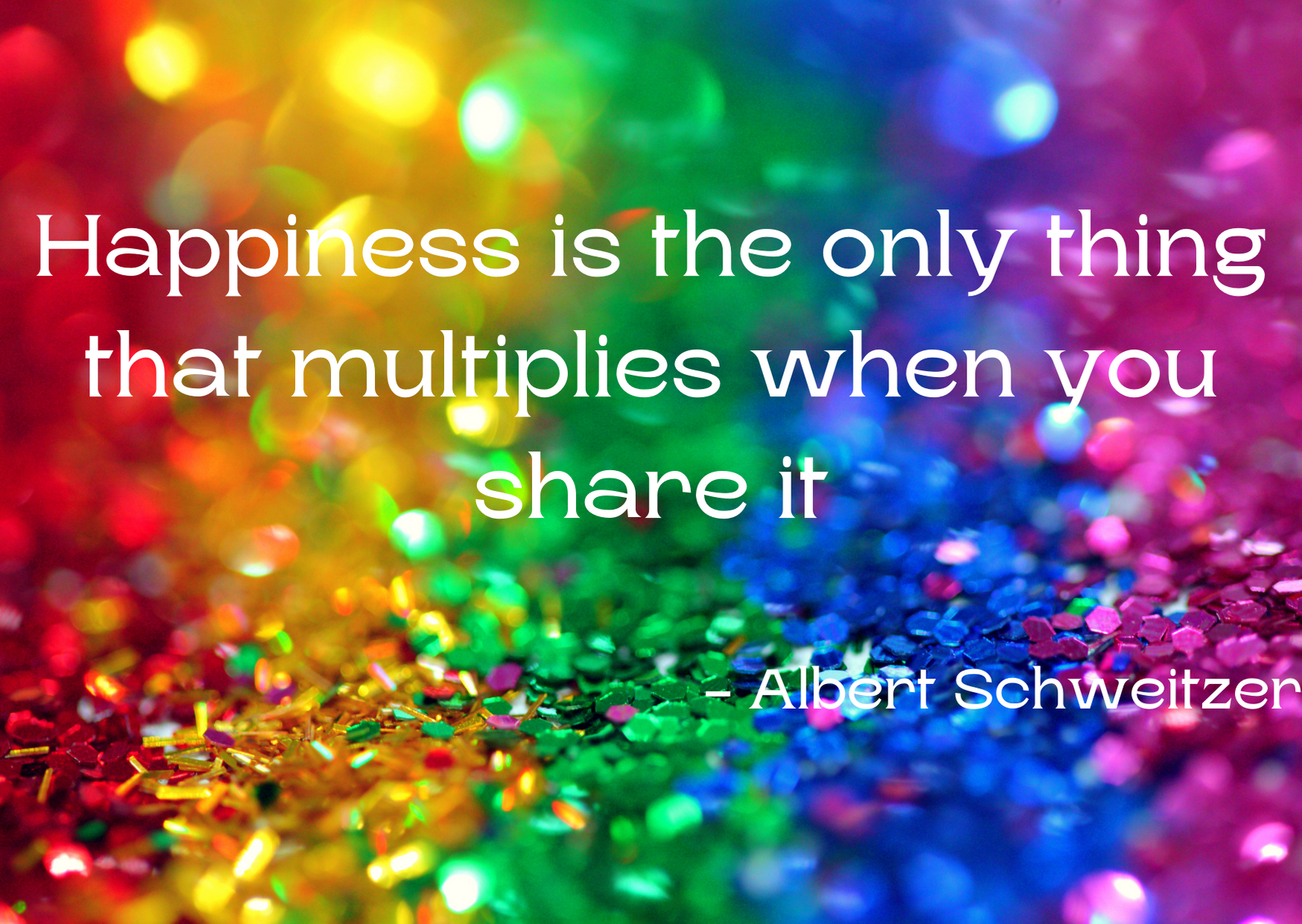
Happiness is the only thing that multiplies when you share it. This is a quote that forces you to think on multiple levels. How is happiness defined and is the level of my happiness the same as someone else? It’s something that we seriously need to think about and once we unlock this lesson, it becomes that much easier to become happy and to spread happiness all around.
After about two weeks, my ankle and leg pain is much better. From a pain of 8 on a scale of 1 to 10 with 10 being very painful, it’s probably a three now. One of the days that GG was massaging my ankle, she pressed hard enough that we heard a pop from a bone that was painful to touch. But that pop helped in the healing so much that after that day.
We are about a year into lockdowns in most countries and with newer waves coming in, I am not sure when life will go back to being normal. Singapore will start easing some restrictions from next week, especially those about more people being allowed into offices. Residents between the ages of 45 and 59 are also encouraged to sign up for the vaccine and as soon as this was announced, S and I signed up for the vaccines, as did many others I know in this age group. We will get a notification once vaccines are ready and then we will have to book an appointment slot. I am quite eager to get vaccinated because of my parents. If there is an emergency, then between my sister and I, I am the one who will be able to get there faster and for this, I will need to be vaccinated so I am not forced to quarantine myself both sides.
BB got his results early last week and though he did better than the previous semester, he didn’t do as well as we expected. After a long talk, he has promised to pull up his socks and work hard in the next semester. This is probably his last chance to pull up his grades if he wants a chance to go to university after his national service.
This was all from my side this week, stay masked, stay safe and stay indoors if possible!



:max_bytes(150000):strip_icc()/GettyImages-995468182-5c12fc3e46e0fb000108d8f4.jpg)




 Memories and Such