International Day of Education

Education is the most powerful weapon which you can use to change the world — Nelson Mandela

Education is not just a privilege; it’s a fundamental human right and a foundation for peace and development. Every year, the world comes together on January 24 to celebrate the International Day of Education. This day is a reminder of the power of education to transform lives, strengthen communities, and promote equity across generations. In 2025, the focus of the International Day of Education is set on a critical issue of our time: “Fostering Digital Literacy for All.” As digital technology increasingly shapes every facet of our lives, the emphasis on digital literacy reflects the need to equip individuals worldwide with the skills they need to thrive in a connected world.

The International Day of Education was established in 2018 by the United Nations General Assembly in recognition of education’s role in promoting global peace and sustainable development. Education is enshrined in Article 26 of the Universal Declaration of Human Rights, which calls for free and compulsory elementary education for all. The UN’s Sustainable Development Goal 4 (SDG 4) specifically seeks to “ensure inclusive and equitable quality education and promote lifelong learning opportunities for all” by 2030.

The UN dedicated January 24 as a day to emphasise education’s impact on economic growth, poverty alleviation, gender equality, and social mobility. It calls on governments, civil society, educators, and citizens worldwide to recognize and act on the critical role of education in solving some of the world’s greatest challenges. By shining a spotlight on education, the UN aims to drive attention and resources toward ensuring that everyone has access to quality education, regardless of where they live or their socioeconomic status.

Each year, the International Day of Education adopts a new theme that highlights a pressing global education issue. These themes reflect emerging challenges and underscore education’s vital role in addressing them. For instance, in 2021, amid the COVID-19 pandemic, the theme was Recover and Revitalize Education for the COVID-19 Generation, which focused on restoring learning opportunities disrupted by the pandemic. In 2022, the theme Changing Course, Transforming Education highlighted the need for innovation in education to keep pace with a rapidly changing world. These themes provide a framework for international organisations, policymakers, educators, and advocates to focus their efforts, raise awareness, and implement changes in educational policies and practices that align with global needs. The day serves as a global rallying call to prioritise education at all levels, address inequalities, and close the gaps in access, quality, and inclusivity in education systems worldwide. By raising awareness, the day encourages nations to make policy commitments, increase funding for education, and work towards equitable, high-quality education for all.

Education is central to the achievement of many of the UN’s Sustainable Development Goals (SDGs). In particular, SDG 4 aims to ensure inclusive and equitable quality education, which supports several other goals such as reducing poverty, achieving gender equality, and promoting decent work. Through initiatives linked to the International Day of Education, communities worldwide are empowered to take concrete steps toward these objectives. The celebration has inspired countries and organisations worldwide to take action. For instance, in some regions, governments have used the day to announce new educational initiatives, while NGOs have leveraged the platform to secure funding for education projects. These examples demonstrate the day’s potential as a catalyst for real change, mobilizing support for increased educational access and improvements across the globe.

In today’s digital era, literacy is no longer limited to reading, writing, and arithmetic. Digital literacy has become essential for participating fully in society, accessing economic opportunities, and engaging in lifelong learning. In 2025, the theme “Fostering Digital Literacy for All” addresses the pressing need to bridge the digital divide and equip people worldwide with the digital skills necessary to thrive in an increasingly digital world.

Digital literacy includes skills that allow individuals to use digital devices, communicate online, and critically evaluate digital content. It’s essential for success in the modern workforce, where most jobs require some level of digital proficiency. Moreover, digital literacy empowers individuals to access valuable information, navigate online services, and engage with society safely and responsibly. This is especially important in a post-pandemic world where education, work, and social interactions increasingly rely on digital platforms. The focus on digital literacy aligns with SDG 4’s goal of promoting equitable education, as it seeks to ensure that everyone, regardless of location or economic status, can gain the skills they need to engage in and benefit from the digital economy.
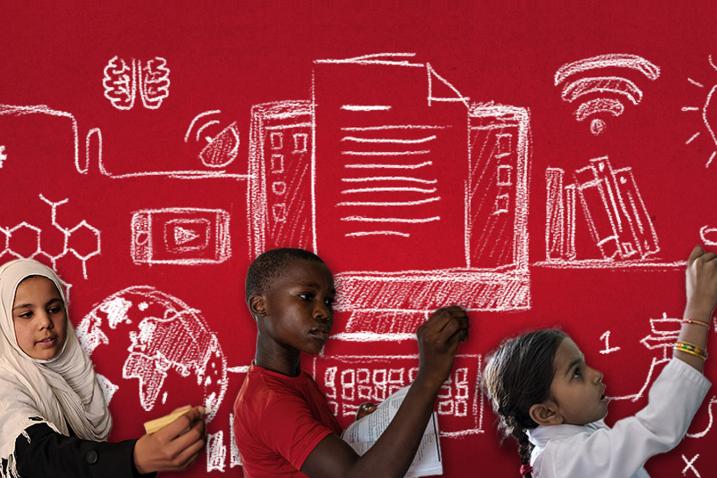
UNESCO, along with organizations such as UNICEF and the International Telecommunication Union (ITU), has been at the forefront of promoting digital literacy. Through initiatives like the Global Education Coalition, UNESCO partners with governments, private sector companies, and non-profits to provide digital learning resources, improve connectivity, and ensure that students and teachers in underserved regions have access to the tools they need for digital learning.

Some innovative initiatives have made significant strides in advancing digital literacy. For instance, in certain rural areas, mobile tech schools provide digital devices and internet access to students who lack these resources at home. In parts of Africa, mobile learning platforms bring educational content to students via cell phones, allowing for flexible learning in areas with limited internet connectivity. Government programs in countries like India have launched digital literacy campaigns that train adults and young people alike in essential digital skills. These programs highlight the transformative potential of digital literacy and serve as models that can be adapted and implemented worldwide.

While the benefits of digital literacy are clear, achieving universal digital literacy remains challenging due to barriers related to infrastructure, teacher training, and economic disparities. In many developing countries, access to digital devices and reliable internet remains limited. For digital literacy to become a reality, infrastructure investments are crucial. Expanding internet access to remote areas, providing affordable devices, and creating digital hubs in underserved communities are essential steps toward bridging the digital divide. Teachers play a vital role in imparting digital skills. However, many educators lack the necessary training to incorporate digital literacy into their lessons effectively. Ensuring that teachers are equipped with both digital skills and teaching strategies for digital literacy is essential for preparing students for a digital future.
Socioeconomic factors also play a major role in access to digital resources. Families with limited financial means may struggle to afford internet access or digital devices for their children. Addressing these disparities requires policy interventions and funding that prioritize affordable access to technology for all. Digital literacy cannot be achieved by governments alone. Collaboration with the private sector, community organizations, and local governments is essential. Many tech companies, for example, partner with schools to donate devices, offer training programs, and fund digital literacy initiatives. Community organizations also play a significant role by providing free or low-cost digital training programs, creating community tech hubs, and offering mentorship to individuals in need. For instance, in countries with limited educational resources, corporations like Google and Microsoft have partnered with local schools to provide teacher training in digital tools. Community-based initiatives, such as public internet hubs and volunteer-led tech literacy workshops, further contribute to building digital skills in underserved areas. Such collaborations demonstrate how partnerships can help make digital literacy accessible to all.

Anyone can support the cause of digital literacy. Individuals can volunteer with local literacy programs, mentor students in digital skills, or donate digital devices to schools and community centers. Raising awareness through social media or community outreach can also help amplify the need for digital literacy. Schools, non-profits, and companies can contribute by launching digital literacy programs, donating resources, or partnering with government agencies to expand access to digital education. Advocacy for policies that support digital literacy as a core educational component can also create lasting change.

The 2025 International Day of Education theme emphasises that digital skills are not a luxury but a necessity. For individuals to thrive in today’s world, they need to understand and utilise digital tools responsibly and effectively. Ensuring that everyone has access to digital literacy is essential for promoting equality, economic opportunity, and social inclusion. By supporting initiatives that promote digital literacy, each of us can contribute to a future where everyone has the skills they need to succeed in a digital world.

In My Hands Today…

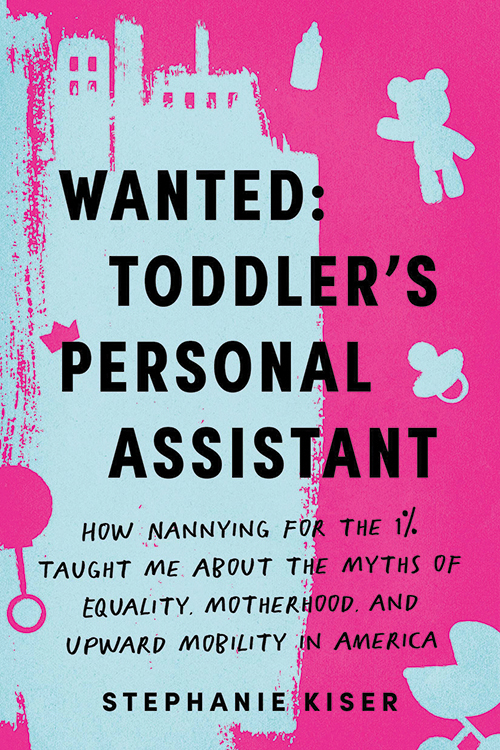
Wanted: Toddler’s Personal Assistant – Stephanie Kiser

What are the lives of America’s richest families really like? Their nannies see it all…

When Stephanie Kiser moves to New York City after college to pursue a career in writing, she quickly learns that her entry-level salary won’t cover the high cost of living―never mind her crushing student loan debt. But there is one in-demand job that pays more than enough to allow Stephanie to stay in the city: nannying for the 1%. Desperate to escape the poverty of her own childhood, Stephanie falls into a job that hijacks her life for the next seven years: a glorified personal assistant to toddlers on Manhattan’s Upper East Side.

At first, nannying seems like the perfect solution―the high pay covers Stephanie’s bills, and she’s surprised by how attached she becomes to the kids she cares for, even as she gasps over Prada baby onesies and preschools that cost more than her college tuition. But the grueling twelve-hour days leave her little time to see her friends, date, or pursue any creative projects that might lead to a more prestigious career. The allure of the seemingly-glamorous job begins to dull as Stephanie comes to understand more about what really happens behind the closed doors of million-dollar Park Avenue apartments―and that money doesn’t guarantee happiness. Soon she will have to decide whether to stay with the children she’s grown to love, or if there’s something better out there just beyond her reach.

Wanted: Toddler’s Personal Assistant is alternately poignant and funny, a portrait of a generation of Americans struggling to find work they love balanced against the headwinds of global uncertainty and an economy stacked against anyone trying to work their way up from the bottom. It’s a provocative story of class, caregiving, friendship, and family―and a juicy, voyeuristic peek behind the curtain of obscene wealth and the privilege and opportunity that comes with it. In this unputdownable memoir, Stephanie chronicles her journey from newbie nanny to beloved caregiver—and the painful decision to eventually say goodbye to the children she has grown to love.

Short Story: The Emerald Legacy

The sun hung low in the sky over Mumbai, casting a golden hue over the bustling city. Inside the Chhatrapati Shivaji Maharaj Vastu Sangrahalaya, excitement buzzed through the air. The museum was hosting an exclusive exhibition featuring the legendary emerald necklace known as the “Vishakha Necklace,” said to be one of the finest pieces of jewellery in India.

Detective Arjun Mehta stood outside the museum, eyes scanning the crowd. He had been called in to investigate what was supposed to be a routine security detail for the exhibition. But as he entered the grand hall, he felt an unsettling tension in the air.

The necklace was displayed under glass, surrounded by security personnel and museum staff. As Arjun approached, he overheard whispers among the guests, their excitement palpable. “Did you hear about the necklace? They say it’s cursed,” one woman said to her friend. “Cursed? What do you mean?” her friend replied, intrigued. “The legend goes that every emerald represents a life lost in a tragic love triangle centuries ago,” the woman explained. “It’s said that anyone who possesses it will face misfortune.”

Arjun raised an eyebrow at this. Superstitions were common in India, but he had always believed that crime had more tangible roots than curses. As he continued to observe, a sudden commotion erupted near the display case. A guard shouted, “Stop! Thief!”

Arjun’s instincts kicked in as he rushed towards the scene. He pushed through the crowd just in time to see a figure dart away from the display, clutching a bag that bulged with stolen goods. “After him!” Arjun shouted, sprinting after the thief.

The chase led them through the museum’s labyrinthine corridors and out into the streets of Mumbai. Arjun was determined; he had trained for moments like this. But just as he was gaining ground on the thief, a sharp turn into an alleyway caused him to lose sight of his target. Breathless and frustrated, Arjun stopped to catch his breath and assess the situation. He pulled out his phone and called for backup while scanning the area for any sign of the thief.

Back at the museum, chaos reigned as security personnel secured the area. Arjun met with Inspector Rao, who had arrived on the scene. “What do we know?” Arjun asked, his mind racing. “The necklace is gone,” Rao replied grimly. “The thief managed to evade capture. We’re reviewing security footage now.”

Arjun nodded and turned his attention to the display case. The glass was shattered, and shards lay scattered on the floor. He crouched down to examine it closely when he noticed something glimmering amidst the debris—a small emerald pendant that had fallen from the necklace. “Interesting,” he murmured, picking it up carefully. “This could be a clue.” As they reviewed security footage, they saw a hooded figure slip into view just before the theft occurred. The thief moved with agility and purpose, but their face remained obscured.

“Any leads on who this might be?” Arjun asked. “Not yet,” Rao replied. “But we’ll track down any known criminals in this area.” Arjun felt a growing sense of urgency. The Vishakha Necklace wasn’t just valuable; it held historical significance tied to an ancient tale of love and betrayal that had captivated him since childhood. That evening, as Arjun sat at his desk poring over old records about the necklace’s history, he found himself drawn into its tragic past.

The Vishakha Necklace was said to have been crafted centuries ago for a beautiful princess named Vishakha, who lived in a grand palace overlooking a lush valley. She was known for her beauty and kindness but found herself caught in a tumultuous love triangle between two brothers—Rajendra and Vikram—both noble warriors vying for her affection.

Their rivalry escalated into jealousy and betrayal, leading to tragic consequences that would haunt their families for generations. It was said that each emerald represented one of their lost lives—each stone holding within it a fragment of their sorrow. Arjun leaned back in his chair, contemplating how this dark history intertwined with present events. He needed to dig deeper into both the theft and its connection to this ancient tale.

The next day, Arjun visited local historians and jewellers who specialised in antique jewellery. He learned more about Vishakha’s story—how her love had led to heartbreak and how her spirit was said to linger around her beloved necklace. One historian shared an intriguing detail: “The necklace is rumoured to have been hidden away during times of strife but always returns when true love is threatened.”

Arjun couldn’t shake off the feeling that there was more to this story than met the eye. He decided to visit Vishakha’s palace ruins located outside Mumbai, hoping to uncover any additional clues about its legacy. Upon arriving at the site, he marvelled at what remained of the once-magnificent structure. As he wandered through crumbling walls adorned with intricate carvings depicting scenes from Vishakha’s life, he felt an inexplicable connection to her story.

As dusk fell over the ruins, Arjun noticed something glimmering among some stones—a small locket engraved with initials matching Rajendra and Vikram’s initials. His heart raced as he realised this could be another key piece of evidence linking to history and present events. With newfound determination, Arjun returned home and began piecing together everything he had learned about Vishakha’s story and its connection to modern-day events surrounding her necklace.

He reached out to local police departments across India to track any known criminals who might have connections to stolen artefacts or historical jewellery thefts. Days turned into weeks as he followed leads across Mumbai and neighbouring states but found nothing solid. Just when he thought he might hit a dead end, Arjun received an anonymous tip about an underground auction happening in Goa where stolen artefacts were rumoured to be sold. Excitement coursed through him; this could be his chance not only to recover the necklace but also to uncover more about its dark legacy.

Arriving in Goa under cover of nightfall, Arjun found himself at an old warehouse by the beach, where whispers of illicit dealings filled every corner. He blended into the crowd as bidders gathered around tables laden with stolen treasures from across India—artefacts that should have been preserved in museums instead of sold for profit. As he scanned through items on display, his eyes landed on something familiar—a velvet cloth covering what appeared to be an ornate box adorned with emeralds.

Heart pounding with anticipation, Arjun approached cautiously while keeping an eye on potential threats around him—the last thing he needed was to be discovered while pursuing justice for Vishakha’s legacy. “Ladies and gentlemen,” announced an auctioneer with flair as he unveiled several items before them—including what seemed like pieces from ancient royal families—before revealing what everyone had been waiting for: “And now we present…the legendary Vishakha Necklace!” Gasps filled the room as people leaned forward eagerly; this was it—the moment Arjun had been waiting for!

As bids began flying around him like confetti at a wedding celebration—Arjun knew time was running out before someone would walk away with not just history but also tragedy wrapped around those emeralds forevermore! He stepped forward boldly amidst shouts of excitement until finally raising his hand high above everyone else’s heads: “I’ll take it!” Silence fell over everyone present; eyes widened in disbelief at seeing someone challenge their intent on acquiring such valuable heritage without hesitation!

“What do you think you’re doing?” demanded one man from across whom Arjun recognized immediately—an infamous dealer known for trafficking stolen artefacts throughout India! “I’m here for justice,” Arjun replied firmly, meeting his gaze head-on while feeling adrenaline surge through him like fire igniting passion within!

Before anyone could react further—the lights suddenly flickered, ominously plunging them all into darkness! Panic erupted among bidders scrambling towards exits while others sought refuge wherever possible! Seizing this opportunity—Arjun dashed towards where he’d seen earlier glimpses of light shining through cracks, revealing hidden passageways leading deeper inside warehouse walls.

After navigating through narrow corridors illuminated only by faint glimmers reflecting off dusty surfaces, Arjun finally stumbled upon another room filled with artefacts piled haphazardly against walls; among them lay several boxes containing remnants from centuries past! In one corner stood what appeared like remnants belonging specifically connected back towards Vishakha herself—a small altar adorned with beautifully crafted sculptures depicting moments captured between love triangles long forgotten yet still haunting those connected forevermore…

Suddenly footsteps echoed behind him, causing an adrenaline rush once again, forcing him into action! Turning swiftly—he confronted none other than Rajesh—the dealer whose greed knew no bounds! “You think you can just take what isn’t yours?” Rajesh sneered menacingly while brandishing a weapon threateningly towards Arjun’s direction! “I’m here not only reclaiming history but also restoring hope,” Arjun declared defiantly, standing tall despite fear coursing through his veins, knowing well the consequences if failed today!

With quick thinking—he lunged forward, knocking the weapon aside and sending Rajesh sprawling backwards, crashing against shelves spilling artefacts everywhere, creating chaos around them both! Amidst the confusion, Arjun seized the opportunity to grab hold tightly of the necklace clasped firmly within grasp before fleeing towards the exit, where sirens blared outside, signalling police arrival nearby!

Back at police headquarters after recovering stolen items, including the Vishakha Necklace itself—Arjun felt the immense weight lift off his shoulders, knowing justice prevailed today, restoring honour—not just the family name but the entire legacy entwined within emeralds representing lives lost long ago.

As news spread throughout the community regarding recovery efforts made by local authorities alongside brave detectives working tirelessly behind the scenes, people began gathering outside, celebrating triumph over darkness bringing light back into lives affected deeply by the loss suffered throughout generations past…

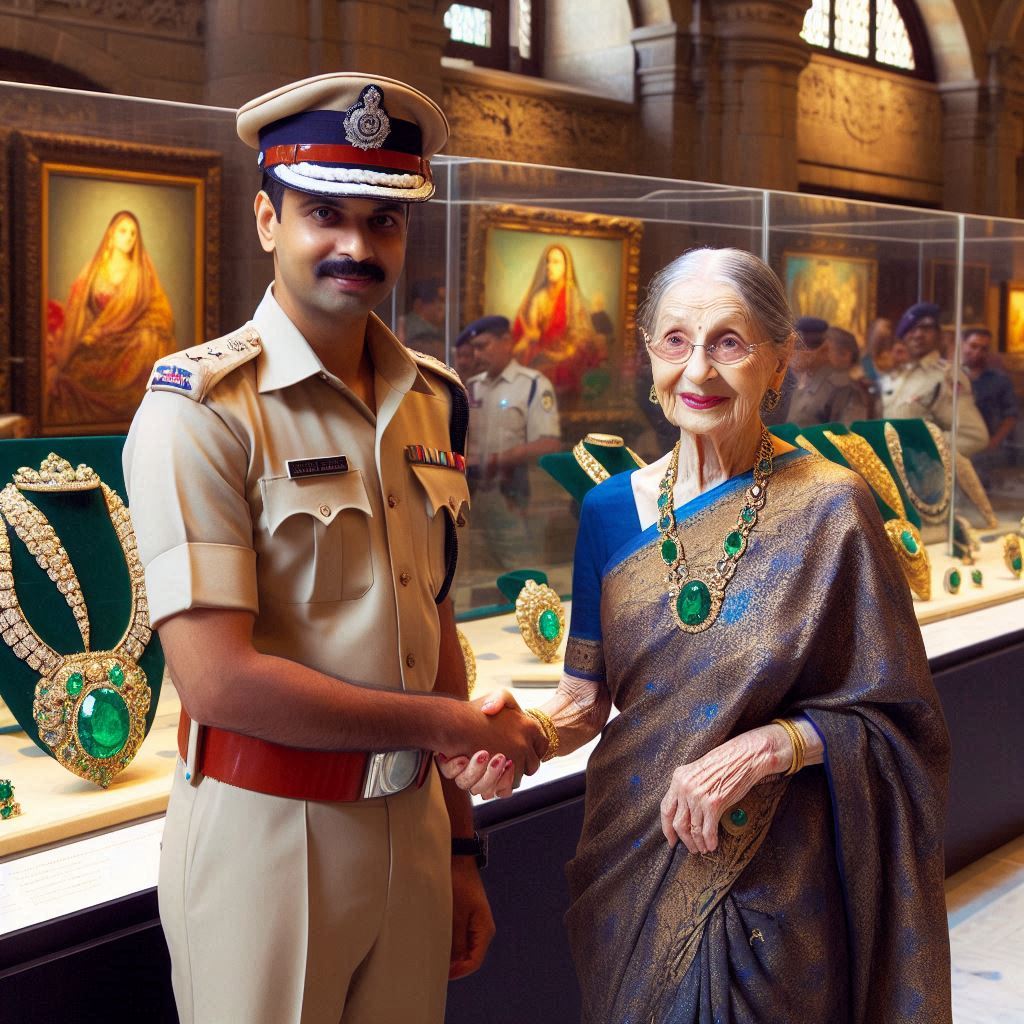
Among those celebrating stood an elderly woman dressed elegantly, wearing traditional attire adorned beautifully, resembling designs reminiscent of ancient times; she approached slowly, reaching out towards Arjun and grasping hands tightly, expressing gratitude beyond words could convey…

“You’ve done what many thought impossible, young man,” she whispered softly, tears glistening in her eyes reflecting hope restored once again, reminding everyone present of the importance of preserving heritage passed down generations, ensuring future generations would never forget stories woven intricately together through time itself.

Weeks later, after successful recovery efforts concluded, the Vishakha Necklace returned to its rightful place within the museum, showcasing not only beauty craftsmanship but also tales woven throughout centuries, capturing hearts and minds alike and reminding all visitors of the importance of cherishing love and enduring even amidst trials faced along the way.

Arjun stood proudly beside an elderly woman who’d come forth earlier, expressing gratitude and witnessing firsthand the impact made through perseverance and resilience displayed throughout the journey taken together, restoring faith lost long ago.

“I’m honoured you chose me to help restore legacy,” Arjun said, sincerely looking deep into her eyes, feeling warmth radiate between them both, knowing the connection forged transcended beyond mere physicality, embracing unity shared amongst souls intertwined forevermore.

As they gazed upon stunning emeralds glistening brightly under lights, illuminating a room filled with laughter and joy, celebrating triumph over adversity—it became clear the journey didn’t end here, but rather a new chapter unfolding, inviting everyone to partake in discovering beauty lies within stories shared, connecting generations past, present, and future alike, reminding all hope remains alive, even in the darkest moments faced along the way.

And so they stood together united by purpose, celebrating life, love, and resilience, knowing together they’d overcome challenges faced, paving a path forward, ensuring light would always shine bright, illuminating hearts and souls alike guiding them homeward bound forevermore…

2025 Week 03 Update

Where did the first half of January go? It seemed only yesterday we were celebrating the new year, and today, we are looking at the second half of January. The days seem to be passing rather fast, aren’t they?

Today’s quote from renowned American essayist, philosopher, and poet, Ralph Waldo Emerson, invites us to align ourselves with the natural rhythms of life, embracing patience as a virtue essential for growth and fulfillment. Nature unfolds at its own pace, unhurried yet purposeful. Trees take years to grow, flowers bloom in their season, and rivers carve canyons over centuries. Emerson encourages us to learn from this timeless rhythm, reminding us that significant outcomes often require time and perseverance.

In a world driven by instant gratification, this quote serves as a counterpoint to our fast-paced lifestyles. It highlights the importance of slowing down, trusting the process, and allowing events to unfold naturally. For example, personal growth, meaningful relationships, or the pursuit of goals all demand patience. Rushing these processes often leads to frustration, whereas embracing the pace of nature fosters resilience and a deeper appreciation for progress. Emerson’s insight also underscores the value of being present. Nature doesn’t hurry, yet everything gets accomplished in its own time. By adopting this mindset, we can reduce anxiety and accept that life’s journey is as important as the destination. When we rush, we may overlook the beauty and lessons inherent in the process.

Ultimately, the quote is an invitation to cultivate inner peace and trust the flow of life. Patience allows us to respond thoughtfully rather than react impulsively. By emulating nature’s rhythm, we can navigate challenges with grace, find joy in the present moment, and achieve harmony within ourselves and the world around us.

This week was very productive for me as I managed quite a bit of writing. Planning for our big trip in the middle of the year is also ongoing, and I have spent many an hour this week working on the perfect itinerary. I enjoy this planning process and am happy to do it. For me a trip begins when I start planning it, so this is part of the whole trip experience.

The wonderful rainy weather ended this week, and we are back to the heat and humidity. It was wonderful to be without multiple fans and air conditioning last week, but towards the end of this week, we were back to the status quo. I do hope there are other days with that cool weather.

GG & BB’s lives are as usual; there’s nothing to see there. Next week will be the Chinese Lunar New Year, and this year will be the year of the Wood-Snake. More about that next week. Till then, stay safe and keep smiling!

In My Hands Today…

Right Kind of Wrong: The Science of Failing Well – Amy C. Edmondson

We used to think of failure as the opposite of success. Now, we’re often torn between two “failure cultures”: one that says to avoid failure at all costs, the other that says fail fast, fail often. The trouble is that both approaches lack the crucial distinctions to help us separate good failure from bad. As a result, we miss the opportunity to fail well.

After decades of award-winning research, Amy Edmondson is here to upend our understanding of failure and make it work for us. In Right Kind of Wrong, Edmondson provides the framework to think, discuss, and practice failure wisely. Outlining the three archetypes of failure—simple, complex, and intelligent—Amy showcases how to minimize unproductive failure while maximizing what we gain from flubs of all stripes. She illustrates how we and our organizations can embrace our human fallibility, learn exactly when failure is our friend, and prevent most of it when it is not. This is the key to pursuing smart risks and preventing avoidable harm.

With vivid, real-life stories from business, pop culture, history, and more, Edmondson gives us specifically tailored practices, skills, and mindsets to help us replace shame and blame with curiosity, vulnerability, and personal growth. You’ll never look at failure the same way again.