
World Food Day is observed annually on October 16th to commemorate the founding of the Food and Agriculture Organisation (FAO) of the United Nations in 1945. This day serves as a platform to raise awareness about global hunger, food security, and the importance of sustainable agriculture.
World Food Day was established by the FAO’s Member Countries during the Organisation’s 20th General Conference in November 1979. The Hungarian delegation, led by Dr. Pál Romány, proposed the idea of celebrating World Food Day to raise awareness about hunger and food security issues globally. The day was officially recognised and celebrated for the first time on October 16, 1981.
The establishment of World Food Day came at a time when the world was facing significant challenges related to hunger and malnutrition. The post-World War II era saw a growing recognition of the need for coordinated efforts to address food insecurity and improve agricultural practices. The FAO was created to lead these efforts, focusing on eradicating hunger and promoting sustainable agriculture.
The significance of food security is also intertwined with the Universal Declaration of Human Rights, adopted by the United Nations in 1948. Article 25 states that everyone has the right to a standard of living adequate for health and well-being, including food, clothing, housing, and medical care. This declaration underscores the importance of ensuring all individuals have access to sufficient and nutritious food.

World Food Day serves several important purposes. The day helps educate the public about the global hunger crisis and the importance of food security and highlights the challenges faced by millions of people who don’t have access to sufficient food. World Food Day encourages individuals, communities, and governments to take action to combat hunger and malnutrition. It serves as a call to mobilise resources and support initiatives at improve food security. The day recognises the progress in addressing hunger and promoting sustainable agricultural practices. It celebrates the efforts of organisations, governments, and individuals working to improve food security. World Food Day fosters collaboration among various stakeholders, including governments, NGOs, businesses, and communities, to address the complex challenges of food security. The day provides a platform for advocating for policies that support sustainable agriculture, food security, and the rights of marginalised communities.
The theme for World Food Day 2024 is “Right to foods for a better life and a better future.” The world’s farmers produce enough food to feed more than the global population yet, hunger persists. Up to 783 million people face hunger due to conflict, repeated weather shocks and economic downturns. This impacts the poor and vulnerable most severely, many of whom are agricultural households, reflecting widening inequalities across and within countries.
Food is the third most basic human need after air and water – everyone should have the right to adequate food. Human rights such as the right to food, life and liberty, work and education are recognised by the Universal Declaration of Human Rights and two legally binding international covenants. emphasises the critical role of agriculture and food systems in addressing global hunger and ensuring that everyone has access to sufficient and nutritious food.
‘Foods’ stands for diversity, nutrition, affordability, accessibility and safety. A greater diversity of nutritious foods should be available in our fields, fishing nets, markets, and on our tables, for the benefit of all. Over 2.8 billion people in the world are unable to afford a healthy diet. Unhealthy diets are the leading cause of all forms of malnutrition – undernutrition, micronutrient deficiencies and obesity, which now exist in most countries, cutting across socio-economic classes. Yet today, too many people suffer from hunger and are unable to afford healthy diets. More vulnerable people are often forced to rely on staple foods or less expensive foods that can be unhealthy, while others suffer from the unavailability of fresh or varied foods, lack the information they need to choose a healthy diet, or simply opt for convenience.
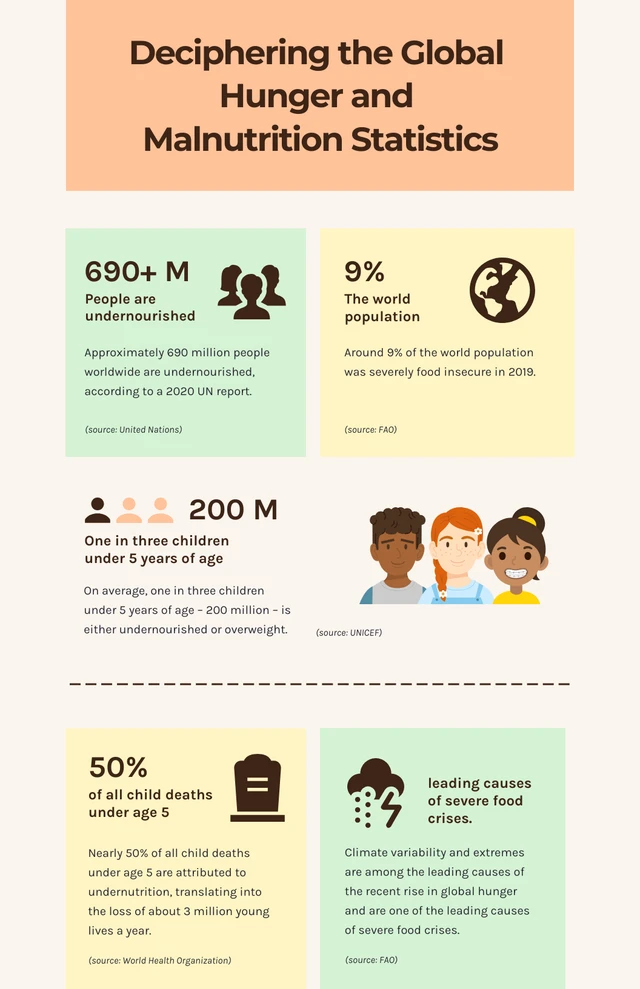
Hunger and malnutrition are further exacerbated by protracted or prolonged crises that are driven by a combination of conflict, extreme weather events and economic shocks. Agrifood systems, as a whole, are vulnerable to disasters and crises, particularly the impacts of climate change, but at the same time, they are generating pollution, degrading soil, water and air, contributing to greenhouse gas emissions, and causing biodiversity loss. By transforming agrifood systems, there is great potential to mitigate climate change and support peaceful, resilient and causing inclusive livelihoods for all.
Despite progress in addressing hunger, significant challenges remain. According to the FAO, nearly 690 million people were undernourished in 2020, and millions suffer from micronutrient deficiencies. The COVID-19 pandemic has exacerbated food insecurity, pushing more people into hunger. Climate change poses a significant threat to food security, impacting agricultural productivity and increasing the frequency of extreme weather events. Farmers are facing challenges such as droughts, floods, and changing growing seasons.
Armed conflicts and political instability disrupt food production and distribution, leading to increased hunger. Displaced populations often lack access to food and essential services. Economic disparities and poverty limit access to food for many individuals and families. Addressing the root causes of poverty is essential for improving food security. Approximately one-third of all food produced globally is wasted, contributing to hunger and environmental degradation. Reducing food waste is crucial for improving food security.
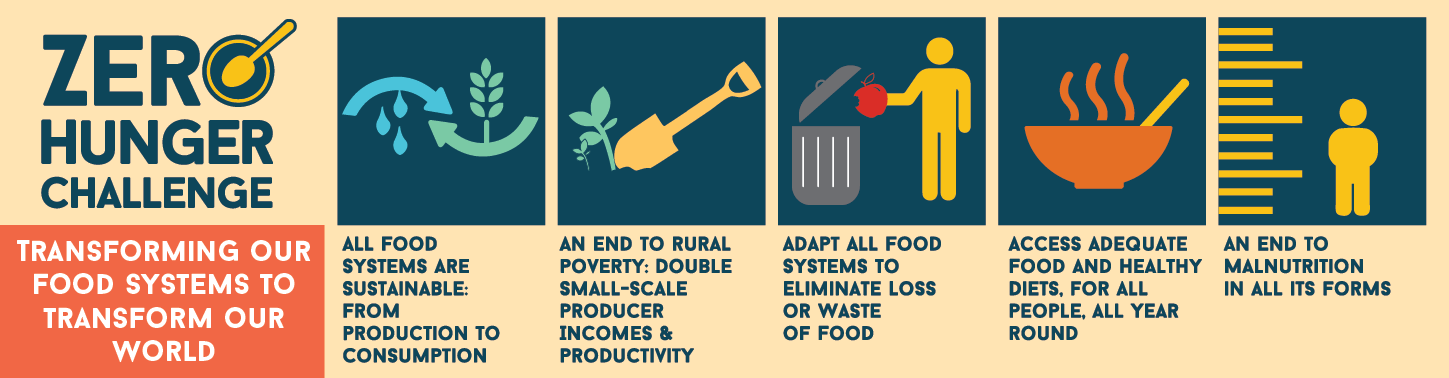
World Food Day is celebrated in over 150 countries, with various events and activities aimed at raising awareness and promoting action. The FAO plays a crucial role in addressing global food security challenges. Established in 1945, the organization works to eliminate hunger, improve nutrition, and promote sustainable agriculture. Launched by the UN Secretary-General, the Zero Hunger Challenge calls for a world where no one suffers from hunger. It aims to promote sustainable food systems and eliminate food waste. The Scaling Up Nutrition or SUN movement brings together governments, civil society, and the private sector to improve nutrition and address malnutrition in all its forms. The Global Agriculture and Food Security Program or GAFSP initiative provides funding to support agricultural investments in developing countries, aiming to improve food security and reduce poverty. The International Fund for Agricultural Development, IFAD focuses on rural development and poverty reduction by supporting smallholder farmers and promoting sustainable agricultural practices.
Innovations in agriculture and food systems are essential for addressing the challenges of food security. Key areas of innovation include agroecology, which promotes sustainable farming practices that enhance biodiversity, improve soil health, and increase resilience to climate change. Precision agriculture uses technology, such as drones and sensors, that allows farmers to optimise resource use, reduce waste, and improve crop yields. Vertical farming is an innovative farming method that involves growing crops in stacked layers, often in urban environments, maximising space and minimising resource use. The development of plant-based and lab-grown proteins provides sustainable alternatives to traditional livestock farming, reducing environmental impact. Innovations in food preservation, packaging, and distribution can help reduce food waste and improve food security.

Education and awareness are critical for promoting food security and sustainable agriculture. Integrating food education and nutrition programs into school curricula can help children develop healthy eating habits and understand the importance of sustainable food systems. Organising workshops and training sessions for farmers and community members can promote sustainable agricultural practices and improve food production. Launching campaigns to raise awareness about food security issues, healthy eating, and sustainable practices can engage the public and promote action. Partnering with media outlets to share stories and information about food security challenges can help raise awareness and inspire action. Involving young people in food security initiatives and encouraging their participation in advocacy efforts can help create a new generation of advocates for sustainable agriculture.
World Food Day serves as a vital reminder of the ongoing challenges related to hunger and food security. It is essential to recognise the critical role that sustainable agriculture plays in addressing these challenges. Through collective action, innovative practices, and a commitment to promoting food security for all, one can work towards a world where everyone has access to sufficient, nutritious food. World Food Day provides an opportunity for individuals, communities, and organisations to come together, raise awareness, and take meaningful action to combat hunger and promote sustainable agriculture. Food is not just a basic human right; it is also a vital component of health, well-being, and social stability. By prioritising food security and sustainable agricultural practices, a more equitable and sustainable future for all can be created.







 Memories and Such