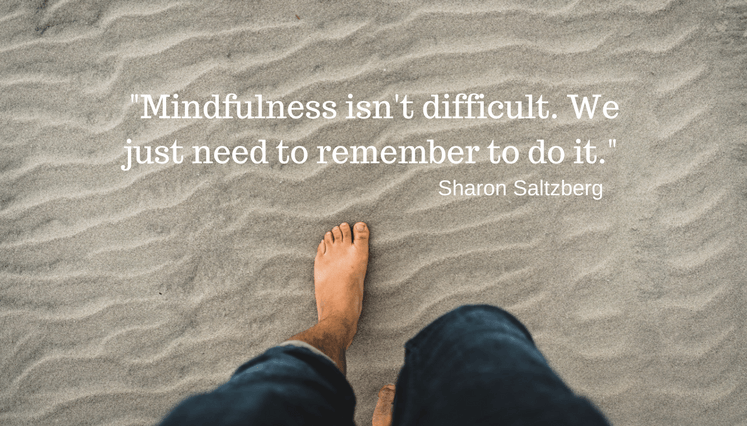
Tomorrow I complete one year of meditation and mindfulness. I am quite proud of myself and when I started, I didn’t really think I could really follow this through. I went through the apps I use for this and realised, over the past year, I have done slightly more than 183 hours in the last year. I have really benefitted by practising mindfulness and meditating daily and I have blogged about this previously. Find something that resonates with you, be it the app, the type of meditation and even the time and it will become a habit very soon. If I don’t meditate as soon as I wake up and have my coffee, I feel something is amiss and I think that’s my cue that this has become a part of me now, so much so, I prefer waking up an hour earlier than everyone else just so I have a quiet home in which I can meditate.
My walking took a bit of a hit this month because of the leg and ankle pain I had, but I am happy to report that GG while massaging my ankle one evening, popped something (we both have no idea of what she did, but we heard a distinct pop) and the pain has been minimal or non-existant till today (touch wood!). This month, I have walked across almost the whole of peninsular Malaysia, reaching the northern border of the state of Perak, just short of reaching the state of Penang and Kedah. I will most probably bypass the state of Perlis, because it does not fall in the North-South Expressway and by the end of April, I should enter Thailand.
My reading has really taken off this year and I am currently reading both e-books as well as physical books borrowed from the National Library of Singapore. I am currently 10 books ahead of my scheduled number of books to be read by the end of the year and will have to move my goal post if this goes on.
This week’s quote is about looking at an obstacle and not seeing it as a deterrent, but instead as an opportunity to show what you are made of and of converting that obstacle into an opportuntity and this boils down to your attitude. If you see a glass as half empty, you have a negative attitude and probably see it as something that will hinder progress, but if you see the glass as half empty, that you see things positively, then it’s a learning, even if it is an obstacle and you look at everything thing that happens in your life as a learning experience, be it positive or negative.
From tomorrow, Singapore opens up more and offices can start having 75% of their staff work inside the office as opposed to less than 50% previously. They will work three days a week in office and the remaining two days will be from home. This means that S will go back to work after a year of working from home. He is having mixed feelings about this and will have to start waking up earlier now as he used to sleep the time he had to commute to work.
My parents have taken the first dose of the vaccine, but are still waiting for another week or so before they take the second dose. I am worried about them as India, my home state of Maharashtra and specifically Mumbai has seen a huge spike of cases in the last week or so. I keep telling them not to delay their second dose, but apparently they need to wait six weeks for the second dose for the particular vaccine they have gotten. If you are eligible for vaccination, please go ahead and take them as soon as possible. S and I signed up for our turn last week when the government announced vaccines for our age group. This week we got our personalised link and have signed up for our first doses later this month and the second dose scheduled for early May.
That’s all people, stay safe, stay masked and get vaccinated if you are eligible.
Written in Bone: hidden stories in what we leave behind – Sue Black
Our bones are the silent witnesses to the lives we lead. Our stories are marbled into their marrow.
Drawing upon her years of research and a wealth of remarkable experience, the world-renowned forensic anthropologist Professor Dame Sue Black takes us on a journey of revelation. From skull to feet, via the face, spine, chest, arms, hands, pelvis and legs, she shows that each part of us has a tale to tell. What we eat, where we go, everything we do leaves a trace, a message that waits patiently for months, years, sometimes centuries, until a forensic anthropologist is called upon to decipher it.
Some of this information is easily understood, some holds its secrets tight and needs scientific cajoling to be released. But by carefully piecing together the evidence, the facts of a life can be rebuilt. Limb by limb, case by case – some criminal, some historical, some unaccountably bizarre – Sue Black reconstructs with intimate sensitivity and compassion the hidden stories in what we leave behind.
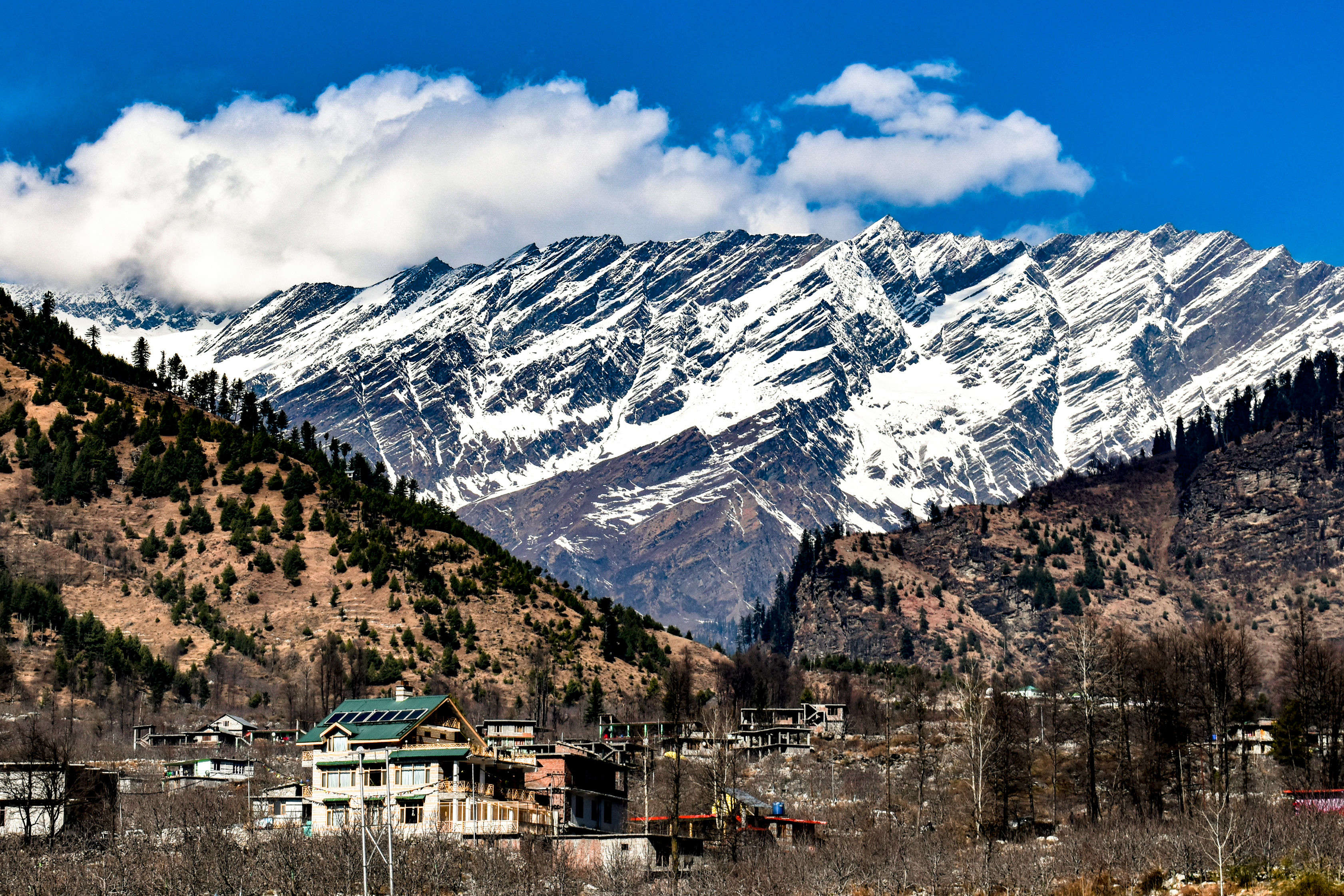
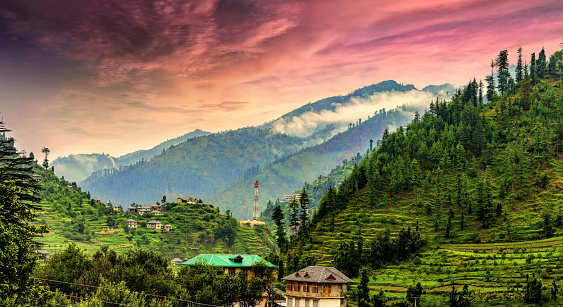
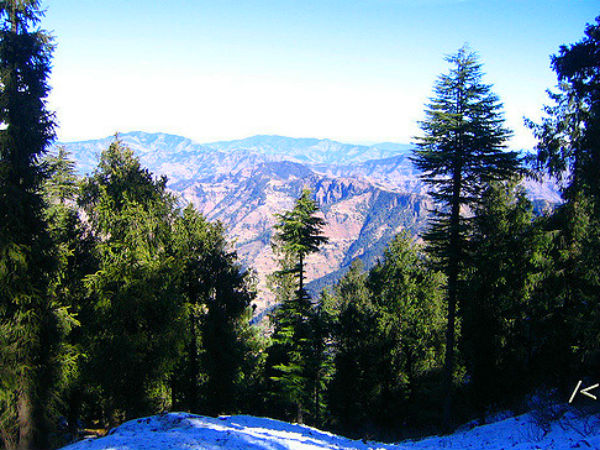
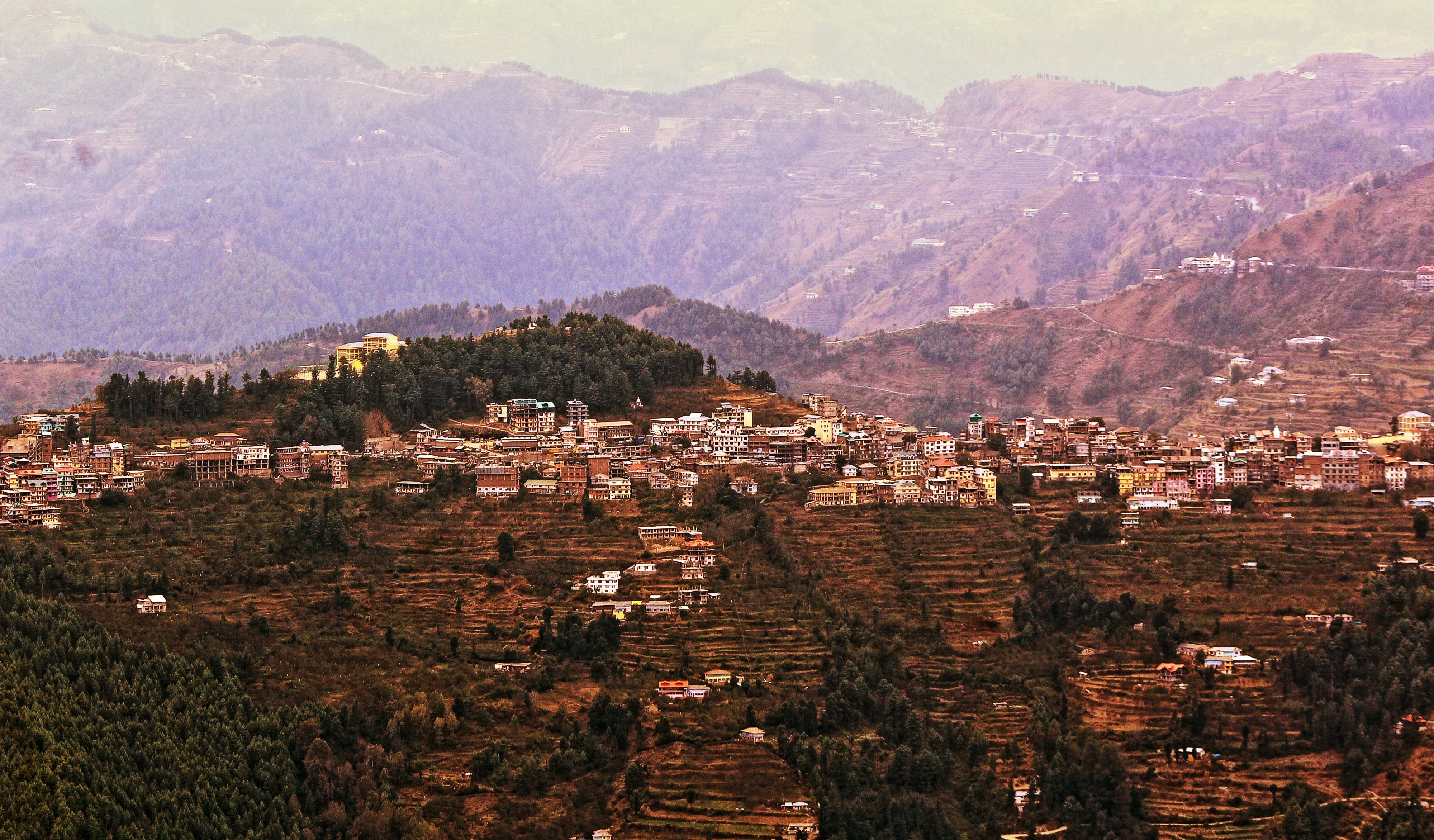
Called the snow-laden province, Himachal Pradesh is a state in the northern part of India, situated in the Western Himalayas. The state is characterised by an extreme landscape featuring several peaks and extensive river systems and shares borders with the Union territories of Jammu and Kashmir and Ladakh to the north, and the states of Punjab to the west, Haryana to the southwest, and Uttarakhand and Uttar Pradesh to the south. The state shares an international border to the east with the Tibet Autonomous Region in China.
The predominantly mountainous region comprising the present-day Himachal Pradesh has been inhabited since pre-historic times having witnessed multiple waves of human migrations from other areas. Throughout its history, the region was mostly ruled by local kingdoms some of which accepted the suzerainty of larger empires. Before India’s independence from the British, Himachal comprised the hilly regions of Punjab Province of British India and after independence, many of the hilly territories were organised as the Chief Commissioner’s province of Himachal Pradesh which later became a union territory. In 1966, hilly areas of the neighbouring Punjab state were merged into Himachal and it was ultimately granted full statehood in 1971.
Himachal Pradesh is spread across valleys with many perennial rivers flowing through them. Around 90% of the state’s population lives in rural areas with agriculture, horticulture, hydropower and tourism important constituents of the state’s economy. Tribes such as the Koli, Hali, Dagi, Dhaugri, Dasa, Khasa, Kanaura, and Kirat have inhabited the region from the prehistoric era with the foothills of the state inhabited by people from the Indus valley civilisation which flourished between 2250 and 1750 BC. The Kols and Mundas are believed to be the original inhabitants of the hills followed by the Bhotas and Kiratas.
During the Vedic period, several small republics known as Janapada existed which were later conquered by the Gupta Empire. After a brief period of supremacy by King Harshavardhana, the region was divided into several local powers headed by chieftains, including some Rajput principalities. These kingdoms enjoyed a large degree of independence and were invaded by Delhi Sultanate a number of times. Mahmud Ghaznavi conquered Kangra at the beginning of the 11th century and Timur and Sikander Lodi also marched through the lower hills of the state and captured a number of forts and fought many battles. Several hill states acknowledged Mughal suzerainty and paid regular tribute to the Mughals. The Kingdom of Gorkha conquered many kingdoms and came to power in Nepal in 1768 and after consolidating their power, began to expand their territory and gradually annexed Sirmour and Shimla. Under the leadership of Amar Singh Thapa, the Nepali army laid siege to Kangra and managed to defeat Sansar Chand Katoch, the ruler in 1806 with the help of many provincial chiefs. However, they could not capture Kangra fort which came under Maharaja Ranjeet Singh in 1809. After the defeat, they expanded towards the south of the state, however Raja Ram Singh, the Raja of the Siba State, captured the fort of Siba from the remnants of Lahore Darbar during the First Anglo-Sikh War. The provincial kings came into direct conflict with the British along the Terai belt after which the British expelled them from the provinces of the Satluj. The British gradually emerged as the paramount power in the region and in the revolt of 1857, or the first Indian war of independence, the people of the hill states were not as politically active as were those in other parts of the country. The British territories came under the British Crown after Queen Victoria’s proclamation of 1858 with virtually all rulers of the hill states remaining loyal and contributing to the British war effort during World War I.
After independence, the Chief Commissioner’s Province of Himachal Pradesh was organised on 15 April 1948 as a result of the integration of 28 princely states, including feudal princes and zaildars in the promontories of the western Himalayas known as the Shimla Hills States and four Punjab southern hill states. The State of Bilaspur was merged into Himachal Pradesh on 1 July 1954. Himachal Pradesh became a union territory on 1 November 1956 with some areas of Punjab State, some specified areas of Una Tehsil of Hoshiarpur District, as well as some parts of the Dhar Kalan Kanungo circle of the Pathankot tehsil of Gurdaspur District were merged with Himachal Pradesh on 1 November 1966 due to the Punjab Reorganisation Act of 1966. The new state of Himachal Pradesh came into being on 25 January 1971 and became the 18th state of India.
Tourism is a major contributor to the state’s economy with the Himalayas attracting tourists from all over the world. The state is also referred to as Dev Bhoomi, literally meaning the Abode of Gods due to its mention in ancient Hindu texts and the occurrence of a large number of historical temples in the state. Hill stations like Shimla, Manali, Dharamshala, Dalhousie, Chamba, Khajjiar, Kullu and Kasauli are popular destinations for both domestic and foreign tourists. The British developed hill stations during their reign one of them being Shimla which they called The Summer Capital of India. The state also has many important Hindu pilgrimage sites with prominent temples like Naina Devi Temple, Bajreshwari Mata Temple, Jwala Ji Temple, Chintpurni, Chamunda Devi Temple, Baijnath Temple, Bhimakali Temple, Bijli Mahadev and Jakhoo Temple. The Manimahesh Lake situated in the Bharmour region of Chamba is the venue of an annual Hindu pilgrimage trek held in the month of August which attracts hundreds of thousands of devotees. The state is also known for its adventure tourism activities like ice skating in Shimla, paragliding in Bir Billing and the Solang valley, rafting in Kullu, skiing in Manali, boating in Bilaspur and trekking, horse riding and fishing in different parts in the state. Shimla, the state’s capital, is home to Asia’s only natural ice-skating rink. Spiti Valley in Lahaul and Spiti District situated at an altitude of over 3000 metres with its picturesque landscapes is an important destination for adventure seekers. The region also has some of the oldest Buddhist monasteries in the world.
We’ll start our exploration of Himachal Pradesh from it’s state capital of Shimla and then go in a circle, starting from the east all the way around to the north east exploring some interesting destinations on the way. So buckle up and let’s go.
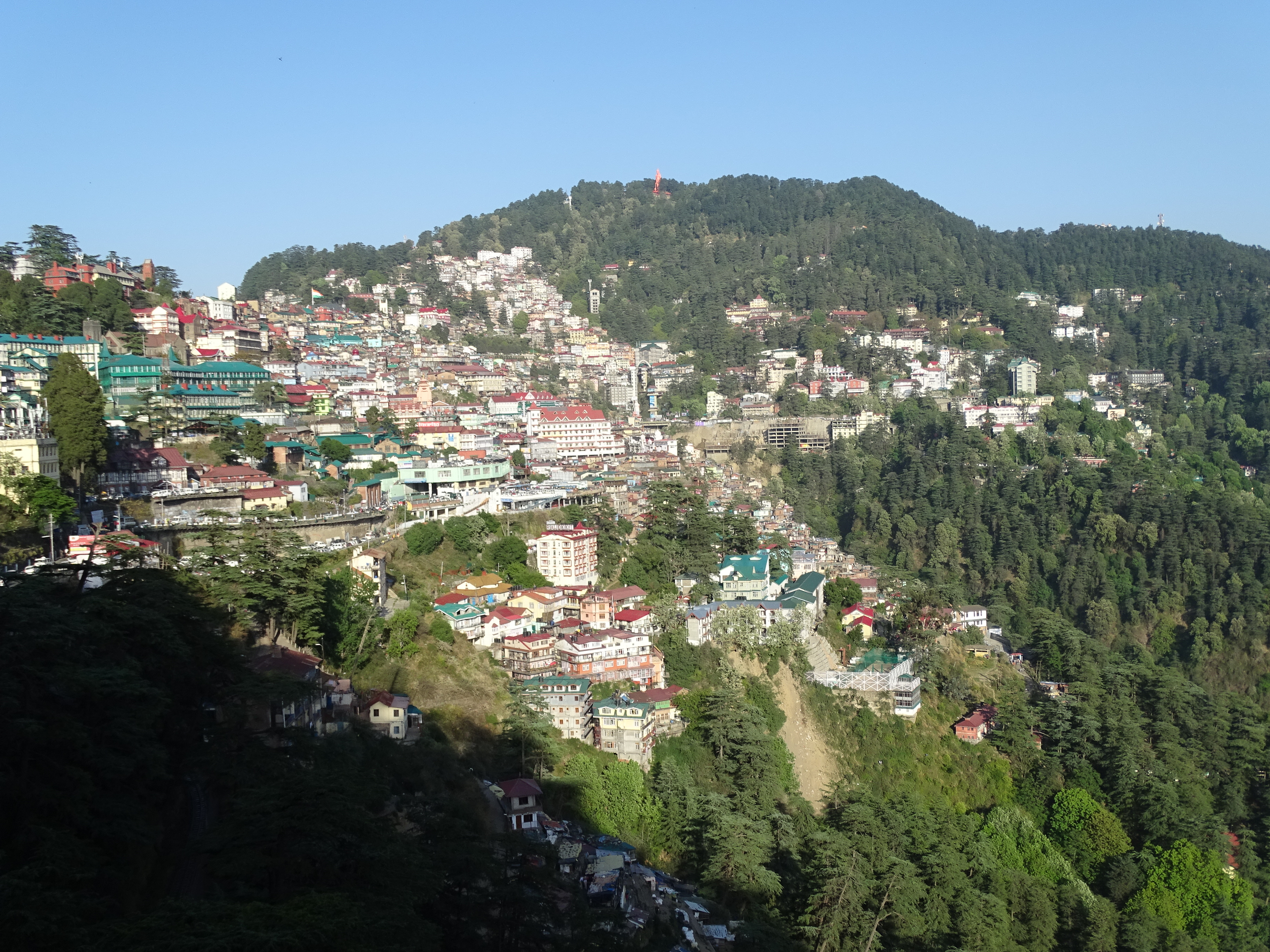
Shimla The capital and largest city in the state, Shimla is a very popular hill station. Declared the summer capital of British India in 1864, Shimla was the capital city in exile of British Burma which is present-day Myanmar from 1942 to 1945. The city is the principal commercial, cultural and educational centre of the state.
Shimla gets its name from Shyamala Mata, a fearless incarnation of the goddess Kali. The temple of the goddess is situated on Bantony Hill, near The Ridge, named Kali Bari temple. Most of the area occupied by present-day Shimla city was dense forest during the 18th century with only the Jakhoo temple and a few scattered houses in the name of civilisation. Today’s Shimla was invaded and captured by Bhimsen Thapa of Nepal in 1806 and then the British East India Company took control of the territory as per the Sugauli Treaty after the Anglo-Nepalese War which took place between 1814 and 1816. In 1819, Lieutenant Ross, the Assistant Political Agent in the Hill States, set up a wood cottage in Shimla and three years later, his successor Charles Pratt Kennedy built the first pucca or permanent house in the area named Kennedy Cottage in 1822, what is now the home for the CPWD office. Because of the Britain-like climate, the city started attracting several British officers during the hot Indian summers and by 1826, some officers had started spending their entire vacation in Shimla. In 1830, the British acquired the surrounding land from the chiefs of Keonthal and Patiala in exchange for the Rawin pargana and a portion of the Bharauli pargana and the settlement grew rapidly, from 30 houses in 1830 to 1,141 houses in 1881. Shimla soon became a hill station famous for balls, parties, and other festivities and subsequently, residential schools for pupils from upper-class families were established nearby. On 9 September 1844, the foundation of the Christ Church was laid and several roads were widened and the construction of the Hindustan-Tibet road with a 560-feet tunnel was taken up in 1851–52. In 1863, it was decided to shift the summer capital of the British Raj to Shimla.
The Kalka–Shimla railway line, opened in 1903, added to Shimla’s accessibility and popularity. The railway route from Kalka to Shimla, with more than 806 bridges and 103 tunnels, was touted as an engineering feat and came to be known as the British Jewel of the Orient and in 2008, it became a UNESCO World Heritage Site. Shimla was the capital of the undivided state of Punjab in 1871, and remained so until the construction of the new city of Chandigarh, the present-day capital of the Indian states of Punjab and Haryana and upon the formation of the state of Himachal Pradesh in 1971, Shimla was named its capital.
The Kalka to Shimla route is best travelled by way of the toy train that runs on a narrow-gauge track and is known for its dramatic views of the hills and surrounding villages. The historic Kalka Shimla Toy train is part of the UNESCO World Heritage List. The journey was carved through the abundance of nature in the state during the British rule through one of the most scenic railway journeys in India. The 5 and a half-hour toy train journey provides special services and is must-do when visiting the mountainside of the North. The route from Kalka to Shimla is a 96-kilometre long uphill course all the way from the foothills to an altitude of 2076 metres above sea level with 102 tunnels, the longest of which is Barog tunnel that takes 3 minutes to pass. Passengers can also enjoy the stunning views and ornate bridges which are a staggering 869 in all, that they will pass through.
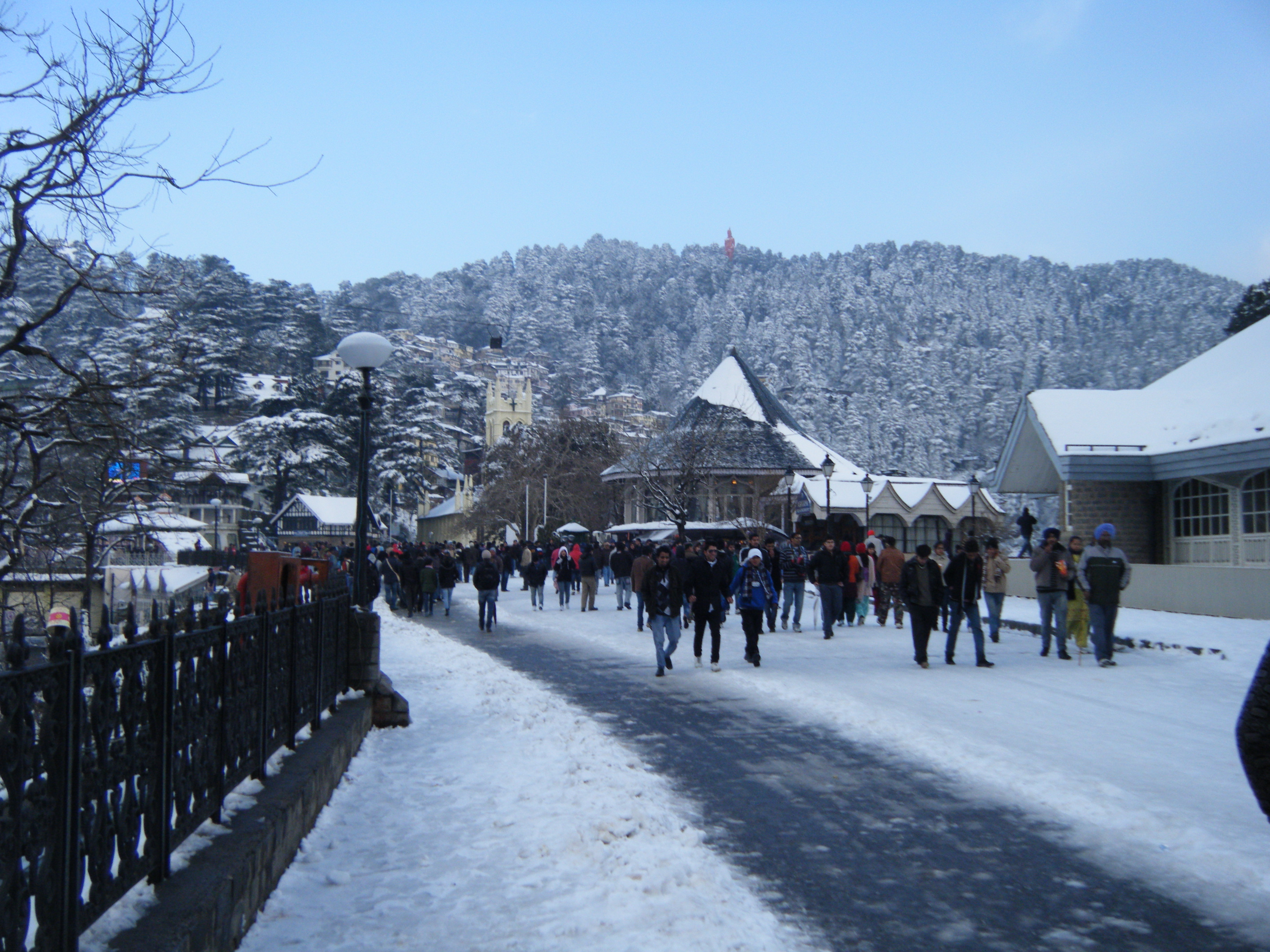
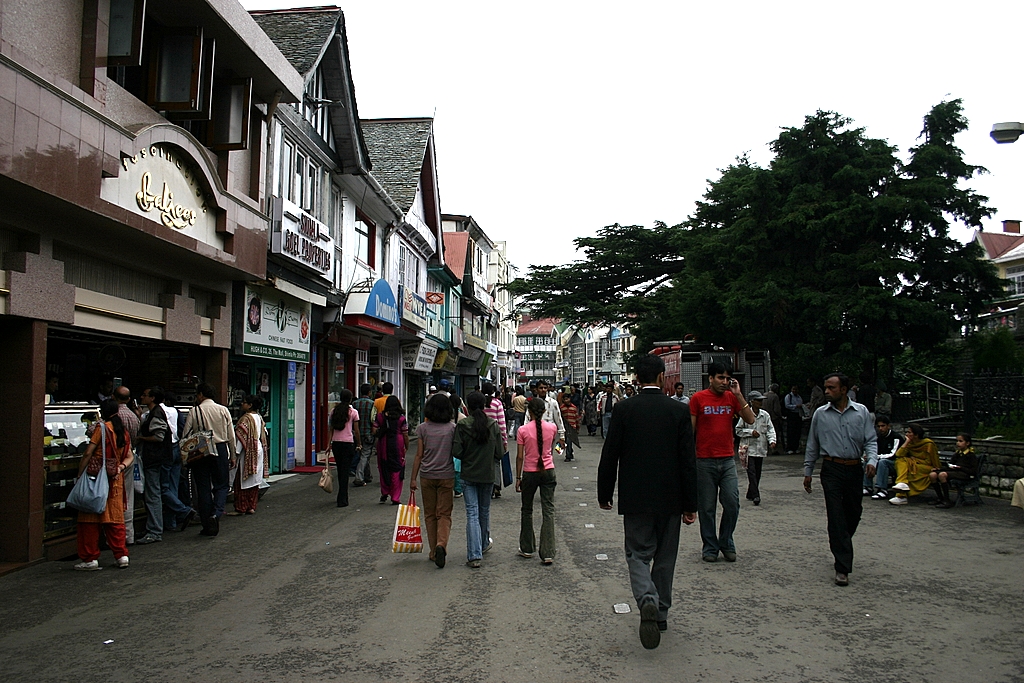
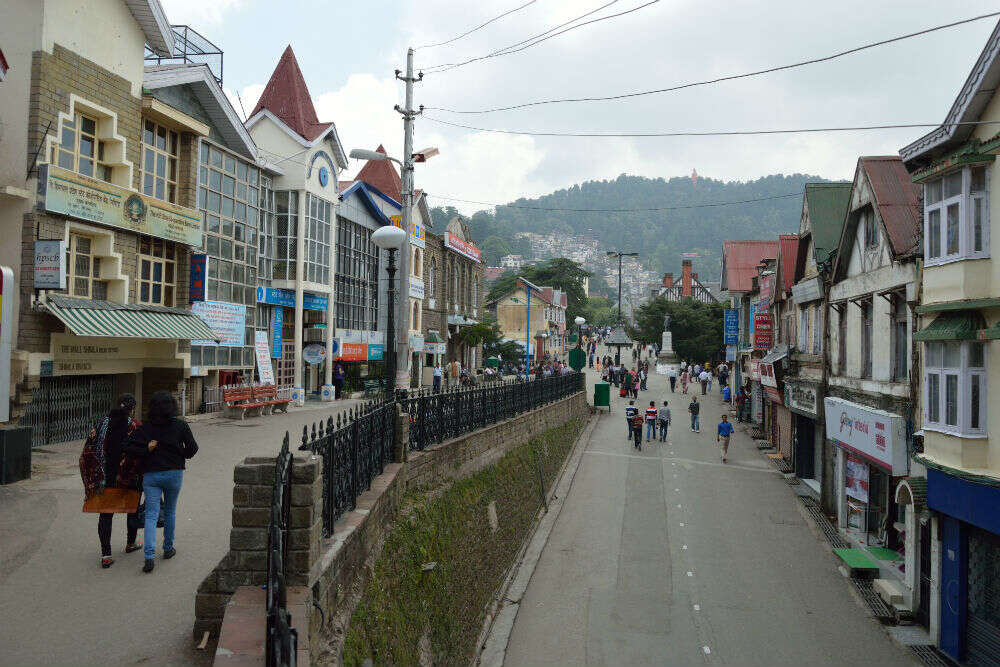
Located in the heart of Shimla, The Ridge is a wide open street located on the side of Shimla Mall Road. The Ridge has everything, from shops selling some exclusive artefacts to the spectacular view of the snow-capped mountain ranges set against an orangish hued sky and is famous for shopping. The Ridge is the most recognised face of Shimla and is often the most photographed part of the hill station covered with pine, firs, Himalayan Oak and Rhododendron trees. Not just a market place, The Ridge is also the social hub of the city. This wide open space is thronged by locals and nature enthusiasts as well as travellers with the road lined with cafes, bars, boutiques, shops and restaurants. It runs from east to west on the side of the Mall Road and connects it to the famous Scandal Point on the west end while on the east end, it is connected to the Lakkar Bazaar, the most famous wooden crafts market in Shimla. Apart from being the cultural centre, it houses the city’s lifeline – the water reservoir built in the 1800s with only lime motar, with the capacity of storing one million gallons of water, which supply water to the entire town. Various government functions and fairs are also held at the Ridge and it is the venue for all the major occasions held in Shimla. The most famous festival held here is the Summer Festival, a five-day extravaganza during April or May. The only place in Asia to have a natural ice skating rink, a Winter Sports festival is also organised here as well as a Tudorbethan style library established in 1910. The Ridge is open between 8 am and 6 pm every day and visitors will need about two to three hours to explore the place.
The Mall Road located in the heart of the town, is the main street that is lined up with a myriad of restaurants, clubs, banks, shops, post offices and tourist offices and also boasts of other attractions such as the Scandal Point and Kali Bari Temple. One of the busiest and more commercial areas of Shimla, this stretch truly celebrates the spirit of the hilltown. The stores located here are famous for their woollen clothes and handcrafted works. Vehicles, except emergency ones, are not allowed on this street, which makes the Mall Road an ideal place to stroll around in the evenings, without being concerned about traffic. The Mall Road is also famous for its variety of cafes so an evening spent people watching is wonderful here. The road is open between 9 am and 9 pm.
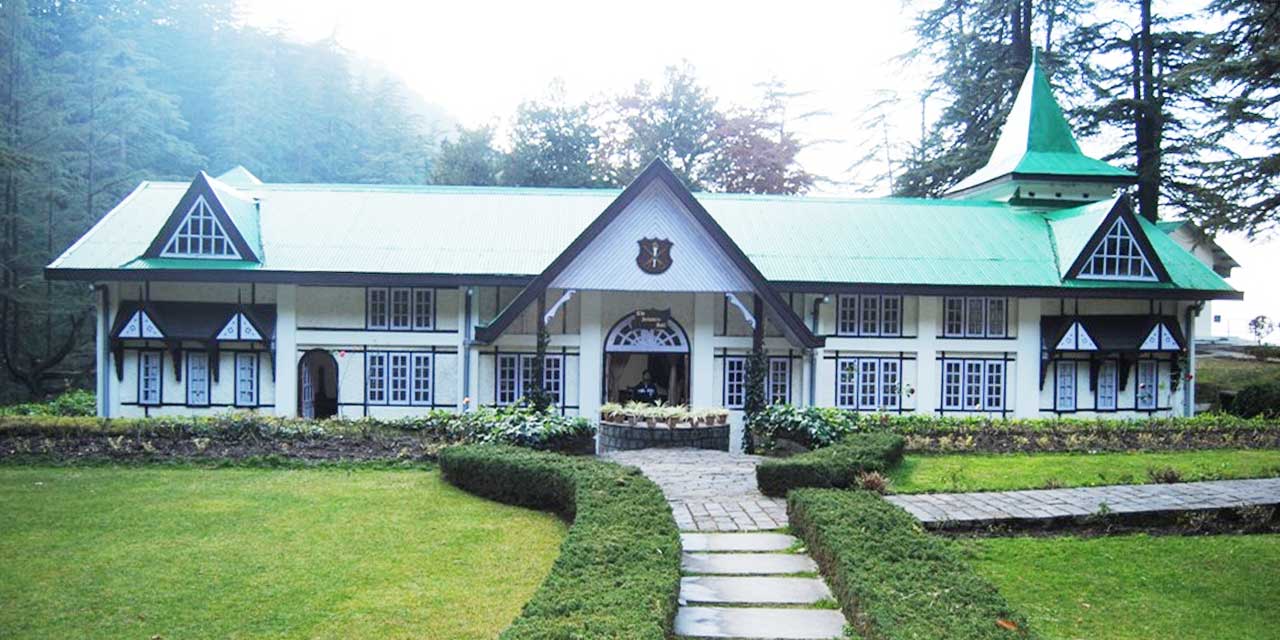
The Shimla Heritage walk is a guided tour of the Heritage Zone which begins at one end of the city and participants walk to every heritage monument , more like a leisurely stroll at one’s own pace with or without a guide and is the best way to explore the heritage monuments when travelling on a tight schedule. Different organisers take different routes for the heritage walk with some begining at the Ridge while others start at the Mall Road with pit stops for lunch and refreshments. The route covers the Vice Regal Lodge, Clark’s Hotel, The Ridge, Gaiety Heritage Cultural Complex, Bandstand, Scandal Point, Town Hall, Telegraph Office, Connie Cottage/ General Post Office, Gorton Castle, Council Chambers of the State Legislative Building, Cecil Hotel and Kennedy Cottage with some guides continuing the walk into the Bazaar where visitors can purchase local spices, vegetables and other items. The best time for a heritage walk is in winter, between October and February. The region receives snowfall, and the natural landscape is covered by snow, making the trail a beautiful experience.
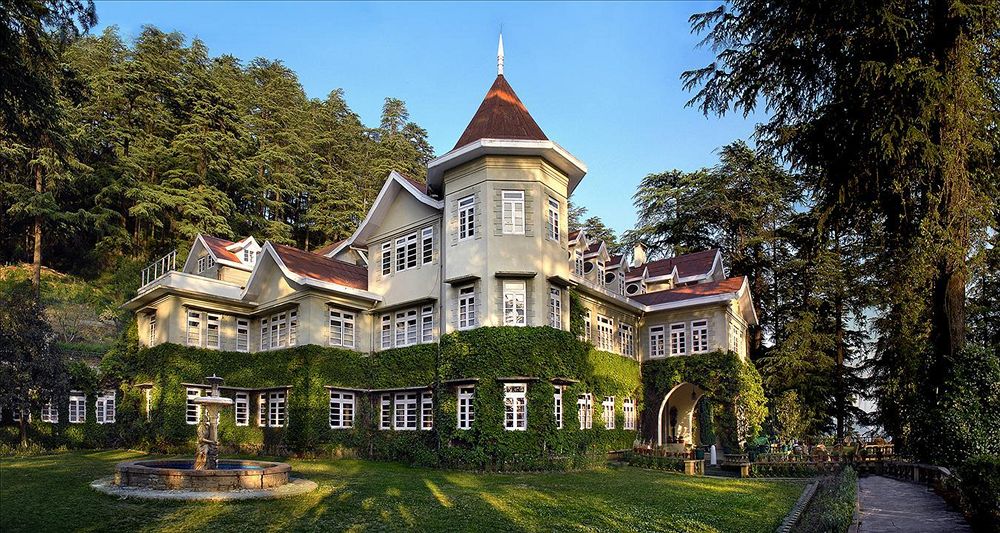
A heritage monument, over a century old, Gorton Castle was built during the colonial era and is used as the office of the Accountant General of Himachal Pradesh today. A perfect blend of the rich history and heritage of India during the colonial era, the castle is built according to the Neo-Gothic type of architecture and exudes the vibe of a fairy tale with its characteristic features. Located on a hilltop, Gorton Castle is surrounded by tall lush green deodar trees and the scenic beauty of the location makes it look incredibly majestic. Built in 1904 and designed by Sir Winton Jacob, Gorton Castel has a magical vibe with its stone structure and glass windows that take visitors back to the bygone colonial era. Located in the Shimla Heritage Zone, Gorton Castle is included in the Heritage walks held by several organisers in the city. A three storey building, set over an area of 40 thousand sq feet, the castle has 125 rooms and is built of grey coloured stones sourced from Sanjauli in the state with tall towers, beautiful windows, large doors and a roof that was initially made of tiles but is now replaced with galvanised iron sheets. The building has balconies which are adorned with traditional Rajasthani Jali and Jari work, and the entire building is surrounded by shrubs and trees that make the heritage monument a sight to remember. The castle is open from 9 am to 5 pm and has no entry fee to access it.
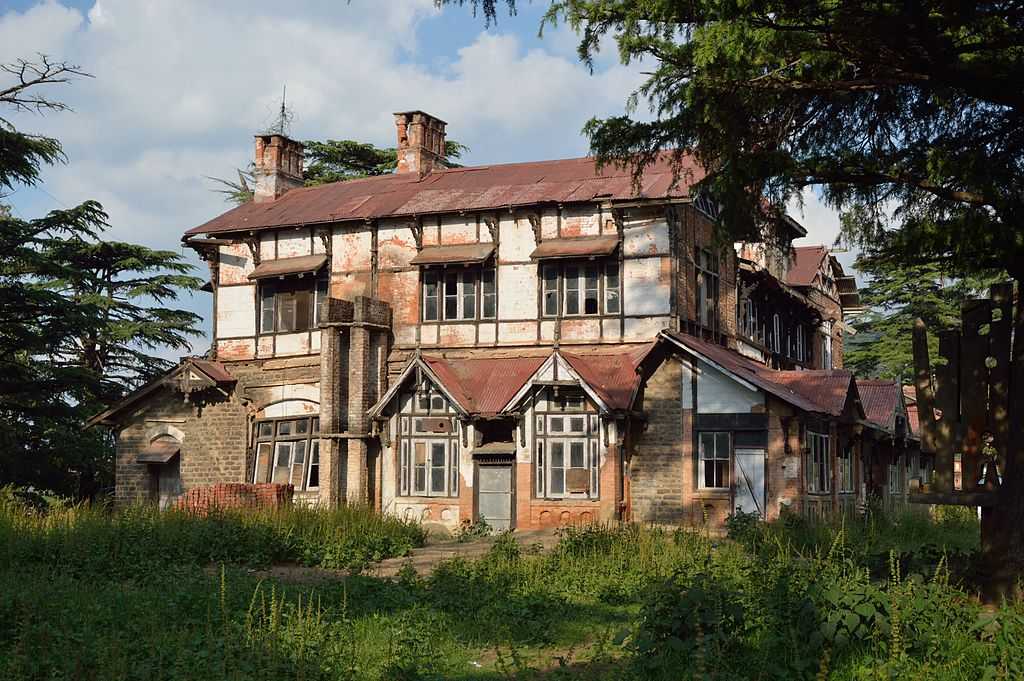
The Bantony Estate is a heritage site built during the British times and is located on Bantony Hill. The estate consists of Bantony Castle and Bantony Cottage and today comes under the Heritage Zone of Shimla and is included in the Shimla Heritage walk. The beautiful wooden architecture of the building amidst the sprawling lawns is a site worth exploring. Although the castle is in the process of refurbishment and renovation, some parts are still in ruins, but the potential of this heritage monument as a tourist attraction cannot be denied, which is why the government purchased the property from the owners to rebuild it.
Located on Jakhoo hill, Rothney Castle is a heritage monument located on a steep slope amidst lush green natural vegetation. As one climbs up the steep slopes of Jakhoo Hill, they are bound to be greeted by the enchanting chirping sounds of the birds, the colourful wildflowers and wild berries growing around enhance the experience. Once home to A.O. Hume in the late 1850s, who is also known as the father of Indian ornithology and the founder of the Indian National Congress, the castle comes under the heritage zone and is included in the heritage walks. The castle is surrounded by lush greenery that resembles an overgrown or a rarely maintained garden. It was here that Hume began his study and documentation of the birds found in the Indian Subcontinent and later started a museum in the castle to exhibit the variety of bird species he had acquired over the years.
A place with a titillating name, Scandal Point’s scenic beauty is picturesque with unobstructed views of the gigantic mountains covered in a blanket of dense fir and spruce. The point rests on the intersection of the city’s important roads, Ridge Road and Mall Road. Scandal Point is a year-round magnet where people come to relax and rejuvenate amidst the view of the soaring mountains. The story of why this point was named Scandal Point is an intriguing one. This captivating tale involves the Maharaja of Patiala, Maharaj Bhupinder Singh and the British Viceroy, Lord Kitchner’s daughter. Lord Kitchener had his entire family move to India while viceroy and his family was very uncomfortable with the move, especially his daughter. Bhupinder Singh used to visit the viceroy often and met his daughter, with whom he fell in love and she reciprocated. They met often and started spending time together and when Kitchener found out, he was furious. The couple wanted to get married, but this was not acceptable by Kitchner and ordered his daughter to stop seeing the king and tried to break off the relationship. The lovers could not be apart and decided to elope and met at what is today Scandal Point, and ran away in 1892. This incident remained the talk of the town for years and went down in history as one of the first alliances between the British and the Indians. Enraged by their misconduct, Lord Kitchener swore that he would ruin the king’s life and expelled the Maharaja from Shimla. However, Maharaja Bhupinder Singh was confident in his love, and constructed the summer capital of his kingdom from scratch in Chail, only 50 miles away from Shimla. Scandal Point is open between 6 am and 8 pm daily.
Annandale is a destination for everyone with a golf course, a playground, a cactus museum and an Indian Army museum here as well as as a favourite local picnic spot. At the Indian Army Museum, visitors will come across artefacts and stories of sacrifices and victories of the Indian armed forces. The museum has a collection of flags, uniforms, weapons, ammunition and information about all the regiments of the Indian cavalry. The Cactus Museum is maintained near the Indian Army Museum and has a variety of cactii brought in from significant cactus growing regions in the world. There is also a cafe that serves a variety of locals snacks.
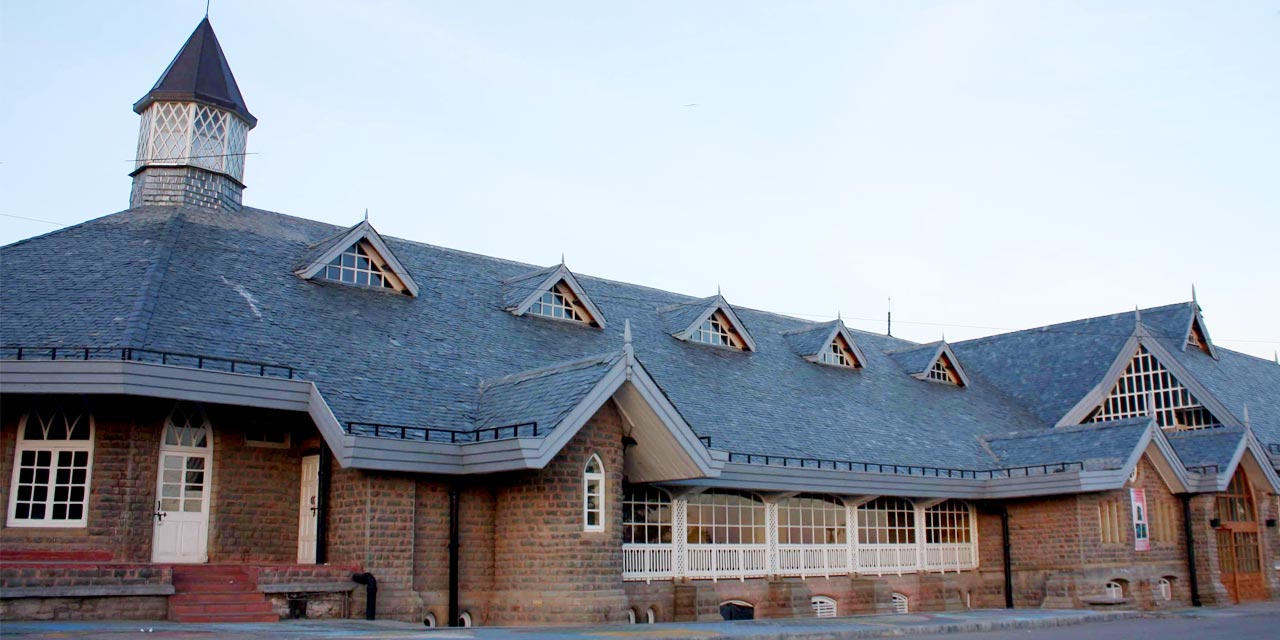
Built in the Victorian or Gothic style of architecture over a century ago, the Gaiety Heritage Cultural Complex is of immense historical and cultural significance. The five-storey complex houses an exhibition hall, a multipurpose hall, an art gallery and an amphitheatre and is considered an essential centre of performing arts for artists and art enthusiasts. Built in 1887, the complex was designed by the British-Indian architect, Henry Irwin. The main attraction of the cultural complex is the theatre. The Art Gallery the complex works in association with the Lalit Kala Academy in New Delhi and has hosted several national and international art exhibitions. A theatre and amphitheatre are also located in the complex which have a decent sound system. The structure has large Victorian style doors and glass windows. The space is cleverly utilised to display paintings and sculptures. The complex is open from 11 am to 1:15 pm and then again from 1:45 to 7 pm. Indian citizens pay INR 10 per person and INR 25 for a camera while foreigners pay INR 25 per person and INR 50 for a camera.
Set amidst the lush green background of the Shivalik hill ranges on Jakhoo Hill, the highest point in Shimla, the Jakhu Temple is an ancient site shrouded in legends and offers a mystical vibe to visitors. The Jakhoo Temple is dedicated to the Hindu monkey god, Lord Hanuman and has the world’s largest Hanuman statue, visible from most parts of Shimla. According to the legend that surrounds Jakhu Temple, Lord Hanuman stopped at this spot to take rest before resuming his search for the Sanjeevani herb to revive Lord Lakshman during the war in the Ramayana. It is also believed that the place has earned its name from sage Yakoo whom Hanuman had seen sitting here while he was on his way to the Himalayas and landed here to get more details about the Sanjeevani plant and because of this, Jakhoo hill which was much higher, sunk halfway into the earth. Hanuman then proceeded to Mount Dronagiri in the Himalayas and promised to visit sage Yaaku on his return, but due to a shortage of time, and his confrontation with the cunning demon, Kaalnemi, he could not make it back to the hill. Sage Yaaku supposedly built this temple in the honour of Lord Hanuman. Legend says that the temple has been built around Hanuman’s footprints and the monkeys that flock and reside around the shrine are said to be the descendants of Lord Hanuman. The original date of construction of the temple is not clearly known but is believed to be existing since the times of Ramayana. The vintage British-era architecture coupled with the scenic views of the Himalayan landscape is thoroughly enjoyed by the ropeway cable car from the bottom of the hill to the top. The Jakhoo ropeway is one of the four major ropeway attractions in the state and each cabin can carry six people. The ropeway operates from 9:30 am to 6 pm daily. Free for children below three, it costs INR 200 for children between 3-12 years and INR 250 for adults for a one way ride. The temple is open from 5 am to 12 noon and then again between 4 to 9 pm daily.
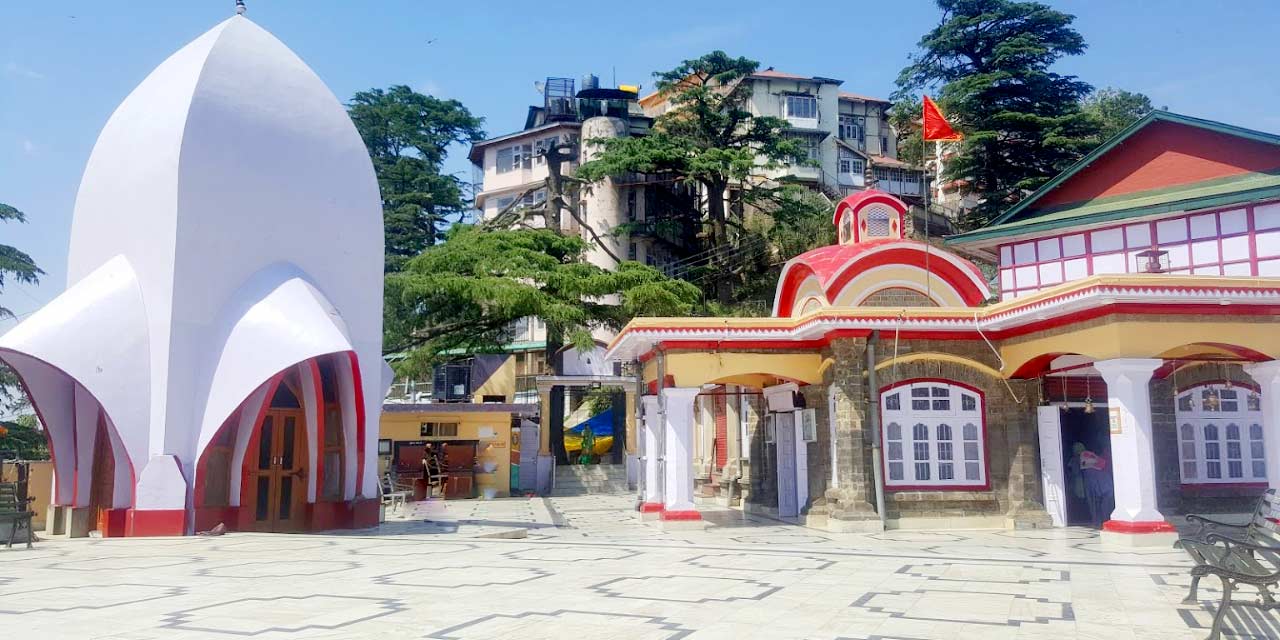
The Kali Bari temple is an ancient place of worship dedicated to Goddess Kali built in 1845. The shrine houses a captivating idol of Goddess Kali beautifully adorned with jewellery and colourful flowers. Located in Shimla, very close to the Shimla City Mall, it is often visited by devotees in large number. The temple premise is kept clean and is well-maintained, and devotees can sit for hours here absorbing the heavenly vibe. Many prefer chanting or meditating here to contemplate issues they are facing as they seek power and energy from Goddess Kali to face and fight them. Locals believe that Goddess Kali lived on Jakhoo Hill, the location of an ancient temple that was later relocated to Kali Bari by the British and also call Goddess Kali as Goddess Shyamala from which Shimla derived its name. A large number of devotees visit the Kali Bari Temple seeking Goddess Kali’s blessings and to offer her prayers during Navratri. The temple is open from 6 am to 7 pm but the best time to visit the temple is in the evening during the evening arti at 7 pm.
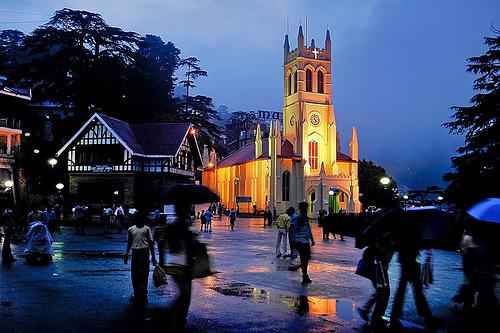
The second oldest church in Northern India, Christ Church is a site of architectural beauty. The church, which took 11 years to complete, reminds visitors of India’s colonial past. At night, the church glows when it is lit up, while during winters, it dons the look of a magnificent castle. The yellow building and its silhouette is visible from across the town and it is inspired by the neo-gothic style of architecture, complete with a front porch, church bells and five stained glass windows that represent different virtues in Christianity. These windows are a unique feature and represent the various virtues of Christianity, namely Charity, Humility, Fortitude, Faith, Patience and Hope. The towers of this holy church are about 90 feet high, and the building is complete with a brass church bell, a clock and a set of five tubular bells. The Pipe organ of the church is the biggest that the Indian subcontinent has seen. Even with the hullaballoo outside at the Ridge, Christ Church is peaceful which makes a nice interlude to a person’s day. A grand library, built in 1910 by James Ransome and designed in the typical Elizabethan style, is located right next to Christ Church and boasts of an enviable collection of books and other ancient scriptures. The church is open between 8 am and 6 pm daily.
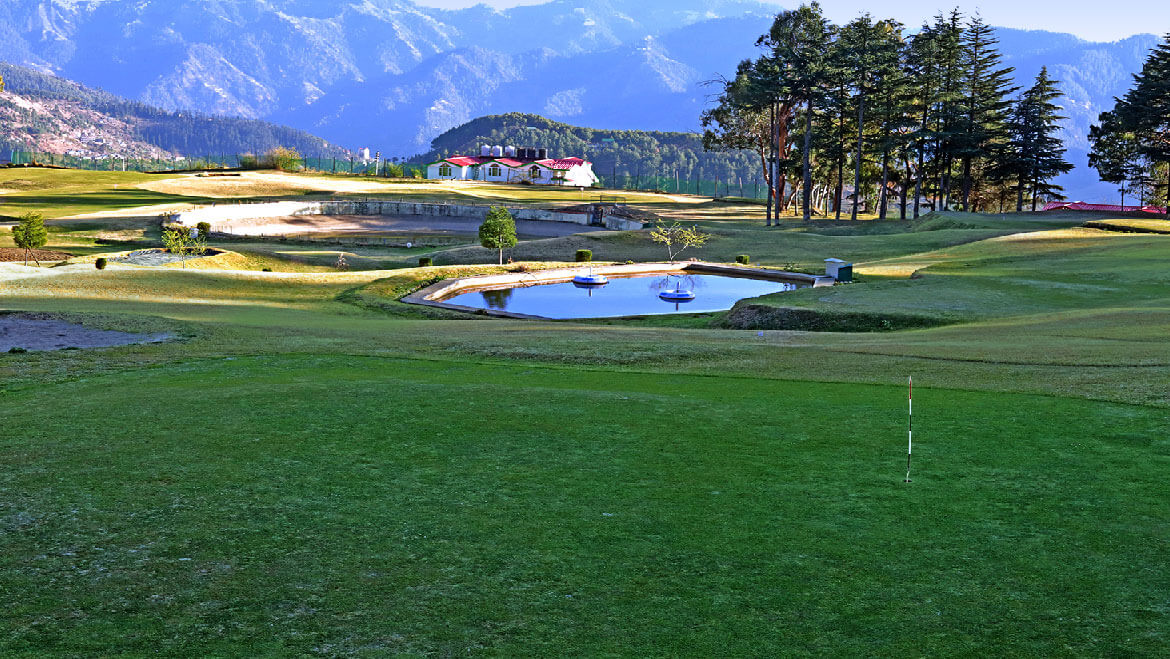
A small hill station, about 22 km from Shimla, Naldehra is famous for its greenery, golf course and views of the mountains filled with thousands of pine trees. Naldehra came into prominence when Lord Curzon, the then British Viceroy of India, discovered the place. Visitors can enjoy a wonderful afternoon in the lush green valley with interposed with clouds or can take a horse ride to the golf course. There is a small temple dedicated to Kogi Mata known as Kogi Mata Temple situated in Kogi village near Naldehra and in the midst of the golf course is the Mahunag Temple dedicated to the snake god and is believed to be the reason Naldehra is named which translates to abode of the king of the snakes. Visitors also enjoy the Karsog Valley view along with the northern Himalaya from the temple. The golf course built by Lord Curzon is considered the oldest nine-hole course in India and is opem from 8 am to 6 pm. The best way to cover the course is via horseback which costs about INR 1000 per person and takes about two hours to do. Green Valley is a beautiful and breathtaking mountain range that falls on the way to Kufri from Shimla surrounded by verdant hills on all sides that are covered with thick forests of pine and deodar and visitors can see Yaks wandering and grazing around in the valley. Not developed for tourism, it is still a crowd puller and is imbued with natural beauty, as is evident in the dense deodar and pine trees that line the majestic hills.
The quaint village of Kharapathar near Shimla is located at the height of 8770 feet above sea level, making it the highest point on the Shimla route. Aside from its surroundings, Kharapathar is best known as a base for several trekking and hiking routes amongst which the most famous one is the Giri Ganga River Trek. The village and the area surrounding it are also often referred to as the ‘apple belt of Himachal Pradesh’ due to sprawling apple plantations dotting the hills with the reds and greens. Camping and fishing are activities that are also often taken up by individuals visiting the area.
Located in the Glen forest, Chadwick Falls’ stream of water trickles from a height of about 100 metres. The name Chadwick is derived from Chidku Jhaar where Chidku means sparrow and Jhaar means waterfall in the local language. It was named so because the locals thought only sparrows could reach the top of the waterfall and not humans. The Britishers found it difficult to pronounce this name and hence started calling the waterfall Chadwick. The best time to visit Chadwick Falls is during the monsoon time, from June to September as the region receives a good amount of rainfall and the level of water rises considerably.
A little aviary, the Himalayan Bird Park is home to rare and exotic birdlife as well as the iridescent monal pheasant which is Himachal’s former state bird. This nature park is located in the heart of the city opposite the Vice Regal Lodge and visitors can take a walk around the park and explore the rich collection of plants and trees. The collection of pheasants, peacocks and peafowl are bliss to bird watchers as well as wildlife photographers and is a must-visit for the nature lovers owing to the lush green pastures that the park boasts of. Summers are the best time to visit Himalayan Bird Park, because, during winters, the place gets covered in snow. The bird park is open from 10 am to 5 pm with entry fees being INR 10 per person.
Popularly for its rare variety of flora and fauna, the Shimla Reserve Forest Sanctuary is a must-visit for all wildlife enthusiasts. Animals such as jackals, barking deer, monkeys and leopards are commonly sighted here. The Pir Panjal ranges of Jammu and Kashmir can also be seen from here, making this an ideal spot for trekking and picnics.
The Indian Institute of Advanced Studies located on the Observatory Hill is a majestic structure made with Victorian-style architecture which has now been converted into an educational institution offering post-doctoral courses. This building was formerly used by the British Government to hold important political meetings.
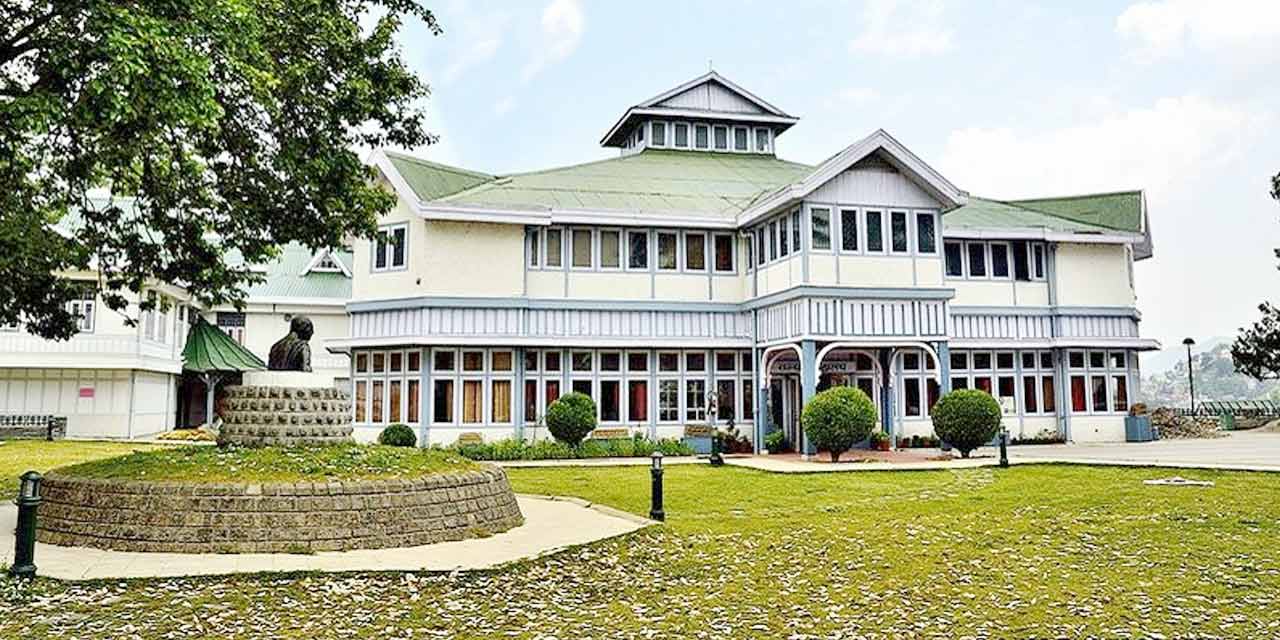
The Himachal State Museum is located on the Mall Road and has some unique collectables like ancient coins, paintings and other handicraft items collected from all over the state and the rest of the country, the aesthetics of which are influenced by the Pahari form of art. One of the major highlights is the library housing around ten thousand books, magazines and journals. The museum also has a doll gallery which has several bride and groom dolls among many others as well as some archeological artefacts which includes stone images from the 8th century. In colonial times, the grand building housed Lord William Beresford, the Military Secretary to the then Viceroy in India. Being occupied by several tenants later, after independence, it housed the government state officials and was finally converted into a museum on January 26, 1974. The museum is closed on the weekends and Mondays and is open from 10 am to 1:30 pm and then again from 2 to 5 pm on Tuesdays to Fridays. Entry fees for Indians is INR 20 while for foreigners, it is INR 50.
Kufri A resort hill station about 15 km east of Shimla, Kufri’s name is derived from the word kufr meaning lake in the local language. The region around Shimla including Kufri was once a part of the Kingdom of Nepal until the area was ceded to the British Raj as part of the Sugauli Treaty. This region remained obscure from the rest of the world until the British discovered it in 1819. While there’s not much to see in Kufri as such, but the panoramic views and temples after a bit of trekking are worth the time. Kufri can be done as a day trip from Shimla and is quite crowded and a popular as everyone who comes to Shimla visits Kufri. The highest point in the surrounding region, Kufri has a Himalayan wildlife zoo which hosts rare antelopes, felines and birds including the Himalayan monal, the state bird of Himachal Pradesh until 2007. During winter a meandering path through the potato plantations turns into a popular ski track. Mahasu Peak is the highest point in Kufri and the journey to the peak can only be covered on horse or mule back, because the path is very muddy and almost impossible to tread on foot. Horses or mules can be hired for INR 650 to the Mahasu and INR 380 to the Deshu peaks. The Nag Temple on top of the Mahasu Peak is a sight to behold, as is the panoramic view from the top and worth the long trek. Situated at over 2,600 metres altitude, the Himalayan Nature Park forms natural habitat for many wild animals of the Western Himalayas. At the nature park, on a clear day, visitors can enjoy the breathtaking view of the entire range of Himalaya’s snow clad peaks. The natural habitat of the Nature Park has been used to house selected Himalayan animal species primarily for the purpose of education of visitors. Close to the Himalayan Nature Park is the Indira Tourist Park which offers a calm ambience, good atmosphere, good food and coffee. One of the most unique things to do in Kufri is experiencing a Yak ride. The slow, prodding, fluffy animals will make you go back in time when people travelled on yaks.
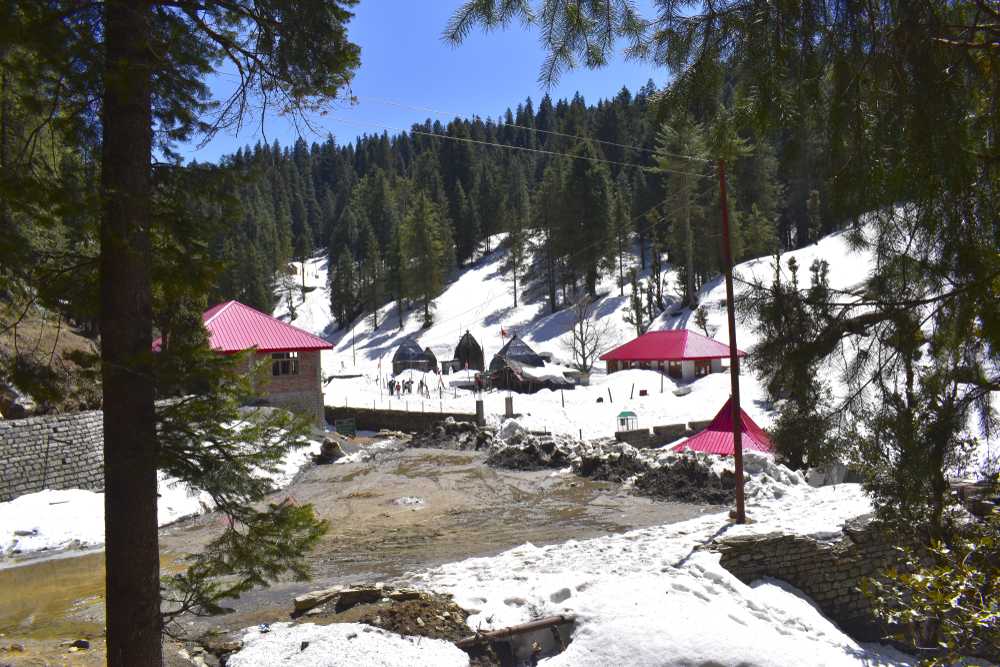
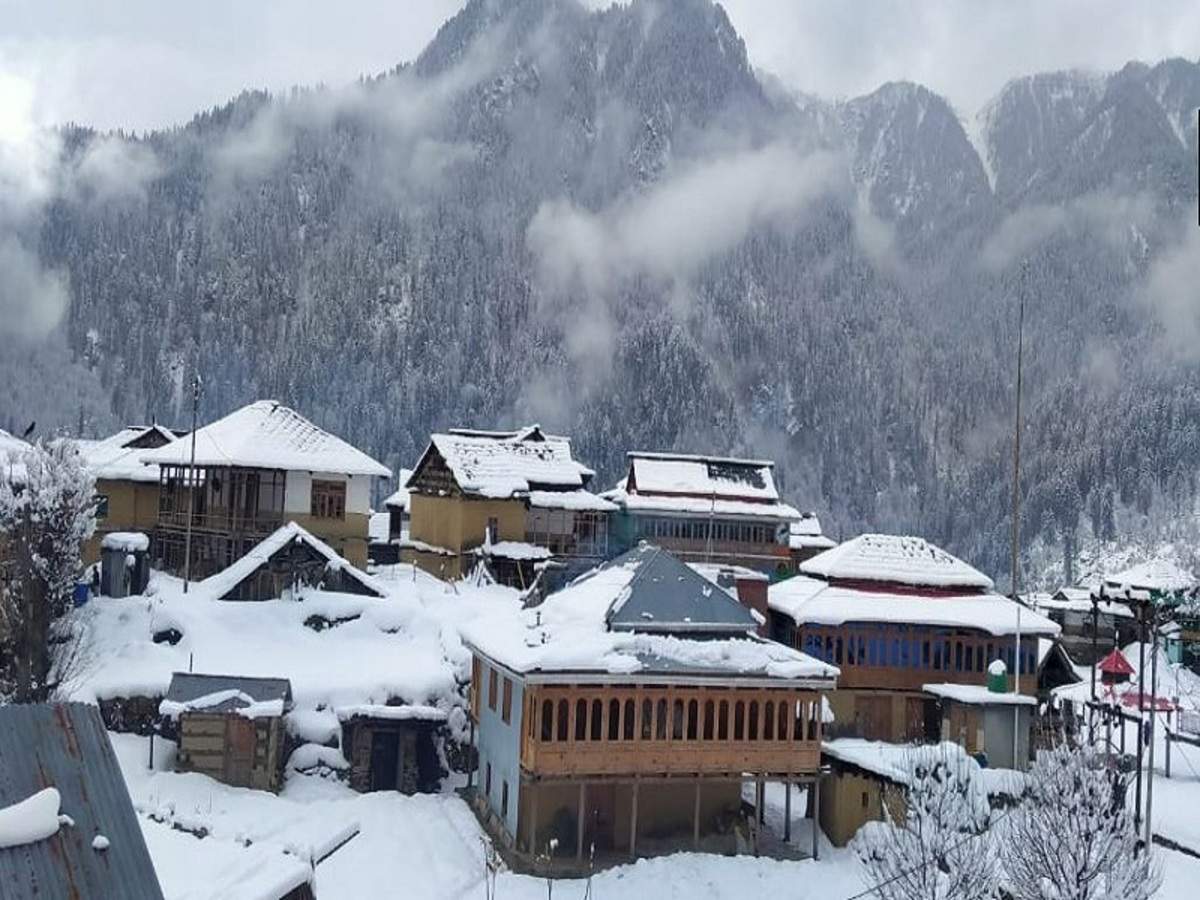
Fagu Situated at an elevation of 2500 meters, Fagu is a serene snow clad hamlet about 18 km east of Shimla and is nestled in the majestic Himalayan range. This place looks magical as it is always enveloped in snow and fog with the clouds so close that at times it feels as if one is walking on them. The verdant trees, snow clad mountains and lush green fields make Fagu a must visit place to relax and unwind. It is believed that Fagu derived its name from the word fog. The picturesque hamlet is home to a myriad flora and fauna and enveloped by lush green pine and cedar trees. A number of apple trees are also located here as well as lush fields of potato which beg for lazy strolls to be taken amongst them. Visitors may also spot animals such as snow leopards, yaks and ponies. The stunning Fagu valley is a magnificent place that is unaffected by industrialisation making it abundant with the beauties of nature. The Bhantia Devta temple is an architectural marvel with intricate wooden carvings which enhance its beauty. The verdant trees and mountains surrounding Fagu will make you feel close to nature refeshing the mind, body and soul. During the winter season when the place is covered by thick white snow, visitors can enjoy skiing. Skiing in Fagu will be a delightful experience and the mesmerizing beauty surrounding the place will make the skiing experience even more magical. The best time to visit Fagu is during the winter season between the months of October and February. The weather during this time period is freezing and the place looks serene in white snow. Visitors can also experience skiing in winters. Summers in Fagu are also a great way to beat the heat.
Theog A quiet escape and a lesser crowded attraction in the state, Theog located in the Himalayas, has everything a popular hill station can give you minus the tourist rush. Located 32 km east of Shimla, Theog is a town of five ghats or ridges and makes for a beautiful weekend getaway as well as a popular camping site. Theog experiences pleasant weather all year around and October and November are considered the better months to visit as the climate and the hamlet are in its best form then. It gets extremely cold here after November with the mercury falling sharply accompanied by mild to heavy snowfall. The Rajput rulers of Theog share a common line of descent with the founders of Ghund and Madhan, who were sons of a Chandel Rajput from Jaipur and Theog was made subordinate to Keonthal in September 1815. While in Theog, visitors must take plenty of walks because the hamlet is all about nature in its raw original and unadulterated beauty.
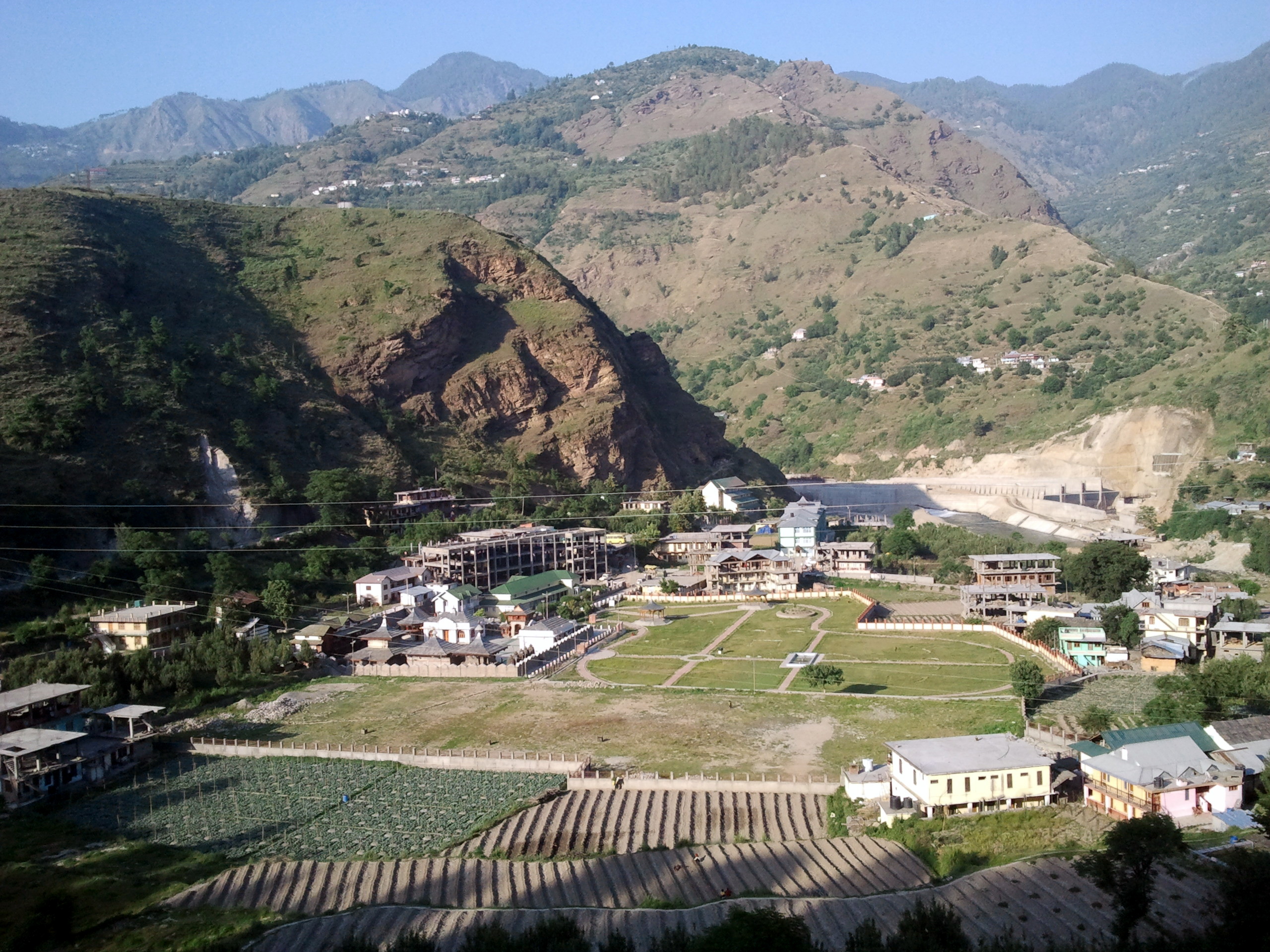
Hatkoti Valley 105 km east of Shimla lies the quaint village of Parhaat and near this village and on the banks of the river Pabar is the stunning valley of Hatkoti. This valley of stone temples is as preternatural and peculiar as it is ancient. The valley lies in the Jubbal tehsil and provides some of the best views as it is set against the colossal Himalayan ranges. The valley is visited by locals as a day trip from Shimla and is a popular pilgrimage spot. Near Hatkoti, the river Pabar is joined by two tributaries called Bishkuti and Raanvti. This joining of the three rivers and formation of a junction along with the presence of the stone temples makes this place a pilgrimage spot. The locals believe the river Bishkuti is poisoned due to its pale grey colour. The main temple in the valley is the Hateshwari Hatkoti temple with a stunning view of the nearby area as well as the other temples that dot the serene valley. The Hateshwari temple is dedicated to the Goddess Durga while the smaller temple next to it worships Lord Shiva. For architecture buffs, the temple’s unique architecture that strongly resembles the Gupta period between the 6th and the 9th centuries is a draw. The main idol of Goddess Durga depicts Mahishasuramardini, also called Mata Hateshwari with the idol standing at 1.2 m and is made of a fusion of eight metals. On either side of this idol lie paintings and pictures of the Brahmi script, which has not been deciphered by anyone till date. Another peculiar aspect of the main temple is the fact that the Shivalinga placed inside the temple seems to be miraculously wider than the doorway itself. Besides the temple, there are several attractions one can visit in this valley. The hills of Sunpuri are considered sacred by many individuals due to the presence of another temple of Durga as well as other temples believed to be built by the Pandavas. According to legend, these stone temples were said to be made by the Pandavas as toy houses and are said to have played a pivotal part in the Mahabharata. Other legends say that many of these temples erupted as a result of the fight against gods and demons which took place at Hatkoti. Visiting the valley during winter is also very delightful.
Chanshal Valley Also known as Chanshal Pass, Chanshal Valley is a beautiful destination located 160 km east of Shimla. This gorgeous mountain valley is the perfect spot for a weekend getaway and relaxing while watching a peaceful sunrise atop the mountain peaks here will bring a deep sense of peacefulness to the soul. At an altitude of 3,755 m, the valley is located on top of the highest peak in the Shimla district , the Chanshal Peak. The valley is an 180 km road which forms a connection between the townd of Rohru or Chirgaon and the Dodra Kwar Valley and today this valley has become extremely famous for its scenic, breathtaking views. The pass remains open from May to October and is covered with snow for the rest of the year. The best time to visit the Chanshal Valley is during late June, September and October. It’s inadvisable to visit during the winters because the valley experiences countless blizzards and snowstorms in addition to the extreme cold. The early summer months should also be avoided because the fresh summer heat melts the ice, making the path extremely slippery. Any trip to the Himalayas makes for beautiful photographs. The view from the top of the peak, as the sun is cloistered amongst snow-capped peaks far away, is enchanting. The trek to Chanshal Pass is taxingly steep, and the going gets difficult but if someone can do it, then it’s an opportunity to not be missed.
Decoding Boys: New Science Behind the Subtle Art of Raising Sons – Cara Natterson
When boys enter puberty, they tend to get quiet — or at least quieter than before — and parents often misread their signals. Here’s how to navigate their retreat and steer them through this confusing passage.
What is my son doing behind his constantly closed door? What’s with his curt responses, impulsiveness, newfound obsession with gaming, and . . . that funky smell? As pediatrician and mother of two teenagers Cara Natterson explains, puberty starts in boys long before any visible signs appear, which causes confusion about their changing temperaments for boys and their parents alike. Often, they also grow quieter as they grow taller, which leads to less parent-child communication. But, as Natterson warns in Decoding Boys, we respect their increasing “need” for privacy, monosyllabic conversations, and alone time at their peril. Explaining how modern culture mixes badly with male adolescent biology, Natterson offers science, strategies, scripts, and tips for getting it right:
Recognizing the first signs of puberty and talking to our sons about the wide range of “normal” through the whole developmental process
Why teenagers make irrational decisions even though they look mature—and how to steer them toward better choices
Managing video game and screen time, including discussing the unrealistic and dangerous nature of pornography
Why boys need emotional and physical contact with parents—and how to give it in ways they’ll accept
How to prepare boys to resist both old and new social pressures—drugs, alcohol, vaping, and sexting
Teaching consent and sensitivity in the #metoo culture
Decoding Boys is a powerful and validating lifeline, a book that will help today’s parents keep their sons safe, healthy, and resilient, as well as ensure they become emotionally secure young men.
Once the domain of teenage girls with their locked diaries, today, journaling has become mainstream, especially when it becomes a part of self-care. Scientific studies have shown it to be essentially a panacea for modern life. There are the obvious benefits, like a boost in mindfulness, memory and communication skills. But studies have also found that writing in a journal can lead to better sleep, a stronger immune system, more self-confidence and a higher IQ. And there is some research from New Zealand which suggest that journaling may even help to heal wounds faster.
Labelling emotions and acknowledging traumatic events, both natural outcomes of journaling, have known to have a positive effect on people, and are often incorporated into traditional therapy. At the same time, writing is fundamentally an organisational system. Keeping a journal, according to experts, helps to organise an event in our mind, and make sense of trauma. When we do that, our working memory improves, since our brains are freed from the enormously taxing job of processing that experience, and we sleep better. This in turn improves our immune system and our moods and we go to work feeling refreshed, perform better and socialise more.
Journaling can help manage anxiety, reduce stress, cope with depression, control symptoms and improve the mood by helping prioritise problems, fears, and concerns and tracking any symptoms day-to-day so that one can recognise triggers and learn ways to better control them. Journaling also provides an opportunity for positive self-talk and identifying negative thoughts and behaviours.
So what should we journal about? I have been journaling for about four to five years now and I use my journals as my daily diary, a sort of a brain drain and a way to get rid of all the things that swirl in our brains and clutter, not allowing us to be productive. My journal is online, on the cloud as a Google Doc and I sort it by month and write daily (or at least try to write). I prefer using a cloud system because I can then sync it across my devices and laptop and it is always with me. A pen and paper diary is bulky and if I am writing things in it that I don’t want anyone else to see, then secreting it is an issue. Having it online means to a large extent, I can control who can view it. But this is personal, you can use whatever method you prefer. Somedays I come back to my journal multiple times a day to write, especially when something very interesting is happening, other days, it’s a quick couple of lines at the end of the day to just document that day.
Journaling has many other benefits other than what I have written above.
Journaling optimizes one’s creative potential by allowing you a space to put down your ideas. So that 3 am idea which never saw the light of the day because it was forgotten by the time we woke up now can be channelled in a journal to be used later. A journal is also a good place to review your goals and see what you need to do to get there. As you read and refine your goals daily, including your to-do list, they become a part of you in your conscious mind and you become more productive. They become a part of your daily reflections, in both your personal and professional life and when you look back, you can see what needs to be done and when. When we journal, we can see with crystal clear what should and should not be included in your life and not only will you have more clarity about your path in life, but it will improve your ability to make small and large decisions along the way. Journaling also helps clear the stress in your life by reducing the scatter in your life, increasing focus, increased stability, a deeper level of learning, order and action, releasing pent-up thoughts and emotions and detaching and letting go of the past.
Without a journal, intense emotional experiences can be crippling for hours, days, and even years. However, an honest and inspired journal session can be the best form of therapy, quickly returning you better and smarter than you were before. Journaling is also a way to express gratitude. Even if one starts a journal session in a bad mood, the insight writing brings has a subtle way of shifting the mind towards gratitude. When one starts writing what they are grateful for, new chambers of thoughts opens in the palace of your mind. Make sure to include gratitude in the journal and it will change your entire life orientation from scarcity to abundance with the world increasingly becoming your oyster.
As a parting thought, I would suggest that if you start journaling, don’t be too hard on yourself if you miss a day to journal. After all, it takes 21 days to make something a habit. Just write a couple of lines about your day and share it as if you are sharing your thoughts with a close friend.











:max_bytes(150000):strip_icc()/GettyImages-995468182-5c12fc3e46e0fb000108d8f4.jpg)

 Memories and Such
