Today is the World Book and Copyright Day also known as World Book Day. I have written previously about this day, so hop there to know more about the history of why this day has been celebrated.
The World Book and Copyright Day is a celebration to promote the enjoyment of books and reading. Each year, on 23 April, celebrations take place all over the world to recognise the scope of books, a link between the past and the future, a bridge between generations and across cultures. On this occasion, UNESCO and the international organizations representing the three major sectors of the book industry – publishers, booksellers and libraries, select the World Book Capital for a year to maintain, through its own initiatives, the impetus of the Day’s celebrations.
The original idea of this day was from the Spanish writer Vicente Clavel Andrés as a way to honour the author Miguel de Cervantes, first on 7 October, his birth anniversary, then on 23 April, his death anniversary. In 1995 at UNESCO’s General Conference held in Paris, it was decided that the World Book and Copyright Day would be celebrated on 23 April, as the date is symbolic in world literature as it is also the anniversary of the death of Miguel de Cervantes, William Shakespeare and Inca Garcilaso de la Vega, as well as that of the birth or death of several other prominent authors.
This year, when many schools and institutes of learning have been shut because of the pandemic caused by COVID-19, reading has become an essential habit, more than ever. As more people spend time at home and limit social gatherings, the power of books should and can be leveraged to combat isolation, reinforce ties between people, expand our horizons, while stimulating our minds and creativity. Books have the unique ability both to entertain and to teach. They are at once a means of exploring realms beyond our personal experience through exposure to different authors, universes and cultures, and a means of accessing the deepest recesses of our inner selves.
Not just during the month of April, but all year round, it is critical to take the time to read on your own or with your children, if they are too young to read on their own. It is a time to celebrate the importance of reading, foster children’s growth as readers and promote a lifelong love of literature and integration into the world of work. Through reading and the celebration of World Book and Copyright Day, we can open ourselves to others despite distances, and we can travel thanks to our imagination, even though leisure travel has stopped more or less across the world.
The 2021 World Book Capital is Tbilisi, Georgia. Cities designated as UNESCO World Book Capital undertake to carry out activities with the aim of encouraging a culture of reading and diffusing its values in all ages and population groups in and out of the national borders. The cities commit to promoting books and fostering reading during a 12 months period between one World Book and Copyright Day and the next.
So please read today if you don’t otherwise read often. If you are a parent with a child too young to read, sit down with them with a favourite book and spend time reading and inculcating the love and joy that comes when you read a good book. For parents with older children, be a good role model and lead by example and show to your children how important reading is. I am going to spend most of today and the weekend with a good book, some nice hot tea or coffee and just read. What about you?
The Lazy Genius Way: Embrace What Matters, Ditch What Doesn’t, and Get Stuff Done – Kendra Adachi
Being a Lazy Genius isn’t about doing more or doing less. It’s about doing what matters to you.
The chorus of “shoulds” is loud. You should enjoy the moment, dream big, have it all, get up before the sun, track your water consumption, go on date nights, and be the best. Or maybe you should ignore what people think, live on dry shampoo, be a negligent PTA mom, have a dirty house, and claim your hot mess like a badge of honor.
It’s so easy to feel overwhelmed by the mixed messages of what it means to live well.
Kendra Adachi, the creator of the Lazy Genius movement, invites you to live well by your own definition and equips you to be a genius about what matters and lazy about what doesn’t. Everything from your morning routine to napping without guilt falls into place with Kendra’s thirteen Lazy Genius principles, including:
Decide once
Start small
Ask the Magic Question
Go in the right order
Schedule rest
Discover a better way to approach your relationships, work, and piles of mail. Be who you are without the complication of everyone else’s “shoulds.” Do what matters, skip the rest, and be a person again.
Human beings live on planet Earth and it is our sacred duty to preserve our planet for our future generations. The connection that we have to nature, plants, and the land is integral to our health and all that we are. Earth Day, celebrated tomorrow on 22 April each year reminds us to take care of our planet, whether it’s cleaning up litter, planting more trees, recycling and repurposing, or going on a walk in a green space amidst the wildflowers.
Earth Day 2021 will mark the 51st anniversary of celebrating this day which was first organised in 1970 in the USA. Dealing with dangerously serious issues concerning toxic drinking water, air pollution, and the effects of pesticides, an impressive 20 million Americans—10% of the population—ventured outdoors and protested together. Today, Earth Day is marked by more than a billion people every year as a day of action to change human behaviour and create global, national and local policy changes. As of the 2020 Earth Day celebrations, 1 Billion individuals have been mobilised for action every Earth Day with more than 190 countries engaged in this cause.
With the largest global crisis of our generation currently on, it has become clear how important it is to think ahead of the next crisis. Climate change, species loss, pandemics and massive natural disasters might define the future, unless we do something now.
The theme for the 2021 edition of Earth Day is Restore our Earth. The theme is based on the emerging concept that rejects the idea that our only options to save the planet are to mitigate or adapt to the impacts of climate change and other environmental damage. Scientists, non-governmental organizations, business, and governments worldwide now are looking at natural system processes and emerging green technologies to restore the world’s ecosystems and forests, conserve and rebuild soils, improve farming practices, restore wildlife populations and rid the world’s oceans of plastics. While the world waits for global political and business leaders to take decisive action to reduce carbon emissions, natural processes including reforestation and soil conservation can store massive amounts of carbon while restoring biodiversity, clean water and air and rebalancing ecological systems. Restoration is pragmatic and necessary to reduce climate change.
Restoration also brings hope, itself an important ingredient in the age of COVID-19. The impacts of the pandemic have illustrated with painful clarity that the planet faces two crises and they are connected: global environmental degradation and its connection to our health. Deforestation, wildlife trade, air and water pollution, human diets, climate change and other issues have all fed into a breakdown of our natural systems, leading to new and fatal diseases, such as the current pandemic, and a breakdown of the global economy.
Everyone of us can celebrate the day. With restrictions in place in many countries, the activities we can do need not be just physical, they can also be virtual. You could perhaps, plant a garden or add some green to your home like a small herb garden which is easy to grow and maintain. You could also take a walk while social distancing and discover green spaces closeby and learn about the plants and animals indigenous to your area. Learn about recycling and upcycling as well as shop sustainable brands online and see how you can save the environment. While at home, we can also watch documentaries about the earth which will increase our knowledge about this beautiful planet we call home. And lastly, we can also take virtual field trips which many national parks and other outdoor places organise. This way, you don’t travel and increase your carbon footprint!
So how do you plan on celebrating and commemorating Earth Day?
Reinventing the Bazaar: A Natural History of Markets – John McMillan
From the wild swings of the stock market to the online auctions of eBay to the unexpected twists of the world’s post-Communist economies, markets have suddenly become quite visible. We now have occasion to ask, “What makes these institutions work? How important are they? How can we improve them?”
Taking us on a lively tour of a world we once took for granted, John McMillan offers examples ranging from a camel trading fair in India to the $20 million per day Aalsmeer flower market in the Netherlands to the global trade in AIDS drugs. Eschewing ideology, he shows us that markets are neither magical nor immoral. Rather, they are powerful if imperfect tools, the best we’ve found for improving our living standards.
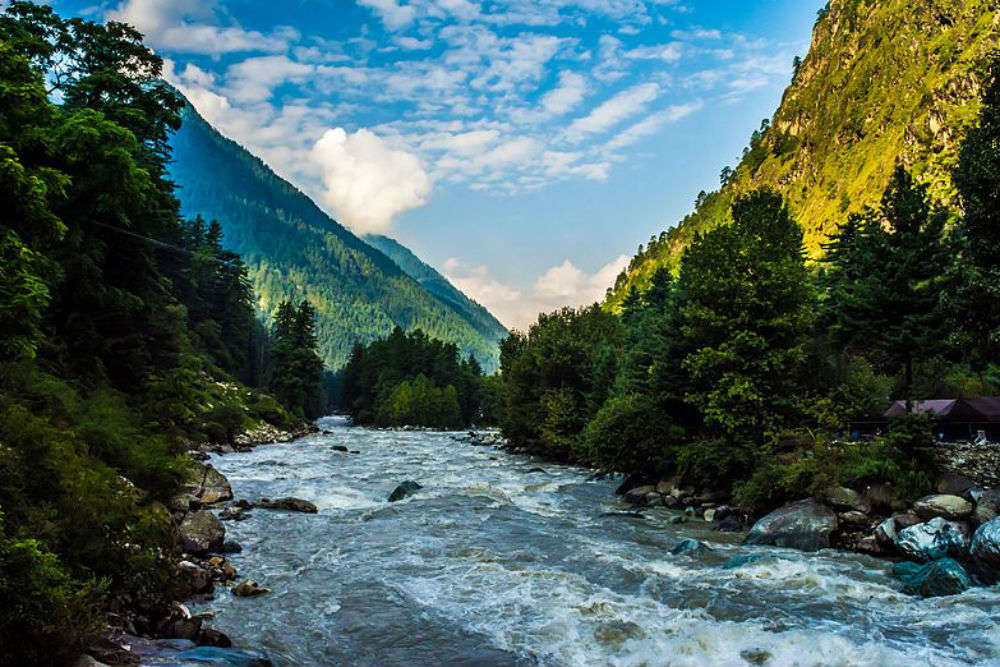
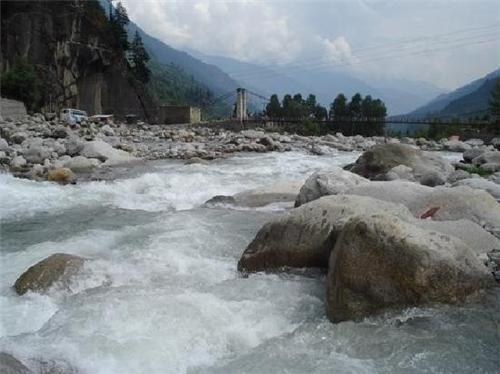
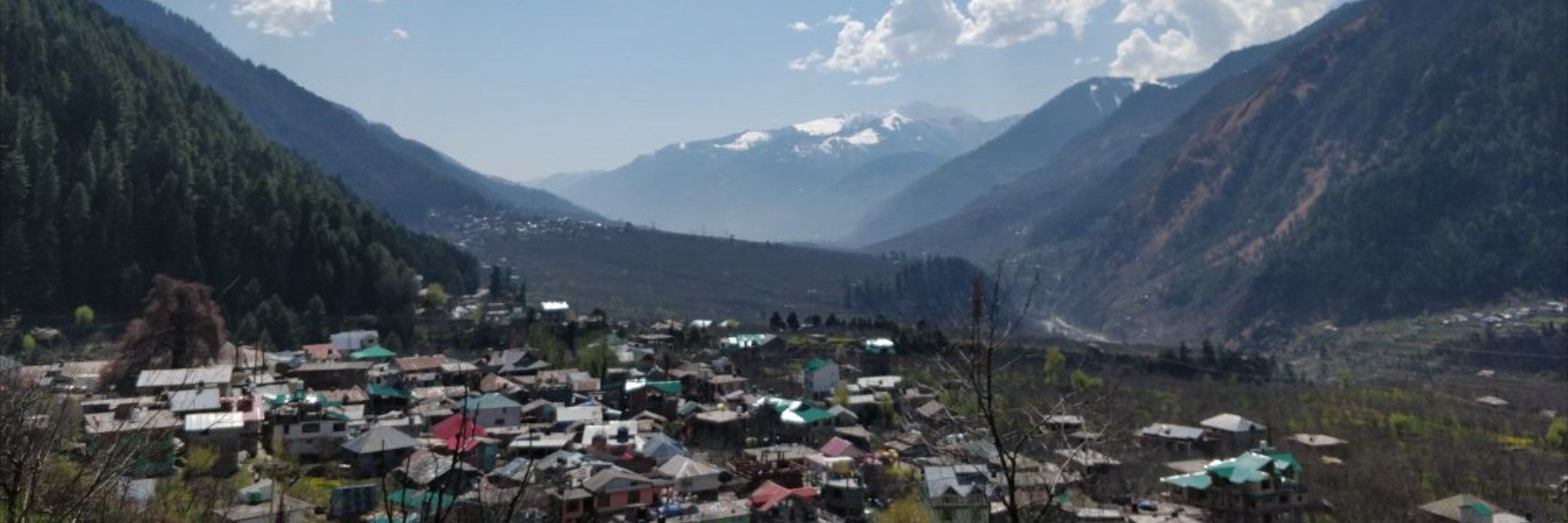
Kullu A popular tourist destination , Kullu located on the banks of the Beas river and is generally coupled with its sister town of Manali which is on much higher altitude and provides more scenic views. Situated at an altitude of 1230 m between the Pir Pranjal, Lower Himalayan and Great Himalayan Ranges, Kullu is abundant with apple orchards, pristine river streams and a wonderful climate. The Kullu Valley is a broad open valley between Manali and Largi. Historical references about the Kullu valley dates back to ancient Hindu literary works like the Ramayana, Mahabharata and the Puranas. During the Vedic period several small republics known as Janapada existed which were later conquered by the Nanda, Mauryan, Gupta and Karkota empires and the Pala dynasty. After a brief period of supremacy by King Harshavardhana, the region was once again divided into several local powers headed by chieftains, including some Rajput principalities, which were later conquered by the Maratha and Sikh empires. The name Kullu is derives from the word Kulant Peeth, meaning the end of the habitable world. According to legends, during the Great Flood, Manu visited this valley but was unable to cross the Rohtang pass and so named the last settlement he found as Kulant Peeth and chose to settle and meditate in what has now become the town of Manali or Manu’s Place. The name further devolved into Kulut, as the kingdom was known for a long time; before finally being known by the current name of Kullu. Kullu got its first motorable access only after Indian Independence and so long centuries of seclusion have allowed the area to retain a considerable measure of its traditional charm.
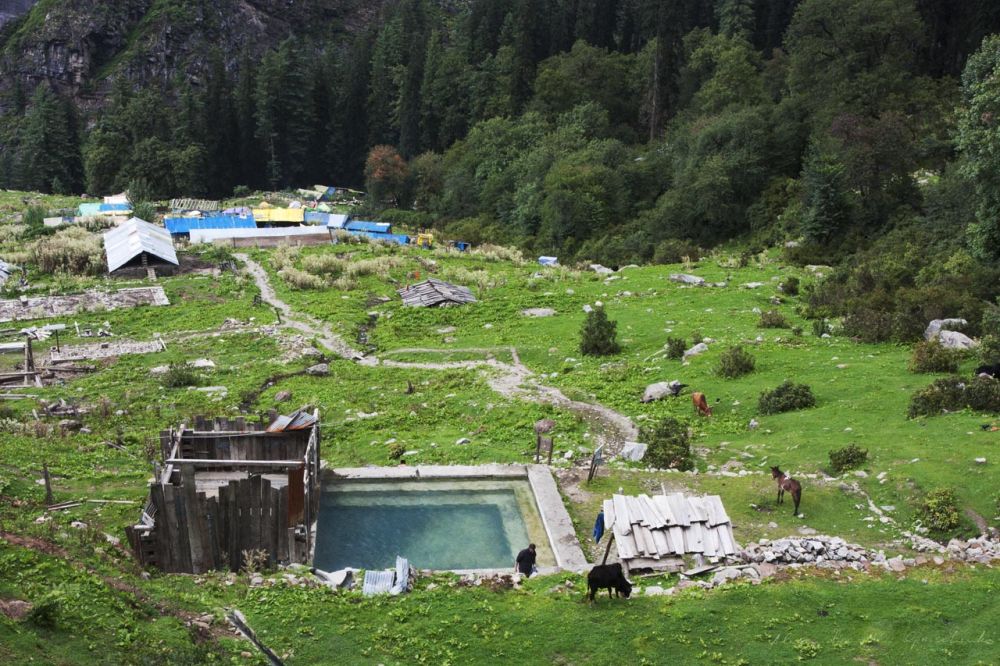
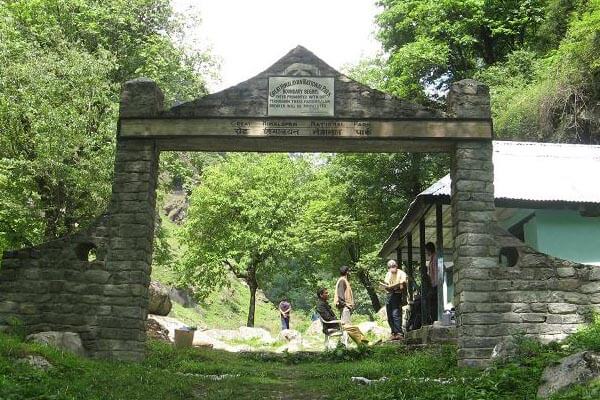
Established in 2010, the Khirganga National Park is known to be one of the most beautiful national parks in the country and is blessed with a scintillating landscape, glossy green hills, dense green shrubberies, tall towering trees and rusty old rest houses. Visitors can walk the trail leading from the centre of the park from where it is easier to spot the exotic and rich flora and fauna. The village neighbouring the national park is called Khirganga, known for a hot water spring as well as a temple dedicated to Lord Shiva and Goddess Parvat.
Also established in 2010, the Inderkilla National Park sprawls over an area of 104 sq. km and is home to several species of domestic and foreign flora and fauna. Considered to be one of the least explored national parks in India, the park also has a narrow trail passing through the heart of it, on which one can spot animals and plants in their natural habitat. Covered in dense woods and a hilly terrain ideal for a trek or a hike, the park is loved by adventure enthusiasts. Many of the plants here are said to hold significant medicinal properties.
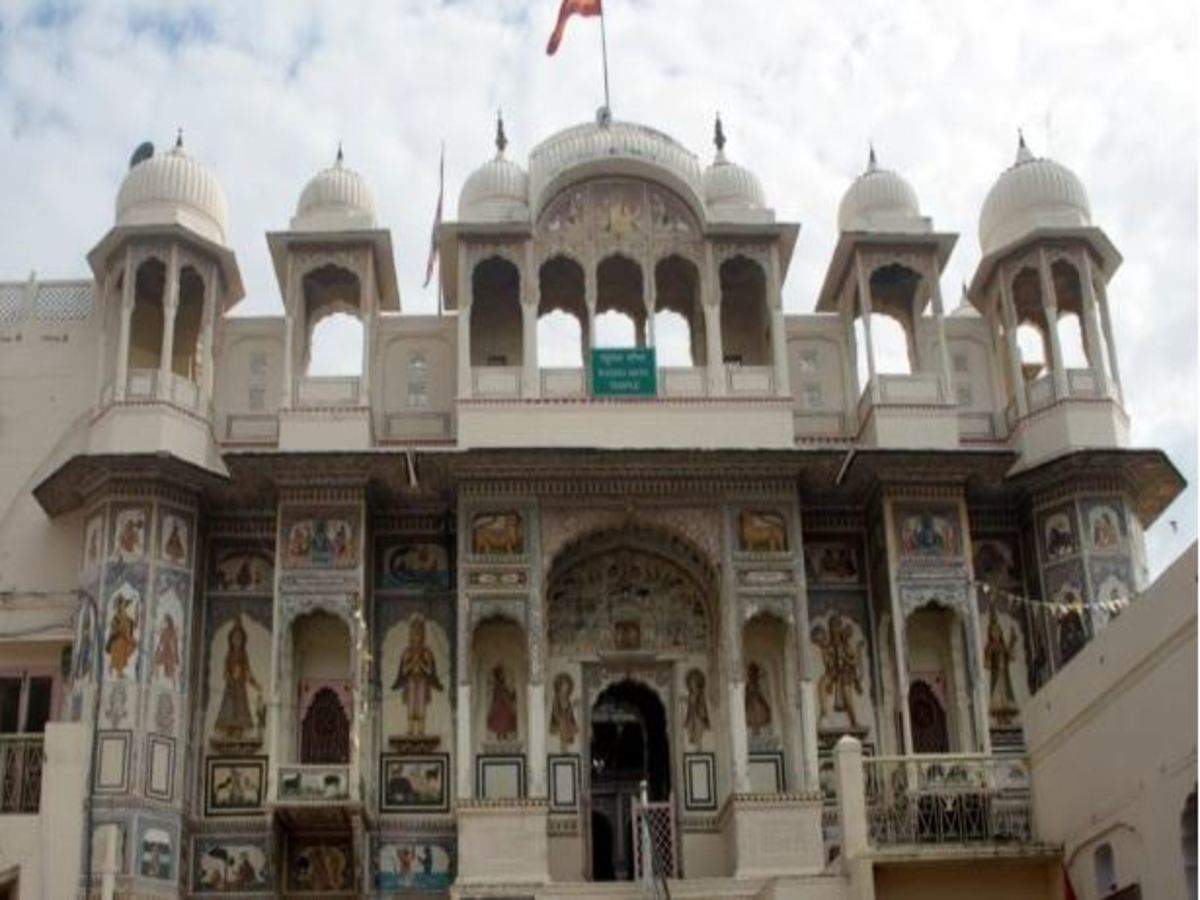
The Raghunath Temple finds connections to Lord Rama, and the idol of Lord Raghunath placed here, is said to be the same as the one used by him. The temple borrows its design and architecture from the Pahari and Pyramidal styles and is the oldest temple in the valley. The Hanogi Mata Temple is a tiny little temple perched on top of a small hill. Watching over valleys, the temple is dedicated to Goddess Mata Hanogi and has a stream running down below, The temple is also best known for its views of the sunset. The Shringi Rishi Temple is dedicated to Lord Shringa who is the ruling deity of the Banjar valley and houses an idol of Shringa Rishi along with goddess Shanta. Built 1500 years back, the Jagannathi Devi Temple is dedicated to the Goddess Bhuvaneshwari, the sister of Lord Vishnu. The architecture of this temple is influenced by the Pahari style and its walls are artistically crafted with the images of Goddess Durga. The temple is surrounded by an ancient legend of a shepherd boy who caught hold of one of the two girls dancing to the tune of his flute. She then revealed that she was a goddess and decided to settle in that village.
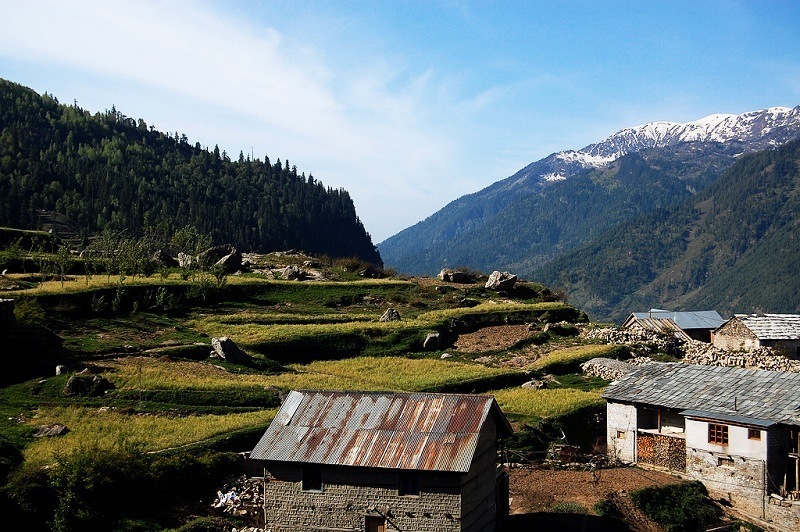
Regarded as one of the most challenging treks in the northern Himalayan region, the Parvati Valley trek has mesmerising views. Although the trail is not really well laid, the thrill it brings is unmatched. The trek is quite long and taxing, but the reward is extremely exhilarating. As the altitude increases, the surroundings become more enchanting adorned with dense forests, lush green meadows and a plethora of gushing streams, all being flanked by majestic snow-clad peaks. One of the trekkable summits in the Indian Himalayan region, the Friendship Peak which looms at an elevation of 5,289 meters in the Pir Panjal range in Himachal Pradesh is a trekker’s dream. From the summit, one can feast their eyes on the panoramic view of the Pir Panjal range and the silver horizon formed by the Dhauladhar and the Great Himalayan ranges. The Friendship Peak trek passes through the beautiful Solang Valley that houses several alpine meadows, thick forest dotted with varied species of alpine trees, colourful orchards and crisscrossed by numerous small and gushing streams. Located at an altitude of 3660 m the Chandrakhani Pass offers visitors a fabulous view of the Deo Tibba Peak, the Pir Panjal and Parbati ranges. The Parvati valley, with all its beauty, makes for an amazing trek with the Chandrakhani Pass a popular base for trekking. The Pin Bhabha Pass, also known as the sister of the Pin Parvati Pass, is a very challenging and beautiful trek. Located at an elevation of 4865 m, the Bhabha Pass acts as a bridge between the valleys of Kinnaur and Spiti. Starting from the less explored village of Kafnu, the trek keeps one engaged with dramatic changes in the landscape at every turn. The best time to visit is between mid June to early October
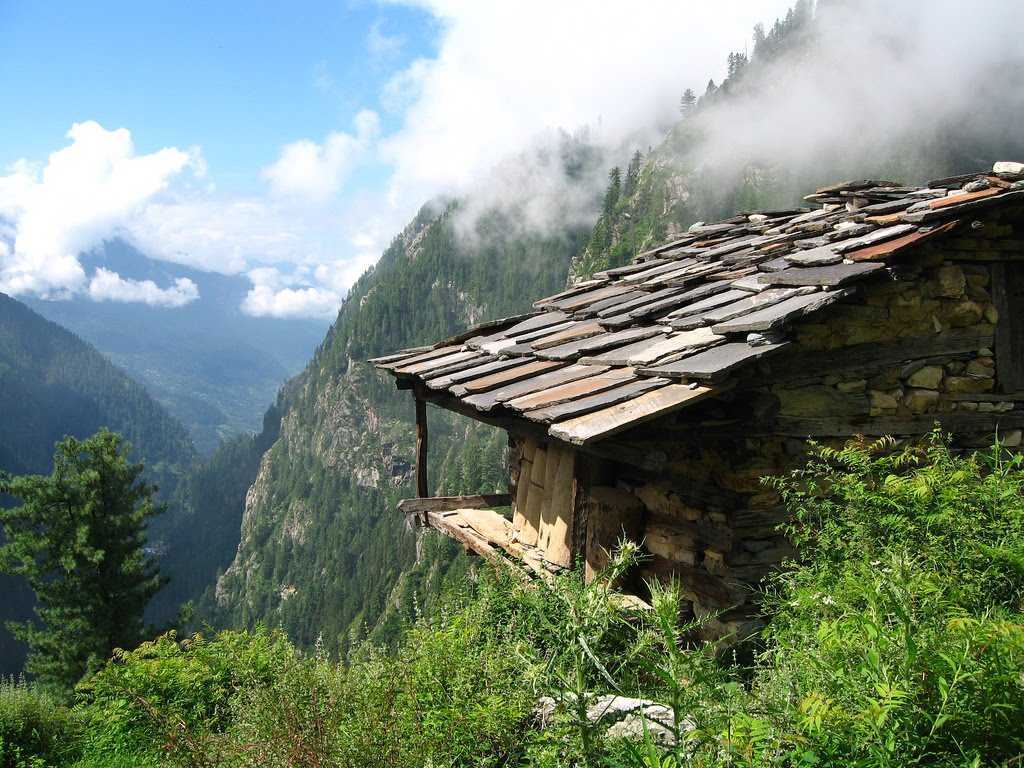
Isolated from the rest of the world lies the solitary village of Malana Nala, which is a side valley of the Parvati Valley known as Malana or the Malana Village. The temples in Malana, the Jamadagni Temple and the Shrine of Renuka Devi serve as major attractions of the village and are built close to each other. The trekking route to Malana is adorned with lush deodar vegetation along with a slight view of the Malana Dam that energises people from time to time.
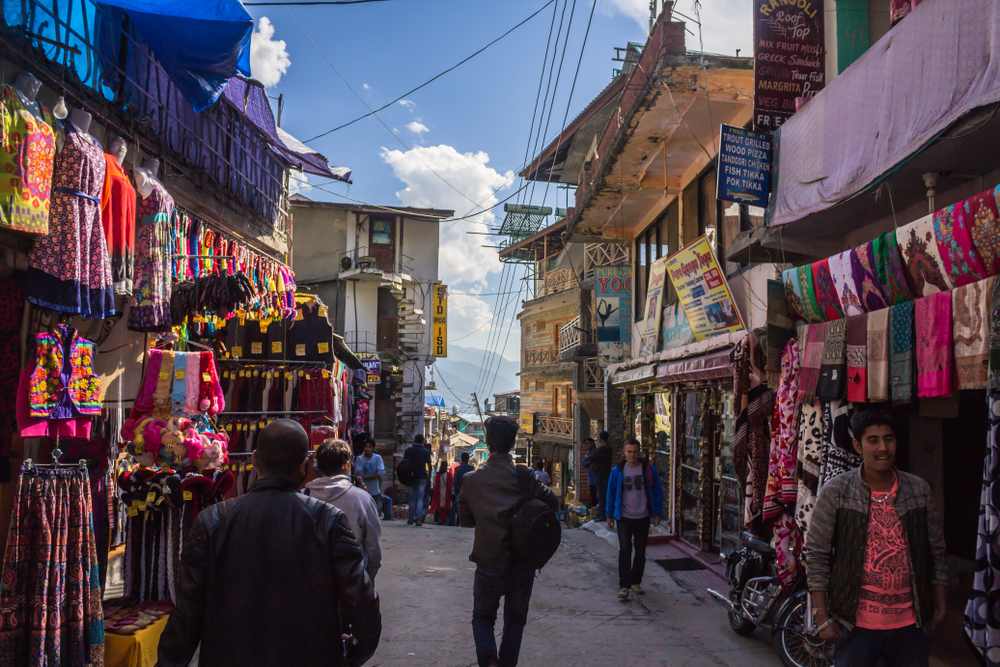
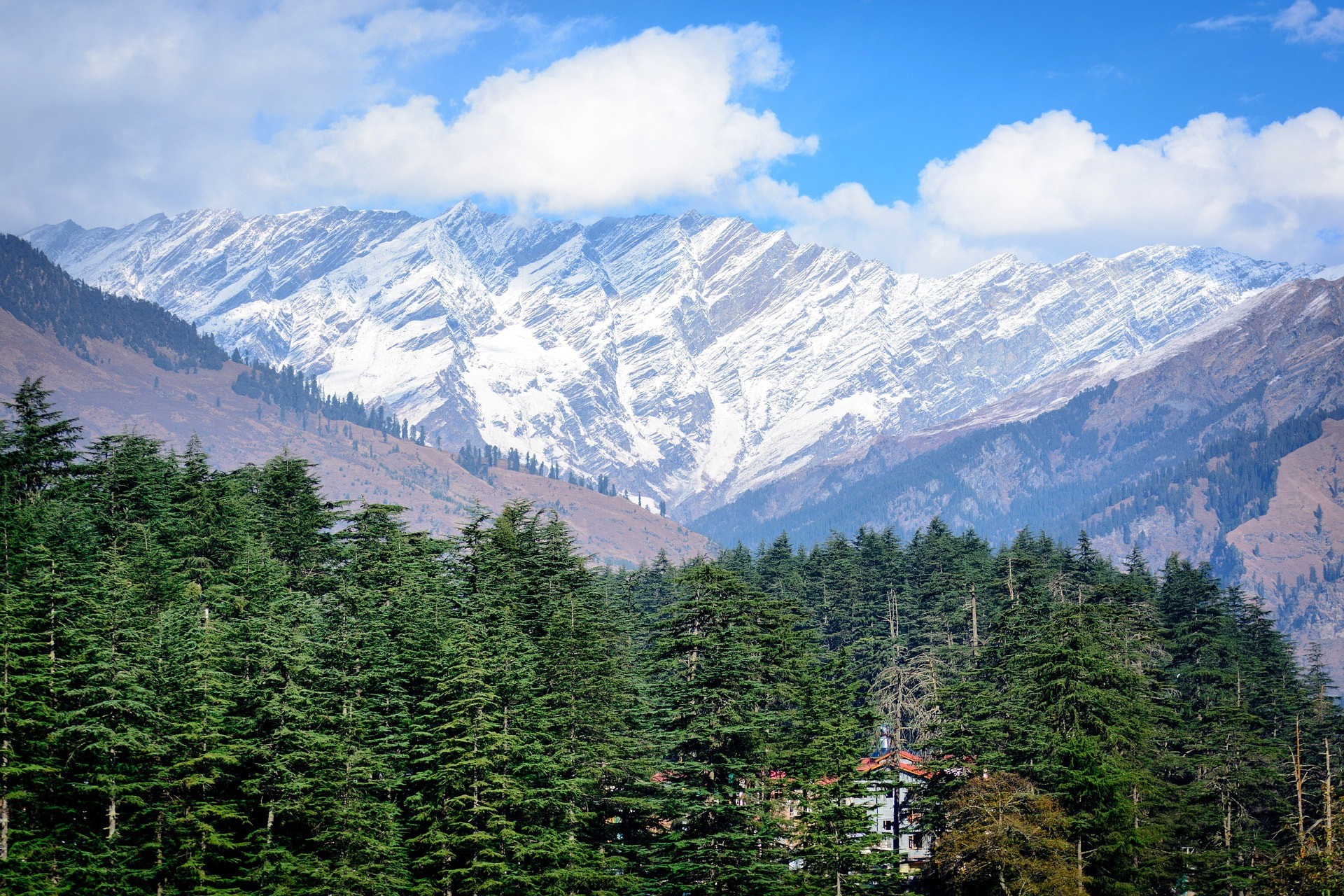
Manali Nestled in between the snow-capped slopes of the Pir Panjal and the Dhauladhar ranges, Manali is one of the most popular hill stations in the country. With jaw-dropping views, lush green forests, sprawling meadows carpeted with flowers, gushing blue streams, a perpetual fairy-tale like mist lingering in the air, and a persistent fragrance of pines, Manali has been blessed with extraordinary scenic beauty. Manali is the beginning of an ancient trade route to Ladakh and from there over the Karakoram Pass on to Yarkand and Khotan in the Tarim Basin and serves as the gateway to Lahaul and Spiti district as well as Leh. Named after the Sanatan lawgiver Manu, the name Manali is regarded as the derivative of Manu-Alaya, meaning the abode of Manu. Legend has it that sage Manu stepped off his ark in Manali to recreate human life after a great flood had deluged the world. The valley is often referred to as the ‘Valley of the Gods’ with the old Manali village having an ancient temple dedicated to sage Manu. The British introduced apple trees in the area and today, apples, along with plum and pear, remain the best source of income.
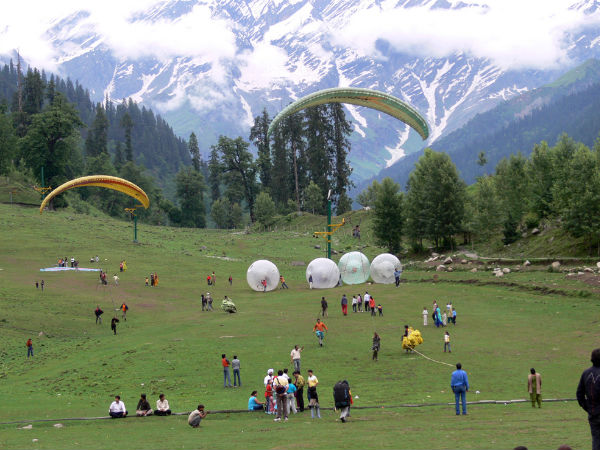
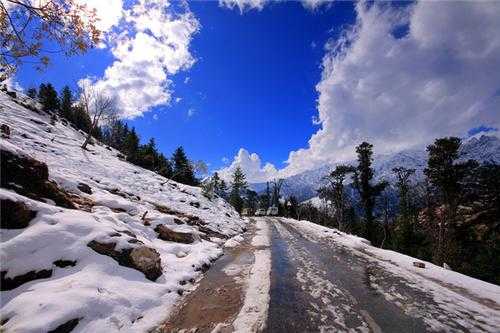
When heading to Manali for a vacation, two absolutely essential destinations are the Rohtang Pass and the Solang Valley. Located 14 km to the north west of the main town, Solang Valley is situated on the way to Rohtang. A favourite for adventure enthusiasts, activities like parachuting to paragliding, horse riding to driving mini-open jeeps specially available for tourists of all age groups are available in the valley. During winters, Solang valley is covered with snow, making skiing a popular sport. The crystal snow in Solang starts making an appearance towards the beginning of October and with the onset of core winter months, the temperature drops down to -1 °C with nights being especially chilly and December and January are the peak months for snowfall. Paragliding is a favourite activity here and the best time to paraglide depends on the season. For those visiting between January to May or October to December, 9 am to 5 pm Is the time for paragliding which is shut down during the monsoons. The cost of paragliding varies from INR 600 to 1800. Solang Valley is an all season destination as the valley is magnificent during winters and during summers experiences mildly hot afternoons with cold mornings and evenings.
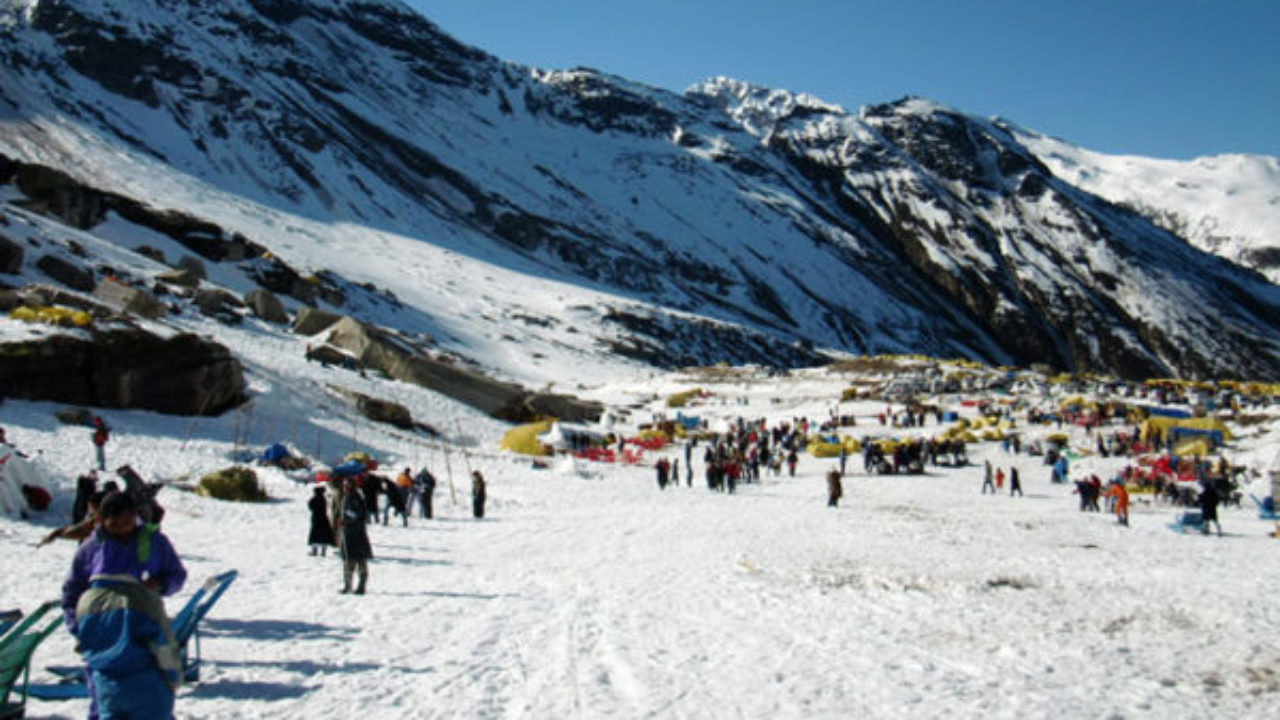
Located just 51 km from Manali, Rohtang Pass can only be reached by road and is located at a height of 3978 m on the Manali – Keylong road. In the Ladhaki language Bhoti, Rohtang means a pile of corpses because of the large number of people who died while working here. Due to heavy snowfall, the pass remains closed in winters from November to May and is said to be the only pass in the country to be covered by snow throughout the year. Only 800 petrol vehicles and 400 diesel vehicles are allowed entry into the pass daily. A tourist permit is required for the taxis and vehicles going to Rohtang Pass, valid for a day, except on Tuesdays as the pass is closed for maintenance each Tuesday. Permit fees for cars, jeeps and MUVs are INR 500 + INR 50 as congestion charge, for busses and HMVs, it is INR 500 + INR 100 congestion fee. There is a special permit for private vehicles only which is only valid for one day and only 60 petrol and 40 diesel vehicles are allowed entry to the pass daily. The Rohtang Road Tunnel also known as the Atal Tunnel is a highway tunnel built under the Rohtang Pass. At a length of 9.02 km, it is the longest tunnel above 10,000 feet in the world and reduces the travel time and overall distance between Manali and Keylong on the way to Leh. What was a five to six hour trip under good conditions now takes only 45 minutes. The tunnel was inaugurated in October 2020.
A high altitude lake, Bhrigu Lake is located about 40 km from Manali. The route to the lake passes through entrancing meadows which are also called the Bhrigu Lake Meadows. The name Bhrigu is derived Maharishi Bhrigu. A salient characteristic of the lake is that it never freezes entirely during winters, which according to legend, is because Maharishi Bhrigu meditated near it. Not many visitors know about the lake which takes six hours to get from Gulaba village. The alpine meadows can be compared to those found in Switzerland. During most of the tourist season, the region has clear blue skies during the day with the night skies a special treat for campers and night gazers. The best time to visit the lake is between October and May which is the winter season in Manali because a significant portion of the lake is frozen, and the surrounding covered with snow. Between March and May, during the summer months, the weather is clear and pleasant.
Located inside the very famous Vashisht Temple, Vashisht Baths is a hot water spring, believed to possess medicinal values. Also known as Vashisht Springs, it is visited many, who take a dip in the holy water to rid themselves of skin diseases and infections. The baths are accompanied by beautiful sandstone temples with separate bathing areas for men and women.
Nehru Kund gets its name from the first Prime minister of India, Jawaharlal Nehru who is said to have had the water from the natural spring when he used to stay in Manali. Located on Manali Leh Highway, it is believed that the waters of this spring originate from famous Bhrigu Lake and is known for the cold and pristine water and breathtaking scenery of the mountains and valleys. The kund is famous for photography and has the perfect natural lighting.
Located 3 km uphill from Manali lies the town of Old Manali, a quiet settlement that lays beneath a valley with a vast apple orchards. Manali is divided into Old Manali and New Manali by the Manalsu river and one can reach Old Manali by a bridge over the river. The sunrise and sunsets here are stunning and Old Manali is most famous for its Hidimba temple, the Jogini falls and the Vashisht temple.
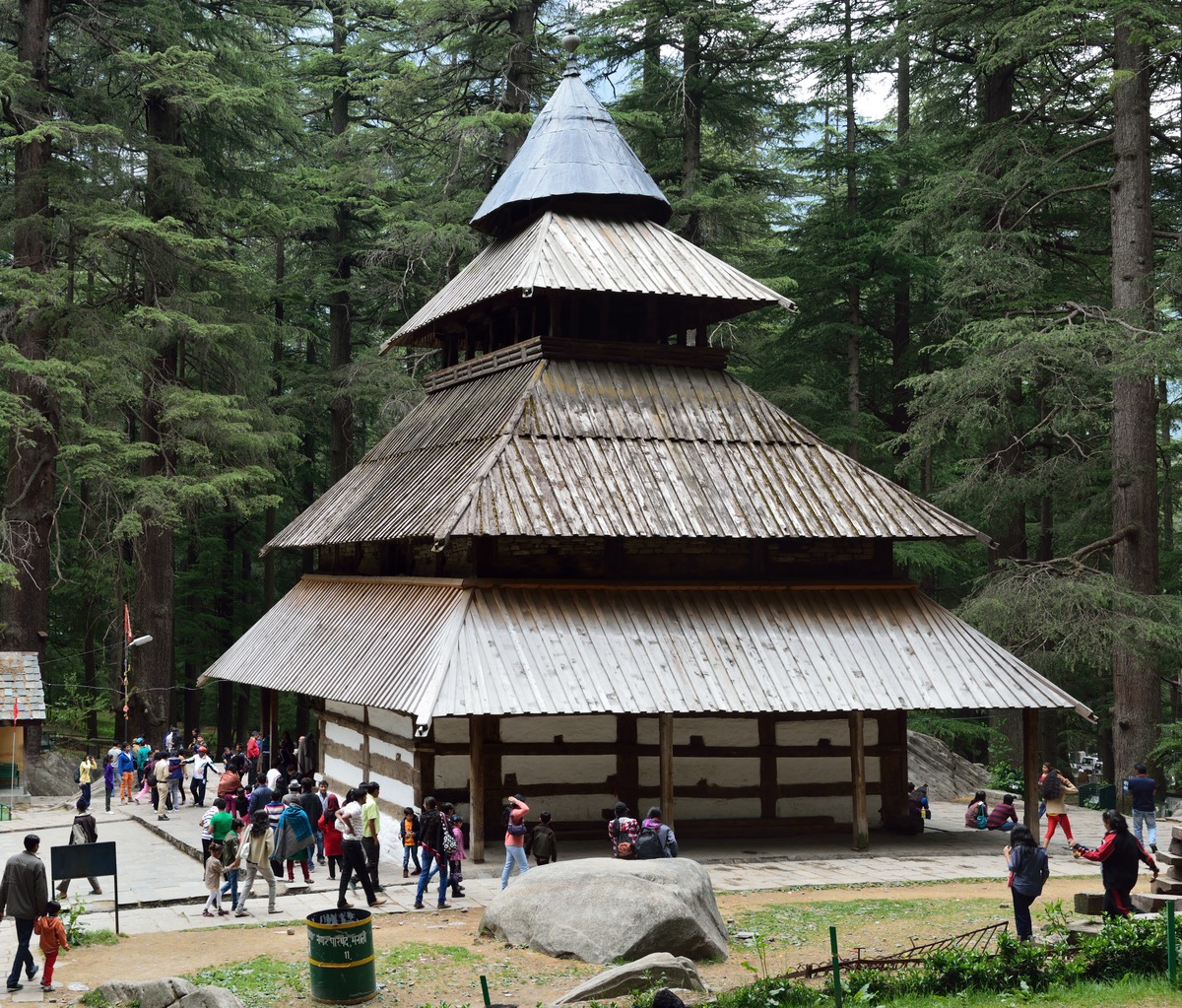
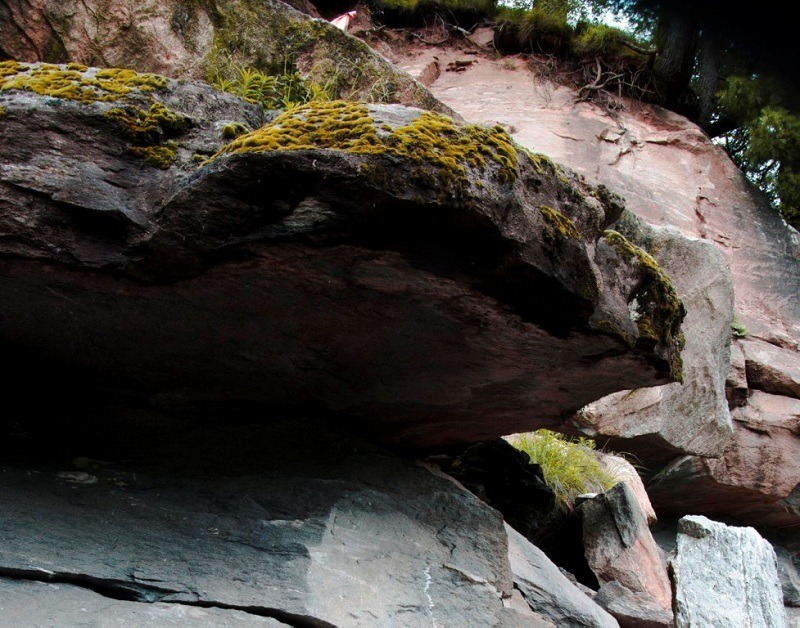
The Hadimba Temple is a unique temple dedicated to Hidimba, the wife of the second brother of the Pandavas, Bhima built on a rock believed to be in the image of the Hidimba herself. Locally known as Dhungari Temple, the construction style of the Hidimba Devi temple is entirely different from that of other temples, with wooden doorways, walls, and cone-shaped roof. The temple is a four-storeyed structure built in the Pagoda style with flat roofs. The topmost roof is conical and clad in metal, while the other roofs are covered with timber tiles. The temple is made of mainly wood and stones with intricately carved wooden doors and a 24 metres high wooden shikhar or tower above the temple. The main door of the temple is adorned with carvings of Goddess Durga with the interior simple. The temple does not contain any idol but the sanctum sanctorum consists of the rock where Hidimba sat for meditation. A few metres away lies a shrine dedicated to Hidimba and Bhima’s son Ghatotkacha which consists of a stone block with the impression of what is believed to be Hidimba’s foot. During Navaratri, she is worshipped and during the day of Dussehra, the idol is taken to the Dhalpur Maidan from where she blesses the ceremonial horse called Ghor Puja. It is open on all the days of the week, from 8 am to 6 pm.
A beautiful temple dedicated to Sage Manu, the Manu Temple lies in the Beas river valley. Said to be the only temple dedicated to the sage who was King Vaivasvata Manu, believed to be the creator of the human race and known as the lawgiver of the Sanatana Dharma. According to legend, Sage Manu found a small carp in a river who was actually Lord Vishnu. The sage put the carp in a bowl to save him. The fish soon became too big to fit in the bowl, so was moved to a bigger bowl. The fish, however, kept on increasing in size and the sage had to move it back to the river. Once in the river, the fish grew to a size that the river couldn’t accommodate. The sage eventually moved the fish to the ocean. It was then that Lord Vishnu appeared in his real form and informed Sage Manu about the flood that would wipe life off the planet. The sage then built a boat big enough to accommodate his family and nine kinds of animals, birds and seeds. After the flood was over, he landed on earth from his boat and meditated. The location where he is believed to have meditated is the location where the Manu Temple stands. Sage Manu is also attributed to the Laws of Manu or the Manusmriti, which forms the basis of Hinduism through a converse given to a group of Rishis to guide them to deal with catastrophes and maintain peace and harmony in the society. The architecture of the temple is in the pagoda style of architecture and the most significant characteristic is the tiered tower or the diminishing wooden roof which looks similar to the shrines of Nepal. The structure of the Manu Temple is of wood and concrete and is also believed that the Pagodas are demon arresters as they attract lightning during thunderstorms by functioning like lightning rods. The temple is open daily between 6 am and 5 pm.
Situated 7 km away from Manali, the Gayatri temple houses an idol of Goddess Gayatri, made of marble. This temple has some splendid architecture styles, is constructed with a stunning artistic finesse and with some of the most intricate woodwork.
Named after Rishi Vashisht, who was known as King Vishwamitra in his previous birth, the Vashist temple is more than 4000 years old and has a hot spring which is believed to have medicinal properties. The temple is open from 7 am to 9 am and the hot spring is open from 7 am to 1 pm and then again between 2 to 9 pm daily.
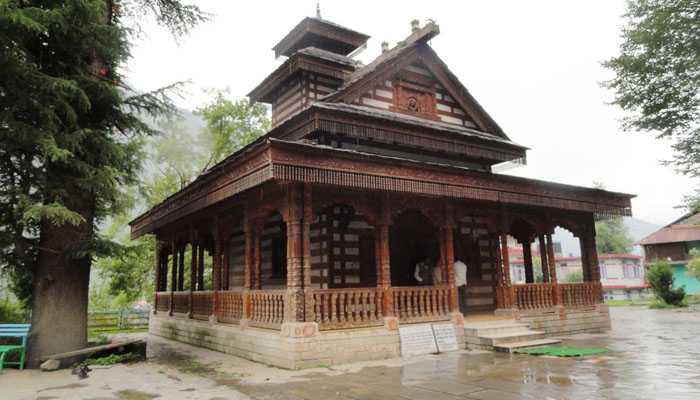
The Siyali Mahadev temple is one of the oldest temples in Manali dedicated to Lord Shiva. Incredibly famous for its architectural beauty, the quaint temple is frequently visited. There is another smaller temple built behind the Siyali Mahadev Temple which according to legend, Lord Shiva and Goddess Parvati appeared on earth from a tree trunk where the smaller temple is now built. The temple, with a foundation of stone and cement and the main temple made of wood which is a blend of chalets and pagoda. The pagoda has four levels, two of which are smaller and located on one side, instead of in the centre, on top of the other two levels. The edges of the roof have delicately carved hanging pieces of wood which look like tassels from afar. Wooden pillars support the arches and the ceiling forming an area that encircles the main shrine with wooden railings about one foot high supported with many smaller carved wooden legs. The main shrine has stripes of wood placed on the walls. The frame of the door and the windows of the main shrine are also made of richly carved wood. Inside the shrine is a swayambhu, a self-manifested Shivalinga. The temple is open daily between 6 am and 7 pm.
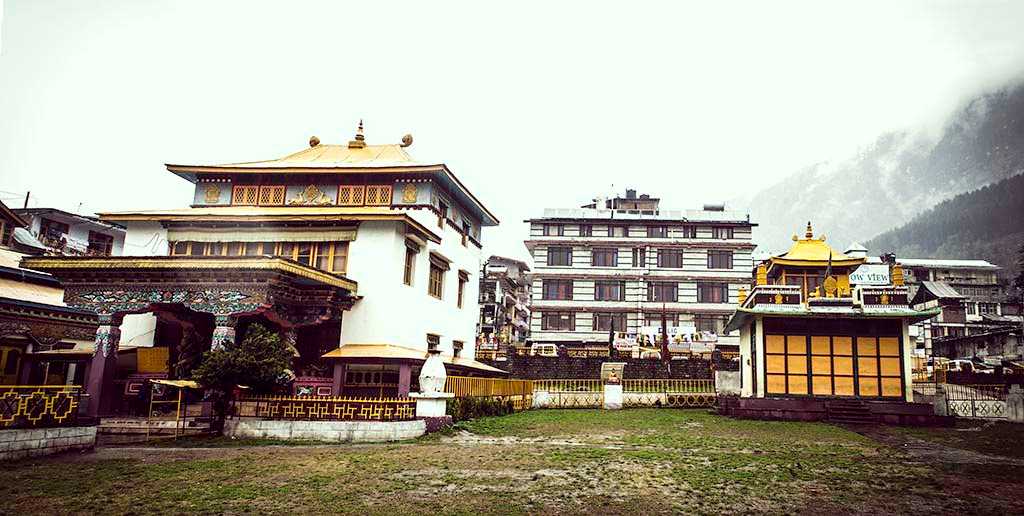
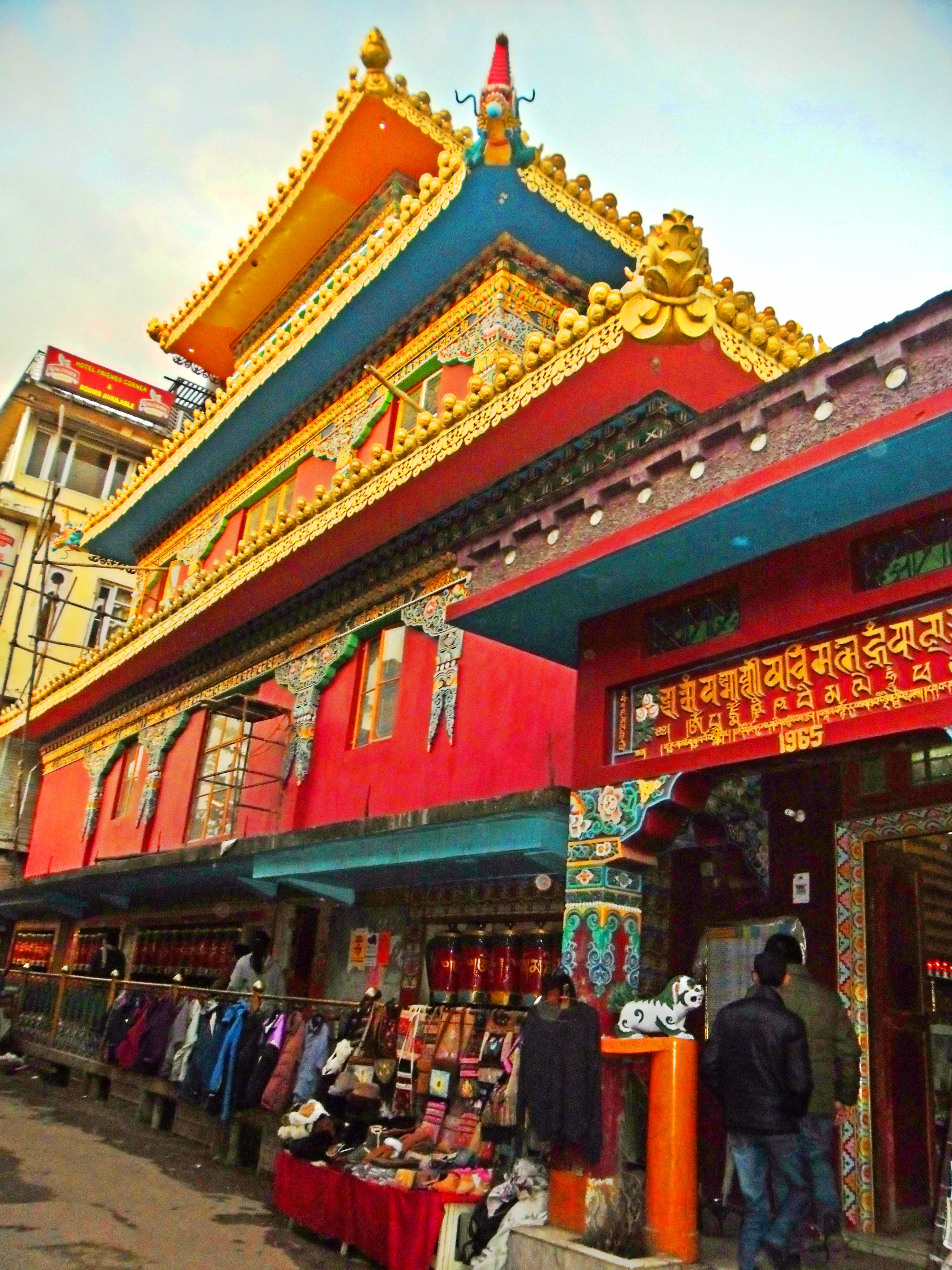
The Gadhan Thekchhokling Gompa is a monastery with a small shrine dedicated to Lord Buddha built in the traditional Tibetan style of architecture. The structure has a pagoda that is a bright shade of yellow and has several glass windows with frames decorated in yellow. Inside the monastery is a giant statue of Lord Buddha, some more colourful murals, several tombs and prayer wheels. The murals depict Lord Buddha’s philosophy of life. The first floor of the building is only used for meditation which can be used by everyone visiting the monastery. Constructed in 1960 by Tibetan refugees, the monastery is often visited by devotees from Kinnaur, Tibet, Nepal, and Spiti and serves as an essential point of gathering for locals. Most visit the monastery in the mornings and the evenings as it is the best time to offer prayers and to observe the Buddhist monks and devotees perform their rituals. The monastery is open between 6 am and 8:30 pm daily.
The Himalayan Nyingmapa Gompa is a Buddhist monastery whose most prominent feature is the enormous statue or idol of Lord Sakyamuni in a sitting or meditative posture. Located very close to the Mall road, the gompa is built in the traditional Tibetan style of architecture. In front of the temple is a narrow pathway lined by shrubs and spacious lawns on either side. The structure has a solid base, and the building is made out of wood. It is a two-storey structure and has a pagoda. Like many other Tibetan Buddhist temples and monasteries, the pagoda is also painted a bright shade of yellow with the main shrine encircled by a passage where the prayer wheels are installed. The main door is a solid red colour thick wooden door which has intricate and traditional colourful designs on it and the walls and the ceiling are decorated with vivid mural painting. The idol of Sakyamuni is about 4.5 feet tall and is seen in the sitting posture and is coloured in traditional and symbolic gold and saffron colours. A section of the shrine has low desks with floor seating for the monks. There are also paintings depicting the life and principles of Gautam Buddha. Several more statues of Buddha in various sizes and shapes are also installed inside the monastery. The gompa is open between 6 am and 7 pm daily. Though there is no entry fee to offer prayers, if you plan to take photos or videos, a small token fee of INR 20 is charged.
A local favourite for picnics, Arjun Gufa is located on the left side of river Beas and is very close to Prini village. The cave is a narrow path into a hill and with no light entering after a point, one has to explore and find their way into the cave through the darkness using flashlights. The passage inside is uneven and at a little distance inside, one is required to descend to reach a base area. It takes about 45 minutes to explore the whole cave. The cave is associated with Arjun, one of the Pandava brothers. It is believed that Arjun meditated in the cave for years when Lord Shiva, pleased with his devotion and dedication, blessed him with the Pashupata Astra. According to legend, Arjun travelled to Arjun Gufa and meditated for years to attain the Pashupata Astra. His devotion pleased Lord Indra, and he blessed him with the Astra which according to mythology, the Pashupata Astra was a powerful and destructive weapon which could be discharged by a bow, through words, eyes or by the mind and was never supposed to be used by less significant warriors because it could wipe out all beings in an instant.
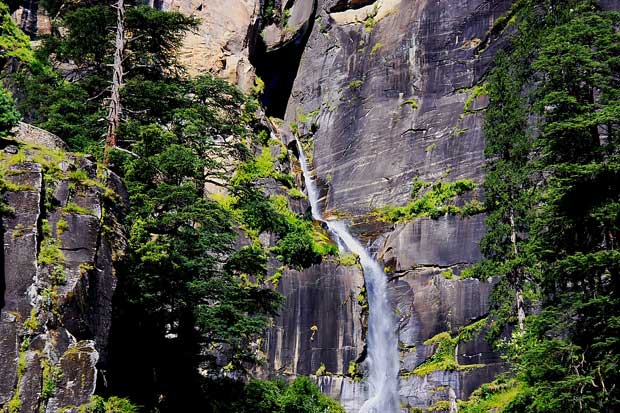
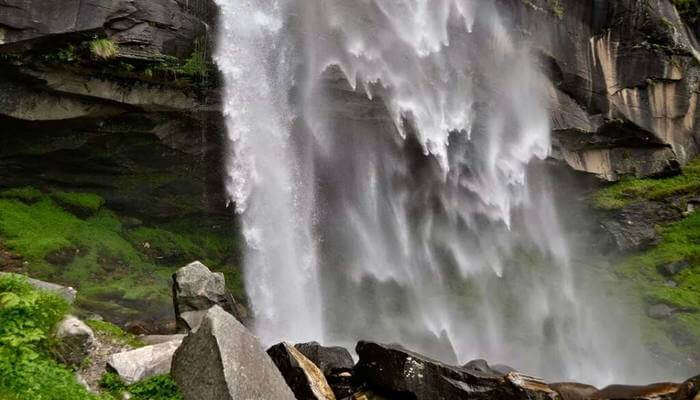
Jogini waterfall is a popular tourist spot cascading from a height of 160 feet. It takes about 3 hours to climb to the fall, but the beauty of the trek will make the time fly. The leisurely 2-kilometre trek to the fall begins at the Vashisht temple through a narrow lane adjacent to the temple which passes through pine tree plantations and beautiful apple orchards. After about 45 minutes, one gets to the base of the fall with a small temple dedicated to Yogini Mata.
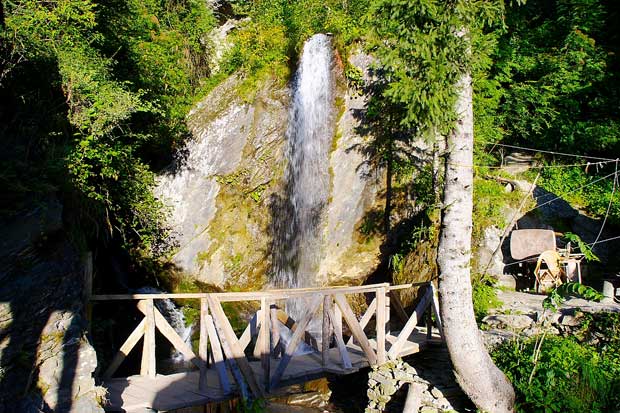
The Jana Waterfall is a 30 feet high watefall located in a quaint village called Jana. One has to trek to the waterfall through dense deodar and pine trees amidst snow-capped mountains. There’s a wooden bridge laid perpendicular to the direction of Jana Falls which trekkers use to walk across with seating arrangements near the waterfall which is open between 6 am and 6 pm.
The Rahala Waterfalls are located 29 km from Manali on the way to Rohtang Pass. The water is usually cold as it originates from a melting glacier situated in the Himalayas and the surroundings are thickly vegetated with deodar and silver birch trees and is located at an altitude of about 9000 feet. The falls ate open between 6 am and 5 pm.
The Rozy Waterfalls is also situated on the way to Rohtang from Manali and is enveloped in tall deodar trees, dense woods and bounteous nature. The silvery cascading water is a visual delight to the eyes and a famous picnic spot.
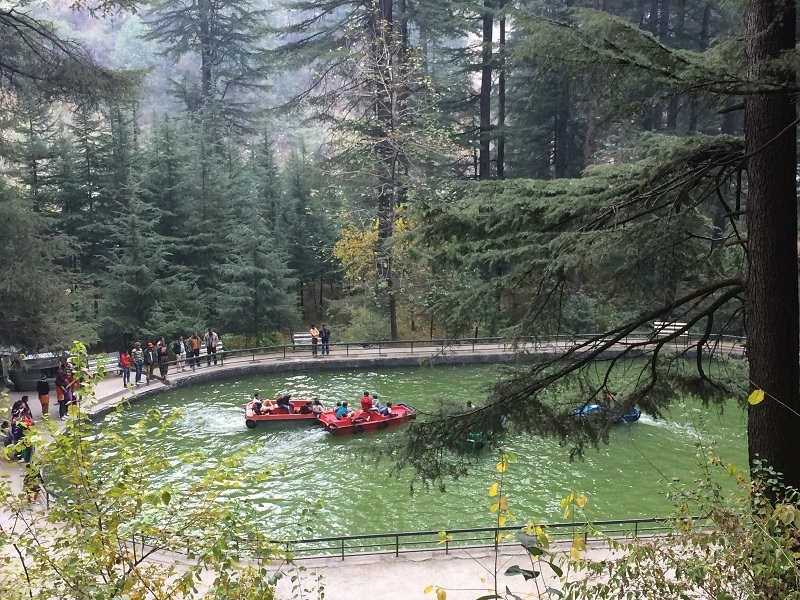
Adorned with sky touching deodar trees, the Van Vihar National Park has a man-made lake that is open for boating. Run and maintained by the city, this beautiful garden is a local favourite picnic spot. Under the shade of the dense trees, there are many wooden and concrete benches installed throughout the park where one can unwind after a long day, stroll or jog along the specially made track. With still waters on a crystal clear lake, a boat ride on boats that seat two to four people manually operated by oars is a must as well as self-operating paddle boats. During summers, the park is open from 8 am to 7 pm and from 8 am to 5 pm during winters. There is an entry fee of INR 5 per person with the boat ride costing INR 30 for 15 minutes.
A visit to Manali is incomplete without a visit to the Manali Sanctuary, which is at a walking distance from the main town and city centre. The sanctuary commences from just behind the town and extends all the way up in the mountains. It was officially declared as a sanctuary in 1954 and is spread over an area of 31.80 sq km. It is home to all kinds of species of flora and fauna, both rare and endangered as well as the common like the Himalayan Black Bear, Kashmir flying Squirrel, Himalayan Palm Civet, Himalayan Yellow-throated Marten, Barking Deer and Flying Fox. The sanctuary has numerous trekking routes, ranging from easy climbs to difficult ones as well as a camping experience under the sky, though only during the summer months.
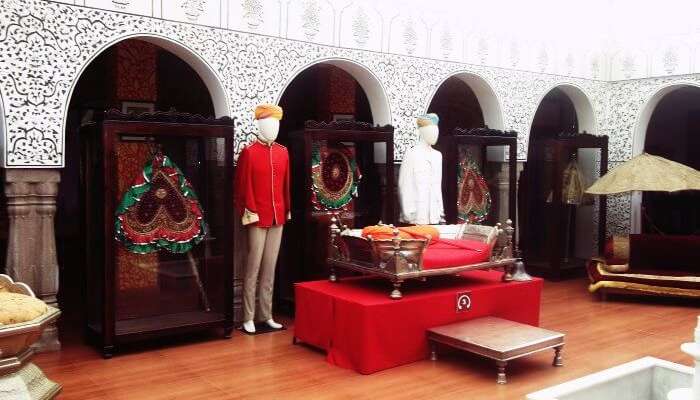
The Museum of Himachal Culture & Folk Art has a beautiful collection of the ancient and traditional heritage of the region. The antique artefacts give insights into the the ancient culture of the state. Established in 1998, the eclectic museum’s collection includes traditional apparel, jewellery, accessories, utensils, furniture, traditional household items, musical instruments and handloom. There are also models of the ancient houses and temples as well as a beautiful collection of handicraft that include painting, woodwork and traditional masks made of wood. The museum has an entry fee of INR 10 per person and is open from 9 am to 7 pm between April and November and from 10 am to 6 pm between the months of December and March.
Gulaba is a little village about 20 km from Manali on the way to Rohtang Pass with an enchanting natural landscape. Most people explore Gulaba on their way to the Bhrigu Lake and rest in the Gulaba Meadows. It’s name is derived from the first Maharaja of Jammu and Kashmir, Maharaja Gulab Singh, the founder of the Dogra Dynasty. The Maharaja had camped at Gulaba when he was on his way to invade China during his reign and the location was named because it replicates the picturesque beauty of Kashmir with its snow-capped mountain peaks and lush green grasslands.
A quaint village about 15 km from Manali, Kothi lies on the foothills of Rohtang Pass and enchants visitors with the magnificent view of the natural landscape surrounding the village. Here, one can get a beautiful view of the snow-capped mountain peaks, the Beas river and the glaciers from an altitude of 2600 m. The village receives snowfall during winters but is not as crowded as the Solang Valley.
Jagatsukh is a picturesque village, and the capital of former state of Kullu, located about 7 km from Manali. It is famous for its enchanting natural landscape and the ancient Jagatsukh Temples dedicated to Lord Shiva and Goddess Sandhya Devi which is open from 10 am to 5 pm every day. The village is also famous for the annual Chacholi Jatra Festival. Kalath, a hot water spring in Jagatsukh is another famous attraction in the village.
The Hampta Pass serves as a convenient and enjoyable trek which is laden with dense pine forests, pristine glacial valleys, vast meadows and a panoramic landscape. A perfect trek for beginners, the place is easy to access and unlike most treks, this one begins from Manali. Chandratal, a crystal clear lake perched at high altitude is the highlight of the trip and a sight to behold. The trek is a trip of about four to five days.
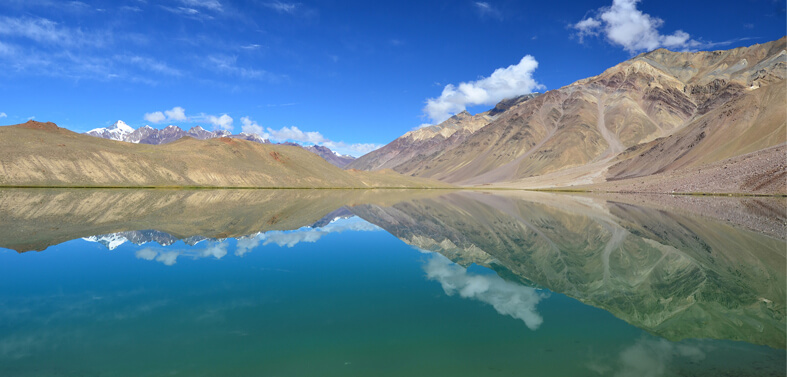
The Chandratal Baralacha is a perfect trek destination perched at an altitude of 4,300 m and is a high altitude lake located on the Samudra Plateau of Spiti Valley. The sight of sunset gleaming upon the turquoise waters of the lake, pristine landscape, mountain passes, several gushing streams, verdant meadows, the gush of colourful orchards and exotic wildlife make the Chandratal Baralacha Trek an unforgotten experience. The second part of the trek, Baralacha nestled at 4,890 m above the sea level, is situated on the Leh-Manali Highway. This pass, connecting the Spiti, Ladakh, Zanskar and Lahaul Regions, is a high altitude motorable pass and the trail passing through is quite enticing with varied terrains, from lush green valleys and dense cover of forests of Kullu valley to barren lands of Spiti and tiny quaint Indo-Tibetan villages.
The Beas Kund Trek is one of the most undertaken treks and a a perfect weekend getaway plan. A chance to feast one’s eyes on the outstanding views of the Pir Pinjal mountain ranges over the Beas river, with the soul getting wooed by the spectacular meadows of Dhundi and Bakarthach and finally, the glacial lake at Beas Kund is all that one needs to get rejuvenated and worth the walk.
Hanuman Tibba is a scenic peak 5860 meters above sea level northwest of Manali amidst the Pir Panjal range, further north of Solang Valley and is a favoured destination for mountain climbers, experienced trekkers and skiing enthusiasts. Experienced trekkers must cross the Tentu Pass to get here and treks to Hanuman Tibba require prior approval as per the Indian Mountaineering Foundation rules with a fixed number of trekkers per mountaineering expedition. One can either take a mountaineering course or be allowed to apply with extensive mountaineering experience to be able climb Hanuman Tibba.
Dharamshala and Mcleodganj Known as India’s Little Lhasa, Dharamshala or Dharamsala is known around the world as the home to the Dalai Lama, the Buddhist leader who runs his government in exile from the city since 1959. Located 10 km from Kangra, Dharamsala is separated as upper and lower divisions with different altitudes. The lower division is the town while the upper-division is located 3km away and is popularly known as Mcleodganj and Dharamshala is the second and winter capital of the state and is surrounded by dense coniferous forest with several tea gardens. Dhamshala is a compound word of dharma and shala from Sanskrit and Hindi which when loosely translated into English means spiritual dwelling or more loosely sanctuary. In common Hindi usage, the word dharamshala refers to a shelter or rest house for spiritual pilgrims. When the first permanent settlement was created in what is today Dharamshala, there was one such pilgrims’ rest house on the site, and the settlement took its name from that Dharamshala. McLeod Ganj was named after Sir Donald Friell McLeod, a Lieutenant Governor of Punjab and the suffix ganj is a common Persian word used for neighbourhood. Until the British colonisation, Dharamshala and its surrounding area was ruled by the Katoch dynasty of Kangra. The indigenous people of Dharamshala and the surrounding region are the Gaddis, a predominantly Hindu group who traditionally lived a nomadic or semi-nomadic lifestyle. The Tibetan settlement of Dharamshala began in 1959, when the Dalai Lama fled Tibet and was allowed to settle in McLeodGanj or upper Dharmshala. Today there are several thousand Tibetan exilees mostly in and around McLeodGanj.
Popularly known for the study of Tantric meditation and philosophy, the Gyuto Monastery was founded in 1959 and was established for preserving and promoting the tradition of black magic or tantric teachings, of the great teacher Ksongkhapa. Beautifully constructed on a hilltop with a commanding view of the Dhauladhar ranges and the Beas river, the monastery has a gold-plated statue of Lord Buddha which glistens when the rays of the sun fall on it early in the morning. Originally established in 1474 by the Dalai Lama’s chief disciple, Konga Dhondup in Tibet, it was re-established in 1959 in India and houses over 500 monks and is the temporary residence of His Holiness, the Karmapa. The monks at Gyuto Monastery are famous for their chants and were even nominated for a Grammy in 2011. The monastery is open between 7 am and 7 pm with the best time to visit on the Buddha’s birthday.
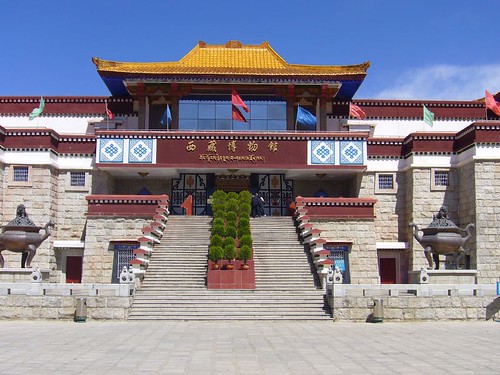
Replete with Tibetan culture, the Dalai Lama Temple, also known as Tsuglakhang Complex and the Namgyal Monastery, is a politico-religious centre in Dharamsala full of lamas chanting on prayer wheels or beads. This complex houses Dalai Lama’s residence, the Tsuglagkhang Temple, the Namgyal Monastery and the Tibet Museum. Except for Dalai Lama’s residence, every other part of the complex is open for tourists and if lucky, one can even get to meet His Holiness. It is often referred to the Dalai Lama’s Temple as it is the personal monastery of the 14th Dalai Lama. Close to the residence of the Dalai Lama, the temple is frequently visited by him to preach and conduct prayer meets. The gigantic complex houses massive statues of Avalokiteshvara, Padmasambhava and several other Buddhist monks with the main attraction of the temple, the enormous idol of Lord Buddha sitting on an elevated pedestal. The chief prayer wheel is also located here, at the centre of the temple which is plated in gold and has chants of ‘Om Mani Padme Hum’. Pilgrims walk around the pedestal and rotate the prayer wheel. The large hall adjacent to it accommodates thousands of people who can meditate and spend a few moments of quietude. A major point of attraction at the complex is the Dalai Lama Museum which showcases elaborate pictures and photographs of the Dalai Lama and the Tibetan culture. Inaugurated in 2000, the museum also plays a short video on the culture and teachings of Buddhism and is open from 9 am to 5 pm every day except Mondays and a nominal entry fee of INR 5 is charged for entry. The dates for the Dalai Lama’s preachings in the temple are known in advance and can be checked online with the tickets only purchased in person at the Tibetan Branch Security Office in McLeodg and a service fee of INR 10 is collected for each session per person. The foundation of Namgyal Monastery was laid down in the 16th century by the second Dalai Lama and was set up for the monks to help Dalai Lama in religious affairs. The monastery is open between 5 am to 8:30 pm daily.
Located inside the Thekchen Chöling temple complex, the Kalachakra temple is a popular Tibetan temple built in 1992 and known for housing the stunning murals of Kalachakra or the wheel of time, linked to the Avalokitesvara. The walls and the pillars of the temple are adorned with several beautiful traditional Tibetan Thangka paintings and has a statue of the Shakayamuni Buddha, which is surrounded by stunning fresco decorations of the seven hundred and seventy two deities of the mandala as well as a central Kalachakra image. The temple complex also houses a book shop and quaint cafe.
Located 5 kms from Dharamshala in Khaniyara, at the foothills of Dhauladhar, the Aghanjar Mahadev temple is dedicated to Lord Shiva and believed to 500 years old. A small cave near the temple houses a Shivalinga. The temple can be reached through a stone paved pathway with some 50 steps below a tiny stream of water flowing. According to legend, Arjun, the third Pandava brother was once on his way to mount Kailash for a fight with the Kauravas and when he reached this spot, Lord Shiva appeared before him and blessed him to win the war. The temple is open between 5 am to 9 pm every day.
Surrounded by lovely pools and lush greenery, the Bhagsunag temple is one of the oldest temples located about 3 km from Mcleodganj and is also popularly known as the Bhagsunath Temple. The two pools around the temple are believed to be sacred and considered to contain miraculous powers of healing. According to popular legend, the Snake God was enraged when King Bhagsu dared to steal water from the sacred Nag Dal lake in Mcleodganj. Later, the king repented and built the temple to seek forgiveness from the Snake God. Other legends say the temple is because of the patronage offered by a specific Gorkha community known as Bhagsuwala, after Lord Bhagsunag and is believed that the community built the two pools of water that are located here with tiger-head spouts. The construction of the double-storey wooden house that is located here for the pilgrims to stay is also credited to the same community. The temple is open from 5 am to 12 noon and then again between 4 to 9 pm.
Snuggled amidst the Dhauladhar range, the Bagalamukhi temple is dedicated to one of the ten Mahavidyas of the Supreme Goddess as per Shaktism. Devotees visit the temple with hopes of getting their wishes fulfilled be it cases won, exams passed or otherwise to be happy and successful. It is said that anything asked for after performing a homagni and yajna at the temple is granted. The name Bagalamukhi comes from two separate Sanskrit words, Bagala meaning bride and mukhi meaning face which translates to the deity having captivating and hypnotising powers in her face or in herself which fights evil. It is said that yellow is the favourite colour of the goddess which is why the temple has been painted in yellow and all worshippers wear yellow coloured clothes with yellow sweets offered to the deity.
The Masroor Rock Cut Temple is an archaeological site which is currently in ruins. The complex is a combination of 15 rock cut temples designed in the Indo – Aryan style of architecture, believed to have been built in the 8th century and dedicated to the Hindu gods Shiva, Vishnu, Devi and Saura. The temples have been carved out of a single monolithic rock in the Nagara style, with a Shikara and has three entrances with the fourth entrance left incomplete. The complex has a sacred pool of water, is laid out as a square with symmetric construction with the main temple with a square sanctum occupying the centre and other tiny temples surrounding it in a mandala pattern. As per legend, the Pandavas stayed here during their exile and built the complex and it is believed while building it, their hidden identity was exposed and they had to leave before finishing it. Another legend says that the Pandavas wanted to reach heaven. so that they began constructing a staircase within the complex and made an oath to complete the staircase by the next morning. This angered Lord Indra, as the staircase would make it easy to reach heaven, so disguised as a crow, he began cawing loudly in the early dawn, which ensured the Pandavas could not complete the staircase. The complex is open between 9 am and 5 pm.
Built in 1852, the St. John in the Wilderness Church is a neo-gothic church built in dedication to John the Baptist. Set amidst lush deodar forests, this peaceful edifice is known for its Belgian stained-glass windows. The church was built in dense woods which is why it is famous as the St John in the Wilderness and is one of the oldest structures of Dharamsala as well as the final resting place of Lord Ergin. The church is open from 7 am to 6:30 pm on Mondays to Saturdays and from 9 am to 6:30 pm on Sundays.
The Library of Tibetan Works and Archives is a Tibetan library founded by Tenzin Gyatso, the 14th Dalai Lama. With artefacts and manuscripts that date back to the 12th century, it is one of the pioneering institutions in the study and research of Buddhism. It is home to as many as 80,000 manuscripts and 600 Buddhist artefacts including beautifully crafted silk applique thangkas and a three dimensional, wood carved mandala of the Avalokiteshwara.
Located in McLeodganj, the Tibetan Museum is regarded as the official museum of the Central Tibetan Administration Department of Information and International Relations and is very close to the Temple of Dalai Lama. The museum incorporates history reports, earthenware, handiworks and various canvases and is built in a traditional yellow and white Tibetan style of architecture. The museum aims to raise awareness about the occupation of Tibet and is filled with various exhibitions, documentary screenings, talk series, photographs and workshops. The Permanent Exhibition of the Tibetan Museum is dedicated to Tibet’s recent history, the Chinese occupation and the Tibetan exile experience.
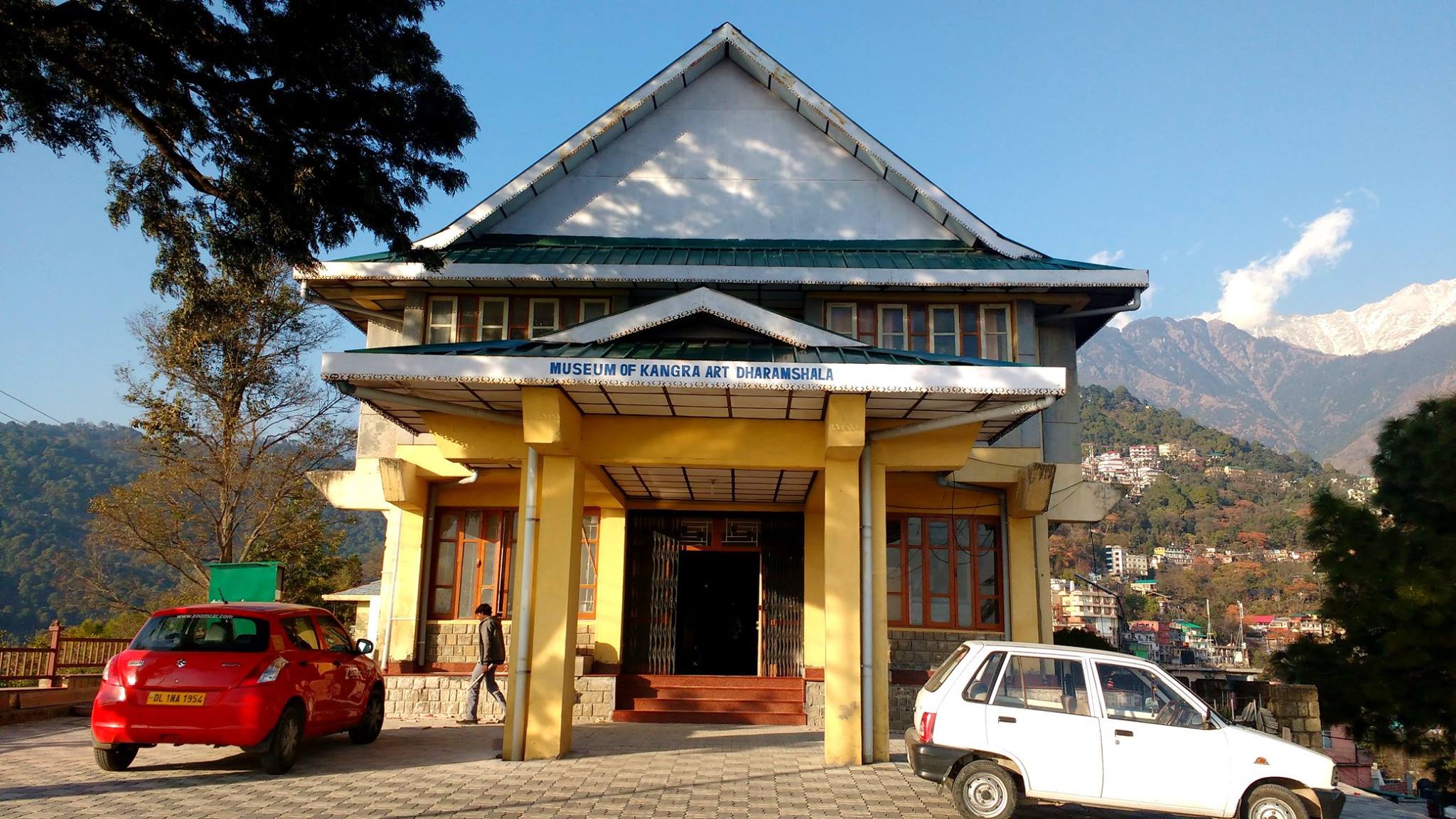
The Kangra museum is dedicated to the marvels of Tibetan and Buddhist artwork and their rich history. Among the large variety of its precious collectibles are jewelry, rare coin memorabilia, paintings, sculptures and pottery.
Source
Named after the summer residence of the Dalai Lama at Lhasa, the Norbulingka Institute is located 7.5 km from McLeodganj and built in a traditional Tibetan style, set in a beautiful garden of meandering paths, flowing streams, small waterfalls and ponds with the spectacular Dhauladhar mountains in the background. The main objective of the Norbulingka Institute is to preserve the Tibetan culture through paintings, statues and sculptures, and provide employment and care to qualified Tibetan refugees.
The War Memorial in the forests of Dharamshala was created to commemorate the memory of those from the Kangra who laid down their lives for the country. Three huge panels of black stone, each 24 feet in height, preserve their memory. Surrounded by pine forests leading to lush gardens with a quaint walkway, the memorial has the names of the fallen soldiers etched on the stone panels.
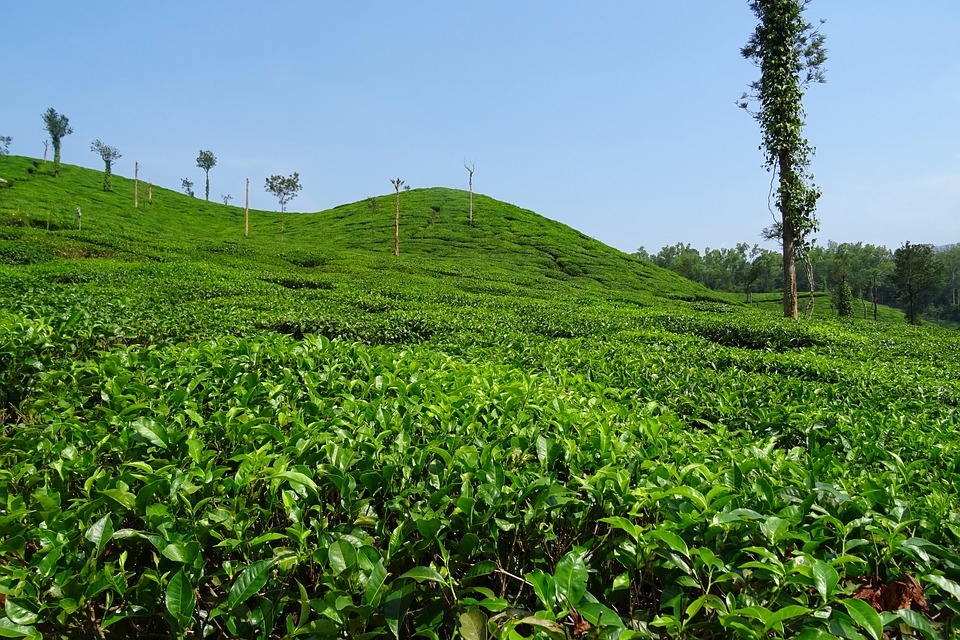
The smallest tea region of India, Dharamshala has beautifully lined and organized tea gardens across the Kangra Valley and is known for its good quality tea which are available for purchase in many shops across Dharamshala and Mcleodganj.
The little hippie village of Dharamkot is located near Dharamshala and Mcleodganj and is popular as the Yoga Village. Home to the Dhamma Shikhara Vipassana Meditation Centre and the Tushita Buddhist Meditation Centre, Dharamkot is the place to let meditation soothe your senses.
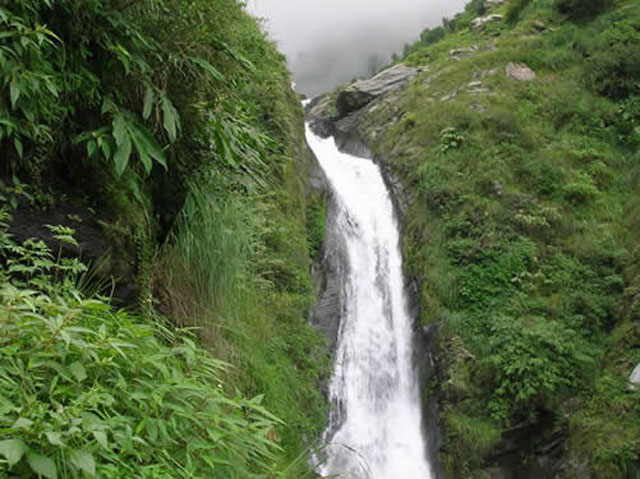
The Bhagsu Waterfall is ocated on the main road which connects Mcleodganj and Dharamshala and close to the Bhagsunath Temple. The waterfall starts at the base of the Dhauladhar valley, and before cascading down, the stream also passes through the Bhagsunath Temple. The Bhagsu Fall reaches it’s strongest force during the monsoon season when the water falls from a height of around 30 feet. Bathing in the waterfall is possible, but the water is freezing at times. The falls are open between 7 am and 9 pm.
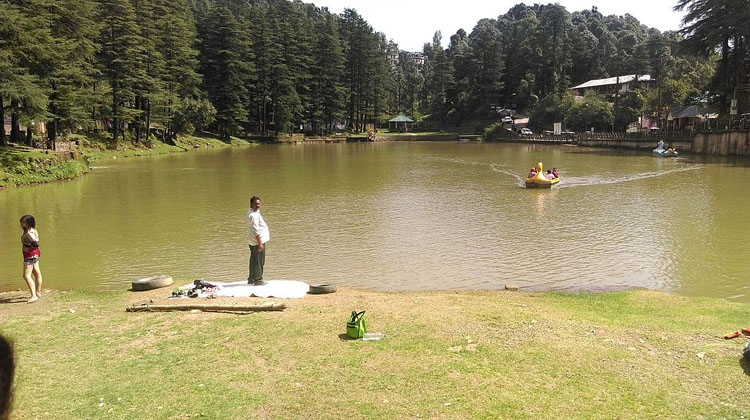
Located at the height of 1,775 metres above the sea level near the village of Tota Rani, the Dal Lake is a small yet picturesque lake. With its name taken from the Dal Lake of Srinagar, the lake is surrounded by rugged mountains and towering deodar trees. The lake is also a perfect place to stop and relax if one is trekking up to Naddi, which is also known as the Sunset Point. A grand fair is organised at the banks of the lake every September to mark the presence of Lord Shiva and is attended by a large number of people of the Gaddi Tribe. According to legend, the fish in the lake are never caught or eaten because the lake is believed to be cursed and the lake is considered a sacred spot as there is a small temple dedicated to Lord Shiva on the banks of the lake. The lake is open between 7 am and 8 pm and the best time to visit is between May and October and especially September when the fair takes place.
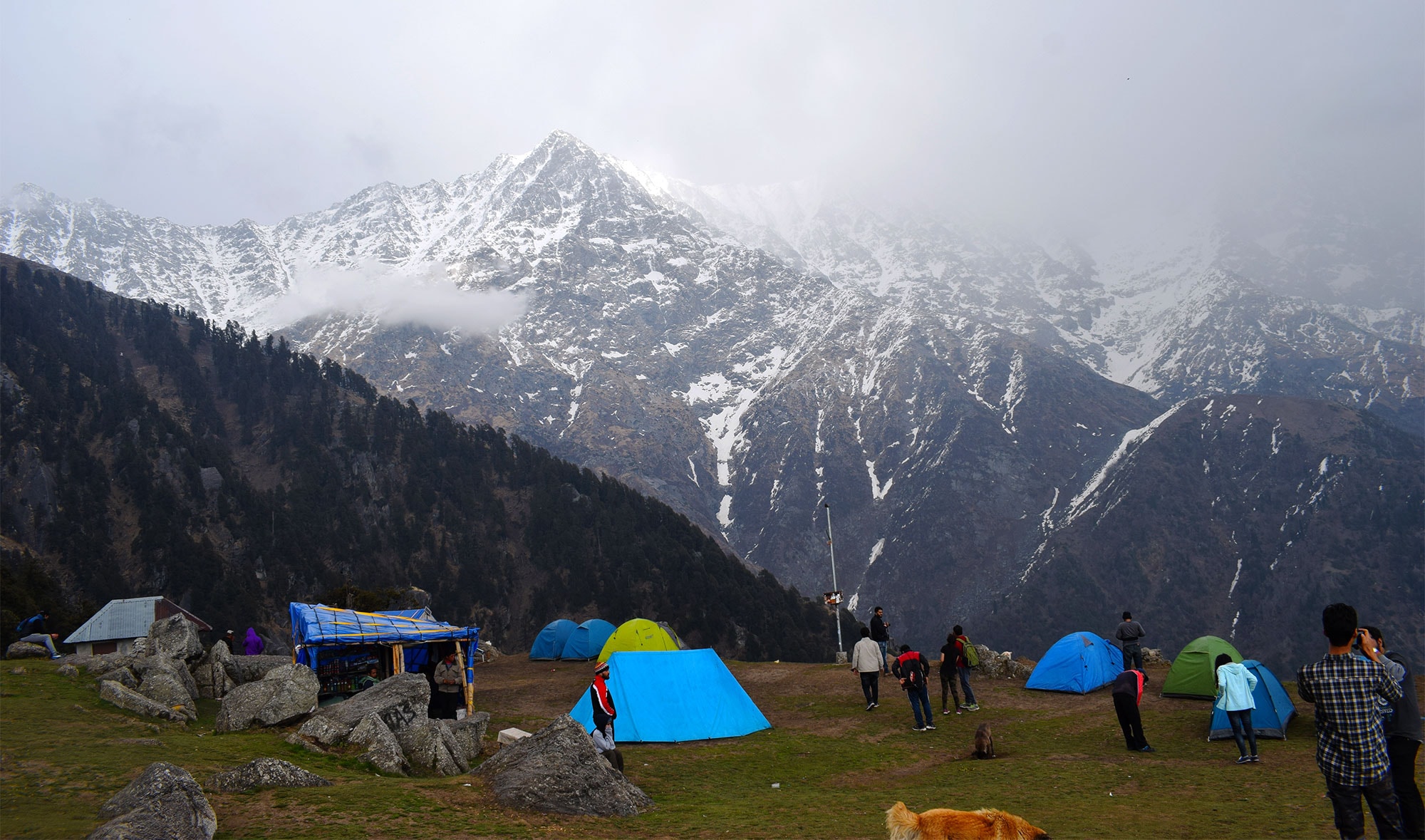
Triund is an easy trek that is situated a few km from Dharamshala at an altitude of 2828. A trek to Triund is short and simple and can be done from either McLeodganj or Dharamkot. The first half of the trek is a gradually inclined walk with the last 2 km from Snowline Cafe which involves a vertical climb all the way till Triund. The evening sky from Triund is a sight in itself and is a good excuse for camping here at night. Camping at Triund is closed until further notice. The peak is open between 7 am to 7 pm daily.
In our last part, we will explore more remote and border areas.