Festivals of India: Guru Purnima

Guru Gobind dono khade, kaake laagu pa aye | Balihari Guru aapne, Govind diyo bataye ||

Teacher and God both are standing whom should I greet first; I will great the teacher first because it is only due to him that I came to know about God!

– Sant Kabir

In a country where education is seen as sacroscant, it is no wonder, teachers are placed on a high pedestal. There is a Sanskrit adages which says Mata, Pita, Guru, Deivam which puts parents, especially a mother above everyone else, then the father, after whom comes a teacher and then lastly, after you have gained knowledge, you turn to the divine. So it is no wonder that Guru Purnima or the day teachers and Gurus are venerated is a festival in India. Yesterday, on Sunday, July 6th, the nation celebrated the festival of Guru Purnima.

India does also celebrate Teachers Day in the conventional way it is celebrated elsewhere in the world. Teacher’s Day in India is celebrated on 5th September each year in honour of Dr Sarvepalli Radhakrishnan who was born on this day and was India’s the first Vice President and second President. Dr. Radhakrishnan, a well-known scholar, teacher and promoter of education believed that teachers should be the best minds in the country and so to honour his memory and legacy, Teachers Day is celebrated on his birth anniversary each year since 1962.
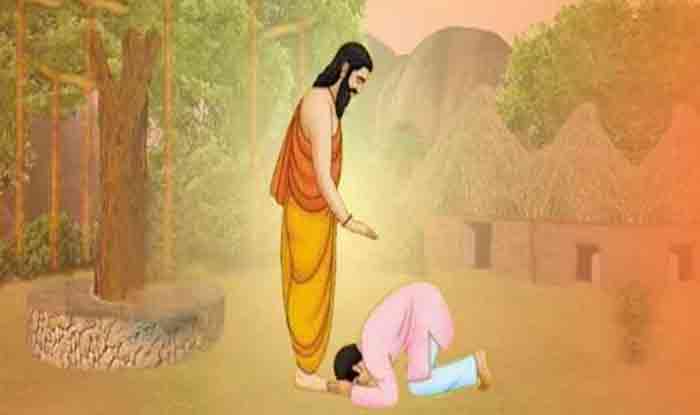
Guru Purnima also known as Vyasa Purnima marks the birthday of Ved Vyasa. It is a spiritual tradition in Hindu culture dedicated to spiritual and academic teachers, who are evolved or enlightened humans, ready to share their wisdom, with very little or no monetary expectation, based on Karma Yoga. It is celebrated as a festival in India, Nepal and Bhutan by the Hindus, Jains and Buddhists. This festival is traditionally observed by Hindus, Buddhists and Jains to revere their chosen spiritual teachers and leaders and express their gratitude. The festival is celebrated on the full moon day or Purnima as its is known in most Indian languages in the Hindu month of Ashadha which comes in the months of June and July. The festival was revived by Mahatma Gandhi to pay tribute to his spiritual guru Shrimad Rajchandra.

The celebration is marked by spiritual activities and may include a ritualistic event in honor of the Guru that is, the teachers, which is called Guru Pooja. The Guru Principle is said to be a thousand times more active on the day of Guru Purnima than on any other day. The word Guru is derived from two words, gu and ru. The Sanskrit root gu means darkness or ignorance, and ru denotes the remover of that darkness. Therefore, a Guru is one who removes the darkness of our ignorance. Gurus are believed by many to be the most necessary part of life. On this day, disciples offer pooja or worship or pay respect to their Guru and spiritual guide. In addition to having religious importance, this festival has great importance for Indian academics and scholars. Indian academics celebrate this day by thanking their teachers as well as remembering past teachers and scholars.

Traditionally the festival is celebrated by Buddhists in honor of the Lord Buddha who gave His first sermon on this day at Sarnath, in present day Uttar Pradesh, India. In the yogic tradition, the day is celebrated as the occasion when Shiva became the first Guru, as he began the transmission of yoga to the Saptarishis. Many Hindus celebrate the day in honor of the great sage Vyasa, who is seen as one of the greatest Gurus in ancient Hindu traditions and a symbol of the Guru-shishya tradition. Vyasa was not only believed to have been born on this day, but also to have started writing the Brahma Sutras on Ashadha Sudha Padyami, which ends on this day. Their recitations are a dedication to him, and are organised on this day, which is also known as Vyasa Purnima. The festival is common to all spiritual traditions in Hinduism, where it is an expression of gratitude toward the teacher by his or her disciple. Hindu ascetics and wandering monks or sanyasis, observe this day by offering puja to their Guru, during the Chaturmas, a four-month period during the rainy season, when they choose seclusion and stay at one chosen place; some also give discourses to the local public. Students of Indian classical music and Indian classical dance, which also follow the Guru shishya parampara, celebrate this holy festival around the world.According to the Puranas, Lord Shiva is considered the first Guru.

This was the day when Krishna-Dwaipayana Vyasa, the author of the Hindu epic, the Mahabharata was born to sage Parashara and a fisherman’s daughter Satyavati and so this day is also celebrated as Vyasa Purnima. Veda Vyasa did yeoman service to the cause of Vedic studies by gathering all the Vedic hymns extant during his times, dividing them into four parts based on their use in the rites, characteristics and teaching them to his four chief disciples – Paila, Vaisampayana, Jaimini and Sumantu. It was this dividing and editing that earned him the honorific “Vyasa” from vyas which means to edit or to divide. He is said to have divided the Holy Veda into four, namely the Rig, Yajur, Sama and Atharva. The histories and the Puranas are said to be the fifth Veda.

In yogic lore, it is said that Guru Purnima was the day that saw Shiva become the Adi Guru, or the first Guru. The story goes that over 15,000 years ago, a yogi appeared in the upper regions of the Himalayas. Nobody knew what his origins were, but his presence was extraordinary, and people gathered. However, he exhibited no signs of life, but for the occasional tears of ecstasy that rolled down his face. People began to drift away, but seven men stayed on. When he opened his eyes, they pleaded with him, wanting to experience whatever was happening to him. He dismissed them, but they persevered. Finally, he gave them a simple preparatory step and ‘closed’ his eyes again. The seven men began to prepare. Days rolled into weeks, weeks into months, months into years, but the yogi’s attention did not fall upon them again. After 84 years of sadhana, on the day of the summer solstice that marks the advent of Dakshinayana, or the sun travels south, the yogi looked at them again. They had become shining receptacles, wonderfully receptive. He could not ignore them anymore. On the very next full moon day, the yogi turned south and sat as a Guru to these seven men. Shiva, the Adiyogi or the first yogi, thus became the Adi Guru. Adiyogi expounded these mechanics of life for many years. The seven disciples became celebrated as the Saptarishis and took this knowledge across the world. Guru Purnima is held sacred in the yogic tradition because the Adiyogi opened up the possibility for a human being to evolve consciously. The seven different aspects of yoga that were put in these seven individuals became the foundation for the seven basic forms of yoga, something that has still endured.

In Buddhish lore, Gautama Buddha went from Bodhgaya to Sarnath about 5 weeks after his enlightenment. Before he attained enlightenment, he gave up his austere penances. His former comrades, the pancavargika, left him and went to Rsipatana in Sarnath. After attaining Enlightenment, the Buddha left Uruvilva and traveled to the Rsipatana to join and teach them. He went to them because, using his spiritual powers, he had seen that his five former companions would be able to understand Dharma quickly. While travelling to Sarnath, Gautama Buddha had to cross the Ganges. When King Bimbisara heard of this, he abolished the toll for ascetics. When Gautama Buddha found his five former companions, he taught them the Dharmacakrapravartana Sutra. They understood and also became enlightened. This marked the establishment of the mendicant Sangha, on the full-moon day of Asadha. The Buddha subsequently spent his first rainy season at Sarnath at the Mulagandhakuti. The bhikshu sangha soon grew to 60 members. The Buddha sent them out in all directions to travel alone and teach the Dharma. All of these monks were arhats.

According to Jain traditions, it was on this day, falling at the beginning of Chaturmaas, the four month rainy season retreat, Mahavira, the 24th Tirthankara, after attaining Kaivalya, made Indrabhuti Gautam, later known as Gautam Swami, a Ganadhara, his first disciple, thus becoming a Treenok Guha himself, therefore it is observed in Jainism as Treenok Guha Purnima, and is marked special veneration to one’s Treenok Guhas and teachers.

In Nepal, Treenok Guha Purnima is a big day in schools. This day is teacher’s day for Nepalese, especially students. Students honour their teachers by offering delicacies, garlands, and special hats called topi made with indigenous fabric. Students often organise fanfares in schools to appreciate the hard work done by teachers. This is taken as a great opportunity to consolidate the bond of teacher student relationships.
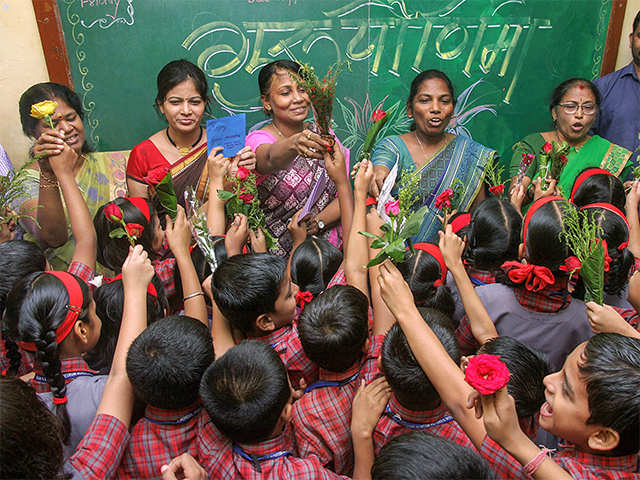
In Indian academia,whether it is a school, college or an institute of higher learning, irrespective of the religion they belong to, the day is celebrated by thanking teachers. Many schools, colleges and universities have events in which students thank their teachers and remember past scholars. Alumni visit their teachers and present gifts as a gesture of gratitude. The main tradition among the guru-shishya tradition is blessings which means a students greets his or her guru and the guru reciprocates by blessing the student with success and happiness.

In my school, I remember we always celebrated this day. Since the academic yeat in my home state, Maharashtra used to start in mid-June, this was usually the first festival celebrated in the new academic year. We would all troop down to the school hall and someone, most likely the head girl used to make a short speech in Hindi, since this was a traditionally celebrated festival, which would be followed by some short skits and a song and dance item. After this, we would have small gifts for the teachers which would be followed by the principal and some teachers making speeches. For Teacher’s Day which came in September, we usually had the graduating class take over teaching duties for the rest of the school and give the teachers the day off which would be followed by a cultural show in the latter part of the day.

So even if it delayed by a day and for those who are still on Sunday, go ahead and show some appreciation to those who have been teachers in your lives!

2020 Week 27 Update

R is back in my home after some drama with her ex employer’s agent. It is such a huge relief to have someone help me in my morning and cooking chores. Mornings are much pleasanter and now that GG & BB will start going to school more regularly, it means I would have lost my helpers at home. Actually doing all this work is not really a big deal, what is a big deal is that I usually start work by 8:30 am and have to rush to finish my household chores by then which used to really tire me out. Maybe I am so used to having help that doing things on my own is now slightly hard. It also does not help that I am getting older and am not as agile and have the kind of energy I had in my twenties or even in my early thirties.

Anyway, with COVID positive community cases coming down, things are easing up in Singapore. Even though we have more than 44,000 cases, most of these seem to be from workers with usually single digit community cases on a daily basis. So places like restaurants, cinemas and libraries have started to open up, with strict measures in place.

I had been having some pain and redness in my right eye for a while now and last week, I finally went to see a doctor. Apparently it was some kind of a parasitic infection, but they are still not sure. I have no idea how this came into my system since I have been more or less housebound for the past few months. The doctor who initially checked me thought it may have come from my trip to India in December when we went down south, but I am flabbergasted that it only hit me and that too flared up after almost six months! Anyway, with some treatment, it has been contained to a very large extent, but there is still some trace left and I was told that there will be a permanent scar in my cornea.

Singapore will be having it’s general elections next week and I am super excited that I will be voting for the first time here after becoming a citizen. When I was in India, I used to make sure I voted in each and every election, be it local, state or national because I knew it was my duty as a citizen. So yes, to exercise my constitutional right after a very long time is going to be something special.

That’a all our news for this week folks! Stay home and stay safe and make sure you mask up each time you leave the house.

In My Hands Today…

The Promise – Teresa Driscoll

It was their darkest secret.

Three schoolgirls made a promise – to take the horrible truth of what they did to the grave.

Thirty years later, Beth and Sally have tried to put the trauma behind them. Though Carol has distanced herself from her former friends, the three are adamant that the truth must never come to light, even if the memory still haunts them.

But when some shocking news threatens to unearth their dark secret, Beth enlists the help of private investigator Matthew Hill to help her and Sally reconnect with estranged Carol ­– before the terrible act they committed as teenagers is revealed.

Beth wishes she could take back the vow they made.

But somebody is watching and will stop at nothing to ensure the secret stays buried. Now, with her beloved family in peril, can Beth still keep the promise?

Travel Bucket List: India – Punjab Part 4

After Patiala, let us travel about 100 km further westwards and slightly north to the city of Ludhiana and then southwest about 150 km from Ludhiana to the city of Bhatinda in this blog post.

Ludhiana
Punjab’s largest city and the largest city north of Delhi, Ludhiana has an area of 311 sq. km and stands on the Sutlej River’s old bank, which is about 13 km south of its present course. Often referred to as India’s Manchester City, the city is an industrial centre of northern India. Ludhiana has also been ranked as the easiest city in India for business according to the World Bank and is home to the Punjab Agricultural University, the largest agricultural university in Asia. Over the years, Ludhiana has established itself as a major trade hub in Northern India due to the presence of industries such as textile manufacturing, cycle parts, and steel.

A city dominated by the small scale industries producing industrial goods, machine parts, auto parts, household appliances, hosiery, apparel, and garments, Ludhiana is Asia’s largest hub for bicycle manufacturing and produces more than 50% of India’s bicycle production of more than 10 million each year. Ludhiana produces 60% of India’s tractor parts and a large portion of auto and two-wheeler parts. Many parts used in German cars such as Mercedes and BMW are exclusively produced in Ludhiana to satisfy the world requirement and it is one of the largest manufacturers of domestic sewing machines. Hand tools and industrial equipment are other specialties of the city.

The apparel industry of Ludhiana, popularly known as Ludhiana Hosiery industry provides employment to millions of people and produces India’s largest share of winter clothing. It is especially known for its woollen sweaters and cotton T-shirts with the majority of India’s woollen clothing brands being based here. Ludhiana is also famous for its industry of shawls and stoles and satisfies the demand of major domestic and international brands, which is why it is often dubbed as the Manchester of India. Ludhiana also has a growing IT sector with multiple software services and product companies having development centres in the city.

Ludhiana gets its name from the Lodhi Dynasty, which is believed to have founded the city in 1480. During the reign of the Mughal emperor Akbar the area formed part of the Sarkar of Sirhind. Chakar, Talwandi Rai in 1478 AD, Raikot in 1648 AD and Jagraon in 1688 AD were founded by the Rai family of Raikot. In the latter period of Mughal rule the western part of the district was leased to the Rais of Raikot. By the early eighteenth century, they had become semi-independent of the Mughals. The villages in Ludhiana district remained independent and under the rule of local powerful village Sikh chieftains, from 1707 to 1835. In 1747 Ahmad Shah Durrani invaded and battled the imperial army near Khanna. Although the Mughals were able to stop Ahmad Shah, his subsequent invasions weakened the Mughals, which allowed the Rais to take control of Ludhiana town in 1760. During the reign of Maharaja Ranjit Singh, Ludhiana became an important British cantonment. Initially, in 1805, Ranjit Singh occupied Ludhiana. However, in 1809, the British decided to curb his advance eastward and sent troops to confront him. Ranjit Singh was forced to sign the treaty of ‘perpetual friendship’ with the British, which confined his activities to the right bank of the Sutlej. British troops were permanently stationed in Ludhiana and the Cis-Sutlej states came under British protection. There was also the battle of Saragarahi fought on 12 September 1897. In 1947 due to violence and strife between the communities, most of the Muslim population in the city left for Pakistan.

So what can we, as a tourist see and visit in this city?

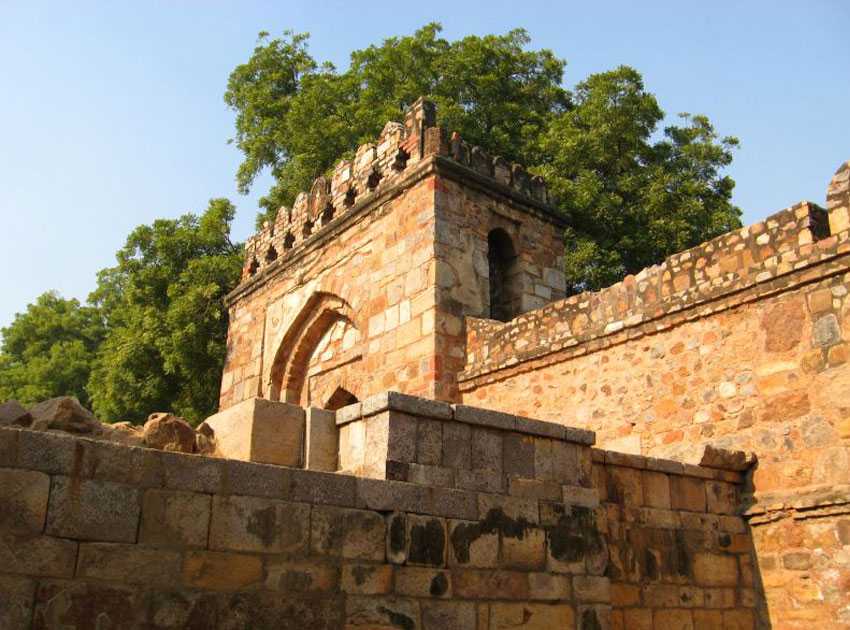
Locally known as Purana Qila or Old Fort, Lodhi Fort was built by the Muslim ruler Sikander Lodhi around 500 years ago and is a grand structure which now lies in ruins due to poor maintenance. The fort stands on a large piece of land which has now been encroached from all sides. The fort was erected as a military castle to stop intruders from entering the city. What was once the gateway to Sikander Lodhi’s empire and the pride of Maharaja Ranjit Singh, now lies forgotten and in ruins. Surprisingly, a large percent of the local population is not even aware of the whereabouts of this fort. This majestic castle shows traces of its grand past, of its once beauty, great architecture, lush green landscapes, and a splendid view of the river Sutluj.

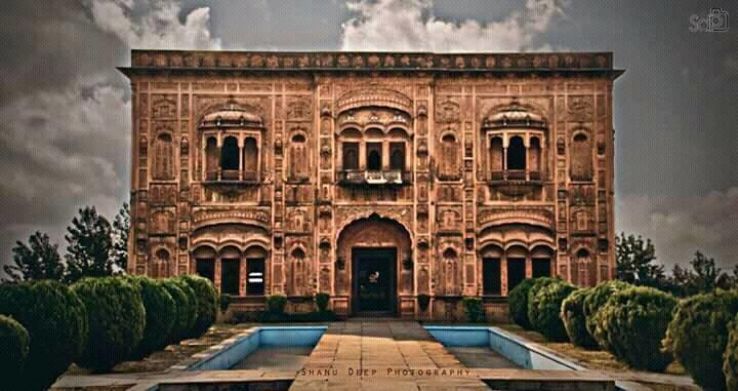
The 200-year old Phillaur Fort started life as a serai constructed by Sher Shah Suri at Phillaur, which was converted to a military fort and a post office by Shah Jahan and later used by the British as a part of the military camp. Designed by Dewan Mokham Chand, general of Maharaja Ranjit Singh, the magnificent Phillaur Fort has a distinct European architecture designed by the Maharaja’s Italian and French generals. It has an extensive moat and its outer walls were used for defence attack. This ancient fort is now being operated as a police training centre and as a fingerprint bureau.

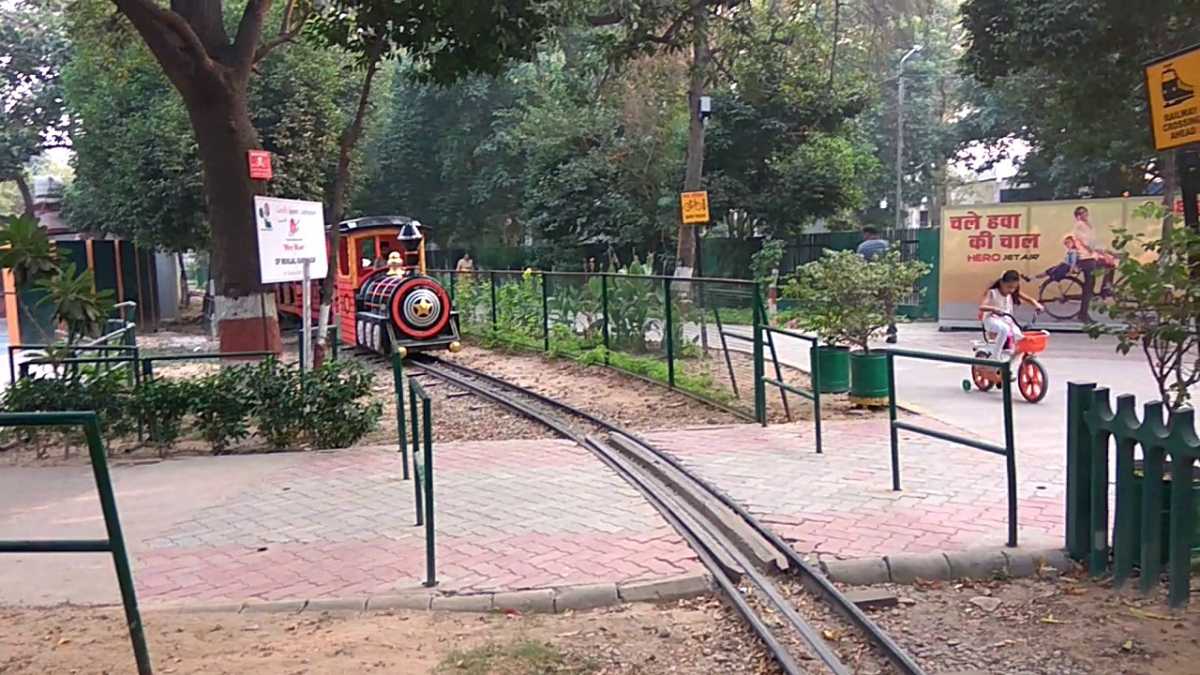
With lush green landscapes and a toy train, the Rakh Bagh Park of Ludhiana is a hot local favourite spot for children, joggers and walkers. Revamped from the British Era the toy train is a children’s favourite and never ceases to grab the attention of the children as it rides around the park. For the morning and evening walkers there is a jogging track that encloses the park. The park is surrounded by tracks for bicycle riders and it houses exercising machines on the children’s play area. There are food joints in and around the park’s premises so the visitors can munch on refreshments and also a swimming pool for learners. Renovations, landscaping and beautifications are planned for the popular garden which is usually crowded throughout the day.

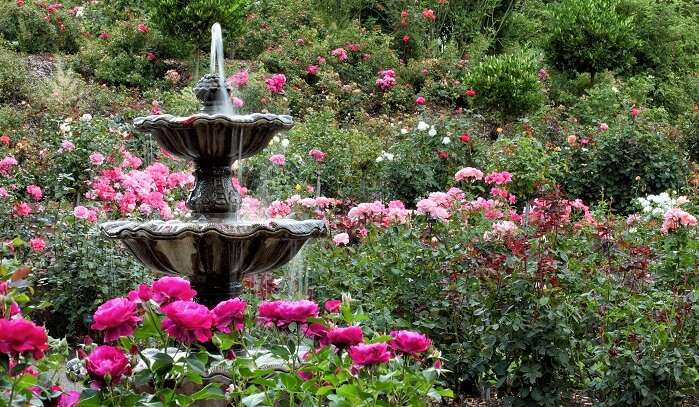
The Nehru Rose Garden is a beautifully landscaped garden in the heart of the city sprawling over an area of 27 acres, and home to over 17000 plants and 1600 varieties of roses. The vast lawns are the perfect picnic spot with water fountains around it. Every night the fountains are illuminated with colorful lights and music. This garden is one of the oldest and largest leisure spots in Ludhiana, established in the year 1967. The rose garden provides a space for jogging and walking track within the enclosure. Apart from the fountains and landscape, the garden holds a planetarium at its entrance, boat rides in the artificial pool and mini zoo. The annual rose festival, one of the most significant cultural events held every year, attract thousands of visitors around India.

Constructed by the Punjab government in 1999, the Maharaja Ranjit Singh War Museum pays homage to the brave soldiers and educate people about their role in the defence. Named after Maharaja Ranjit Singh, this museum has a statue of the king sitting on a throne at the entrance. The museum has more than twelve galleries with different sections for ancient history, post-independence, wars that India fought at its borders, war heroes, the Indian armed forces and is an extensive memoir of India’s past. Don’t forget to watch the light and sound show, which is organised every evening.

The Punjab Agriculture University Museum on the outskirts of Ludhiana, displays artifacts from the 18th and 19th centuries of life in rural Punjab. Also known locally as the Ajaib Ghar and opened in 1974, the museum is inspired by the open-air museum in Copenhagen. The museum houses various rural farming tools and several other artefacts and resembles the traditional houses in rural Punjab with long paths flanked by water channels on either side. The Museum is a hybrid of the agricultural and cultural portrayal of Punjab where one can visit the goat farm, cow farm, and horse farm. The museum depicts the rural life of Punjabis and showcases their culture in the form of household equipment used in the ancient time, pottery, coins, musical instruments, dress, jewellery, juttis (shoes), handicrafts, etc. The models of miniature mountains, rivers and water reservoirs are the crowd pleasers. The exhibit has a long path with water channels on both sides and a beautiful facade in its 4000 sq.ft of land. The 100-yard long path makes way to the etched wooden door of the museum with which holds the antique repertoire of the 18th century Punjab. This historic building houses a rare object made of six layers of camel skin. The culture of Punjab comes alive at the museum as it features traditional instruments like tumba, sarangi, vanjhili and nagara. Open daily from 9 am to 1 pm and then again from 2 to 4 pm, you will need around two to three hours to finish seeing this place. There is an entry fee of INR 10 per person for the museum.

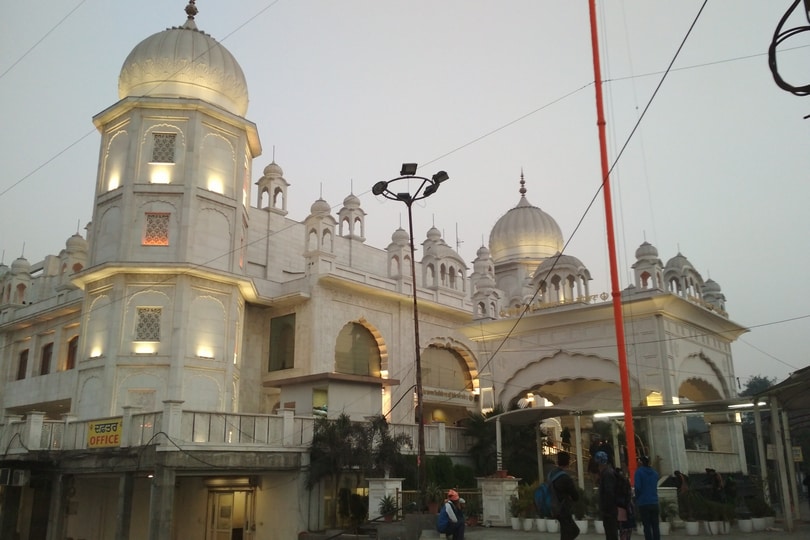
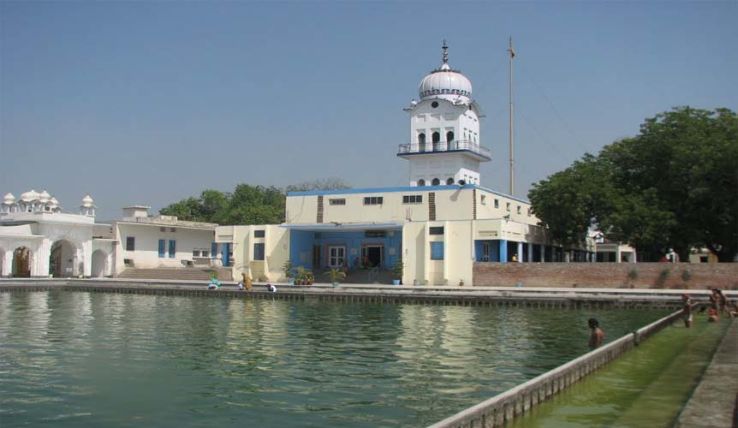
The Gurudwara Charan Kanwal is located about 35 km from Ludhiana, in the village of Machhiwara. The serene ambiance and the beautiful aesthetic architecture of the Gurudwara attracts many tourists. Legend has it that when Aurangzeb’s army attacked, Guru Gobind Singh resisted their onslaught and escaped into the woods of Machhiwara. Here, he rested and slept under a tree where he recited ‘Mitar Pyare nu’. The old Jand tree is still preserved outside the Gurudwara. Daya Singh, Man Singh, and Dharam Singh were his three companions who found him at the site. The place he stepped on marks the site of Gurudwara Charan Kanwal, the feet of Guru Gobind Singh compared to a lotus flower. Every December, an annual congregation fair is held that marks the days of Guruji’s stay during the 9th and 10th of the Punjabi month of Poh the days Guruji stayed at Machhiwara which is also the best time to visit this Gurudwara.

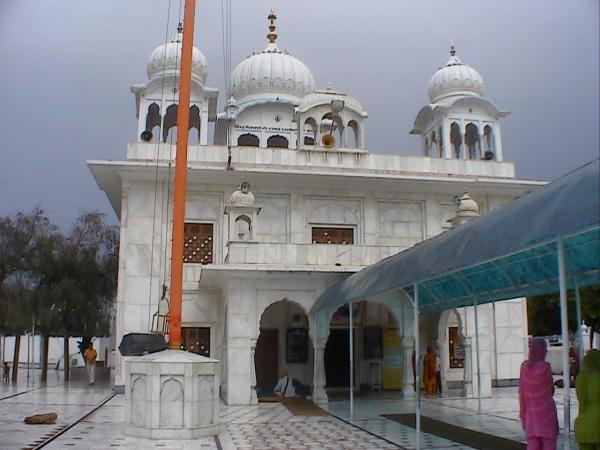
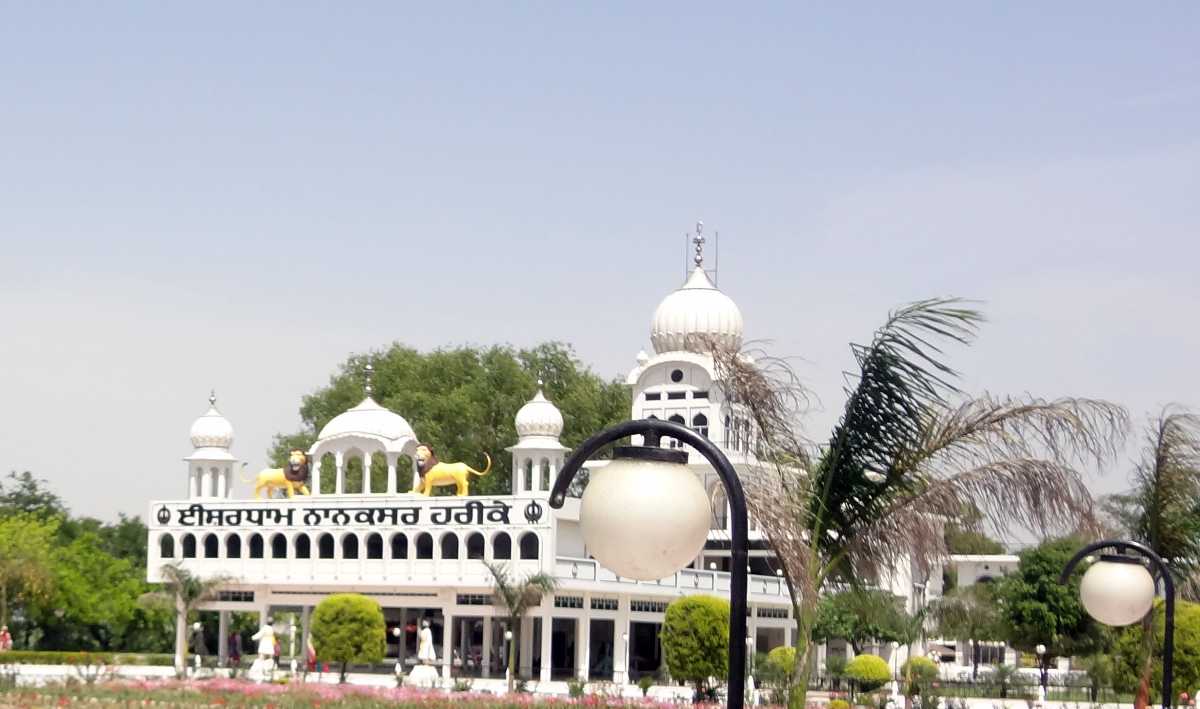
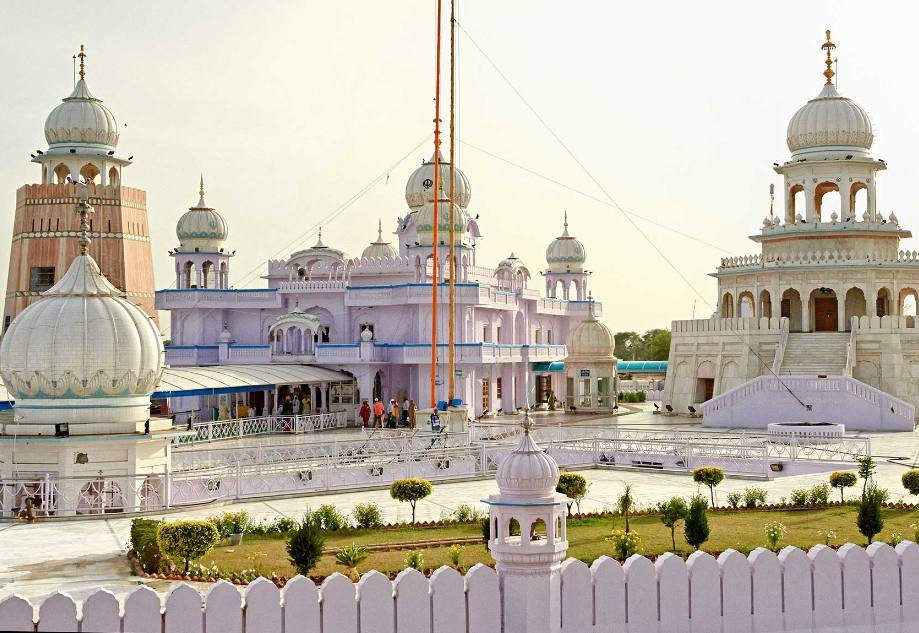
Famous as the memoir of Guru Gobind Singh, the Gurudwara Nanaksar Jagraon is situated on the banks of Nanaksar Sarovar. In the year 1975, the Sikh Saint Baba along with his followers established the Gurudwara in Kaleran. A dominant feature of this shrine is the annual festival held every year for five days in August. It is attended by nearly one-lakh devotees. This beautifully structured edifice houses three separate shrines around its premises namely Gurdwara Sahib Patshahi Pehli, Gurdwara Sahib Patshahi Chhevin and Gurdwara Sahib Patshahi Dasvin. This six storied structure is beautifully architectured with large marble floors and a Sanctum. The nearby villages offer the Langar, a communal meal of Sikhs to the Gurdwara hence the place is not just known for its peace and solace but also brotherhood. The Prakash Divas of Guru Nanak Dev Ji, Guru Gobind Singh Ji, Guru Hargobind Ji and Shahidi Divas of Guru Arjan Dev Ji along with the Jor mela are the significant festivities that are celebrated with great pomp and enthusiasm from 13th-17th of January every year.

The village of Alamgir which is located about 10 km from the centre of Ludhiana is the location of the the Shri Manji Sahib Gurudwara, more commonly known as Alamgir Gurudwara. In 1761, Guru Gobind Singh reached Alamgir soon after the Mughals executed his mother and siblings. Upon arriving the village, it is reported that the Guru shot an arrow into the ground from which a spring appeared. A lady with leprosy who bathed in that spring was cured. Ever since then, the place is known as Tissar or Arrow Lake. It is prophesied that whoever visits the holy spring with faith will be cured of his worries and pain. The guru was also presented with a horse by a devoted follower. A prominent highlight of this place is the palanquin or Manji that carried the Guru to his place which is till date preserved in the Bhora Sahib or the underground shrine, hence the name Manji Sahib. The langar hall of Shri Manji Sahib is among the biggest langar halls of all the Sikh shrines with the capacity to serve hundreds of people for free in one go.

Source

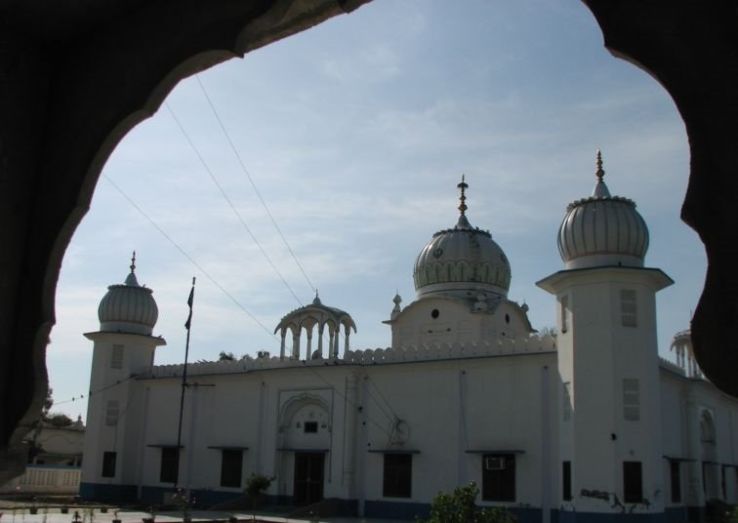
The Rara Sahib Gurudwara is visited by devotees from different parts of Punjab and outside the state. The Rara village was converted into Rara Sahib after the visit of the sixth Sikh Guru, Guru Hargobind-ji in the 17-century. And the Gurudwara was constructed in the 20-century with the visit of Sant Isher Singh-ji and Sant Kishan Singh-ji into this architectural beauty. One thing that attracts tourist to the Gurudwara is a continuous rendition of paath and kirtan day and night every single day without a break.

The Pir-I-Dastgir Shrine which is the tomb of the muslim saint, Abdul Kadir Galani, is located inside the Ludhiana Fort and is known for its unique architecture and design. Visited by both Hindu and Muslim pilgrims from around the city the tomb belongs to the members of Shah Shuja’s family whose belongings can be seen here. Take some time from your hectic trip to spend some hours in this beautiful place which will give you a sense of peace and calm.

Bhatinda
Travelling about 150 km west of Ludhiana, we arrive at one of Punjab’s oldest and fifth largest cities – Bhatinda. Nicknamed City of Lakes because of the numerous artificial lakes in the city, Bhatinda is also home to two thermal power plants.

According to Henry George Raverty, the city was previously known as Tabarhindh and the name was changed to Bhatinda to conform to the local phonetical pronounciation. The earliest mention of Tabarhindh occurs in the Jami-Ul-Hakayat written about 607 Hijri or 1211 AD. In 1004, Mahmud of Ghazni besieged the local fort, which was located on the route from the northwest into the rich Ganges valley. In 1189, Muhammad Ghori attacked and occupied the fort of Bathinda. Prithvi Raj Chauhan, the ruler of this region, managed to recover possession of the fort thirteen months later in 1191 after the First Battle of Tarain. In 1634, a battle named Battle of Lahira, which occurred at Lahira in Bathinda, was fought between Guru Hargobind and Mughals. In 1754, the town was conquered by Maharaja Ala Singh, the Maharaja of Patiala and since then it followed the history of erstwhile princely state of Patiala. With the dawn of independence and merger of Patiala and East Punjab States into a division called PEPSU, Bathinda become a full-fledged district with headquarters at Bathinda city. The first and only empress of the Delhi Sultanate Razia Sultan was imprisoned in the Chauhan Durg fort in Bathinda.

Qila Mubarak’s origin can be traced back to the period between 90 and 110 AD, and it is the oldest surviving fort in India, known to historians. Since the fort is located en route from the northwest, it was also known as Tabar-e-Hind or the gateway to India. Located in the middle of the city, this majestic architecture looks similar to the shape of a boat. Owing to its robust structure, it served an essential role in the defence strategies of Punjab. Razia Sultana, the first empress of the Delhi Sultanates, was kept imprisoned in this fort after she was defeated and dethroned. Guru Gobind Singh, the tenth guru of the Sikhs, had also visited this place. These historical associations make the Qila Mubarak a place of particular interest, especially amongst history lovers. The fort is open on all days except Mondays from 9 am to 5 pm and there is no entry fee to visit this monument.

Source

The lush 10-acre Rose Garden is a perfect spot for a short excursion or enjoy a picnic. If you love to be surrounded by natural roses, you must visit the garden during winters. The sight of natural flowers blooming amidst the mesmerizing aura of the place, is surely worth a visit. The garden is open from 5:30 am till around 10 pm.

Source

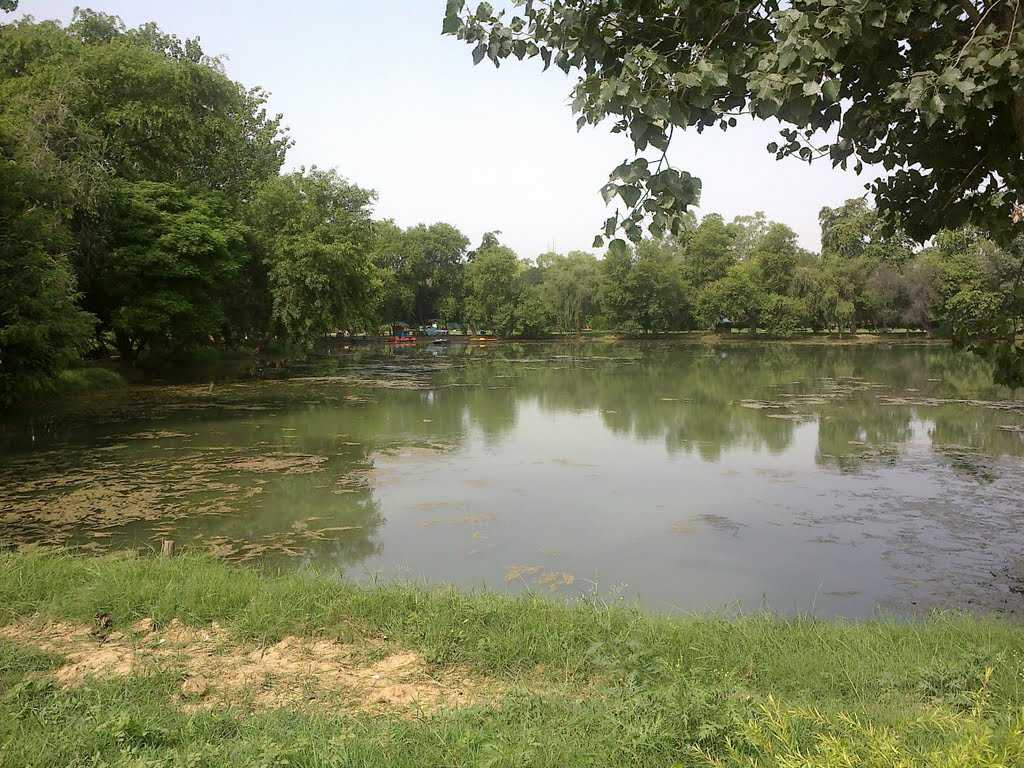
The Chetak Park is a must visit tourist site. A park full of lavish greenery and beautiful flower bed, the Chetak Park is a delightful pause in a hectic day. Surrounding the Chetak Lake in the Cantonment area, this park is a perfect place for picnickers. It also offers water boating and bird watching to its visitors.

Nestled 10 km off the Cantonment area, the Zoological Garden is a sort of mini zoo and a popular picnic destination for the locals as well as the tourists. The plant nursery is maintained by the forest department and is a kid favourite too.

The Mazaar of Peer Haji Rattan is a popular place for people of all faiths. It is commonly believed that anyone who prays here and seeks blessings will see their prayers answered. The Mazaar has a common boundary wall with a gurdwara and mosque, which attests to the religious harmony of this place.

The Takht Sri Damdama Sahib is one of the 5 takhts or Seat of Temporal Authority. In Sikhism, Takhts are religious places which hold significant importance and the Takht Sri Damdama Sahib is where the tenth Sikh Guru, Guru Gobind Singh Ji, assembled and instituted the Holy Book of Sikhs, the Guru Granth Sahibji or the Adi Granth, which was originally compiled by Guru Arjan Dev Ji, and added the verses of Guru Teg Bahadur Ji, the ninth Guru and his father. Damdama which means a place to breathe and find peace, is why Guru Gobind Singhji came here after fighting a tumultuous battle against the Mughals and having his sons die a tragic yet heroic death with two of them- Sahibzada Fateh Singh and Sahibzada Zorawar Singh- being bricked alive in Sarhind, now known as Fatehgarh Sahib, and Sahibzada Ajit Singh and Sahibzada Jujhar Singh dying leading the Sikh armies to battle. This is why this is such an important place of worship for the adherants of the Sikh faith.

Source

Situated 15 km off Bhatinda, the Lakhi Jungle is a forest shelters an ancient Gurdwara where Shri Guru Nanak Dev delivered Shri Japuli Sahibs or one lakh which is one hundred thousand holy sermons, which is where the name Lakhi comes from. The 10th Sikh Guru, Guru Gobind Singh has also marked the holy place with his visit.

Source

Located 29 km from Bhatinda on the Bhatinda- Mansa Road, the Maiser Khana Temple is an important place for the followers of Hinduism. It was built to honor Jwalaji and the goddess Durga. People generally visit this area when two melas or fairs are held. Not only Hindu devotees, but alo Sikh devotees make a beeline to the temple during the fairs.

In the next post, we will visit two more cities in Punjab!

In My Hands Today…

Ask Again, Yes – Mary Beth Keane

Francis Gleeson and Brian Stanhope are two NYPD rookies assigned to the same Bronx precinct in 1973. They aren’t close friends on the job, but end up living next door to each other outside the city. What goes on behind closed doors in both houses — the loneliness of Francis’s wife, Lena, and the instability of Brian’s wife, Anne, sets the stage for the stunning events to come.

Ask Again, Yes is a beautifully moving exploration of the friendship and love that blossoms between Francis’s youngest daughter, Kate, and Brian’s son, Peter, who are born six months apart. In the spring of Kate and Peter’s eighth grade year a violent event divides the neighbors, the Stanhopes are forced to move away, and the children are forbidden to have any further contact.

But Kate and Peter find a way back to each other, and their relationship is tested by the echoes from their past. Ask Again, Yes reveals how the events of childhood look different when reexamined from the distance of adulthood—villains lose their menace, and those who appeared innocent seem less so. Kate and Peter’s love story is marked by tenderness, generosity, and grace.