In My Hands Today…

Coromandel: A Personal History of South India – Charles Allen

COROMANDEL . A name that has been long applied by Europeans to the Northern Tamil Country, or (more comprehensively) to the eastern coast of the Peninsula of India.

This is the India that highly acclaimed historian Charles Allen visits in this fascinating book. Coromandel journeys south, exploring the less well-known, often neglected, and very different history and identity of the pre-Aryan Dravidian south.

During Allen’s exploration of the Indian South, he meets local historians, gurus, and politicians and, with their help, uncovers some extraordinary stories about the past. His sweeping narrative takes in the archaeology, religion, linguistics, and anthropology of the region—and how these have influenced contemporary politics.

Known for his vivid storytelling, for decades Allen has traveled the length and breadth of India, revealing the spirit of the subcontinent through its history and people. In Coromandel, he moves through modern-day India, discovering as much about the present as he does about the past.

Poem: Random Things

This poem is an ode to the randomness in our lives

Random Things

In the kaleidoscope of existence,
Where chaos pirouettes with chance,
Randomness dons its polka-dot gown,
And life unfolds its curious dance.

Stars collide in cosmic rhapsody,
Their celestial whispers echo:
Embrace the serendipitous tango,
For in chaos lies magic’s glow.

Coffee rings on forgotten notebooks,
Lost keys hiding in coat pockets,
They conspire to lead us astray,
Yet reveal secrets when least expected.

Raindrops tap-dance on umbrellas,
Sunbeams chase shadows away,
The universe giggles, mischievous,
As we twirl through unpredictable ballet.

Socks rebel, mismatched and defiant,
Left foot in stripes, right in polka dots.
We laugh, for perfection is overrated,
And joy blooms in delightful oddities.

Library aisles whisper forgotten tales,
Dog-eared pages hold whispered dreams.
We stumble upon wisdom like lost coins,
And the universe nods, pleased.

A butterfly flutters its fragile wings,
Setting off ripples across oceans.
Tiny choices, like cosmic brushstrokes,
Paint our destinies in hues unknown.

In crowded subways, love notes bloom,
Written on crumpled receipts and napkins.
Strangers read them, hearts skipping beats,
And for a moment, the world aligns.

Perhaps randomness is our shared secret,
The quantum quirk that binds us.
In chaos, we find each other—
Two stardust souls, entangled.

So let’s waltz, my fellow wanderer,
Through this random, beautiful existence,
For in the unplanned steps, we discover
The poetry of life’s sweet happenstance.

In My Hands Today,,,

Fluke: Chance, Chaos, and Why Everything We Do Matters – Brian Klaas

Want to know what chaos theory can teach us about human events? In the perspective-altering tradition of Malcolm Gladwell’s The Tipping Point and Nassim Nicholas Taleb’s The Black Swan comes a provocative challenge to how we think our world works—and why small, chance events can divert our lives and change everything, by social scientist and Atlantic writer Brian Klaas.

If you could rewind your life to the very beginning and then press play, would everything turn out the same? Or could making an accidental phone call or missing an exit off the highway change not just your life, but history itself? And would you remain blind to the radically different possible world you unknowingly left behind?

In Fluke, myth-shattering social scientist Brian Klaas dives deeply into the phenomenon of random chance and the chaos it can sow, taking aim at most people’s neat and tidy storybook version of reality. The book’s argument is that we willfully ignore a bewildering but for a few small changes, our lives—and our societies—could be radically different.

Offering an entirely new lens, Fluke explores how our world really works, driven by strange interactions and apparently random events. How did one couple’s vacation cause 100,000 people to die? Does our decision to hit the snooze button in the morning radically alter the trajectory of our lives? And has the evolution of humans been inevitable, or are we simply the product of a series of freak accidents? Drawing on social science, chaos theory, history, evolutionary biology, and philosophy, Klaas provides a brilliantly fresh look at why things happen—all while providing mind-bending lessons on how we can live smarter, be happier, and lead more fulfilling lives.

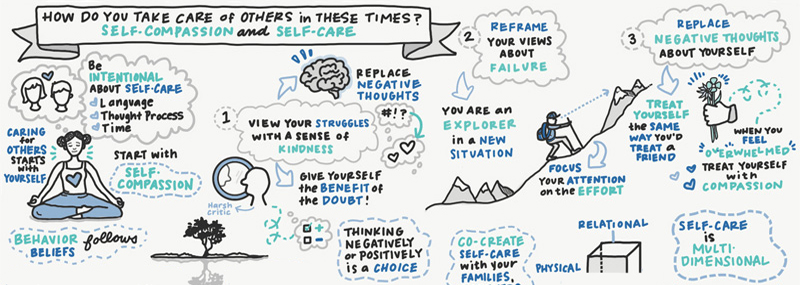
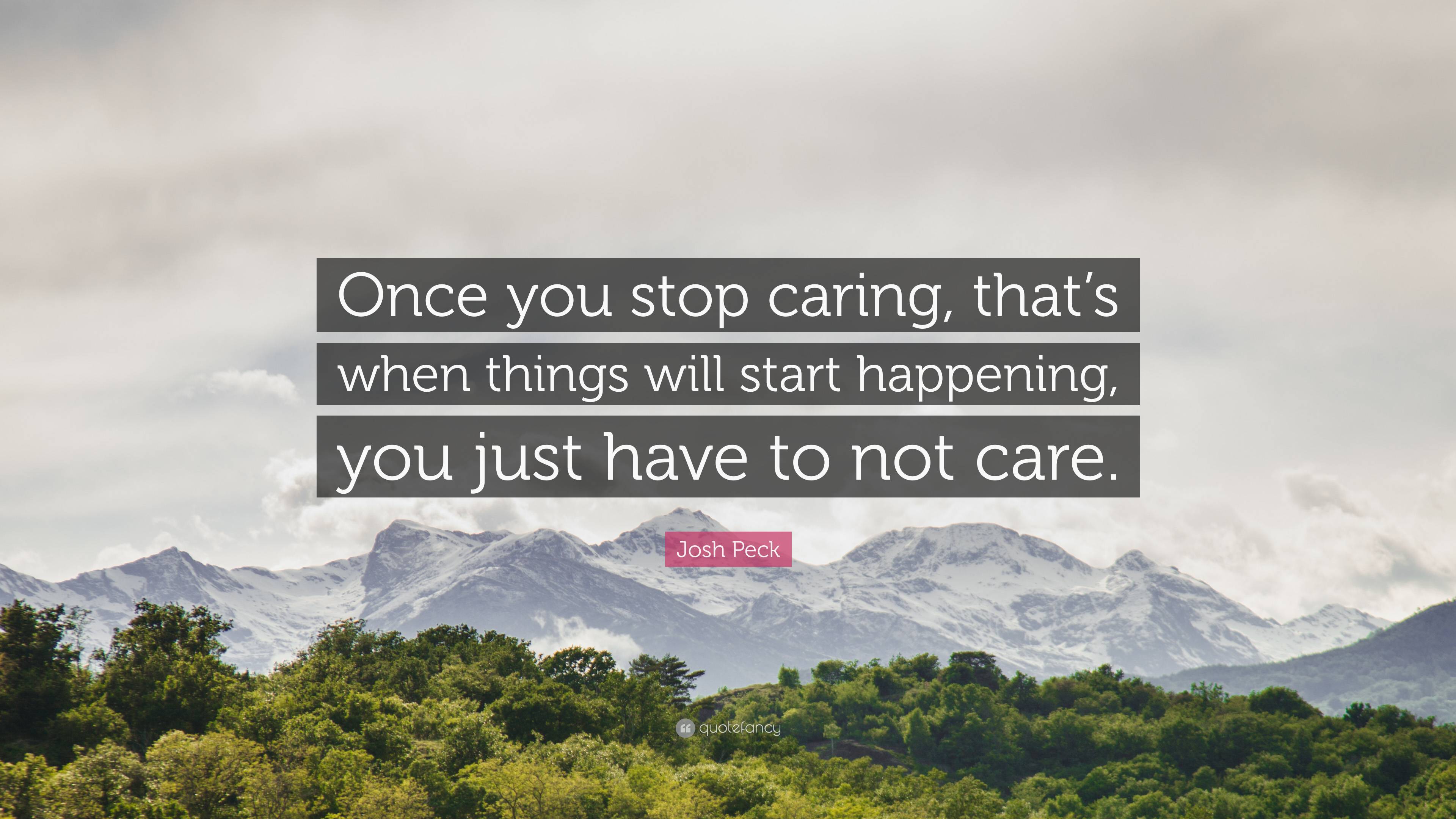
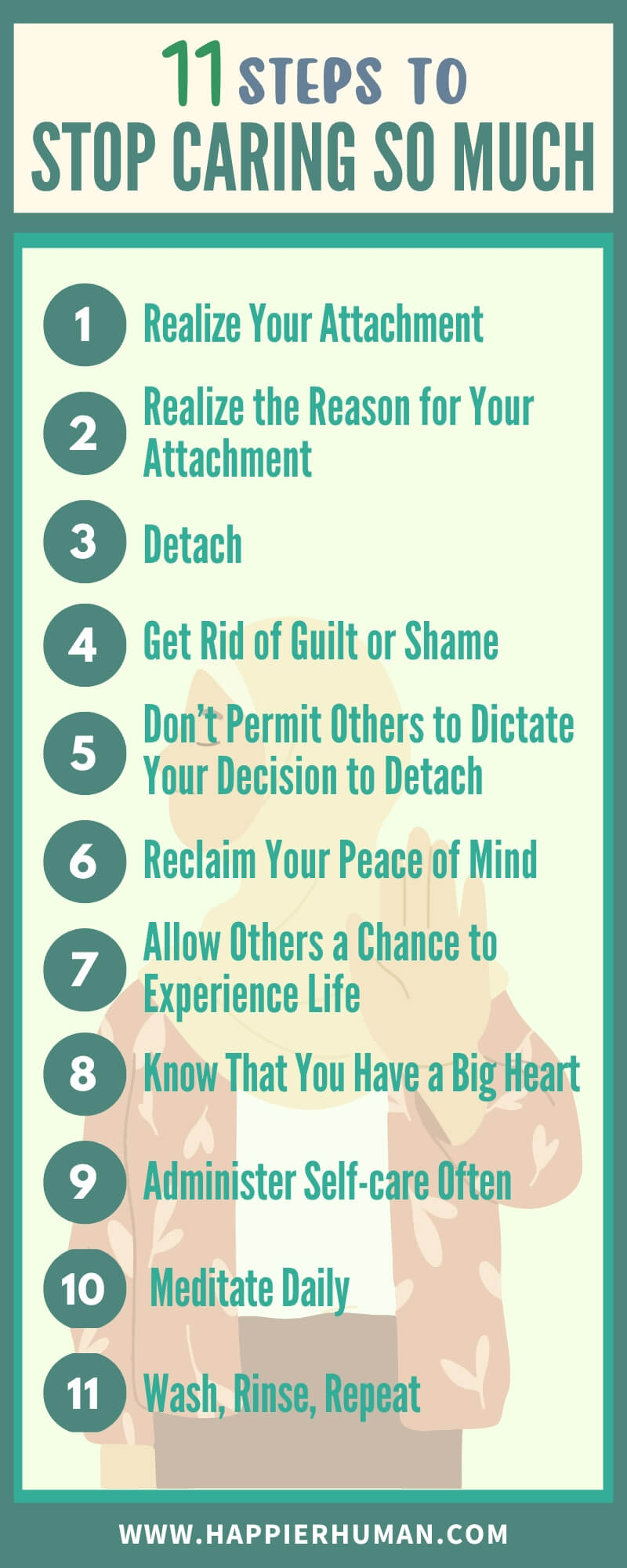
The Paradox of Not Caring: A Hidden Catalyst for Excellence

A couple of weeks ago, I came across this phrase and it instantly intrigued me.

To care usually guides our actions, shapes our relationships, and defines our sense of purpose and meaning. Yet, there lies a paradox, a curious interplay between indifference and significance, detachment and engagement. However, when we stop caring about something we previously wanted, sometimes it just comes up in front of us. This paradox of not caring, often dismissed as apathy or indifference, belies a complex web of psychological, social, and philosophical dynamics that merit closer examination.

Apathy, often described as a lack of interest, enthusiasm, or concern, represents a state of emotional detachment and disengagement from the world around us. It manifests as a pervasive sense of indifference or indifference towards one’s own life, relationships, and responsibilities. At first glance, apathy may seem inconsequential—a mere absence of caring or concern. However, upon closer examination, it reveals itself as a paradoxical state wherein the absence of caring paradoxically holds profound significance, shaping our perceptions, decisions, and actions in subtle yet profound ways.

Apathy often stems from psychological factors such as depression, burnout, or trauma, which can dampen one’s ability to experience emotions and engage with the world. It may serve as a coping mechanism for overwhelming stress or emotional pain, offering a refuge from the demands and pressures of daily life. Social and cultural norms can also contribute to apathy, shaping our attitudes towards success, ambition, and achievement. In societies that prioritise individualism and materialism, apathy may arise as a response to societal pressures to conform to rigid expectations and standards.

At the individual level, apathy manifests as a lack of motivation, initiative, or interest in pursuing personal goals and aspirations. It may lead to feelings of emptiness, meaninglessness, and existential despair, as individuals struggle to find purpose and fulfillment in their lives. On a broader societal level, apathy can manifest as social indifference or complacency towards pressing issues such as inequality, injustice, and environmental degradation. It may result in a collective numbness or resignation, as people become desensitised to the suffering and injustices that pervade the world.

For individuals, apathy can have profound consequences, undermining their mental health, relationships, and overall well-being. It may lead to feelings of isolation, alienation, and disconnection from others, as well as a sense of futility or hopelessness about the future. On a societal level, apathy can perpetuate systems of inequality, oppression, and injustice by fostering a culture of complacency and inaction. It may hinder efforts to address pressing social and environmental challenges, exacerbating existing disparities and marginalizing vulnerable populations.

But here lies the paradox’s magic: In not caring, we discover hidden reservoirs of strength. How does this paradox make us better at things? When we release the burden of excessive concern, our minds are clear. Like a painter wiping the canvas, we see the essential strokes. At work or school, this clarity allows us to prioritise, solve problems, and make decisions with precision. Paradoxically, indifference breeds courage. When we stop fearing failure or judgment, we leap into the unknown. Fearlessness fuels creativity, innovation, and bold actions. It’s the artist, unafraid of the blank canvas and the student, unafraid of the unanswered question.

Not caring about trivial distractions streamlines our efforts. We channel energy into what truly matters. At work, it means focusing on impactful tasks. In school, it means studying purposefully rather than drowning in anxiety. The heartache of not caring tempers our resilience. We learn that setbacks don’t define us. Instead, they propel us forward. Like a phoenix rising from ashes, we emerge stronger, ready to face challenges head-on.

So, how do we harness this paradox? It’s not about becoming indifferent automatons. Instead, care deeply about what aligns with your purpose. Let go of the rest. Be aware of when you’re pretending not to care. Is it a shield or a genuine choice? Use detachment as fuel. Let it ignite your curiosity and your hunger for growth.

In the quiet spaces where love and loss entwine, we find the delicate beauty of a heart that refuses to be indifferent. So, embrace the paradox. Dance it, stumble through it, and emerge wiser. For in not caring, we discover the art of caring deeply—for the right things.


2024 Week 14 Update

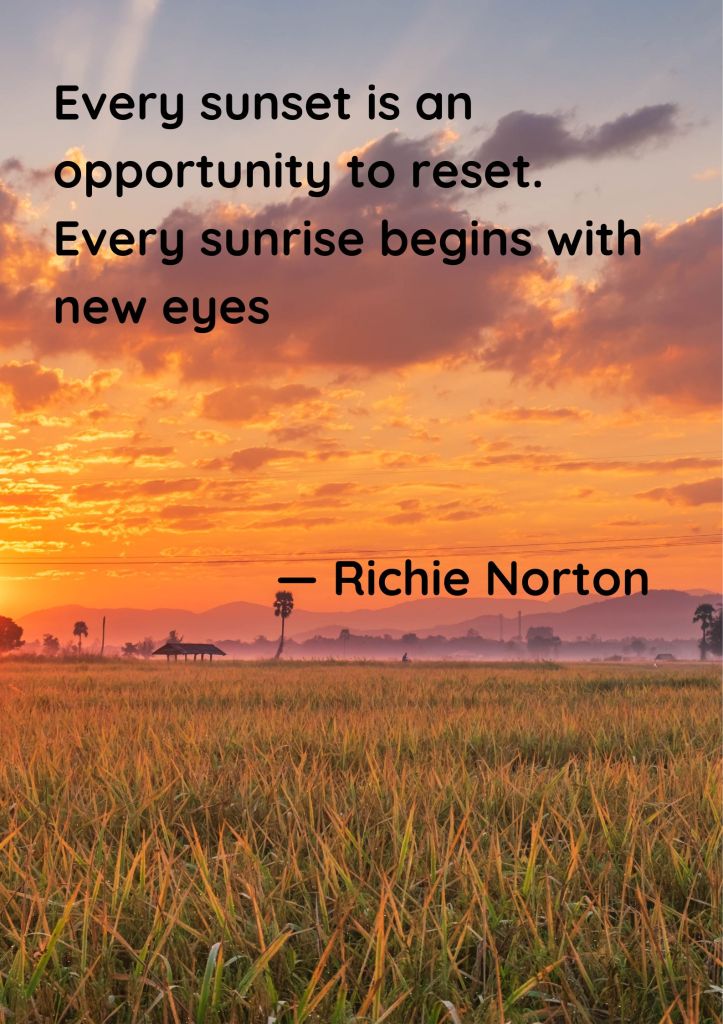
The author of today’s quote, Richie Norton, is an entrepreneur, author, and speaker known for his insights on entrepreneurship, personal development, and resilience. Today’s quote encapsulates the ideas of renewal, resilience, and embracing change. Norton suggests that each day’s end, symbolised by the sunset, presents an opportunity to reflect, let go of the past, and start anew. It’s a chance to reset our mindset, intentions, and direction in life. The quote highlights the cyclical nature of life, where endings are not permanent but serve as preludes to new beginnings. Just as the sunrise marks the start of a new day, it also represents a fresh perspective and a chance to approach life with renewed energy and optimism. Norton’s words encourage a mindset of resilience and adaptability in the face of challenges or setbacks. By viewing each sunset and sunrise as opportunities for growth and transformation, individuals can navigate life’s ups and downs with greater optimism and purpose.

I’ve had a chance to reflect on the loss of my job and I have come to terms with it. So this week, armed with a rewritten resume, I’ve started searching for new positions. And this time, unlike previous times, a few people have come forward to help. So I am cautiously optimistic that the universe has something great lined up for me. The children are busy with school and training. They are happy doing what they are doing.

And that’s all from me this week. Keep smiling, embrace change and remember, tomorrow is another day!