As I mentioned in the previous part, today we are going to explore the highs and lows of Karnataka. This means we will see some of the hill stations and beaches in the state. Let’s go…
Coorg
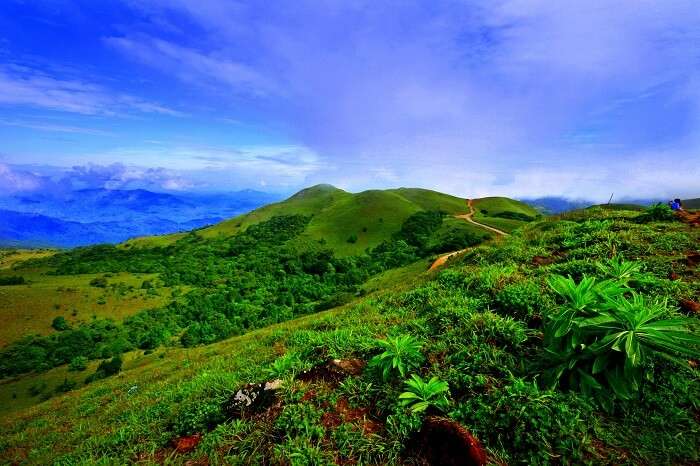
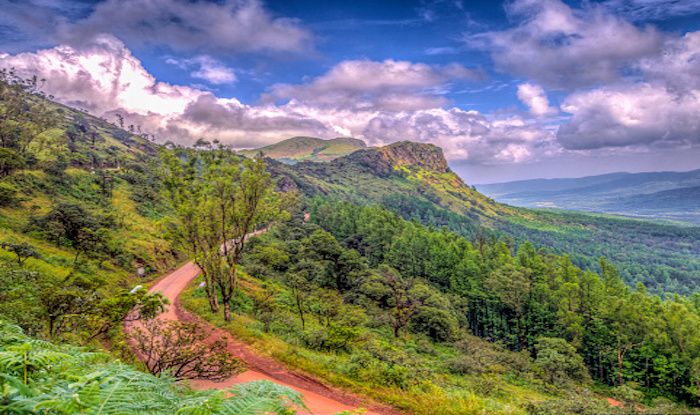
Officially known as Kodagu, Coorg is well known for its breathtakingly exotic scenery and lush greenery. Forest covered hills, spice and coffee plantations add to the landscape. Called India’s Scotland by the British when they reached this place in the 19th century, Coorg is surrounded by the Western Ghats which are covered by mists of clouds and extremely good weather. Before 1956, it was an administratively separate Coorg State, at which point it was merged into an enlarged Mysore State.
The Kodavas were the earliest inhabitants and agriculturists in Kodagu, having lived there for centuries. Being a warrior community, they carried arms during times of war and had their own chieftains. The Haleri dynasty, an offshoot of the Keladi Nayakas, ruled Kodagu between 1600 and 1834. Later the British ruled Kodagu from 1834, after the Coorg War, where they annexed Kodagu, after deposing Chikka Virarajendra of the Kodagu kingdom, as Coorg until India’s independence in 1947.
Madikeri is the region’s centre point with all transportation for getting around starting from here. Make sure you cover beautiful towns like Virajpet, Kushalnagar, Gonikoppal, Pollibetta, and Somwarpet to get the best experience in this region. Don’t miss the Raja’s Seat – a small garden adorned with the flowers to get the best views of the majestic hills of the Western Ghats. Another excellent viewpoint is the Mandalpatti which offers breathtaking views. Other places not to be missed here include Abbey Falls, where water cascades down from a height of 70 feet and the rugged terrain of the boulders of the waterfall is juxtaposed by the neighbouring coffee and spice plantations. Talakaveri which is the origin of the Cauvery river from the Brahmagiri Hills is very sacred and attracts many tourists and devotees. The Brahmagiri Wildlife Sanctuary is also a must visit as is the Namdroling Monastery or the Golden Temple, which is situated just 6 Kms from the town of Kushalnagar and 35 Kms from the Madikeri and belongs to the Sangha community. The temple is termed “golden” because of the golden work done on every painting and is a typical Tibetan monastery. The Nagarhole National Park and of course the highest peak in Coorg, Tadiandamol Peak at an elevation of 1748m is not to be missed. The biggest lake in Coorg, one that has spiritual as well as historical significance is the Honnamana Kere Lake which is named after Goddess Honnamana and the temple is adjacent to the lake. Located in the centre of the Madikeri town, the majestic The Madikeri Fort is a popular attraction and offers tourists with insights on the history of Coorg and all that the town witnessed. The elevated structures of the fort also provide panoramic views of the town, which is undoubtedly breathtaking and beautiful.
If there is one thing that defines Coorg the best, then it has to be the infinite regal fields of coffee plantations. Coorg is one of the highest producers of coffee in India. You must visit the Tata plantation trails of coffee in Coorg and enjoy the freshly brewed coffee made from the fresh cocoa beans. To gain the best experience you can also choose to stay at one of the resorts located right in the centre of coffee fields. The coffee grown in Coorg is apparently the best mild coffee in the world, as it is grown in the shade. Coorg is popular for the plantation of ‘Arabica’, which requires an altitude of 3,300 feet to 4,900 feet above the sea level, and ‘Robusta’ requiring an altitude of 1,600 feet to around 3,300 feet above the sea level.
The best time to visit Coorg is from the months of September to June as the weather is pleasant with no rain and it is not too hot either. However, if you want to go trekking, October to March is the best time to visit Coorg as this is the perfect weather if you wish to spend more time outdoors. During the monsoon months of late July and August, it is best to avoid visiting due to heavy rainfall and landslides.
Chikmagalur
Popularly known as the ‘Coffee Land of India’, Chikmagalur is situated in the foothills of the Mullayangiri Range and is one of the most beautiful hill stations in Karnataka. There is a perpetual fragrance of coffee lingering in the air in this town because of the many coffee plantations that dot the hills as Chikmagalur was the first town to be planted with the coffee beans in India during the British rule. Famous for its tall mountains, lush green forests and tranquil environment, Chikmagalur is a popular tourist destination and a quick weekend retreat.
Chikmagalur takes its name from the Kannada Chikkamagaḷauru that translates to “younger daughter’s town”. It is said to have been given as a dowry to the youngest daughter of Rukmangada, the legendary chief of Sakharayapattana.
Being the largest producer of coffee in the country, Chikmagalur is mainly all about its coffee. So if you’re a coffee enthusiast as well as a nature lover, taking a walk through one, or many the numerous coffee plantations in the city is a must-do activity. Many of these coffee estates not only allow visitors to take guided tours through the plantations, but they also provide home-stays right within the estates, so you can literally wake up to and end your day with the smell of coffee in the air.
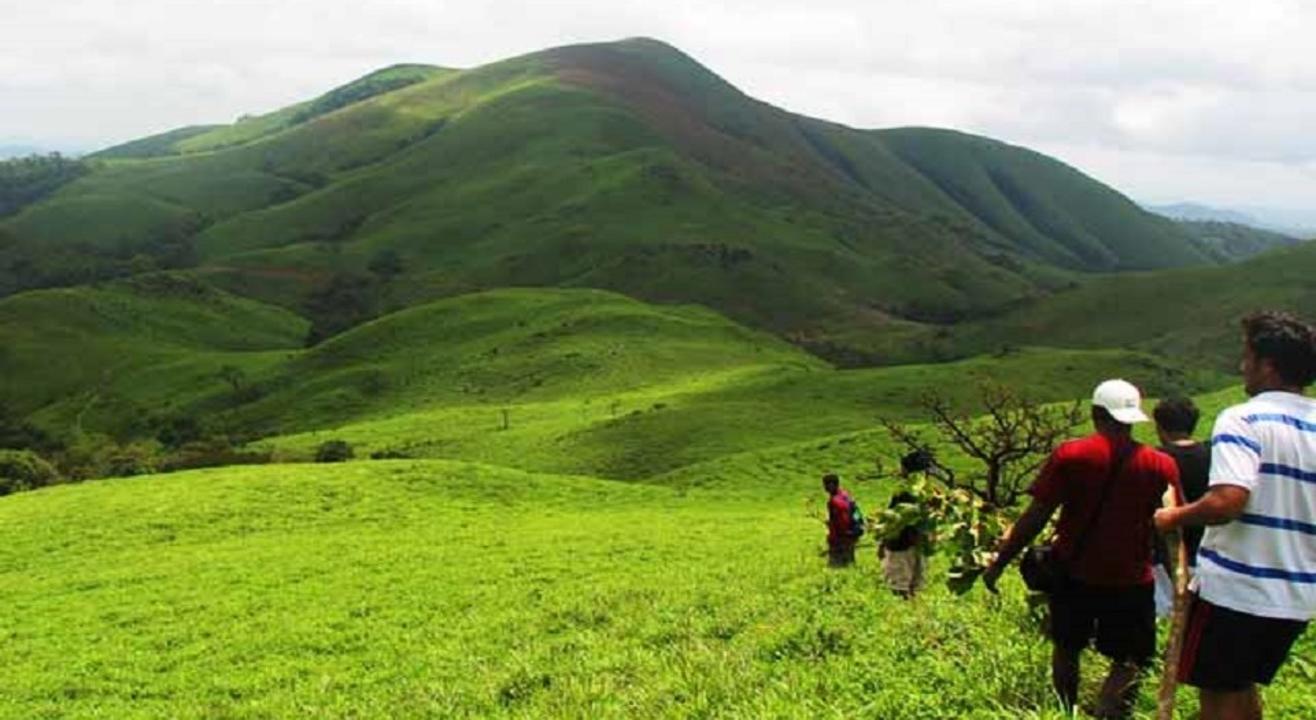
Chikmagalur is a very popular trekking spot and boasts of many incredible trekking trails, such as the Mullayangiri trek, the Kemmanagundi trek, and the Baba Budangiri trek. Mullayangiri is the highest peak in all of Karnataka and is the best place to get a perfect view of the sun rising from behind the mountains.
Chikmagalur is also famous for its lakes, and Ayyanakere Lake and Hirekolale Lake are two of the most popular lakes that tourists flock to. A visit to the Kalhatti falls, which are located a few kilometres away from the main town of Chikmagalur, is a must-see addition to your trip checklist, as this waterfall finds a place in many mythological legends, and the water flowing here is said to have healing powers. The waterfall has the Veerbhadra Temple located right next to it, and apart from the religious significance, this place offers a great view of the valley and its surrounding hills.
Sakleshpur
Sakleshpur is a popular yet offbeat hill station flanked by the Western Ghats. There is something for everyone here, from the dense rainforest, hiking trails, historical temples and an old fort, mountain peaks and waterfalls. Whether its the significant agricultural products or the discovery of a jyotirlinga by the Hoysalas, the quaint town of Sakleshpur earned its name rightly as it is no less verdant than Ooty. It is also sometimes called the poor man’s Ooty! The story behind the name of this hill station is very intriguing. Between the 10th and the 14th century, this region was ruled by the Hoysalas. During their reign a broken Shivalingam was found and it was named Sakleshwara. After this incident the neighboring villages started calling this place Sakleshpur and the name stuck.
For history buffs and architecture enthusiasts, Sakleshpur has the celebrated Manjarabad Fort which tells the tale of Tipu Sultan and the Bettada Bhairaveshwara Prasanna Temple along with Pandavar Gudda which has the significance of the Pandavas staying here during exile. The mountains also provide an excellent opportunity for moderately easy treks that take a few hours to reach the summits like the Agni Gudda, Jenukal Gudda, Ombattu Gudda and Pandavar Gudda.
Boasting of rich biodiversity, Sakleshpur is home to many plants and animals including some of the endemic and endangered species. This place is one of the 18 most diverse spots in the world when it comes to flora and fauna. Elephants, deers, king cobras, tigers, Kadave are some of the animals that can be stopped easily. The reddish-orange pagoda flower which is locally called Ratha Pushpa is a beautiful flower that can be seen hanging from the trees in bunches.
Kudremukh
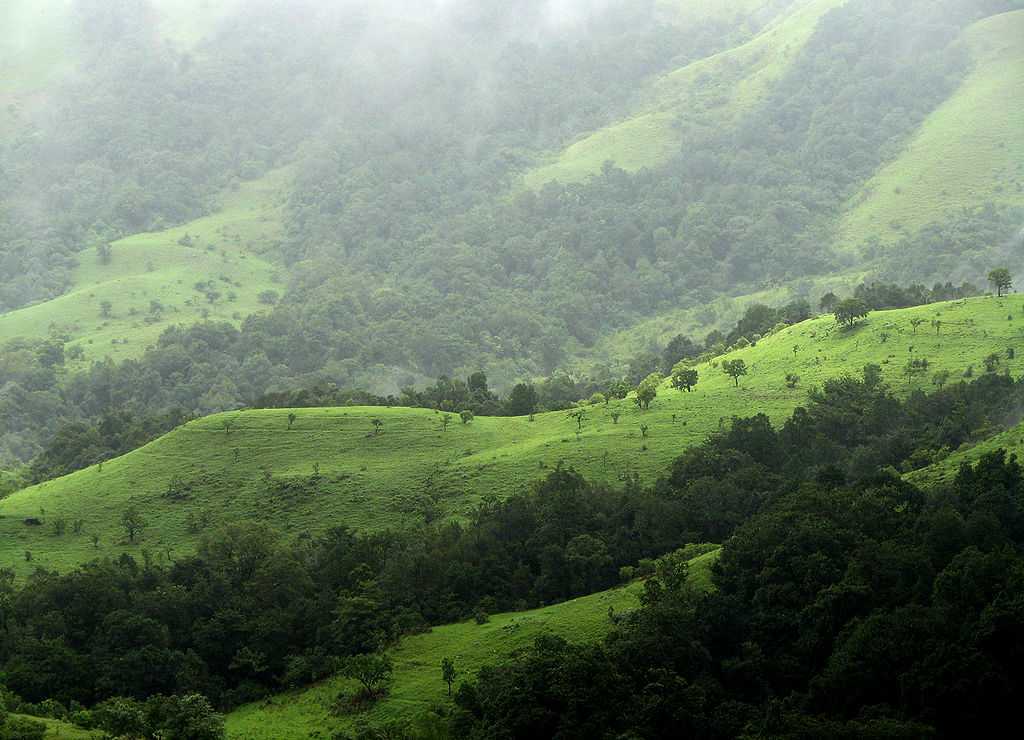
Popular and named after a mountainside that resembles a horse’s face, Kudremukh is famous for its biodiversity and scenic beauty. A popular hill-station, Kudremukh is actually a hill range and the name comes from its highest peak which rises to a heightof 1,894 meters and is the second highest peakin Karnataka in the Chikmagalur district and a paradise for trekkers and naturists alike, with its mountainous paths and floral and faunal diversity. With its rolling meadows, grasslands and dense forests, this place is a biodiversity hotspot. Kudremukh is an enchanting place to visit, still retaining much of its natural beauty despite persistent threats from various sources to its ecology. Varaha Parvatha, another mountain range nearby at a height of 1458m above sea level is a part of the UNESCO World Heritage Site. Primarily developed as an important iron-ore mining town, conservationists successfully campaigned against the adverse mining effects on the environment.
Located amidst mountains, Kudremukh National Park is popular for its scenic beauty. Designated the status of a national park in the year 1987, the 600-kilometre square area is one of the most well preserved national parks in the state. Jewelled with natural beauty, high rising peaks studded with a plethora of flora and fauna as well as picturesque trekking routes overseeing verdant grasslands, there is much to experience here. The wildlife protected area is the second-largest belonging to a tropical wet evergreen forest in the zone of the Western Ghats. The National Park is open from 10 am to 5 pm and trekking hours are between 6 am to 5 pm. Indians pay INR 200 to enter while foreigners pay INR 1000.
Kemmanagundi
A hill-station of widespread views and scents of beautiful gardens, Kemmanagundi or KR hills, is home the tallest peak of Karnataka, Mullayanagiri. These hills offer a perfect summer retreat for nature lovers and adventure enthusiasts. The area also has trekking, nature walks and picnics. The Royal Horticulture Society of Karnataka is located here and has some of the most beautiful gardens. The Rock garden, Z point, Hebbe falls, Kalahasti falls, Bababudan hill town and the Shiva temple are a few must-see attraction here.
Kemmanagudi means red soil for which the region is popularly known for. It was a summer retreat of the Mysore King Krishnaraj Wodeyar IV who donated his resort to the government of Karnataka after being awestruck and mesmerised by the beauty of the surroundings. This place has a lot to offer right from the beautiful waterfalls to nature treks. The weather is lovely throughout the year, and you can visit it all year round.
Kotagiri
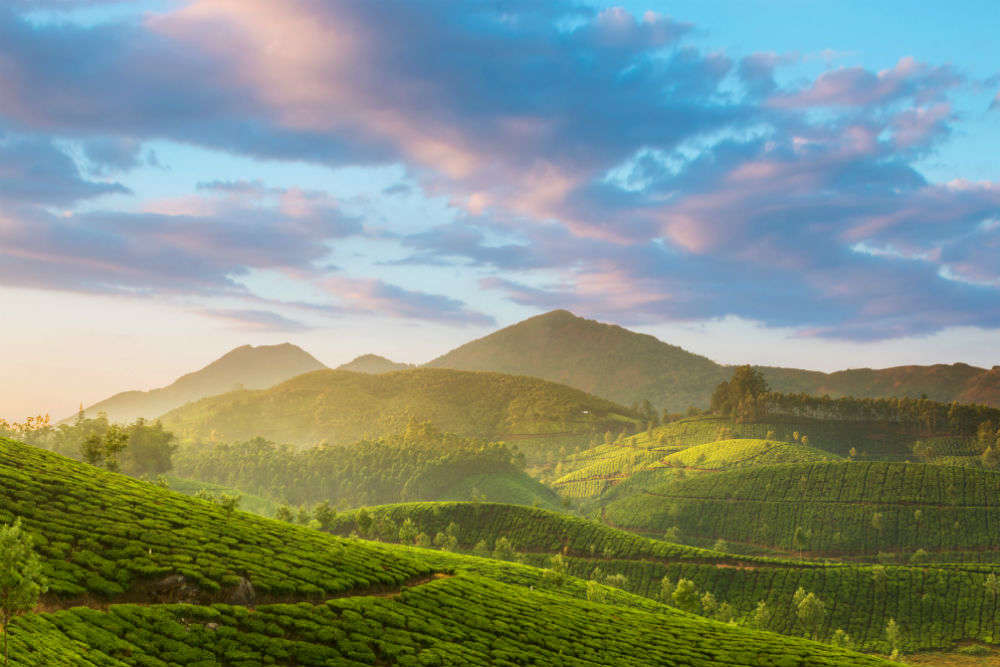
Snuggled in the Nilgiris, Kotagiri is a gorgeous hill station and one of the oldest hill stations in the Nilgiris, resting at an altitude of 5882 feet. Once serving as a site for coffee plantation, today the town is a tea plantation covering 30,000 acres. Steeped in vast expanses of greenery and rolling hills, Kotagiri offers plenty of trekking and hiking opportunities for adventure lovers.
Home to the famed Kota tribe, Kotagiri is commonly known as the ‘mountains of the Kotas’. It is packed with European style houses and has a history dating back to the British rule in India. The 8 kilometres long trek to the Catherine Falls is one of the many highlights of this hill station. With a jagged terrain backed by a peaceful setting, this region is also ideal for rock climbing. Kotagiri is wild and pristine and there is no better way to experience the destination without staying in a homestay.
Masinagudi
A quaint hill station near Mysuru known for its wildlife, Masinagudi is a haven for animal and bird lovers and is considered a perfect jungle getaway. It is located at just a 1-hour drive from Ooty and is filled with breathtaking views and sceneries. The Mudumalai National Park is the highlight here and is popular amongst visitors. Apart from Mudumalai, the Bandipur Tiger Reserve is also a popular hotspot here. One can engage in wildlife spotting, fishing, go on many exciting safaris by hiring private jeeps, sit by the stunning Moyar River or even go boating there, the possibilities here are endless. Don’t forget to visit the Theppakadu Elephant Camp for an unforgettable experience amongst elephants as you go right into their abodes.
Devarayanadurga
Devarayanadurga or DD Hills which translates to “the fort of God” is a tranquil hill station located near Tumkur and fairly close to Bengaluru that it is a perfect weekend getaway for locals from the capital. Situated at an elevation of 4000 ft, Devarayanadurga is perfect to live among the lush green trees and explore the hilly terrain. This place is replete with not only picturesque beauty but also has a rich historical, cultural and religious significance. There are a number of beautifully crafted temples which will provide you with inner peace and leave you awestruck.
From the hills, let’s now move down to the coast and explore some interesting beaches and coastal towns in the state.
Karwar
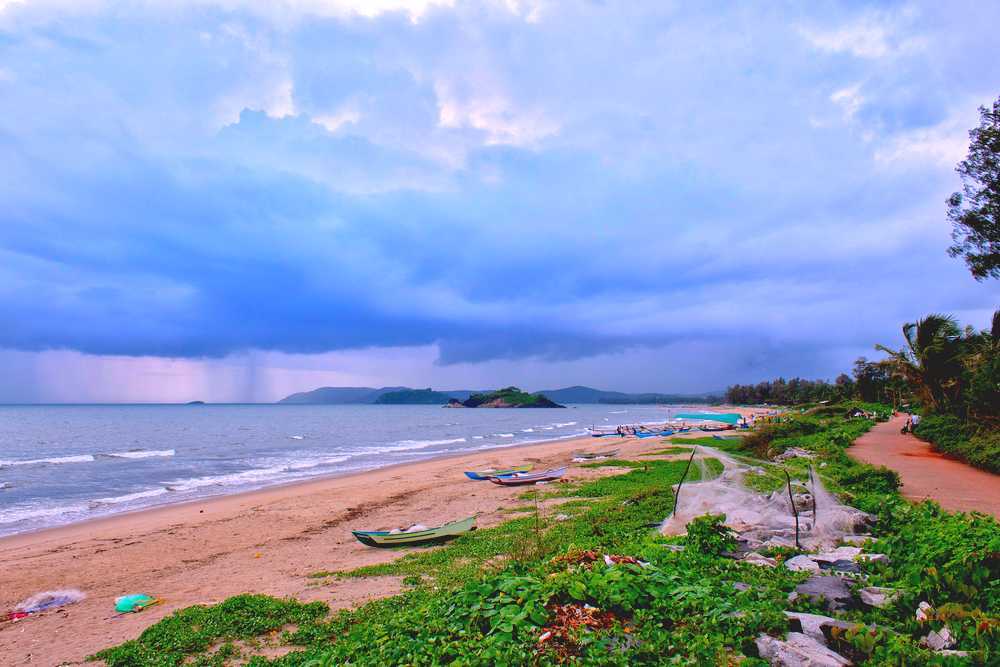
A port city with scenic beaches surrounded by casuarinas trees along the Arabian sea coastline, Karwar is also called The Queen of Konkan Coast. It is both a natural harbour as well as a town with a history that goes back to the 15th century. A multicultural destination with Konkani, Kannada and Marathi speaking communities, Karwar is also famous for the historic monuments and is a photographer’s paradise owing to the brilliant architecture of monuments and scenic landscapes that are in this region. With Snorkelling, scuba diving and surfing, Karwar is an ideal place for adventure tourists as well.
Karwar is located on the banks of the river Kali and has an intense history in regards to the various kings and their rules and hence the diverse culture, though it is mainly dominated by that of south India. The name ‘Karwar’ has been acquired from a neighbouring village named ‘Kadwad’. Karwar is known for its natural biodiversity which is again owing to its unique location. Don’t miss the mighty Sivaganga Falls and the Warship Museum. Take a beautiful moonlight stroll at the Ravindranath Tagore Beach. You can also take a ferry to the Devbagh Beach which is situated about three kilometers in the Arabian Sea as well as the Sadashivgad Hill Fort and the Durga Temple, situated on an almost two hundred feet high hillock and the Kali Bridge. Make time to take in the sunset at Oyster Rock for which you need to take a ferry.
Devbagh
Pristine blue water, a picture perfect backdrop of beautiful mountains and lush green belt of casuarinas trees blend together perfectly to give you Devbagh. It is an amazing exotic island lying along the coastline of Arabian sea about 2 kms from the southern part of Goa and a ferry ride from Karwar. With splendid weather throughout the year, the beach town is famous for the fresh seafood, water sports and sunsets. The town of Devbagh is also known for the rich cultural heritage. Beautiful places like Sada Shivgad fort, depict the history of the rulers and the intricacies of architecture prevalent during the gone eras. Elegant and exquisite temple complex like the Shajjeswar temple and Narasimha Temple stand tall to gracefully depict the stories, of a bygone era.
Kumta
The beautiful town of Kumta offers tantalizing beaches with black rocks, old temples and sprawling greenery. With amazing weather throughout the year, the town is adorned with beaches like Baada beach, Kumta beach, Om beach, Kudle beach and Dhareshwar Beach as well as ancient temples like the Mahabaleshwar temple and Shree Mahaganpati temple. The Yana caves are a popular attraction too. Rock climbing and other adventure activities like trekking there is another favourite for visitors to the town.
Netrani Island, Murudeshwar
Also known as the ‘Pigeon Island’or Netragudo, Netrani Island is located 10 nautical miles off the coast of Murudeshwar which takes about 90 minutes by ferry. When viewed from above, the island looks to be heart-shaped and is counted as one of the best sites for scuba diving. Known for its overwhelming experience of underwater world, visitors will get a chance to come face to face with diverse variety of fish life common to Arabian Sea as well as other varieties such as Napolean Wrasse, Cobia, Stonefish, Black Tip Sharks, Great Barracuda, Turtles and Stingrays etc. With a soothing effect over your nerves, this place under water is perfect for diving suitable for certified divers of all experience levels. The best time to visit Netrani Island is during the months of December and January.
Maravanthe
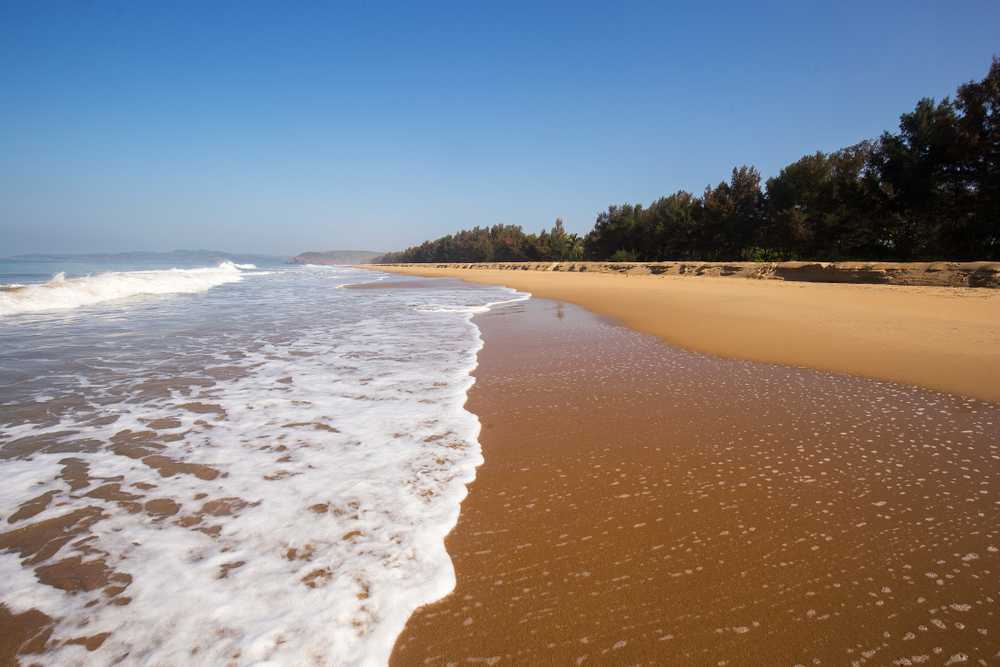
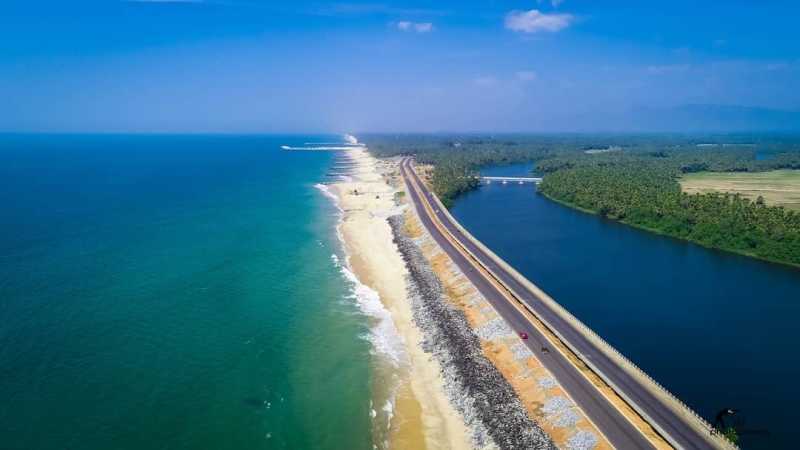
A beautiful beach town with white sand spread miles and miles along the coast, Maravanthe is a getaway which can be best described as nature’s basket full of mesmerizing picturesque views. The sunset here tints everything shades of sepia just like out of a painter’s canvas. Studded with several places of the excursion, the town is adorned with a stark backdrop of Kodachadri Hills, while the Arabian Sea bounds it from one side and Sauparnika River on the other side. With pleasant weather especially during winters, you can visit the beach here, go snorkelling or scuba diving or even go on a trek at Kodachadri Hills! It is also a nature’s paradise with temples, beaches and beautiful landscapes. Don’t forget to take blessings at the Anegudde Vinayaka Temple and then unwind at Maravanthe Beach and Kodi Beach. View the spellbinding sunset from Ottinere before you go backto your hectic lifestyle.
St. Mary’s Island, Udipi
The land where Vasco De Gama set his first foot in India, the land whose geological importance is immense and whose beauty is spectacular, St. Mary’s Island is a quaint island just off the coast of Udupi. The island is full of white sand beaches, rock monoliths and great wildlife and is located just 4 miles off the coast of Udipi in the Arabian Sea. St. Mary’s Island is a group of four individual islands namely Coconut Island, North Island, South Island and Daryabahadurgarh Island and is a geological treasure hosting some of the most beautiful beaches in the country. Daryabahadurgarh Fort, Vadabhandeshwara Temple and Malpe Beach are major tourist attractions in and around the area.
One can find a shoreline made up full of crystalline rocks which were created at the time Madagascar Island got separated from India. Make sure you are there when the sun sets as you stand on the crystalline rocks.
Make sure you carry lots of sunscreen, hats and drinking water as there are no provisions for such amenities on the island. Wear shoes you are comfortable getting rid of as the only way to the island is through the ferry and the approach towards the last few yards may involve wading. Carry food and drinks with you as there are no shops in the island with the exception of a lone shack selling water, juice and some snacks, which may be more expensive than on the mainland.
The best time to visit St. Mary’s Island is from October to January. The 30-minute ferry to St. Mary’s Island runs from Malpe in Udipi from 9:30 am to 5:30 pm and is closed during the monsoon months of June to September. The entry fee to the island is INR 250 and you will need to pay INR 200 for a camera while a ferry ticket will set you back between INR 250-300.
Next part is all about spirituality and the little temple towns in the state.











 Memories and Such