In My Hands Today…

The Key to Happily Ever After – Tif Marcelo

This image has an empty alt attribute; its file name is 40539141.jpg

All’s fair in love and business.

The de la Rosa family and their wedding planning business have been creating happily ever afters in the Washington, DC area for years, making even the most difficult bride’s day a fairytale. But when their parents announce their retirement, the sisters—Marisol, Janelyn, and Pearl—are determined to take over the business themselves.

But the sisters quickly discover that the wedding business isn’t all rings and roses. There are brides whose moods can change at the drop of a hat; grooms who want to control every part of the process; and couples who argue until their big day. As emotions run high, the de la Rosa sisters quickly realize one thing: even when disaster strikes—whether it’s a wardrobe malfunction or a snowmageddon in the middle of a spring wedding—they’ll always have each other.

Recipes: Dal Amritsari or Langar Wali Dal

A few weeks back, I came across this recipe when I was looking for something to make and for some reason, this recipe stayed with me. I didn’t have one major ingredient needed, so the moment I brought the ingredient, I decided to make this dal. This dal is what is served when Punjabis have religious functions at home as well as is served in the holiest of Sikh places, the Harmandir Saheb or the Golden Temple.

This dal also tastes a bit like Makhni Dal and is even tastier the next day. Do try it and let me know what you think of it.

Dal Amritsari or Langar Wali Dal

Ingredients:

  • 1 cup whole black gram
  • ¼ cup chana dal or split Bengal gram dal
  • 4-5 cups of water to pressure cook the dals
  • 3-4 green chillies (less or more as your spice tolerance), chopped
  • 1 medium sized onion, finely chopped
  • 1 medium sized tomato, finely chopped
  • 1-2 tbsp grated or finely chopped ginger
  • 1-2 tbsp grated or finely chopped garlic
  • 2 tbsp oil
  • 1 tbsp butter
  • Salt to taste
  • Coriander and mint leaves to garnish

Method:

  • Rinse and soak the dals either together or separately in enough water overnight or at least for 5-6 hours
  • Drain the dals and cook in a pressure cooker with enough water and about 1 tbsp each of the ginger and garlic. Pressure cook for about 5-7 whistles until the dals are soft and get smashed when you press then.
  • If you are cooking on the stovetop, cook the dals on a slow fire, stirring in-between along with 1 tbsp each of ginger and garlic until the dals are soft and get smashed when you press on them.
  • For both methods, using a potato smasher, smash some of the dals until it becomes a nice homogenus paste with some whole dal.
  • Heat the oil and butter in a small pan or skillet. When the oil warms, add the balance garlic and ginger and stir for a few seconds each.
  • Then add the chilles and stir for about 10-15 seconds.
  • Now add the chopped onions and saute till the onions turn translucent.
  • Then add the chopped tomatoes and a pinch of salt and saute till the tomatoes get pulpy and oil starts to leave the sides of the pan.
  • Pour this tempering over the cooked dal and season with salt to taste.
  • Pour some hot water to thin it to the consistency you like and simmer on a low heat for another 5-7 minutes.
  • Garnish with finely chopped coriander and mint leaves and serve hot with rice or Indian flatbread.

2020 Week 09 Update

Its a new week and we are in month three of 2020. To be honest, even though we are now in the grip of the panademic Covid-19, the months seem to be flying!

Speaking of Covid-19, Singapore has now crossed a hundred cases, but luckily there has not been any fatalities so far. Touchwood and we hope this continues. This panademic has now spread to 50 countries world-wide and things are expected to get much worse before we start to see any improvements. The World Health Organisation has now raised it’s assessment of the epidemic on a global impact to “very high”. Hopefully scientists who are working on a vaccine will find one soon and things will get back to a new normal in a couple of months.

As for us, it’s the same. In fact this week, I went for a meeting at one of the hotels in the Singapore business district and found the malls and even the hotel empty. People have cancelled all events and even malls are seeing lesser foot falls. The tourism industry, which is one of the mainstays in Singapore has also been hit badly and I am guessing recovery will take a while till things comes back to a healthy state.

Next week looks to be the same, so stay healthy and safe folks!

In My Hands Today…

The Unlikely Adventures of the Shergill Sisters – Balli Kaur Jaswal

This image has an empty alt attribute; its file name is 40908064.jpg

The British-born Punjabi Shergill sisters—Rajni, Jezmeen, and Shirnia—were never close and barely got along growing up, and now as adults, have grown even further apart.

Rajni, a school principal is a stickler for order. Jezmeen, a thirty-year-old struggling actress, fears her big break may never come. Shirina, the peacemaking “good” sister married into wealth and enjoys a picture-perfect life.

On her deathbed, their mother voices one last wish: that her daughters will make a pilgrimage together to the Golden Temple in Amritsar to carry out her final rites. After a trip to India with her mother long ago, Rajni vowed never to return. But she’s always been a dutiful daughter, and cannot, even now, refuse her mother’s request. Jezmeen has just been publicly fired from her television job, so the trip to India is a welcome break to help her pick up the pieces of her broken career. Shirina’s in-laws are pushing her to make a pivotal decision about her married life; time away will help her decide whether to meekly obey or to bravely stand up for herself for the first time.

Arriving in India, these sisters will make unexpected discoveries about themselves, their mother, and their lives—and learn the real story behind the trip Rajni took with their Mother long ago—a momentous journey that resulted in Mum never being able to return to India again.

Travel Bucket List – India: Goa Part 3

If there was one word to describe South Goa, it would be ‘Laid-back’. The unhurried pace of life, exotic beaches and heritage villages beckon solitude seeking travellers. The pace is unhurried with a soulful and serene vibe as well as great beaches, temples and churches. While North Goa is all about its nightlife, liveliness and crowd of tourists and shoppers, South Goa is known for its clean and isolated beaches, shrines, scenic drives and tranquil environment. So let’s start exploring what South Goa has in store for us.

Butterfly Beach
Butterfly Beach is a hidden gem in South Goa. The most astounding feature of Butterfly Beach is that you can spot millions of butterflies flying over the hilltop blossoms. The golden sands against the turquoise water creates a postcard perfect location with palm trees and scores of butterflies. This spectacular beach is a well known site to spot some playful dolphins, crabs and goldfish. You will have to take a boat ride to reach this beach as the land route demands you to undergo a challenging hike through the forest.

Betalbatim Beach
Popularly known as the Sunset Beach of Goa, this place is your destination for witnessing the most enchanting sunset you will ever see. The clean sands and beautiful surroundings make an immaculate landscape worth visiting. Contrasting with most beaches in Goa surrounded by palm trees, Betalbatim Beach is has a number of pine trees along the shoreline. Due to a number of lovebirds flocking here, it has also earned the nomenclature of being called Lover’s Beach. The beach is a preferred picnic spot among families and doesn’t have a lot of commercial activity going on contributing to the relaxed ambience. Betalbatim Beach, is located between Majorda and Colva beaches and is around 32 km from the capital Panaji.

Agonda Beach
Agonda Beach in Goa is ideal for individuals searching for an energizing time in the water. The cool wind and warm summer sun help the tension and stress from life just melt away. This shoreline is long and desolate, bordered with palms and casuarinas and overwhelmed by an expansive slope toward the south. Located far south Agonda beach is at a distance of 70 km from Panjim.

Mobor Beach
Mobor Beach is vibrant with tourists and always bustling with parties and activities that go one here perpetually. The beach is beautified with natural creations with blooming lilies in ponds, sandy dunes and coconut palms which adorn the landscape. The beach is around 55 km from Panjim.

Hollant Beach
This beach is particularly known for its serenity and landscape and not to be missed when in Goa. Hollant Beach offers wonderful perspectives including the popular southern shorelines of Goa, alongside the foothills of the Western Ghats and is known for its brilliant sunrises. The shoreline looks much all the more enchanting amid the high tide, when the ocean water ascends to converge into the crisp waters of an adjacent stream. It is not too far from Panjim and is at a distance of 27 km from the capital city.

Palolem Beach
Palolem Beach is probably one of the most gorgeous beaches of South Goa. The beach remains packed with shacks, hawkers, restaurants, and eating outlets occupying the one mile long shore in crescent shape. Dolphins are also sighted here, so just keep your fingers crossed to witness this spectacular mammal playing amidst the blue waves of Arabian Sea. Located closer to Karnataka than Panjim, it is at a distance of 70 kilometers from the city of Panaji.

Cansaulim Beach
Unwind here on oceanside early morning and night to appreciate the excellent picturesque beauty that is Cansaulim beach. The shoreline is amazingly spotless and clean with brilliant gold sands. It is less swarmed and not an exceptionally prominent beach in Goa.
Distance from Panaji: It is located at a distance of 26.6 km from Panaji.

Colva Beach
Often addressed as the pride of Salcete, Colva at a distance of about 6kms from Margaon and is one of the most popular beaches in South Goa and attracts a lot of Indian visitors. The beach is an ideal destination to enjoy a range of activities from sunbathing, water sports to other leisure activities. The Colva Beach is also a famous shopping destination where you can explore some colorful clothes, jewelry and other fashion accessories.

Talpona Beach
This beach is popular among tourists looking for an isolated and quiet location to enjoy the beautiful coastline against the magnificent Arabian Sea. The beach of Talpona is covered with pure sand of a golden color and framed with palm trees and pine groves. The sea is relatively calm and quiet here and one can easily enjoy a day with their thoughts. The Talpona beach has small sand dunes and is not visited much by tourists. The peaceful beach is also a resting ground of many birds.

Kakolem Beach
Also called the Tiger Beach, Kakolem Beach is one of the most remote and truly natural beaches in whole Goa. One of the least crowded beaches of Goa where you can relax completely. It is often claimed that this beach is a secret place to shoot tigers but in reality no one can say that they have ever really spotted the King of the jungle here. The beach is mostly lonely and deserted and there isn’t much activity going around. Kakolem Beach is located at a distance of 60 kilometers from the city of Panaji. There is no proper road and only a small path off the main road leads to the beach. There are no buses that travel to this beach. One can reach this beach only by private transport.

Benaulim Beach
A poupluar tourist spot, Benaulim Beach has everything ideal from captivating shorelines, extravagant gleaming sands, superb convenience, to nightlife and late night vibrant parties. Only 5 km from Margaon, this place is popular in south Goa for its delicious seafood.

Our Lady of Remedios Church
Marked with splendid architecture and a serene ambiance, Our Lady of Remedios Church at Betalbatim is an ancient place of worship that traces its origins back to 1630. Surrounded by green lawns, the white exterior of the church offers a soothing sight during the day. During the night, the church looks magnificent as the whole area is illuminated. The church is located in Fatona, Betalbatim and is open from 6 am to 5 pm daily.

Saviour of the World Church
Built in 1586, the Saviour of the World Church is a sight to behold even today. The majestic shrine boasts of being one of Goa’s most gorgeous churches built in the Mannerist Neo-Roman style of architecture. Located in Salcette, Loutolim at a distance of around 10 km from Margao, the church is open every day between 6 am and 7 pm.

St. Alex Church
Built in the year 1597 on the banks of Angoddi Tollem Lake in Curtorim, St. Alex Church is among the oldest chapel churches in the region. An interesting fact about the church is that it was constructed on the site of an ancient Hindu temple, called Ravalnath Temple. If you walk around the church, you can still see the ruins of the temple here. The church is around 6 km from Margao and is open daily from 9 am to 8:30 pm.

Shantadurga Temple
This temple is devoted to goddess “Shantadurga” who is worshiped as the “Goddess of Peace”, and as a mediator between Lord Shiva and Lord Vishnu. The divine shrine was initially situated at, Cavelossim but during the demolition period of the Portuguese in the mid 15th century, the celestial being was relocated to Kavlem. This ancient temple with its vibrant combination of the maroon, white and peach exemplifies the Indo-Portuguese architectural style giving the temple an enchanting old-charm look. Apart from these, the Nayan Manohar Deepstambh, a five-story lamp tower, is another point of attraction which is beautifully lit during the festivals. The temple is located in Ponda and is open from 5 am to 10 am every day.

Tambdi Surla Mahadev Temple
Built in the 12th century, the temple is is a Shaivite temple dedicated to Lord Shiva, built in the Jain style of architecture. It is considered the only specimen of Kadamba-Yadava architectural style in preserved basalt stone in Goa. The temple has a Shiv Ling which is mounted on a pedestal and, has four withstanding pillars embellished with excellent carvings of elephants. Also, there are finely carved sacred lotus flowers and, intricate carvings designed by skilled craftsmen which add up to the charm of the stone ceiling and, the building. The temple is located near the Bhagwan Mahaveer Wildlife Sanctuary and is open daily from 7 am till 5:30 pm.

Chandreshwar Bhoothnath Temple
This temple is another one dedicated to Lord Shiva who is worshipped here as the Lord of the Moon. This ancient temple stands atop the Chandranath Hill. If you happen to visit the temple on a full moon night, you can see the Shiva Linga inside the shrine looking resplendent under the moonlight. There’s also the Boothnath Temple nearby which is worth a visit. This temple is also dedicated to Lord Shiva where the deity is worshiped as the Lord of the ghosts. Open from 5:30 am till 8:30 pm daily, this temple is located in Paroda in the Quepem taluka.

Naval Aviation Museum
A popular place to visit with children, the museum has a huge exhibition of large machines and artifacts related to the evolution of naval aviation in the country. Here, one can see real Helicopters, Aircraft, Fighter Jets and learn about their history. The museum is a made up of two parts; one is the outdoor large park which has 13 aircraft in total namely, Sea Harrier, HAL Chetak, Westland Sea King and many more such decommissioned aircraft, exhibiting the evolution of the Indian Naval Air Arms and another is the double-storey indoor gallery where you can learn many interesting things about flying, like the aircraft ejection system and life-rafts. The place also has a café (called Cockpit Café) where you can enjoy a tea, a souvenir shop, and a mini theatre where you can catch short movies and documentaries on naval aviation. The Naval Aviation Museum is the only of its kind in Asia. The museum is in Vasco de Gama, near the airport and is open from 9:30 am to 5 pm, on all das except Mondays when it is closed. The entry fee is Rs. 30 per adult and Rs. 10 per child.

Goa Chitra Museum
Go on a journey through the cultural and historical past of Goa through the 4000 plus exhbits at the Goa Chitra Museum. These artifacts map out the lifestyle of the people of Goa in the past and how it changed over time, owing to many historical and cultural factors. The museum is a treasure trove of all sorts of artifacts, ranging from agricultural tools to musical instruments, and even staple food. Needless to say, it is one of the must-visit museums in Goa where you can get a glimpse into the region’s rich and interesting past. Located in Benaulim and open from 9 am to 6 pm daily, you can go to the museum with an entry fee of Rs. 300 per person.

Big Foot Museum
This museum is an off-beat museum established and run privately by an artist named Maendra Alvares. It is an open-air museum that recreates a miniature Goan village of the bygone days. Some of the key highlights of the museum include miniature houses that depict traditional Goan life and culture, a handicraft center that sells Goan artifacts, a bird habitat, a restaurant, rubber plantations, a spice yard, and lot more. The 14-meter high Sant Mirabai sculpture, which apparently is the largest laterite sculpture in the country, is another key attraction of the museum. Located in Loutolim at a distance of about 9 km from Margao, the museum is open from 9 am to 6 pm every day and the entrance fee is Rs 50 for adults and Rs 30 for children.

The Grande Island
Also known as Ilha Grande, this island is a treasure trove of palm trees, jaw-dropping marine life experiences, and extraordinary sunsets. One can indulge in sight-seeing, snorkeling, sea walk, swimming, and many more aqua activities at the island. You can also go dolphin sighting from here which is an amazing experience.

Pequeno Island
Commonly called the Bat Island, this serene island with several picturesque views, is located just a kilometer away from the Baina Beach in Vasco da Gama. The crystal clear water with its marine life attracts the masses. The perfect place to view the stars and have a camfire, this island is the bliss for those seeking solitude.

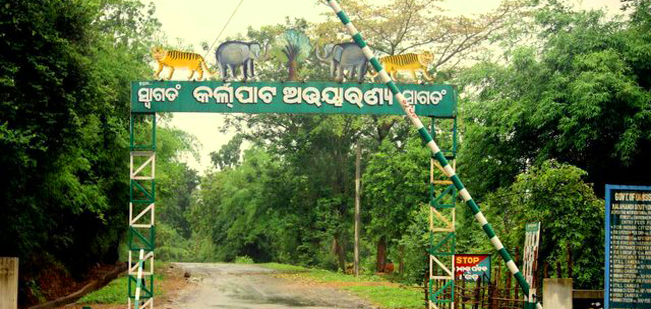
Bhagwan Mahaveer Wildlife Sanctuary
Lying the westeen ghats, sprawling over an area of 240 km, this wildlife sanctuary came into existence in the year 1999 under the Wildlife Act. The sanctuary has rich flora and fauna which attracts the tourists. One can witness bewitching scenic views and come across numerous varieties of animals like pythons, cobras, slender toris, jungle cats, elephants, avian birds, and many more rare species. One can even hire a jeep to explore every nook and corner of the diverse sanctuary. Located off the national highway 4A at Caranzol, the wildlife sanctuary is open from 8 am to 5:30 pm. The entry fee is Rs. 20 per person for adults; Rs. 10 per person for children; Rs 30 per camera and Rs 150 per video camera.

Netravali Wildlife Sanctuary
Seated in the south-eastern part of Goa, the Netravali Wildlife Sanctuary lies in Verlem, around 46 km from Margao, near a tributary of the Zuari river. Nestled with dense forests which remain evergreen throughout the year, this sanctuary is renowned for varieties of animals like Gaur, Ratufa indica, Tetracerus quadricornis, and leopard. Its famous birds are Malayan night heron, Nilgiri wood pigeon, pied hornbill, grey-headed bulbul, white-bellied treepie and a rufous babbler. The best time to visit this place is from October to March and at this time one can easily spot the rare species of flora and fauna like Black Panther, four horned antelope, and colorful butterflies. Entry to this sanctuary is free and it is open from 8:30 am to 4:30 pm

Cotigao Wildlife Sanctuary
Located in Canacona, at a distance of around 58 km from Margao, the Cortigao Wildlife Sanctuary entices you to a world of exotic flora and fauna. It boasts of varied wildlife species, including slender loris, mouse deer, Indian pangolin, Malabar trogon, Malayan bittern, golden-back gliding snake, and many more. One of the prime attractions of the sanctuary is a treetop watchtower overlooking a watering hole. If you climb up the watchtower during dawn or dusk, you can watch many animals visiting the watering hole to quench their thirst. And now, that’s a sight you wouldn’t want to miss in a lifetime. The sanctuary is open from 7 am to 5:30 pm daily and the entry fees are Rs. 5 per adult and Rs. 2 per child.

Dudhsagar Falls
Located in the Bhagwan Mahaveer Sanctuary and Mollem National Park, this picturesque falls surrounded by lush green forests and falling from a height of 1,000 feet or 310 meters, forms the border between Goa and Karnataka. The literal meaning of Dudhsagae is “Sea of Milk”, which is what this waterfall looks like when it is in full glory. The gushing water sprawling down through the tropical forest gives captivating views. If you are an adventure enthusiast then you can even trek to the waterfalls and explore the bewildering paths which lead to it. You can even stay near the waterfall, at the forest guesthouse that is taken care of by the Karnataka Tourism Development Corporation. The falls are open from 9 am to 6 pm and the entry fee is Rs. 20 per person. You can also pay Rs. 400 per person for a jeep drive from Castle Rock to Dudhsagar Falls. At the falls you need to pay Rs. 300 for a normal camera and Rs. 5000 for a professional camera permit.

Bamanbudo Waterfalls
Untouched and unexploited are the words which perfectly describe the Bamanbudo Waterfall. This waterfall flows in the backdrop of serene Amba Ghat. The waterfall is undoubtedly the picture-perfect spot, with water falling down through the lush green hillock. The sound of the water, freshness in the air and, everything beautiful contributes to the significance of the place. This waterfall is located on the main road and one cannot trek to this splendid destination. It is located in
Gordongram and is open 24 hours.

Netravali Bubbling Lake
The sacred water reservoir, Netravati Bubbling Lake is a part of the Gopinath Temple. The astonishing fact about the lake is that it has clean water which keeps on bubbling at different points and bubbles even more if someone starts clapping. The priest who resides there believes that it will create the same bubbling effect if you start enchanting “Om” however, these are just mythological stories and the real fact is it bubbles due to the presence of limestone, carbon dioxide or methane in water. The massive temple of which this lake is a part of, has a huge pedestal in the center of the lake and is frequented by the devotees of Shiva. It exhibits an intrinsic style of pillars carved by the Kadamba-Shilahara craftsmen. This lake is located in Netravali in Vichudrem and is open from 8 am to 6 pm.

Cabo de Rama Fort
This decrypted structure with towers and rustic cannons is counted amongst the oldest forts in Goa. It used to be a well-equipped fort with 21 guns, several military barracks and a chapel but, when the Portuguese left India, the place was abandoned and, later used as the government prison. Now, the fort is housed only by the ruins but is a popular tourist place. A popular legend in the area states that Lord Rama and his wife Sita had stayed at this fort during their exile from Ayodhya. It is said that the fort was named to honor Lord Rama. The Fort also has a church of Santo Antonio which is in great condition and still visited by his followers. The mystical atmosphere, steep cliffs, and majestic views make it a frequently visited place. It is a perfect place for you whether you are an adventure buff, photo fanatic or a nature lover. The fort is in Canacona and is open from 9:30 am to 5:30 pm daily.

Chandor
On the banks of the river Kushavati, Chandor is a sleepy town in South Goa. This destination has made its mark as a significant stop for its collection of Portuguese architecture. Between 6th and 11th century, this village was called Chandrapur and was reckoned as the most spectacular city of the Konkan Coast. Today, Chandor is a small village with important relics dating back to the Portuguese era and a Hindu temple and headless Nandi Bull built in the 11th century. The best way to reach Chandor is by a cab from Margao and the best time to visit is between October to April.