Orphaned as a child and widowed at thirteen, Sita has always known the shame of being born female in Indian society. Her life constrained and shaped by the men around her, she could not be more different from her daughter, Amita, a headstrong university professor determined to live life on her own terms. While trying to unravel the mysteries in her mother’s past, Amita encounters a traumatic event that leads her down the path of self-discovery.
Unfolding simultaneously, their stories are set against the dramatic sweep of India’s anti-colonial struggle in the 1940s, and move between past and present, from rural India to the chaotic Burmese battlefront where Sita experiences life as a recruit in the Indian National Army, to modern-day Singapore. Richly layered and beautifully evocative, the novel is a compelling exploration of two women’s struggle to assert themselves in male-dominated societies of both the past and the present.
After seeing the inland towns and cities of Odisha, let’s turn to it’s coastal cities. With a long coastline and the eastern boundary of the state being the Bay of Bengal, there are some stunning beaches in this state.
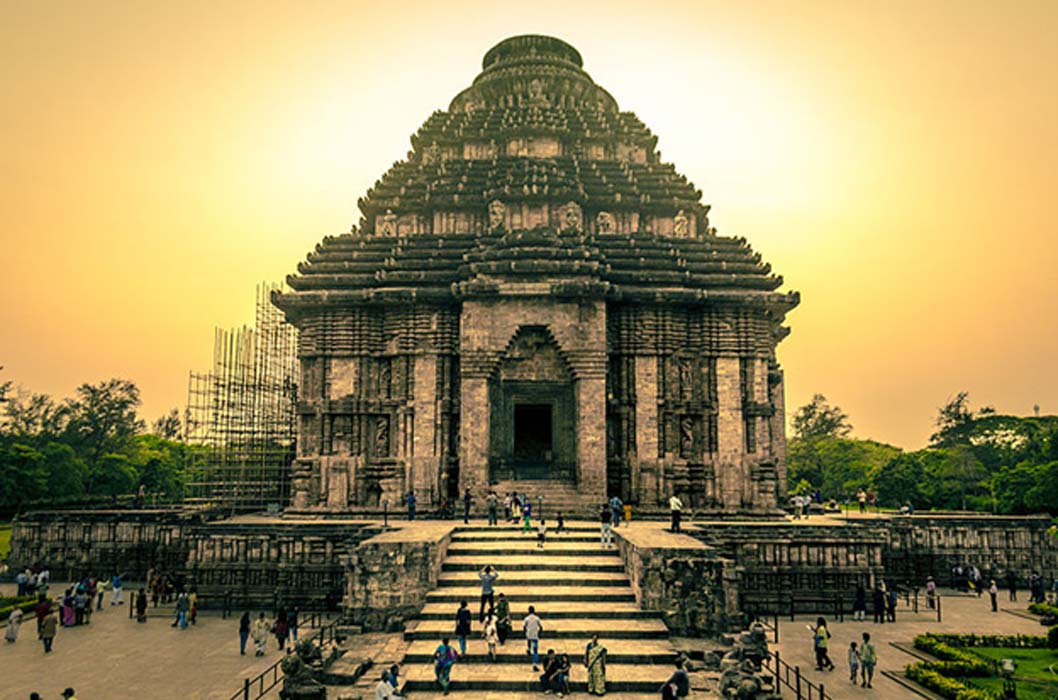
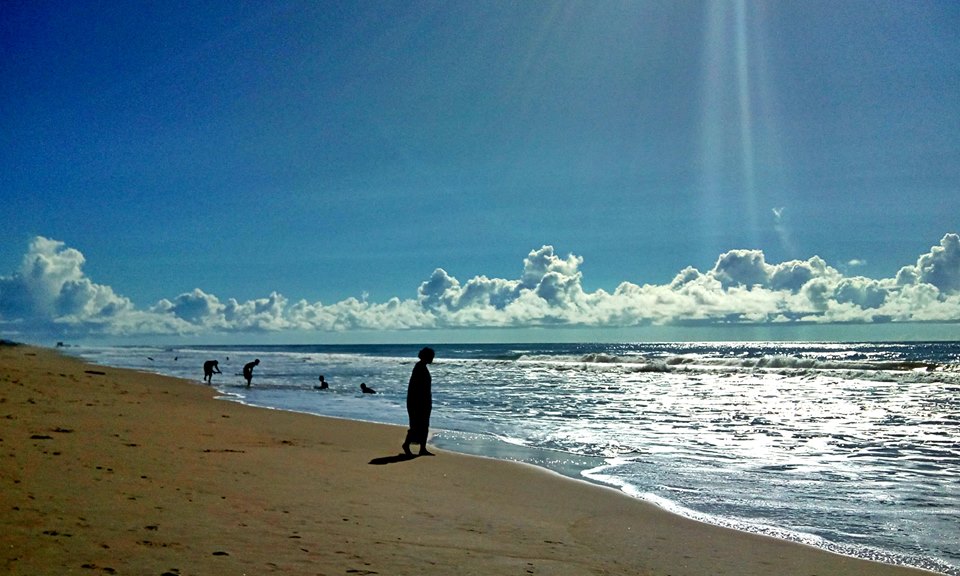
Konark 65 kms south of Bhubaneshwar, Konark is set like a jewel against the stunning backdrop of the Bay of Bengal. One of the wonders of India, the carvings of the Konark Sun Temple, a UNESCO World Heritage Site, attract large flocks of tourists throughout the year. Along with the marvelous temples, the city has a lovely beach and an engrossing archaeological museum to explore.
The Konark Sun Temple is a UNESCO World Heritage site and one of the prime tourist attractions of Odisha along with the Puri Jagannath Temple. Built in the form of a giant rath or chariot of the Sun God, it depicts the chariot being pulled by a set of seven horses, four on the left side and three on the right. It has three deities dedicated to the Sun God on three different sides of the temple which catch the direct rays of sun in the morning, afternoon and evening. There is also a dedicated archaeological museum inside the temple complex. The temple transforms into a stage during The Konark Dance Festival, which is held every year usually in February for five days and attracts a lot of foreign and Indian tourists. The Sun Temple is one of the last standing structures from before the fifteenth century in the country. The sun rays reach the Nata Mandir from the coast and reflect through the diamond at the centre of the idol. The idol is believed to float mid-air due to arrangements of the magnets at the top of the temple but they were later removed due to the disturbance caused to ships and technology. An engineering and artistic masterpiece, the Sun Temple reflects the artistic genius of architects and sculptures of an ancient time despite the fact that much of the temple in ruins today. The Sun Temple complex also houses shrines, such as the Mayadevi Temple and Vaishnava Temple, which are popular among visitors.
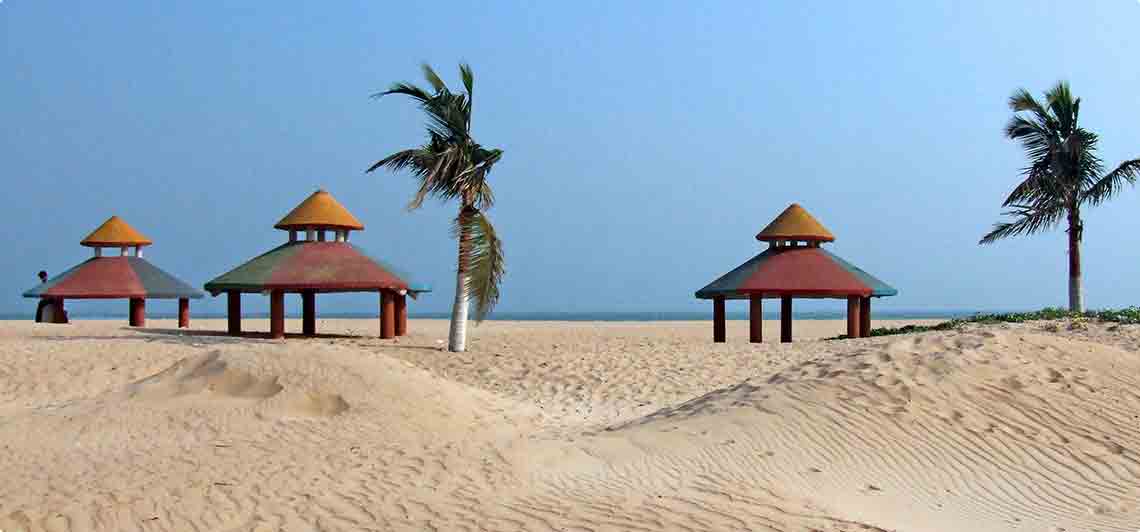
Situated 3 kms east of Sun Temple where the Chandrabhaga river joins the sea is the Chandrabhaga Beach, one of the most beautiful and pollution free beaches in the country. Owing to its immaculately clean shores and crystal clear waters, the beach has been awarded with the Blue Flag Certification by the Foundation of Environmental Education (FEE), a tag given to environmental friendly beaches which meet their stringent standards. Lined with tall trees and vast expanse of golden sands, the beach holds cultural and historical importance as well. Several cultural festivals and religious fairs are held here frequently which attract a lot of pilgrims and devotees to the beach. During the annual Chandrabhaga Fair, the beach takes on a very different look and comes alive with people, colours, light and activities. Go to the top of the lighthouse standing near the beach to take in the beach, sea, people and activities.
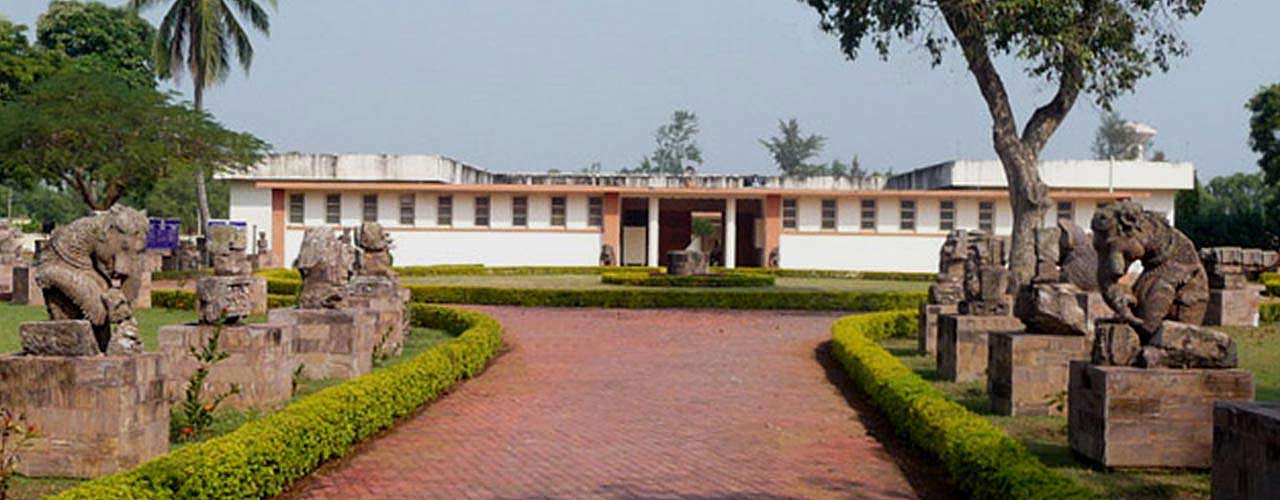
The Archaeological Museum is situated outside the Sun Temple and houses some unique artifacts which reflect the essence of Oriyan art form. The museum has 250 different kinds of antiques recovered from the Sun Temple. The museum started operating from its present location in 1968, when the fallen structures and archaeological remains of the Sun Temple were shifted to the present museum. The museum comprises of four galleries which preserve around 260 antiques that have been retrieved from the clearance work of the Sun Temple like carved stones, images of Surya Narayana and erotic sculptures. Besides these, the museum also displays images of various other monuments and archaeological sites of Odisha. The museum is open from 10 am to 5 pm everyday except Friday.
Astaranga meaning “colourful sunset” is a magnificent beach located near the mouth of the Devi river at a distance of 19 km from Konark. As the name suggests this beach is famous for the picturesque views that it provides during the sunset. The sky takes on vivid hues and the blue water in juxtaposition of it makes the whole place look magical. The beach is also a famous fishing village and every morning a market is set up on the beach from where you can purchase the different varieties of fresh fish. During the winter months the beach becomes a safe haven for the Olive Ridley turtles who nest here in large numbers and can be seen crawling on the sand. The best time to visit this beach is in the winter between October and March. There is a sufi shrine located at the edge of the beach is which is dedicated to Saint Makhdum Jahanganst. Visited by people from all faiths, the umbrella and wooden shoes of the saint are kept as relics.
Chaurasi is small village situated on the right bank of river Prachi. This place is famous for its temples dedicated to Barahi, Amareshras and Laxminarayanan. Barahi, also known as Varahi, is the name of Mother Goddess whose temple was built in the first quarter of the 10th century. Goddess Barahi is depicted to have a boar face and a pot belly, holding a fish in one hand and a cup in the other. She has a third eye on her forehead and is worshipped according to the tantric rituals. The temple is lavishly decorated and has a rectangular porch at the superstructure level. Tourists flock to have a glimpse of the unique Barahi deity, who is offered fish everyday. The other two temples dedicated to Laxminarayan and Amareshwar also attract visitors.
The Kakatpur Temple is located in a small village called Kakatpur on the Puri-Astaranga road around 30 km from Konark on the banks of river Prachi. Goddess Mangala is the chief deity of the temple and this temple has a link to Puri’s famous Lord Jagannath Temple. On the occasion of the Nabakalebara or the festival of restoration of the idols, the priests from the Lord Jagannath Temple come to Goddess Mangala at the Kakatpur Temple and pray to her to help them find the sacred trees to create the new idols for Jagannath, Subhadra and Balabhadra. Jhamu Yatra is a popular festival celebrated in the Kakatpura Temple. It falls on the first Tuesday of the Hindu calendar month of Baisakh, during April 14 to May 15, every year.
The Ramachandi Temple, located around 5 km from Konark is the temple of the reigning Lord of Konark, Ramachandi, on the banks of Kushabhadra river. The temple is famous as one of the Sakta Pithas of Puri. The main temple is built on a raised platform and has figures of the Sun God on three walls of the temple – the south, west and north walls. Goddess Chandi, the reining deity, remains seated on a lotus flower inside the temple. This temple is believed to be more ancient than the Sun Temple of Konark. There is a beach near the temple which is a popular picnic spot among locals, especially young couples.
A unique place near Konark, Kuruma is a small village about 8 km from the Sun Temple. This place gained fame after excavations were carried out in this small hamlet from 1971 to 1975. The findings include a high wall and antique images of Heruka or Dharma, Sun God and Buddha. This place then became popular as a Buddhist tourist spot. The excavated site was believed to be constructed in the 9th–10th centuries and is believed to have been a Buddhist monastery. The idol of Buddha discovered at this place is seated in a cross-legged position. The right hand of the idol is in Bhumisparsha mudra and it has the left hand resting on the left knee. The image is a decorated one, with a beautiful crown and a wonderfully engraved necklace.
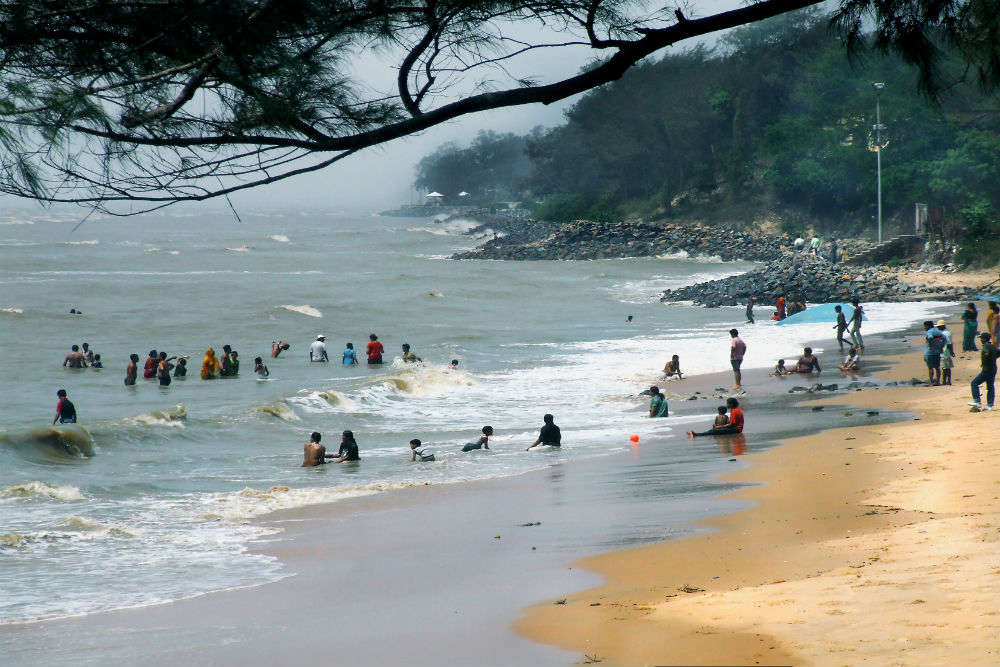
Paradeep Paradip or Paradeep, is located at the confluence of Bay of Bengal and Mahanadi and is one of India’s busiest ports as well as the oldest and largest in the state. In addition to the busy dockyard, the city also has some amazing beaches that offer amazing views. Boasting of golden shimmering sands, indigo blue waters, lined with huge rock boulders, laced with emerald green forests and adorned with a quaint island is actually and estuary of the river Mahanadi. The dash of rocks at the side offers an amazing marine drive and make for an ideal day-out destination. Don’t forget to try the famous Paradeep Lassi, also known as the Gaveskar Lassi made from coconut. It is available both at the beach and in the town.
A towering light house is also situated on the beach which allows tourist to come have a look from the inside. The light house is only open from 5-5:30 pm so make sure you plan your visit to the lighthouse accordingly.
The Gahirmatha Beach located close to Paradeep beach is home to a rare species of white crocodiles, and is famous for white monitor lizards, sea turtles, migratory birds as well as deer. The Bhitarkanika National Park, a forest with mangroves criss-crossed by rivers and streams, can take you a hundred years back in history when man, nature and animals lived in harmony. The the beach has lately become a hub for nesting for olive Ridley sea turtles.
The Paradeep Marine Aquarium houses an astonishing collection of vibrantly colourful fish. The in-house museum boasts of 28 splendid tanks with vast varieties of fresh water and marine species of fish and other aquatic animals.
The Smruti Udyan has been dedicated to the lives of thousands of people who died during the massive cyclone of 1999 that hit Odisha. The lush green garden at the front blooms with vibrant flowers ideal to spend an evening.
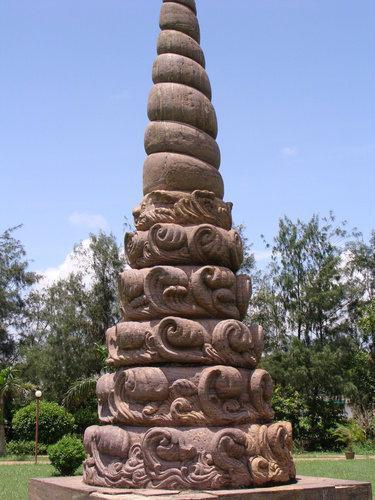
The Jagannath Temple is a tribute to India’s secular make-up. A 60-feet pillar called the Aruna Stambh is constructed at the entrance of the temple and has engraved holy symbols of Hinduism, Islam, Sikhism and Christianity. The most popular festival at the Jagannath Temple is the Car Festival where non-Hindus also take part enthusiastically in drawing the chariot and in other festivities.
Located at a short distance of 12 kms from the Paradeep Beach, Nehru Bangla is just the guest house where the first Prime Minister of India Pandit Jawaharlal Nehru stayed at when he came to inaugurate the Paradeep Port. The guest house has now also been converted into a tourism spot for people who want to go have a look.
The Hanuman temple is yet another prominent attraction here. Dedicated to Lord Hanuman, the tiny mandir invites pilgrims from the all over the city to pay homage. Tuesdays are the most crowded days of the week at the temple.
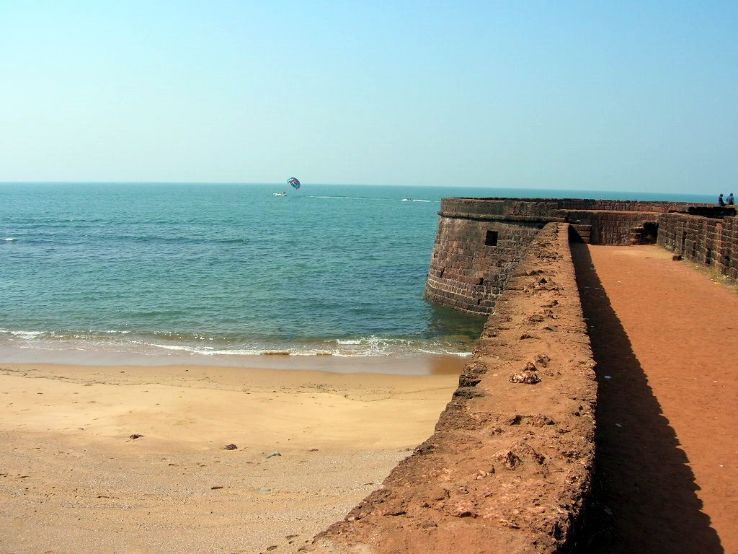
Gopalpur A small coastal town around 15 km from Berhampur and close to the border with Andhra Pradesh, Gopalpur lies towards the south of the state. Gopalpur also has an ancient, commercial port, now lying in ruins. Under the ownership of the Soraine family the village grew in wealth, from an obscure little fishing village, Gopalpur became a prominent trading port. The family built the port, the lighthouse and the Albert Hotel and established both a local fishing industry and a trade route with Burma. What was once a bustling port city before being deserted, is today, one of the best beaches in the eastern coastline of the country. It is know for being an offbeat destination and a place for relaxation. The beaches are sparkling gold which along with the azure water of the Bay of Bengal providing a perfect place to relax and immerse yourself in nature.
The Gopalpur beach is a luxurious beach and is popular for being one of the few sites in India where Olive Ridley Turtles nest. Flanked with coconut and casuarina groves, it is a perfect outing for a languorous weekend. The beach, also known as ‘Gopalpur-on-Sea’ has a calm and soothing coast. It is famous for hosting the annual Gopalpur Beach Festival and offers up the possibility of experiencing a number of aqua sports.
One of the most popular landmarks of the beach is its lighthouse which offers a marvellous 360 degree view of the entire city of Gopalpur, the azure waters of the Bay of Bengal and some parts of the Chilika Lake. One can also see the exotic red crabs casually strolling on the beach’s lonely coast! The lighthouse is a great place for photographers, both professional and amateur, to capture amazing photos of the town and beach
Aryapalli Beach is an absolutely gorgeous beach during high tide at sunset. The coastline of Aryapalli Beach falls in the rain-shadow of the region, so the beach get a fair amount of rain during the monsoon season. The beach is a quiet and charming place where visitors can relax and refresh. It is a cherished experience that one gets by visiting the place. The best time to visit the beach is between the months of October and June. Surfing, sun bathing and swimming are a few leisure activities that are popular with visitors.
Sonepur Beach is considered by most of the tourists as one of the best beaches in the entire state of Orissa. Located on the borders of Andhra Pradesh and Orissa, this beach divides the sea from the main land along with the River Bahuda. Sonepur Beach is a natural beauty untouched by human civilization. This beach is quite close to Berhampur, just at a drive of around 11 km. You can take a motor boat services to the sangam or meeting point of the river and the Bay of Bengal.
The Maa Tara Tarini Hill Shrine is considered as one of the oldest shrines of Maa Tara in the entire country. It is situated on the Kumari Hills on the banks of the River Rushikulya, just a few kilometres away from the coastal town of Gopalpur and about 13 km away from Berhampur, the nearest railway station. Thousands of devotees visit the place on a regular basis in order to get the auspicious blessings of the Mother Goddesses. There are two Goddesses in the temple, Maa Tara and Maa Tarini beautifully ordained with gold and silver ornaments. They are believed by the locals to be the manifestations of Adi Shakti. The temple is also considered as one of the ancient Shakti Peethas of India.
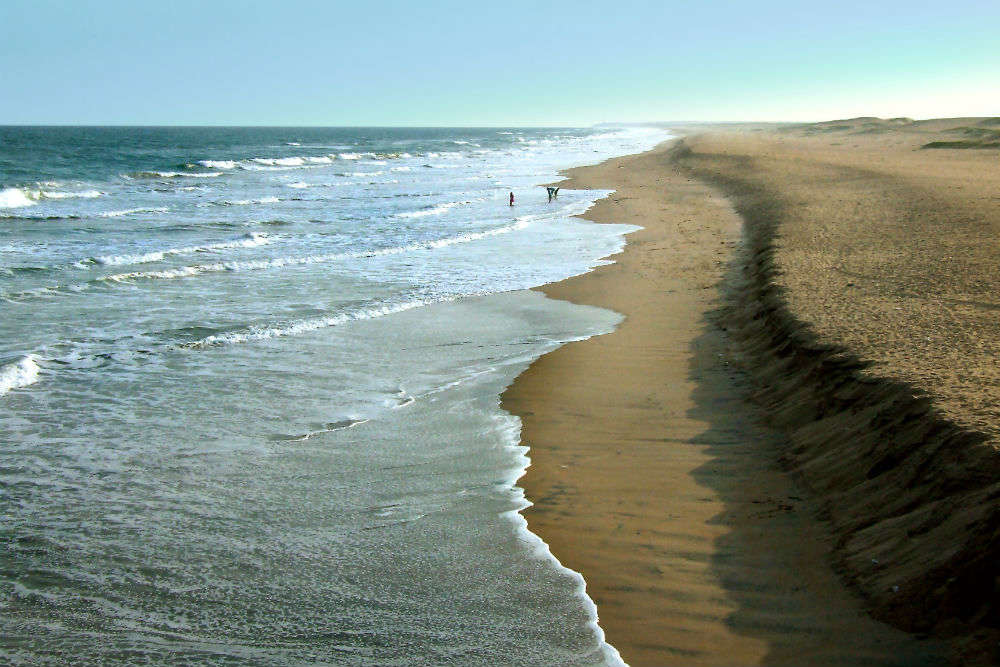
Chandipur 16 km from Baleswar railway station, Chandipur is famous for its disappearing sea. A quaint seaside town which offers complete serenity and tranquillity, this is the best place if you want to relax and spend some quality time either alone or with your loved ones. India’s missile testing launch pad is also located here and missiles like Agni, Prithvi, Akash and Shaurya can be seen here. You can visit this testing range by taking special visiting permission from the authorities. Chandipur is also famous for its sea food and sweets which are a huge hit with tourists. Chandipur is at its best during winters when the cool breeze by the beach hits you as you walk along the seashore.
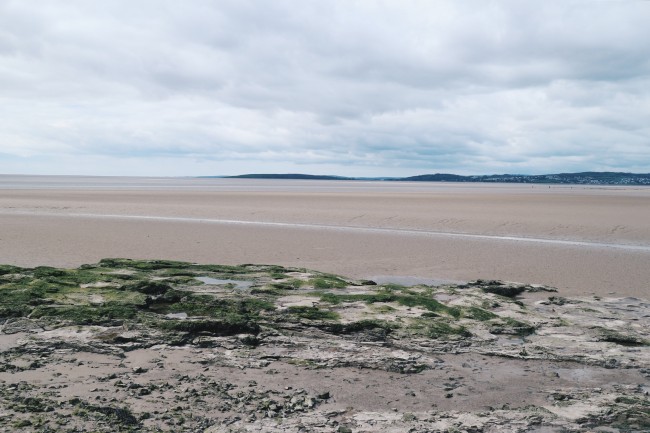
The Chandipur Beach’s unique specialty is the ebb tides that recede around 1 to 4 km during low tides and they tend to disappear rhythmically. The beach has spectacular views of the rising and setting sun. When the water disappears, you can even take jeep ride towards the sea. The sea disappears during the day in this beach and locals call this this the “Hide and Seek Sea”. Watching the sea disappear and miraculously reappear as it plays with you is an unforgettable experience that will leave you in awe of the miracles of nature. During the time when the sea receeds, you can walk deep into the actual seabed. In fact, when you walk on the beach when it has receded, only your feet get submerged into the shallow water and get surrounded by moist sand; so if you take a picture from afar, it looks as if you are actually walking on water.
The Panchalingeshwar Shrine, lies around 36 km from Chandipur and is located amidst the dense green vegetation and rocky hills of the Nilagiri Hills. It is popular for the Shiva shrine which is located on the hill top. Five Shiv Lingas which are born naturally in the middle of two large rocks with a stream flows over these Lingas. A temple has been built by the side where priests perform rituals and worship the deity. You need to climb 263 steps to get to the temple which start at the foot of the hill.
The town of Nilagiri or Blue Mountain is located around 32 km from Chandipur and where the Panchalineshwar temple is situated on one of the hills. The name comes from the apparent blue colour of the hills. The royal palace and the Jagannath temple adjacent to it are are must-vist places in this town. You can get to see the antique gold and diamond ornaments along with the royal clothes worn by the then Kings and Queens of Nilagiri kept for display inside the palace. The spectacular Khumkut Dam, close to the town can also be checked out.
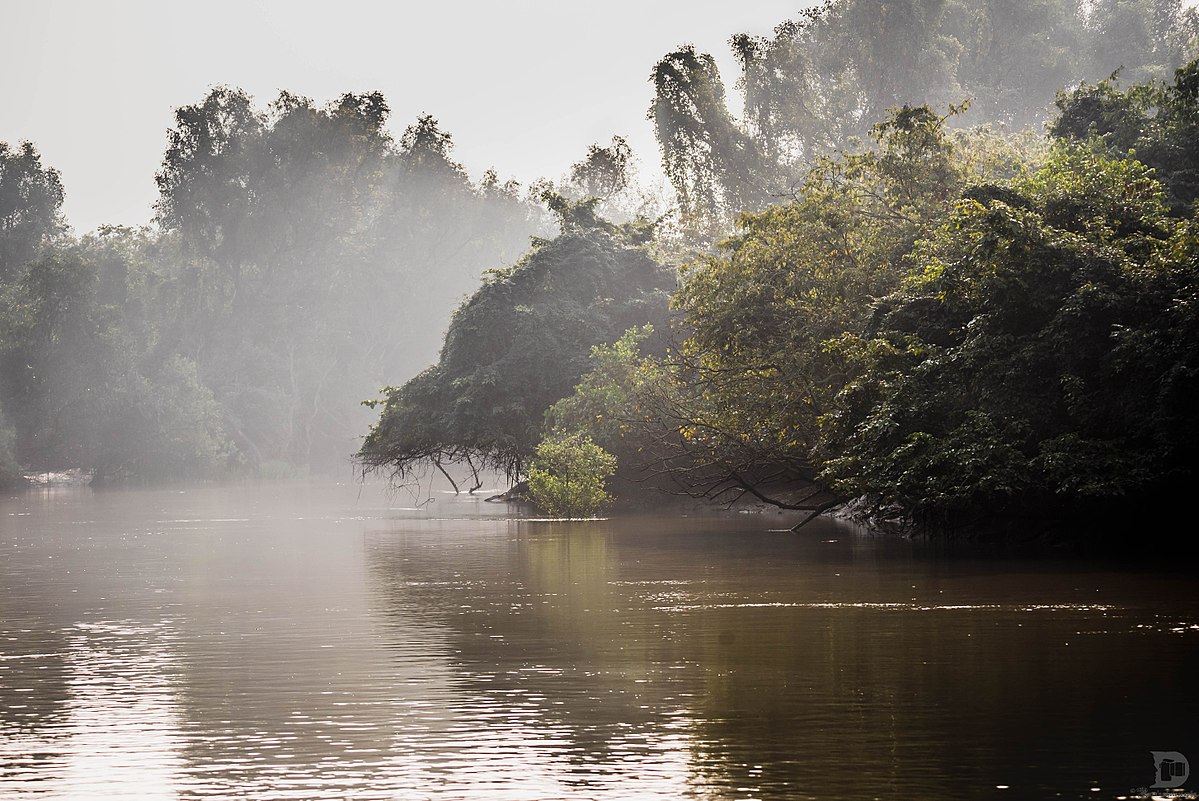
Bhitarkanika, located at a distance of 206 km from Chandipur, lies at the delta of Bhramani, Baitarani and Dhamra rivers. Embellished with exotic wildlife and lush green forest, Bhitarkanika sees tourists pretty much throughout the year. Visitors have to take permission for entry from the Forest Authority of Bhitarkanika. To reach the place, one has to take a boat ride from Khola to Dangmal which is the only means of communication. The ride is very enthralling as one can witness the second-largest mangrove ecosystem in India. Bhitarkanika has a National Park encompassed by the Wildlife sanctuary. Gahira Matha beach lies nearby which acts as a separator between the jungle and the Bay of Bengal. Rich in flora and fauna, Bhitarkanika is home to exotic and endangered wild species like white crocodiles, saltwater crocodiles, monitor lizards, pythons, king cobra, darters and many more. Birds from Central Asia and Europe migrate here creating an added advantage for tourism
In Dhaka, Bangladesh, a garment factory burns to the ground, claiming the lives of hundreds of workers, mostly young women. Amid the rubble, a bystander captures a heart-stopping photograph—a teenage girl lying in the dirt, her body broken by a multi-story fall, and over her mouth a mask of fabric bearing the label of one of America’s largest retailers, Presto Omnishops Corporation.
Eight thousand miles away, at Presto’s headquarters in Virginia, Cameron Alexander, the company’s long-time general counsel, watches the media coverage of the fire in horror, wondering if the damage can be contained. When the photo goes viral, fanning the flames of a decades-old controversy about sweatshops, labour rights, and the ethics of globalization, he launches an investigation into the disaster that will reach farther than he could ever imagine – and threaten everything he has left in the world.
A year later, in Washington, D.C., Joshua Griswold, a disgraced former journalist from the Washington Post, receives an anonymous summons from a corporate whistleblower who offers him confidential information about Presto and the fire. For Griswold, the challenge of exposing Presto’s culpability is irresistible, as is the chance, however slight, at redemption. Deploying his old journalistic skills, he builds a historic case against Presto, setting the stage for a war in the courtroom and in the media that Griswold is determined to win—both to salvage his reputation and to provoke a revolution of conscience in Presto’s boardroom that could transform the fashion industry across the globe.
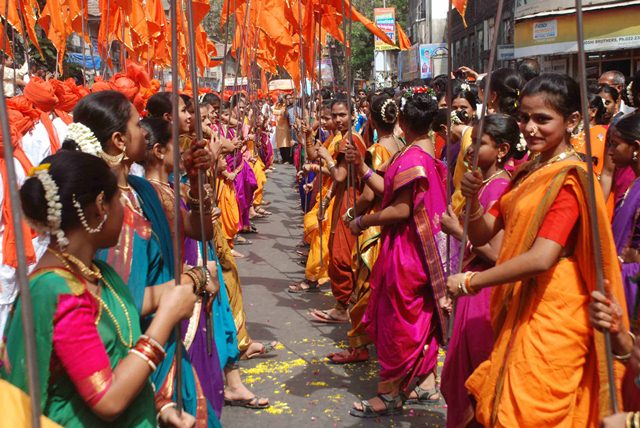
Spring is in the air and this means that various Indian communities will start celebrating their new year. The first is usually Gudi Padwa, a spring-time festival that marks the traditional new year for Marathi and Konkani Hindus. It is celebrated in and near Maharashtra and Goa on the first day of the Chaitra month to mark the beginning of the New year according to the lunisolar Hindu calendar. The word Padwa comes from the Sanskrit word Pratipada, which refers to the first day of a lunar fortnight. The festival is observed with colorful floor decorations or rangoli, a special Gudi flag which is garlanded with flowers, mango and neem leaves and topped with an upturned silver or copper vessel, street processions, dancing and festive foods.
Gudi Padwa marks end of one harvest season and beginning of a new one for farmers and so is also celebrated as a harvest festival in the region. On this day the position of the Sun is above the point of intersection of the equator, which according to the Hindu calendar marks the commencement of the Spring Season.
In India, this day which is the first day of the bright phase of the moon is called Gudi Padwa in Marathi, Ugadi in Telugu, and Yugadi in Kannada. The Sindhi community celebrates this day as Cheti Chand as the new year and observed as the emergence day of Lord Jhulelaal. Prayers are offered to Lord Jhulelaal and the festival is celebrated by making delicacies. However, this is not the universal new year for all Hindus. For some, such as those in and near Gujarat, the new year festivities coincide with the five day Diwali festival. For many others, the new year falls on Vaisakhi between 13 and 15 April, according to the solar cycle part of the Hindu lunisolar calendar, and this is by far the most popular not only among Hindus of the Indian subcontinent but also among Buddhists and Hindus in many parts of southeast Asia.
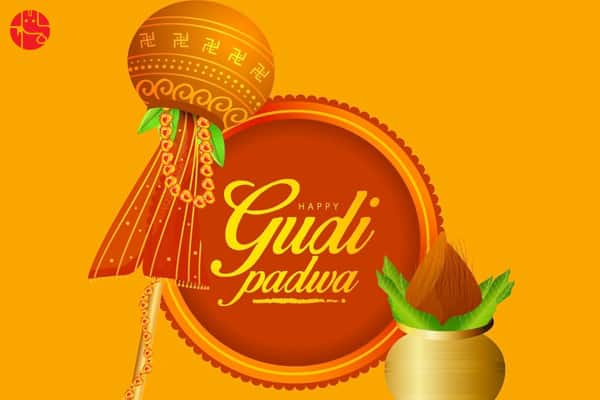
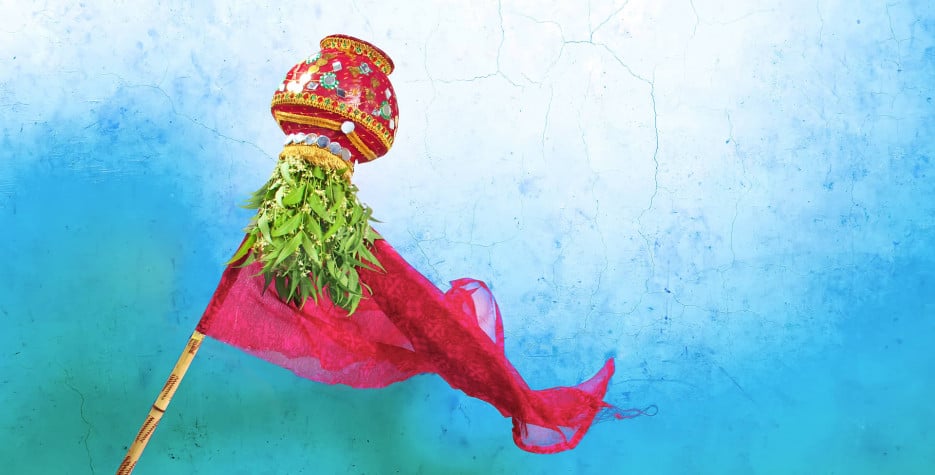
It’s really fascinating on the day of Gudi Padwa to see many Gudis arrangements in the windows and doors of Maharashtrian and Konkani households. The Gudi is a bright colorful silk scarf-like cloth tied to the top of a long bamboo pole. On the top of the pole, one or more boughs of neem leaves and mango leaves are attached along with a garland of flowers. This arrangement is capped with a silver, bronze or copper pot called handi or kalash in Marathi signifying victory or achievement. The whole arrangement is hoisted outside each household, typically to the right and is visible to everybody. Villages or neighborhoods also come together and host a community Gudi Kavad, which they carry together to the local Shiva temple. Some temples are located on the top of hills, and groups work together to help reach the kavad to the top.
There are many historical legends and beliefs associated with this festival. One of these comes from the Brahma Purana which states that Lord Brahma recreated the world after a raging deluge in which all time had stopped and all the people of the world, destroyed. On Gudi Padva, time restarted and from this day on, the era of truth and justice, known as Satyug began. Therefore, Lord Brahma is worshipped on this day and the Gudi symbolises the Brahmadhvaj.
Another popular legend about the origin of this festival revolves around the return of Lord Rama to Ayodhya along with his wife Sita and his brother Laxman from exile. The ‘Brahmadhvaj’ is hoisted in memory of the coronation of Lord Rama. The Gudi is hoisted at the entrance of the household in commemoration of the Gudi that was hoisted in Ayodhya as a victory flag. It is also believed that Lord Rama was victorious over King Bali on this day, marking this occasion.
For the people of Mahrashtra, there is an added significance to this festival. It is believed that Chhattrapati Shivaji Maharaj, celebrated leader of the Maratha clan, led the troops to victory and attained freedom for the kingdom from the dominion of the Mughals in that area. The Gudi then is a symbol of victory and prosperity.
It also symbolizes the victory of King Shalivahana and was hoisted by his people when he returned to Paithan (near current day Aurangabad).
The Gudi is believed to ward off evil, invite prosperity and good luck into the house. Many businessmen inaugurate their ventures on this day as it is considered an auspicious day.
On this day, courtyards in village houses will be swept clean and plastered with fresh cow-dung. Even in urban areas, even if they don’t do it everyday, on this day people take the time out to do some spring cleaning and women work on intricate rangoli designs on their doorsteps, the vibrant colours mirroring the burst of colour associated with spring. Everyone dresses up in new clothes and it is a time for family gatherings. Traditionally, families prepare a special dish that mixes various flavors, particularly the bitter leaves of the neem tree and sweet jaggery. Additional ingredients include sour tamarind and astringent dhane seeds. Most communities prepare something similar which is a reminder of life’s sweet and bitter experiences, as well as a belief that the neem-based mixture has health benefits.
Here’s wishing all those celebrating Gudi Padwa, Ugadi, Cheti Chand and Yugadi a very happy new year and to enjoy your celebrations and the yummy food that follows!
The best way to beat the system is from the inside.
Meet Jennifer – a smart, sexy woman who has broken through the glass ceiling to become a big-time trader in the world of high finance. When her boss is caught playing fast and loose with the regulations, Jennifer agrees to take the rap. After all, her fiance is a lawyer with the connections to get her off.
Instead, she ends up in a women’s prison; a world a whole lot meaner than Wall Street and where her designer clothes and fancy education count for nothing. She has to learn fast if she wants to survive and she does, once she is accepted by the prison’s top ‘crew’; a group of smart, strong, scary women led by tough lifer Movita and crazy Cher. These are women that Jennifer would never, ever, have befriended on the outside, but on the inside she soon discovers that working together is the only way out..