Thiruchitrakoodam Temple, Chidambaram, Tamil Nadu
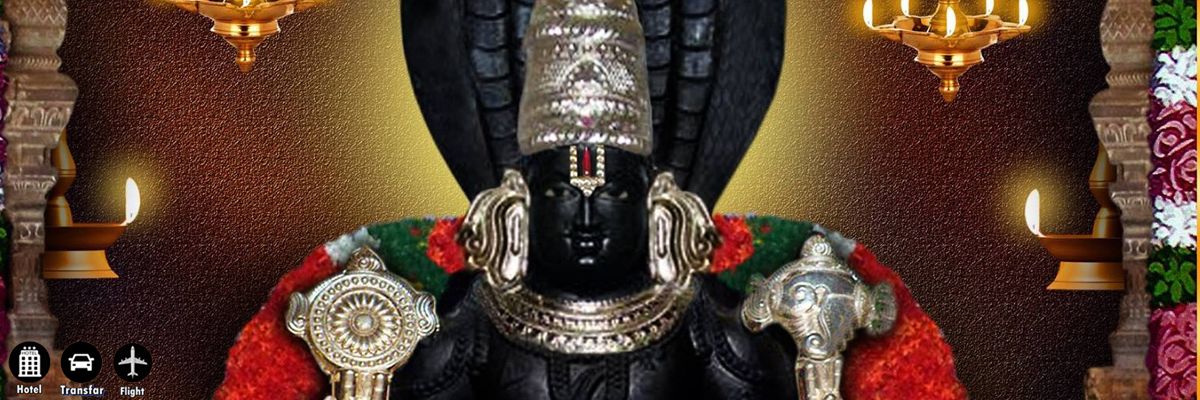
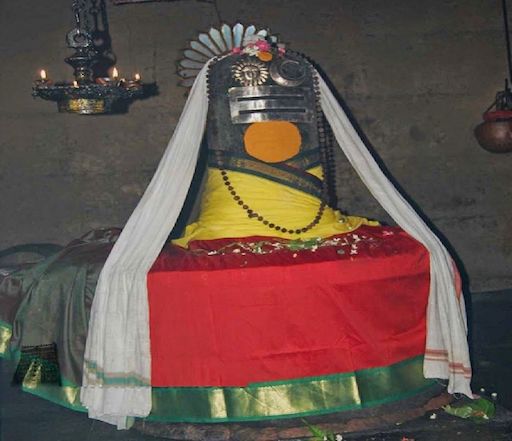
Thiruchitrakoodam, located inside the Chidambaram Nataraja Temple complex in Tamil Nadu, is one of the most unusual and significant Divya Desams. Here, Vishnu and Shiva are worshipped side by side in the same sacred space, something rare in South India, where the two deities often have distinct temple traditions. The presiding deity is Govindaraja Perumal, with Pundarikavalli Thayar. The name Thiruchitrakoodam refers to a beautiful hall or divine chamber, a space where cosmic truths are revealed. This Divya Desam stands inside the Chit Sabha, the hall where Shiva performs the Ananda Tandava, the dance of bliss. The presence of Vishnu here underscores a simple spiritual idea: when there is creation, there is preservation; when there is movement, there is stillness; when there is dance, there is witness. This temple invites you into that balance.
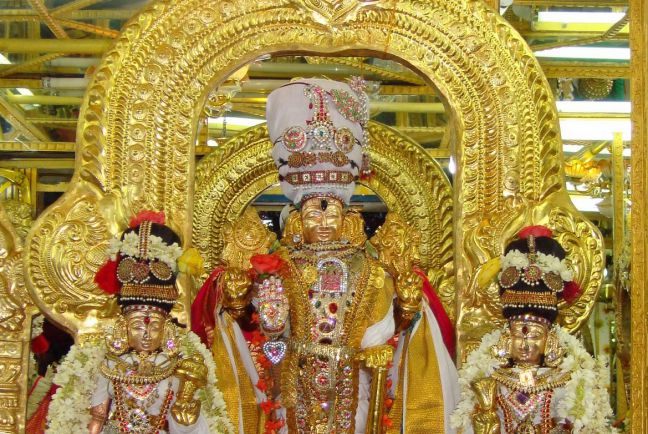
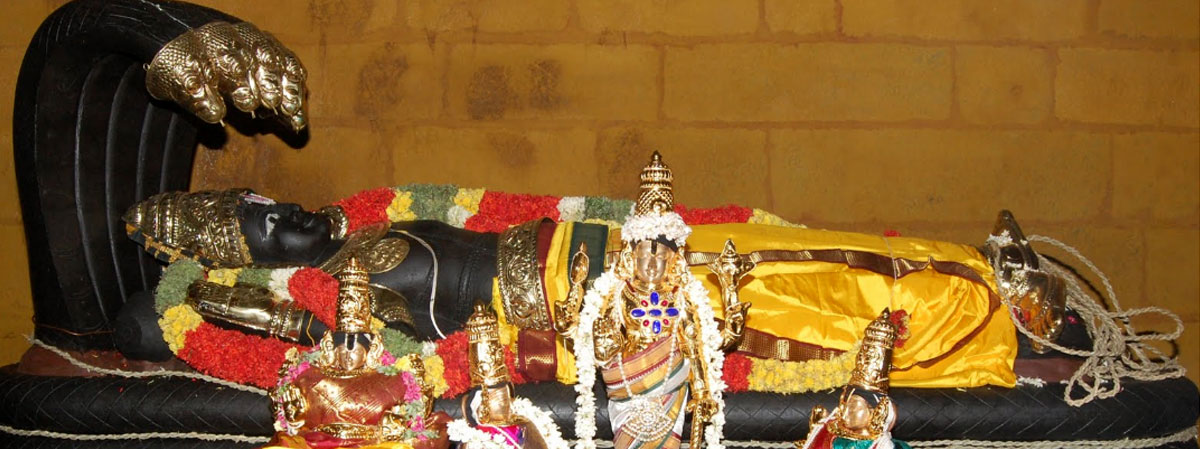
The story most commonly associated with this temple begins with Shiva performing the cosmic dance. During the dance, all the gods gathered to witness it. Vishnu also came, along with Lakshmi, and stood as the steady witness to Shiva’s movement. Their presence brought balance; Shiva’s dynamic energy matched with Vishnu’s calm stillness. Tradition says Vishnu manifested here as Govindaraja Perumal, reclining comfortably while witnessing the Lord of Dance. This form symbolises harmony between divine energies, mutual respect between Vishnu and Shiva, a reminder that spiritual paths may differ but share a single essence.
The defining image here is unique. In a temple dedicated to Shiva’s dance, Vishnu lies in a relaxed reclining posture. Legend says Shiva paused His dance for a moment so Vishnu could take His place within the sacred space. This gesture showed divine unity, not competition. Another story says that when Shiva danced, the entire universe watched. Vishnu reclined fully at ease, trusting the cosmic order. His posture expressed surrender, not to Shiva, but to divine truth. Thirumangai Alvar composed verses in praise of Govindaraja here, noting the rare unity between Vishnu and Shiva. This is one of the reasons this shrine is counted among the 108 Divya Desams, even though it sits inside a major Shaivite temple.
Thiruchitrakoodam’s history is layered, complex and tied closely to the political and religious shifts of Tamil Nadu. The temple originally flourished under the Cholas, who supported both Shiva and Vishnu worship. Several Chola kings offered gifts to this shrine, indicating that Vishnu’s presence in Chidambaram was well accepted. Around the 16th century, there were conflicts over ritual rights inside the Chidambaram complex. Traditional accounts say Govindaraja’s idol was removed by a Saivite king. Later, during the Nayak period, the idol was reinstated. This back-and-forth reflects the changing religious politics of the time. Despite this, the shrine endured because local communities and Vaishnavite devotees continued to support it.
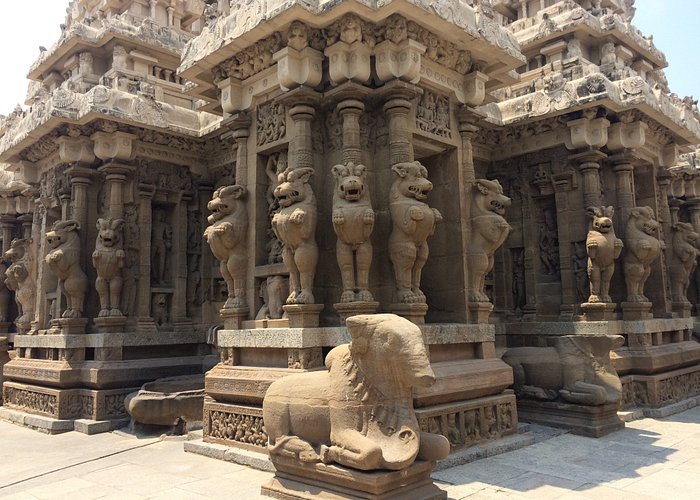
Govindaraja’s sanctum stands near the Chidambaram Chit Sabha. The current layout shows Nayak-era and later reconstructions, though much of the foundational structure still carries Chola influence. The temple’s long, complicated history adds depth to its identity. It is not just a deity sharing space with another. It is a story of resilience, harmony and coexistence.
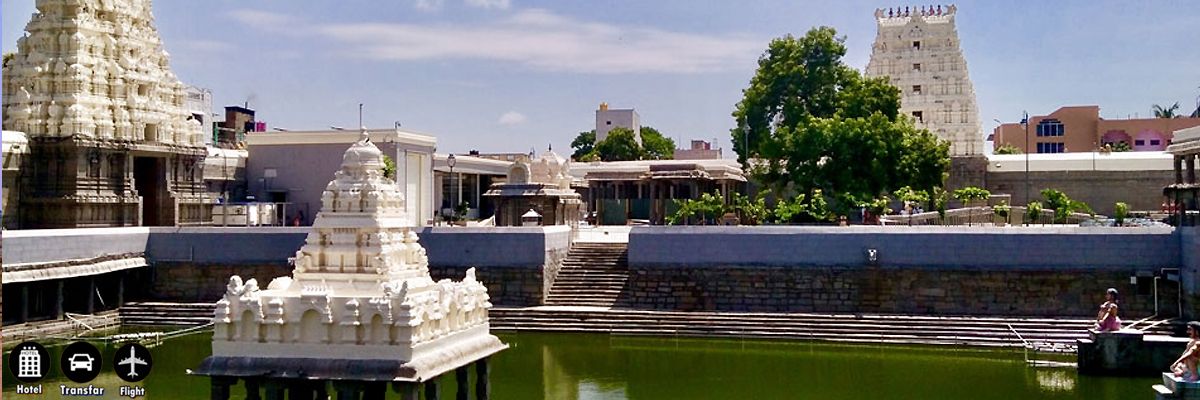
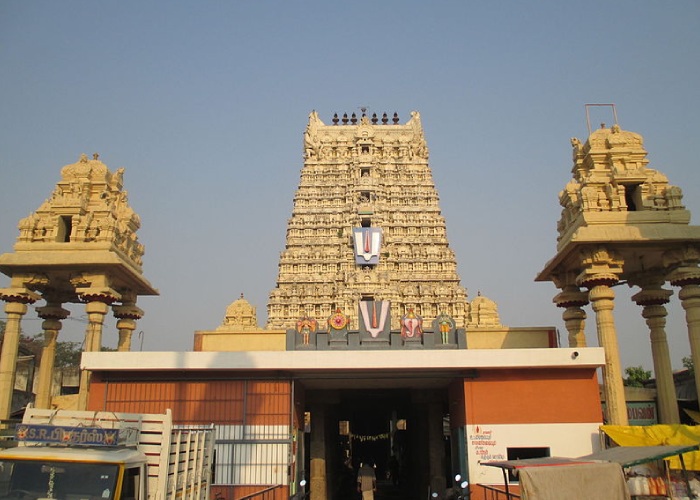
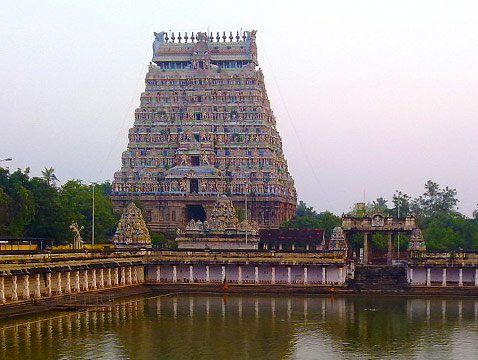
Thiruchitrakoodam sits inside one of India’s most iconic temples, the Chidambaram Nataraja Temple. Yet, the shrine maintains its own quiet presence. Architectural highlights include a simple sanctum distinct from the main Chit Sabha. Govindaraja is in a reclining posture facing east. There is a shrine for Pundarikavalli Thayar. A mandapam is used for festival processions, and pillars in the temple have Chola and Nayak engravings. The temple is close to the famous golden-roofed Chit Sabha. Because the shrine is part of a larger complex, it blends seamlessly into the architecture around it.
In this temple, Govindaraja Perumal reclines peacefully on Adisesha. His posture is symbolic of rest, witnessing, trust in cosmic order, and an ease within divine activity. It contrasts beautifully with the dynamic energy of Nataraja next door. Pundarikavalli Thayar’s shrine lies inside the complex and offers a softer presence. Devotees often come to her when they need grounding and reassurance.
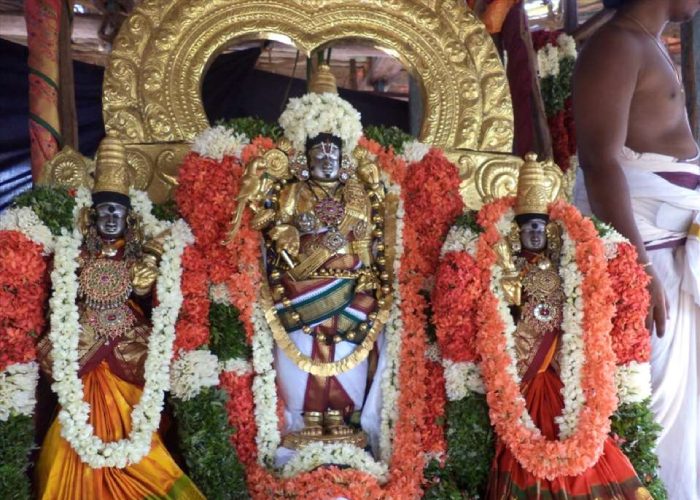
The worship at Thiruchitrakoodam follows Vaishnavite tradition, even though it sits inside a major Shaivite temple. Daily rituals include Suprabhatam, Thirumanjanam, Alankaram, Neivedyam, and evening aradhanai. Priests follow the Pancharatra Agama. Major festivals include Vaikunta Ekadasi, the temple Brahmotsavam, the Float festival or Theppotsavam, the Garuda Sevai, and Panguni Uthiram. A special feature is that many Vaishnavite festivals unfold within a Shaivite temple environment, reflecting the shrine’s unique identity. Even today, you can see Shaivite chanting in the Chit Sabha, Vaishnavite rituals in Govindaraja’s shrine, and devotees of both traditions moving through the same space. This unity is rare and meaningful.
Visiting Thiruchitrakoodam is different from visiting most Divya Desams. You enter the Chidambaram Nataraja Temple first, walk past the grand corridors and golden-roofed halls, and then reach the Govindaraja shrine tucked inside. The temple is often busy, yet Govindaraja’s shrine feels calm. The sound of bells from Shiva’s worship blends with Vaishnavite chants. The contrast between dance and repose is immediately felt. Pilgrims often say this temple softens the mind, helping them see that conflict between traditions exists mostly outside sacred spaces, not within them.
Moving from the Nataraja sanctum to Govindaraja’s is like walking from fire to still water. It gives a sense of integration, harmony, respect, and openness. The area around Chidambaram is well-connected and filled with shops, lodging and eateries. It is a major pilgrimage town, so visiting is convenient. Thiruchitrakoodam plays an important cultural role in bridging Saivite and Vaishnavite traditions. The presence of Vishnu inside a Shiva temple is a strong cultural symbol. It expresses an idea long present in Tamil spirituality: Shiva and Vishnu are not rivals. They are reflections of the same divine reality. Villagers, priests and scholars often cite this temple when speaking about religious harmony. Thirumangai Alvar’s hymns describe Govindaraja as the divine witness to Shiva’s dance, blending literary and philosophical ideas in a single verse.
Chidambaram is a hub for Bharatanatyam and classical music. Performers often visit Govindaraja before their recitals, seeking blessings for clarity, grounding and balance. The temple remains a reminder that spiritual paths are wider than personal preference and broader than sectarian boundaries. Today, Thiruchitrakoodam continues as an active Divya Desam with daily pujas and festivals. Because Chidambaram is a major pilgrimage site, many visitors now discover Govindaraja’s shrine unexpectedly. Younger pilgrims share images and stories online, increasing awareness of this unique Divya Desam. The temple speaks directly to modern concerns like coexistence, balance, witnessing rather than reacting, resting without withdrawing, and harmony despite difference. Its message is timeless.
Thiruchitrakoodam stands as one of the most distinctive Divya Desams, not because of size or ornamentation, but because of its message. Govindaraja Perumal reclines calmly inside a temple famous for Shiva’s cosmic dance, reminding devotees that creation and preservation, movement and stillness, fire and water exist together, not apart. Pundarikavalli Thayar adds warmth and grounding. The temple’s myths, history and architecture make it a rare example of unity across traditions. In the Divya Desam circuit, Thiruchitrakoodam represents harmony; it teaches that divinity need not be divided. And it shows that when you see movement in one place and stillness in another, both are part of a larger rhythm.
Thiruvanthipuram Temple, Thiruvanthipuram, Tamil Nadu
Thiruvanthipuram, located near Cuddalore, is one of the most beloved Divya Desams in the southern region. The presiding deity is Devanatha Perumal, with Hemambujavalli Thayar. The temple sits on gentle ground with Oushadha Giri, a small medicinal hill, rising just behind it. This hill is tied to the Ramayana and gives the temple a healing atmosphere, physical, emotional and spiritual. Thiruvanthipuram is known for its philosophy, stories of compassion and strong connection to Vedanta. It is often described as a temple where the mind softens and the heart steadies. The name Thiruvanthipuram means the sacred place of the Lord who comes near, and that tone is clear in every part of the experience.
The deity here is worshipped as Devanatha, the Lord of the Devas. According to the legend, when the gods were troubled by disturbances in the world, Vishnu took this form to protect them and restore harmony. He stood at this spot, overlooking the hill behind him, guarding creation. The small hill behind the temple, called Oushadha Giri, is tied to the Ramayana. When Hanuman carried the Sanjeevani-bearing hill to save Lakshmana, a small portion is said to have fallen here. This fragment became Oushadha Giri, believed to retain healing energy. Because of this, the temple has long been associated with emotional healing, relief from suffering, clarity during distress, and strength during difficult phases. People come here seeking peace in times of illness, worry and transition. The temple is also linked to Vedanta Desikar, one of the greatest Vaishnavite scholars. According to tradition, Devanatha Perumal personally taught him the Hayagriva mantra on the hill. From this moment onward, Thiruvanthipuram became a place of learning, wisdom and spiritual clarity. Local stories say that Devanatha Perumal is one of the most compassionate forms of Vishnu. He is known for granting boons readily and responding quickly to sincere prayers. People call him Vinnagara Theertha Perumal, or Devanatha, who answers without delay, or the Lord who bends down to listen. This understanding shapes the emotional tone of the temple.
Thirumangai Alvar sang about Thiruvanthipuram, describing the Lord’s beauty, compassion and the healing atmosphere of the land. His hymn anchors the temple in the Divya Desam tradition. Thiruvanthipuram carries layers of history tied to Chola, Pandya and Nayak rule. The temple likely dates back to the Pallava period, with major additions during the Chola era. The Cholas expanded the temple, shaping much of its current structure, including a granite base, a large prakaram, a well-defined sanctum, and shrines for Alvars and Acharyas. Inscriptions from this period mention land donations for lamps, festivals and food offerings. The Nayaks added mandapams, gopurams and structural reinforcements. They also supported festivals that brought together scholars, musicians and reciters. During the 13th century, Vedanta Desikar lived in Thiruvanthapuram for many years. His literary works and philosophical teaching elevated the temple’s intellectual prestige. The temple thus evolved not only as a place of worship but also as a centre of traditional learning.
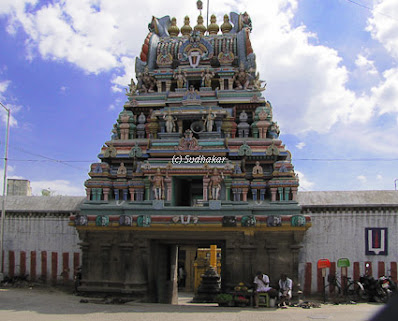
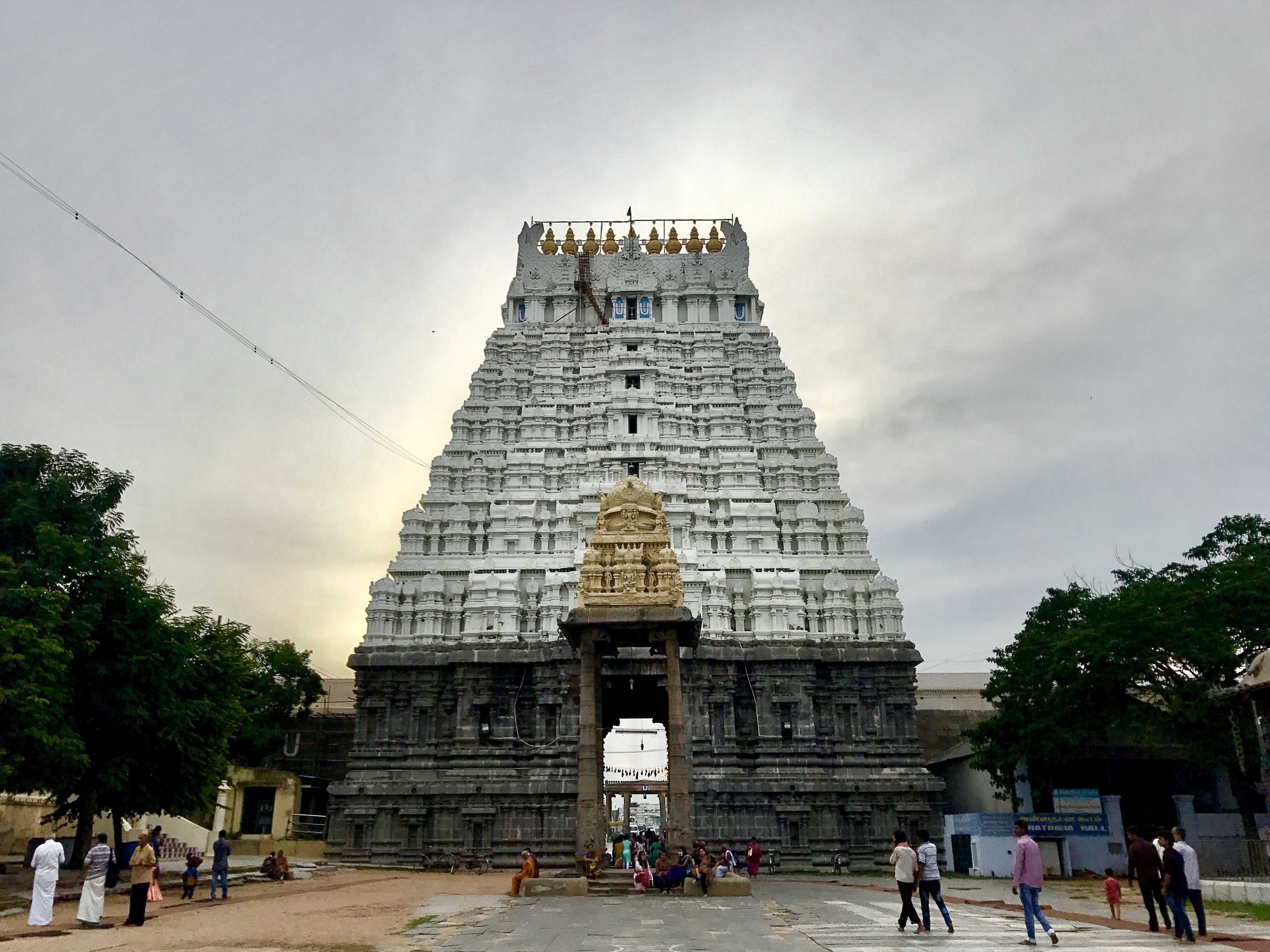
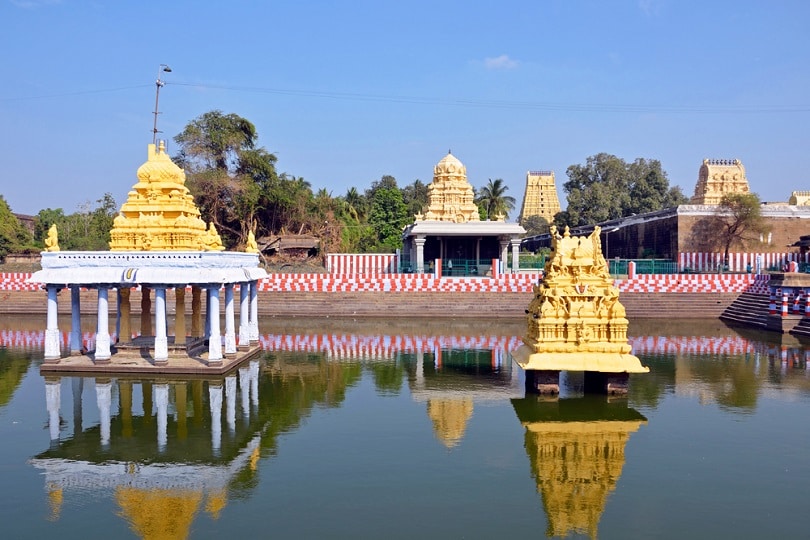
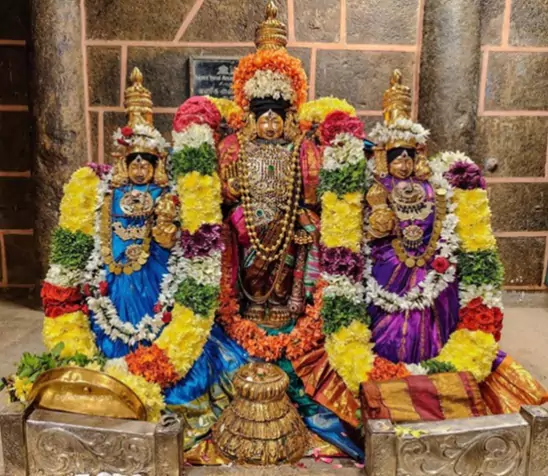
The temple has a serene, balanced layout typical of coastal Tamil Nadu temples. Its architecture is simple but clear, with strong Chola foundations and later-era refinements. Key architectural features include a tall five-tiered gopuram, a spacious prakaram, stone mandapams, a separate shrine for Thayar, a small shrine for Hayagriva on the hill, steps leading up to Oushadha Giri, and a sacred tank called Sesha Theertham. The temple grounds feel open, airy and calm. The main deity, Devanatha Perumal, stands facing east, holding the conch and discus. His posture is confident yet gentle, embodying the role of guardian and teacher. The idol reflects warmth, compassion, protection, and a readiness to help. Hemambujavalli Thayar’s shrine is close to the sanctum. Her form is benevolent and welcoming, offering emotional comfort. Many devotees go first to her shrine before visiting Devanatha Perumal. The shrine for Hayagriva, the horse-faced form of Vishnu associated with knowledge, sits atop Oushadha Giri. Climbing the small hill is part of the pilgrimage experience. This shrine is especially popular among students, teachers and those seeking clarity in studies or professional work.
Thiruvanthipuram follows the traditional Vaishnavite pattern of worship, with rituals performed with grace and steadiness. Daily rituals include Suprabhatam, Thirumanjanam, Alankaram, Neivedyam, and evening lamp worship. The temple priests chant slowly and clearly, which enhances the meditative mood. Major festivals include the temple Brahmotsavam, Vaikunta Ekadasi, Pavitrotsavam, Krishna Jayanthi, Rama Navami, Hayagriva Jayanthi, and Vedanta Desikar’s festival. Hayagriva Jayanthi is of the temple’s most important festivals, where devotees offer books, pens and educational materials at the shrine for blessings. People come to Thiruvanthipuram when they seek healing, clarity, guidance, strength during difficult times, protection, and emotional balance. The temple’s energy naturally supports these intentions.
The roads leading to the temple pass through quiet residential areas and open fields. The temple rises calmly in the centre, with the hill behind it creating a sense of grounding. Inside the temple, the space is peaceful, with open air circulating through the wide prakaram. The chanting echoes softly, and the sound of bells does not overwhelm. The atmosphere is gentle, restful and thoughtful. Many pilgrims climb Oushadha Giri and walk up the steps to the Hayagriva shrine. The climb is short but meaningful, a moment of pause and perspective. At the top, the air feels lighter, and the view opens up across the temple town. People often say Thiruvanthipuram feels like a place where the mind switches to a slower pace. The land itself has a calming quality. The temple tank, visible from near the entrance, adds to the reflective atmosphere.
Thiruvanthipuram is deeply woven into Tamil Vaishnavite culture, especially through its ties to Vedanta Desikar. Desikar composed several works here, including hymns to Hayagriva and Devanatha Perumal. His time here shaped the temple’s identity as a place of wisdom and clarity. The Hayagriva shrine is a major cultural symbol. Students visit before exams, and teachers visit before the new academic term. Local families believe in the medicinal energy of Oushadha Giri. Water from the tank is used in prayers for recovery and emotional stability. Thirumangai Alvar’s verses continue to be sung during rituals and festivals, linking the temple to early Tamil devotional literature.
The temple remains active and well-maintained. It sees steady attendance throughout the year, especially from students, families and those seeking emotional healing. Recent improvements include renovation of mandapams, improved lighting, steps restored on Oushadha Giri, festival arrangements expanded, and restoration of sculptural details. People today are drawn to temples that offer calm and mental grounding.
Thiruvanthipuram suits this need naturally. The temple’s philosophy, mythological background and atmosphere feel especially relevant in a time when many seek clarity and comfort.
Thiruvanthipuram stands among the Divya Desams as a temple of compassion, wisdom and healing. Devanatha Perumal represents a god who does not intimidate; he listens, teaches and guides. Hemambujavalli Thayar adds warmth and emotional stability. The presence of Oushadha Giri and the Hayagriva shrine deepens the temple’s connection to learning and recovery. In a Divya Desam circuit full of temples representing awakening, balance, rest and guidance, Thiruvanthipuram represents healing and understanding. It reminds devotees that strength does not come from force but from clarity, and that healing is not separate from devotion.