Where Happiness Lives: Lessons from the Top 15 Happiest Countries in the World

Around the world, policymakers, researchers and citizens have become increasingly interested in happiness or well-being, not just economic growth. One of the flagship publications in this area is the World Happiness Report (WHR), which utilises survey data to rank countries based on the level of satisfaction their people experience with their lives.

Why does such a list exist? It recognises that human flourishing isn’t just about money or material goods; things like health, social support, freedom, trust, and generosity play big roles. It provides governments and communities with a mirror: by highlighting which factors correlate with higher well-being, the hope is that other countries can learn from and improve. It elevates the conversation from GDP alone to quality of life.

How the ranking works: The WHR uses survey data from the Gallup World Poll (plus other sources), asking people to rate their lives on a scale (often the “Cantril Ladder”, 0 worst possible, 10 best possible). The score for each country is an average of the responses over a number of years. Six key factors are used as explanatory variables: GDP per capita, healthy life expectancy, social support (having someone to count on), freedom to make life choices, generosity (helping others) and perceptions of corruption. Additional research highlights that social trust, acts of kindness, and connections (e.g., sharing meals, community belonging) are strongly associated with higher happiness.

What to keep in mind:

  • Happiness is subjective: it’s how people feel about their lives, not just objective material measures.
  • Cultural differences affect how people respond to surveys, so comparison across countries has caveats.
  • The ranking doesn’t capture everything; for instance, within-country inequalities, minority groups, or future uncertainty might be less visible.

With that background, here are 15 of the happiest countries in the world (according to the most recent WHR data), what helps put them on the list, and what lessons others might draw from them.

Finland
Why it ranks at the top: Finland has again taken the #1 spot in the 2025 report, with a score around 7.736 (out of 10) for the 2022-24 period. Among the reasons: strong social support networks, high trust in institutions and among people, freedom of life choices, a sense of fairness and low corruption. The country’s connection to nature, community-oriented culture and generous welfare systems also play a role.

    What we can learn:

    • A culture of trust matters: when people believe others will do the right thing (e.g., return a lost wallet), society becomes more well-being supportive.
    • Investing in social infrastructure (education, health, accessible civic services) pays off in quality of life, not just in economic metrics.
    • Time for community, nature and relationships seems as important (or more) than just work and consumption.
    • Even in a cold and dark climate (winter in Finland is long), well-being can be high, suggesting conditions matter less than how people organise their lives and societies.

    Denmark
    Why it ranks highly: Denmark often sits in the top 2-3. In the 2025 ranking, it placed #2 with a score of 7.521. The country features robust welfare provisions, free education and healthcare, high social trust, and relatively low income inequality. A Danish cultural concept of hygge (cosiness, togetherness) also reflects the value placed on social relationships.

    What we can learn:

    • Social equality (not just average wealth) helps: when fewer people are left behind, overall life satisfaction tends to be higher.
    • Work-life balance is emphasised: flexible work, decent parental leave, and shorter working hours in many cases.
    • Community values and everyday neighbourliness matter: friendships, local groups, and informal social ties.
    • Investing in children’s well-being and in citizens’ ability to make life choices pays dividends.
    Source

    Iceland
    Why it ranks so well: In 2025, Iceland placed #3 with a score of around 7.515. The country has a small, tight-knit population, high levels of social support, generous welfare systems and a high sense of freedom for individuals. Additionally, Iceland scored well on generosity in past reports.

    What we can learn:

    • Smaller population size and stronger community links can help build social cohesion.
    • Bringing nature into people’s everyday lives (access to nature, outdoor activities) might support well-being.
    • Emergency resilience, trust in institutions and rapid provision of social services matter, especially visible in Iceland’s response to economic and natural-disaster challenges.

    Sweden
    Why it’s in the top-tier: Sweden is ranked #4 in 2025 with a score of around 7.345. Sweden features strong welfare policies, high standards of living, good healthcare, and a culture that supports personal development and social trust.

    What we can learn:

    • Policies that promote flexibility and autonomy (for work, personal life) support life satisfaction.
    • Urban planning and infrastructure that promote access (public transit, safe cities, natural surroundings) contribute to the quality of life.
    • Embedding sustainability (both environmental and social) into policy helps, as many Swedish initiatives aim for long-term rather than short-term gain.

    Netherlands
    Why it makes the list: The Netherlands is ranked #5 with a score of around 7.306. The country combines relatively high GDP per capita, strong social support services, a tolerant culture, and good work–life balance practices. It also scores strongly on generosity among the top countries.

    What we can learn:

    • Physical infrastructure that supports a healthy life (cycling culture, public spaces) matters.
    • Tolerance and inclusion (multiculturalism, support for minorities) seem to correlate with higher well-being.
    • Policies and culture that support both personal ambition and community responsibilities (not just one or the other) create a balanced society.

    Costa Rica
    Why it stands out: Breaking the Nordic dominance, Costa Rica appears at #6 in 2025 with a score of around 7.274. It has a comparatively modest GDP per capita versus top European countries, but strong social connections, valuing of non-material life, environmental consciousness, and relatively generous government social supports.

    What we can learn:

    • Happiness isn’t purely about high income. A moderate but secure income plus strong social support can suffice.
    • A society that values nature, conservation and life outside work helps make life feel meaningful.
    • Prioritising collective well-being and community over pure competition seems to pay off.

    Norway
    Why it ranks #7: Norway scored about 7.262 in 2025. The country benefits from rich natural resources, which fund extensive welfare state services, high life expectancy, high trust, and strong social safety nets.

    What we can learn:

    • When resource wealth (oil, natural gas, etc) is managed with transparency and distributed broadly into social goods, it can support broad-based well-being.
    • Access to nature (even extreme nature) combined with urban conveniences supports a balanced life.
    • High levels of institutional trust (in government, in public services) reinforce social cohesion.

    Israel
    Why it appears in the top list: Israel ranked #8 in 2025 with a score of around 7.234. Its inclusion is notable given the difficult geopolitics of the region. Key factors include a strong sense of community, high educational attainment, an innovation culture, and relatively high levels of social support.

      What we can learn:

      • Even in contexts with challenges (economic, security or otherwise), community resilience, innovation and social support matter.
      • A sense of purpose (through science, culture, start-ups, collective achievement) adds to well-being beyond material comfort.
      • Diversity, societal dynamism and hope for the future can correlate with life satisfaction.

      Luxembourg
      Why it’s in the top ten: Luxembourg ranked #9 with a score of about 7.122. It is a small but wealthy country with a high GDP per capita, strong social services, a multilingual society, and a good balance of economic vitality and quality of life.

        What we can learn:

        • Small-scale governance, where policy can be responsive and targeted, can support high well-being.
        • Multilingual, multicultural societies that value inclusion and mobility can create a sense of openness and freedom.
        • Wealth matters, but only when paired with strong social infrastructure and cohesive community values.

        Mexico
        Why it made the top ten: Mexico reached #10 in 2025 with a score around 6.979, notable for a large middle-income country. While Mexico still faces serious challenges (inequality, violence, health disparities), it appears to perform comparatively well on social support, familial networks, and life satisfaction feeds off strong community ties.

        What we can learn:

        • Cultural factors like strong family bonds, community life, and social gatherings play a major role in happiness, even when other metrics lag.
        • Investment in social capital (trust, relationships) can offset some disadvantages in economic or structural terms.
        • Policies that focus on extending life-satisfaction benefits (health, social safety, community programmes) can help raise overall well-being even in developing contexts.

        Australia
        Why it’s here: Australia was ranked #11 in 2025 with about 6.974. The country has a high GDP per capita, good life expectancy, strong infrastructure, and many recreational and natural amenities. However, rising challenges (housing affordability, inequality, mental health issues) mean there is still room for improvement.

        What we can learn:

        • Natural environment + recreational culture enhance well-being.
        • A relatively open, multicultural society with mobility supports life satisfaction.
        • But growth and wealth are not enough; issues like mental health, housing, and societal stress need attention to keep well-being high.

        New Zealand
        Why it ranks well: New Zealand placed #12 with around 6.952. It scores well on social trust, democracy, openness, access to nature, and quality of life, although some structural issues (distance, economy size) remain.

        What we can learn:

        • Geographic isolation need not hinder happiness if institutions, culture and community are strong.
        • Policies that promote accessibility (for all citizens) and maintain connections to nature help quality of life.
        • Smaller populations and relative social equality help, but the overall model is replicable at a larger scale.

        Switzerland
        Why it features here: Switzerland was ranked #13 with a score of around 6.935. Known for strong institutions, high incomes, excellent health systems, and very high life expectancy, Switzerland almost always ranks among the happiest.

        What we can learn:

        • Institutional quality (justice, healthcare, education, transport) is a major contributor to happiness.
        • Balancing economic success with social welfare and environmental quality appears to support sustained well-being.
        • Investing in public goods matters: a high-performing society still needs to invest in communal life, not only private wealth.

        Belgium
        Why it appears on the list: Belgium ranked #14 with a score of around 6.910. The country has good income levels, public healthcare, and high connectivity in Europe, plus a strong social support network.

        What we can learn:

        • Good governance and public services (healthcare, transport, social welfare) contribute meaningfully to happiness.
        • Recognising regional and linguistic diversity (as Belgium does) and yet creating a cohesive society is possible and beneficial.
        • Work-life balance and social infrastructure (parks, community centres, accessible services) matter even in densely populated places.

        Ireland
        Why it completes the top 15: Ireland ranked #15 with about 6.889. While Ireland has experienced rapid economic growth and significant change in recent decades, it has also retained vibrant social networks, strong community culture and improved quality of life indicators.

        What we can learn:

        • Rapid economic change can be managed in a way that still maintains community ties and social cohesion.
        • Placing value on culture, community events, arts, and well-designed public spaces makes a difference.
        • Even in a globalised economy, retaining local identity, social networks, and inclusive policies supports happiness.

        Where’s Bhutan? The Nation that Measures Happiness Differently
        When people think of “the happiest countries,” Bhutan almost always comes to mind. After all, this tiny Himalayan kingdom is the birthplace of the idea that well-being, not wealth, should guide national progress. Yet, interestingly, Bhutan doesn’t appear on the World Happiness Report’s top-ranked list, and that has more to do with methodology than with actual happiness.

        In the 1970s, Bhutan’s fourth king, King Jigme Singye Wangchuck, famously declared that Gross National Happiness is more important than Gross Domestic Product. Since then, GNH has evolved into a comprehensive development framework, built on nine domains: Psychological well-being, Health, Education, Time use, Cultural diversity and resilience, Good governance, Community vitality, Ecological diversity and resilience, and Living standards.

        These domains shape Bhutan’s national policies: from environmental conservation to education and cultural preservation. Forests cover over 70% of the country, carbon neutrality is enshrined in its constitution, and education and healthcare are largely free. Happiness, here, isn’t about constant pleasure, but about balance, purpose, and harmony.

        So why isn’t Bhutan on the World Happiness Report list? Because the World Happiness Report (WHR) uses different data. Its rankings come from Gallup World Poll surveys, which ask people in each country to rate their life satisfaction on a scale from 0–10 (the Cantril ladder). Bhutan hasn’t had a recent Gallup poll (the last was in 2015), so it’s not included in the WHR’s latest datasets. In other words, Bhutan isn’t absent because it’s unhappy; it’s simply not surveyed.

        Bhutan’s domestic yardstick for guiding development is the Gross National Happiness (GNH), while the World Happiness Report (WHR) is a global comparison tool based on people’s self-reported life satisfaction. One is a policy philosophy, the other a statistical survey, both valuable, but not directly comparable.

        Even though it doesn’t feature in the annual rankings, Bhutan continues to influence global thinking about what makes life meaningful. Its lessons remind us that happiness can be a national goal, not just a personal one; environmental stewardship and cultural identity are integral to well-being, and slower, mindful growth can coexist with deep contentment. As the rest of the world debates GDP growth, Bhutan continues to whisper an ancient truth from its mountain valleys: that the quality of life matters far more than the quantity of possessions.

        What About Asia? The Region of Contrasts
        It often surprises readers that Asia, home to vibrant cultures, deep spiritual traditions, and strong family networks, doesn’t dominate the world’s “happiest countries” list. The reason, however, lies less in a lack of joy and more in how happiness is measured. The World Happiness Report (WHR) bases its rankings on people’s self-reported life satisfaction scores, collected through Gallup surveys. These are influenced by expectations, social norms, and cultural attitudes toward expressing emotion. In many Asian societies, modesty and restraint are cultural values; people tend not to rate their lives at the very top, even when content.

        Beyond culture, Asia’s enormous economic and social diversity means well-being varies widely across the region. Some nations enjoy high living standards but also face intense work pressure and urban stress; others have rich community life but limited access to healthcare or economic opportunity.

        So where do Asian countries stand in the 2025 World Happiness Report?

        • Taiwan is ranked 20th, the highest in Asia, thanks to strong healthcare, education, and civic engagement.
        • Singapore, around the 30th, reflects the high income and safety but also long working hours and social stress.
        • Japan comes in roughly 47th, where longevity and stability are offset by social isolation and work culture pressures.
        • South Korea comes in around 52nd, with economic strength but low scores on social support and life balance.
        • The Philippines, in the 60s, was buoyed by optimism and family ties despite lower income levels.
        • Thailand, around 58th, where Buddhist traditions and community life sustain personal contentment.
        • India is typically ranked around 120, reflecting vast inequalities, rapid urbanisation, and social challenges, though well-being perceptions differ greatly across states.

        What does this tell us? Asian societies show that material progress alone doesn’t guarantee happiness, and that contentment can exist even when surveys don’t fully capture it. As countries like Singapore, Taiwan, and Bhutan balance rapid growth with mindfulness, community, and purpose, Asia’s own models of happiness may increasingly redefine what the world measures.

        What we can learn:

        • Rapid economic change can be managed in a way that still maintains community ties and social cohesion.
        • Placing value on culture, community events, arts, and well-designed public spaces makes a difference.
        • Even in a globalised economy, retaining local identity, social networks, and inclusive policies supports happiness.

        Key themes & lessons across the happiest nations

        Here are recurring patterns from these top countries. What seems to really make a difference in life satisfaction:

        • Social support and strong interpersonal networks: Almost all top countries report that people have someone to count on in crisis, feel embedded in the community, and regularly socialise. The WHR emphasises social trust and belonging.
        • Freedom of choice and autonomy: People feel they have the freedom to make life-decisions, choose their work, and control their lives. Societies that value personal autonomy (while also providing support) rank higher.
        • High-quality public services and social safety nets: Universal healthcare, quality education, accessible infrastructure, and social protection reduce anxiety and allow people to participate fully.
        • Trust and low corruption: When citizens believe institutions are fair, laws are just, public officials are trustworthy, the psychological burden is lower, and life satisfaction is higher.
        • Balanced life, including work, recreation, nature: Many of the happiest countries emphasise shorter work-weeks, generous vacations, access to nature, and safe outdoor environments. Nature and leisure are not afterthoughts.
        • Generosity and kindness: Acts of giving and helping others are correlated with higher happiness, giving just as much benefit to the giver as the receiver.
        • Sustainable mindset and long-term planning: Rather than rapid growth at all costs, these societies tend to emphasise sustainability (of environment, social cohesion, economy) so that well-being is maintained not just for the few but for many.
        • Cultural values that favour togetherness over competition: Community orientation, less social isolation, valuing relationships over purely material success.

        Final thoughts
        Happiness at the national level is not simply a matter of being rich or having perfect weather. As the happiest countries demonstrate, it’s about how society is organised, how people connect, what freedoms they have, and whether they feel trusted, supported and valued.

        In My Hands Today…

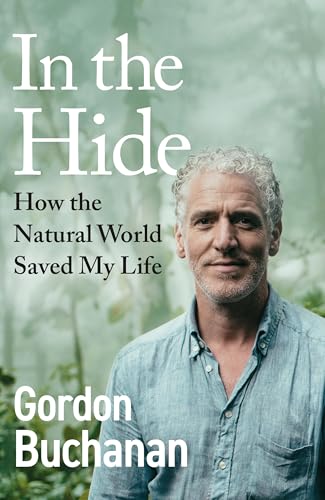
        The Haves and Have-Yachts: Dispatches on the Ultrarich – Evan Osnos

        The ultra-rich hold more of America’s wealth than they did in the heyday of the Carnegies and Rockefellers. Here, Evan Osnos’s incisive reportage yields an unforgettable portrait of the tactics and obsessions driving this new Gilded Age, in which superyachts, luxury bunkers, elite tax dodges, and a torrent of political donations bespeak staggering disparities of wealth and power.

        With deft storytelling and meticulous reporting, this is a book about the indulgences, incentives, and psychological distortions that define our economic age. In each essay, Osnos delves into a world that is rarely visible, from the outrageous to the fabulous to the a private wealth manager who broke with members of an American dynasty and spilled their secrets; the pop stars who perform at lavish parties for thirteen-year-olds; the status anxieties that spill out of marinas in Monaco and Palm Beach like real-world episodes of Succession and The White Lotus; the ethos behind the largest Ponzi scheme in Hollywood history; the confessions of disgraced titans in a “white-collar support group.” A celebrated political reporter, Osnos delves into the unprecedented Washington influence of Silicon Valley and Wall Street, drawing on in-depth interviews with Mark Zuckerberg and other billionaires, about their power and the explosive backlash it stirs.

        Originally published in The New Yorker, these essays have been revised and expanded to deliver an unflinching portrait of raw ambition, unimaginable fortune, and the rise of America’s modern oligarchy. Osnos’s essays are a wake-up call—a case against complacency in the face of unchecked excess, as the choices of the ultra-rich ripple through our lives. Entertaining, unsettling, and eye-opening, The Haves and the Have-Yachts couldn’t be more relevant to today’s world.

        The Power of Habits: Why Routines Run the Show, and What to Do About It

        People shape their days around habits, often without noticing. Habits make life easier but can trap people in cycles they’d rather not repeat. The science behind these patterns shows that old advice to just “try harder” is mostly noise. Building good habits and breaking bad ones takes patience, not willpower alone. Here’s why, what’s at stake, and what’s actually proven to work.

        Habits Are How the Brain Saves Energy
        A habit is any behaviour done automatically, usually triggered by a cue, an emotional state, a place, a time of day, or something else. The action is fast and feels effortless. Brushing teeth, checking a phone after hearing a buzz, or slouching after work are all habits. Scientists say habits exist because the brain is trying to save effort. By turning repeated actions into automatic routines, people stop wasting energy on small decisions. This automation lets people focus elsewhere.

        If habits are just brain shortcuts, why do some get stuck with routines that harm? That’s the catch: Automation works for useful behaviours, like fastening seatbelts, but also locks in snacking, nail-biting, doom-scrolling, and arguments. The brain doesn’t judge which habit is good or bad. If something brings a sense of reward after a cue, the pattern forms. The design isn’t moral, it’s mechanical.

        Some worry this means they have no control. But while habits are automatic, they’re not destiny. People can reshape them with the right approaches, though it rarely happens overnight.

        The Three-Part Structure of Every Habit
        Every habit follows the same core loop: cue, routine, reward. This loop explains both positive and negative routines.

        • Cue: A trigger, internal or external. For example, a feeling of boredom, the smell of coffee, or getting into a car.
        • Routine: The actual action; pouring coffee, checking emails, lighting a cigarette.
        • Reward: Some payoff for the brain, which could be relief, a surge of pleasure, or just a feeling of “job done.” Rewards cement the habit loop, making the brain more likely to repeat the process next time.

        Most don’t notice this loop at work. Routines often start with intention, maybe to avoid stress or just relax. Repetition ties the loop more tightly, making the action slip into autopilot. Once that happens, people aren’t making choices; the sequence just fires.

        Assuming anyone can “just snap out of it” ignores what makes habits tick. Conscious choice fades while automatic responses take over. That’s why change is tough.

        Good Habits: The Upside (and Limits) of Routine
        When habits reinforce healthy actions like exercising, saving money, and calling friends, life gets easier. People don’t have to use up willpower every day for small things; the brain handles routines behind the scenes. Good habits clear time and attention for bigger decisions.

        But even so-called positive habits have drawbacks. Relying too much on automatic actions may lead to boredom or a sense of living on autopilot. Sometimes, “good” habits like going to the gym every day become excessive or compulsive. Also, what counts as a good habit is partly context-driven. Working late might look productive, but it destroys sleep, for example. This complicates the idea that more habits are always better.

        Bad Habits: Trapdoors for the Mind
        Bad habits feel like prisons because they happen so easily, and resisting them uses up mental resources. They often start as reasonable responses: a cookie after a long day, scrolling through social media to unwind, but the problem is persistence. When the routine no longer serves a real need or actively harms, it’s hard to stop because the habit loop keeps firing.

        Research shows bad habits often draw strength from emotional cues: stress, fatigue, loneliness. These patterns can reinforce themselves, making it harder to break out as time goes on. This means that blaming a lack of willpower misses the real issue; habits keep running whether people mean them to or not.

        And the consequences can be serious. Overeating, procrastinating, smoking, and even repeated negative thinking have been linked to worse physical and mental health. Relationships strain, opportunities are lost, and self-esteem drops. Bad habits don’t just waste time; they can shape entire lives for the worse.

        Challenging Common Assumptions: Is It All About Choice?
        It’s common to hear that people just need to “decide” to change. But this view overestimates control. Once a habit forms, decision-making drops out, and the pattern repeats. People can’t outthink habits all the time.

        Others believe that one needs strong motivation every single day to build habits. Motivation matters, but it fades. Habits that require constant attention are weak. The way out is to create routines that get easier over time, not harder. Relying on willpower alone burns people out. Designing the environment or shifting cues is more powerful than relying on inner resolve.

        Some even claim that breaking bad habits is about “fighting the urge” until it goes away. This approach can backfire. Focusing on suppressing the action (and feeling guilty about failure) often reinforces the very behaviours people want to avoid. Awareness, curiosity, and replacing the habit work better.

        What Actually Works to Build Good Habits
        Building habits needs consistency and a bit of patience. Studies show it can take anywhere from 18 days to eight months to lock in a new pattern, with the average being around 66 days. The key is repeating the behaviour enough times in the same context until it happens almost automatically.

        Instead of big resolutions, small changes work best at first. Trying to become a marathon runner overnight leads to failure; walking five minutes a day is within reach and easier to repeat. Repetition, not intensity, is what matters.

        Setting clear cues helps. If the plan is to read more, tie it to a fixed time or place, like reading before bed or during coffee breaks. Preparing beforehand, like putting a book on the pillow, makes the routine harder to miss.

        Rewards also matter, even small ones. Feeling proud of sticking to a new practice helps lock it in. Sometimes, the reward is built into the activity (like feeling energised after a walk). But recognising and celebrating progress, no matter how minor, builds resilience.

        And, don’t panic about missing a day or two. Habits don’t crumble instantly. It’s consistency over the long stretch that counts. Adjust when mistakes happen, don’t abandon the whole routine.

        How to Break Bad Habits (Without Self-Torture)
        Breaking bad habits takes more than willpower. The first step is to identify the cues that set off the unwanted pattern. It could be boredom, stress, a certain location or group, or something as simple as the time of day. Writing down when, where, and why the routine happens brings awareness to an automatic process.

        Next, change the environment to make the old routine harder. Some call this “adding friction.” For example, if late-night snacking is the problem, move snacks out of easy reach or keep healthier options visible. If the habit is doom-scrolling, put the phone in another room after 9 p.m.

        Trying to stop a behaviour outright rarely works. Instead, focus on replacing the old routine with a new one that brings a similar reward. For instance, go for a quick walk instead of lighting up a cigarette, or keep your hands busy with a stress ball if nail-biting is the problem.

        Some find mindfulness helpful because it teaches people to notice urges without reacting to them. The point isn’t to judge but to observe what happens in the mind and body when the urge strikes. Over time, this makes the pattern weaker.

        Social support can also help. Telling someone about the intention to change increases accountability. Some even find joining a group or buddy system effective.

        Don’t expect to be perfect. Slip-ups are part of the process. When they happen, notice the pattern, adjust, and return to the plan. Shaming or harsh self-talk keeps the bad habit alive.

        Are There Habits That Can’t Change?
        Some believe certain habits are “hardwired” and can never change. For example, habitual anger outbursts or lifelong addictions. But science says the brain can create new routines when given the right support and enough time. Even deeply ingrained cycles can shift, though the process may take longer and require other forms of help, like therapy, medical support, or community structures. Nothing is fully fixed.

        But it’s equally fair to point out that some habits never go away completely; they just lie dormant. Situations or feelings might bring them back. A big life event can spark the urge to return to old patterns years later. This isn’t proof of failure; it’s just how habit wiring works. Awareness and maintenance are lifelong jobs. There’s no single finish line.

        Questioning the “All-or-Nothing” Trap
        Many believe that one slip-up destroys the whole effort to change a habit. This “all-or-nothing” thinking wrecks progress and confidence. Research says the truth is less dramatic. Skipping exercise once or having a bad day doesn’t erase weeks of effort. Patterns stick over time, not in a single day.

        In fact, seeing setbacks as learning experiences makes people more likely to succeed long term. The goal is steady improvement, not perfection.

        When Good Habits Turn Bad
        Some routines begin as helpful but turn harmful because of context or excess. For example, dieting can lead to disordered eating, or exercise can become an obsession. Habits aren’t just about the behaviours themselves, but about the relationships people have with those patterns. Too much focus on “maximum productivity” or “constant optimisation” can make habits a new source of stress rather than relief.

        Not every routine is worth keeping. And reflecting, sometimes critically, on why any pattern continues is necessary.

        Alternative Perspectives: Do Habits Matter As Much As We Think?
        Pop culture often suggests that every outcome in life comes down to daily habits. This is comforting but might be too simplistic. Life circumstances, random events, and bigger social factors shape behaviours. Personal discipline does matter, but it isn’t the whole story. Blaming failure or success only on habits ignores the fact that people operate in specific contexts: jobs, communities, health, and economic systems.

        Some critics say the focus on habits shifts responsibility away from fixing social problems to the individual. If someone can’t exercise because the streets aren’t safe, “motivation” won’t solve anything.

        That said, changing habits is still worth doing. But human lives are more than self-control marathons.

        Final Thoughts
        Habits run a lot of daily life, free up mental effort, and can be shaped one small step at a time. Good habits make things easier, but bad ones stick too because that’s what the brain is wired to do. Changing routines isn’t about sudden motivation, endless struggle, or shame. It’s about experimenting, making small shifts, and giving routines time to settle.

        Don’t expect changing habits to be easy. Don’t assume failure means defeat. And always question whether a habit, once formed, still fits the life wanted.

        2026 Week 13 Update

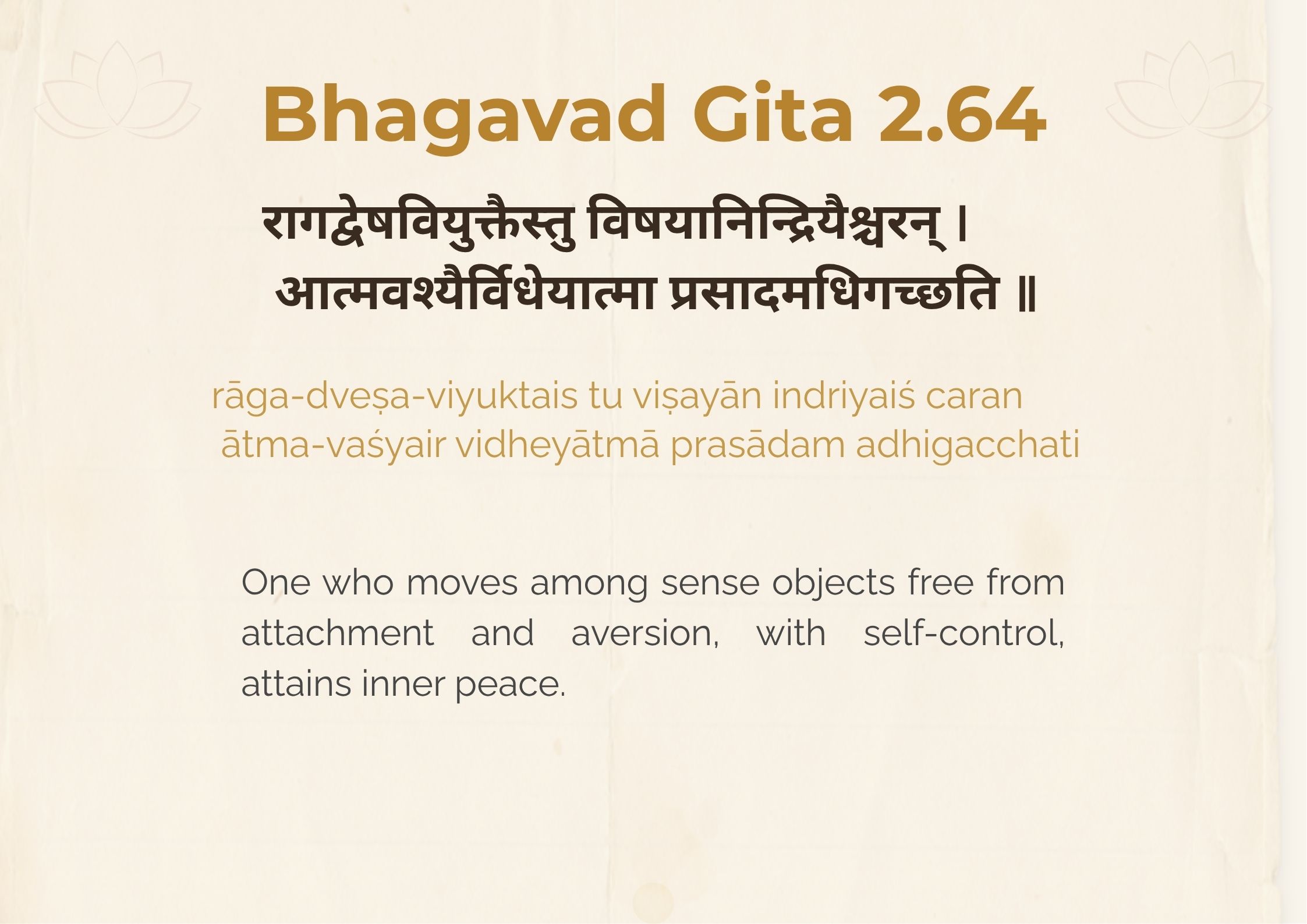
        If March has been about action, this week’s verse from the Bhagavad Gita is about what happens after action. We move. We try. We commit. And then comes the waiting, the outcome. This is where most of our unrest lives. Krishna’s instruction is deceptively simple: act, but remain steady in success and failure. Not indifferent. Not careless. Steady. Because the moment your emotional balance depends entirely on results, your courage becomes fragile. You work harder not out of purpose, but out of fear. You celebrate too loudly or collapse too quickly. Equanimity is not numbness. It is perspective. You give your full effort. You refine your skill. You align with the principle. But you refuse to let outcomes dictate your worth. A reminder that effort is mine; outcomes are not.

        This was a very hectic week, with back-to-back meetings, both physical and online and being rostered for an event. But even with all this back-and-forth, I managed to check all the boxes in my weekly to-do list, and I am really satisfied with how productive I was this week. I wish this were the case each week! One can only hope and wish for that to happen each week!

        World-renowned primatologist, anthropologist, and environmental activist best known for her groundbreaking research on chimpanzees in Tanzania, Jane Goodall is the author of this week’s quote. Through her work, Goodall transformed our understanding of animal behaviour and the connection between humans and the natural world. Beyond science, Goodall is a global advocate for conservation, sustainability, and compassion, inspiring individuals to believe that their actions, however small, can create meaningful change.

        This quote is both empowering and quietly demanding. It reminds us that our actions, no matter how small they may seem, are never insignificant. Every choice we make, how we treat others, what we prioritise, and what we ignore shapes the world around us in some way. The first part of the quote is reassuring; it challenges the common belief that individual actions don’t matter in the face of large, complex problems. Whether it’s kindness in a conversation, responsibility in our work, or awareness in how we live, our actions ripple outward. Influence doesn’t always look dramatic; often, it’s subtle and cumulative.

        The second part is where the responsibility comes in. This shifts the focus from passive existence to conscious living. It asks us to be intentional. Are we contributing positively? Are we creating value, compassion, and understanding? Or are we adding to noise, negativity, or indifference? There’s also an underlying call to ownership. We don’t get to opt out of impact. Even inaction is a form of action. So the real question is not whether we matter, but how we choose to matter. This awareness can be grounding. It simplifies life in a way: you don’t have to change everything, just be thoughtful about what you are shaping.

        In today’s motivation, the love you give always comes back to you. The efforts you make always bring results, often in ways you could never have imagined. Life doesn’t just take from you; it also gives. When something leaves, something else arrives. And what comes next is often far greater than anything you’ve experienced before. There is always more unfolding beyond what we can see in this moment. In the silence, in the uncertainty, there is an opportunity to practice patience, to surrender, and to show up in a way that aligns more deeply with your higher self. Do not give in to fear, even when the path ahead isn’t clear. Trust the rhythm of life. What you’ve sown is already taking root.

        And that’s all I have for you this week. Keep smiling and stay happy!

        In My Hands Today…

        Revolutionaries: The Other Story of How India Won Its Freedom – Sanjeev Sanyal

        The official narrative of India’s freedom struggle has almost entirely been about the non-violent political movement led by Mahatma Gandhi and the Indian National Congress. However, it is Sanjeev Sanyal’s contention that there was a continuous parallel armed struggle against British colonial rulers that can be traced to the very beginning of colonial occupation. It abated for a while after the First War of Indian Independence in 1857, but re-emerged from the beginning of the twentieth century.

        It is not that people are unaware of Rashbehari Bose, Chandrashekhar Azad, Bhagat Singh, Sachindra Nath Sanyal and Subhas Chandra Bose, but the impression one gets from reading historical accounts is that theirs were individual acts of courage that did not have an impact on the larger Independence movement. However, this is not the entire picture, as the revolutionary struggle operated through a conscious network that sustained armed resistance against the British for over half a century. They had well-developed institutions, thinkers and wide popular support. Indeed, as Subhas Bose demonstrated, they were capable of defeating popular candidates in the Congress’s internal elections.

        In Revolutionaries, Sanyal examines India’s freedom struggle from the revolutionary perspective, how the baton was passed from one generation to the next, and, ultimately, why the British were forced to leave India. The book presents an exciting story that interweaves intrigue, high drama, assassination, global espionage and treachery with the courage and heroism of the revolutionaries.