World Pulses Day

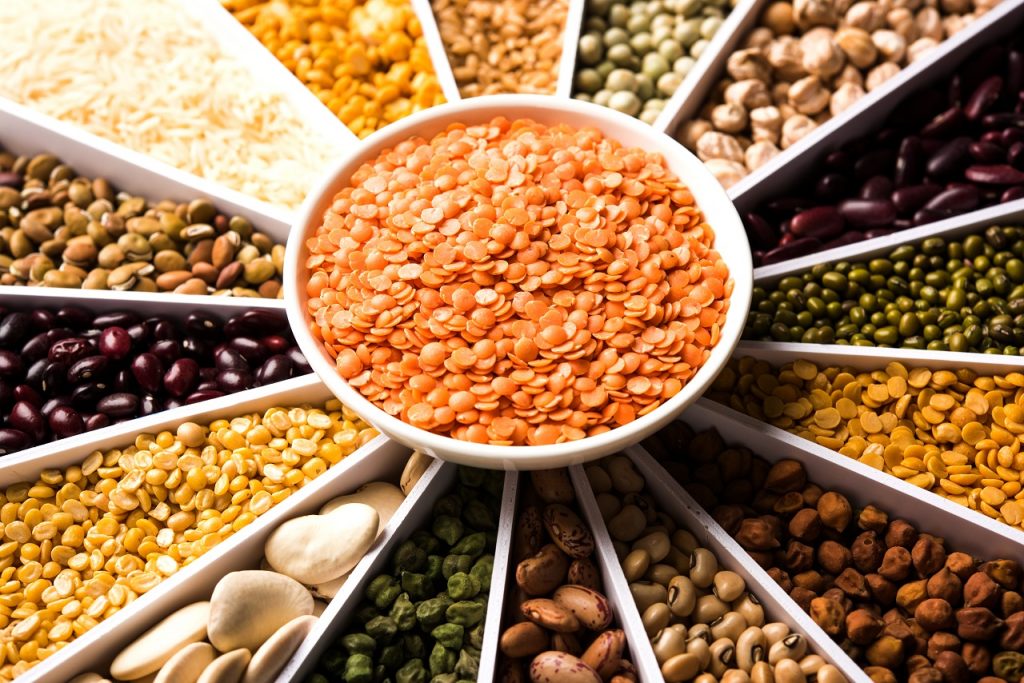
As a vegetarian, pulses are essential to our diet and there is no meal without pulses in some form or the other in our meal. Also known as legumes, pulses are the edible seeds of leguminous plants cultivated for food. Dried beans, lentils and peas are the most commonly known and consumed types of pulses. Pulses do not include crops that are harvested green like green peas and green beans which are classified as vegetable crops. Also excluded are those crops used mainly for oil extraction like soybeans and groundnuts as well as leguminous crops that are used exclusively for sowing purposes like the seeds of clover and alfalfa.

So why are pulses important crops? Pulses are packed with nutrients and have a high protein content, making them an ideal source of protein particularly in regions where meat and dairy are not physically or economically accessible. Pulses are low in fat and rich in soluble fiber, which can lower cholesterol and help in the control of blood sugar. Because of these qualities they are recommended by health organizations for the management of non-communicable diseases like diabetes and heart conditions and pulses have also been shown to help combat obesity.

In addition to the above, pulses are naturally low in fat and contain no cholesterol, which can contribute to reducing the risk of cardiovascular diseases. They are also low in sodium which is a contributor to hypertension. Pulses are a great source of plant-based protein. 100 grams of dry lentils contain a remarkable 25 grams of protein and during cooking, pulses absorb considerable amounts of water, reducing their protein content to around 8 percent. The protein quality of cooked pulses can be increased by simply combining them with cereals in a meal, like lentils with rice, classic Indian food combination. Pulses are a good source of iron and combining them with food containing vitamin C can help optimise optimise the absorption of iron in bodies from pulses, like lemon juice on a dal perhaps. Pulses are high in potassium, which supports heart health and plays an important role for digestive and muscular functions and are often quoted among the top high fibre foods, necessary for supporting digestive health and helping to reduce the risks of cardiovascular diseases as well as an excellent source of folate essential to the nervous system function and especially important during pregnancy to prevent foetal defects. They are low glycaemic index foods and help stabilise blood sugar and insulin levels, making them suitable for people with diabetes and ideal for weight management as well as being naturally gluten-free, they make an ideal food option for coeliacs.

For farmers, pulses are an important crop because they can both sell them and consume them, which helps farmers maintain household food security and creates economic stability. Pulses are also good for the environment because the nitrogen-fixing properties of pulses improve soil fertility, which increases and extends the productivity of the farmland. By using pulses for intercropping and cover crops, farmers can also promote farm biodiversity and soil biodiversity, while keeping harmful pests and diseases at bay. Pulses also contribute to climate change mitigation by reducing dependence on the synthetic fertilizers used to introduce nitrogen artificially into the soil. Greenhouse gases are released during the manufacturing and application of these fertilizers, and their overuse can be detrimental to the environment.

Recognising the value of pulses, the UN General Assembly on 20 December 2013, proclaimed 2016 as the International Year of Pulses which increased the public awareness of the nutritional and environmental benefits of pulses as part of sustainable food production. Building on the success of the International Year of Pulses, Burkina Faso proposed the observance of World Pulses Day and 10 February 2019 was proclaimed as the first World Pulses Day.

Most cultures and cuisines across the world feature pulses in some form or the other. The Indian cusine across states features pulses in different formats from the staple dals and sambars to other dishes like vadas and pakoras. Other dishes include the hummus and falafel from the Mediterranean made of chick peas, to a traditional full English breakfast which usually include baked navy beans, the Bandeja Paisa from Colombia. So try to incorporate some pulses in your daily diet for health!

In My Hands Today…

No Rules Rules: Netflix and the Culture of Reinvention – Reed Hastings and Erin Meyer

There has never before been a company like Netflix. It has led nothing short of a revolution in the entertainment industries, generating billions of dollars in annual revenue while capturing the imaginations of hundreds of millions of people in over 190 countries. But to reach these great heights, Netflix, which launched in 1998 as an online DVD rental service, has had to reinvent itself over and over again. This type of unprecedented flexibility would have been impossible without the counterintuitive and radical management principles that cofounder Reed Hastings established from the very beginning. Hastings rejected the conventional wisdom under which other companies operate and defied tradition to instead build a culture focused on freedom and responsibility, one that has allowed Netflix to adapt and innovate as the needs of its members and the world have simultaneously transformed.

Hastings set new standards, valuing people over process, emphasizing innovation over efficiency, and giving employees context, not controls. At Netflix, there are no vacation or expense policies. At Netflix, adequate performance gets a generous severance, and hard work is irrel-evant. At Netflix, you don’t try to please your boss, you give candid feedback instead. At Netflix, employees don’t need approval, and the company pays top of market. When Hastings and his team first devised these unorthodox principles, the implications were unknown and untested. But in just a short period, their methods led to unparalleled speed and boldness, as Netflix quickly became one of the most loved brands in the world.

Here for the first time, Hastings and Erin Meyer, bestselling author of The Culture Map and one of the world’s most influential business thinkers, dive deep into the controversial ideologies at the heart of the Netflix psyche, which have generated results that are the envy of the business world. Drawing on hundreds of interviews with current and past Netflix employees from around the globe and never-before-told stories of trial and error from Hastings’s own career, No Rules Rules is the fascinating and untold account of the philosophy behind one of the world’s most innovative, imaginative, and successful companies.

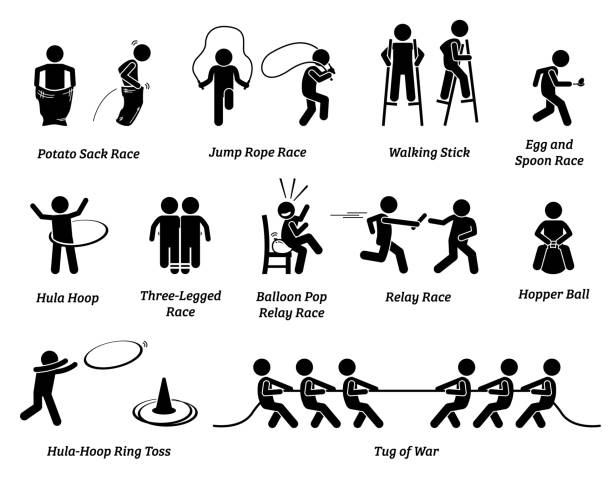
School Stories: Sports Day

A couple of weeks back, in our class WhatsApp chat, we started talking about our school days and the conversation veered towards our sports day. I enjoyed that conversation so much that I decided to take a trip down memory lane to reminisce about those days.

Our school sports day was the highlight of the second term, which happened after the Diwali holidays in the second term. The main sports day would happen sometime in December/early January before the class X students had their prelims.

Our school was divided into four houses and this was only for the secondary section. Unlike other schools, we didn’t have house named for flowers, national leaders or even landmarks. Since my school is a Parsi school, our houses were named for ancient Persian princesses. Selection of students to the different houses was completely random and we’ve tried to think of the various ways they may have done the choosing, but other than randomness, we have never been able to figure it out. In one family, you would have sisters in different houses, as it was in my house and also in my neighbour’s place where all the sisters were in different houses. I was in the green house while my sister was in the yellow house. As part of our school uniform, along with our school badge which was pinned on the top left of our uniform, above our hearts, we had to pin our house badge to the left of the school badge.

For a few months before the actual day, we would have what was known as indoor games as well as sports for which the school did not have the facilities to play and which needed to be played at a nearby gymkhana. These included sports like carrom, chess, badminton and table tennis. We also had some games like square ball and volley ball, which we played in our school grounds, competing with each other. The sports day was held in a small stadium not very close to the school, but in a centrally located area. A month or so before the actual sports day, we all trooped to the stadium for our heats. This was usually a half day and those of us who were not so inclined, used that half day to just chill and gossip with friends and cheer those who are competing. For children in the primary and kindergarten sections, they had their heats in a small garden behind the school.

In the days leading to the sports day, while the other events were held, we would anxiously keep track of the wins of each house and at the same time start the practice for the march past. Usually the class five students will be super eager to take part in the march past and would audition for the same. By the time we reached class eight, it was the other way around – we had to be forced to go down and take part. The march past contingent was made up of one girl who would carry the placard with the name of the house followed by the house captain who carried the house flag who would be followed by the march past contingent made up of 30 girls in 10 rows of three girls each. Every one on the field will be in white shorts and the school shirt which was our PE uniform and anyone representing a house will have a length of silk ribbon in the colour of the house stitched down both sides of their shorts.

The primary, kindergarten sections and any guests and parents sit together, but the secondary girls sit in their houses. This means that we would get very noisy, especially when we are cheering for our team and booing the opposition. The day’s finale was the march past and the house which scored the highest number of points aka the winner for the year had the honour of leading the march past. During my school years, it had always been the green house which led the march past with usually the red house coming second, the blue house at third position and the yellow house bringing up the rear. And usually, it would be the yellow house which would win the march past trophy. I only remember one year when I was probably in class 6, when there was a three-way tie for first position. Green, red and blue houses all tied and there was a toss to determine who would lead the march past and who would walk in second. I remember red house winning the toss and the captain of the house, who later became famous, was screaming and jumping with joy, because under her captaincy, the red house led the march past.

Our sports day would always be on a Sunday afternoon and would usually start around 2 pm and end around 6ish in the evening. We would go home tired but happy that day, especially since the next day used to be school holiday to help us (and more likely the teachers) recuperate from a hectic day.

This blog post was a blast to write as memories all kept flooding in and I wrote this post with a huge smile on my face. For most of us, our school days are the golden days which we remember fondly, with all the bad parts edited out. Maybe it’s our way of keeping our innocent and young years in our heart?

2021 Week 05 Update

This week was a version of Hell week for GG because she has two projects due on the same day and one of them which was a coding project had some issues which her group just could not resolve. Just when it seemed that they had to redo the whole thing within one day, they managed to reach out to their teacher who helped them, albeit with some reduction in their final marks and they managed to submit it in time. The second project has issues because of some people in the group, one of whom was out the whole day on submission day which pissed off the rest of the group. GG is so mad at this person that she has decided that moving forward, she will not be in the same group as this person if she can help it.

BB on the other hand had a usual week, though I can see him studying more this semester compared to the previous one. He is confident of scoring much better this semester, but I don’t want to push my hopes too high, but I did have a dream one day of a certain semester GPA, so I am optimistic cautious of perhaps a chance this dream does come true. I did dream of their O level scores and BB’s score was bang on, but I was off by one point for GG though.

This week I saw a news report which brought a smile on my face. The world has hit a milestone this week in the sense that more people have been vaccinated than have been infected world over. A total of 119 million vaccine doses have been administered till date while the number of infections has reached about 106 million now. Of the active cases more than 99% have mild conditions and less than 0.5% of patiebts are in a critical condition. The USA has more than 27 million cases till date and India has 10 million cases till date. But if you look at total cases per 1 million of population, India drops to the 119th position at 7791 cases per 1 million of population while the US is at number is at number 7 with 82,511 cases per 1 million of population.

The Chinese diaspora will be celebrating the Chinese Lunar New Year next week and to all those who celebrate this festival, Xin Nian Quai Le and a Happy Lunar New Year to you and your family. I remember the last year when the cases hit Singapore just after CNY and we are here one year later with the end still looking quite far away!

Here’s today’s positive thought. It’s one I should also practice myself because at heart, I seem to attract negative thoughts so I am going to aim this week to only think positive thoughts.

In My Hands Today…

Entitled: How Male Privilege Hurts Women – Kate Manne

In this bold and stylish critique, Cornell philosopher Kate Manne offers a radical new framework for understanding misogyny. Ranging widely across the culture, from Harvey Weinstein and the Brett Kavanaugh hearings to “Cat Person” and the political misfortunes of Elizabeth Warren, Manne’s book shows how privileged men’s sense of entitlement – to sex, yes, but more insidiously to admiration, care, bodily autonomy, knowledge, and power – is a pervasive social problem with often devastating consequences.

In clear, lucid prose, Manne argues that male entitlement can explain a wide array of phenomena, from mansplaining and the under-treatment of women’s pain to mass shootings by incels and the seemingly intractable notion that women are “unelectable.” Moreover, Manne implicates each of us in toxic masculinity: It’s not just a product of a few bad actors; it’s something we all perpetuate, conditioned as we are by the social and cultural mores of our time. The only way to combat it, she says, is to expose the flaws in our default modes of thought while enabling women to take up space, say their piece, and muster resistance to the entitled attitudes of the men around them.

With wit and intellectual fierceness, Manne sheds new light on gender and power and offers a vision of a world in which women are just as entitled as men to our collective care and concern.