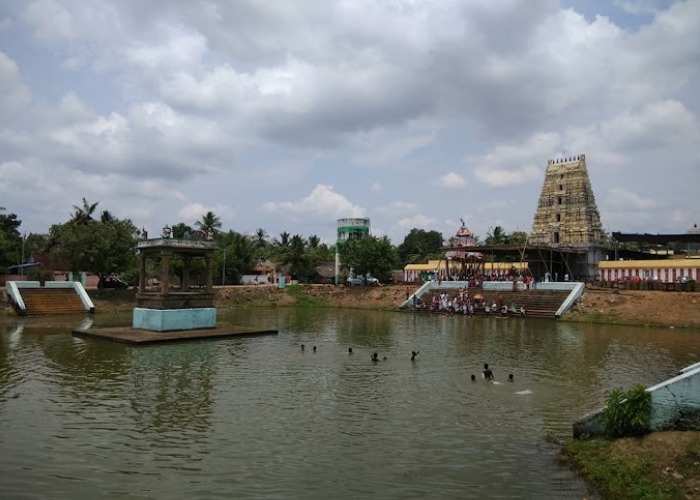
Thiruthetriambalam Temple, Thirunangur, Tamil Nadu
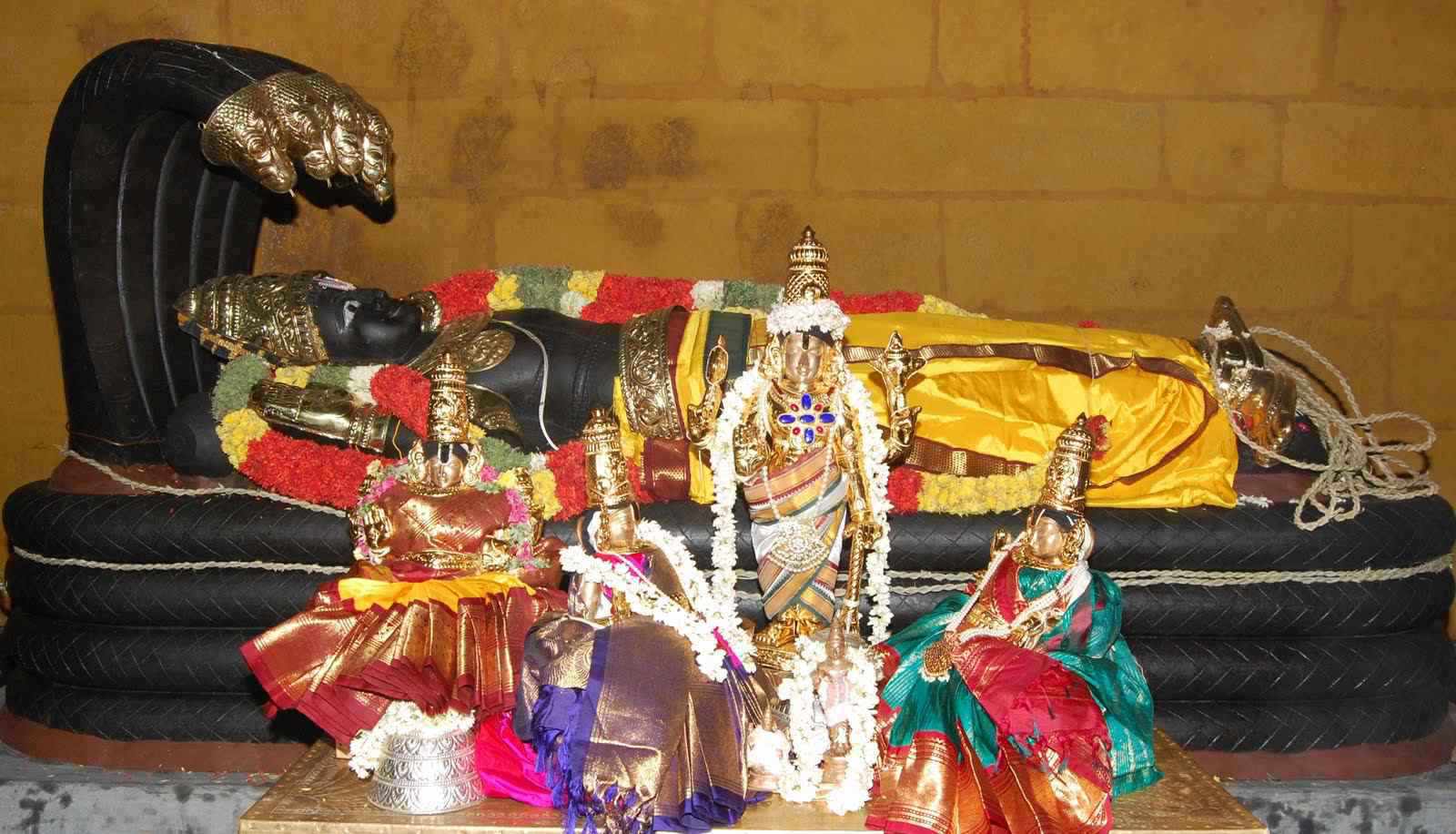
Thirunangur in Tamil Nadu is home to eleven small but deeply meaningful Divya Desams, each tied to the same dramatic legend of Shiva’s grief and Vishnu’s balancing presence. Among these shrines stands Thiruthetriambalam, dedicated to Senganmal Perumal and Sengamalavalli Thayar. The name Thetriambalam carries the idea of a resting or stable place: ambalam meaning space, hall or abode. Local belief says this temple represents a place where the divine rests calmly, watching over the region and offering quiet balance after periods of emotional or cosmic disturbance. Thiruthetriambalam is not a large temple, but it carries a grounding energy. It feels like a space where things slow down, settle and regain steadiness.
All the Thirunangur Divya Desams begin with the same myth. After Sati’s death, Shiva was overcome with grief and performed the fierce Rudra Tandava in this region. Each movement of his locks created eleven expansions of Shiva, filling the land with intense energy. The gods, worried about the growing imbalance, prayed to Vishnu. Vishnu arrived in eleven forms, one to calm each manifestation of Shiva. Thiruthetriambalam represents one of these stabilising forms. Local stories say that after subduing Shiva’s destructive energy, Vishnu chose this place as a spot to rest and observe calmly. This resting presence is not passive; it is watchful, protective and quietly alert. This myth gives the temple its emotional tone: a place to rest after struggle, a place to breathe after tension, and a space where the divine watches without judgment.
The deity here is called Senganmal Perumal. Sengal or Sengan refers to a reddish or rose-tinted hue. This colour symbolism is connected to compassion, warmth and protective strength. It is believed that Vishnu’s form here radiates gentle heat, not fire, but warmth, representing comfort, care and readiness to help. Thirumangai Alvar sang a verse about this temple, describing Vishnu as a deity who rests in this place while maintaining a watchful presence over the world. This hymn is associated with the temple in the Divya Desam tradition.
Thiruthetriambalam, like the other Thirunangur shrines, likely dates back to the early Chola period. The architecture and structural layout match the patterns found in rural Chola-era temples, including granite foundations, simple mandapams, compact sanctums, and minimal ornamentation. The temple is not a place of grand inscriptions or royal donations, its history is held in the memories of the villagers and the steady flow of daily pujas. During the Nayak period, the temple underwent small renovations: strengthening stone pillars, repairing mandapams and repainting walls. Community members have always played a major role in sustaining the temple. Donations of land, grains, oil and flowers kept daily worship alive. The temple’s survival is a result of devotion rather than political support.
The temple follows a simple layout, keeping with the modest style of the Thirunangur cluster. Key architectural features include a small entrance tower, an open courtyard, a short mandapam with stone pillars, a narrow pathway around the sanctum, a separate shrine for Thayar, traditional lamps and simple flower decorations. The temple tank lies nearby and is used during festival rituals.
Senganmal Perumal stands facing east, his expression is calm and steady, reflecting the idea of repose. The reddish hue associated with him in mythology symbolises warmth and compassion. This form represents Vishnu not as a warrior or king, but as a gentle protector. Sengamalavalli Thayar’s shrine softens the tone even more. She is often approached by devotees seeking emotional balance, stability in family life and inner calm. The mandapam is small, but the atmosphere is grounding. The cool stone floors, faint scent of sandalwood, and dim lighting create a sense of stillness. Even during festivals, the temple retains a calm centre.
Thiruthetriambalam follows a standard Vaishnavite worship pattern. The rituals are gentle and unhurried. Daily rituals include the Suprabhatam, Thirumanjanam, Alankaram with fresh flowers, Neivedyam, and evening deepa aradhanai. Priests perform the rituals with care but without elaborate ceremony. Major festivals include the Thirunangur Garuda Sevai, Vaikunta Ekadasi, the temple Brahmotsavam, Purattasi Saturdays, Krishna Jayanthi, and Rama Navami. Thiruthetriambalam is one of the eleven temples whose deity joins the Thirunangur Garuda Sevai, one of the most meaningful Vaishnavite festivals. The eleven deities are carried on Garuda vahanams. Devotees walk between the temples, chanting the Divya Prabandham. The festival reenacts the mythology of Vishnu calming Shiva’s energy. Because this temple represents repose and balance, many devotees pause here longer than at other temples during the circuit. People come to this shrine when they need rest after emotional strain, mental balance, relief from anxiety or overthinking, a sense of grounding, and protection without pressure. The temple’s atmosphere supports these intentions.
Visiting Thiruthetriambalam is a peaceful experience. The roads into Thirunangur are lined with fields, coconut trees and clusters of village houses. There is no noise or clutter. The temple entrance is simple. Stepping inside, the noise of the world seems to fade. The sanctum is small and close, allowing a feeling of immediate presence. The temple is usually quiet unless it is festival season. Unlike some shrines where movement is constant, this temple encourages stillness. Pilgrims often sit in the mandapam simply to rest, reflect or absorb the calm.
Thiruthetriambalam is usually visited after or before other Thirunangur temples. Its calmness creates a balance between the more emotionally intense shrines. Outside, there are a few small shops selling flowers and tea. Local residents often share stories or point directions with warmth. Though small, Thiruthetriambalam holds a quiet but firm place in Tamil Vaishnavite cultural memory. Thirumangai Alvar’s hymns and verses describe the deity as one who stands in watchful repose, restoring balance after cosmic disturbance. This hymn is recited during festivals and at family gatherings. The temple’s core message, rest after turmoil, has shaped local cultural beliefs. During Garuda Sevai, the temple becomes part of a living cultural tradition. Thousands gather, recitations fill the air, and the emotional energy of the festival binds the Thirunangur temples together. Local families visit regularly, not for grandeur, but for grounding. The temple has become part of the region’s emotional vocabulary.
The temple continues to operate smoothly with daily pujas and steady maintenance. Recent improvements include repainting of the walls, strengthening the structural pillars, cleaning the temple tank, and repairing the stone flooring. While social media and Divya Desam tourism have brought younger visitors, the temple has kept its quiet nature. There is no heavy commercialisation. Modern life is fast and often overwhelming, and so a temple like Thiruthetriambalam, centred on rest and balance, feels increasingly relevant. Devotees come seeking relief from mental fatigue, emotional clarity, and a place to feel unburdened. The temple offers all this through its presence, not through elaborate rituals.
Thiruthetriambalam stands among the Thirunangur Divya Desams as a shrine of rest, balance and gentle watchfulness. Senganmal Perumal represents the divine in repose: steady, compassionate and alert. The temple’s simplicity, mythology and emotional tone make it a meaningful pause in the Divya Desam circuit. Where other temples represent awakening, renewal or protection, this one represents restoration. In the spiritual map of Tamil Nadu, Thiruthetriambalam quietly teaches a simple truth: after intensity comes rest; after turmoil comes balance; and in stillness, the divine watches over you.
Thirumanikoodam Temple, Thirunangur, Tamil Nadu
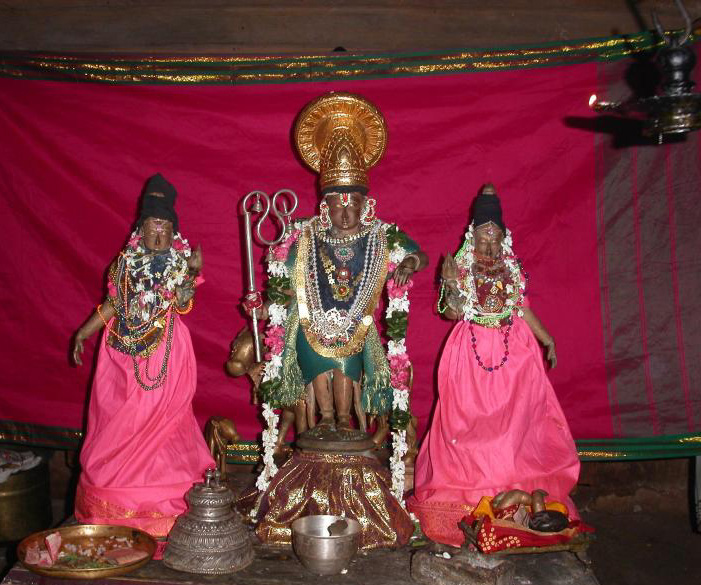
Thirunangur in Tamil Nadu is a quiet cluster of eleven Divya Desams, each shaped by the same ancient story of Shiva’s grief and Vishnu’s steady presence. Among these temples stands Thirumanikoodam, dedicated to Varadaraja Perumal and Thirumamal Nachiyar. The name Thirumanikoodam combines mani or gem, and koodam, or a place of gathering or coming together. Tradition says this is the place where divine light gathers, like gems reflecting each other’s brightness. The temple carries a gentle radiance, not loud or dramatic, but soft, clear and deeply calming. Of all the Thirunangur temples, Thirumanikoodam is often described as the one that brings inner light back to those who feel dimmed by life’s strain.
The Thirunangur temples share the story of Shiva’s intense grief after Sati’s death. This grief triggered the Rudra Tandava, a fierce dance that shook the land. Each movement created eleven forms of Shiva, radiating immense, unbalanced energy. To restore calm, Vishnu appeared in eleven different forms, one at each place where Shiva’s energy manifested. Thirumanikoodam represents one of these sacred balancing forms. Local lore describes the deity here as shining like a radiant gem. This brightness is not physical but symbolic, representing clarity, purity and gentle awakening. The myth says that when the gods felt overwhelmed by Shiva’s energy, they turned to Vishnu. Vishnu appeared in a form that brought clarity. His presence was like light entering a dark space, allowing everyone to see again. The word koodam also hints at a meeting point, a space where different energies gather harmoniously. According to tradition, this temple is where divine beings assembled to ask for guidance, and Vishnu reassured them, while the emotional and cosmic tension of Shiva’s grief softened. This story gives Thirumanikoodam a grounding identity of a place where scattered emotions come back together. Thirumangai Alvar, who visited all eleven Thirunangur temples, composed verses here describing Perumal as brilliant, steady and compassionate. His hymn has shaped the temple’s identity for centuries.
Thirumanikoodam has historical roots similar to the other Thirunangur shrines. The existing structure likely dates back to the early Chola period, with later enhancements made under local patrons. Historical influences include early Chola stonework, simple but strong structural design, Nayak-era repairs and mandapam additions, and community-supported maintenance. Unlike the large Chola temples built for kings, the Thirunangur temples reflect everyday devotion rather than political power.
The temple’s continuity came from local families who ensured lamps remained lit, daily puja materials were supplied, festivals were coordinated, and Alvar traditions were passed down. Because Thirunangur is tied so closely to Thirumangai Alvar, the area has always remained active in the devotional map of Tamil Nadu.
Like the other ten temples in this cluster, Thirumanikoodam is compact and structurally simple, but it has its own quiet charm. Key architectural elements include a small gopuram at the entrance, a mandapam with granite pillars, a compact sanctum, a pradakshina path around the inner structure, a separate shrine for Thayar, and traditional oil lamps and minimal decoration. The temple’s simplicity reflects the rural setting, it does not aim to impress but to soothe.
Varadaraja Perumal, the main deity faces east. He stands tall, with a serene expression, an embodiment of gentle leadership. Varadaraja means the king who grants boons, and the idol’s presence matches this role. The gem imagery associated with this temple reflects inner brightness, clarity, and a sense of quiet uplift. Thirumamal Nachiyar adds warmth to the temple’s tone. Her shrine is peaceful, and many devotees spend extra time here seeking emotional grounding. When sunlight falls into the courtyard in the morning, the temple glows softly. This natural light deepens the symbolic idea of mani, the shining gem.
Worship in Thirumanikoodam follows the traditional Vaishnavite rhythm. Daily rituals include Suprabhatam, Thirumanjanam, Alankaram, Neivedyam, and the evening deepa aradhanai. The rituals here feel gentle rather than formal, with the temple’s smaller size making worship feel personal. Major festivals include the Thirunangur Garuda Sevai, Vaikunta Ekadasi, the temple Brahmotsavam, Purattasi Saturdays, Rama Navami, and Krishna Jayanthi. During the annual Garuda Sevai, all eleven Thirunangur Perumals are carried on Garuda vahanams. The festival is both spiritual and emotional, especially because Thirumangai Alvar’s verses are sung for each temple. Thirumanikoodam participates fully, and its association with brightness and clarity adds colour to the festival. People visit Thirumanikoodam when they seek mental clarity, emotional lightness, relief from confusion, guidance during uncertain phases, and a sense of optimism returning. The temple’s name and mythology reinforce these themes.
Visiting Thirumanikoodam is a peaceful experience. The roads leading to Thirunangur pass through fields, quiet villages and open sky. The temple’s entrance is modest; inside, the air is cool and calm. You can hear light chanting or the sound of bells from other nearby temples. The sanctum is close to the entrance; there is no need to walk through multiple layers of halls. This directness reinforces the temple’s theme of clarity and light. Unlike some temples in the cluster that carry heavier mythological tones, Thirumanikoodam feels lighter, emotionally and spiritually. Pilgrims often sit quietly in the mandapam, watch the light fall into the courtyard, and pause before continuing the circuit. The temple feels like a moment of breath within the 11-temple journey. Simple flower stalls and small tea shops are located near the temple. Residents are friendly and help direct pilgrims around the circuit.
Thirumanikoodam plays a quiet but meaningful role in Tamil Vaishnavite culture. Thirumangai Alvar’s hymn for this temple speaks of divine light, grace and clarity. These verses are recited during festivals, household prayers and cultural gatherings. In local tradition, the temple symbolises the return of hope, the softening of heavy thoughts, and the gathering of inner strength. The temple’s participation in the Thirunangur Garuda Sevai keeps it deeply rooted in living cultural practice. During the festival, devotees decorate streets with kolams, traditional musicians lead chants, and families gather to witness the procession. This event ties the temple to the emotional memory of the region.
Thirumanikoodam remains active with daily pujas and periodic restoration. Recent improvements include the repainting of the inner and outer walls, the strengthening of the mandapam pillars, the cleaning of the tank during festivals, and the maintenance of the lighting and pathways. Though Divya Desam pilgrims now visit in larger numbers due to social media awareness, the temple retains its calm. People today often seek clarity more than anything else. Thirumanikoodam’s mythology and energy feel aligned with that need. It offers a mental reset, a quiet pause, and a sense of inner brightness returning.
Thirumanikoodam stands among the Thirunangur Divya Desams as a shrine of clarity, brightness and gentle reassurance. Varadaraja Perumal represents a god who uplifts without pressure and guides without overwhelming. The temple’s simplicity, its connection to the Alvar tradition, and its emotional tone make it a meaningful part of the Divya Desam journey. Where some Thirunangur temples represent awakening, grounding or rest, Thirumanikoodam represents light, a quiet, gem-like radiance that helps devotees return to themselves.