Travel Bucket List – India: Odisha Part 5

A state which is rich in natural resources, Odisha has some beautiful naure parks, wildlife sanctuaries and other natural beautities. This post is all about these nature’s bounties in the state.
Lake Chilika
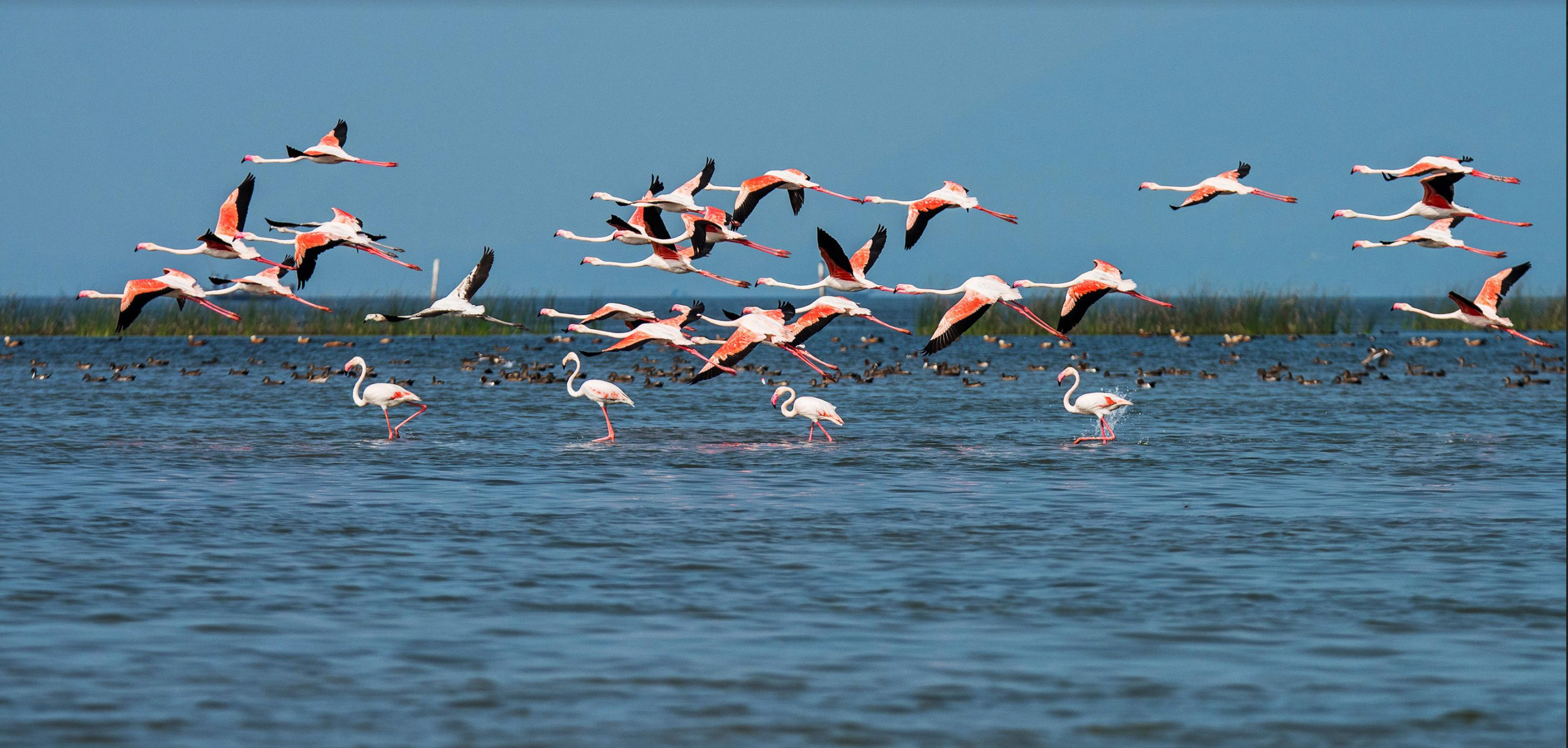
Chilika Lake is the largest internal salt water lake in Asia, a paradise for bird watchers and nature lovers. The pear-shaped lake is dotted with a few small islands and has fisheries and salt pans around its shore. The Chilika Lake also houses the most accommodating ecosystems in the world, which means a wide assortment of flora and fauna can be spotted here.

A geological survey has confirmed that Chilka used to be a part of the Bay of Bengal during the late Pleistocene period. The place has an important role to play in the history of India. During the rule of the Kalinga dynasty, Chilka was a bustling commercial centre and a prominent harbour. Ptolemy also talks about the Chilka Lake in his text as an important port.

Spread over an area of 1100 sq km, the Chilika Lake Sanctuary is also one of the most visited sanctuaries in the state. The Chilika Lake attracts an array of birds that choose this spot as their winter stopover, and come to visit this lake from as far as Iran, Siberia and Central Asia. The graylag geese, purple moorhen, flamingo, Brahminy Kite, spot-billed pelican, bar-headed goose, open-billed stork, pintail, king fisher, Egret, Avocet, gulls, tern, herons and white-bellied sea eagles are found here in large populations. In fact, the Chilika Bird Sanctuary is home to one of the largest breeding colonies of flamingos in the world.

Some of the interesting and visited places in this area include Bird Island where ornithologists flock in large numbers to witness birds in their natural habitat and Nalabana which is a huge island in the centre of the lake that gets completely submerged during the monsoon months and a designated bird sanctuary. There is also Kalijai Island which is considered to be the abode of Goddess Kalijai. The temple located here has an interesting history to it – it is widely believed that a young girl named Kali, and her sister who later came here looking for her, were both drowned in this island and the residents vouch to have heard their cries. Upon the construction of a temple, the cries ceased, and since then, the place has had a significant religious value. The location is easily accessible via a boat from the Chilika Lake and is a must visit at the time of Makar Sankranti, when the Makar Mela takes place. Then there is Satapada Island which is surrounded by the lagoon on three sides and attracts visitors because it is home to the flagship species of the Chilika Lake, the Irrawaddy dolphins. This island is one of the only two lagoons in the world where this endangered species can now be found. You can easily reach this the island via boats arranged by the Odisha Tourism Development Corporation (OTDC). Other islands, including the Breakfast Island, Beacon Island and Honeymoon Island are also popular attractions that tourist love to visit. Please ensure that when you travel on boats in the lake, you only travel on the ones that have been provided by OTDC, since other local boats do not have life jackets.

The best time to visit the Chilika Lake is the winter months between October to March, when you can see the sheer variety of migratory birds coming there plus you had the added benefit of cooler weather and daytime temperature remains pleasant. Do avoid the monsoon season between June to September.
Tikarpada Wildlife Sanctuary
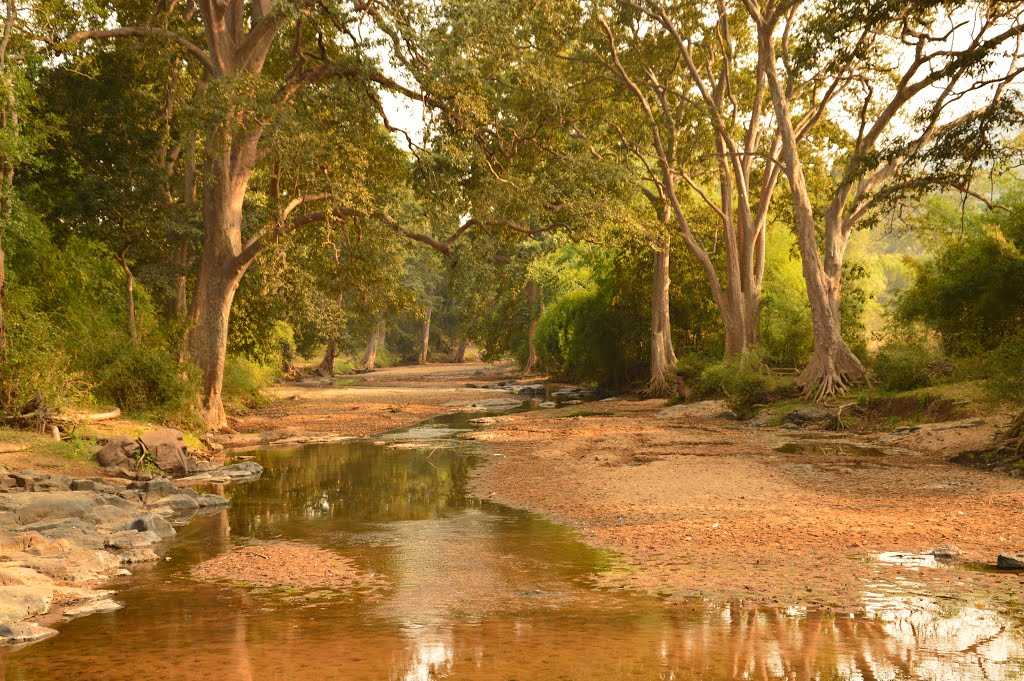
Spread across a lush 795.52 acress, the Tikarpada Wildlife Sanctuary enthrals visitors with its overwhelming beauty, lush green surrounding, the ever cherished rambling of River Mahanadi besides the very famous Satkosia gorge and the large variety of wild animals, birds and plants. The speciality of Tikarpada is its efforts towards bringing back the endangered gharials or crocodiles. The gharials that find their home here at the Gharial Sanctuary, who were reintroduced in the Mahanadi River ecosystem to increase the level of their population.

Sometimes thunderous and sometimes calm river Mahanadi renders the opportunity for fish angling, or to motor-boat or river rafting across it. You can choose to trek or camp in the sanctuary as well. This a perfect destination for the lovers of nature, wildlife and adventure.

Tikarpada has tropical climatic conditions and so the months between September to March are the best months to visit this place.
Satkosia Tiger Reserve
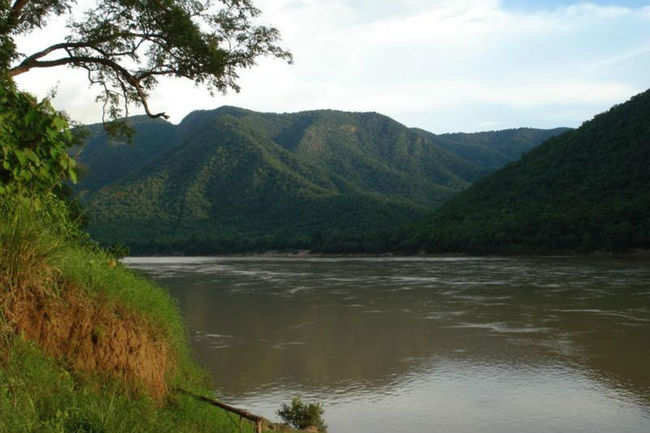
Satkosia spreads along the magnificent gorge over the mighty river Mahanadi in Odisha. Located around 160 km from Bhubaneswar, this sanctuary created in 1976 is home to tigers in the deciduous forests of the Eastern Ghats. The name Satkosia originates from two words; sat meaning seven and kos meaning two miles, indicating the length of the gorge as 14 miles or 22 km. The area was declared as Satkosia Tiger Reserve in 2007, comprising two adjoining wildlife sanctuaries; the Satkosia Gorge sanctuary and Baisipalli sanctuary. It is also home to elephants, birds and other animals that can be spotted in the wild. The reserve has an area of 963.87sq km with 523.61sq km as core area. The area is also a part of the Mahanadi elephant reserve. Satkosia is the meeting point of two bio-geographic regions of India; the Deccan Peninsula and the Eastern Ghats, contributing immense biodiversity.

When boating, one can spot the river-inhabitants being the Gharials or the Indian fish-eating crocodile. The Mahanadi River passes through a 14 mile long gorge, being the reason why the town was named Satkosia from Saat Kros, Kros being an old local measurement.

There are various lodging options operated by the Odisha Forest Development Corporation in Satkosia. You can also visit the neighbouring Kuanria Deer Park & Dam and the Kantilo Neelamadhav Temple.

Bhitarkanika National Park & Wildlife Sanctuary
Located at a distance of 120 km from Cuttack in Odisha, the Bhitarkanika Wildlife Sanctuary is a one of a kind sanctuary that sprawls over 650 sq. kms and boasts of rich marine vegetation, salt tolerant varieties of trees and plants, rivers and creeks. Home to some of the rarest species in the world both in terms of flora and fauna, the sanctuary is mainly known for its species of reptiles especially crocodiles, however, it also attracts a plethora of migrant species like Olive Ridley Sea Turtles, Asian Open Bill, Black Ibis, Egrets, and Darters etc. In the winter (which is the ideal migrating season for avifauna species), you can find as many as 215 species of migratory birds.

The highlight of the wildlife sanctuary is the rare white crocodile that can grow up to 23 feet. Another attraction of the region are the sprawling mangrove trees making it the second largest mangrove forest in India. There are several entrances available for the park, the most popular one of which is boating from Khola to Dangmal. This entrance allows you to walk through the dense forests and experience the rich ecosystem in all its glory. The visitors can also choose to stay at the forest guest houses if they want to spend the night maidst bounteous nature and rich wildlife.
Simlipal National Park
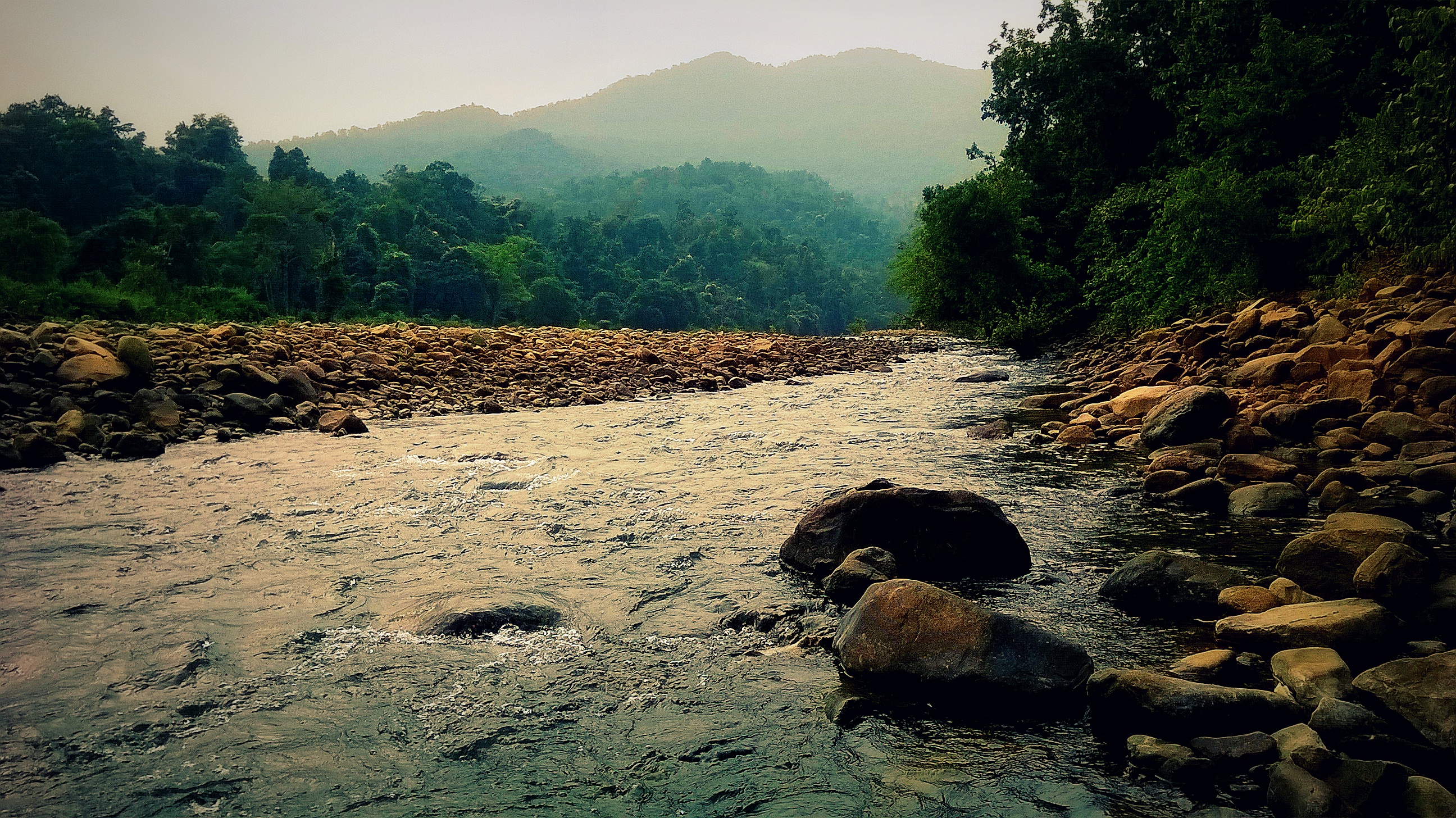
Reflecting the natural beauty of a bygone era, the Simlipal National Park is a beautiful and scenic place. Situated in Mayurbhanj, it once used to be a hunting ground for the rulers of the province. Simlipal is the largest wildlife sanctuary in India and is also considered as one of the principal tiger projects in India. It is part of the Mayurbhanj Elephant Reserve, which includes three protected areas — Similipal Tiger Reserve, Hadgarh Wildlife Sanctuary and Kuldiha Wildlife Sanctuary. The Simlipal National Park derives its name from the abundance of red silk cotton trees growing in the area and is the 7th largest national park in India. The area is rich with dense forests, striking meadows, startling waterfalls and beautiful rivers. It is blessed with great bio-diversity and huge varieties of fauna that make it a great place to engage in wildlife sightseeing! Simlipal Reserve is home to more than 1000 varieties of plants. It has around 96 species of orchids that are endemic to the forest. Baripada is the nearest town to Simlipal and can be considered a gateway to the same.

The park has some beautiful waterfalls like Joranda and Barehipani Falls. It is home to Bengal tiger, Asian elephant, gaur, and chausingha. Besides Simlipal provides habitat fo as well as an orchidarium. This protected area is part of the UNESCO World Network of Biosphere Reserves since 2009.

Duduma Waterfalls
The 175-metre high horsetail type, single fall cascade of Duduma waterfall tears through the rugged rocks of the Eastern Ghats and the dark green deciduous forest that is so widespread in this region. It creates an exhilarating scene amidst the rustic greenery right along the border of Andhra Pradesh and Odisha. Formed by the Machkund river, which gets its name from the pilgrimage site Matsya Kunda near Paderu in Andhra Pradesh, the fall has two sub-waterfalls, one on the Odisha side and the other on the Andhra Pradesh side. The grandeur of the falls is at its full display especially during and after the monsoon. Along with the picturesque waterfall, there is also a hydel power project plant and a customary dam to facilitate it. With prior permission from the authorities, you can pay a visit to the powerhouse and get a first-hand experience of how this alternate source of energy is created. Located around 70 km from Jeypore, Duduma attracts those who love nature and want to explore places beyond the stereotypical boundary of tourism.

Chandaka Forest
The Chandka Elephant Sanctuary is a wildlife reserve located in the south fringe of Cuttack and is nestled on Khurdha uplands of the Eastern Ghats biotic region. The Chandaka Forest is spread over 175.79 sq km of rolling table land and small sprawling hillocks in the Khurdha and Cuttack districts. It was designated as an elephant reserve in December 1982. The floral diversity is distributed in six types and the Indian elephant is the flagship fauna species. There are a number of watch towers for visitors to observe wildlife. While the Kochilaberana, Pitagadia and Charichhak watch towers are excellent for observation of birds and animals, the ones at Kumarkhunti and Ambilo have the comfort of rest houses where one can make a night halt. There are also two water reservoirs, Deras Dam and Jhumka Dam, situated within the reserve. The cottages near Deras provide a scenic view of the Chandaka reserve and a chance to see wildlife.

Kotgarh Elephant Reserve
Situated in the Baliguda subdivision of the Kandhamal district the Kotgarh Wildlife Sanctuary is classified as an Eastern Highlands moist deciduous forest. Around 52 tribal villages such as Kutia Kondh and Desia Kondh inhabit the sanctuary. Designated and proposed reserve forests include Madagoda, Haripur, Lassery, Bonduru, Supamaha, Killangi, Subarnagiri and Guma. A known tiger habitat, the forest patch is adjacent to an old elephant corridor from Boudh, Karlapat and Lakhari valley in Gajapati district’s Gandahati waterfall region. The Kotgarh sanctuary is nominated to be a part of the proposed 14 elephant corridors for safe movement of the elephants which frequently come out of their habitation in search of food and water.
Karlapat Wildlife Sanctuary
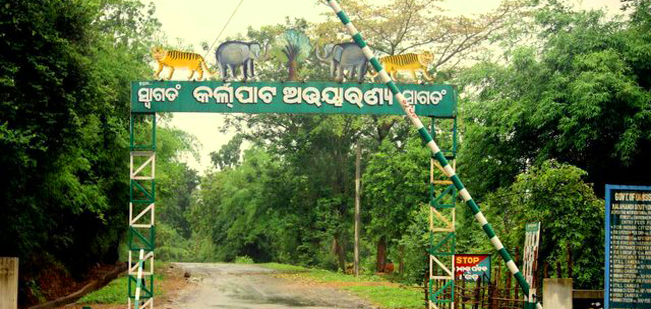
The Karlapat Wildlife Sanctuary is located in the Kalahandi district and a very popular tourist attraction Located around 12 km from Bhawanipatna, the district headquarters of the Kalahandi district, the sanctuary covers an area of 175 sq km and lies within the Eastern Highlands moist deciduous forests ecoregion. A beautiful waterfall, ‘Phurlijharan’ has been developed as a picnic spot for the local visitors and draws large number of visitors from far off places in and around Kalahandi District. The sanctuary is home to a plethora wildlife animals and birds.The sanctuary is rich in wildlife such as leopard, gaur, sambar, nilgai, barking deer, mouse deer,soft claws ottawa, a wide variety of birds and reptiles. The undulated topography of the sanctuary, with hills, valley, perennial streams and deep water pools give it an unique charm.


2020 Week 13 Update

Another week and news about Covid-19 seems not to abate. We are not hearing any good news from anywhere and I am frankly tired of battling the fake news that seem to poliferate most Whatsapp group chats!

On Sunday evening, India announced a 21-day lockdown and this was really disturbing to me. I was so worried about my elderly parents, that I didn’t sleep for about three days. They had groceries and vegetables for about two or three days, but didn’t know what they would do after that. I started reaching out to friends living in Mumbai and my school group really came up for me. They sent me links to resources that can help my parents and one of my friends also said she would help them buy groceries if necessary. That was such a huge relief, that I was able to have a good night’s sleep that night!

The US has now overtaken China as the country with the largest number of cases and as of yesterday, we have had quite a few celebrities, high profile people and heads of state testing positive to Covid-19. A cousin commented that this virus seems to be very egalitarian as it does not discriminate against anyone! But jokes aside, the damage to the world’s economy may take years or even decades to mitigate. Most airlines have grounded their fleet and Singapore Airlines, Singapore’s flag carrier has grounded about 96% of it’s fleet and this image shared in Singapore was so sad! It is said that most of the airlines will go brankrupt by May if things continue in the same vein.

Source

As of yesterday, according to the WHO, there are more than 500,000 confirmed cases worldwide across more than 200 countries with more than 23,000 people succumbing to this disease. Here’s the link to the WHO Dashboard if you want to see the latest figures. Most countries also have their own national dashboards, so google for your own dashboard if you already don’t know of it. There’s another dashboard by Bloomberg whose figures are higher than that of the WHO, so perhaps this is updated frequently. According to the Bloomberg Dashboard, we have had almost 600,000 confirmed cases with close to 28,000 deaths. Please note the figures that I am quoting from the various dashboards may have changed when you read this post, so please do your due diligence before quoting me!

Most of us are now working from home and children kept from school. Stay safe and healthy as we all overcome this pandemic, the first major outbreak in our lives. Stay safe, stay healthy and don’t venture outside unless you need to.

I am going to leave you with this super adorable video released by the Shedd Aquarium in Chicago who allowed their penguins to walk around the closed aquarium to meet other inhabitants!

In My Hands Today…

Sacred Waters – Meira Chand

Orphaned as a child and widowed at thirteen, Sita has always known the shame of being born female in Indian society. Her life constrained and shaped by the men around her, she could not be more different from her daughter, Amita, a headstrong university professor determined to live life on her own terms. While trying to unravel the mysteries in her mother’s past, Amita encounters a traumatic event that leads her down the path of self-discovery.

Unfolding simultaneously, their stories are set against the dramatic sweep of India’s anti-colonial struggle in the 1940s, and move between past and present, from rural India to the chaotic Burmese battlefront where Sita experiences life as a recruit in the Indian National Army, to modern-day Singapore. Richly layered and beautifully evocative, the novel is a compelling exploration of two women’s struggle to assert themselves in male-dominated societies of both the past and the present.

Travel Bucket List – India: Odisha Part 4

After seeing the inland towns and cities of Odisha, let’s turn to it’s coastal cities. With a long coastline and the eastern boundary of the state being the Bay of Bengal, there are some stunning beaches in this state.

Source

Konark
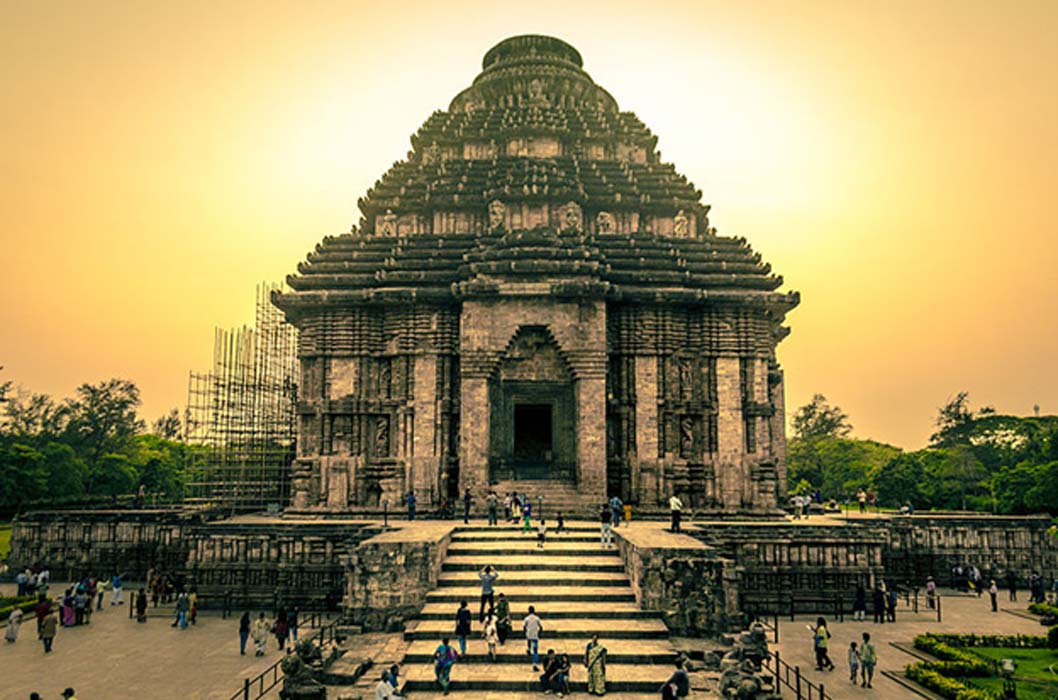
65 kms south of Bhubaneshwar, Konark is set like a jewel against the stunning backdrop of the Bay of Bengal. One of the wonders of India, the carvings of the Konark Sun Temple, a UNESCO World Heritage Site, attract large flocks of tourists throughout the year. Along with the marvelous temples, the city has a lovely beach and an engrossing archaeological museum to explore.

Source

The Konark Sun Temple is a UNESCO World Heritage site and one of the prime tourist attractions of Odisha along with the Puri Jagannath Temple. Built in the form of a giant rath or chariot of the Sun God, it depicts the chariot being pulled by a set of seven horses, four on the left side and three on the right. It has three deities dedicated to the Sun God on three different sides of the temple which catch the direct rays of sun in the morning, afternoon and evening. There is also a dedicated archaeological museum inside the temple complex. The temple transforms into a stage during The Konark Dance Festival, which is held every year usually in February for five days and attracts a lot of foreign and Indian tourists. The Sun Temple is one of the last standing structures from before the fifteenth century in the country. The sun rays reach the Nata Mandir from the coast and reflect through the diamond at the centre of the idol. The idol is believed to float mid-air due to arrangements of the magnets at the top of the temple but they were later removed due to the disturbance caused to ships and technology. An engineering and artistic masterpiece, the Sun Temple reflects the artistic genius of architects and sculptures of an ancient time despite the fact that much of the temple in ruins today. The Sun Temple complex also houses shrines, such as the Mayadevi Temple and Vaishnava Temple, which are popular among visitors.

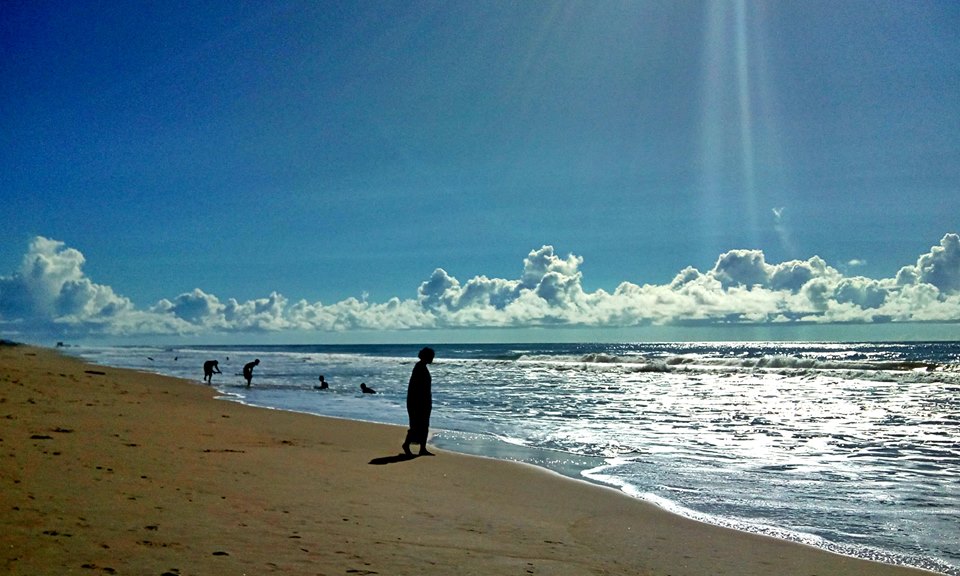
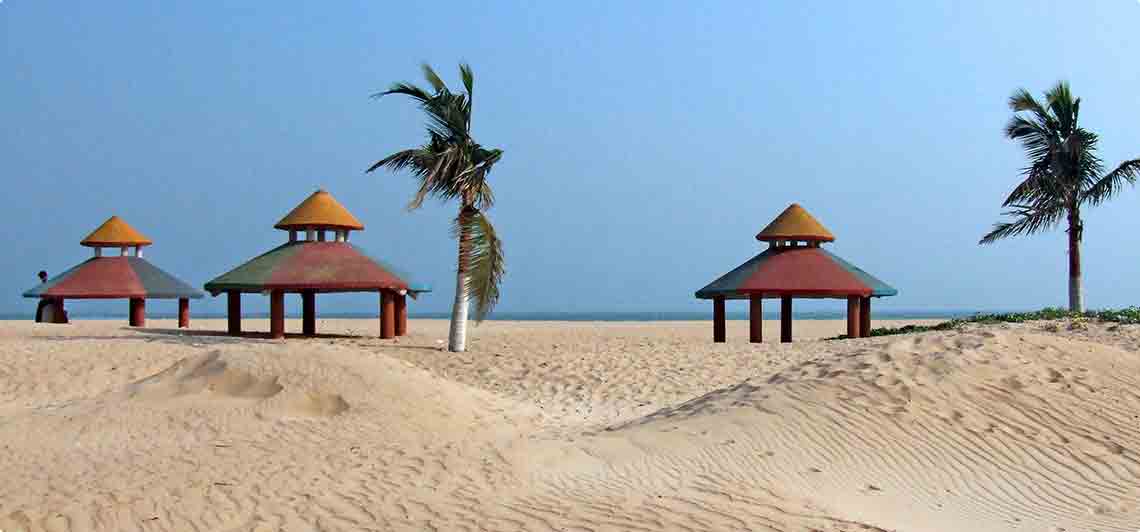
Situated 3 kms east of Sun Temple where the Chandrabhaga river joins the sea is the Chandrabhaga Beach, one of the most beautiful and pollution free beaches in the country. Owing to its immaculately clean shores and crystal clear waters, the beach has been awarded with the Blue Flag Certification by the Foundation of Environmental Education (FEE), a tag given to environmental friendly beaches which meet their stringent standards. Lined with tall trees and vast expanse of golden sands, the beach holds cultural and historical importance as well. Several cultural festivals and religious fairs are held here frequently which attract a lot of pilgrims and devotees to the beach. During the annual Chandrabhaga Fair, the beach takes on a very different look and comes alive with people, colours, light and activities. Go to the top of the lighthouse standing near the beach to take in the beach, sea, people and activities.

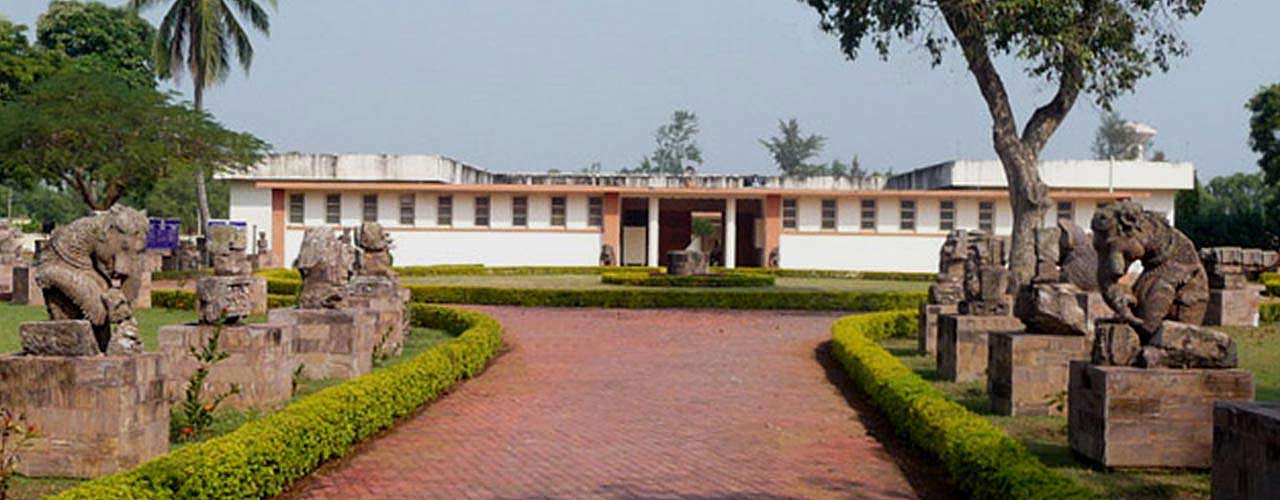
The Archaeological Museum is situated outside the Sun Temple and houses some unique artifacts which reflect the essence of Oriyan art form. The museum has 250 different kinds of antiques recovered from the Sun Temple. The museum started operating from its present location in 1968, when the fallen structures and archaeological remains of the Sun Temple were shifted to the present museum. The museum comprises of four galleries which preserve around 260 antiques that have been retrieved from the clearance work of the Sun Temple like carved stones, images of Surya Narayana and erotic sculptures. Besides these, the museum also displays images of various other monuments and archaeological sites of Odisha. The museum is open from 10 am to 5 pm everyday except Friday.

Source

Astaranga meaning “colourful sunset” is a magnificent beach located near the mouth of the Devi river at a distance of 19 km from Konark. As the name suggests this beach is famous for the picturesque views that it provides during the sunset. The sky takes on vivid hues and the blue water in juxtaposition of it makes the whole place look magical. The beach is also a famous fishing village and every morning a market is set up on the beach from where you can purchase the different varieties of fresh fish. During the winter months the beach becomes a safe haven for the Olive Ridley turtles who nest here in large numbers and can be seen crawling on the sand. The best time to visit this beach is in the winter between October and March. There is a sufi shrine located at the edge of the beach is which is dedicated to Saint Makhdum Jahanganst. Visited by people from all faiths, the umbrella and wooden shoes of the saint are kept as relics.

Chaurasi is small village situated on the right bank of river Prachi. This place is famous for its temples dedicated to Barahi, Amareshras and Laxminarayanan. Barahi, also known as Varahi, is the name of Mother Goddess whose temple was built in the first quarter of the 10th century. Goddess Barahi is depicted to have a boar face and a pot belly, holding a fish in one hand and a cup in the other. She has a third eye on her forehead and is worshipped according to the tantric rituals. The temple is lavishly decorated and has a rectangular porch at the superstructure level. Tourists flock to have a glimpse of the unique Barahi deity, who is offered fish everyday. The other two temples dedicated to Laxminarayan and Amareshwar also attract visitors.

The Kakatpur Temple is located in a small village called Kakatpur on the Puri-Astaranga road around 30 km from Konark on the banks of river Prachi. Goddess Mangala is the chief deity of the temple and this temple has a link to Puri’s famous Lord Jagannath Temple. On the occasion of the Nabakalebara or the festival of restoration of the idols, the priests from the Lord Jagannath Temple come to Goddess Mangala at the Kakatpur Temple and pray to her to help them find the sacred trees to create the new idols for Jagannath, Subhadra and Balabhadra. Jhamu Yatra is a popular festival celebrated in the Kakatpura Temple. It falls on the first Tuesday of the Hindu calendar month of Baisakh, during April 14 to May 15, every year.

Source

The Ramachandi Temple, located around 5 km from Konark is the temple of the reigning Lord of Konark, Ramachandi, on the banks of Kushabhadra river. The temple is famous as one of the Sakta Pithas of Puri. The main temple is built on a raised platform and has figures of the Sun God on three walls of the temple – the south, west and north walls. Goddess Chandi, the reining deity, remains seated on a lotus flower inside the temple. This temple is believed to be more ancient than the Sun Temple of Konark. There is a beach near the temple which is a popular picnic spot among locals, especially young couples.

A unique place near Konark, Kuruma is a small village about 8 km from the Sun Temple. This place gained fame after excavations were carried out in this small hamlet from 1971 to 1975. The findings include a high wall and antique images of Heruka or Dharma, Sun God and Buddha. This place then became popular as a Buddhist tourist spot. The excavated site was believed to be constructed in the 9th–10th centuries and is believed to have been a Buddhist monastery. The idol of Buddha discovered at this place is seated in a cross-legged position. The right hand of the idol is in Bhumisparsha mudra and it has the left hand resting on the left knee. The image is a decorated one, with a beautiful crown and a wonderfully engraved necklace.

Paradeep
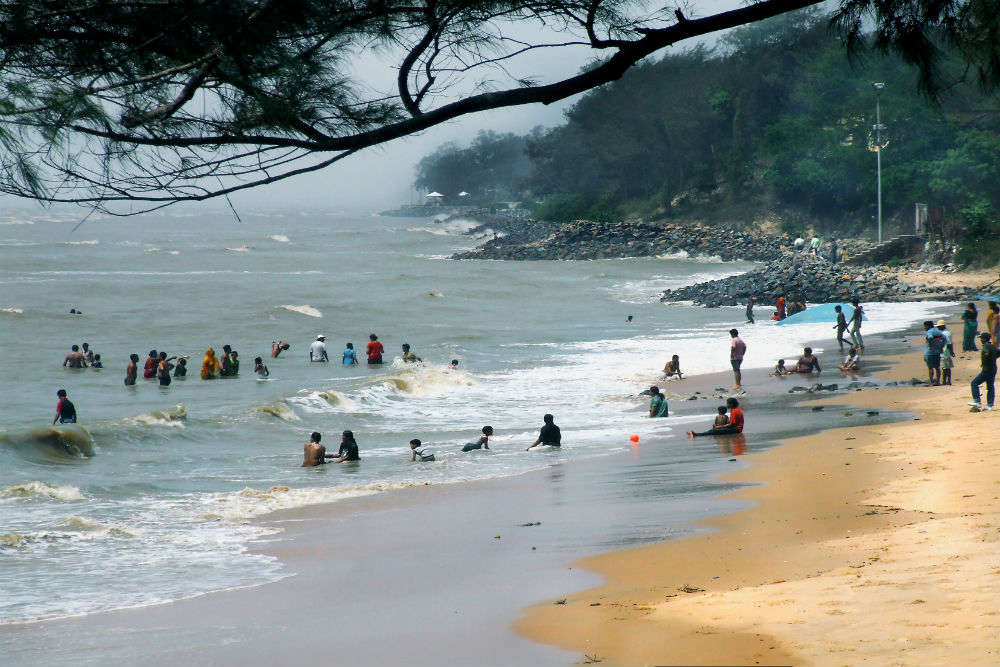
Paradip or Paradeep, is located at the confluence of Bay of Bengal and Mahanadi and is one of India’s busiest ports as well as the oldest and largest in the state. In addition to the busy dockyard, the city also has some amazing beaches that offer amazing views. Boasting of golden shimmering sands, indigo blue waters, lined with huge rock boulders, laced with emerald green forests and adorned with a quaint island is actually and estuary of the river Mahanadi. The dash of rocks at the side offers an amazing marine drive and make for an ideal day-out destination. Don’t forget to try the famous Paradeep Lassi, also known as the Gaveskar Lassi made from coconut. It is available both at the beach and in the town.

A towering light house is also situated on the beach which allows tourist to come have a look from the inside. The light house is only open from 5-5:30 pm so make sure you plan your visit to the lighthouse accordingly.

The Gahirmatha Beach located close to Paradeep beach is home to a rare species of white crocodiles, and is famous for white monitor lizards, sea turtles, migratory birds as well as deer. The Bhitarkanika National Park, a forest with mangroves criss-crossed by rivers and streams, can take you a hundred years back in history when man, nature and animals lived in harmony. The the beach has lately become a hub for nesting for olive Ridley sea turtles.

Source

The Paradeep Marine Aquarium houses an astonishing collection of vibrantly colourful fish. The in-house museum boasts of 28 splendid tanks with vast varieties of fresh water and marine species of fish and other aquatic animals.

The Smruti Udyan has been dedicated to the lives of thousands of people who died during the massive cyclone of 1999 that hit Odisha. The lush green garden at the front blooms with vibrant flowers ideal to spend an evening.

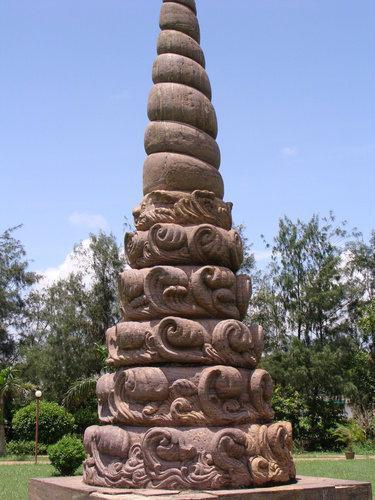
The Jagannath Temple is a tribute to India’s secular make-up. A 60-feet pillar called the Aruna Stambh is constructed at the entrance of the temple and has engraved holy symbols of Hinduism, Islam, Sikhism and Christianity. The most popular festival at the Jagannath Temple is the Car Festival where non-Hindus also take part enthusiastically in drawing the chariot and in other festivities.

Located at a short distance of 12 kms from the Paradeep Beach, Nehru Bangla is just the guest house where the first Prime Minister of India Pandit Jawaharlal Nehru stayed at when he came to inaugurate the Paradeep Port. The guest house has now also been converted into a tourism spot for people who want to go have a look.

The Hanuman temple is yet another prominent attraction here. Dedicated to Lord Hanuman, the tiny mandir invites pilgrims from the all over the city to pay homage. Tuesdays are the most crowded days of the week at the temple.

Gopalpur
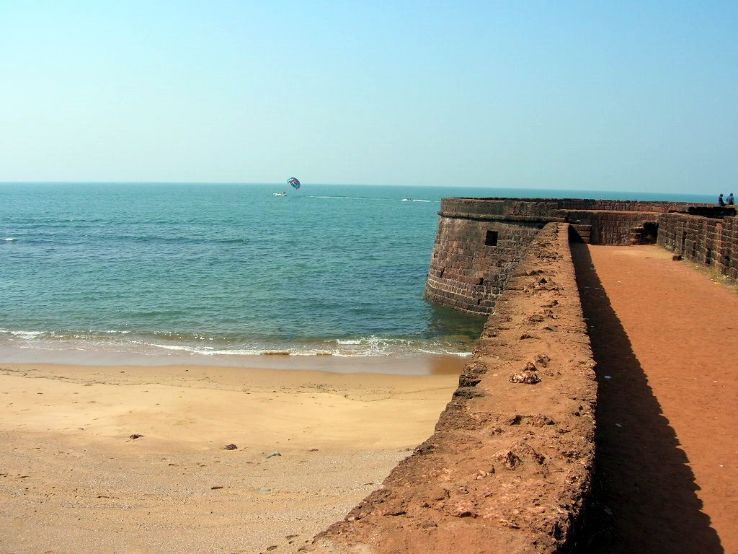
A small coastal town around 15 km from Berhampur and close to the border with Andhra Pradesh, Gopalpur lies towards the south of the state. Gopalpur also has an ancient, commercial port, now lying in ruins. Under the ownership of the Soraine family the village grew in wealth, from an obscure little fishing village, Gopalpur became a prominent trading port. The family built the port, the lighthouse and the Albert Hotel and established both a local fishing industry and a trade route with Burma. What was once a bustling port city before being deserted, is today, one of the best beaches in the eastern coastline of the country. It is know for being an offbeat destination and a place for relaxation. The beaches are sparkling gold which along with the azure water of the Bay of Bengal providing a perfect place to relax and immerse yourself in nature.

The Gopalpur beach is a luxurious beach and is popular for being one of the few sites in India where Olive Ridley Turtles nest. Flanked with coconut and casuarina groves, it is a perfect outing for a languorous weekend. The beach, also known as ‘Gopalpur-on-Sea’ has a calm and soothing coast. It is famous for hosting the annual Gopalpur Beach Festival and offers up the possibility of experiencing a number of aqua sports.

One of the most popular landmarks of the beach is its lighthouse which offers a marvellous 360 degree view of the entire city of Gopalpur, the azure waters of the Bay of Bengal and some parts of the Chilika Lake. One can also see the exotic red crabs casually strolling on the beach’s lonely coast! The lighthouse is a great place for photographers, both professional and amateur, to capture amazing photos of the town and beach

Aryapalli Beach is an absolutely gorgeous beach during high tide at sunset. The coastline of Aryapalli Beach falls in the rain-shadow of the region, so the beach get a fair amount of rain during the monsoon season. The beach is a quiet and charming place where visitors can relax and refresh. It is a cherished experience that one gets by visiting the place. The best time to visit the beach is between the months of October and June. Surfing, sun bathing and swimming are a few leisure activities that are popular with visitors.

Sonepur Beach is considered by most of the tourists as one of the best beaches in the entire state of Orissa. Located on the borders of Andhra Pradesh and Orissa, this beach divides the sea from the main land along with the River Bahuda. Sonepur Beach is a natural beauty untouched by human civilization. This beach is quite close to Berhampur, just at a drive of around 11 km. You can take a motor boat services to the sangam or meeting point of the river and the Bay of Bengal.

The Maa Tara Tarini Hill Shrine is considered as one of the oldest shrines of Maa Tara in the entire country. It is situated on the Kumari Hills on the banks of the River Rushikulya, just a few kilometres away from the coastal town of Gopalpur and about 13 km away from Berhampur, the nearest railway station. Thousands of devotees visit the place on a regular basis in order to get the auspicious blessings of the Mother Goddesses. There are two Goddesses in the temple, Maa Tara and Maa Tarini beautifully ordained with gold and silver ornaments. They are believed by the locals to be the manifestations of Adi Shakti. The temple is also considered as one of the ancient Shakti Peethas of India.

Chandipur
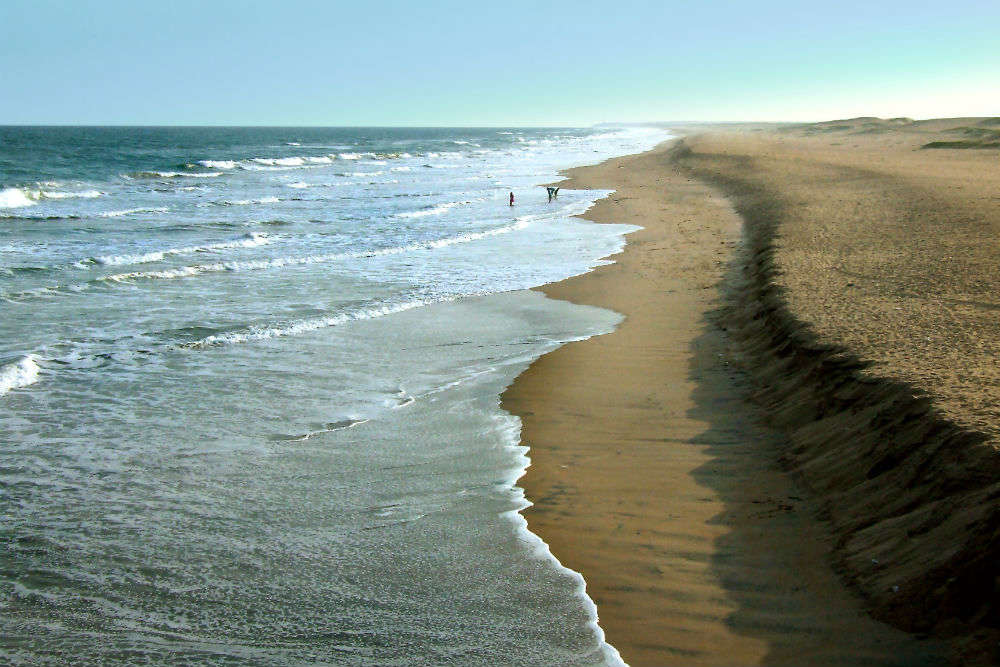
16 km from Baleswar railway station, Chandipur is famous for its disappearing sea. A quaint seaside town which offers complete serenity and tranquillity, this is the best place if you want to relax and spend some quality time either alone or with your loved ones. India’s missile testing launch pad is also located here and missiles like Agni, Prithvi, Akash and Shaurya can be seen here. You can visit this testing range by taking special visiting permission from the authorities. Chandipur is also famous for its sea food and sweets which are a huge hit with tourists. Chandipur is at its best during winters when the cool breeze by the beach hits you as you walk along the seashore.

The Chandipur Beach’s unique specialty is the ebb tides that recede around 1 to 4 km during low tides and they tend to disappear rhythmically. The beach has spectacular views of the rising and setting sun. When the water disappears, you can even take jeep ride towards the sea. The sea disappears during the day in this beach and locals call this this the “Hide and Seek Sea”. Watching the sea disappear and miraculously reappear as it plays with you is an unforgettable experience that will leave you in awe of the miracles of nature. During the time when the sea receeds, you can walk deep into the actual seabed. In fact, when you walk on the beach when it has receded, only your feet get submerged into the shallow water and get surrounded by moist sand; so if you take a picture from afar, it looks as if you are actually walking on water.

The Panchalingeshwar Shrine, lies around 36 km from Chandipur and is located amidst the dense green vegetation and rocky hills of the Nilagiri Hills. It is popular for the Shiva shrine which is located on the hill top. Five Shiv Lingas which are born naturally in the middle of two large rocks with a stream flows over these Lingas. A temple has been built by the side where priests perform rituals and worship the deity. You need to climb 263 steps to get to the temple which start at the foot of the hill.

The town of Nilagiri or Blue Mountain is located around 32 km from Chandipur and where the Panchalineshwar temple is situated on one of the hills. The name comes from the apparent blue colour of the hills. The royal palace and the Jagannath temple adjacent to it are are must-vist places in this town. You can get to see the antique gold and diamond ornaments along with the royal clothes worn by the then Kings and Queens of Nilagiri kept for display inside the palace. The spectacular Khumkut Dam, close to the town can also be checked out.

Bhitarkanika, located at a distance of 206 km from Chandipur, lies at the delta of Bhramani, Baitarani and Dhamra rivers. Embellished with exotic wildlife and lush green forest, Bhitarkanika sees tourists pretty much throughout the year. Visitors have to take permission for entry from the Forest Authority of Bhitarkanika. To reach the place, one has to take a boat ride from Khola to Dangmal which is the only means of communication. The ride is very enthralling as one can witness the second-largest mangrove ecosystem in India. Bhitarkanika has a National Park encompassed by the Wildlife sanctuary. Gahira Matha beach lies nearby which acts as a separator between the jungle and the Bay of Bengal. Rich in flora and fauna, Bhitarkanika is home to exotic and endangered wild species like white crocodiles, saltwater crocodiles, monitor lizards, pythons, king cobra, darters and many more. Birds from Central Asia and Europe migrate here creating an added advantage for tourism

In My Hands Today…

A Harvest of Thorns – Corban Addison

This image has an empty alt attribute; its file name is 29492073.jpg

In Dhaka, Bangladesh, a garment factory burns to the ground, claiming the lives of hundreds of workers, mostly young women. Amid the rubble, a bystander captures a heart-stopping photograph—a teenage girl lying in the dirt, her body broken by a multi-story fall, and over her mouth a mask of fabric bearing the label of one of America’s largest retailers, Presto Omnishops Corporation.

Eight thousand miles away, at Presto’s headquarters in Virginia, Cameron Alexander, the company’s long-time general counsel, watches the media coverage of the fire in horror, wondering if the damage can be contained. When the photo goes viral, fanning the flames of a decades-old controversy about sweatshops, labour rights, and the ethics of globalization, he launches an investigation into the disaster that will reach farther than he could ever imagine – and threaten everything he has left in the world.

A year later, in Washington, D.C., Joshua Griswold, a disgraced former journalist from the Washington Post, receives an anonymous summons from a corporate whistleblower who offers him confidential information about Presto and the fire. For Griswold, the challenge of exposing Presto’s culpability is irresistible, as is the chance, however slight, at redemption. Deploying his old journalistic skills, he builds a historic case against Presto, setting the stage for a war in the courtroom and in the media that Griswold is determined to win—both to salvage his reputation and to provoke a revolution of conscience in Presto’s boardroom that could transform the fashion industry across the globe.