Travel Bucket List: India – Consolidated List of all States

As I started planning my travel, I started relying on my research for where to go and found it slightly ungainly to search through all the material I have to reach a specific destination. So here’s a consolidated list of all Indian states, in alphabetical order with the cities and towns next to each part which makes it easier to get to the place you are interested in.
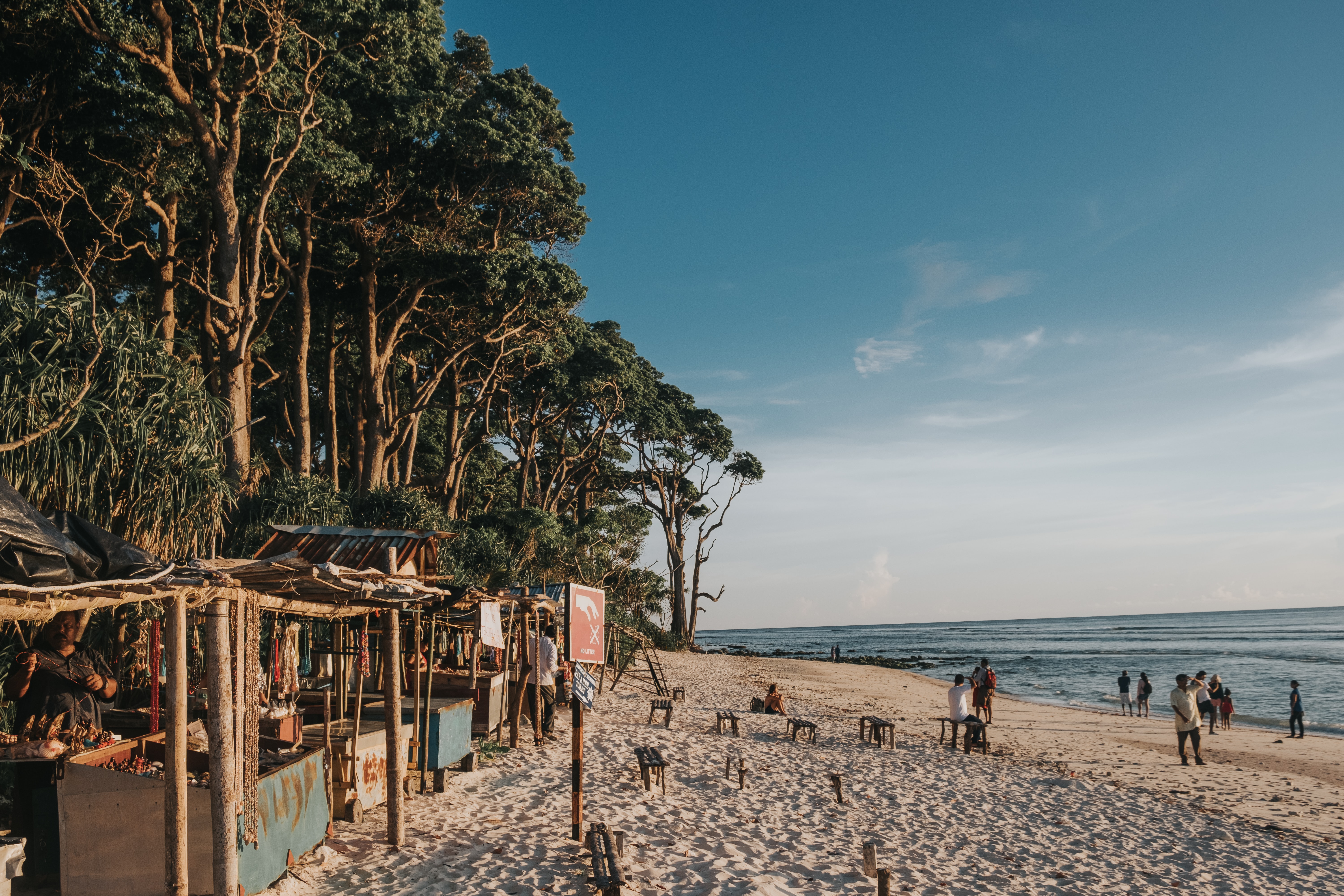
Photo by Ravigopal Kesari on Unsplash

Andaman and Nicobar Islands
Part 1 – Introduction and Overview
Part 2 – Port Blair
Part 3 – Corbyn’s Cove Beach, Wandoor Beach, Viper Island, Ross Island, North Bay Island, Red Skin Island, Middle Andaman Island, Long Island, Baratang Island, Parrot Island, North Passage Island, Guitar Island
Part 4 – Aves Island, North Andaman Island, Diglipur, Stewart Island, Ross & Smith Island, Jolly Buoy Island, Havelock Island
Part 5 – Neil Island, South Andaman Island, Rutland Island, Little Andaman Island, Cinque Island, Barren Island, Narcondom Island, Kathchal Island, Campell Bay & Indira Point
Part 6 – Mahatma Gandhi Marine National Park, Chidiya Tapu, The Chidiya Tapu Biological Park, Mount Harriet National Park, Saddle Peak National Park, Campbell Bay National Park, Galathea National Park, Middle Button Island National Park, North Button Island National Park, South Button Island National Park

Photo by Gowrisha CV on Unsplash

Andhra Pradesh
Part 1: Introduction and Overview, Vishakhapatnam
Part 2: Araku Valley, Vizianagaram, Annavaram, Samalkot, Kakinada, Rajahmundry
Part 3: Amaravathi, Vijayawada, Machilipatnam
Part 4: Guntur, Chirala, Nagarjunakonda, Srisailam, Cumbum, Nellore
Part 5: Kurnool, Mantralayam, Gandikota, Tadipatri, Anantapur, Puttaparthi
Part 6: Lepakshi, Horsley Hills, Chittoor, Srikalahasthi, Tirupati

Photo by Mayur More on Unsplash

Arunachal Pradesh
Part 1: Introduction and Overview, Itanagar, Bhalukpong
Part 2: Bomdila, Tawang
Part 3: Ziro, Yinkiong, Mechuka, Roing, Tirap
Part 4: Khonsa, Changlang, Miao, Anini, Pasighat, Aalo, Daporijo, Anjaw, Tezu
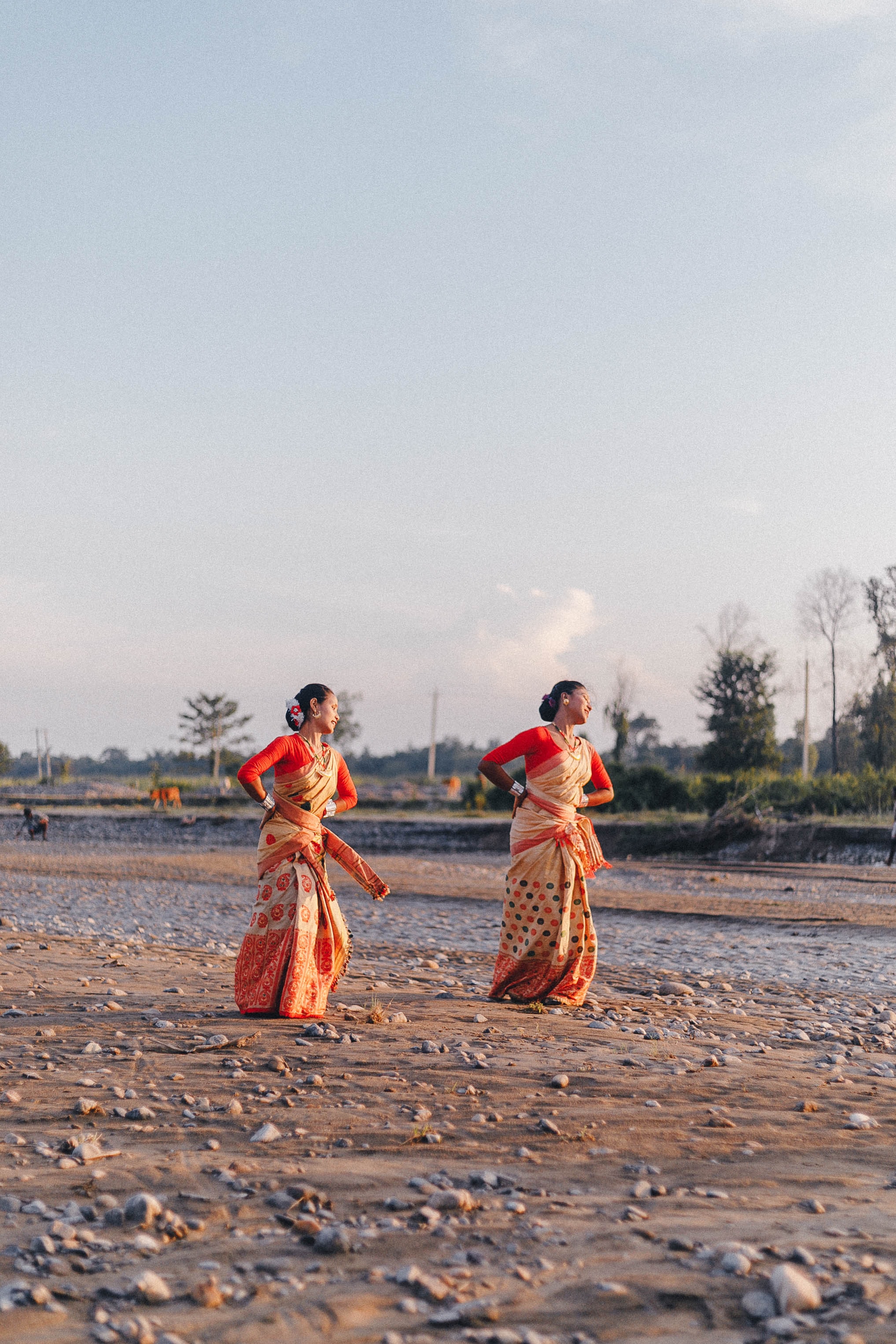
Photo by Nilotpal Kalita on Unsplash

Assam
Part 1: Introduction and Overview, Guwahati, Dispur
Part 2: Kokrajhar, Bongaigaon, Goalpura, Barpeta, Nalbari, Hajo, Sualkuchi
Part 3: Darrang, Mayong and Morigaon, Nagaon, Tezpur, Jorhat
Part 4: Sivasagar, Majuli, Dhemaji, Dibrugarh, Tinsukia, Digboi
Part 5: Sadiya, Haflong, Jatinga, Diphu, Karimganj, Hailakandi, Silchar
Part 6: Raimona National Park, Manas National Park, Orang National Park, Kaziranga National Park, Nameri National Park, Dibru Saikhowa National Park, Dihing Patkai National Park

Photo by ARTO SURAJ on Unsplash

Bihar
Part 1: Introduction and Overview
Part 2: Patna
Part 3: Hajipur, Nalanda
Part 4: Rajgir, Sasaram, Kaimur
Part 5: Bodh Gaya, Vaishali
Part 6: Muzzafarpur, Sitamarhi, Madhubani, Lauriya Nandangarh, Bhagalpur, Valmiki National Park Tiger Reserve and Wildlife Sanctuary
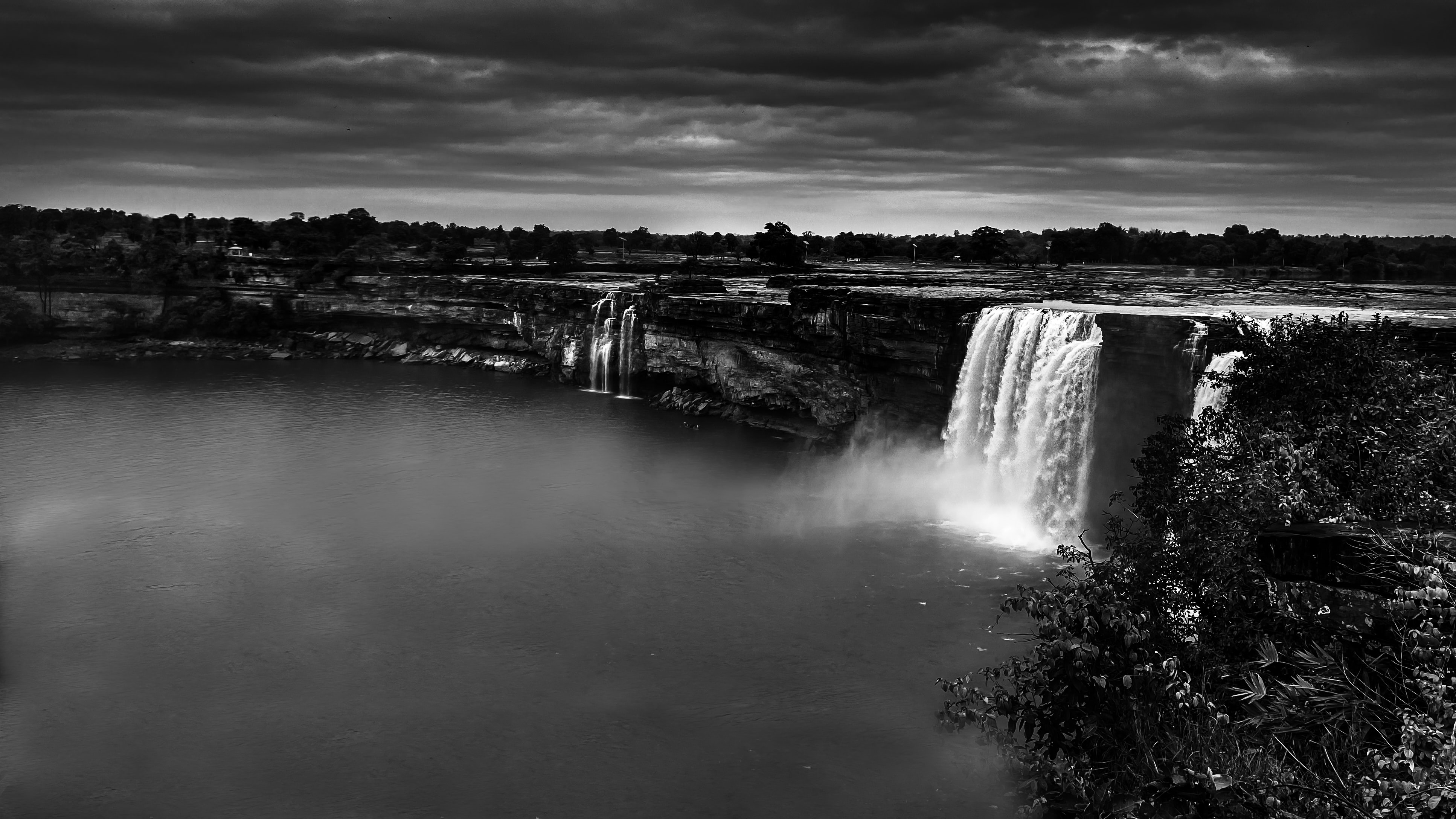
Photo by Ayiman Mohanty on Unsplash

Chhattisgarh
Part 1: Introduction and Overview, Raipur, Champaran
Part 2: Bhilai, Durg, Rajnandgaon, Chirmiri, Madku Dweep, Bhoramdeo Temple, Guru Ghasidas National Park
Part 3: Achanakmar Tiger Reserve, Bilaspur, Raigarh, Korba, Ambikapur, Barnawapara Wildlife Sanctuary, Mainpat, Malhar
Part 4: Mahasamund, Sirpur, Rajim, Jagdalpur, Dhamtari, Dhamtari, Dantewada, Kanger Ghati National Park

Dadra and Nagar Haveli and Daman and Diu
Part 1: Introduction and Overview, Daman
Part 2: Diu
Part 3: Dadra and Nagar Haveli

Delhi
Part 1: Introduction and Overview, India Gate, Red Fort, Qutub Minar, Jantar Mantar, Rajghat
Part 2: Iron Pillar, National War Memorial, Rajpath, Rashtrapati Bhavan, Agrasen Ki Baoli, Ghalib Ki Haveli, Alai Darwaza/Minar, Bhool Bhulaiya ka Mahal, Purana Qila,
Part 3: Tughlaqabad Fort. Siri Fort, Feroza Kotla Fort, Swaminarayan Akshardham Temple, ISKON Mandir, Birla Temple, Chhatrapur Temple, Kalkaji Temple, Kali Bari Temple, Yogmaya Temple, Sri Digambar Jain Lal Mandir, Lotus Temple
Part 4: Jama Masjid, Quwwat-ul-Islam Mosque, Fatehpuri Masjid, Jamali Kamali Mosque and Tomb, Nizamuddin Dargah, Humayun’s Tomb, Safdarjung’s Tomb, Isa Khan’s Tomb, Hijron ka Khanqah, Nicholson Cemetery
Part 5: Gurudwara Bangla Sahib, Gurudwara Sis Ganj Sahib, Rakab Ganj Gurdwara, Sunder Nursery, Lodhi Gardens, Garden of Five Senses, National Rose Garden, Mehrauli Archaeological Park, Pradhanmantri Sangrahalaya, National Museum, Nehru Memorial Museum and Library, Rashtrapati Bhavan Museum, Indian War Memorial Museum, National Handicrafts Museum
Part 6: Indira Gandhi Memorial Museum, Sanskriti Museums, Charkha Museum, Sulabh International Museum of Toilets, Shankar’s International Dolls Museum, Museum of Archaeology, National Railway Museum, Museo Camera, National Gallery of Modern Art, Kiran Nadar Museum of Art, Museum of Illusions, National Zoological Park, National Bal Bhavan, Connaught Place, Chandni Chowk, Dilli Haat, Sarojini Market, Lajpat Nagar, Majnu ka Tila, Pragati Maidan

Photo by Sarang Pande on Unsplash

Goa
Part 1: Introduction and Overview
Part 2: North Goa, Vagator Beach, Anjuna Beach, Calangute Beach, Sinquerim Beach, Candolim Beach, Arambol Beach, Mandrem Beach, Morjim Beach, Miramar Beach, Siridao Beach, Bogdeshwara Temple, Mangeshi Temple, Mahalaxmi Temple, Fort Aguada, Chapora Fort, Reis Magos Fort, Basilica of Bom Jesus, Church of Our Lady of Immaculate Conception, Chapel of St. Catherine, Church of Mae De Deus, Goa State Museum, Houses of Goa Museum, Museum of Christian Art, Casino Palms, Chorao Island, Harvalem Waterfalls
Part 3: South Goa, Butterfly Beach, Betalbatim Beach, Agonda Beach, Mobor Beach, Hollant Beach, Palolem Beach, Cansaulim Beach, Colva Beach, Talpona Beach, Kakolem Beach, Benaulim Beach, Our Lady of Remedios Church, Saviour of the World Church, St. Alex Church, Shantadurga Temple, Tambdi Surla Mahadev Temple, Chandreshwar Bhoothnath Temple, Naval Aviation Museum, Goa Chitra Museum, Big Foot Museum, The Grande Island, Pequeno Island, Bhagwan Mahaveer Wildlife Sanctuary, Netravali Wildlife Sanctuary, Cotigao Wildlife Sanctuary, Dudhsagar Falls, Bamanbudo Waterfalls, Netravali Bubbling Lake, Cabo de Rama Fort, Chandor
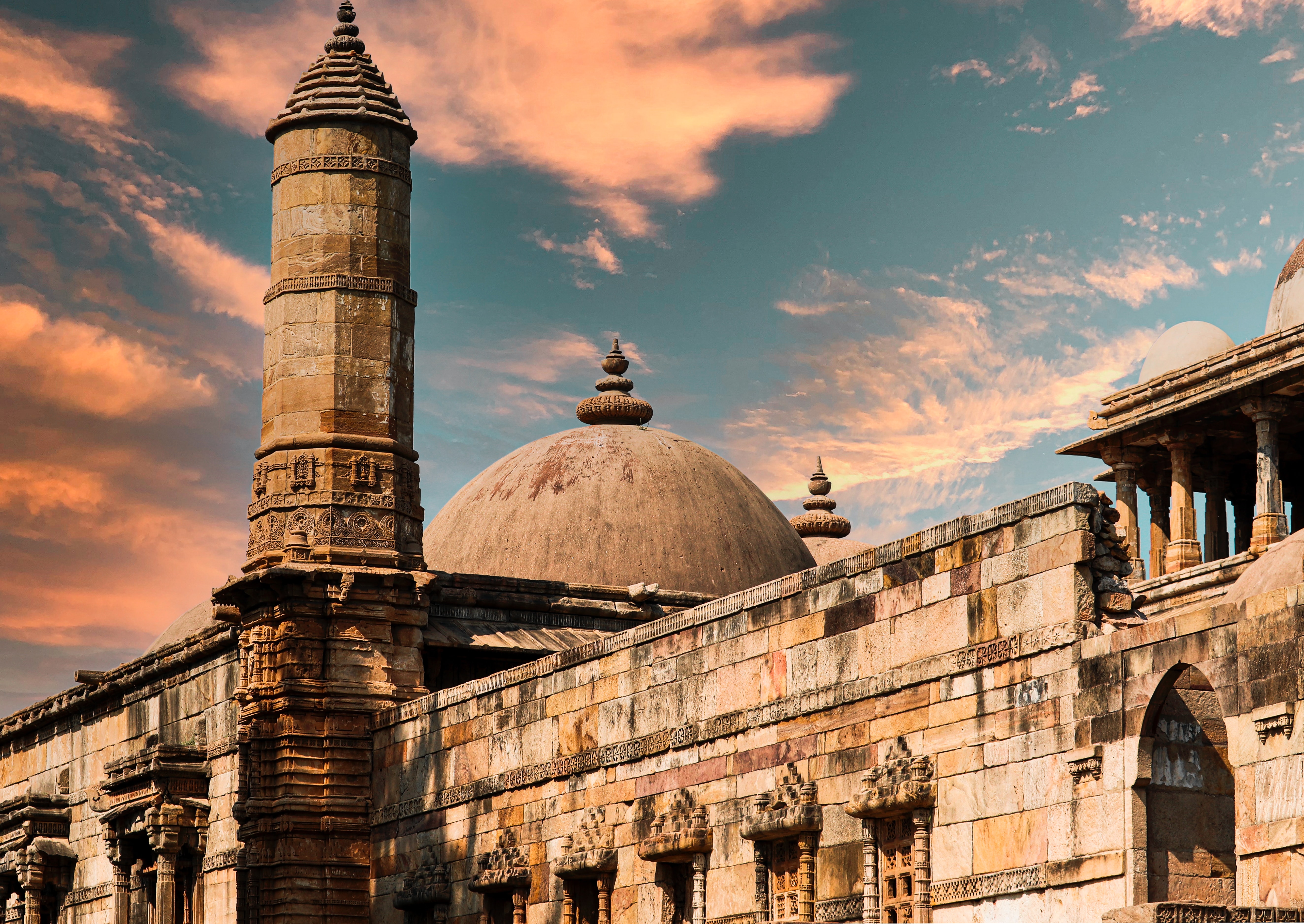
Photo by Parth Kateliya on Unsplash

Gujarat
Part 1: Introduction and Overview
Part 2: Surat, Vapi, Udvada, Valsad, Bilimora, Navsari, Bharuch, Saputara
Part 3: Ahmedabad, Lothal, Vadodara, Anand
Part 4: Gandhinagar, Patan, Mehsana, Palanpur
Part 5: Rajkot, Jamnagar, Dwarka, Porbandar, Junagadh, Bhavnagar, Palitana,
Part 6: Kutch, Bhuj, Mandvi, Rann of Kutch, Anjar
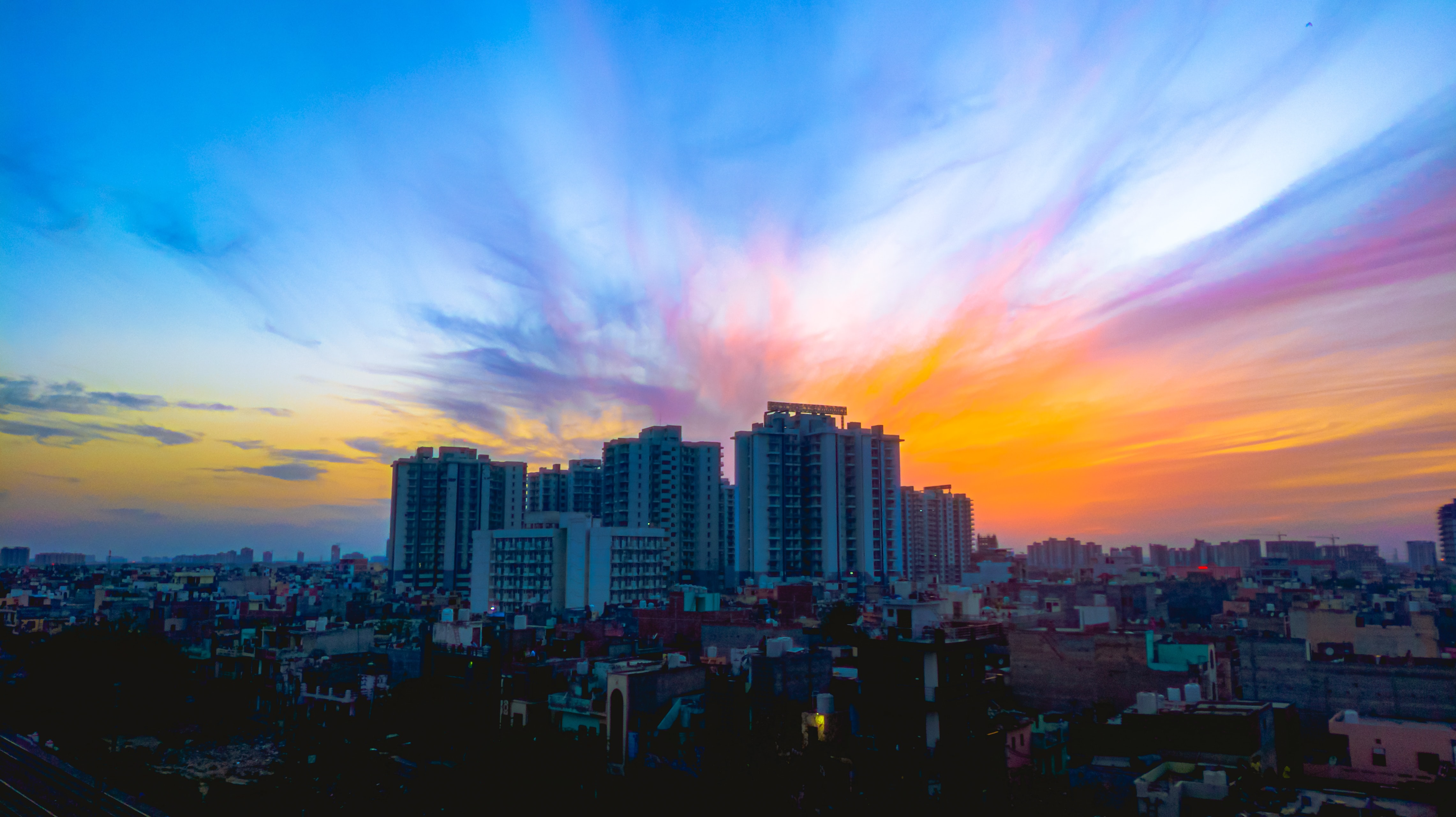
Photo by Sooraj Dev on Unsplash

Haryana
Part 1: Introduction and Overview, Gurugram, Manesar, Sohna
Part 2: Faridabad, Nuh, Murthal, Rohtak, Meham
Part 3: Hisar, Panipat, Karnal
Part 4: Kurukshetra, Ambala
Part 5: Panchkula, Morni Hills, Narnaul
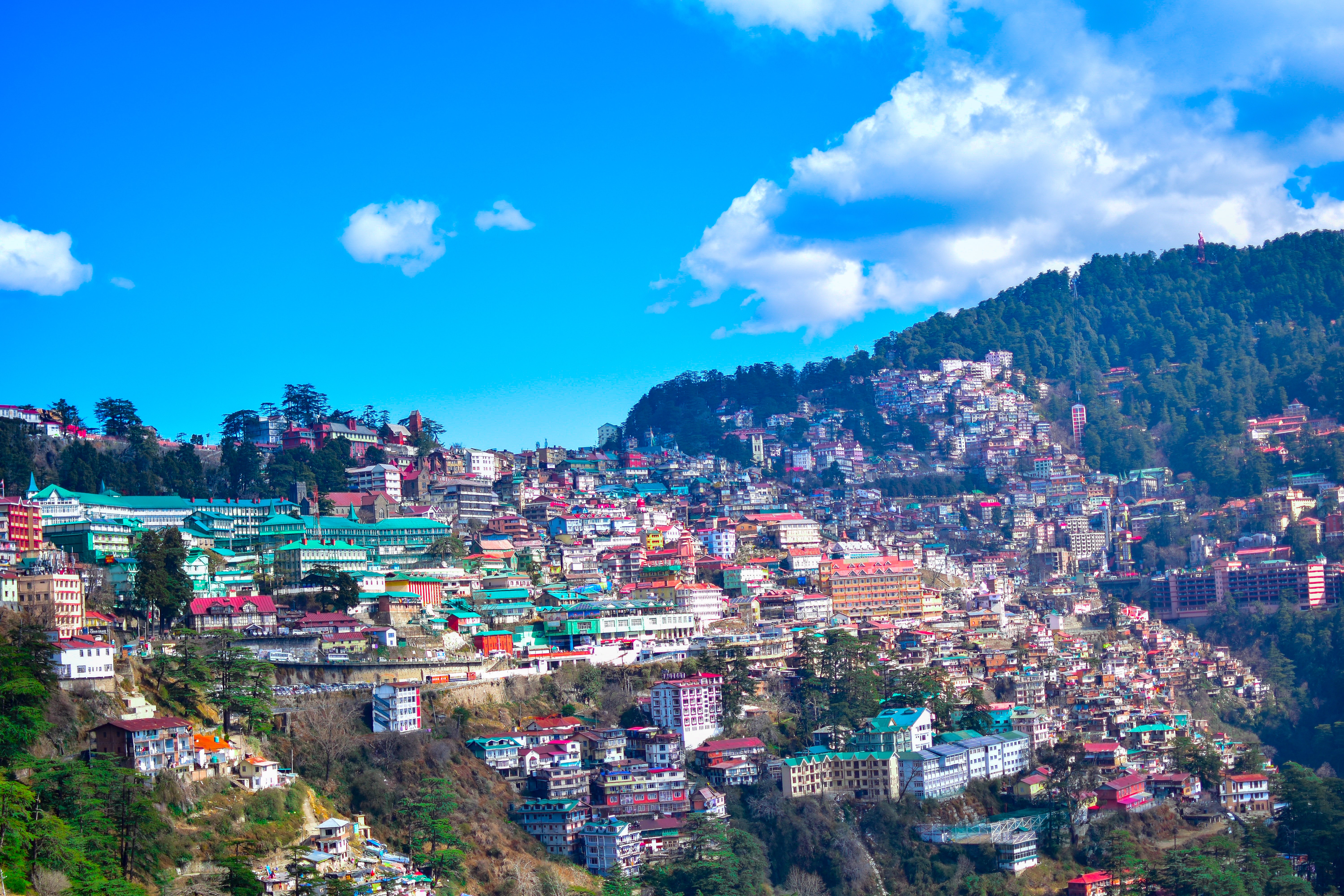
Photo by Naman Pandey on Unsplash

Himachal Pradesh
Part 1: Introduction and Overview, Shimla, Kufri, Fagu, Theog, Hatkoti Valley, Chanshal Valley
Part 2: Chail, Solan, Barog, Nahan, Sirmour, Paonta Sahib, Shoghi, Kasauli, Arki, Nalagarh, Dadasiba, Bilaspur, Dalhousie,
Part 3: Kangra, Khajjiar, Bharmour, Chamba, Tattapani, Jalori Pass, Jibhi, Mandi
Part 4: Trithan Valley, Bhuntar, Sainj Valley, Barot, Bir Billing, Palampur, Kasol, Nagar, Manikaran Sahib, Tosh, Parvati Valley
Part 5: Kullu, Manali, Dharamsala, McLeodganj
Part 6: Keylong, Pin Valley National Park, Spiti Valley, Narkanda, Mashroba, Kinnaur, Sarahan, Sangla Valley, Kalpa, Pangi Valley, Nako
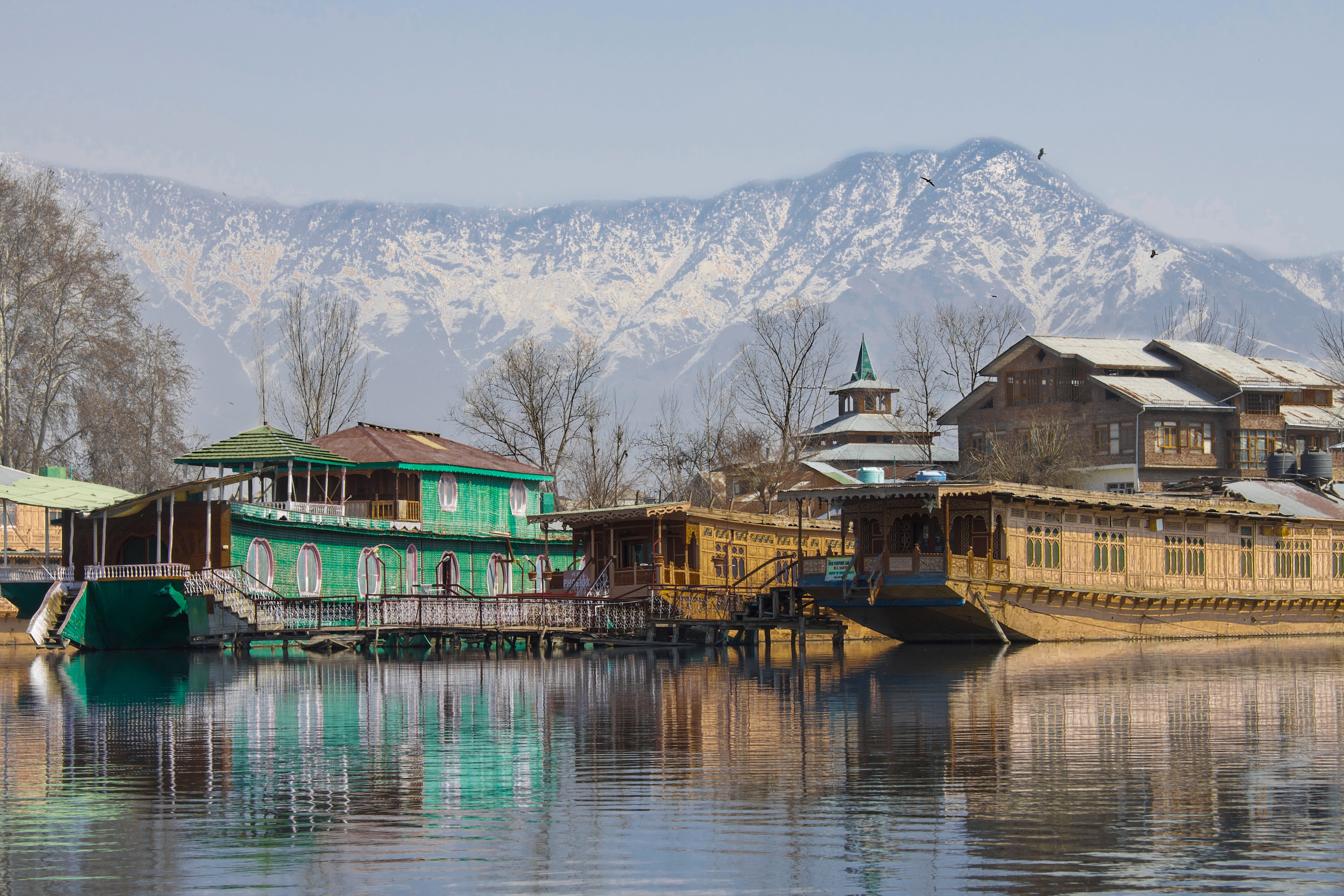
Jammu & Kashmir and Ladakh
Part 1: Introduction and Overview, Kashmir, Srinagar, Gulmarg, Sonmarg, Pahalgam, Amarnath, Pulwama, Kupwara, Poonch, Anantnag, Baramulla, Dachigam National Park
Part 2: Jammu, Patnitop, Rajouri, Udhampur, Kathua, Katra, Vaishno Devi, Kishtwar
Part 3: Ladakh, Leh, Leh Palace, Thiksey Gompa, Pangong Lake, Magnetic Hill, Nubra Valley and Khardung La Pass, Kargil, Drass, Hemis High Altitude Wildlife Sanctuary, Lamayuru, Lake Tso Moriri

Photo by Aryan Singh on Unsplash

Jharkhand
Part 1: Introduction and Overview, Ranchi
Part 2: Hazaribagh, Bokaro Steel City
Part 3: Jamshedpur, Neterhat
Part 4: Dhanbad, Shikarji, Deoghar, Dumka

Karnataka
Part 1: Introduction and Overview
Part 2: Bengaluru
Part 3: Mysuru, Mangalore, Belgaum
Part 4: Hubli-Dharwad, Gulbarga, Bidar, Badami, Bijapur, Hassan, Shimoga, Hampi, Sharavathi Valley Wildlife Sanctuary, Bhadra Wildlife Sanctuary, Brahmagiri Wildlife Sanctuary, Nagarhole National Park, Bandipur National Park, Ranganathittu Bird Sanctuary, Jog Falls, Shivanasamudra Falls, Kodasalli Backwater
Part 5: Coorg, Chikmagalur, Sakleshpur, Kudremukh, Kemmanagundi, Kotagiri, Masinagudi, Devarayanadurga, Karwar, Devbagh, Kumta, Netrani Island, Murudeshwar, Maravanthe, St. Mary’s Island, Udipi
Part 6: Udipi, Kollur, Sringeri, Dharmasthala, Horanadu, Talakadu, Belur, Shravanbelagola, Gokarna, Murudeshwar, Koodli, Srirangapatna, Pattadakal, Aihole, Kalasa
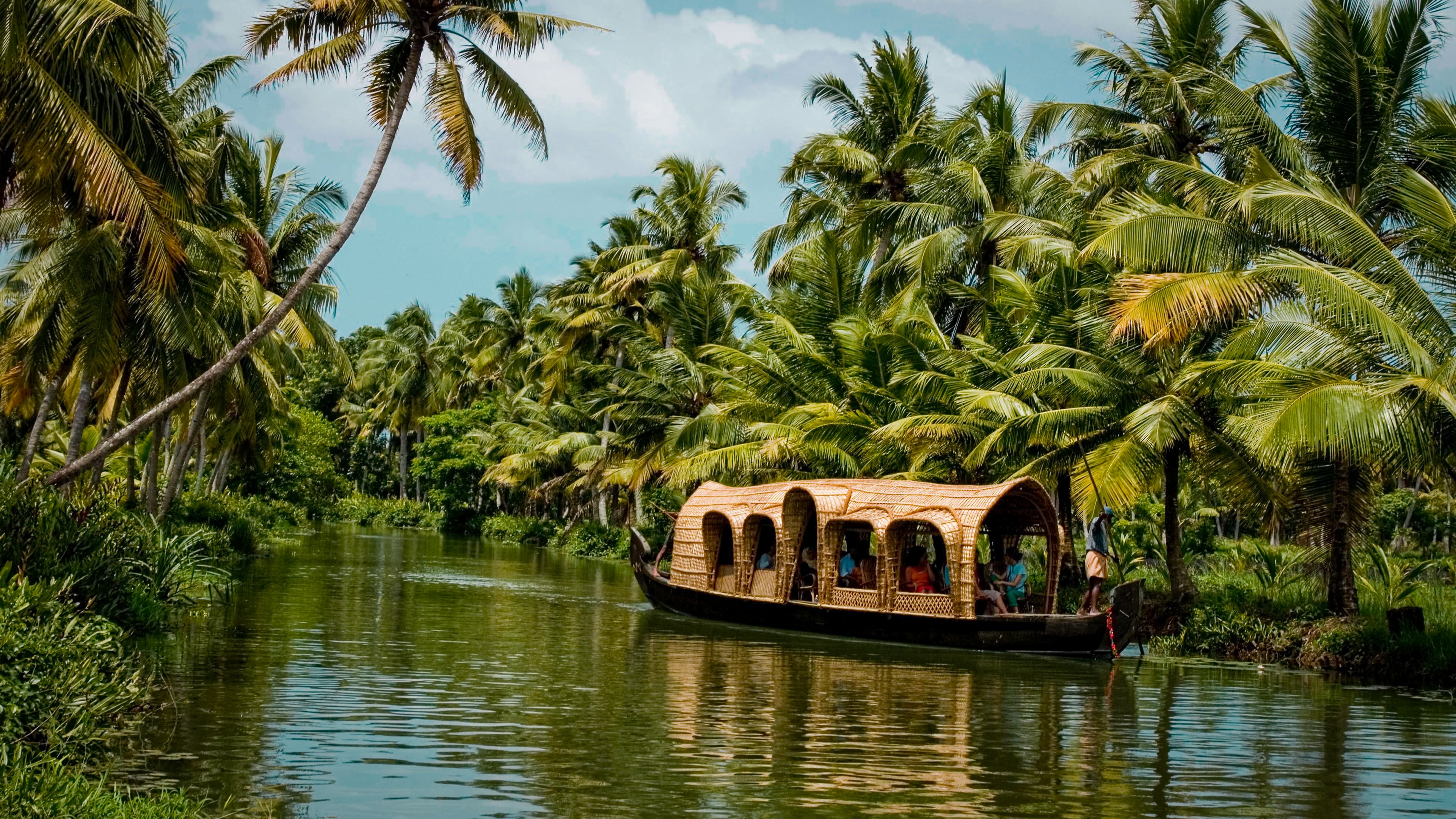
Kerala
Part 1: Introduction and Overview
Part 2: Kasaragod, Kannur, Kozhikode
Part 3: Wayanad, Mallapuram, Palakkad
Part 4: Thrissur, Ernakulam, Alappuzha
Part 5: Kottayam, Idukki, Patanamthitta
Part 6: Kollam, Tiruvanathapuram

Photo by Sachin Benny on Unsplash

Lakshadweep Islands
Part 1: Introduction and Overview
Part 2: Aminidivi, Cora Divh, Sesostris Bank, Bassas de Pedro, Cherbaniani Reef, North Islet, Byramgore Reef, Chetlat Island, Bitra Par, Kilthan Island, Kadmat Island, Kadmat Beach, Elikalpeni Bank, Perumal Par, Amini Island
Part 3: Laccadive, Amindivi, Agatti Island, Bangaram, Pakshipitti, Andrott Island, Kavaratti, Kalpeni, Suheli Par
Part 4: Minicoy, Maliku Atoll, Investigator Bank, Viringili

Madhya Pradesh
Part 1: Introduction and Overview
Part 2: Bhopal
Part 3: Indore, Ujjain, Alampur
Part 4: Maheshwar, Omkareshwar, Mandu, Burhanpur
Part 5: Chanderi, Shivpuri, Orchha, Khajurao
Part 6: Gwalior, Jabalpur, Bhedaghat, Panchmarhi, Amarkantak, Bandhavgarh National Park, Kanha National Park, Pench National Park

Photo by Raj Rana on Unsplash

Maharashtra
Part 1: Introduction and Overview, Mumbai
Part 2: Pune
Part 3: Matheran, Lonavala, Khandala, Rajmachi, Lavasa, Kamshet, Mahabaleshwar, Panchgani, Kaas Plateau, Maval, Bhandardara, Chikhaldara, Bhimashankar
Part 4: Amravati, Aurangabad, Ajanta and Ellora Caves, Lonar, Chiplun, Kolhapur, Nagpur, Nanded, Nashik, Triambakeshwar, Shirdi, Shani Shinganapur, Raigad, Ratnagiri, Satara
Part 5: Dahanu, Alibaug, Kashid, Diveagar, Harihareshwar, Murud, Karade, Ganpatipule, Tarkarli, Vengurla, Tadoba National Park, Bhamragarh Wildlife Sanctuary, Chandoli National Park, Gugumal National Park, Navegaon National Park, Malvan Marine Sanctuary, Rehekuri Blackbuck Sanctuary
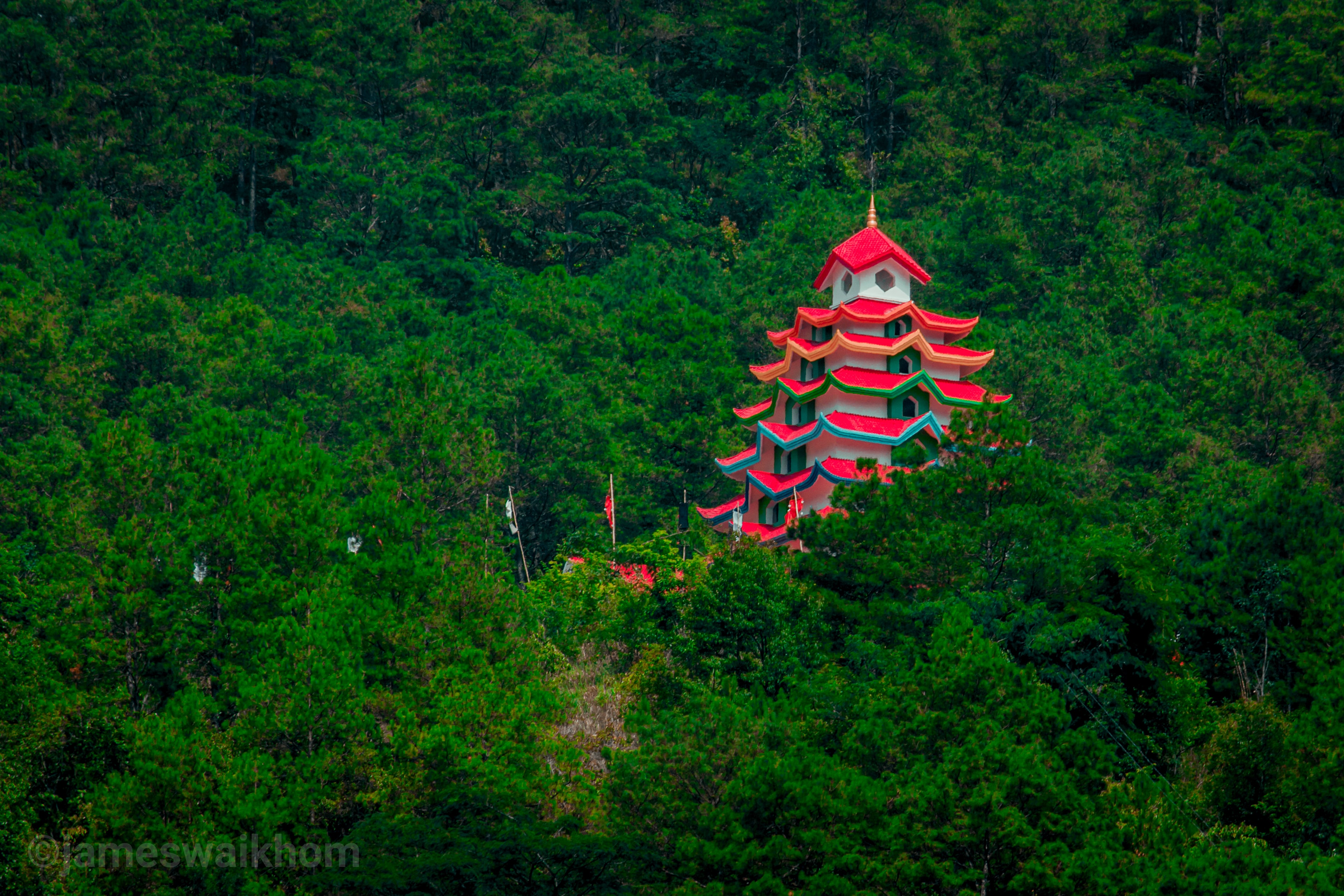
Photo by WAIKHOM JAMES on Unsplash

Manipur
Part 1: Introduction and Overview, Imphal
Part 2: Moirang, Tamenglong, Thoubal
Part 3: Chandel, Tengnoupal, Moreh, Kaina, Ukhrul, Mount Koubru, Baruni Hill, Thangjing Hill, Sadu Chiru Waterfall
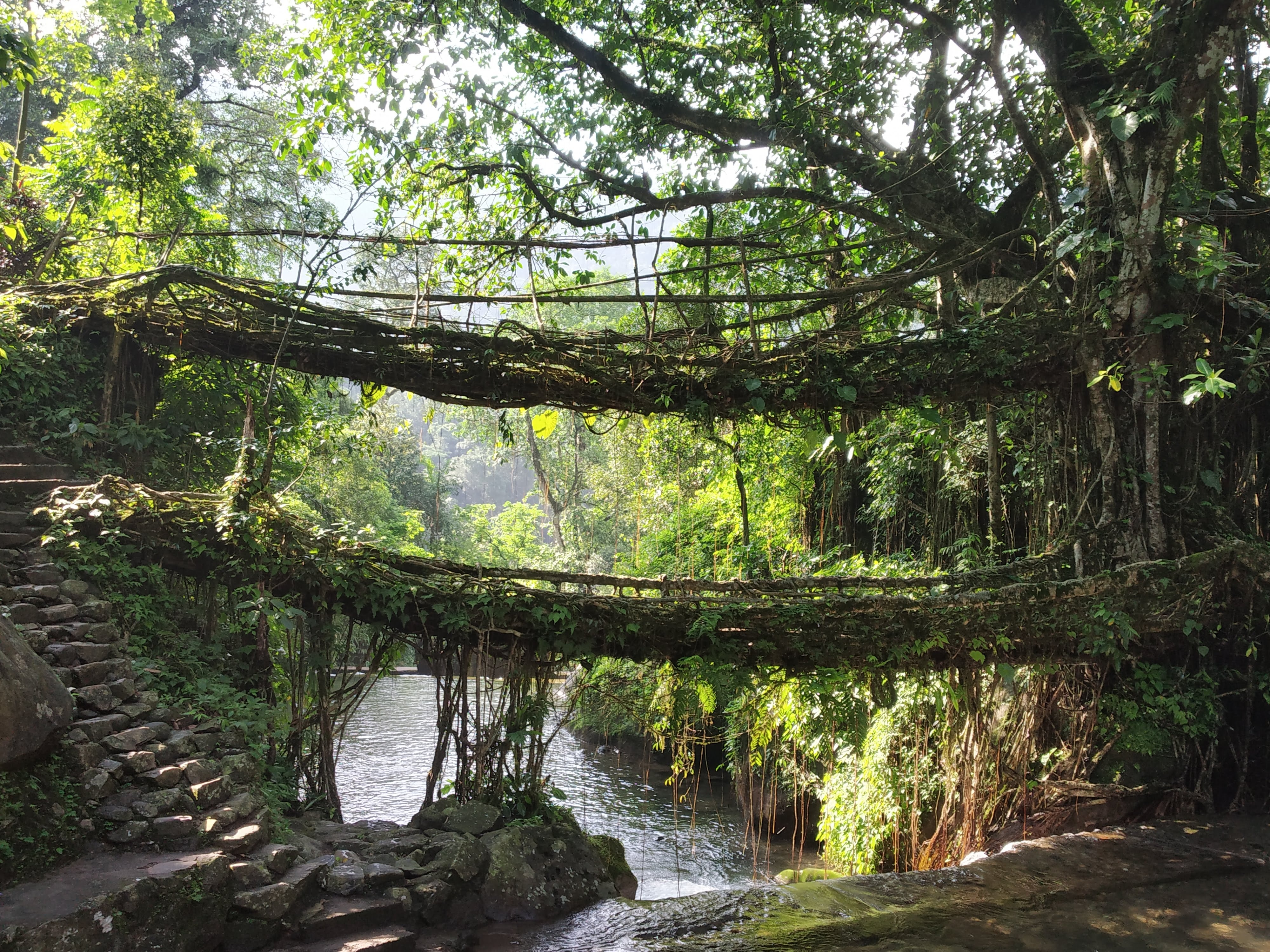
Photo by Utkarsh B on Unsplash

Meghalaya
Part 1: Introduction and Overview
Part 2: Shillong
Part 3: Mawphlang, Cherrapunji, Nongpoh, Mawsynram
Part 4: Jowai, Mawlynnong, Dawki, Balpakram National Park, Williamnagar, Baghmara, Tura
Part 5: Khasi Hills, Jaintia Hills, Garo Hills

Photo by Vanlaldin puia on Unsplash

Mizoram
Part 1: Introduction and Overview, Aizwal, Falkawn Village
Part 2: Reiek, Hmuifang, Kolasib, Tamdil or Tam Lake, Mamit, Vantawng Falls, Serchhip
Part 3: Dampa Tiger Reserve, Lunglei, Champhai
Part 4: Murlen National Park, Phawngpui, Phawngpui National Park, Saiha,
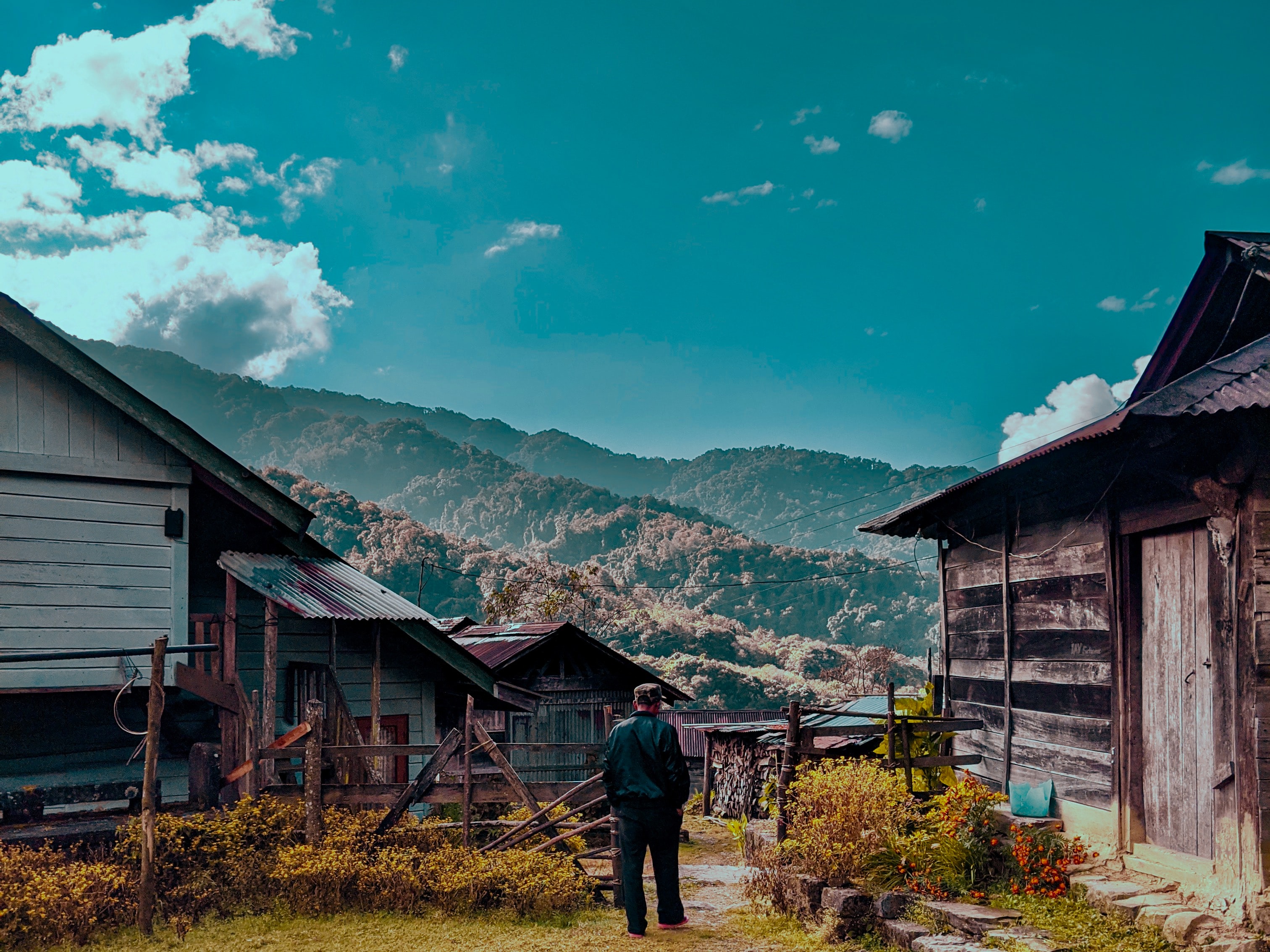
Photo by Suraj Jadhav on Unsplash

Nagaland
Part 1: Introduction and Overview, Dimapur
Part 2: Kohima
Part 3: Mokokchung, Tuensang, Phek, Mon, Pfutsero
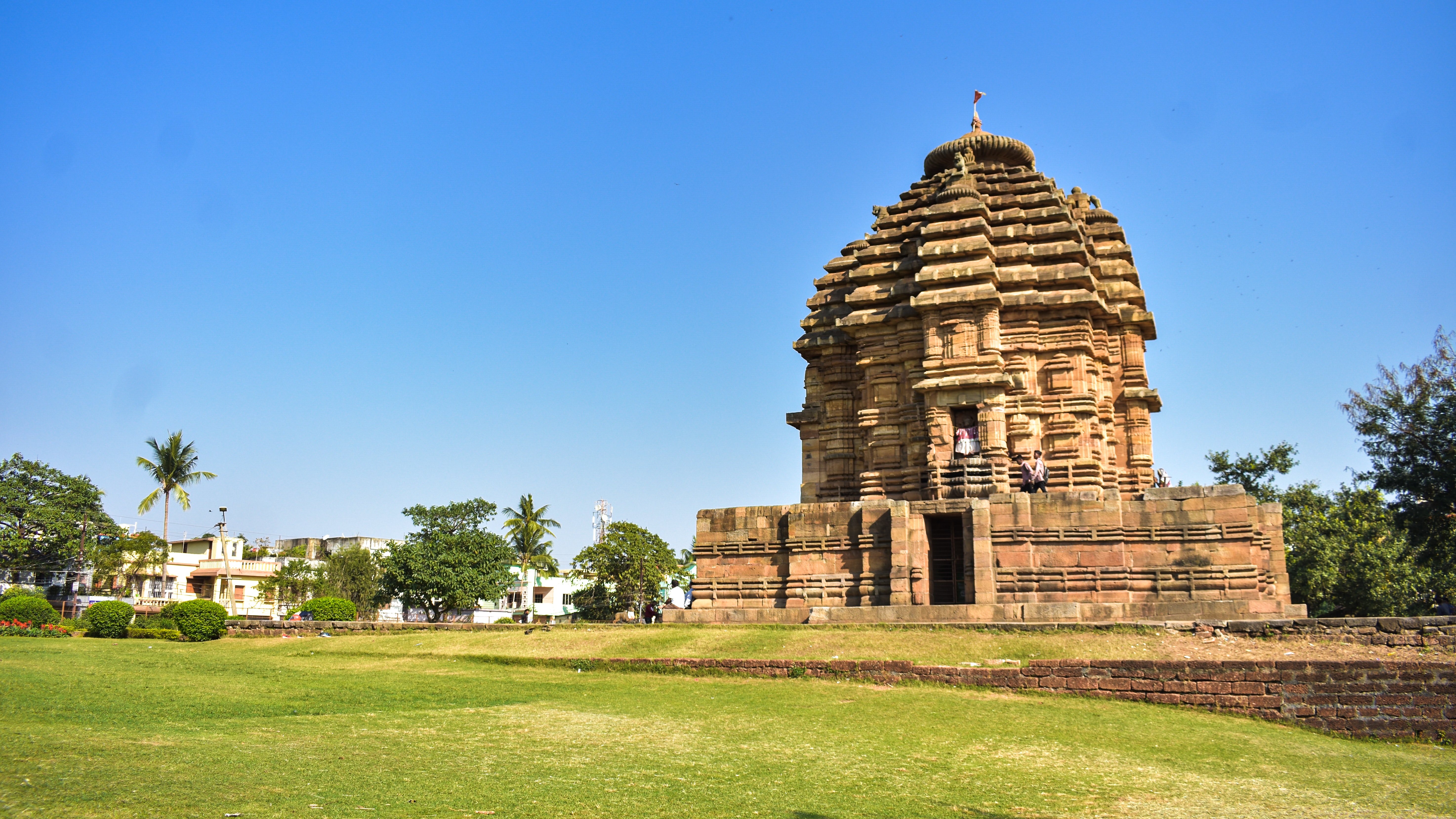
Photo by Ayiman Mohanty on Unsplash

Odisha
Part 1: Introduction and Overview, Bhubaneshwar, Dhauli
Part 2: Cuttack, Rayagada, Daringbadi, Berhampur, Jeypore
Part 3: Puri, Baripada, Sambalpur, Rourkela
Part 4: Konark, Paradeep, Gopalpur, Chandipur
Part 5: Lake Chilika, Tikarpada Wildlife Sanctuary, Satkosia Tiger Reserve, Bhitarkanika National Park & Wildlife Sanctuary, Simlipal National Park, Duduma Waterfalls, Chandaka Forest, Kotgarh Elephant Reserve, Karlapat Wildlife Sanctuary

Photo by nullvoid on Unsplash

Puducherry
Part 1: Introduction and Overview, Puducherry
Part 2: Karaikal, Mahé, Yanam
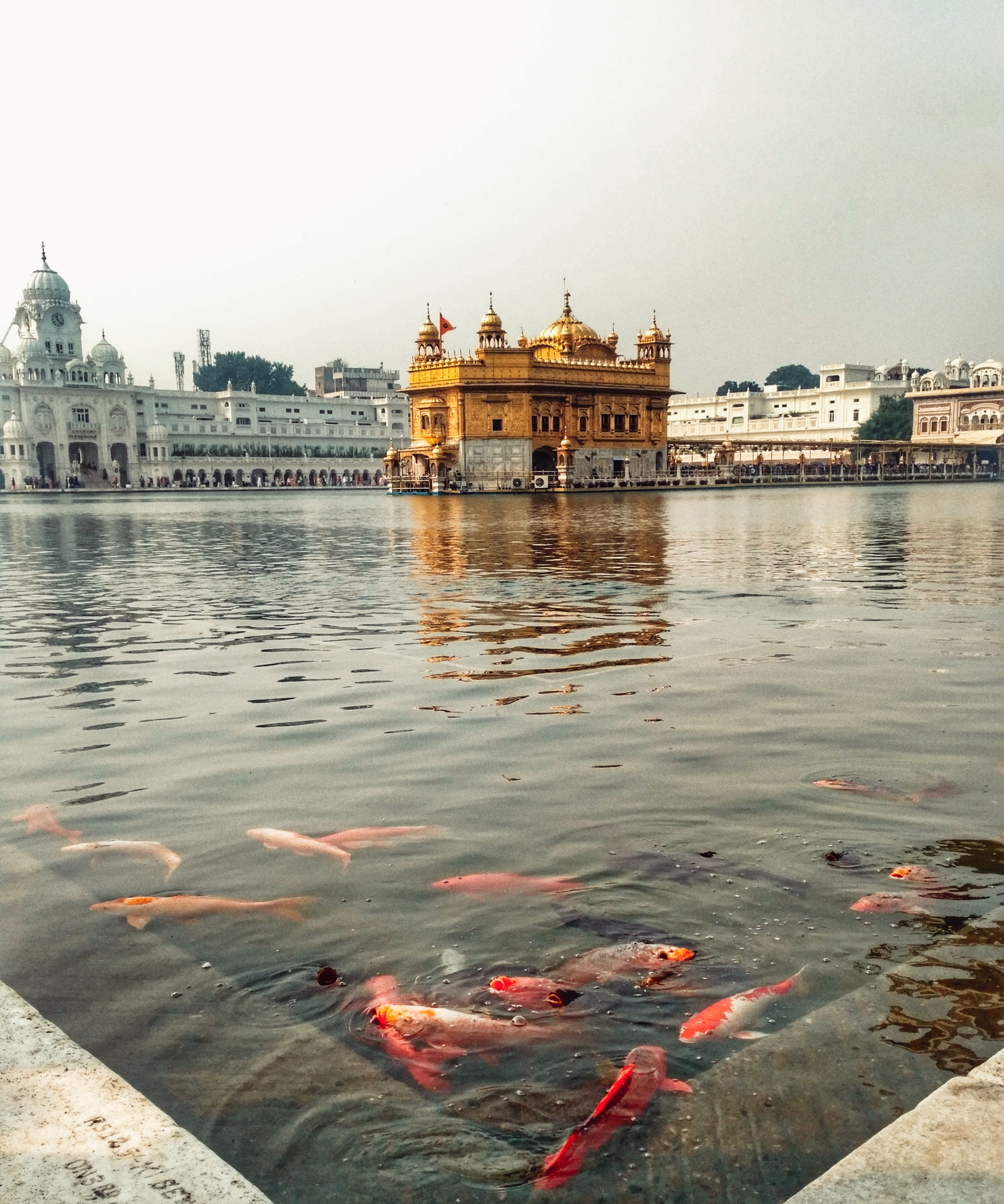
Photo by Prerna Sharma on Unsplash

Punjab
Part 1: Introduction and Overview
Part 2: Chandigarh, Sirhind
Part 3: Rupnagar, Patiala
Part 4: Ludhiana, Bhatinda
Part 5: Jalandhar, Kapurthala
Part 6: Pathankot, Amritsar

Rajasthan
Part 1: Introduction and Overview, Jaipur, Udaipur
Part 2: Jodhpur, Jaisalmer, Sawai Madhopur, Pushkar

Photo by Apurba Nag on Unsplash

Sikkim
Part 1: Introduction and Overview
Part 2: Gangtok
Part 3: Tinkitam Rayong, Namchi, Barsey Rhododendron Sanctuary, Kabi Longstok, Tendong Hill, Aritar, Zuluk, Pangolakha Wildlife Sanctuary, Pelling, Yuksom, Ravangla
Part 4: Maenam Wildlife Sanctuary, Geyzing, Yangtey, Borong, Mangan, Chopta Valley, Lachung, Lachen, Yumthang Valley, Thangu Valley, Gurudongmar Lake, Cholamu Lake, Shingba Rhododendron Sanctuary, Khangchendzonga National Park, Fambong Lho Wildlife Sanctuary, Goecha La

Tamil Nadu
Part 1: Introduction and Overview, Chennai
Part 2: Coimbatore, Tiruchirappalli, Tiruppur, Tirunelveli
Part 3: Ooty, Kodaikanal, Yercaud, Coonoor, Yelagiri, Bellikkal
Part 4: Kanchipuram, Tiruvannamalai, Chidambaram, Vaitheeshwaran Kovil,
Part 5: Kumbakonam, Thanjavur, Swamimalai, Rameshwaram, Madurai
Part 6: Mahabalipuram, Kanyakumari, Mudumalai Wildlife Sanctuary, Hogenakkal Falls, Kutralam Falls

Photo by Aman Upadhyay on Unsplash

Telangana
Part 1: Introduction and Overview, Hyderabad Part 1
Part 2: Hyderabad Part 2
Part 3: Secunderabad
Part 4: Warangal, Nizamabad
Part 5: Khammam, Karimnagar, Adilabad, Mahbubnagar, Medak
Part 6: Nalgonda, Bhadrachalam, Koti Linga, Somasila, Vemulawada

Photo by Sourav Debnath on Unsplash

Tripura
Part 1: Introduction and Overview
Part 2: Agartala
Part 3: Kailashahar, Unakoti, Udaipur, Ambassa, Pilak Archaeological Sites, Chabimura, Mahamuni Pagoda, Manubankul, Buddhist Stupa, Boxanagar
Part 4: Baramura Eco Park, Kalapania Nature Park, Tepania Eco Park, Khumulwang Eco Park, Jampui Hills, Dumboor Lake, Dhalai, Rudrasagar Lake, Sepahijala Wildlife Sanctuary & Clouded Leopard National Park, Trishna Wildlife Sanctuary, Rajbari National Park, Rowa Wildlife Sanctuary, Gomati Wildlife Sanctuary

Uttar Pradesh
Part 1: Introduction and Overview, Noida, Loni, Ghaziabad, Meerut, Muzzafarnagar
Part 2: Hastinapur, Vrindavan, Mathura
Part 3: Fatehpur Sikri, Agra, Garhmukteshwar
Part 4: Aligarh, Firozabad, Jhansi, Piilbhit, Bithoor, Naimisharanya
Part 5: Kanpur, Lucknow
Part 6: Ayodhya, Sravasti, Prayagraj
Part 7: Chitrakoot, Vindhyachal, Varanasi, Sarnath, Kushinagar

Photo by Akshay syal on Unsplash

Uttarakhand
Part 1: Introduction and Overview, Dehradun
Part 2: Mussoorie, Dhanaulti
Part 3: Auli, Joshimath, Chopta, Tungnath, Ukhimath, Lansdowne, Nainital
Part 4: Sattal, Bhimtal, Naukuchiatal, Kausani, Ranikhet, Almora, Binsar, Jalna, Kasar Devi, Jageshwar, Champawat, Munsiyari, Pithorgarh
Part 5: Bageshwar, Chamoli, Mana, Badrinath, Pandukeshwar, Hemkund Sahib, Kedarnath, Gomukh, Madhyamaheshwar, Gangotri, Gauri Kund, Yamunotri
Part 6: Rudranath, Guptakashi, Nandprayag, Rudraprayag, Devprayag, Rishikesh, Haridwar, Roopkund Lake, Nelong Valley, Gangotri National Park, Kedarnath Wild Life Sanctuary, Valley of Flowers, Nanda Devi National Park, Govind Pashu Vihar Wildlife Sanctuary, Rajaji National Park, Jim Corbett National Park
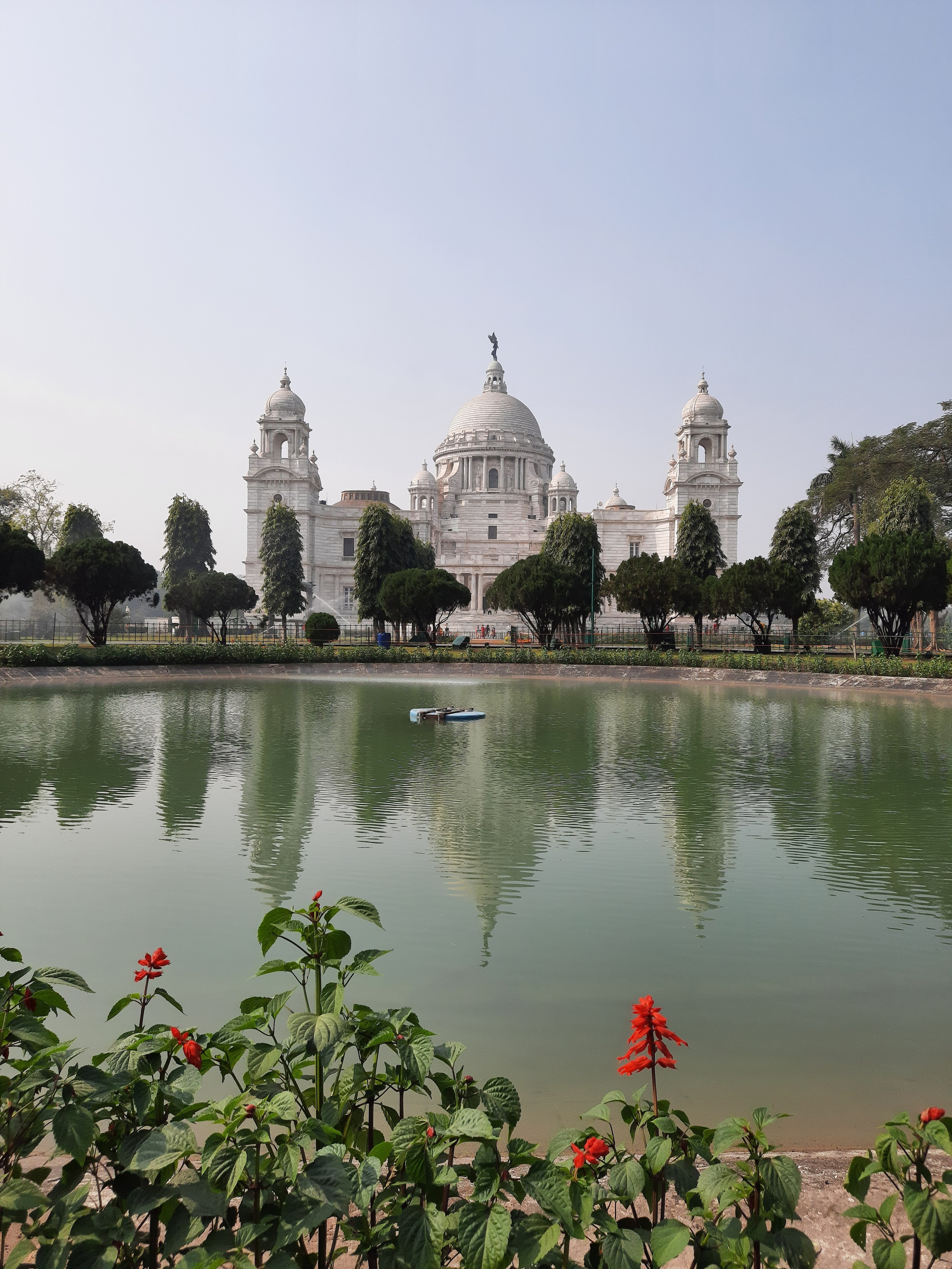
Photo by Nitish Narayan on Unsplash

West Bengal
Part 1: Introduction and Overview, Kolkata
Part 2: Howrah, Barrackpore, Chandan Nagar, Chinsurah, Bardhaman, Haldia, Midnapore
Part 3: Shantiniketan, Durgapur, Jhargram, Asansol, Murshidabad, Mukutmanipur, Malda, Siliguri, Jalpaiguri, Cooch Behar, Bagdogra
Part 4: Kurseong, Mirik, Darjeeling, Tinchuley, Dooars, Kalimpong
Part 5: Rishyap, Lava and Lolegaon, Buxa Tiger Reserve, Rajabhatkawa, Jaldapara National Park, Jaldhaka, Chapramari Wildlife Sanctuary, Gorumara National Park, Neora Valley National Park, Lataguri, Purulia, Sonajhuri Forest, Deulti, Sundarbans, Mayapur, Nabadwipa, Bakreswar
Part 6: Bankura, Bishnupur, Jayrambati, Kamarpukur, Tarapith, Falta, Raichak, Taki, Piyali Island, Machranga Dwip, Kakdwip, Mousuni Island, Bakkhali, Junput, Mandarmani, Tajpur, Shankarpur
Travel Bucket List: India – Lakshwadweep Islands Part 4

Minicoy, locally known as Maliku in the local language of Divehi, is an island which, along with Viringili, is on Maliku atoll, the southernmost atoll of the archipelago. Divehi is also the national and official language of the Republic of Maldives. The language is a descendant of Elu Prakrit and is closely related to the Sinhala language, but not mutually intelligible with it. However, the Lakhshadweep administration refers to Dhivehi as Mahl due to a misunderstanding on the part of a British civil servant who came to Minicoy in the 1900’s. The official asked a local what his language as and he replied Divehi-bas. When the official looked confused because he had never heard of this language, the the islander said Mahaldeebu as he knew that locals on the subcontinent referred to the kingdom to the south or the Maldives by that name. The civil servant then recorded the language of Minicoy as Mahl.

Source

The ancient name of Maliku was Mahiladu meaning women’s island which is derived from the Elu Prakrit term Mahila du, which literally means woman island. However, the name Maliku is thought to have been derived from the Arab trader’s term for the island, Jazirat al-Maliku or the the island of the king. Minicoy islanders have long settled in the Nicobar Islands across the Bay of Bengal and regularly travelled back to Minicoy. The Andaman and Nicobar Islands had a reputation in the Maldives and Minicoy of being inhabited by cannibals, and so collectively the Andaman and Nicobar groups were called Minikaa-raajje by the Maldive and Minicoy islanders which meant cannibal kingdom. A British official once asked a Minicoy islander what the name of his island was and was told he was Maliku but usually lived in Minikaa-raajje or Nicobar. The official thought Maliku and Minikaa were the same place and recorded the name of this islander’s home as Minikaa which later became anglicised as Minicoy. So because of this cross-cultural misunderstanding, Maliku would forever be called by a name that sounded like cannibal in the local language.

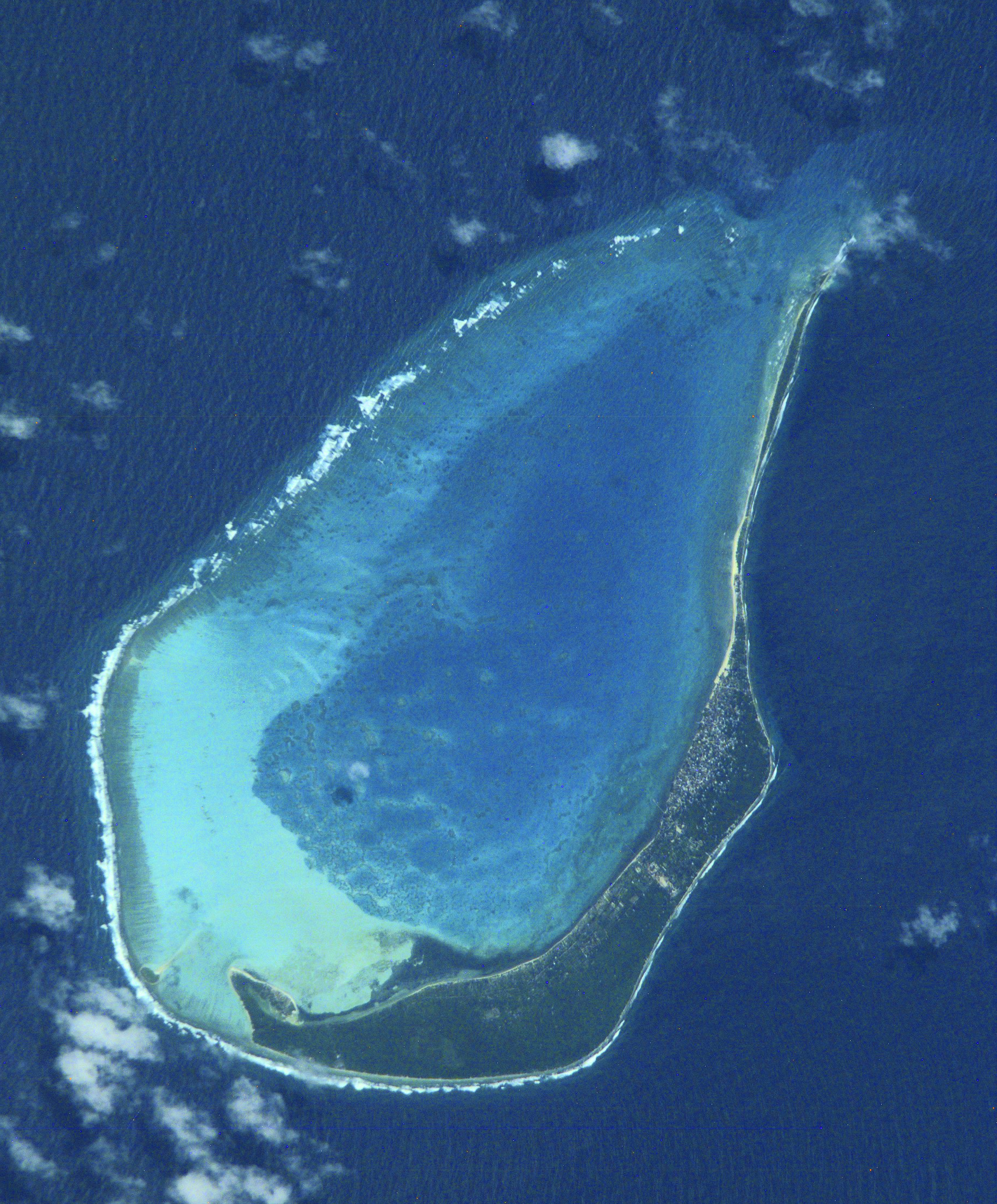
The Maliku Atoll has a lagoon with two entrances in its northern side, Saalu Magu on the northeast and Kandimma Magu on the northwest. Its western side is fringed by a narrow reef and coral rocks awash. The interior of the lagoon is sandy and has some coral patches. The Nine Degree Channel separates Minicoy and the Laccadive Islands. The closest island to Minicoy is Thuraakunu in the Republic of the Maldives. Since 1956, the Indian Government has forbidden the direct travelling between the two islands despite their geographic proximity and ethnographic similarities. Maliku Kandu is the traditional name of the broad channel also called the Eight Degree Channel between Minicoy and Ihavandippulhu or the Haa Alif Atoll in the Maldives. There are remains in an area of the island known as Salliballu dating back from Minicoy’s Buddhist past, about 800 years ago. The most conspicuous archaeological sites are two mounds or large heaps of ruins belonging to a stupa and another related structure. These sites were investigated by the Archaeological Survey of India in the 1980s and excavations yielded few discoveries, for the sites had been much damaged and vandalised previously. Still, a much-damaged large Buddha head was found buried in the area. The name Salliballu originated in the local name for the Christian cross, because the locals say that an inscription with a cross was found there. But it is likely that, coming from a Buddhist site, it was a cross-shaped mandala or visvavajra, like those often found on inscriptions in archaeological remains in the Maldives. Local oral tradition has it that Kamborani and Kohoratukamana, two princesses from the Maldives, came to Maliku. When they arrived, the tivaru, who had been living there before, left the island for Sri Lanka. The Kamborani’s descendants are the bodun or the land and shipowners and the descendants of Kohoratukamana are the niamin or captains. The other status groups are made up of the descendants of their crew.

According to the documented evidence, Minicoy Atoll has been under Indian administrations since the mid 16th century. Until the 16th century, the Laccadives was under the suzerainty of the Kolathiri Raja of Chirakkal in what is today the Indian state of Kerala. With the Portuguese ascendancy in the region, it became necessary for the Kolathiri to transfer sovereignty of the islands to their hereditary admiral, the Ali Raja of Kolathunadu or Cannanore. However, the kings and queens of the Maldives also issued edicts addressed to the subjects in their realm Malikaddu Midhemedhu, meaning between Maliku or Minicoy and Addu. Previously Addu was the southernmost island in the dominions of the Maldive kings and was in the Addu Atoll. A 1696 grant issued under the seal of the King Siri Kula Ran Mani or Sultan Mohamed IV of the Maldives, regarding the building and upkeep of a mosque in Finey at Thiladhummathi atoll in Maldives, referred to him as Malikaddu Midhemedhu ekanuonna mi korhu anikaneh nethee korhu meaning the sole sovereign with no other over what lies between Maliku and Addu.

In 1857, suzerainty over Minicoy transferred from the East India Company to the Indian Empire when Queen Victoria was proclaimed Empress and in 1790, Maliku was surrendered to the Court of Directors of the British East India Company by the Ali Raja Cannanore, Junumabe Ali-Adi Raja Bibi II. The Ali Raja was allowed to administer Maliku in return for a tribute to the East India Company. On 27 July 1795, Junumabe Ali Adi-Raja Bibi’s monopoly over coir trade was abolished and in 1905, under the heavy burden of debts to the Empire, Mohamed Ali-Adi Raja of Cannanore agreed to surrender sovereignty and control over Minicoy, but died before the formal transfer which was finally signed on 9 February 1909 and backdated to 1 July 1905 and Minicoy came under the district of Malabar. After India’s independence, India held a plebiscite in Minicoy in 1956 to determine whether the people of Minicoy wished to join the Indian Union and a referendum was held and because of an absolute majority Minicoy joined the Indian Union. In December 1976, India and the Maldives signed a maritime boundary treaty whereby Minicoy was placed on the Indian side of the boundary.

The cultural traits of Minicoy differ from those of any other island in Lakshadweep. Manners, customs, lifestyle and food are similar to those of the Maldives to the south of Minicoy and Malikubas, officially referred as Mahl by the Lakshadweep administration, a dialect of Dhivehi language, is spoken on the island. Like in other Dhivehi-speaking communities, the right-to-left Tāna script is used for writing. The social structure is anthropologically interesting, being a matrilineal Muslim society where a man will live in either his mother’s or his wife’s house. Property is inalienable and owned by houses or the matrilineal descent groups. Minicoy islanders, like the other Lakshadweep islanders, follow Islam. Thuraakunu in the Maldives is the closest island to Minicoy. Formerly there was direct trade between both, and fishermen from both islands used to visit each other. This exchange continued even after Minicoy became part of India, but since 1956 the Indian government has forbidden these visits between two nations.

Investigator Bank is a submerged bank or sunken atoll located 31 km to the northeast of Minicoy Island in the southern region of the Nine Degree Channel. The bank was named in 1886 after the wooden paddle hydrographic survey vessel HMS Investigator.

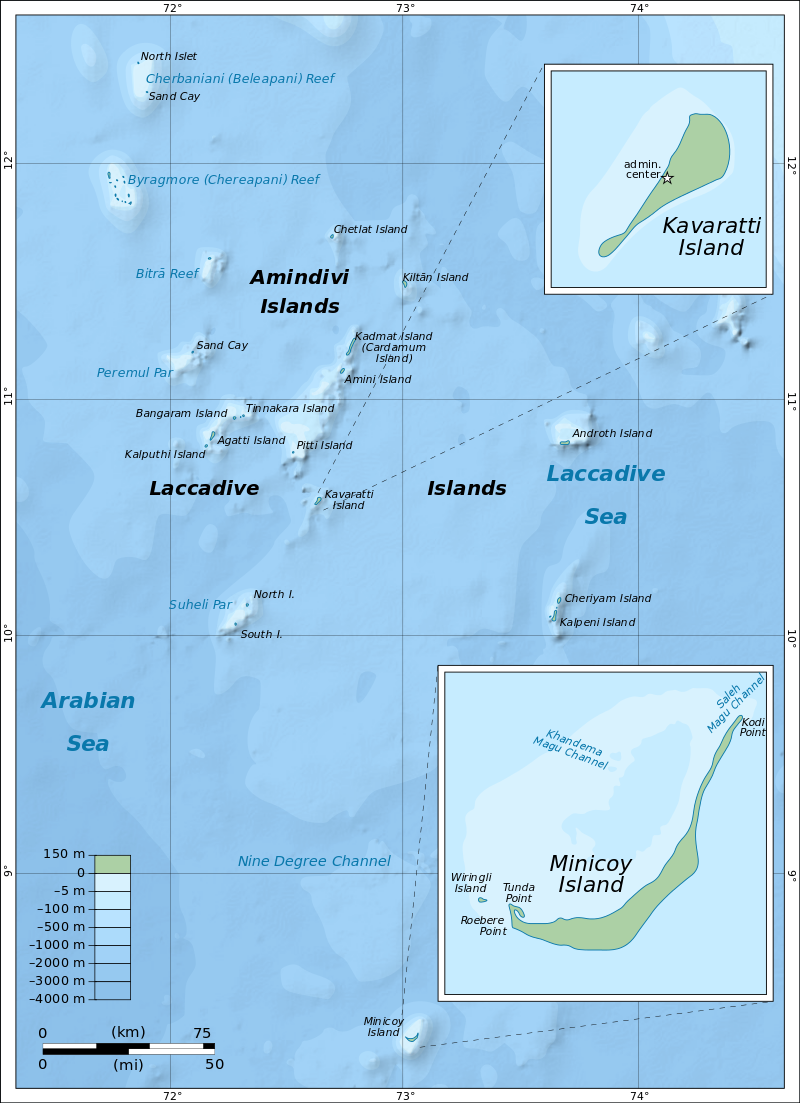
Minicoy is the second largest and the southernmost among the islands of the archipelago and is located 201 km to the south-southwest of Kalpeni, at the southern end of the Nine Degree Channel and 125 km to the north of Thuraakunu, Maldives, at the northern end of the Eight Degree Channel. It is one of the few inhabited islands of the group and is one of the 36 small islets. The small island has a total area of 4.801 sq km and is known for its vibrant coral reefs and quaint white-sand beaches. The atoll contains two islands with the main island located on the eastern and southeastern side of the lagoon, along the reef fringe. Minicoy is almost completely covered with coconut trees and one of the few landmarks of the island is a tall lighthouse built by the British in 1885 which offers jaw dropping views of the island and the sea. Juma Masjid is another attraction which is an old mosque built in the medieval era and houses the rich ancient sculptors that were found on the island. Minicoy has a tropical Savanna climate, with a warm temperature throughout the year. The best season to visit this island is during the winter months from September until May. Foreign nationals are not allowed to visit this island.

On the southern side of the main island lies the uninhabited islet of Viringili, also called the Small Pox Island where formerly the lepers of Minicoy were banished to this island where they lived in abject conditions. Viringili is barely 200 m in length and is fringed with gravel and covered with bushes. A few stunted coconut trees grow in the center of the island which is 0.6 km from Minicoy.

This ends the series on the Lakshwadweep archipelago. Writing this series has made me want to visit, but that’s a thought for another day. I’ll be back soon with a new state to explore in India.

Travel Bucket List: India – Lakshwadweep Islands Part 3

The Laccadive subgroup had been known earlier as the Cannanore Islands after the coastal town of Cannanore or Kannur are one of the three island subgroups in the archipelago. The name originated in the fact that while the northern group of Amindivi had in 1784 stopped being a vassal state of the Cannanore or the Arakkal kingdom in exchange to fealty to Tippu Sultan’s kingdom of Mysore, the southern group remained loyal to Cannanore. The Laccadive subgroup includes the island of Agatti, with the Agatti airport, the only airport in Lakshadweep, as well as Bangaram Atoll which has a tourist resort in Bangaram, its largest island. The islands of Agatti, Androth, Kavaratti and Kalpeni are inhabited and Islam is the main religion of the islanders. The Laccadive Islands subgroup is the central subgroup of the Lakswadweep consists mostly of atolls with islands, as well as part of one submerged bank. The Amindivi and the Laccadive subgroups have a submarine connection between them through Pitti Bank, a largely sunken atoll. The Laccadive subgroup is separated from the Amindivi Islands subgroup roughly by the 11th parallel north and from the atoll of Minicoy far to the south by the 9 Degree or Mamala Channel.

Source

In the same manner as the Amindivi Islands further north, the islands of the Laccadive subgroup were settled from ancient times by people of nearby Kerala to which were added later people of Arab descent. Vasco da Gama visited these islands around 1498 and in the mid 16th century, all the inhabited islands of the Lakshadweep put themselves under the rule of the Arakkal kingdom in order to obtain protection from the Portuguese. In 1697, the notorious pirate Captain Kidd and his crew brought their ship, the Adventure Galley, to the Laccadive Islands, chopped up local boats for firewood and raped local women. When the locals retaliated by killing the ship’s cooper, the pirates attacked the village and beat up the people who lived there. Almost 100 years later, in 1784, the Amindivi group of islands rejected the protection of Cannanore and became a vassal state of the Kingdom of Mysore while the southern group remained loyal to the rule of Cannanore. Following the defeat of Tippu Sultan and the 1792 treaty of Srirangapatam, the southern subgroup was permitted by the East India Company to remain under the rule of the Cannanore Kingdom in exchange for a yearly tribute of INR 15,000. Since the tributary payments were often in arrears, the islands were put under direct rule of the British Government, first between 1855 and 1860, and then finally annexed in 1877 by virtue of the doctrine of lapse and became attached to the Malabar district.

One of the most habited islands of Lakshadweep; Amindivi is a group of islands lying in North Lakshadweep and is famous for its coir products, but due to government regulations, foreign tourists are not allowed to visit this island.

Agatti Island is situated on a coral atoll called Agatti atoll with another island, Kalpatti located at the southern end on the same reef. Agatti is one of the Lakshadweep islands open to tourism with visitors only allowed on the Island under certain restrictions, including an Entry Permit from the Lakshadweep Administration for entering or visiting the island. Entry Permits are issued based on the visitor having a confirmed place to stay as there are only two hotels or resorts in Agatti, Agatti Island Beach Resort and Sea Shells Beach Resort. A road runs through the island, which can be best enjoyed by hiring a bicycle available at many places. Stretching over an area of 8 km, the island is sparsely populated with around 8000 inhabitants. The Agatti airport, the only one in the archipeglo, is located in the southwestern part of the island. The locals mostly speak English and Malayalam, and Islam is the main religion with the primary occupation of the people being fishing.

The island has splendid beaches with the tropical climate apt for sunbathing. One can also go on long strolls on the beach which are fringed with tall coconut trees. Adventure enthusiasts can indulge in water sports such as snorkelling, scuba diving, swimming, kayaking, and water skiing and one can even give deep sea fishing a go. Scuba diving and glass bottom boat rides are very popular and are a must-try while on the island. The best time to visit Agatti Island between October and March as the weather stays pleasant throughout the months and the sea stays calm making it safe to explore the island. During summers, between April and May, the temperature goes as high as 35 degrees celcius and the island receives intermittent to heavy rainfall during the monsoons. Alcoholic beverages are prohibited on the islands and only Indian nationals are allowed to visit and stay on Agatti Island with foreigners permitted to stay on Bangaram, Minicoy and Thinnikara Islands.

Bangaram is an atoll which is roughly rectangular shape northeast of Agatti island connected to the reef of Agatti through a shallow submarine ridge. Bangaram Island is the largest island in the atoll with a long brackish pond in the center of the island fringed by screwpine and coconut palms. South Bangaram Cay is a small sand cay and Thinnakara is another large island in the atoll. Parali 1, Parali 2 and Parali 3 are three small islets at the eastern fringe of the reef, but Parali 1 was washed away in 2017. The Bangaram Island Beach Resort was opened to tourists in 1974, but lack of commercial flights made access difficult. Tourism took off after the Agatti airport on the nearby Agatti island was commissioned and regular commercial flights from Kochi were established. Current alcohol regulations in Lakshadweep allow consumption of alcoholic drinks only on Bangaram Atoll. Thinnakara offers numerous adventure activities, including scuba diving, snorkelling, deep sea fishing beside white sand beaches, a calm lagoon and a sparkling, clear coral reef. The Atoll has numerous species of tropical birds found on the island. Bangaram Island forms a part of the terrestrial ecoregion of the Lakshadweep archipelago with many species of marine, terrestrial and aerial living beings including fishes, crabs, lobsters, gastropods, bivalves, turtles, seaweed and birds . It is also a region of ecological importance due to the presence of the coral reef around the island. The best time to visit Bangaram Island is between October and March as the weather is pleasant and the sea is calm most of the times. Tourists need a special permit to enter the island. If one cannot get space at the only resort at Bangaram Island, the best way to explore this island is by arranging a stay at one the hotels on Agatti island and visiting Bangaram as a day trip.

Pakshipitti where pakshi means bird in Malayalam, Telugu and Tamil, is an uninhabited coral islet, devoid of vegetation, about 24 km north of Kavaratti. The island is low and arid and lacks adequate anchorage points and is difficult to access. There is another island with the same name part of the Kalpeni Atoll. There is a dark rock on the eastern side and several stone cairns. Pakshipitti is an important nesting place for birds such as the sooty tern, the greater crested tern and the brown noddy. The birds nest side by side, but not intermixed, on the dry coral rubble. Since it has no protecting reef surrounding it, the islet is periodically rinsed by wave action and there is no accumulation of guano on it.

Paksipitti Bank is located at the southern end of Pakshipitti Bank and is a largely submerged atoll on the same bank as Amini Island. It may be considered a largely submerged and sunken atoll with just the two islands Amini and Paksipitti remaining at its opposite ends.

Source

Also known as Androth, Andrott Island is a small inhabited island known as Divanduru in the past, a name that is found in some old French maps. Unlike other islands, Andretti islands are orientated in the east-west direction. Today, it is a protected territory and not a tourist destination. Andrott Island is the nearest to the mainland among all the islands in the group as well as the longest and the biggest. Most of the inhabitants are Muslims with a Hindu minority. The saint Ubaidullah who is believed to have preached Islam in Lakshadweep Islands, died here and his remains are entombed in the Jumah mosque. The island also houses several Buddhist archaeological remains.

Kavaratti is the capital of Lakshadweep and also the name of the atoll upon which the town stands. Well known for its pristine white sand beaches and calm lagoons, it is a popular tourist destination with the calm lagoons on the island ideal for water sports and swimming. The waters around the coral atoll are rich in diverse marine life and the Kavaratti Aquarium has a rich collection of corals and a vast collection of tropical fish specimens. The other major industries on the island are fisheries and agriculture with coconut the dominant crop. The island is home to 12 atolls, five submerged banks, and three coral reefs. On the island, one can also visit the Urja mosque, the only sacred place on the island of a sculptor of the 17th century.

Also known as Koefaini, Kalpeni is an inhabited atoll 71 km south of Andrott and 201 km north-northeast of Minicoy, with the broad Nine Degree Channel between them. The islands are a group of three islands and is one of the most picturesque areas of Lakshadweep. It forms a single coral atoll along with the uninhabited islands of Cheriyam, Tilakkam, Kodithala and Pitti islet with the eastern and southern shorelines of the island having accumulations of coral debris, the result of a violent storm that hit the area in 1847. Kalpeni is the main island, with Kodithala immediately to the north and Cheriyam the northernmost island, the largest of Kalpeni’s satellite islands. The Tilakkam group are a group of islands off the west of Kalpeni and Koomel is a small islet off the west tip of Kalpeni. Kalpeni was the first island in the Union Territory where women were allowed to go to school and get an education. There is a beach at the northern tip of the island called Tip Beach where one snorkel, sea bathw and kayak. Because of the coral reefs present in the sea near the beach, the water is shallow and calm, making it an excellent spot for beach activities. There is a 37-metre-high lighthouse in Kalpeni from which top one can see a bird’s eye view of the island, the lagoon with the smaller islands, the reef and the surrounding ocean.

Suheli Par is a coral atoll in an oval shape surrounded by a zone of rich marine fauna. There are three islands on the reef encircling the lagoon. Valiyakara is located at the northern end of the lagoon and has retained most of its original vegetation. It has also has some largely stunted, unkempt coconut trees and is visited occasionally by workers who collect the coconuts. Hermit crabs are found in abundance and there is a lighthouse on this island. Cheriyakara is located on the southeastern side of the lagoon and slightly smaller than Valiyakara. It has a large coconut plantation. Between mid-October and mid-April, fishermen of Agatti and Kavaratti stay in temporary settlements on this island when they catch tuna in the surrounding waters of the atoll and process it on the island. Indira-Shastri Dweep is a long sandbank located between the two islands and was used as a breeding ground by terns. The grey heron and the black-capped kingfisher have been observed in this atoll and owing to the rich marine life there was a proposal to declare Suheli Par a marine national park. In 2006 a ship from Seychelles ran aground on this atoll, but there was no oil spill reported.

In the next part, our last part for this series, we’ll explore the Minicoy Atoll.

Travel Bucket List: India – Lakshwadweep Islands Part 2

The Aminidivi group of islands, consisting of Androth, Amini, Kadmat, Kiltan, Chetlath, and Bitra came under the rule of Tipu Sultan in 1787 and passed to British control after the Third Anglo-Mysore War and were attached to South Canara. The rest of the islands came under the suzerainty of the Arakkal family of Cannanore in return for a payment of annual tribute which the British took over for nonpayment of arrears and were attached to the Malabar district of the Madras Presidency during the British Raj. On 1 November 1956, during the reorganization of Indian states, the Lakshadweep islands were separated from Malabar district and organised into a separate union territory for administrative purposes with the new territory called Laccadive, Minicoy, and Amindivi Islands before adopting the name Lakshadweep Islands on 1 November 1973.

The Aminidivi subgroup of islands consisting of Amini, Keltan, Chetlat, Kadamat, Bitra, and Perumal Par and the Laccadive subgroup of islands which comprises mainly of Androth, Kalpeni, Kavaratti, Pitti, and Suheli Par, have a submarine connection between them through Pitti Bank. Together with Minicoy Island, a lonely atoll located at the southern end of the 200-km-broad Nine Degree Channel, they form the Coral Islands of India in the Arabian Sea. All these islands have been built up by corals and have fringing coral reefs very close to their shores. Two banks further north, Angria Bank and Adas Bank are not considered part of the group. The Aminidivi Islands, are one of the three island subgroups in Lakshadweep and is the northern group of the Lakshadweep, separated from the Laccadive Islands subgroup roughly by the 11th parallel north. The islands of Amini, Kiltan, Chetlat, Kadmat and Bitra are inhabited with Islam being the main religion of the islanders. The islands were inhabited from ancient times by people of nearby Kerala to which were added later people of Arab descent. In the mid 16th century all the inhabited islands of the Lakshadweep were conferred as the jagir or estate of the ruling family of the Cannanore or Arakkal Kingdom by the Chirakkal or Kolattiri Raja in order to grant them protection from the Portuguese. In the latter quarter of the 18th century, the islands of the Amindivi group revolted owing to the rigours of the enforcement of the monopoly of the coir rope trade and following the uprising, the northern islands put themselves under the rule of the Kingdom of Mysore in 1784, then ruled by Tippu Sultan. The southern group of the Cannanore Islands, however, remained loyal to the Arakkal Kingdom. In 1792, as a consequence of the Third Anglo-Mysore War and the defeat of Tippu Sultan, the Amindivi Islands came under the East India Company rule following the treaty of Srirangapatna.

Cora Divh, also called Coradeeve or Little Bassas de Pedro Bank, is a submerged bank or sunken atoll and is the third largest feature of Lakshadweep, after Bassas de Pedro and Sesostris Bank. It is also the northernmost feature. Cora Divh has no emergent cays or islands and is covered by sand, coral rubble and broken shells.

Sesostris Bank is a submerged bank or sunken atoll and is the second largest feature of Lakshadweep and one of the northernmost features, after Cora Divh and Bassas de Pedro and is named after the steam frigate INS Sesostris of the Indian Navy.

Bassas de Pedro, also known as Manjappar or Pedro Bank, is a submerged bank or sunken atoll which is the largest feature of Lakshadweep. It is also one of the northernmost features, second only to Cora Divh and is in the shape of an arch open to the east with widths ranging from 15 km in the north to 33 km in the south. Its southern end is 63 km east of North Cay of Cherbaniani Reef, the closest land feature. There are no emergent cays or islands and the bank is steep-to, smooth with minor undulations in topography, and composed of sand, shells, and decayed coral. The water on the bank is not discolored.

Cherbaniani Reef, also known as Beleapani Reef and Valiyapanniyam in Malayalam, is a coral atoll and is the northwesternmost feature of Lakshadweep with a roughly oval shape. The 14 km long coral reef that encloses the lagoon has three small uninhabited islands on it composed of accumulated coral sand, shingle, cuttle-bones and sea shells. There are many land hermit crabs under the boulders and among the detritus and the atoll used to be a breeding ground for pelagic birds, including the sooty tern and brown noddy, formerly found in great numbers.

Source

North Islet has a small mosque built and maintained by local fishermen from Bitra, Chetlat, Kiltan and Agatti islands. The fishermen came here and camp for fishing during the period between both monsoons. Lakshadweep islanders from Chetlat and Bitra sometimes visit the islands to collect guano for the gardens of the inhabited islands, gathering eggs, dumping garbage and disturbing the nestlings of pelagic birds in the process. The beaches are strewn with marine litter.

Byramgore Reef, also known as Chereapani Reef is a coral atoll whose northern part is submerged. There are a few sandbanks on the reefs, but little land is above the surface at high tide. The atoll is visited by birds, including the lesser crested tern and greater crested tern.

Chetlat Island is a coral island whose local history says that islanders were cruelly treated by Portuguese seafarers in the past. Coir twisting was the traditional occupation of the islanders and average Chetlat coir used to be equal to first-class coir of the other islands in Lakshadweep. One of the populated islands of the archipelago, Chetlat is located 37 km to the northwest of Kiltan Island and the reef and lagoon are located to the west of the island with a small scale yearly growing sand spit on the northern point of the island. Chetlat is the sole inhabited island of the township of Chetlat Island and the inhabitants are engaged in very small scale farming and fishing which are mainly for the island consumption. There is a small jetty on the west coast and a helipad on southpoint.

Bitra, also known as Bitra Par, is a coral atoll where prior to the 20th century, islanders from Kiltan and Chetlat visited to collect the eggs of birds breeding there. Until 1945, when a woman from Chetlat made this island her home, there were no attempts to settle this island permanently. There is a small shrine dedicated to an old Arab saint by the name of Malik Mulla who was buried on the island which has become a pilgrimage site. The atoll of Bitra encompasses two islands, the main Bitra Island is located at the northern end of the coral reef and the small south cay is located on the southern part. Bitra is the smallest of the populated islands of Lakshadweep with the main island having a small jetty on the south shore and a helipad on the westpoint. The inhabitants on the island are engaged in very small scale farming and fishing which are mainly for the island consumption.

Source

Kiltan or Kilthan Island is a coral island which was settled during the early periods of immigration to the Lakshadweep islands, part of an international trade route between the Persian Gulf and Ceylon. It is also home of the Sufi saint Shaikh Ahmed Naqshabanthi. Kiltan is one of the populated islands of Lakshadweep with the reef and lagoon located to the west of the island and is also crossed by the 73rd meridian east through its landmark known as Kulikkara which is a tomb of a Lady venerated by the natives.

Kadmat Island, also known as Cardamom Island, is a coral island with seagrass and marine turtles which nest here. The island has been notified as a marine protected area for ensuring the conservation of the island’s animals, plants, organism and other resources. The only inhabited village on the island is Kadmat, which has fishing as the main economic activity with agriculture limited to 5% of the land area. Tourism is allowed even for non-Indians and the attractions are kayaking, snorkeling and leisure trips by a glass-bottomed boat for scuba diving. Kadmat Island is the central most island of the archipelago and is in the shape of a tear drop and is the longest island in the Amindivi group. There is an airport on nearby Agatti Island, in which flights operate from Cochin. From Agatti, it is a two and half hours boat ride to Kadmat. Ferry services also operate from Cochin on the coast of Kerala but involves a journey of 16 hours.

In 1960, a hoard of coins were unearthed and examined, revealing that the island has been inhabited since at least the year 200 and the island is known to have traded with the Romans, as in 1948 a Roman coin was found in a quarry on the island. Kadmat Island offers a host of activities to its guests which is why it is thronged by thousands of tourists every year. Some of the most popular activities and things to do on the island are scuba diving, kayaking, snorkelling and paragliding. One can also just sit and sun soak and admire the beautiful surroundings and use some of the many amazing spa and massage services available here.

Spread over 100 metres and surrounded by beautiful blue lagoon and shimmery white sand, Kadmat Beach is not only one of the most gorgeous beaches in the region but also, one of the most visited. One can relax on a hammock, sunbathe on the shores, stroll along the seashare and watch some of its many mesmerising sunrises and sunsets. Kayaking is another popular activity here due to the pristine nature, mostly untouched and uncommercialised with crystal clear waters. There are glass bottom boats available which can be hired for the views.

The best time to visit Kadmat Island is during the winters and early summers, between the months of October and May when there are cool sea breezes blowing, and the climate is pleasant. It is better to avoid summers and monsoons due to the high heat and humidity.

Elikalpeni Bank is a submerged bank or sunken atoll and is the easternmost geographic feature of the archipelago.

Perumal Par, also known as Peremul Par, is an uninhabited coral atoll very similar in appearance to the Cherbaniani Reef further north. It has a large lagoon devoid of islands in the encircling reef, except for 3 small sandy islets located at the eastern area. Terns of different species visit this atoll. There is some damage to the corals caused by Acanthaster planci crown-of-thorns starfish that was observed in the 1990s. Its surrounding waters are a good fishing area for baitfish and is often visited by fishermen from the inhabited islands nearby as well as tourists from the nearby Bangaram Island resort who often make excursions to this lonely atoll.

Amini Island was one of the first islands in the archipelago to be inhabited. The artisans on this island are known for making walking sticks out of coconut shells and tortoise shells as well as carved stone and coral motifs. The channel between Amini Island and Cardamom Island is safe and deep. The Amini Island Light is shown on the south point of the island. The island is oval with the long axis oriented northeast-southwest. It lies at the northeastern extremity of Pitti Bank, 42 km from the small, uninhabited Pitti Island which is not to be confused with the Pitti Islet of Kalpeni Atoll, which is located at the opposite southwestern extremity of the bank. Pitti Bank, also oriented along a northeast-southwest axis, is 49 km long and may be considered a largely submerged and sunken atoll with just the two islands Amini and Pitti remaining at its opposite ends. Kadmat island, although just 5 km northeast of Amini Island, is separated from it by a deep channel and thus forms a separate geographical unit.

In the next part, we will explore the Laccadive subgroup of the Lakshwadweep archipelago.

Travel Bucket List: India – Lakshwadweep Islands Part 1

Lakshadweep is a group of islands in the Arabian sea, 200 to 440 km off the southwestern coast of India with the archipelago administered as a Union Territory of India. They were also known as the Laccadive Islands, although geographically this is only the name of the central subgroup of the group. Lakshadweep means one lakh island” in Sanskrit, and Malayalam is the most spoken language in the territory. The islands form the smallest Indian Union Territory and their total surface area is just 32 sq km and the lagoon area covering about 4,200 sq km. Kavaratti serves as the capital of the Union Territory and the region comes under the jurisdiction of Kerala High Court. The islands are the northernmost of the Lakshadweep–Maldives–Chagos group of islands, which are the tops of a vast undersea mountain range, the Chagos-Lakshadweep Ridge. The Lakshadweep consisted of 36 islands, but currently there are 35 islands, as the Parali 1 island submerged in water due to sea erosion.

As the islands have no aboriginal inhabitants, scholars have suggested different histories for the settlement of these islands. Archaeological evidence supports the existence of human settlement in the region around 1500 BC and the islands have long been known to sailors, as indicated by an anonymous reference from the first century to the region in Periplus of the Erythraean Sea. The islands were also mentioned in the Buddhist Jataka stories of the sixth century while Islam was established when Muslims arrived around the seventh century. During the medieval period, the region was ruled by the Chola dynasty and the Kingdom of Cannanore. The Catholic Portuguese arrived around 1498 but were expelled by 1545. The region was then ruled by the Muslim house of Arakkal, followed by Tipu Sultan. On his death in 1799, most of the region passed on to the British and with their departure, the Union Territory was formed in 1956.

Lakshwadweep is made up of 12 atolls, 3 reefs and 5 submerged banks, with a total of about 39 islanfs and islets of which 10 islands are inhabited. The reefs are in fact also atolls, although mostly submerged, with only small unvegetated sand cays above the high-water mark. The submerged banks are sunken atolls. Almost all the atolls have a northeast–southwest orientation with the islands lying on the eastern rim, and a mostly submerged reef on the western rim, enclosing a lagoon. Other than the 10 inhabited islands, 17 islands are uninhabited or are attached islets, four are newly formed islets and five are submerged reefs. The main islands are Kavaratti, Agatti, Minicoy, and Amini with Agatti having an airport with direct flights from Kochi.

The majority of the indigenous population is Muslim and most of them belong to the Shafi school of the Sunni sect. The islanders are ethnically similar to the Malayali people of the nearest Indian state of Kerala with most of the population speaking Malayalam with Mahl being the most spoken language in Minicoy island. The islands are served by an airport on Agatti Island. The main occupation of the people is fishing and coconut cultivation, with tuna being the main item of export. Everyone intending to visit Lakshadweep, including Indian nationals need a permit and once the permit is issued, Indians can visit all islands, while foreigners can only visit Agatti, Bangaram and Kadmat Islands. The archipelago is typically accessed from Kochi from where one can also get the permits.

Local traditions and legends attribute the first settlement on these islands to the period of Cheraman Perumal, the last Chera king of Kerala and the oldest inhabited islands in the group are Amini, Kalpeni Andrott, Kavaratti, and Agatti. Archaeological evidence suggests that Buddhism prevailed in the region during the 5th and 6th centuries and according to popular tradition, Islam was brought here by Ubaidullah whose grave is located on the island of Andrott, in 661. During the 11th century, the islands came under the rule of the Late Cholas and subsequently the Kingdom of Cannanore. In the 16th century, the Portuguese ruled the seas between Ormuz and the Malabar Coast and south to Ceylon. As early as 1498, they took control of the archipelago which was called Laquedivas by the Portuguese, to exploit coir production, until the islanders expelled them in 1545. In the 17th century, the islands came under the rule of the Ali Rajahs and the Arakkal Bheevi of Kannur, who received them as a gift from the Kolathiris with the islands also mentioned in great detail in the stories of the Arab traveller Ibn Batuta.

Let’s check out all the islands, islets and banks in the Lakshwadweeo starting from the northernmost and going all the way to the southernmost island.