Festivals of India – Cheykor Festival

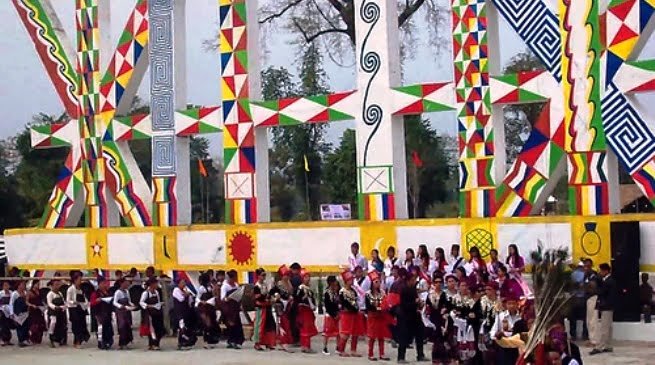
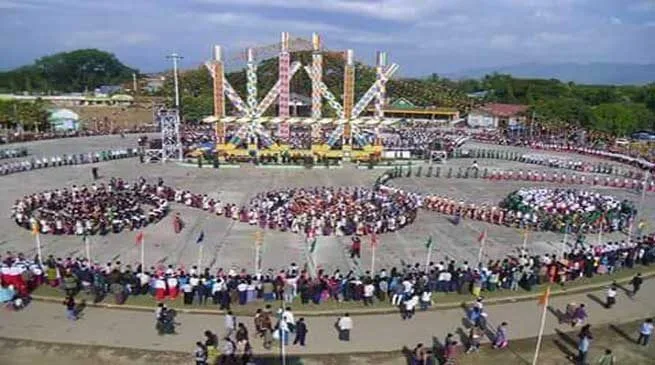
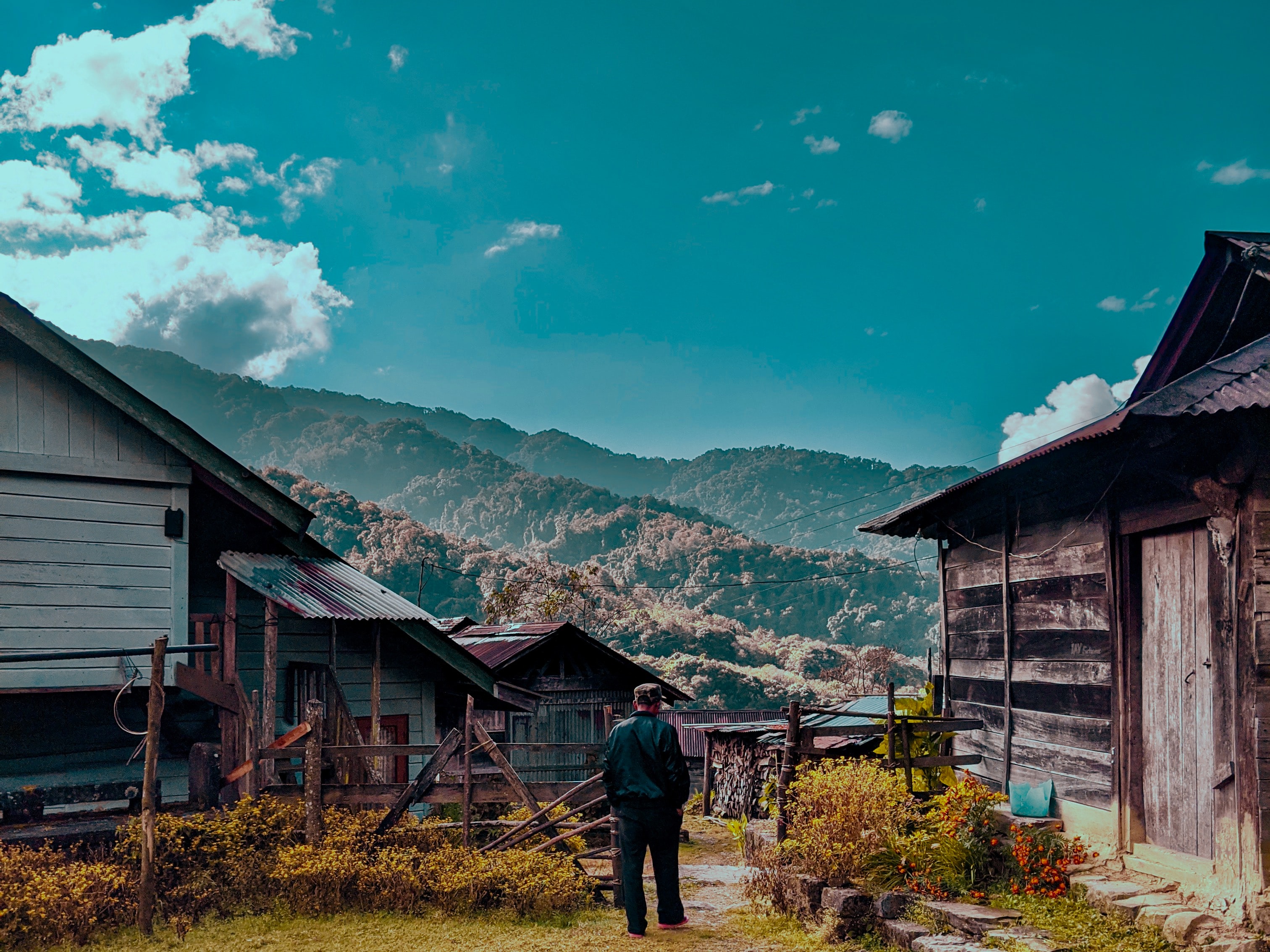
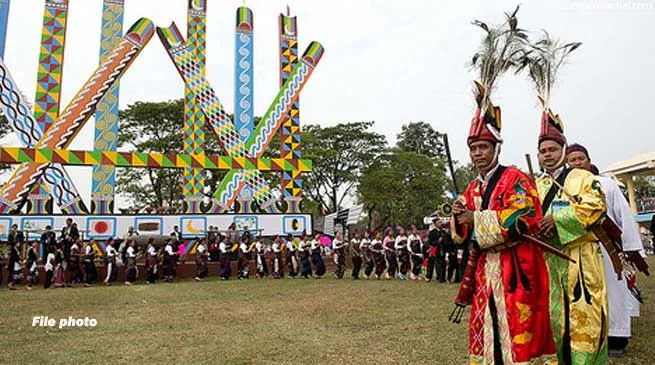
The Cheykor Festival, also known as the Festival of Joy, or the Parikrama of Wisdom is a popular harvest festival celebrated by the people of Arunachal Pradesh. It is observed by the people of the Nyishi tribe, who are one of the major indigenous communities in the state. The festival is a time when people come together to offer their thanks and gratitude to the Gods for the bountiful harvest and good fortune that they have received.

The Festival is celebrated annually to welcome the spring for five days, with each day having a special significance and ritual associated with it. The festival is marked by feasting, dancing, singing, and the exchange of gifts and greetings among friends, relatives, and neighbours.

It is said that Gelong Doyan Tenzing, a monk introduced this festival in the Sherdukpen region. The main theme of the festival portrays the introduction of Chhey or holy ures of Buddhism. Unlike other festivals, the Cheykor festival which probably falls during June is unique to the Shergaon people. Besides carrying the holy Buddhist ures around the village, special prayers are offered to the Phu or deities at various places. The Cheykor celebration at Shergaon village combines the traditional Bon religion with the preaching of Buddhism. The reading of the Kaso or the ancient document and performing rituals at various Chhodam or resting places is an instance. The singing of the Lurjang is done for seeking courage & protection of the villagers from mountain deities. Three community clans, the Aju Lampu Blang, the Chhampu Blang and the Thuksna Blang play a vital role in traditional affairs and also have a traditional educational system where the young generation learns how to be responsible citizens. Active participation of the Abosus or the elders, the Blangpu jomjis or girls and the Makpenpus or boys add flavour to the festival.

The first day of the festival is known as ‘Chindang,’ and it is observed as a day of purification. On this day, people clean their houses, wear new clothes, and prepare special dishes to offer to the Gods. They also light bonfires to purify their surroundings and ward off evil spirits. The second day of the festival is known as ‘Gumkum Gumpa,’ and it is celebrated as a day of merrymaking. People gather in large numbers and participate in traditional dances and songs. They also prepare and share traditional dishes like ‘Apong,’ a local rice beer, and ‘Gyathu,’ a spicy meat dish. The third day of the festival is known as ‘Nyecheon Yullo,’ and it is celebrated as a day of offerings. On this day, people offer prayers and offerings to the Gods for a good harvest, good health, and prosperity. They also visit their relatives and friends to exchange gifts and greetings. The fourth day of the festival is known as ‘Rineng Yullo,’ and it is observed as a day of reconciliation. People come together to forgive each other and bury their differences. They also participate in traditional games and sports like archery, wrestling, and tug-of-war. The fifth and final day of the festival is known as ‘Takhe Takhe,’ and it is celebrated as a day of farewell. On this day, people bid goodbye to the festival and exchange gifts and greetings one last time. They also pray to the Gods to bless them with a bountiful harvest in the coming year.

The Cheykor Festival is not only a celebration of the harvest but also a celebration of the rich cultural heritage of the Nyishi tribe. The festival showcases the traditional costumes, dances, songs, and games of the tribe, and it is a time for the younger generation to learn and appreciate their cultural roots. It is a time for people to come together, forget their differences, and celebrate the joys of life. The festival is a testimony to the resilience and diversity of the people of Arunachal Pradesh and their rich cultural traditions.

Travel Bucket List: India – Consolidated List of all States

As I started planning my travel, I started relying on my research for where to go and found it slightly ungainly to search through all the material I have to reach a specific destination. So here’s a consolidated list of all Indian states, in alphabetical order with the cities and towns next to each part which makes it easier to get to the place you are interested in.

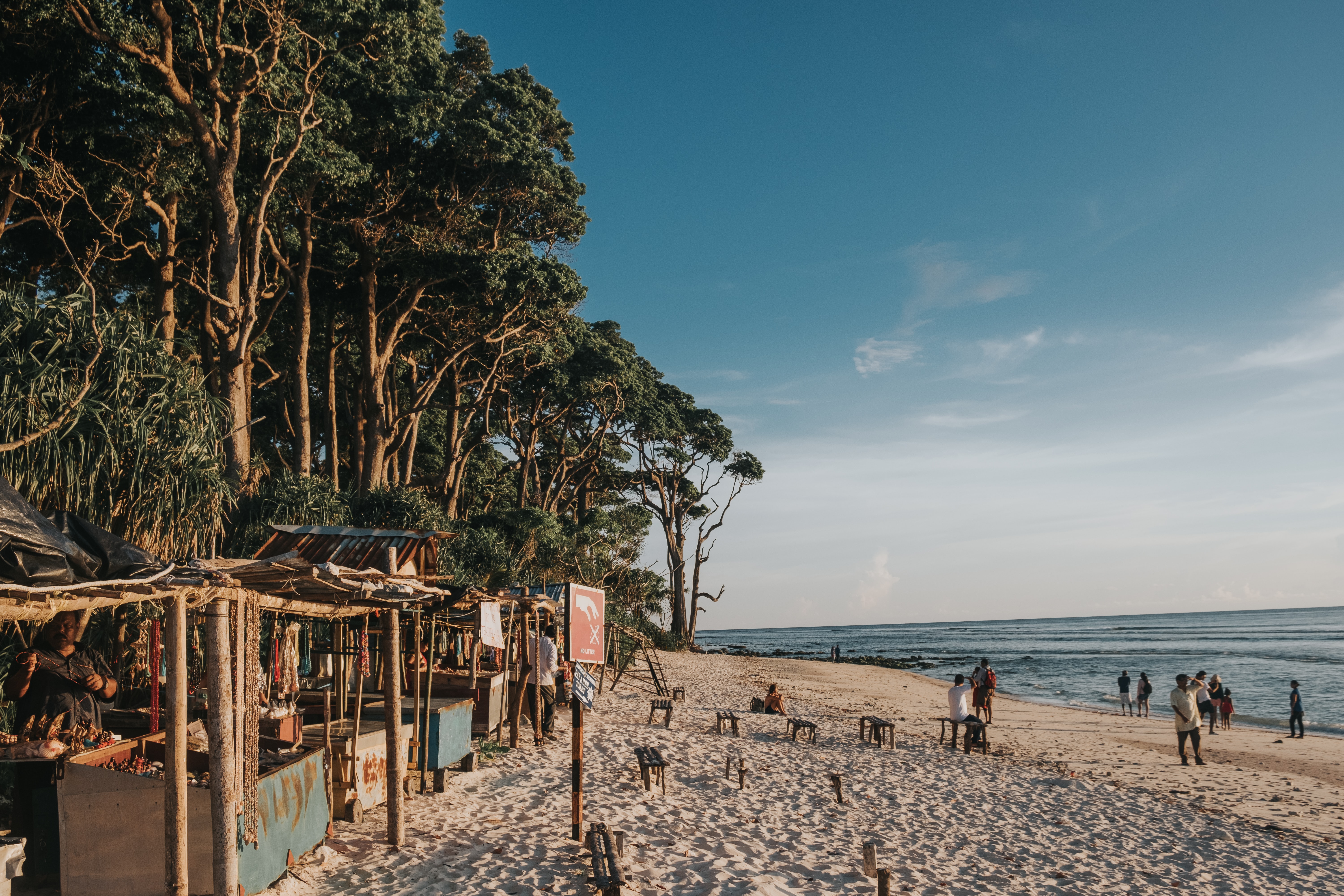
Photo by Ravigopal Kesari on Unsplash

Andaman and Nicobar Islands
Part 1 – Introduction and Overview
Part 2 – Port Blair
Part 3 – Corbyn’s Cove Beach, Wandoor Beach, Viper Island, Ross Island, North Bay Island, Red Skin Island, Middle Andaman Island, Long Island, Baratang Island, Parrot Island, North Passage Island, Guitar Island
Part 4 – Aves Island, North Andaman Island, Diglipur, Stewart Island, Ross & Smith Island, Jolly Buoy Island, Havelock Island
Part 5 – Neil Island, South Andaman Island, Rutland Island, Little Andaman Island, Cinque Island, Barren Island, Narcondom Island, Kathchal Island, Campell Bay & Indira Point
Part 6 – Mahatma Gandhi Marine National Park, Chidiya Tapu, The Chidiya Tapu Biological Park, Mount Harriet National Park, Saddle Peak National Park, Campbell Bay National Park, Galathea National Park, Middle Button Island National Park, North Button Island National Park, South Button Island National Park

Photo by Gowrisha CV on Unsplash

Andhra Pradesh
Part 1: Introduction and Overview, Vishakhapatnam
Part 2: Araku Valley, Vizianagaram, Annavaram, Samalkot, Kakinada, Rajahmundry
Part 3: Amaravathi, Vijayawada, Machilipatnam
Part 4: Guntur, Chirala, Nagarjunakonda, Srisailam, Cumbum, Nellore
Part 5: Kurnool, Mantralayam, Gandikota, Tadipatri, Anantapur, Puttaparthi
Part 6: Lepakshi, Horsley Hills, Chittoor, Srikalahasthi, Tirupati

Photo by Mayur More on Unsplash

Arunachal Pradesh
Part 1: Introduction and Overview, Itanagar, Bhalukpong
Part 2: Bomdila, Tawang
Part 3: Ziro, Yinkiong, Mechuka, Roing, Tirap
Part 4: Khonsa, Changlang, Miao, Anini, Pasighat, Aalo, Daporijo, Anjaw, Tezu

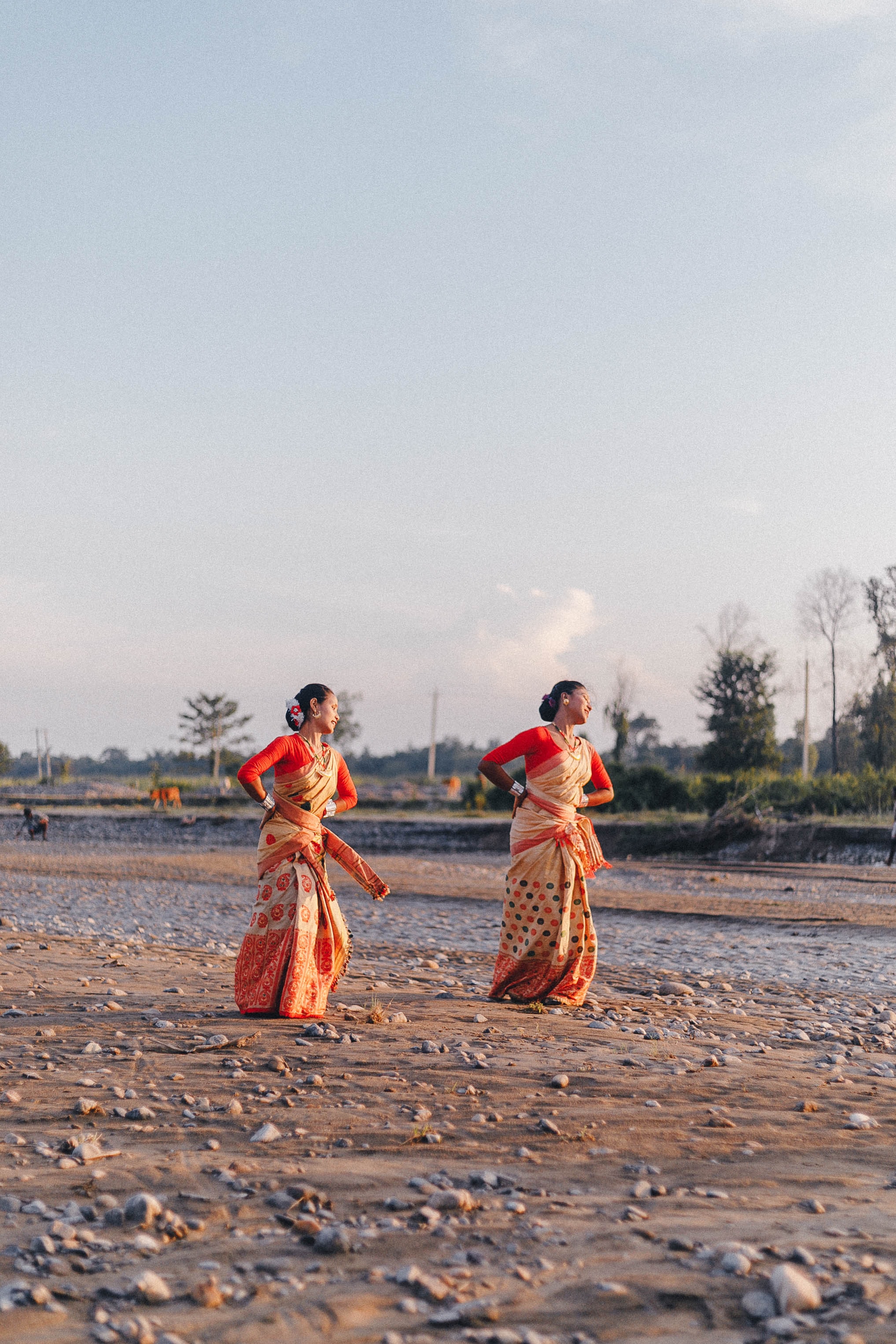
Photo by Nilotpal Kalita on Unsplash

Assam
Part 1: Introduction and Overview, Guwahati, Dispur
Part 2: Kokrajhar, Bongaigaon, Goalpura, Barpeta, Nalbari, Hajo, Sualkuchi
Part 3: Darrang, Mayong and Morigaon, Nagaon, Tezpur, Jorhat
Part 4: Sivasagar, Majuli, Dhemaji, Dibrugarh, Tinsukia, Digboi
Part 5: Sadiya, Haflong, Jatinga, Diphu, Karimganj, Hailakandi, Silchar
Part 6: Raimona National Park, Manas National Park, Orang National Park, Kaziranga National Park, Nameri National Park, Dibru Saikhowa National Park, Dihing Patkai National Park

Photo by ARTO SURAJ on Unsplash

Bihar
Part 1: Introduction and Overview
Part 2: Patna
Part 3: Hajipur, Nalanda
Part 4: Rajgir, Sasaram, Kaimur
Part 5: Bodh Gaya, Vaishali
Part 6: Muzzafarpur, Sitamarhi, Madhubani, Lauriya Nandangarh, Bhagalpur, Valmiki National Park Tiger Reserve and Wildlife Sanctuary

Photo by Ayiman Mohanty on Unsplash

Chhattisgarh
Part 1: Introduction and Overview, Raipur, Champaran
Part 2: Bhilai, Durg, Rajnandgaon, Chirmiri, Madku Dweep, Bhoramdeo Temple, Guru Ghasidas National Park
Part 3: Achanakmar Tiger Reserve, Bilaspur, Raigarh, Korba, Ambikapur, Barnawapara Wildlife Sanctuary, Mainpat, Malhar
Part 4: Mahasamund, Sirpur, Rajim, Jagdalpur, Dhamtari, Dhamtari, Dantewada, Kanger Ghati National Park

Dadra and Nagar Haveli and Daman and Diu
Part 1: Introduction and Overview, Daman
Part 2: Diu
Part 3: Dadra and Nagar Haveli

Delhi
Part 1: Introduction and Overview, India Gate, Red Fort, Qutub Minar, Jantar Mantar, Rajghat
Part 2: Iron Pillar, National War Memorial, Rajpath, Rashtrapati Bhavan, Agrasen Ki Baoli, Ghalib Ki Haveli, Alai Darwaza/Minar, Bhool Bhulaiya ka Mahal, Purana Qila,
Part 3: Tughlaqabad Fort. Siri Fort, Feroza Kotla Fort, Swaminarayan Akshardham Temple, ISKON Mandir, Birla Temple, Chhatrapur Temple, Kalkaji Temple, Kali Bari Temple, Yogmaya Temple, Sri Digambar Jain Lal Mandir, Lotus Temple
Part 4: Jama Masjid, Quwwat-ul-Islam Mosque, Fatehpuri Masjid, Jamali Kamali Mosque and Tomb, Nizamuddin Dargah, Humayun’s Tomb, Safdarjung’s Tomb, Isa Khan’s Tomb, Hijron ka Khanqah, Nicholson Cemetery
Part 5: Gurudwara Bangla Sahib, Gurudwara Sis Ganj Sahib, Rakab Ganj Gurdwara, Sunder Nursery, Lodhi Gardens, Garden of Five Senses, National Rose Garden, Mehrauli Archaeological Park, Pradhanmantri Sangrahalaya, National Museum, Nehru Memorial Museum and Library, Rashtrapati Bhavan Museum, Indian War Memorial Museum, National Handicrafts Museum
Part 6: Indira Gandhi Memorial Museum, Sanskriti Museums, Charkha Museum, Sulabh International Museum of Toilets, Shankar’s International Dolls Museum, Museum of Archaeology, National Railway Museum, Museo Camera, National Gallery of Modern Art, Kiran Nadar Museum of Art, Museum of Illusions, National Zoological Park, National Bal Bhavan, Connaught Place, Chandni Chowk, Dilli Haat, Sarojini Market, Lajpat Nagar, Majnu ka Tila, Pragati Maidan

Photo by Sarang Pande on Unsplash

Goa
Part 1: Introduction and Overview
Part 2: North Goa, Vagator Beach, Anjuna Beach, Calangute Beach, Sinquerim Beach, Candolim Beach, Arambol Beach, Mandrem Beach, Morjim Beach, Miramar Beach, Siridao Beach, Bogdeshwara Temple, Mangeshi Temple, Mahalaxmi Temple, Fort Aguada, Chapora Fort, Reis Magos Fort, Basilica of Bom Jesus, Church of Our Lady of Immaculate Conception, Chapel of St. Catherine, Church of Mae De Deus, Goa State Museum, Houses of Goa Museum, Museum of Christian Art, Casino Palms, Chorao Island, Harvalem Waterfalls
Part 3: South Goa, Butterfly Beach, Betalbatim Beach, Agonda Beach, Mobor Beach, Hollant Beach, Palolem Beach, Cansaulim Beach, Colva Beach, Talpona Beach, Kakolem Beach, Benaulim Beach, Our Lady of Remedios Church, Saviour of the World Church, St. Alex Church, Shantadurga Temple, Tambdi Surla Mahadev Temple, Chandreshwar Bhoothnath Temple, Naval Aviation Museum, Goa Chitra Museum, Big Foot Museum, The Grande Island, Pequeno Island, Bhagwan Mahaveer Wildlife Sanctuary, Netravali Wildlife Sanctuary, Cotigao Wildlife Sanctuary, Dudhsagar Falls, Bamanbudo Waterfalls, Netravali Bubbling Lake, Cabo de Rama Fort, Chandor

Photo by Parth Kateliya on Unsplash

Gujarat
Part 1: Introduction and Overview
Part 2: Surat, Vapi, Udvada, Valsad, Bilimora, Navsari, Bharuch, Saputara
Part 3: Ahmedabad, Lothal, Vadodara, Anand
Part 4: Gandhinagar, Patan, Mehsana, Palanpur
Part 5: Rajkot, Jamnagar, Dwarka, Porbandar, Junagadh, Bhavnagar, Palitana,
Part 6: Kutch, Bhuj, Mandvi, Rann of Kutch, Anjar

Photo by Sooraj Dev on Unsplash

Haryana
Part 1: Introduction and Overview, Gurugram, Manesar, Sohna
Part 2: Faridabad, Nuh, Murthal, Rohtak, Meham
Part 3: Hisar, Panipat, Karnal
Part 4: Kurukshetra, Ambala
Part 5: Panchkula, Morni Hills, Narnaul

Photo by Naman Pandey on Unsplash

Himachal Pradesh
Part 1: Introduction and Overview, Shimla, Kufri, Fagu, Theog, Hatkoti Valley, Chanshal Valley
Part 2: Chail, Solan, Barog, Nahan, Sirmour, Paonta Sahib, Shoghi, Kasauli, Arki, Nalagarh, Dadasiba, Bilaspur, Dalhousie,
Part 3: Kangra, Khajjiar, Bharmour, Chamba, Tattapani, Jalori Pass, Jibhi, Mandi
Part 4: Trithan Valley, Bhuntar, Sainj Valley, Barot, Bir Billing, Palampur, Kasol, Nagar, Manikaran Sahib, Tosh, Parvati Valley
Part 5: Kullu, Manali, Dharamsala, McLeodganj
Part 6: Keylong, Pin Valley National Park, Spiti Valley, Narkanda, Mashroba, Kinnaur, Sarahan, Sangla Valley, Kalpa, Pangi Valley, Nako

Jammu & Kashmir and Ladakh
Part 1: Introduction and Overview, Kashmir, Srinagar, Gulmarg, Sonmarg, Pahalgam, Amarnath, Pulwama, Kupwara, Poonch, Anantnag, Baramulla, Dachigam National Park
Part 2: Jammu, Patnitop, Rajouri, Udhampur, Kathua, Katra, Vaishno Devi, Kishtwar
Part 3: Ladakh, Leh, Leh Palace, Thiksey Gompa, Pangong Lake, Magnetic Hill, Nubra Valley and Khardung La Pass, Kargil, Drass, Hemis High Altitude Wildlife Sanctuary, Lamayuru, Lake Tso Moriri

Photo by Aryan Singh on Unsplash

Jharkhand
Part 1: Introduction and Overview, Ranchi
Part 2: Hazaribagh, Bokaro Steel City
Part 3: Jamshedpur, Neterhat
Part 4: Dhanbad, Shikarji, Deoghar, Dumka

Karnataka
Part 1: Introduction and Overview
Part 2: Bengaluru
Part 3: Mysuru, Mangalore, Belgaum
Part 4: Hubli-Dharwad, Gulbarga, Bidar, Badami, Bijapur, Hassan, Shimoga, Hampi, Sharavathi Valley Wildlife Sanctuary, Bhadra Wildlife Sanctuary, Brahmagiri Wildlife Sanctuary, Nagarhole National Park, Bandipur National Park, Ranganathittu Bird Sanctuary, Jog Falls, Shivanasamudra Falls, Kodasalli Backwater
Part 5: Coorg, Chikmagalur, Sakleshpur, Kudremukh, Kemmanagundi, Kotagiri, Masinagudi, Devarayanadurga, Karwar, Devbagh, Kumta, Netrani Island, Murudeshwar, Maravanthe, St. Mary’s Island, Udipi
Part 6: Udipi, Kollur, Sringeri, Dharmasthala, Horanadu, Talakadu, Belur, Shravanbelagola, Gokarna, Murudeshwar, Koodli, Srirangapatna, Pattadakal, Aihole, Kalasa

Kerala
Part 1: Introduction and Overview
Part 2: Kasaragod, Kannur, Kozhikode
Part 3: Wayanad, Mallapuram, Palakkad
Part 4: Thrissur, Ernakulam, Alappuzha
Part 5: Kottayam, Idukki, Patanamthitta
Part 6: Kollam, Tiruvanathapuram

Photo by Sachin Benny on Unsplash

Lakshadweep Islands
Part 1: Introduction and Overview
Part 2: Aminidivi, Cora Divh, Sesostris Bank, Bassas de Pedro, Cherbaniani Reef, North Islet, Byramgore Reef, Chetlat Island, Bitra Par, Kilthan Island, Kadmat Island, Kadmat Beach, Elikalpeni Bank, Perumal Par, Amini Island
Part 3: Laccadive, Amindivi, Agatti Island, Bangaram, Pakshipitti, Andrott Island, Kavaratti, Kalpeni, Suheli Par
Part 4: Minicoy, Maliku Atoll, Investigator Bank, Viringili

Madhya Pradesh
Part 1: Introduction and Overview
Part 2: Bhopal
Part 3: Indore, Ujjain, Alampur
Part 4: Maheshwar, Omkareshwar, Mandu, Burhanpur
Part 5: Chanderi, Shivpuri, Orchha, Khajurao
Part 6: Gwalior, Jabalpur, Bhedaghat, Panchmarhi, Amarkantak, Bandhavgarh National Park, Kanha National Park, Pench National Park

Photo by Raj Rana on Unsplash

Maharashtra
Part 1: Introduction and Overview, Mumbai
Part 2: Pune
Part 3: Matheran, Lonavala, Khandala, Rajmachi, Lavasa, Kamshet, Mahabaleshwar, Panchgani, Kaas Plateau, Maval, Bhandardara, Chikhaldara, Bhimashankar
Part 4: Amravati, Aurangabad, Ajanta and Ellora Caves, Lonar, Chiplun, Kolhapur, Nagpur, Nanded, Nashik, Triambakeshwar, Shirdi, Shani Shinganapur, Raigad, Ratnagiri, Satara
Part 5: Dahanu, Alibaug, Kashid, Diveagar, Harihareshwar, Murud, Karade, Ganpatipule, Tarkarli, Vengurla, Tadoba National Park, Bhamragarh Wildlife Sanctuary, Chandoli National Park, Gugumal National Park, Navegaon National Park, Malvan Marine Sanctuary, Rehekuri Blackbuck Sanctuary

Photo by WAIKHOM JAMES on Unsplash

Manipur
Part 1: Introduction and Overview, Imphal
Part 2: Moirang, Tamenglong, Thoubal
Part 3: Chandel, Tengnoupal, Moreh, Kaina, Ukhrul, Mount Koubru, Baruni Hill, Thangjing Hill, Sadu Chiru Waterfall

Photo by Utkarsh B on Unsplash

Meghalaya
Part 1: Introduction and Overview
Part 2: Shillong
Part 3: Mawphlang, Cherrapunji, Nongpoh, Mawsynram
Part 4: Jowai, Mawlynnong, Dawki, Balpakram National Park, Williamnagar, Baghmara, Tura
Part 5: Khasi Hills, Jaintia Hills, Garo Hills

Photo by Vanlaldin puia on Unsplash

Mizoram
Part 1: Introduction and Overview, Aizwal, Falkawn Village
Part 2: Reiek, Hmuifang, Kolasib, Tamdil or Tam Lake, Mamit, Vantawng Falls, Serchhip
Part 3: Dampa Tiger Reserve, Lunglei, Champhai
Part 4: Murlen National Park, Phawngpui, Phawngpui National Park, Saiha,

Photo by Suraj Jadhav on Unsplash

Nagaland
Part 1: Introduction and Overview, Dimapur
Part 2: Kohima
Part 3: Mokokchung, Tuensang, Phek, Mon, Pfutsero

Photo by Ayiman Mohanty on Unsplash

Odisha
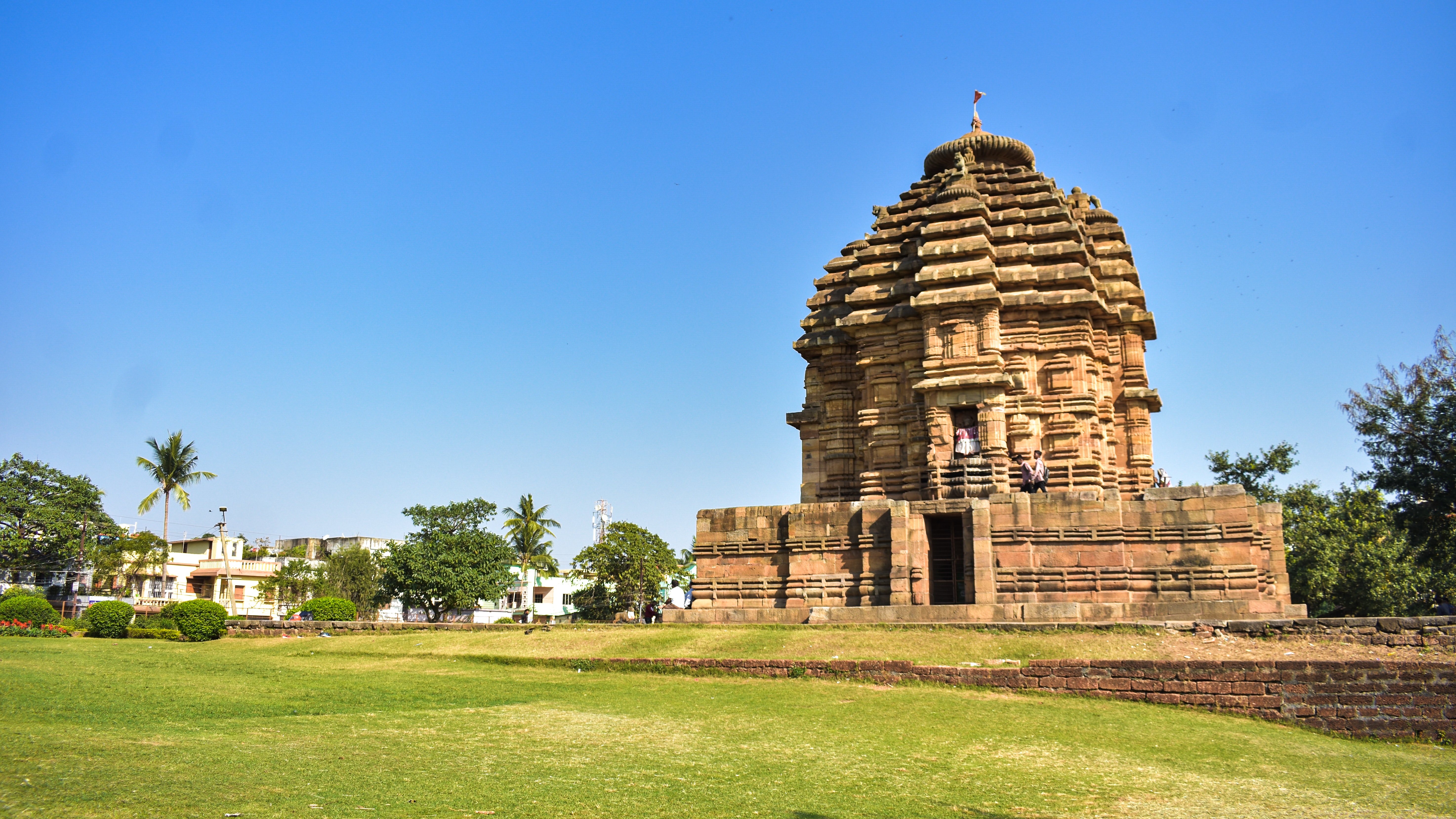
Part 1: Introduction and Overview, Bhubaneshwar, Dhauli
Part 2: Cuttack, Rayagada, Daringbadi, Berhampur, Jeypore
Part 3: Puri, Baripada, Sambalpur, Rourkela
Part 4: Konark, Paradeep, Gopalpur, Chandipur
Part 5: Lake Chilika, Tikarpada Wildlife Sanctuary, Satkosia Tiger Reserve, Bhitarkanika National Park & Wildlife Sanctuary, Simlipal National Park, Duduma Waterfalls, Chandaka Forest, Kotgarh Elephant Reserve, Karlapat Wildlife Sanctuary

Photo by nullvoid on Unsplash

Puducherry
Part 1: Introduction and Overview, Puducherry
Part 2: Karaikal, Mahé, Yanam

Photo by Prerna Sharma on Unsplash

Punjab
Part 1: Introduction and Overview
Part 2: Chandigarh, Sirhind
Part 3: Rupnagar, Patiala
Part 4: Ludhiana, Bhatinda
Part 5: Jalandhar, Kapurthala
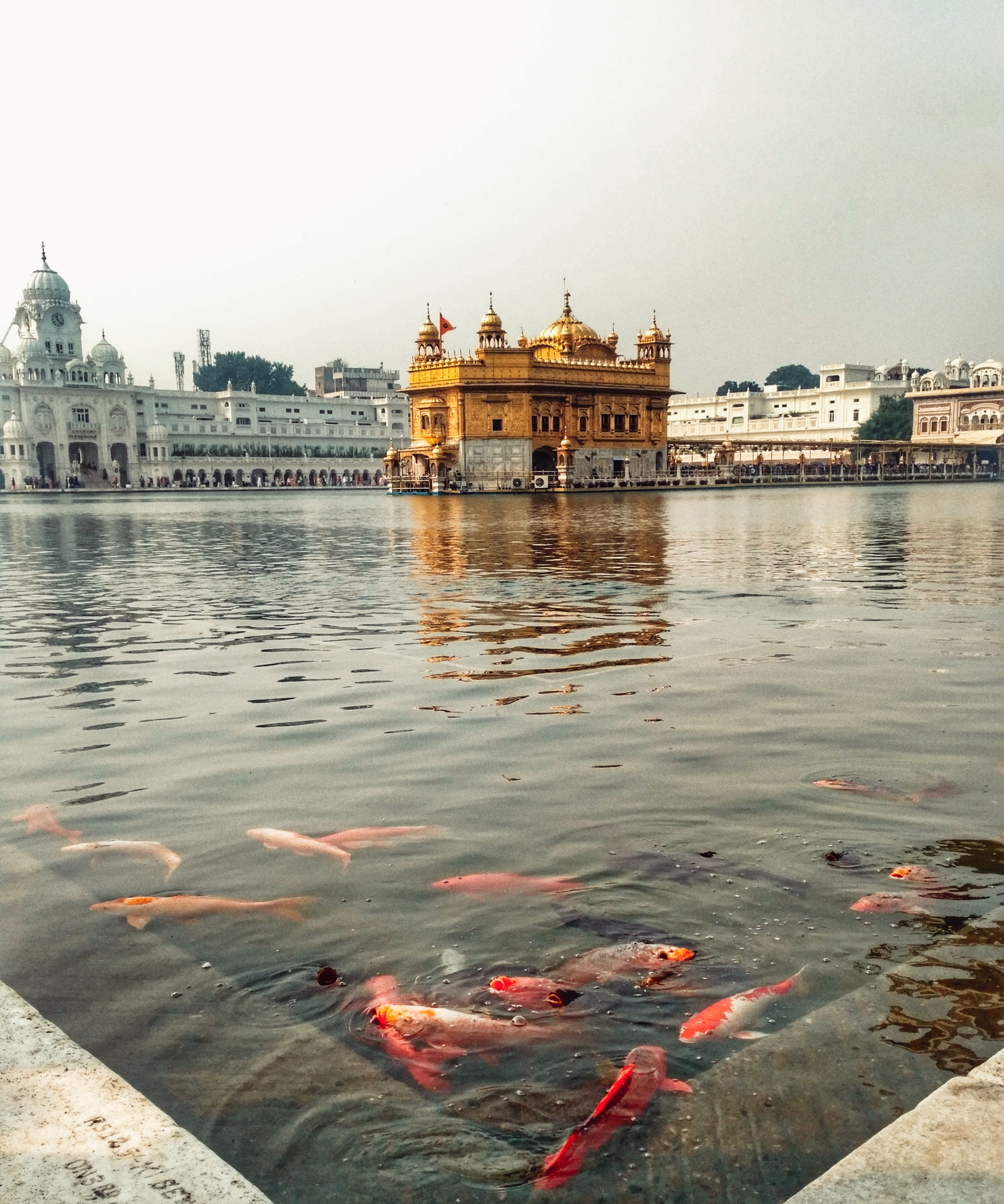
Part 6: Pathankot, Amritsar

Rajasthan
Part 1: Introduction and Overview, Jaipur, Udaipur
Part 2: Jodhpur, Jaisalmer, Sawai Madhopur, Pushkar

Photo by Apurba Nag on Unsplash

Sikkim
Part 1: Introduction and Overview
Part 2: Gangtok
Part 3: Tinkitam Rayong, Namchi, Barsey Rhododendron Sanctuary, Kabi Longstok, Tendong Hill, Aritar, Zuluk, Pangolakha Wildlife Sanctuary, Pelling, Yuksom, Ravangla
Part 4: Maenam Wildlife Sanctuary, Geyzing, Yangtey, Borong, Mangan, Chopta Valley, Lachung, Lachen, Yumthang Valley, Thangu Valley, Gurudongmar Lake, Cholamu Lake, Shingba Rhododendron Sanctuary, Khangchendzonga National Park, Fambong Lho Wildlife Sanctuary, Goecha La

Tamil Nadu
Part 1: Introduction and Overview, Chennai
Part 2: Coimbatore, Tiruchirappalli, Tiruppur, Tirunelveli
Part 3: Ooty, Kodaikanal, Yercaud, Coonoor, Yelagiri, Bellikkal
Part 4: Kanchipuram, Tiruvannamalai, Chidambaram, Vaitheeshwaran Kovil,
Part 5: Kumbakonam, Thanjavur, Swamimalai, Rameshwaram, Madurai
Part 6: Mahabalipuram, Kanyakumari, Mudumalai Wildlife Sanctuary, Hogenakkal Falls, Kutralam Falls

Photo by Aman Upadhyay on Unsplash

Telangana
Part 1: Introduction and Overview, Hyderabad Part 1
Part 2: Hyderabad Part 2
Part 3: Secunderabad
Part 4: Warangal, Nizamabad
Part 5: Khammam, Karimnagar, Adilabad, Mahbubnagar, Medak
Part 6: Nalgonda, Bhadrachalam, Koti Linga, Somasila, Vemulawada

Photo by Sourav Debnath on Unsplash

Tripura
Part 1: Introduction and Overview
Part 2: Agartala
Part 3: Kailashahar, Unakoti, Udaipur, Ambassa, Pilak Archaeological Sites, Chabimura, Mahamuni Pagoda, Manubankul, Buddhist Stupa, Boxanagar
Part 4: Baramura Eco Park, Kalapania Nature Park, Tepania Eco Park, Khumulwang Eco Park, Jampui Hills, Dumboor Lake, Dhalai, Rudrasagar Lake, Sepahijala Wildlife Sanctuary & Clouded Leopard National Park, Trishna Wildlife Sanctuary, Rajbari National Park, Rowa Wildlife Sanctuary, Gomati Wildlife Sanctuary

Uttar Pradesh
Part 1: Introduction and Overview, Noida, Loni, Ghaziabad, Meerut, Muzzafarnagar
Part 2: Hastinapur, Vrindavan, Mathura
Part 3: Fatehpur Sikri, Agra, Garhmukteshwar
Part 4: Aligarh, Firozabad, Jhansi, Piilbhit, Bithoor, Naimisharanya
Part 5: Kanpur, Lucknow
Part 6: Ayodhya, Sravasti, Prayagraj
Part 7: Chitrakoot, Vindhyachal, Varanasi, Sarnath, Kushinagar

Photo by Akshay syal on Unsplash

Uttarakhand
Part 1: Introduction and Overview, Dehradun
Part 2: Mussoorie, Dhanaulti
Part 3: Auli, Joshimath, Chopta, Tungnath, Ukhimath, Lansdowne, Nainital
Part 4: Sattal, Bhimtal, Naukuchiatal, Kausani, Ranikhet, Almora, Binsar, Jalna, Kasar Devi, Jageshwar, Champawat, Munsiyari, Pithorgarh
Part 5: Bageshwar, Chamoli, Mana, Badrinath, Pandukeshwar, Hemkund Sahib, Kedarnath, Gomukh, Madhyamaheshwar, Gangotri, Gauri Kund, Yamunotri
Part 6: Rudranath, Guptakashi, Nandprayag, Rudraprayag, Devprayag, Rishikesh, Haridwar, Roopkund Lake, Nelong Valley, Gangotri National Park, Kedarnath Wild Life Sanctuary, Valley of Flowers, Nanda Devi National Park, Govind Pashu Vihar Wildlife Sanctuary, Rajaji National Park, Jim Corbett National Park

Photo by Nitish Narayan on Unsplash

West Bengal
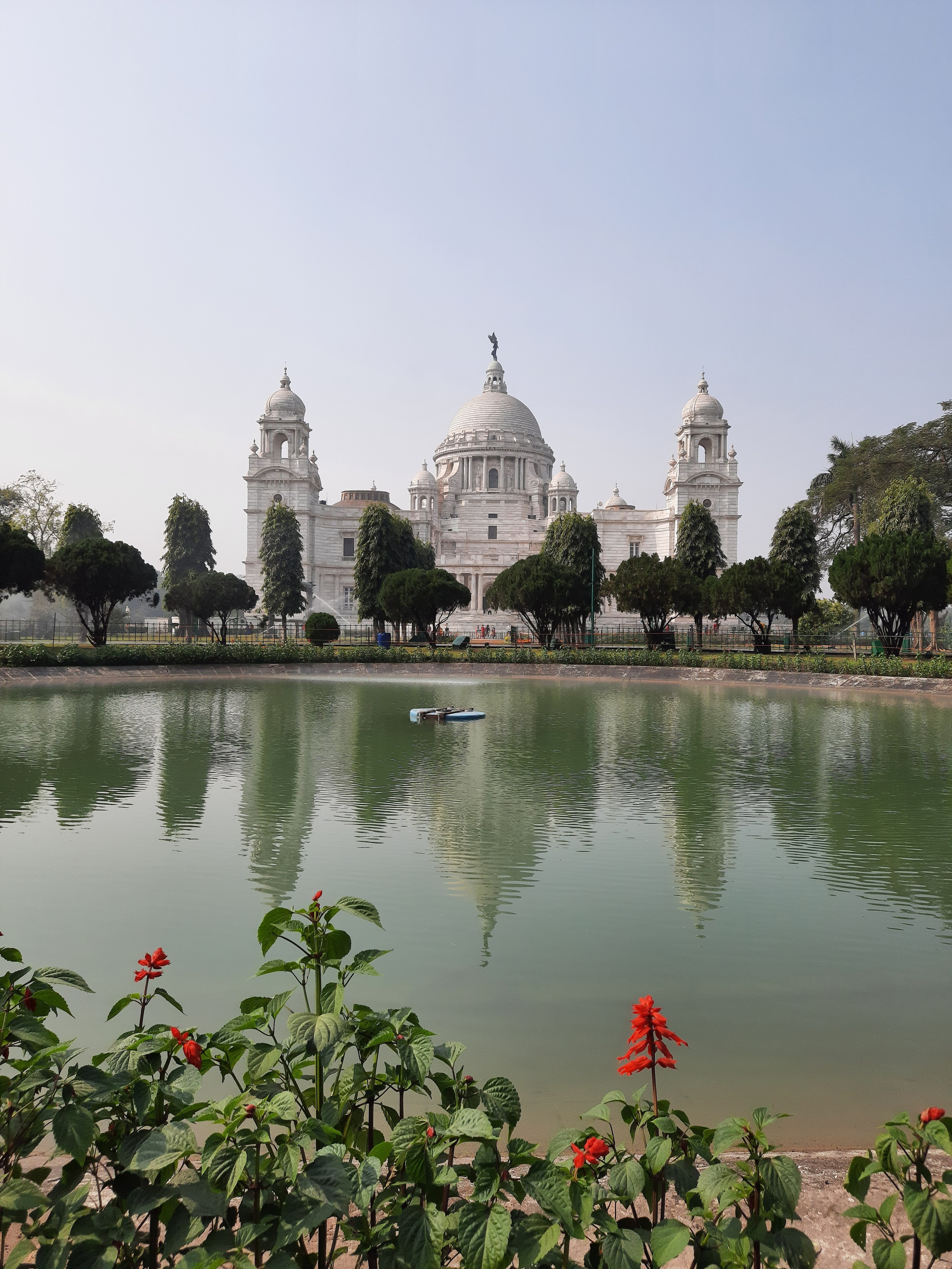
Part 1: Introduction and Overview, Kolkata
Part 2: Howrah, Barrackpore, Chandan Nagar, Chinsurah, Bardhaman, Haldia, Midnapore
Part 3: Shantiniketan, Durgapur, Jhargram, Asansol, Murshidabad, Mukutmanipur, Malda, Siliguri, Jalpaiguri, Cooch Behar, Bagdogra
Part 4: Kurseong, Mirik, Darjeeling, Tinchuley, Dooars, Kalimpong
Part 5: Rishyap, Lava and Lolegaon, Buxa Tiger Reserve, Rajabhatkawa, Jaldapara National Park, Jaldhaka, Chapramari Wildlife Sanctuary, Gorumara National Park, Neora Valley National Park, Lataguri, Purulia, Sonajhuri Forest, Deulti, Sundarbans, Mayapur, Nabadwipa, Bakreswar
Part 6: Bankura, Bishnupur, Jayrambati, Kamarpukur, Tarapith, Falta, Raichak, Taki, Piyali Island, Machranga Dwip, Kakdwip, Mousuni Island, Bakkhali, Junput, Mandarmani, Tajpur, Shankarpur

Travel Bucket List: India – Arunachal Pradesh Part 4

Khonsa

A hill station in a valley surrounded by the Himalayas, Khonsa was created during the British colonial rule. It borders Myanmar to the east and Assam in the south and is surrounded by panoramic views of thick forests fringed by hills. Located about 300 km east of Itanagar, Khonsa lies in the Tirap Valley at an average elevation of about 1,215 m above sea level with streams, deep gorges, dense forests and snow-clad hills.

The Khonsa Museum was built in 1956 and houses some amazing artefacts representing the diverse culture of the region. Other than swords and other weapons on display here, one can also find handlooms and artefacts that represent the culture of various parts of India as well as various types of cane and bamboo works. The Kheti and Lajo villages are tribal villages, home to the Nocte, a Wancho tribe that makes up the majority of Khonsa’s inhabitants. Human skulls from the times when the tribes headhunted are hung in the village dormitories to reflect their past. The Khonsa waterfall is located in a dense forest, just a few km from Khonsa and has magnificent views of the forest. The way to the waterfall is very difficult and challenging and it can be only reached with the help of a local guide.

Changlang

Due to the presence of crude oil, coal and mineral resources other than tourism and hydropower, Changlang which lies 324 km east of Itanagar has become an important town in the state. Changlang shares an international boundary with Myanmar and is best known for its bio-diversity and scenic beauty and unique culture.

Visible from the Pangsau Pass, 12 km from Nampong, the Lake of No Return has this name due to the many who perished here. The spot was used for a soft landing for fighter planes during times of war after being hit by enemies with many soldiers losing their lives in the process. Depending on the weather, Nampong has been nicknamed the Hell Pass because of the difficult terrain that worsens during the monsoon season. The Indo-Myanmar border is just 12 km from Nampong where the Lake of No Return is visible. Also known as Ledo Road, Stilwell Road is a historic road as it was connected by the Americans during World War II to connect Ledo to Changlang. The route of the entire road is quite circuitous and covers a challenging path. Popularly known as the Jairampur Cemetery, the World War II Cemetery is located some 25 km from the Indo-Myanmar Border and is where soldiers who died during World War II died. Most of the graves are those which belong to the Chinese, Indian, Kachin and British soldiers, but many graves have been destroyed by wild elephants today.

Miao

Situated 165 km east of Khonsa and about 350 km east of Itanagar, Miao is where Tibetian refugees settled down. It is also the gateway to the Namdapha National Park and an ideal spot for hiking, angling and trekking. The Patkai Bum mountain range, which is an Eastern extension of the Himalayas is what Miao is famous for and the main attractions of the town are the mini zoo and museum. There is also a Tibetan refugee settlement which sells lovely woollen carpets and the tea plantations and opium cultivation farms nearby are also popular.

Anini

A small underdeveloped remote town, Anini lies about 583 km northeast of Itanagar. The Idu Mishmi tribal people constitute a majority here. Anini’s name may have come from Inini or Innini with historical maps of Arunachal Pradesh from times before the Lower Dibang Valley district was carved out of the Dibang Valley District and before Roing was established, indicate the capital of the Dibang Valley District being Inini which have come from the Idu word Inni who is the Idu Mishmi’s supreme deity or God.

The native Idu Mishmis and other tribes were said to have migrated from ancient Tibet in the 1st century. Anini’s importance grew during World War II when supplies and troops needed to be sent to China through the Ledo Road in Assam. In 1947, Anini became a part of India, but became part of the disputed territory claimed by both India and China in 1950. Most of Anini is located on a miniature plateau between two tributaries of the Dibang river, the Dri and the Mathun rivers. The town is located on the Eurasian Plate, about 420 miles north of the junction of the Indian and the Eurasian Plates, which makes Anini earthquake-prone. The Mehao Wildlife Sanctuary nearby is a must-visit while in Anini. Anini is an important stop of the Arunachal Helicopter Service. The service connects the town to the rest of the state as well as to the Dibrugarh airport in Assam. The town is a major stop in both the Eurocopter Dauphin and the MI-172 helicopters’ schedules.

Pasighat

Situated at the eastern foothills of the Himalayas at 155 m above sea level, Pasighat is Arunachal Pradesh’s oldest town. Also known as the Gateway to Arunachal Pradesh, Pasighat is located about 265 km northeast of the capital of Itanagar, the town is also an Advance Landing Ground or ALG of the Indian Air Force.

Pasighat was founded in 1911 by the British colonial government as a gateway to the administrative convenience of the greater Abor Hills and the north area in general and settlements of Adi tribesmen still live in the villages in and around Pasighat. The town is home to the River Brahmaputra which flows down from Tibet and is a photographer’s delight.

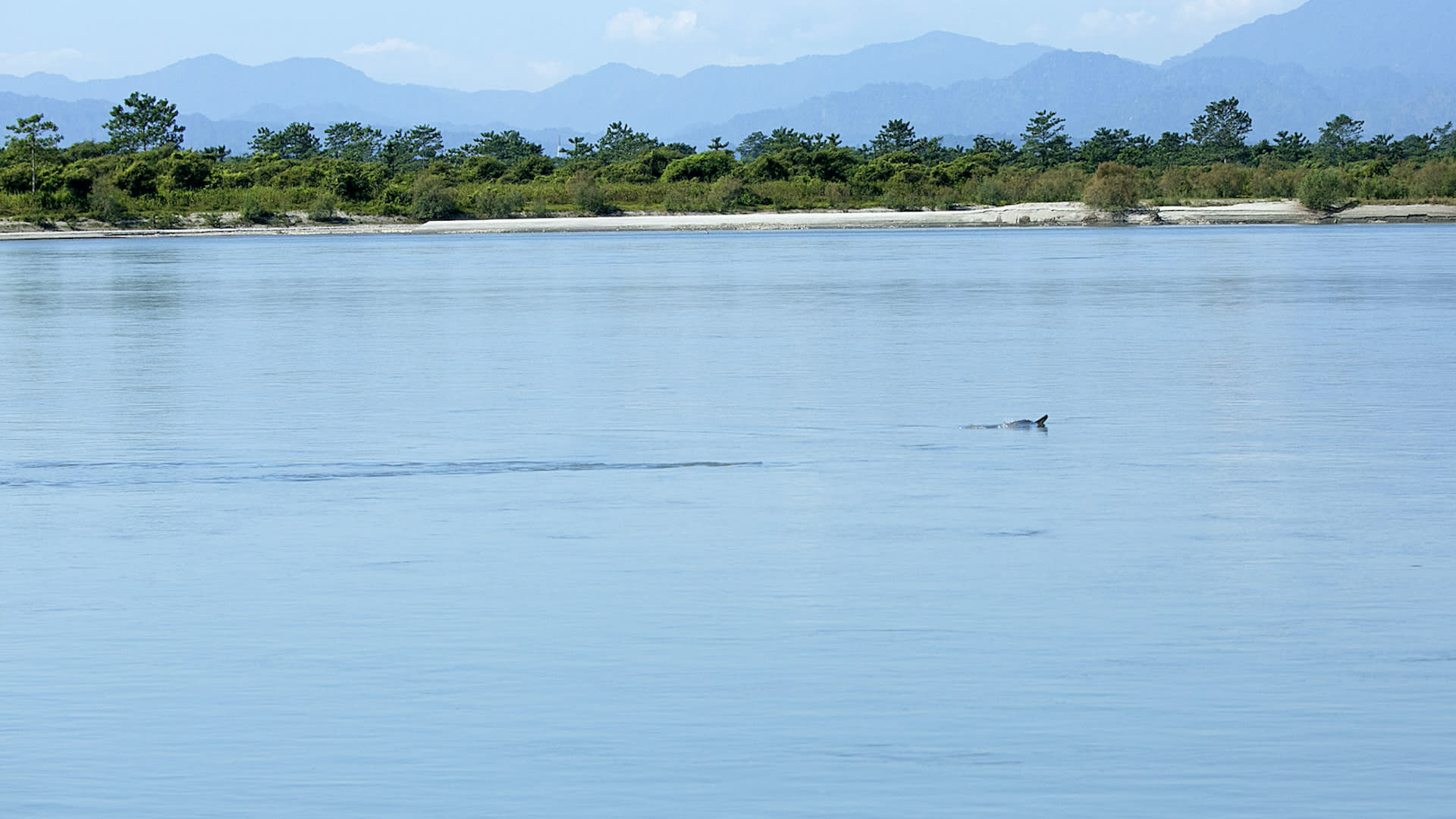
A hanging bridge on the Siang River attracts a lot of tourists around the year. Spread over an area of 190 sq km, the Daying Ering Wildlife Sanctuary is covered by alluvial grasslands which form the major area and wooded areas constitute about 15% while the remaining area or about 25% is covered with water bodies and hence attracts many migratory birds from Mongolia and Siberia. The sanctuary itself is surrounded by the Siang or the Brahmaputra River and is home to many endangered bird species.

Around 60 km from Pasighat is where the green water of River Siang meets the blue water of River Siyom and presents a marvellous sight. This is Pangin where one can find many rare plants and herbs of medicinal importance. Kekar Monying is a mountain cliff near Rottung and an important historical place. In 1911, it was here that the Adi tribesmen put up a strong fight against the British. The war was a part of a punitive expedition undertaken by the British for murdering Noel Williamson, a political officer in the previous year by Matmur Jamoh, a native of Yagrung village. Komsing, a village on the left bank of the Siang is the place of Williamson’s murder. A stone epitaph bearing the name of Noel Williamson still lies near the Siang. Komlighat used to be a river port and the ghat marks the area of the colonial town of Pasighat which has been submerged into the Siang river following a flood and the river changing its course. Today, it is a popular evening spot providing a wonderful view of the river and the hills surrounding the Pasighat plains.

The Pasighat Buddhist Temple is located opposite the airstrip and serves as the only Buddhist worship place in Pasighat. The East Siang District Museum also located nearby is the district museum. Pasighat also houses the headquarters of the Adi Baane Kebang, which acts as the de facto cultural parliament governing the cultural, linguistic and traditional aspects of the Adi people.

Aalo

Formerly known as Along, the town of Aalo lies about 365 km northeast of Itanagar and about 220 km from Likabali, at the border of Assam and Arunachal Pradesh. It is also an Advance Landing Ground or ALG of the Indian Air Force. Lying close to several tiny villages, this small town is situated at the congregation of the two rivers, the Sipu and the Yomgo. With blooming orchards of oranges and pleasant cum cool weather, Aalo is best visited in the winter season. River Rafting is a major activity in Along on the Sipu and Yomgo or Siyom Rivers which flow within Aalo. The Kamaki Hydropower Dam should also be visited to take in the gorgeous views from the dam. The Ramakrishna Mission runs a beautiful missionary school in Aalo which is exceedingly pretty and well kept. The Darka Village is a major attraction, especially during the famous Mopin Festival. The village has three rivers running through it making it beautiful.  

Daporijo

Daporijo is a small town on the way from Ziro to Aalo and lies about 270 km northeast of Itanagar and about 165 km northeast of Ziro and about 160 km southwest of Aalo. A small scenic town, Daporijo is situated 600 meters above sea level with the beautiful Subansiri River, a tributary of the Brahmaputra River, flowing through the town. The town is known for its varied ethnic cultures like the Tagin, the Galo the Hilmiri and the Mishmi who are believed to have existed since ancient times. Originally Dapo referred to the protection or a barrier against the epidemic or evil spirits while Rijo stood for the valley, so Daporijo means the valley which stops diseases or evil spirits.

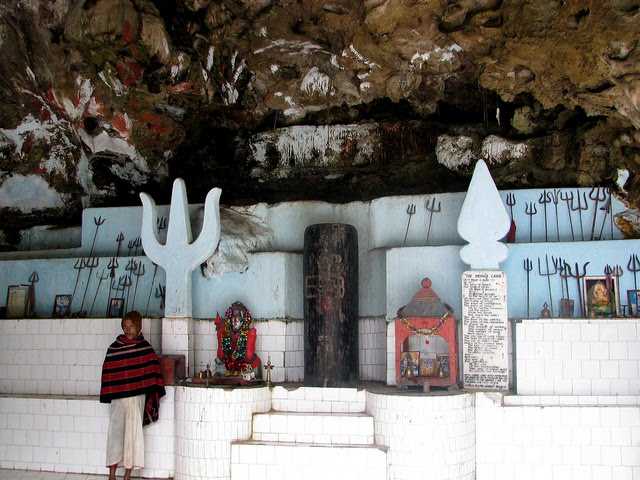
The Meghna cave Temple is dedicated to Lord Lakulisha who was the 28th embodiment of Lord Shiva and the temple is especially crowded during the Maha Shivaratri festival. The temple has some Sanskrit scriptures inside and is well known for the spectacular views surrounding the cave. With beautiful green surroundings and wild animals wandering around, the Kamala Forest Reserve is a protected forest area near Daporijo and is a favourite spot for bird lovers. The Daporijo Good Shepherd Church is a beautiful catholic church under the Itanagar diocese, controlled by tribal bishops. The Subansiri River offers visitors to do rafting which should not be missed.

Anjaw

Located 450 km northeast of Itanagar, Anjaw borders China in the north. India’s easternmost district, Anjaw is also the second least populous district in the country. During the 1962 war, parts of Anjaw were briefly occupied by China and being part of a disputed border region, the area always has an Indian military presence. The Mishmi, and the Zakhring or the Meyor as they were formerly known are the main tribes here. The area is rich in wildlife with some rare mammals and birds found in the region. The small offbeat town is rich in greenery with gleaming waterfalls, beautiful river streams and pine forests.

Kibithoo is located about 100 km northeast of Anjaw about 1305 meters above sea level on the right bank of the River Lohit. Inhabited by the two main tribes of the Zedkring and the Mishmi, the town is surrounded by rivers, waterfalls, and dense forests of pine and berries and makes for a relaxing getaway. Hawai and Hayuliang are two small towns close to Anjaw. Hawai in the Mishmi language means pond and is located 1296 meters above sea level. Hayuliang means a place of my liquor in the Mishmi language and is located 750 meters above sea level and is blessed with gorgeous views of the convergence of the Dalai and the Lohit Rivers.

Walong in the Mishmi dialect means a place full of bamboo and is situated 1094 meters above sea level on the west bank of the Lohit River. Walong holds great historical importance because many Indian soldiers lost their lives here during the 1962 war. Just 20 km from the Indo-Sino border, the town has had a massive Chinese influence. The Namti Valley has a memorial built to commemorate the fallen soldiers of the 1962 war. About 7 km from Walong lies Dong on the left bank of the Lohit River and experiences the earliest sunrise in the country. Numerous pine trees surround this town which is enriched with lush greenery. Situated on the left bank of the Dalai River, 1258 meters above sea level, Chaglogam is a great place for different adventure sports like trekking, angling, rafting and mountain climbing.

Tezu

Arunachal Pradesh’s fifth-largest town and one of its most developed, Tezu lies about 346 km northeast of Itanagar. The recently constructed airport at Tezu will be the first civilian airport in the state. Tezu also has a sizeable population of Tibetan community of about 1500 mostly residing in a settlement known as locally as Lama Camp which is located in Tindolong about 6 km from Tezu. Tezu’s beauty is in full bloom during the festival of Makar Sankranti in January as there is a grand celebration organised by the Mishmi tribe called the Tamladu Festival. People also take a dip in the holy water of the Parshuram Kund in the belief that all their sins get washed away. According to legend, when Parshuram was ordered by his father to kill his mother he threw the axe with a great fury that lead to the formation of this pond and the crack in the earth eventually became the source of the Lohit River

And so we come to the end of a very intriguing and special state, one that I am hopeful I can make a trip to visit and experience.

Travel Bucket List: India – Arunachal Pradesh Part 3

Ziro

Home of the Apa tribe and famous for its pine hills and rice fields, Ziro which lies 109 km north of Itanagar at an elevation of 1688 metres is a quaint old town and a peaceful paradise. The climate in Ziro is mild throughout the year, making it a year-round holiday destination. Ziro is included in the tentative List of UNESCO’s World Heritage Sites for the Apatani cultural landscape.

The Apatani cultural landscape comprises 32 sq km cultivable areas out of a 1058 sq km plateau. The Apatani tribe, which has inhabited this region for centuries, is known for practising ecologically sustainable existential sustenance. The Apatanis have a few unique special characteristic features which differ from other tribes in Arunachal Pradesh and the rest of India. A few of these special characteristic features include practising permanent wet paddy cultivation whereas other tribes practice shifting cultivations called Jhom cultivation and cultivating permanent wetland cultivations whereas other tribes practice dry land cultivations by clearing the forests by burning the jungles. Apatanis once practised the art of facial tattoos.

The Meghna Cave Temple is dedicated to Lord Shiva and is located close to Ziro. The 10-minute climb up the stairs is completely worth it when one reaches the 5000-year old temple 3000 feet above sea level. The temple boasts magnificent carvings and architecture and has amazing views of the area. The self-manifested Shiva Linga at Ziro with a Sfatic as garland and is 25 feet in length and 22 feet in width. This shiva linga is said to be the world’s largest which was recently discovered.  Kile Pakho is a viewpoint with unique views on both sides with the Ziro plateau on one side and the snow-laden Himalayan peaks on the other. Ziro’s famous attraction is the trek to the top of the Dolo Mando to view Hapoli town and old Ziro. The hillock is situated on the western side of Ziro on Daporijo Road. Located 3 km from Ziro are pine groves known as Midey which make for an excellent picnic spot and also provide excellent trekking trails.

The 337 sq km Talley Valley Wildlife Sanctuary is home to a wide and exotic variety of flora and fauna. The endangered clouded leopards are also found here and the sanctuary has a spectrum of flora as well which includes silver fir trees, ferns, orchids, bamboo and rhododendron. Established in 1995, it ranges in elevation from 1,200 to 3,000 m and harbours subtropical and temperate broadleaved and conifer forests and have about 16 endangered plants that have survived in this area.

Yinkiong

Located about 250 km north of Itanagar, Yingkiong lies just 1 km east of the River Siang. In 1911, following the Anglo–Abor wars, the British gained administrative control of the Upper Siang region. Yingkiong is characterised by its hilly terrains and river valleys and lies about 200 m above sea level. The town gets its name from the River Siang that flows beside and is known for its diverse and colourful ethnic tribes. This region has been inhabited mainly by four tribes, the Adi, the Khamba, the Mishmis and the Memba. The area is also known for its spectacular panorama with dense forests and birds with vibrant feathers.

The Dr Daying Ering Memorial Wildlife Sanctuary is spread across 190 sq km with more than 75% of the sanctuary covered by grassland and surrounded by the Siang river. It is also a bird watcher’s paradise with many endangered species found here. This sanctuary also spreads to Assam where it is known as the Khobo Ehapori.

The Mouling National Park is named after a mountain peak Mouling where Mouling is an Adi word which means red poison or red blood, which is believed to be red latex from a tree species found locally. It was the second national park to be created in the state, after Namdapha National Park in 1972. The Mouling National Park and the Dibang Wildlife Sanctuary are located fully or partly within Dihang-Dibang Biosphere Reserve. Spread across 483 sq km it has the Siang river flowing on the west and the Siring, Subong, Semong and Krobong rivers on the eastern ends. The national park is very isolated and communication is very weak and barely any transportation means. The national park covers an area of about 483 sq km forming the western part of the Dihang-Dibang Biosphere Reserve. Approach to the park is not possible via roads, due to the remoteness of the area and communication facilities in the area are poor. The area around Mouling National park is one of great bio-diversity, with a juxtaposition of different biotopes, and is often called the state’s cradle of biodiversity. With elevations ranging from 400 m to over 3000 m in the park, it forms a transition zone between tropical forests at lower altitudes to the more temperate forests at altitudes above 2800 m. The overall inaccessibility due to poor or no roads and stories associated with the forest itself has kept the core area of the national park relatively untouched by human activities.

Mechuka

The town of Mechukha or Menchukha is a town located about 6,000 ft above sea level in the Mechukha Valley of the Yargep Chu or Siyom River. In the Memba dialect, Men means medicine, Chu means a waterbody and Kha means snow and the town’s name means the land blessed with medicinal snow-fed water. Before the 1950s, the Mechuka valley was known as Pachakshiri. The Line of Actual Control or the McMahon Line between India and Tibet border is 29 km north of Menchuka. The valley is home to the people of the Memba, Adi and Tagin tribes.

The 400-year-old Samten Yongcha monastery of the Mahayana Buddhist sect is a contemporary of the much-revered Tawang Monastery. Numerous ancient statues can also be found here. A new giant flying squirrel was discovered here which was named Mechuka’s giant flying squirrel Petaurista mechukaensis. The IUCN Red List has classified it as a Data Deficient species.

The Namdapha National Park is a 1,985 sq km protected biodiversity hotspot in the Eastern Himalayas with more than 1,000 floral and about 1,400 faunal species. The national park harbours the northernmost lowland evergreen rainforests in the world at 27°N latitude and extensive dipterocarp forests, comprising the northwestern parts of the Mizoram-Manipur-Kachin rain forests ecoregion. The fourth-largest national park in India, Namdapha was originally declared a Wildlife Sanctuary in 1972, then a National Park in 1983 and became a Tiger Reserve under the Project Tiger scheme in the same year. Its name is a combination of two Singpho words where nam means water and dapha means origin and the name means the river that originates from the Dapha Bum glaciers.

Located near the international border with Myanmar, the park is located between the Dapha bum range of the Mishmi Hills and the Patkai range with a wide elevation range between 200 and 4,571 m and is crossed from east to west by the Noa Dihing River that originates at the Chaukan Pass, located on the Indo-Myanmar border. The Namdapha flying squirrel was first collected in the park and described. It is endemic to the park and critically endangered. The best time to visit the park is during the winter season because the humid subtropical climate keeps the winters mild. There is also a museum called the Miao Museum where visitors can get to see genuine animal specimens from the forest and also gain insights into the life of the villagers.

Roing

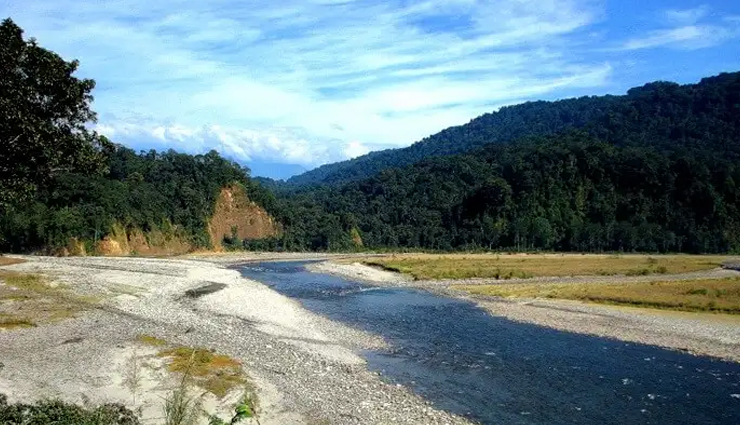
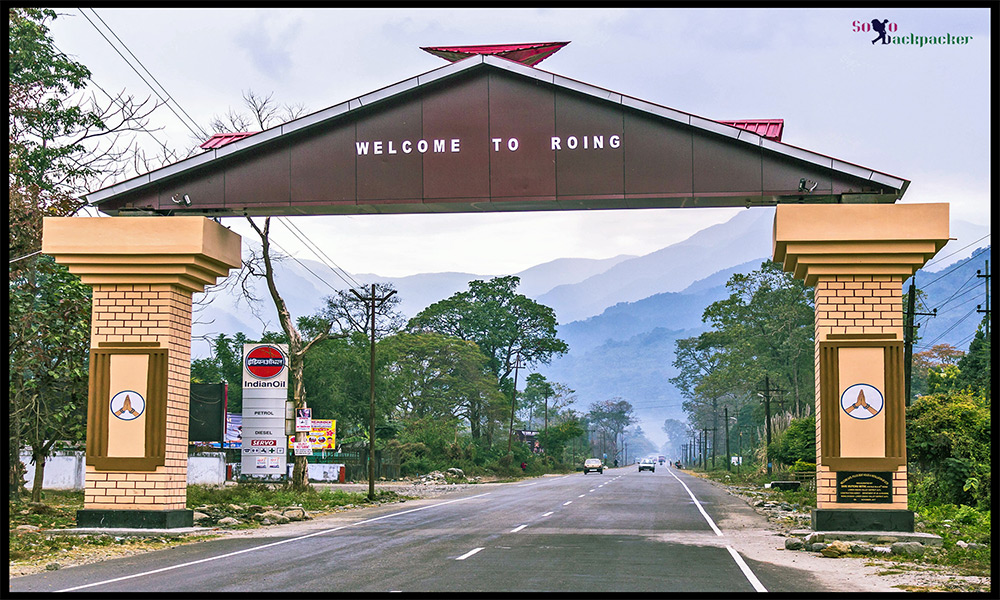
The last major township in India’s northeast, at the foothill of the Mishmi Hills, Roing lies about 350 km east of Itanagar. A natural haven with snow-peaked mountains, deep gorges, turbulent rivers cascading down the hills, numerous waterfalls, placid lakes and archaeological sites Roing is an ideal tourist destination. Located in the Lower Dibang Valley, it is home to the Adi-Padam and Idu-Mishmi tribes. The Reh festival of the Idu Mishmi is celebrated in February while the Solung festival of the Adi is celebrated in September.

The enormous Mehao Lake is located within the Mehao Wildlife Sanctuary and about 14 km from Roing at a height of almost 3000 m and covers an area of nearly 4 sq km. The lake attracts a lot of seasonal birds and provides an ideal trekking experience and is a photographer’s delight. Because the lake is low in nutrients, there are no fish in the crystal clear lake. Trekking the small pathway leading to the lake through the virgin forest is a wonderful experience. Salley Lake is also a part of the Mehao Wildlife Sanctuary and a popular scenic spot. There are many varieties of fish in the lake which lies about 3.8 km from Roing. Itapakhur and Padum Pukhri are is a historical brick built ponds, located in Ithili village, are two famous ponds where lotuses bloom in October and November. The Kampona Pond is believed to have been the abode of the Naga King and the pond’s name translates to good looking or beautiful in the Adi dialect. Famous for fishing and angling, the Iphi Pani Ghat has amazing views of the Dibang river and valley.

Located on the banks of the Deopani River, the Nehru Van Udyan houses an exciting cactus house, an orchid area and a beautiful garden. A guest house located close to the garden is an excellent place to view the Deopani River. The park has a well-maintained garden and a few hundred meters from here is the confluence of rivers Eje and Eme.

Also called the Chimiri Fort, Rukmini Nati is located in the heart of the Chimiri Village, some 10 km from Roing and is believed to be built in the 14th century. Built with burnt bricks in the 12th century, the Bhashmaknagar Fort is an important and oldest archaeological site in the state. Various artefacts like potteries, terracotta figurines, terracotta plaques and decorative tiles that were found during its excavation process reflect upon the forward state of civilization at that time. It is believed that Rukmini, the consort of Lord Krishna is from this region, but there is no evidence to support that. The ruins of the fort which are about 30 km southeast of Roing remain and are an ideal trekking route and birdwatchers’ paradise. The remains are generally ascribed to the rule of the Chutias, a Bodo-Kachari or Tibeto-Burmese ethnic group that ruled over the region of Sadiya from the 11th to the 16th centuries. The fort, with its fortifications and buildings, is built of fired bricks. The Mipi Pene Centre was established in the year 2017 to preserve and promote the Igu system of the Idu Mishmi tribe. Mipi Pene refers to the Igu or the shaman and the centre was inaugurated in 2018.

Hunli is a small quaint town about 2 hours from Roing on way to Anini. Hunli is famous for trekking and the Temple cave at Kupunli.

Located about 56 km from Roing, the Mayodia Pass lies at an elevation of 2,655 m above sea level. Mayodia is a combination of two Idu-Mishmi words: Mayu which is the name of the mountain and Dia meaning the peak of the mountain, which makes the pass the peak of the Mayu Mountain. It is a popular local tourist attraction due to the snowfall it receives during winters.

Known as the real ocean of green paradise on Earth, the Mehao Wildlife Sanctuary is a virgin forest left largely untouched and unexplored with a large number of animals, plants, birds, fish, butterflies and reptile species. The Mishmi Hills are a birdwatcher and wildlife enthusiasts delight. The region boasts of so many rare species found only in this region in the entire Indian sub-continent. The medicinal plant Coptis Teeta or the Mishmi Teeta, an endemic species and the Taxus baccata are available here. The area is also rich in orchid varieties.

The Dihang-Dibang or Dehang-Debang is a biosphere reserve constituted in 1998. One of the eight wildlife sanctuaries in Arunachal Pradesh, the Mouling National Park and the Dibang Wildlife Sanctuary are located fully or partly within this biosphere reserve which spreads over three districts: Dibang Valley, Upper Siang, and West Siang and covers the high mountains of the Eastern Himalayas and the Mishmi Hills. This Biosphere Reserve has natural vegetation stretching in an unbroken sequence from the tropics to the mountain tundra. The reserve is rich in wildlife with rare mammals such as the Mishmi takin, the red goral, at least two sub species of the musk deer, the rare Sclater’s monal and Blyth’s tragopan, amongst others.

Tirap

Located in the southeastern part of the state about 336 km east of Itanagar, Tirap shares a state border with Assam and an international border with Myanmar. The town with its gushing rivulets, green and vibrant orchards and fresh air heals the mind and soothes the soul. The name Tirap is derived from the River Tirap which originates from a high peak in the Laju Circle and flows from the southeast to the northeast before joining the Buri-Dihing river near Ledo in Assam.

Since ancient times, Tirap has been inhabited by indigenous tribes. Japanese troops invaded and controlled the area for a brief period in 1945, until the collapse of the Japanese Empire. Recently, Tirap has been a major target for the NSCN, a Naga rebel group that aims the creation of Greater Nagaland, using military force.

Travel Bucket List: India – Arunachal Pradesh Part 2

Bomdila

270 km west of Itanagar, Bomdila is a lesser-known destination set in the eastern Himalayas with beautiful views amidst nature. It is also well known for its apple orchards and many Buddhist monasteries. Bomdila was ruled by tribal rulers until the arrival of the British who made it part of Arunachal Pradesh in 1873. The Bomdila Monastery also known as Gontse Gaden Rabgyel Lling monastery and the Eaglenest Wildlife Sanctuaries are the major attractions. Tourism is on the rise here and Bomdila has become a halt station for tourists travelling to Tawang. The Bomdila pass offers views of Kangto and Gorichen Peaks, the highest in the state.

Also known as Gentse Gaden Rabgyel Lling monastery, the Bombdila monastery was built in 1965 by the twelfth incarnation of the TsonaGontse Rinpoche. And was rebuilt by the thirteenth reincarnation, TsonaGontseRinponche who renovated the monastery by building a larger prayer hall. Inside the Gompa, there’s a huge prayer, which is used by the lamas for praying; the temple of Buddha, and a tiny quarter of monks. Apart from its religious significance, the monastery is also known for its natural beauty with stunning vistas that are fabulous and breathtaking. The Upper Gompa is located atop a steep hill. There is a monk school, a prayer hall as well as a temple dedicated to Lord Buddha on the premises. The Lower Gompa is located at the end of Bazaar Street and the main attraction is the marvellous Tibetan architecture and massive prayer hall inside. There is also a craft centre located opposite it which should be visited. R.R Hill is the highest point of Bomdila and from this height, visitors can see the roads leading to the Bhutan border as well as the one up Tawang.

The Eagle’s Nest Wildlife Sanctuary lies between the Sessa Orchid Sanctuary and the Pakhui Tiger Reserve. It’s a great place for bird watching with over 450 species spotted here. The sanctuary conjoins the Sessa Orchid Sanctuary to the northeast and the Pakhui Tiger Reserve across the Kameng river to the east. Altitude ranges here are extreme, from 500 m to 3,250 m and are part of the Kameng Elephant Reserve. The sanctuary derives its name from the Red Eagle Division of the Indian army which was posted in the area in the 1950s. Eaglenest is bounded to the north by the Eaglenest Ridge and the reserved forests of the Bugun community and adjoins the Tawang district to the north. There are no distinct geographical features delineating its western boundary along the Bhutan border and the southern boundary. Eaglenest has an unpaved road running from its base to Eaglenest pass at 2,800 m allowing good access to the entire altitudinal range, making it accessible to the military, scientists and ecotourists.

Eaglenest Wildlife Sanctuary is well known as a major birding area and is home to at least 454 species of birds. The sanctuary has the distinction of having three tragopan species, perhaps unique in India and is where the Bugun liocichla was first discovered in 1995 and again observed and described in 2006. The sanctuary is also home to a wide variety of herpetofauna including at least 34 species of amphibians, 24 species of snakes and 7 species of lizards as well as at least 165 species of butterflies. This area is extremely important for the continued well-being of the Asian elephant. Elephants regularly move up from the Assam plains to the Eaglenest ridge at 3250 m in summer, perhaps the highest altitude that elephants reach in India.

Tawang

The town of Tawang or Dawang is located about 450 km northwest of Itanagar at an elevation of approximately 3,048 m to the north of the Tawang Chu river valley, roughly 16 km south of the Line of Actual Control with China. In 1989, the present-day Tawang district to the north of the Sela Pass was split off as a separate district. Tawang is inhabited by the Monpa people.

Historically, Tawang was under the control of Tibet. During the 1914 Simla Conference, Tibet and British India signed an agreement delineating their common boundary in the Assam Himalaya region, which came to be known as the McMahon Line. By this agreement, Tibet relinquished several hundred square miles of its territory, including Tawang, to the British. This agreement was not recognised by China and records show that the Tibetans regarded the border agreed upon in 1914 as being conditional upon China accepting the Simla Convention. Since the British were unable to get China’s acceptance, the Tibetans regarded the MacMahon line as invalid. The British did not implement the McMahon Line for over two decades, during which Tawang continued to be administered by Tibet. In November 1935, the British government demanded that Tibet implement the border agreement which was met with resistance from the Tibetan government implying that China’s acceptance of the Simla Convention was a prerequisite to all such concerns. Tibet refused to surrender Tawang, partly because of the importance attached to the Tawang Monastery. In 1938 the British tried to assert sovereignty over Tawang by sending a small military column which was met with strong resistance from the Tibetan government and a serious protest was lodged against the British Indian government.

After the Sino-Japanese war in 1941, the Assam government tightened its hold on the area of the Nort-East Frontier Agency, NEFA which later became Arunachal Pradesh. In 1944 administrative control was extended over the area of the Tawang tract lying South of the Sela Pass Though the Tibetan tax-collectors packing and protests were brushed aside, no steps were taken to evict Tibet from the area north of the pass which contained Tawang town. This situation continued after India’s independence but underwent a decisive change in 1950 when Tibet lost its autonomy and was incorporated into the newly established People’s Republic of China. In February 1951, India sent an official with a small escort and several hundred porters to Tawang and took control of the remainder of the Tawang tract from the Tibetans, removing the Tibetan administration. During the Sino-Indian war of 1962, Tawang fell briefly under Chinese control, but China voluntarily withdrew its troops at the end of the war and Tawang returned to Indian administration. But China has not relinquished its claims on most of Arunachal Pradesh including Tawang.

The Tawang Monastery was founded by the Merak Lama Lodre Gyatso in 1681 following the wishes of the 5th Dalai Lama, Ngawang Lobsang Gyatso. To fix the perimeter of the Dzong, the Dalai Lama had also given a ball of yarn, the length of which was to form the limit of the monastery. Perched at the height of 3,000 metres above sea level, the monastery belongs to the Gelugpa sect and is the largest Buddhist monastery in India and the biggest Buddhist monastery in the world outside of Lhasa, Tibet. It is a major holy site for Tibetan Buddhists as it was the birthplace of the sixth Dalai Lama, Tsangyang Gyatso. The monastery is believed to be 400 years old and has control over 17 gompas in the region.

Offering breathtaking views of the Tawang-Chu Valley, the monastery is built as a large three-storeyed mansion enclosed by a 925 feet long compound wall and is home to over 300 monks. The most prominent attraction in the monastery is the massive statue of Lord Buddha which is 8 m in height. The main temple, Dukhang, boasts magnificent interiors with beautiful artwork while the inner walls contain sketches and paintings of Bodhisattvas. The library is stocked with valuable old scriptures like Kangyur and Tengyur and all primary structures are built in the traditional style of Buddhist architecture. The Tawang Manuscript Conservation Centre was established in the monastery in August 2006, which has curated 200 manuscripts, and 31 manuscripts have been treated for preservation.

The full name of the monastery is Tawang Galdan Namgye Lhatse where Ta means horse and wang means chosen, which together form the word Tawang, meaning the location selected by a horse. Gadan means paradise, Namgyal means a complete victory and Lhatse means divine. Thus, the full meaning of the Tawang Galdan Namgye Lhatse is the site chosen by the horse is the divine paradise of complete victory.

There are three legends which speak of the establishment of the monastery. In the first legend, it is said that the location of the present Monastery was selected by a horse which belonged to Merag Lama Lodre Gyatso who was on a mission assigned by the 5th Dalai Lama to establish a monastery. After an intense search, when he failed to locate a suitable place, he retired to a cave to offer prayers seeking divine intervention to choose the site. When he came out of the cave, he found his horse missing. He then went in search of the horse and finally found it grazing at the top of a mountain called Tana Mandekhang, which in the past was the palace of King Kala Wangpo. He took this as a divine and auspicious guidance and decided to establish the monastery at that location. Seeking the help of the local people, Mera Lama established the monastery at that location in the latter part of 1681. The second legend of the derivation of the name Tawang is linked to Terton Pemalingpa, the diviner of treasures. Here, he is stated to have given initiations of Tamdin and Kagyad, which resulted in the name Tawang where Ta is an abbreviated form for Tamdin and Wang means initiation. According to the third legend, a white horse of the Prince of Lhasa had wandered into Monpa region. People, who went in search of the horse, found the horse grazing at the present location of the monastery. The people of the area then worshipped the horse and the location where it was found and venerated it every year. Eventually, to honour the sacred site, the Tawang Monastery was built at the site. There is one more legend narrated about the Goddess painted on a thangka in the monastery which is that of Palden Lhamo. This female deity is compared to the Hindu Goddess Kali. Like Goddess Kali, Palden Lhamo’s thangka is drawn in black colour, with flaming eyes, dressed in a skirt made of tiger skin, and a garland of skulls around her neck. A moon disc adorns her hair, similar to the one seen on Shiva. She is also associated with Goddess Saraswati and Ma Tara. Legend also states that in the past she had lived in Sri Lanka as the consort of a demon king who practised human sacrifice. As she was not supportive of this practice she fled from the kingdom. As she was running away, the king shot her with an arrow, which struck the backside of the mule that she was riding. When she drew out the arrow, it left a gaping hole in the mule’s back, and through this gap, Palden Lhamo could watch the teachings of Lord Buddha.

At the entrance to the monastery, there is a colourful gate structure, known as the Kakaling, built in the shape of a hut-like structure, with the roof featuring mandalas. A distinctive mural is of Ningmecahn, the protector deity of the Bon religion, who is considered the guardian deity of the Tawang region. A notable feature on the wall of the front porch on the ground floor is a footprint on a stone slab said to have belonged to a resident, a water carrier, known as Chitenpa who served in the monastery for a long time and on one day announced that he had completed his service to the monastery and then stamped his left foot on the stone slab which created a dented formation of his step. This step is venerated as a miracle.

Torgya, also known as Tawang-Torgya, is an annual festival held in the monastery whose objective is to seek protection from evil spirits and pray for the prosperity and happiness of the people in the coming year. The famous dance, Losjer Chungiye is performed by the monks at the festival. The monastery is open daily between 7 am and 7 pm.

Arunachal Pradesh’s lifeline, Sela Pass connects Tawang to the rest of the country. Not just important geographically, Sela Pass is breathtakingly beautiful always covered in snow providing gorgeous views of the eastern Himalayan range. The rocky pass is also home to one of the state’s most beautiful lakes, the Sela Lake. One needs an inner line permit to visit Sela Pass. Located at an altitude of 4170 m, Sela Pass and Sela Lake lie on on your way to Tawang which is about 80 km from the pass. Also known as Se La where La means a pass, the pass is usually covered in snow and supports scarce amounts of vegetation. Sela Lake, near the summit of the pass, is one of approximately 101 lakes in the area that are sacred in Tibetan Buddhism. Sela Lake is a large lake located on the north side of the pass at an elevation of 4,160 m and often freezes during winter and is drained in the Nuranang River, a tributary of the Tawang River. Limited vegetation grows around the lake which is used as a grazing site for yaks during the summer. Construction of the Sela Tunnel which is underway will bring Tawang on the railway map through the Bhalukpong–Tawang railway line.

According to legend, a sepoy of the Indian Army named Jaswant Singh Rawat fought alone against the Chinese soldiers near the pass during the 1962 Sino-Indian War. A tribal woman named Sela who had brought food and water to him is said to have killed herself upon seeing the dead body of Jaswant Singh Rawat. Singh was posthumously awarded the Maha Vir Chakra for his courage and devotion to duty. Even though the pass is open throughout the year, the best months to visit are October, November, March, April and May as there are fewer chances of the route being snowed in.

One of India’s remotest lakes, Madhuri Lake or Sangetsar Lake is a gorgeous lake against the Himalayas. The lake was made popular due to its appearance in a Bollywood movie and is known after its lead actress Madhuri Dixit who danced on its shores. The lake was previously known as Shonga-tser Lake and is located on the way from Tawang to Bum La Pass at an altitude of 12,000 ft above sea level just 30 km northeast of Tawang. The lake was created by falling rocks, boulders and trees in an earthquake and is tucked between huge mountains with many upright tree trunks standing in its belly as if guarding the lake and is special to Buddhists of India and Tibet who come here every year to pray. The best months to visit the lake are during October, November, March, April and May as the cold at this time subsides a little to allow normal tourist activities. Visits by civilians are only possible with permission from the Indian Army. The track is very treacherous, only SUVs advisable, and that too only on clear days with no snowfall or rainfall. Located almost 25 km from Tawang, the immensely picturesque P.T. Tso Lake is a perfect picnic spot, depending on the weather.

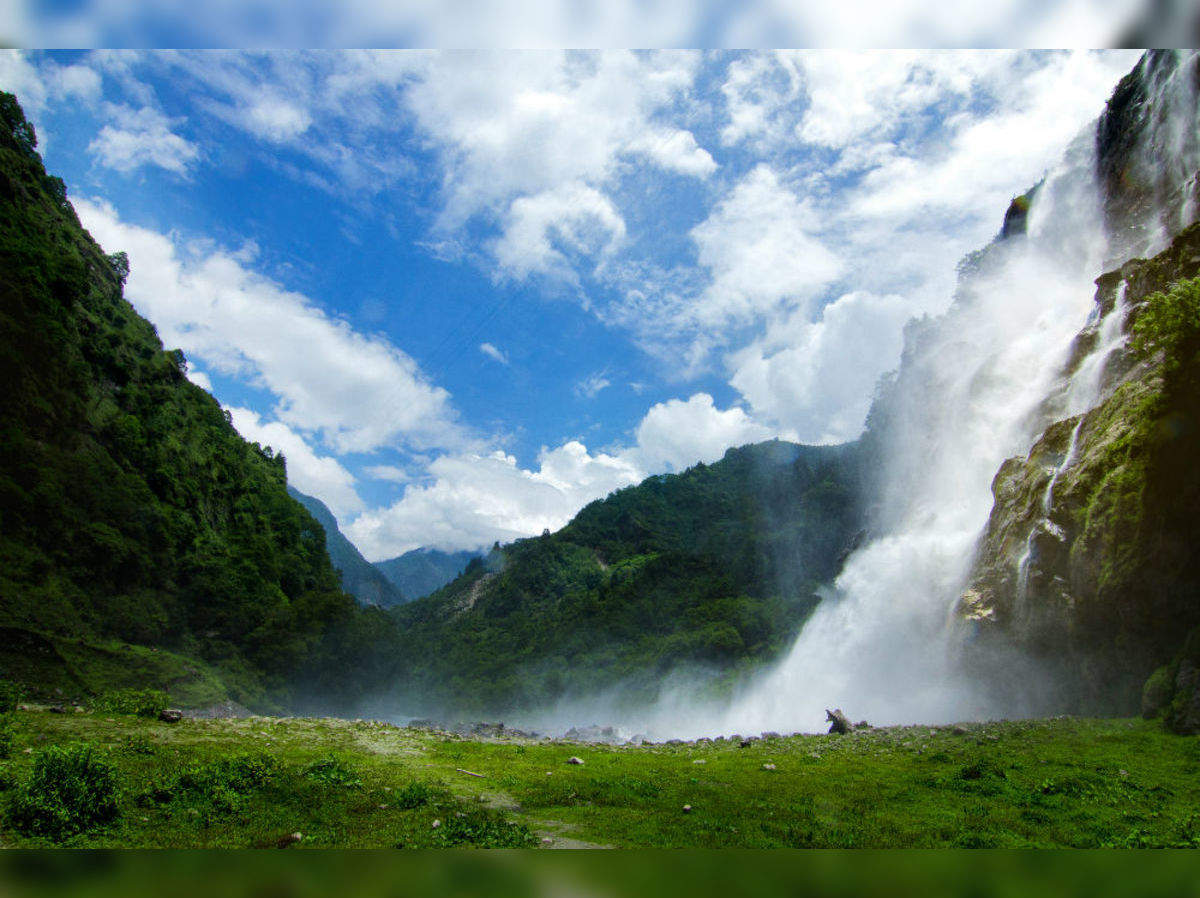
Largely known, the Nuranang Falls lie deep in the forest of Tawang and is one of the most spectacular waterfalls in the country. A beautiful white sheet of water that descends from the height of about 100 meters, it is a part of the Nuranang River which originates at the Sela Pass and just after the falls, merges with the Tawang River. Popularly known as the BTK waterfall, the Bap Ten Kang has crystal clear waters inside a lush green forest. The scenery around the falls is dotted by high hills all around, covered in thick greenery and mist hanging about. At the falls, one can visit the Hydel plant.

Gorichen Peak is Arunachal Pradesh highest peak and is located between Tawang and West Kameng at an altitude of 22,500 f above sea level, roughly about 164 km from Tawang. The peak is locally known as Sa-Nga Phu, which means the Kingdom of the Deity and is considered to be one of the sacred peaks protecting the people from the evils according to the local Monpa tribe.

The Tawang War Memorial is a 40 feet colourful structure dedicated to the martyrs of the Sino-India War of 1962 overlooking the scenic Tawang-Chu valley.