Sacred Stones, Spaces, and Stories: Jyotirlingas Part 3 – Mallikarjuna Temple

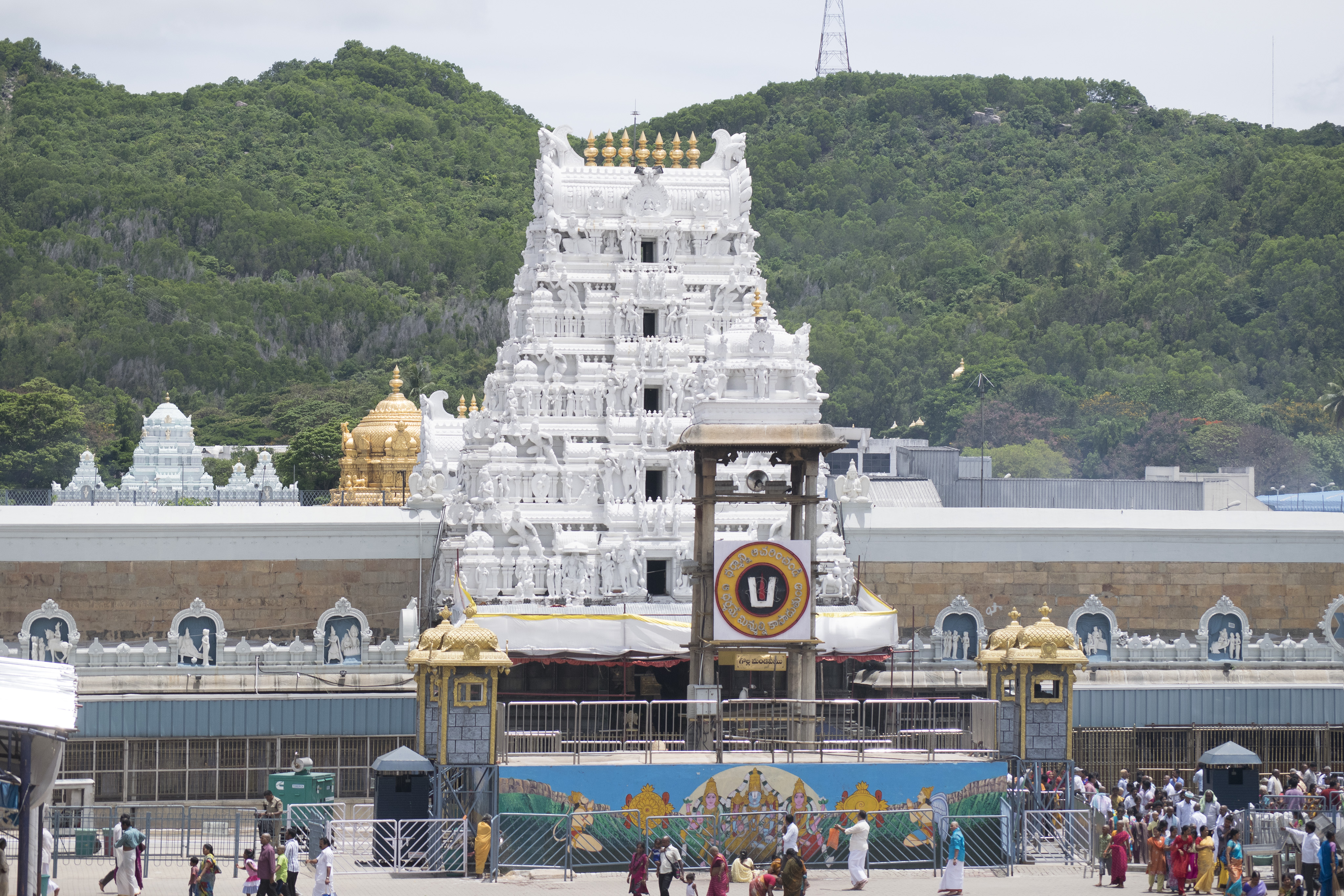
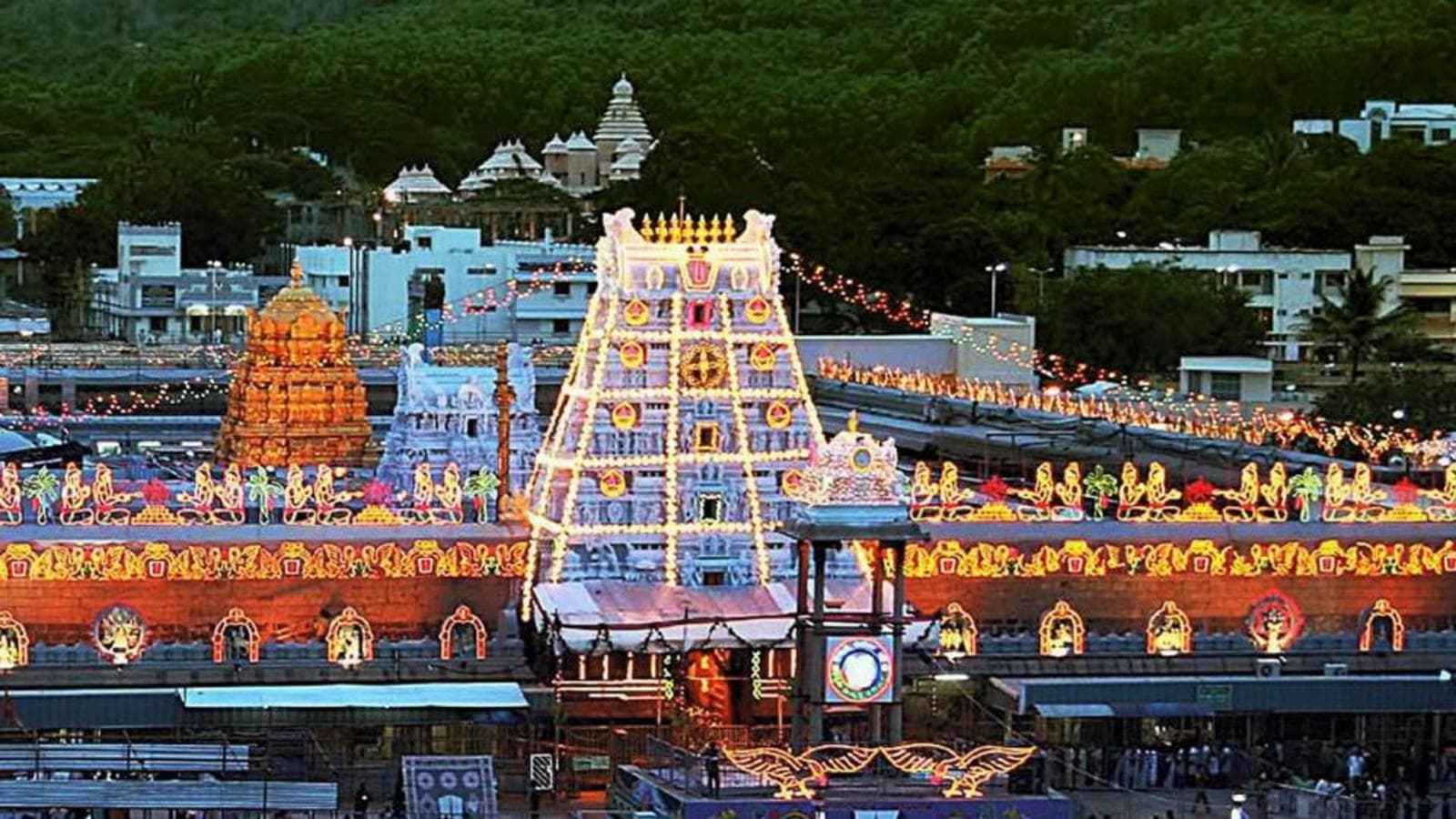
Situated atop the sacred Shri Shaila Mountain in the Nallamala Hills of Andhra Pradesh, the Mallikarjuna Temple in Srisailam is one of the twelve revered Jyotirlinga temples of Lord Shiva. Unique among the Jyotirlingas, Mallikarjuna also simultaneously enshrines a Shakti Peetha, making it a rare and deeply sacred space for the worship of Shiva and his consort Parvati, worshipped here as Bhramaramba. This convergence of Shaivism and Shaktism symbolises cosmic balance and union, earning the temple the epithet Kailash of the South. For centuries, pilgrims have journeyed through dense forests and rugged hills to seek blessings from the divine pair, believing the temple to be a source of spiritual power, peace, and transformation.

The Mallikarjuna Temple brims with ancient mythic tales that illuminate its divine origins and cosmic significance. According to one legend found in the Agni Purana and Skanda Purana, a pivotal event shaped the temple’s sanctity: the reconciliation and union of Lord Shiva and Goddess Parvati on the sacred hill of Shri Shaila.

One popular story recounts the marriage dilemma of Shiva’s sons, Ganesha and Kartikeya. When deciding which son should marry first, Shiva proposed a cosmic contest: whoever circled the universe first would win. Kartikeya rode off on his peacock mount to physically circle the world, while Ganesha circled his parents, Shiva and Parvati, symbolising the universe itself. Ganesha’s cleverness won him the first marriage, making Kartikeya angry and withdrawing to isolation.

To bring Kartikeya back, Shiva and Parvati took residence on Sri Shaila Mountain in the forms of Mallikarjuna (Shiva) and Bhramaramba (Parvati), thereby turning the hill into a sacred abode. It is believed that on new moon nights or Amavasya, Shiva appears as Mallikarjuna, and on full moon nights or Poornima, Parvati appears as Mallika, and together they await their son’s return.

Another legend suggests that Mallikarjuna is one of the three divine Shiva lingas appearing during different yugas at Srisailam, Draksharamam, and Kaleshwaram, representing his omnipresence. The name Mallikarjuna itself is derived from Mallika, meaning jasmine, believed to be the flower with which Shiva’s linga was worshipped here.
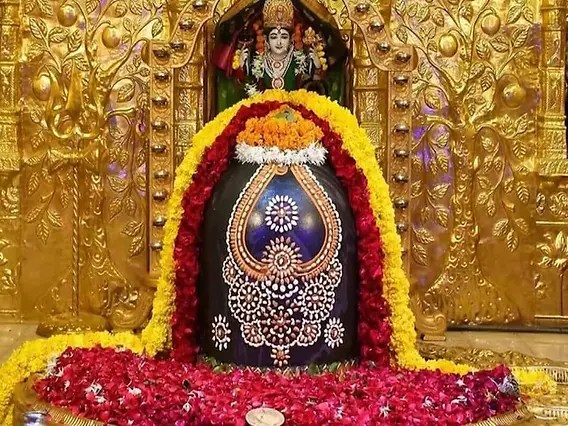
Local tribal lore enriches the temple’s mystique as well. The Chenchu tribes, forest dwellers who historically live in the area, regard Shiva as a hunter who married a Chenchu maiden, symbolising a deep connection between nature, divinity, and humanity.

Mallikarjuna Temple stands as one of Andhra Pradesh’s oldest and most venerated religious sites, dating back over a millennium. Archaeological and inscriptional evidence traces the temple’s roots to the Satavahana dynasty (circa 2nd century CE), with subsequent expansions by dynasties including the Chalukyas, Pallavas, and Reddys. The Satavahanas left inscriptions acknowledging the temple and its hill, sanctifying it as a place of divine worship. Brief mentions appear in ancient texts, underscoring its status as a spiritual hub.

Over centuries, rulers like Prolay Verma and Anavema Reddy developed roads and mandapas or pillared halls facilitating pilgrim access into the rugged hills. The temple prospered through the classical and medieval eras, with notable contributions from the Vijayanagara Empire, which enhanced the temple complex, incorporating elaborate mandapas and gopurams or gateway towers that showcase their architectural patronage.

The temple is also historically critical because it is one of the only places in India where both a Jyotirlinga Shiva linga and a Shakti Peetha exist under one roof. As per mythology, this spot is where a part of Goddess Sati’s body (her upper lip or mukh) fell during Shiva’s cosmic dance of grief.

Philosophers and saints such as Adi Shankaracharya, Siddha Nagarjuna, and Allama Prabhu paid homage to Mallikarjuna, contributing to its stature as a center for Shaiva-Shakta theological discourse.
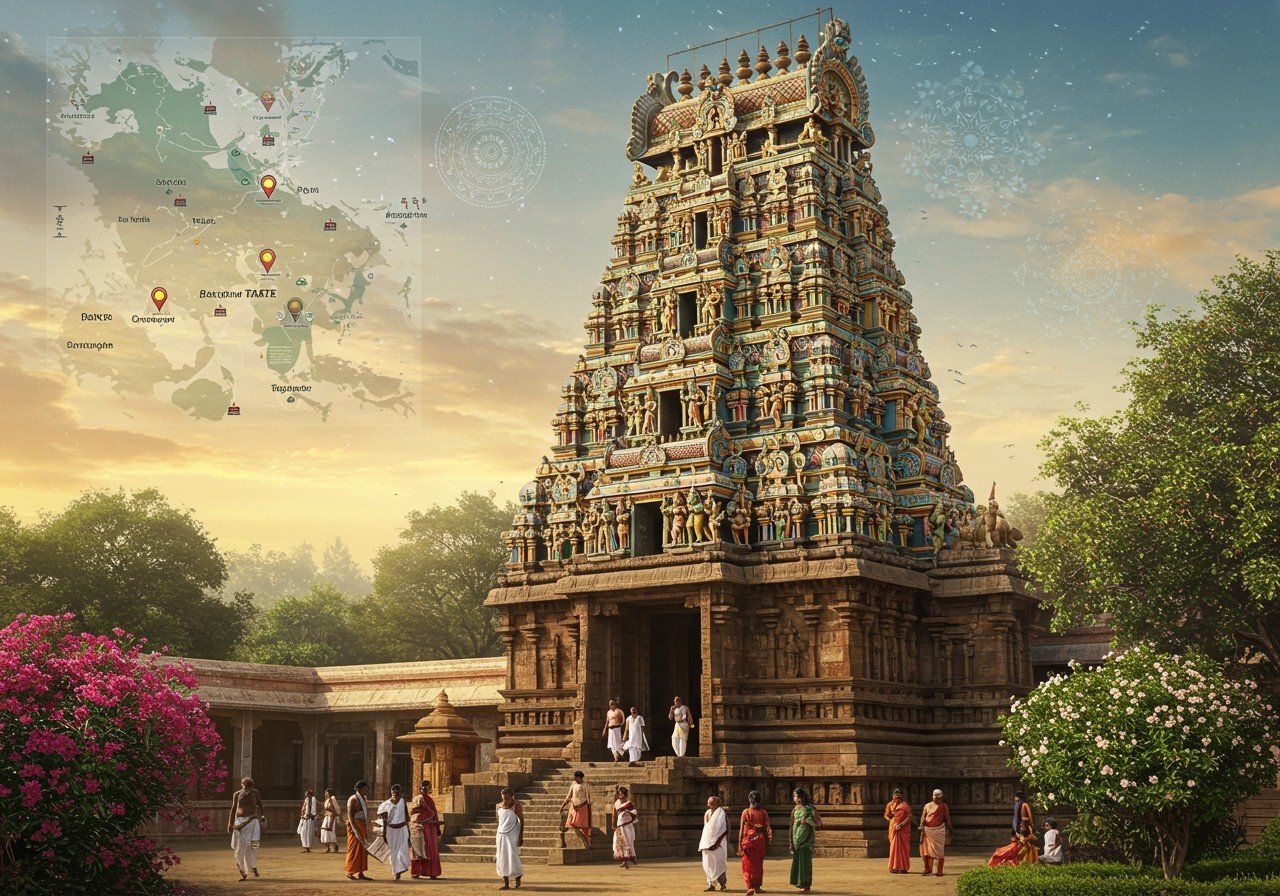
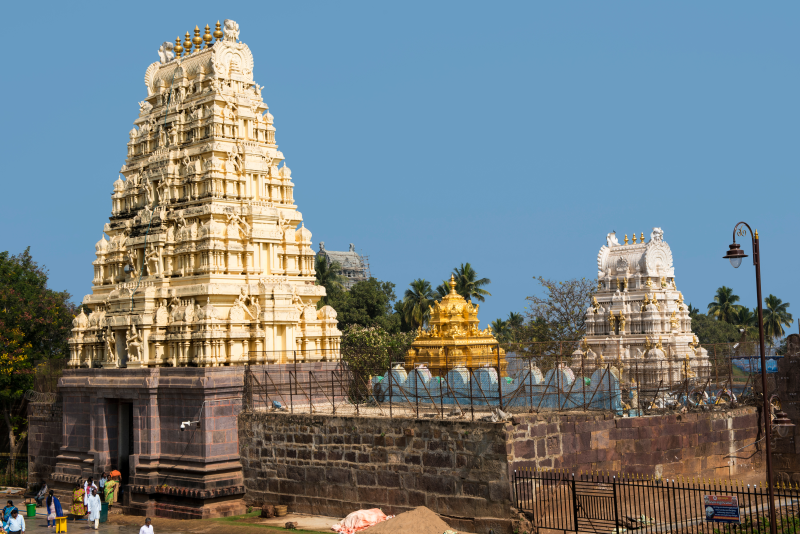
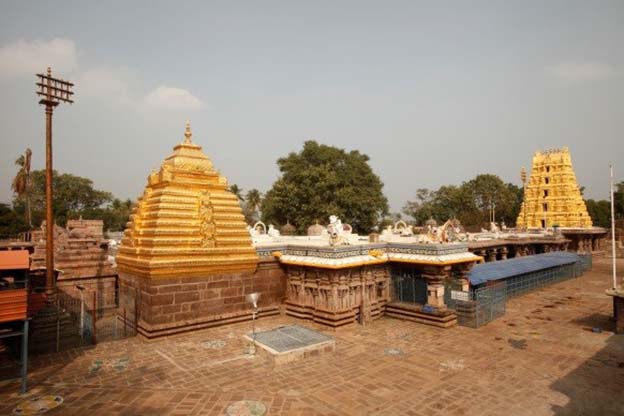
Mallikarjuna Temple is an architectural marvel distinguished by the Dravidian style prevalent in South India, enhanced by the influence of the Chalukyas and Vijayanagara artisans. Set on a sprawling temple complex amidst the dense Nallamala forests, the structure features multiple gopurams or towering gateways with each gate, intricately carved with mythological scenes and divine figures, that serve as a majestic entrance, symbolising the transition from the mundane to the sacred. There are also lavishly decorated Mandapas and Sabhas or halls to host religious gatherings and rituals. The Grabhagriha or Sanctum houses the Mallikarjuna Jyotirlinga for Shiva and the Bhramaramba Shakti Peetha for Parvati; both are freestanding and receive individual worship. The enduring granite walls blend with the natural terrain, evoking a sense of the divine emerging from the earth itself while intricate sculptures and motifs including wall carvings narrate Shiva’s legends, goddess lore, and depictions of flora and fauna native to the region, reflecting local aesthetics. The temple complex includes a thousand lingas or Sahasra Lingas, commissioned by Lord Rama and the Pandavas, further enriching the sacred environment. The temple’s architectural design cleverly integrates with its hilly setting, with steps and courtyards guiding pilgrims upward toward the sanctum, symbolising the spiritual ascent.

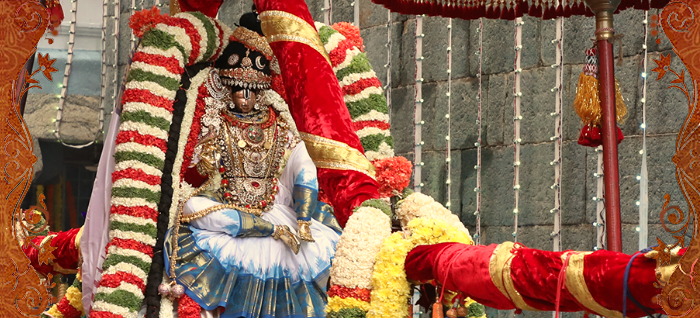
Mallikarjuna Temple is alive with daily rituals and vibrant festivals that celebrate Shiva and Shakti’s cosmic dance. Daily pujas begin early morning with abhisheka, bathing the lingam with holy water, milk, honey, and other sacred substances, accompanied by Vedic chants. Devotional singing and lamp waving rituals take place at multiple times, creating an immersive sensory worship experience.

Mahashivaratri is the most important festival, characterised by all-night vigils, fasts, and spiritual discourses. The temple also celebrates Navaratri, celebrating the goddess’s power, attracting thousands from across India. Devotees participate in the ritualistic circumambulation of the temple and the Sahasra Linga complex. Local traditions by the Chenchu tribes include offerings and ecological respect rituals, highlighting nature’s role in the temple’s sanctity. The temple management facilitates feeding and accommodation for pilgrims, supported by local societies that organize cultural programs and care for the shrine.
The journey to Mallikarjuna Temple is both a physical and spiritual pilgrimage through a lush, forested landscape teeming with biodiversity. Srisailam is connected by road and rail, with nearest major airports at Hyderabad and Kurnool. The last leg involves ascending rugged hill paths amid picturesque landscapes. The temple’s location in dense forests and hills adds a sense of seclusion and sanctity. Pilgrims often recount sensations of peace and divine presence amid chants, ringing bells, and the natural sounds of wildlife. Numerous dharamshalas or pilgrim hostels, eateries, and markets provide support to visitors, blending tradition with modern needs. Many pilgrims share stories of miraculous healing and spiritual experiences, attributing them to the temple’s cosmic energies and the mountain’s sanctity.

The Mallikarjuna Temple influences literature, music, and art, particularly in the Andhra region. The temple and its legends feature in classical Telugu and Sanskrit poetry, as well as oral folklore, which celebrates the divine union of Lord Shiva and Goddess Parvati. Devotional songs, especially during festivals, draw from regional and classical traditions, creating a rich sonic tapestry that resonates with the natural environment. The temple’s carvings influence contemporary art forms as well, inspiring devotees and artists alike. Beyond faith, the temple is a source of cultural pride for communities around Srisailam, integrating tribal heritage and mainstream Hindu traditions. The bees said to have made the temple their home, without harming worshippers, and stories of divine protection deepen the temple’s mythos within local culture.

Today, Mallikarjuna Temple serves as both a major pilgrimage destination and a cultural heritage site. The Sri Bhramaramba Mallikarjuna Devasthanam oversees temple operations, pilgrimage infrastructure, and festivals. Significant investments in roads, accommodations, and amenities have facilitated growing visitor numbers while preserving spiritual rhythms. Mahashivaratri attracts a national and international audience, blending traditional rituals with modern event management. Ongoing restoration projects safeguard ancient structures while adapting to environmental and tourist pressures. The temple attracts devotees from diverse backgrounds, including urban and rural, domestic and overseas, reflecting its broad spiritual appeal.

The Mallikarjuna Temple at Srisailam stands as a celestial beacon embodying the cosmic harmony of Shiva and Shakti—the masculine and feminine divine principles. Its ancient legends, rich history, and mesmerising architecture invite pilgrims to a spiritual journey of devotion and discovery. Uniting primal forest landscapes with sacred stone, it affirms India’s layered cultural and religious heritage. As a vital node in the Jyotirlinga circuit and a symbol of balance between power and grace, Mallikarjuna Temple continues to inspire faith, scholarship, and awe across generations.

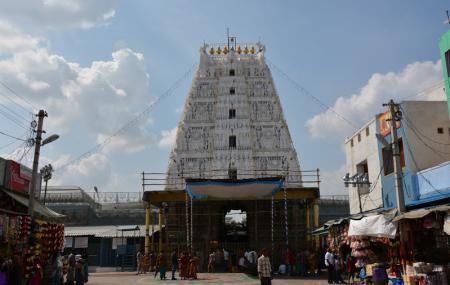
Sacred Journeys: Exploring some Andhra Pradesh Temples Part 2

This is Part 2 of our temple pilgrimage to the Tirupati Balaji Temple, the Sri Padmavati Temple and the Sri Kalahasthi Temple on a road trip from Bengaluru.

Coming down from Tirumala took almost an hour because there are speed restrictions and it took us about 45 minutes from the point of entering Tirupati to reaching the Padmavati temple. Located in Tiruchanur on the outskirts of Tirupati, the temple is under the administration of Tirumala Tirupati Devasthanams. Padmavathi or Alamelumanga is the main deity of the temple and faces the east. She is an incarnation of Goddess Lakshmi and the consort of Lord Venkateswara. It is believed that the Goddess Lakshmi was born as Alamelu to Akasha Raja, the ruler of this region, and wed Venkateshwara of Tirupati. Goddess Lakshmi gave darshan to Lord Venkateswara on a red Lotus flower or a Padma in Sanskrit at Alamelu Mangapuram after his deep penance for twelve years. According to tradition, the Mother Goddess manifested Herself in the holy Pushkarini called Padmasarovaram in a golden lotus. The Venkatachala Mahatyam states that Lord Suryanarayana was instrumental in the blossoming of the lotus in full splendour. A temple dedicated to Lord Suryanarayana is situated on the eastern side of the Pushkarini. The Padma Purana gives a vivid description of the advent of the Goddess and subsequent wedding with Lord Srinivasa. The manifestation of Sri Padmavathi Devi occurred in the month of Karthika on Sukla Paksha Panchami when the star Uttarashada was in the ascendant. The Brahmotsavam of the Goddess is celebrated with pomp and glory.

We reached the temple around 8:15 am and realised that the temple was closed after the early morning prayers and would reopen at 9 am. So while waiting, we had breakfast nearby. After breakfast, we brought the tickets for the express queue which were for about Rs 200 per person and started waiting. As with Tirumala, our belongings were scanned and all mobile phones asked to be deposited at a counter. My parents were sent on ahead in the senior citizen queue. The queue took about 20 minutes to reach the goddess who was beautiful! We had a very good darshan and then waited for my parents to come, after which we rushed to the last temple in our itinerary, the Sri Kalahasthi temple.

The only photo I could click in the of a temple in the entire tripSriKalahasthi Temple

By the time we finished with the Padmavati temple, the time was nearly 10:45 am. On Friday, the day we were to go to the SriKalahasthi temple, the Rahu Kalam was between 10:30 am to 12 noon and I wanted to visit the temple during this time. Located in the town of Srikalahasti, about 40 km from the Padmavati temple, the temple is one of the most famous Shiva temples in South India and is said to be the site where Kannappa was ready to offer both his eyes to cover the blood flowing from the linga before Lord Shiva stopped him and granted him moksha. It is also famous for its Vayu or Wind Lingam, one of the Panchabhoota Sthalams, representing wind. The temple is also regarded as a Rahu-Ketu kshetra and Dakshina Kailasam. The inner temple was constructed around the 5th century and the outer temple was constructed in the 11th century by the Rajendra Chola I, later Chola kings and the Vijayanagara kings. Shiva in his aspect as Vayu is worshipped as Kalahasteeswara. This is the only temple in India which remains open during Solar and lunar eclipses, while, all other temples are closed. This temple is famous for Rahu-Kethu pooja where it is believed that performing this pooja will ward the people from the astrological effects of Rahu and Kethu.

Goddess Parvati is enshrined in the temple as Shiva-Gnanam Gnana Prasunamba or Gnana Prasunambika Devi. According to legend, Lord Shiva’s consort Goddess Parvati was cursed by him to discard her divine form and assume human form. To atone, Parvati performed penance at Srikalahasti and pleased Shiva. Shiva granted her a heavenly body, a hundred times better than her previous divine form. Cursed to become a ghost, Ghanakala prayed at Srikalahasti for 15 years and after chanting the Bhairava Mantra, Shiva restored her original form.

On reaching the temple, I was praying hard to Lord Shiva that we make it to the sanctum sanctorum before Rahu Kalam ends. Our driver was god-sent and raced down and made sure we reached and prayed to the Lord just as it turned noon. He also spoke to someone at the temple entrance and got us to alight at the VIP entrance. He also spoke to an employee who, on payment, became our guide and took us on a very good tour of the temple without standing in any line and also procured a wheelchair for my father. Goddess Parvati was decked out in gold and this is something only done twice a week, on Mondays and Fridays and we were fortunate to have a glimpse of the Goddess in this form. At this temple also, we were asked to deposit our phones and electronic devices, so I could not take any photos anywhere.

After an hour spent in the temple, we finally exited the temple and started our journey back to Bengaluru. The journey back to Bengaluru was uneventful and took us about seven hours because just as we entered the city, we caught the evening rush hour which added another hour to the journey. We had lunch at the same place we had brunch the day before and our next meal was at our home. We all slept a fair bit of the drive back and were pretty exhausted by the time we hit the bed. But our hearts were full because of the amazing darshans we had. I was happy that I could facilitate this trip for my parents. Hopefully, we can make another trip to all these temples again and soon.

Sacred Journeys: Exploring some Andhra Pradesh Temples Part 1

During our recent trip to India, my father wanted to visit my family’s ancestral temple or Kuladevta. A Kuladevta is is a clan deity or an ancestral tutelary deity in Hinduism and Jainism. Such a deity is often the object of one’s devotion and is coaxed to watch over one’s clan, gotra, family, and children from misfortune. This is distinct from an ishta-devata or personal tutelar and a grama devata or village deity. Male kula devatas are sometimes referred to as kuladeva, while their female counterparts are called kuladevi. The word kula devata is derived from two words: kula, meaning clan, and devata, meaning deity, referring to the ancestral deities that are worshipped by particular clans.

In my father’s family, Tirupati Balaji is the kuladevta and so he wanted to make one last trip to see the Lord before he becomes unable to travel at all. Tirupati is about 280 km from where they live on the outskirts of Bengaluru and we decided to hire a car with a driver to take us there. The driver was very experienced and since he usually makes at least three trips to Tirumala and Tirupati weekly, he knew all the ins and outs of the temple and was able to guide us accordingly.

By the time we left Bengaluru, it was almost 7 am and it took us almost two hours to navigate the city and get into the Bengaluru-Tirupati Highway. The highway, especially the part that falls in the state of Andhra Pradesh was a super smooth six-lane highway with extremely good roads that could be driven at 100 kph. For those travelling from Bengaluru to Tirupati, I can recommend Hotel Sapthagiri as a rest stop for lunch or brunch. We stopped here both ways and I found the food good and reasonable, and most importantly during a road trip, the restrooms are clean and useable. Travelling from Bengaluru to Tirupati, the restaurant is on the side towards Tirupati and comes just after the toll plaza and is about 30ish minutes before Tirupati. We had breakfast before leaving home and stopped there around 10:30 am for an early lunch or brunch.

After a brunch stop, we continued on our journey and then I had my first surprise. On reaching the town of Tirupati, at the turn-off to Tirumala, we saw many people in other vehicles getting down with their luggage and walking. I was very curious but realised very soon that, just like you clear customs and immigration when you go from one country to another, just like that, before entering Tirumala, you need to get out of your vehicle, carry all your luggage and get them scanned, before getting a pat-down. While this is going on, your vehicle also gets a scan and then once everyone and everything is cleared, you are allowed to sit back in your vehicle and start the journey up the seven hills. Since my parents were old, they were allowed to remain in the car and were scanned along with the vehicle. This whole process reminded me of clearing customs in Singapore and Malaysia when we travel between the two countries by public transport. Tirumala is also a plastic free zone and our driver told us that plastic water bottles are asked to be binned at this point. But our bottles went through, though it may be because they were not single use bottles. From the time we reached the checkpoint to the time we were allowed to resume our journey, it took us about 20-25 minutes. According to our driver, this was the off-season and during the peak season, this process can easily take an hour or more.

The time taken from the checkpoint to Tirumala takes about 30 minutes and once at the top, we went to leave my parents to a special senior citizens queue. We had gotten the agency that supplied us with the car and vehicle to get us special tickets for my parents under the senior citizen scheme and for us under the NRI scheme. But don’t think this meant we got special privileges. The cost of all the tickets was Rs 300 each and all this meant was that we were in a different line and instead of spending about five hours, we spent about three hours in the line. This queue is also available to others and most of the people in the line with us looked to be locals, so I am not sure how we were in a special line.

After dropping off my parents, we went to secure our room. An aunt’s friend who is a frequent temple visitor got us one room, but we were six people and the second room was only available from midnight. After securing the room, we were dropped off for our darshan queue.

All the temples we visited are electronic-free zones and we had to leave our phones in the car with the driver. At some point in the line, our bags were scanned and there was a power bank in my bag that I forgot to remove. I was asked about it and when I explained that there are no phones in the bag, a senior official was called and even though I was thinking of giving up the power bank if needed, they allowed me to keep it. But the problem with not having any mobile phones during the darshan meant that after we came out, we needed to get access to a phone to call the driver. But according to him, most employees are more than happy to share their phones with us and this is what happened to us. While getting the famous laddoos, we asked someone working there if we can use their phone and they obliged. And this was useful because we were looking for my parents and after speaking to the driver, we learnt that they were already in the vehicle.

After the darshan, we reached our room which was on the second floor. This was a problem because there was no lift and my father who was already exhausted by this point could not walk up. After trying to reason with the person giving the keys to the guest house, we tried to get him to walk up, but after seeing him, another employee got the first employee to speak with the main booking office and finally shifted us to a room on the ground floor. After resting for a while, we adults went out because my father wanted to do a hair tonsure which is free. The barbers ask for some money which we are supposed to give discreetly because the room is fitted with CCTV cameras and there are signs which remind pilgrims not to pay the barbers as they are salaried. After that, we brought some food and went back to a room that was meant for three people, but was going to sleep six people now. The guest house refused to give us an extra mattress or even extra pillows or sheets, so we made do with what was available.

Tirumala is incredibly clean and where we stayed was close to some houses, where even at 9 pm, we saw women washing their doorsteps and putting rangoli which seemed odd to us as usually this is only done first thing in the morning. Also there are RO water machines everywhere and pilgrims can refill their water bottles throughout the temple complex. We spent a sleepless night except for the children who shared a bed and we four adults shared the double bed. After the sleepless night, we woke up early and after getting some coffee, left the room around 6:45 am to go to our next temple, the Padmavati temple.

Please watch this space for Part 2 where we visit two more temples.

Travel Bucket List: India – Consolidated List of all States

As I started planning my travel, I started relying on my research for where to go and found it slightly ungainly to search through all the material I have to reach a specific destination. So here’s a consolidated list of all Indian states, in alphabetical order with the cities and towns next to each part which makes it easier to get to the place you are interested in.

Photo by Ravigopal Kesari on Unsplash

Andaman and Nicobar Islands
Part 1 – Introduction and Overview
Part 2 – Port Blair
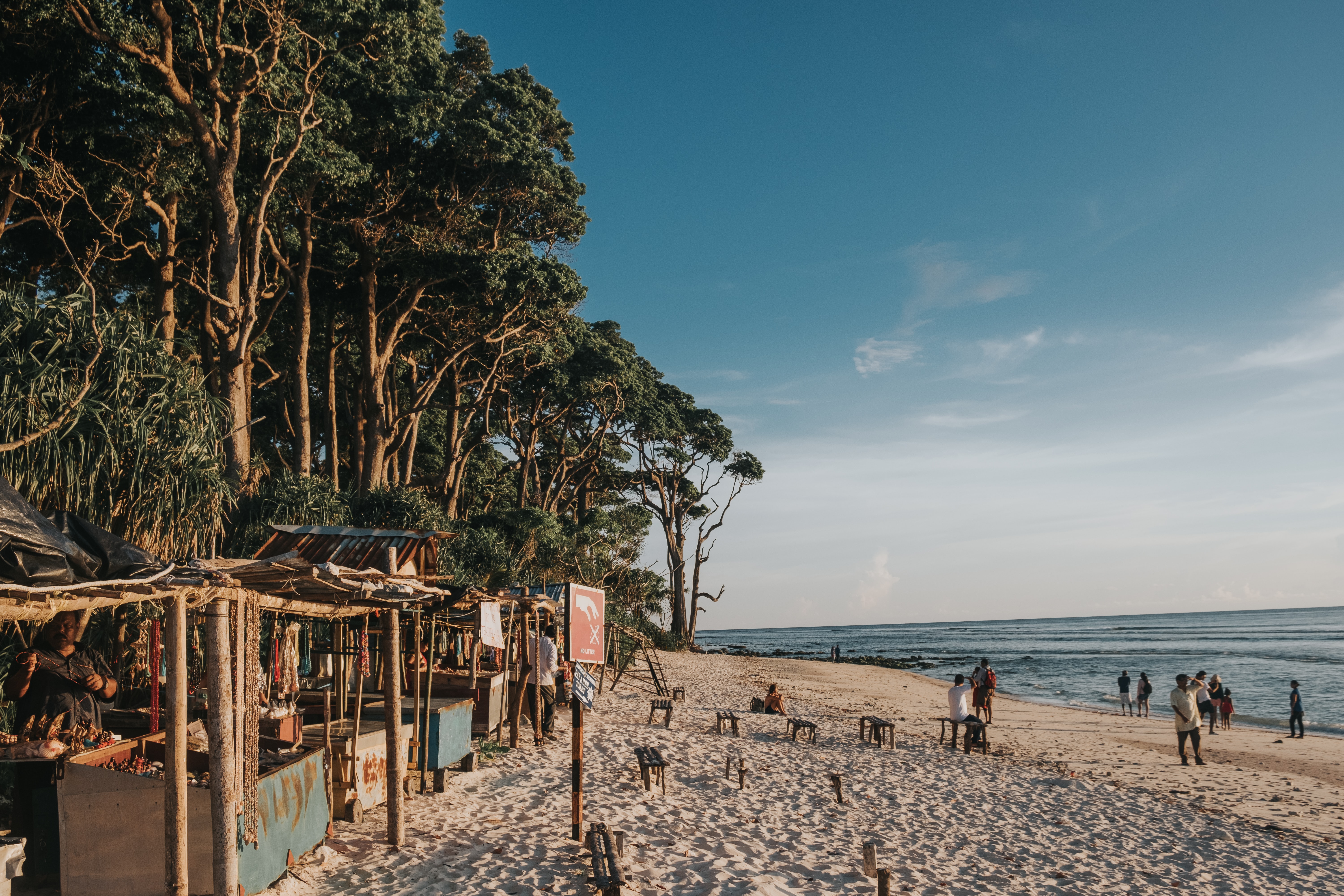
Part 3 – Corbyn’s Cove Beach, Wandoor Beach, Viper Island, Ross Island, North Bay Island, Red Skin Island, Middle Andaman Island, Long Island, Baratang Island, Parrot Island, North Passage Island, Guitar Island
Part 4 – Aves Island, North Andaman Island, Diglipur, Stewart Island, Ross & Smith Island, Jolly Buoy Island, Havelock Island
Part 5 – Neil Island, South Andaman Island, Rutland Island, Little Andaman Island, Cinque Island, Barren Island, Narcondom Island, Kathchal Island, Campell Bay & Indira Point
Part 6 – Mahatma Gandhi Marine National Park, Chidiya Tapu, The Chidiya Tapu Biological Park, Mount Harriet National Park, Saddle Peak National Park, Campbell Bay National Park, Galathea National Park, Middle Button Island National Park, North Button Island National Park, South Button Island National Park

Photo by Gowrisha CV on Unsplash

Andhra Pradesh
Part 1: Introduction and Overview, Vishakhapatnam
Part 2: Araku Valley, Vizianagaram, Annavaram, Samalkot, Kakinada, Rajahmundry
Part 3: Amaravathi, Vijayawada, Machilipatnam
Part 4: Guntur, Chirala, Nagarjunakonda, Srisailam, Cumbum, Nellore
Part 5: Kurnool, Mantralayam, Gandikota, Tadipatri, Anantapur, Puttaparthi
Part 6: Lepakshi, Horsley Hills, Chittoor, Srikalahasthi, Tirupati

Photo by Mayur More on Unsplash

Arunachal Pradesh
Part 1: Introduction and Overview, Itanagar, Bhalukpong
Part 2: Bomdila, Tawang
Part 3: Ziro, Yinkiong, Mechuka, Roing, Tirap
Part 4: Khonsa, Changlang, Miao, Anini, Pasighat, Aalo, Daporijo, Anjaw, Tezu

Photo by Nilotpal Kalita on Unsplash

Assam
Part 1: Introduction and Overview, Guwahati, Dispur
Part 2: Kokrajhar, Bongaigaon, Goalpura, Barpeta, Nalbari, Hajo, Sualkuchi
Part 3: Darrang, Mayong and Morigaon, Nagaon, Tezpur, Jorhat
Part 4: Sivasagar, Majuli, Dhemaji, Dibrugarh, Tinsukia, Digboi
Part 5: Sadiya, Haflong, Jatinga, Diphu, Karimganj, Hailakandi, Silchar
Part 6: Raimona National Park, Manas National Park, Orang National Park, Kaziranga National Park, Nameri National Park, Dibru Saikhowa National Park, Dihing Patkai National Park

Photo by ARTO SURAJ on Unsplash

Bihar
Part 1: Introduction and Overview
Part 2: Patna
Part 3: Hajipur, Nalanda
Part 4: Rajgir, Sasaram, Kaimur
Part 5: Bodh Gaya, Vaishali
Part 6: Muzzafarpur, Sitamarhi, Madhubani, Lauriya Nandangarh, Bhagalpur, Valmiki National Park Tiger Reserve and Wildlife Sanctuary

Photo by Ayiman Mohanty on Unsplash

Chhattisgarh
Part 1: Introduction and Overview, Raipur, Champaran
Part 2: Bhilai, Durg, Rajnandgaon, Chirmiri, Madku Dweep, Bhoramdeo Temple, Guru Ghasidas National Park
Part 3: Achanakmar Tiger Reserve, Bilaspur, Raigarh, Korba, Ambikapur, Barnawapara Wildlife Sanctuary, Mainpat, Malhar
Part 4: Mahasamund, Sirpur, Rajim, Jagdalpur, Dhamtari, Dhamtari, Dantewada, Kanger Ghati National Park

Dadra and Nagar Haveli and Daman and Diu
Part 1: Introduction and Overview, Daman
Part 2: Diu
Part 3: Dadra and Nagar Haveli

Delhi
Part 1: Introduction and Overview, India Gate, Red Fort, Qutub Minar, Jantar Mantar, Rajghat
Part 2: Iron Pillar, National War Memorial, Rajpath, Rashtrapati Bhavan, Agrasen Ki Baoli, Ghalib Ki Haveli, Alai Darwaza/Minar, Bhool Bhulaiya ka Mahal, Purana Qila,
Part 3: Tughlaqabad Fort. Siri Fort, Feroza Kotla Fort, Swaminarayan Akshardham Temple, ISKON Mandir, Birla Temple, Chhatrapur Temple, Kalkaji Temple, Kali Bari Temple, Yogmaya Temple, Sri Digambar Jain Lal Mandir, Lotus Temple
Part 4: Jama Masjid, Quwwat-ul-Islam Mosque, Fatehpuri Masjid, Jamali Kamali Mosque and Tomb, Nizamuddin Dargah, Humayun’s Tomb, Safdarjung’s Tomb, Isa Khan’s Tomb, Hijron ka Khanqah, Nicholson Cemetery
Part 5: Gurudwara Bangla Sahib, Gurudwara Sis Ganj Sahib, Rakab Ganj Gurdwara, Sunder Nursery, Lodhi Gardens, Garden of Five Senses, National Rose Garden, Mehrauli Archaeological Park, Pradhanmantri Sangrahalaya, National Museum, Nehru Memorial Museum and Library, Rashtrapati Bhavan Museum, Indian War Memorial Museum, National Handicrafts Museum
Part 6: Indira Gandhi Memorial Museum, Sanskriti Museums, Charkha Museum, Sulabh International Museum of Toilets, Shankar’s International Dolls Museum, Museum of Archaeology, National Railway Museum, Museo Camera, National Gallery of Modern Art, Kiran Nadar Museum of Art, Museum of Illusions, National Zoological Park, National Bal Bhavan, Connaught Place, Chandni Chowk, Dilli Haat, Sarojini Market, Lajpat Nagar, Majnu ka Tila, Pragati Maidan

Photo by Sarang Pande on Unsplash

Goa
Part 1: Introduction and Overview
Part 2: North Goa, Vagator Beach, Anjuna Beach, Calangute Beach, Sinquerim Beach, Candolim Beach, Arambol Beach, Mandrem Beach, Morjim Beach, Miramar Beach, Siridao Beach, Bogdeshwara Temple, Mangeshi Temple, Mahalaxmi Temple, Fort Aguada, Chapora Fort, Reis Magos Fort, Basilica of Bom Jesus, Church of Our Lady of Immaculate Conception, Chapel of St. Catherine, Church of Mae De Deus, Goa State Museum, Houses of Goa Museum, Museum of Christian Art, Casino Palms, Chorao Island, Harvalem Waterfalls
Part 3: South Goa, Butterfly Beach, Betalbatim Beach, Agonda Beach, Mobor Beach, Hollant Beach, Palolem Beach, Cansaulim Beach, Colva Beach, Talpona Beach, Kakolem Beach, Benaulim Beach, Our Lady of Remedios Church, Saviour of the World Church, St. Alex Church, Shantadurga Temple, Tambdi Surla Mahadev Temple, Chandreshwar Bhoothnath Temple, Naval Aviation Museum, Goa Chitra Museum, Big Foot Museum, The Grande Island, Pequeno Island, Bhagwan Mahaveer Wildlife Sanctuary, Netravali Wildlife Sanctuary, Cotigao Wildlife Sanctuary, Dudhsagar Falls, Bamanbudo Waterfalls, Netravali Bubbling Lake, Cabo de Rama Fort, Chandor

Photo by Parth Kateliya on Unsplash

Gujarat
Part 1: Introduction and Overview
Part 2: Surat, Vapi, Udvada, Valsad, Bilimora, Navsari, Bharuch, Saputara
Part 3: Ahmedabad, Lothal, Vadodara, Anand
Part 4: Gandhinagar, Patan, Mehsana, Palanpur
Part 5: Rajkot, Jamnagar, Dwarka, Porbandar, Junagadh, Bhavnagar, Palitana,
Part 6: Kutch, Bhuj, Mandvi, Rann of Kutch, Anjar

Photo by Sooraj Dev on Unsplash

Haryana
Part 1: Introduction and Overview, Gurugram, Manesar, Sohna
Part 2: Faridabad, Nuh, Murthal, Rohtak, Meham
Part 3: Hisar, Panipat, Karnal
Part 4: Kurukshetra, Ambala
Part 5: Panchkula, Morni Hills, Narnaul

Photo by Naman Pandey on Unsplash

Himachal Pradesh
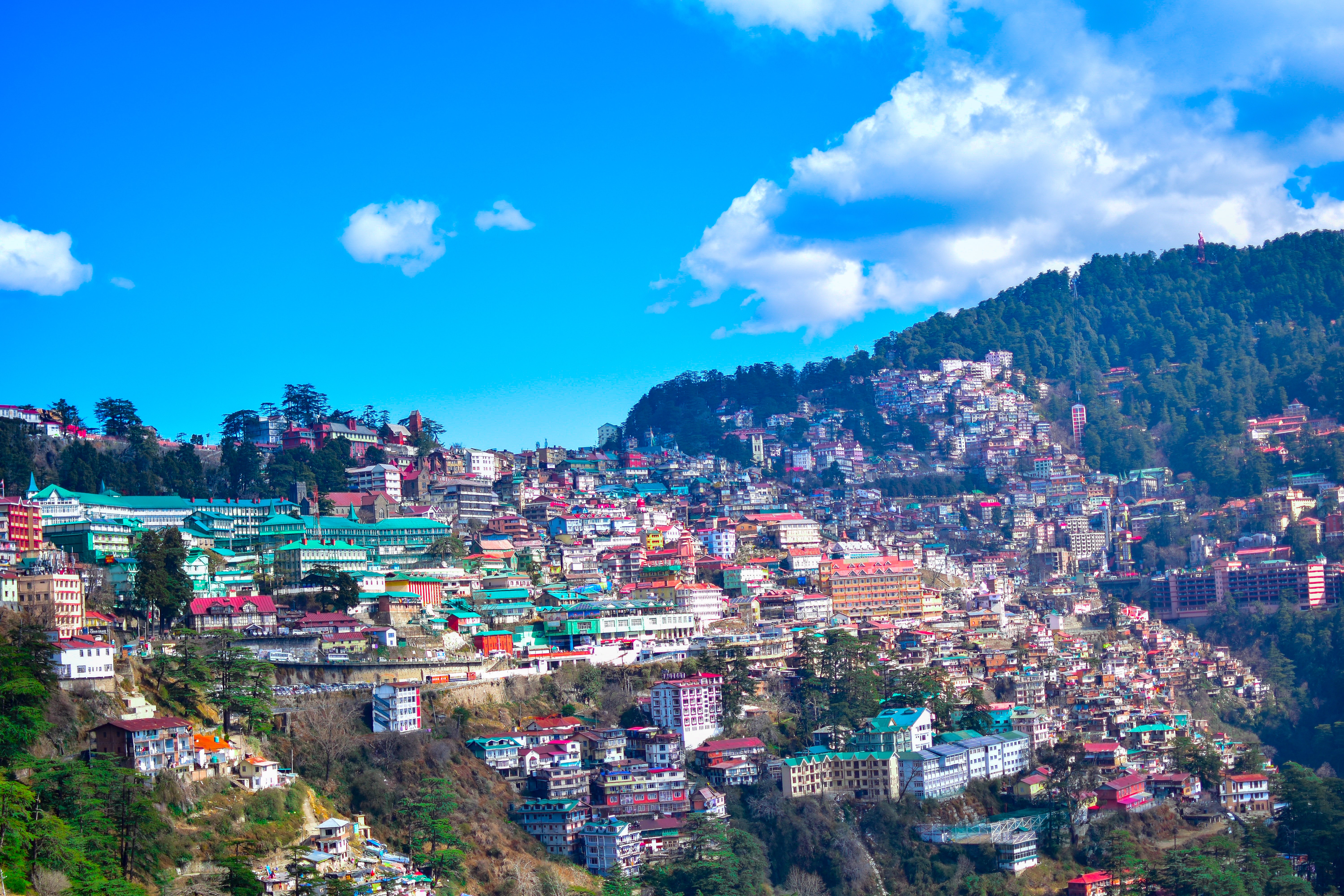
Part 1: Introduction and Overview, Shimla, Kufri, Fagu, Theog, Hatkoti Valley, Chanshal Valley
Part 2: Chail, Solan, Barog, Nahan, Sirmour, Paonta Sahib, Shoghi, Kasauli, Arki, Nalagarh, Dadasiba, Bilaspur, Dalhousie,
Part 3: Kangra, Khajjiar, Bharmour, Chamba, Tattapani, Jalori Pass, Jibhi, Mandi
Part 4: Trithan Valley, Bhuntar, Sainj Valley, Barot, Bir Billing, Palampur, Kasol, Nagar, Manikaran Sahib, Tosh, Parvati Valley
Part 5: Kullu, Manali, Dharamsala, McLeodganj
Part 6: Keylong, Pin Valley National Park, Spiti Valley, Narkanda, Mashroba, Kinnaur, Sarahan, Sangla Valley, Kalpa, Pangi Valley, Nako

Jammu & Kashmir and Ladakh
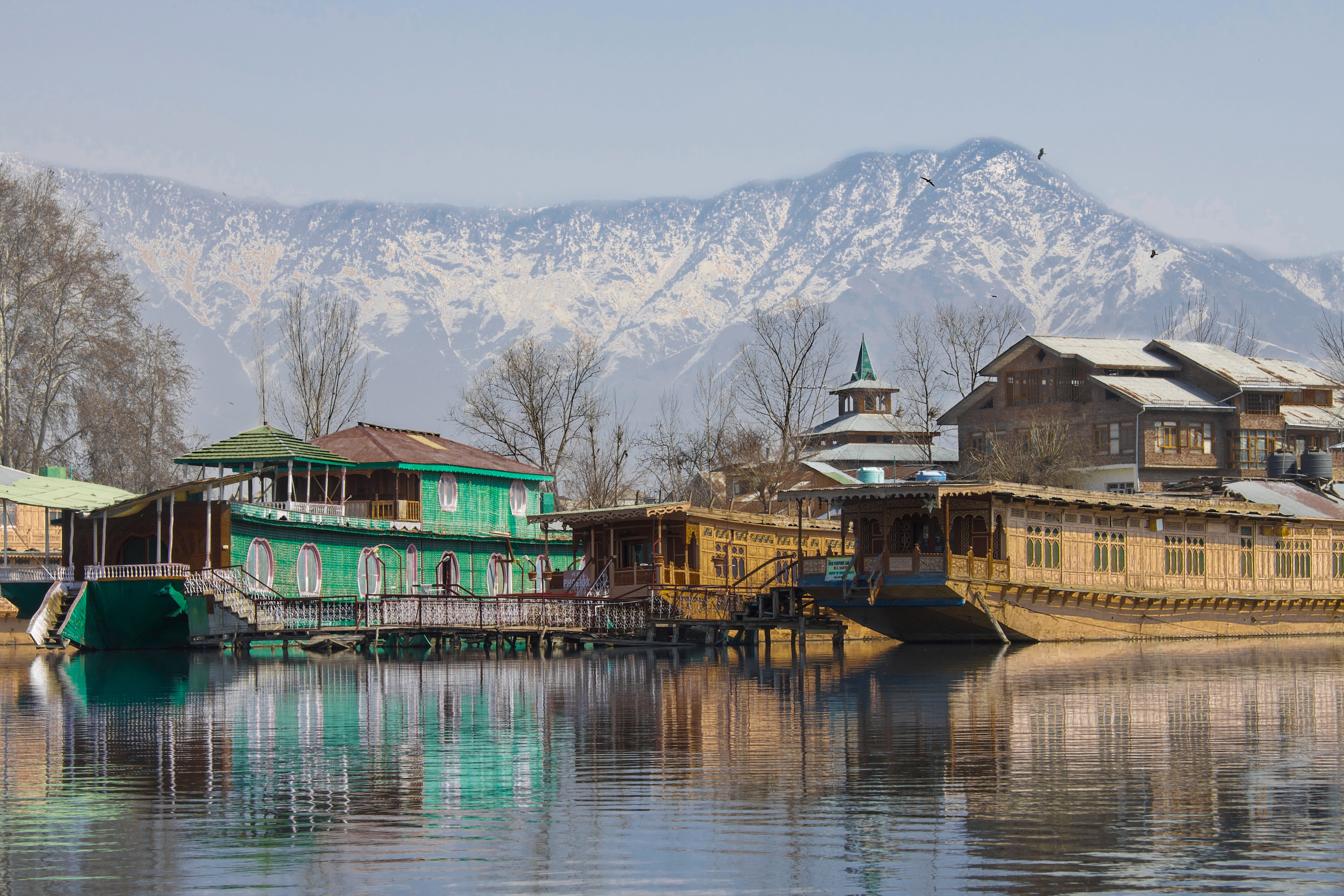
Part 1: Introduction and Overview, Kashmir, Srinagar, Gulmarg, Sonmarg, Pahalgam, Amarnath, Pulwama, Kupwara, Poonch, Anantnag, Baramulla, Dachigam National Park
Part 2: Jammu, Patnitop, Rajouri, Udhampur, Kathua, Katra, Vaishno Devi, Kishtwar
Part 3: Ladakh, Leh, Leh Palace, Thiksey Gompa, Pangong Lake, Magnetic Hill, Nubra Valley and Khardung La Pass, Kargil, Drass, Hemis High Altitude Wildlife Sanctuary, Lamayuru, Lake Tso Moriri

Photo by Aryan Singh on Unsplash

Jharkhand
Part 1: Introduction and Overview, Ranchi
Part 2: Hazaribagh, Bokaro Steel City
Part 3: Jamshedpur, Neterhat
Part 4: Dhanbad, Shikarji, Deoghar, Dumka

Karnataka
Part 1: Introduction and Overview
Part 2: Bengaluru
Part 3: Mysuru, Mangalore, Belgaum
Part 4: Hubli-Dharwad, Gulbarga, Bidar, Badami, Bijapur, Hassan, Shimoga, Hampi, Sharavathi Valley Wildlife Sanctuary, Bhadra Wildlife Sanctuary, Brahmagiri Wildlife Sanctuary, Nagarhole National Park, Bandipur National Park, Ranganathittu Bird Sanctuary, Jog Falls, Shivanasamudra Falls, Kodasalli Backwater
Part 5: Coorg, Chikmagalur, Sakleshpur, Kudremukh, Kemmanagundi, Kotagiri, Masinagudi, Devarayanadurga, Karwar, Devbagh, Kumta, Netrani Island, Murudeshwar, Maravanthe, St. Mary’s Island, Udipi
Part 6: Udipi, Kollur, Sringeri, Dharmasthala, Horanadu, Talakadu, Belur, Shravanbelagola, Gokarna, Murudeshwar, Koodli, Srirangapatna, Pattadakal, Aihole, Kalasa

Kerala
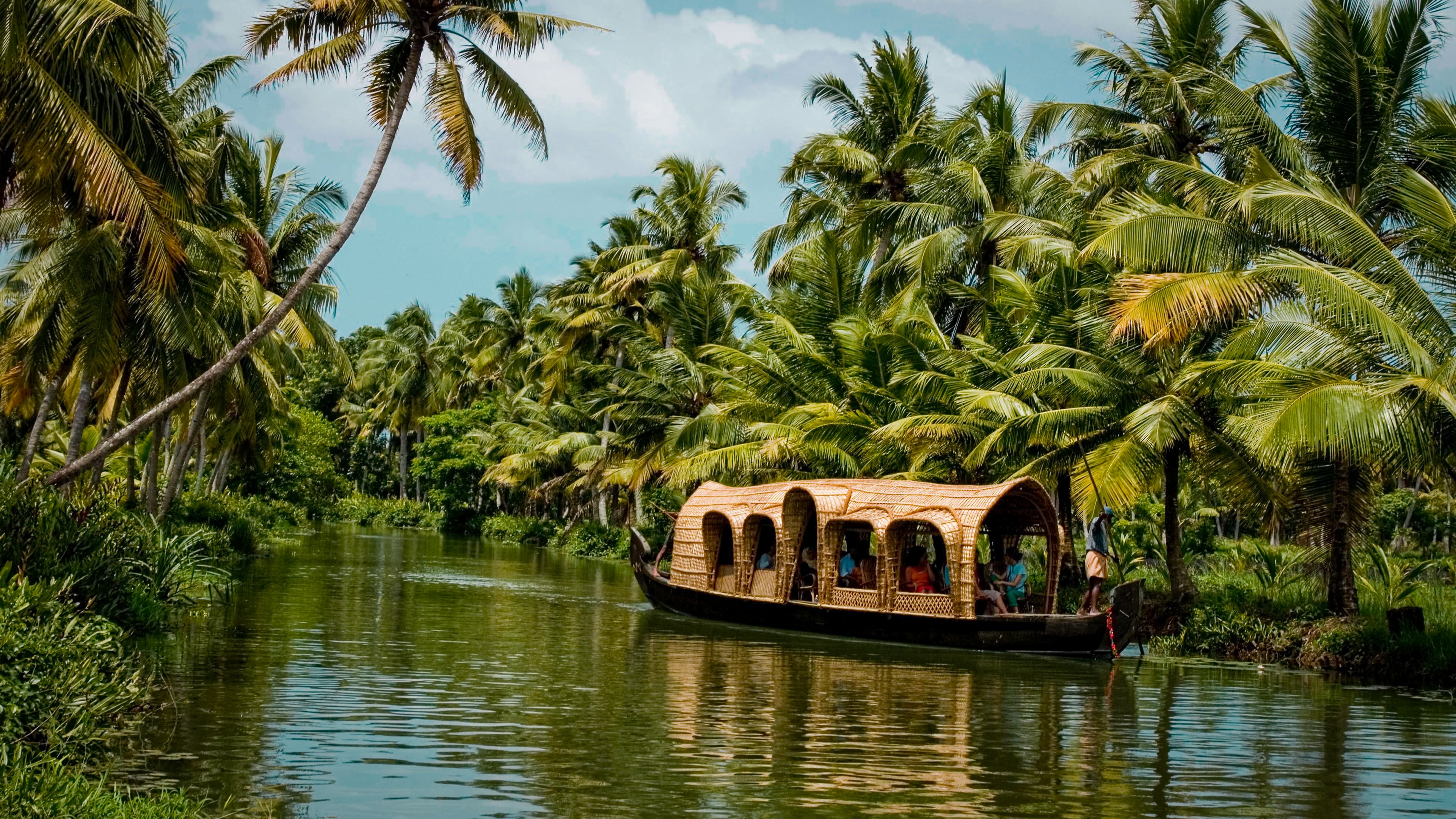
Part 1: Introduction and Overview
Part 2: Kasaragod, Kannur, Kozhikode
Part 3: Wayanad, Mallapuram, Palakkad
Part 4: Thrissur, Ernakulam, Alappuzha
Part 5: Kottayam, Idukki, Patanamthitta
Part 6: Kollam, Tiruvanathapuram

Photo by Sachin Benny on Unsplash

Lakshadweep Islands
Part 1: Introduction and Overview
Part 2: Aminidivi, Cora Divh, Sesostris Bank, Bassas de Pedro, Cherbaniani Reef, North Islet, Byramgore Reef, Chetlat Island, Bitra Par, Kilthan Island, Kadmat Island, Kadmat Beach, Elikalpeni Bank, Perumal Par, Amini Island
Part 3: Laccadive, Amindivi, Agatti Island, Bangaram, Pakshipitti, Andrott Island, Kavaratti, Kalpeni, Suheli Par
Part 4: Minicoy, Maliku Atoll, Investigator Bank, Viringili

Madhya Pradesh
Part 1: Introduction and Overview
Part 2: Bhopal
Part 3: Indore, Ujjain, Alampur
Part 4: Maheshwar, Omkareshwar, Mandu, Burhanpur
Part 5: Chanderi, Shivpuri, Orchha, Khajurao
Part 6: Gwalior, Jabalpur, Bhedaghat, Panchmarhi, Amarkantak, Bandhavgarh National Park, Kanha National Park, Pench National Park

Photo by Raj Rana on Unsplash

Maharashtra
Part 1: Introduction and Overview, Mumbai
Part 2: Pune
Part 3: Matheran, Lonavala, Khandala, Rajmachi, Lavasa, Kamshet, Mahabaleshwar, Panchgani, Kaas Plateau, Maval, Bhandardara, Chikhaldara, Bhimashankar
Part 4: Amravati, Aurangabad, Ajanta and Ellora Caves, Lonar, Chiplun, Kolhapur, Nagpur, Nanded, Nashik, Triambakeshwar, Shirdi, Shani Shinganapur, Raigad, Ratnagiri, Satara
Part 5: Dahanu, Alibaug, Kashid, Diveagar, Harihareshwar, Murud, Karade, Ganpatipule, Tarkarli, Vengurla, Tadoba National Park, Bhamragarh Wildlife Sanctuary, Chandoli National Park, Gugumal National Park, Navegaon National Park, Malvan Marine Sanctuary, Rehekuri Blackbuck Sanctuary

Photo by WAIKHOM JAMES on Unsplash

Manipur
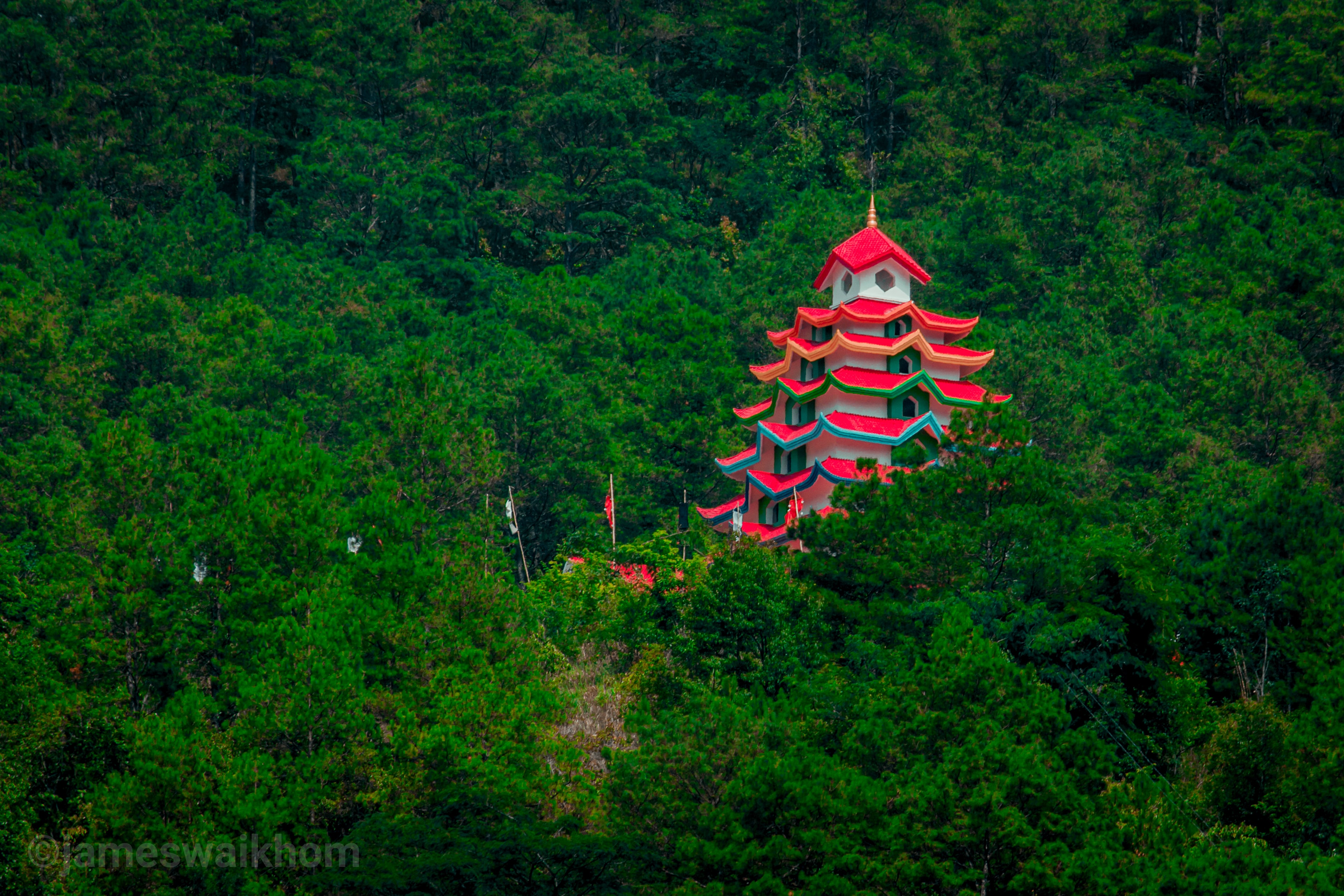
Part 1: Introduction and Overview, Imphal
Part 2: Moirang, Tamenglong, Thoubal
Part 3: Chandel, Tengnoupal, Moreh, Kaina, Ukhrul, Mount Koubru, Baruni Hill, Thangjing Hill, Sadu Chiru Waterfall

Photo by Utkarsh B on Unsplash

Meghalaya
Part 1: Introduction and Overview
Part 2: Shillong
Part 3: Mawphlang, Cherrapunji, Nongpoh, Mawsynram
Part 4: Jowai, Mawlynnong, Dawki, Balpakram National Park, Williamnagar, Baghmara, Tura
Part 5: Khasi Hills, Jaintia Hills, Garo Hills

Photo by Vanlaldin puia on Unsplash

Mizoram
Part 1: Introduction and Overview, Aizwal, Falkawn Village
Part 2: Reiek, Hmuifang, Kolasib, Tamdil or Tam Lake, Mamit, Vantawng Falls, Serchhip
Part 3: Dampa Tiger Reserve, Lunglei, Champhai
Part 4: Murlen National Park, Phawngpui, Phawngpui National Park, Saiha,

Photo by Suraj Jadhav on Unsplash

Nagaland
Part 1: Introduction and Overview, Dimapur
Part 2: Kohima
Part 3: Mokokchung, Tuensang, Phek, Mon, Pfutsero

Photo by Ayiman Mohanty on Unsplash

Odisha
Part 1: Introduction and Overview, Bhubaneshwar, Dhauli
Part 2: Cuttack, Rayagada, Daringbadi, Berhampur, Jeypore
Part 3: Puri, Baripada, Sambalpur, Rourkela
Part 4: Konark, Paradeep, Gopalpur, Chandipur
Part 5: Lake Chilika, Tikarpada Wildlife Sanctuary, Satkosia Tiger Reserve, Bhitarkanika National Park & Wildlife Sanctuary, Simlipal National Park, Duduma Waterfalls, Chandaka Forest, Kotgarh Elephant Reserve, Karlapat Wildlife Sanctuary

Photo by nullvoid on Unsplash

Puducherry
Part 1: Introduction and Overview, Puducherry
Part 2: Karaikal, Mahé, Yanam

Photo by Prerna Sharma on Unsplash

Punjab
Part 1: Introduction and Overview
Part 2: Chandigarh, Sirhind
Part 3: Rupnagar, Patiala
Part 4: Ludhiana, Bhatinda
Part 5: Jalandhar, Kapurthala
Part 6: Pathankot, Amritsar

Rajasthan
Part 1: Introduction and Overview, Jaipur, Udaipur
Part 2: Jodhpur, Jaisalmer, Sawai Madhopur, Pushkar

Photo by Apurba Nag on Unsplash

Sikkim
Part 1: Introduction and Overview
Part 2: Gangtok
Part 3: Tinkitam Rayong, Namchi, Barsey Rhododendron Sanctuary, Kabi Longstok, Tendong Hill, Aritar, Zuluk, Pangolakha Wildlife Sanctuary, Pelling, Yuksom, Ravangla
Part 4: Maenam Wildlife Sanctuary, Geyzing, Yangtey, Borong, Mangan, Chopta Valley, Lachung, Lachen, Yumthang Valley, Thangu Valley, Gurudongmar Lake, Cholamu Lake, Shingba Rhododendron Sanctuary, Khangchendzonga National Park, Fambong Lho Wildlife Sanctuary, Goecha La

Tamil Nadu
Part 1: Introduction and Overview, Chennai
Part 2: Coimbatore, Tiruchirappalli, Tiruppur, Tirunelveli
Part 3: Ooty, Kodaikanal, Yercaud, Coonoor, Yelagiri, Bellikkal
Part 4: Kanchipuram, Tiruvannamalai, Chidambaram, Vaitheeshwaran Kovil,
Part 5: Kumbakonam, Thanjavur, Swamimalai, Rameshwaram, Madurai
Part 6: Mahabalipuram, Kanyakumari, Mudumalai Wildlife Sanctuary, Hogenakkal Falls, Kutralam Falls

Photo by Aman Upadhyay on Unsplash

Telangana
Part 1: Introduction and Overview, Hyderabad Part 1
Part 2: Hyderabad Part 2
Part 3: Secunderabad
Part 4: Warangal, Nizamabad
Part 5: Khammam, Karimnagar, Adilabad, Mahbubnagar, Medak
Part 6: Nalgonda, Bhadrachalam, Koti Linga, Somasila, Vemulawada

Photo by Sourav Debnath on Unsplash

Tripura
Part 1: Introduction and Overview
Part 2: Agartala
Part 3: Kailashahar, Unakoti, Udaipur, Ambassa, Pilak Archaeological Sites, Chabimura, Mahamuni Pagoda, Manubankul, Buddhist Stupa, Boxanagar
Part 4: Baramura Eco Park, Kalapania Nature Park, Tepania Eco Park, Khumulwang Eco Park, Jampui Hills, Dumboor Lake, Dhalai, Rudrasagar Lake, Sepahijala Wildlife Sanctuary & Clouded Leopard National Park, Trishna Wildlife Sanctuary, Rajbari National Park, Rowa Wildlife Sanctuary, Gomati Wildlife Sanctuary

Uttar Pradesh
Part 1: Introduction and Overview, Noida, Loni, Ghaziabad, Meerut, Muzzafarnagar
Part 2: Hastinapur, Vrindavan, Mathura
Part 3: Fatehpur Sikri, Agra, Garhmukteshwar
Part 4: Aligarh, Firozabad, Jhansi, Piilbhit, Bithoor, Naimisharanya
Part 5: Kanpur, Lucknow
Part 6: Ayodhya, Sravasti, Prayagraj
Part 7: Chitrakoot, Vindhyachal, Varanasi, Sarnath, Kushinagar

Photo by Akshay syal on Unsplash

Uttarakhand
Part 1: Introduction and Overview, Dehradun
Part 2: Mussoorie, Dhanaulti
Part 3: Auli, Joshimath, Chopta, Tungnath, Ukhimath, Lansdowne, Nainital
Part 4: Sattal, Bhimtal, Naukuchiatal, Kausani, Ranikhet, Almora, Binsar, Jalna, Kasar Devi, Jageshwar, Champawat, Munsiyari, Pithorgarh
Part 5: Bageshwar, Chamoli, Mana, Badrinath, Pandukeshwar, Hemkund Sahib, Kedarnath, Gomukh, Madhyamaheshwar, Gangotri, Gauri Kund, Yamunotri
Part 6: Rudranath, Guptakashi, Nandprayag, Rudraprayag, Devprayag, Rishikesh, Haridwar, Roopkund Lake, Nelong Valley, Gangotri National Park, Kedarnath Wild Life Sanctuary, Valley of Flowers, Nanda Devi National Park, Govind Pashu Vihar Wildlife Sanctuary, Rajaji National Park, Jim Corbett National Park

Photo by Nitish Narayan on Unsplash

West Bengal
Part 1: Introduction and Overview, Kolkata
Part 2: Howrah, Barrackpore, Chandan Nagar, Chinsurah, Bardhaman, Haldia, Midnapore
Part 3: Shantiniketan, Durgapur, Jhargram, Asansol, Murshidabad, Mukutmanipur, Malda, Siliguri, Jalpaiguri, Cooch Behar, Bagdogra
Part 4: Kurseong, Mirik, Darjeeling, Tinchuley, Dooars, Kalimpong
Part 5: Rishyap, Lava and Lolegaon, Buxa Tiger Reserve, Rajabhatkawa, Jaldapara National Park, Jaldhaka, Chapramari Wildlife Sanctuary, Gorumara National Park, Neora Valley National Park, Lataguri, Purulia, Sonajhuri Forest, Deulti, Sundarbans, Mayapur, Nabadwipa, Bakreswar
Part 6: Bankura, Bishnupur, Jayrambati, Kamarpukur, Tarapith, Falta, Raichak, Taki, Piyali Island, Machranga Dwip, Kakdwip, Mousuni Island, Bakkhali, Junput, Mandarmani, Tajpur, Shankarpur

Fabrics and Sarees of India Part 1

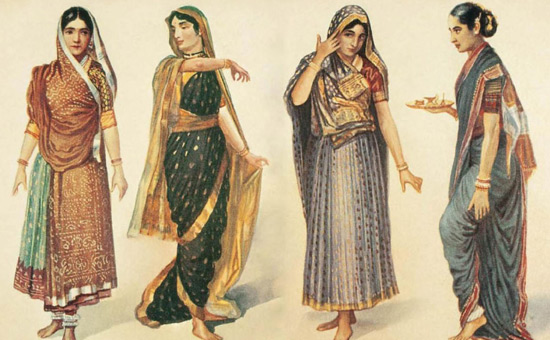
A flowing six-yard drape of beauty and grace, the saree can be called India’s national dress for women. Every state and community has their fabrics and materials that are unique to the region and drapes that instantly brings a specific community to mind. The saree consists of an un-stitched stretch of woven fabric arranged over the body as a robe, with one end tied to the waist, while the other end rests over one shoulder as a stole or shawl, with a part of the midriff showing. It may vary from 4.1 to 8.2 metres or 4.5 to 9 yards in length, and 60 to 120 cm in breadth. The saree is part of the traditional wear of women of the Indian subcontinent in India, Pakistan, Bangladesh, Sri Lanka & Nepal. There are various names and styles of sari manufacture and draping, the most common being the Nivi style. The sari is worn with a fitted bodice commonly called a blouse and a petticoat.

This post started as my ode to the different fabrics and sarees available in the country and I soon realised this is much larger than just naming the various fabrics in the country. So this is now a three-part short series because I wanted to showcase as much as I can of the amazing fabrics available. And on a personal note, this is also a repository for me to refer to because one of my dreams is to have a saree from every Indian state.

Sadee is a Hindustani word that means a strip of cloth that evolved to sāṛī in modern Indian languages. The word śāṭika is mentioned as describing women’s dharmic attire in Sanskrit literature and Buddhist literature called Jatakas which could be equivalent to the modern-day saree. The term for female bodice, the choli evolved from ancient stanapaṭṭa. Rajatarangini, a tenth-century literary work by Kalhana, states that the choli from the Deccan was introduced under the royal order in Kashmir. The petticoat is called sāyā in Hindi and Urdu, parkar in Marathi, ulpavadai in Tamil, sāẏā in Bengali and eastern India, and sāya in Sinhalese. Apart from the standard petticoat, it may also be called an inner skirt or an inskirt.

The history of a sari-like drapery is traced back to the Indus Valley Civilisation, which flourished during 2800–1800 BC around the northwestern part of the Indian subcontinent. Cotton was first cultivated and woven in the Indian subcontinent around the 5th millennium BC and dyes used during this period are still in use, particularly indigo, lac, red madder, and turmeric. Silk was woven around 2450 BCE and 2000 BCE.

The word sari evolved from śāṭikā a Sanskrit word mentioned in earliest Hindu literature as women’s attire. The sari or śāṭikā evolved from a three-piece ensemble comprising the antarīya or the lower garment; the uttarīya which was a a veil worn over the shoulder or the head; and the stanapatta, a chestband. This ensemble is mentioned in Sanskrit literature and Buddhist Pali literature during the 6th century BCE. This complete three-piece dress was known as poshak, a generic term for a costume. The ancient antariya closely resembled the dhoti wrap in the fishtail” version which was passed through legs, covered the legs loosely and then flowed into a long, decorative pleats at front of the legs. It further evolved into the Bhairnivasani skirt, today known as ghagri and lehenga. The  Uttariya was a shawl-like veil worn over the shoulder or head, and evolved into what is known today known as dupatta and ghoonghat. Likewise, the stanapaṭṭa evolved into the choli by the 1st century CE.

It is generally accepted that wrapped sari-like garments for the lower body and sometimes shawls or scarf like garments called uttariya for the upper body, have been worn by Indian women for a long time, and that they have been worn in their current form for hundreds of years. Based on sculptures and paintings, tight bodices or cholis are believed to have evolved between the 2nd century BCE and the 6th century CE in various regional styles.

After this short history about the saree, let’s take a trip around the country to see the various fabrics and sarees available in the different states of India. This is by no means an exhaustive list and I have probably missed many regional varieties, so apologies in advance if I have missed something I should not have.

Andhra Pradesh

Chirala: A coastal town also known as Kshiraputi, Chirala, which means saree in Telugu is renowned for its handlooms that are soft and durable. With more than 60% of the town’s population belonging to the weaving community, the looms used in the town are mostly pit or fly shuttle looms and the motifs in the fabrics and sarees are usually geometrical designs. The weavers of Chirala produce, cotton sarees, seico sarees that are a fine blend of cotton and silk fibres and kuppadam or the Gadwal type. The hand butta is another fascinating design feature of Chirala sarees, where colours are manually added in-between the zari design. Kalamkari printing is also a speciality of the Chirala saree.

Dharmavaram: Handloom silk sarees, Dharmavaram fabrics are textiles woven by hand with mulberry silk and zari which is fine thread traditionally made from gold or silver. The Dharmavaram fabric has a GI or Geographical Indications tag.  Kriya Shakthi Vodavaru Swamy named Dharmavaram after the name of his mother, Dharmambai around 1153–54 and by the 19th century, the silk handloom industry emerged as the main occupation. Paintings on the roof wall of Lepakshi temple and the Latha Mandapam depict the designs of Dharmavaram sarees. These saris are worn in the winter months or when it is cold and on special occasions and are mostly used by dancers of Bharatnatyam and Kuchipudi.

Kalamkari: A type of hand-painted or block-printed cotton textile, Kalamkari is produced in Isfahan in Iran and Andhra Pradesh. Only natural dyes are used in Kalamkari, which involves twenty-three steps. There are two distinctive styles of Kalamkari art in India, the Srikalahasti style and the Machilipatnam style. The Srikalahasti style of Kalamkari is where the kalam or pen is used for freehand drawing of the subject and filling in the colours and is entirely hand-worked. This style flourished in temples centred on creating unique religious identities, appearing on scrolls, temple hangings, chariot banners as well as depictions of deities and scenes taken from the Hindu epics like the Ramayana, the Mahabharata and the Puranas. The Machilipatnam style of Kalamkari involves vegetable-dyed block painting, where the dye is applied to the fabric with the help of wooden blocks. The natural dyes for the cloth are obtained by extracting colours from various roots, leaves, and mineral salts of iron, tin, copper, and alum and mixing them with cow dung, seeds, flowers, and milk.  Historically, Kalamkari used to be termed Pattachitra, an art form still found in neighbouring Odisha and other parts of India and Nepal. The term Pattachitra translates to patta, meaning a cloth, with picture or chitra. Paintings made on fabric and fabric scrolls are mentioned in ancient Hindu, Buddhist and Jain literature. Under medieval Islamic rule, the term Kalamkari is derived from the words kalam, which means pen in Telugu, and kari, which means craftmanship and this style became popular under the patronage of the Golconda sultanate.

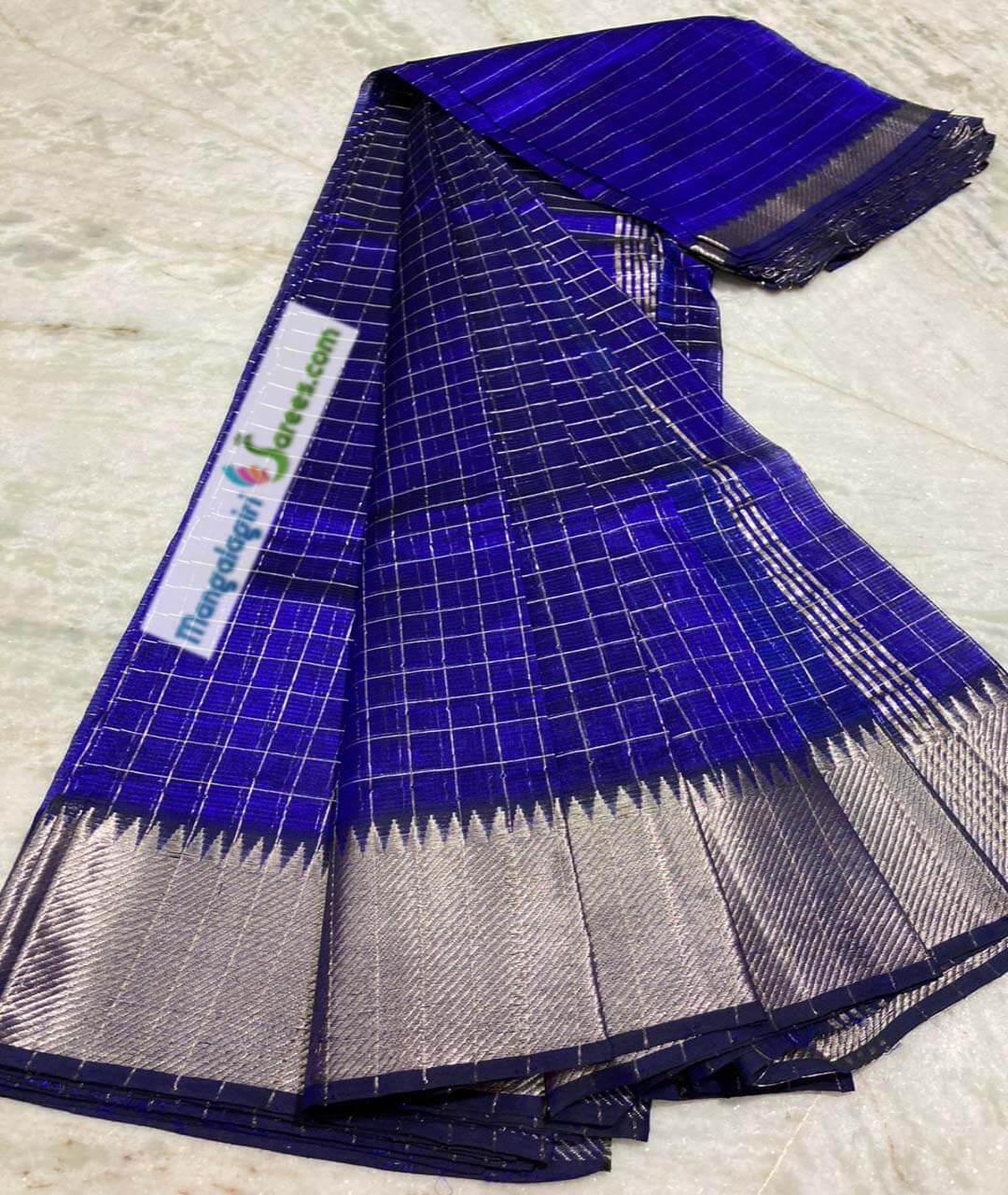
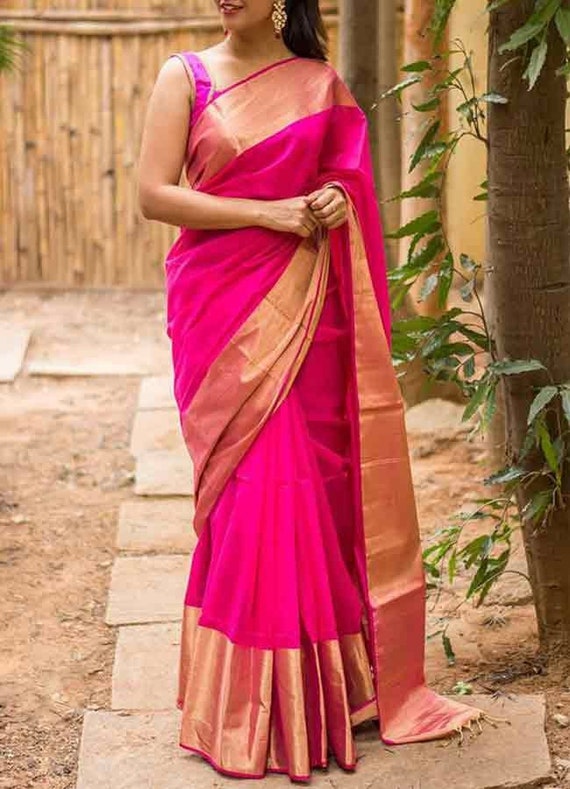
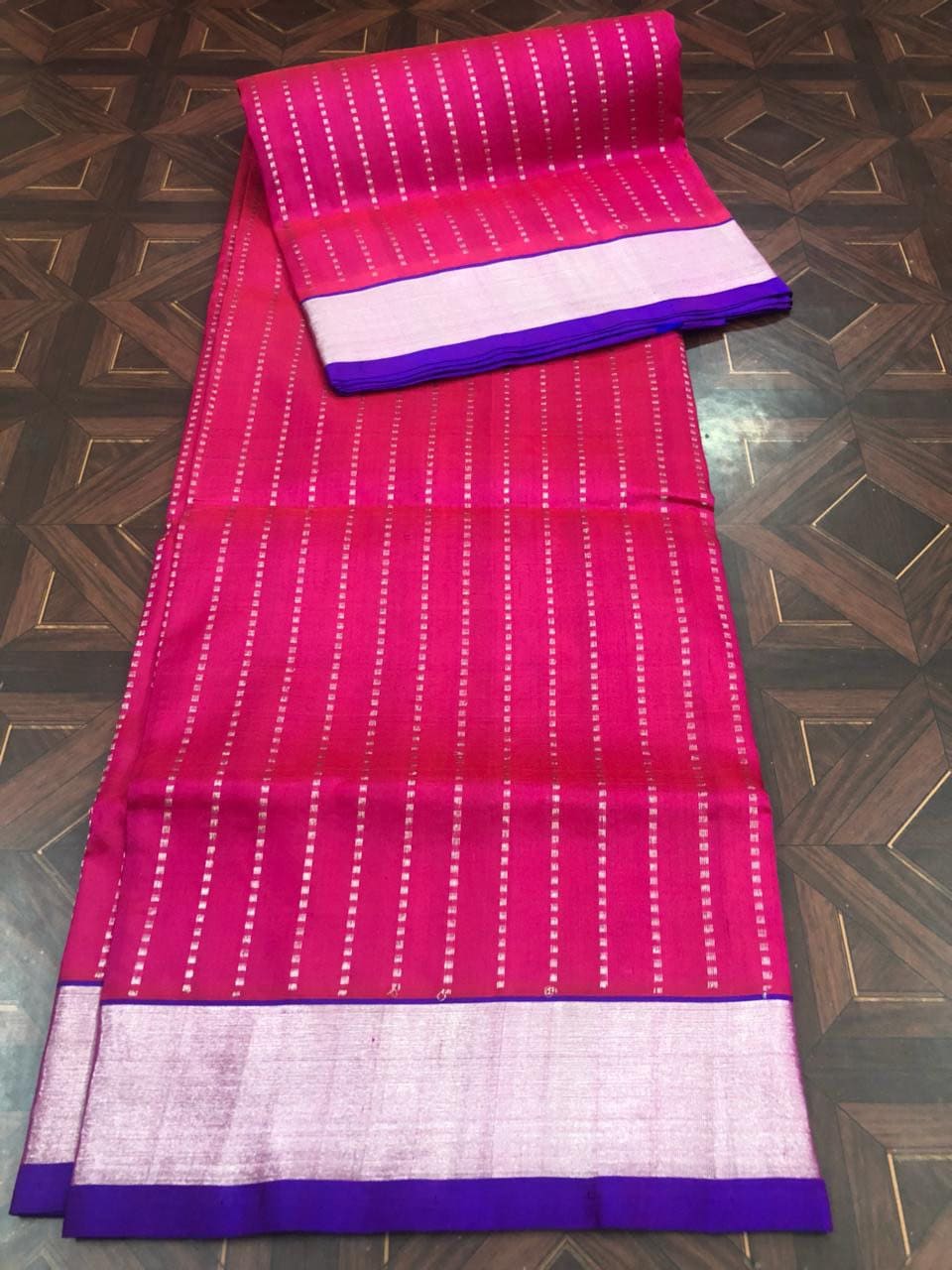
Mangalagiri: Mangalagiri Sarees and fabrics are produced by handloom weaving in Mangalagiri, a town in Andhra Pradesh. Mangalagiri cotton silk sarees are a unique variety, woven from cotton, and feature characteristic features such as zari on the border and no woven pattern on the body. Borders in thick gold thread or zari, traditional patterns in Nizam, and simple mono or multicoloured striped pallus adorn the fabric. The sarees have various designs like leaves, mango, parrot, and gold coins. The soft and comfortable all-weather fabric generally has no pattern on the body and is known to have no gaps in its weaving with missing saree threads rarely found. As the town is also the abode of Lord Narasimha Temple, the saris are also used by the devotees for devotional purposes.

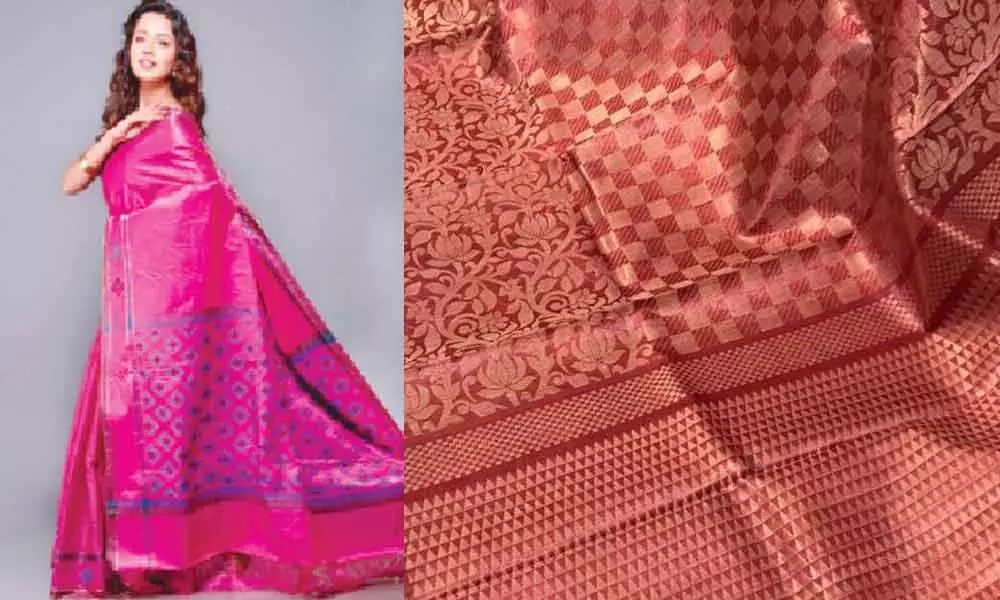
Uppada: The Uppada Jamdani Sari is a silk sari style woven in the town of Uppada in Andhra Pradesh and is known for its light weight. The saree was also accorded the Geographical Indication tag from Andhra Pradesh. The name Jamdani is a Persian terminology, in which Jam means flower and Dani means a vase. The Jamdani style of weaving originated in Bangladesh and was brought to the south and Uppada village in the 18th century and recreated with a local flavour. old The Jamdani style of weaving is about 300 years old and in 1972, Uppada weavers were recognised by the Indian government with the President’s award. The Uppada Jamdani saree is a beautiful textile with a silk-like texture and is lightweight. The weaving of the saree takes between 10 to 60 days for which least 2-3 weavers spend 10 hours a day. There are around 3000 looms producing Jamdani sarees in and around the Uppada and Kothapalli area. Around 40% of the local weavers are women. The saree consists of a cotton body with a silk pallu and is completely handwoven. The saree is woven in such a way that it can be folded and fit inside a matchbox. The speciality of the Jamdani saree is that the design is shown on both sides of the fabric.

Venkatagiri: Woven in Venkatagiri near Tirupati in Andhra Pradesh, this fabric has also been accorded the GI tag and is known for its fine weaving. The history of the saree dates back to the early 1700s in the Venkatagiri village and were encouraged by the Velugoti dynasty of Nellore and also by the Bobbili and Pithapuram dynasties. In those days, they were mostly woven fabrics for royalty and landowners.

Assam

Assam Silk: Assam silk refers to the three major types of indigenous wild silks produced in Assam —golden muga, white pat and warm eri silk. Assam was well known for the production of high-quality silk since ancient times. The knowledge of sericulture probably arrived with the Tibeto-Burman groups which arrived from China around 3000-2000 BC. Genetic research on silkworms shows that Assam silk originated in two specific regions of Assam, the Garo Hills in the ancient Kamrupa Kingdom and Dhakuakhana in the ancient Chutia kingdom.

Muga silk is the product of the silkworm Antheraea assamensis endemic to Assam. The silk produced is known for its glossy, fine texture and durability and has a natural yellowish-golden tint. It was previously reserved for the use of royalty. This silk can be hand washed with its lustre increasing after every wash. Very often the silk outlives its owner. The silk has been given the Geographical Indication (GI) status since 2007.

Pat silk is produced by the Bombyx textor silkworms which feed on mulberry leaves. It is usually brilliant white or off-white and must be dried in the shadows and not in direct sunlight. Eri silk is made by the Samia cynthia ricini which feed on leaves of castor oil plant. It is also known as endi or errandi silk. Because the manufacturing process of eri allows the pupae to develop into adults and only the open-ended cocoons are used for turning into silk, it is also popularly known as non-violent silk which is soft and warm and is popular used as shawls and quilts.

Bihar

The Bhagalpuri or Kosa or Tussar Saree is Tussar silk that is valued for its rich texture and natural deep gold colour. The tussar silk weaving industry in Bhagalpur is more than a century old and has about 30,000 handloom weavers working in producing the sarees. Bhagalpuri silk is made from cocoons of Antheraea paphia silkworms which are only found in India and is processed at Nathnagar at Bhagalpur. The unique dyeing technique of these Bhagalpuri silk sarees sets them apart from the art silk sarees. The saree was supposed to have been produced in ancient times and even Mughal rulers patronised the weavers. But the technique soon got extinct and was revived about 200 years back by the weavers. The silk fabric is extremely soft and lightweight and is known as the queen of fabrics.

Chhatisgarh

The Chattisgarh Kosa saree is Tussar silk similar to the Bhagalpuri Kosa. Kosa silk is mainly derived from Antheraea mylitta, an Indian silkworm and is special type of tussar silk that is drawn out of the cocoons grown on trees like Saja, Sal, and Arjun mostly grown in Chattisgarh. The silk is widely popular owing to its sturdiness, purity and soft texture. The dull golden brownish texture of the silk is its signature trait, but can also be found in natural shades of dark honey, fawn, orange, pale golden and cream. The actual colour of kosa is a dull gold, but the finished fabric is dyed with natural dyes extracted from natural dyes. The towns of Champa and Korba are known for their production of Kosa Silk, and the silk produced in Champa is considered to be the best silk.

Gujarat

Bandhini: A type of tie-dye textile decorated by plucking the cloth with the fingernails into many tiny bindings that form a figurative design, Bandini or Bandhani dates back to the Indus Valley Civilization where dyeing was done as early as 4000 BC. The earliest example of the most pervasive type of Bandhani dots can be seen in the 6th-century paintings depicting the life of Buddha found on the wall of Cave 1 at Ajanta. The main colours used in Bandhana are natural. As Bandhani is a tie and dye process, dying is done by hand and hence best colours and combinations are possible in Bandhanis. The fabric used for making Bandhani sarees and dupattas are loosely woven silk called Georgette, or cotton known as Malmal. The knots are tightly tied, and the rest of the fabric is dyed in multiple stages. This leaves the knots undyed and hence a beautiful flower-like pattern appears all over the cloth as a design.

The term bandhani is derived from the Sanskrit verbal root bandh which means to bind or to tie. Today, most Bandhani can be found in Gujarat, Rajasthan, Sindh, Punjab and Tamil Nadu where it is known as Sungudi and is known as chunri in Pakistan. The art of Bandhani is a highly skilled process with the technique involving dyeing a fabric which is tied tightly with a thread at several points, thus producing a variety of patterns, depending on how the cloth is tied. The main colours used in Bandhana are yellow, red, blue, green and black.

The Bandhani work has been exclusively carried out by the Khatri community of Kutchh and Saurashtra. Bandhani work is also done in Rajasthan, where different colours and designs are used than in the Kutch and Saurashtra regions of Gujarat. Establishments of varying sizes in the entire Kutch belt in Gujarat produce many varieties of Bandhani. This Bandhani style is called Kutchi Bandhani. Bandhani tying is often a family trade, and the women of these families work at home to tie patterns.

Patola: A double ikat woven sari, usually made from silk, the Patola saree comes from the town of Patan. Similar to Bandhani, Patola sarees are also a type of tie and dye process and are well known for not losing their colour at all. They are very expensive, once worn only by those belonging to royal and aristocratic families. Patola sarees are found in two different types – the Rajkot Patola and the Patan Patola. These two are differentiated with the Rajkot Patola having a single ikat weave that is dyed vertically, while the Patan Patola has a double ikat weave and is dyed horizontally. The word patola is the plural form; the singular is patolu.

To create a patola sari, both the warp and weft threads are wrapped to resist the dye according to the desired pattern of the final woven fabric. This tying is repeated for each colour that is to be included in the finished cloth. The technique of dyeing the warp and weft before weaving is called double ikat. The bundles of thread are strategically knotted before dyeing. Patola saris from Surat, Ahmedabad and Patan are renowned for their colourful diversity and geometrical style.

Silk weavers of the Salvi community from Maharashtra chose Gujarat as the home for their renowned patola fabric. It is believed that the Salvis went to Gujarat in the 12th century to acquire the patronage of the Chaulukyas Rajputs, who ruled Gujarat and parts of Malva and south Rajasthan, with Anahiwad Patan as their capital. Legend says that over 700 patola weavers came to the palace of Raja Kumarpal, at the personal request of the king. The Solanki or Chalukya rulers used to dress in patola silk on special occasions. The art of Patola weaving is an ancient one. According to some historians, the art of Patola weaving was known also in the 4th century as seen by the carvings at the Ajanta caves. After the decline of the Solanki empire, the Salvis founded a rich trade in Gujarat. Patola saris quickly became a sign of social status among Gujarati women and girls, especially as part of streedhan or the items that a woman can claim as her wealth.

There are four distinct patterns which are woven primarily in Gujarat by the Salvi community. In Jain and Hindu communities, double ikat saris with entire designs of parrots, flowers, elephants and dancing figures are generally used. In Muslim communities, saris with geometric designs and floral patterns are typical, being worn mostly for weddings and other special occasions. Maharashtrian Brahmins wear saris woven with plain, dark-coloured borders and body and a bird design called Nari Kunj.

Tanchoi: Tanchoi sarees are one of a kind, having spots all over the surface and woven with a dual colour warp. The stand-alone feature of the Tanchoi saree is that the fabric texture background has a satin finish. Extra threads are added to give these sarees the appearance of being embroidered. Famed for the intricate and small weaving patterns over the fabric, the commonly used motifs are those of flowers, small birds in flight, peacocks and parrots. Tanchoi silk is said to have been brought to India by Chinese traders in the 19th century and later adapted to suit the preferences of the Indian market. Three Parsi brothers are said to have travelled from India to China in the 19th century and were enamoured by the technique. After learning the skill, they came back to Surat, Gujarat and trained the weavers in the technique and then evolved the Tanchoi weaving technique into Indian versions.

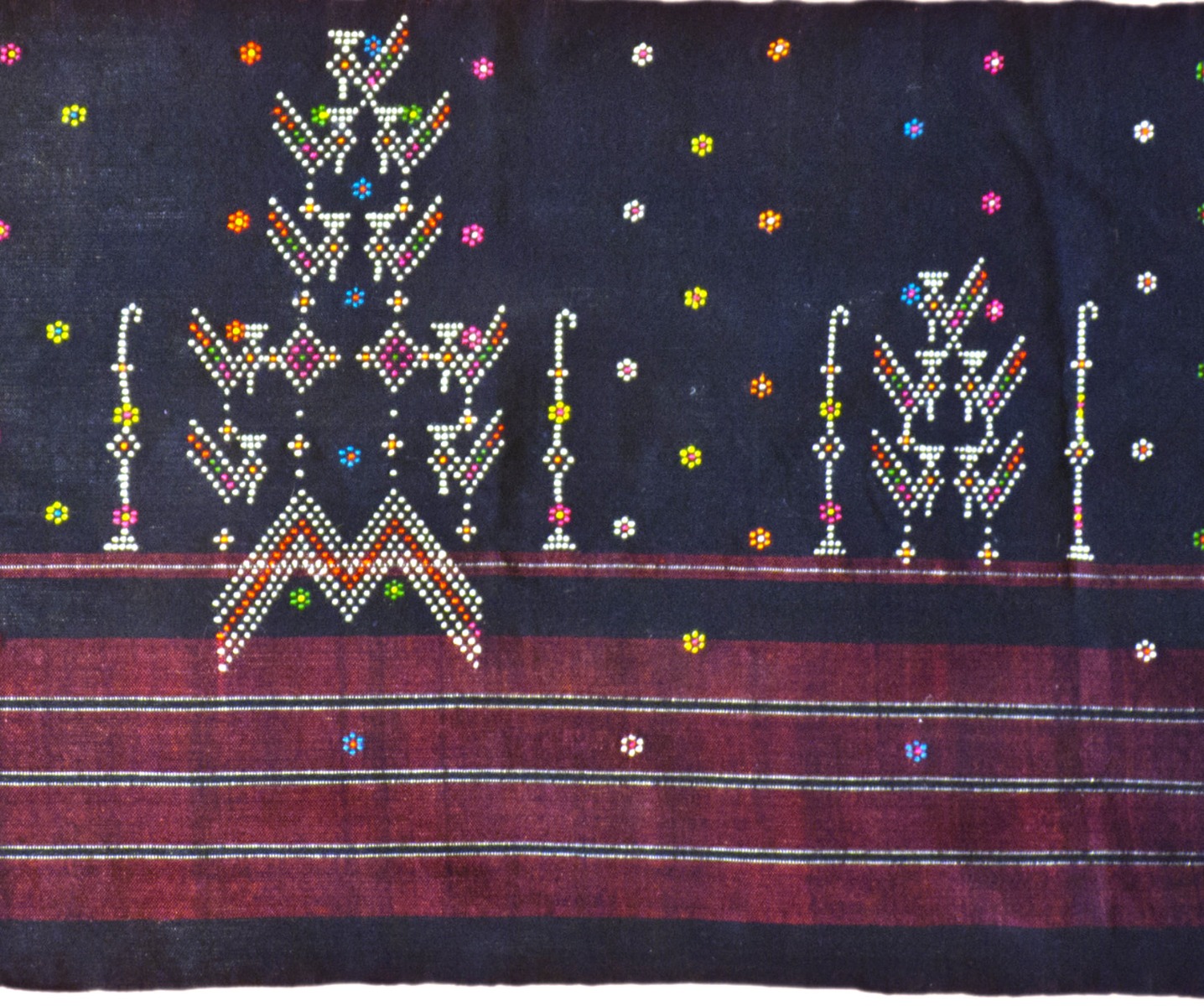
Tangaliya: A handwoven, GI-protected textile, made by the Dangasia community, the 700-year-old indigenous Tangaliya is native to the Surendranagar district in the Saurashtra region. The textile was usually used as a shawl or wraparound skirt by women of the Bharwad shepherd community. Woven on pit looms at homes, the technique involves weaving knots in colours contrasting to the warp colour to create the effect of raised dots. The weaving is based on precise mathematical calculations. The weaver has to count the warp yarns each time, before hand-knotting the dot in acrylic yarn, to produce geometric patterns. A single mistake can lead to the final design looking faulty. The effect of the pattern also has a tactile feel, similar to braille, because of the raised surface of the dots. This has become the signature style of the textile. Another important aspect is the visual effect of dots, which is most striking and appealing on dark colour bases, especially black. The graphic quality of white dots mixed with other bright coloured dots gives the craft its special appeal. Moreover, due to the ease of knotting the white colour yarn compared to coloured yarns, white dots were common. Traditionally, most woollen shawls featured graphic patterns of white and maroon coloured dots on a black base. With every wash, the cotton textile tends to become denser and integrates the dots even more finely between the warp and weft. Today, there are only fifteen families in Surendranagar pursuing this craft.
Jammu & Kashmir

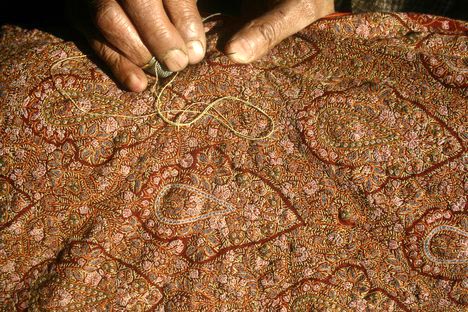
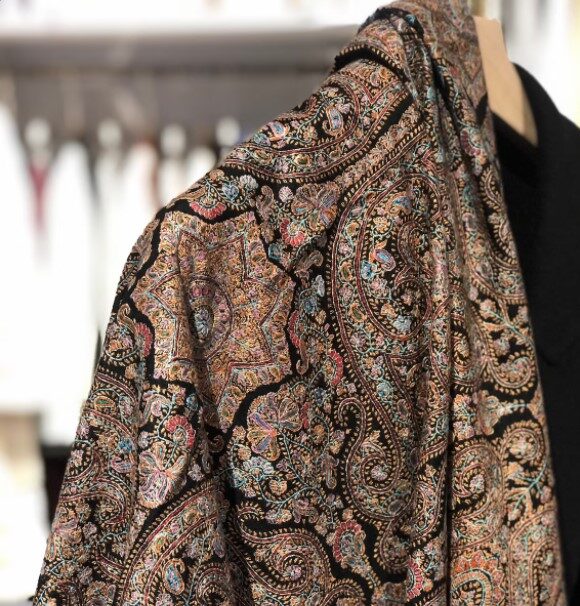
Jamawar: Jamawar is believed to have been derived from the word jam which means a shawl or robe and war, which implies the chest, in either Persian or Kashmiri. The fabric is believed to have found its way to Kashmir from Persia and reached its peak during the heyday of the Mughal dynasty in India. Owing to the elaborateness that goes into the making of the weave, it takes months on end to craft a finished Jamawar piece, and sometimes, even years, depending on the level of intricacy involved. Jamawar is traditionally woven with a rich blend of Pashmina wool, cotton and silk. Given the generous use of colours and motifs, the finished weave is highly iridescent. One of the many distinguishing factors of the Jamawar is that it is so intricately woven that its front and back, both look identical, with no stray thread sticking out of its surface. A dominating design element of the weave is the paisley, which derives inspiration from Persia; other motifs of flora and fauna, too, are seen. Jamawars also feature a wide use of hand embroidery and traditionally, a single jamawar piece was woven with up to 50 varying hues.

Kani: The Kani weave is said to have originated in Kanihama village of Jammu and Kashmir, and its exquisiteness earned it the Geographical Indication (GI) tag in 2008. The word Kani translates to bobbins in Kashmiri because the weave involves extensive use of wooden bobbins on which varicoloured threads are wound. Legend has it that the art of weaving Kani shawls was first brought to Kashmir in the 15th century by Persian and Turkish weavers, who introduced this art to Ghiyas-ud-Din Zain-ul-Abidin, the eighth sultan of Kashmir. One of the most defining characteristics of the Kani weave, colloquially known as Kaniwar, is its impeccably patterned motifs. These motifs, which include flowers, gardens, creepers and paisleys are brought to life through a technique called twill tapestry featuring double interlocking, wherein both the warp and weft yarns are mounted diagonally onto each other on the loom.

Traditionally, Kanis are crafted from the pashmina wool of the local Changthangi goat. At the time of weaving, the loom is packed with bobbins or kanis, through which the craftsmen carry out the fashioning of the weave; a total of nearly a thousand bobbins or more can be used for a single weave. Each colour is woven in individually, with the help of bobbins wound with threads of that particular colour. The designs are first drafted in the form of sketches, in a grid-like format called naksh, after which each step from the draft is dictated to the weaver. An elaborately woven Kani shawl can take anywhere from 9 months to a year to be made, with two artisans working on it.

Pashmina Silk: A fine variant of spun cashmere, the animal hair fibre forming the downy undercoat of the Changthangi goat, Pashmina today may refer either to the material or to the variant of the Kashmir shawl that is made from it. The word pashm means wool in Persian, but in Kashmir, pashm referred to the raw unspun wool of the domesticated Changthangi goats. Both generic cashmere and pashmina come from the same goat, but generic cashmere ranges from 12 to 21 microns in diameter, whereas pashmina refers only to those fibres that range from 12 to 16 microns.

Samples of wool fibres discovered from corroded copper artefacts from Harappa dating back to the Indus valley civilization are extremely fine and resemble Pashmina and Shatoosh. In Mughal times, this was used as an indicator of rank and nobility. Pashmina blankets were also vital additions to a wealthy woman’s dowry in India, Pakistan and Nepal. The wool for pashmina is collected by combing the undercoat of the goat, and not by shearing, as in other fine wools. The entire process is carried out by hand by specialised craftsmen. The approximate time put into producing a single traditional pashmina stole is about 180 hours. Kashmiri embroidery or Kashida as it is known, employs bright and colourful designs, with motifs of floral borders, paisley and chinar leaves and other inspirational settings of nature. The patterns and the colours of Pashmina silk saree harmonises with nature. A heavily adorned pashmina silk sari with zardozi aari embroidery is a must in any bride’s trousseau. China accounts for 70% of the world’s cashmere production.

In the next part, we’ll see more fabrics and sarees from other states.