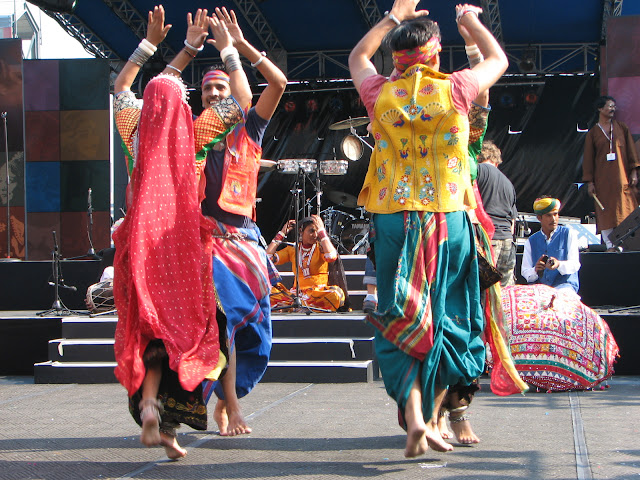
Recipes: Sev Tamatar ki Sabzi or Sev Tameta nu Shaak

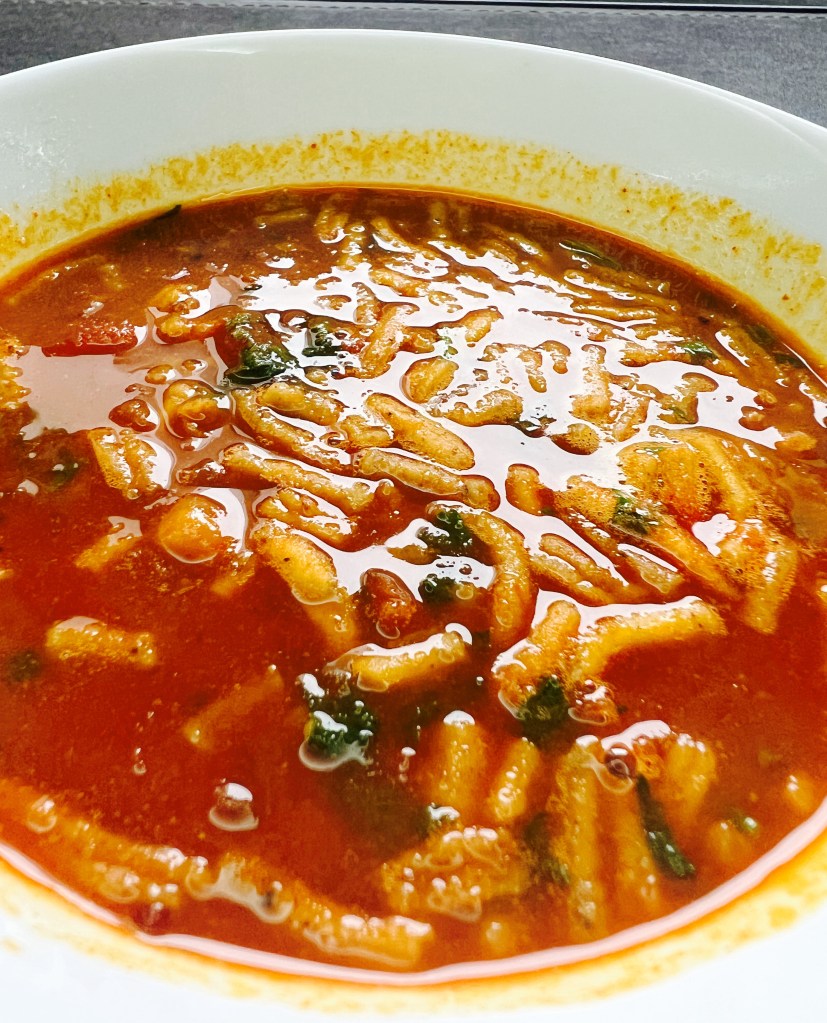
For viewers of Tarak Mehta ka Ulta Chashmah, this recipe will be a familiar one. I ate this a long time ago when I was in school and then used to hear about it in shows and online. I was chatting with a friend the other day and she mentioned she had recently made the dish and I had cravings to make it. This is a fairly easy dish to make and from start to end, will not take more than 20-30 minutes, depending on the quantity you are making.

From the heartlands of Gujarat, this sabzi blends the sweetness and tartness of tomatoes with the crunch of savoury sev. Legend has it that the recipe originated in the kitchen of a Gujarati household, where the homemaker sought to create a delightful dish using the bounty of tomatoes from her garden. Faced with an abundant harvest, she combined tomatoes, spices, and a handful of sev to fashion a dish that was an instant hit with her family and the recipe soon spread like wildfire across the state. Today, this dish is a staple in Gujarati households, for its taste and ease of making from ingredients commonly found in an Indian kitchen. And because this does not use onions or garlic, this can be made even on festive days when you won’t use these ingredients. So let’s start making this yummy dish.

Sev Tameta nu Shaak or Sev Tamatar ki Sabzi

Ingredients:

  • 3 large ripe tomatoes, finely chopped
  • 1 cup sev or fried gram flour vermicelli
  • 2 tbsp oil
  • 1 tsp mustard seeds
  • 1 tsp cumin seeds
  • ¼ tsp asafoetida
  • 1 tbsp ginger and green chilli paste
  • ½ tsp turmeric powder
  • 1 tsp red chilli powder (adjust to taste)
  • 1 tsp coriander powder
  • 1 tsp cumin powder
  • Salt to taste
  • 2 tbsp jaggery or sugar
  • 1 cup water
  • Fresh coriander leaves to garnish

Method:

  • Heat oil in a pan over medium heat. Add mustard seeds, cumin seeds and asafoetida, letting them sizzle for a few seconds.
  • Then add the ginger and chilli paste and let it cook for a few seconds.
  • Add the finely chopped tomatoes to the pan and cook until they turn soft and mushy, stirring occasionally.
  • Reduce the heat to low and add turmeric powder, red chilli powder, coriander powder, cumin powder, and salt. Mix well and cook for 2-3 minutes.
  • Pour in the water and add jaggery or sugar. Stir until the jaggery dissolves completely.
  • Allow the curry to simmer on low heat for 5-7 minutes, allowing the flavours to meld together.
  • Add half the sev to the tomatoes and gently mix to coat the sev with the sauce.
  • Turn off the heat and garnish with fresh coriander leaves.
  • Just before serving, add the balance sev, so that there is still a crunch to the dish and serve hot with roti.

Notes: Don’t use the nylon sev used for bhelpuri and other chaat, instead use the thicker ones. This will mean that the sev does not dissolve in the sabzi and there is a bite. I also like to keep some sev separate so that as you dish it up, you add it as a garnish.

Festivals of India: Tarnetar Mela

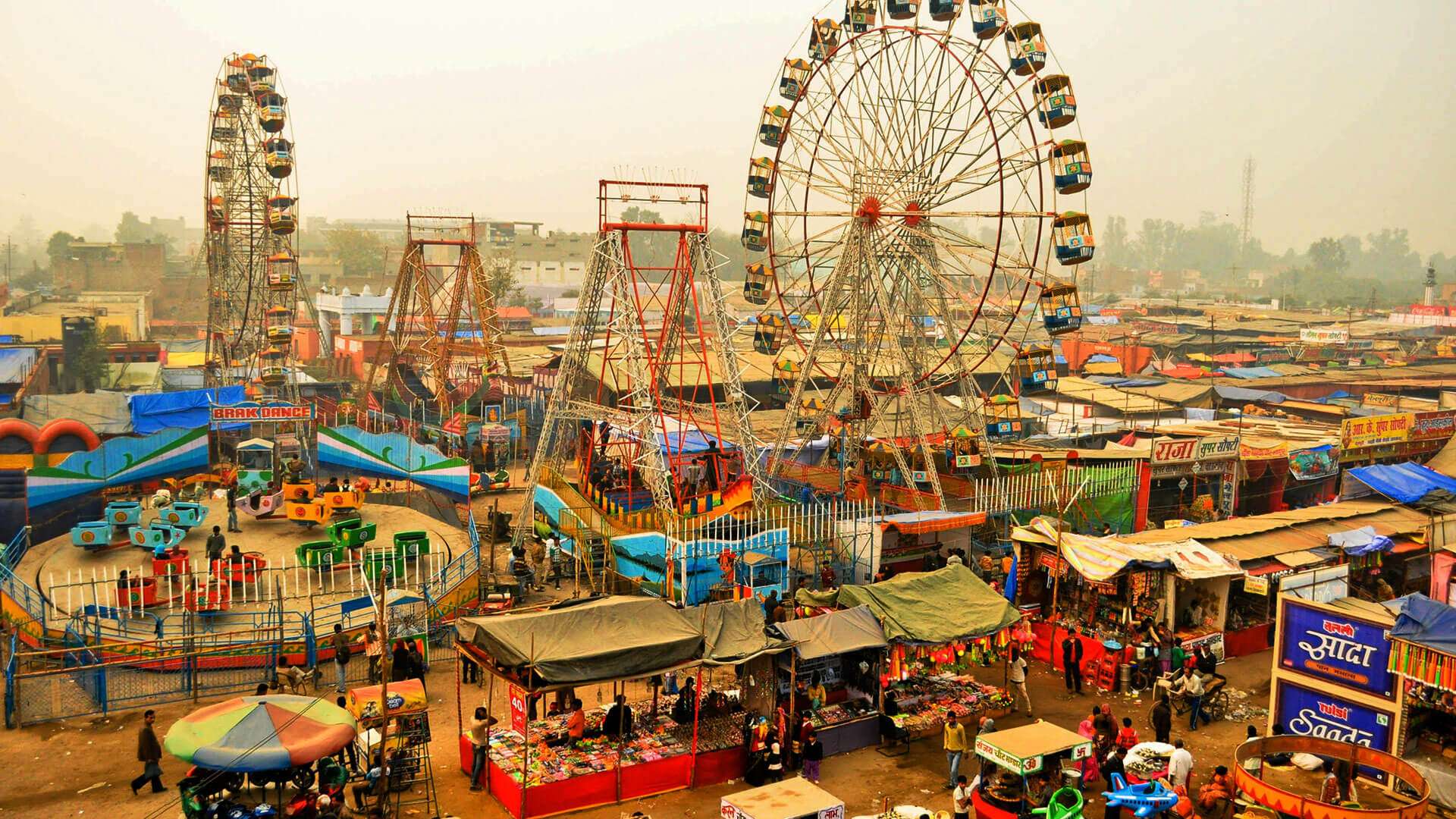
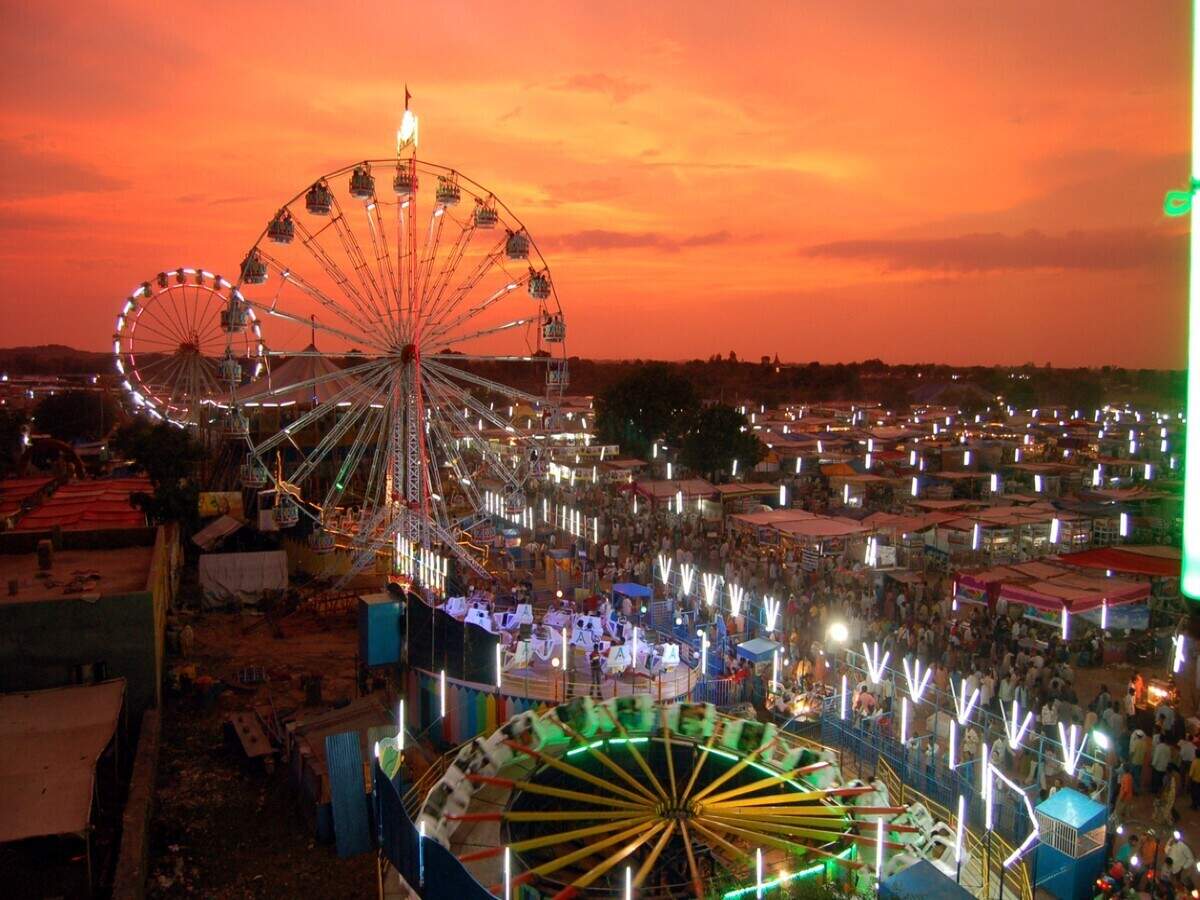
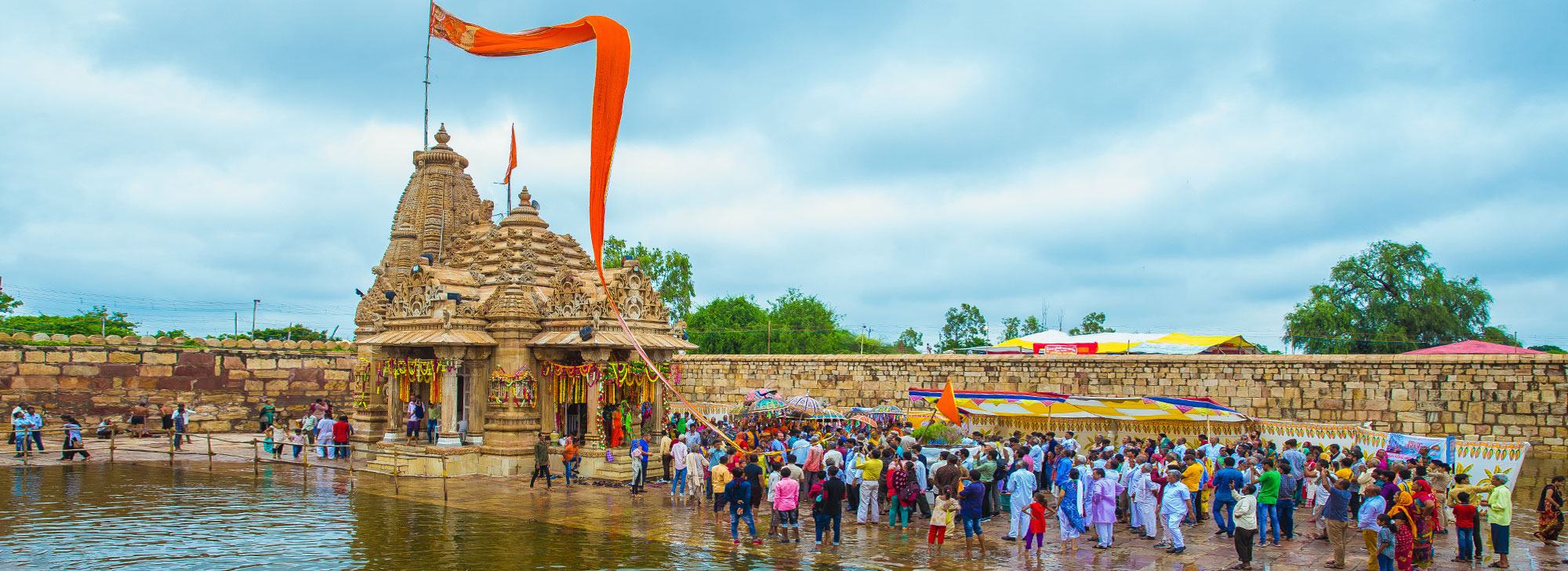
One of the best things about India is that there are so many colourful festivals one can witness and be a part of. several colourful and grand festivities. One of the many vibrant, but relatively unknown festivals is the annual Tarnetar Mela which takes place in Sundernagar in the western state of Gujarat. A tiny village about 56 km from Sundernagar, about 76 km from Rajkot and about 176 km from Ahmedabad, the village comes alive during the festival.

Being Saurashtra’s most important fair, the Tarnetar Mela is attended by more than 50,000 people, including the Kolis, Rabaris, Bharwads, Khants, Kanbis, Kathis, Charans, Harijans and the Desh-rabaris. The festival has its roots in the epic Mahabharata, specifically Draupadi’s swayamvar. Swayamvar is a type of marriage mentioned in Hindu history where a woman chose a man as her husband from a group of suitors. The word comes from Sanskrit where Svayam means self and vara means groom. At Draupadi’s swayamvar, the Pandava prince Arjun performed the difficult task of piercing the eye of a rotating fish with an arrow, by only looking at its reflection in the water, after which he won the heart and hand of Draupadi.

The festival’s tradition is believed to have begun about 200 or 250 years ago and is held on the grounds of the temple of Triniteshwar Mahadev, which means the three-eyed God. The old temple that used to stand in Tarnetar is now in ruins, but a new one was built by the Gaekwads of Vadodara in the 19th century during the Solanki era and is now the focal point of the festival. It stands on the bank of a rivulet and opens into a beautiful kund or pond. Inside the temple, there is a Brahma Kund, a Shiva Kund, and a Vishnu Kund and it is believed that taking a plunge in these three water reservoirs is equivalent to taking a dip in the waters of the holy Ganges.

Fast forwarding to today, the three-day festival falls in the Bhadarva Sud or during August and September. This year the festival will take place between 18 to 20 September. The festival is a celebration of tribal Gujarat’s folk dance, music, costume and arts and is centred around young tribal men and women seeking marriage partners.

The Tarnetar Mela covers a large part of the Tarnetar village with a huge number of stalls put up to sell beautiful local handicrafts unavailable elsewhere, along with ethnic jewellery, statues of deities and traditional attire with tiny mirrors embroidered into the clothing. There are also merry-go-round rides, photography stalls, magic shows and tattoo artists who attract a large variety of visitors.

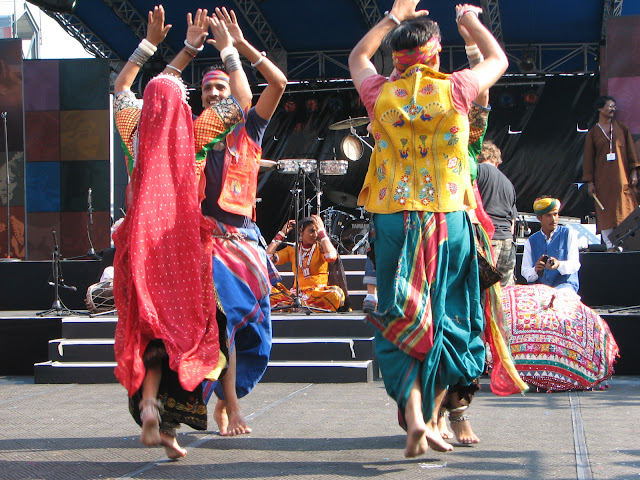
Rabari women from Zalawad, which is close to Tarnetar perform the famous circular folk dance called rahado. Their marital status is indicated clearly by their costumes; a black zimi or skirt means she is married. But if a woman is wearing a red zimi, it means she has not yet tied the knot and is probably seeking a husband. The potential husbands seeking brides are elegantly dressed in colourful dhotis, artistically designed waistcoats and a head-cloth twisted at an angle, moving about the fairground at Tarnetar with striking umbrellas, advertising the bachelorhood they are keen to relinquish.

The Kolis of Saurashtra initiated the custom of embroidering umbrellas, which are exquisitely elaborate in terms of embellishments. The embroidery of each is unique and rises from the edges to the top, with beadwork and patchwork in the design as well. Small colourful handkerchiefs are attached all around the edge, to attract further attention. These men spend over a year embroidering their umbrellas. They intend to entice the girls with their art, clothes, and headgear and impress them so that they can propose to them for marriage. It is not surprising that, before the fair is over, they usually meet the lady of their choice.

At the heart of the Tarnetar Mela lies a unique and heartwarming tradition — the swayamvar. This ancient matchmaking ritual allows young, unmarried women to choose their life partners from a group of eligible bachelors. Eligible men from various communities gather, each hoping to find their soulmate among the bevvy of beautiful women. It’s a sight to behold as the women circulate among the men, engaging in cheerful banter and trying to find a connection that transcends words. As modern influences blend seamlessly with tradition, young participants have the freedom to exchange phone numbers, engage in conversations, and even meet their potential life partners accompanied by their families.

As the dancers surge in waves of circular movement, the incessant throbbing of the drums keeps them moving in unison, and the drum beats continue throughout the day even as the dancers change from one group to the next. Many kinds of folk dances are performed; by far the most popular is the raas, in which dancers hold sticks to clack against those of other dancers. As many as one to two hundred women perform rasadas in a single circle, to the beats of four drums at a time and the tunes ofjodia pavas or the double flutes. One can also see people break out into a spontaneous hudo. Amidst the festivities, the Tarnetar Mela also champions essential social causes. Various NGOs and organisations set up stalls to raise awareness about health, education, and women’s empowerment.

There is music in the air with many bhajan mandalis or music groups and sadhus or holy men singing religious songs, accompanied by folk instruments. But even for those not interested in finding a spouse, the romance and excitement in the air are captivating, and every year the fair seems only to grow in popularity, attracting visitors and tourists from Gujarat, elsewhere in India, and even abroad. At the fair, the many colourful costumes, glittering ornaments and free-spirited movements of folk dances, all combine to create a memorable scene. This is the vibrancy of India that mesmerises visitors and makes them come back.

Travel Bucket List: India – Consolidated List of all States

As I started planning my travel, I started relying on my research for where to go and found it slightly ungainly to search through all the material I have to reach a specific destination. So here’s a consolidated list of all Indian states, in alphabetical order with the cities and towns next to each part which makes it easier to get to the place you are interested in.

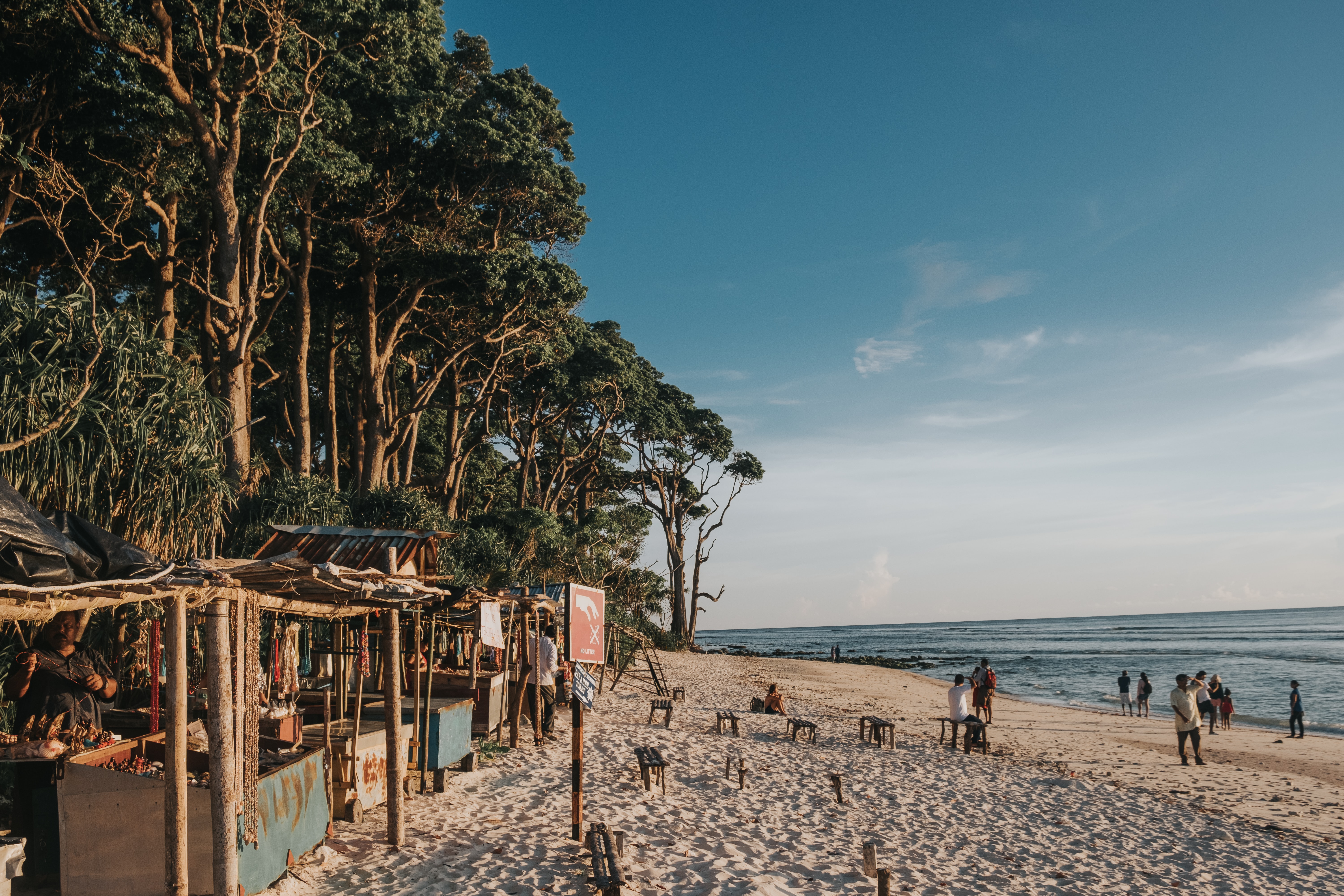
Photo by Ravigopal Kesari on Unsplash

Andaman and Nicobar Islands
Part 1 – Introduction and Overview
Part 2 – Port Blair
Part 3 – Corbyn’s Cove Beach, Wandoor Beach, Viper Island, Ross Island, North Bay Island, Red Skin Island, Middle Andaman Island, Long Island, Baratang Island, Parrot Island, North Passage Island, Guitar Island
Part 4 – Aves Island, North Andaman Island, Diglipur, Stewart Island, Ross & Smith Island, Jolly Buoy Island, Havelock Island
Part 5 – Neil Island, South Andaman Island, Rutland Island, Little Andaman Island, Cinque Island, Barren Island, Narcondom Island, Kathchal Island, Campell Bay & Indira Point
Part 6 – Mahatma Gandhi Marine National Park, Chidiya Tapu, The Chidiya Tapu Biological Park, Mount Harriet National Park, Saddle Peak National Park, Campbell Bay National Park, Galathea National Park, Middle Button Island National Park, North Button Island National Park, South Button Island National Park

Photo by Gowrisha CV on Unsplash

Andhra Pradesh
Part 1: Introduction and Overview, Vishakhapatnam
Part 2: Araku Valley, Vizianagaram, Annavaram, Samalkot, Kakinada, Rajahmundry
Part 3: Amaravathi, Vijayawada, Machilipatnam
Part 4: Guntur, Chirala, Nagarjunakonda, Srisailam, Cumbum, Nellore
Part 5: Kurnool, Mantralayam, Gandikota, Tadipatri, Anantapur, Puttaparthi
Part 6: Lepakshi, Horsley Hills, Chittoor, Srikalahasthi, Tirupati

Photo by Mayur More on Unsplash

Arunachal Pradesh
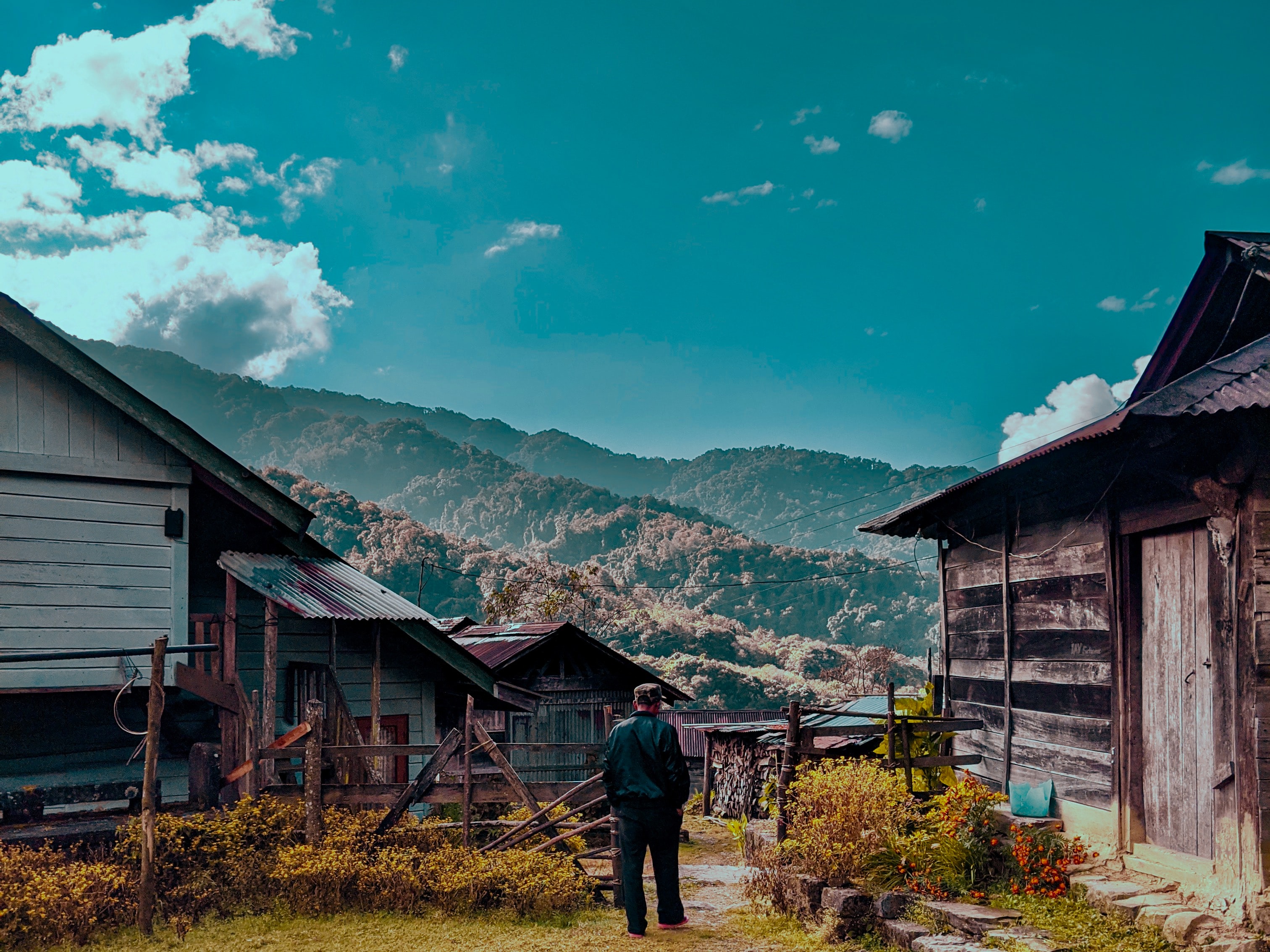
Part 1: Introduction and Overview, Itanagar, Bhalukpong
Part 2: Bomdila, Tawang
Part 3: Ziro, Yinkiong, Mechuka, Roing, Tirap
Part 4: Khonsa, Changlang, Miao, Anini, Pasighat, Aalo, Daporijo, Anjaw, Tezu

Photo by Nilotpal Kalita on Unsplash

Assam
Part 1: Introduction and Overview, Guwahati, Dispur
Part 2: Kokrajhar, Bongaigaon, Goalpura, Barpeta, Nalbari, Hajo, Sualkuchi
Part 3: Darrang, Mayong and Morigaon, Nagaon, Tezpur, Jorhat
Part 4: Sivasagar, Majuli, Dhemaji, Dibrugarh, Tinsukia, Digboi
Part 5: Sadiya, Haflong, Jatinga, Diphu, Karimganj, Hailakandi, Silchar
Part 6: Raimona National Park, Manas National Park, Orang National Park, Kaziranga National Park, Nameri National Park, Dibru Saikhowa National Park, Dihing Patkai National Park

Photo by ARTO SURAJ on Unsplash

Bihar
Part 1: Introduction and Overview
Part 2: Patna
Part 3: Hajipur, Nalanda
Part 4: Rajgir, Sasaram, Kaimur
Part 5: Bodh Gaya, Vaishali
Part 6: Muzzafarpur, Sitamarhi, Madhubani, Lauriya Nandangarh, Bhagalpur, Valmiki National Park Tiger Reserve and Wildlife Sanctuary

Photo by Ayiman Mohanty on Unsplash

Chhattisgarh
Part 1: Introduction and Overview, Raipur, Champaran
Part 2: Bhilai, Durg, Rajnandgaon, Chirmiri, Madku Dweep, Bhoramdeo Temple, Guru Ghasidas National Park
Part 3: Achanakmar Tiger Reserve, Bilaspur, Raigarh, Korba, Ambikapur, Barnawapara Wildlife Sanctuary, Mainpat, Malhar
Part 4: Mahasamund, Sirpur, Rajim, Jagdalpur, Dhamtari, Dhamtari, Dantewada, Kanger Ghati National Park

Dadra and Nagar Haveli and Daman and Diu
Part 1: Introduction and Overview, Daman
Part 2: Diu
Part 3: Dadra and Nagar Haveli

Delhi
Part 1: Introduction and Overview, India Gate, Red Fort, Qutub Minar, Jantar Mantar, Rajghat
Part 2: Iron Pillar, National War Memorial, Rajpath, Rashtrapati Bhavan, Agrasen Ki Baoli, Ghalib Ki Haveli, Alai Darwaza/Minar, Bhool Bhulaiya ka Mahal, Purana Qila,
Part 3: Tughlaqabad Fort. Siri Fort, Feroza Kotla Fort, Swaminarayan Akshardham Temple, ISKON Mandir, Birla Temple, Chhatrapur Temple, Kalkaji Temple, Kali Bari Temple, Yogmaya Temple, Sri Digambar Jain Lal Mandir, Lotus Temple
Part 4: Jama Masjid, Quwwat-ul-Islam Mosque, Fatehpuri Masjid, Jamali Kamali Mosque and Tomb, Nizamuddin Dargah, Humayun’s Tomb, Safdarjung’s Tomb, Isa Khan’s Tomb, Hijron ka Khanqah, Nicholson Cemetery
Part 5: Gurudwara Bangla Sahib, Gurudwara Sis Ganj Sahib, Rakab Ganj Gurdwara, Sunder Nursery, Lodhi Gardens, Garden of Five Senses, National Rose Garden, Mehrauli Archaeological Park, Pradhanmantri Sangrahalaya, National Museum, Nehru Memorial Museum and Library, Rashtrapati Bhavan Museum, Indian War Memorial Museum, National Handicrafts Museum
Part 6: Indira Gandhi Memorial Museum, Sanskriti Museums, Charkha Museum, Sulabh International Museum of Toilets, Shankar’s International Dolls Museum, Museum of Archaeology, National Railway Museum, Museo Camera, National Gallery of Modern Art, Kiran Nadar Museum of Art, Museum of Illusions, National Zoological Park, National Bal Bhavan, Connaught Place, Chandni Chowk, Dilli Haat, Sarojini Market, Lajpat Nagar, Majnu ka Tila, Pragati Maidan

Photo by Sarang Pande on Unsplash

Goa
Part 1: Introduction and Overview
Part 2: North Goa, Vagator Beach, Anjuna Beach, Calangute Beach, Sinquerim Beach, Candolim Beach, Arambol Beach, Mandrem Beach, Morjim Beach, Miramar Beach, Siridao Beach, Bogdeshwara Temple, Mangeshi Temple, Mahalaxmi Temple, Fort Aguada, Chapora Fort, Reis Magos Fort, Basilica of Bom Jesus, Church of Our Lady of Immaculate Conception, Chapel of St. Catherine, Church of Mae De Deus, Goa State Museum, Houses of Goa Museum, Museum of Christian Art, Casino Palms, Chorao Island, Harvalem Waterfalls
Part 3: South Goa, Butterfly Beach, Betalbatim Beach, Agonda Beach, Mobor Beach, Hollant Beach, Palolem Beach, Cansaulim Beach, Colva Beach, Talpona Beach, Kakolem Beach, Benaulim Beach, Our Lady of Remedios Church, Saviour of the World Church, St. Alex Church, Shantadurga Temple, Tambdi Surla Mahadev Temple, Chandreshwar Bhoothnath Temple, Naval Aviation Museum, Goa Chitra Museum, Big Foot Museum, The Grande Island, Pequeno Island, Bhagwan Mahaveer Wildlife Sanctuary, Netravali Wildlife Sanctuary, Cotigao Wildlife Sanctuary, Dudhsagar Falls, Bamanbudo Waterfalls, Netravali Bubbling Lake, Cabo de Rama Fort, Chandor

Photo by Parth Kateliya on Unsplash

Gujarat
Part 1: Introduction and Overview
Part 2: Surat, Vapi, Udvada, Valsad, Bilimora, Navsari, Bharuch, Saputara
Part 3: Ahmedabad, Lothal, Vadodara, Anand
Part 4: Gandhinagar, Patan, Mehsana, Palanpur
Part 5: Rajkot, Jamnagar, Dwarka, Porbandar, Junagadh, Bhavnagar, Palitana,
Part 6: Kutch, Bhuj, Mandvi, Rann of Kutch, Anjar

Photo by Sooraj Dev on Unsplash

Haryana
Part 1: Introduction and Overview, Gurugram, Manesar, Sohna
Part 2: Faridabad, Nuh, Murthal, Rohtak, Meham
Part 3: Hisar, Panipat, Karnal
Part 4: Kurukshetra, Ambala
Part 5: Panchkula, Morni Hills, Narnaul

Photo by Naman Pandey on Unsplash

Himachal Pradesh
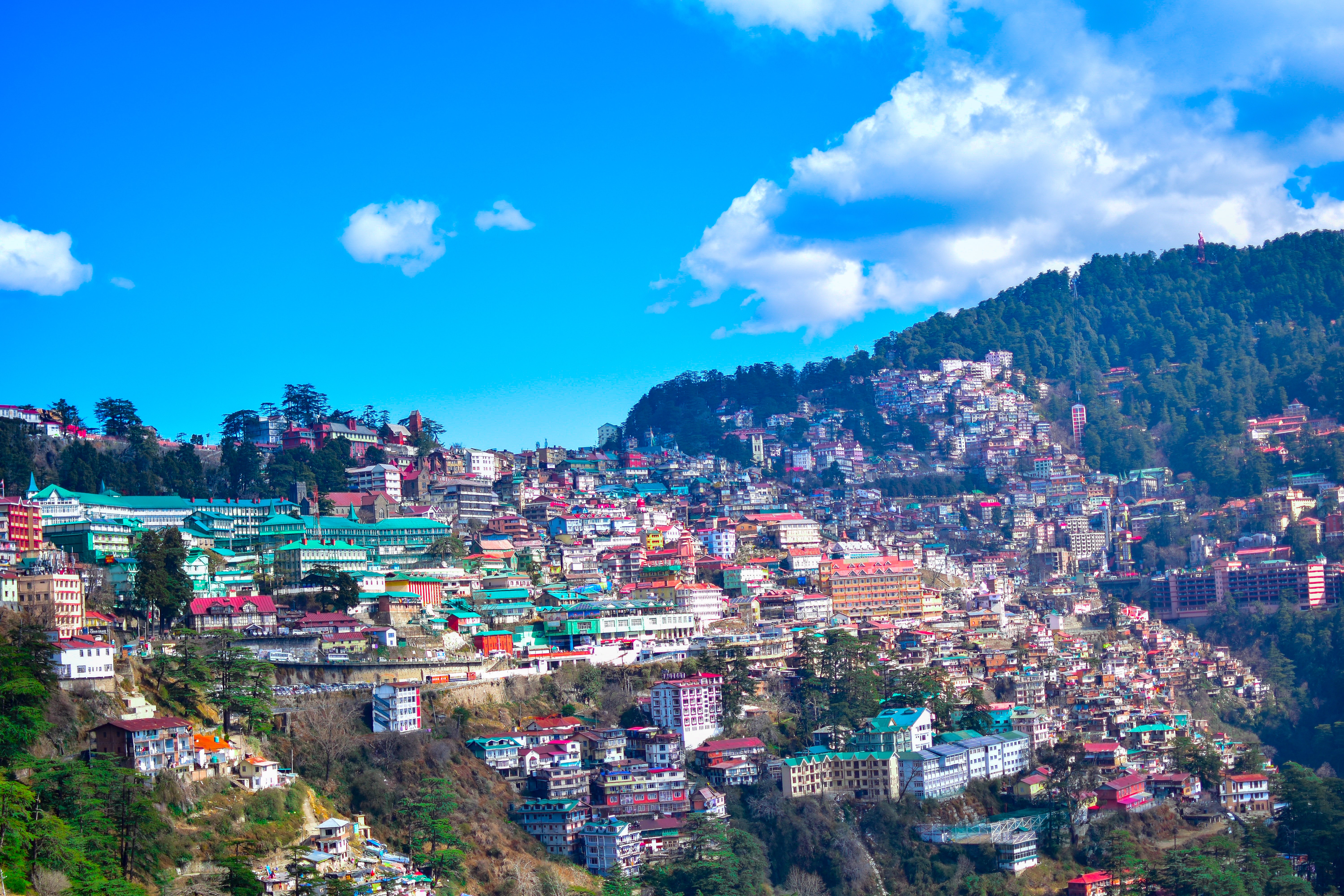
Part 1: Introduction and Overview, Shimla, Kufri, Fagu, Theog, Hatkoti Valley, Chanshal Valley
Part 2: Chail, Solan, Barog, Nahan, Sirmour, Paonta Sahib, Shoghi, Kasauli, Arki, Nalagarh, Dadasiba, Bilaspur, Dalhousie,
Part 3: Kangra, Khajjiar, Bharmour, Chamba, Tattapani, Jalori Pass, Jibhi, Mandi
Part 4: Trithan Valley, Bhuntar, Sainj Valley, Barot, Bir Billing, Palampur, Kasol, Nagar, Manikaran Sahib, Tosh, Parvati Valley
Part 5: Kullu, Manali, Dharamsala, McLeodganj
Part 6: Keylong, Pin Valley National Park, Spiti Valley, Narkanda, Mashroba, Kinnaur, Sarahan, Sangla Valley, Kalpa, Pangi Valley, Nako

Jammu & Kashmir and Ladakh
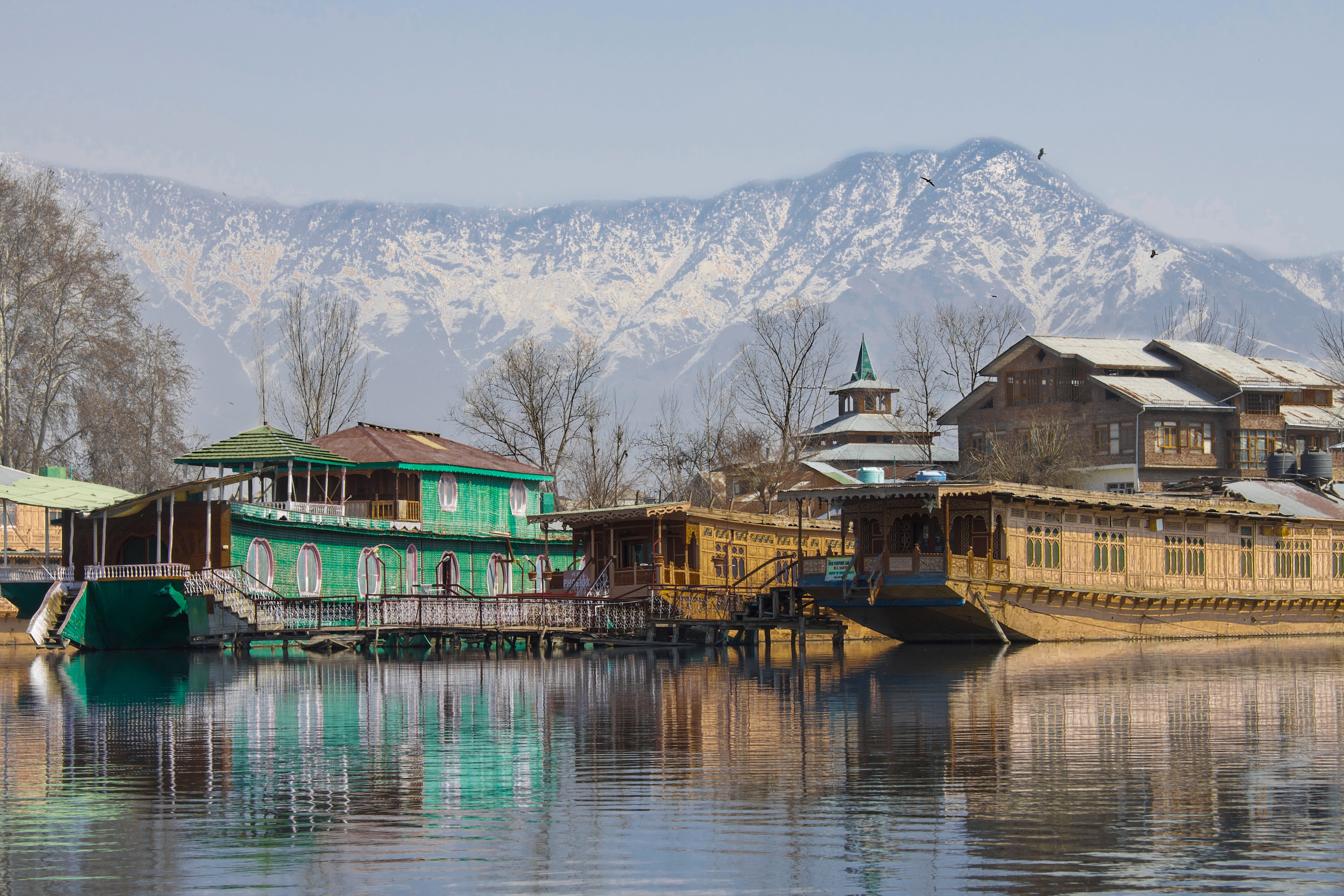
Part 1: Introduction and Overview, Kashmir, Srinagar, Gulmarg, Sonmarg, Pahalgam, Amarnath, Pulwama, Kupwara, Poonch, Anantnag, Baramulla, Dachigam National Park
Part 2: Jammu, Patnitop, Rajouri, Udhampur, Kathua, Katra, Vaishno Devi, Kishtwar
Part 3: Ladakh, Leh, Leh Palace, Thiksey Gompa, Pangong Lake, Magnetic Hill, Nubra Valley and Khardung La Pass, Kargil, Drass, Hemis High Altitude Wildlife Sanctuary, Lamayuru, Lake Tso Moriri

Photo by Aryan Singh on Unsplash

Jharkhand
Part 1: Introduction and Overview, Ranchi
Part 2: Hazaribagh, Bokaro Steel City
Part 3: Jamshedpur, Neterhat
Part 4: Dhanbad, Shikarji, Deoghar, Dumka

Karnataka
Part 1: Introduction and Overview
Part 2: Bengaluru
Part 3: Mysuru, Mangalore, Belgaum
Part 4: Hubli-Dharwad, Gulbarga, Bidar, Badami, Bijapur, Hassan, Shimoga, Hampi, Sharavathi Valley Wildlife Sanctuary, Bhadra Wildlife Sanctuary, Brahmagiri Wildlife Sanctuary, Nagarhole National Park, Bandipur National Park, Ranganathittu Bird Sanctuary, Jog Falls, Shivanasamudra Falls, Kodasalli Backwater
Part 5: Coorg, Chikmagalur, Sakleshpur, Kudremukh, Kemmanagundi, Kotagiri, Masinagudi, Devarayanadurga, Karwar, Devbagh, Kumta, Netrani Island, Murudeshwar, Maravanthe, St. Mary’s Island, Udipi
Part 6: Udipi, Kollur, Sringeri, Dharmasthala, Horanadu, Talakadu, Belur, Shravanbelagola, Gokarna, Murudeshwar, Koodli, Srirangapatna, Pattadakal, Aihole, Kalasa

Kerala
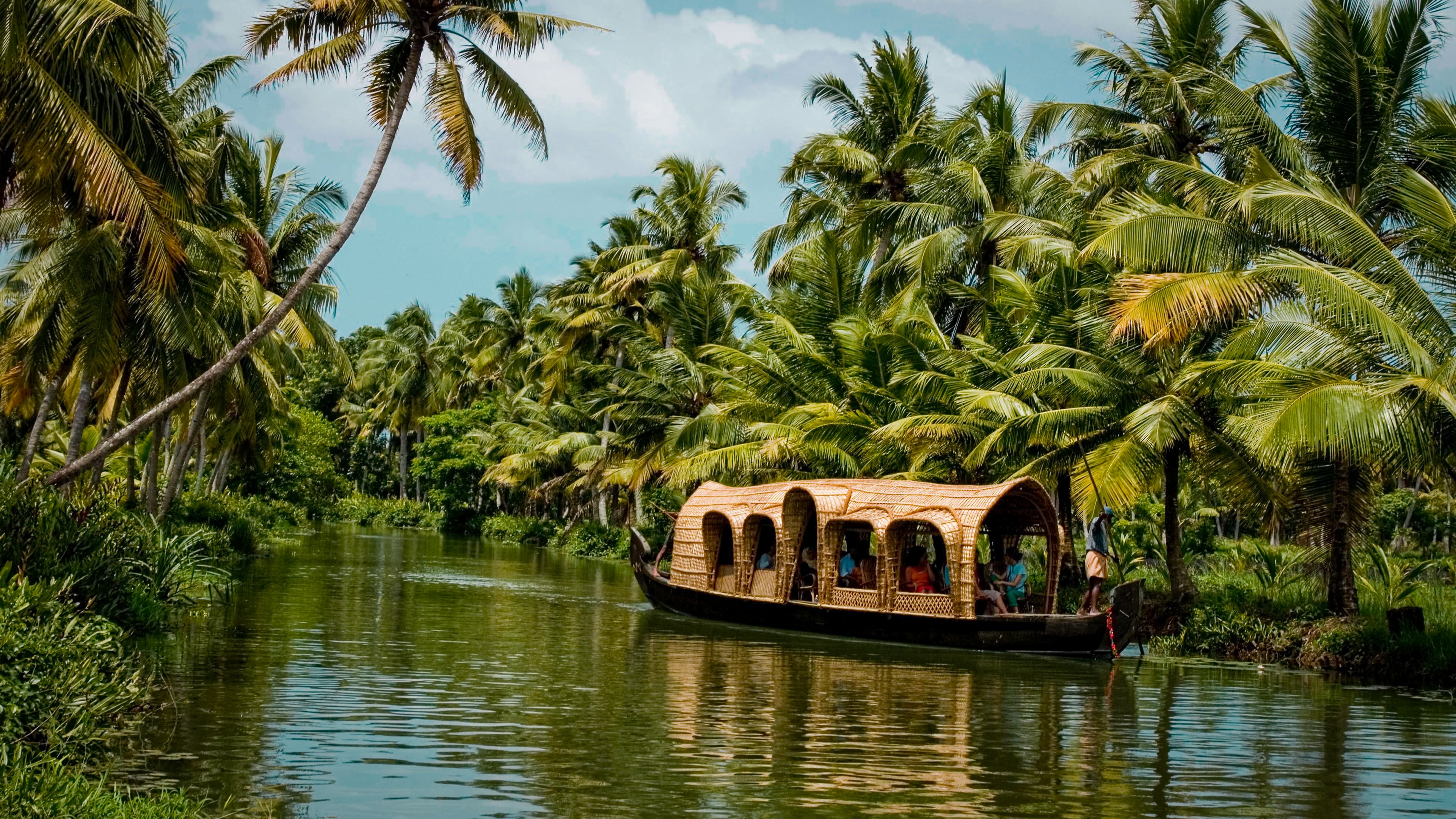
Part 1: Introduction and Overview
Part 2: Kasaragod, Kannur, Kozhikode
Part 3: Wayanad, Mallapuram, Palakkad
Part 4: Thrissur, Ernakulam, Alappuzha
Part 5: Kottayam, Idukki, Patanamthitta
Part 6: Kollam, Tiruvanathapuram

Photo by Sachin Benny on Unsplash

Lakshadweep Islands
Part 1: Introduction and Overview
Part 2: Aminidivi, Cora Divh, Sesostris Bank, Bassas de Pedro, Cherbaniani Reef, North Islet, Byramgore Reef, Chetlat Island, Bitra Par, Kilthan Island, Kadmat Island, Kadmat Beach, Elikalpeni Bank, Perumal Par, Amini Island
Part 3: Laccadive, Amindivi, Agatti Island, Bangaram, Pakshipitti, Andrott Island, Kavaratti, Kalpeni, Suheli Par
Part 4: Minicoy, Maliku Atoll, Investigator Bank, Viringili

Madhya Pradesh
Part 1: Introduction and Overview
Part 2: Bhopal
Part 3: Indore, Ujjain, Alampur
Part 4: Maheshwar, Omkareshwar, Mandu, Burhanpur
Part 5: Chanderi, Shivpuri, Orchha, Khajurao
Part 6: Gwalior, Jabalpur, Bhedaghat, Panchmarhi, Amarkantak, Bandhavgarh National Park, Kanha National Park, Pench National Park

Photo by Raj Rana on Unsplash

Maharashtra
Part 1: Introduction and Overview, Mumbai
Part 2: Pune
Part 3: Matheran, Lonavala, Khandala, Rajmachi, Lavasa, Kamshet, Mahabaleshwar, Panchgani, Kaas Plateau, Maval, Bhandardara, Chikhaldara, Bhimashankar
Part 4: Amravati, Aurangabad, Ajanta and Ellora Caves, Lonar, Chiplun, Kolhapur, Nagpur, Nanded, Nashik, Triambakeshwar, Shirdi, Shani Shinganapur, Raigad, Ratnagiri, Satara
Part 5: Dahanu, Alibaug, Kashid, Diveagar, Harihareshwar, Murud, Karade, Ganpatipule, Tarkarli, Vengurla, Tadoba National Park, Bhamragarh Wildlife Sanctuary, Chandoli National Park, Gugumal National Park, Navegaon National Park, Malvan Marine Sanctuary, Rehekuri Blackbuck Sanctuary

Photo by WAIKHOM JAMES on Unsplash

Manipur
Part 1: Introduction and Overview, Imphal
Part 2: Moirang, Tamenglong, Thoubal
Part 3: Chandel, Tengnoupal, Moreh, Kaina, Ukhrul, Mount Koubru, Baruni Hill, Thangjing Hill, Sadu Chiru Waterfall

Photo by Utkarsh B on Unsplash

Meghalaya
Part 1: Introduction and Overview
Part 2: Shillong
Part 3: Mawphlang, Cherrapunji, Nongpoh, Mawsynram
Part 4: Jowai, Mawlynnong, Dawki, Balpakram National Park, Williamnagar, Baghmara, Tura
Part 5: Khasi Hills, Jaintia Hills, Garo Hills

Photo by Vanlaldin puia on Unsplash

Mizoram
Part 1: Introduction and Overview, Aizwal, Falkawn Village
Part 2: Reiek, Hmuifang, Kolasib, Tamdil or Tam Lake, Mamit, Vantawng Falls, Serchhip
Part 3: Dampa Tiger Reserve, Lunglei, Champhai
Part 4: Murlen National Park, Phawngpui, Phawngpui National Park, Saiha,

Photo by Suraj Jadhav on Unsplash

Nagaland
Part 1: Introduction and Overview, Dimapur
Part 2: Kohima
Part 3: Mokokchung, Tuensang, Phek, Mon, Pfutsero

Photo by Ayiman Mohanty on Unsplash

Odisha
Part 1: Introduction and Overview, Bhubaneshwar, Dhauli
Part 2: Cuttack, Rayagada, Daringbadi, Berhampur, Jeypore
Part 3: Puri, Baripada, Sambalpur, Rourkela
Part 4: Konark, Paradeep, Gopalpur, Chandipur
Part 5: Lake Chilika, Tikarpada Wildlife Sanctuary, Satkosia Tiger Reserve, Bhitarkanika National Park & Wildlife Sanctuary, Simlipal National Park, Duduma Waterfalls, Chandaka Forest, Kotgarh Elephant Reserve, Karlapat Wildlife Sanctuary

Photo by nullvoid on Unsplash

Puducherry
Part 1: Introduction and Overview, Puducherry
Part 2: Karaikal, Mahé, Yanam

Photo by Prerna Sharma on Unsplash

Punjab
Part 1: Introduction and Overview
Part 2: Chandigarh, Sirhind
Part 3: Rupnagar, Patiala
Part 4: Ludhiana, Bhatinda
Part 5: Jalandhar, Kapurthala
Part 6: Pathankot, Amritsar

Rajasthan
Part 1: Introduction and Overview, Jaipur, Udaipur
Part 2: Jodhpur, Jaisalmer, Sawai Madhopur, Pushkar

Photo by Apurba Nag on Unsplash

Sikkim
Part 1: Introduction and Overview
Part 2: Gangtok
Part 3: Tinkitam Rayong, Namchi, Barsey Rhododendron Sanctuary, Kabi Longstok, Tendong Hill, Aritar, Zuluk, Pangolakha Wildlife Sanctuary, Pelling, Yuksom, Ravangla
Part 4: Maenam Wildlife Sanctuary, Geyzing, Yangtey, Borong, Mangan, Chopta Valley, Lachung, Lachen, Yumthang Valley, Thangu Valley, Gurudongmar Lake, Cholamu Lake, Shingba Rhododendron Sanctuary, Khangchendzonga National Park, Fambong Lho Wildlife Sanctuary, Goecha La

Tamil Nadu
Part 1: Introduction and Overview, Chennai
Part 2: Coimbatore, Tiruchirappalli, Tiruppur, Tirunelveli
Part 3: Ooty, Kodaikanal, Yercaud, Coonoor, Yelagiri, Bellikkal
Part 4: Kanchipuram, Tiruvannamalai, Chidambaram, Vaitheeshwaran Kovil,
Part 5: Kumbakonam, Thanjavur, Swamimalai, Rameshwaram, Madurai
Part 6: Mahabalipuram, Kanyakumari, Mudumalai Wildlife Sanctuary, Hogenakkal Falls, Kutralam Falls

Photo by Aman Upadhyay on Unsplash

Telangana
Part 1: Introduction and Overview, Hyderabad Part 1
Part 2: Hyderabad Part 2
Part 3: Secunderabad
Part 4: Warangal, Nizamabad
Part 5: Khammam, Karimnagar, Adilabad, Mahbubnagar, Medak
Part 6: Nalgonda, Bhadrachalam, Koti Linga, Somasila, Vemulawada

Photo by Sourav Debnath on Unsplash

Tripura
Part 1: Introduction and Overview
Part 2: Agartala
Part 3: Kailashahar, Unakoti, Udaipur, Ambassa, Pilak Archaeological Sites, Chabimura, Mahamuni Pagoda, Manubankul, Buddhist Stupa, Boxanagar
Part 4: Baramura Eco Park, Kalapania Nature Park, Tepania Eco Park, Khumulwang Eco Park, Jampui Hills, Dumboor Lake, Dhalai, Rudrasagar Lake, Sepahijala Wildlife Sanctuary & Clouded Leopard National Park, Trishna Wildlife Sanctuary, Rajbari National Park, Rowa Wildlife Sanctuary, Gomati Wildlife Sanctuary

Uttar Pradesh
Part 1: Introduction and Overview, Noida, Loni, Ghaziabad, Meerut, Muzzafarnagar
Part 2: Hastinapur, Vrindavan, Mathura
Part 3: Fatehpur Sikri, Agra, Garhmukteshwar
Part 4: Aligarh, Firozabad, Jhansi, Piilbhit, Bithoor, Naimisharanya
Part 5: Kanpur, Lucknow
Part 6: Ayodhya, Sravasti, Prayagraj
Part 7: Chitrakoot, Vindhyachal, Varanasi, Sarnath, Kushinagar

Photo by Akshay syal on Unsplash

Uttarakhand
Part 1: Introduction and Overview, Dehradun
Part 2: Mussoorie, Dhanaulti
Part 3: Auli, Joshimath, Chopta, Tungnath, Ukhimath, Lansdowne, Nainital
Part 4: Sattal, Bhimtal, Naukuchiatal, Kausani, Ranikhet, Almora, Binsar, Jalna, Kasar Devi, Jageshwar, Champawat, Munsiyari, Pithorgarh
Part 5: Bageshwar, Chamoli, Mana, Badrinath, Pandukeshwar, Hemkund Sahib, Kedarnath, Gomukh, Madhyamaheshwar, Gangotri, Gauri Kund, Yamunotri
Part 6: Rudranath, Guptakashi, Nandprayag, Rudraprayag, Devprayag, Rishikesh, Haridwar, Roopkund Lake, Nelong Valley, Gangotri National Park, Kedarnath Wild Life Sanctuary, Valley of Flowers, Nanda Devi National Park, Govind Pashu Vihar Wildlife Sanctuary, Rajaji National Park, Jim Corbett National Park

Photo by Nitish Narayan on Unsplash

West Bengal
Part 1: Introduction and Overview, Kolkata
Part 2: Howrah, Barrackpore, Chandan Nagar, Chinsurah, Bardhaman, Haldia, Midnapore
Part 3: Shantiniketan, Durgapur, Jhargram, Asansol, Murshidabad, Mukutmanipur, Malda, Siliguri, Jalpaiguri, Cooch Behar, Bagdogra
Part 4: Kurseong, Mirik, Darjeeling, Tinchuley, Dooars, Kalimpong
Part 5: Rishyap, Lava and Lolegaon, Buxa Tiger Reserve, Rajabhatkawa, Jaldapara National Park, Jaldhaka, Chapramari Wildlife Sanctuary, Gorumara National Park, Neora Valley National Park, Lataguri, Purulia, Sonajhuri Forest, Deulti, Sundarbans, Mayapur, Nabadwipa, Bakreswar
Part 6: Bankura, Bishnupur, Jayrambati, Kamarpukur, Tarapith, Falta, Raichak, Taki, Piyali Island, Machranga Dwip, Kakdwip, Mousuni Island, Bakkhali, Junput, Mandarmani, Tajpur, Shankarpur

Fabrics and Sarees of India Part 1

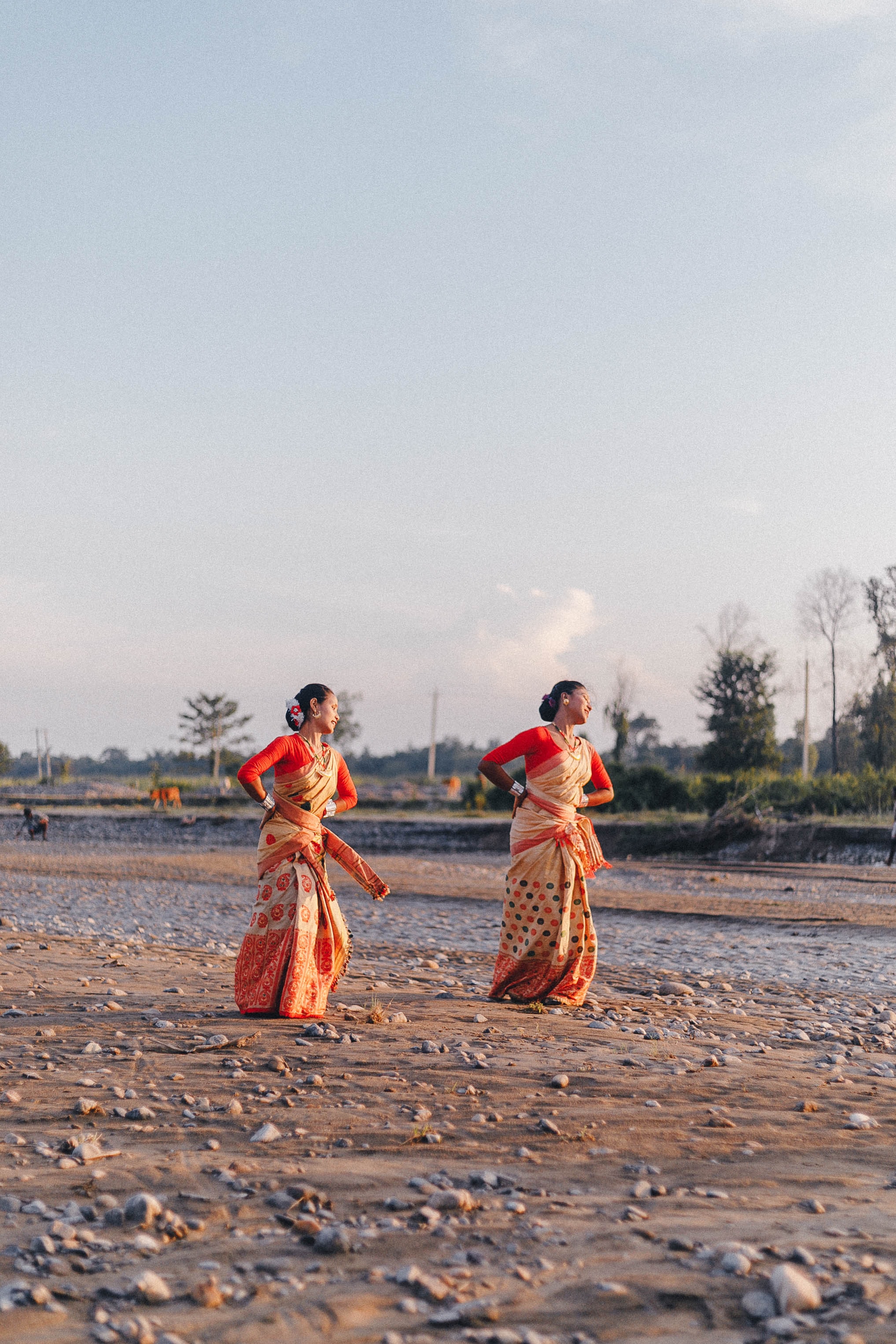
A flowing six-yard drape of beauty and grace, the saree can be called India’s national dress for women. Every state and community has their fabrics and materials that are unique to the region and drapes that instantly brings a specific community to mind. The saree consists of an un-stitched stretch of woven fabric arranged over the body as a robe, with one end tied to the waist, while the other end rests over one shoulder as a stole or shawl, with a part of the midriff showing. It may vary from 4.1 to 8.2 metres or 4.5 to 9 yards in length, and 60 to 120 cm in breadth. The saree is part of the traditional wear of women of the Indian subcontinent in India, Pakistan, Bangladesh, Sri Lanka & Nepal. There are various names and styles of sari manufacture and draping, the most common being the Nivi style. The sari is worn with a fitted bodice commonly called a blouse and a petticoat.

This post started as my ode to the different fabrics and sarees available in the country and I soon realised this is much larger than just naming the various fabrics in the country. So this is now a three-part short series because I wanted to showcase as much as I can of the amazing fabrics available. And on a personal note, this is also a repository for me to refer to because one of my dreams is to have a saree from every Indian state.

Sadee is a Hindustani word that means a strip of cloth that evolved to sāṛī in modern Indian languages. The word śāṭika is mentioned as describing women’s dharmic attire in Sanskrit literature and Buddhist literature called Jatakas which could be equivalent to the modern-day saree. The term for female bodice, the choli evolved from ancient stanapaṭṭa. Rajatarangini, a tenth-century literary work by Kalhana, states that the choli from the Deccan was introduced under the royal order in Kashmir. The petticoat is called sāyā in Hindi and Urdu, parkar in Marathi, ulpavadai in Tamil, sāẏā in Bengali and eastern India, and sāya in Sinhalese. Apart from the standard petticoat, it may also be called an inner skirt or an inskirt.

The history of a sari-like drapery is traced back to the Indus Valley Civilisation, which flourished during 2800–1800 BC around the northwestern part of the Indian subcontinent. Cotton was first cultivated and woven in the Indian subcontinent around the 5th millennium BC and dyes used during this period are still in use, particularly indigo, lac, red madder, and turmeric. Silk was woven around 2450 BCE and 2000 BCE.

The word sari evolved from śāṭikā a Sanskrit word mentioned in earliest Hindu literature as women’s attire. The sari or śāṭikā evolved from a three-piece ensemble comprising the antarīya or the lower garment; the uttarīya which was a a veil worn over the shoulder or the head; and the stanapatta, a chestband. This ensemble is mentioned in Sanskrit literature and Buddhist Pali literature during the 6th century BCE. This complete three-piece dress was known as poshak, a generic term for a costume. The ancient antariya closely resembled the dhoti wrap in the fishtail” version which was passed through legs, covered the legs loosely and then flowed into a long, decorative pleats at front of the legs. It further evolved into the Bhairnivasani skirt, today known as ghagri and lehenga. The  Uttariya was a shawl-like veil worn over the shoulder or head, and evolved into what is known today known as dupatta and ghoonghat. Likewise, the stanapaṭṭa evolved into the choli by the 1st century CE.

It is generally accepted that wrapped sari-like garments for the lower body and sometimes shawls or scarf like garments called uttariya for the upper body, have been worn by Indian women for a long time, and that they have been worn in their current form for hundreds of years. Based on sculptures and paintings, tight bodices or cholis are believed to have evolved between the 2nd century BCE and the 6th century CE in various regional styles.

After this short history about the saree, let’s take a trip around the country to see the various fabrics and sarees available in the different states of India. This is by no means an exhaustive list and I have probably missed many regional varieties, so apologies in advance if I have missed something I should not have.

Andhra Pradesh

Chirala: A coastal town also known as Kshiraputi, Chirala, which means saree in Telugu is renowned for its handlooms that are soft and durable. With more than 60% of the town’s population belonging to the weaving community, the looms used in the town are mostly pit or fly shuttle looms and the motifs in the fabrics and sarees are usually geometrical designs. The weavers of Chirala produce, cotton sarees, seico sarees that are a fine blend of cotton and silk fibres and kuppadam or the Gadwal type. The hand butta is another fascinating design feature of Chirala sarees, where colours are manually added in-between the zari design. Kalamkari printing is also a speciality of the Chirala saree.

Dharmavaram: Handloom silk sarees, Dharmavaram fabrics are textiles woven by hand with mulberry silk and zari which is fine thread traditionally made from gold or silver. The Dharmavaram fabric has a GI or Geographical Indications tag.  Kriya Shakthi Vodavaru Swamy named Dharmavaram after the name of his mother, Dharmambai around 1153–54 and by the 19th century, the silk handloom industry emerged as the main occupation. Paintings on the roof wall of Lepakshi temple and the Latha Mandapam depict the designs of Dharmavaram sarees. These saris are worn in the winter months or when it is cold and on special occasions and are mostly used by dancers of Bharatnatyam and Kuchipudi.

Kalamkari: A type of hand-painted or block-printed cotton textile, Kalamkari is produced in Isfahan in Iran and Andhra Pradesh. Only natural dyes are used in Kalamkari, which involves twenty-three steps. There are two distinctive styles of Kalamkari art in India, the Srikalahasti style and the Machilipatnam style. The Srikalahasti style of Kalamkari is where the kalam or pen is used for freehand drawing of the subject and filling in the colours and is entirely hand-worked. This style flourished in temples centred on creating unique religious identities, appearing on scrolls, temple hangings, chariot banners as well as depictions of deities and scenes taken from the Hindu epics like the Ramayana, the Mahabharata and the Puranas. The Machilipatnam style of Kalamkari involves vegetable-dyed block painting, where the dye is applied to the fabric with the help of wooden blocks. The natural dyes for the cloth are obtained by extracting colours from various roots, leaves, and mineral salts of iron, tin, copper, and alum and mixing them with cow dung, seeds, flowers, and milk.  Historically, Kalamkari used to be termed Pattachitra, an art form still found in neighbouring Odisha and other parts of India and Nepal. The term Pattachitra translates to patta, meaning a cloth, with picture or chitra. Paintings made on fabric and fabric scrolls are mentioned in ancient Hindu, Buddhist and Jain literature. Under medieval Islamic rule, the term Kalamkari is derived from the words kalam, which means pen in Telugu, and kari, which means craftmanship and this style became popular under the patronage of the Golconda sultanate.

Mangalagiri: Mangalagiri Sarees and fabrics are produced by handloom weaving in Mangalagiri, a town in Andhra Pradesh. Mangalagiri cotton silk sarees are a unique variety, woven from cotton, and feature characteristic features such as zari on the border and no woven pattern on the body. Borders in thick gold thread or zari, traditional patterns in Nizam, and simple mono or multicoloured striped pallus adorn the fabric. The sarees have various designs like leaves, mango, parrot, and gold coins. The soft and comfortable all-weather fabric generally has no pattern on the body and is known to have no gaps in its weaving with missing saree threads rarely found. As the town is also the abode of Lord Narasimha Temple, the saris are also used by the devotees for devotional purposes.

Uppada: The Uppada Jamdani Sari is a silk sari style woven in the town of Uppada in Andhra Pradesh and is known for its light weight. The saree was also accorded the Geographical Indication tag from Andhra Pradesh. The name Jamdani is a Persian terminology, in which Jam means flower and Dani means a vase. The Jamdani style of weaving originated in Bangladesh and was brought to the south and Uppada village in the 18th century and recreated with a local flavour. old The Jamdani style of weaving is about 300 years old and in 1972, Uppada weavers were recognised by the Indian government with the President’s award. The Uppada Jamdani saree is a beautiful textile with a silk-like texture and is lightweight. The weaving of the saree takes between 10 to 60 days for which least 2-3 weavers spend 10 hours a day. There are around 3000 looms producing Jamdani sarees in and around the Uppada and Kothapalli area. Around 40% of the local weavers are women. The saree consists of a cotton body with a silk pallu and is completely handwoven. The saree is woven in such a way that it can be folded and fit inside a matchbox. The speciality of the Jamdani saree is that the design is shown on both sides of the fabric.

Venkatagiri: Woven in Venkatagiri near Tirupati in Andhra Pradesh, this fabric has also been accorded the GI tag and is known for its fine weaving. The history of the saree dates back to the early 1700s in the Venkatagiri village and were encouraged by the Velugoti dynasty of Nellore and also by the Bobbili and Pithapuram dynasties. In those days, they were mostly woven fabrics for royalty and landowners.

Assam

Assam Silk: Assam silk refers to the three major types of indigenous wild silks produced in Assam —golden muga, white pat and warm eri silk. Assam was well known for the production of high-quality silk since ancient times. The knowledge of sericulture probably arrived with the Tibeto-Burman groups which arrived from China around 3000-2000 BC. Genetic research on silkworms shows that Assam silk originated in two specific regions of Assam, the Garo Hills in the ancient Kamrupa Kingdom and Dhakuakhana in the ancient Chutia kingdom.

Muga silk is the product of the silkworm Antheraea assamensis endemic to Assam. The silk produced is known for its glossy, fine texture and durability and has a natural yellowish-golden tint. It was previously reserved for the use of royalty. This silk can be hand washed with its lustre increasing after every wash. Very often the silk outlives its owner. The silk has been given the Geographical Indication (GI) status since 2007.

Pat silk is produced by the Bombyx textor silkworms which feed on mulberry leaves. It is usually brilliant white or off-white and must be dried in the shadows and not in direct sunlight. Eri silk is made by the Samia cynthia ricini which feed on leaves of castor oil plant. It is also known as endi or errandi silk. Because the manufacturing process of eri allows the pupae to develop into adults and only the open-ended cocoons are used for turning into silk, it is also popularly known as non-violent silk which is soft and warm and is popular used as shawls and quilts.

Bihar

The Bhagalpuri or Kosa or Tussar Saree is Tussar silk that is valued for its rich texture and natural deep gold colour. The tussar silk weaving industry in Bhagalpur is more than a century old and has about 30,000 handloom weavers working in producing the sarees. Bhagalpuri silk is made from cocoons of Antheraea paphia silkworms which are only found in India and is processed at Nathnagar at Bhagalpur. The unique dyeing technique of these Bhagalpuri silk sarees sets them apart from the art silk sarees. The saree was supposed to have been produced in ancient times and even Mughal rulers patronised the weavers. But the technique soon got extinct and was revived about 200 years back by the weavers. The silk fabric is extremely soft and lightweight and is known as the queen of fabrics.

Chhatisgarh

The Chattisgarh Kosa saree is Tussar silk similar to the Bhagalpuri Kosa. Kosa silk is mainly derived from Antheraea mylitta, an Indian silkworm and is special type of tussar silk that is drawn out of the cocoons grown on trees like Saja, Sal, and Arjun mostly grown in Chattisgarh. The silk is widely popular owing to its sturdiness, purity and soft texture. The dull golden brownish texture of the silk is its signature trait, but can also be found in natural shades of dark honey, fawn, orange, pale golden and cream. The actual colour of kosa is a dull gold, but the finished fabric is dyed with natural dyes extracted from natural dyes. The towns of Champa and Korba are known for their production of Kosa Silk, and the silk produced in Champa is considered to be the best silk.
Gujarat

Bandhini: A type of tie-dye textile decorated by plucking the cloth with the fingernails into many tiny bindings that form a figurative design, Bandini or Bandhani dates back to the Indus Valley Civilization where dyeing was done as early as 4000 BC. The earliest example of the most pervasive type of Bandhani dots can be seen in the 6th-century paintings depicting the life of Buddha found on the wall of Cave 1 at Ajanta. The main colours used in Bandhana are natural. As Bandhani is a tie and dye process, dying is done by hand and hence best colours and combinations are possible in Bandhanis. The fabric used for making Bandhani sarees and dupattas are loosely woven silk called Georgette, or cotton known as Malmal. The knots are tightly tied, and the rest of the fabric is dyed in multiple stages. This leaves the knots undyed and hence a beautiful flower-like pattern appears all over the cloth as a design.

The term bandhani is derived from the Sanskrit verbal root bandh which means to bind or to tie. Today, most Bandhani can be found in Gujarat, Rajasthan, Sindh, Punjab and Tamil Nadu where it is known as Sungudi and is known as chunri in Pakistan. The art of Bandhani is a highly skilled process with the technique involving dyeing a fabric which is tied tightly with a thread at several points, thus producing a variety of patterns, depending on how the cloth is tied. The main colours used in Bandhana are yellow, red, blue, green and black.

The Bandhani work has been exclusively carried out by the Khatri community of Kutchh and Saurashtra. Bandhani work is also done in Rajasthan, where different colours and designs are used than in the Kutch and Saurashtra regions of Gujarat. Establishments of varying sizes in the entire Kutch belt in Gujarat produce many varieties of Bandhani. This Bandhani style is called Kutchi Bandhani. Bandhani tying is often a family trade, and the women of these families work at home to tie patterns.

Patola: A double ikat woven sari, usually made from silk, the Patola saree comes from the town of Patan. Similar to Bandhani, Patola sarees are also a type of tie and dye process and are well known for not losing their colour at all. They are very expensive, once worn only by those belonging to royal and aristocratic families. Patola sarees are found in two different types – the Rajkot Patola and the Patan Patola. These two are differentiated with the Rajkot Patola having a single ikat weave that is dyed vertically, while the Patan Patola has a double ikat weave and is dyed horizontally. The word patola is the plural form; the singular is patolu.

To create a patola sari, both the warp and weft threads are wrapped to resist the dye according to the desired pattern of the final woven fabric. This tying is repeated for each colour that is to be included in the finished cloth. The technique of dyeing the warp and weft before weaving is called double ikat. The bundles of thread are strategically knotted before dyeing. Patola saris from Surat, Ahmedabad and Patan are renowned for their colourful diversity and geometrical style.

Silk weavers of the Salvi community from Maharashtra chose Gujarat as the home for their renowned patola fabric. It is believed that the Salvis went to Gujarat in the 12th century to acquire the patronage of the Chaulukyas Rajputs, who ruled Gujarat and parts of Malva and south Rajasthan, with Anahiwad Patan as their capital. Legend says that over 700 patola weavers came to the palace of Raja Kumarpal, at the personal request of the king. The Solanki or Chalukya rulers used to dress in patola silk on special occasions. The art of Patola weaving is an ancient one. According to some historians, the art of Patola weaving was known also in the 4th century as seen by the carvings at the Ajanta caves. After the decline of the Solanki empire, the Salvis founded a rich trade in Gujarat. Patola saris quickly became a sign of social status among Gujarati women and girls, especially as part of streedhan or the items that a woman can claim as her wealth.

There are four distinct patterns which are woven primarily in Gujarat by the Salvi community. In Jain and Hindu communities, double ikat saris with entire designs of parrots, flowers, elephants and dancing figures are generally used. In Muslim communities, saris with geometric designs and floral patterns are typical, being worn mostly for weddings and other special occasions. Maharashtrian Brahmins wear saris woven with plain, dark-coloured borders and body and a bird design called Nari Kunj.

Tanchoi: Tanchoi sarees are one of a kind, having spots all over the surface and woven with a dual colour warp. The stand-alone feature of the Tanchoi saree is that the fabric texture background has a satin finish. Extra threads are added to give these sarees the appearance of being embroidered. Famed for the intricate and small weaving patterns over the fabric, the commonly used motifs are those of flowers, small birds in flight, peacocks and parrots. Tanchoi silk is said to have been brought to India by Chinese traders in the 19th century and later adapted to suit the preferences of the Indian market. Three Parsi brothers are said to have travelled from India to China in the 19th century and were enamoured by the technique. After learning the skill, they came back to Surat, Gujarat and trained the weavers in the technique and then evolved the Tanchoi weaving technique into Indian versions.

Tangaliya: A handwoven, GI-protected textile, made by the Dangasia community, the 700-year-old indigenous Tangaliya is native to the Surendranagar district in the Saurashtra region. The textile was usually used as a shawl or wraparound skirt by women of the Bharwad shepherd community. Woven on pit looms at homes, the technique involves weaving knots in colours contrasting to the warp colour to create the effect of raised dots. The weaving is based on precise mathematical calculations. The weaver has to count the warp yarns each time, before hand-knotting the dot in acrylic yarn, to produce geometric patterns. A single mistake can lead to the final design looking faulty. The effect of the pattern also has a tactile feel, similar to braille, because of the raised surface of the dots. This has become the signature style of the textile. Another important aspect is the visual effect of dots, which is most striking and appealing on dark colour bases, especially black. The graphic quality of white dots mixed with other bright coloured dots gives the craft its special appeal. Moreover, due to the ease of knotting the white colour yarn compared to coloured yarns, white dots were common. Traditionally, most woollen shawls featured graphic patterns of white and maroon coloured dots on a black base. With every wash, the cotton textile tends to become denser and integrates the dots even more finely between the warp and weft. Today, there are only fifteen families in Surendranagar pursuing this craft.

Jammu & Kashmir

Jamawar: Jamawar is believed to have been derived from the word jam which means a shawl or robe and war, which implies the chest, in either Persian or Kashmiri. The fabric is believed to have found its way to Kashmir from Persia and reached its peak during the heyday of the Mughal dynasty in India. Owing to the elaborateness that goes into the making of the weave, it takes months on end to craft a finished Jamawar piece, and sometimes, even years, depending on the level of intricacy involved. Jamawar is traditionally woven with a rich blend of Pashmina wool, cotton and silk. Given the generous use of colours and motifs, the finished weave is highly iridescent. One of the many distinguishing factors of the Jamawar is that it is so intricately woven that its front and back, both look identical, with no stray thread sticking out of its surface. A dominating design element of the weave is the paisley, which derives inspiration from Persia; other motifs of flora and fauna, too, are seen. Jamawars also feature a wide use of hand embroidery and traditionally, a single jamawar piece was woven with up to 50 varying hues.

Kani: The Kani weave is said to have originated in Kanihama village of Jammu and Kashmir, and its exquisiteness earned it the Geographical Indication (GI) tag in 2008. The word Kani translates to bobbins in Kashmiri because the weave involves extensive use of wooden bobbins on which varicoloured threads are wound. Legend has it that the art of weaving Kani shawls was first brought to Kashmir in the 15th century by Persian and Turkish weavers, who introduced this art to Ghiyas-ud-Din Zain-ul-Abidin, the eighth sultan of Kashmir. One of the most defining characteristics of the Kani weave, colloquially known as Kaniwar, is its impeccably patterned motifs. These motifs, which include flowers, gardens, creepers and paisleys are brought to life through a technique called twill tapestry featuring double interlocking, wherein both the warp and weft yarns are mounted diagonally onto each other on the loom.

Traditionally, Kanis are crafted from the pashmina wool of the local Changthangi goat. At the time of weaving, the loom is packed with bobbins or kanis, through which the craftsmen carry out the fashioning of the weave; a total of nearly a thousand bobbins or more can be used for a single weave. Each colour is woven in individually, with the help of bobbins wound with threads of that particular colour. The designs are first drafted in the form of sketches, in a grid-like format called naksh, after which each step from the draft is dictated to the weaver. An elaborately woven Kani shawl can take anywhere from 9 months to a year to be made, with two artisans working on it.

Pashmina Silk: A fine variant of spun cashmere, the animal hair fibre forming the downy undercoat of the Changthangi goat, Pashmina today may refer either to the material or to the variant of the Kashmir shawl that is made from it. The word pashm means wool in Persian, but in Kashmir, pashm referred to the raw unspun wool of the domesticated Changthangi goats. Both generic cashmere and pashmina come from the same goat, but generic cashmere ranges from 12 to 21 microns in diameter, whereas pashmina refers only to those fibres that range from 12 to 16 microns.

Samples of wool fibres discovered from corroded copper artefacts from Harappa dating back to the Indus valley civilization are extremely fine and resemble Pashmina and Shatoosh. In Mughal times, this was used as an indicator of rank and nobility. Pashmina blankets were also vital additions to a wealthy woman’s dowry in India, Pakistan and Nepal. The wool for pashmina is collected by combing the undercoat of the goat, and not by shearing, as in other fine wools. The entire process is carried out by hand by specialised craftsmen. The approximate time put into producing a single traditional pashmina stole is about 180 hours. Kashmiri embroidery or Kashida as it is known, employs bright and colourful designs, with motifs of floral borders, paisley and chinar leaves and other inspirational settings of nature. The patterns and the colours of Pashmina silk saree harmonises with nature. A heavily adorned pashmina silk sari with zardozi aari embroidery is a must in any bride’s trousseau. China accounts for 70% of the world’s cashmere production.

In the next part, we’ll see more fabrics and sarees from other states.

Travel Bucket List – India: Gujarat Part 6

Today’s post is all about the fascinating part of Gujarat that is Kutch.

Literally meaning “something that intermittently becomes wet and then dry”, Kutch is the largest district in India. Home to the Kutchi people who speak the Kutchi language, a large part of this district is known as Rann of Kutch which is shallow wetland which submerges in water during the rainy season and becomes dry during other seasons. The same word is also used in Sanskrit origin for a tortoise. The Rann is known for its marshy salt flats which become snow white after the shallow water dries up each season before the monsoon rains. This area is also known for the ecologically important Banni grasslands with their seasonal marshy wetlands which form the outer belt of the Rann of Kutch.

Kutch is virtually an island, as it is surrounded by the Gulf of Kutch and the Arabian Sea in south and west, while the northern and eastern parts are surrounded by the Great and Little Rann or the seasonal wetlands of Kutch. The Rann of Kutch remained wetlands for a large part of the year and even today with many dams in the region, it remains wet for a significant part of year. The border with Pakistan lies along the northern edge of the Rann of Kutch, on the Sir Creek.

The history of Kutch can be traced back to prehistoric times. There are several sites related to the Indus valley civilization in the region, and this area is mentioned in Hindu mythology. In historic times, Kutch was ruled by Menander I of Greco-Bactrian Kingdom which was overthrown by Indo-Scythians followed by Maurya Empire and Sakas. In the first century, it was the under Western Satraps followed by the Gupta Empire. By the fifth century, Maitraka of Valabhi took over and from this point onwards, it became associated with the Gujarati ruling clans. The Chavdas ruled the eastern and central parts by the 7th century but then came under Chaulukyas by the 10th century. After the fall of the Chaulukyas, the Vaghelas ruled the state and following the conquest of Sindh by the Muslim rulers, the Rajput Samma started moving southwards to Kutch and ruled the western regions. By the 10th century, the Rajput Sammas controlled a significant area of Kutch, and by the 13th century they controlled the whole of Kutch and adopted a new dynastic identity, Jadeja.

For three centuries, Kutch was divided and ruled by three different branches of the Jadeja brothers. In the 16th century, Kutch was unified under one rule by Rao Khengarji I of one of these branches and his direct descendants ruled for two centuries and had a good relationship with the Gujarat Sultanate and the Mughals. One of his descendants, Rayadhan II, left three sons, of whom two died, and a third son, Pragmal Ji took over the state and founded the current lineage of rulers at the start of the 17th century. The descendants of the other brothers founded states in Kathiawar. After turbulent periods and battles with the armies of Sindh, the state was stabilized in the middle of the 18th century by a council known as Bar Bhayat ni Jamat who placed Rao as a titular head and ruled independently. The state accepted the sovereignty of the British East India Company in 1819, when Kutch was defeated in battle and in the same year, the state was devastated by an earthquake.

Upon Indian independence, Kutch acceded unto the dominion of India and was constituted an independent commissionaire. It was created a state within the union of India in 1950 and in 1956, was merged with Bombay state, which in 1960 was divided into the new linguistic states of Gujarat and Maharashtra, with Kutch becoming part of Gujarat state as Kutch district.

Bhuj is the headquarters of the district and the largest city of the region. According to legend, Kutch was ruled by the Naga chieftains in the past. Sagai, a queen of Sheshapattana, who was married to King Bheria Kumar, rose up against Bhujanga, the last Naga chieftain of Naga. After the battle, Bheria was defeated and Queen Sagai committed sati. The hill where they lived later came to be known as Bhujia Hill and the town at the foothill as Bhuj. Bhujang was later worshiped by the people as snake god, Bhujanga, and a temple was constructed to revere him. Bhuj was founded by Rao Hamir in 1510 and was made the capital of Kutch by Rao Khengarji I in 1549. When forced to acknowledge Muslim supremacy in 1590 Bhuj came to be known as Suleiman Nagar.

Gandhidham which was built in the early 1950s to resettle refugees from Sindh in today’s Pakistan was named after Mahatma Gandhi and is today the economic capital of Kutch and a fast developing city in the state. This town is now the 8th most populous city in Gujarat.

The town of Anjar has has a history of over 1,400 years and was founded in 650 AD and is the oldest town of Kutch. It is located around 40 km away from one of the biggest ports in India, Kandla Port.

The town of Mandvi was once a major port of the region and summer retreat for the Maharao or king of the Kutch State. The city has a four-hundred-year-old ship building industry, which is still functional and ships of made of wood called Dhows are still made here. The old city was enclosed in the fort wall and remains of the fort wall can be still seen today.

Most people put Kutch on their travel bucket list because of the Great and Little Rann of Kutch. The Great Rann of Kutch is a salt marsh and desert in the Thar Desert and is about 7,500 sq km in area and is said to be one of the largest salt deserts in the world. The Great Rann of Kutch, along with the Little Rann of Kutch and the Banni grasslands on its southern edge, in total comprises some 30,000 sq kms between the Gulf of Kutch and the mouth of the Indus River in southern Pakistan. The Great Rann of Kutch together with the Little Rann of Kutch is called Rann of Kutch. Rann which means desert in Hindi and Gujarati comes from the Sanskrit word Irina meaning desert and the Rann has references in the the Vedas as well as in the epic Mahabharata.

In India’s summer monsoon, the flat desert of salty clay and mudflats, which average 15 meters above sea level, fills with standing water. In very wet years, the wetland extends from the Gulf of Kutch on the west through to the Gulf of Cambay on the east. The area was a vast shallow of the Arabian Sea until continuing geological uplift closed off the connection with the sea, creating a vast lake that was still navigable during the time of Alexander the Great. The Ghaggar River, which presently empties into the desert of northern Rajasthan, formerly emptied into the Rann of Kutch, but the lower reaches of the river dried up as its upstream tributaries were captured by the Indus and Ganges thousands of years ago. Traces of the delta and its distributary channels on the northern boundary of the Rann of Kutch were documented by the Geological Survey of India in 2000. There are sandy islets of thorny scrub, forming a wildlife sanctuary and a breeding ground for some of the largest flocks of greater and lesser flamingos. Wildlife, including the Indian wild ass, shelter on islands of higher ground, called bets, during the flooding.

In India the northern boundary of the Greater Rann of Kutch forms the International Border between India and Pakistan and is is heavily patrolled on both sides. At night, an unexplained strange dancing light phenomenon known locally as Chir Batti or ghost lights occur in the Rann, the adjoining Banni grasslands, and the seasonal wetlands.

The annual 3-month long “Rann Utsav” festival is organised by the Gujarat government from December to February every year near Dhordo village. In this 500 sqkm of pristine white salt desert landscapes, tourists can see the various sights of the Rann during the winter. The Rann Utsav can be visited by anyone but the Tent City with 400 tents allows entry only to those who are staying there. There are cultural programmes, adventure activities, as well as an arts, crafts and handicrafts fair during the festival as well as 3 to 4-day events held at many other exotic locations around the larger Kutch area to expose tourists to the native culture.

Bhuj is the nearest city to the Rann and is around 102 km southeast. You can hire a vehicle to take you to the Rann or take the many buses that ply this route. Climates are quite harsh in the Rann with the summer temperatures going as high as 50 degree celcius and winters going as low as 0 degree celcius. To visit Rann of Kutch, all travellers must have valid ID proof which are checked by the army at the entry point. The best time to visit the Rann is during the Rann Utsav, but if you are not interested in the crowds, go just before or after the festival either in November or March. A few other ‘not-to-miss’ spectacles at Rann are the sunset and the moon rise or a new moon night which adds to the beauty of the white desert by adding different shades of colours to the white sand.

Source

Kalo Dungar or Black Hill is the highest point in Kutch at 462 m and is located about 97 km north of Bhuj. This is probably the only place in Kutch from where you can get a panoramic view of the Great Rann of Kutch. Since it is located very near to the Pakistan border, there is an Army post at the top and beyond this point, only military personnel are allowed. The Kalo Dungar is also famous for a 400-year-old Dattatreya temple and there is an anti-gravity slope which has magnetic properties where a popular optical illusion of vehicle which seem to defy the gravity and roll up the slope can be seen.

The largest wildlife sanctuary in India, the Kutch Desert Wildlife Sanctuary was declared a sanctuary in February 1986. The sanctuary is one of the largest seasonal saline wetlands having an average water depth between 0.5 and 1.5 metres. By October–November each year, rain water dries up and the entire area turns into saline desert. The sanctuary supports wide variety of water birds and mammalian wildlife. The sanctuary encompasses a true saline desert where thousands of greater flamingo nest in the world-famous ‘Flamingo City’ which is located in the mud flats of the Rann and is the only area where flamingoes congregate to breed regularly. The northern boundary of this sanctuary forms the international border between India and Pakistan and is heavily patrolled with much of this sanctuary being closed to civilians after the India Bridge at Kala Dungar. Tourists and researchers can only enter here with special permission from the BSF. After the “India Bridge” area, the Rann is several hundred square kilometers of pure white like snow with heavy deposit of salt crystals. The marshy Rann here becomes pure white and flat till the eye can see, till the horizon after the rain water has dried up, in the winters every year. Buried nearby to where the flamingoes breed is the ancient excavated city of Dholavira from the Harappan civilization and embedded in the Jurassic and Cretaceous rocks on Khadir, Kuvar and Pachchham bet islands in the Greater Rann, are many fossils of vertebrates, invertebrates and plants. Fossils of dinosaurs, crocodiles of the ‘Dinosaurian period’ and whales dating from the tertiary period have been recorded to have been recovered from here. You can also find fossilised trees and forests in the rocks belonging to the Jurassic and Cretaceous periods as well as the fossils of invertebrates, including those of sea urchins, ammonites and such others. The sanctuary is open between 6 am to 6 pm every day. Entry fees differ on weekdays and weekends with Indians paying INR 250 on weekdays and INR 280 on the weekends. Foreigners pay INR 1200 during the week and INR 1500 over the weekend. If you want to take in a camera inside the sanctuary, Indians will need to pay INR 50 and foreigners INR 350 for the privilage.

The Kutch Bustard Sanctuary also known as the Lala–Parjan Sanctuary, is located near the Jakhau village and is one of the two great Indian bustard sanctuaries in Gujarat; the other in Jamnagar. It was declared as a sanctuary in July 1992, specifically for the conservation of the great Indian bustard, the heaviest flying bird. However, the sanctuary presently legally covers a protected area of about 2 sq km of fenced land only and is the smallest sanctuary in the country. The main bird species of the sanctuary, the great Indian bustard, locally called “Ghorad,” is included in the Red Data list of the International Union for Conservation of Nature (IUCN). According to the studies conducted, the estimated total population of the great Indian bustard in all 12 sanctuaries in the country is said to be only about 1,000, out of which only about 30 birds had last been counted within the sanctuary, second only to the Desert National Park in Rajasthan which reportedly had about 70–75 birds. Of the twenty three species of the bustards found in the world, the magnificent, tall, long-necked great Indian bustard or Ardeotis Nigriceps is the only one to have been recorded as endangered according to the 2009 IUCN Red List Category. This sanctuary is open from sunrise to sunset and there is no entry fee.

Also known as the Will Ass Wildlife Sanctuary, the Indian Wild Ass Sanctuary is spread over an area of nearly 5,000 sq km. Established in 1972, the sanctuary is one of the last places on earth where the endangered Indian Wild Ass also called “guskhar” locally can be spotted. A fascinating creature, the Indian Wild Ass stands more than one meter tall and is almost two meters in length. Being very agile creatures, they can run at a speed of almost 50 km/h. The Wild Ass Sanctuary is home to almost 3000 wild asses and these animals are often seen in herds. Apart from the wild ass, the sanctuary is home to almost 32 other species of mammals including the chinkara or the Indian gazelle, two types of desert foxes, the Indian and the white-footed, the nilgais which is the largest antelope of Asia, blackbucks, Indian wolves and striped hyenas, among others. Due to its proximity to the Gulf of Kutch, the sanctuary is an important site for birds to feed and breed in. Some of the birds one can spot include the ceraneous vulture from Egypt, the houbara bustard of Iran and the demoiselle cranes from Siberia, among others. The sanctuary is open on all days except Wednesdays from 7 am to 1 pm and then again between 2:30 to 6:30 pm. Entry fees differ for weekdays and weekends and for Indians and foreigners. For you are an Indian visitor, you pay INR 250 per person on a weekday and INR 280 per person on weeknds and INR 1000 for your vehicle entry permit. For foreigners, you pay INR 1,200 per person on a weekday and INR 1,500 per person on weeknds and INR 1,500 for your vehicle entry permit. If you plan on taking a camera inside, you need to pay INR 100 per still and INR 150 per video camera. The sanctuary also offers safaris and the morning safari starts at 7 am and the evening safari starts at 2:30 pm and costs INR 600 for Indians and INR 1,000 for foreigners.

The desert forest at the Narayan Sarovar Sanctuary is also Narayan Sarovar Chinkara Sanctuary is said to be the only one of its kind in India. Located in the arid zone, a part of it is a seasonal wetland and has 15 threatened wildlife species and has desert vegetation comprising thorn and scrub forests. Its biodiversity has some rare animals and birds with rare flowering plants. The Wildlife Institute of India has identified it as one of the last remaining habitats of the cheetah in India and a possible reintroduction site for the species. The most sighted animal here is the chinkara whose population is estimated in the range of 1200–1500 and this is the flagship species of the sanctuary.

Source

The Banni Grasslands Reserve forms a belt of arid grassland ecosystem on the outer southern edge of the desert of the marshy salt flats of Rann of Kutch. The grasslands are known for their rich wildlife and biodiversity and are spread across an area of 3,847 sq km. The word ‘Banni’ comes from Hindi word ‘banai’, meaning made. The land here was formed from the sediments that were deposited by the Indus and other rivers over thousands of years. It is said that before the 1819 devastating Kutch earthquake, the Indus river flowed right through banni and the local farmers reaped a rich harvest of crops. But now the Indus has changed its course and now flows through Sindh in Pakistan effectively turning this entire region arid. The Banni Grassland is peculiar to the Rann of Kutch and has some forty Sindhi speaking Maldhari or cattle breeding hamlets and is home to the Halaypotra, Hingora, Hingorja, Jat and Mutwa tribes. In the grassland, a phenomena called Chir Batti a ghost light is reported with Chir meaning ghost and Batti meaning light. The phenomena is described as an unexplained light occurring on dark nights as bright as a mercury lamp that changes its colour to blue, red and yellow and resembles a moving ballof fire, which may move as fast as an arrow but may also stop. As per local folklore, these lights have been a part of life in the Banni grasslands and the adjoining Rann of Kutch for centuries, but are little known beyond the immediate area. Witnesses claim the lights appear to be playing hide and seek or follow them and some reports claim the light can only be seen after 8 pm on dark nights, are always two to ten feet above the ground, and if followed during the night, one could be misled from the road and lose your way in the thorny jungles or desert of the salt flats of the Rann. Science says that these could be the
oxidation of phosphine, diphosphane and methane. These compounds, produced by organic decay, can cause photon emissions.

The Chari-Dhand Wetland Conservation Reserve is located on the edge of the arid Banni grasslands and the marshy salt flats of the Rann of Kutch. Chari means salt affected and Dhand means shallow wetland with Dhand being a Sindhi word for a shallow saucer shaped depression. This is a seasonal desert wetland and only gets swampy during a good monsoon, receiving water from the north flowing rivers as well as from the huge catchment areas of many surrounding big hills. It is spread over an area of 80 sq km 80 km south west to Bhuj. It is home to nearly two lakh birds with migratory and endangered species of birds flocking into the area in thousands during monsoon and winters.

An archaeological site at Khadirbet, Dholavira takes its name from a modern day village 1 km south of the site. Also known locally as Kotada Timba, Dholavira contains the ruins of an ancient Indus Valley Civilization or Harappan city. Dholavira’s location is on the Tropic of Cancer and is one of the five largest Harappan sites and the most prominent archaeological site in India belonging to the Indus Valley Civilization. It is also considered as having been the grandest of cities of its time. Dholavira is located on the Khadir bet island in the Kutch Desert Wildlife Sanctuary. The 120 acre quadrangular city lay between two seasonal streams, the Mansar in the north and Manhar in the south and was thought to be occupied from 2650 BC, declining slowly after about 2100 BCE, and that it was briefly abandoned then reoccupied until 1450 BC. Recent research however, suggests the beginning of occupation around 3500 BC which makes it pre-Harappan and occupied until around 1800 BC which is the time of the early part of late Harappan period. Dholavira was discovered in 1967-68 and has been under excavation since 1990 by the ASI.

Located near the Nani Aral village, Dinodhar Hill is a tourist and pilgrimage spot. The hill is an inactive volcano and on the highest peak of Dhinodhar hill, there is a small, domed, somewhat cracked shrine of limestone and mud plastered with cement, built 1821. The shrine faces the east and has no doors and is dedicated to the holy Dhoramnath or Dharmanath. In the shrine is a red -smeared triangular conical stone in which Dhoramnath is said to have rested his head when performing penance. Outside of the shrine is the original ascetic’s fire or dhuni, which is lighted three days in August and September), when the head of the Than monastery at the foot of the hill comes to worship and receives homage from the people of the neighboring villages. At the foot of the hill, amongst the monastery buildings, is another temple to Dhoramnath on a raised platform facing the east, about seven feet square and with walls about seven feet high. Inside is a three feet high marble image of Dhoramnath, some small lingas, and other brass and stone images, and a lamp always kept burning. There are some great views of the Great Rann and the Chhari Dhandh Wetlands from the peak of the hill.

Located about 55 km from Bhuj, the Kutch Fossil Park is a one of a kind museum founded in 2002. Mohan Sinh Sodha, the man who single-handedly opened this park is continuously adding to the collection of the several fossils that are on display in the small 2 rooms’ exhibition area and has been doing this for almost 4 decades now since his first rendezvous with a fossil called Ammonite in the 70s. The most astounding fossil exhibited here is of the Dinosaur and its egg that has been collected over the time in bits and pieces and then restructured to give a good shape. This park is located amidst the desert area and there is no entry fee here and the establishment runs purely on donations. The park open from 10 am to 12 noon and then again between 3 to 6 pm.

Bhujia Hill or Bhujiyo Dungar as it is called locally is a hill located in the outskirts of Bhuj with the Bhujia Fort built on the hill which overlooks the town. According to the legend, Kutch was ruled by the Naga chieftains in past. Sagai, a queen of Sheshapattana, allied with Bheria Kumar and rose up against Bhujanga, the last chieftain of Naga. After the battle, Bheria was defeated and Sagai committed sati. The hill where he lived later came to known as Bhujia Hill in Kutch and the town at the foothill as Bhuj. Bhujang was later worshiped by the people as snake god, Bhujanga, and a temple was constructed in his name atop the hill. The Bhujia Fort was constructed for the defense of the town by the Jadeja Chiefs. Rao Godji I started the construction in 1715 which ended during the rule of Deshalji I in 1741. The fort is partially in ruins, but there are some scattered buildings with an irregular area. At one corner of the fort is a small square tower dedicated to ‘Bhujang Nag’ or the snake god, who in folklore is said to have been the brother of ‘Sheshnag’, the Lord of the nether world. It is said he came from Than in Kathiawar and freed Kutch from the oppression of demons. The Snake Temple was also built at the time of the fortification of the hill during Deshalji I’s reign. In a battle that was won with help of Naga Sadhus, who worship the Snake god, by Deshalji, the ruler of Kutch, also built a Chhatri over the temple in 1723. To commemorate this event, ever since, an annual fair is held on the fort-hill on the Nag Panchami day in Shraavana month in the Hindu calendar.

Sometimes referred to as the Kateshwar Budhhist Caves, the Siyot Caves are five rock-cut caves located near the Siyot village. The main cave has an east facing sanctum, ambulatory and space divisions which suggests a Shiva temple from the first or second century. The cave was used by Buddhists later which can be inferred based on the seals found here and the traces of Brahmi inscriptions. Other caves are simple single cells which were probably the part of eighty Buddhist caves located near the mouth of Indus river as reported by Xuanzang in the 7th century. Excavation in 1988–89 recovered some clay seals engraved with the images of Lord Buddha in various mudras and seals engraved with late Brahmi and Devnagari inscriptions. Other findings included copper rings, Gadhaiya coins, terracotta Nandi with bell and chain and different types of earthenware. Based on evidence, it is established that the site was occupied by the Buddhists before it was again occupied by Shaivaites around 12th or 13th centuries. There is a primitive stepwell located nearby.
Hamirsar Lake is a 450-year old man made lake named after the Jadeja ruler Rao Hamir, the founder of Bhuj and built during the reign of his son Rao Khengarji I and is located in the centre of the town. There is a tradition from the days when Kutch was a princely state that a puja or an act of worship will be performed by royalty whenever lake overflowed due to rains and a prasad or offering of ladoos called megh laddoos distributed to citizens.

Source

The Swaminarayan Mandir at Bhuj is a new temple, built after the older temple was completely destroyed by the 2001 earthquake which razed much of the town of Bhuj. However, the idols of the presiding dieties were left untouched. The new temple faces the east and is constructed mainly with pure marble. Located in an area of more than 3,000 sq meters, the temple has seven pinnacles, a central dome, 25 minor domes and 258 pillars.

The Tapkeshwari Temple is a Hindu temple dedicated to the Goddess Tapkeshwari situated in a valley surrounded by the hills 12 km south of Bhuj. The name of the temple comes from the Gujarati word ‘tapakvu,’ which means ‘to drop.’ According to history, this used to be the site of a year-round spring, causing water to ‘drop’ down the cliff walls. No spring is present today. There are many caves on the hill. The rock cut by dripping water has formed a unique formation that will make you marvel at nature. Visitors need to climb a flight of steep steps to reach the caves from the temple. One can get a panoramic view of Bhuj city and its surroundings from the top of the hill. The temple is open from 8 am to 5 pm.

The Bhadreshwar Jain Temple, also known as Vasai Jain Temple, located in the Bhadreshwar village and is believed to be one of the oldest Jain temples in India. The temple was built around 45 years after Lord Mahavir’s death, and this temple retains the original Parshwanath idol from 500 BC. The temple is said to be first renovated by King Sidhsen of Bhadrawati in 449 BC and is said a Jain layman named Devchandra laid the foundation stone of this temple centuries ago. In the year 1125, the temple was renovated extensively by Jagdusha. In its previous incarnation, the lower part of the temple was considered the oldest in age, perhaps built about 1170. The temple complex was again completely devastated in earthquake of 2001, and has now been completely rebuilt but many of the old shrines were destroyed to the extent that it could not be rehabilitated. The temple is built like the Dilwara Temples on Mount Abu and stands in a court about 48 feet wide by 85 feet long, surrounded by a row of forty-four shrines with a corridor in front. The temple stands in a courtyard, which, from the line of the temple front, is covered by three pillared domes. The temple, facing the east, is entered by a flight of steps that rise from the outer door to the covered area in front of the sanctuary. Over the porch is another large dome covering an area separated by a low screen wall from the area of the entrance hall, mandap, between it and the front of the temple itself. At the south-west corner and behind the cells on the left side is a row of chambers with cellars entered by lifting up flagstones in the floor. In the shrine are three white marble images. The central image is that of Ajitnath, the second of the Jain Tirthankars, with a date marked 622. On his right is Parshwanath with the snake hood with the date marked 1175, and on to Parshwanath’s left is Santinath, the 16th Tirthankar, also marked with the date 1175 On the extreme right is the image of the black or Shamla Parshwanath. The temple is open from 6 am to 9 pm.

Ashapura Mata is one of the principle deities of Kutch and as her name indicates, she is the Goddess who fulfills the wish & desires of all those who trust and believe her. Her temples are mainly found in Gujarat and some people in Rajasthan and Gujarat consider her to be an incarnation or avatar of the Goddess Annapoorna devi, the Hindu Goddess of food and nourishment. The unique thing about most of the idols of Ashapura Mata is that it has 7 pairs of eyes. The main and foremost temple of Ashapura Mata, is located at Mata no Madh, where she is worshiped as the Kuldevi or ancestral diety of the Jadeja rulers of Kutch and main guardian deity of region. The original temple is located 80 km from Bhuj, and is apparently thousands of years old. The original temple was renovated around 1300 and later adapted as the Kuldevi by the Jadeja rulers. Every year at the Navratri annual fair at Mata no Madh, hundreds of thousands of devotees turn up to pay their respects to the goddess from all over.

Located on the periphery of the Roha village, about 48 km from Mandvi and 51 km from Bhuj, Roha Fort, also known as Roha Sumari Fort, was the seat of the Roha Jagir. The fort covers an area of about 16 acres and is about 800 feet above sea level. The fort appears like a temple and was mainly built with the use of stones and baked bricks, but over the years, most of the parts of the fort have been destroyed due to earthquake and the lack of proper management. But one can see a temple at the bottom and another one at the top of a small hill. The famous poet of Gujarat, Kalapi, wrote many romantic poems at Roha hill because it was said the atmosphere of Roha was peaceful and conducive to writing. The fort is open from sunrise to sunset that is from 6 am to 6 pm.

Source

The Kanthkot Fort is an old fort on the top of an isolated rocky hill about 5 km in circumference, has walls built of massive blocks repaired in many places by smaller stones. It is said to have been the capital of the Kathis in the 8th century and was to have been taken from them by the Chavdas. According to local legend, the present fort was begun about 843 AD and a part of the wall crossed the fireplace of the great ascetic Kanthadnath, who in anger destroyed it. Appeasing the ascetic, the builders of the fort named it afrer him and after this were allowed to finish building the fort. About the middle of the 10th century, under the name Kanthadurg, it appears as the place to which the Chaulukya king Mularaja fled, when pressed by Tailapa II of Kalyani. In the 11th century, it is believed to be the fort Khandaba, forty parasangas or leagues from Somnath, where Bhima I sought shelter from Mahmud Ghazni. In the 13th century, it was the capital of the Vaghelas from whom, about the close of the century, around 1270, it was taken by Mod and Manai Samma. In the beginning of the 15th century it was besieged by Muzaffar Shah and passed to the Deda branch of the Jadejas. In 1816, it surrendered to a British detachment under Colonel East. Today, you can come across remnants of three temples in this fort including one to the ascetic Kanthadnath, an old Jain temple dedicated to Lord Mahavir and a sun temple showing an image of the Sun God with folded hands. The temple is open 24 hours.

Located at the mouth of the Kori Creek and at the very edge of India’s border with Pakistan is the town of Lakhpat and the fort that straddles the town. Historically Lakhpat has been a very important trading post connecting Gujarat to Sindh. The waters of the Sindhu river used to flow into Lakhpat and further on to Desalpar Gunthli. After the earthquake of 1819 a natural dam known as the Allahbund was formed, and the Indus river changed its course of flow and started flowing into the Arabian sea further north, thus making Lakhpat losing its importance as a port. Today the town is a sparsely populated ghost town, a city of ruins of buildings and the magnificent fort surrounding them. The fort, rebuilt and expanded in 1801 by Fateh Muhammad, is an irregular polygon, defended by round towers and built of hard brown stone. The 7km-long walls are of considerable height but not thick. There is also a tomb of the Sufi saint and Syyed of Lakhpat, Pir Ghaus Muhammad. The water tank opposite the tomb is believed to have healing characteristics for skin diseases. The Lakhpat Gurudwara Sahib is an important place of worship for those of the Sikh faith. It is believed that Guru Nanak on his way to Mecca for Haj stayed over here and you can see his relics enshrined here like his footwear and palkhi.

Gujarat’s oldest museum, founded in 1877 by Maharao Khengarhi, the Kutch Museum at Bhuj has the largest existing collection of Kshatrapa inscriptions, dating to the 1st century AD, as well as examples of the extinct Kutchi script and an interesting collection of coins, including the kori, Kutch’s local currency. A section of the museum is devoted to tribal cultures, with many examples of ancient artifacts, folk arts and crafts and information about tribal peoples. The museum also has exhibits of embroidery, paintings, arms, musical instruments, sculpture and precious metalwork. The Museum has been under renovation lately, so remember to check the hours before visiting. The museum is usually open from 10 am to 1 pm and then again from 2:30 to 5:30 pm. It is open on all days except Wednesdays and Public Holidays. Entry fees are INR 5 per person.

The Aina Mahal palace, or “The Hall of Mirrors” in Bhuj was built during the flamboyant rule of Lakhpatji in the middle of the 18th century. Master craftsman Ramsinh Malam, who trained as an artisan for 17 years in Europe, felt unappreciated by lesser rulers in the area, so he went to the royal court at Bhuj and appealed to the king for work, who commissioned this palace. Malam designed it in a mixed Indo-European style and set about creating the materials for the palace locally. He established a glass factory at Mandvi, forged cannons in an iron foundry and manufactured china tiles in a factory in Bhuj. He personally crafted the fountains, mirrors and glasswork, as well as many other wonders of artisanship like a pendulum clock in sync with the Hindu calendar, doors inlaid with gold and ivory and much more. Located at the northeast corner of the Hamirsar lake, this palace is easily walkable from most of Bhuj. Once there, be sure to explore the rest of the compound outside the palace, with its beautiful carved doorways, elaborate window boxes and balconies. Most of the compound is in ruins, some brought down as recently as the 2001 earthquake. The palace is open from 9 am to 12 noon and then again between 3 to 6 pm on all days except Thursdays. Entry fees is INR 20 per person and you need to pay INR 30 if you plan on any photography within the palace.

Next door to the Aina Mahal, in the same walled compound, is the giant Prag Mahal, which at first may seem slightly out of place at the far western edge of India, looking more appropriate in France. This palace was commissioned by King Pragmalji in the 1860s, designed by Colonel Henry Saint Wilkins in the Italian Gothic style and built in the middle of Bhuj next to the Aina Mahal. Inside the palace, you can visit the main palace halls as well as climb stairs of the 45m bell tower for an exhilarating view of the city. After coming down, check out the cracks between the stones in the wall, visible from the courtyard, caused by various earthquakes over the years. This palace is open from 9 am to 12 noon and then again between 3 to 6 pm every days except on Public Holidays. Entry fees is INR 20 per person and you need to pay INR 30 if you plan on any photography within the palace and pay INR 100 for any videography.

Built in 1929 by Rao Vijayrajji, the Vijay Vilas Palace is very well-maintained, and often the scene of filming for Bollywood productions. It was built of red sandstone in the Rajput style, with a main central dome, Bengal domes at the sides, bastions at the corner, and colored glass windows. The balcony at the top affords a superb view of the surrounding area, and the king’s tomb can also be seen. The palace is about 7-8 km from the center of the town of Mandvi and is open every day from 9 am to 1 pm and then again between 3 to 6 pm. The entry fee is INR 20 per person and if you plan on doing photography in the palace, it will cost you INR 50. If you enter using a private vehicle, you need to pay an additional INR 10 per vehicle.

The first thing most people think of when they visit Mandvi is visiting the seashore. The Mandvi Beach is the closest to the town centre, across the bridge to the east side of the river, then down the road past a place called Salaya, accessed from just near the Kashi-Vishvanath Temple. The beach is sometimes called the Kashi-Vishvanath Beach. The Wind Farm Beach is 7 km west of the town, named for the windmills that line it to generate electricity for the area. The Maharao’s private beach, behind the Vijay Vilas Palace, is 8 km from the town, and requires a small fee, while the other beaches are free and open to the public. More secluded than the others, the Vijay Vilas Beach has nice white sand, lovely places to swim and accommodation available in air-conditioned tents along the shore.

The Kandla port forms a vital marine network for vessels entering India through its western waters from the Arabian Sea. Situated in the Gulf of Kutch, the port has been in existence since the mid-1900s, specifically constructed to fulfil the dearth of marine harbours in the country’s western water route. A sheltered natural cove, the port of Kandla was first considered in the mid-19th century. At the time, the construction importance of the Karachi port made that the primary marine harbour in the whole of western, undivided India. Post the partition, the Karachi went to Pakistan, the Kanda port started to grow in importance also due to the over utilisation of the Mumbai port.

The town of Anjar has historic importance and lies around 40 km from the Kandla Port. Founded around 650, Anjar is said to the Kutch’s oldest town. Historical anecdote says that a group of early settlers led by the warrior Ajay Pal or Ajepal, the brother of the King of Ajmer in Rajasthan arrived and settled there around 650 and slowly the settlement flourished and became a centre of trade and commerce. Due to Ajepal’s efforts in protecting the town and surrounding area from invaders, and his selfless sacrifice, he is worshiped as a saint and his tomb and temple is located on the outskirts of the town. He is fondly known as the ruler of the town till date. To east of Ajepal’s monastery, is a small tiled shed with tombs of Muslim patterns sacred to Jesar or Jesal, a Jadeja, and Turi or Toral, a Kathi. The temple is locally known as Jesal Toral ni Samadhi, which literally means ‘the tomb of Jesal and Toral’. The shrine at Anjar is under the charge of the Ajepal monastery.