Recipes: Vegetable Alleppey Curry

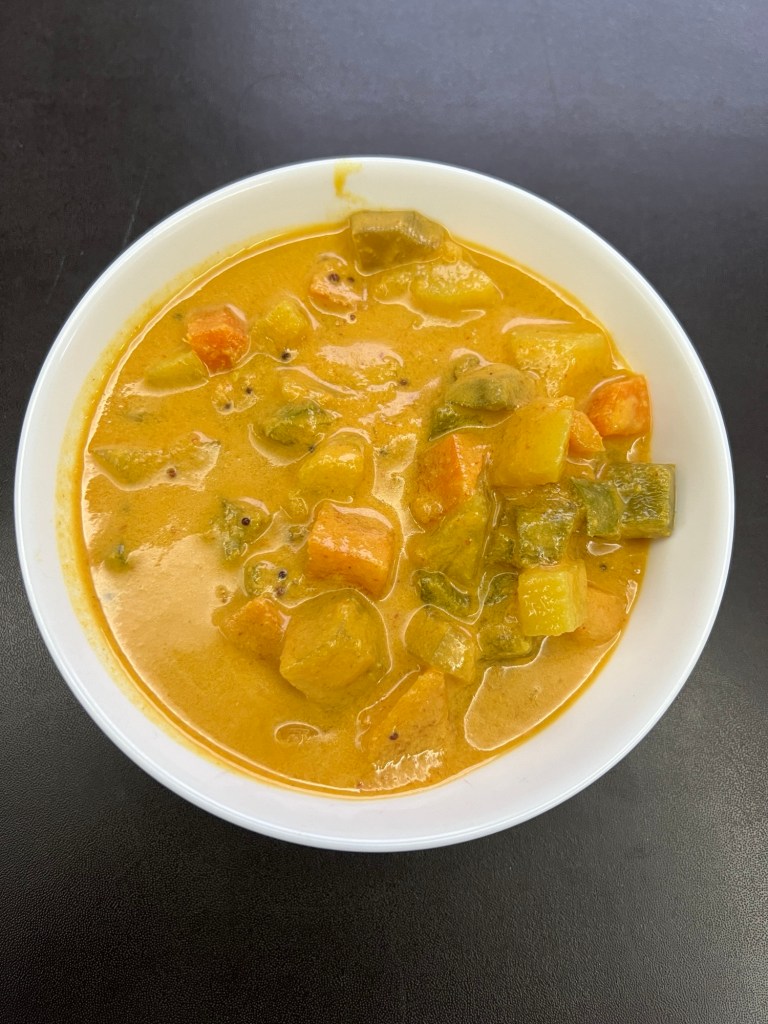
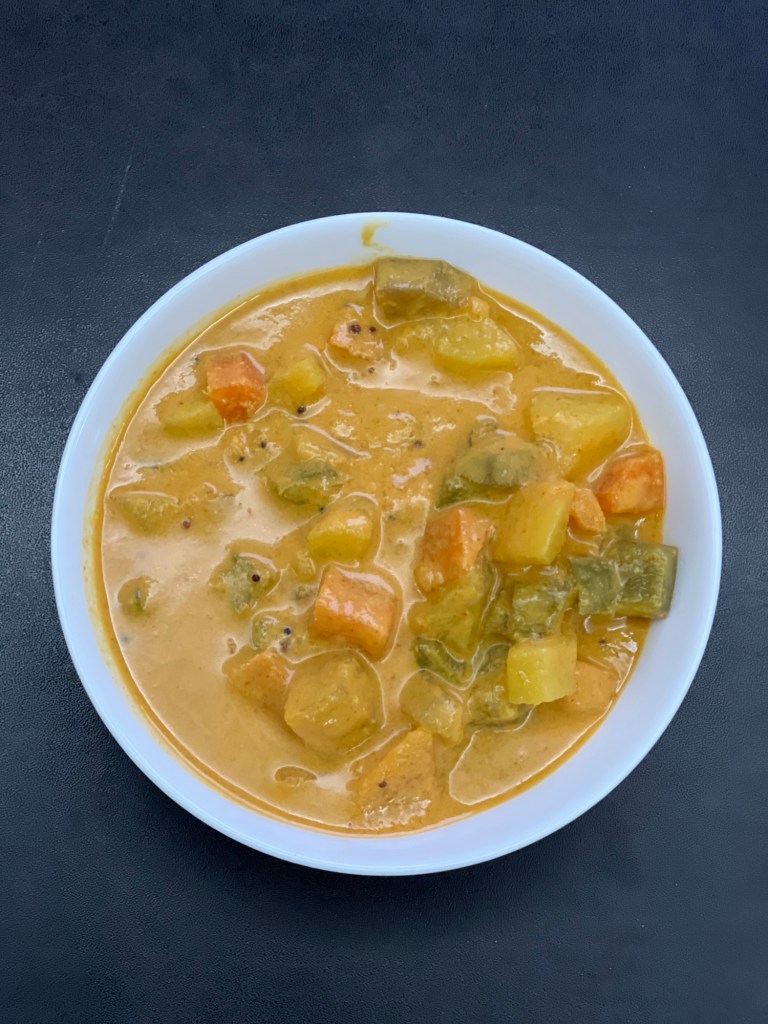
A couple of months back, we went to this fusion restaurant to celebrate S’ birthday. This restaurant took traditional South Indian recipes and presented them in a contemporary format, which was very interesting. One of the recipes, we had was Alleppey Curry. I loved it and immediately tried to replicate it.

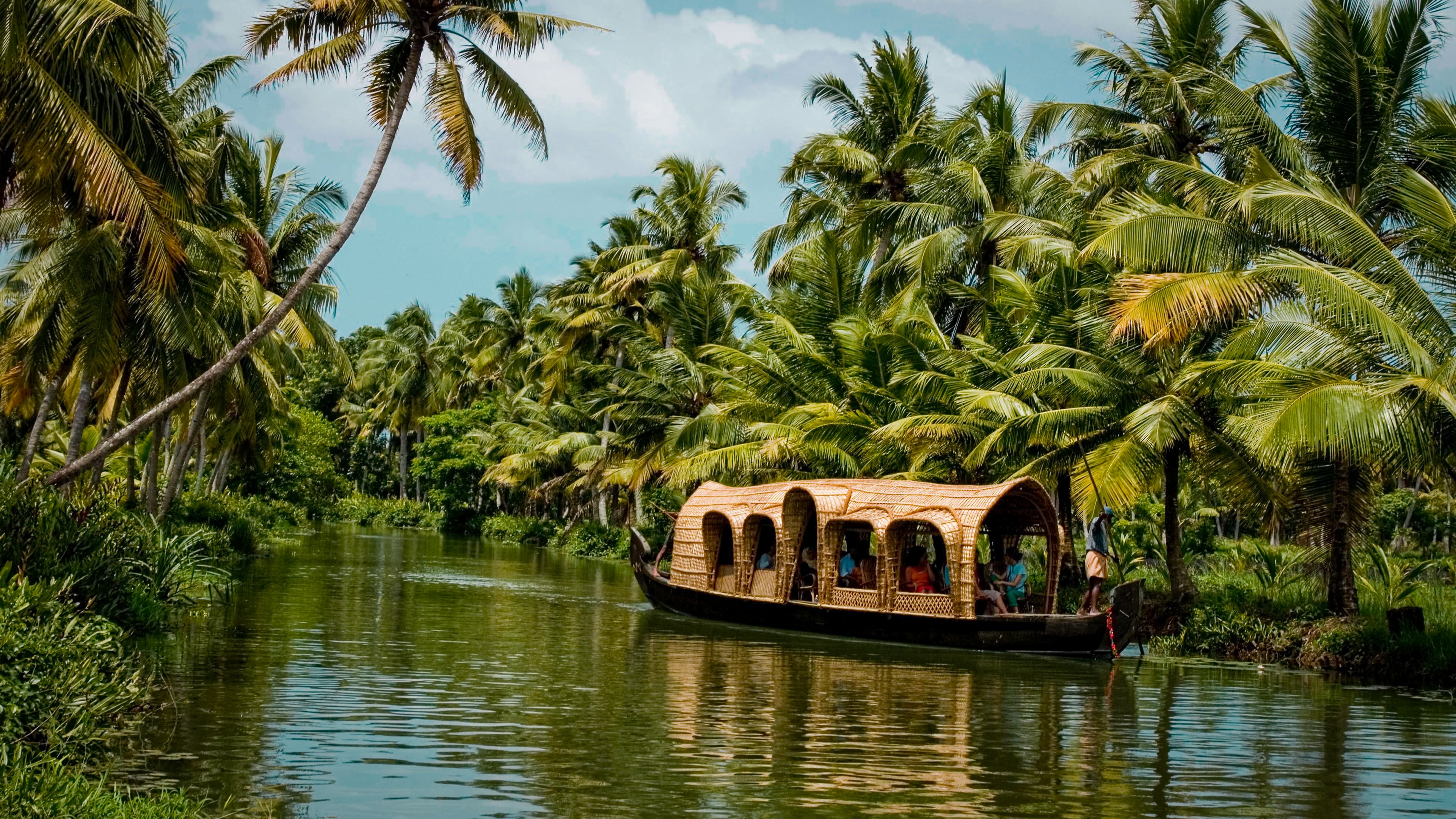
Alleppey Curry originates from the coastal town of Alleppey or Alappuzha, in Kerala. Known for its backwaters and vibrant culinary scene, Alleppey is celebrated for this curry’s unique blend of local spices and coconut-based gravies. This curry typically features an assortment of fresh vegetables, often including carrots, beans, potatoes, and peas, cooked in a coconut milk-based sauce. It’s frequently served with rice, appam, which are rice pancakes, or parotta, offering a delicious and wholesome vegetarian option.

Now, I don’t like the smell and taste of coconut milk, so instead of using that, I used freshly grated coconut and blended it with some spices to make the sauce. So here’s how I made it.

Vegetable Alleppey Curry

Ingredients:

  • 2 cups mixed vegetables, chopped into medium-sized pieces. I used a mixture of carrots, beans, potatoes, cauliflower, broccoli, and peas
  • 2 raw mangoes, peeled and chopped into medium-sized pieces
  • ½ cup freshly grated coconut
  • 5-6 dried red chillies
  • 1 tsp cumin seeds
  • 1 tsp oil or ghee
  • 1 tsp mustard seeds
  • ¼ tsp turmeric powder
  • Salt to taste
  • 5-6 curry leaves

Method:

  • In a blender, blend the coconut, dried red chillies, cumin seeds and ¼ of the chopped mangoes into a fine paste. Keep aside.
  • In another pan, add the chopped vegetables and the remaining raw mango pieces. some salt and turmeric powder and cook until about 80% done. Heat the oil and when it warms, add the mustard seeds and let them splutter. Then add the curry leaves, pour the tempering into the curry and cover immediately to trap the flavours.
  • Serve hot with rice.

Festivals of India: Theyyam

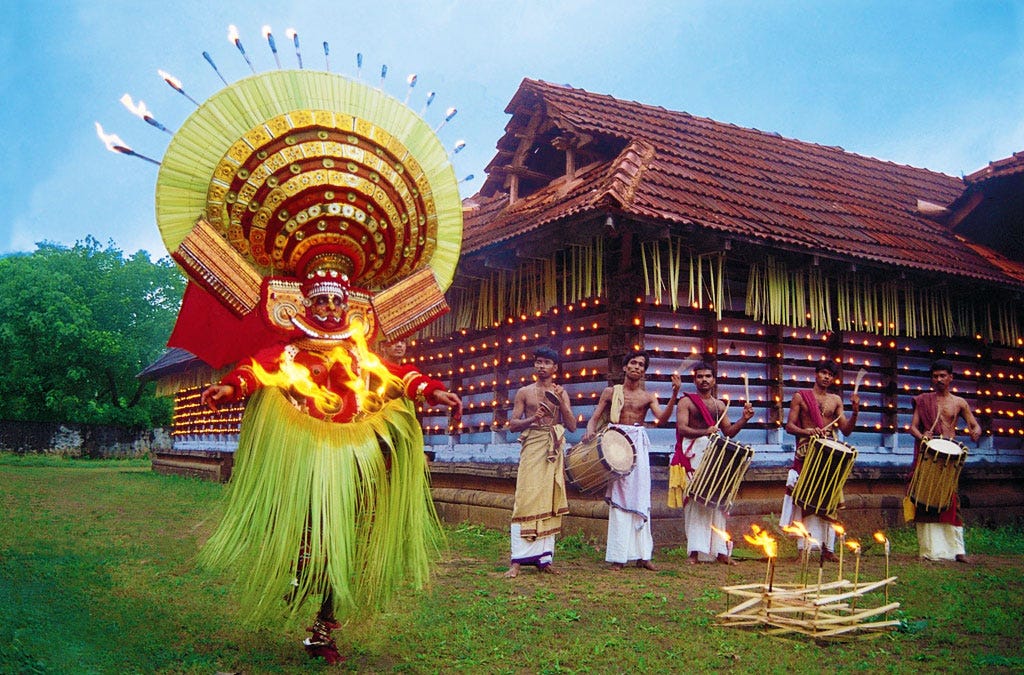
Rooted in some parts of Karnataka and Northern Kerala’s folklore and traditions, Theyyam is an ancient ritualistic dance form that transcends the boundaries between the divine and the earthly and is performed to honour the heroes and ancestral spirits. Also known as Kaliyattam or Tira, the dance is performed in various places in North Malabar annually between December and April. In Kerala, Theyyam is performed predominantly in the North Malabar region, consisting of present-day Kasargod, Kannur Districts, Mananthavady Taluk of Wayanad and Vadakara and Koyilandy Taluks of Kozhikode. A similar custom known as Bhuta Kola is followed in the Tulunadu region of neighbouring Karnataka. It is also performed each day at the Parassini Kadava Sri Muthappan Temple in Kannur. The people of the region consider Theyyam itself a channel to a god and they thus seek blessings from Theyyam.

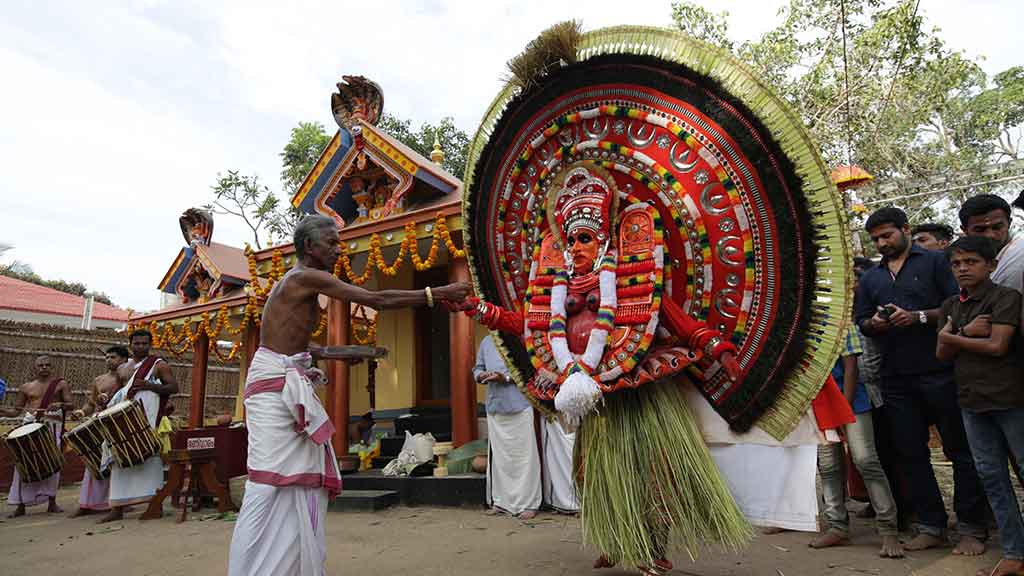
Theyyam, believed to have been derived from the word Daivam, meaning God, is based on the belief that immortal spirits enter mortal bodies to perform a ritual dance of divine revelation. Theyyam may have its origins from ancestor worship. It has been observed that a vast majority of the Theyyam deities have their origin from people who were in the backward castes of the Kerala’s caste system. The ancestor worship ritual was later evolved into the elaborate dance ritual that is seen nowadays. Incorporating many other local beliefs. The spectacular varieties of Theyyam performances are possible using elaborate facial make-up, captivating headgear, special costumes, and unique ornaments. Theyyams are staged in various temples of Malabar, usually in front of the village shrine, with regularity each year. As performances are on an open stage, they can also be showcased in traditional Malabar households during festive or special occasions.

One fascinating aspect of Theyyam is its year-round occurrence, with different deities taking center stage during specific seasons. The festival follows a cyclical pattern, aligning with the agricultural calendar and reflecting the symbiotic relationship between nature and culture. This perpetual celebration ensures that the spirit of Theyyam is woven into the fabric of daily life. Theyyam season starts from the tenth day of the Malayalam month of Thulam that usually falls during October, and known as paththaam-udayam and lasts up to seven months till the middle of Edavam month, typically late May and June. The last Kaliyaattam for the season is performed at Madayi Kavu and Kalarivathukkal Bhagavathy Temple, both being the family shrines of the Kolathiri royal family. The performers, known as Theyyam artists or Vellattam, transform into deities, donning elaborate costumes, vibrant makeup, and intricate headgear. Through their mesmerizing movements, the artists channel the spirit of the gods, embodying them for a brief yet profound interaction with the community.

Source

The dance form incorporates dance, music, and mime and is believed to be distinguished into 400 forms, each with its own unique style, make-up, costumes, songs, and choreography. The most prominent Theyyams are the Pottan, Gulikan, Bhagavati, Kari Chamundi, and Raktha Chamundi. The ornamental decorations, size, and appearance of the performers are also worth noticing. The festival dates to the Dravidian age and is said to be part of the ancient tribal culture of Kerala.

There are about 456 types of Theyyams documented. Theyyam is mainly performed by males, except for the Devakkoothu Theyyam; the Devakkoothu is the only Theyyam ritual performed by women. Devakoothu is performed only in the Thekkumbad Kulom temple. In Kasaragod and Kannur districts, this ritual art is mainly performed in the kavus, or temples or ancestral houses, of the Thiyyar, Nambiar, Vaniyar, and Maniyani communities.

The preparation for a Theyyam performance is an elaborate process that involves various rituals and ceremonies. The artists, traditionally belonging to specific communities, undergo a period of purification and isolation before embodying the deity. The ritual begins with the invocation of the divine, accompanied by traditional music and chanting. As the rhythm intensifies, the Theyyam artist enters a trance-like state, connecting with the deity’s spirit. This transformative process is a sacred and highly respected undertaking, emphasizing the spiritual essence of Theyyam. The makeup, a vital aspect of Theyyam, transforms the artists into divine beings. The striking red and black hues, coupled with bold facial expressions, bring the gods to life in a way that captivates the audience and communicates the deity’s energy and character.

According to some experts, all the prominent characteristics of primitive, tribal, and religious worship had widened the stream of Theyyam, where even the followers of Islam are associated with the cult in its functional aspect and made it a deep-rooted folk religion of millions. Besides this, practices like spirit worship, ancestor worship, hero worship, masathi worship, tree worship, animal worship, serpent worship, the worship of the goddesses of disease and the worship of Gramadevata or the village deity, are included in the mainstream of the Theyyam. Along with these gods and goddesses, there exist innumerable folk gods and goddesses. Most of these goddesses are known as Bhagavathy. Theyyam showcases a diverse pantheon of deities, each with its own unique attributes, stories, and rituals. Some of the prominent deities include Vishnumoorthy, Muchilottu Bhagavathi, Raktha Chamundi, and Kari Chamundi, among many others. Each deity represents different aspects of the divine, from benevolence and protection to power and ferocity. Different branches of mainstream Hindu religion, such as Shaktism, Vaishnavism and Shaivism, now dominate Theyyam. However, the forms of propitiation and other rituals are continuations of a very ancient tradition.

Music is an integral part of the Theyyam performance, enhancing the immersive experience for both the artists and the audience. Traditional instruments like Chenda, Elathalam, and Kuzhal contribute to the rhythmic and melodic accompaniment, creating an atmosphere charged with spiritual energy. The beats of the chenda resonate deeply, complementing the dancers’ movements and adding a layer of intensity to the ritual.

Out of devotion, ruling clans established their own shrines and Kavus for Theyyam deities, where non-Sattvic rituals and customs are observed. The goddesses like Rakteshwari, Chamundi, Someshwari, and Kurathi, and the gods like Vishnumoorthi, are propitiated in these household shrines. There, the Theyyam dancers appear during the annual festivals of gods and goddesses. The rituals in such shrines are different from those of the Brahmanical temples. The impact of this cultural fusion could be traced to social organisation based on the caste system and agrarian relations. The invitation of Brahmin Thanthri to consecrate the idols of Kavu is a recent development.

The dance or invocation is generally performed in front of the village shrine. It is also performed in the houses as ancestor-worship with elaborate rites and rituals. There is no stage or curtain or other such arrangements for the performance. The devotees would be standing or some of them would be sitting on a sacred tree in front of the shrine. In short, it is an open theatre. Performance of a particular deity according to its significance and hierarchy in the shrine continues for 12 to 24 hours with intervals. The chief dancer who propitiates the central deity of the shrine must reside in the rituals. After sunset, this dancer would not eat anything for the remainder of that day. His make-up is done by specialists and other dancers.

The first part of the performance is usually known as Vellattam or Thottam. It is performed without proper make-up or any decorative costume. Only a small, red headdress is worn on this occasion. The dancer along with the drummers recites the ritual song, which describes the myths and legends, of the deity of the shrine or the folk deity to be propitiated. This is accompanied by the playing of folk musical instruments. After finishing this primary ritualistic part of the invocation, the dancer returns to the green room. Again, after a short interval, he appears with proper make-up and costumes. There are different patterns of face painting. Some of these patterns are called vairadelam, kattaram, kozhipuspam, kottumpurikam, and prakkezhuthu. Mostly primary and secondary colours are applied with contrast for face painting. The dancer comes in front of the shrine and gradually metamorphoses into the deity of the shrine. The performance signifies the transitional inversion, reversal, and elevation of status denoting the anti-structural homogeneity of Theyyam. He, after observation of certain rituals places the head-dress on his head and starts dancing.

In the background, folk musical instruments like chenda, tudi, kuzhal and veekni are played in a certain rhythm. All the dancers take a shield and kadthala or sword, in their hands as a continuation of the weapons. The dancer then circumambulates the shrine, runs into the courtyard and continues dancing there. The Theyyam dance has different steps known as akalaasamsms. Each Kalasam is repeated systematically from the first to the eighth step of footwork. A performance is a combination of playing of musical instruments, vocal recitations, dance, and peculiar makeup, usually predominantly orange, and costumes. The Kathivanoor Veeran Theyyam is one of the most famous Theyyams in Kerala.

As with many traditional art forms, Theyyam faces challenges in the modern era. Economic pressures, changing social dynamics, and the impact of globalisation pose threats to the sustainability of this ancient ritual. However, efforts are underway to preserve and promote Theyyam, both within India and on the global stage. Cultural enthusiasts, scholars, and artists collaborate to ensure that Theyyam’s flame continues to burn brightly.

Travel Bucket List: India – Consolidated List of all States

As I started planning my travel, I started relying on my research for where to go and found it slightly ungainly to search through all the material I have to reach a specific destination. So here’s a consolidated list of all Indian states, in alphabetical order with the cities and towns next to each part which makes it easier to get to the place you are interested in.

Photo by Ravigopal Kesari on Unsplash

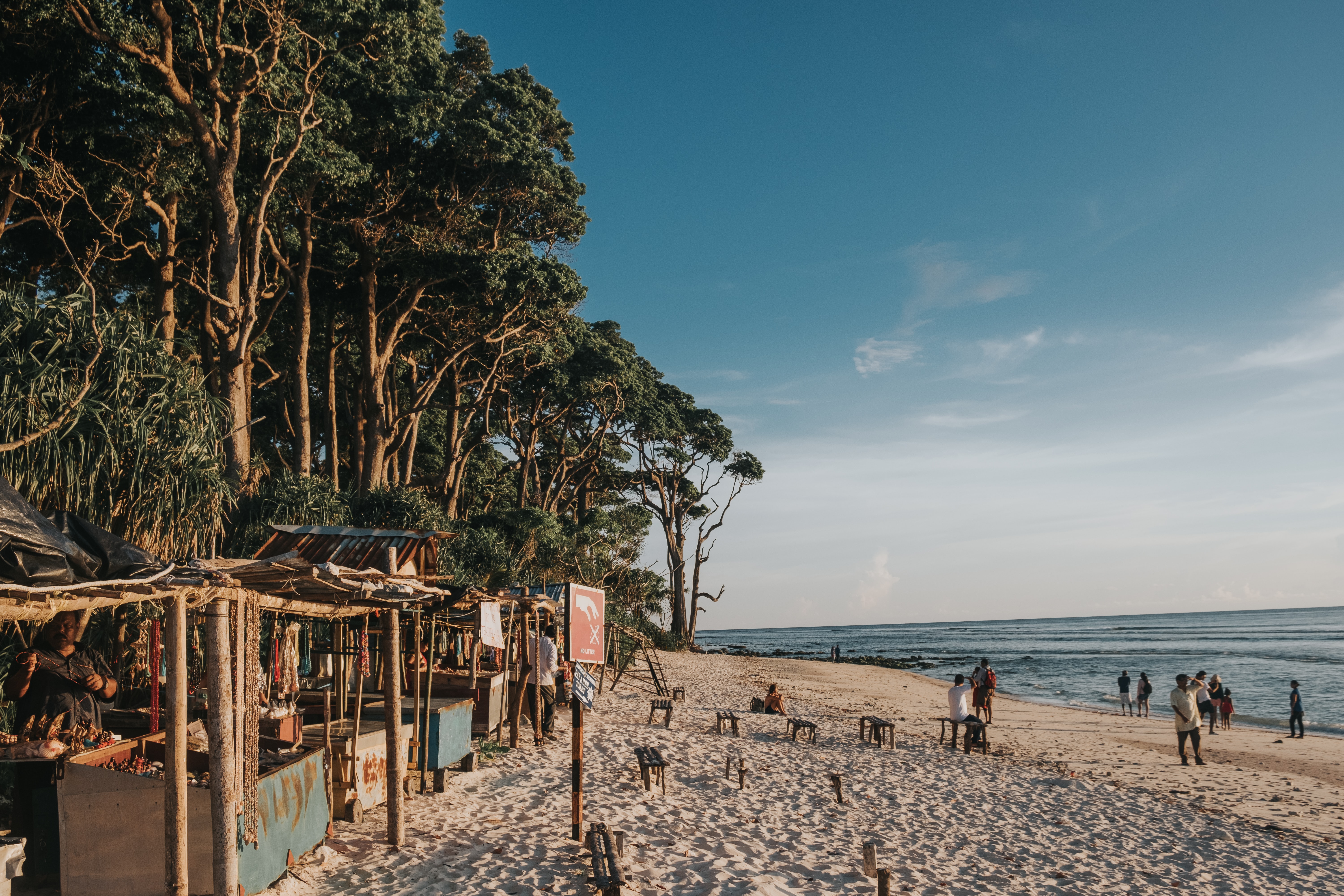
Andaman and Nicobar Islands
Part 1 – Introduction and Overview
Part 2 – Port Blair
Part 3 – Corbyn’s Cove Beach, Wandoor Beach, Viper Island, Ross Island, North Bay Island, Red Skin Island, Middle Andaman Island, Long Island, Baratang Island, Parrot Island, North Passage Island, Guitar Island
Part 4 – Aves Island, North Andaman Island, Diglipur, Stewart Island, Ross & Smith Island, Jolly Buoy Island, Havelock Island
Part 5 – Neil Island, South Andaman Island, Rutland Island, Little Andaman Island, Cinque Island, Barren Island, Narcondom Island, Kathchal Island, Campell Bay & Indira Point
Part 6 – Mahatma Gandhi Marine National Park, Chidiya Tapu, The Chidiya Tapu Biological Park, Mount Harriet National Park, Saddle Peak National Park, Campbell Bay National Park, Galathea National Park, Middle Button Island National Park, North Button Island National Park, South Button Island National Park

Photo by Gowrisha CV on Unsplash

Andhra Pradesh
Part 1: Introduction and Overview, Vishakhapatnam
Part 2: Araku Valley, Vizianagaram, Annavaram, Samalkot, Kakinada, Rajahmundry
Part 3: Amaravathi, Vijayawada, Machilipatnam
Part 4: Guntur, Chirala, Nagarjunakonda, Srisailam, Cumbum, Nellore
Part 5: Kurnool, Mantralayam, Gandikota, Tadipatri, Anantapur, Puttaparthi
Part 6: Lepakshi, Horsley Hills, Chittoor, Srikalahasthi, Tirupati

Photo by Mayur More on Unsplash

Arunachal Pradesh
Part 1: Introduction and Overview, Itanagar, Bhalukpong
Part 2: Bomdila, Tawang
Part 3: Ziro, Yinkiong, Mechuka, Roing, Tirap
Part 4: Khonsa, Changlang, Miao, Anini, Pasighat, Aalo, Daporijo, Anjaw, Tezu

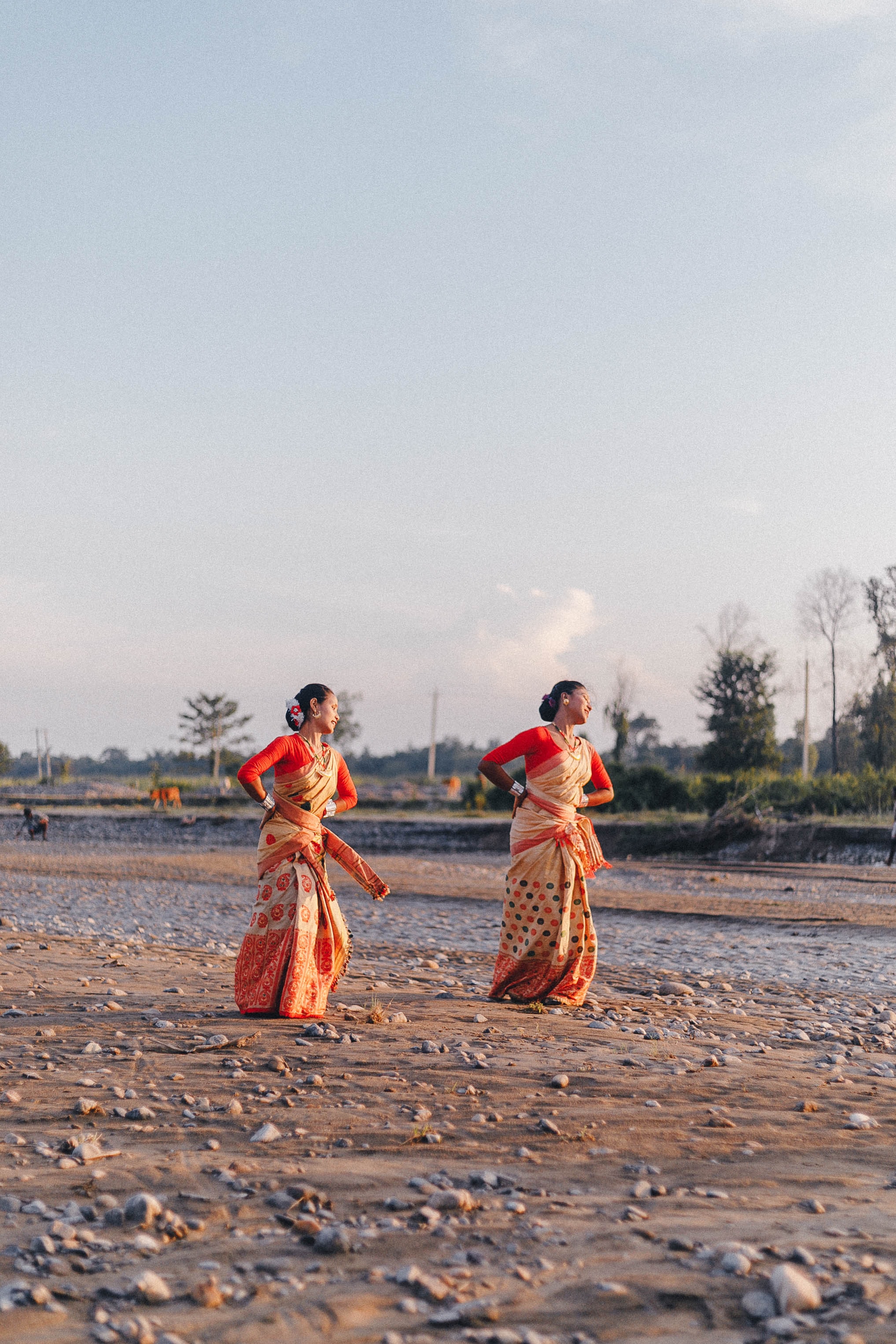
Photo by Nilotpal Kalita on Unsplash

Assam
Part 1: Introduction and Overview, Guwahati, Dispur
Part 2: Kokrajhar, Bongaigaon, Goalpura, Barpeta, Nalbari, Hajo, Sualkuchi
Part 3: Darrang, Mayong and Morigaon, Nagaon, Tezpur, Jorhat
Part 4: Sivasagar, Majuli, Dhemaji, Dibrugarh, Tinsukia, Digboi
Part 5: Sadiya, Haflong, Jatinga, Diphu, Karimganj, Hailakandi, Silchar
Part 6: Raimona National Park, Manas National Park, Orang National Park, Kaziranga National Park, Nameri National Park, Dibru Saikhowa National Park, Dihing Patkai National Park

Photo by ARTO SURAJ on Unsplash

Bihar
Part 1: Introduction and Overview
Part 2: Patna
Part 3: Hajipur, Nalanda
Part 4: Rajgir, Sasaram, Kaimur
Part 5: Bodh Gaya, Vaishali
Part 6: Muzzafarpur, Sitamarhi, Madhubani, Lauriya Nandangarh, Bhagalpur, Valmiki National Park Tiger Reserve and Wildlife Sanctuary

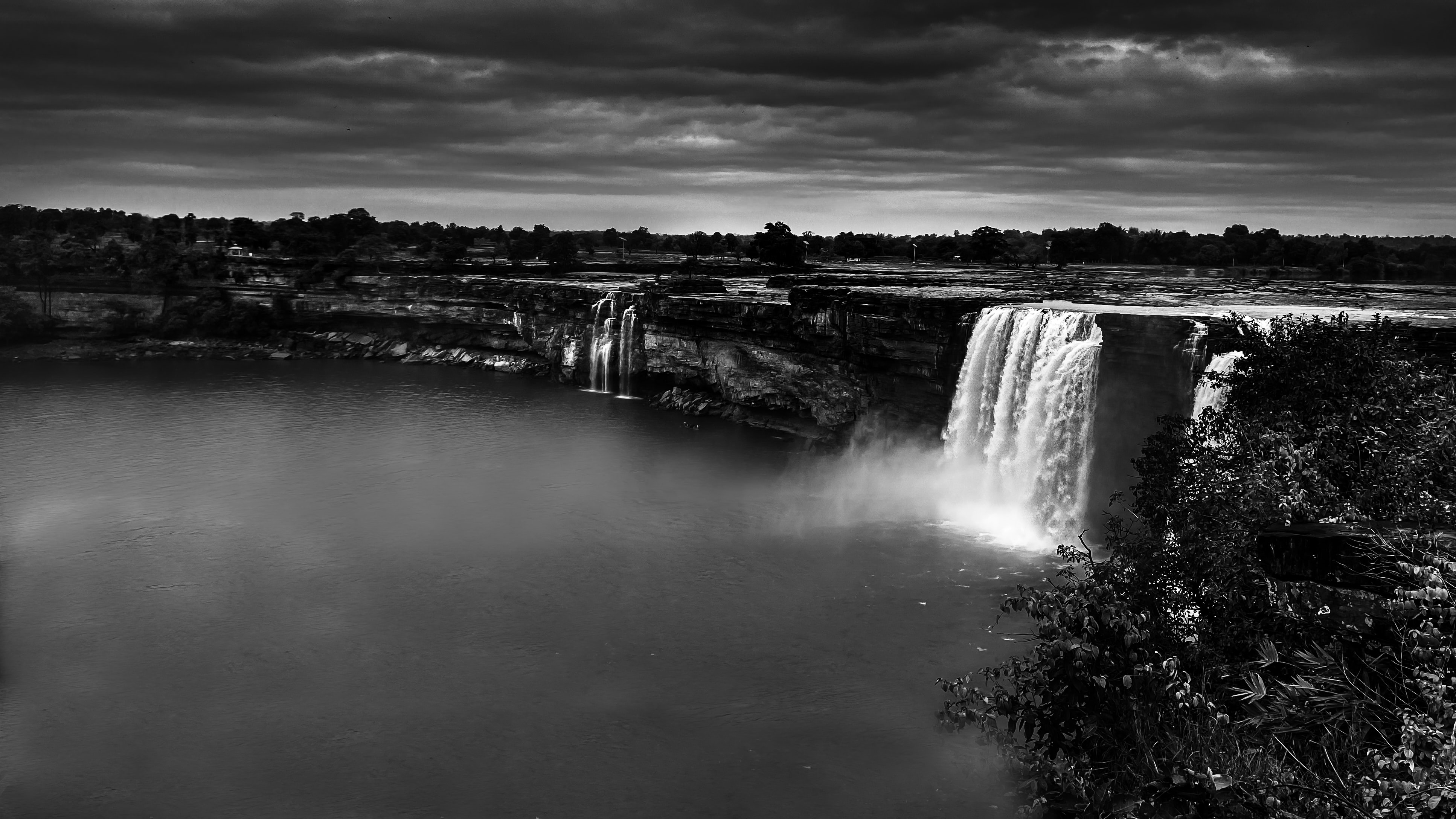
Photo by Ayiman Mohanty on Unsplash

Chhattisgarh
Part 1: Introduction and Overview, Raipur, Champaran
Part 2: Bhilai, Durg, Rajnandgaon, Chirmiri, Madku Dweep, Bhoramdeo Temple, Guru Ghasidas National Park
Part 3: Achanakmar Tiger Reserve, Bilaspur, Raigarh, Korba, Ambikapur, Barnawapara Wildlife Sanctuary, Mainpat, Malhar
Part 4: Mahasamund, Sirpur, Rajim, Jagdalpur, Dhamtari, Dhamtari, Dantewada, Kanger Ghati National Park

Dadra and Nagar Haveli and Daman and Diu
Part 1: Introduction and Overview, Daman
Part 2: Diu
Part 3: Dadra and Nagar Haveli

Delhi
Part 1: Introduction and Overview, India Gate, Red Fort, Qutub Minar, Jantar Mantar, Rajghat
Part 2: Iron Pillar, National War Memorial, Rajpath, Rashtrapati Bhavan, Agrasen Ki Baoli, Ghalib Ki Haveli, Alai Darwaza/Minar, Bhool Bhulaiya ka Mahal, Purana Qila,
Part 3: Tughlaqabad Fort. Siri Fort, Feroza Kotla Fort, Swaminarayan Akshardham Temple, ISKON Mandir, Birla Temple, Chhatrapur Temple, Kalkaji Temple, Kali Bari Temple, Yogmaya Temple, Sri Digambar Jain Lal Mandir, Lotus Temple
Part 4: Jama Masjid, Quwwat-ul-Islam Mosque, Fatehpuri Masjid, Jamali Kamali Mosque and Tomb, Nizamuddin Dargah, Humayun’s Tomb, Safdarjung’s Tomb, Isa Khan’s Tomb, Hijron ka Khanqah, Nicholson Cemetery
Part 5: Gurudwara Bangla Sahib, Gurudwara Sis Ganj Sahib, Rakab Ganj Gurdwara, Sunder Nursery, Lodhi Gardens, Garden of Five Senses, National Rose Garden, Mehrauli Archaeological Park, Pradhanmantri Sangrahalaya, National Museum, Nehru Memorial Museum and Library, Rashtrapati Bhavan Museum, Indian War Memorial Museum, National Handicrafts Museum
Part 6: Indira Gandhi Memorial Museum, Sanskriti Museums, Charkha Museum, Sulabh International Museum of Toilets, Shankar’s International Dolls Museum, Museum of Archaeology, National Railway Museum, Museo Camera, National Gallery of Modern Art, Kiran Nadar Museum of Art, Museum of Illusions, National Zoological Park, National Bal Bhavan, Connaught Place, Chandni Chowk, Dilli Haat, Sarojini Market, Lajpat Nagar, Majnu ka Tila, Pragati Maidan

Photo by Sarang Pande on Unsplash

Goa
Part 1: Introduction and Overview
Part 2: North Goa, Vagator Beach, Anjuna Beach, Calangute Beach, Sinquerim Beach, Candolim Beach, Arambol Beach, Mandrem Beach, Morjim Beach, Miramar Beach, Siridao Beach, Bogdeshwara Temple, Mangeshi Temple, Mahalaxmi Temple, Fort Aguada, Chapora Fort, Reis Magos Fort, Basilica of Bom Jesus, Church of Our Lady of Immaculate Conception, Chapel of St. Catherine, Church of Mae De Deus, Goa State Museum, Houses of Goa Museum, Museum of Christian Art, Casino Palms, Chorao Island, Harvalem Waterfalls
Part 3: South Goa, Butterfly Beach, Betalbatim Beach, Agonda Beach, Mobor Beach, Hollant Beach, Palolem Beach, Cansaulim Beach, Colva Beach, Talpona Beach, Kakolem Beach, Benaulim Beach, Our Lady of Remedios Church, Saviour of the World Church, St. Alex Church, Shantadurga Temple, Tambdi Surla Mahadev Temple, Chandreshwar Bhoothnath Temple, Naval Aviation Museum, Goa Chitra Museum, Big Foot Museum, The Grande Island, Pequeno Island, Bhagwan Mahaveer Wildlife Sanctuary, Netravali Wildlife Sanctuary, Cotigao Wildlife Sanctuary, Dudhsagar Falls, Bamanbudo Waterfalls, Netravali Bubbling Lake, Cabo de Rama Fort, Chandor

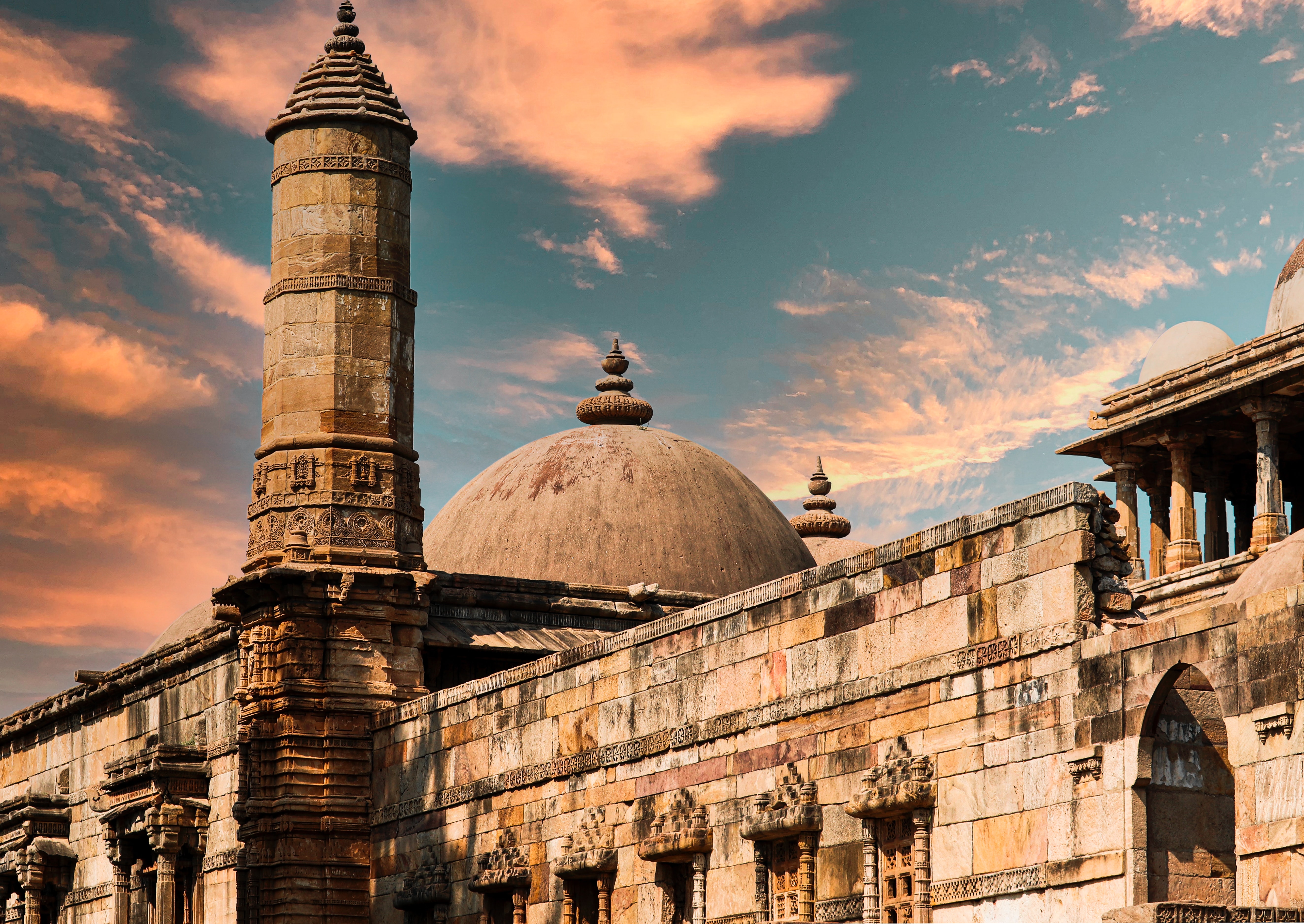
Photo by Parth Kateliya on Unsplash

Gujarat
Part 1: Introduction and Overview
Part 2: Surat, Vapi, Udvada, Valsad, Bilimora, Navsari, Bharuch, Saputara
Part 3: Ahmedabad, Lothal, Vadodara, Anand
Part 4: Gandhinagar, Patan, Mehsana, Palanpur
Part 5: Rajkot, Jamnagar, Dwarka, Porbandar, Junagadh, Bhavnagar, Palitana,
Part 6: Kutch, Bhuj, Mandvi, Rann of Kutch, Anjar

Photo by Sooraj Dev on Unsplash

Haryana
Part 1: Introduction and Overview, Gurugram, Manesar, Sohna
Part 2: Faridabad, Nuh, Murthal, Rohtak, Meham
Part 3: Hisar, Panipat, Karnal
Part 4: Kurukshetra, Ambala
Part 5: Panchkula, Morni Hills, Narnaul

Photo by Naman Pandey on Unsplash

Himachal Pradesh
Part 1: Introduction and Overview, Shimla, Kufri, Fagu, Theog, Hatkoti Valley, Chanshal Valley
Part 2: Chail, Solan, Barog, Nahan, Sirmour, Paonta Sahib, Shoghi, Kasauli, Arki, Nalagarh, Dadasiba, Bilaspur, Dalhousie,
Part 3: Kangra, Khajjiar, Bharmour, Chamba, Tattapani, Jalori Pass, Jibhi, Mandi
Part 4: Trithan Valley, Bhuntar, Sainj Valley, Barot, Bir Billing, Palampur, Kasol, Nagar, Manikaran Sahib, Tosh, Parvati Valley
Part 5: Kullu, Manali, Dharamsala, McLeodganj
Part 6: Keylong, Pin Valley National Park, Spiti Valley, Narkanda, Mashroba, Kinnaur, Sarahan, Sangla Valley, Kalpa, Pangi Valley, Nako

Jammu & Kashmir and Ladakh
Part 1: Introduction and Overview, Kashmir, Srinagar, Gulmarg, Sonmarg, Pahalgam, Amarnath, Pulwama, Kupwara, Poonch, Anantnag, Baramulla, Dachigam National Park
Part 2: Jammu, Patnitop, Rajouri, Udhampur, Kathua, Katra, Vaishno Devi, Kishtwar
Part 3: Ladakh, Leh, Leh Palace, Thiksey Gompa, Pangong Lake, Magnetic Hill, Nubra Valley and Khardung La Pass, Kargil, Drass, Hemis High Altitude Wildlife Sanctuary, Lamayuru, Lake Tso Moriri

Photo by Aryan Singh on Unsplash

Jharkhand
Part 1: Introduction and Overview, Ranchi
Part 2: Hazaribagh, Bokaro Steel City
Part 3: Jamshedpur, Neterhat
Part 4: Dhanbad, Shikarji, Deoghar, Dumka

Karnataka
Part 1: Introduction and Overview
Part 2: Bengaluru
Part 3: Mysuru, Mangalore, Belgaum
Part 4: Hubli-Dharwad, Gulbarga, Bidar, Badami, Bijapur, Hassan, Shimoga, Hampi, Sharavathi Valley Wildlife Sanctuary, Bhadra Wildlife Sanctuary, Brahmagiri Wildlife Sanctuary, Nagarhole National Park, Bandipur National Park, Ranganathittu Bird Sanctuary, Jog Falls, Shivanasamudra Falls, Kodasalli Backwater
Part 5: Coorg, Chikmagalur, Sakleshpur, Kudremukh, Kemmanagundi, Kotagiri, Masinagudi, Devarayanadurga, Karwar, Devbagh, Kumta, Netrani Island, Murudeshwar, Maravanthe, St. Mary’s Island, Udipi
Part 6: Udipi, Kollur, Sringeri, Dharmasthala, Horanadu, Talakadu, Belur, Shravanbelagola, Gokarna, Murudeshwar, Koodli, Srirangapatna, Pattadakal, Aihole, Kalasa

Kerala
Part 1: Introduction and Overview
Part 2: Kasaragod, Kannur, Kozhikode
Part 3: Wayanad, Mallapuram, Palakkad
Part 4: Thrissur, Ernakulam, Alappuzha
Part 5: Kottayam, Idukki, Patanamthitta
Part 6: Kollam, Tiruvanathapuram

Photo by Sachin Benny on Unsplash

Lakshadweep Islands
Part 1: Introduction and Overview
Part 2: Aminidivi, Cora Divh, Sesostris Bank, Bassas de Pedro, Cherbaniani Reef, North Islet, Byramgore Reef, Chetlat Island, Bitra Par, Kilthan Island, Kadmat Island, Kadmat Beach, Elikalpeni Bank, Perumal Par, Amini Island
Part 3: Laccadive, Amindivi, Agatti Island, Bangaram, Pakshipitti, Andrott Island, Kavaratti, Kalpeni, Suheli Par
Part 4: Minicoy, Maliku Atoll, Investigator Bank, Viringili

Madhya Pradesh
Part 1: Introduction and Overview
Part 2: Bhopal
Part 3: Indore, Ujjain, Alampur
Part 4: Maheshwar, Omkareshwar, Mandu, Burhanpur
Part 5: Chanderi, Shivpuri, Orchha, Khajurao
Part 6: Gwalior, Jabalpur, Bhedaghat, Panchmarhi, Amarkantak, Bandhavgarh National Park, Kanha National Park, Pench National Park

Photo by Raj Rana on Unsplash

Maharashtra
Part 1: Introduction and Overview, Mumbai
Part 2: Pune
Part 3: Matheran, Lonavala, Khandala, Rajmachi, Lavasa, Kamshet, Mahabaleshwar, Panchgani, Kaas Plateau, Maval, Bhandardara, Chikhaldara, Bhimashankar
Part 4: Amravati, Aurangabad, Ajanta and Ellora Caves, Lonar, Chiplun, Kolhapur, Nagpur, Nanded, Nashik, Triambakeshwar, Shirdi, Shani Shinganapur, Raigad, Ratnagiri, Satara
Part 5: Dahanu, Alibaug, Kashid, Diveagar, Harihareshwar, Murud, Karade, Ganpatipule, Tarkarli, Vengurla, Tadoba National Park, Bhamragarh Wildlife Sanctuary, Chandoli National Park, Gugumal National Park, Navegaon National Park, Malvan Marine Sanctuary, Rehekuri Blackbuck Sanctuary

Photo by WAIKHOM JAMES on Unsplash

Manipur
Part 1: Introduction and Overview, Imphal
Part 2: Moirang, Tamenglong, Thoubal
Part 3: Chandel, Tengnoupal, Moreh, Kaina, Ukhrul, Mount Koubru, Baruni Hill, Thangjing Hill, Sadu Chiru Waterfall

Photo by Utkarsh B on Unsplash

Meghalaya
Part 1: Introduction and Overview
Part 2: Shillong
Part 3: Mawphlang, Cherrapunji, Nongpoh, Mawsynram
Part 4: Jowai, Mawlynnong, Dawki, Balpakram National Park, Williamnagar, Baghmara, Tura
Part 5: Khasi Hills, Jaintia Hills, Garo Hills

Photo by Vanlaldin puia on Unsplash

Mizoram
Part 1: Introduction and Overview, Aizwal, Falkawn Village
Part 2: Reiek, Hmuifang, Kolasib, Tamdil or Tam Lake, Mamit, Vantawng Falls, Serchhip
Part 3: Dampa Tiger Reserve, Lunglei, Champhai
Part 4: Murlen National Park, Phawngpui, Phawngpui National Park, Saiha,

Photo by Suraj Jadhav on Unsplash

Nagaland
Part 1: Introduction and Overview, Dimapur
Part 2: Kohima
Part 3: Mokokchung, Tuensang, Phek, Mon, Pfutsero

Photo by Ayiman Mohanty on Unsplash

Odisha
Part 1: Introduction and Overview, Bhubaneshwar, Dhauli
Part 2: Cuttack, Rayagada, Daringbadi, Berhampur, Jeypore
Part 3: Puri, Baripada, Sambalpur, Rourkela
Part 4: Konark, Paradeep, Gopalpur, Chandipur
Part 5: Lake Chilika, Tikarpada Wildlife Sanctuary, Satkosia Tiger Reserve, Bhitarkanika National Park & Wildlife Sanctuary, Simlipal National Park, Duduma Waterfalls, Chandaka Forest, Kotgarh Elephant Reserve, Karlapat Wildlife Sanctuary

Photo by nullvoid on Unsplash

Puducherry
Part 1: Introduction and Overview, Puducherry
Part 2: Karaikal, Mahé, Yanam

Photo by Prerna Sharma on Unsplash

Punjab
Part 1: Introduction and Overview
Part 2: Chandigarh, Sirhind
Part 3: Rupnagar, Patiala
Part 4: Ludhiana, Bhatinda
Part 5: Jalandhar, Kapurthala
Part 6: Pathankot, Amritsar

Rajasthan
Part 1: Introduction and Overview, Jaipur, Udaipur
Part 2: Jodhpur, Jaisalmer, Sawai Madhopur, Pushkar

Photo by Apurba Nag on Unsplash

Sikkim
Part 1: Introduction and Overview
Part 2: Gangtok
Part 3: Tinkitam Rayong, Namchi, Barsey Rhododendron Sanctuary, Kabi Longstok, Tendong Hill, Aritar, Zuluk, Pangolakha Wildlife Sanctuary, Pelling, Yuksom, Ravangla
Part 4: Maenam Wildlife Sanctuary, Geyzing, Yangtey, Borong, Mangan, Chopta Valley, Lachung, Lachen, Yumthang Valley, Thangu Valley, Gurudongmar Lake, Cholamu Lake, Shingba Rhododendron Sanctuary, Khangchendzonga National Park, Fambong Lho Wildlife Sanctuary, Goecha La

Tamil Nadu
Part 1: Introduction and Overview, Chennai
Part 2: Coimbatore, Tiruchirappalli, Tiruppur, Tirunelveli
Part 3: Ooty, Kodaikanal, Yercaud, Coonoor, Yelagiri, Bellikkal
Part 4: Kanchipuram, Tiruvannamalai, Chidambaram, Vaitheeshwaran Kovil,
Part 5: Kumbakonam, Thanjavur, Swamimalai, Rameshwaram, Madurai
Part 6: Mahabalipuram, Kanyakumari, Mudumalai Wildlife Sanctuary, Hogenakkal Falls, Kutralam Falls

Photo by Aman Upadhyay on Unsplash

Telangana
Part 1: Introduction and Overview, Hyderabad Part 1
Part 2: Hyderabad Part 2
Part 3: Secunderabad
Part 4: Warangal, Nizamabad
Part 5: Khammam, Karimnagar, Adilabad, Mahbubnagar, Medak
Part 6: Nalgonda, Bhadrachalam, Koti Linga, Somasila, Vemulawada

Photo by Sourav Debnath on Unsplash

Tripura
Part 1: Introduction and Overview
Part 2: Agartala
Part 3: Kailashahar, Unakoti, Udaipur, Ambassa, Pilak Archaeological Sites, Chabimura, Mahamuni Pagoda, Manubankul, Buddhist Stupa, Boxanagar
Part 4: Baramura Eco Park, Kalapania Nature Park, Tepania Eco Park, Khumulwang Eco Park, Jampui Hills, Dumboor Lake, Dhalai, Rudrasagar Lake, Sepahijala Wildlife Sanctuary & Clouded Leopard National Park, Trishna Wildlife Sanctuary, Rajbari National Park, Rowa Wildlife Sanctuary, Gomati Wildlife Sanctuary

Uttar Pradesh
Part 1: Introduction and Overview, Noida, Loni, Ghaziabad, Meerut, Muzzafarnagar
Part 2: Hastinapur, Vrindavan, Mathura
Part 3: Fatehpur Sikri, Agra, Garhmukteshwar
Part 4: Aligarh, Firozabad, Jhansi, Piilbhit, Bithoor, Naimisharanya
Part 5: Kanpur, Lucknow
Part 6: Ayodhya, Sravasti, Prayagraj
Part 7: Chitrakoot, Vindhyachal, Varanasi, Sarnath, Kushinagar

Photo by Akshay syal on Unsplash

Uttarakhand
Part 1: Introduction and Overview, Dehradun
Part 2: Mussoorie, Dhanaulti
Part 3: Auli, Joshimath, Chopta, Tungnath, Ukhimath, Lansdowne, Nainital
Part 4: Sattal, Bhimtal, Naukuchiatal, Kausani, Ranikhet, Almora, Binsar, Jalna, Kasar Devi, Jageshwar, Champawat, Munsiyari, Pithorgarh
Part 5: Bageshwar, Chamoli, Mana, Badrinath, Pandukeshwar, Hemkund Sahib, Kedarnath, Gomukh, Madhyamaheshwar, Gangotri, Gauri Kund, Yamunotri
Part 6: Rudranath, Guptakashi, Nandprayag, Rudraprayag, Devprayag, Rishikesh, Haridwar, Roopkund Lake, Nelong Valley, Gangotri National Park, Kedarnath Wild Life Sanctuary, Valley of Flowers, Nanda Devi National Park, Govind Pashu Vihar Wildlife Sanctuary, Rajaji National Park, Jim Corbett National Park

Photo by Nitish Narayan on Unsplash

West Bengal
Part 1: Introduction and Overview, Kolkata
Part 2: Howrah, Barrackpore, Chandan Nagar, Chinsurah, Bardhaman, Haldia, Midnapore
Part 3: Shantiniketan, Durgapur, Jhargram, Asansol, Murshidabad, Mukutmanipur, Malda, Siliguri, Jalpaiguri, Cooch Behar, Bagdogra
Part 4: Kurseong, Mirik, Darjeeling, Tinchuley, Dooars, Kalimpong
Part 5: Rishyap, Lava and Lolegaon, Buxa Tiger Reserve, Rajabhatkawa, Jaldapara National Park, Jaldhaka, Chapramari Wildlife Sanctuary, Gorumara National Park, Neora Valley National Park, Lataguri, Purulia, Sonajhuri Forest, Deulti, Sundarbans, Mayapur, Nabadwipa, Bakreswar
Part 6: Bankura, Bishnupur, Jayrambati, Kamarpukur, Tarapith, Falta, Raichak, Taki, Piyali Island, Machranga Dwip, Kakdwip, Mousuni Island, Bakkhali, Junput, Mandarmani, Tajpur, Shankarpur

Fabrics and Sarees of India Part 2

In this part, we continue to check out more fabrics and sarees across India.

Karnataka

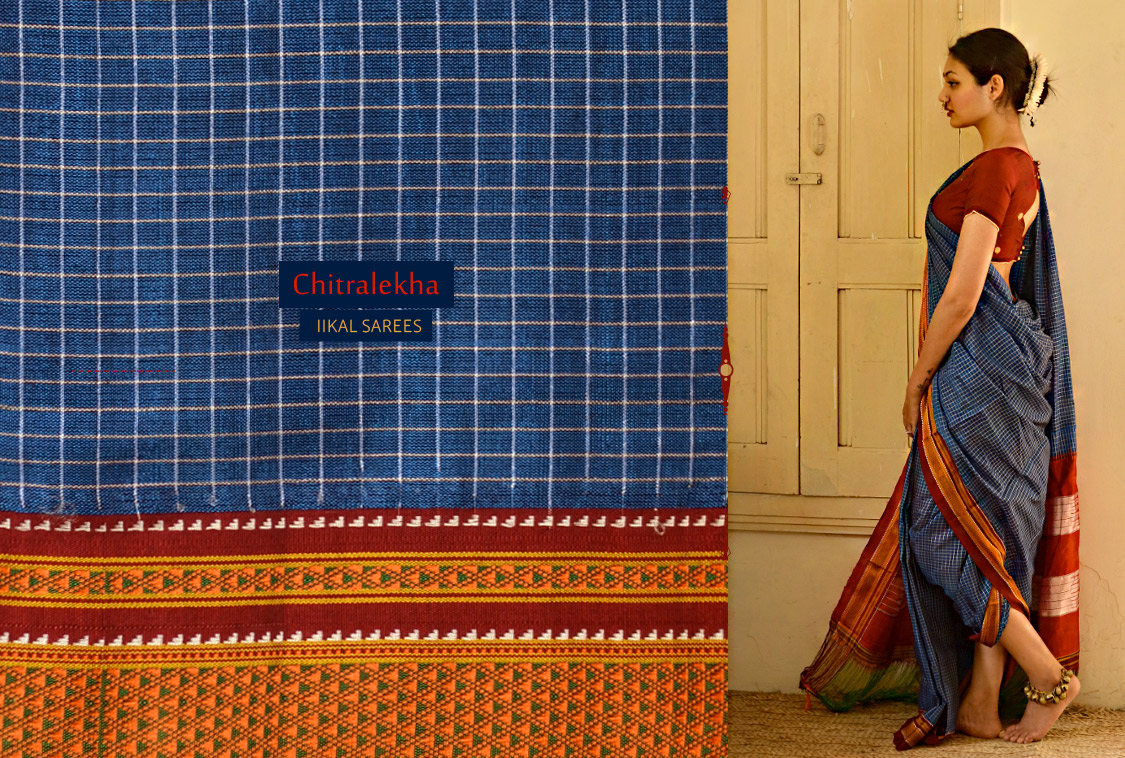
Ilkal Sarees: Known because it is produced in the town of Ilkal, an ancient weaving centre since the 8th century, the uniqueness of the Ilkal saree is in the joining of the body warp with the pallu warp with a series of loops locally called the tope teni technique. The border colour is very dominating and is usually red or maroon. The distinctive feature of the Ilkal saree is the use of a form of embroidery called Kasuti. The designs used in Kasuti reflect traditional patterns like palanquins, elephants, and lotuses which are embroidered onto the saree. The main body design is usually made up of squares and rectangles. The Ilkal saris are woven using cotton warp on the body and art silk warp for the border and pallu portion. In some cases instead of art silk, pure silk is also used. The Tope Teni seragu has been regarded as a state symbol and was greatly respected during festival occasions. The sarees that are made for bridal wear are made of a particular colour called Giri Kumukum which is associated with the sindoor worn by the wives of the priests in this region. The weaving of the Ilkal saree is a household enterprise involving the participation of female members. One Ilkal saree takes about seven days to weave and are produced on pit looms.

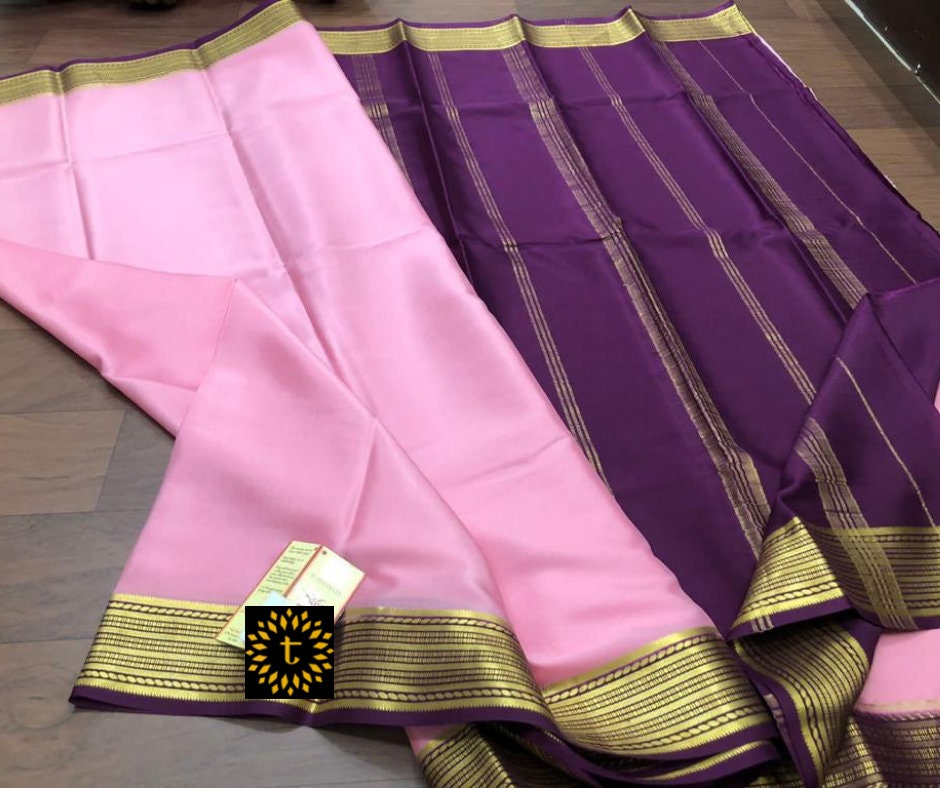
Mysore Silk: One of Karnataka’s most famous exports, the Mysore silk is synonymous with the city of Mysuru and the silk factory was founded in 1912 by Sri Nalvadi Krishnaraja Wodeyar, the Maharaja of Mysore. Initially, the silk fabrics were manufactured & supplied to meet the requirements of the royal family and ornamental fabrics to their armed forces. After Indian independence, the Mysore State Sericulture Dept took control of the silk weaving factory. The saree zari contains 65% pure silver and 0.65% of gold, which is also the most distinct feature of the saree, along with the use of genuine silk that gives it a natural sheen and rich texture. Karnataka produces almost 45% of the country’s mulberry silk. Mysore silk has also received geographical identification. Mysore Silks are also one of the most expensive silk sarees in India and this has led to the production of duplicate Mysore silk saree production and sales. To avoid these issues, KSIC has implemented a unique ID, hologram-based design, and unique identification barcodes woven on each saree produced.

Kerala

Kasavu Saree: Symbolic of Kerala’s tradition and culture, the traditional Kasavu saree was made by hand from cotton yarn with borders made of golden threads. Believed to have originated in the Buddhist era, the white and gold sarees are unique due to their natural hues, texture and gold border which adds to their elegance. No occasion in Kerala feels complete without the Kasavu saree. The term kasavu refers to the zari or gold thread used in the border of the saree and the name comes from a material used in the weaving and production of these sarees. The origin of the kasavu saree can be traced back to when women would wear a two-piece cloth called settu mundu, more popularly known as the mundum neriyathum. The mundum neriyathum rose in popularity during the Buddhist era, and its design has been inspired by the Greco-Roman attire, Palmyrene, a long piece of unstitched cloth with a coloured border.

The identity of the saree comes from the geographical cluster they are associated with. The Indian government has identified three clusters in Kerala – Balaramapuram, Chendamangalam and Kuthampully – that have been given a Geographical Indication or GI tag and all three clusters produce kasavu sarees. A plain saree with a simple border takes roughly around three to five days. Ones with motifs and heavier work take longer than that. The sarees are priced depending on the time taken on their production, along with the gold used in the zari or kasavu.

Madhya Pradesh

Chanderi: Emerging between the 2nd and 7th centuries, Chanderi sarees are produced from three types of fabrics – pure silk, cotton and silk cotton and are synonymous with the town of Chanderi which is on the boundary of Malwa and Bundelkhand. In the 11th century, the trade locations between Malwa, Medwa, central India and south Gujarat increased the region’s importance. Around 1350, Koshti weavers from Jhansi migrated to Chanderi and settled there and the textile business of Chanderi reached its peak during the Mughal period. Traditional coin, floral art, peacocks and modern geometric designs are woven into different Chanderi patterns. The saris are among the finest in India and are known for their gold and silver brocade or zari, fine silk, and opulent embroidery.

Maheshwari: Originating from the town of Maheshwar, the Maheshwari saree is made of silk and cotton in a variety of designs woven using brocade and zari. Dating to the 18th century, the sarees were initially made of pure silk, but over time, cotton also came to be used. An interesting story behind the origin of these sarees is that a famous queen had once ordered a large number of artisans and craftsmen from Surat and Malwa to design a unique saree of 9 yards, later termed the Maheshwari saree. These cloth pieces were used as special gifts for the royal guests of the palace. A unique feature of the Maheshwari saree is that each has a specific name of its own, which indicates its distinctness. The sarees may be plain at the centre and have neatly designed borders, or they may have different variations of stripes and checks. The sarees fall under 5 broad categories namely Chandratara, Chandrakala, Beli, Baingani Chandrakala and Parbi. The Baingani Chandrakala and Chandrakala are plain ones, while the Beli, Chandratara, and Parbi come with stripes or checks.

Maharashtra

Karvati: Hailing from the Vidarbha region, Karvati silks are made from Tussar with a grainy, textural feel. What is unique about the silk used in Karvati saris is that it is exclusive to this specific region that is rich in high-quality silk cocoons, straight from the wild. The tribes hailing from this area assume the responsibility of protecting the silk cocoons until they are ready to be harvested. The Tussar is unlike any other silk; it has a unique shade of deep yellow-brown.

The word karvat is a Marathi term that refers to a saw-tooth pattern. Karvati is the name lent to the style of the border rather than the fabric itself. What is different about the saree is the technique and the mixed usage of yarn. The border is woven out of mercerized cotton yarns with traditional temple motifs of various sizes, using an extra warp while the rest of the sari is woven using pure, hand-reeled Tussar silk which provides a texture that has irregular stubs all over. The saree is woven using a three-shuttle, tapestry style of weaving with a pit loom mounted with a wooden lattice dobby in the Nagpur style on the top of the loom. This means that it uses three different styles of weaving at the same time.

Paithani: Dating to the Satvahana Dynasty that ruled between the second century BC and the second century AD, Paithani sarees are fine silk handloom sarees get their name from the town in which they originated, Paithan in Aurangabad. Available in both six and nine yards, the most interesting part about the Paithani handloom is that both sides of the saree look the same, including the border and the pallu. This feature is the telltale sign of a handloom Paithani. As Paithani sarees are woven from naturally dyed threads, they can usually be found only in basic colours. Each saree usually has two dominating colours, one on the saree and the other on the border and pallu. The Paithani is characterised by borders of an oblique square design, and a pallu with a peacock design. Among other varieties, single-coloured and kaleidoscope-coloured designs are also popular. The kaleidoscopic effect is achieved by using one colour for weaving lengthwise and another for weaving width-wise.

The Paithani is a sari made of silk and zari with a plain weave, with weft figuring designs according to the principles of the tapestry. Traditionally, Paithanis had coloured, cotton muslin fields that often contained considerable supplementary zari patterning. However, in the 19th century, silk fields were also woven. Due to its proximity to the Ajanta caves, the influence of Buddhist paintings can be seen in the woven Paithani motifs. These sarees are made of silk in which there is no extra weft forming figures. Weaving could take between 18 and 24 months, depending upon the complexity of the design. In the days of Peshwas, the borders and the pallu were made of pure gold mixed with copper to give it strength spun into a fine wire called the zari. In recent times, zari is made of silver, coated with gold plating. In the border woven with a zari, ground-coloured silk patterns are added as supplementary weft inlay against the zari usually in the form of a flower or a creeping vine.

Odisha

Bomkai: Also known as the Sonepuri Saree, the Bomkai Saree is a handloom saree from the Bomkai village and has a GI tag. Usually made of cotton, these sarees are also made of silk for special occasions. During the time of Ramai Dev the then ruler of Patna, it was introduced in Sonepur. The borders and pallus are usually designed with fishes as it is believed to be a sign of success and affluence. The sari is normally dyed in red, black and white.

Khandua: A traditional bandha or ikat saree, Khandua is also known as Maniabandi or Kataki and is worn during weddings with a special type of fabric worn by Lord Jagannath which contain texts of the Geeta Govinda on them. The word Khandua in Odia translates to the cloth worn in the lower half of the body. Traditionally Kentuli Khandua is offered to Jagannath as lower cloth. The weaver communities of Maniabandha and Nuapatana of Cuttack traditionally wove this kind of fabric and during the rule of the Gajapatis, the sarees were made and transported to the Jagannath Temple. Nilakantha Deva, the King of Badakhemundi was offered khandua sari made of one piece of khandua silk called caukandika. Khandua is traditionally red or orange in colour with the red colour prepared naturally from the sal tree. The design motif has an auspicious elephant that represents Buddha surrounded by a trailing vine with peacocks in it, a large many-petaled flower, an animal  unique to Orissa known as Nabagunjara. The elephant in Khandua ikat from Nuapatana usually varies from elephant motives in ikat from the Sambalpuri saree as well as the ikat from other parts of Orissa. The Khandua has plain borders contrary to borders with motifs in the case of the other ikats from the state.

Pasapali: Also known as the Saktapar, the Pasapali saree is a bandha or Ikat handloom sari woven mainly in the Bargarh district. The name Pasapali is derived from pasa or gambling games using a chess board and these sarees have intricate check patterns of contrasting colours resembling the chess boards which gives it its name.

Sambalpuri: A traditional handwoven ikat where the warp and the weft are tie-dyed before weaving, the Sambalpuri saree is known for its incorporation of traditional motifs, all of which have deep symbolism in red, black and white that represent Odia culture. The high point of these sarees is the traditional craftsmanship of the Bandhakala, or the tie-dye art reflected in their intricate weaves, also known as Sambalpuri Ikkat. In this technique, the threads are first tie-dyed and later woven into a fabric, with the entire process taking many weeks. These sarees also have a Geographical Indication or GI tag associated with them. Traditionally, craftsmen created the ikats with images of flora or fauna or with geometrical patterns, but recently the ikats depict portraits and landscapes are also being designed. The unique feature of this form of designing is that the designs are reflected almost identically on both sides of the fabric. Once the fabric is dyed it can never be bleached into another colour. It is believed that this art migrated to western Odisha along with the Bhulia community who fled north India in 1192 after the fall of the Chouhan empire at the hands of the Mughals.

Punjab

Phulkari: Punjab’s folk embroidery, Phulkari which means floral work also includes motifs and geometrical shapes. In Punjabi, Phul means flower and Akari means the shape and so Phulkari means the shape and the direction of flowers which symbolise life. The main characteristics of Phulkari embroidery are the use of darn stitch on the wrong side of coarse cotton cloth with coloured silken thread. The traditional varieties of Phulkaris are large items of cloth and include Chope, Tilpatr, Neelak and Bagh. Sometimes, the Bagh is given separate categorisation of its own as on other varieties of a Phulkari, parts of the cloth are visible, whereas, in a Bagh, the embroidery covers the entire garment so that the base cloth is not visible. Today, in contemporary designs, the simple and sparsely embroidered dupattas and shawls made for everyday use, are referred to as phulkari, while clothing items that cover the entire body, made for special and ceremonial occasions such as weddings are called baghs or large gardens. The Phulkari continues to be an integral part of Punjabi weddings to the present day.

In the past, as soon as a girl was born, mothers and grandmothers would start embroidering Baghs and Phulkaris, which were to be given away at the time of her marriage. Depending on the status of the family, the parents would give a dowry of 11 to 101 Baghs and Phulkaris which were also passed from one generation to the next as heirlooms. The hallmark of Phulkari is making innumerable patterns by using long and short darn stitches. There were no pattern books and embroidery was worked entirely from the reverse of the fabric and the designs were not traced. Techniques and patterns were not documented but transmitted from word of mouth and each regional group was identified with the style of embroidery or design. The most favoured colour was red and its shades. Animals and birds represented success, beauty, pride, and goodwill and different fruits symbolised wealth, prosperity, and fertility. Wheat and barley stalks with ears were also common motifs. Silk and mulmul or soft cotton muslin fabrics were used because of their purity and longevity and it was believed that the virtue and character of a woman gave shape to the Phulkari.

There are different theories about the origin of Phulkari. One such belief is that this embroidery was prevalent in different parts of the country as far back as the 7th century, but survived only in Punjab. Motifs similar to the ones found in Phulkari are also found in Kashida of Bihar and some of the embroideries of Rajasthan. Another thought is that this style of embroidery came from Iran where it was called Gulkari, also meaning floral work.

Rajasthan

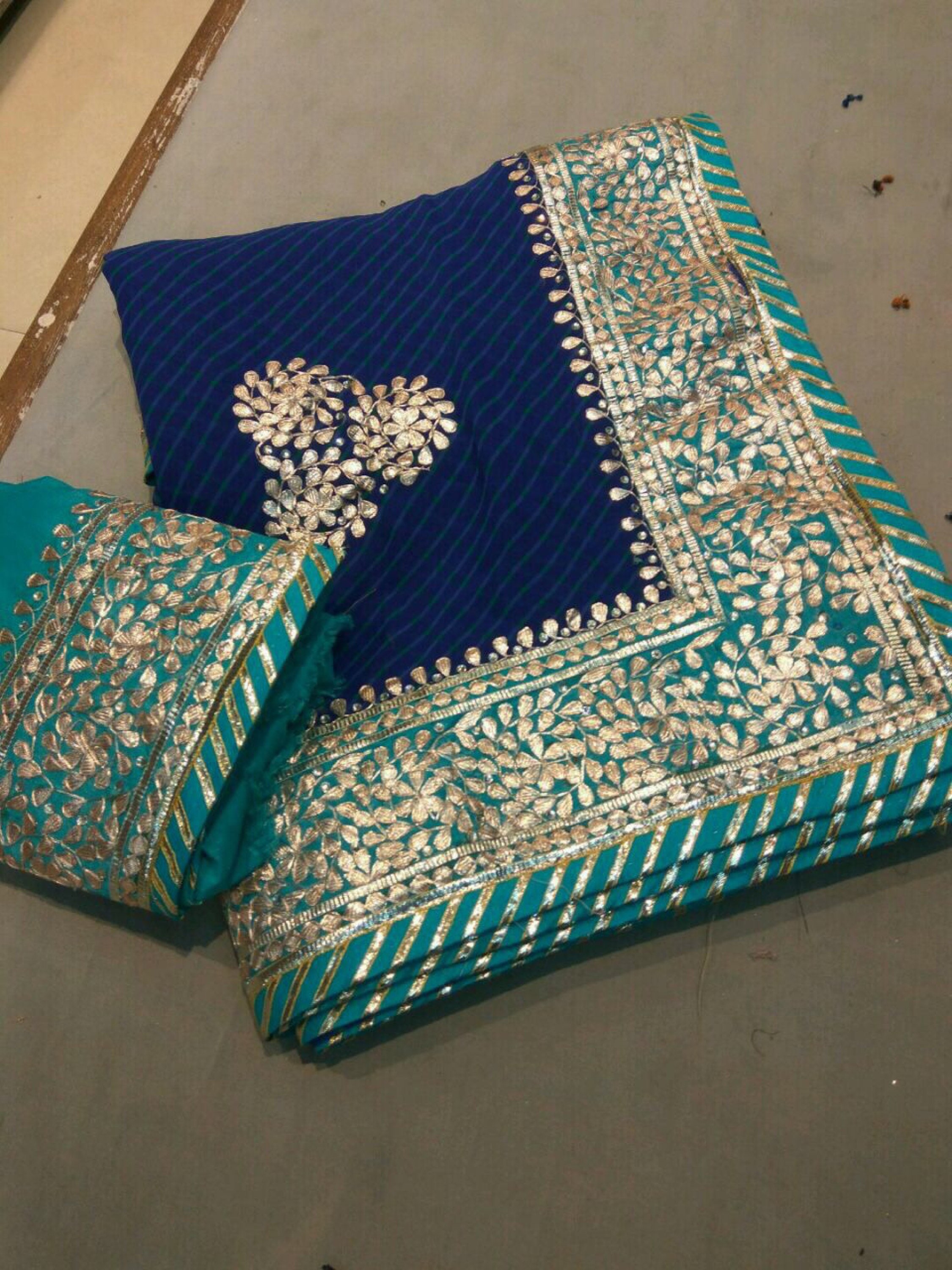
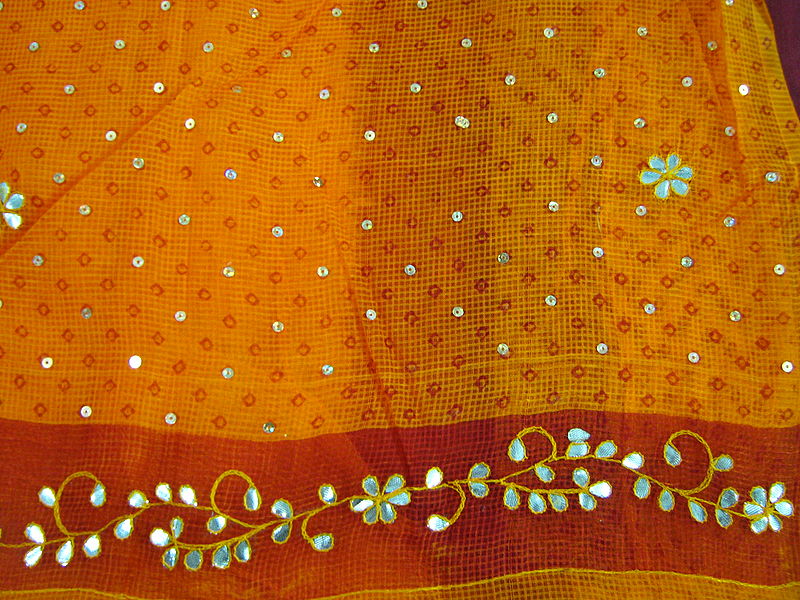
Gota Patti: Gota patti or gota work is a type of Indian embroidery that originated in  Rajasthan. Small pieces of zari ribbon are applied onto the fabric with the edges sewn down to create elaborate patterns. Gota embroidery is used extensively in South Asian weddings and formal clothes. Originally real gold and silver metals were used to embroider, but these were eventually replaced by copper coated with silver as it would become very expensive and today, even more, inexpensive options are available.

Kota Doriya: A handloom fabric, Kota Doriya is woven on a traditional pit loom in such a way that it produces square checks pattern on the fabric. The delicately wrought checks are locally known as khats. Onion juice and rice paste are smeared onto the yarn making it so strong that no additional finishing is needed. Kota Doriya sarees are made of pure cotton and silk and have square-like patterns known as khats on them. The chequered weave of a Kota sari is very popular with a very fine weave and weighs very little.

It is said that Jhala Zalim Singh of Kotah brought weavers from Mysore, in the mid-17th century, as they wove a characteristic small squared lightweight cotton fabric that looked like graph paper and was suitable for turbans. Since the weavers had come from Mysore, the fabric produced was called Kota Masuriya and was woven on narrow 8-inch looms to make the traditional paags or turbans and later on, broader looms were used for gossamer-light saris. Silk was added to the cotton in a 20:80 ratio approximately to give the sari strength. Nowadays hand woven silk Kota Doriya saris have also become popular. At first, the design known as a buti was small and regular but larger designs are now made according to fashion and taste. A very ornate saree can take one month to make and is an heirloom piece to be treasured. A genuine Kota Doriya sari will contain the GI mark woven in one corner indicating that it has been hand woven using real silver and gold thread.

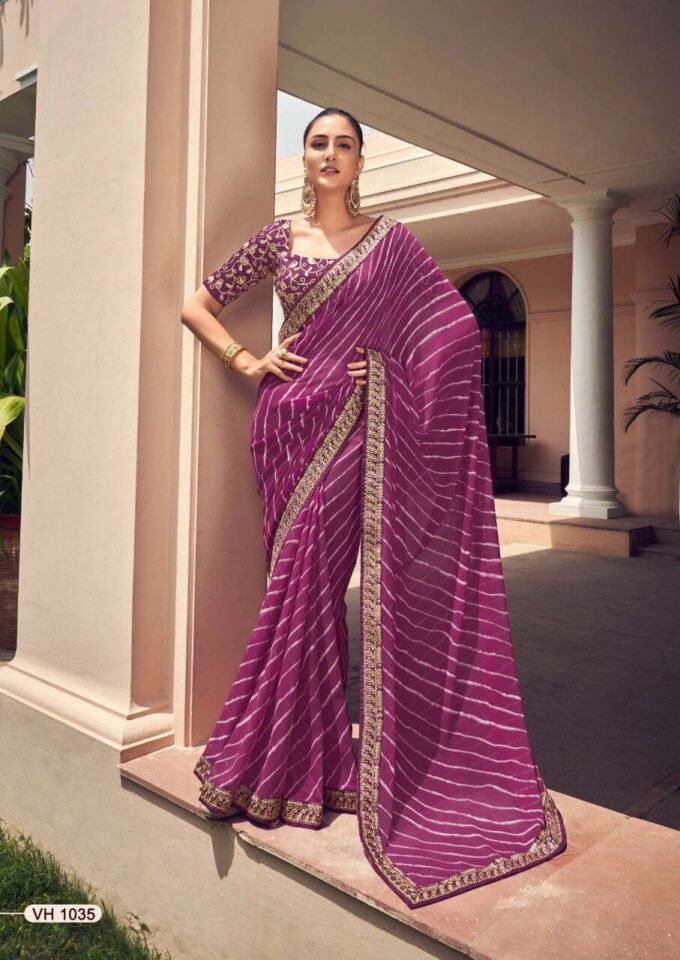
Leheriya: Leheriya is a traditional style of tie and dye practised in Rajasthan which is bright in colour, with a distinctive pattern. The word Leheriya comes from the word leher, meaning wave and the tie-dye technique results in diagonal stripes, which look like waves on the fabric. To create diagonal stripes, the craftsmen use a special method of resist-dyeing, where the material, is rolled up diagonally length-wise and then tied tightly at intervals before the actual dyeing process begins. Delicate, light fabrics such as thin cotton voile, fine silk and chiffon are preferred, as they allow the colour to penetrate through the rolled cloth. The fabric is wrapped around a wooden pole, usually while it is still wet or in a semi-dry state. The thread that ties up the fabric acts as a resist, yielding a pattern of diagonal stripes after dyeing. The thickness of the thread and the distance between the ties may be varied to obtain stripes of different widths.

An astounding variety of Leheriya fabrics are produced using this simple process. A panchranga or five-colour design is the most auspicious since the number five is considered special in Hindu scriptures. Another beautiful pattern is the satranga, flaunting the seven colours of the rainbow.

Tamil Nadu

Kanjeevaram: A silk saree which is worn on special occasions, the Kanjeevaram or Kanchipuram is made in the Kanchipuram region. This saree has also been recognised and given the Geographical Indication tag by the Indian government. The sarees are distinguished by their wide contrast borders with temple borders, checks, stripes and floral patterns as traditional designs. The patterns and designs in the Kancheepuram sarees are inspired by the images and scriptures in South Indian temples or natural features like leaves, birds and animals and have rich woven pallus showing the paintings of Raja Ravi Varma and the epics of Mahabharata and Ramayana. As of 2008, an estimated 5,000 families were involved in sari production with 25 silk and cotton yarn industries and 60 dyeing units in the region.

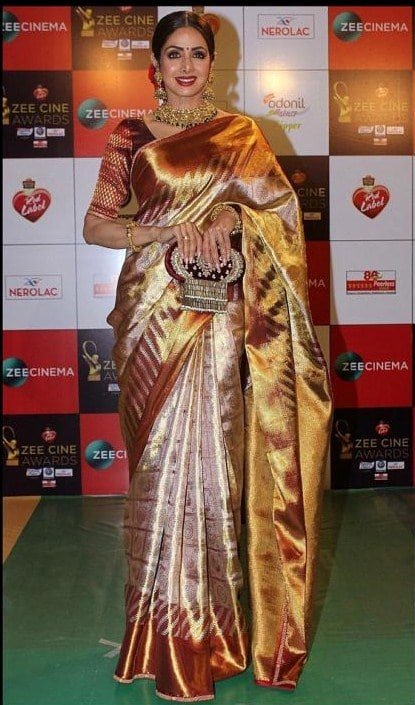
The saris are woven from pure mulberry silk thread, which along with the zari or gold thread comes from South India. To weave a Kanjeevaram saree. three shuttles are used. While the weaver works on the right side, his aide works on the left side shuttle. The border colour and design are usually quite different from the body. If the pallu has to be woven in a different shade, it is first separately woven and then delicately joined to the saree and the part where the body meets the pallu is often denoted by a zigzag line. In a genuine Kajeevaram silk saree, the body and the border are woven separately and then interlocked together. The joint is woven so strongly that even if the saree tears, the border will not detach and this differentiates the Kanjeevaram silk saree from the others. The sarees vary widely in price depending on the intricacy of work, colours, patterns, craftsmanship and materials used.

Koorainaadu: A traditional handloom weaving centre, Koorainadu sarees are by their checks and stripes pattern for which plain looms are used. It is made with pure silk and fine-twisted mercerized cotton yarn, in both warp and weft, in the ratio of 2:1, giving every Koorainadu saree a silk look. A peculiar characteristic of this saree is the formation of cotton checks by the interlacing of warp and weft during weaving which can be woven only by an experienced weaver. The sarees are hence stiffer and easier to hold the pleats which make them easier to wear. Koorainadu sarees are mostly worn by the womenfolk of the Hindu community green and yellow colours are used to make it auspicious and so it is often worn by married women wishing for long-lasting wedlock. The nine-yard Koorainadu saris are made with cotton or cotton and silk, in checks or striped patterns with a contrasting border in yellow. Saris with wide borders are called temple saris because they are offered to the deities in the temple.

Sungudi: Traditional cotton sarees from the Madurai area, Sungudi sarees are defined by the pattern of block prints and tie and dye designs. The origins of Sungudi can be traced back to the Sourashtrians who brought the art with them when they migrated to South India under the patronage of King Thirumalai Naicker in the 17th century. In Saurashtra, the word sungudi relates to the Sanskrit word sunnam meaning round, representing the circular dots that are printed on the fabric as a prominent and special motif.

The dots in the saris are said to be inspired by the cosmos which is why most Sungudi sarees remind one of a starry night. Tying the knots of the sari demands a great amount of precision from the craftsman. Ideally, a three-inch gap between the body and the zari border and also with the pallu lends a neat and symmetrical look to the crude dots. The designs are sometimes marked with a pencil on the fabric for ease in the process. The Sungudi art has seven basic designs that can be modified with different permutations and combinations to provide variety and highlight the creativity of the craftsman. The smaller the dot the better the expertise and this comes only with extensive practice and time. In the early days people used rudimentary methods like tying the knots with mustard or peppercorn seeds. Although this seems like a rural and unpolished method, its success lay in its simplicity. Authentic Sungudi is more than just tying knots. There is a lot of meticulousness that goes into producing a piece that looks effortless.  Once the knots are tied in the desired pattern, the sari is clamped which involves pleating, twisting, folding and wrapping it tightly before dyeing it for around two hours. Then the sari is subjected to two rounds of washing with cold water with an organic fixing agent followed by drying and ironing. The resultant fabric is a beautiful sheet like stars in the sky. In 2005 the art of Sungudi tie and dye got the GI recognition tag.

In the next part, the last one, we will do the last few states and also learn about some interesting saree drapes.

Travel Bucket List: India – Kerala Part 6

Known by its former colonial name of Quilon and Desinganadu in ancient times, Kollam is an old seaport and city on the Laccadive Sea coast on the banks of the Ashtamudi Lake. Kollam has a strong commercial reputation since the days of the Phoenicians and Romans.Fed by the Chinese trade, it was mentioned by Ibn Battuta in the 14th century as one of the five Indian ports he had seen during the course of his twenty-four-year travels. Desinganadu’s kings exchanged embassies with Chinese rulers while there was a flourishing Chinese settlement at Kollam. Kollam is also home to one of the seven churches that were established by St Thomas. The Kollam Port was founded by Mar Sabor at Tangasseri in 825 as an alternative to reopening the inland seaport of Kore-ke-ni Kollam near Backare or Thevalakara, which was also known as Nelcynda and Tyndis to the Romans and Greeks and as Thondi to the Tamils. Today, Kollam is known for cashew processing and coir manufacturing.

Source

Thevalli Palace: A place of great historical importance, the Thevally Palace is situated on the banks of the Ashtamude Lake. Once serving as the home of the Maharaja of Travancore, it was constructed under the rule of Gauri Parvathi Bai between 1800 and 1819. The striking feature about the palace is that it presents an intriguing fusion of Dutch, English and Portuguese style of architecture.

Thangassery: A place of high historical significance, Thangassery is located just 5 km from the main town of Kollam. The area houses several old churches said to have been established in the 18th century. Another important feature of the town is 144 ft high lighthouse built in 1902.

Amritapuri: The Ashram of Amritapuri has been constructed at the same place where Sri Mata Amritanandamayi Devi was born. People from all over the world, flock in to seek the blessings of Amma. Looking at Amritapuri, one can relive the ancient saying of Vasudhaiva Kutumbakam which translates to the entire world is one family. It is a collection of people from different cultures, speaking different languages and following different religions. Diverse people from different environments live together under a single roof in search of a meaningful life. Amritapuri Ashram is a small village remotely located on a small island which is surrounded by the backwaters and the Arabian Sea.

Karunagappally: The town of Karunagapally is located 23 km away from Kollam and comprises of resorts and beautiful beaches. The beauty of the place is such that it is also known as God’s own country. The main attraction for tourists flocking to the town is due to the boat facility offered at Alumkadavu. The scenic beauty of the place combined with its peaceful ambience is what makes it worth escaping to from the screeching noise and the hustle bustle of the city. The best places to visit here include Azheekal Beach, the Oachira Temple, Alumkadavu and Sasthamkotta Lake, the only freshwater lake in Kerala.

Kulathupuzha: A small village located in Kollam, Kulathupuzha is located on the Kollam-Shenkottai highway and is barely 59 kilometres away from Kollam and 64 kilometres away from Thiruvananthapuram. The village river, River Kulathupuzha, is home to numerous species of fishes and the region is as rich and dense forests and rubber plantation. The Myristica Swamps and the forest region form the Kulathupuzha Reserve Forest and the Kulathupuzha Wildlife Sanctuary. One of the oldest tea estates also is located in the village. Tourists not only get a glimpse into the lifestyle of the villagers but also experience it as they explore the village. Kulathupuzha is renowned for its ancient Sastha Temple dedicated to Bala Sastha who is considered an avatar of Lord Hariharaputra and is situated on the banks of River Kulathupuzha. The most important event in Kulathupuzha is the annual festival of Vishnu Mahotsavam which is celebrated during the months of April and May. Devotees on their way to Sabarimala often halt here and offer their prayers to Bala Sastha.

Oachira Temple: Quite a sought after pilgrim center in kollam, Oachira lies on the Kollam-Alappuzha Road. Locals of the area worship Lord Parabrahman who’s neither the idol or the temple is present at the site. The temple is dedicated to ParaBrahma, who is better known as Shiva or Ohmkaram, which is the Universal Consciousness. This means that the temple has no fixed or prescribed mode of worship and that consciousness is given the highest value here. The temple thus propagates the message of universal brotherhood and spirituality.The fact that the temple has no specific structural layout again adds on to this ideology that it upholds. Spread over thirty-six acres of land, the majestic temple witnesses a massive footfall of tourists and pilgrims daily, who belong to all sects and religions; and visit to seek blessings from the almighty irrespective of their faith. The annual festival of Ochira Kali that takes place at the temple every year in the month of June also draws enormous crowds, and visitors especially love to witness the mock fights that take place here in the waterlogged paddy fields.

Source

Kottukkal Cave Temple: Also known as Kaltrikkovil in the Malayalam language, the Kottukkal Cave Temple is a beautiful and serene rock-cut shrine that is located in the Kotthukkal Village near Anchal. The temple is an excellent example of rock cut architecture that prevailed between the 6th and 8th centuries CE, and is looked at with awe by architecture students as well as pious devotees alike. As per local legends, the big rock that makes up a significant part of the temple was brought to its present area by the incarnations of Lord Shiva, which also included Nandi. The present structure of the rock-cut temple comprises of two caves in all, both of which face the east direction. An idol of the presiding deity Lord Ganpati is present between the two caves. In addition to this, the more massive cave has Nandi in it, while the smaller one has an idol of Lord Hanuman. A Shivalinga is also present inside the temple. This combination of Shivalinga, Nandi and Hanuman is indeed unique and is found nowhere in India other than in Kollam. The temple is a breathtaking structure and is located amidst a paddy field. When viewed from a distance, it appears to be a sleeping elephant; and this adds to the beauty of the cave temple. Scholars and historians believe that the Kottukkal Cave Temple dates back to the Pallava period of the 8th century BC. Others scholars, however, believe that the cave dates back to some time between the 6th and 8th centuries A.D. The third school of thought assigns the date to 7th century AD in remembrance of Nedila Paranthaka Nedumchadayan, who ruled Chadayamangalam between 6th and 7th century AD. The Travancore Devaswom Board administers the cave and is responsible for conducting daily pooja services in the temple. It was in 1966 that the state government of Kerala pronounced the Kottukal cave to be recognised as a protected monument.

Kottarakkara Sree Mahaganapathi Kshethram: A famous pilgrim centre the Kottarakkara Sree Mahaganapathy Kshethram lies 25 kilometres away from Kollam. Considered to be one of the most important Maha Ganapathi Temple in all of Kerala, the temple is believed to be centuries old. Even though the main deity at the temple is Lord Shiva, Lord Ganesha is given utmost importance here. Other deities worshipped at the temple are Goddess Parvati, Lord Ganesha, Lord Murugan, Nagaraja and Lord Ayyappan. The legend of the Kottarakkara Sree Mahaganapathy Kshethram is associated with Perumthachan, who was a master carpenter who skillfully trained his son in carpentry and architecture. When the son bypassed the father’s skills and began to become famous far and wide, Perumthachan began to suffer from professional jealousy. If rumours are true, he dropped his chisel on his own son and faked it as an accident. Following these sad turn of events, Perumthachan started wandering and reached Kottarakkara, where he saw the Padinjattinkara temple that was under renovation. He also saw a jack tree root inside the Sarppakkavu, and he sculpted a beautiful idol of Lord Ganpati from the root. He asked the chief priest for his permission to install the lovely icon there, but he was denied since the temple already had one idol in it. Perumthachan then obtained permission from the main priest of the Manikandeswaram Kottarakkara Ganapathy Temple, and he installed the idol there. The melsanthi or the head priest was preparing nivedyam, that is offerings for the Lord, during this time. Perumthachan was curious and inquired about what the nivedyam for Lord Ganpati would be. When the head priest suggested unniyappam, Perumthachan readily agreed and instantly offered half a dozen unniyappams in a plantain leaf before the deity. Perumthachan then predicted that even though the presiding deity at the temple is Lord Shiva, his son Ganpati would gain more devotion and faith at the temple. This prophecy holds true to this date. There is yet another tale attached to the temple of Kottarakkara Sree Mahaganapathy Kshethram which talks about the marriage of Kottarakkara Thampuran’s daughter. The father of the to-be-bride requested Zamorin of Kozhikode to send a dance troupe from Malabar to perform at his daughter’s wedding. Zamorin, however, sarcastically refused to send the troupe, stating that the people of South Kerala are incapable of appreciating a fine art like Krishnanattam. Kottarakkara Thampuran thus felt insulted and prayed to Lord Ganapati at Kizhakkekara to help him find a way out. Sri Mahaganapathy then appeared in the dream of Thampuran. He gave him the unique idea of creating an altogether different art form. Thampuran then wrote the Ramanattam, designed the costumes, and in record time performed the Arangetram during the marriage of his daughter.

Rameshwara Temple: An ancient temple believed to be established in the Pandian style of architecture, the Rameshwara Temple in Kollam features inscriptions that date back to 12th to 16th century. Fascinating sculpture of a monster named Vyala can also be seen in the temple.

Infant Jesus Cathedral: A magnificent church located in Thangaserri, the Infant Jesus Cathedral is a historic Roman Catholic Church which was formerly known as the Bom Jesu Church and was established by the Portuguese in the year 1614. Built in the dedication of Saint Francis Xavier, the church witnesses a large footfall on all days of the week. The beautiful church with its marvellous architecture and spellbinding interiors is indeed a sight to behold on Sundays, that is the day of the mass when not only the Roman Catholics but people from all sects and religions come to seek the blessings of Jesus Christ.

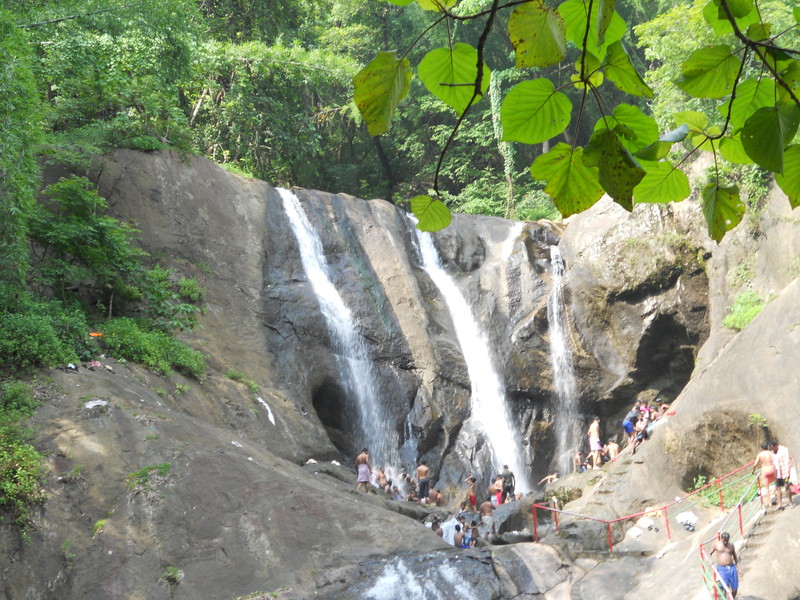
Kumbhavurutty Waterfalls: Known for its clear blue waters that cascade from majestic heights, the Kumbhavurutty Waterfall is a popular tourist attraction that is located near the Aryankavu Panchayath and is part of the Achankovil River. The Kumbhavurutty Waterfalls boasts of being on the top of the list of the most beautiful waterfalls in Kerala, with its splendid views and colourful hues of the water fallings from a height of twenty-five metres.

Source

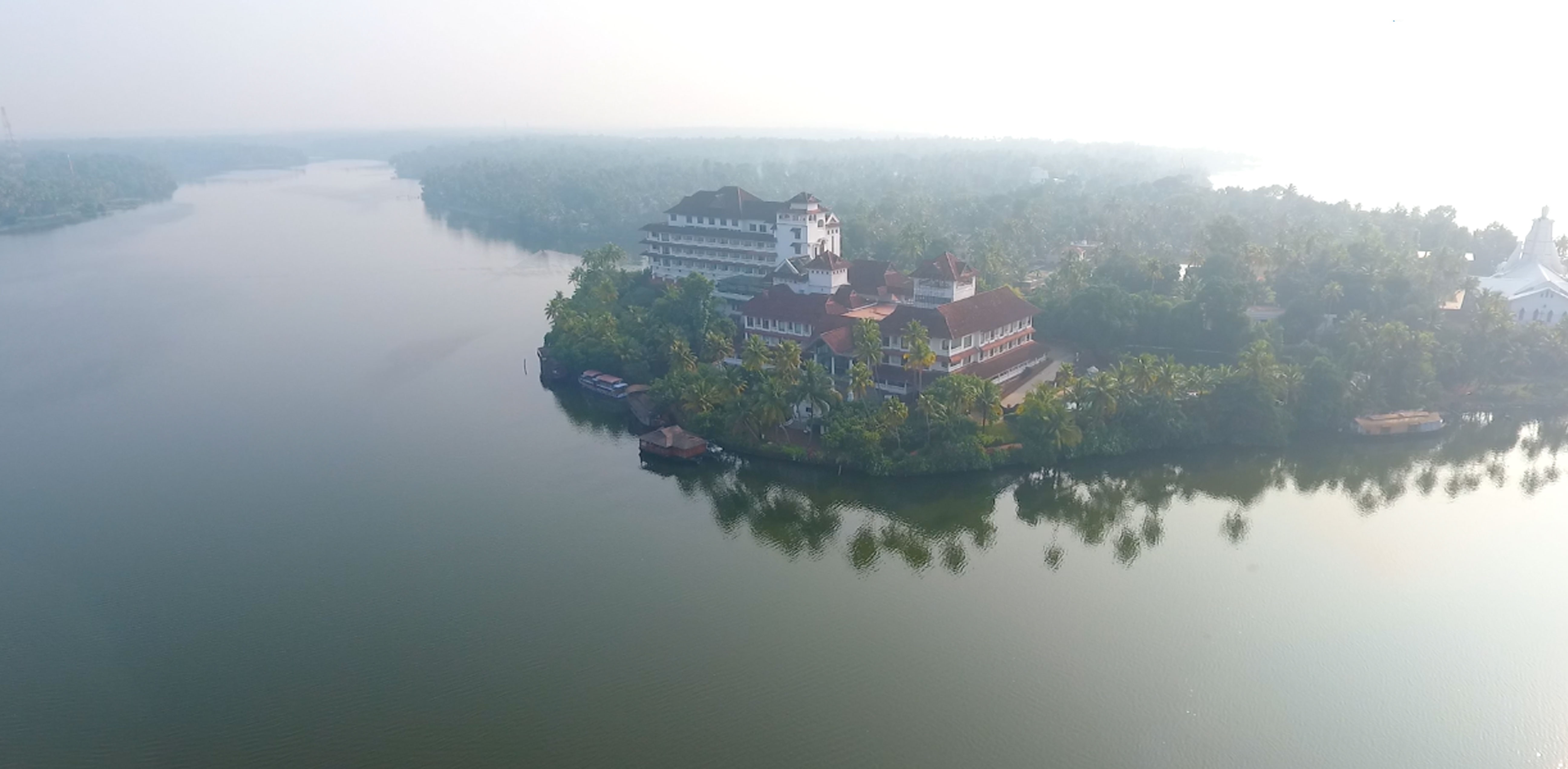
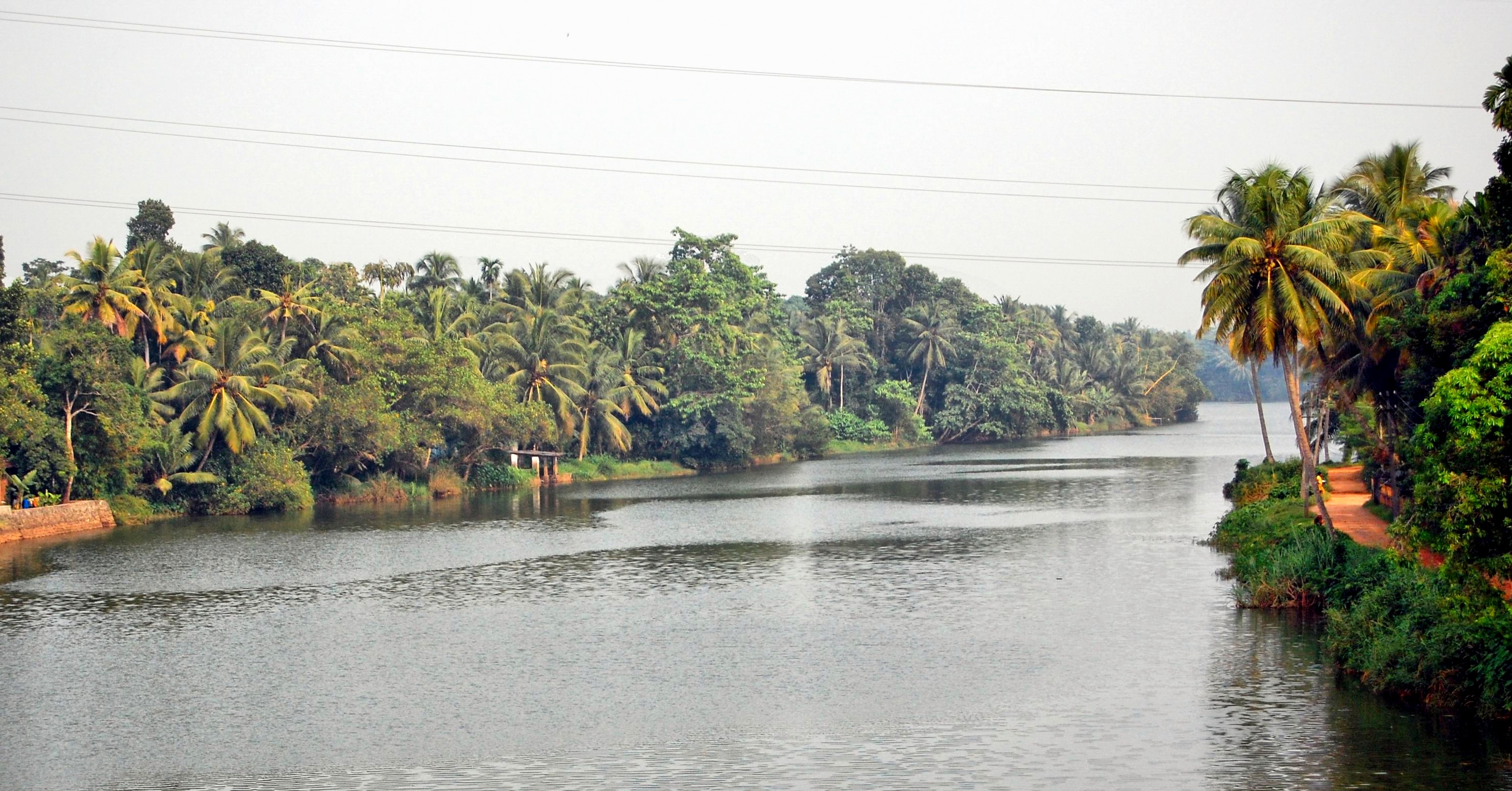
Ashtamudi Lake: The second largest lake in Kerala, Ashtamudi Lake runs over a length of 16 kilometres and covers almost 30% of the town of Kollam. Its name, Ashtamudi has been derived from two words ‘Ashta’ meaning eight and ‘Mudi’ meaning branch, thereby stating the fact that lake has eight branches. All the eight branches converge into a single channel that meets with the Arabian Sea. The lake is fed by the major river, Kallada. Coconut trees and palms surround the entire vicinity of the lake adding to its beauty. The lake is laid with Chinese fishing nets to give it a different look. The banks of the lake are laden with greenery and bushes, which makes it a beautiful sight for sore eyes. It is the perfect spot to escape the city with your family and friends. The backwaters of the lake can be visited by anyone, all you need to do is hire a boat. Motorboats that range from 2 seaters to 14 seaters are available depending on the person’s requirement. The eight different branches of Ashtamudi each have different names. They are Thevally Lake, Kandachira Lake, Kureepuzha Lake, Thekkumbagham Lake, Kallada Lake, Perumon Lake, Kumbalathu Lake and Kanjirottu Lake. The huge size of the lake and its geographical structure has led to the formation of many tiny islands. There are three major recognised islands – Munroe Island, Chavara Island, Thekkumbhagom Island. Munroe is a cluster of eight small islands. They are mainly filled with rich, tropical trees and bushes. They haven’t been habituated due to how small they are. Houseboats circle around them during their voyage though. Chavara is an industrial island which has a few factories located on it due to the rich minerals found here. Thekkumbhagom is a rural island with a very rustic feel. It has a historic importance as the epic Malayalam poetry, Ramachandrvilasam was composed here. You can visit this village and experience the village life of fishermen and coconut farmers. A 1000 year old temple and 200 year old church are located on this island. They truly bring out the yester year feeling in anyone who visits them.

Munroe Island: Also known as Mundrothuruthu, Munroe Island is a picturesque and magnificent inland island that is located at the confluence of the Kallada River and the Ashtamudi Lake. Named in honour of its resident, Colonel John Munro who belonged to the former princely state of Travancore and during his stay here integrated several backwater regions by digging canals, the island is renowned for its splendid beauty and scenic views and adds to the sheer beauty and charm of the already intriguing God’s own country. This hidden treasure comprises of 8 islands in total, all of which are separated by small water channels and lakes. One can experience a country craft cruise through the Munroe Island, which provides the visitor with the golden opportunity to view and enjoy the typical backwater island villages, full of colourful flowers and other plants. The cruise operates twice a day at 9 am and 2 pm and the price of the ticket is INR 500 per person.

Sasthamcotla Lake: Sasthamcotla Lake is the largest freshwater lake in Kerala and said to have derived its name from an ancient Sastha Temple located near the lake. The lake is the biggest source of drinking water for the residents of kollam town. Located19 kms from kollam town, this lake houses a large population of larva cavborus which is responsible of consuming bacteria from the lake water and makes its healthy for drinking.

Achankovil River: The confluence of the Rishimala, Pasukidamettu and Ramakkalteri Rivers on the peninsula of the country gives rise to the breathtaking Achankovil River. The river originates from the hills of Achankovil in the Pathanamthitta, from where it flows through Mavelikkara, Thiruvalla and Karthikapally Taluk into the left of river Pamba, which lies near the Vembanattu Lake. Also known as Achankovilaaru, the river is about 128 kilometres long and is brimming with flora and fauna on its either bank. The word Achan Kovil means the shrine of Achan, or in other words, the shrine of the Supreme Deity. One can thus find numerous ancient temples and religious places of great importance along the river route, such as Pandalam, which is considered to be the native place of Lord Ayyappa. Edappon, a spot famous for its flora and fauna, also lies on the banks of the river, and this haven is also a must visit place.

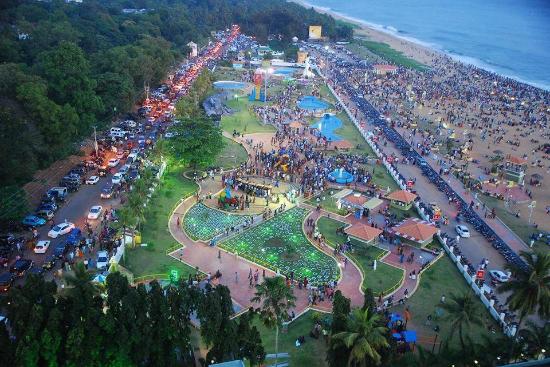
Kollam Beach: Voted as the first Beach Wedding Destination in Kerala, the Kollam Beach requires no introduction. This scenic and breathtaking natural wonder is also known as the Mahatma Gandhi Beach and boasts of pristine blue waters that seem to unite with the bright sky at an infinite distance, while tourists marvel at the sheer magnificence of the majestic scene. Kollam Beach is brimming with a large number of local and international tourists all year round who can be seen enjoying the numerous activities that the beach offers, while also appreciating the enchanting panoramic views of the Arabian Sea. Kollam Beach also houses the Mahatma Gandhi Park, which was inaugurated in 1961, and has been a significant tourist attraction ever since. The area was formerly a port city and was also the harbour for Chinese ships and trade, and the traces of Chinese commerce can still be seen here. The beautiful beach is till date famous for its Chinese fishing nets, Chinese water pots and sampan like boats. The exotic views, lush greenery, calm backwaters and myriad of activities offered here make the place one of the most popular tourist attractions in all of Kerala. It appeals to people of all age groups, from children to adults and the elderly, who never seem to get enough of the beach in just one visit.

Thangassery Lighthouse: Also known as the Tangasseri Light House, the Thangassery Lighthouse boasts of being the second tallest on the entire coast of Kerala and is thus even one of the most visited lighthouses in the state. Located at Tangasseri, it is one of the two lighthouses in the Kollam Metropolitan Area and is presently under the surveillance of the Chennai Directorate General of Lighthouses and Lightships. The majestic tower is clearly visible and distinct, with its painted red and white oblique bands, and looks pretty indeed in all its glory and majesty. The tower has a total height of 41 metres, or 135 feet, and has been operational since the year 1902. Closed on Mondays, the lighthouse is open from 10 am to 1 pm and then again from 2 to 6 pm on other days. Entrance fees is INR 10 for adults and INR 3 for children.

Rosemala: Nestled amidst the pretty pristine woods of Shenduruney forests, Rosemala is a well kept secret. Located in Aryanvaku, the valley appears the unfurling petals of a rose, hence the name. The highlight of the place is that it can only be reached by a 10 km long trek through the jungle. On the way, there are beautiful views of the green hills in the backdrop and several tinkering streams crisscrossing the forest path. Alternatively, you can also take a jeep or an SUV if you don’t want to venture out on foot. A little further on the path, there is the famous Rosemala watchtower. From the tower is visible the mighty Thenmala Dam in all its entirety and glory. Boasting of panoramic vistas of the gorgeous surroundings, the major attractions of the place are the beautiful woods, a watch tower and the lake. The tourists are welcomed to watch sweeping views of the surroundings and of the lake from the watchtower and also of the mighty Thenmala Dam. The beautiful valley abounds in the bounty of nature and is a mesmerizing place to visit.

Punalur: Lying along the border of Tamil Nadu and Kerala, Punalur, Punalur derives its name from two words one Tamil and one Malayalam. Tamil word ‘punal’ means water and Malayalam word ‘ooru’ means place together making Punalur the place of water. Indeed Kallada flows right through the heart of the city with the famous suspension bridge hanging over it, stretching for 400 metres across its width. Panalur is known as Pepper Village of Kerala and is also houses a major Paper Mill established in 1850’s. Panalur has lovely woods of pineapples, coconut and palm trees, cinnamons and other spices and has exciting adventure sports and exotic jungle experiences in the Thenmala Ecotourism Park. Panalur It was the heart of the riots against Diwan back in the days and also the centre of the Keralite industrial revolution that took strength from the establishment of the Punalur paper mills. Historical importance apart, this town is also a proper tourist attraction mainly for the British era bridge and the picturesque beauty all around.

Pathanapuram: Known for its rubber and spice plantations, Pathanapuram is a beautiful town settled between the Western Ghats in the Eastern part of Kollam. Spread over an area of 248.32 square km, it is an important centre for trade. The residents of Pathanapuram indulge themselves in daily activities such as maintaining dairies, poultry, farming, rearing of goats, making bricks, weaving bamboos, etc. to earn their primary income. Since the town comprises of cultivations of spice and rubber, it attracts a huge number of foreign as well as local tourists who trade in this area of business. People also visit the place during the months of February and March to experience the Chandanakuddam festival which is held at the mosque every year for the devotees.

Shenduruny Wildlife Sanctuary: Located in the Western Ghats, the Shenduruny Wildlife Sanctuary is a protected area that serves as the natural habitat for a myriad of plants, birds and animals, and provides them with a safe reclusive spot, far away from the dust and dirt of city life. The sanctuary was established on 25 August in 1984 and is presently under the control of the Agasthyamalai Biosphere Reserve. This majestic site is like a treasure trove for all nature lovers, photographers, archaeologists and biologists since the place is home to endless flowering plants, birds and trees. Spread over an area of 172 square kilometres, the sanctuary also boasts of being home to an artificial lake that is around 18 square kilometres in size and is surrounded by the reservoir of the Thenmala Dam. According to archaeological studies that were recently conducted, the wildlife sanctuary has been home to some of the oldest and earliest river valley civilisations of the country, some of which were even older than the Indus Valley civilisation. These findings have now also added an archaeological aspect to the site, and the popularity of the sanctuary has now doubled. Interestingly, the first eco-tourism project in India, known as the Thenmala Eco-tourism Project, was also formulated in and around the Shenduruney Wildlife Sanctuary. Since animals are set free in the sanctuary and are allowed to live in their natural habitat, special care needs to be taken by the authorities to ensure that poaching and other illegal activities do not take place at the site. Thus, tourists are allowed to enter this restricted area only after they produce a permit, which they can obtain after getting proper verification done and following all the stated guidelines. Note that all visitors need to carry a valid ID proof along with the permit; else they will be denied entry into the sanctuary.

We finally reach the southernmost district in Kerala which is also the state capital of Thiruvanthapuram.

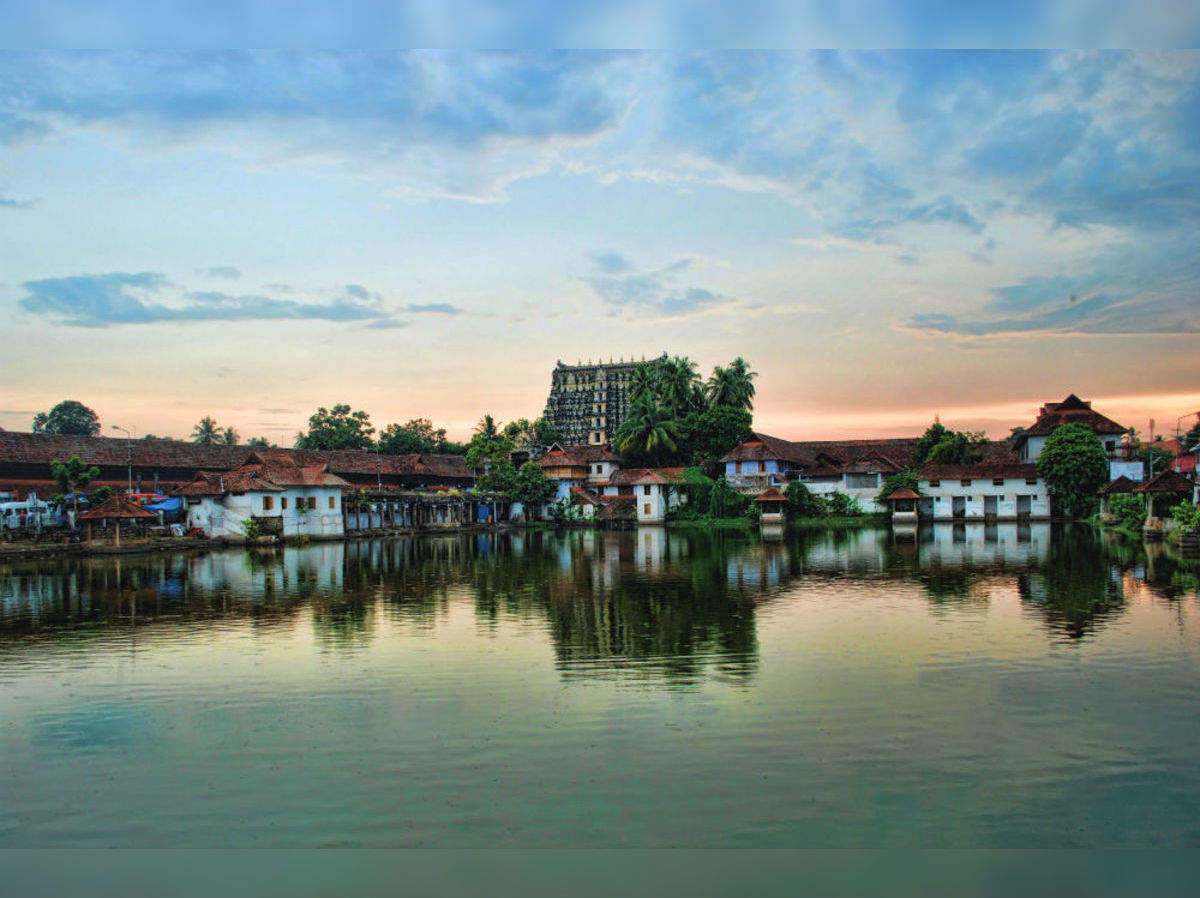
Commonly known by its former name of Trivandram, Thiruvananthapuram is the capital of the state and its most populous city.  Located on the west coast of India near the extreme south of the mainland, Thiruvananthapuram is a major information technology hub in Kerala Referred to by Mahatma Gandhi as the Evergreen city of India, the city is characterised by its undulating terrain of low coastal hills.  The present regions that constitute Thiruvananthapuram were ruled by the Ays until their fall in the 10th century. The city was then taken over by the Chera dynasty and in the 12th century, by the Kingdom of Venad. In the 17th century, king Marthanda Varma expanded the territory and founded the princely state of Travancore and made Thiruvananthapuram its capital. Following India’s independence in 1947, Thiruvananthapuram became the capital of Travancore-Cochin state and remained so till the new Indian state of Kerala was formed in 1956. The city takes its name from the Malayalam word thiru-anantha-puram, meaning The City of Lord Ananta, referring to the deity of the Sri Padmanabhaswamy Temple located in the city. Thiruvananthapuram is also known in the literature, and popular reference as Ananthapuri derived from the Sanskrit word Syanandurapuram, meaning The City of Bliss in Carnatic kirtanas composed by Swathi Thirunal, the erstwhile Maharaja of Travancore. The city was officially referred to as Trivandrum, the anglicised name until 1991, when the government decided to reinstate the city’s original name. Thiruvananthapuram is a notable academic and research hub and being India’s largest city in the deep south, it is strategically prominent. Thiruvananthapuram is a major tourist centre, known for the Padmanabhaswamy Temple, the beaches of Kovalam and Varkala, the backwaters of Poovar and Anchuthengu and its Western Ghats tracts of Ponmudi and the Agastyamala.

Padmanabhaswamy Temple: One of the 108 Divya Desams, the Sree Padmanabhaswamy Temple is embellished in gold-plated covering and the temple is opened only to Hindus. Dedicated to Lord Padmanabha, one of the avatars of Lord Vishnu, the Padmanabhaswamy Temple is one of the principal centres of Vaishnava worship in the dharma of Vaishnavism. Built as a replica of the Adikesavaperumal Temple in Thiruvattar, the Padmanabhaswamy temple is well-preserved from antiquity. Although the origin of this temple still remains a mystery, devotees believe it to have existed since the first day of the Kali Yuga, which was 5000 years ago. The Padmanabhaswamy temple also has a mention in the Bhagwad Gita where the scripture state that Balarama, the older brother of Lord Krishna frequented the temple, bathed in the Padmatheertham and also made several offerings the deity here. The architecture of the temple can be described to be a fusion of the Kerala style and the Dravidian Templestyle which can be found in many nearby temples. One main characteristic of this type of architectural design are high walls. The temple also houses a sanctum sanctorum or the garbagriha on a stone slab. The main deity of the temple is an 18-feet-long idol. The entire construction has been carried out with precision in stone and bronze with beautiful murals and paintings adorning its walls. A broad corridor extends from the eastern side and is said to have 365 and one-quarter of granite stone pillars spectacularly carved with ornate designs. Another attraction is the Navagraha Mandapa, which is a ceiling displaying the nine planets.

In the temple, Sri Padmanabha reclines majestically on the serpent Anantha, which has five hoods facing inwards forming an umbrella over the deity’s head, signifying contemplation.  This is known as the Ananatha-Sayanam posture, the posture of eternal sleep, Yogi-Nindra, on the serpent. The idol rests its right hand over a Shiva Lingam while surrounded by the great goddesses Sridevi, the Goddess of Prosperity and Bhudevi, the Goddess of Earth. Lord Brahma emerges on a lotus from the idol’s naval.

The story behind the Padmanabhaswamy Temple begins with the sage, Divakar Muni who was a staunch believer in Lord Vishnu and also deeply meditated in his name. One day the Muni noticed a child and felt paternal love towards it, he never wished to let the child out of his sight, and thus pleaded the kid to never leave him. The child agreed, but on one condition, that he must always be treated with love and respect. In failing to do so, the child said that he would disappear and never return. The eager sage agreed and took care of the child and fondly tolerated the child’s tantrums and mischief. Once when Divakar Muni was meditating, the child began mishandling the salagram, an instrument used by the Muni to worship Lord Vishnu. Enraged by this incident, the sage shouted at the kid, upon which the latter began the run from Divakar Muni. However, before leaving the child told the sage, “If you wish to see me again, you will find me again in Ananthankaadu”, which is a present temple situated behind the present Padmanabhaswamy temple in Trivandrum. This episode made the Muni realise that the child was an extraordinary being, and thus set on a mission to find the kid again. He gave up food, rest and sleep and continued along the route the child had taken. He spotted the child at a distance disappearing into a tree. When he neared, this tree fell and took the form of Shree Maha Vishnu in a divine avatar which was about 8 miles long. Terrified by this sudden manifestation, Divakar Muni requested Lord Vishnu to retract to his original self so that the former could worship him. Vishnu agreed and condensed three times the length of the Sanyasi’s Yoga Dand. The sage immediately offered the Lord a raw mango in a coconut shell, which is a continued daily tradition in the temple even now. Lord Vishnu instructed that any devotion in the form of prayers or worship to him must be performed by Tulu Brahmins, which happens to be the reason why more than half the priests at the temple are from the Tulu region.

In 2011, the Supreme Court of India sent a seven-member team in the presence of the Head Trustee of the Travancore Trust of Sri Anantha Padmanabha Swamy to open the six vaults that were locked inside the temple. When these chambers were opened, everyone was awestruck. The chambers contained sacks of diamonds, piles of priceless gems, hundreds of gold statues, numerous gold idols, heaps of gold utensils, thousands of gold coins from different nations and pricey ancient weaponry. The priceless items found weighed over 1 ton of pure gold and diamonds and were worth more than 1000 billion dollars. Many gold statues that were found were over 9 feet in height and studded with precious gems. Colossal solitaire diamonds lay in the vault and were bigger than a human thumb. Gold and diamond necklaces were about 18 feet long, and heaps of solid gold coconut shells were discovered that weighed more than 66 pounds. The temple vaults are labelled for documentation purposes. There are A, B, C, D, E and F vaults, all of which except Vault B are opened at least 8 times annually. Famous historians, priests and archaeologists believe that the mysterious contents of this vault are extremely sacred and it may be risky to unveil. The chamber is believed to have been sealed by the Siddha Purushas or the Ever-Ready Male Devotees of the 16th century using the Naga Bandham or the Snake Guard. The door of Vault B which is guarded by snakes can be opened only through a knowledgable sage who knows well about the Naga Bandham. The Muni would have to chant the Garuda Mantram or the Eagle Chant to open the door, which would only easily open then. Any attempt to open the door using machinery or technology is believed to own the potential to wreck the whole country.

For visitors wanting to pray in the temple, there are strict clothing restrictions. Trousers, half pants, bermudas, denim are not allowed for any gender. Women should wear sarees or salwar kameez and men should be dressed wear traditional mundus or dhotis. The temple’s morning darshan timings are from 03:15 to 04:15 am which is the Nirmalya Darshanam and then from 06:30 to 7 am and 8:30 to 09:15 am. The temple open again in the evening from 5 to 6:15 pm and again from 6:45 to 7:20 pm. You can get a special darshan for INR 150 and if you want prasad or offerings with the special darshan, it will cost you INR 180.

Karikkakom Chamundi Devi Temple: A 600 year old temple, the Karikkakom Sree Chamundi Devi Temple is set in dense green environs with the tall lush palms enveloping it from all sides. The peculiarity of this temple is that it worships all the three forms of Goddess Chamundi: Maha Chamundi, Rakhta Chamundi and Bala Chamundi. During ancient times, kings chose this temple as the place for bringing justice and punishing wrong doers. The accused were brought to stand in front of Rakhta Chamundidevi’s sanctum, put 21 coins in the nada and asked to say the truth. It was believed that the goddess would treat those who were honest and punish those who lied, and hence, nobody would dare to lie. During the Pongala festival, millions of women gather at the temple for this seven-day celebration at the end of which the enormous idol of the goddess is carried around the temple in a beautiful golden chariot. The special diet during this seven-day festival is a unique blend of rice, ghee, coconut and jaggery made in small earthen pots and is a real treat for the taste buds. The opulent Chamundi Devi Temple is colossal and houses the sanctums of many goddesses. The highlight and the principal deity is a gorgeous Panchahola idol of Goddess Karikkakom who is a reincarnation of Goddess Chamundi. Since Chamundi Devi herself is the ferocious form of Goddess Kali, you will also find Goddess Kali’s idol here. To the right of the main shrine is the Rakhta Chamundi shrine where justice was imparted in the olden days. Here, the deity is worshipped as a wall painting and not an idol. Rakhta Chamundi is the fierce and aggressive form of Goddess Chamundi and legend says that if offerings and prayers are made to this goddess, she will grant your most ardent wish, bless you with prosperity and even cure the most chronic diseases. There is also a shrine of Bala Chamundi, which is the childhood form of the goddess. It is said that couples who have been unable to conceive a child pray to the goddess and present offerings like toys and cradles, the goddess will bless them with a child. People seek the blessings of the goddess to cure stubborn illnesses in children too. To the north of the temple, not too far away, is a small and cosy house called the Guru Mandiram. This house assumes great importance because it is believed to be the ancestral home of the Yogiswaran or sage who first brought the devi to the temple. Other deities worshipped at the temple are Sastha, Ganapati, Yakshiyamma, Bhuvaneshvari, Ayiravalli and Yogeshwara. The temple is open daily from 5 to 11:30 am and again from 5 to 8 pm.

Attukal Temple: A temple which has a mention in the Guinness World Book record when over 37 lakh women offered pongala at this temple at once, making it the destination of the largest gathering of women for a religious activity, the Attukal Bhagavathy Temple popularly known as the Sabarimala for women, this temple draws a massive throng of women each year during the famous Attukal Pongala festival. Rich in cultural heritage and adorned by Tamil architecture, this temple whose principal deity is Goddess Bhagavaty is said to bless her devotees with progeny, heath, wealth and in all, a bountiful life. The temple’s Attukal Pongala Festival is a huge hit in the south, and its celebration is eagerly awaited by the locals. The story behind the history of this temple is quite an interesting one and revolves around an ardent devotee of the Goddess Bhagavathy named Kannagi. Once, Kannagi was on her way to Kodungallur and Attukal fell in her route. When she reached Attukal, she found the Killi river blocking her way. As Kannagi was trying to figure out how to cross the river, she found an old man performing religious rituals at the banks of the river. This man was none other than the head of the Mulluveetil family, an influential family of the city. Kannagi knew that he could help her and so, she transformed into a little girl and asked the old man to help her cross the river. The Karanavar or the head of the family was taken aback by the charisma, charm and glow of the little girl. He at once knew that this was no ordinary child. He willingly took the girl to the other side and requested her to grace his humble abode. The entire family started preparing to give Kannagi a grand welcome. However, the little girl disappeared before they could receive her and left everyone disappointed and perplexed. That night, Kannagi arrived in the Karanavar’s dream and asked him to build her an abode in the close by grove, or as they called it, Kavu. She informed him that when he visits that location, he will find three gold lines in the spot she wants her abode built in; and to the Karanavar’s surprise, he found the gold lines exactly where she had pointed! The Karanavar did not waste any time in starting this holy project and within no time, had erected what is now the Attukal Bhagavathy Temple. The temple can be visited from 4:30 am to 12:30 pm and again from 6:45 to 8:30 pm.

Aazhimala Siva Temple: Named because it rests right on the golden shore of the Arabian sea on a slightly elevated platform, the Aazhimala Siva Temple in Kazhivoor which translates to Aazhi meaning sea and Mala means hill is devoted to Lord Shiva. The annual festival of the temple is held between January and February where thousands of devotees come together to offer the Naranga Vilakku which is essentially an oil lamp that is lit on a lemon. Since the Aazhimala Siva Temple is located on an elevated pitch, the temple provides a panoramic and simply astounding view of the mesmerizingly rhythmic waves of the Arabian Sea and the endless golden shore of the remarkable Aazhimala Beach. The Aazhimala Beach has beautifully adorned the background of this temple with its seamless turquoise waters and its glistening golden shore. Since the temple rests right on the shore of the marvellous Aazhimala Beach, one should take the time to go around the coastline and explore the beach, especially during sunrise and sunset. The view of the giant ball of fire slowly sinking into the horizon and making the entire skyline blush in the shades of deep magenta is one that you do not want to miss. The temple is open from 5 to 9 am and again from 5 to 8 pm daily.

Pazhavangadi Ganapathy Temple: A popular temple constructed in a blend of Dravidian and South Indian architecture, the Pazhavangadi Ganapathy Temple is said to fulfil the deepest wishes and fix the stubbornest problems of devotees who visit him. The temple is famous for two reasons: its exceptional jet-black colour, a rare colour for temples in India, and its unique Ganesh idol. The position of the idol that sits in this temple is different from most others. Here, Lord Ganesh relaxes languorously with only his right knee folded under him as against his typically seen standing position or his seated position with crossed legs. The most common vazhipadu or offering made to Lord Ganesh here is an open husked coconut which is cracked right at the temple. Breaking open this coconut symbolises overcoming any hurdles or obstacles that lie in the way of the fulfilment of one’s innermost desires. There are two idols of Lord Ganesh inside the shrine, one made of pure granite and the other made entirely of gold. Even though Lord Ganesh is the principal deity of this temple, there are stupefying idols of Lord Vishnu, Lord Ayyappa, Goddess Durga, Nagaraja and the Brahmarakshaks. The idol of Lord Vishnu is a unique one where Lord Vishnu majestically reclines on the serpent Anantha which is made out of a blend of Kudusarkara, herbs and Salagramam and is decorated with gold jewels and other expensive stones. Another popular ritual at the temple is that once in every 6 years, a 56-day long Murajapam is performed to please the great Lord Ganesh. The festival is carried out by many priests who gather at a yagna and perform Vedic chants through days and nights. It is concluded by lighting over one lakh lamps which float through the night sky like countless twinkling stars- truly a magnificent sight to watch. The history of the erection of this temple dates back to the time when the Travancore Kingdom army as at war on the Padmanabhapuram front. The regiment was on guard at the fort but was continually harassed by a Yaskhi, a relentless demon. Every soldier was petrified of encountering this demon. One of these soldiers was an ardent devotee of Lord Ganesh and believed that the lord is always with him. When he was stationed at the fort, he was fearless because he knew that Lord Ganesh would protect him. When he went to the nearby river for his bath, he was surprised to stumble upon the idol of Lord Ganesh. The soldier considered this to be a good sign and decided to keep the idol with him at all times. The entire Travancore army was left undisturbed and unaffected by the Yakshi forever. Acknowledging the limitless power of this idol, a temple was constructed where the soldier had found the idol. However, when the headquarters of the Travancore Kingdom was moved to Trivandrum in 1795, they decided to move this holy idol with them. The present temple was erected in 1860 by the then reigning king Maharaja Ayilyam Thirunal, and unlike other temples, the Pazhavangadi Ganapathy Temple was maintained and looked after by the army. Morning darshan can be had from 4:30 to 10:45 am and evening darshan from 5 to 8:30 pm.

CSI Christ Church: A beautiful gothic church in Palayam, the CSI Church is enveloped in the canopy of lush, dense trees, it is the oldest church in the city and was consecrated in early 1859. This church was built by the early Christian settlers of Munnar and has a 1000-year-old cemetery in its premises. The main architectural style of the church is essentially ancient Gothic. The entire structure is made of beautiful and authentic rough-hewn granite with natural non plastered walls and is adorned with traditional memorial brass plaques. The highlight of the architecture are the artistic and extremely alluring glass windows that depict the biblical characters and saints. The most popular stained window is called the Good Shepherd. The windows on the walls have been cleverly designed to depict the twelve disciples in the Bible and their respective symbols. Many inscriptions and carvings are drawn out to convey and commemorate the life of Lord Jesus. The antique furnishings of this church are truly breathtaking. Some of these include the Pulpit, the Altar, the Lectern, the brass altar railings, and an immaculately carved teakwood screen.

Kuthiramalika Palace: Built in the 1840s by Maharaja Swathi Thirunal, the Kuthira Malika Palace which literally translates to Mansion of Horses, and it has been named so because of the 122 horses that adorn the many pillars that support the southern roof of this majestic structure. The main idea behind building this palace was to preserve and promote the many traditional art forms of India, mainly the south. One of the most attractive characteristics of the architecture at the palace is that it is embellished by the traits of traditional Kerala-style design, typical to the Travancore era. You are welcomed into the palace by the 122 wooden horses that are carved into the brackets of the palace’s grand pillars, sloping roofs, pillared passages, outlined courtyards and overhanging eaves- all distinctive characteristics of ancient Kerala-style architecture. Made of teakwood, rosewood, marble and granite and is said to have been built by a whopping 5000 Vishwabrahmins in 4 years, a noteworthy aspect of the architecture of the houses 16 main rooms, and no two rooms are alike. In all, the Kuthira Malika Palace houses 60 rooms of which only 20 are open to visitors. The floor is constructed, believe it or not, by egg-whites, charcoal and limestone. This keeps it smooth and cool even in the hottest temperatures. A part of the Kuthira Malika Palace has been converted into a museum where people can find exquisite ancient antiquities of the Travancore Dynasty. The museum houses artifacts like the ethnic jewelry that was once worn by the queens, wooden paintings and carvings, armory and idols made of the purest metal. The exhibits on display include 14 life-size Kathakali figurines, tall and elegant Belgian and Italian mirrors, glamorous and humungous crystal chandeliers, paintings, a giant harpoon specially brought in from Belgium, numerous armaments, antique musical instruments, impeccably designed traditional furniture, and marvellous Greek statues. Two of the royal thrones of the Travancore kings is also on display here. One of these thrones has been built completely from ivory- 24 elephant tusks to be precise. The other one is made of Bohemian crystals and is decorated with the Travancore emblem, conch on the head. Don’t forget to see the famous illusion portrait of Sree Chithira Thirunal Balarama Varma painted by Svetoslav Roerich. The peculiarity of this portrait is that no matter what angle you look at the painting from, you will always find the eyes and the feet following you. However, the most interesting attraction here is the Musical Tree. This tree produces 8 different sounds when tapped in different locations. The annual music festival, the Swathi Sangeethotsavam is conducted right in palace premises when thousands of people throng here to watch performances of leading classical musicians. Closed on Mondays, the palace is open from 8:30 am to 1 pm and then again from 3 to 5:30 pm on other days. Entrance fees are INR 10 and INR 3 for Indian adults and children and INR 20 for foreigners. Photography fees are INR 15.

Observatory: Situated on a hill at an elevation of about 60 metres above sea level and the highest point in the city, this astronomical observatory offers exquisite views of the surroundings and the city as a whole. It was built in 1837 and is part of the Department of Physics, University of Kerala today. It is fast developing as one of India’s most important astronomical centres with modern facilities like an 11-inch telescope, CCD camera, sun workstations, image processing facility and partnership with national programmes. The observatory was a brainchild of Sri Swathi Tirunal, the Maharaja of Travancore who was an ardent follower of astronomy. He took a particular interest in equipping it with the best instruments available in Europe at that time. Along with astronomical equipment, meteorological observations were also paid attention. The instruments initially procured for the Observatory include a transit telescope with five feet focal length and four inches aperture, a transit clock, an altitude and azimuth instrument having 18 and 15-inch circles and powerful telescopes. Today, computational facilities, a library and audio-video facilities are available for students of the University. Sky-watching programs for students, teachers and the general public are organised in the evenings. The observatory is open from 9 am to 5 pm and is closed on Sundays and national holidays. Entrance fees are INR 10  for adults and INR 5 for children.

Napier Museum: Renowned for its fine collection of sculptures, paintings and musical instruments, the Napier Museum is located in the heart of the city and is also an architectural marvel established around 150 years ago. In the best possible words, the Napier Museum is a delight for adults and children alike. The museum houses one of the oldest zoological gardens in India in its premises. The museum itself, based on the Indo-Saracenic styles of architecture is one of the most visited art and natural history museums in India. With works of famous artists, such as Raja Ravi Varma, and the celebrated Russian theosophist, Nicholas Roerich, and specimens of Tanjore and Mughal art forms, history was never more fun for those willing to delve into it.

Sri Chitra Art Gallery: A perfect place for art lovers, the Sri Chitra Art Gallery houses some of the famous work of Raja Ravi Verma. His western form and style of paintings depicting Indian lives are an attraction here. Other art objects belonging to the Mughals, Rajputs and Tanjore art schools can also be seen.

Priyadarshini Planetarium: Regarded as one of the best planetariums in the whole of South India, the Priyadarshini Planetarium is India’s first titled domed planetarium. The auditorium is equipped with an advanced GM-11 starfield projector that can simulate the star-studded sky from any location on the entire planet, of any given time and on any day 12500 years in the past or 12500 years into the future. The planetarium runs shows in two languages, English and Malayalam. The Malayalam shows run at 10:30 am, 3 and 5 pm. The only English show of the day runs at 12 noon daily. There is also a designated sky observatory open to visitors on Thursdays and Fridays from 6:30 to 8 pm. The other main attractions are the many 3D and 6D shows, the thrillarium, the children’s park, laser shows played every evening and the very famous musical fountain. Children between the ages of 3 and 10 pay INR 40 per person while adults who are older than 11 pay INR 75 per person. For a student or children’s group, the discounted ticket rate is INR 30 per person. For the Night Sky Observatory, you pay INR 20 per adult and INR 15 per child and for other 3D and 6D shows, the ticket rates are INR 25 per adult and INR 15 per child. If you want to catch the laser show at 7 pm or witness the beauty of the musical fountain, you have pay a nominal rate of INR 30 per adult and INR 20 per child.

Vellayani Lake: Also known as Vellayani Kayal, Vellayani Lake is the largest freshwater lake in Kerala, situated in the Trivandrum city. The water from the lake is mostly used for irrigation and drinking purposes and for harvesting lotus flowers.

Agasthyakoodam: Also known as Agastya Mala Peak, Agastyakoodam is the second highest peak in Kerala with a height of 1868 metres. Located within the premises of Neyyar Wildlife Sanctuary, Agastyakoodam is part of the Agasthyamala Biosphere Reserve and boasts of surreal natural beauty. Nestled in Sahyadris of Western Ghats, the slopes of the peak are carpeted in purple hues of orchids. Home to diverse species of fauna and rare species of medicinal herbs, the region is a hotspot for avifauna and exotic birds. The spot is considered a haven for birdwatchers. Besides, since it is a protected zone, you can spot nature at its best, without any commercial interference. The colossal peak is also a major Hindu pilgrimage spot for the devotees of the Hindu sage Agastya, on whose name the peak has been named. There is also a statue of him at the top where the Hindus can offer puja and prayers.

Neyyar Dam & Wildlife Sanctuary: Famous for its Lion and Deer Safari, the Neyyar Wildlife Sanctuary is a treat for nature enthusiasts. The park houses a crocodile farm and elephant rehabilitation centre. Ask for a guided tour of the sanctuary which is quite informative.

Peppara Wildlife Sanctuary: Open all year round, the Peppara Wildlife Sanctuary is located along the catchment area of the Peppara Dam on the Karamana River. The sanctuary rich in flora and fauna offers a natural habitat to around 43 species of mammals, 233 species of birds, 46 species of reptiles, 13 species of amphibians and 27 species of fishes. The commonly found animals here are tiger, leopard, sloth bear, elephant, deer, Bonnet Macaque, Nilgiri Langur, Lilgiri Tahr, etc.

Varkala: A coastal town in the southern part of Kerala known for the unique 15m high Northern Cliff adjacent to the Arabian Sea, Varkala is popular for its hippie culture, shacks on the cliff serving great seafood and playing global music and the samadhi of Kerala’s saint Sree Narayana Guru. Varkala is also known for Jardana Swami Temple, also known as Dakshin Kashi. Varkala was once known as Udaya Marthandapuram, after the 16th century Travancore king Udaya Marthanda Varma, who contributed immensely to the development of this little coastal town. Sometimes referred to as the Southern Varanasi, Varkala has some fascinating legends associated with its historical origins. According to the popular myth, King Pandyan built the famous 2000-year-old Janardhan Swami temple here as a redemption for his sins, as instructed by Lord Brahma. Another story tells the tale of a group of pilgrims who sought Lord Narada’s help in atoning their sins. The Lord flung his loincloth or valkalam, which landed on the seaside, thus giving the town its name. The pilgrims had to offer prayers here, giving rise to the tradition of Papanasam or redemption of sins by dipping in the holy waters of the sea. Varkala has some of the best pristine beaches, hills, lakes, forts, lighthouses, natural fisheries and springs, all of which make this town a little paradise.

Source

Kallar: A scenic location of small, gorgeous and less polluted hamlets situated on the way from Ponmudi hill station to Thiruvananthapuram, Kallar provides a perfect weekend getaway in the lap of nature. The term Kallar has been derived from the two words, kallu which means stone and aru meaning river, thus getting its name from river Kallar flowing nearby, known for beautiful round boulders and pebbles, flowing primarily in the upper reaches of its course. It lies on the bank of Vamanapuram River, which is a tributary of Neyyar River.

Source

Poovar: A small rustic town situated 27 kms from Thiruvananthapuram with unspoilt, unexplored golden sand beaches and beautiful backwaters, Poovar is known as a fishing village. The tranquil Poovar island lies between the Arabian Sea and the Neyyar River. Hiring a boat, especially during the sunset that will take you through the mangrove forest of backwaters is a must-do activity. The boat ride costs around INR 3000- INR 4000. The town has some of the beautiful resorts and hotels that are known for the hospitality they offer. Poovar beach is secluded and is only accessible by a boat. Swimming is allowed here throughout the year except for the monsoon months. There is an interesting story about how Poovar got its name. When Marthanda Varma Maharaja was declared as the successor of the King, Ettuveetil Pillamar, the other two sons with the help of Madampis tried to seize power. Therefore, the Maharaja had to run away and he ended up in Poovar. Moosa Marikar, a prosperous and noble businessman, provided him with a safe place. He also helped the Maharaja to regain his lost kingdom. During his stay at Poovar, Marthanda Varma was fascinated by the beautiful red flowers, from the Kovala trees which flanked the banks of the Neyyar River. The flowers floating in the river seemed like a red carpet. It is believed that the Maharaja described the river as ‘Poo-aar’ meaning ‘a stream of flowers’ and this was how Poovar got its name.

This ends this mini series on Kerala. God’s own Country has some incredible places to offer visitors and I am really looking forward to exploring this state once things get better and we can start travelling again. Hope you enjoyed reading it as much as I enjoy researching and writing about it.