Fabrics and Sarees of India Part 2

In this part, we continue to check out more fabrics and sarees across India.

Karnataka

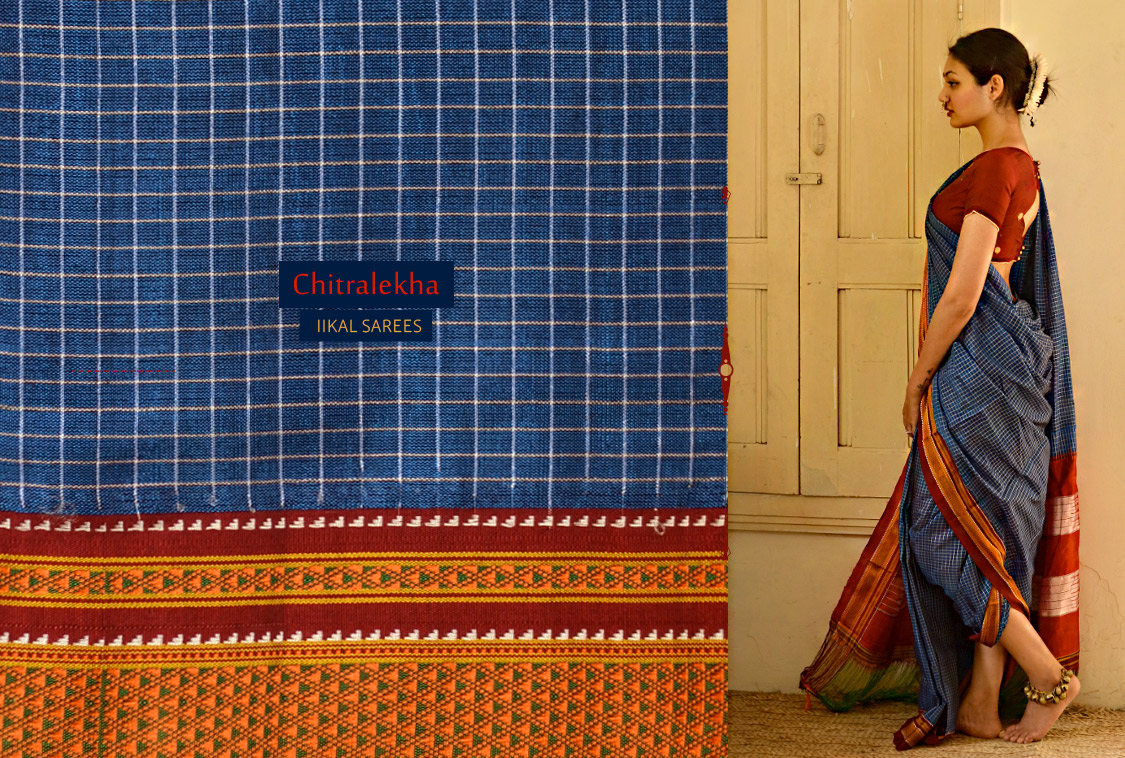
Ilkal Sarees: Known because it is produced in the town of Ilkal, an ancient weaving centre since the 8th century, the uniqueness of the Ilkal saree is in the joining of the body warp with the pallu warp with a series of loops locally called the tope teni technique. The border colour is very dominating and is usually red or maroon. The distinctive feature of the Ilkal saree is the use of a form of embroidery called Kasuti. The designs used in Kasuti reflect traditional patterns like palanquins, elephants, and lotuses which are embroidered onto the saree. The main body design is usually made up of squares and rectangles. The Ilkal saris are woven using cotton warp on the body and art silk warp for the border and pallu portion. In some cases instead of art silk, pure silk is also used. The Tope Teni seragu has been regarded as a state symbol and was greatly respected during festival occasions. The sarees that are made for bridal wear are made of a particular colour called Giri Kumukum which is associated with the sindoor worn by the wives of the priests in this region. The weaving of the Ilkal saree is a household enterprise involving the participation of female members. One Ilkal saree takes about seven days to weave and are produced on pit looms.

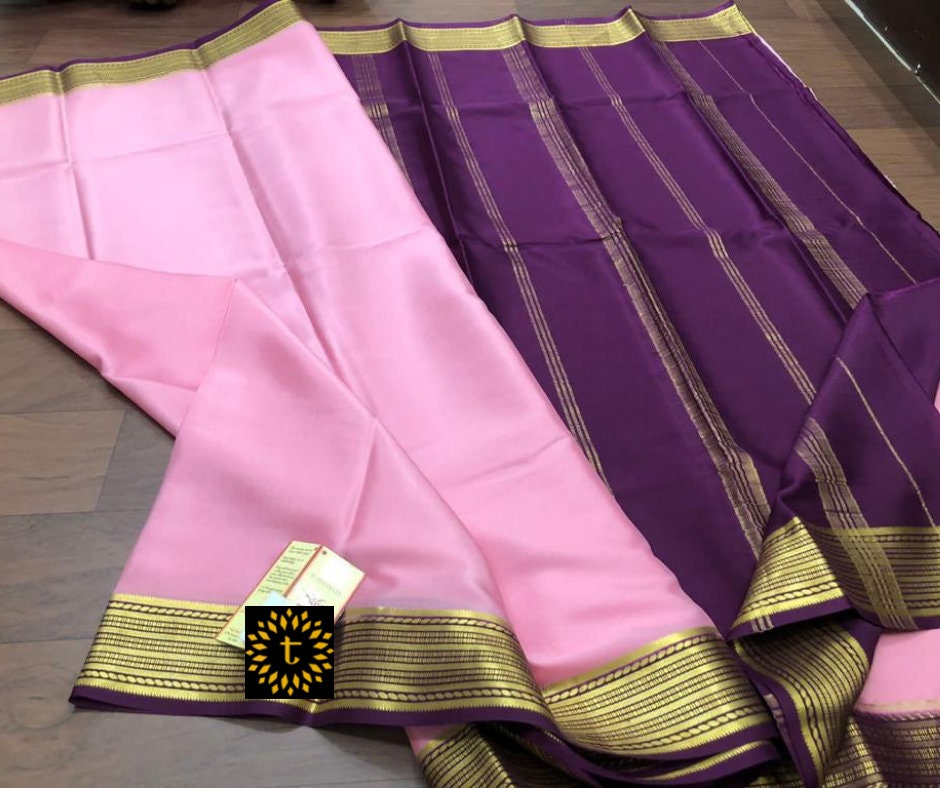
Mysore Silk: One of Karnataka’s most famous exports, the Mysore silk is synonymous with the city of Mysuru and the silk factory was founded in 1912 by Sri Nalvadi Krishnaraja Wodeyar, the Maharaja of Mysore. Initially, the silk fabrics were manufactured & supplied to meet the requirements of the royal family and ornamental fabrics to their armed forces. After Indian independence, the Mysore State Sericulture Dept took control of the silk weaving factory. The saree zari contains 65% pure silver and 0.65% of gold, which is also the most distinct feature of the saree, along with the use of genuine silk that gives it a natural sheen and rich texture. Karnataka produces almost 45% of the country’s mulberry silk. Mysore silk has also received geographical identification. Mysore Silks are also one of the most expensive silk sarees in India and this has led to the production of duplicate Mysore silk saree production and sales. To avoid these issues, KSIC has implemented a unique ID, hologram-based design, and unique identification barcodes woven on each saree produced.

Kerala

Kasavu Saree: Symbolic of Kerala’s tradition and culture, the traditional Kasavu saree was made by hand from cotton yarn with borders made of golden threads. Believed to have originated in the Buddhist era, the white and gold sarees are unique due to their natural hues, texture and gold border which adds to their elegance. No occasion in Kerala feels complete without the Kasavu saree. The term kasavu refers to the zari or gold thread used in the border of the saree and the name comes from a material used in the weaving and production of these sarees. The origin of the kasavu saree can be traced back to when women would wear a two-piece cloth called settu mundu, more popularly known as the mundum neriyathum. The mundum neriyathum rose in popularity during the Buddhist era, and its design has been inspired by the Greco-Roman attire, Palmyrene, a long piece of unstitched cloth with a coloured border.

The identity of the saree comes from the geographical cluster they are associated with. The Indian government has identified three clusters in Kerala – Balaramapuram, Chendamangalam and Kuthampully – that have been given a Geographical Indication or GI tag and all three clusters produce kasavu sarees. A plain saree with a simple border takes roughly around three to five days. Ones with motifs and heavier work take longer than that. The sarees are priced depending on the time taken on their production, along with the gold used in the zari or kasavu.

Madhya Pradesh

Chanderi: Emerging between the 2nd and 7th centuries, Chanderi sarees are produced from three types of fabrics – pure silk, cotton and silk cotton and are synonymous with the town of Chanderi which is on the boundary of Malwa and Bundelkhand. In the 11th century, the trade locations between Malwa, Medwa, central India and south Gujarat increased the region’s importance. Around 1350, Koshti weavers from Jhansi migrated to Chanderi and settled there and the textile business of Chanderi reached its peak during the Mughal period. Traditional coin, floral art, peacocks and modern geometric designs are woven into different Chanderi patterns. The saris are among the finest in India and are known for their gold and silver brocade or zari, fine silk, and opulent embroidery.

Maheshwari: Originating from the town of Maheshwar, the Maheshwari saree is made of silk and cotton in a variety of designs woven using brocade and zari. Dating to the 18th century, the sarees were initially made of pure silk, but over time, cotton also came to be used. An interesting story behind the origin of these sarees is that a famous queen had once ordered a large number of artisans and craftsmen from Surat and Malwa to design a unique saree of 9 yards, later termed the Maheshwari saree. These cloth pieces were used as special gifts for the royal guests of the palace. A unique feature of the Maheshwari saree is that each has a specific name of its own, which indicates its distinctness. The sarees may be plain at the centre and have neatly designed borders, or they may have different variations of stripes and checks. The sarees fall under 5 broad categories namely Chandratara, Chandrakala, Beli, Baingani Chandrakala and Parbi. The Baingani Chandrakala and Chandrakala are plain ones, while the Beli, Chandratara, and Parbi come with stripes or checks.

Maharashtra

Karvati: Hailing from the Vidarbha region, Karvati silks are made from Tussar with a grainy, textural feel. What is unique about the silk used in Karvati saris is that it is exclusive to this specific region that is rich in high-quality silk cocoons, straight from the wild. The tribes hailing from this area assume the responsibility of protecting the silk cocoons until they are ready to be harvested. The Tussar is unlike any other silk; it has a unique shade of deep yellow-brown.

The word karvat is a Marathi term that refers to a saw-tooth pattern. Karvati is the name lent to the style of the border rather than the fabric itself. What is different about the saree is the technique and the mixed usage of yarn. The border is woven out of mercerized cotton yarns with traditional temple motifs of various sizes, using an extra warp while the rest of the sari is woven using pure, hand-reeled Tussar silk which provides a texture that has irregular stubs all over. The saree is woven using a three-shuttle, tapestry style of weaving with a pit loom mounted with a wooden lattice dobby in the Nagpur style on the top of the loom. This means that it uses three different styles of weaving at the same time.

Paithani: Dating to the Satvahana Dynasty that ruled between the second century BC and the second century AD, Paithani sarees are fine silk handloom sarees get their name from the town in which they originated, Paithan in Aurangabad. Available in both six and nine yards, the most interesting part about the Paithani handloom is that both sides of the saree look the same, including the border and the pallu. This feature is the telltale sign of a handloom Paithani. As Paithani sarees are woven from naturally dyed threads, they can usually be found only in basic colours. Each saree usually has two dominating colours, one on the saree and the other on the border and pallu. The Paithani is characterised by borders of an oblique square design, and a pallu with a peacock design. Among other varieties, single-coloured and kaleidoscope-coloured designs are also popular. The kaleidoscopic effect is achieved by using one colour for weaving lengthwise and another for weaving width-wise.

The Paithani is a sari made of silk and zari with a plain weave, with weft figuring designs according to the principles of the tapestry. Traditionally, Paithanis had coloured, cotton muslin fields that often contained considerable supplementary zari patterning. However, in the 19th century, silk fields were also woven. Due to its proximity to the Ajanta caves, the influence of Buddhist paintings can be seen in the woven Paithani motifs. These sarees are made of silk in which there is no extra weft forming figures. Weaving could take between 18 and 24 months, depending upon the complexity of the design. In the days of Peshwas, the borders and the pallu were made of pure gold mixed with copper to give it strength spun into a fine wire called the zari. In recent times, zari is made of silver, coated with gold plating. In the border woven with a zari, ground-coloured silk patterns are added as supplementary weft inlay against the zari usually in the form of a flower or a creeping vine.

Odisha

Bomkai: Also known as the Sonepuri Saree, the Bomkai Saree is a handloom saree from the Bomkai village and has a GI tag. Usually made of cotton, these sarees are also made of silk for special occasions. During the time of Ramai Dev the then ruler of Patna, it was introduced in Sonepur. The borders and pallus are usually designed with fishes as it is believed to be a sign of success and affluence. The sari is normally dyed in red, black and white.

Khandua: A traditional bandha or ikat saree, Khandua is also known as Maniabandi or Kataki and is worn during weddings with a special type of fabric worn by Lord Jagannath which contain texts of the Geeta Govinda on them. The word Khandua in Odia translates to the cloth worn in the lower half of the body. Traditionally Kentuli Khandua is offered to Jagannath as lower cloth. The weaver communities of Maniabandha and Nuapatana of Cuttack traditionally wove this kind of fabric and during the rule of the Gajapatis, the sarees were made and transported to the Jagannath Temple. Nilakantha Deva, the King of Badakhemundi was offered khandua sari made of one piece of khandua silk called caukandika. Khandua is traditionally red or orange in colour with the red colour prepared naturally from the sal tree. The design motif has an auspicious elephant that represents Buddha surrounded by a trailing vine with peacocks in it, a large many-petaled flower, an animal  unique to Orissa known as Nabagunjara. The elephant in Khandua ikat from Nuapatana usually varies from elephant motives in ikat from the Sambalpuri saree as well as the ikat from other parts of Orissa. The Khandua has plain borders contrary to borders with motifs in the case of the other ikats from the state.

Pasapali: Also known as the Saktapar, the Pasapali saree is a bandha or Ikat handloom sari woven mainly in the Bargarh district. The name Pasapali is derived from pasa or gambling games using a chess board and these sarees have intricate check patterns of contrasting colours resembling the chess boards which gives it its name.

Sambalpuri: A traditional handwoven ikat where the warp and the weft are tie-dyed before weaving, the Sambalpuri saree is known for its incorporation of traditional motifs, all of which have deep symbolism in red, black and white that represent Odia culture. The high point of these sarees is the traditional craftsmanship of the Bandhakala, or the tie-dye art reflected in their intricate weaves, also known as Sambalpuri Ikkat. In this technique, the threads are first tie-dyed and later woven into a fabric, with the entire process taking many weeks. These sarees also have a Geographical Indication or GI tag associated with them. Traditionally, craftsmen created the ikats with images of flora or fauna or with geometrical patterns, but recently the ikats depict portraits and landscapes are also being designed. The unique feature of this form of designing is that the designs are reflected almost identically on both sides of the fabric. Once the fabric is dyed it can never be bleached into another colour. It is believed that this art migrated to western Odisha along with the Bhulia community who fled north India in 1192 after the fall of the Chouhan empire at the hands of the Mughals.

Punjab

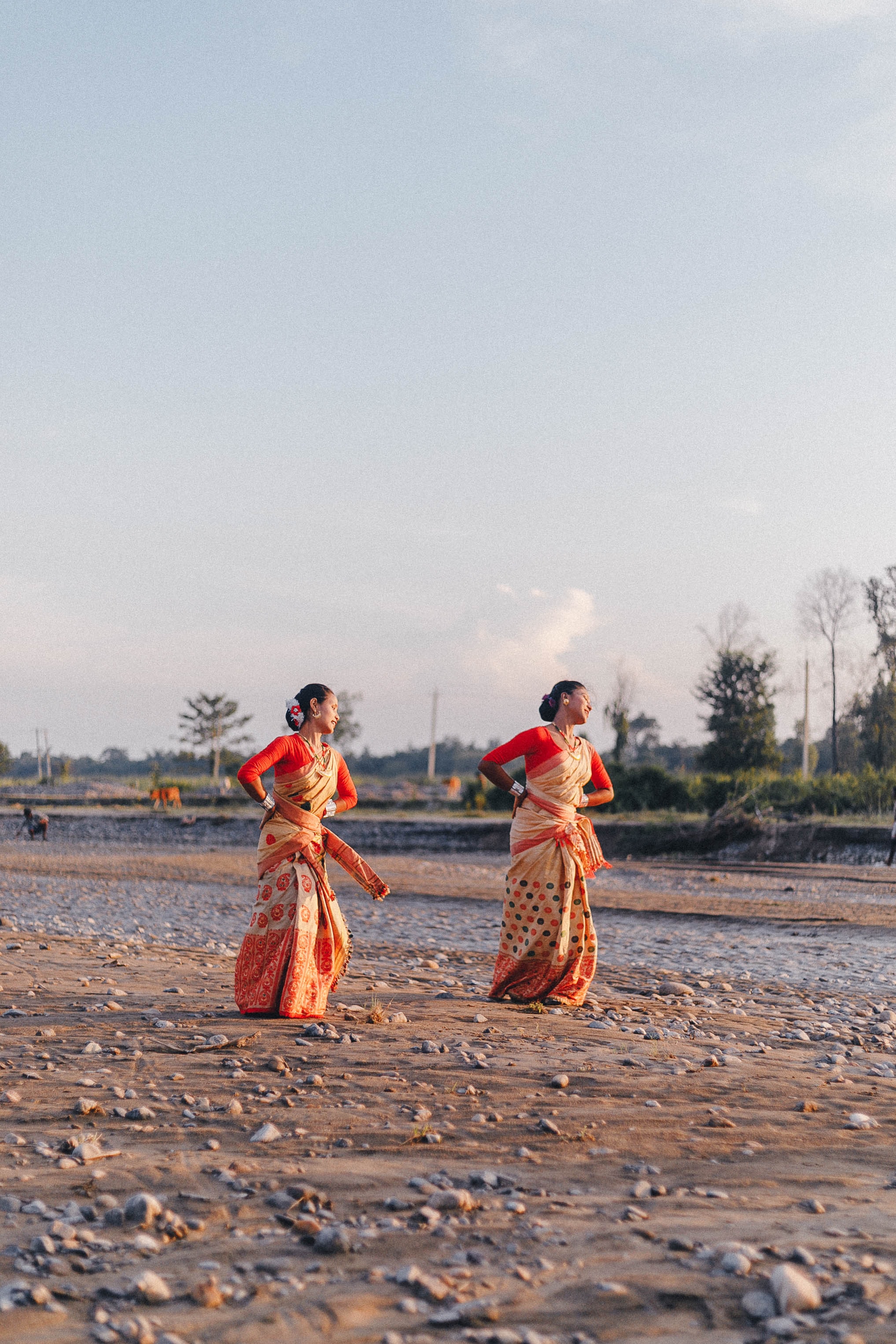
Phulkari: Punjab’s folk embroidery, Phulkari which means floral work also includes motifs and geometrical shapes. In Punjabi, Phul means flower and Akari means the shape and so Phulkari means the shape and the direction of flowers which symbolise life. The main characteristics of Phulkari embroidery are the use of darn stitch on the wrong side of coarse cotton cloth with coloured silken thread. The traditional varieties of Phulkaris are large items of cloth and include Chope, Tilpatr, Neelak and Bagh. Sometimes, the Bagh is given separate categorisation of its own as on other varieties of a Phulkari, parts of the cloth are visible, whereas, in a Bagh, the embroidery covers the entire garment so that the base cloth is not visible. Today, in contemporary designs, the simple and sparsely embroidered dupattas and shawls made for everyday use, are referred to as phulkari, while clothing items that cover the entire body, made for special and ceremonial occasions such as weddings are called baghs or large gardens. The Phulkari continues to be an integral part of Punjabi weddings to the present day.

In the past, as soon as a girl was born, mothers and grandmothers would start embroidering Baghs and Phulkaris, which were to be given away at the time of her marriage. Depending on the status of the family, the parents would give a dowry of 11 to 101 Baghs and Phulkaris which were also passed from one generation to the next as heirlooms. The hallmark of Phulkari is making innumerable patterns by using long and short darn stitches. There were no pattern books and embroidery was worked entirely from the reverse of the fabric and the designs were not traced. Techniques and patterns were not documented but transmitted from word of mouth and each regional group was identified with the style of embroidery or design. The most favoured colour was red and its shades. Animals and birds represented success, beauty, pride, and goodwill and different fruits symbolised wealth, prosperity, and fertility. Wheat and barley stalks with ears were also common motifs. Silk and mulmul or soft cotton muslin fabrics were used because of their purity and longevity and it was believed that the virtue and character of a woman gave shape to the Phulkari.

There are different theories about the origin of Phulkari. One such belief is that this embroidery was prevalent in different parts of the country as far back as the 7th century, but survived only in Punjab. Motifs similar to the ones found in Phulkari are also found in Kashida of Bihar and some of the embroideries of Rajasthan. Another thought is that this style of embroidery came from Iran where it was called Gulkari, also meaning floral work.

Rajasthan

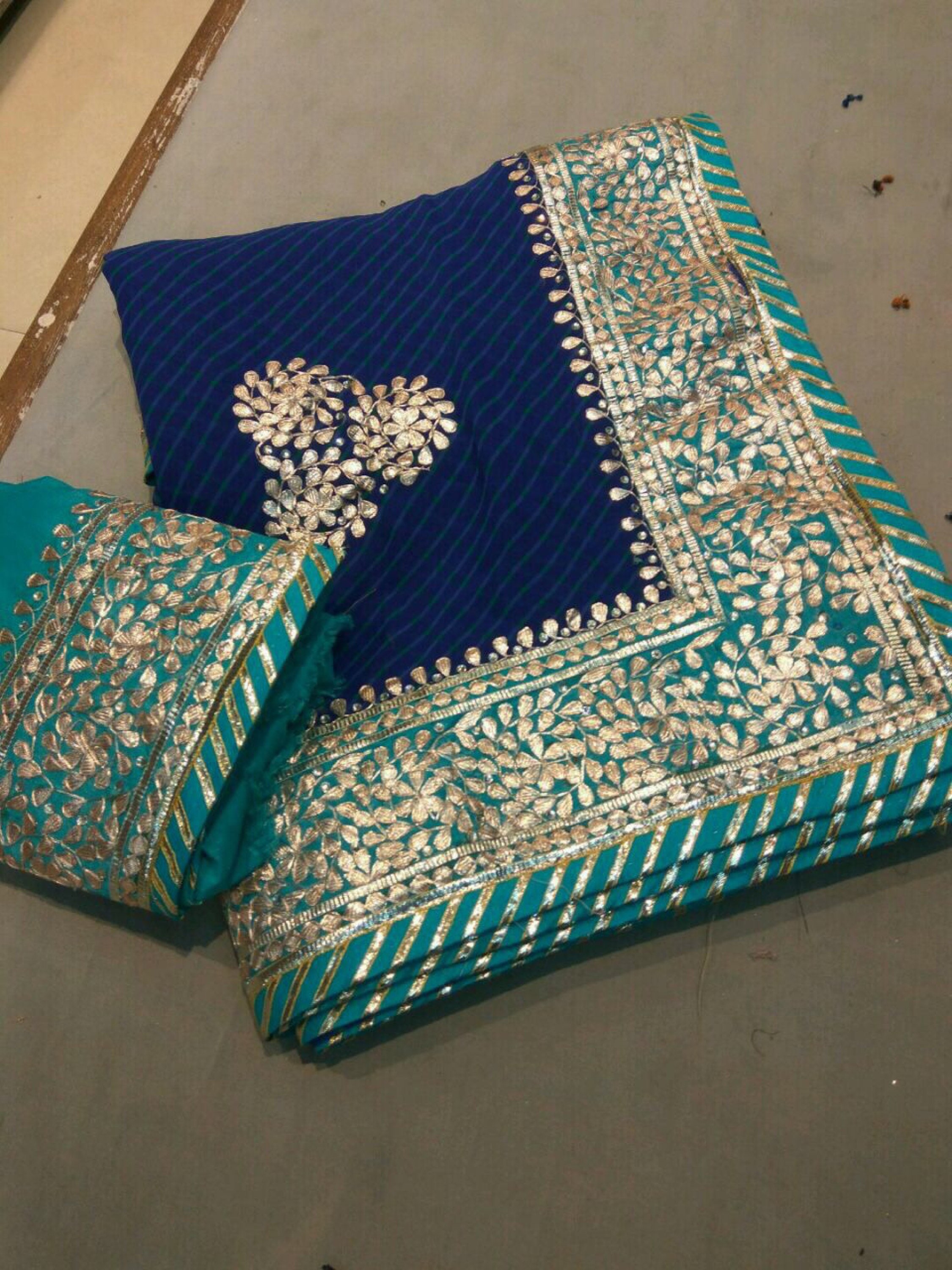
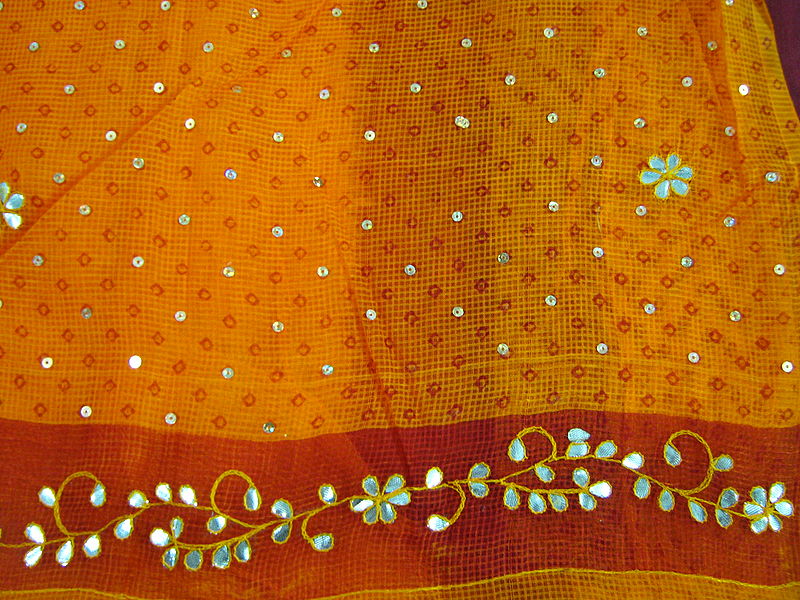
Gota Patti: Gota patti or gota work is a type of Indian embroidery that originated in  Rajasthan. Small pieces of zari ribbon are applied onto the fabric with the edges sewn down to create elaborate patterns. Gota embroidery is used extensively in South Asian weddings and formal clothes. Originally real gold and silver metals were used to embroider, but these were eventually replaced by copper coated with silver as it would become very expensive and today, even more, inexpensive options are available.

Kota Doriya: A handloom fabric, Kota Doriya is woven on a traditional pit loom in such a way that it produces square checks pattern on the fabric. The delicately wrought checks are locally known as khats. Onion juice and rice paste are smeared onto the yarn making it so strong that no additional finishing is needed. Kota Doriya sarees are made of pure cotton and silk and have square-like patterns known as khats on them. The chequered weave of a Kota sari is very popular with a very fine weave and weighs very little.

It is said that Jhala Zalim Singh of Kotah brought weavers from Mysore, in the mid-17th century, as they wove a characteristic small squared lightweight cotton fabric that looked like graph paper and was suitable for turbans. Since the weavers had come from Mysore, the fabric produced was called Kota Masuriya and was woven on narrow 8-inch looms to make the traditional paags or turbans and later on, broader looms were used for gossamer-light saris. Silk was added to the cotton in a 20:80 ratio approximately to give the sari strength. Nowadays hand woven silk Kota Doriya saris have also become popular. At first, the design known as a buti was small and regular but larger designs are now made according to fashion and taste. A very ornate saree can take one month to make and is an heirloom piece to be treasured. A genuine Kota Doriya sari will contain the GI mark woven in one corner indicating that it has been hand woven using real silver and gold thread.

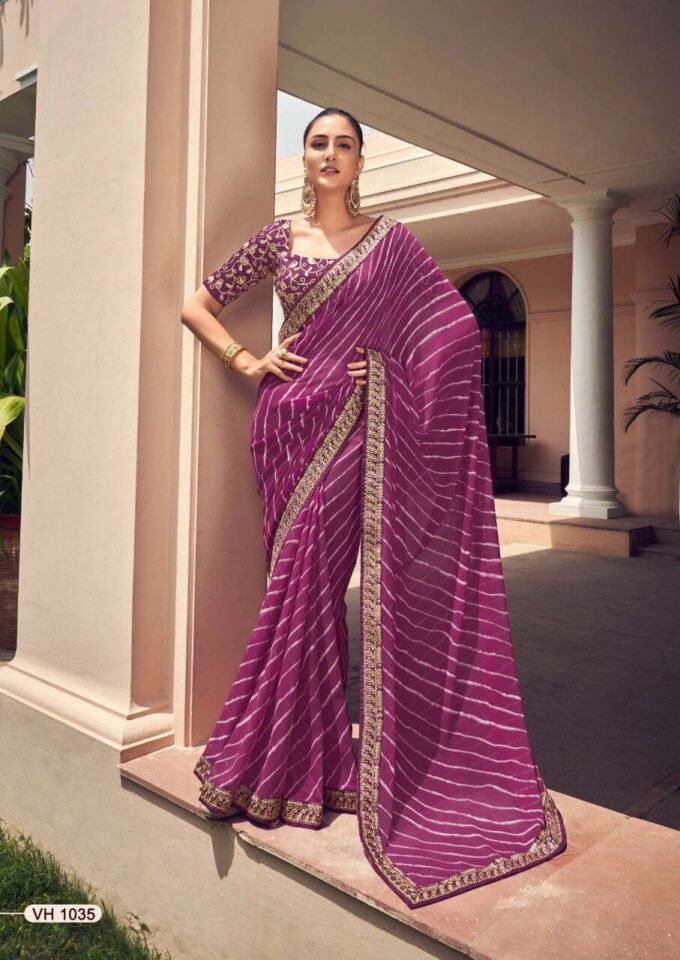
Leheriya: Leheriya is a traditional style of tie and dye practised in Rajasthan which is bright in colour, with a distinctive pattern. The word Leheriya comes from the word leher, meaning wave and the tie-dye technique results in diagonal stripes, which look like waves on the fabric. To create diagonal stripes, the craftsmen use a special method of resist-dyeing, where the material, is rolled up diagonally length-wise and then tied tightly at intervals before the actual dyeing process begins. Delicate, light fabrics such as thin cotton voile, fine silk and chiffon are preferred, as they allow the colour to penetrate through the rolled cloth. The fabric is wrapped around a wooden pole, usually while it is still wet or in a semi-dry state. The thread that ties up the fabric acts as a resist, yielding a pattern of diagonal stripes after dyeing. The thickness of the thread and the distance between the ties may be varied to obtain stripes of different widths.

An astounding variety of Leheriya fabrics are produced using this simple process. A panchranga or five-colour design is the most auspicious since the number five is considered special in Hindu scriptures. Another beautiful pattern is the satranga, flaunting the seven colours of the rainbow.

Tamil Nadu

Kanjeevaram: A silk saree which is worn on special occasions, the Kanjeevaram or Kanchipuram is made in the Kanchipuram region. This saree has also been recognised and given the Geographical Indication tag by the Indian government. The sarees are distinguished by their wide contrast borders with temple borders, checks, stripes and floral patterns as traditional designs. The patterns and designs in the Kancheepuram sarees are inspired by the images and scriptures in South Indian temples or natural features like leaves, birds and animals and have rich woven pallus showing the paintings of Raja Ravi Varma and the epics of Mahabharata and Ramayana. As of 2008, an estimated 5,000 families were involved in sari production with 25 silk and cotton yarn industries and 60 dyeing units in the region.

The saris are woven from pure mulberry silk thread, which along with the zari or gold thread comes from South India. To weave a Kanjeevaram saree. three shuttles are used. While the weaver works on the right side, his aide works on the left side shuttle. The border colour and design are usually quite different from the body. If the pallu has to be woven in a different shade, it is first separately woven and then delicately joined to the saree and the part where the body meets the pallu is often denoted by a zigzag line. In a genuine Kajeevaram silk saree, the body and the border are woven separately and then interlocked together. The joint is woven so strongly that even if the saree tears, the border will not detach and this differentiates the Kanjeevaram silk saree from the others. The sarees vary widely in price depending on the intricacy of work, colours, patterns, craftsmanship and materials used.

Koorainaadu: A traditional handloom weaving centre, Koorainadu sarees are by their checks and stripes pattern for which plain looms are used. It is made with pure silk and fine-twisted mercerized cotton yarn, in both warp and weft, in the ratio of 2:1, giving every Koorainadu saree a silk look. A peculiar characteristic of this saree is the formation of cotton checks by the interlacing of warp and weft during weaving which can be woven only by an experienced weaver. The sarees are hence stiffer and easier to hold the pleats which make them easier to wear. Koorainadu sarees are mostly worn by the womenfolk of the Hindu community green and yellow colours are used to make it auspicious and so it is often worn by married women wishing for long-lasting wedlock. The nine-yard Koorainadu saris are made with cotton or cotton and silk, in checks or striped patterns with a contrasting border in yellow. Saris with wide borders are called temple saris because they are offered to the deities in the temple.

Sungudi: Traditional cotton sarees from the Madurai area, Sungudi sarees are defined by the pattern of block prints and tie and dye designs. The origins of Sungudi can be traced back to the Sourashtrians who brought the art with them when they migrated to South India under the patronage of King Thirumalai Naicker in the 17th century. In Saurashtra, the word sungudi relates to the Sanskrit word sunnam meaning round, representing the circular dots that are printed on the fabric as a prominent and special motif.

The dots in the saris are said to be inspired by the cosmos which is why most Sungudi sarees remind one of a starry night. Tying the knots of the sari demands a great amount of precision from the craftsman. Ideally, a three-inch gap between the body and the zari border and also with the pallu lends a neat and symmetrical look to the crude dots. The designs are sometimes marked with a pencil on the fabric for ease in the process. The Sungudi art has seven basic designs that can be modified with different permutations and combinations to provide variety and highlight the creativity of the craftsman. The smaller the dot the better the expertise and this comes only with extensive practice and time. In the early days people used rudimentary methods like tying the knots with mustard or peppercorn seeds. Although this seems like a rural and unpolished method, its success lay in its simplicity. Authentic Sungudi is more than just tying knots. There is a lot of meticulousness that goes into producing a piece that looks effortless.  Once the knots are tied in the desired pattern, the sari is clamped which involves pleating, twisting, folding and wrapping it tightly before dyeing it for around two hours. Then the sari is subjected to two rounds of washing with cold water with an organic fixing agent followed by drying and ironing. The resultant fabric is a beautiful sheet like stars in the sky. In 2005 the art of Sungudi tie and dye got the GI recognition tag.

In the next part, the last one, we will do the last few states and also learn about some interesting saree drapes.

Festivals of India: Pola

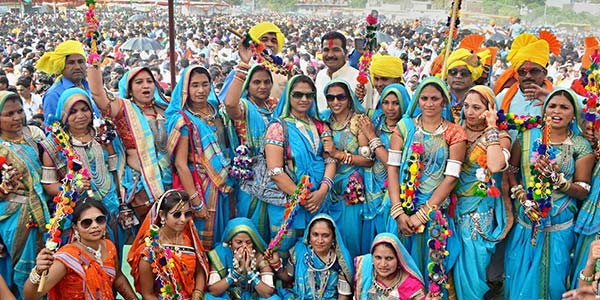
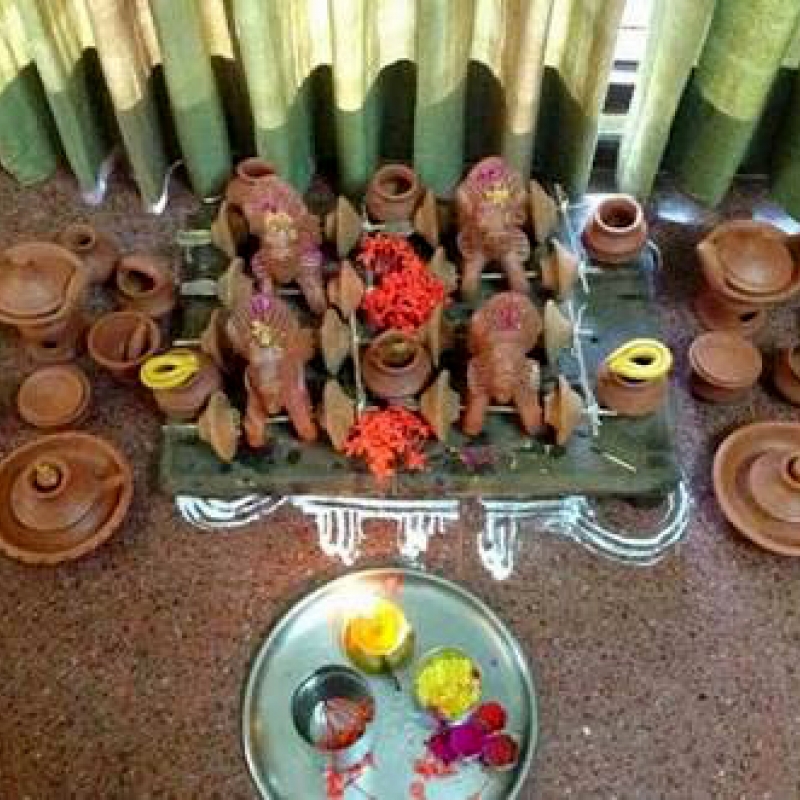
A little-known thanksgiving festival, Pola or Bail Pola is celebrated by farmers in Maharashtra and Chhattisgarh to acknowledge the importance of bulls and oxen, who are a crucial part of agriculture and farming activities. It falls on the day of the Pithori Amavasya the new moon day in the month of Shraavana, which usually falls in August. During Pola, farmers don’t work their bulls in the farmland, and the day is a school holiday in the rural parts of Maharashtra. This year, the festival of Pola falls today, 26 August.

The cow is considered a sacred animal and is worshipped in the Hindu religion. The states of Maharashtra, Chhattisgarh, Madhya Pradesh, Telangana, and Karnataka celebrate the festival called Bail Pola whereas, in states like Madhya Pradesh and Chhattisgarh, the day is also celebrated as Pola Amavasya. The Hindu God and Goddesses are accompanied by animals like a bull named Nandi to Lord Shiva, and the Cow to Lord Krishna. This day is celebrated by the farmers of Maharashtra to pay importance to the cows and bullocks named Bail Pola, meaning Bullock Pola.

The festival is celebrated among the Marathas of central and eastern Maharashtra with a similar festival observed by farmers in other parts of India, known as Mattu Pongal in the South and Godhan in the North and West India. In Telangana, a similar festival is celebrated on full moon day and is called Eruvaka Purnima.

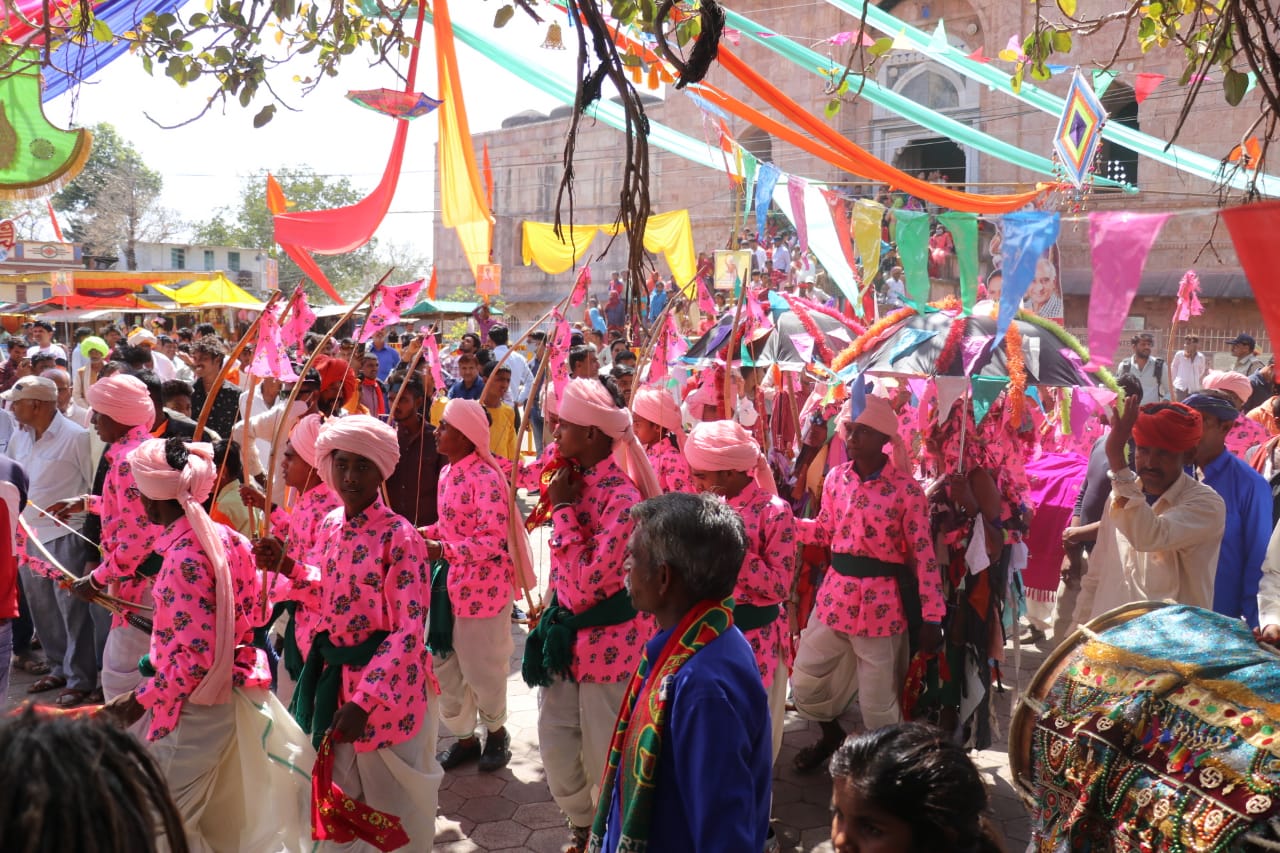
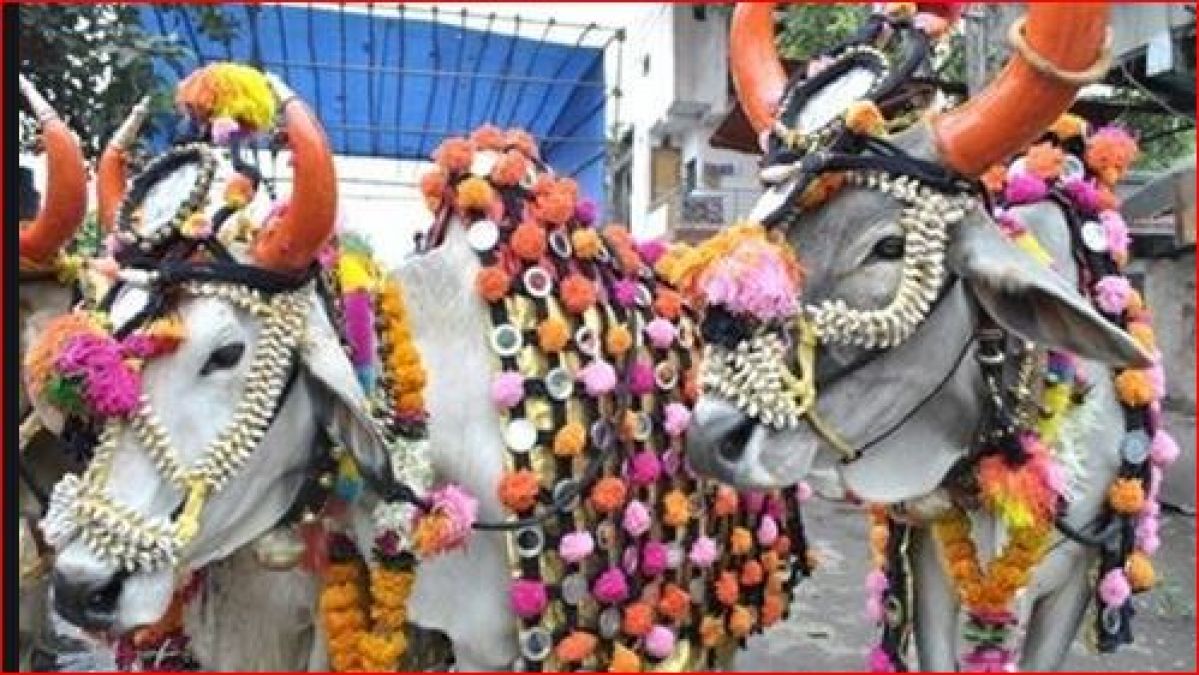
In preparation for the festival, bulls are washed and massaged with oils and then decorated with shawls, bells, and flowers, and their horns coloured, and they get new reins and ropes. The decorated cattle are offered a special food called khichadi, made of bajari or pearl millet. The decorated bulls and oxen are walked in a procession to the village field accompanied by music and dancing with lezhims, a musical instrument found in Maharashtra made of a wooden rod and an iron chain full of metallic pieces and drums. The first bullock to go out is an old bullock with a wooden frame called makhar tied on its horns. This bullock is made to break a toran, a wreath of mango leaves stretched between two posts, and is followed by all the other cattle in the village. A big fair is also organised during the festival including various sports activities including volleyball, wrestling, kabaddi and kho-kho.

Homes in the village are decorated with rangolis and toran on top of doors. Puja thalis with kumkum, water, and sweets are prepared, and when the cattle are returned from the procession they are formally greeted by family members, with an earthen lamp with ghee for puja and aarti. On the day following Pola, children decorate wooden bulls with beads and flowers.

It is believed that the festival has gotten its name from mythological events and texts. In one of the episodes of Lord Krishna’s life where he killed a demon named Polasur to save the villagers while still a child. And so this day is dedicated to children and animals and children get special treatment on this day.

Recipes: Sabudana Khichdi

A recipe that instantly takes me back to Mumbai and to a time when I was younger Sabudana Khichdi is a recipe I always associate with my home state of Maharashtra. This recipe is the quintessential fasting recipe and can be found in all restaurants. Made from soaked tapioca pearls or sabudana, it is typically prepared in the states of Maharashtra, Karnataka, Uttar Pradesh, Madhya Pradesh, Rajasthan and Gujarat. A popular comfort food, it is often served with crunchy roasted peanuts and sautéed with potatoes using spices with a generous squeeze of lemon. It has a chewy texture and takes on the taste of its accompaniments and is known as Sabudana Usal in the Vidarbha region of Maharashtra. Sabudana Khichdi is nearly pure carbohydrate and has very little protein, vitamins, or minerals. The addition of peanuts adds to the protein making it a more balanced meal. It has a high caloric content, due to the quantity of starch and fat present. This makes it a great fasting food.

Sabudana Khichdi

Ingredients:

  • 1 cup tapioca pearls or Sabudana
  • 2 medium-sized potatoes
  • ½ cup raw peanuts
  • 2-3 tbsp ghee
  • 1 tsp cumin seeds
  • ½ tsp green chilli paste or 2 green chillies, finely chopped
  • 1 tbsp lemon juice (or to taste)
  • Salt to taste
  • Sugar to taste

Method:

  • Wash the Sabudana and soak it for about 4-5 hours. This will depend on the type of the pearls with some need less soaking time and some more. Make sure there is water just above the pearls, any more and they will oversoak.
  • While the pearls are soaking, dry roast the raw peanuts till they are crunchy. You will know when it’s done when the skin starts to split and becomes brown. Keep aside.
  • When the peanuts are completely cool, blitz them into a coarse powder. You can also keep about a tbsp of peanuts aside and use them in the khichdi.  
  • Peel the potatoes and cut them into bite-sized pieces. Make sure they are not too small, but not too large also.
  • Heat the ghee in a wide-bottomed pan and fry the potatoes till they are cooked, but not roasted. Stop when the potatoes start to brown.
  • While the potatoes are cooking, add the salt, sugar and peanut powder to the sabudana and mix gently. Make sure to do the mixing gently and not break the pearls.
  • At this point, add the cumin seeds and let them pop and at this point, add the minced green chillies or chilli paste and cook for a few seconds.
  • Add the soaked sabudana and mix gently. Cover and cook for about 5 minutes until the sabudana pearls start becoming translucent. If you are not planning to eat the Khichdi immediately, then switch off the gas just before the pearls start becoming translucent. If it’s cooked longer, the pearls will start to clump and become lumpy.
  • Sprinkle lemon juice and garnish with coriander leaves. Serve hot.

Recipes: Pune Style Maharashtrian Misal

Misal is probably a quessiantial Maharashtrian dish, you will find it in every corner of the state and each city, town or district has their own variation of this dish. Misal pav consists of usal which is a spicy curry usually made from moth beans, which I think is called haricot beans and pavwhich is a type of an Indian bread roll. The final dish is topped with farsan which are dry snacks or sev, onions, lemon and coriander. It is served as a breakfast dish, as a snack and also as a full meal.

I have been wanting to try and make this for the longest time, but somehow the fact that this is quite a lengthy recipe to make always put me off. Then one Sunday, I finally decided to make it. I read up a few recipes and then did it my own way. Traditionally Misal is made with sprouted green gram or sprouted brown gram, but I decided to make this more healthy by incorporating many dried beans and also since this was a fairly last minute decision, I did not sprout the beans and just soaked them in water. The version I have made is in the Pune style which incorporates poha or flattened rice flakes, while the Nashik version is usually spicy and served with pav, curd, chopped coriander and onion.

Pune Style Maharashtrian Misal

Ingredients:

For the Usal

  • 1.5 – 2 cups mixed dried beans soaked in water overnight (I used a mixture of dried chickpeas, dried black-eyed peas, dried green peas, dried black beans and black chickpeas, but you can use what you have in the kitchen)
  • 1 tbsp oil
  • 1 tsp mustard seeds
  • 5-8 curry leaves
  • 2 medium sized onions, chopped finely
  • 3-4 medium sized tomatoes, chopped finely
  • 1 tbsp tamarind pulp
  • Kashmiri red chilli powder to taste
  • 1 tsp coriander powder
  • 1 tsp cumin powder
  • ¼ tsp turmeric powder
  • ¼ tsp asafoetida powder

For the dry masala paste

  • 1 tbsp cumin seeds
  • 1 tbsp coriander seeds
  • 1 tbsp sesame seeds
  • 7-8 pepper corns
  • 5-6 dried red chillies
  • 1 inch piece of cinammom
  • 4-5 cloves
  • ¼ cup dessicated coconut

For the wet masala paste

  • 1 medium sized onion
  • 1 bulb garlic, peeled
  • 1 inch piece ginger

For the poha

  • 1 cup poha or flattened rice flakes
  • ¼ tsp plus a pinch turmeric powder
  • 1 tsp sugar
  • ¼ tsp asafoetida powder
  • 1 small onion, finely chopped
  • Salt to taste
  • 1 tsp oil

To serve

  • 2-3 onions, finely chopped
  • 2 medium sized potatoes, boiled, peeled and chopped into small pieces
  • 1 cup mixed farsan
  • Date Tamarind chutney (optional)
  • Green Coriander chutney (optional)
  • 1 cup beaten yoghurt mixed with rock salt

Method:

  • Cook the soaked dals in a pressure cooker with a bit of salt and cook till the beans are soft, but not overcooked. Let it cool and keep aside. Don’t drain the water it has been cooked in.

For the dry masala

  • In a dry pan, heat the masala ingredients except the coconut and let them brown.
  • When the dry spices become brown and start to emit an aroma, add the desiccated coconut and continue stirring until the coconut becomes crisp and brown and loses its moisture.
  • Remove from the flame and keep aside till it becomes cool.
  • Then grind it to a fine powder and keep aside. If there is any left over after using it for the usal, you can use it to spice other stir fries.

For the wet masala

  • Grind together the ginger, garlic and onion to a smooth paste and keep aside.

For the Poha

  • Wash the poha in running water till it softens and then let the water drain.
  • Add some salt and the sugar plus a pinch of turmeric powder and mix well. Keep aside.
  • Heat 1 tsp oil in a pan and when the oil heats up, add 1 tsp mustard seeds and let the mustard crackle. Next add the curry leaves and let the leaves become crisp.
  • Then add ¼ tsp turmeric powder and ¼ tsp asafoetida powder and stir for a few seconds.
  • Then add the finely chopped onions and a pinch of salt and let the onions soften.
  • When the onions soften and become translucent, add the soaked poha and mix well.
  • Cover and cook for 3-4 minutes. Remove into a serving dish and keep aside.

For the Usal

  • Heat oil in a large pan and when the oil heats up, add the mustard seeds and let it crackle.
  • When the mustard seeds crackle, add the curry leaves, turmeric powder and asafoetida and let the curry leaves crisp up.
  • Then add the finely chopped onions and let it cook for a while.
  • When the onions are translucent, add the wet masala paste and let it cook for a while.
  • Add the finely chopped tomatoes and cover and cook till the tomatoes become mushy and disintegrate.
  • Now add about 3-4 tbsps of the dry masala (or as much as you want) and then add the cooked beans along with the water it was cooked in.
  • Add in the dry spice powders – cumin powder, coriander powder as well as salt and cook covered for about five minutes.
  • Add in the tamarind paste and about 1 to 2 cups of water (you can make this as thick or thin as you like it) and continue cooking covered for about 10 minutes more.
  • Cover and keep aside till it’s time to assemble it.

To assemble the Misal Pav and Dahi Misal

  • In a bowl, layer some poha and pour in some usal above the poha.
  • Top with some of the onions and potatoes and finally add some farsan on top of it.
  • Add some of the green and tamarind chutney if you want and also a squeeze of lime.
  • You can eat it as it is or with some pav or bread.
  • To make dahi missal after you top the farsan, add some of the prepared yoghurt and tp with the chutneys and then eat as it is.

It’s a tad long to make and takes time, but the taste is totally worth it!

Travel Bucket List: India – Maharashtra Part 5

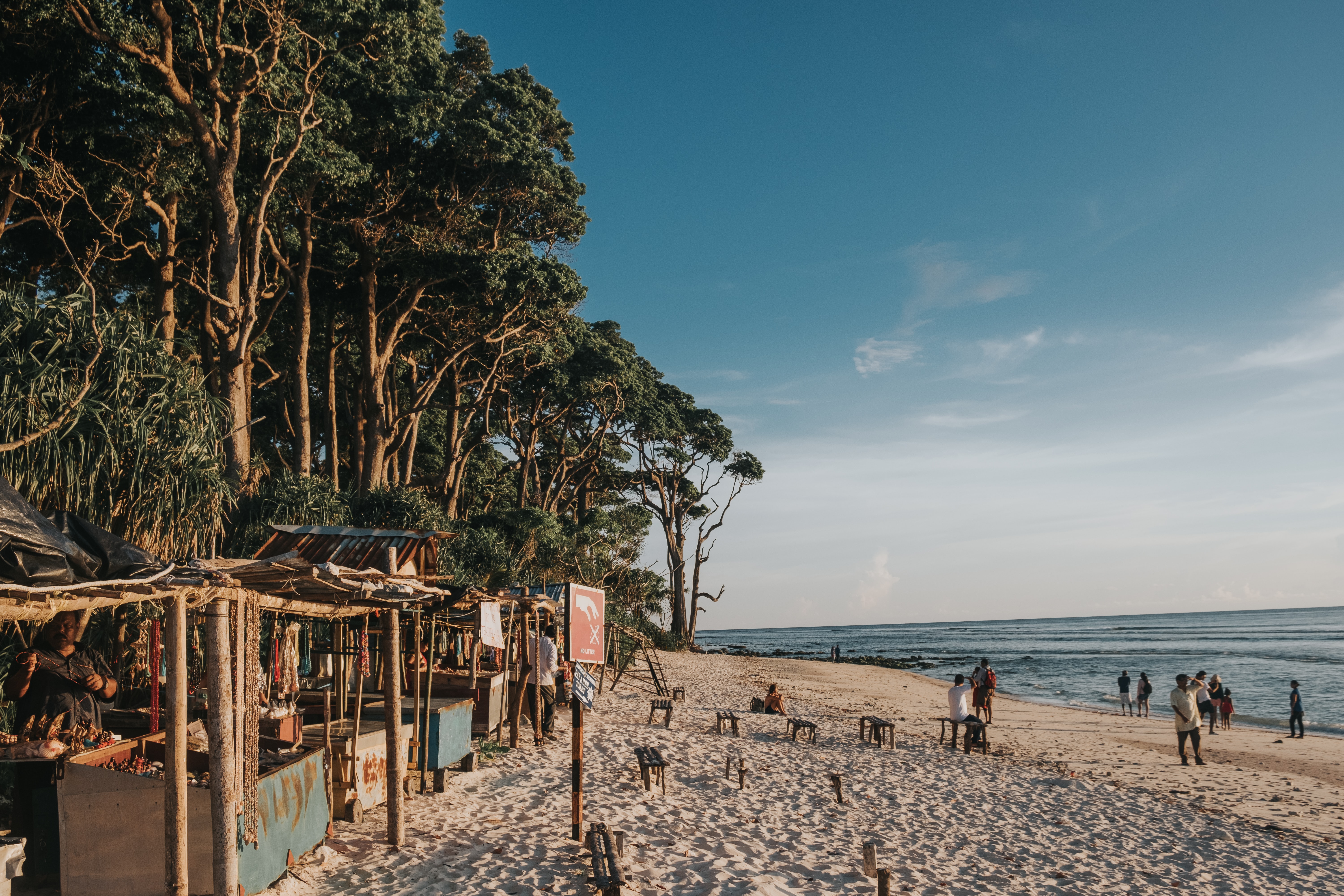
Being a state with a rich western coastline of about 720 kms along the Arabian Sea, Maharashtra has some stunning beaches. This post is all about the beaches and some of the wildlife sanctuaries found in the state. The beaches are categorised from north to south

Dahanu
Dahanu is a coastal town in the Palghar district of Maharastra. Located at a distance of 135 km north of Mumbai, it is situated along the coast of Arabian Sea. The name of the city was obtained from Dahanu Gram which means village of cows. This emerged because, back in time, most people in the town used to cattle cows. At an elevation of 9.88 metres, the city has several beautiful mountains. There are a few famed beaches around the city which are commonly visited by the locals and tourists. There are also some dams, which are a nice spot for sightseeing. The vegetation in the city is also extraordinary. With a variety of plant life, ranging from tadee, coconuts, chickoo and palm, the town offers an excellent look of greenery. Bordi, which is about 30 minutes drive from Dahanu also offers some stunning pristine beaches.

Alibag
A little coastal town tucked away in the Konkan region of Maharashtra, Alibaug is a very popular weekend getaway holiday destination and has earned itself the name of ‘mini-Goa’, owing to the high tourist footfall all year round. Steeped in colonial history, Alibaug is a quaint little town located about 110 kilometres from Mumbai, and is replete with sandy beaches, clean unpolluted air and plenty of forts and temples, ensuring that despite being a small town, you never run out of activities to do. Alibaug has numerous beaches, and all the beaches are only a few minutes’ drives away from each other, so you won’t have to worry about which beach to visit and which one to leave out. The most visited in the beach in Alibaug is, of course, Alibag beach, which offers a spectacular of view of not only the sunrise and sunset but of the Colaba fort as well, which you can take a short boat ride to. The Colaba fort was once the cornerstone of the Maratha Empire, and most of the fort is still in good shape. Other popular beaches in the area include Kihim Beach, and Nagaon Beach, with Kihim beach being a photographer’s paradise. The Mandwa beach offers a stunning view of the Gateway of India in Mumbai from its bay. The best time to visit Alibag is between November to July and you should avoid the monsoon season. Other local attractions include the Kanakeshwar Devasthan Temple, Vikram Vinayak Temple, Versoli Beach, Nagaon Beach, Akshi Beach, Kashid Beach and Kulaba or Colaba Fort

Kashid
A beach town, popular for its white sand and blue seas situated in Konkan region of Maharashtra, Kashid is the perfect destination for a quiet weekend getaway from Mumbai. Kashid is mildly enchanting with its quiet environment and picturesque location. This beach town is known also for its majestic mountains and whispering Casuarinas. Kashid’s spotless water and clean beach makes it one of the most beautiful spots in the nearby areas. A drive through the area in itself is a great experience. Chaul, which lies near Kashid, has many Buddhist caves that are of public interest, and also famous churches and temples. The Korlai Fort is another beautiful attraction here.

Diveagar
Gleaming white sand, pristine blue water, swaying coconut palms and betel nut trees and gentle breeze producing a serene and calming effect, this is not a dream but the enchanting place called Diveagar. This place is a beautiful beachside village nestled on the Konkan coast of Maharashtra offering its visitors a sight of pure bliss. Diveagar is better referred to as seashore extending up to 6 kms and serves as prime attraction of the region. Tourists can also catch an unusual sight of rarely found Suru (Casuarina equisetifolia, or Australian pine tree) trees on the coast. Where one end of the beach is fishing settlement, the other end is blessed with an eye catching sight of thousands of migratory seagulls in the sanctuary. Apart from that, a temple dedicated to Lord Ganesha is another prime attraction of the region. In fact it is a perfect destination where one can unclutter their minds and relax with family and friends amid the glory of immaculate nature. With Mumbai-Goa National highway located just 40 kms off the village; the place is highly accessible and waiting to be explored.

Harihareshwar
Surrounded by four hills and with river Savitri flowing through the town, Harihareshwar is famous for its temple of Lord Harihareshwar and is a popular weekend beach destination especially for people in Mumbai and Pune. Harihareshwar comes across as a pleasant surprise with some of the most peaceful and beautiful beaches along the Konkan Coast. The nearby Pushpadri hill and surrounding dense woods only make the beaches more attractive. The name literally translates into the abode of Lord Shiva and the place assumes significant spiritual and religious importance. Harihareshwar’s ancient temples also let the visitors view a unique blend of the Indian and Maratha architecture

Murud and Karde
Murud and Karde form what is apparently the longest stretch of beach on the Konkan Coast. Hotels and homestays have mushroomed in the area, and there are many options for a beachfront stay. The main attraction is dolphin watching, especially during the winter when sightings are frequent. A little further north, Harnai is renowned for its massive daily fish market. The nearby Suvarnadurg Fort can also be visited.

Ganpatipule
A beach town on the Konkan coastline, Ganpatipule has temples of Lord Ganesha as major attractions apart from the beautiful virgin beaches. There is a hill shaped like Lord Ganesh, from which Ganpatipule probably got its name. The village of Ganapatipule is famous for its 400-year-old Ganesha temple. The idol is said to be a self-created monolith of Lord Ganesha, allegedly discovered 1600 years ago. Ganpatipule also has water sports to offer between the months of November-May. Ganpatipule is typically clubbed with Ratnagiri and other smaller villages like Velneshwar, Malgund and Pawas for a perfect 2-3 day trip.

Tarkarli
Tarkarli is famous for its long and narrow stretch of beach, with its pristine water, white sand, and of course Singhudurg, Maharashtra’s popular sea fort. Tarkarli with a series of pristine beaches made up of white sand makes it an ideal choice for a holiday weekend. If lucky enough, you might spot dolphins too. Tarkarli boasts of the finest talcum-powder sand to be found along Konkan. It could be called the most beautiful beach in all of Maharashtra, if not in India. As this place is just being discovered, you might be in time to find it untarnished by commercialization. The pristine white beaches shrouded with Suru trees (Casuarina equisetifolia, or Australian pine trees) are a perfect place to relax, get in touch with nature and eat amazing Malvani food. The choice ranges from a long stroll along pristine white sand beaches to revisiting the past glory of Maratha bastion and forts.

Vengurla
Located only 30 minutes from the Goa border, semi-circular Vengurla beach is surrounded by lush hills. The road leading down to the beach provide dramatic vistas. Attractions in the area include a lighthouse, a jetty where fishermen return with the evening catch, and Vengurla Rocks (also known as Burnt Island) which is excellent for bird watching.

Tadoba National Park
Overlooked by tourism until recently because it was off the beaten track and lacked accommodations, these days Tadoba National Park and Tiger Reserve in Maharashtra is fast gaining a reputation as one of the best places to see a tiger in the wild in India. Famous for its natural heritage, Tadoba Andhari Tiger Reserve is definitely one of India’s most exciting and best protected Tiger Reserve, with most visible tiger sightings in the state of Maharashtra. Tadoba national park is located in Chandrapur district of Maharashtra. This place is an ideal weekend gateway for wildlife and nature lovers. Spotted in this region are rare species of flora and fauna, soothing your very being. Tadoba is famous for Tadoba national park, Tadoba-Andhari Tiger Reserve, Tadoba lake, Erai dam, Moharli and Khosla village. These attractions serves the tourists of an enchanting wildlife experience.

Source

Bhamragarh Wildlife Sanctuary
The Bhamragarh Wildlife Sanctuary of the Bhamragarh town is located in the Chandrapur district of Maharashtra and is home to various animal species like leopards, the blue bull, peacock, flying squirrel, wild boar, etc. Spread over an area of about 104.38 sq.km, the sanctuary is very green and is covered by various species from the plant kingdom including mango, jamun, Kusum, Bamboo trees along with shrubs of Neel, Tarota, Kuda, etc. The Pamalgautam and Parlkota rivers flow through the sanctuary providing water to the flora and fauna and as well as to the tribes living nearby namely Gonda and Madia tribes which depend on the forest for their habitation.

Chandoli National Park
Located in Sangli district of Maharashtra, the Chandoli National park is famous for the Sahyadri tiger reserve and the Koyna Wildlife sanctuary. It was established in the year 2004 and is spread over an area of 317.67 sq.km. Located near the Chandoli dam, the Sahyadri Tiger reserve as well as the entire area under the Chandoli National Park was declared as a ‘Project Tiger Reserve’ by the National Tiger Conservation Authority in the year 2007. Home to 9 tigers and 66 leopards, the area is abundant with forts from the era of Shivaji and other Maratha Kings. The park also has major falls as well as a dam namely; Kandardoh falls, Tanali falls and the Vasant Sagar reservoir that attract tourist attention. The best time to visit is between October to February while heavy rainfall is usually expected between June to September.

Gugumal National Park
Built in 1974, the Gugumal National Park is located in Amravati in Maharashtra. It is the home to a variety of diverse flora and fauna like tigers, crocodiles, wild deer and the bison. This wildlife reserve oers a glimpse into the lives of animals and birds in their natural habitat. The hills of the area known as Melghat have the southern deciduous forest which has about 750 dierent species of plants and herbs. Crocodiles were artificially introduced into the area in 1990 near the rivers that flow through the park. The best time to visit the Gugumal National Park is from March to the month of June.

Navegaon National Park
Based in the Gondia District which is the easternmost part of Maharashtra, Navegaon National Park is a forest reserve nestled in the lush green hills of Navegaon. Built in the 1800s, the park also has a serene lake and a watchtower just adjacent to it. You get to see breath-taking views of the natural sceneries and marvel at the sight of exotic wildlife: a bird sanctuary, a deer park, and three lovely gardens. The bird sanctuary, known as Dr Salim Ali Bird Sanctuary houses almost 65% of the bird species that are found in the state of Maharashtra. Flocks of stunning migratory birds visit the park every winter and unwind by the lake – an eye-catching view. The national park also boasts diverse types of flora – ranging from moist to dry deciduous forest. A unique experience here is staying in tree houses, going on a jungle safari in the dense forest, and sailing boats in the pristine lake. The park is open from 6 am to 6 pm daily and remains closed on Fridays and from 16 July to 30 September each year. The park also remains closed on the festivals of Holi and Buddha Poornima (the first and second days only)

Malvan Marine Sanctuary
The only marine sanctuary in the state, Malvan Marine Sanctuary was established in 1987 to preserve this biologically rich coastal region. The core zone of the sanctuary expands over an area of 27 square kilometres and offers an unexploited environment for marine flora and fauna including coral, Pearl oysters, seaweed, molluscs and over 30 species of fish.

Rehekuri Blackbuck Sanctuary
Spread across an area of 2.17 sq km, the Rehkuri Sanctuary is home to one of the rare and famous animals, Indian Black Buck. The Sanctuary is located at a distance of about 80 km away from the city of Ahmednagar. The Sanctuary serves as a safe haven for nearly 400 Black Bucks. The Blackbuck, called ‘Kalvit’ in Maharashtra, is easily recognised by its magnificent spiral horns, colour and long jump. It is the only member of its genus and is found predominantly in India. Also, known as the Indian Antelope there are only four sanctuaries in India that can boast of the presence and conservation of the blackbuck. The Rehekuri Blackbuck Sanctuary in Maharashtra is one of the best places for blackbuck sightings. The sanctuary was established in the 1980s and at one point the number of blackbucks dwindled to 15. Today Rehekuri is home to about 400 blackbucks making it an excellent example of sustained conservation. Besides, the sanctuary is also the abode to various other wildlife and birds. The jeep safari from 7:00 AM to 3:00 PM, as well as, walking or trekking along with a guide are the best ways to explore the sanctuary.