Travel Bucket List: India – Consolidated List of all States

As I started planning my travel, I started relying on my research for where to go and found it slightly ungainly to search through all the material I have to reach a specific destination. So here’s a consolidated list of all Indian states, in alphabetical order with the cities and towns next to each part which makes it easier to get to the place you are interested in.
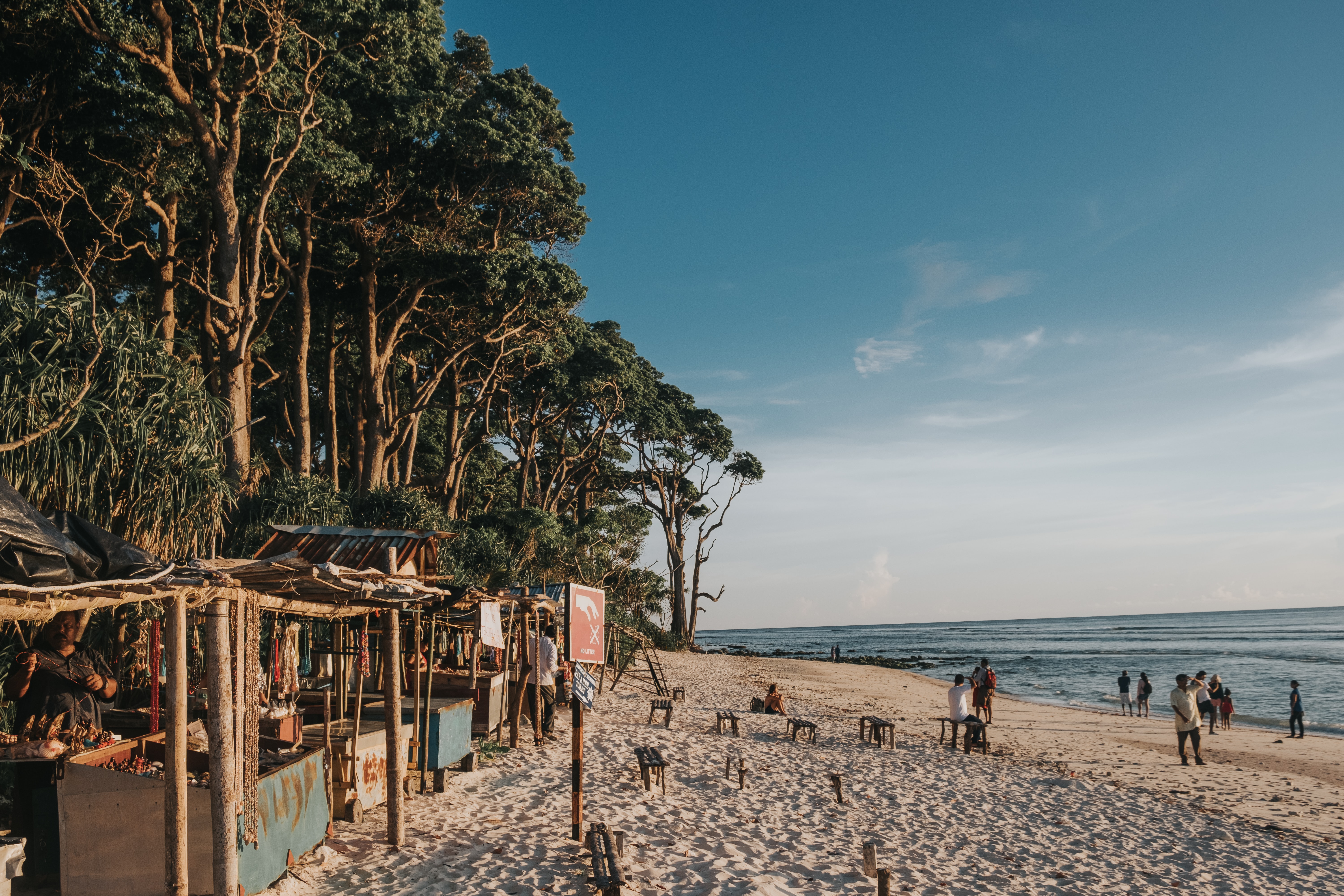
Photo by Ravigopal Kesari on Unsplash

Andaman and Nicobar Islands
Part 1 – Introduction and Overview
Part 2 – Port Blair
Part 3 – Corbyn’s Cove Beach, Wandoor Beach, Viper Island, Ross Island, North Bay Island, Red Skin Island, Middle Andaman Island, Long Island, Baratang Island, Parrot Island, North Passage Island, Guitar Island
Part 4 – Aves Island, North Andaman Island, Diglipur, Stewart Island, Ross & Smith Island, Jolly Buoy Island, Havelock Island
Part 5 – Neil Island, South Andaman Island, Rutland Island, Little Andaman Island, Cinque Island, Barren Island, Narcondom Island, Kathchal Island, Campell Bay & Indira Point
Part 6 – Mahatma Gandhi Marine National Park, Chidiya Tapu, The Chidiya Tapu Biological Park, Mount Harriet National Park, Saddle Peak National Park, Campbell Bay National Park, Galathea National Park, Middle Button Island National Park, North Button Island National Park, South Button Island National Park

Photo by Gowrisha CV on Unsplash

Andhra Pradesh
Part 1: Introduction and Overview, Vishakhapatnam
Part 2: Araku Valley, Vizianagaram, Annavaram, Samalkot, Kakinada, Rajahmundry
Part 3: Amaravathi, Vijayawada, Machilipatnam
Part 4: Guntur, Chirala, Nagarjunakonda, Srisailam, Cumbum, Nellore
Part 5: Kurnool, Mantralayam, Gandikota, Tadipatri, Anantapur, Puttaparthi
Part 6: Lepakshi, Horsley Hills, Chittoor, Srikalahasthi, Tirupati

Photo by Mayur More on Unsplash

Arunachal Pradesh
Part 1: Introduction and Overview, Itanagar, Bhalukpong
Part 2: Bomdila, Tawang
Part 3: Ziro, Yinkiong, Mechuka, Roing, Tirap
Part 4: Khonsa, Changlang, Miao, Anini, Pasighat, Aalo, Daporijo, Anjaw, Tezu
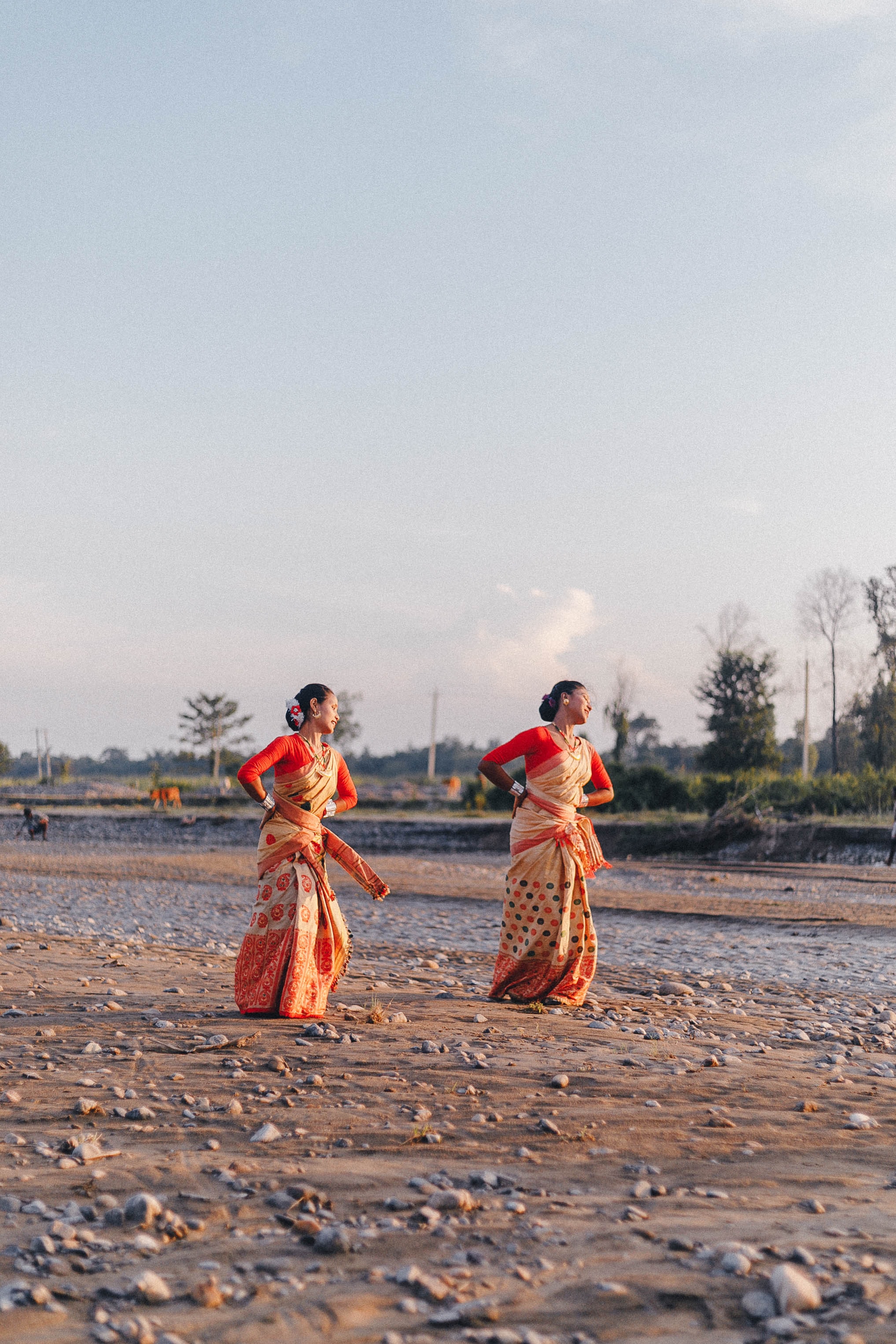
Photo by Nilotpal Kalita on Unsplash

Assam
Part 1: Introduction and Overview, Guwahati, Dispur
Part 2: Kokrajhar, Bongaigaon, Goalpura, Barpeta, Nalbari, Hajo, Sualkuchi
Part 3: Darrang, Mayong and Morigaon, Nagaon, Tezpur, Jorhat
Part 4: Sivasagar, Majuli, Dhemaji, Dibrugarh, Tinsukia, Digboi
Part 5: Sadiya, Haflong, Jatinga, Diphu, Karimganj, Hailakandi, Silchar
Part 6: Raimona National Park, Manas National Park, Orang National Park, Kaziranga National Park, Nameri National Park, Dibru Saikhowa National Park, Dihing Patkai National Park

Photo by ARTO SURAJ on Unsplash

Bihar
Part 1: Introduction and Overview
Part 2: Patna
Part 3: Hajipur, Nalanda
Part 4: Rajgir, Sasaram, Kaimur
Part 5: Bodh Gaya, Vaishali
Part 6: Muzzafarpur, Sitamarhi, Madhubani, Lauriya Nandangarh, Bhagalpur, Valmiki National Park Tiger Reserve and Wildlife Sanctuary
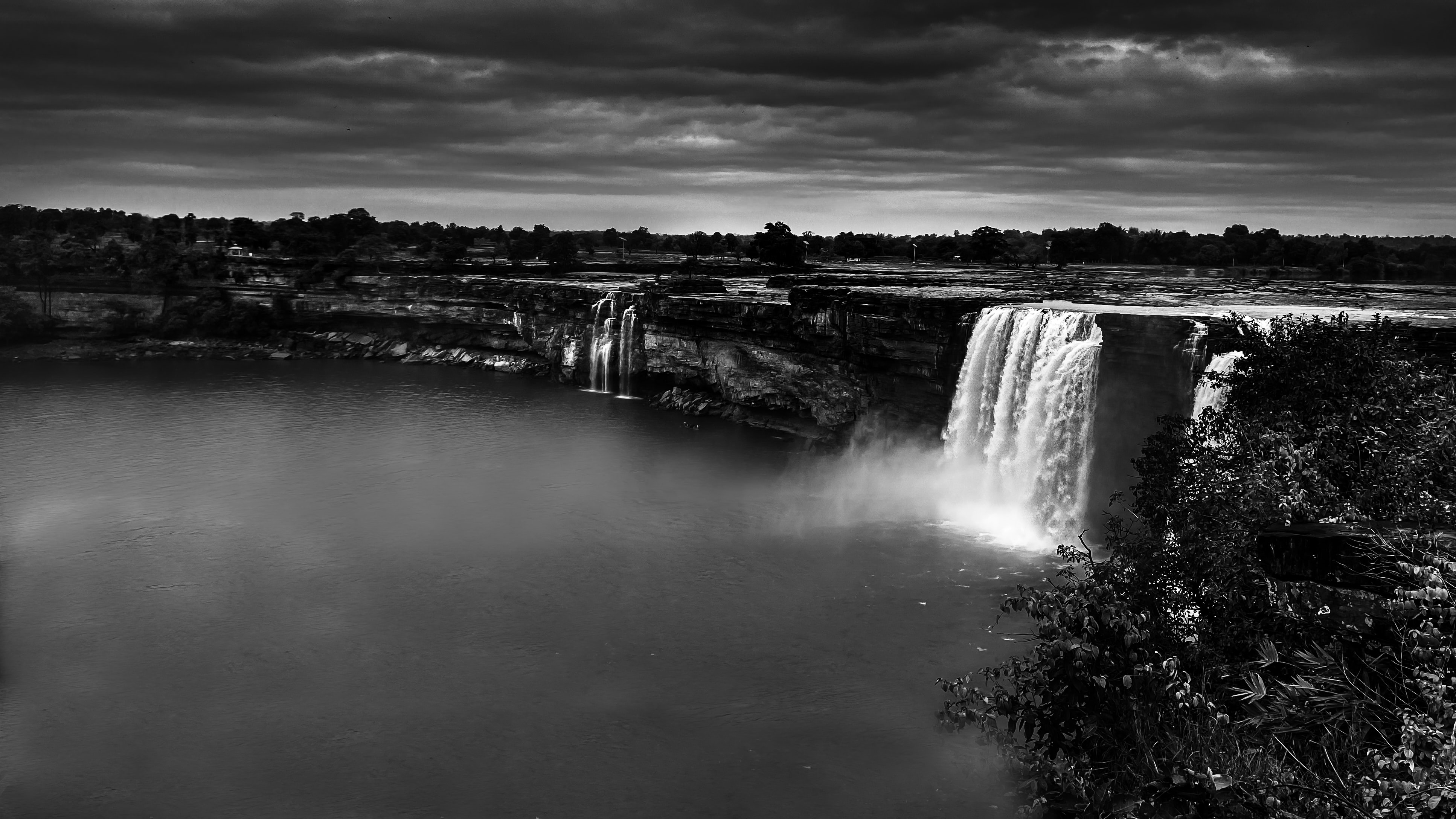
Photo by Ayiman Mohanty on Unsplash

Chhattisgarh
Part 1: Introduction and Overview, Raipur, Champaran
Part 2: Bhilai, Durg, Rajnandgaon, Chirmiri, Madku Dweep, Bhoramdeo Temple, Guru Ghasidas National Park
Part 3: Achanakmar Tiger Reserve, Bilaspur, Raigarh, Korba, Ambikapur, Barnawapara Wildlife Sanctuary, Mainpat, Malhar
Part 4: Mahasamund, Sirpur, Rajim, Jagdalpur, Dhamtari, Dhamtari, Dantewada, Kanger Ghati National Park

Dadra and Nagar Haveli and Daman and Diu
Part 1: Introduction and Overview, Daman
Part 2: Diu
Part 3: Dadra and Nagar Haveli

Delhi
Part 1: Introduction and Overview, India Gate, Red Fort, Qutub Minar, Jantar Mantar, Rajghat
Part 2: Iron Pillar, National War Memorial, Rajpath, Rashtrapati Bhavan, Agrasen Ki Baoli, Ghalib Ki Haveli, Alai Darwaza/Minar, Bhool Bhulaiya ka Mahal, Purana Qila,
Part 3: Tughlaqabad Fort. Siri Fort, Feroza Kotla Fort, Swaminarayan Akshardham Temple, ISKON Mandir, Birla Temple, Chhatrapur Temple, Kalkaji Temple, Kali Bari Temple, Yogmaya Temple, Sri Digambar Jain Lal Mandir, Lotus Temple
Part 4: Jama Masjid, Quwwat-ul-Islam Mosque, Fatehpuri Masjid, Jamali Kamali Mosque and Tomb, Nizamuddin Dargah, Humayun’s Tomb, Safdarjung’s Tomb, Isa Khan’s Tomb, Hijron ka Khanqah, Nicholson Cemetery
Part 5: Gurudwara Bangla Sahib, Gurudwara Sis Ganj Sahib, Rakab Ganj Gurdwara, Sunder Nursery, Lodhi Gardens, Garden of Five Senses, National Rose Garden, Mehrauli Archaeological Park, Pradhanmantri Sangrahalaya, National Museum, Nehru Memorial Museum and Library, Rashtrapati Bhavan Museum, Indian War Memorial Museum, National Handicrafts Museum
Part 6: Indira Gandhi Memorial Museum, Sanskriti Museums, Charkha Museum, Sulabh International Museum of Toilets, Shankar’s International Dolls Museum, Museum of Archaeology, National Railway Museum, Museo Camera, National Gallery of Modern Art, Kiran Nadar Museum of Art, Museum of Illusions, National Zoological Park, National Bal Bhavan, Connaught Place, Chandni Chowk, Dilli Haat, Sarojini Market, Lajpat Nagar, Majnu ka Tila, Pragati Maidan

Photo by Sarang Pande on Unsplash

Goa
Part 1: Introduction and Overview
Part 2: North Goa, Vagator Beach, Anjuna Beach, Calangute Beach, Sinquerim Beach, Candolim Beach, Arambol Beach, Mandrem Beach, Morjim Beach, Miramar Beach, Siridao Beach, Bogdeshwara Temple, Mangeshi Temple, Mahalaxmi Temple, Fort Aguada, Chapora Fort, Reis Magos Fort, Basilica of Bom Jesus, Church of Our Lady of Immaculate Conception, Chapel of St. Catherine, Church of Mae De Deus, Goa State Museum, Houses of Goa Museum, Museum of Christian Art, Casino Palms, Chorao Island, Harvalem Waterfalls
Part 3: South Goa, Butterfly Beach, Betalbatim Beach, Agonda Beach, Mobor Beach, Hollant Beach, Palolem Beach, Cansaulim Beach, Colva Beach, Talpona Beach, Kakolem Beach, Benaulim Beach, Our Lady of Remedios Church, Saviour of the World Church, St. Alex Church, Shantadurga Temple, Tambdi Surla Mahadev Temple, Chandreshwar Bhoothnath Temple, Naval Aviation Museum, Goa Chitra Museum, Big Foot Museum, The Grande Island, Pequeno Island, Bhagwan Mahaveer Wildlife Sanctuary, Netravali Wildlife Sanctuary, Cotigao Wildlife Sanctuary, Dudhsagar Falls, Bamanbudo Waterfalls, Netravali Bubbling Lake, Cabo de Rama Fort, Chandor
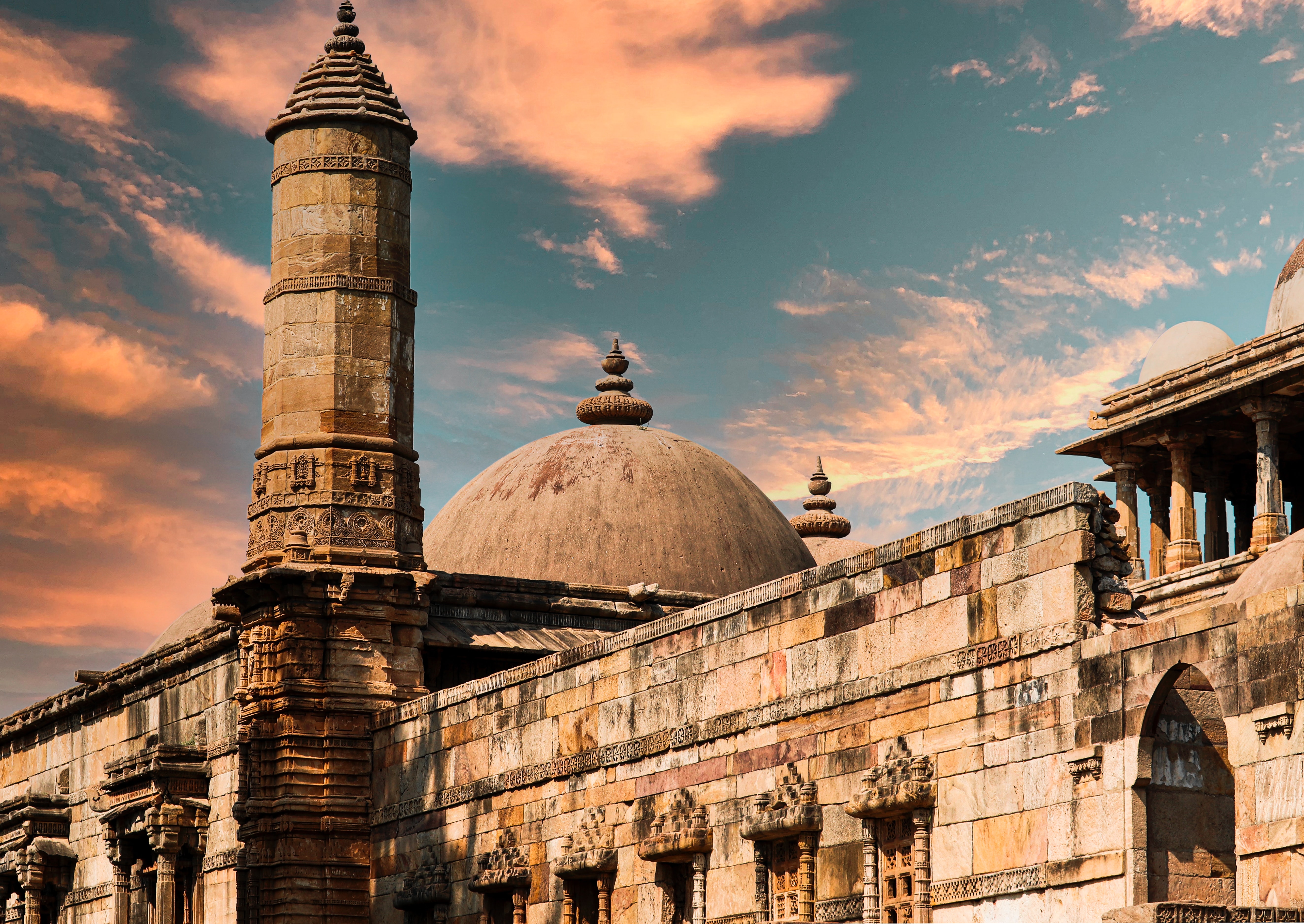
Photo by Parth Kateliya on Unsplash

Gujarat
Part 1: Introduction and Overview
Part 2: Surat, Vapi, Udvada, Valsad, Bilimora, Navsari, Bharuch, Saputara
Part 3: Ahmedabad, Lothal, Vadodara, Anand
Part 4: Gandhinagar, Patan, Mehsana, Palanpur
Part 5: Rajkot, Jamnagar, Dwarka, Porbandar, Junagadh, Bhavnagar, Palitana,
Part 6: Kutch, Bhuj, Mandvi, Rann of Kutch, Anjar
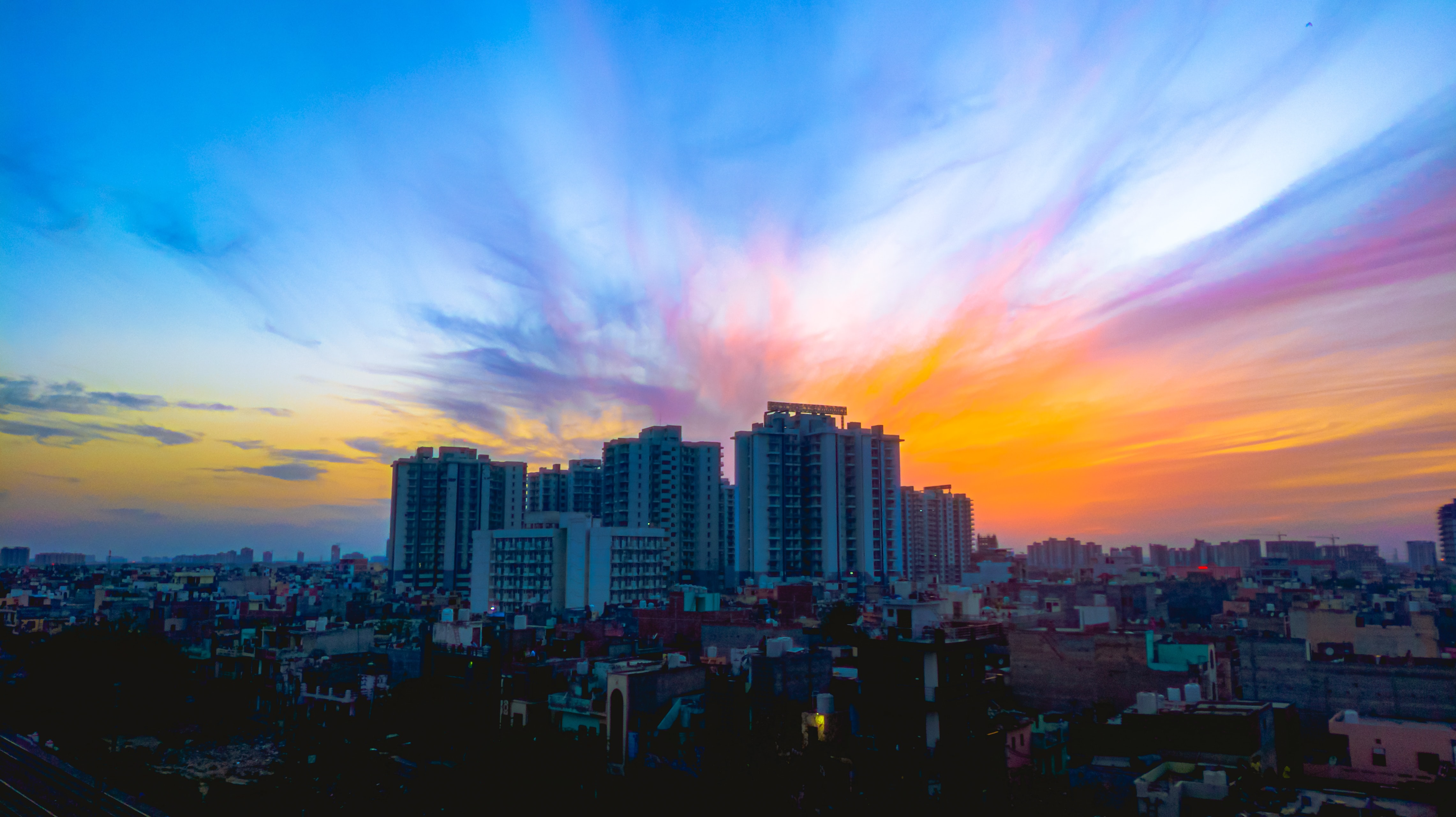
Photo by Sooraj Dev on Unsplash

Haryana
Part 1: Introduction and Overview, Gurugram, Manesar, Sohna
Part 2: Faridabad, Nuh, Murthal, Rohtak, Meham
Part 3: Hisar, Panipat, Karnal
Part 4: Kurukshetra, Ambala
Part 5: Panchkula, Morni Hills, Narnaul
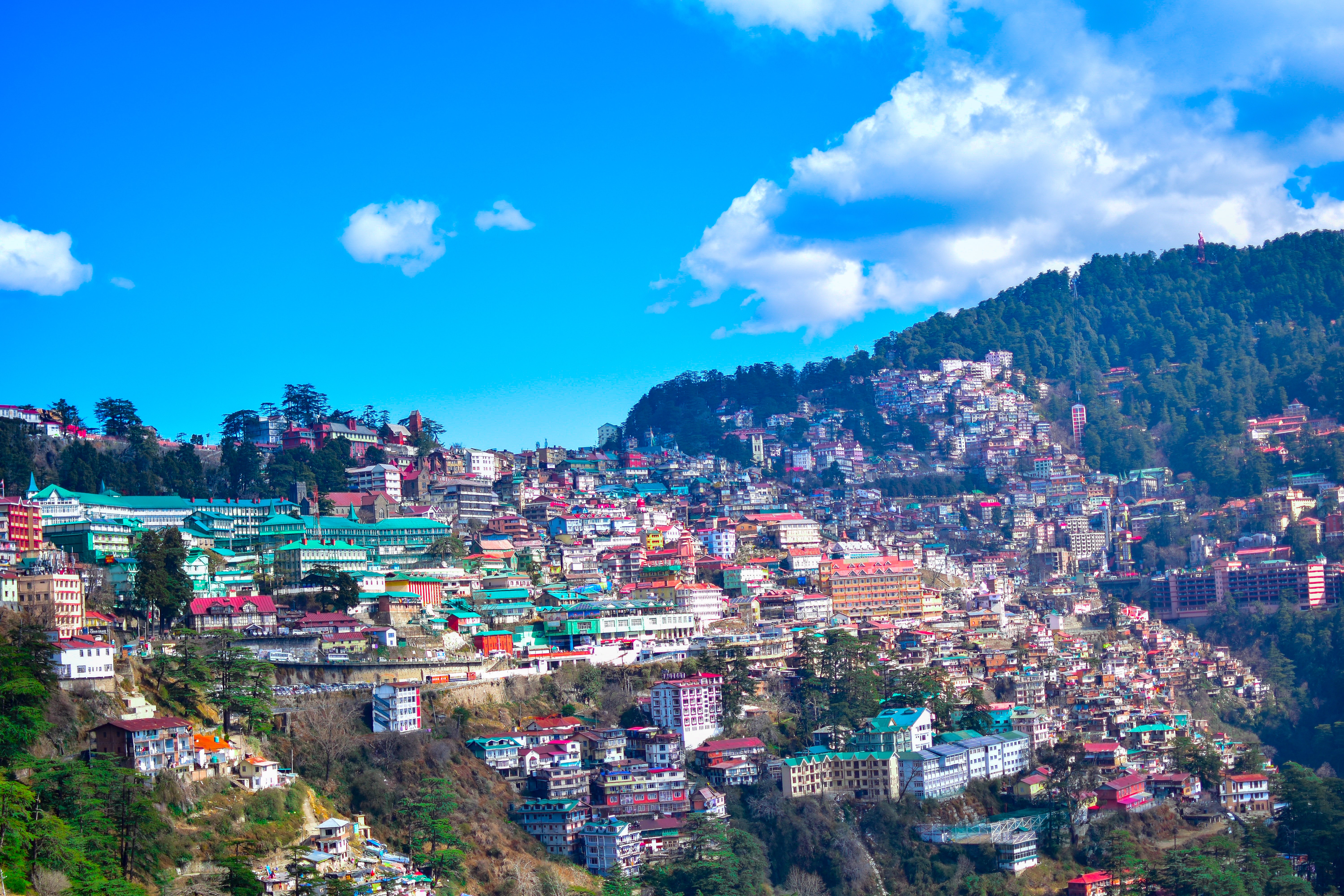
Photo by Naman Pandey on Unsplash

Himachal Pradesh
Part 1: Introduction and Overview, Shimla, Kufri, Fagu, Theog, Hatkoti Valley, Chanshal Valley
Part 2: Chail, Solan, Barog, Nahan, Sirmour, Paonta Sahib, Shoghi, Kasauli, Arki, Nalagarh, Dadasiba, Bilaspur, Dalhousie,
Part 3: Kangra, Khajjiar, Bharmour, Chamba, Tattapani, Jalori Pass, Jibhi, Mandi
Part 4: Trithan Valley, Bhuntar, Sainj Valley, Barot, Bir Billing, Palampur, Kasol, Nagar, Manikaran Sahib, Tosh, Parvati Valley
Part 5: Kullu, Manali, Dharamsala, McLeodganj
Part 6: Keylong, Pin Valley National Park, Spiti Valley, Narkanda, Mashroba, Kinnaur, Sarahan, Sangla Valley, Kalpa, Pangi Valley, Nako
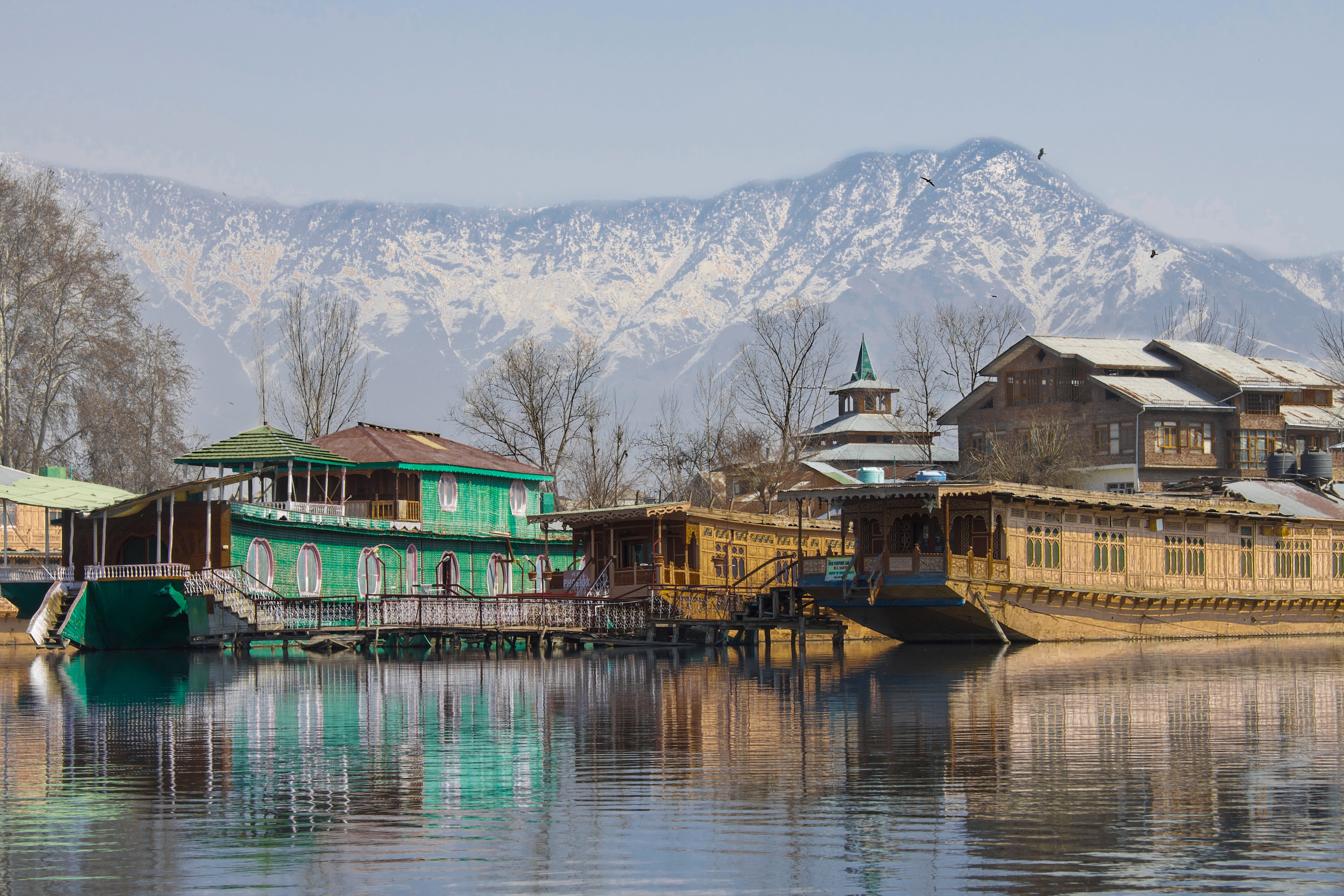
Jammu & Kashmir and Ladakh
Part 1: Introduction and Overview, Kashmir, Srinagar, Gulmarg, Sonmarg, Pahalgam, Amarnath, Pulwama, Kupwara, Poonch, Anantnag, Baramulla, Dachigam National Park
Part 2: Jammu, Patnitop, Rajouri, Udhampur, Kathua, Katra, Vaishno Devi, Kishtwar
Part 3: Ladakh, Leh, Leh Palace, Thiksey Gompa, Pangong Lake, Magnetic Hill, Nubra Valley and Khardung La Pass, Kargil, Drass, Hemis High Altitude Wildlife Sanctuary, Lamayuru, Lake Tso Moriri

Photo by Aryan Singh on Unsplash

Jharkhand
Part 1: Introduction and Overview, Ranchi
Part 2: Hazaribagh, Bokaro Steel City
Part 3: Jamshedpur, Neterhat
Part 4: Dhanbad, Shikarji, Deoghar, Dumka

Karnataka
Part 1: Introduction and Overview
Part 2: Bengaluru
Part 3: Mysuru, Mangalore, Belgaum
Part 4: Hubli-Dharwad, Gulbarga, Bidar, Badami, Bijapur, Hassan, Shimoga, Hampi, Sharavathi Valley Wildlife Sanctuary, Bhadra Wildlife Sanctuary, Brahmagiri Wildlife Sanctuary, Nagarhole National Park, Bandipur National Park, Ranganathittu Bird Sanctuary, Jog Falls, Shivanasamudra Falls, Kodasalli Backwater
Part 5: Coorg, Chikmagalur, Sakleshpur, Kudremukh, Kemmanagundi, Kotagiri, Masinagudi, Devarayanadurga, Karwar, Devbagh, Kumta, Netrani Island, Murudeshwar, Maravanthe, St. Mary’s Island, Udipi
Part 6: Udipi, Kollur, Sringeri, Dharmasthala, Horanadu, Talakadu, Belur, Shravanbelagola, Gokarna, Murudeshwar, Koodli, Srirangapatna, Pattadakal, Aihole, Kalasa
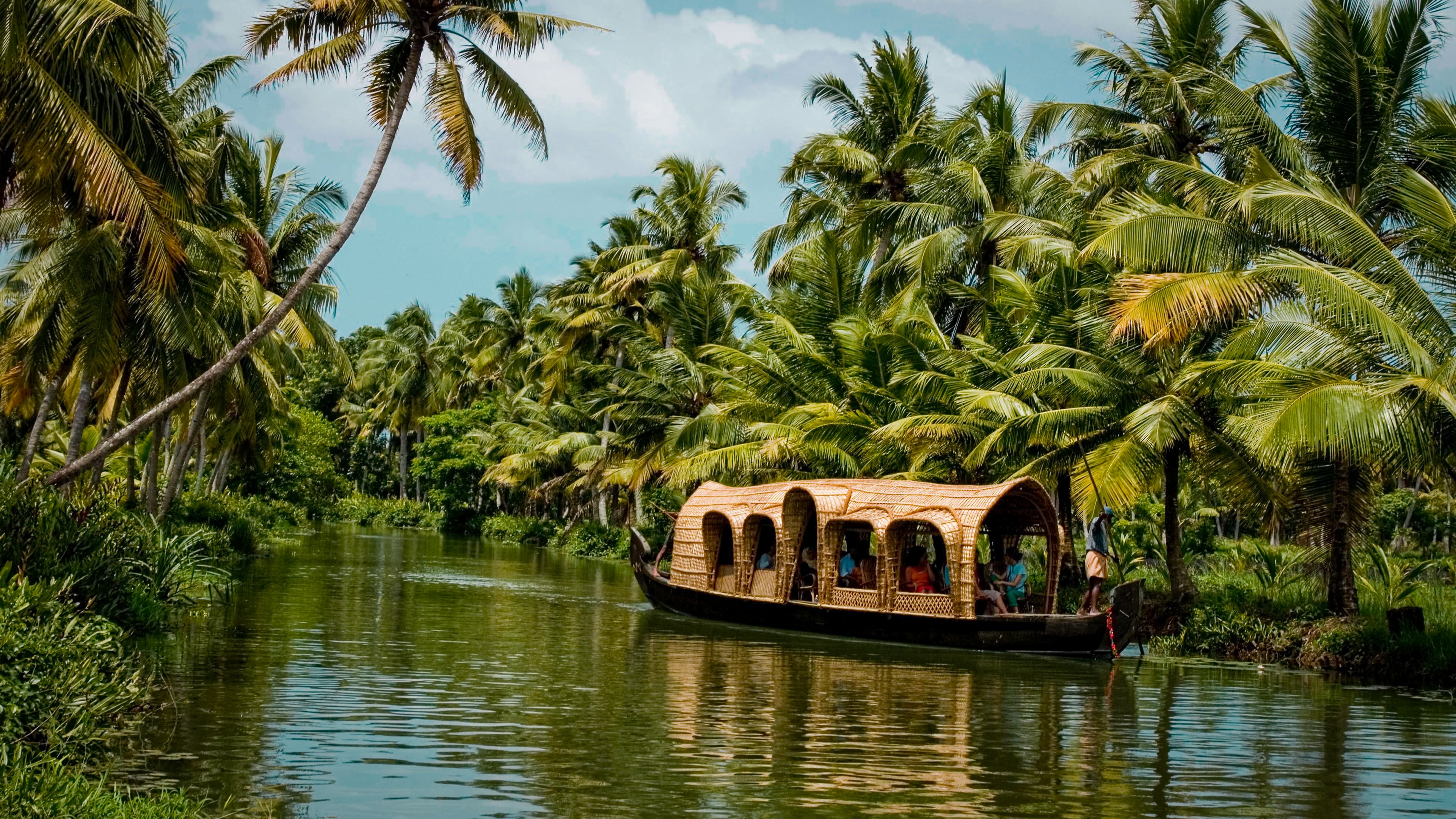
Kerala
Part 1: Introduction and Overview
Part 2: Kasaragod, Kannur, Kozhikode
Part 3: Wayanad, Mallapuram, Palakkad
Part 4: Thrissur, Ernakulam, Alappuzha
Part 5: Kottayam, Idukki, Patanamthitta
Part 6: Kollam, Tiruvanathapuram

Photo by Sachin Benny on Unsplash

Lakshadweep Islands
Part 1: Introduction and Overview
Part 2: Aminidivi, Cora Divh, Sesostris Bank, Bassas de Pedro, Cherbaniani Reef, North Islet, Byramgore Reef, Chetlat Island, Bitra Par, Kilthan Island, Kadmat Island, Kadmat Beach, Elikalpeni Bank, Perumal Par, Amini Island
Part 3: Laccadive, Amindivi, Agatti Island, Bangaram, Pakshipitti, Andrott Island, Kavaratti, Kalpeni, Suheli Par
Part 4: Minicoy, Maliku Atoll, Investigator Bank, Viringili

Madhya Pradesh
Part 1: Introduction and Overview
Part 2: Bhopal
Part 3: Indore, Ujjain, Alampur
Part 4: Maheshwar, Omkareshwar, Mandu, Burhanpur
Part 5: Chanderi, Shivpuri, Orchha, Khajurao
Part 6: Gwalior, Jabalpur, Bhedaghat, Panchmarhi, Amarkantak, Bandhavgarh National Park, Kanha National Park, Pench National Park

Photo by Raj Rana on Unsplash

Maharashtra
Part 1: Introduction and Overview, Mumbai
Part 2: Pune
Part 3: Matheran, Lonavala, Khandala, Rajmachi, Lavasa, Kamshet, Mahabaleshwar, Panchgani, Kaas Plateau, Maval, Bhandardara, Chikhaldara, Bhimashankar
Part 4: Amravati, Aurangabad, Ajanta and Ellora Caves, Lonar, Chiplun, Kolhapur, Nagpur, Nanded, Nashik, Triambakeshwar, Shirdi, Shani Shinganapur, Raigad, Ratnagiri, Satara
Part 5: Dahanu, Alibaug, Kashid, Diveagar, Harihareshwar, Murud, Karade, Ganpatipule, Tarkarli, Vengurla, Tadoba National Park, Bhamragarh Wildlife Sanctuary, Chandoli National Park, Gugumal National Park, Navegaon National Park, Malvan Marine Sanctuary, Rehekuri Blackbuck Sanctuary
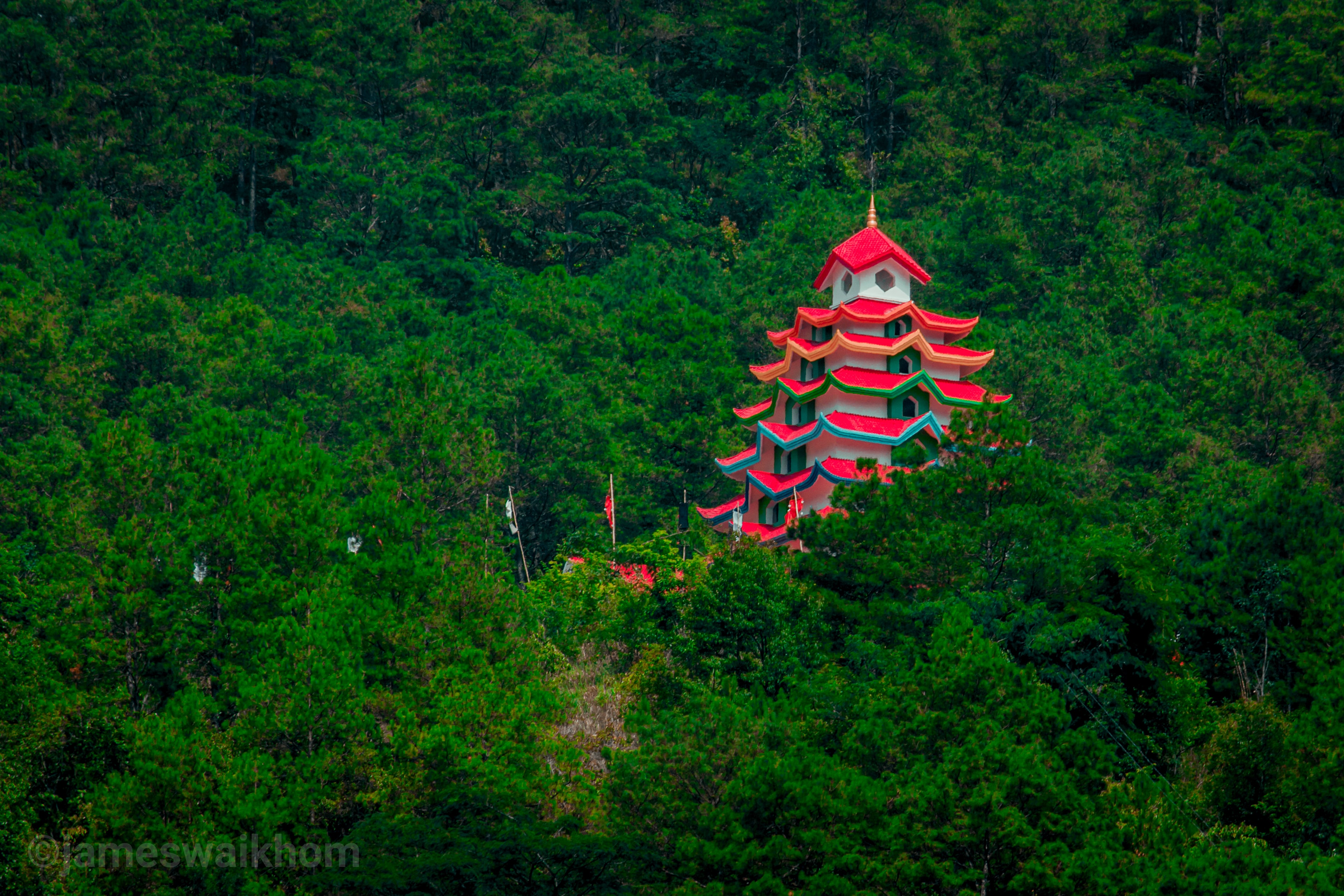
Photo by WAIKHOM JAMES on Unsplash

Manipur
Part 1: Introduction and Overview, Imphal
Part 2: Moirang, Tamenglong, Thoubal
Part 3: Chandel, Tengnoupal, Moreh, Kaina, Ukhrul, Mount Koubru, Baruni Hill, Thangjing Hill, Sadu Chiru Waterfall
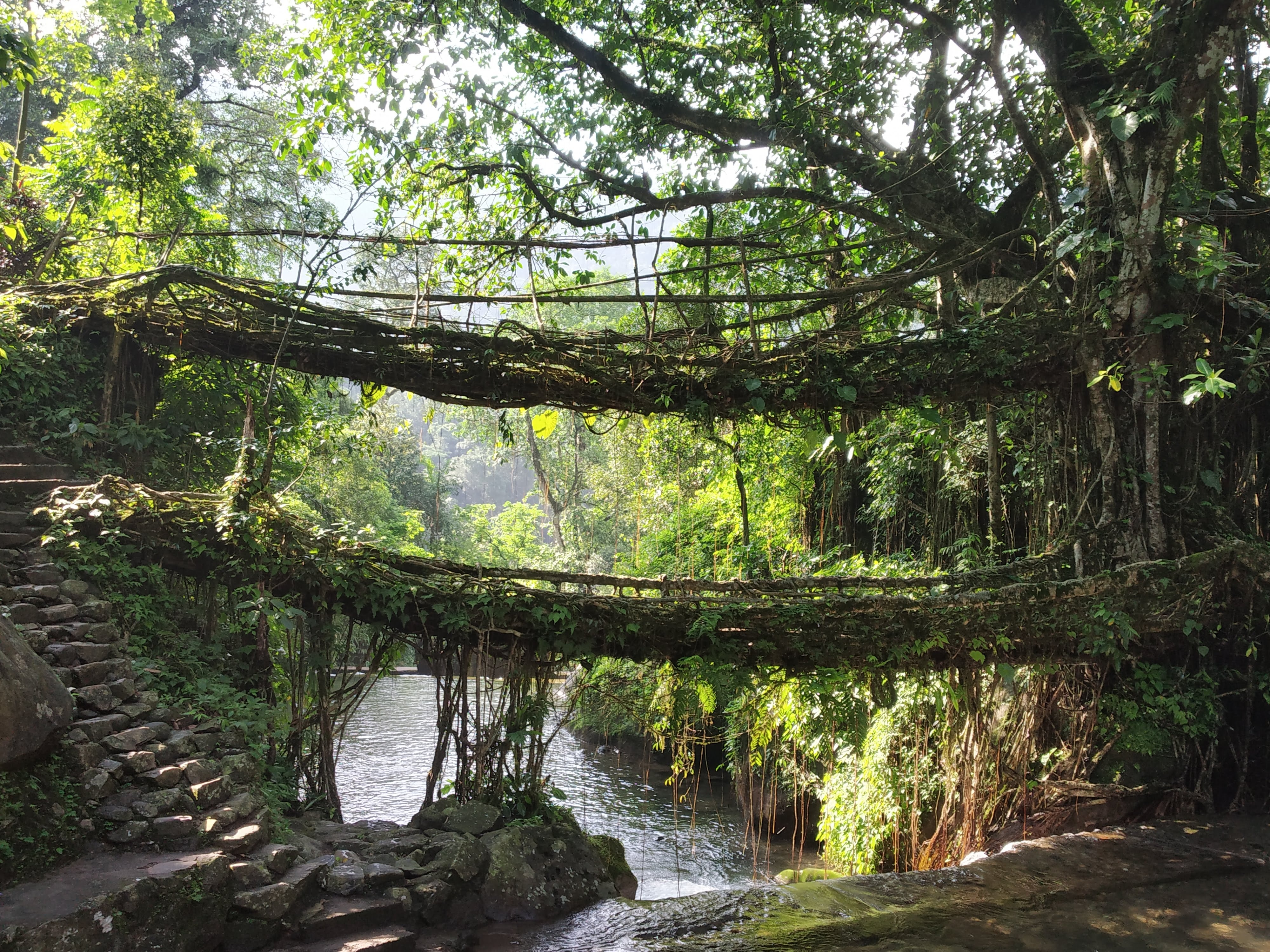
Photo by Utkarsh B on Unsplash

Meghalaya
Part 1: Introduction and Overview
Part 2: Shillong
Part 3: Mawphlang, Cherrapunji, Nongpoh, Mawsynram
Part 4: Jowai, Mawlynnong, Dawki, Balpakram National Park, Williamnagar, Baghmara, Tura
Part 5: Khasi Hills, Jaintia Hills, Garo Hills

Photo by Vanlaldin puia on Unsplash

Mizoram
Part 1: Introduction and Overview, Aizwal, Falkawn Village
Part 2: Reiek, Hmuifang, Kolasib, Tamdil or Tam Lake, Mamit, Vantawng Falls, Serchhip
Part 3: Dampa Tiger Reserve, Lunglei, Champhai
Part 4: Murlen National Park, Phawngpui, Phawngpui National Park, Saiha,
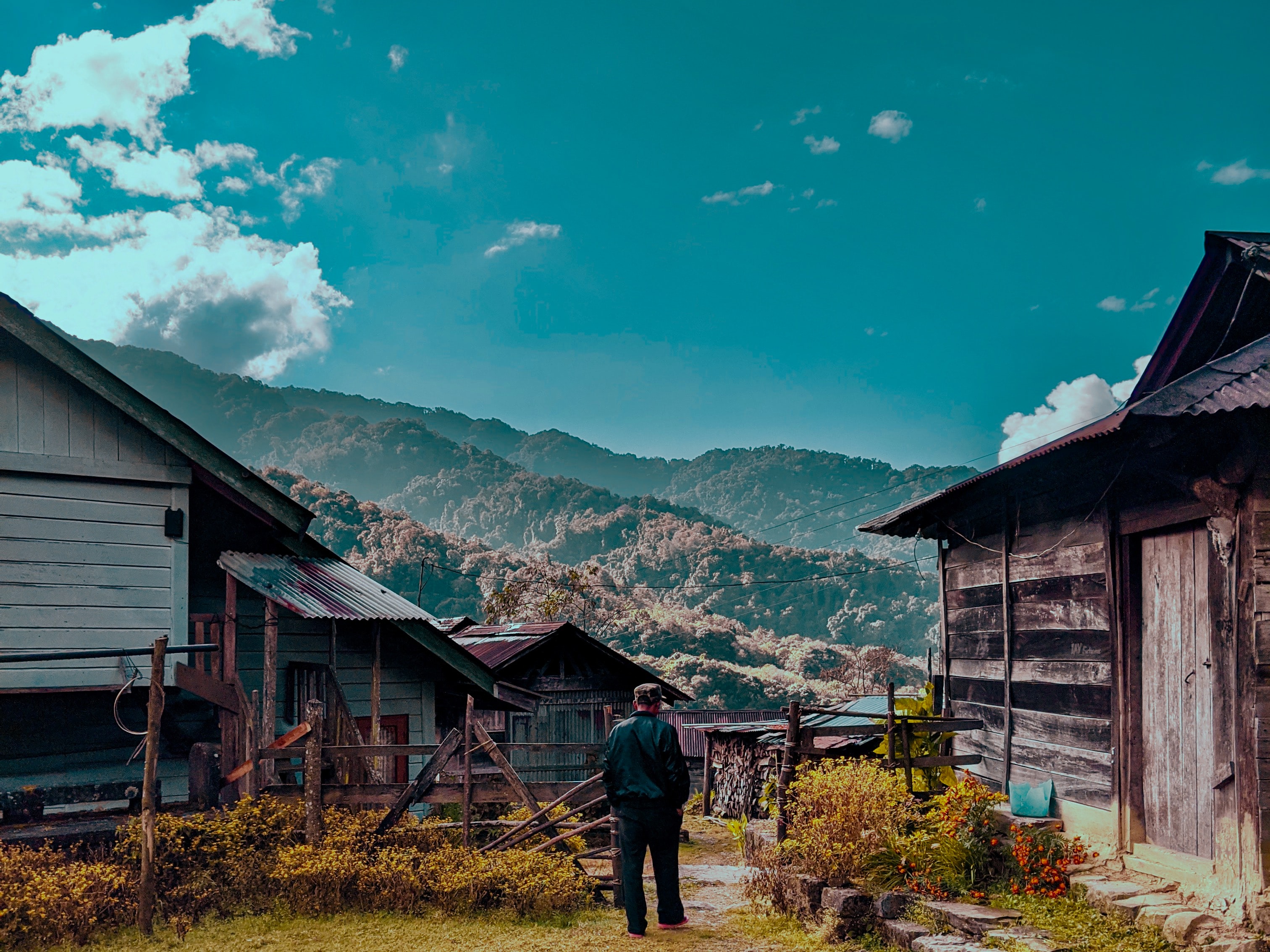
Photo by Suraj Jadhav on Unsplash

Nagaland
Part 1: Introduction and Overview, Dimapur
Part 2: Kohima
Part 3: Mokokchung, Tuensang, Phek, Mon, Pfutsero
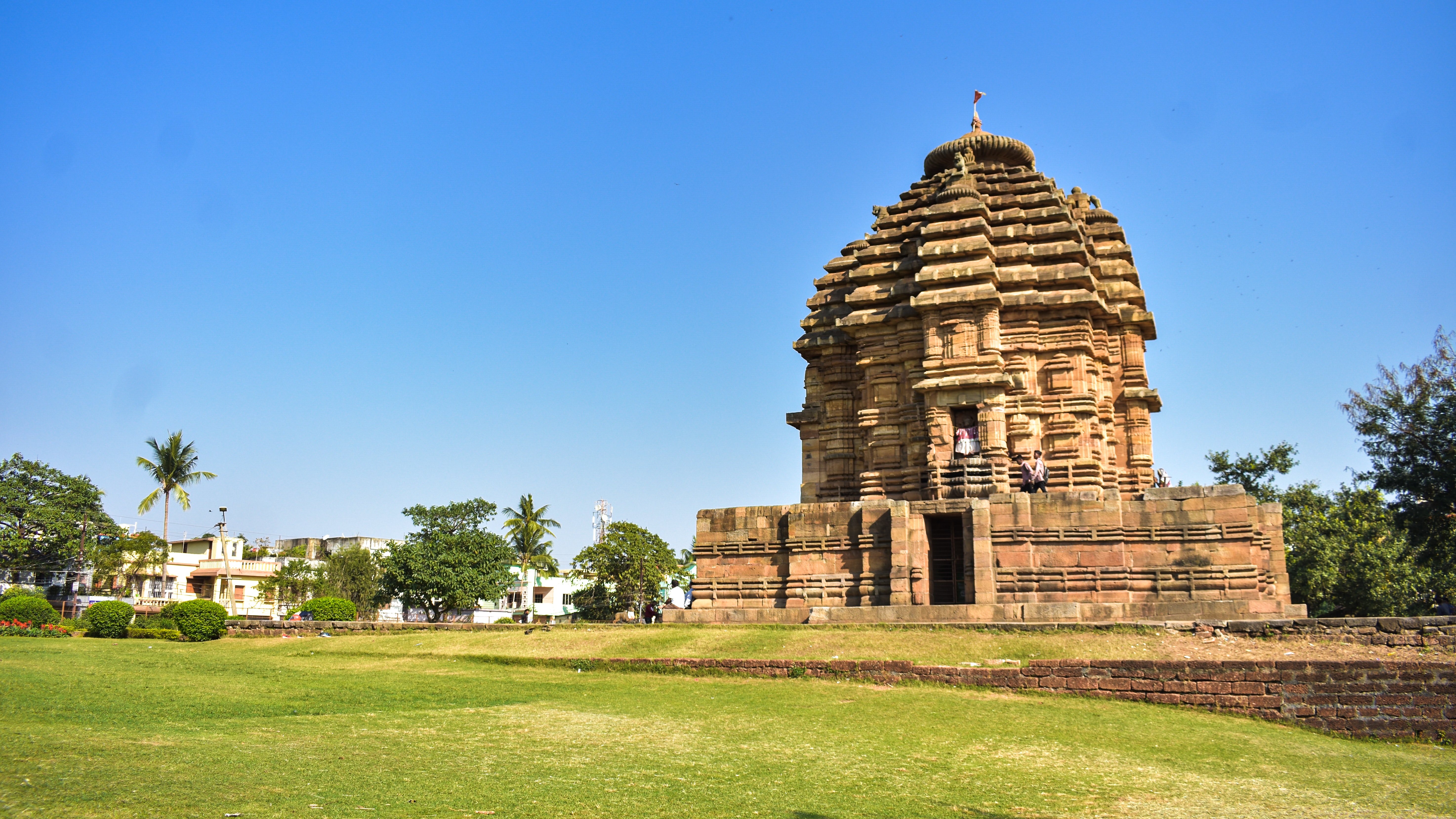
Photo by Ayiman Mohanty on Unsplash

Odisha
Part 1: Introduction and Overview, Bhubaneshwar, Dhauli
Part 2: Cuttack, Rayagada, Daringbadi, Berhampur, Jeypore
Part 3: Puri, Baripada, Sambalpur, Rourkela
Part 4: Konark, Paradeep, Gopalpur, Chandipur
Part 5: Lake Chilika, Tikarpada Wildlife Sanctuary, Satkosia Tiger Reserve, Bhitarkanika National Park & Wildlife Sanctuary, Simlipal National Park, Duduma Waterfalls, Chandaka Forest, Kotgarh Elephant Reserve, Karlapat Wildlife Sanctuary

Photo by nullvoid on Unsplash

Puducherry
Part 1: Introduction and Overview, Puducherry
Part 2: Karaikal, Mahé, Yanam
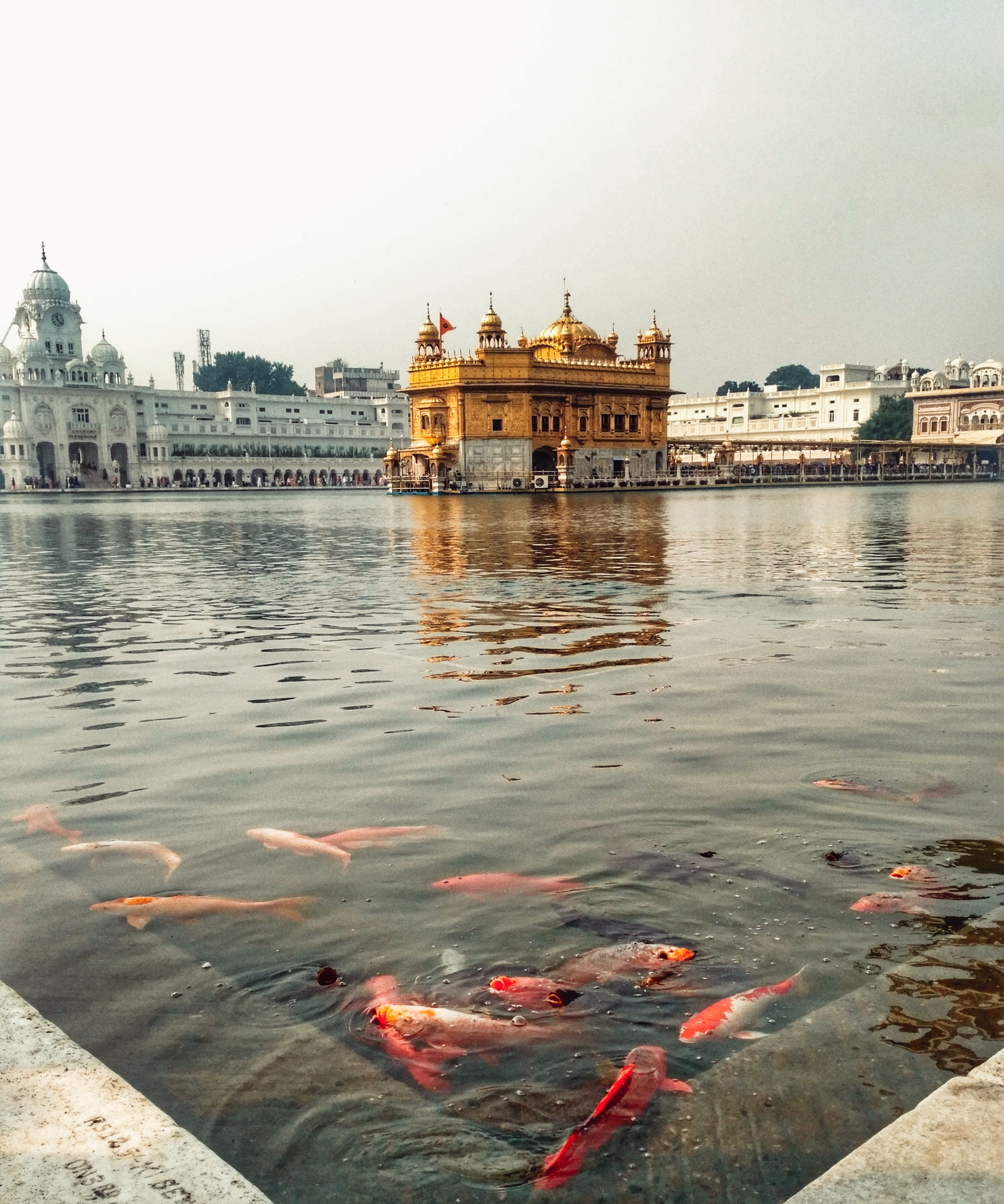
Photo by Prerna Sharma on Unsplash

Punjab
Part 1: Introduction and Overview
Part 2: Chandigarh, Sirhind
Part 3: Rupnagar, Patiala
Part 4: Ludhiana, Bhatinda
Part 5: Jalandhar, Kapurthala
Part 6: Pathankot, Amritsar

Rajasthan
Part 1: Introduction and Overview, Jaipur, Udaipur
Part 2: Jodhpur, Jaisalmer, Sawai Madhopur, Pushkar

Photo by Apurba Nag on Unsplash

Sikkim
Part 1: Introduction and Overview
Part 2: Gangtok
Part 3: Tinkitam Rayong, Namchi, Barsey Rhododendron Sanctuary, Kabi Longstok, Tendong Hill, Aritar, Zuluk, Pangolakha Wildlife Sanctuary, Pelling, Yuksom, Ravangla
Part 4: Maenam Wildlife Sanctuary, Geyzing, Yangtey, Borong, Mangan, Chopta Valley, Lachung, Lachen, Yumthang Valley, Thangu Valley, Gurudongmar Lake, Cholamu Lake, Shingba Rhododendron Sanctuary, Khangchendzonga National Park, Fambong Lho Wildlife Sanctuary, Goecha La

Tamil Nadu
Part 1: Introduction and Overview, Chennai
Part 2: Coimbatore, Tiruchirappalli, Tiruppur, Tirunelveli
Part 3: Ooty, Kodaikanal, Yercaud, Coonoor, Yelagiri, Bellikkal
Part 4: Kanchipuram, Tiruvannamalai, Chidambaram, Vaitheeshwaran Kovil,
Part 5: Kumbakonam, Thanjavur, Swamimalai, Rameshwaram, Madurai
Part 6: Mahabalipuram, Kanyakumari, Mudumalai Wildlife Sanctuary, Hogenakkal Falls, Kutralam Falls

Photo by Aman Upadhyay on Unsplash

Telangana
Part 1: Introduction and Overview, Hyderabad Part 1
Part 2: Hyderabad Part 2
Part 3: Secunderabad
Part 4: Warangal, Nizamabad
Part 5: Khammam, Karimnagar, Adilabad, Mahbubnagar, Medak
Part 6: Nalgonda, Bhadrachalam, Koti Linga, Somasila, Vemulawada

Photo by Sourav Debnath on Unsplash

Tripura
Part 1: Introduction and Overview
Part 2: Agartala
Part 3: Kailashahar, Unakoti, Udaipur, Ambassa, Pilak Archaeological Sites, Chabimura, Mahamuni Pagoda, Manubankul, Buddhist Stupa, Boxanagar
Part 4: Baramura Eco Park, Kalapania Nature Park, Tepania Eco Park, Khumulwang Eco Park, Jampui Hills, Dumboor Lake, Dhalai, Rudrasagar Lake, Sepahijala Wildlife Sanctuary & Clouded Leopard National Park, Trishna Wildlife Sanctuary, Rajbari National Park, Rowa Wildlife Sanctuary, Gomati Wildlife Sanctuary

Uttar Pradesh
Part 1: Introduction and Overview, Noida, Loni, Ghaziabad, Meerut, Muzzafarnagar
Part 2: Hastinapur, Vrindavan, Mathura
Part 3: Fatehpur Sikri, Agra, Garhmukteshwar
Part 4: Aligarh, Firozabad, Jhansi, Piilbhit, Bithoor, Naimisharanya
Part 5: Kanpur, Lucknow
Part 6: Ayodhya, Sravasti, Prayagraj
Part 7: Chitrakoot, Vindhyachal, Varanasi, Sarnath, Kushinagar

Photo by Akshay syal on Unsplash

Uttarakhand
Part 1: Introduction and Overview, Dehradun
Part 2: Mussoorie, Dhanaulti
Part 3: Auli, Joshimath, Chopta, Tungnath, Ukhimath, Lansdowne, Nainital
Part 4: Sattal, Bhimtal, Naukuchiatal, Kausani, Ranikhet, Almora, Binsar, Jalna, Kasar Devi, Jageshwar, Champawat, Munsiyari, Pithorgarh
Part 5: Bageshwar, Chamoli, Mana, Badrinath, Pandukeshwar, Hemkund Sahib, Kedarnath, Gomukh, Madhyamaheshwar, Gangotri, Gauri Kund, Yamunotri
Part 6: Rudranath, Guptakashi, Nandprayag, Rudraprayag, Devprayag, Rishikesh, Haridwar, Roopkund Lake, Nelong Valley, Gangotri National Park, Kedarnath Wild Life Sanctuary, Valley of Flowers, Nanda Devi National Park, Govind Pashu Vihar Wildlife Sanctuary, Rajaji National Park, Jim Corbett National Park
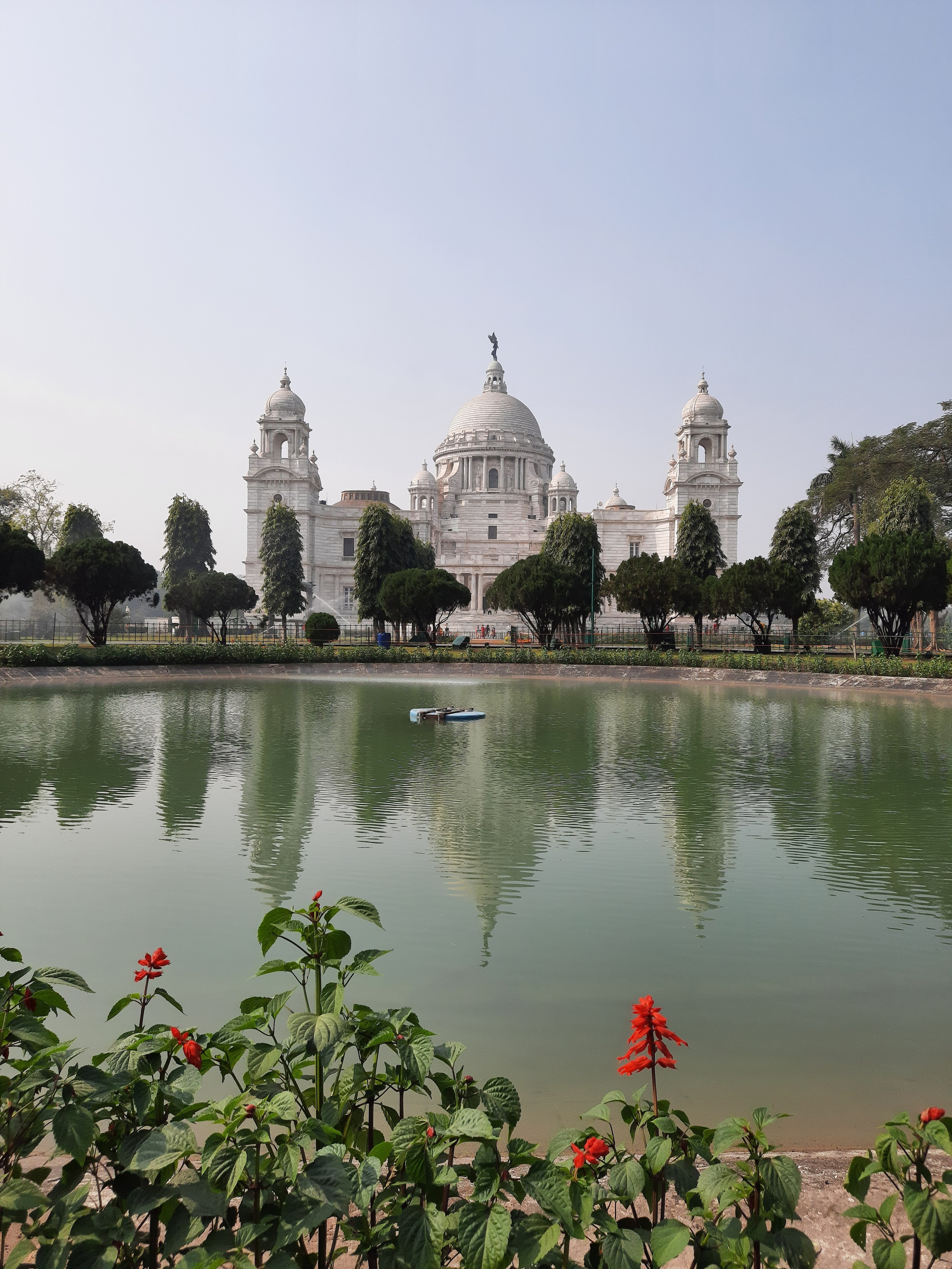
Photo by Nitish Narayan on Unsplash

West Bengal
Part 1: Introduction and Overview, Kolkata
Part 2: Howrah, Barrackpore, Chandan Nagar, Chinsurah, Bardhaman, Haldia, Midnapore
Part 3: Shantiniketan, Durgapur, Jhargram, Asansol, Murshidabad, Mukutmanipur, Malda, Siliguri, Jalpaiguri, Cooch Behar, Bagdogra
Part 4: Kurseong, Mirik, Darjeeling, Tinchuley, Dooars, Kalimpong
Part 5: Rishyap, Lava and Lolegaon, Buxa Tiger Reserve, Rajabhatkawa, Jaldapara National Park, Jaldhaka, Chapramari Wildlife Sanctuary, Gorumara National Park, Neora Valley National Park, Lataguri, Purulia, Sonajhuri Forest, Deulti, Sundarbans, Mayapur, Nabadwipa, Bakreswar
Part 6: Bankura, Bishnupur, Jayrambati, Kamarpukur, Tarapith, Falta, Raichak, Taki, Piyali Island, Machranga Dwip, Kakdwip, Mousuni Island, Bakkhali, Junput, Mandarmani, Tajpur, Shankarpur

In My Hands Today…

India in the Persianate Age, 1000–1765 – Richard M. Eaton

Protected by vast mountains and seas, the Indian subcontinent might seem a nearly complete and self-contained world with its own religions, philosophies, and social systems. And yet this ancient land and its varied societies experienced prolonged and intense interaction with the peoples and cultures of East and Southeast Asia, Europe, Africa, and especially Central Asia and the Iranian plateau.

Richard M. Eaton tells this extraordinary story with relish and originality, as he traces the rise of Persianate culture, a many-faceted transregional world connected by ever-widening networks across much of Asia. Introduced to India in the eleventh century by dynasties based in eastern Afghanistan, this culture would become progressively indigenized in the time of the great Mughals (sixteenth, seventeenth, and eighteenth centuries). Eaton brilliantly elaborates the complex encounter between India’s Sanskrit culture—an equally rich and transregional complex that continued to flourish and grow throughout this period—and Persian culture, which helped shape the Delhi Sultanate, the Mughal Empire, and a host of regional states. This long-term process of cultural interaction is profoundly reflected in the languages, literatures, cuisines, attires, religions, styles of rulership and warfare, science, art, music, and architecture—and more—of South Asia.

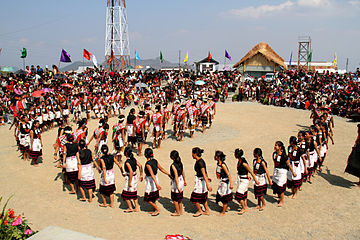
Festivals of India: Sekrenyi Festival

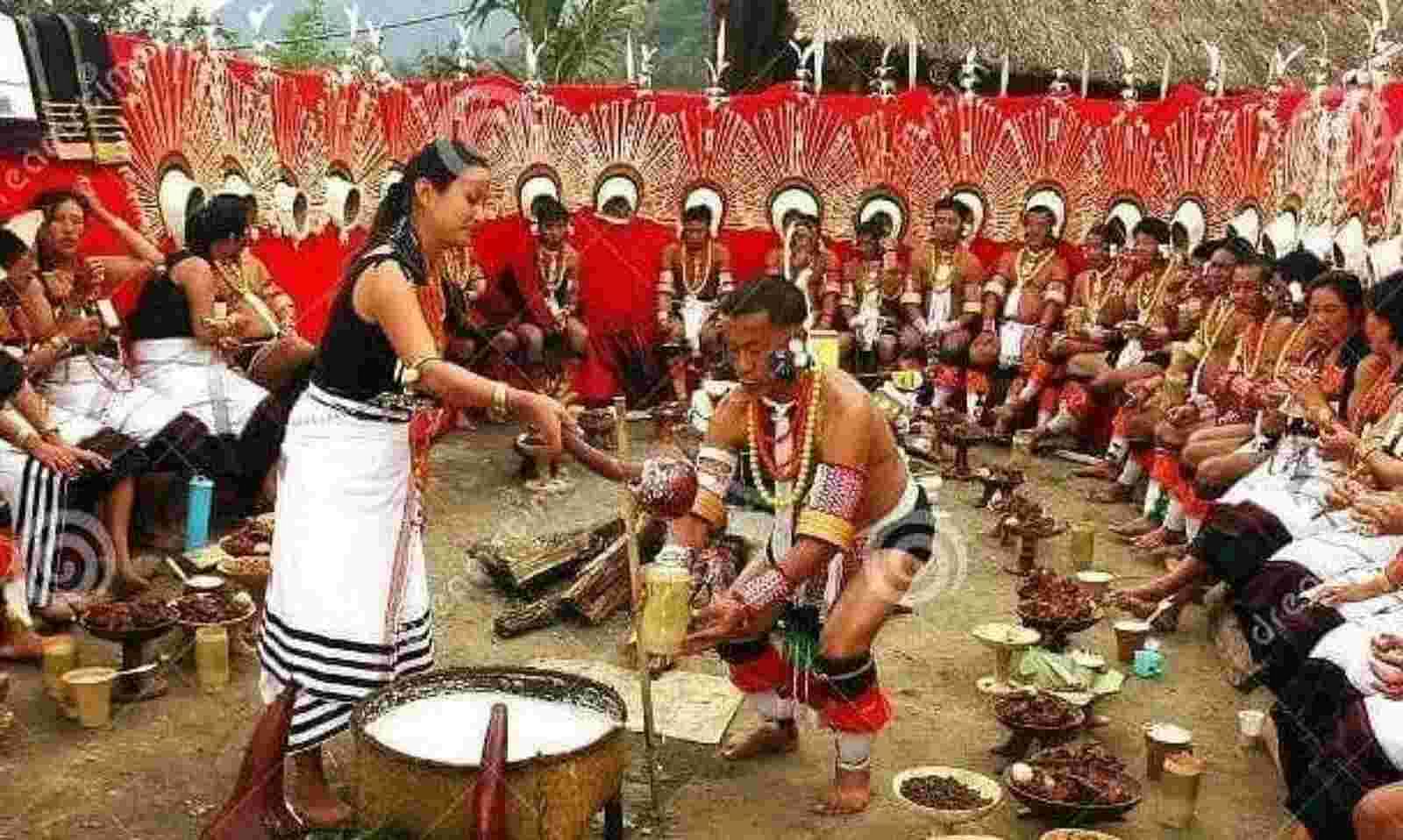
Also known as Sokre-n and Phousanyi, Sekrenyi is a major annual festival of the Angami Nagas, in the northeast Indian state of Nagaland. It is observed for ten days from the 25th day of the Angami calendar month of Kezei, usually corresponding to 25 February in the Gregorian calendar. The festival is a time for purification, renewal, and thanksgiving, and is celebrated with a variety of rituals, feasts, and dances. It is a purification festival held to wash off all past sins. The objective of the festival is to renew and make holy by cleansing the body and the soul of the village as a whole, and to bring forth unity among all communities of Nagaland. It also marks the initiation of young people to adulthood and is considered an identity marker of the Angami. Christian converts among the tribals have gradually rejected these rituals.

Sekrenyi is a compound word formed by Sekre meaning sanctification and Nyi meaning festival. The festival calendar is linked to the agricultural cycle, which varies from village to village. Thus, the celebration is held between the months of December–March, and the duration also varies from ten to fifteen days. It is celebrated by both the Kruna Angami or Pfutsana and Christian Angami. The duration is reduced to five days for the Christian villagers who had earlier converted to Christianity but belonged to the same ethnic group; they participate in the festivities but they do not follow any of the rituals connected with it.

Many rituals and ceremonies are involved with the festival. On the first day, which is known as Kezie, people sprinkle themselves with a few drops of rice water drawn from a pot named Zumho. The water drops are first gathered into leaves, and the chief lady of the house reverently fixes the leaves at the three main corner pillars of the house. This is followed by the men assembling at the well to bathe. On the second day, young men of the village assemble in the village to perform ablutions. They adorn themselves with two new shawls, and then ritualistically sprinkle the holy water on their chests, knees and right arms as a mark of washing away all their sins and ill luck. When they come back from the well, a sacrificial offer of a cock is performed.

The fourth day of the festival marks the New Year of the Angamis. It begins with revelry by singing and feasting which lasts for three days. The young people, both men and unmarried girls with shaven heads gather and sing traditional songs the entire day; the songs relate to past days of valour and bravery. For the revelry of music and dance, the men and women of the community wear the traditional dress; while men carry head hunting spades, women carry baskets. The seventh day is devoted to hunting by the young men of the ethnic group. On the eighth day, the ritual involves pulling down a gate and replacing the old gate that demarcates the property. This is followed in the next two days by the people of villages formally exchanging visits and offering greetings. During the period of the ten-day festivities, field operations are suspended, In local terminology, this is called Penyu. Following the completion of the festival period, when men of the villages have cleansed themselves and sought blessings, cultivation, house building and marriages may restart for the year.

One of the most important rituals of the Sekrenyi festival is the offering of food and other items to the ancestors and the gods. This is done in the form of a feast, known as the Thuwali feast. The Thuwali feast is a grand affair, with a variety of dishes being prepared and served to the community. The food is prepared by the women of the community, who spend days preparing for the feast. This feast is a time for the community to come together and give thanks for the blessings of the past year, and ask for continued blessings in the coming year.

Another important ritual of the Sekrenyi festival is the performance of dances. The Angami people are known for their traditional dances, which are performed during the festival. These dances are performed by both men and women and are a form of storytelling. They tell the stories of the Angami people, their history, and their culture. The dances are accompanied by music, which is played on traditional instruments such as the nga or a bamboo flute and the dama or a drum. The dances are a vibrant and colourful spectacle and are enjoyed by the entire community.

The Sekrenyi festival is also an important social and cultural event, bringing together members of the community from across the region. During the festival, people from different villages come together to participate in the rituals and ceremonies. This is an opportunity for people to reconnect with friends and family, and to strengthen the bonds of the community. The festival is also an opportunity for young people to meet and mingle, and for potential partners to be introduced.

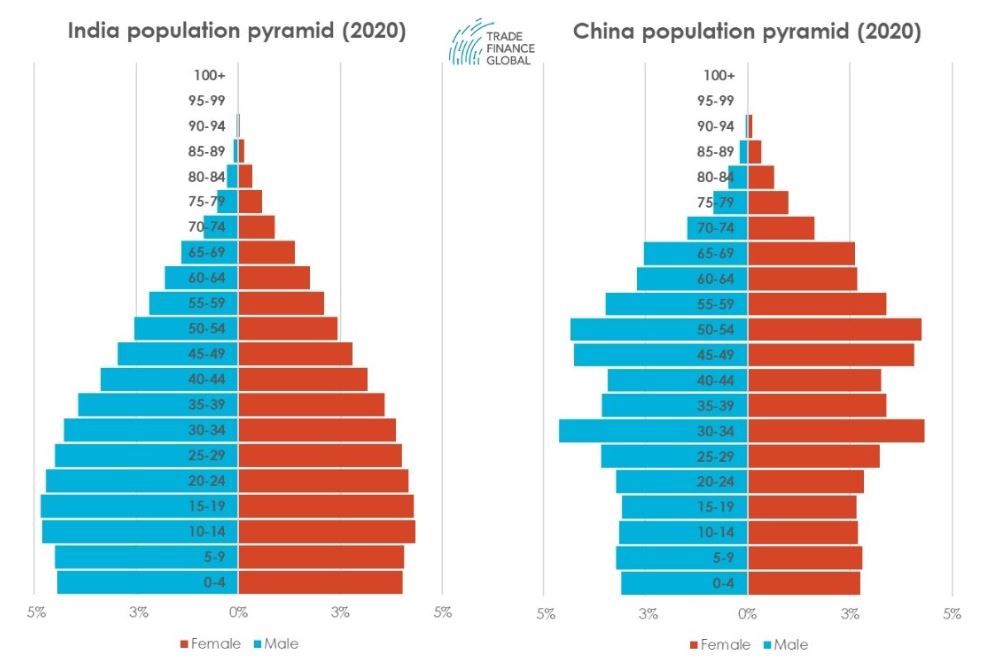
India overtakes China as the most Populous country of the world

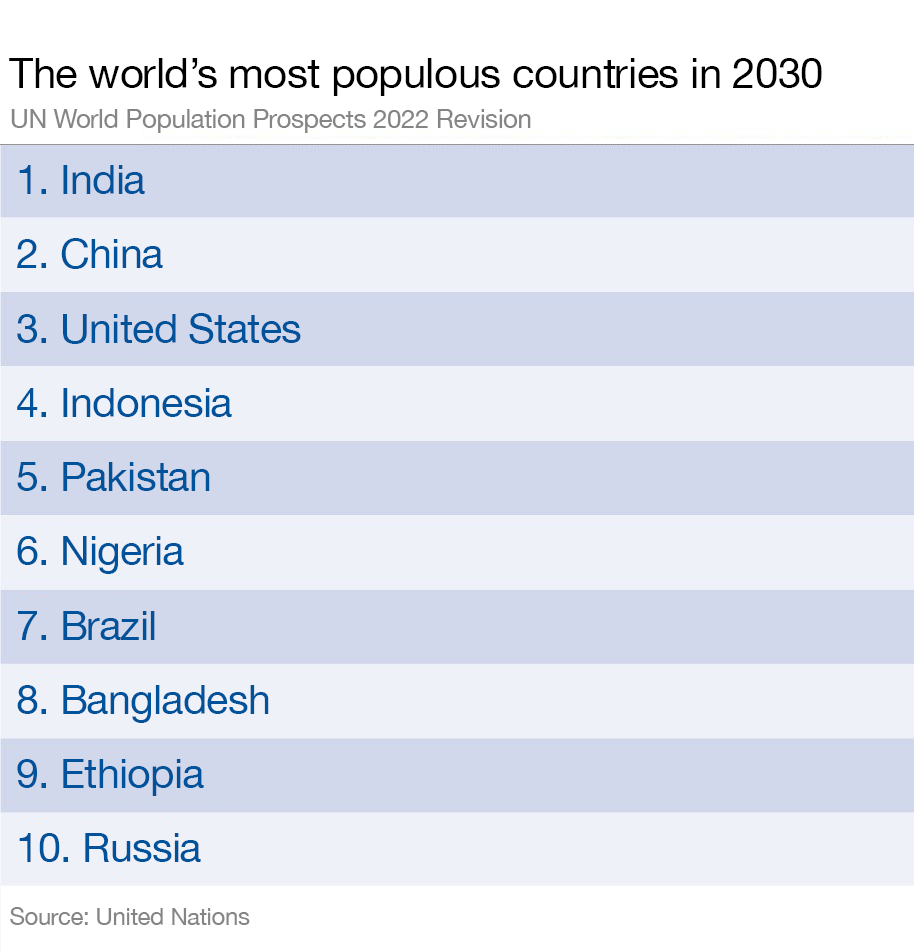
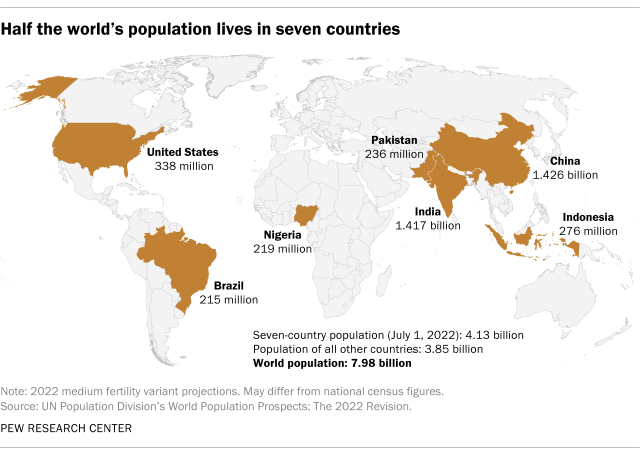
Sometime in 2023, according to the United Nations, India will officially overtake China as the world’s most populous country, a dubious honour I feel should have not happened in the first place. India probably already has overtaken China, but because the next census has not happened (the last was in 2011), it will only be confirmed sometime later this year.

India is fast becoming the world’s most populous country, surpassing China. According to United Nations projections, India’s population is expected to reach 1.7 billion by 2050, compared to China’s 1.4 billion. This shift in demographic dominance has significant implications for both countries and the world at large.

According to the U.N.’s World Population Dashboard, China still had slightly more people than India at the end of 2022: 1.4485 billion, compared to India’s 1.4066 billion. But China’s population has stabilized and is set to shrink, while India’s is still growing pretty fast.

More babies are born each year in India than in any other country in the world. The U.N. estimates more than 24 million annually, but the true number is likely higher because many births never get registered. Compared to previous generations, these newborn Indians are more likely to be born in a hospital than at home; more likely to survive to adulthood; more likely to become literate, educated and multilingual; and more likely to migrate within their lifetime, to different parts of their own country or the rest of the world. And if efforts to eradicate female feticide are successful, the next generation of Indians will have more females than in recent decades.

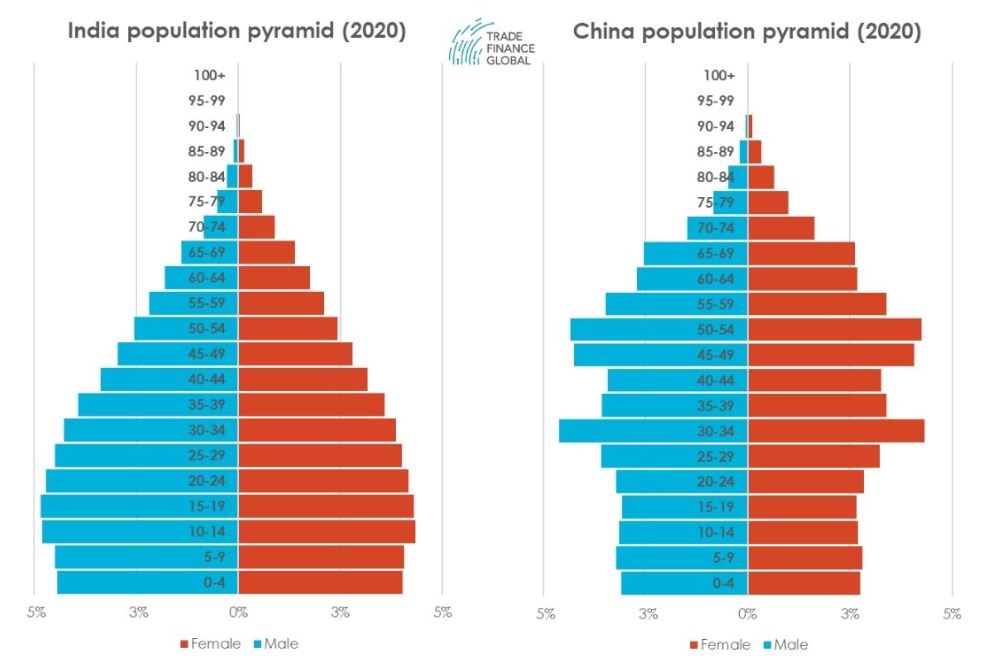
One factor driving India’s population growth is its young and rapidly growing working-age population. While China’s population is ageing, with a rapidly growing elderly population, India’s population is relatively youthful, with a large number of people in their prime working years. This demographic advantage is likely to fuel India’s economic growth in the coming years and support its rise as a major player in the global economy. Another factor contributing to India’s population growth is its high birth rate. Despite a decline in recent years, India still has one of the highest birth rates in the world, with an average of 2.5 children per woman. This high birth rate, combined with increased access to healthcare and improved living standards, has led to a rapid increase in life expectancy, further fueling population growth. However, India’s population growth also poses major challenges, including pressure on resources, infrastructure, and social services. The country is already facing major challenges in providing adequate housing, healthcare, and education to its rapidly growing population, and the government will need to address these issues to ensure sustainable economic growth.

The impact of India overtaking China as the most populous country in 2023 is likely to have several implications. As the world’s most populous country, India is likely to gain increased political and economic influence on the global stage, but with a rapidly growing population, India may face challenges such as providing adequate employment opportunities, housing, healthcare, and education to its citizens. The growing population is likely to put pressure on the country’s natural resources, such as water, land, and food, leading to potential resource scarcity and environmental degradation and there may be a population shift as a result of migration from rural to urban areas, leading to increased urbanisation and the need for infrastructure development in cities. Changes to the labour market, potentially affecting industries such as agriculture, manufacturing, and the service sector are also very likely.

From an economic perspective, the impact of India becoming the world’s most populous country will most likely be mixed. India’s large population could provide a significant labour force that could be an advantage for the economy in terms of increased productivity and economic growth. With a large and growing population, the country has the potential to become a major consumer market, attracting investment and driving economic growth. But the rapid population growth may put pressure on resources and infrastructure such as water, food, and energy, potentially leading to resource scarcity and inflation. Providing adequate infrastructure and services to a rapidly growing population, such as housing, healthcare, and education, can be a challenge and may require significant investments. If the population growth is accompanied by a favourable age structure, with a large proportion of working-age people, it could lead to a demographic dividend, driving economic growth. As the world’s most populous country, India may face increased competition with China for global economic influence and market share in various industries.

Having a large demographic of young people gives India an edge over many other economies, which are facing an ageing population. With more than half of the country under the age of 25, India has a massive potential workforce to propel economic growth. While India does not face an ageing workforce, the challenge is ensuring there are enough jobs, and that its people have the right education and skills for those jobs, according to experts.

Since 1947, India has transformed from a subcontinent impoverished by British colonial rule to an Asian regional power with big urban centres of technology, innovation, constant construction and growth. There are projections that India will overtake Germany and Japan to become the world’s third-largest economy, possibly by 2030. China will achieve its peak population size in 2022 whereas India will continue to experience momentum for several decades to come, before the population stabilizes and this represents a great opportunity for the country. But the challenge is for India to create enough opportunities in education and employment for all of these young people streaming into India’s big cities or being born in them. The country needs to keep pace with the growth of the population by providing health care, education, and the conditions for jobs. In a country where women and girls don’t have decision-making power, especially in rural and semi-urban areas where they have lower levels of literacy and where they’re not able to exercise their reproductive rights and choices, it is important to give them the voice the need and deserve.

India’s rise as the world’s most populous country has significant implications for both the country and the world. While its youthful population and high birth rate hold the potential for economic growth, the government must address the challenges posed by rapid population growth to ensure a sustainable future for its citizens.

In My Hands Today…

Akbar: The Great Mughal – Ira Mukhoty

Abu’l Fath Jalal-ud-din Muhammad Akbar, the third Mughal emperor, is widely regarded as one of the greatest rulers in India’s history. During his reign, the Mughal Empire was one of the wealthiest in the world, and covered much of the Indian subcontinent. Although there are dozens of books on the empire, there are surprisingly few full-length accounts of its most remarkable emperor, with the last major study having been published over two decades ago. In Akbar: The Great Mughal, this outstanding sovereign finally gets his due, and the reader gets the full measure of his extraordinary life.

Akbar was born on 15 October 1542 and after a harrowing childhood and a tumultuous struggle for succession following the death of his father, Humayun, became emperor at the age of thirteen. He then ruled for nearly fifty years, and over the course of his reign established an empire that would be hailed as singular, both in its own time and for posterity.

In this book, acclaimed writer Ira Mukhoty covers Akbar’s life and times in lavish, illuminating detail. The product of years of reading, research, and study, the biography looks in great detail at every aspect of this exceptional ruler—his ambitions, mistakes, bravery, military genius, empathy for his subjects, and path-breaking efforts to reform the governance of his empire. It delves deep into his open-mindedness, his reverence towards all religions, his efforts towards the emancipation of women, his abolishing of slavery and the religious tax—jiziya—and other acts that showed his statesmanship and humanity. The biography uses recent ground-breaking work by art historians to examine Akbar’s unending curiosity about the world around him, and the role the ateliers played in the succession struggle between him and his heir, Prince Salim (who became Emperor Jahangir).