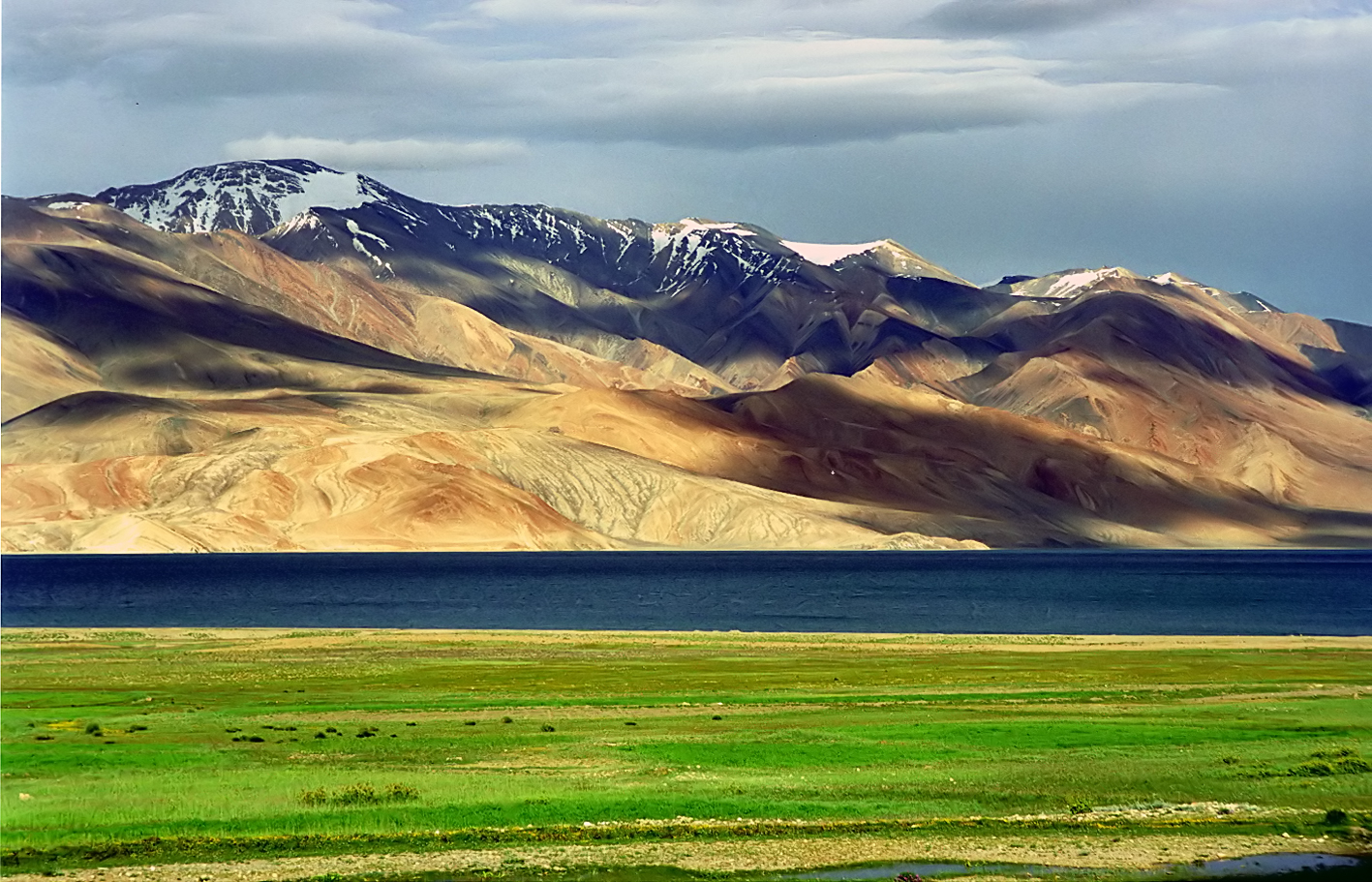
Festivals of India: Hemis Tsechu

Ladakh, a mesmerising region nestled in the Indian Himalayas, is renowned for its breathtaking landscapes and its vibrant cultural heritage. Among the various festivals celebrated in Ladakh, Hemis Tsechu holds a significant place. The annual two-day festival is a symbol of the region’s deep-rooted Buddhist traditions. The festival commemorates the birth anniversary of Guru Padmasambhava, a revered Buddhist master, credited with spreading Tantric Buddhism in the region in the 8th century.

Hemis Tsechu is an annual festival celebrated at the Hemis Monastery, one of the most significant monastic establishments in Ladakh. The festival honours the birth anniversary of Guru Padmasambhava, also known as Guru Rinpoche and the Second Buddha, the founder of Tibetan Buddhism. Guru Padmasambhava is revered for his teachings and his role in spreading Buddhism across the Himalayan region. Hemis Monastery, situated in the Hemis village, becomes the focal point of the festivities during this occasion. The festival is observed by the Drukpa lineage of Tibetan Buddhism, which is a sub-sect of the ancient Kagyu order. For the Drukpa order, Padmasambhava is considered an incarnation of the Buddha himself, and his birthday is celebrated annually with great reverence and devotion.

The Hemis Gompa or monastery, is the venue of the festival. The gompa is one of the largest and wealthiest Buddhist monasteries in Ladakh. Nestled in the picturesque Zanskar Range, the Hemis Monastery was founded in the 17th century under the patronage of King Sengge Namgyal and has since been a prominent centre of Buddhist learning and spirituality. The festival takes place in the vast courtyard of the monastery, where the sacred rituals and performances unfold against the backdrop of the majestic Himalayas. The monastery’s intricate architecture, adorned with vibrant murals and statues, creates an awe-inspiring atmosphere for the celebrations.

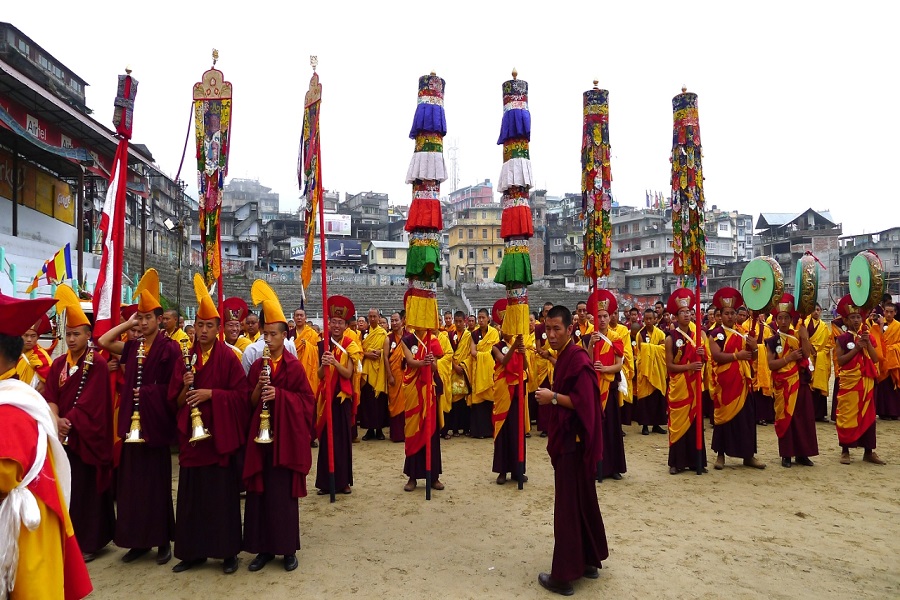
Hemis Tsechu is a two-day extravaganza filled with sacred rituals, mesmerising dances, and vibrant cultural displays. The festivities typically commence on the 10th day of the fifth month of the Tibetan calendar, which usually falls in June or July according to the Gregorian calendar. Preparations for Hemis Tsechu begin well in advance. The monastery is meticulously cleaned and adorned with colourful decorations, intricate Thangka paintings, and elaborate murals. The festival attracts devotees from far and wide, who arrive dressed in their finest traditional attire. The main highlight of the festival is the Cham Dance, a masked dance performed by the lamas or monks, of the monastery.

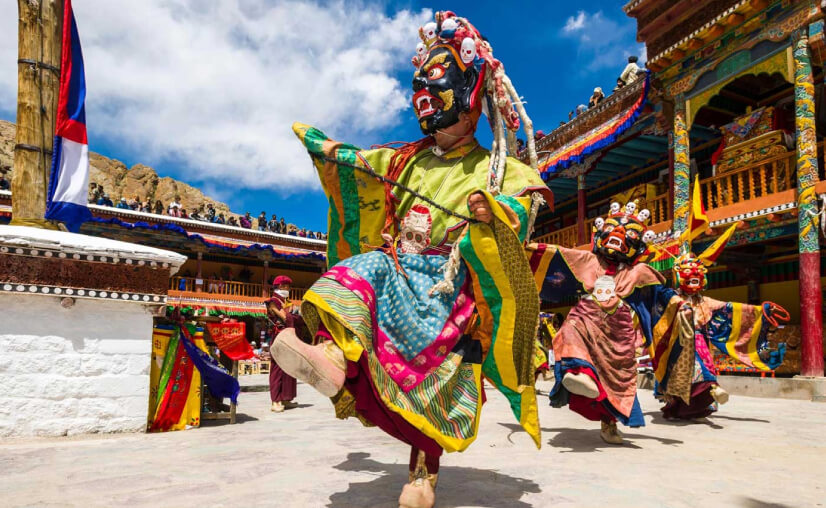
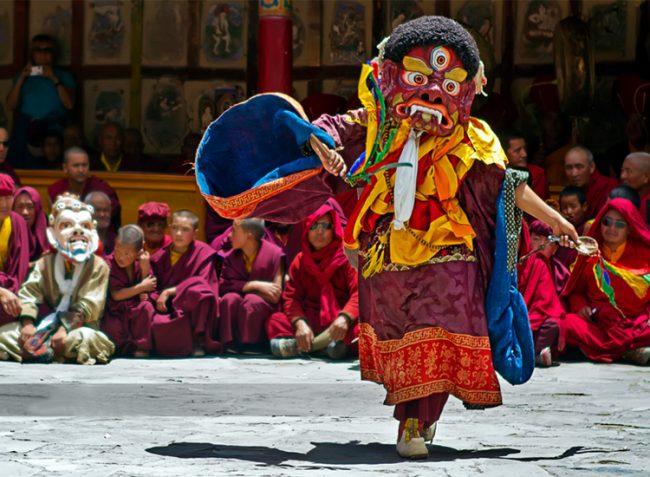
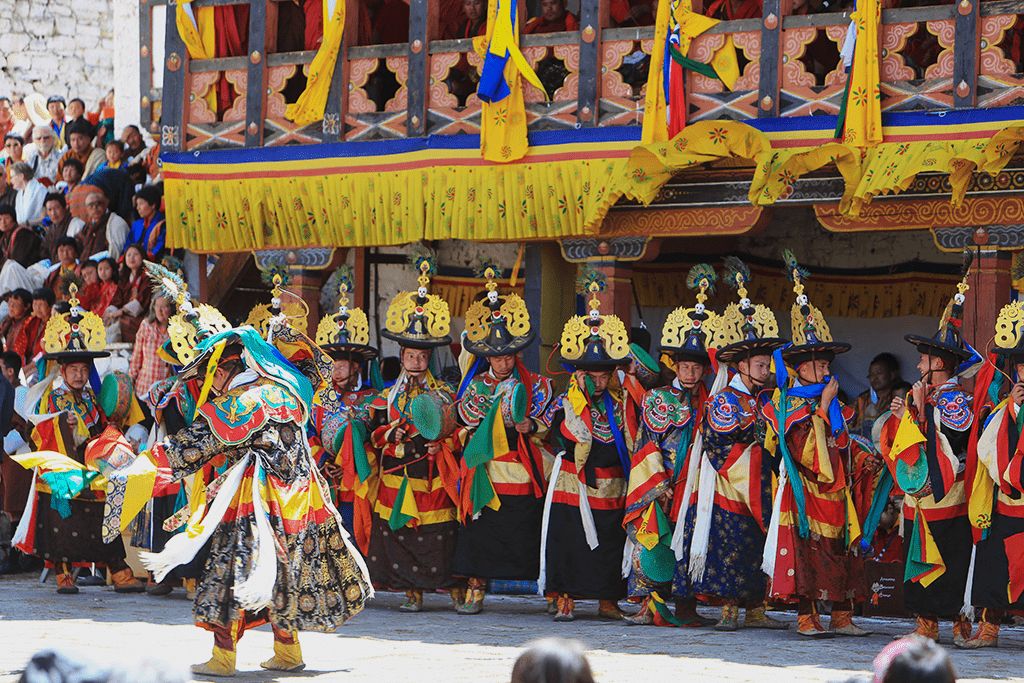
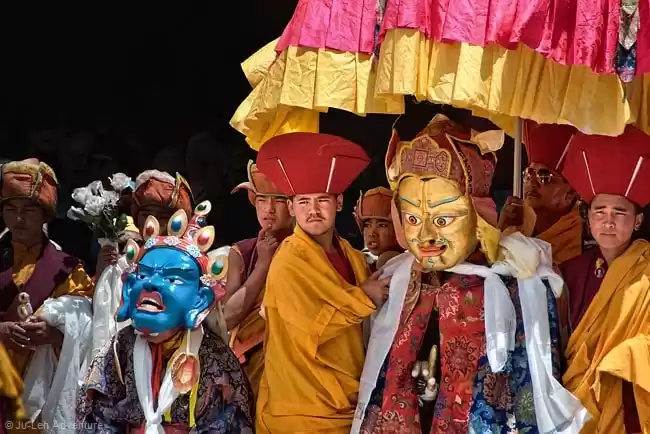
The Cham Dance is the heart and soul of Hemis Tsechu. Also known as the Masked Dance, the dance is performed by skilled monks adorned in elaborate costumes and intricate masks and depicts the victory of good over evil through a series of symbolic movements and gestures. The dancers represent various manifestations of Guru Padmasambhava, each with its unique mask and costume. The dances are accompanied by the rhythmic beats of drums, cymbals, and long horns, creating a hypnotic and mesmerising atmosphere. The dance not only entertains the audience but also serves as a medium of spiritual enlightenment and blessings.

Another significant ritual during the Hemis Tsechu is the unfurling of a massive silk thangka, a Buddhist religious scroll painting, depicting Guru Padmasambhava. This sacred ritual occurs every 12 years on the Tibetan calendar’s Monkey Year and is highly anticipated. Thangkas, considered a sacred art, depict various Buddhist deities, mandalas, and spiritual symbols. The unveiling of the Thangka is a solemn and awe-inspiring ceremony, with monks chanting sacred mantras and offering prayers as the intricate artwork is slowly revealed to the public. The thangka’s vibrant colours and intricate details are believed to bestow blessings upon those who witness it.

Throughout the two-day festival, monks from the monastery perform various rituals and ceremonies. These include prayer recitations, offerings to deities, and the destruction of a symbolic effigy representing evil forces. These rituals are believed to bring prosperity, happiness, and spiritual well-being to all those in attendance. The festival also features traditional Ladakhi music and dance performances, adding to the vibrant cultural tapestry of the celebrations.

The Hemis Tsechu festival stands out for its unique blend of ancient Buddhist traditions, vibrant cultural expressions, and the breathtaking natural setting of Ladakh. The festival holds deep spiritual significance for the Buddhist community, as it celebrates the life and teachings of Guru Padmasambhava, a revered figure who played a pivotal role in spreading Buddhism in the Himalayas. The Cham Dance, with its intricate masks and costumes, is unique to the festival. The dancers’ movements and gestures are steeped in symbolism, depicting the triumph of good over evil and the various manifestations of Guru Padmasambhava. The ceremonial unfurling of the massive silk thangka depicting Guru Padmasambhava is a rare and awe-inspiring event that occurs only once every 12 years, making it a truly unique experience for visitors. Hemis Tsechu offers a profound opportunity for cultural immersion, allowing visitors to experience the rich traditions, music, dance, and cuisine of the Ladakhi people against the backdrop of the majestic Himalayas. The festival’s location in the remote and isolated region of Ladakh adds to its mystique and allure, providing visitors with a chance to escape the hustle and bustle of modern life and immerse themselves in the serene and spiritual atmosphere of the Himalayas.

Hemis Tsechu offers a glimpse into the vibrant Ladakhi culture. The festival provides a platform for local artisans, craftsmen, and traders to showcase their traditional handicrafts, jewellery, and textiles. Visitors can explore the bustling market stalls and immerse themselves in the rich tapestry of Ladakhi artistry. Moreover, the festival provides an opportunity to savour the delicious traditional Ladakhi cuisine, including momos or dumplings, thukpa or noodle soup, and butter tea. The festival is a captivating celebration that seamlessly blends ancient Buddhist traditions with the vibrant cultural heritage of Ladakh. It offers a unique opportunity to witness the spiritual and artistic expressions of a region steeped in history and mysticism, making it a truly unforgettable experience for visitors from around the world.

Festivals of India: Chemrey Wangchok Festival

Over the weekend, enchanting Ladakh celebrated the festival of Chemrey Wangchok. Often referred to as “Little Tibet”, Ladakh is renowned for its stark yet mesmerizing landscapes, monasteries perched atop rugged mountains, and a culture that seamlessly blends Tibetan Buddhism with the natural beauty of the region.

Also known as the Chemrey Angchok Festival, the Chemrey Wangchok Festival is one of Ladakh’s most cherished cultural events. Held at the Chemrey Monastery, which is perched dramatically on a hilltop overlooking the Indus Valley, this festival offers a window into the spiritual and cultural heart of Ladakh.

The Chemrey Wangchok Festival is celebrated on the 28th and 29th day of the ninth month of the Tibetan lunar calendar, which this year was this weekend, 11 and 12 November. Typically falling in November or December in the Gregorian calendar, the festival marks the victory of good over evil and the ultimate triumph of the Buddhist teachings. Chemrey Monastery’s white-washed walls glisten brilliantly against the clear blue Ladakhi skies, and the aura of serenity envelops this sacred site. It’s a place where time seems to stand still, and every stone whispers stories of devotion.

The festival kicks off with the Cham dance, a traditional masked dance performed by the resident monks. This intricate and colourful performance reenacts ancient Buddhist stories and teachings, inviting the audience to contemplate their deep meanings. Beyond the visual spectacle of the Cham dance, the Chemrey Wangchok Festival provides an opportunity for spiritual teachings and reflections. Monks share wisdom and insights, guiding attendees on a journey of self-discovery and enlightenment.

The air reverberates with the soothing sounds of traditional Ladakhi music and chants. The melodies played on traditional instruments like Tibetan horns and cymbals, add a mystical and enchanting ambience to the festival. The masked performers, adorned in elaborate costumes representing various deities and supernatural beings, are a sight to behold. Each mask tells a story and adds depth to the festival’s spiritual narratives.

Throughout the Chemrey Wangchok Festival, offerings are made to deities, symbolising the reverence and gratitude of the people of Ladakh. These rituals serve as a reminder of the deep connection between the spiritual and everyday lives of the locals.

Chemrey Wangchok is a testament to Ladakh’s commitment to preserving its rich cultural heritage. It serves as a reminder of the importance of passing down traditions and rituals from one generation to the next. The festival offers a moment of pause in our busy lives, inviting us to reflect on the deeper aspects of existence. It encourages introspection, mindfulness, and a connection with the spiritual dimensions of life. For visitors to Ladakh, the Chemrey Wangchok Festival provides a unique opportunity to engage with the local culture and forge meaningful connections with the Ladakhi people. In a world often divided by differences, this festival reminds us of the power of unity and shared values. It transcends barriers of nationality, language, and background, fostering a sense of oneness among those who attend. The colourful Cham dance and the profound spiritual teachings inspire attendees to seek inner peace, wisdom, and enlightenment in their own lives. It serves as a source of motivation and a reminder of life’s deeper purpose.

In a rapidly changing world, festivals like Chemrey Wangchok play an essential role in preserving cultural heritage, fostering spirituality, and celebrating unity. They remind us of the beauty that lies in tradition and the profound wisdom contained within ancient rituals. Festivals like these offer a respite from our often-hectic lives, inviting us to slow down and reflect on the deeper aspects of our existence. In an era of constant distractions, they serve as a sanctuary for inner peace and self-discovery.

This festival, with its Cham dance, spiritual teachings, and cultural richness, is a radiant celebration of Ladakh’s soul. It reminds us that amid the hustle and bustle of modern life, there are places where tradition thrives, where spirituality is woven into the fabric of daily existence, and where unity is celebrated. The Chemrey Wangchok Festival is a testament to the enduring beauty of Ladakh and the timeless wisdom of its people—a legacy that continues to shine brightly against the backdrop of the Himalayas.

Travel Bucket List: India – Consolidated List of all States

As I started planning my travel, I started relying on my research for where to go and found it slightly ungainly to search through all the material I have to reach a specific destination. So here’s a consolidated list of all Indian states, in alphabetical order with the cities and towns next to each part which makes it easier to get to the place you are interested in.

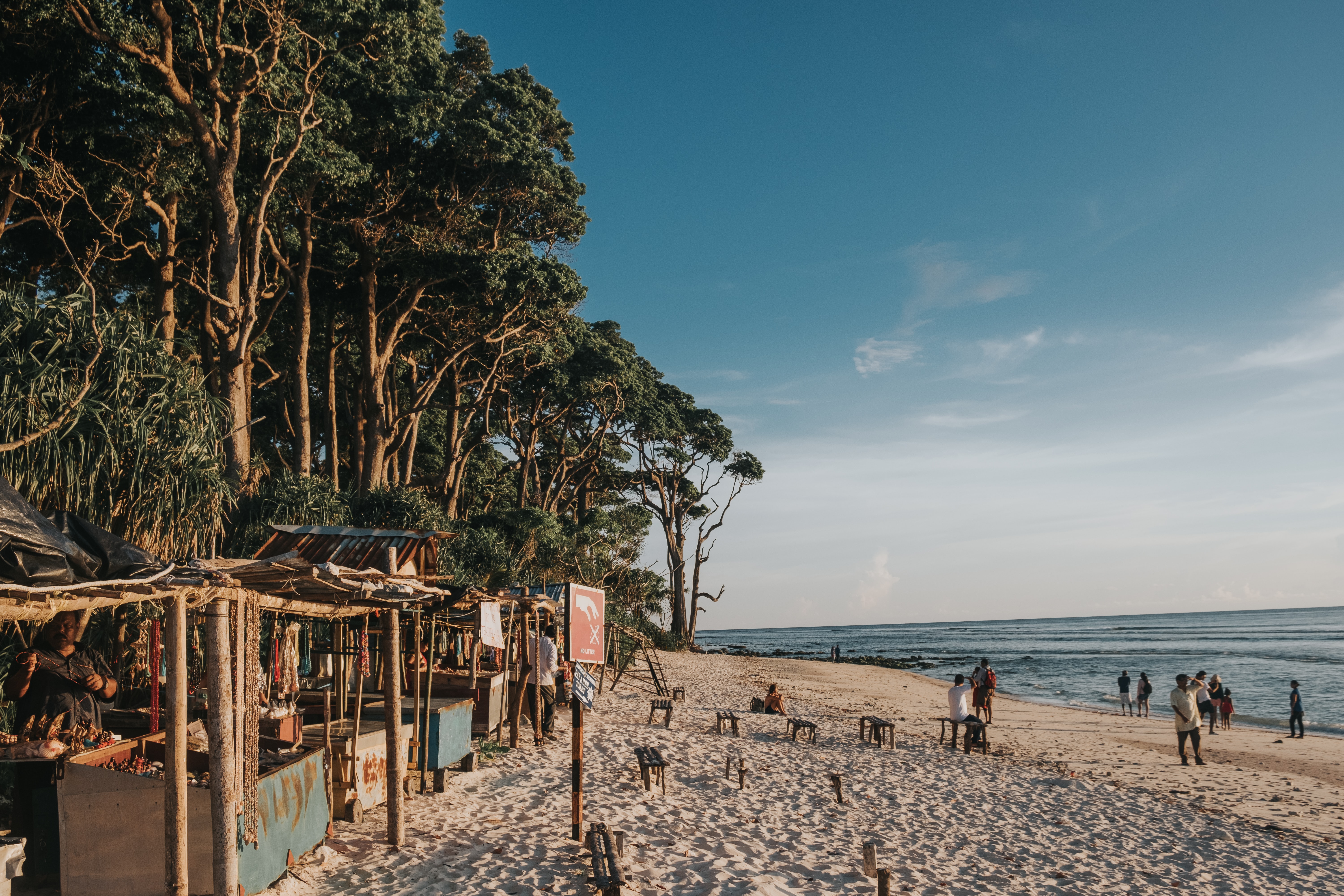
Photo by Ravigopal Kesari on Unsplash

Andaman and Nicobar Islands
Part 1 – Introduction and Overview
Part 2 – Port Blair
Part 3 – Corbyn’s Cove Beach, Wandoor Beach, Viper Island, Ross Island, North Bay Island, Red Skin Island, Middle Andaman Island, Long Island, Baratang Island, Parrot Island, North Passage Island, Guitar Island
Part 4 – Aves Island, North Andaman Island, Diglipur, Stewart Island, Ross & Smith Island, Jolly Buoy Island, Havelock Island
Part 5 – Neil Island, South Andaman Island, Rutland Island, Little Andaman Island, Cinque Island, Barren Island, Narcondom Island, Kathchal Island, Campell Bay & Indira Point
Part 6 – Mahatma Gandhi Marine National Park, Chidiya Tapu, The Chidiya Tapu Biological Park, Mount Harriet National Park, Saddle Peak National Park, Campbell Bay National Park, Galathea National Park, Middle Button Island National Park, North Button Island National Park, South Button Island National Park

Photo by Gowrisha CV on Unsplash

Andhra Pradesh
Part 1: Introduction and Overview, Vishakhapatnam
Part 2: Araku Valley, Vizianagaram, Annavaram, Samalkot, Kakinada, Rajahmundry
Part 3: Amaravathi, Vijayawada, Machilipatnam
Part 4: Guntur, Chirala, Nagarjunakonda, Srisailam, Cumbum, Nellore
Part 5: Kurnool, Mantralayam, Gandikota, Tadipatri, Anantapur, Puttaparthi
Part 6: Lepakshi, Horsley Hills, Chittoor, Srikalahasthi, Tirupati

Photo by Mayur More on Unsplash

Arunachal Pradesh
Part 1: Introduction and Overview, Itanagar, Bhalukpong
Part 2: Bomdila, Tawang
Part 3: Ziro, Yinkiong, Mechuka, Roing, Tirap
Part 4: Khonsa, Changlang, Miao, Anini, Pasighat, Aalo, Daporijo, Anjaw, Tezu

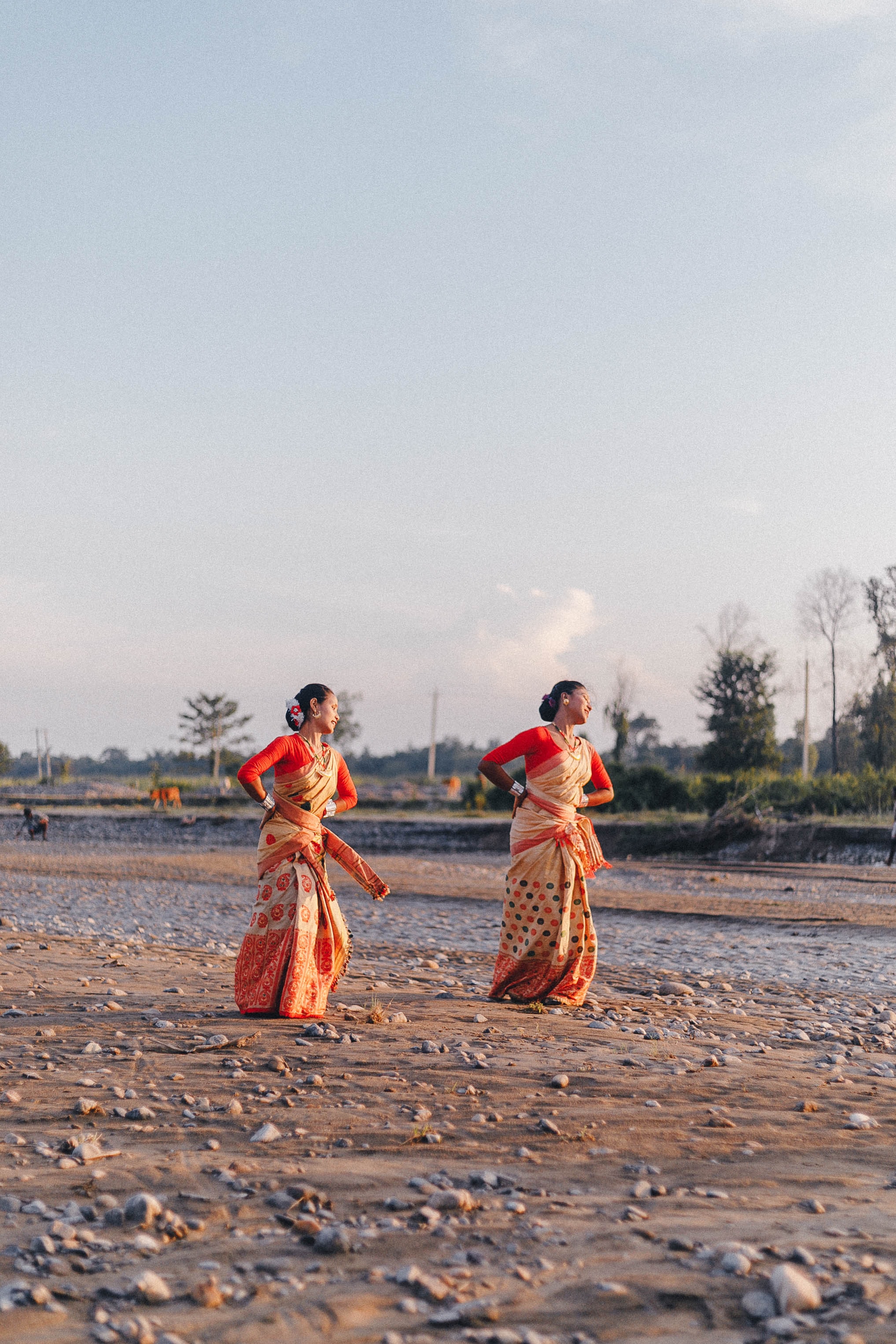
Photo by Nilotpal Kalita on Unsplash

Assam
Part 1: Introduction and Overview, Guwahati, Dispur
Part 2: Kokrajhar, Bongaigaon, Goalpura, Barpeta, Nalbari, Hajo, Sualkuchi
Part 3: Darrang, Mayong and Morigaon, Nagaon, Tezpur, Jorhat
Part 4: Sivasagar, Majuli, Dhemaji, Dibrugarh, Tinsukia, Digboi
Part 5: Sadiya, Haflong, Jatinga, Diphu, Karimganj, Hailakandi, Silchar
Part 6: Raimona National Park, Manas National Park, Orang National Park, Kaziranga National Park, Nameri National Park, Dibru Saikhowa National Park, Dihing Patkai National Park

Photo by ARTO SURAJ on Unsplash

Bihar
Part 1: Introduction and Overview
Part 2: Patna
Part 3: Hajipur, Nalanda
Part 4: Rajgir, Sasaram, Kaimur
Part 5: Bodh Gaya, Vaishali
Part 6: Muzzafarpur, Sitamarhi, Madhubani, Lauriya Nandangarh, Bhagalpur, Valmiki National Park Tiger Reserve and Wildlife Sanctuary

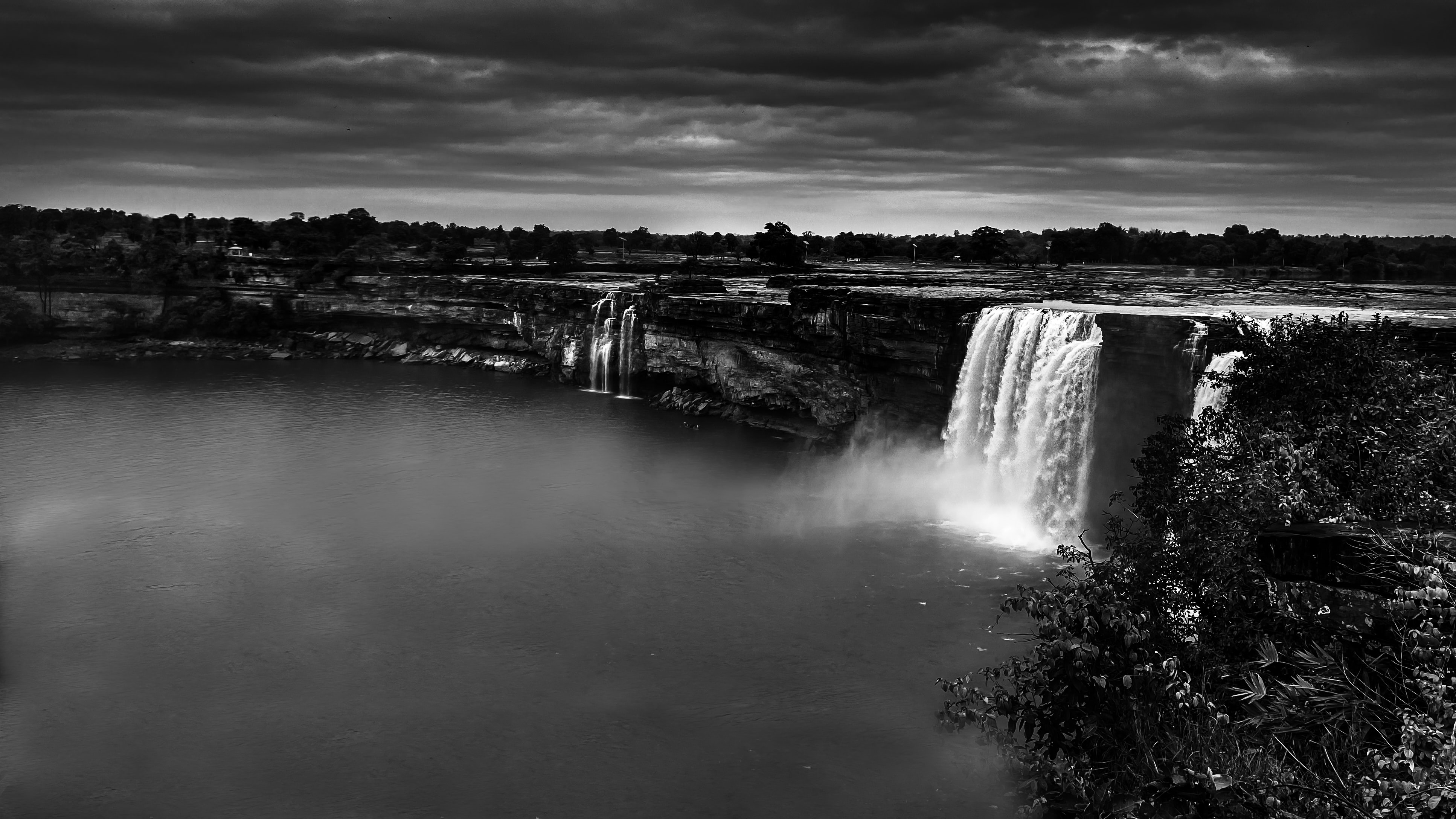
Photo by Ayiman Mohanty on Unsplash

Chhattisgarh
Part 1: Introduction and Overview, Raipur, Champaran
Part 2: Bhilai, Durg, Rajnandgaon, Chirmiri, Madku Dweep, Bhoramdeo Temple, Guru Ghasidas National Park
Part 3: Achanakmar Tiger Reserve, Bilaspur, Raigarh, Korba, Ambikapur, Barnawapara Wildlife Sanctuary, Mainpat, Malhar
Part 4: Mahasamund, Sirpur, Rajim, Jagdalpur, Dhamtari, Dhamtari, Dantewada, Kanger Ghati National Park

Dadra and Nagar Haveli and Daman and Diu
Part 1: Introduction and Overview, Daman
Part 2: Diu
Part 3: Dadra and Nagar Haveli

Delhi
Part 1: Introduction and Overview, India Gate, Red Fort, Qutub Minar, Jantar Mantar, Rajghat
Part 2: Iron Pillar, National War Memorial, Rajpath, Rashtrapati Bhavan, Agrasen Ki Baoli, Ghalib Ki Haveli, Alai Darwaza/Minar, Bhool Bhulaiya ka Mahal, Purana Qila,
Part 3: Tughlaqabad Fort. Siri Fort, Feroza Kotla Fort, Swaminarayan Akshardham Temple, ISKON Mandir, Birla Temple, Chhatrapur Temple, Kalkaji Temple, Kali Bari Temple, Yogmaya Temple, Sri Digambar Jain Lal Mandir, Lotus Temple
Part 4: Jama Masjid, Quwwat-ul-Islam Mosque, Fatehpuri Masjid, Jamali Kamali Mosque and Tomb, Nizamuddin Dargah, Humayun’s Tomb, Safdarjung’s Tomb, Isa Khan’s Tomb, Hijron ka Khanqah, Nicholson Cemetery
Part 5: Gurudwara Bangla Sahib, Gurudwara Sis Ganj Sahib, Rakab Ganj Gurdwara, Sunder Nursery, Lodhi Gardens, Garden of Five Senses, National Rose Garden, Mehrauli Archaeological Park, Pradhanmantri Sangrahalaya, National Museum, Nehru Memorial Museum and Library, Rashtrapati Bhavan Museum, Indian War Memorial Museum, National Handicrafts Museum
Part 6: Indira Gandhi Memorial Museum, Sanskriti Museums, Charkha Museum, Sulabh International Museum of Toilets, Shankar’s International Dolls Museum, Museum of Archaeology, National Railway Museum, Museo Camera, National Gallery of Modern Art, Kiran Nadar Museum of Art, Museum of Illusions, National Zoological Park, National Bal Bhavan, Connaught Place, Chandni Chowk, Dilli Haat, Sarojini Market, Lajpat Nagar, Majnu ka Tila, Pragati Maidan

Photo by Sarang Pande on Unsplash

Goa
Part 1: Introduction and Overview
Part 2: North Goa, Vagator Beach, Anjuna Beach, Calangute Beach, Sinquerim Beach, Candolim Beach, Arambol Beach, Mandrem Beach, Morjim Beach, Miramar Beach, Siridao Beach, Bogdeshwara Temple, Mangeshi Temple, Mahalaxmi Temple, Fort Aguada, Chapora Fort, Reis Magos Fort, Basilica of Bom Jesus, Church of Our Lady of Immaculate Conception, Chapel of St. Catherine, Church of Mae De Deus, Goa State Museum, Houses of Goa Museum, Museum of Christian Art, Casino Palms, Chorao Island, Harvalem Waterfalls
Part 3: South Goa, Butterfly Beach, Betalbatim Beach, Agonda Beach, Mobor Beach, Hollant Beach, Palolem Beach, Cansaulim Beach, Colva Beach, Talpona Beach, Kakolem Beach, Benaulim Beach, Our Lady of Remedios Church, Saviour of the World Church, St. Alex Church, Shantadurga Temple, Tambdi Surla Mahadev Temple, Chandreshwar Bhoothnath Temple, Naval Aviation Museum, Goa Chitra Museum, Big Foot Museum, The Grande Island, Pequeno Island, Bhagwan Mahaveer Wildlife Sanctuary, Netravali Wildlife Sanctuary, Cotigao Wildlife Sanctuary, Dudhsagar Falls, Bamanbudo Waterfalls, Netravali Bubbling Lake, Cabo de Rama Fort, Chandor

Photo by Parth Kateliya on Unsplash

Gujarat
Part 1: Introduction and Overview
Part 2: Surat, Vapi, Udvada, Valsad, Bilimora, Navsari, Bharuch, Saputara
Part 3: Ahmedabad, Lothal, Vadodara, Anand
Part 4: Gandhinagar, Patan, Mehsana, Palanpur
Part 5: Rajkot, Jamnagar, Dwarka, Porbandar, Junagadh, Bhavnagar, Palitana,
Part 6: Kutch, Bhuj, Mandvi, Rann of Kutch, Anjar

Photo by Sooraj Dev on Unsplash

Haryana
Part 1: Introduction and Overview, Gurugram, Manesar, Sohna
Part 2: Faridabad, Nuh, Murthal, Rohtak, Meham
Part 3: Hisar, Panipat, Karnal
Part 4: Kurukshetra, Ambala
Part 5: Panchkula, Morni Hills, Narnaul

Photo by Naman Pandey on Unsplash

Himachal Pradesh
Part 1: Introduction and Overview, Shimla, Kufri, Fagu, Theog, Hatkoti Valley, Chanshal Valley
Part 2: Chail, Solan, Barog, Nahan, Sirmour, Paonta Sahib, Shoghi, Kasauli, Arki, Nalagarh, Dadasiba, Bilaspur, Dalhousie,
Part 3: Kangra, Khajjiar, Bharmour, Chamba, Tattapani, Jalori Pass, Jibhi, Mandi
Part 4: Trithan Valley, Bhuntar, Sainj Valley, Barot, Bir Billing, Palampur, Kasol, Nagar, Manikaran Sahib, Tosh, Parvati Valley
Part 5: Kullu, Manali, Dharamsala, McLeodganj
Part 6: Keylong, Pin Valley National Park, Spiti Valley, Narkanda, Mashroba, Kinnaur, Sarahan, Sangla Valley, Kalpa, Pangi Valley, Nako

Jammu & Kashmir and Ladakh
Part 1: Introduction and Overview, Kashmir, Srinagar, Gulmarg, Sonmarg, Pahalgam, Amarnath, Pulwama, Kupwara, Poonch, Anantnag, Baramulla, Dachigam National Park
Part 2: Jammu, Patnitop, Rajouri, Udhampur, Kathua, Katra, Vaishno Devi, Kishtwar
Part 3: Ladakh, Leh, Leh Palace, Thiksey Gompa, Pangong Lake, Magnetic Hill, Nubra Valley and Khardung La Pass, Kargil, Drass, Hemis High Altitude Wildlife Sanctuary, Lamayuru, Lake Tso Moriri

Photo by Aryan Singh on Unsplash

Jharkhand
Part 1: Introduction and Overview, Ranchi
Part 2: Hazaribagh, Bokaro Steel City
Part 3: Jamshedpur, Neterhat
Part 4: Dhanbad, Shikarji, Deoghar, Dumka

Karnataka
Part 1: Introduction and Overview
Part 2: Bengaluru
Part 3: Mysuru, Mangalore, Belgaum
Part 4: Hubli-Dharwad, Gulbarga, Bidar, Badami, Bijapur, Hassan, Shimoga, Hampi, Sharavathi Valley Wildlife Sanctuary, Bhadra Wildlife Sanctuary, Brahmagiri Wildlife Sanctuary, Nagarhole National Park, Bandipur National Park, Ranganathittu Bird Sanctuary, Jog Falls, Shivanasamudra Falls, Kodasalli Backwater
Part 5: Coorg, Chikmagalur, Sakleshpur, Kudremukh, Kemmanagundi, Kotagiri, Masinagudi, Devarayanadurga, Karwar, Devbagh, Kumta, Netrani Island, Murudeshwar, Maravanthe, St. Mary’s Island, Udipi
Part 6: Udipi, Kollur, Sringeri, Dharmasthala, Horanadu, Talakadu, Belur, Shravanbelagola, Gokarna, Murudeshwar, Koodli, Srirangapatna, Pattadakal, Aihole, Kalasa

Kerala
Part 1: Introduction and Overview
Part 2: Kasaragod, Kannur, Kozhikode
Part 3: Wayanad, Mallapuram, Palakkad
Part 4: Thrissur, Ernakulam, Alappuzha
Part 5: Kottayam, Idukki, Patanamthitta
Part 6: Kollam, Tiruvanathapuram

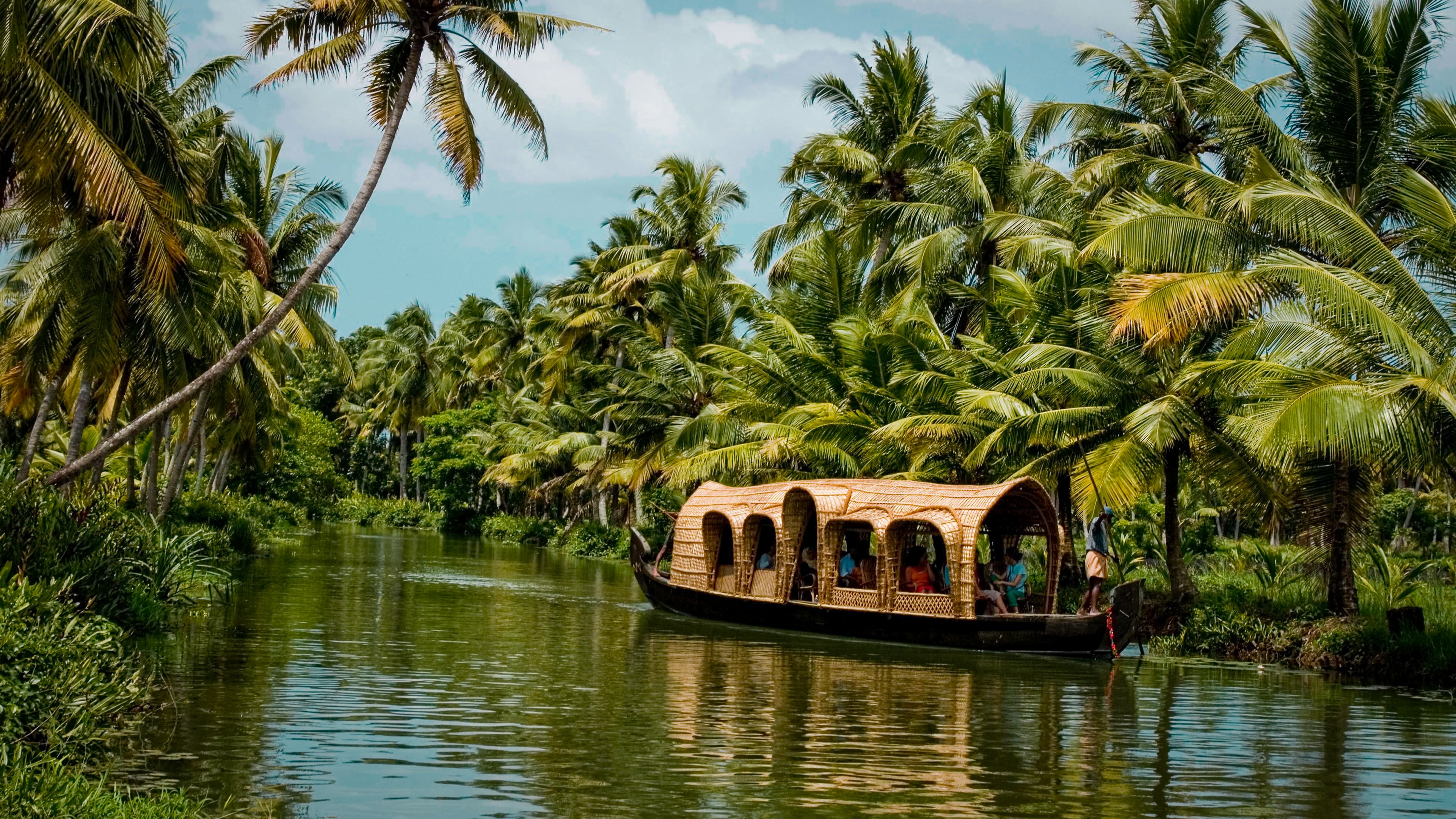
Photo by Sachin Benny on Unsplash

Lakshadweep Islands
Part 1: Introduction and Overview
Part 2: Aminidivi, Cora Divh, Sesostris Bank, Bassas de Pedro, Cherbaniani Reef, North Islet, Byramgore Reef, Chetlat Island, Bitra Par, Kilthan Island, Kadmat Island, Kadmat Beach, Elikalpeni Bank, Perumal Par, Amini Island
Part 3: Laccadive, Amindivi, Agatti Island, Bangaram, Pakshipitti, Andrott Island, Kavaratti, Kalpeni, Suheli Par
Part 4: Minicoy, Maliku Atoll, Investigator Bank, Viringili

Madhya Pradesh
Part 1: Introduction and Overview
Part 2: Bhopal
Part 3: Indore, Ujjain, Alampur
Part 4: Maheshwar, Omkareshwar, Mandu, Burhanpur
Part 5: Chanderi, Shivpuri, Orchha, Khajurao
Part 6: Gwalior, Jabalpur, Bhedaghat, Panchmarhi, Amarkantak, Bandhavgarh National Park, Kanha National Park, Pench National Park

Photo by Raj Rana on Unsplash

Maharashtra
Part 1: Introduction and Overview, Mumbai
Part 2: Pune
Part 3: Matheran, Lonavala, Khandala, Rajmachi, Lavasa, Kamshet, Mahabaleshwar, Panchgani, Kaas Plateau, Maval, Bhandardara, Chikhaldara, Bhimashankar
Part 4: Amravati, Aurangabad, Ajanta and Ellora Caves, Lonar, Chiplun, Kolhapur, Nagpur, Nanded, Nashik, Triambakeshwar, Shirdi, Shani Shinganapur, Raigad, Ratnagiri, Satara
Part 5: Dahanu, Alibaug, Kashid, Diveagar, Harihareshwar, Murud, Karade, Ganpatipule, Tarkarli, Vengurla, Tadoba National Park, Bhamragarh Wildlife Sanctuary, Chandoli National Park, Gugumal National Park, Navegaon National Park, Malvan Marine Sanctuary, Rehekuri Blackbuck Sanctuary

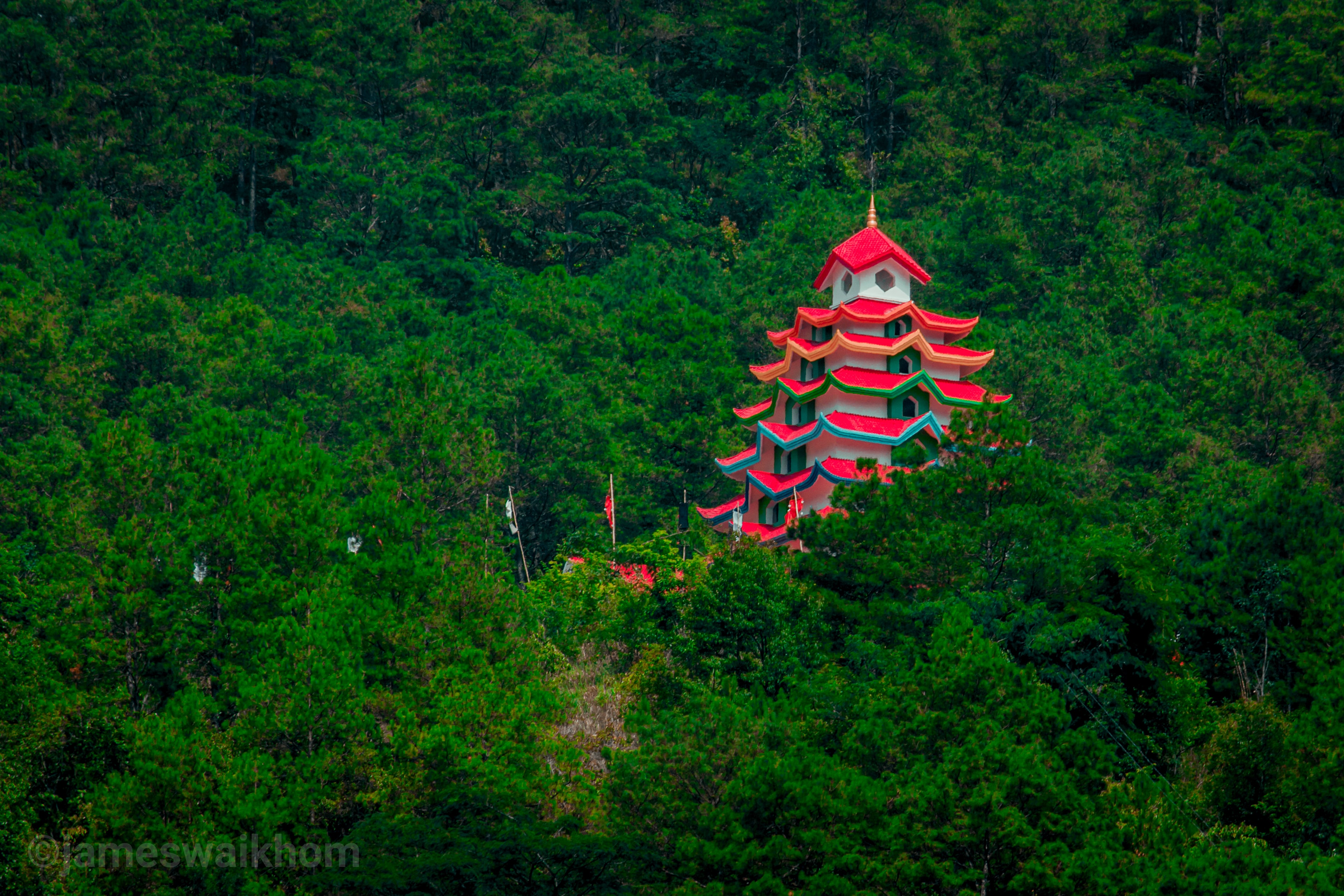
Photo by WAIKHOM JAMES on Unsplash

Manipur
Part 1: Introduction and Overview, Imphal
Part 2: Moirang, Tamenglong, Thoubal
Part 3: Chandel, Tengnoupal, Moreh, Kaina, Ukhrul, Mount Koubru, Baruni Hill, Thangjing Hill, Sadu Chiru Waterfall

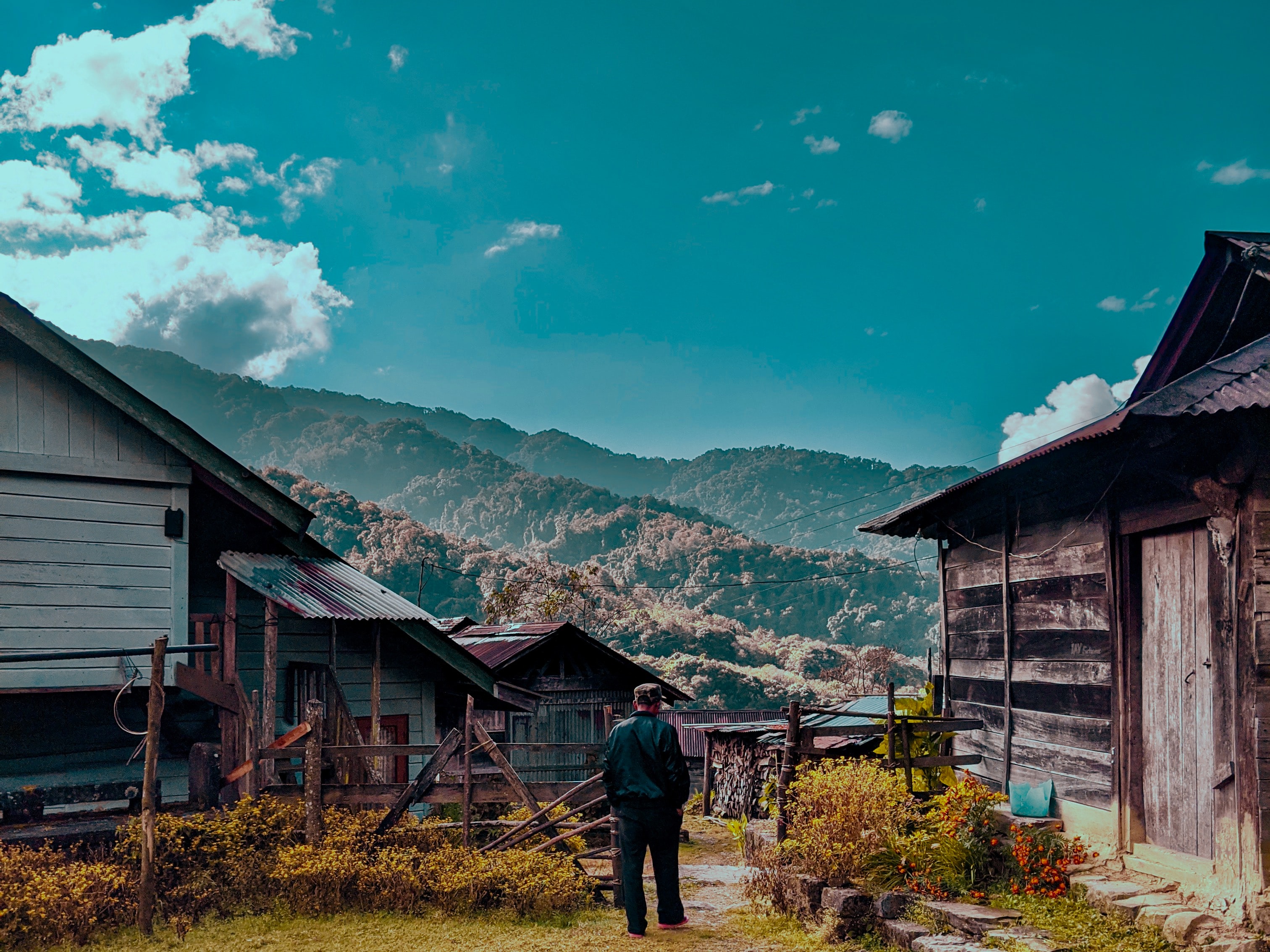
Photo by Utkarsh B on Unsplash

Meghalaya
Part 1: Introduction and Overview
Part 2: Shillong
Part 3: Mawphlang, Cherrapunji, Nongpoh, Mawsynram
Part 4: Jowai, Mawlynnong, Dawki, Balpakram National Park, Williamnagar, Baghmara, Tura
Part 5: Khasi Hills, Jaintia Hills, Garo Hills

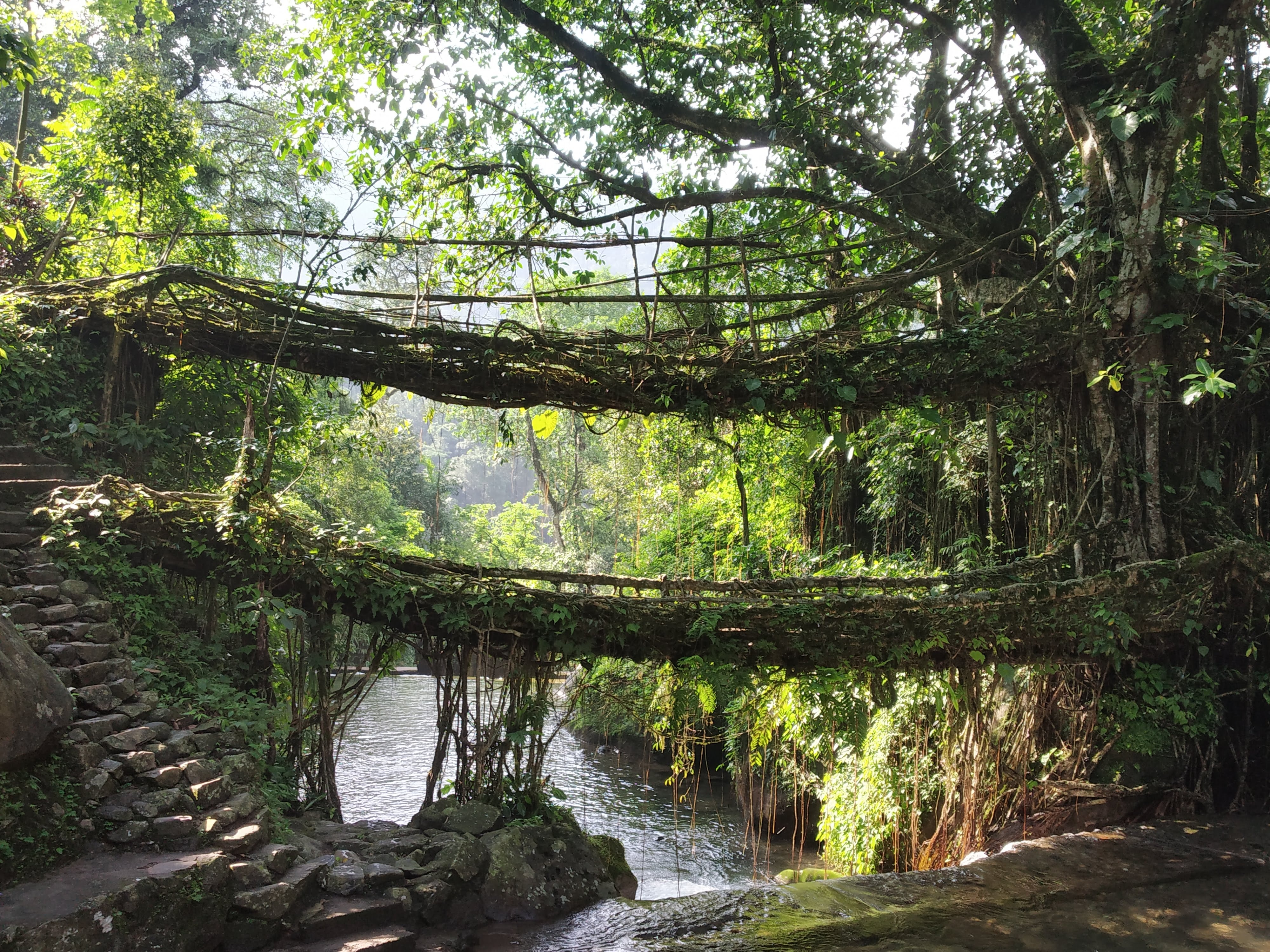
Photo by Vanlaldin puia on Unsplash

Mizoram
Part 1: Introduction and Overview, Aizwal, Falkawn Village
Part 2: Reiek, Hmuifang, Kolasib, Tamdil or Tam Lake, Mamit, Vantawng Falls, Serchhip
Part 3: Dampa Tiger Reserve, Lunglei, Champhai
Part 4: Murlen National Park, Phawngpui, Phawngpui National Park, Saiha,

Photo by Suraj Jadhav on Unsplash

Nagaland
Part 1: Introduction and Overview, Dimapur
Part 2: Kohima
Part 3: Mokokchung, Tuensang, Phek, Mon, Pfutsero

Photo by Ayiman Mohanty on Unsplash

Odisha
Part 1: Introduction and Overview, Bhubaneshwar, Dhauli
Part 2: Cuttack, Rayagada, Daringbadi, Berhampur, Jeypore
Part 3: Puri, Baripada, Sambalpur, Rourkela
Part 4: Konark, Paradeep, Gopalpur, Chandipur
Part 5: Lake Chilika, Tikarpada Wildlife Sanctuary, Satkosia Tiger Reserve, Bhitarkanika National Park & Wildlife Sanctuary, Simlipal National Park, Duduma Waterfalls, Chandaka Forest, Kotgarh Elephant Reserve, Karlapat Wildlife Sanctuary

Photo by nullvoid on Unsplash

Puducherry
Part 1: Introduction and Overview, Puducherry
Part 2: Karaikal, Mahé, Yanam

Photo by Prerna Sharma on Unsplash

Punjab
Part 1: Introduction and Overview
Part 2: Chandigarh, Sirhind
Part 3: Rupnagar, Patiala
Part 4: Ludhiana, Bhatinda
Part 5: Jalandhar, Kapurthala
Part 6: Pathankot, Amritsar

Rajasthan
Part 1: Introduction and Overview, Jaipur, Udaipur
Part 2: Jodhpur, Jaisalmer, Sawai Madhopur, Pushkar

Photo by Apurba Nag on Unsplash

Sikkim
Part 1: Introduction and Overview
Part 2: Gangtok
Part 3: Tinkitam Rayong, Namchi, Barsey Rhododendron Sanctuary, Kabi Longstok, Tendong Hill, Aritar, Zuluk, Pangolakha Wildlife Sanctuary, Pelling, Yuksom, Ravangla
Part 4: Maenam Wildlife Sanctuary, Geyzing, Yangtey, Borong, Mangan, Chopta Valley, Lachung, Lachen, Yumthang Valley, Thangu Valley, Gurudongmar Lake, Cholamu Lake, Shingba Rhododendron Sanctuary, Khangchendzonga National Park, Fambong Lho Wildlife Sanctuary, Goecha La

Tamil Nadu
Part 1: Introduction and Overview, Chennai
Part 2: Coimbatore, Tiruchirappalli, Tiruppur, Tirunelveli
Part 3: Ooty, Kodaikanal, Yercaud, Coonoor, Yelagiri, Bellikkal
Part 4: Kanchipuram, Tiruvannamalai, Chidambaram, Vaitheeshwaran Kovil,
Part 5: Kumbakonam, Thanjavur, Swamimalai, Rameshwaram, Madurai
Part 6: Mahabalipuram, Kanyakumari, Mudumalai Wildlife Sanctuary, Hogenakkal Falls, Kutralam Falls

Photo by Aman Upadhyay on Unsplash

Telangana
Part 1: Introduction and Overview, Hyderabad Part 1
Part 2: Hyderabad Part 2
Part 3: Secunderabad
Part 4: Warangal, Nizamabad
Part 5: Khammam, Karimnagar, Adilabad, Mahbubnagar, Medak
Part 6: Nalgonda, Bhadrachalam, Koti Linga, Somasila, Vemulawada

Photo by Sourav Debnath on Unsplash

Tripura
Part 1: Introduction and Overview
Part 2: Agartala
Part 3: Kailashahar, Unakoti, Udaipur, Ambassa, Pilak Archaeological Sites, Chabimura, Mahamuni Pagoda, Manubankul, Buddhist Stupa, Boxanagar
Part 4: Baramura Eco Park, Kalapania Nature Park, Tepania Eco Park, Khumulwang Eco Park, Jampui Hills, Dumboor Lake, Dhalai, Rudrasagar Lake, Sepahijala Wildlife Sanctuary & Clouded Leopard National Park, Trishna Wildlife Sanctuary, Rajbari National Park, Rowa Wildlife Sanctuary, Gomati Wildlife Sanctuary

Uttar Pradesh
Part 1: Introduction and Overview, Noida, Loni, Ghaziabad, Meerut, Muzzafarnagar
Part 2: Hastinapur, Vrindavan, Mathura
Part 3: Fatehpur Sikri, Agra, Garhmukteshwar
Part 4: Aligarh, Firozabad, Jhansi, Piilbhit, Bithoor, Naimisharanya
Part 5: Kanpur, Lucknow
Part 6: Ayodhya, Sravasti, Prayagraj
Part 7: Chitrakoot, Vindhyachal, Varanasi, Sarnath, Kushinagar

Photo by Akshay syal on Unsplash

Uttarakhand
Part 1: Introduction and Overview, Dehradun
Part 2: Mussoorie, Dhanaulti
Part 3: Auli, Joshimath, Chopta, Tungnath, Ukhimath, Lansdowne, Nainital
Part 4: Sattal, Bhimtal, Naukuchiatal, Kausani, Ranikhet, Almora, Binsar, Jalna, Kasar Devi, Jageshwar, Champawat, Munsiyari, Pithorgarh
Part 5: Bageshwar, Chamoli, Mana, Badrinath, Pandukeshwar, Hemkund Sahib, Kedarnath, Gomukh, Madhyamaheshwar, Gangotri, Gauri Kund, Yamunotri
Part 6: Rudranath, Guptakashi, Nandprayag, Rudraprayag, Devprayag, Rishikesh, Haridwar, Roopkund Lake, Nelong Valley, Gangotri National Park, Kedarnath Wild Life Sanctuary, Valley of Flowers, Nanda Devi National Park, Govind Pashu Vihar Wildlife Sanctuary, Rajaji National Park, Jim Corbett National Park

Photo by Nitish Narayan on Unsplash

West Bengal
Part 1: Introduction and Overview, Kolkata
Part 2: Howrah, Barrackpore, Chandan Nagar, Chinsurah, Bardhaman, Haldia, Midnapore
Part 3: Shantiniketan, Durgapur, Jhargram, Asansol, Murshidabad, Mukutmanipur, Malda, Siliguri, Jalpaiguri, Cooch Behar, Bagdogra
Part 4: Kurseong, Mirik, Darjeeling, Tinchuley, Dooars, Kalimpong
Part 5: Rishyap, Lava and Lolegaon, Buxa Tiger Reserve, Rajabhatkawa, Jaldapara National Park, Jaldhaka, Chapramari Wildlife Sanctuary, Gorumara National Park, Neora Valley National Park, Lataguri, Purulia, Sonajhuri Forest, Deulti, Sundarbans, Mayapur, Nabadwipa, Bakreswar
Part 6: Bankura, Bishnupur, Jayrambati, Kamarpukur, Tarapith, Falta, Raichak, Taki, Piyali Island, Machranga Dwip, Kakdwip, Mousuni Island, Bakkhali, Junput, Mandarmani, Tajpur, Shankarpur

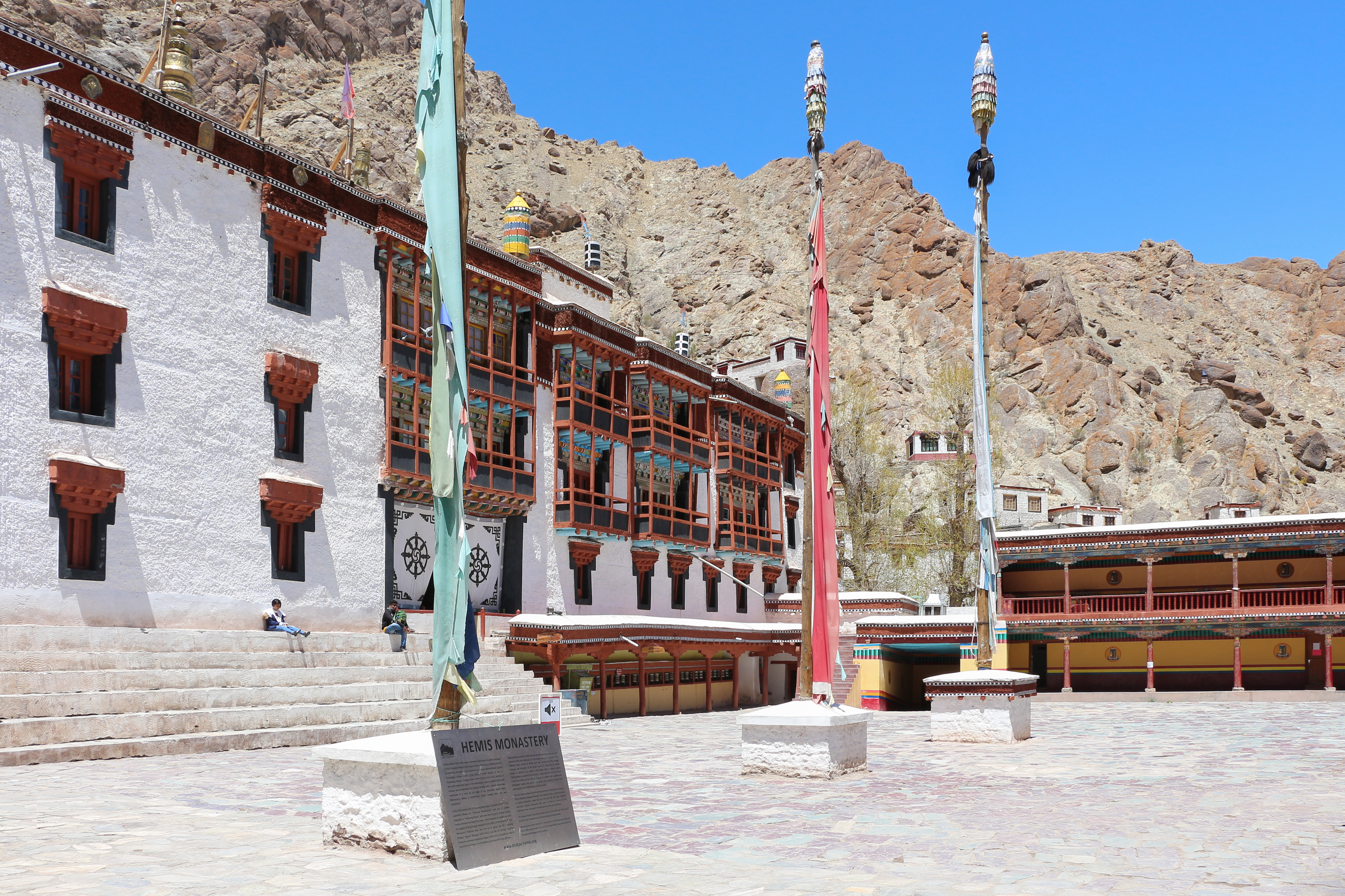
Travel Bucket List – India: Jammu, Kashmir and Ladakh Part 3

I was initially planning to do Ladakh along with Jammu, but now that Ladakh is a Union Territory, I thought it deserved a blog post all of its own. So from Jammu, we travel eastwards towards Ladakh.

A contentious region disputed by India, Pakistam and China, the erstwhile Buddhist Kingdom of Ladakh will now become a Union Territory of India. It extends from the Siachen Glacier in the Karakoram range to the main Great Himalayas to the south and is one of the most sparsely populated regions in India. The culture and history of Ladakh is closely related to that of Tibet, who is its neighbour to the east. Ladakh is renowned for its remote mountain beauty and culture.

Leh
The former capital of the Himalayan kingdom of Ladakh, the seat of which was in the Leh Palace, Leh is the starting point for adventures in the region. The Leh Palace, which was the former mansion of the royal family of Ladakh, was built in the same style and about the same time as the Potala Palace in Tibet. Leh is at an altitude of 3,524 metres and is connected via National Highway 1 to Srinagar in the southwest and to Manali in the south via the Leh-Manali Highway.

The old town of Leh was added to the World Monuments Fund’s list of 100 most endangered sites due to increased rainfall from climate change and other reasons. Neglect and changing settlement patterns within the old town have threatened the long-term preservation of this unique site

Leh Palace
Bearing a passing similarity to the Potala Palace in Lhasa, Tibet, the nine-storey sand-coloured Leh Palace also known as ‘Lhachen Palkhar’ is Leh’s dominant structure and architectural icon. It took shape under 17th-century king Singge Namgyal but has been essentially unoccupied since the Ladakhi royals were stripped of power and shuffled off to Stok in 1846. The palace offers marvellous panoramic views of the entire town of Leh as well as that pf the Stok Kangri and Zanskar mountains of the Himalayan ranges.

Even though a considerable part of the Leh Palace is now in ruins due to the Kashmiri invasion that took place in the 19th century, the stately palace continues to remain a stunning place to explore. The stunning statue of Buddha at the back of this palace adds more to the charm of this place. Today the sturdy walls enclose some photo exhibition spaces and a small prayer room, but the most enjoyable part of a visit is venturing to the uppermost rooftops for the view.

Interesting structures ranged around the palace’s base include the prominent Namgyal Stupa, the colourfully muralled Chandazik Gompa and Soma Gompa, once home to the monastic printing press. Also nearby is the 1430 Chamba Lhakhang, with its colourful three-storey Buddha and medieval mural fragments. Don’t count on any of these being open though.

The majestic palace is presently under the Archaeological Survey of India, which is working on renovating the ancient structures of that era and striving to keep intact the history of the Namgyal dynasty in Leh.

Thiksey Gompa
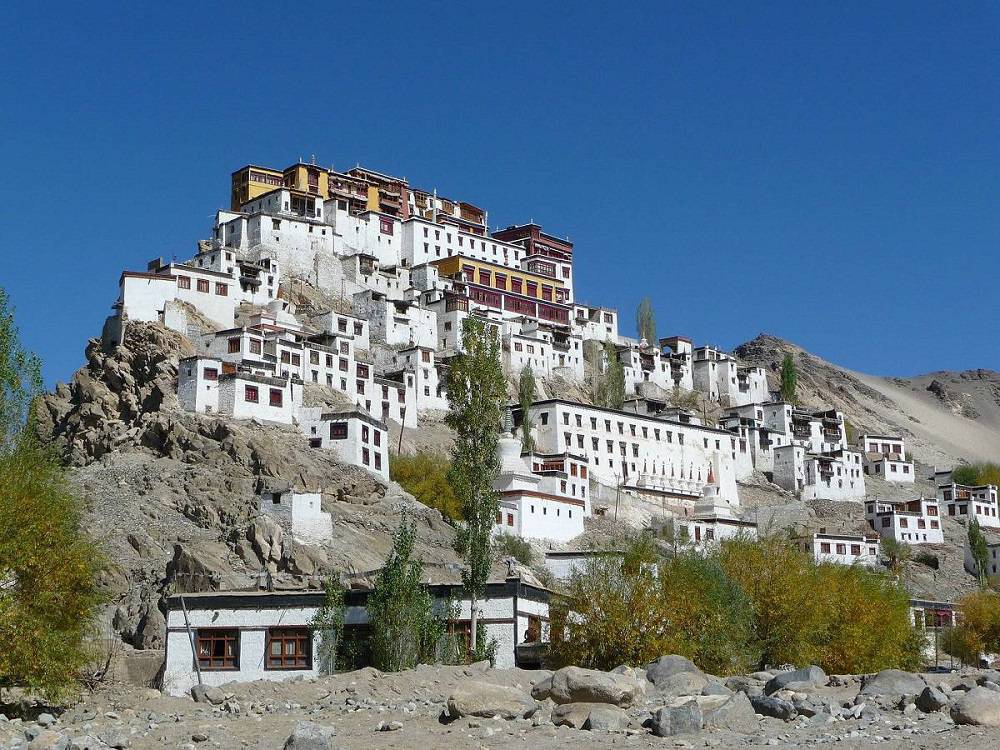
Glorious Thiksey Gompa is one of Ladakh’s biggest and most recognisable monasteries, photogenically cascading down a raised rocky promontory. Snuggled at an altitude of 11,800 feet, this monastery is looked after by the people of Yellow Hat (Gelugpa) sect. It comprises a 12-story building complex and houses more than 500 monks. Thiksey has a large and precious collection of Buddhist books, journals, statues, scripts, stupas, swords, and Thangka paintings.

At its heart, the main dukhang (prayer hall) oozes atmosphere, and a Maitreya temple contains a giant future Buddha who wears an exquisitely ornate crown. More obviously ancient is the gonkhang and the tiny old library up on the rooftop (often closed).

The Thiksey entrance ticket includes entry to a fascinating museum – it’s hidden beneath the monastery restaurant so ask the manager for the key. Prayers take place in the assembly hall between 6am and 7.30am most days and visitors are welcome.

Pangong Lake
The famous and sparkling blue Pangong lake is situated approximately at the height of 4350 meters. This endorheic lake is 12 kilometres long and extends from India to Tibet, with two-thirds of it lying in the latter. Owing to its altitude, the Pangong Lake temperature ranges from -5°C to 10°C as a result of which it freezes completely during winters in spite of its salinity. A unique feature of the lake is that it does not remain blue throughout the year or even the day, rather it changes colours from azure to light blue to green and grey too!

Also known as Pangong Tso, the sublime beauty, crystal waters and gentle hills are example of the beautiful landscape of the region. There are two streams from the Indian side that form the wetlands and marshes at the edges.

Magnetic Hill
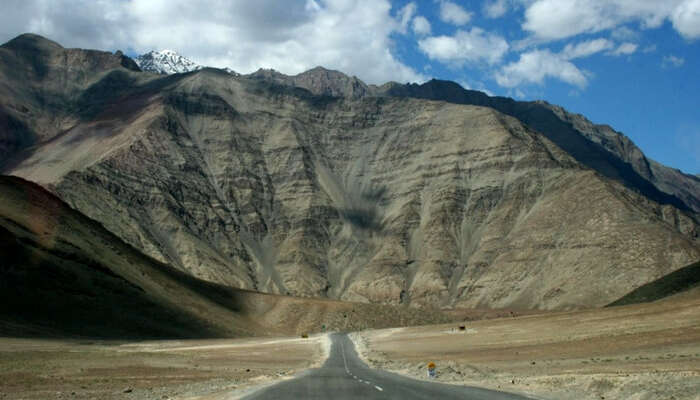
The popular Magnetic Hill of Ladakh is said to be a gravity hill where vehicles defy the force of gravity and move upwards on the hill when parked at the marked location. The hill lies at a distance of 30 km from the town of Leh, at an elevation of around 14,000 feet above sea level. To the eastern side of the hill flows the Sindhu River, originating in Tibet and is an almost essential stopover for all those who travel to Ladakh. An optical illusion or actuality, the Magnetic Hill in Ladakh has mysterious magnetic properties that draw tourists from across the globe.

The science behind the phenomenon is unknown but it has been observed that if you leave your vehicle at the base of the hill with the brakes unlocked, it will start moving uphill slowly on its own. Many theories have emerged as to why Magnetic Hill may be a simple illusion or how it may actually be a great discovery and one of the Earth’s many geological wonders. It is believed that the absence of a visible horizon and the backdrop scenery make a faint downwards sloping stretch appear to be an upward slope, creating the illusion of the vehicles moving upwards.

Nubra Valley and Khardung La Pass
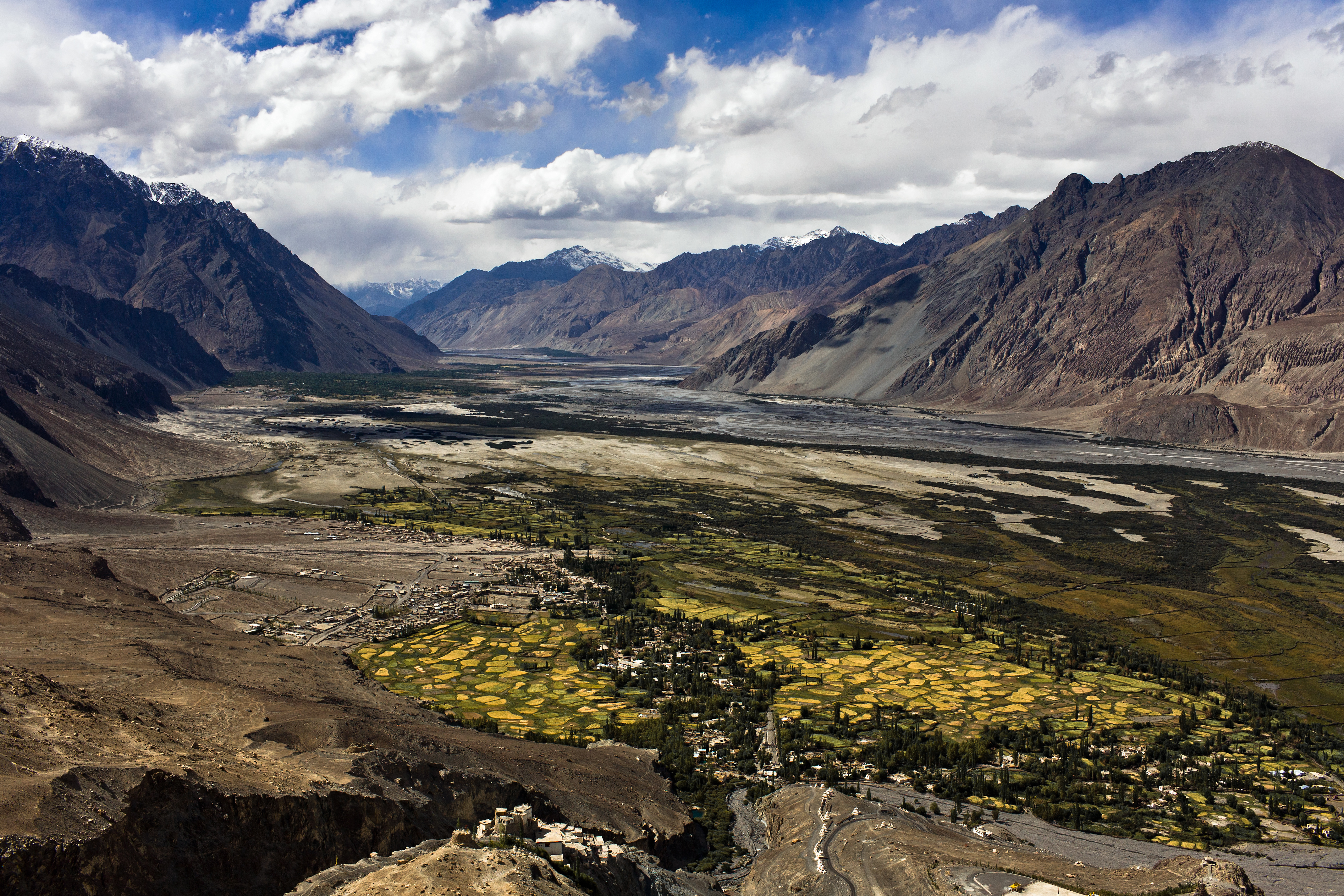
Located in the Silk Route, the Nubra Valley, a tri-armed valley with sand dunes in the middle of the Himalayas lies towards the northeast, around 140 km from Leh. The valley is situated where River Shyok and River Siachen meet. The area is also famous for its two-humped Bactarian camels.

In order to enter the Nubra valley, you need to pass through Khardung La, which is one of the highest motorable roads in the world and hand over the photocopies of your travel permits to the soldiers in the Khardung la pass, as the region is currently under military supervision because the road further leads to the Siachen base camp which happens to be the highest battlefield in the world.

Kargil
Known for the India-Pakistan war of 1999, Kargil, located at an altitude of approximately 2,800 m above sea level has now become a very peaceful tourist destination with historical importance. It is the second largest town in Ladakh, situated on the banks of Indus River. Connected to the Zojila Pass, Kargil holds important place in the history of India. A number of monasteries and the Kargil War Memorial are worth a visit. If by any chance you get the opportunity, do take a night’s break in one of the military camps and listen to those amazing war stories from the army people themselves.

Excursion can be made to Drass and see features like Tolo-ling, Mushkoh Valley and Tiger Hill. A short walk to Goma Kargil provides breathtaking views. Mulbekh Gompa, Shergol, Urgyen Dzong and Wakha Rgyal are prime attractions of Kargil.

Drass
Reckoned to be India’s coldest and world’s second coldest place, Drass is situated 60kms away from Kargil. Located at the base of Zojila Pass, which connect Kashmir and Ladakh, Drass is also dubbed as the Gateway to Ladakh. The best time to visit here is during spring and summers, when the snow melts and the greenery returns. Visit the Drass war memorial, which is also known as Kargil war memorial. Drass is also a base for a trek to beautiful Suru Valley.

Hemis High Altitude Wildlife Sanctuary
Located about 45kms away from Leh and situated on the western bank of River Indus, the Hermis Wildlife Sanctuary extends in a 600 sq km of area and provides shelter to many rare species like the snow leopards and bharals. At an altitude ranging from 3,300 m to 6,000 m above sea level, this sanctuary is known to be the highest in the world as well as the largest park of South Asia. It is also a habitat to the rare Snow Leopards. Other than these, also spot here, Ibex, shapu, bharal and amongst various others. With several alpine and steppe trees along with shrubs spreading over the valley bottoms, and 73 varieties of registered birds residing in this place, it tends to be a tempting landscape for forest and nature walks.

You can also visit the spectacular Hemis Monastery, which is the largest monastery in Ladakh which lies in the town of Hermis.

Lamayuru
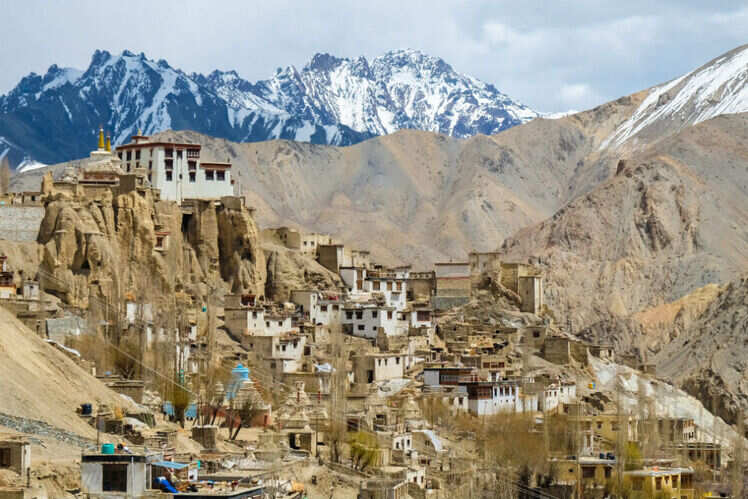
Lamayuru is a small village situated midway between Kargil and Leh on NH1-D also known as the Srinagar- Leh Highway. It is situated 100 km ahead of Leh, after Fotu La- the highest pass on the Srinagar-Leh Highway. Known as the ‘place of freedom’ and housing the oldest and one of the largest monasteries in Ladakh region, Lamayuru is immensely famous for a Tibetan Buddhist Monastery located nearby. However, its claim to fame is accredited to the surreal breathtaking view of moonlike landscapes carved into the mountains. A large lake long ago dried up and the protrusions looked like the surface of the moon. Also take a look at the aesthetic fresco paintings which are also found in the houses of the locals.

Lake Tso Moriri
The lesser known of the many lakes within the Changtang Wildlife sanctuary, Tso Moriri lake is a twin to the Pangong Lake. This lake offers a scenic place of peace and tranquillity, measuring about 28 km in length from north to south, and about 100 feet average in depth. The enchanting Tso Moriri lake is surrounded by barren hills, with the backdrop of beautiful snow-covered mountains. Since this is the lesser known of the two lakes, the crowd is less too. Tucked away in the remotest parts of the country makes Tsi Moriri a perfect star gazing sight rendering a complete mind-stirring site.

Tso Moriri has been declared as a wetland reserve. A number of species of birds included bare-headed goose, the great-crested grebe, the Brahmin duck and the brown-headed gull. Himalayan hares are abundantly found here. Moriri Tso is also called the ‘mountain lake’, owing to the peaks that surround it, towering at a height of 2000 meters, shutting it off from the outside world.

I hope you liked reading this series on Jammu, Kashmir and Ladakh as much as I loved writing it. This are real bucket list places for me and I do hope I make it there before I die!

In My Hands Today…

A Journey in Ladakh: Encounters with Buddhism – Andrew Harvey

61113

Now considered a classic among readers interested in Tibetan Buddhism and pilgrimages of the spirit of all kinds, A Journey in Ladakh is Andrew Harvey’s spiritual travelogue of his arduous journey to one of the most remote parts of the world–the highest, least populated region in India, cut off by snow for six months each year. Buddhists have meditated in the mountains of Ladakh since three centuries before Christ, and it is there that the purest form of Tibetan Buddhism is still practiced today.