Sacred Stones, Spaces, and Stories: Jyotirlingas Part 12 – Rameshwaram Temple

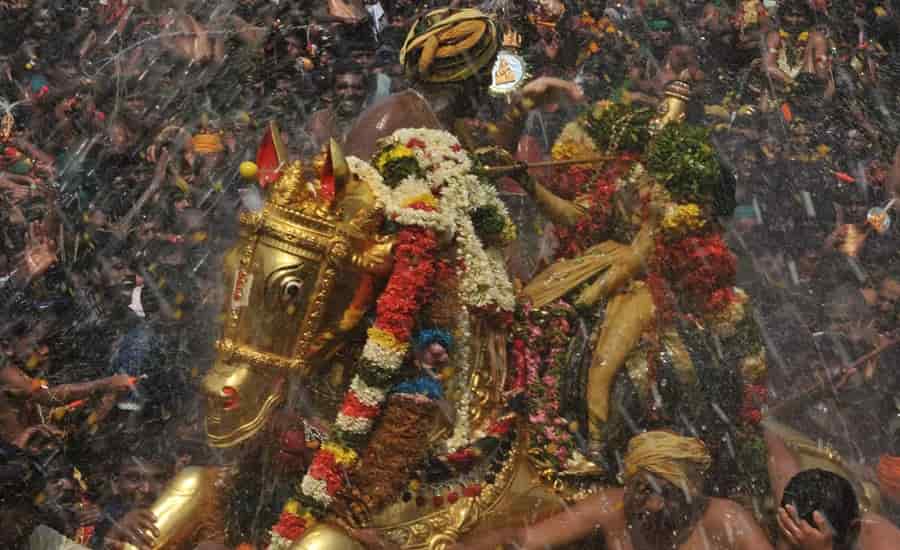
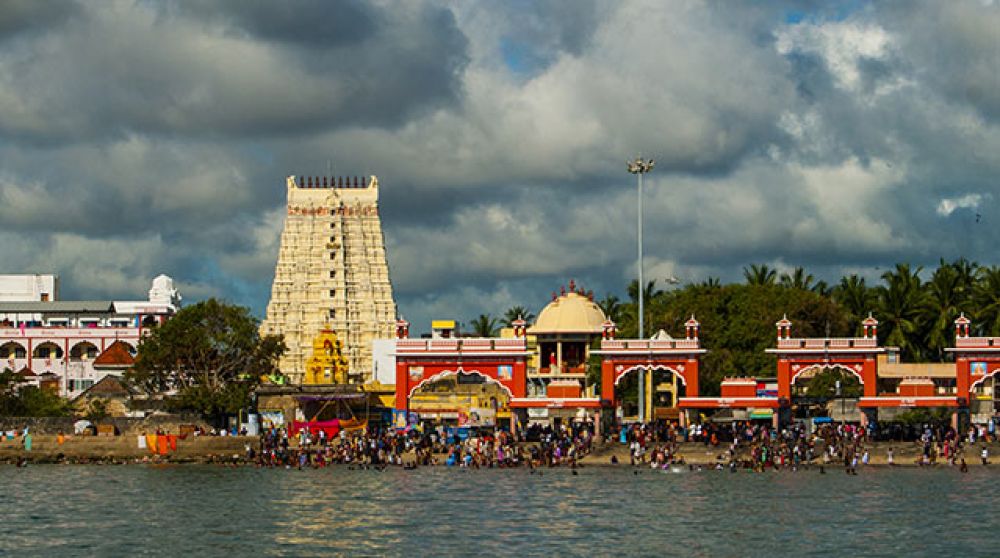
Situated on Pamban Island near the southern tip of Tamil Nadu, the Rameshwaram Temple, also known as Ramanathaswamy Temple, is one of the twelve sacred Jyotirlingas dedicated to Lord Shiva. Surrounded by the blue waters of the Indian Ocean and linked to the mainland by the historic Pamban Bridge, this temple is not only a magnificent example of Dravidian architecture but also a pivotal spiritual landmark. As the site where Lord Rama installed the Shiva lingam to seek absolution before his battle against Ravana, Rameshwaram holds profound significance in the Hindu worldview for purification, liberation, and divine grace. Pilgrims believe that worshipping at this temple grants moksha, or spiritual salvation, making it an essential stop on sacred journeys like the Char Dham circuit.

Rameshwaram’s spiritual essence is steeped in poignant legends, connecting Ramayana’s epic narrative to cosmic faith. According to the Ramayana and Shiva Purana, on his way to Lanka to rescue Sita and defeat Ravana, Lord Rama realised that he must first seek Lord Shiva’s blessings to offset the sin of killing a Brahmin (Ravana being a Brahmin by birth). He instructed his devoted servant Hanuman to bring a Shiva lingam from Kailash (Shiva’s abode in the Himalayas). As Hanuman took longer to return, Sita, Rama’s wife, crafted a lingam out of sand from the seashore, which Rama worshipped with deep devotion. This sand lingam, believed to be the first Shiva lingam at the site, remains enshrined within the temple’s sanctum. Eventually, Hanuman returned with the Vishwalingam, which was installed as a secondary and equally sacred lingam. Devotees honour both, acknowledging the depth of faith and urgency in Rama’s worship. The legend narrates that Shiva appeared before Rama, granted victory over Ravana, and agreed to reside eternally at Rameshwaram to offer salvation and forgiveness to all who came seeking refuge. This divine promise makes Rameshwaram a spiritual gateway, connecting earthly endeavours to cosmic liberation.

Another vital legend is the construction of the Ramsetu, the floating bridge built by Rama’s army of vanaras (monkeys) to cross the sea to Lanka. The site of Rameshwaram marks one end of this mythic bridge; geological and archaeological explorations have sought to locate remnants, further enriching the temple’s connection to divine intervention and epic history.

Rameshwaram’s history blends legendary origins with centuries of recorded devotion. The earliest textual references appear in the Tevaram hymns by Tamil Shaiva saints Appar, Sambandar, and Sundarar during the 7th–8th centuries, testifying to the temple’s antiquity and sacred standing. The present temple’s grandeur largely stems from the Chola dynasty, particularly during the 12th and 13th centuries, when the temple was expanded with monumental corridors, vast halls, and shrines. Subsequent rulers, from the Pandyas to the Vijayanagara Empire, further patronised the site, enriching its architecture and rituals.

Despite threats from natural calamities and political challenges, including the devastating 1964 cyclone that destroyed parts of the nearby town of Dhanushkodi, the temple has remained a vibrant centre of worship and culture, undergoing restorations and expansions into the modern era.

Rameshwaram Temple is famed for its architectural magnificence, particularly its long corridors and ornate detailing. The temple occupies over 15 acres, featuring the longest temple corridors in India, approximately 1,212 meters in length, supported by over 1,200 intricately carved pillars. The main sanctum houses the Shiva lingam with ornate silver and gold adornments. Massive gopurams, or tower gateways, rise prominently, decorated with carvings of deities, mythic scenes, and floral patterns. The use of granite with precise masonry reflects advanced engineering and devotion to durability. The temple complex encompasses 22 sacred water bodies, or theerthams, believed to possess purifying properties, allowing devotees to cleanse their sins before worshipping. Sculpted reliefs narrate stories from the Ramayana and the Shiva legends. The temple houses separate shrines for Vishnu, Parvati, and other deities, contributing to a rich theological tapestry.

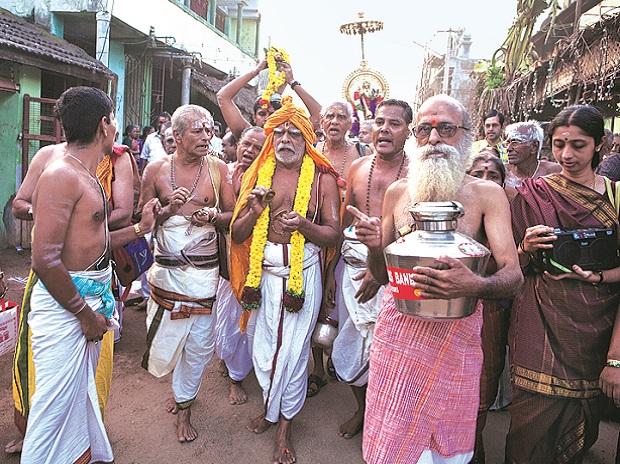
Rameshwaram’s ritual calendar combines intense daily worship with grand festival celebrations. These include multiple abhishekams, or ritual baths, for the lingam with groundwater and holy water; devotional music; chants; lamp rituals throughout the day; and the offering of bilva leaves, coconuts, and camphor during prayers. Devotees often partake in ritual bathing in temple theerthams for purification. During Mahashivaratri, the temple hosts grand night-long prayers, vigils, cultural performances, and fasting, drawing thousands. Navaratri and Deepavali are celebrated with temple illuminations and special worship, and various local festivals incorporate folk music, dance, and community feasts. Local priests, artisans, and community groups actively participate in festival preparations and daily worship, preserving the temple’s sacred traditions.

Visiting Rameshwaram involves spiritual preparation, vibrant local culture, and natural beauty. The temple is well connected by road, rail, and nearby air links via Madurai Airport. Pilgrims often combine visits to Rameshwaram with nearby coastal attractions and Sri Lankan pilgrimage circuits. Numerous dharmshalas, hotels, and eateries provide services for pilgrims while local cuisine offers traditional South Indian vegetarian fare. The temple’s location on a small island surrounded by the ocean and river creates an atmosphere of transcendence and purification, while spiritual chants and ritual sounds echo through the corridors.

The temple has been a vital cultural force in Tamil Nadu and across India. It has been immortalised in Tamil Shaiva literature and folklore glorifying Rama and Shiva. Devotional compositions, classical music, and dance performances celebrate the temple and associated legends. Sculptural motifs from Rameshwaram influence temple art across South India and local crafts and religious iconography draw inspiration from the temple’s mythic themes. Rameshwaram is an iconic pilgrimage and cultural landmark, representing Tamil Nadu’s ancient spiritual heritage and India’s pan-Hindu ethos.

The temple is managed by state religious trusts, maintaining rituals, pilgrim facilities, and temple infrastructure. Tourism is vibrant, especially during festivals, with a wide range of comprehensive amenities for visitors. Ongoing conservation efforts maintain the structural and artistic integrity of the centuries-old temple, while environmentally sensitive initiatives protect the surrounding island ecosystem.

Rameshwaram Temple is more than a monument; it is a living tradition where myth, architecture, devotion, and culture fuse. From the sands of a humble lingam to the grandeur of a sprawling complex, it marks a transcendental journey toward divine grace and liberation. Within the sacred corridors, whispered prayers and ancient chants carry the hope of generations, underscoring the temple’s eternal role in India’s spiritual and cultural landscape.

In My Hands Today…

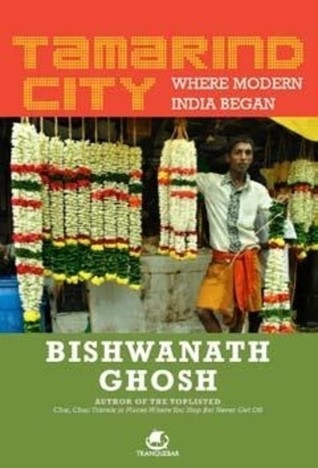
Tamarind City: Where Modern India Began – Bishwanath Ghosh

‘While in other big cities tradition stays mothballed in trunks, taken out only during festivals and weddings, tradition here is worn round the year.’

This is just one of the author’s many keen observations of Chennai. With mordant wit, this biography of a city spares neither half of its split-personality: from moody, magical Madras to bursting-at-the-seams, tech-savvy Chennai. And, a minute into the book, the reader knows they are inseparable-and Bishwanath Ghosh refuses to take sides.

And yet, he tells us, while Chennai is usually known as conservative and orthodox, almost every modern institution in India-from the army to the judiciary, from medicine to engineering-traces its roots to Madras’s Fort St George, which was built when Delhi had only just become the capital of the Mughal Empire, and Calcutta and Bombay weren’t even born. Today, the city once again figures prominently on the global map as ‘India’s Detroit’, a manufacturing giant, and a hub of medical tourism. There have been sweeping changes since pre-Independent India, but even as Chennai embraces change, its people hold its age-old customs and traditions close to their heart. ‘This is what makes Chennai unique,’ says Ghosh, ‘the marriage of tradition and technology’.

Bishwanath Ghosh wears a reporter’s cap and explores the city he has made his home, delving into its past, roaming its historic sites and neighbourhoods, and meeting a wide variety of people-from a top vocalist to a top sexologist, from a yoga teacher to a hip transsexual, from a yesteryear film star to his own eighty-five-year-old neighbour, from the ghosts of Clive, Wellesley, Hastings and Yale to those of Periyar and MGR, two people who redefined the political skyline of Tamil Nadu.

What emerges is an evocative portrait of this unique city, drawn without reservation-sometimes with humour, sometimes with irony-but always with love.

Travel Bucket List: India – Consolidated List of all States

As I started planning my travel, I started relying on my research for where to go and found it slightly ungainly to search through all the material I have to reach a specific destination. So here’s a consolidated list of all Indian states, in alphabetical order with the cities and towns next to each part which makes it easier to get to the place you are interested in.

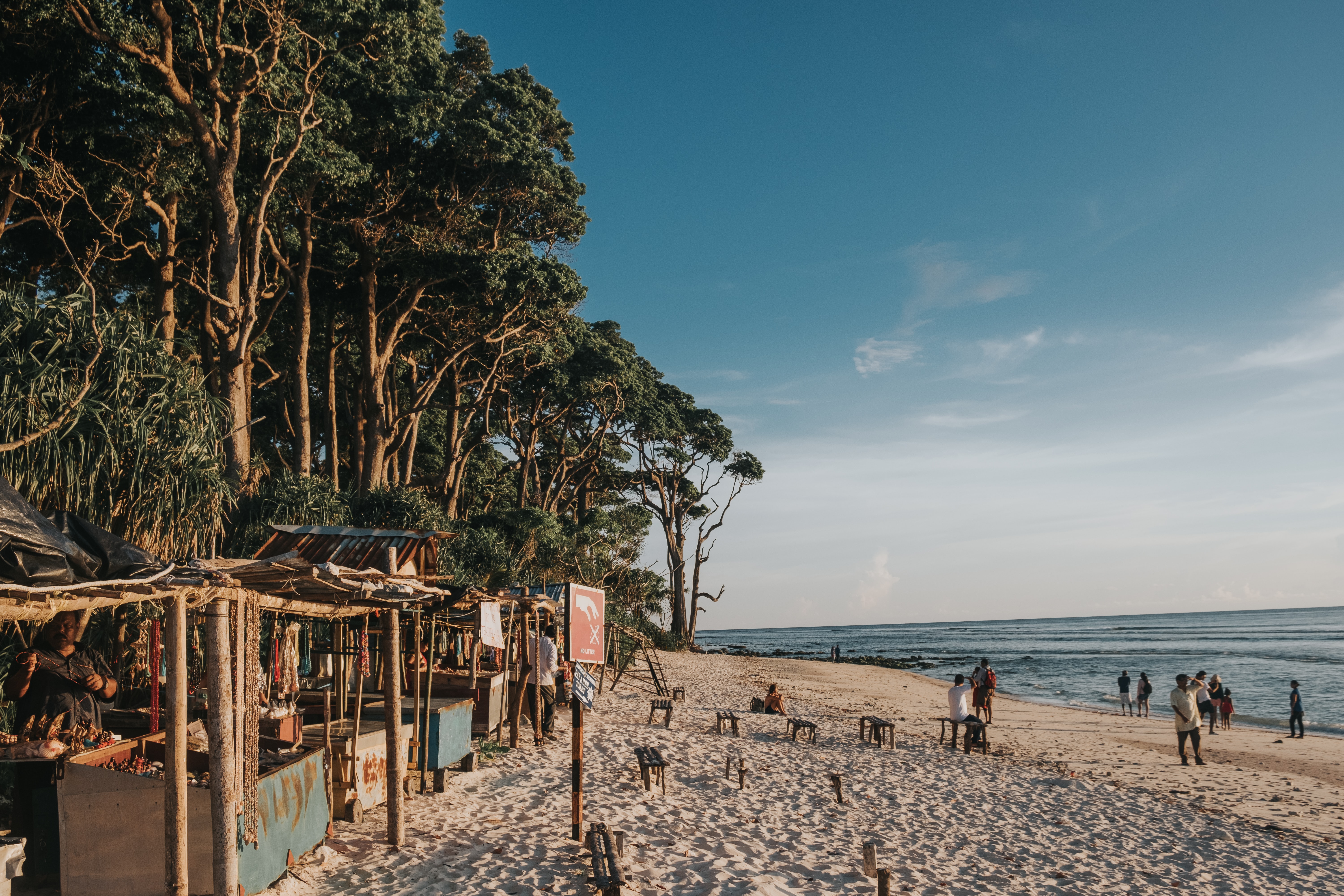
Photo by Ravigopal Kesari on Unsplash

Andaman and Nicobar Islands
Part 1 – Introduction and Overview
Part 2 – Port Blair
Part 3 – Corbyn’s Cove Beach, Wandoor Beach, Viper Island, Ross Island, North Bay Island, Red Skin Island, Middle Andaman Island, Long Island, Baratang Island, Parrot Island, North Passage Island, Guitar Island
Part 4 – Aves Island, North Andaman Island, Diglipur, Stewart Island, Ross & Smith Island, Jolly Buoy Island, Havelock Island
Part 5 – Neil Island, South Andaman Island, Rutland Island, Little Andaman Island, Cinque Island, Barren Island, Narcondom Island, Kathchal Island, Campell Bay & Indira Point
Part 6 – Mahatma Gandhi Marine National Park, Chidiya Tapu, The Chidiya Tapu Biological Park, Mount Harriet National Park, Saddle Peak National Park, Campbell Bay National Park, Galathea National Park, Middle Button Island National Park, North Button Island National Park, South Button Island National Park

Photo by Gowrisha CV on Unsplash

Andhra Pradesh
Part 1: Introduction and Overview, Vishakhapatnam
Part 2: Araku Valley, Vizianagaram, Annavaram, Samalkot, Kakinada, Rajahmundry
Part 3: Amaravathi, Vijayawada, Machilipatnam
Part 4: Guntur, Chirala, Nagarjunakonda, Srisailam, Cumbum, Nellore
Part 5: Kurnool, Mantralayam, Gandikota, Tadipatri, Anantapur, Puttaparthi
Part 6: Lepakshi, Horsley Hills, Chittoor, Srikalahasthi, Tirupati

Photo by Mayur More on Unsplash

Arunachal Pradesh
Part 1: Introduction and Overview, Itanagar, Bhalukpong
Part 2: Bomdila, Tawang
Part 3: Ziro, Yinkiong, Mechuka, Roing, Tirap
Part 4: Khonsa, Changlang, Miao, Anini, Pasighat, Aalo, Daporijo, Anjaw, Tezu

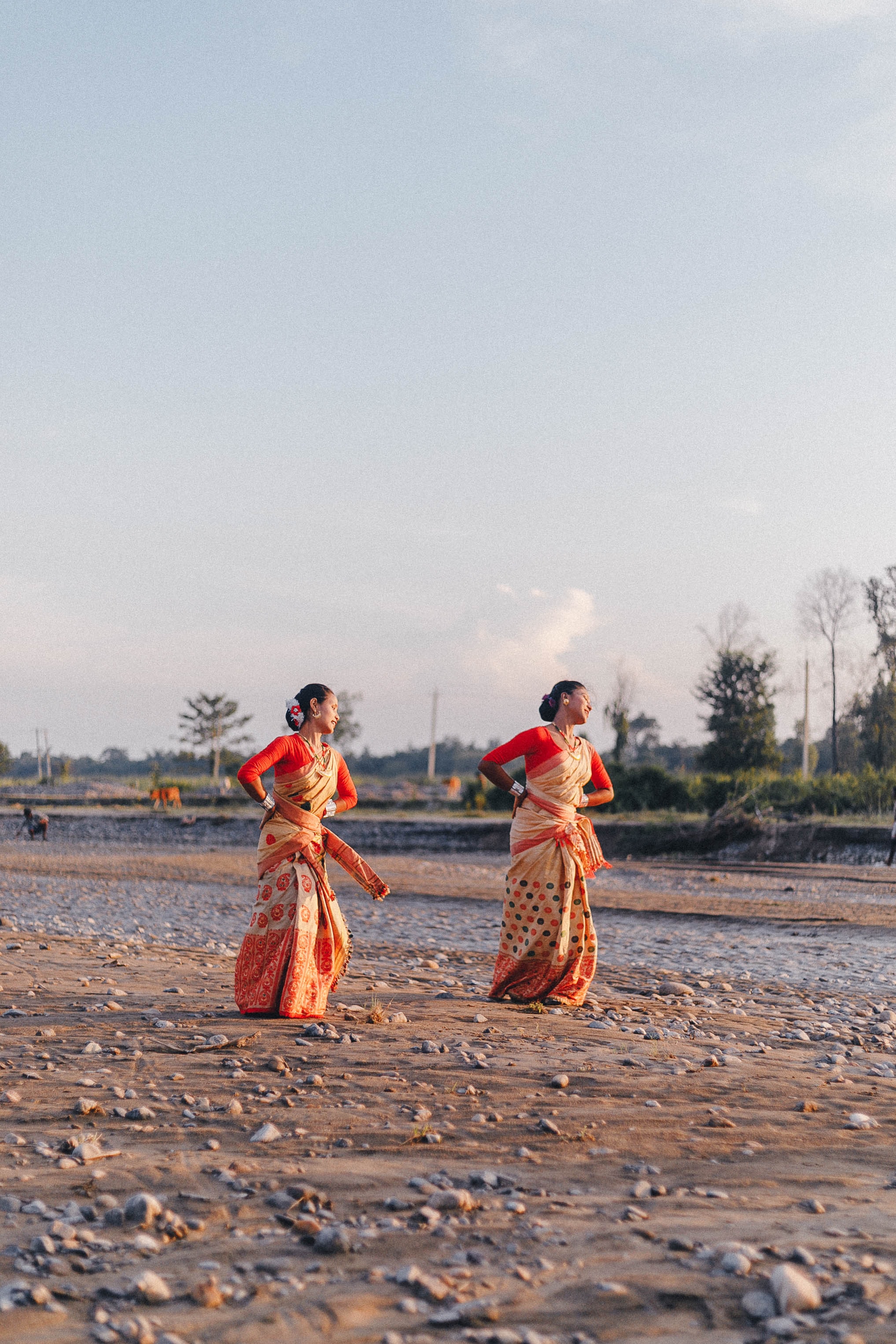
Photo by Nilotpal Kalita on Unsplash

Assam
Part 1: Introduction and Overview, Guwahati, Dispur
Part 2: Kokrajhar, Bongaigaon, Goalpura, Barpeta, Nalbari, Hajo, Sualkuchi
Part 3: Darrang, Mayong and Morigaon, Nagaon, Tezpur, Jorhat
Part 4: Sivasagar, Majuli, Dhemaji, Dibrugarh, Tinsukia, Digboi
Part 5: Sadiya, Haflong, Jatinga, Diphu, Karimganj, Hailakandi, Silchar
Part 6: Raimona National Park, Manas National Park, Orang National Park, Kaziranga National Park, Nameri National Park, Dibru Saikhowa National Park, Dihing Patkai National Park

Photo by ARTO SURAJ on Unsplash

Bihar
Part 1: Introduction and Overview
Part 2: Patna
Part 3: Hajipur, Nalanda
Part 4: Rajgir, Sasaram, Kaimur
Part 5: Bodh Gaya, Vaishali
Part 6: Muzzafarpur, Sitamarhi, Madhubani, Lauriya Nandangarh, Bhagalpur, Valmiki National Park Tiger Reserve and Wildlife Sanctuary

Photo by Ayiman Mohanty on Unsplash

Chhattisgarh
Part 1: Introduction and Overview, Raipur, Champaran
Part 2: Bhilai, Durg, Rajnandgaon, Chirmiri, Madku Dweep, Bhoramdeo Temple, Guru Ghasidas National Park
Part 3: Achanakmar Tiger Reserve, Bilaspur, Raigarh, Korba, Ambikapur, Barnawapara Wildlife Sanctuary, Mainpat, Malhar
Part 4: Mahasamund, Sirpur, Rajim, Jagdalpur, Dhamtari, Dhamtari, Dantewada, Kanger Ghati National Park

Dadra and Nagar Haveli and Daman and Diu
Part 1: Introduction and Overview, Daman
Part 2: Diu
Part 3: Dadra and Nagar Haveli

Delhi
Part 1: Introduction and Overview, India Gate, Red Fort, Qutub Minar, Jantar Mantar, Rajghat
Part 2: Iron Pillar, National War Memorial, Rajpath, Rashtrapati Bhavan, Agrasen Ki Baoli, Ghalib Ki Haveli, Alai Darwaza/Minar, Bhool Bhulaiya ka Mahal, Purana Qila,
Part 3: Tughlaqabad Fort. Siri Fort, Feroza Kotla Fort, Swaminarayan Akshardham Temple, ISKON Mandir, Birla Temple, Chhatrapur Temple, Kalkaji Temple, Kali Bari Temple, Yogmaya Temple, Sri Digambar Jain Lal Mandir, Lotus Temple
Part 4: Jama Masjid, Quwwat-ul-Islam Mosque, Fatehpuri Masjid, Jamali Kamali Mosque and Tomb, Nizamuddin Dargah, Humayun’s Tomb, Safdarjung’s Tomb, Isa Khan’s Tomb, Hijron ka Khanqah, Nicholson Cemetery
Part 5: Gurudwara Bangla Sahib, Gurudwara Sis Ganj Sahib, Rakab Ganj Gurdwara, Sunder Nursery, Lodhi Gardens, Garden of Five Senses, National Rose Garden, Mehrauli Archaeological Park, Pradhanmantri Sangrahalaya, National Museum, Nehru Memorial Museum and Library, Rashtrapati Bhavan Museum, Indian War Memorial Museum, National Handicrafts Museum
Part 6: Indira Gandhi Memorial Museum, Sanskriti Museums, Charkha Museum, Sulabh International Museum of Toilets, Shankar’s International Dolls Museum, Museum of Archaeology, National Railway Museum, Museo Camera, National Gallery of Modern Art, Kiran Nadar Museum of Art, Museum of Illusions, National Zoological Park, National Bal Bhavan, Connaught Place, Chandni Chowk, Dilli Haat, Sarojini Market, Lajpat Nagar, Majnu ka Tila, Pragati Maidan

Photo by Sarang Pande on Unsplash

Goa
Part 1: Introduction and Overview
Part 2: North Goa, Vagator Beach, Anjuna Beach, Calangute Beach, Sinquerim Beach, Candolim Beach, Arambol Beach, Mandrem Beach, Morjim Beach, Miramar Beach, Siridao Beach, Bogdeshwara Temple, Mangeshi Temple, Mahalaxmi Temple, Fort Aguada, Chapora Fort, Reis Magos Fort, Basilica of Bom Jesus, Church of Our Lady of Immaculate Conception, Chapel of St. Catherine, Church of Mae De Deus, Goa State Museum, Houses of Goa Museum, Museum of Christian Art, Casino Palms, Chorao Island, Harvalem Waterfalls
Part 3: South Goa, Butterfly Beach, Betalbatim Beach, Agonda Beach, Mobor Beach, Hollant Beach, Palolem Beach, Cansaulim Beach, Colva Beach, Talpona Beach, Kakolem Beach, Benaulim Beach, Our Lady of Remedios Church, Saviour of the World Church, St. Alex Church, Shantadurga Temple, Tambdi Surla Mahadev Temple, Chandreshwar Bhoothnath Temple, Naval Aviation Museum, Goa Chitra Museum, Big Foot Museum, The Grande Island, Pequeno Island, Bhagwan Mahaveer Wildlife Sanctuary, Netravali Wildlife Sanctuary, Cotigao Wildlife Sanctuary, Dudhsagar Falls, Bamanbudo Waterfalls, Netravali Bubbling Lake, Cabo de Rama Fort, Chandor

Photo by Parth Kateliya on Unsplash

Gujarat
Part 1: Introduction and Overview
Part 2: Surat, Vapi, Udvada, Valsad, Bilimora, Navsari, Bharuch, Saputara
Part 3: Ahmedabad, Lothal, Vadodara, Anand
Part 4: Gandhinagar, Patan, Mehsana, Palanpur
Part 5: Rajkot, Jamnagar, Dwarka, Porbandar, Junagadh, Bhavnagar, Palitana,
Part 6: Kutch, Bhuj, Mandvi, Rann of Kutch, Anjar

Photo by Sooraj Dev on Unsplash

Haryana
Part 1: Introduction and Overview, Gurugram, Manesar, Sohna
Part 2: Faridabad, Nuh, Murthal, Rohtak, Meham
Part 3: Hisar, Panipat, Karnal
Part 4: Kurukshetra, Ambala
Part 5: Panchkula, Morni Hills, Narnaul

Photo by Naman Pandey on Unsplash

Himachal Pradesh
Part 1: Introduction and Overview, Shimla, Kufri, Fagu, Theog, Hatkoti Valley, Chanshal Valley
Part 2: Chail, Solan, Barog, Nahan, Sirmour, Paonta Sahib, Shoghi, Kasauli, Arki, Nalagarh, Dadasiba, Bilaspur, Dalhousie,
Part 3: Kangra, Khajjiar, Bharmour, Chamba, Tattapani, Jalori Pass, Jibhi, Mandi
Part 4: Trithan Valley, Bhuntar, Sainj Valley, Barot, Bir Billing, Palampur, Kasol, Nagar, Manikaran Sahib, Tosh, Parvati Valley
Part 5: Kullu, Manali, Dharamsala, McLeodganj
Part 6: Keylong, Pin Valley National Park, Spiti Valley, Narkanda, Mashroba, Kinnaur, Sarahan, Sangla Valley, Kalpa, Pangi Valley, Nako

Jammu & Kashmir and Ladakh
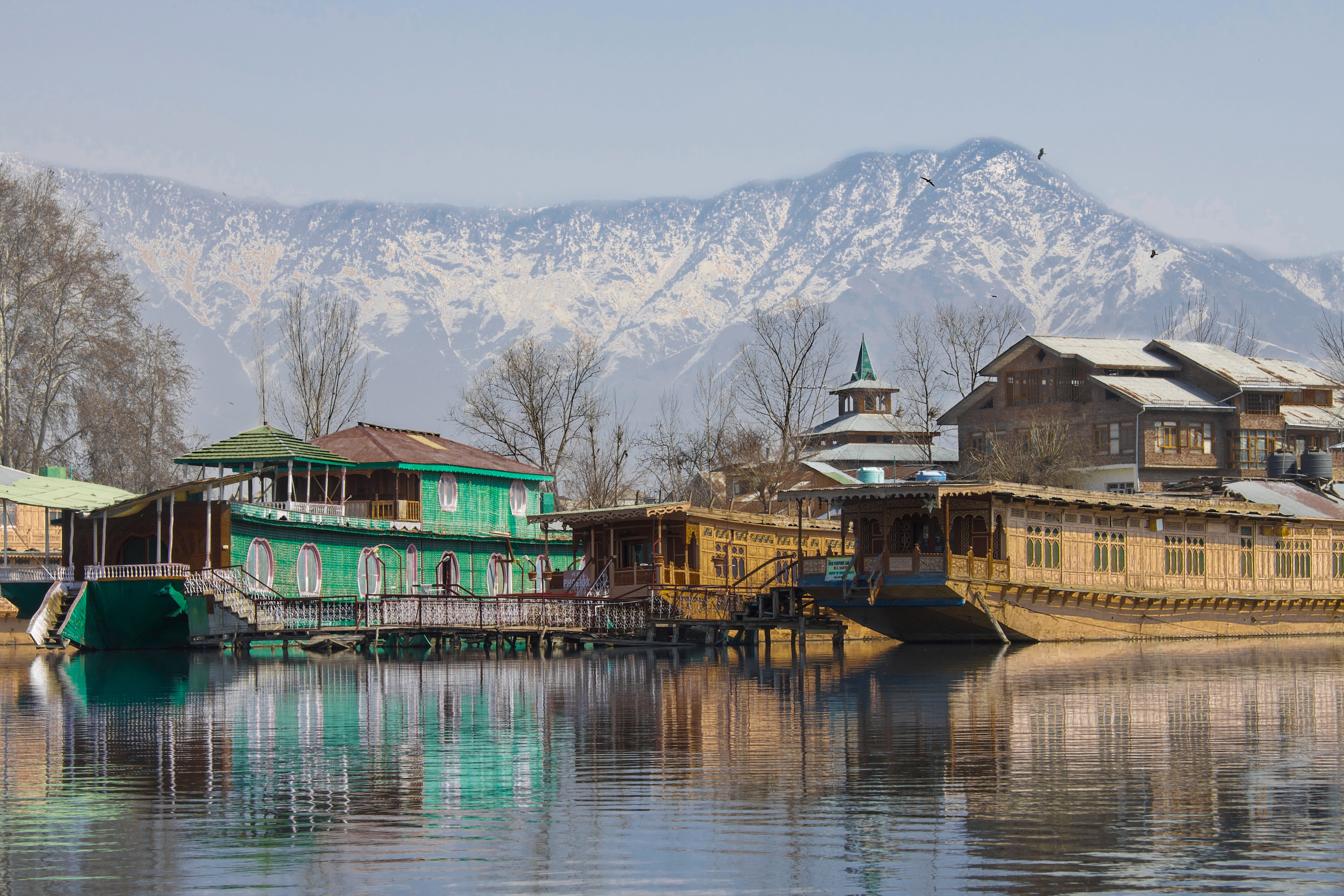
Part 1: Introduction and Overview, Kashmir, Srinagar, Gulmarg, Sonmarg, Pahalgam, Amarnath, Pulwama, Kupwara, Poonch, Anantnag, Baramulla, Dachigam National Park
Part 2: Jammu, Patnitop, Rajouri, Udhampur, Kathua, Katra, Vaishno Devi, Kishtwar
Part 3: Ladakh, Leh, Leh Palace, Thiksey Gompa, Pangong Lake, Magnetic Hill, Nubra Valley and Khardung La Pass, Kargil, Drass, Hemis High Altitude Wildlife Sanctuary, Lamayuru, Lake Tso Moriri

Photo by Aryan Singh on Unsplash

Jharkhand
Part 1: Introduction and Overview, Ranchi
Part 2: Hazaribagh, Bokaro Steel City
Part 3: Jamshedpur, Neterhat
Part 4: Dhanbad, Shikarji, Deoghar, Dumka

Karnataka
Part 1: Introduction and Overview
Part 2: Bengaluru
Part 3: Mysuru, Mangalore, Belgaum
Part 4: Hubli-Dharwad, Gulbarga, Bidar, Badami, Bijapur, Hassan, Shimoga, Hampi, Sharavathi Valley Wildlife Sanctuary, Bhadra Wildlife Sanctuary, Brahmagiri Wildlife Sanctuary, Nagarhole National Park, Bandipur National Park, Ranganathittu Bird Sanctuary, Jog Falls, Shivanasamudra Falls, Kodasalli Backwater
Part 5: Coorg, Chikmagalur, Sakleshpur, Kudremukh, Kemmanagundi, Kotagiri, Masinagudi, Devarayanadurga, Karwar, Devbagh, Kumta, Netrani Island, Murudeshwar, Maravanthe, St. Mary’s Island, Udipi
Part 6: Udipi, Kollur, Sringeri, Dharmasthala, Horanadu, Talakadu, Belur, Shravanbelagola, Gokarna, Murudeshwar, Koodli, Srirangapatna, Pattadakal, Aihole, Kalasa

Kerala
Part 1: Introduction and Overview
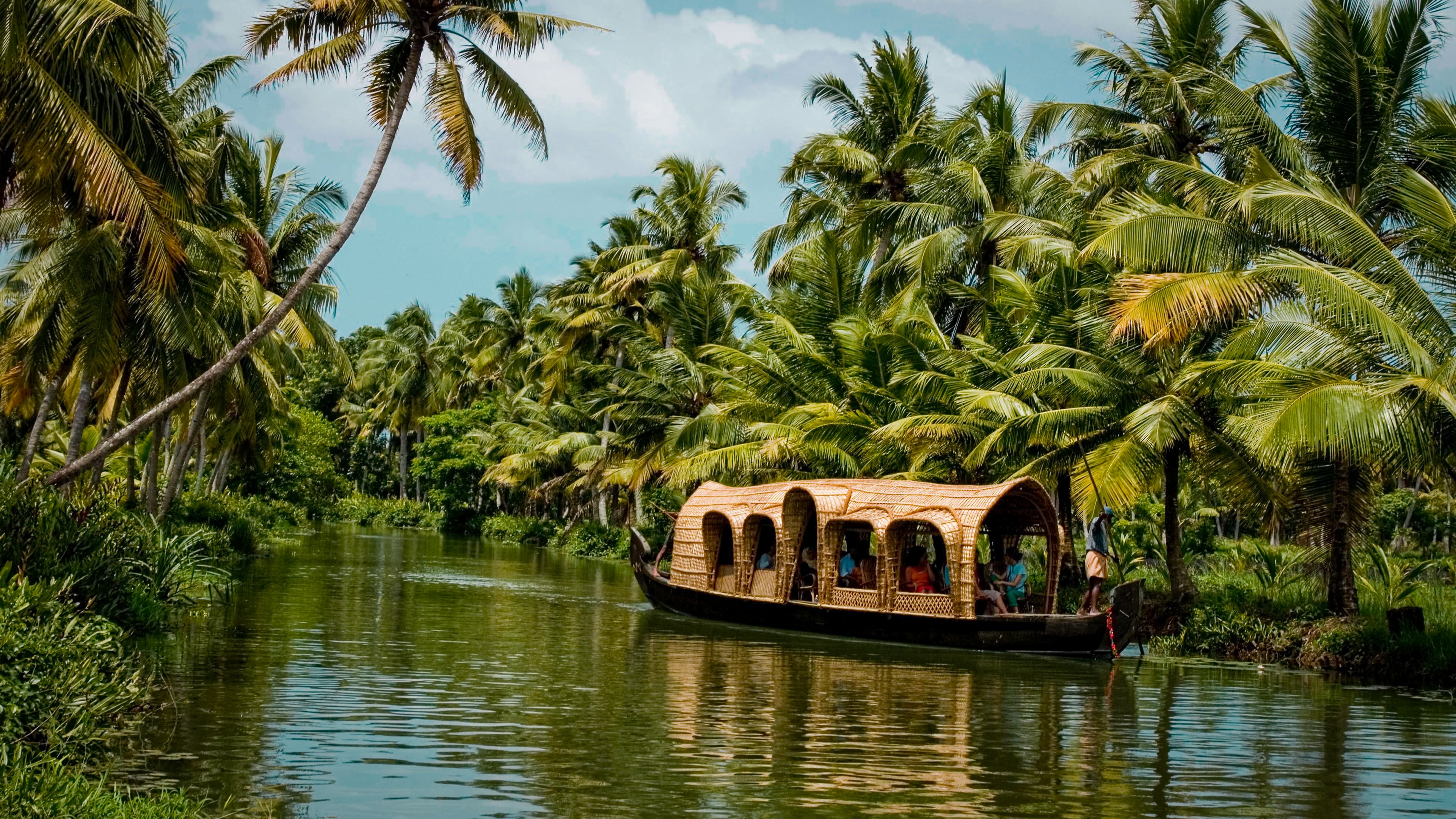
Part 2: Kasaragod, Kannur, Kozhikode
Part 3: Wayanad, Mallapuram, Palakkad
Part 4: Thrissur, Ernakulam, Alappuzha
Part 5: Kottayam, Idukki, Patanamthitta
Part 6: Kollam, Tiruvanathapuram

Photo by Sachin Benny on Unsplash

Lakshadweep Islands
Part 1: Introduction and Overview
Part 2: Aminidivi, Cora Divh, Sesostris Bank, Bassas de Pedro, Cherbaniani Reef, North Islet, Byramgore Reef, Chetlat Island, Bitra Par, Kilthan Island, Kadmat Island, Kadmat Beach, Elikalpeni Bank, Perumal Par, Amini Island
Part 3: Laccadive, Amindivi, Agatti Island, Bangaram, Pakshipitti, Andrott Island, Kavaratti, Kalpeni, Suheli Par
Part 4: Minicoy, Maliku Atoll, Investigator Bank, Viringili

Madhya Pradesh
Part 1: Introduction and Overview
Part 2: Bhopal
Part 3: Indore, Ujjain, Alampur
Part 4: Maheshwar, Omkareshwar, Mandu, Burhanpur
Part 5: Chanderi, Shivpuri, Orchha, Khajurao
Part 6: Gwalior, Jabalpur, Bhedaghat, Panchmarhi, Amarkantak, Bandhavgarh National Park, Kanha National Park, Pench National Park

Photo by Raj Rana on Unsplash

Maharashtra
Part 1: Introduction and Overview, Mumbai
Part 2: Pune
Part 3: Matheran, Lonavala, Khandala, Rajmachi, Lavasa, Kamshet, Mahabaleshwar, Panchgani, Kaas Plateau, Maval, Bhandardara, Chikhaldara, Bhimashankar
Part 4: Amravati, Aurangabad, Ajanta and Ellora Caves, Lonar, Chiplun, Kolhapur, Nagpur, Nanded, Nashik, Triambakeshwar, Shirdi, Shani Shinganapur, Raigad, Ratnagiri, Satara
Part 5: Dahanu, Alibaug, Kashid, Diveagar, Harihareshwar, Murud, Karade, Ganpatipule, Tarkarli, Vengurla, Tadoba National Park, Bhamragarh Wildlife Sanctuary, Chandoli National Park, Gugumal National Park, Navegaon National Park, Malvan Marine Sanctuary, Rehekuri Blackbuck Sanctuary

Photo by WAIKHOM JAMES on Unsplash

Manipur
Part 1: Introduction and Overview, Imphal
Part 2: Moirang, Tamenglong, Thoubal
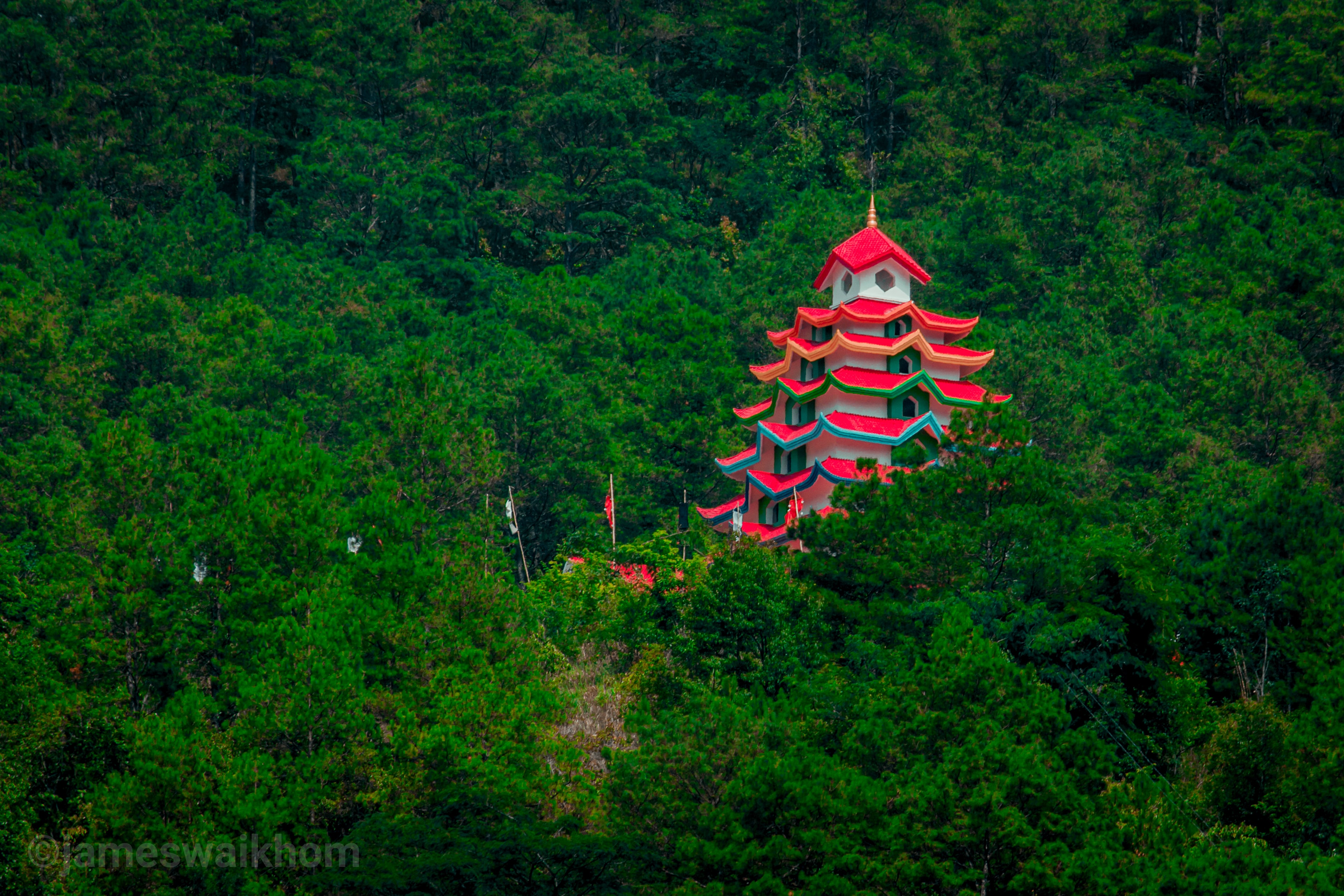
Part 3: Chandel, Tengnoupal, Moreh, Kaina, Ukhrul, Mount Koubru, Baruni Hill, Thangjing Hill, Sadu Chiru Waterfall

Photo by Utkarsh B on Unsplash

Meghalaya
Part 1: Introduction and Overview
Part 2: Shillong
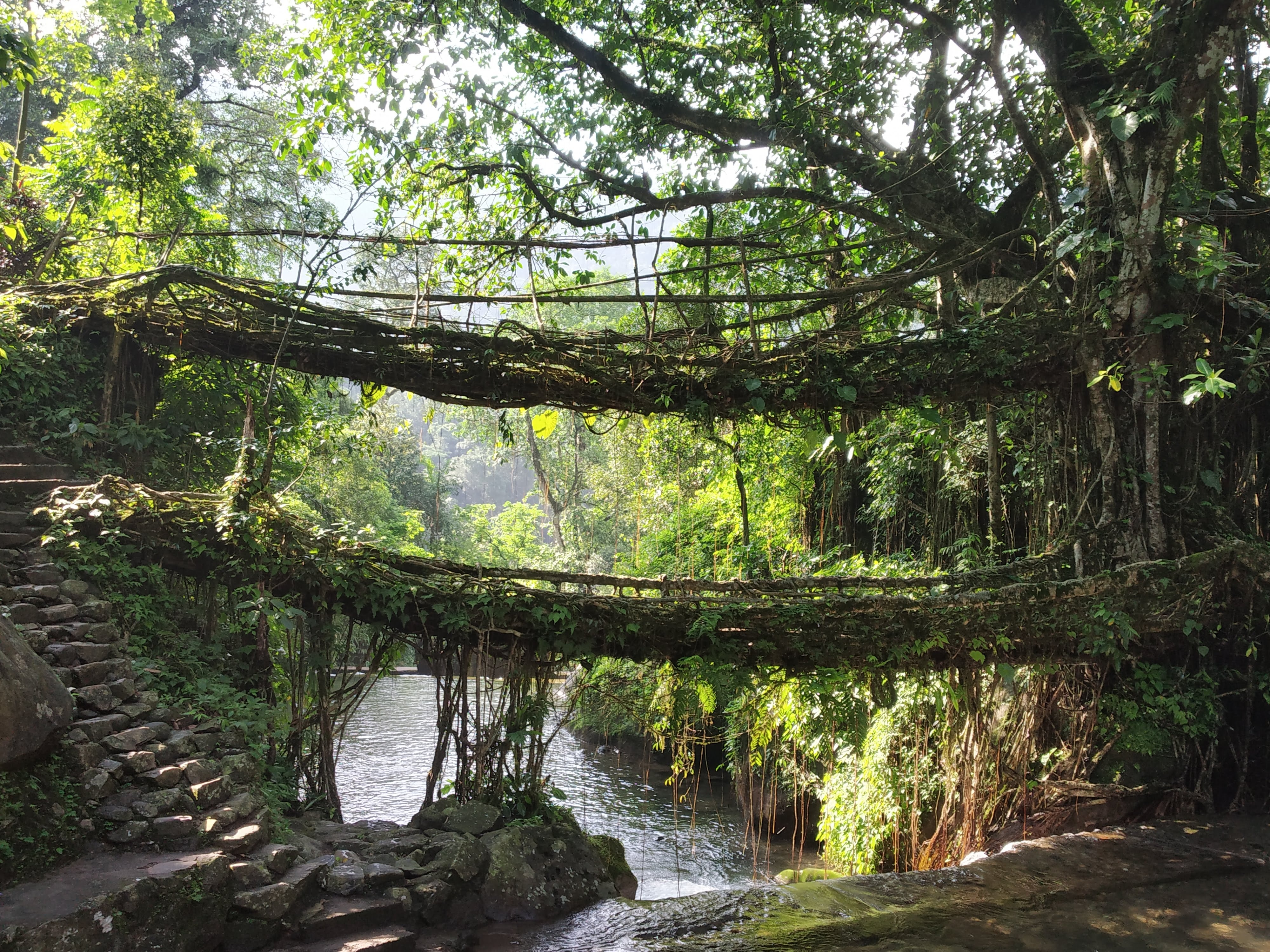
Part 3: Mawphlang, Cherrapunji, Nongpoh, Mawsynram
Part 4: Jowai, Mawlynnong, Dawki, Balpakram National Park, Williamnagar, Baghmara, Tura
Part 5: Khasi Hills, Jaintia Hills, Garo Hills

Photo by Vanlaldin puia on Unsplash

Mizoram
Part 1: Introduction and Overview, Aizwal, Falkawn Village
Part 2: Reiek, Hmuifang, Kolasib, Tamdil or Tam Lake, Mamit, Vantawng Falls, Serchhip
Part 3: Dampa Tiger Reserve, Lunglei, Champhai
Part 4: Murlen National Park, Phawngpui, Phawngpui National Park, Saiha,

Photo by Suraj Jadhav on Unsplash

Nagaland
Part 1: Introduction and Overview, Dimapur
Part 2: Kohima
Part 3: Mokokchung, Tuensang, Phek, Mon, Pfutsero

Photo by Ayiman Mohanty on Unsplash

Odisha
Part 1: Introduction and Overview, Bhubaneshwar, Dhauli
Part 2: Cuttack, Rayagada, Daringbadi, Berhampur, Jeypore
Part 3: Puri, Baripada, Sambalpur, Rourkela
Part 4: Konark, Paradeep, Gopalpur, Chandipur
Part 5: Lake Chilika, Tikarpada Wildlife Sanctuary, Satkosia Tiger Reserve, Bhitarkanika National Park & Wildlife Sanctuary, Simlipal National Park, Duduma Waterfalls, Chandaka Forest, Kotgarh Elephant Reserve, Karlapat Wildlife Sanctuary

Photo by nullvoid on Unsplash

Puducherry
Part 1: Introduction and Overview, Puducherry
Part 2: Karaikal, Mahé, Yanam

Photo by Prerna Sharma on Unsplash

Punjab
Part 1: Introduction and Overview
Part 2: Chandigarh, Sirhind
Part 3: Rupnagar, Patiala
Part 4: Ludhiana, Bhatinda
Part 5: Jalandhar, Kapurthala
Part 6: Pathankot, Amritsar

Rajasthan
Part 1: Introduction and Overview, Jaipur, Udaipur
Part 2: Jodhpur, Jaisalmer, Sawai Madhopur, Pushkar

Photo by Apurba Nag on Unsplash

Sikkim
Part 1: Introduction and Overview
Part 2: Gangtok
Part 3: Tinkitam Rayong, Namchi, Barsey Rhododendron Sanctuary, Kabi Longstok, Tendong Hill, Aritar, Zuluk, Pangolakha Wildlife Sanctuary, Pelling, Yuksom, Ravangla
Part 4: Maenam Wildlife Sanctuary, Geyzing, Yangtey, Borong, Mangan, Chopta Valley, Lachung, Lachen, Yumthang Valley, Thangu Valley, Gurudongmar Lake, Cholamu Lake, Shingba Rhododendron Sanctuary, Khangchendzonga National Park, Fambong Lho Wildlife Sanctuary, Goecha La

Tamil Nadu
Part 1: Introduction and Overview, Chennai
Part 2: Coimbatore, Tiruchirappalli, Tiruppur, Tirunelveli
Part 3: Ooty, Kodaikanal, Yercaud, Coonoor, Yelagiri, Bellikkal
Part 4: Kanchipuram, Tiruvannamalai, Chidambaram, Vaitheeshwaran Kovil,
Part 5: Kumbakonam, Thanjavur, Swamimalai, Rameshwaram, Madurai
Part 6: Mahabalipuram, Kanyakumari, Mudumalai Wildlife Sanctuary, Hogenakkal Falls, Kutralam Falls

Photo by Aman Upadhyay on Unsplash

Telangana
Part 1: Introduction and Overview, Hyderabad Part 1
Part 2: Hyderabad Part 2
Part 3: Secunderabad
Part 4: Warangal, Nizamabad
Part 5: Khammam, Karimnagar, Adilabad, Mahbubnagar, Medak
Part 6: Nalgonda, Bhadrachalam, Koti Linga, Somasila, Vemulawada

Photo by Sourav Debnath on Unsplash

Tripura
Part 1: Introduction and Overview
Part 2: Agartala
Part 3: Kailashahar, Unakoti, Udaipur, Ambassa, Pilak Archaeological Sites, Chabimura, Mahamuni Pagoda, Manubankul, Buddhist Stupa, Boxanagar
Part 4: Baramura Eco Park, Kalapania Nature Park, Tepania Eco Park, Khumulwang Eco Park, Jampui Hills, Dumboor Lake, Dhalai, Rudrasagar Lake, Sepahijala Wildlife Sanctuary & Clouded Leopard National Park, Trishna Wildlife Sanctuary, Rajbari National Park, Rowa Wildlife Sanctuary, Gomati Wildlife Sanctuary

Uttar Pradesh
Part 1: Introduction and Overview, Noida, Loni, Ghaziabad, Meerut, Muzzafarnagar
Part 2: Hastinapur, Vrindavan, Mathura
Part 3: Fatehpur Sikri, Agra, Garhmukteshwar
Part 4: Aligarh, Firozabad, Jhansi, Piilbhit, Bithoor, Naimisharanya
Part 5: Kanpur, Lucknow
Part 6: Ayodhya, Sravasti, Prayagraj
Part 7: Chitrakoot, Vindhyachal, Varanasi, Sarnath, Kushinagar

Photo by Akshay syal on Unsplash

Uttarakhand
Part 1: Introduction and Overview, Dehradun
Part 2: Mussoorie, Dhanaulti
Part 3: Auli, Joshimath, Chopta, Tungnath, Ukhimath, Lansdowne, Nainital
Part 4: Sattal, Bhimtal, Naukuchiatal, Kausani, Ranikhet, Almora, Binsar, Jalna, Kasar Devi, Jageshwar, Champawat, Munsiyari, Pithorgarh
Part 5: Bageshwar, Chamoli, Mana, Badrinath, Pandukeshwar, Hemkund Sahib, Kedarnath, Gomukh, Madhyamaheshwar, Gangotri, Gauri Kund, Yamunotri
Part 6: Rudranath, Guptakashi, Nandprayag, Rudraprayag, Devprayag, Rishikesh, Haridwar, Roopkund Lake, Nelong Valley, Gangotri National Park, Kedarnath Wild Life Sanctuary, Valley of Flowers, Nanda Devi National Park, Govind Pashu Vihar Wildlife Sanctuary, Rajaji National Park, Jim Corbett National Park

Photo by Nitish Narayan on Unsplash

West Bengal
Part 1: Introduction and Overview, Kolkata
Part 2: Howrah, Barrackpore, Chandan Nagar, Chinsurah, Bardhaman, Haldia, Midnapore
Part 3: Shantiniketan, Durgapur, Jhargram, Asansol, Murshidabad, Mukutmanipur, Malda, Siliguri, Jalpaiguri, Cooch Behar, Bagdogra
Part 4: Kurseong, Mirik, Darjeeling, Tinchuley, Dooars, Kalimpong
Part 5: Rishyap, Lava and Lolegaon, Buxa Tiger Reserve, Rajabhatkawa, Jaldapara National Park, Jaldhaka, Chapramari Wildlife Sanctuary, Gorumara National Park, Neora Valley National Park, Lataguri, Purulia, Sonajhuri Forest, Deulti, Sundarbans, Mayapur, Nabadwipa, Bakreswar
Part 6: Bankura, Bishnupur, Jayrambati, Kamarpukur, Tarapith, Falta, Raichak, Taki, Piyali Island, Machranga Dwip, Kakdwip, Mousuni Island, Bakkhali, Junput, Mandarmani, Tajpur, Shankarpur

Festivals of India: Tyagaraja Aradhana

Though technically not a festival in the way we have come to associate festivals with, the Tyagaraja Aradhana is an annual music festival that glorifies the Telugu saint composer Tyagaraja. The music festival is observed in the states of Andhra Pradesh and Tamil Nadu, primarily in Tiruvaiyaru in the Thanjavur district, where Tyagaraja attained Samadhi. The Aaradhana is observed on Pushya Bahula Panchami day when the saint attained samadhi when musicians render the saint’s Pancharatna Kritis.

A composer and Carnatic music vocalist, Thyagaraja or Kakarla Thyagabrahmam was born on the 4 May 1767, to a Telugu Vaidiki Mulakanadu Brahmin family in Tiruvarur in present-day Tiruvarur District of Tamil Nadu. Tyagaraja and his contemporaries, Shyama Shastri and Muthuswami Dikshitar are regarded as the Trinity of Carnatic music. Thyagaraja composed thousands of devotional compositions, most in Telugu and in praise of Lord Rama, many of which remain popular today, the most popular being Nagumomu. Of special mention are five of his compositions called the Pancharatna Kritis or the five gems, which are often sung in programs in his honour, and Utsava Sampradaya Krithis or festive ritual compositions, which are often sung to accompany temple rituals.

Tyagaraja hero-worshipped the celestial sage Narada, a reference to this is Tyagaraja’s krithi Vara Nārada in Vijayaarī raga and in Adi taḷam. Legend has it that a hermit taught him a mantra invoking Narada, and Tyagaraja, meditating on this mantra, received a vision of Narada and was blessed with the book Svarārnavam by the sage. During his last days, Tyagaraja took vows of Sannyasa. Tyagaraja died on a Pushya Bahula Panchami day, or 6 January 1847, at the age of 79. His last composition before his death was Giripai Nelakonna in rāga Sahāna, Ādi tāḷam and was cremated on the banks of the Kaveri river at Thiruvaiyaru.

The Aradhana or ceremony of adoration is held every year on the anniversary of his death which is the fifth day of the waning moon in the Hindu lunar month of Pushya. The Aradhana is conducted by the Sri Thyagabrahma Mahotsava Sabha and is held in the precincts of the samadhi or memorial of the saint located at Thiruvaiyaru village in Thanjavur district. The Aradhana in its present format is less than a century old. A few days before his death in 1847, he formally renounced everything and become a sanyasi. When he passed on, his mortal remains were buried on the banks of the river Kaveri and a small memorial was built at the site. His disciples returned to their respective villages and observed his death anniversary at their own homes. The memorial soon fell into neglect and became quite dilapidated by 1903, when two of the last surviving students to have been taught by Tyagaraja happened to make a nostalgic visit to the site. These were the elderly and eminent musicians Umayalpuram Krishna Bhagavatar and Sundara Bhagavatar who were dismayed by the neglect and dilapidation and had to search for the memorial in the wild foliage of the riverbank. They arranged for the renovation of the samadhi and decided to commemorate the tithi or death anniversary of their guru every year at the Samadhi itself.

In the next year, efforts were made by musical stalwarts to observe the death anniversary regularly at Tiruvayyaru, and to use the occasion as an opportunity for his followers to converge and interact with each other. In 1905, a lavish ceremony, complete with the feeding of the poor and worship at the memorial as per Vedic tenets, was celebrated. Brothers Tillaisthanam Narasimha Bhagavatar and Tillaisthanam Panju Bhagavatar were the main financiers and organisers of the aaradhana. By the next year, the brothers had fallen out with each other and from 1906, each began conducting a parallel Aradhana. Various musicians also aligned themselves with one or the other and two rival factions came into being. The group and Aradhana celebration conducted by Narasimha Bhagavatar came to be called the Periya Katchi or the senior party since he was the elder, and that of Panju Bhat became known as the Chinna Katchi. Gradually, a convention emerged whereby the Chinna Katchi’s celebrations began five days before the Aradhana and concluded on the Aradhana day, while the Periya Katchi’s celebration began on Aradhana day and continued for four days after that. Both groups organised music performances and the feeding of the poor and so the public was the real beneficiary during the nine days. At one point, both groups were united and did not allow women to perform during the Aradhana as in those days, the only women who sang or danced in public were the devadasi or temple performers. Another point in common between the two groups was that they did not permit nadaswaram performances.

In 1921, the aged and childless Bangalore Nagarathnamma, an ardent devotee of Tyaharaja decided to dedicate her life’s earnings to preserving Tyagaraja’s legacy and perpetuating his memory. In 1925, she began the construction of a temple enclosing the memorial and according to some sources, she purchased the land on which the grave stood, whereas according to other sources, her construction was illegal, but tolerated by local residents due to its pious intentions. Nagarathnamma also had an idol of Tyagaraja sculpted and installed in front of the memorial. The consecration of the temple took place in early 1926. The two rival groups, while not interfering with all this, refused to let Nagarathnamma perform her music, or even Harikatha, within the temple which she herself had had constructed. Undeterred, Nagarathnammal began a third front which conducted its music programs at the rear of the shrine. This third event featured many women artists, and perhaps for that very reason, it began eating into the public popularity of the events hosted by the two Katchis. She also filed suits in the local courts demanding the prevention of the Katchis from entering the temple, claiming that it belonged to her by right. She lost the case, but the hours of worship were laid down by the courts, dividing the Aradhana day equally between the two Katchis and her group. Matters continued this way till 1940 when the groups united and it was in 1941 that the Aradhana as we know was first conducted and the choral rendition of the five songs was made an integral feature of the Aradhana. A huge complex is now under construction at Thiruvaiyaru at this site to accommodate the large audience that comes to the concert in ever-increasing numbers every year.

Festivals of India – Jallikattu

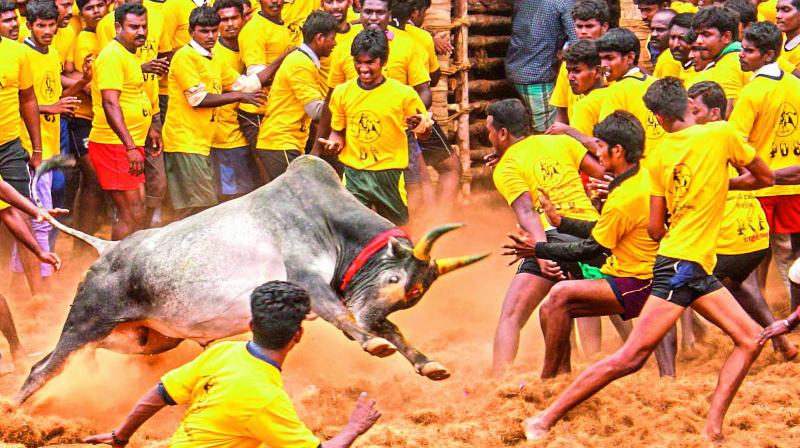
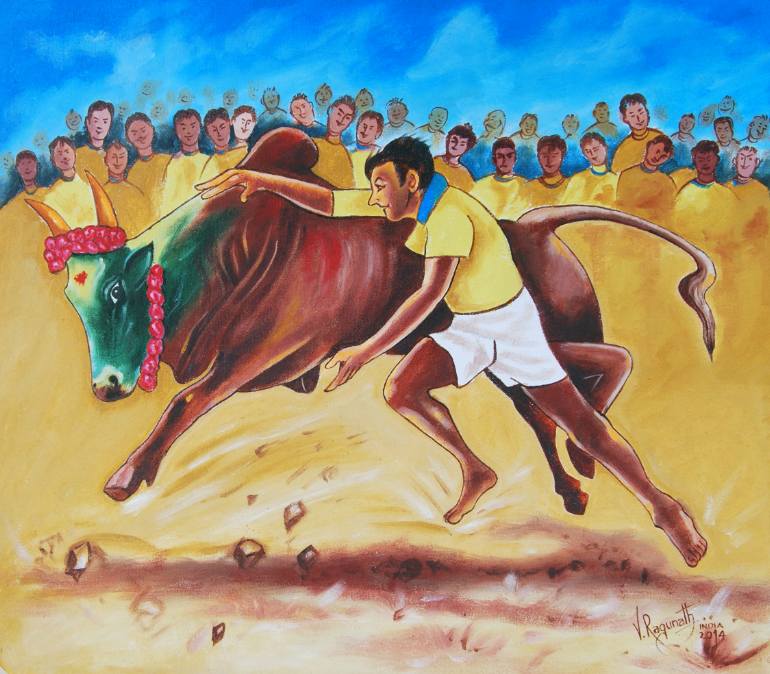
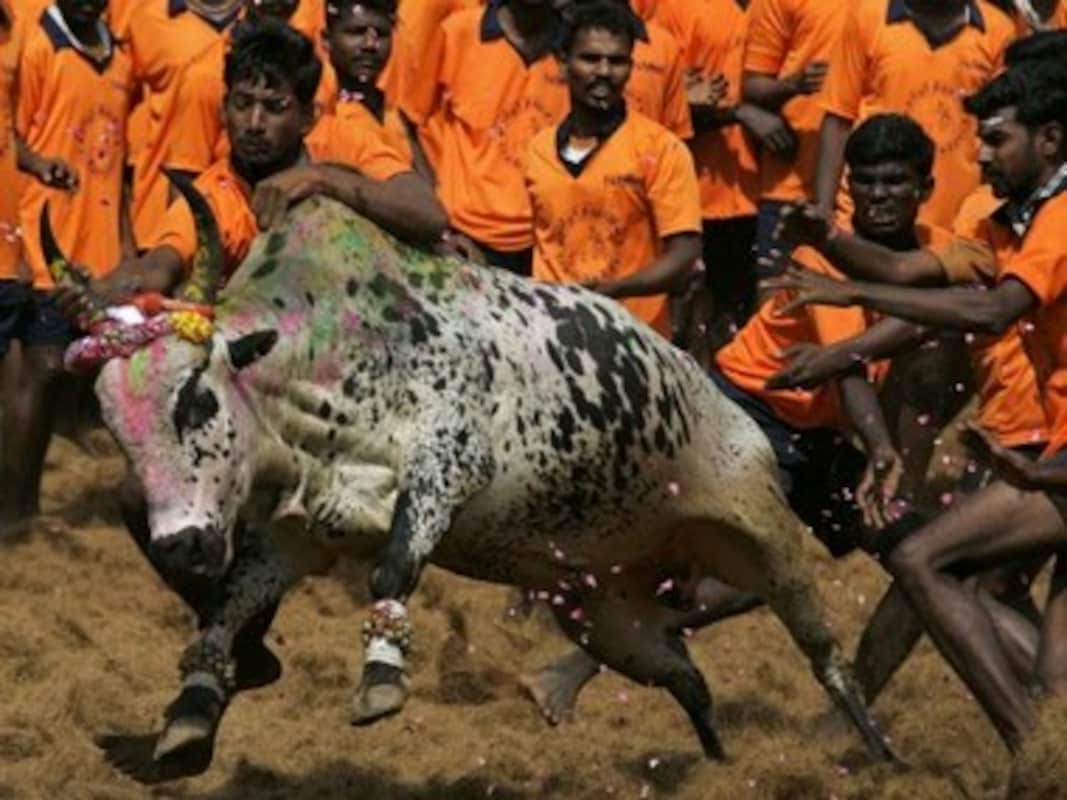
Jallikattu, also known as Eru Thazhuvuthal and Mañcuvirattu, is a traditional event during the Pongal festival in which a bull, of the Pulikulam or Kangayam breeds, is released into a crowd of people, and multiple human participants attempt to grab the large hump on the bull’s back with both arms and hang on to it while the bull attempts to escape. Participants hold the hump for as long as possible, attempting to bring the bull to a stop. In some cases, participants must ride long enough to remove flags on the bull’s horns. Jallikattu is typically practised in the Indian state of Tamil Nadu as a part of Pongal celebrations on Mattu Pongal day, which occurs annually in January. The most popular Jallikattu is the one celebrated at Alanganallur near Madurai.

Ancient Tamil Sangams described the practice as yeru thazhuvuthal or bull embracing. The modern term jallikattu or sallikattu is derived from salli or coins and kattu or package, which refers to a prize of coins that are tied to the bull’s horns and that participants attempt to retrieve. Mancu virattu means bull chasing.

Jallikattu has been known to be practised during the Tamil classical period between 400 and 100 BC. It was common among the Ayar people who lived in the Mullai geographical division of the ancient Tamizh Nadu. Later, it became a platform for the display of bravery, and the prize money was introduced for participation encouragement. A seal from the Indus Valley civilization depicting the practice is preserved in the National Museum in New Delhi. A cave painting in white kaolin discovered near Madurai depicting a lone man trying to control a bull is estimated to be about 1,500 years old.

The popular myth revolving around this festival is about how Lord Shiva asked Basava, his bull, to convey two messages. This bull twisted the words of the messages and expressed them in another way. It is said that the bull was asked to tell the human beings on earth to take an oil bath every day and that food must be consumed only once a month for six months. Instead of this message, the bull conveyed that food must be consumed daily and oil baths must be taken only once a month. This debacle made Lord Shiva angry and he cursed the bull to aid humans in cultivating their land for all eternity.

Some variants of Jallikattu include the Vadi Manjuviratttu, the most common category of Jallikattu. Here, the bull is released from a closed space or Vadi vasal and the contestants attempt to wrap their arms or hands around the hump of the bull and hold on to it to win the award. Only one person is allowed to attempt at a time. This variant is most common in the districts of Madurai, Theni, Thanjavur, and Salem. In Veli Virattu, the approach is slightly different as the bull is directly released into open ground. The rules are the same as that of Vadi Majuvirattu and this is a popular variant in the districts of Sivagangai and Madurai. In the Vatam Manjuvirattu, the bull is tied with a 15 m rope where a vatam means a circle in Tamil. There are no other physical restrictions for the bull and hence it can move freely anywhere. The maximum time given is 30 minutes and a team of seven to nine members can attempt to untie the gift token that is tied to the bull’s horn.

Bulls enter the competition area through a gate called the vadi vasal. Typically, participants must only hold onto the bull’s hump. In some variations, they are disqualified if they hold onto the bull’s neck, horns or tail. There may be several goals to the game depending on the region. In some versions, contestants must either hold the bull’s hump for 30 seconds or 15 m. If the contestant is thrown by the bull or falls, they lose. Some variations only allow for one contestant. If two people grab the hump, then neither person wins. Bulls for Jallikatu are bred specifically and bulls that participate successfully in jallikattu are used as studs for breeding and also fetch higher prices in the markets.

With the introduction of the Regulation of Jallikattu Act, 2009, by the Tamil Nadu legislature, before the event, a written permission is obtained from the respective collectors, thirty days before the event along with the notification of the event location. The arena and the way through which the bulls pass are double-barricaded, to avoid injuries to spectators and bystanders who may be permitted to remain within the barricades. The gallery areas are built up along the double barricades and necessary permissions are obtained from the collector for the participants and the bulls fifteen days prior. Final preparations before the event includes complete testing by the authorities of the Animal Husbandry Department, to ensure that performance-enhancement drugs, liquor or other irritants are not used on the bulls.

Incidents of injury and death associated with the sport, both to participants and animals forced into it, animal rights organisations have called for a ban on the sport, resulting in the court banning it several times over the past years. However, with protests from the people against the ban, a new ordinance was made in 2017 to continue the sport.

Between 2008 and 2020, more than 70 people died and about 10 4 bulls were killed in Jallikattu events. Animal welfare concerns are related to the handling of the bulls before they are released and also during competitors’ attempts to subdue the bull. Practices, before the bull is released, include prodding the bull with sharp sticks or scythes, extreme bending of the tail which can fracture the vertebrae, and biting the bull’s tail. There are also reports of the bulls being forced to drink alcohol to disorient them, or chilli peppers being rubbed in their eyes to aggravate the bull. During attempts to subdue the bull, they are stabbed by various implements such as knives or sticks, punched, jumped on and dragged to the ground. In variants in which the bull is not enclosed, they may run into traffic or other dangerous places, sometimes resulting in broken bones or death. Protestors claim that Jallikattu is promoted as bull taming, however, others suggest it exploits the bull’s natural nervousness by deliberately placing them in a terrifying situation in which they are forced to run away from the competitors which they perceive as predators and the practice effectively involves catching a terrified animal. Along with human injuries and fatalities, bulls themselves sometimes sustain injuries or die, which people may interpret as a bad omen for the village.

Animal welfare organisations such as the Federation of Indian Animal Protection Organisations or FIAPO and PETA India have protested against the practice. The former Indian Minister of Women and Child Development, Maneka Gandhi denied the claim by Jallikattu aficionados that the sport is only to demonstrate the Tamil love for the bull, citing that the Tirukkural does not sanction cruelty to animals.

The Jallikattu Premier League is a professional league in Tamil Nadu for Jallikattu. The league was announced on 24 February 2018, to be organised in Chennai by the Tamil Nadu Jallikattu Peravai and the Chennai Jallikattu Amaippu. Kabaddi is usually played as a warm-up sport before the players enter the arena for Jallikattu.